
Sania Masood
27 Posts

Sania Masood
Report
Block User
0 Following
2 Followers
0 Liked
Posts
·
--
$ETH
{spot}(ETHUSDT)
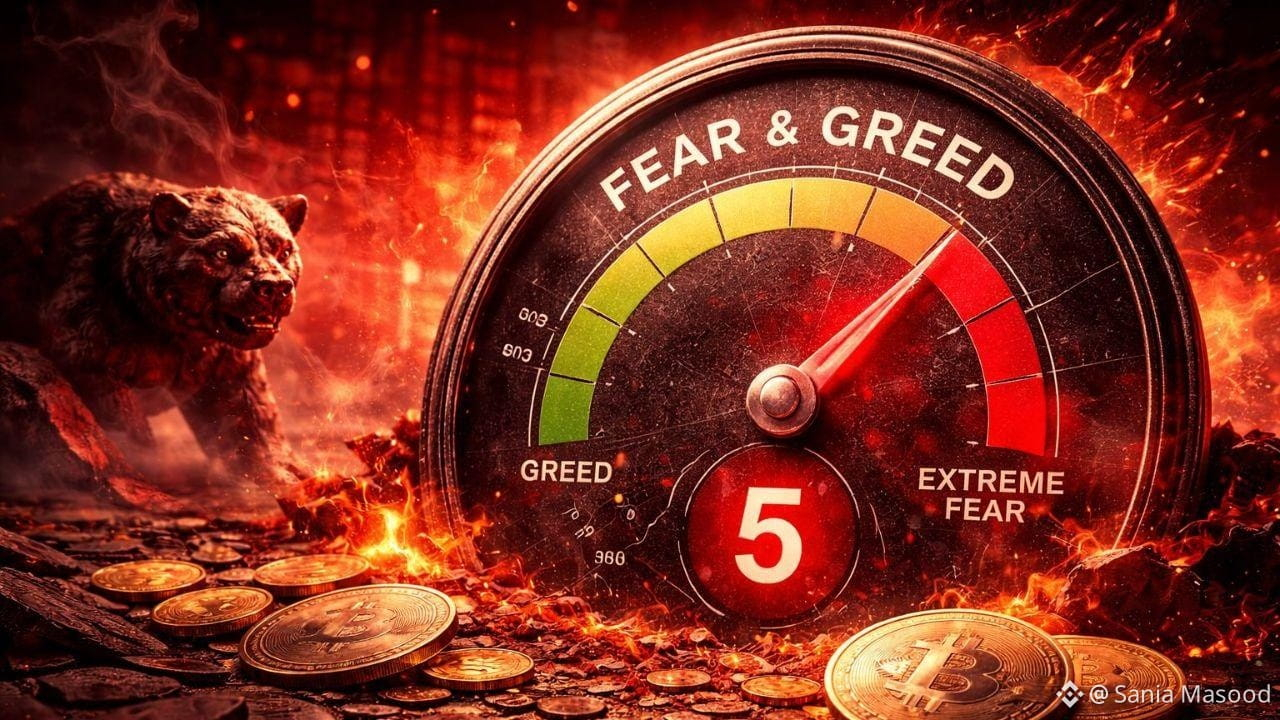
overcome your fear and press your greed while trading
$ETH
overcome your fear and press your greed while trading
overcome your fear and press your greed while trading
48

·
--
Article
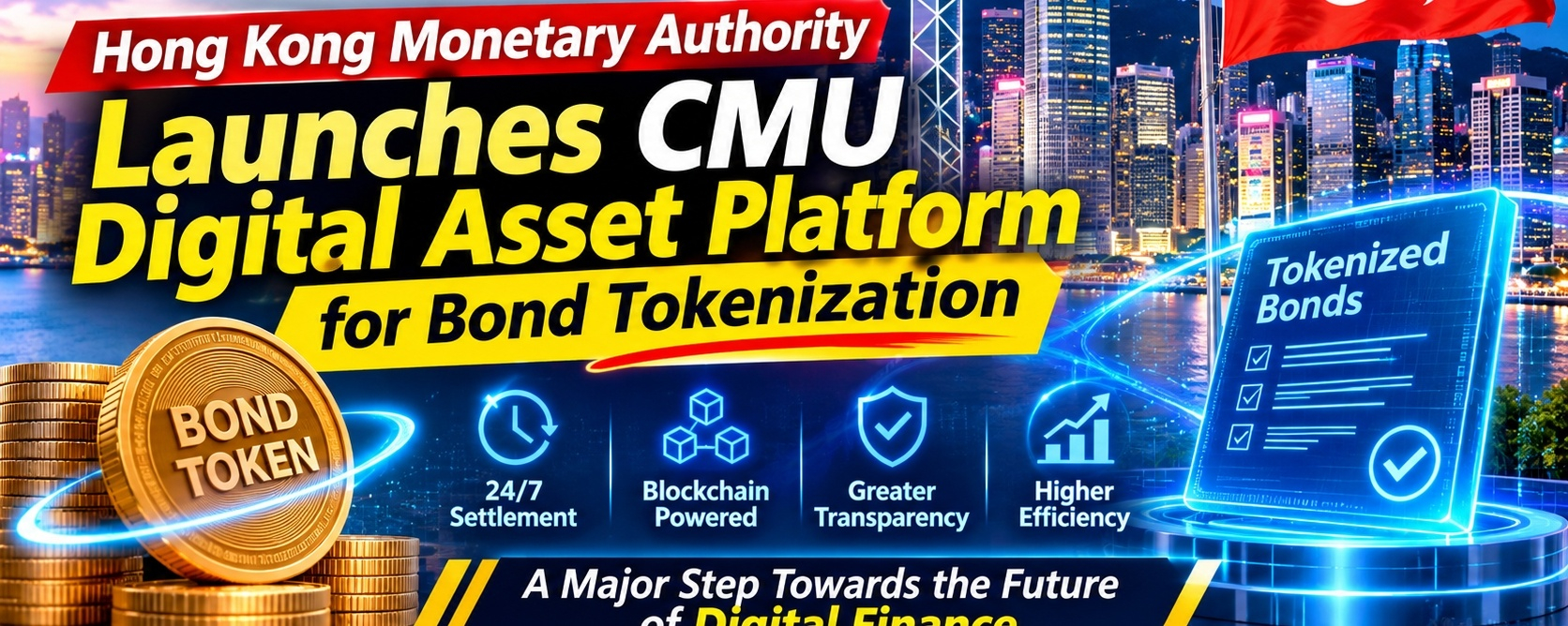
Hong Kong Monetary Authority Launches CMU Digital Asset Platform for Bond Tokenization$WMT.US Hong Kong Takes a Major Step Towards the Future of Digital Finance
Hong Kong is strengthening its position as a global digital finance hub with the official launch of the Central Moneymarkets Unit (CMU) Digital Asset Platform (CMU DAP) by the Hong Kong Monetary Authority (HKMA) on November 25, 2026.
The new platform represents a significant milestone in the modernization of Hong Kong's financial infrastructure. It aims to make bond issuance, trading, clearing, and settlement faster, more efficient, and increasingly accessible through blockchain technology.
What Is the CMU Digital Asset Platform?
The CMU Digital Asset Platform is a distributed ledger technology (DLT)-based infrastructure developed and operated by CMU OmniClear Limited on behalf of the HKMA.
The platform is designed to support the entire lifecycle of digital debt securities, including:
Primary issuance of debt securities.Clearing and settlement of secondary-market transactions.Coupon payments to bondholders.
Redemption of bonds at maturity.Tokenization of traditional debt securities.
By bringing these processes onto a digital platform, Hong Kong aims to reduce paperwork, improve transparency, and lower operational costs across its bond market.
Key Features of the New Platform
1. 24/7 Digital Settlement
One of the platform's most important features is its ability to support round-the-clock settlement. Unlike traditional financial infrastructure, which often operates within restricted business hours, CMU DAP supports 24-hour settlement in multiple currencies using cash tokens.
2. Blockchain-Based Delivery-versus-Payment
The platform uses an atomic Delivery-versus-Payment (DvP) settlement model. This means that the transfer of securities and the corresponding payment can take place simultaneously, reducing settlement risk and improving transaction efficiency.
3. Integration with Central Bank Digital Currencies
CMU DAP has direct interfaces with Real Time Gross Settlement (RTGS) systems and central bank digital currencies (CBDCs). This integration could help connect traditional financial markets with emerging digital payment infrastructure.
4. Tokenization of Traditional Bonds
The platform allows traditional debt securities to be represented in tokenized form, connecting conventional financial markets with blockchain-based financial services.
Why Is Bond Tokenization Important?
Bond tokenization involves representing ownership or rights associated with bonds through digital tokens on a distributed ledger.
This technology has the potential to transform traditional financial markets in several ways:
Greater efficiency: Automated processes can reduce administrative work and settlement delays.
Improved transparency: Distributed ledgers can provide more reliable records of transactions and ownership.
Lower operational costs: Digital processes can reduce the need for manual reconciliation and intermediaries.Faster settlement: On-chain transactions can help reduce settlement time and associated risks.Better accessibility: Digital infrastructure could eventually support broader participation in bond markets, subject to regulatory and investor requirements.
What Does This Mean for the Global Financial Market?
Hong Kong's latest initiative demonstrates the growing importance of blockchain technology beyond cryptocurrencies.
While digital assets are often associated with Bitcoin and other cryptocurrencies, tokenization is increasingly being explored in traditional financial markets, including government bonds, corporate debt, funds, and other real-world assets.
The launch of CMU DAP could strengthen Hong Kong's competitiveness against other international financial centres working to develop digital asset infrastructure.
It also supports the city's broader strategy to modernize its fixed-income and currency markets and attract international investors.
What's Next for CMU DAP?
The platform's future development could extend beyond debt securities.
CMU OmniClear plans to explore opportunities to expand its coverage to additional asset classes, including investment funds and real-world assets.
It will also explore connections with other distributed ledger platforms and additional payment instruments, including tokenized deposits and regulated stablecoins.
These developments could help establish a more integrated digital financial ecosystem in Hong Kong.
Final Thoughts
The launch of the CMU Digital Asset Platform marks an important step in the evolution of Hong Kong's financial markets.
By combining blockchain technology, tokenized securities, digital currencies, and 24/7 settlement capabilities, the HKMA is laying the foundation for a more efficient and modern bond market.
Although widespread adoption will depend on regulatory clarity, market participation, technology integration, and investor confidence, the initiative highlights how traditional finance is gradually embracing blockchain innovation.
The bigger picture: The future of financial markets may not be limited to cryptocurrency trading. Tokenized bonds and other real-world assets could become an important part of the next generation of global finance.
#Tokenization #DigitalAssets #blockchain #HKMA #CryptoNews
{stock_us}(WMT.US)
Hong Kong Monetary Authority Launches CMU Digital Asset Platform for Bond Tokenization
$WMT.US Hong Kong Takes a Major Step Towards the Future of Digital Finance
Hong Kong is strengthening its position as a global digital finance hub with the official launch of the Central Moneymarkets Unit (CMU) Digital Asset Platform (CMU DAP) by the Hong Kong Monetary Authority (HKMA) on November 25, 2026.
The new platform represents a significant milestone in the modernization of Hong Kong's financial infrastructure. It aims to make bond issuance, trading, clearing, and settlement faster, more efficient, and increasingly accessible through blockchain technology.
What Is the CMU Digital Asset Platform?
The CMU Digital Asset Platform is a distributed ledger technology (DLT)-based infrastructure developed and operated by CMU OmniClear Limited on behalf of the HKMA.
The platform is designed to support the entire lifecycle of digital debt securities, including:
Primary issuance of debt securities.Clearing and settlement of secondary-market transactions.Coupon payments to bondholders.
Redemption of bonds at maturity.Tokenization of traditional debt securities.
By bringing these processes onto a digital platform, Hong Kong aims to reduce paperwork, improve transparency, and lower operational costs across its bond market.
Key Features of the New Platform
1. 24/7 Digital Settlement
One of the platform's most important features is its ability to support round-the-clock settlement. Unlike traditional financial infrastructure, which often operates within restricted business hours, CMU DAP supports 24-hour settlement in multiple currencies using cash tokens.
2. Blockchain-Based Delivery-versus-Payment
The platform uses an atomic Delivery-versus-Payment (DvP) settlement model. This means that the transfer of securities and the corresponding payment can take place simultaneously, reducing settlement risk and improving transaction efficiency.
3. Integration with Central Bank Digital Currencies
CMU DAP has direct interfaces with Real Time Gross Settlement (RTGS) systems and central bank digital currencies (CBDCs). This integration could help connect traditional financial markets with emerging digital payment infrastructure.
4. Tokenization of Traditional Bonds
The platform allows traditional debt securities to be represented in tokenized form, connecting conventional financial markets with blockchain-based financial services.
Why Is Bond Tokenization Important?
Bond tokenization involves representing ownership or rights associated with bonds through digital tokens on a distributed ledger.
This technology has the potential to transform traditional financial markets in several ways:
Greater efficiency: Automated processes can reduce administrative work and settlement delays.
Improved transparency: Distributed ledgers can provide more reliable records of transactions and ownership.
Lower operational costs: Digital processes can reduce the need for manual reconciliation and intermediaries.Faster settlement: On-chain transactions can help reduce settlement time and associated risks.Better accessibility: Digital infrastructure could eventually support broader participation in bond markets, subject to regulatory and investor requirements.
What Does This Mean for the Global Financial Market?
Hong Kong's latest initiative demonstrates the growing importance of blockchain technology beyond cryptocurrencies.
While digital assets are often associated with Bitcoin and other cryptocurrencies, tokenization is increasingly being explored in traditional financial markets, including government bonds, corporate debt, funds, and other real-world assets.
The launch of CMU DAP could strengthen Hong Kong's competitiveness against other international financial centres working to develop digital asset infrastructure.
It also supports the city's broader strategy to modernize its fixed-income and currency markets and attract international investors.
What's Next for CMU DAP?
The platform's future development could extend beyond debt securities.
CMU OmniClear plans to explore opportunities to expand its coverage to additional asset classes, including investment funds and real-world assets.
It will also explore connections with other distributed ledger platforms and additional payment instruments, including tokenized deposits and regulated stablecoins.
These developments could help establish a more integrated digital financial ecosystem in Hong Kong.
Final Thoughts
The launch of the CMU Digital Asset Platform marks an important step in the evolution of Hong Kong's financial markets.
By combining blockchain technology, tokenized securities, digital currencies, and 24/7 settlement capabilities, the HKMA is laying the foundation for a more efficient and modern bond market.
Although widespread adoption will depend on regulatory clarity, market participation, technology integration, and investor confidence, the initiative highlights how traditional finance is gradually embracing blockchain innovation.
The bigger picture: The future of financial markets may not be limited to cryptocurrency trading. Tokenized bonds and other real-world assets could become an important part of the next generation of global finance.
#Tokenization #DigitalAssets #blockchain #HKMA #CryptoNews
WMTUS-0.22%
108
·
--
60

·
--
Article
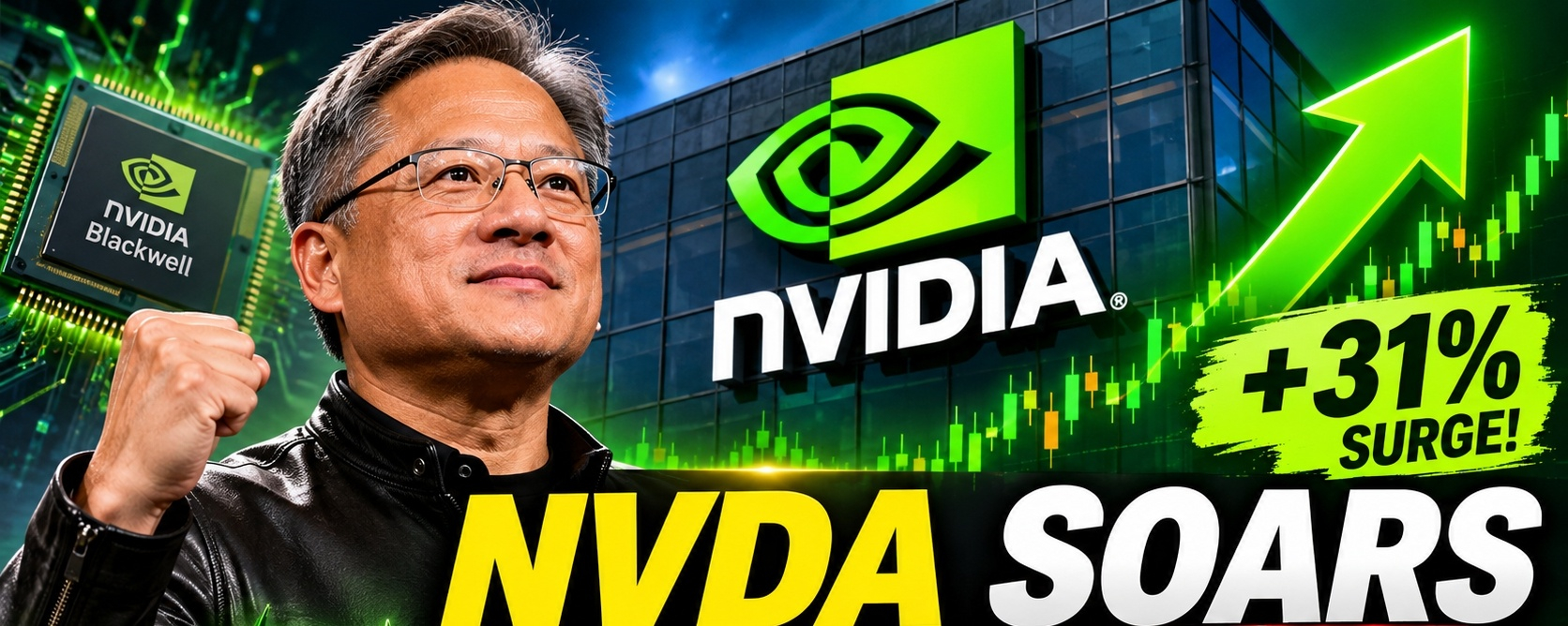
NVDA SOARS 31% AS JENSEN HUANG RETURNS!$NVDA.US
Nvidia is back in the spotlight!
After Jensen Huang's reinstatement as CEO, Nvidia shares surged approximately 31%, triggering a major rally across Wall Street and the AI sector.
🔥 What does this mean for investors?
Renewed confidence in Nvidia's leadership.Strong attention toward AI and semiconductor stocks.
Potential opportunities amid market volatility.
But remember: a massive rally doesn't guarantee continued growth. Investors should watch trading volume, market sentiment, and upcoming company developments.
Is Nvidia preparing for another AI-powered rally, or is a correction coming?
#NVIDIA #NVDA #bitcoin #cryptooinsigts #AI
{stock_us}(NVDA.US)
NVDA SOARS 31% AS JENSEN HUANG RETURNS!
$NVDA.US
Nvidia is back in the spotlight!
After Jensen Huang's reinstatement as CEO, Nvidia shares surged approximately 31%, triggering a major rally across Wall Street and the AI sector.
🔥 What does this mean for investors?
Renewed confidence in Nvidia's leadership.Strong attention toward AI and semiconductor stocks.
Potential opportunities amid market volatility.
But remember: a massive rally doesn't guarantee continued growth. Investors should watch trading volume, market sentiment, and upcoming company developments.
Is Nvidia preparing for another AI-powered rally, or is a correction coming?
#NVIDIA #NVDA #bitcoin #cryptooinsigts #AI
NVDAUS-2.72%
68
·
--
Article
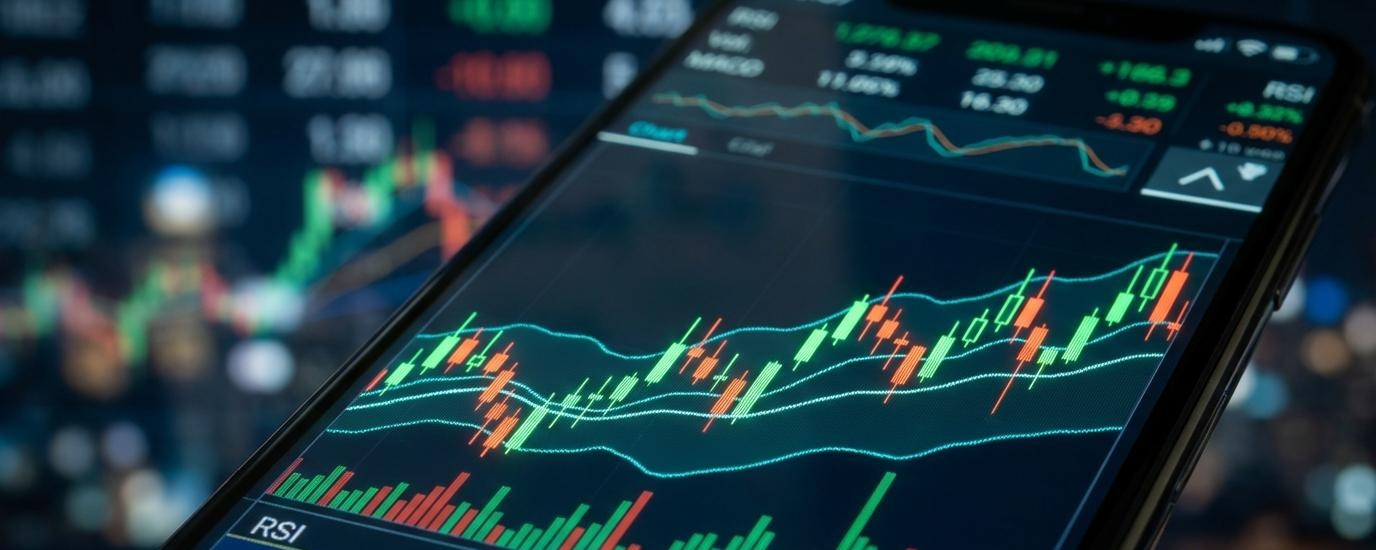
How to Read and Analyze Stocks: P/E Ratio, RSI, Volume, and More$BTC Understanding the stock market is not just about watching prices go up and down. Successful investing starts with knowing how to read charts, understand financial indicators, and recognize market trends.
Whether you're a beginner or an experienced investor, learning a few important indicators can help you make more informed decisions.
Let's explore the key tools every investor should understand.
1. P/E Ratio – Is a Stock Overvalued or Undervalued?
The Price-to-Earnings (P/E) ratio compares a company's share price with its earnings per share.
Formula:
P/E Ratio = Share Price ÷ Earnings Per Share (EPS)
For example:
Share price: $100Earnings per share: $5P/E Ratio: 20
This means investors are paying $20 for every $1 the company earns.
A high P/E ratio may indicate strong growth expectations, while a low P/E ratio may suggest undervaluation or potential business challenges.
2. RSI – Understanding Market Momentum
The Relative Strength Index (RSI) is a technical indicator used to measure the speed and strength of price movements.
RSI ranges from 0 to 100.
RSI above 70: Potentially overbought.RSI below 30: Potentially oversold.
RSI around 50: Neutral momentum.
However, an overbought stock doesn't always mean its price will fall, and an oversold stock doesn't guarantee a price increase.
3. Trading Volume – Follow the Market Activity
Volume measures how many shares are traded during a specific period.
Why is volume important?
Rising prices with high volume may indicate strong buying interest.
Falling prices with high volume may indicate strong selling pressure.Low volume may suggest weak market participation.
Volume can help confirm whether a price movement has meaningful market support.
4. Moving Averages – Identify Market Trends
Moving averages smooth out price fluctuations and help investors identify trends.
Two popular types are:
50-Day Moving Average: Helps identify short- to medium-term trends.200-Day Moving Average: Helps identify long-term trends.
When the 50-day moving average crosses above the 200-day moving average, it is often called a Golden Cross.
When it crosses below, it is known as a Death Cross.
These signals can help investors understand market direction.
5. Support and Resistance – Find Important Price Levels
Support is a price level where buying interest may prevent prices from falling further.
Resistance is a price level where selling pressure may prevent prices from rising further.
Understanding these levels can help traders identify possible entry and exit points.
6. MACD – Understand Trend Changes
The Moving Average Convergence Divergence (MACD) indicator helps identify changes in momentum and trend direction.
Traders often watch for:
MACD crossing above its signal line: Potential bullish momentum.MACD crossing below its signal line: Potential bearish momentum.MACD moving above or below zero: Additional information about trend direction.
Final Thoughts: Combine Indicators, Don't Depend on Just One!
No single indicator can predict the stock market perfectly.
The best approach is to combine fundamental analysis, technical indicators, trading volume, and market news.
Remember:
📌 P/E Ratio helps evaluate company valuation.
📌 RSI helps measure momentum.
📌 Volume helps confirm market activity
📌 Moving Averages help identify trends.
📌 Support and Resistance help identify important price levels.
The real advantage in investing comes from understanding the bigger picture rather than following a single signal.
💬 What is your favorite stock market indicator: RSI, MACD, P/E Ratio, or Moving Averages? Share your thoughts in the comments!
#StockMarket #RSI #MACD #BinanceSquare
{spot}(BTCUSDT)
How to Read and Analyze Stocks: P/E Ratio, RSI, Volume, and More
$BTC Understanding the stock market is not just about watching prices go up and down. Successful investing starts with knowing how to read charts, understand financial indicators, and recognize market trends.
Whether you're a beginner or an experienced investor, learning a few important indicators can help you make more informed decisions.
Let's explore the key tools every investor should understand.
1. P/E Ratio – Is a Stock Overvalued or Undervalued?
The Price-to-Earnings (P/E) ratio compares a company's share price with its earnings per share.
Formula:
P/E Ratio = Share Price ÷ Earnings Per Share (EPS)
For example:
Share price: $100Earnings per share: $5P/E Ratio: 20
This means investors are paying $20 for every $1 the company earns.
A high P/E ratio may indicate strong growth expectations, while a low P/E ratio may suggest undervaluation or potential business challenges.
2. RSI – Understanding Market Momentum
The Relative Strength Index (RSI) is a technical indicator used to measure the speed and strength of price movements.
RSI ranges from 0 to 100.
RSI above 70: Potentially overbought.RSI below 30: Potentially oversold.
RSI around 50: Neutral momentum.
However, an overbought stock doesn't always mean its price will fall, and an oversold stock doesn't guarantee a price increase.
3. Trading Volume – Follow the Market Activity
Volume measures how many shares are traded during a specific period.
Why is volume important?
Rising prices with high volume may indicate strong buying interest.
Falling prices with high volume may indicate strong selling pressure.Low volume may suggest weak market participation.
Volume can help confirm whether a price movement has meaningful market support.
4. Moving Averages – Identify Market Trends
Moving averages smooth out price fluctuations and help investors identify trends.
Two popular types are:
50-Day Moving Average: Helps identify short- to medium-term trends.200-Day Moving Average: Helps identify long-term trends.
When the 50-day moving average crosses above the 200-day moving average, it is often called a Golden Cross.
When it crosses below, it is known as a Death Cross.
These signals can help investors understand market direction.
5. Support and Resistance – Find Important Price Levels
Support is a price level where buying interest may prevent prices from falling further.
Resistance is a price level where selling pressure may prevent prices from rising further.
Understanding these levels can help traders identify possible entry and exit points.
6. MACD – Understand Trend Changes
The Moving Average Convergence Divergence (MACD) indicator helps identify changes in momentum and trend direction.
Traders often watch for:
MACD crossing above its signal line: Potential bullish momentum.MACD crossing below its signal line: Potential bearish momentum.MACD moving above or below zero: Additional information about trend direction.
Final Thoughts: Combine Indicators, Don't Depend on Just One!
No single indicator can predict the stock market perfectly.
The best approach is to combine fundamental analysis, technical indicators, trading volume, and market news.
Remember:
📌 P/E Ratio helps evaluate company valuation.
📌 RSI helps measure momentum.
📌 Volume helps confirm market activity
📌 Moving Averages help identify trends.
📌 Support and Resistance help identify important price levels.
The real advantage in investing comes from understanding the bigger picture rather than following a single signal.
💬 What is your favorite stock market indicator: RSI, MACD, P/E Ratio, or Moving Averages? Share your thoughts in the comments!
#StockMarket #RSI #MACD #BinanceSquare
100
·
--
Article
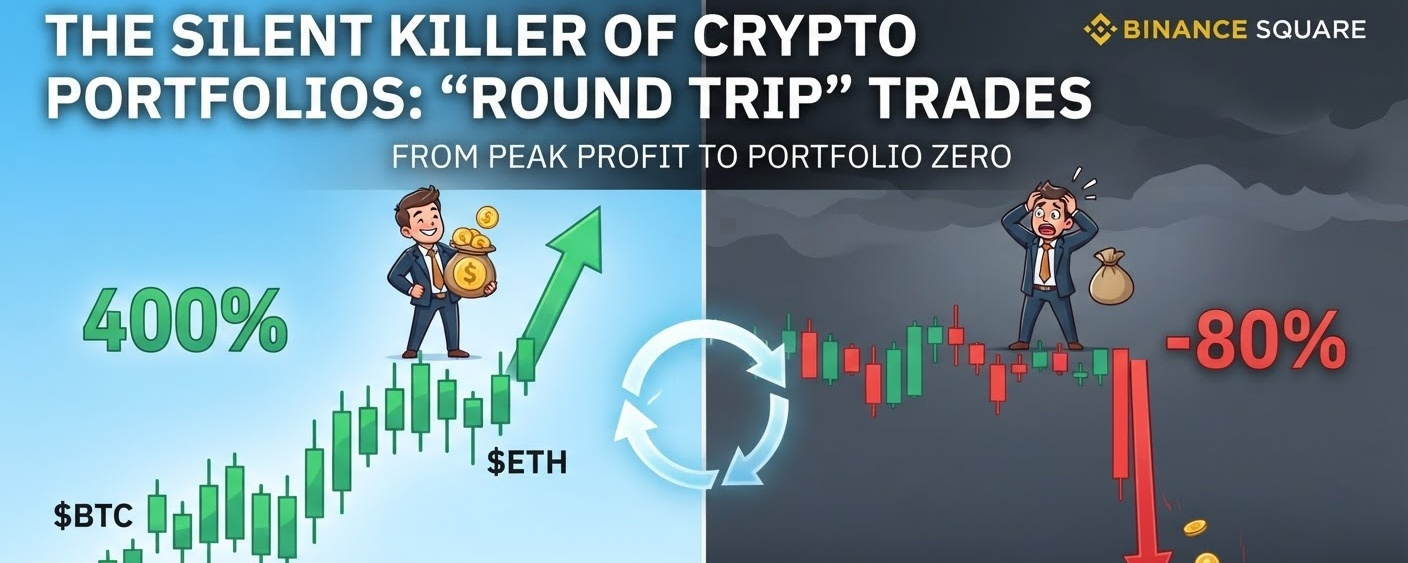
The Silent Killer of Crypto Portfolios: "Round Trip" Trades$NVDA.US We’ve all been there. You aped into a token, it pumped 3x in a week, Twitter was screaming "to the moon," and you felt like a genius. You didn't take profit because you "knew" it was going higher.
Fast forward two weeks, and the token has retraced 80%. You are now holding a massive bag, hoping for a bounce to just get your original capital back.
This is called a "Round Trip" trade, and it destroys more portfolios than bear markets do.
Why do we do it?
1. Greed: Believing the top isn't in.
2. Attachment: Falling in love with a project or a "cult" community.
3. Lack of Plan: Entering a trade without knowing where you will sell.
The Cure: The 50/50 Rule
Next time you hit a massive green candle, try this simple rule: Sell 50% of your position principal.
If you put $1,000 in and it becomes $3,000, sell $1,500 worth immediately.
You now have your original $1,000 back (plus a $500 profit).
You still have a "free" $1,500 moon bag running.
If it goes to zero, you don't care. If it 10x from there, you still made money.
Taking profit feels bad when the coin keeps going up, but going on a round trip feels infinitely worse.
Be honest: What is the biggest bag you ever rode from huge profit to zero? Share your pain so we can all learn. 👇
#CryptoPsychology #InvestingAdventure #HODLStrategy #ProfitTaking #BinanceSquare
{stock_us}(NVDA.US)
The Silent Killer of Crypto Portfolios: "Round Trip" Trades
$NVDA.US We’ve all been there. You aped into a token, it pumped 3x in a week, Twitter was screaming "to the moon," and you felt like a genius. You didn't take profit because you "knew" it was going higher.
Fast forward two weeks, and the token has retraced 80%. You are now holding a massive bag, hoping for a bounce to just get your original capital back.
This is called a "Round Trip" trade, and it destroys more portfolios than bear markets do.
Why do we do it?
1. Greed: Believing the top isn't in.
2. Attachment: Falling in love with a project or a "cult" community.
3. Lack of Plan: Entering a trade without knowing where you will sell.
The Cure: The 50/50 Rule
Next time you hit a massive green candle, try this simple rule: Sell 50% of your position principal.
If you put $1,000 in and it becomes $3,000, sell $1,500 worth immediately.
You now have your original $1,000 back (plus a $500 profit).
You still have a "free" $1,500 moon bag running.
If it goes to zero, you don't care. If it 10x from there, you still made money.
Taking profit feels bad when the coin keeps going up, but going on a round trip feels infinitely worse.
Be honest: What is the biggest bag you ever rode from huge profit to zero? Share your pain so we can all learn. 👇
#CryptoPsychology #InvestingAdventure #HODLStrategy #ProfitTaking #BinanceSquare
416
·
--
$GOOGL.US 🛑 Stop trying to 'time the bottom'—DCA is your safety net.
Trying to ape in with a lump sum at the absolute perfect moment is nearly impossible, even for pros. The stress, the failed limit orders, the watching the market run without you... it's unnecessary.
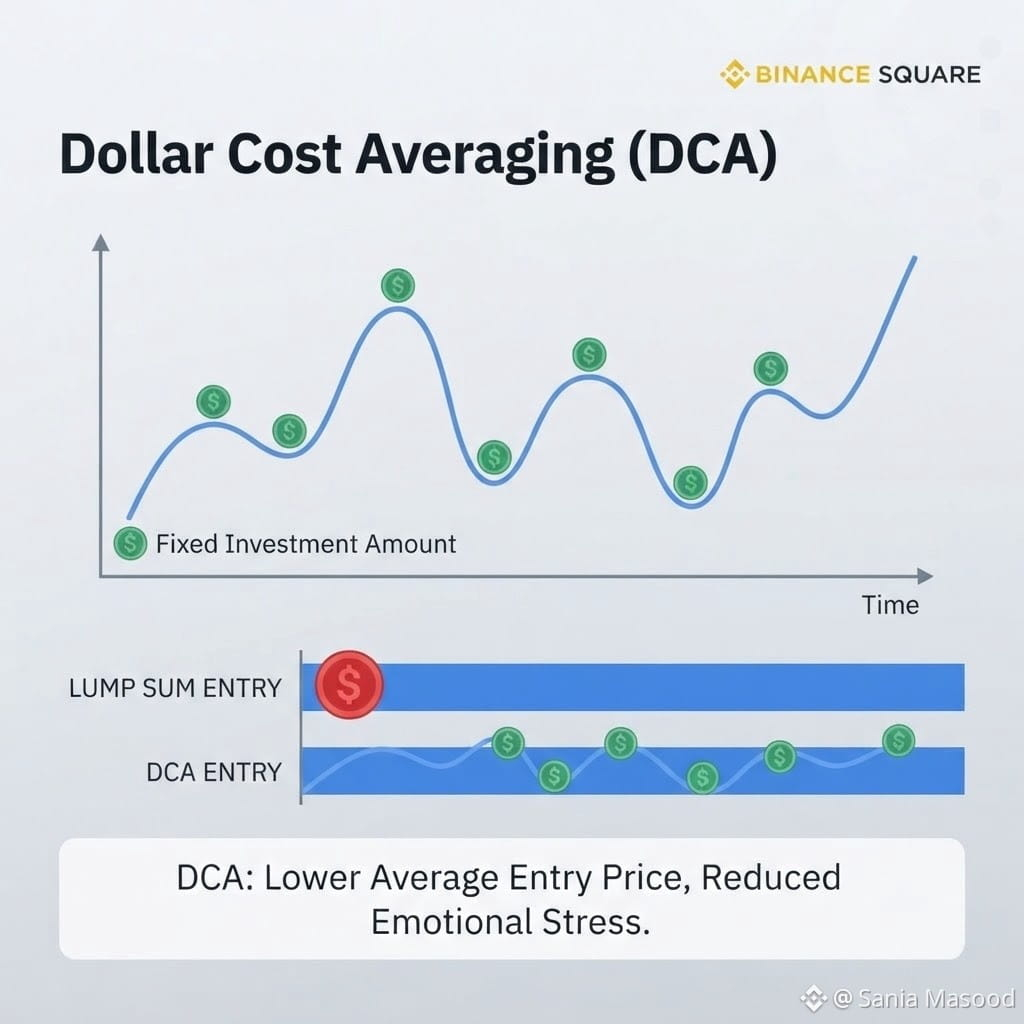
This chart perfectly illustrates why Dollar Cost Averaging (DCA) is the superior strategy for most investors. By automating your buys, you remove emotion, lower your average entry price, and actually benefit from volatility.
📈 Are you currently using a DCA strategy for your main holdings? Drop a 👍 if you agree it's the smartest way to build a portfolio.
#BinanceSquare #DCAStrategy #CryptoInvesting💰📈📊 #bitcoin #PortfolioStrategy
{stock_us}(GOOGL.US)
$GOOGL.US 🛑 Stop trying to 'time the bottom'—DCA is your safety net.
Trying to ape in with a lump sum at the absolute perfect moment is nearly impossible, even for pros. The stress, the failed limit orders, the watching the market run without you... it's unnecessary.
This chart perfectly illustrates why Dollar Cost Averaging (DCA) is the superior strategy for most investors. By automating your buys, you remove emotion, lower your average entry price, and actually benefit from volatility.
📈 Are you currently using a DCA strategy for your main holdings? Drop a 👍 if you agree it's the smartest way to build a portfolio.
#BinanceSquare #DCAStrategy #CryptoInvesting💰📈📊 #bitcoin #PortfolioStrategy
GOOGLUS-1.46%
39
·
--
$TRX
{spot}(TRXUSDT)
The hardest skill in crypto isn’t reading charts—it’s controlling your impulses. 🧠
Most losses don’t happen because a trader picked the "wrong" coin. They happen because of:
1. Entering late out of FOMO
2. Moving a stop-loss hoping for a bounce
3. Using leverage that turns a minor pullback into a liquidation
Patience and emotional control are an edge in a market driven by hype and fear.
Are you currently accumulating, trading swings, or staying on the sidelines? 👇
DYOR / NFA.
#BinanceSquare #Cryptomindset #BTC #ETH
$TRX
The hardest skill in crypto isn’t reading charts—it’s controlling your impulses. 🧠
Most losses don’t happen because a trader picked the "wrong" coin. They happen because of:
1. Entering late out of FOMO
2. Moving a stop-loss hoping for a bounce
3. Using leverage that turns a minor pullback into a liquidation
Patience and emotional control are an edge in a market driven by hype and fear.
Are you currently accumulating, trading swings, or staying on the sidelines? 👇
DYOR / NFA.
#BinanceSquare #Cryptomindset #BTC #ETH
16
·
--
$XRP
{spot}(XRPUSDT)
Volatility separates disciplined traders from emotional ones. ⚡
After sharp swings and heavy leverage washouts across the market recently, one thing stands out: chasing green candles or over-leveraging is the fastest way to get wiped out when liquidity dries up.
A few reminders before making your next move on $BTC or $ETH:
• Protect capital first: Never size a position so big that a normal market wick knocks you out of your plan.
• Scale in, don’t FOMO in: Staggered entries (DCA) beat all-in emotions every time.
• Watch key levels & volume: Wait for confirmation rather than guessing tops and bottoms.
• Keep dry powder: Having stablecoin liquidity gives you options when volatility spikes.
Survival in crypto isn’t about catching every single move—it’s about staying in the game long enough to catch the high-probability ones.
What’s your biggest rule when markets get choppy? Drop it below 👇
Not financial advice. Always DYOR and manage your risk.
#cryptooinsigts #bitcoin #BinanceSquare #tradingStrategy
$XRP
Volatility separates disciplined traders from emotional ones. ⚡
After sharp swings and heavy leverage washouts across the market recently, one thing stands out: chasing green candles or over-leveraging is the fastest way to get wiped out when liquidity dries up.
A few reminders before making your next move on $BTC or $ETH:
• Protect capital first: Never size a position so big that a normal market wick knocks you out of your plan.
• Scale in, don’t FOMO in: Staggered entries (DCA) beat all-in emotions every time.
• Watch key levels & volume: Wait for confirmation rather than guessing tops and bottoms.
• Keep dry powder: Having stablecoin liquidity gives you options when volatility spikes.
Survival in crypto isn’t about catching every single move—it’s about staying in the game long enough to catch the high-probability ones.
What’s your biggest rule when markets get choppy? Drop it below 👇
Not financial advice. Always DYOR and manage your risk.
#cryptooinsigts #bitcoin #BinanceSquare #tradingStrategy
98
·
--
{spot}(SOLUSDT)
$SOL Most traders don't struggle with finding entries—they struggle with overtrading when there is no edge. Setting a daily trade limit, logging every setup, and sizing down during choppy conditions can protect your capital for the days when momentum actually aligns.
One rule you never break before opening a trade? Share it in the comments.
#BinanceSquareFamily #CryptoTrading. #Discipline #learncrypto
One rule you never break before opening a trade? Share it in the comments.
#BinanceSquareFamily #CryptoTrading. #Discipline #learncrypto
49
·
--
$ETH Two themes that keep shaping market conversations are real-world asset (RWA) tokenization and stablecoin settlement rails. Even when short-term price action chops sideways, tracking where infrastructure and real utility are building helps separate long-term signal from daily noise.
Which narrative do you think has the strongest staying power heading into the next cycle?
#CryptocurrencyWealth #EvolveAtBinanceBlockchainWeek
{spot}(ETHUSDT)
$ETH Two themes that keep shaping market conversations are real-world asset (RWA) tokenization and stablecoin settlement rails. Even when short-term price action chops sideways, tracking where infrastructure and real utility are building helps separate long-term signal from daily noise.
Which narrative do you think has the strongest staying power heading into the next cycle?
#CryptocurrencyWealth #EvolveAtBinanceBlockchainWeek
Which narrative do you think has the strongest staying power heading into the next cycle?
#CryptocurrencyWealth #EvolveAtBinanceBlockchainWeek
52
·
--
$BNB Volatility is where discipline gets tested. When red candles show up, chasing low-cap noise without a plan is one of the fastest ways to give back gains. Focus on liquidity, clear invalidation levels, and position sizing before entering any setup.
What are you keeping a closer eye on right now: majors, liquidity sweeps, or sitting on sidelines until confirmation? Drop your thoughts below.
{spot}(BNBUSDT)
#NVIDIAReinstatesJensenHuangasCEO #NvidiaJumpsOver9%Premarket #WillMarketsStageAThanksgivingReliefRally?
$BNB Volatility is where discipline gets tested. When red candles show up, chasing low-cap noise without a plan is one of the fastest ways to give back gains. Focus on liquidity, clear invalidation levels, and position sizing before entering any setup.
What are you keeping a closer eye on right now: majors, liquidity sweeps, or sitting on sidelines until confirmation? Drop your thoughts below.
#NVIDIAReinstatesJensenHuangasCEO #NvidiaJumpsOver9%Premarket #WillMarketsStageAThanksgivingReliefRally?
What are you keeping a closer eye on right now: majors, liquidity sweeps, or sitting on sidelines until confirmation? Drop your thoughts below.
#NVIDIAReinstatesJensenHuangasCEO #NvidiaJumpsOver9%Premarket #WillMarketsStageAThanksgivingReliefRally?
63
·
--
$BTC 🔥 5 Interesting Crypto Predictions for 2030:
💸 Faster global payments with blockchain technology.
🌐 More businesses accepting cryptocurrency.
🤖 AI and blockchain working together.
🏦 Traditional banks adopting digital assets.
🔐 Tokenization making real-world assets accessible through blockchain.
{spot}(BTCUSDT)
$BTC 🔥 5 Interesting Crypto Predictions for 2030:
💸 Faster global payments with blockchain technology.
🌐 More businesses accepting cryptocurrency.
🤖 AI and blockchain working together.
🏦 Traditional banks adopting digital assets.
🔐 Tokenization making real-world assets accessible through blockchain.
💸 Faster global payments with blockchain technology.
🌐 More businesses accepting cryptocurrency.
🤖 AI and blockchain working together.
🏦 Traditional banks adopting digital assets.
🔐 Tokenization making real-world assets accessible through blockchain.
99
·
--
$BNB
🚀 Is Cryptocurrency Ready for Its Next Big Breakthrough in 2026?
The crypto market is entering another exciting chapter! 🌍
Bitcoin continues to attract attention, Ethereum is driving blockchain innovation, and institutional investors are keeping a close eye on digital assets.
Meanwhile, new crypto regulations and emerging technologies are shaping the future of the industry.
🔥 5 Crypto Trends to Watch:
1. Bitcoin's next major price movement.
2. Ethereum and the growth of DeFi.
3. Institutional investment in crypto.
4. The rise of AI-powered blockchain projects.
5. Global cryptocurrency regulations.
💡 My Question to the Community:
What will be the biggest crypto trend in 2027?
Will Bitcoin dominate, will Ethereum lead innovation, or will a new cryptocurrency surprise everyone?
👇 Share your thoughts!
#bitcoin.” #CryptocurrencyWealth #ethrium #blockchain #crypto2027
75
·
--
$ETH Hong Kong has published a proposed crypto licensing bill covering virtual asset dealing, advisory, management and custody services.
The bill is scheduled for its first reading on December 2, 2026.
$ETH Hong Kong has published a proposed crypto licensing bill covering virtual asset dealing, advisory, management and custody services.
The bill is scheduled for its first reading on December 2, 2026.
The bill is scheduled for its first reading on December 2, 2026.
39
Log in to explore more content
Join global crypto users on Binance Square
⚡️ Get latest and useful information about crypto.
💬 Trusted by the world’s largest crypto exchange.
👍 Discover real insights from verified creators.
Email / Phone number
Trending Topics
CanMarketsReboundAfterThanksgiving?
34,983 views
734 Discussing
Rate-Hike Bets Linger as US Markets Head Into Thanksgiving Closure
Binance News
·2 Likes
·2.1k views
CouldSpaceX’sOrbitalDataCentersBoostAIChipDemand?
21,860 views
453 Discussing
EvolveAtBinanceBlockchainWeek
684,528 views
7,750 Discussing