
Nate Ashford
104 Posts

Nate Ashford
Report
Block User
Post-trade reviews on index futures and US large caps — the bad ones included. A journal, not signals.
136 Following
95 Followers
436 Liked
Posts
·
--
Verified
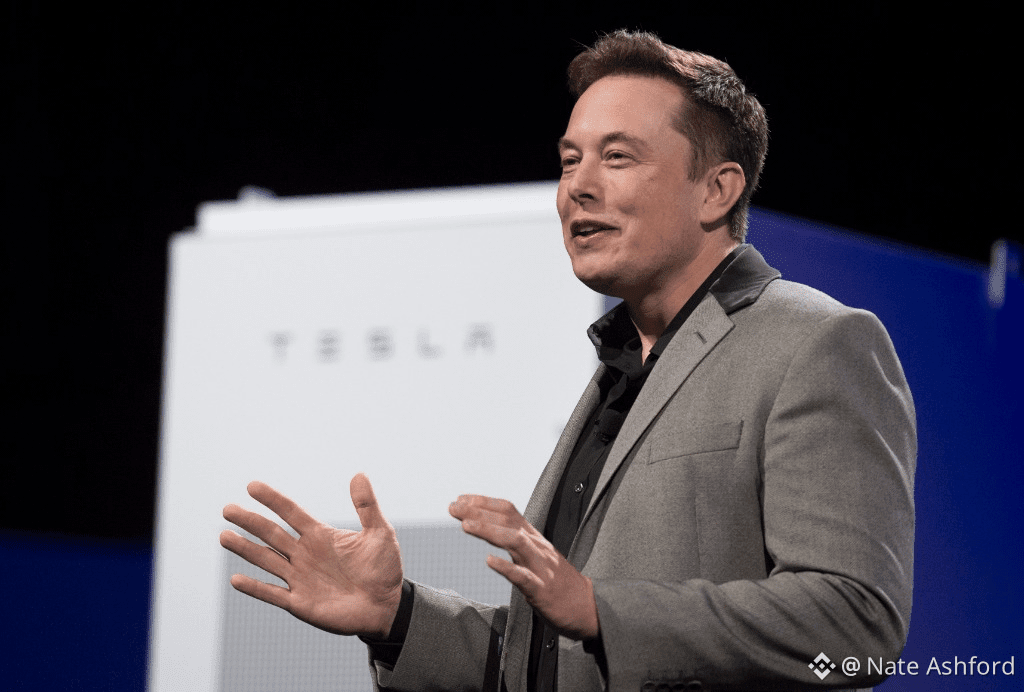
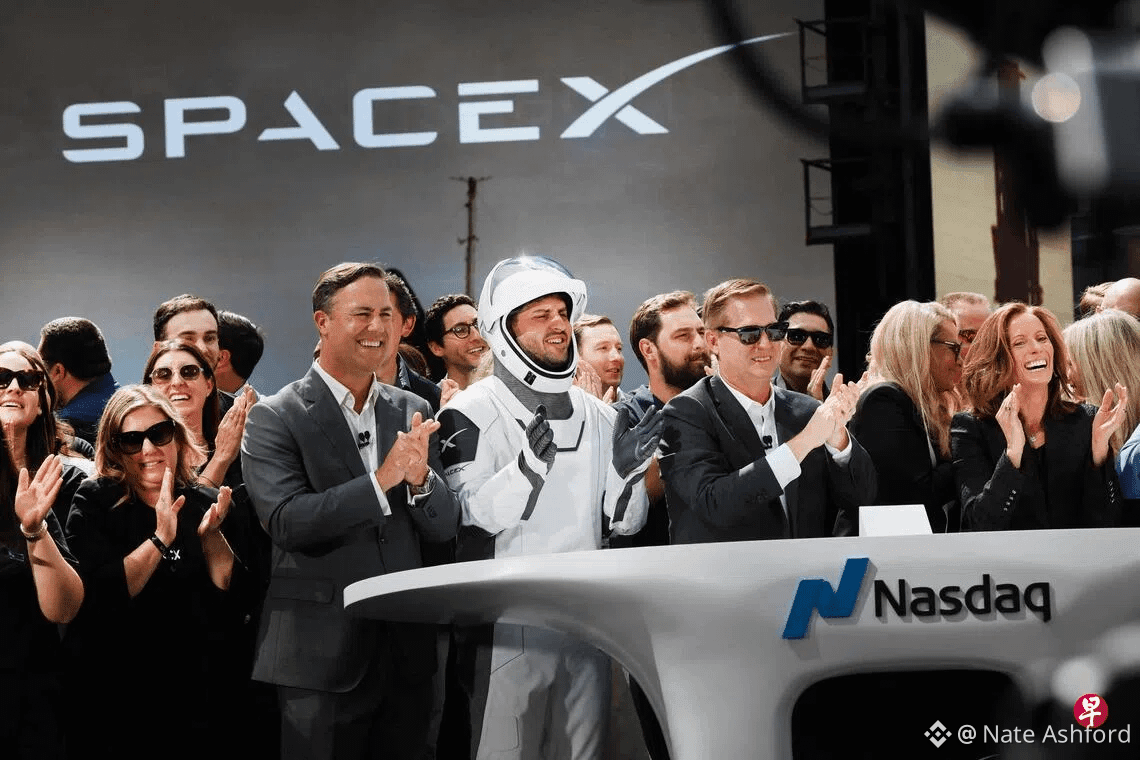
Just when US stocks looked like they were falling apart, SpaceX dropped a massive piece of news: it’s officially been approved to launch 1 million satellites to build data centers in space 🚀🚀
For the longest time, this was just an idea and an application. Most people thought it was another one of Musk’s wild promises. Didn’t expect it to move this fast!
Investors had been worried there wouldn’t be enough demand for computing power to justify all the AI chips companies have been buying. But if data centers are going into space, they’ll need more than rockets and satellites. They’ll need a massive number of AI chips and computing equipment too.
Suddenly, demand for AI chips doesn’t look like a problem anymore.
And as soon as the news hit, several US stocks ripped higher off their intraday lows, pulling the market back from the brink! 🔥 #SpaceX #Musk #CouldSpaceX’sOrbitalDataCentersBoostAIChipDemand?
3
1.8k
·
--
Both IPOs broke records, but look at the difference👇
When Anthropic went public, CEO Dario Amodei and his sister Daniela cashed out around $560 million between them. All seven co-founders sold nearly $2 billion worth of shares combined.
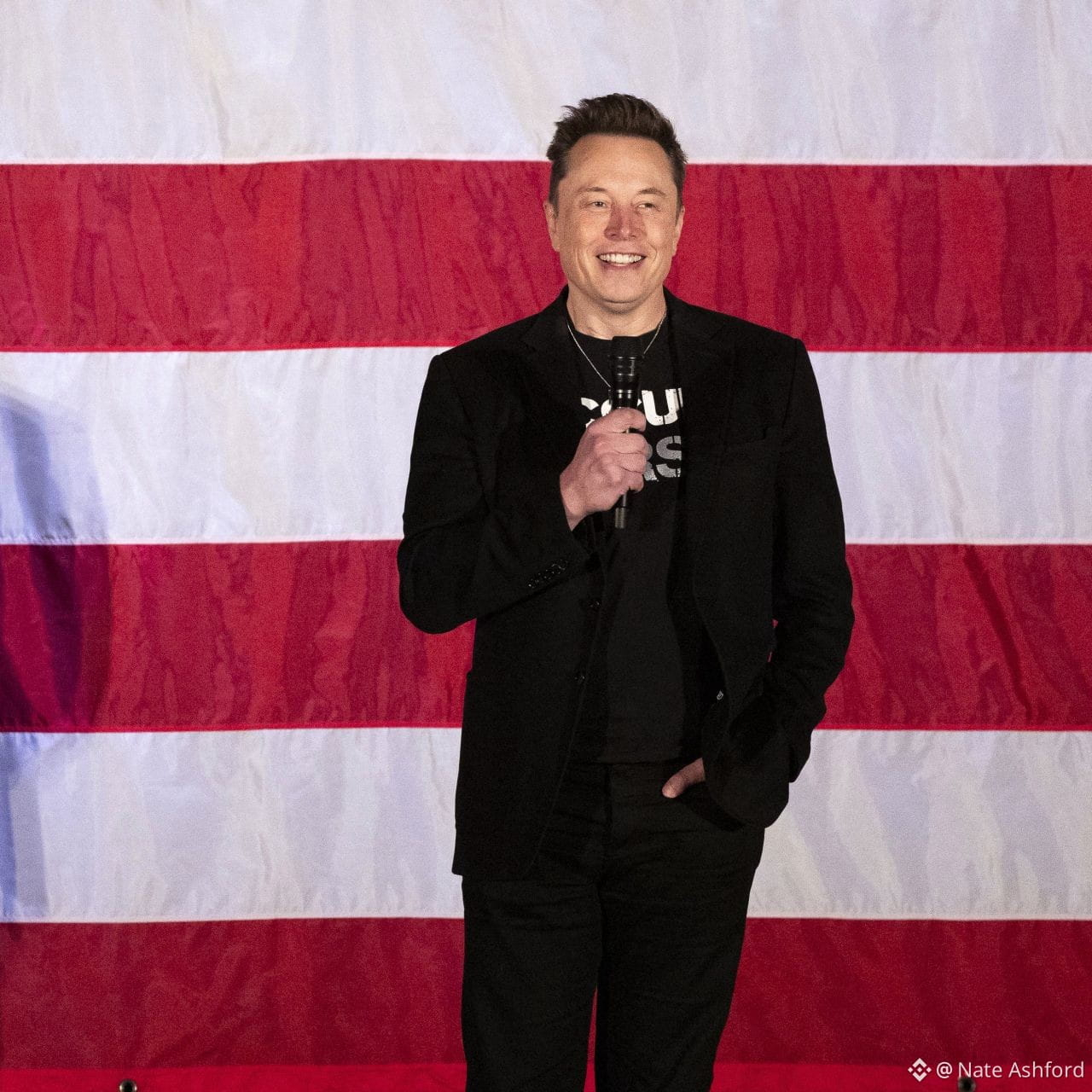
When SpaceX went public this June, the IPO consisted entirely of newly issued shares. Elon Musk and the existing shareholders didn’t sell a single share in the offering.
I think that’s why Elon Musk is the richest man on Earth🤷🤷 #AnthropicBreaksBelowIPOPriceAmidAISlump #Musk #AI

2
3.3k
·
--
Verified
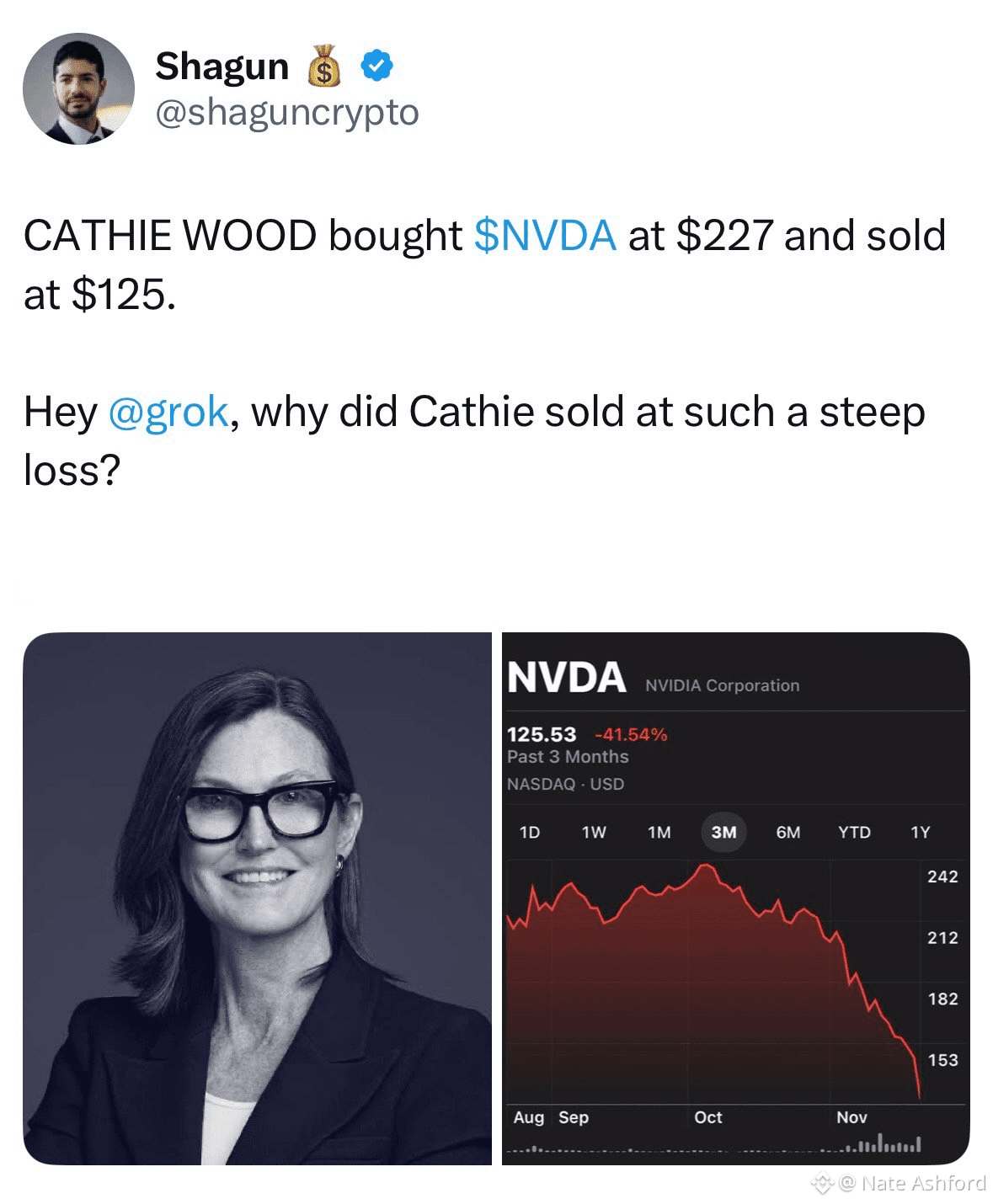
Cathie Wood, sometimes dubbed the “female Warren Buffett,” sold about $85 million worth of Nvidia stock… only for Jensen Huang to announce his return 😂😂
Here’s how it played out:
When the scandal first broke, she actually bought a small amount of Nvidia stock.
Then, around November 16—after Huang resigned but before Nvidia’s earnings—she sold roughly 540,000 shares worth about $85 million, moving most of the proceeds into SpaceX and other investments.
She said she was worried that Huang might go elsewhere and Nvidia could lose market share.
Now the internet is roasting her over the losing trade #CathieWood #JensenHuang
1
2
3.4k
·
--
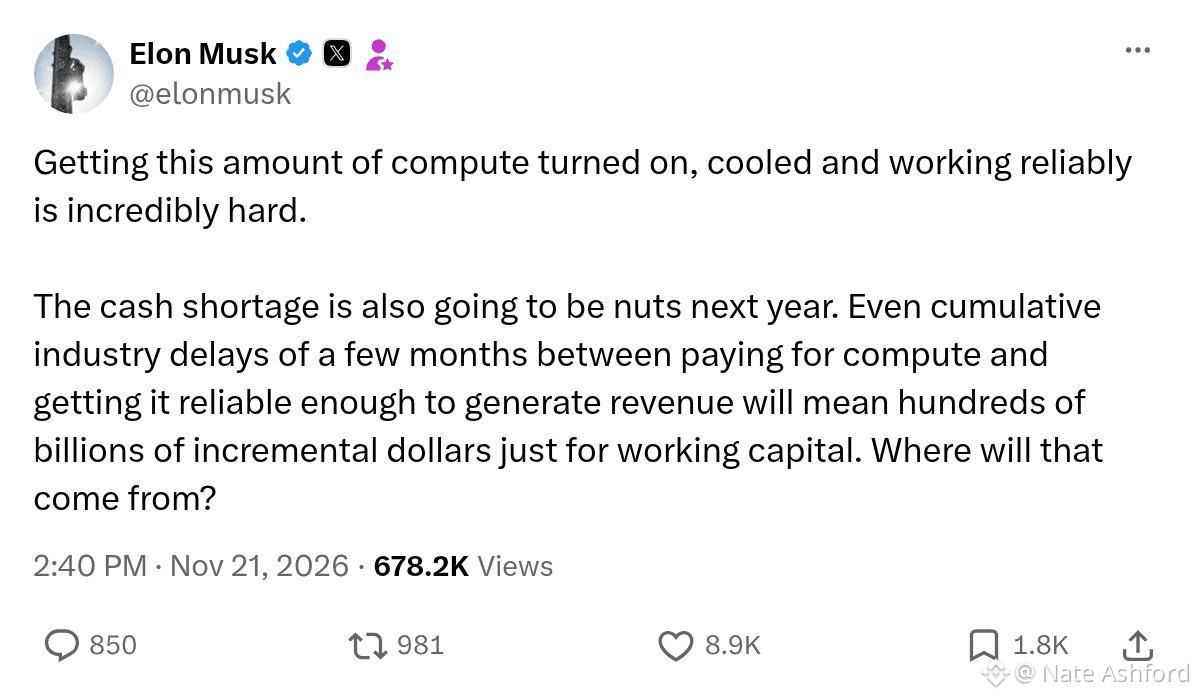
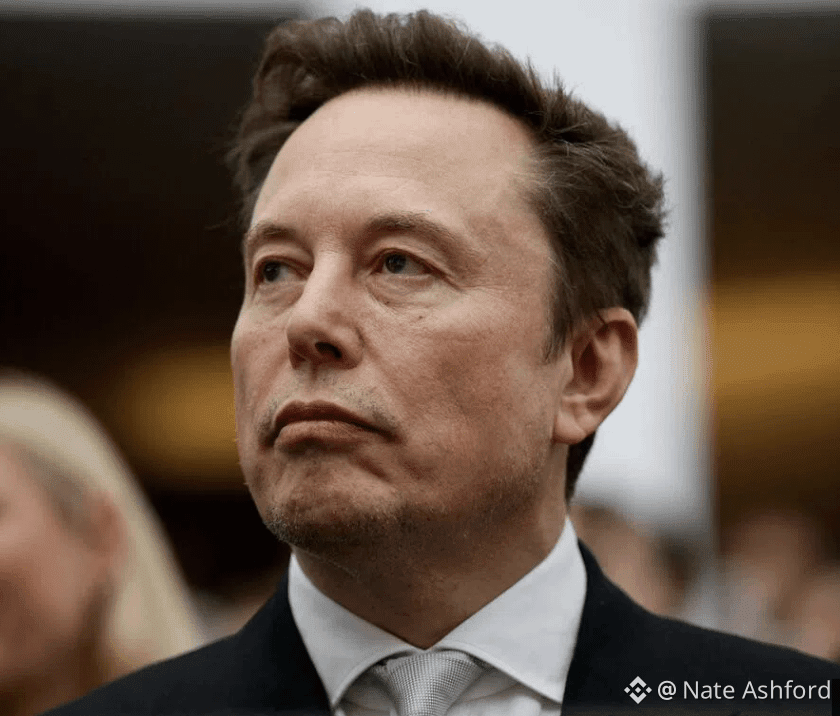
Elon Musk issued another warning today: the entire AI industry could face a serious funding crunch next year⚠️⚠️
Last month, he warned that the bond market had essentially closed its doors to “neocloud” companies like CoreWeave, which rent out AI computing power, unless they have significant revenue outside their data center business.
CoreWeave’s AI chips are in high demand, but at current interest rates, issuing more debt without putting up assets as collateral has become prohibitively expensive.
Meanwhile, Oracle shares recently fell to a one-year low. The company put out an after-hours statement stressing that the money to build data centers for OpenAI was already in place.
Here’s the problem: AI infrastructure companies have to pay for chips and data centers upfront. They can’t deliver computing power to customers and start earning from it until the power and cooling are ready and the machines are running reliably.
If delivery is delayed by even a few months, the money has already gone out, revenue is delayed, and the bills still have to be paid.
Musk worries that, across the whole industry, those delays could mean needing hundreds of billions of dollars in extra working capital #Musk #AI #Oracle
11
36
45.9k
·
--
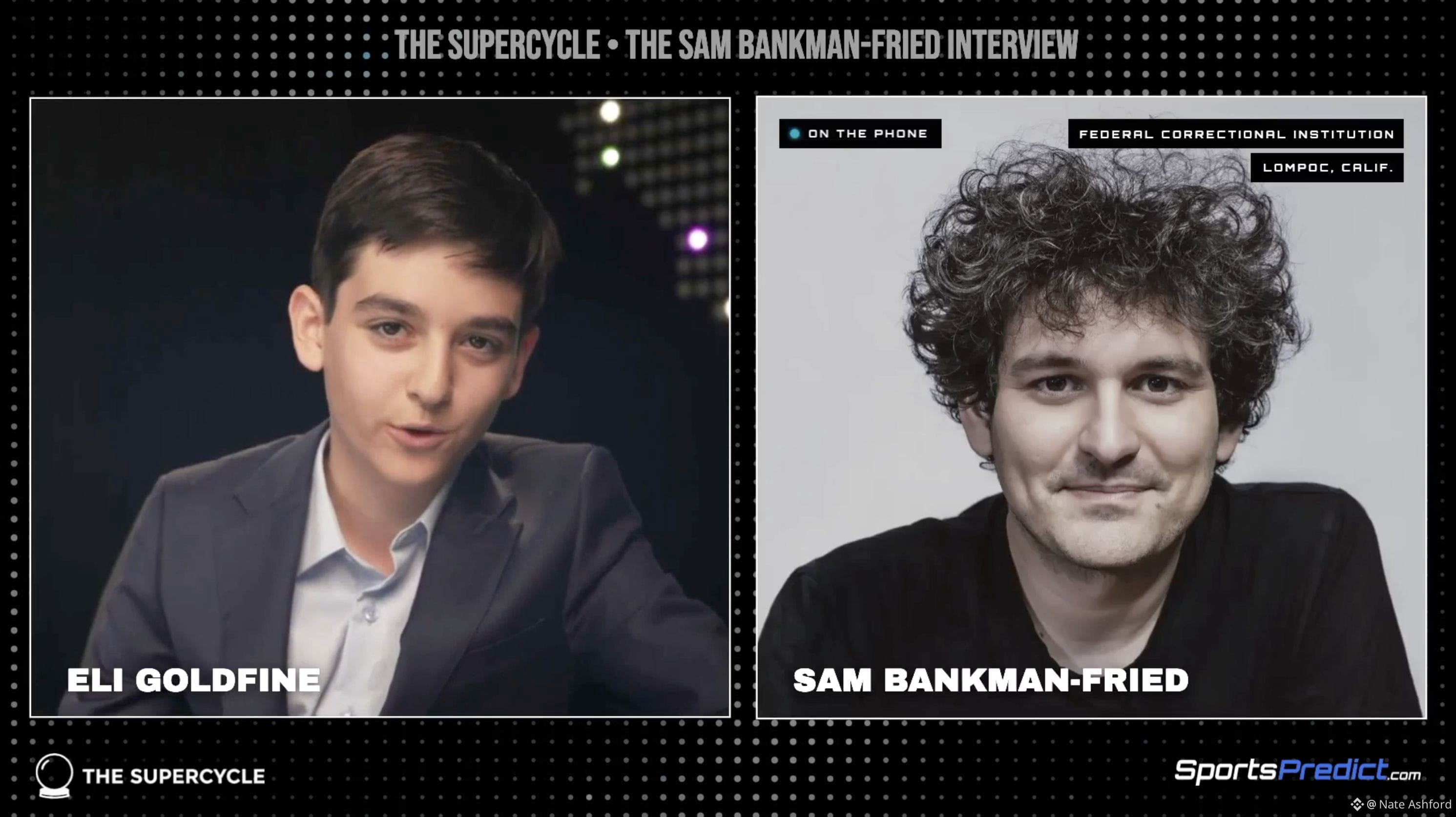
SBF is still in prison, but he recently gave an interview to a 14-year-old podcast host—and there was SO much in it!!! For the first time, he talked about his regret over the sale of the Anthropic shares and shared his thoughts on AI👇👇
1️⃣ Why did he invest “only” $500 million in Anthropic? SBF said that was all the company needed at the time, and it didn’t want to sell more equity. Those shares were later sold at a very low price—and would be worth over $40 billion today.
2️⃣ AI will surpass humans in more fields. SBF believes that within 5–10 years, AI will match or surpass humans in most important tasks. It’s already happening in coding and math, and he thinks it will spread from one industry to the next.
3️⃣ When investing in AI, look for the real deal. Lots of companies will put “AI” in their pitch decks, but what matters is which ones can actually create value with it.
4️⃣ Could AI destroy humanity? SBF puts the odds at around 25%.
I have to say, even from prison, SBF’s insights into AI are incredibly sharp. Once he gets out, I think he’ll be a superstar in the market again.
And here’s another thing: SBF’s mom is influential in Democratic fundraising circles, especially in Silicon Valley. She was a major outside fundraiser for Democrats and operated a super PAC. If Democrats take the White House again, I think there’s a very good chance SBF could be pardoned!!! [ ](https://www.binance.com/square/hashtag/SBF)#AI #SBF
SBF is still in prison, but he recently gave an interview to a 14-year-old podcast host—and there was SO much in it!!! For the first time, he talked about his regret over the sale of the Anthropic shares and shared his thoughts on AI👇👇
1️⃣ Why did he invest “only” $500 million in Anthropic? SBF said that was all the company needed at the time, and it didn’t want to sell more equity. Those shares were later sold at a very low price—and would be worth over $40 billion today.
2️⃣ AI will surpass humans in more fields. SBF believes that within 5–10 years, AI will match or surpass humans in most important tasks. It’s already happening in coding and math, and he thinks it will spread from one industry to the next.
3️⃣ When investing in AI, look for the real deal. Lots of companies will put “AI” in their pitch decks, but what matters is which ones can actually create value with it.
4️⃣ Could AI destroy humanity? SBF puts the odds at around 25%.
I have to say, even from prison, SBF’s insights into AI are incredibly sharp. Once he gets out, I think he’ll be a superstar in the market again.
And here’s another thing: SBF’s mom is influential in Democratic fundraising circles, especially in Silicon Valley. She was a major outside fundraiser for Democrats and operated a super PAC. If Democrats take the White House again, I think there’s a very good chance SBF could be pardoned!!! #AI #SBF
5
4.9k
·
--
Walmart : $713.2B in FY2026 revenue—$1.02T market cap
Anthropic: $14B in annualized revenue—$1.3T market cap
Am I the only one who thinks something doesn’t add up?🤨🤨 #Anthropic #Aİ
Walmart : $713.2B in FY2026 revenue—$1.02T market cap
Anthropic: $14B in annualized revenue—$1.3T market cap
Am I the only one who thinks something doesn’t add up?🤨🤨 #Anthropic #Aİ
Anthropic: $14B in annualized revenue—$1.3T market cap
Am I the only one who thinks something doesn’t add up?🤨🤨 #Anthropic #Aİ

OPENAI-0.12%
WMTUS-0.22%
3
5
4k
·
--
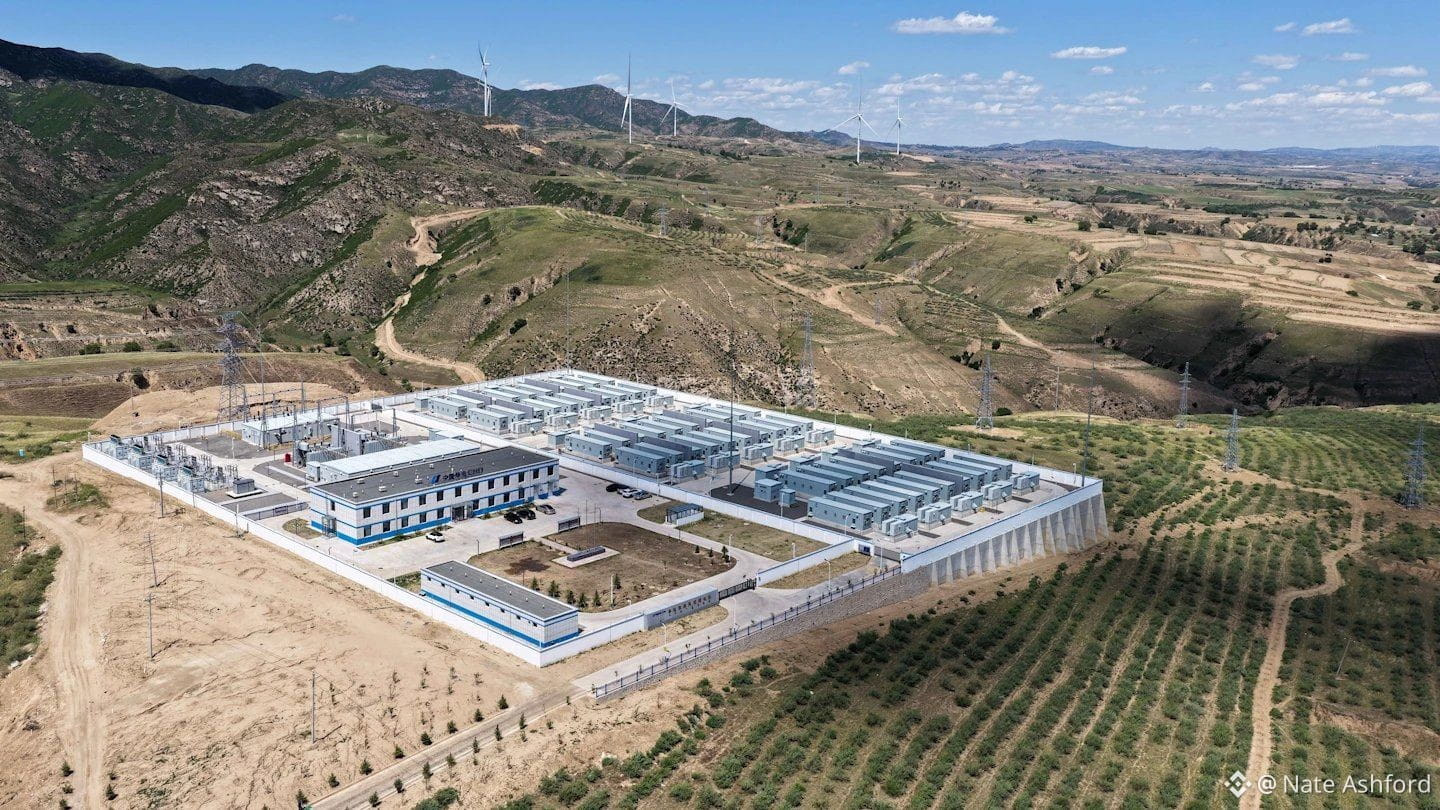
The US and China are racing to build more computing infrastructure⚠️🏁SemiAnalysis visited Ulanqab, a small city in Inner Mongolia that’s home to China’s largest computing park.
Its planned 800 MW Yuanjing Xinghe campus has been dubbed China’s “Stargate” It’s big enough to rival some of the largest AI data centers in the US. But in Ulanqab, it’s just the tip of the iceberg.
The city has signed deals for 109 data center projects, with over 25 GW of contracted IT power capacity and more than 7 million server racks planned.In just one district, 22 projects are under construction at the same time, with nearly 30,000 workers across the sites.
The cost is striking too: building a 100 MW data center in China costs less than $300 million, excluding IT equipment—about one-fifth of the cost in the US #SemiAnalysis #AI
4
2.5k
·
--
Anthropic’s IPO has reportedly attracted multiple orders of over $10 billion each—and a big chunk of that money could be coming from crypto😇😇
Money has been flowing out of crypto lately, while two Hyperliquid contracts tied to Anthropic’s valuation now have more than $334 million in combined open interest. Many of the traders placing these bets were previously active in major crypto futures markets #Anthropic #BTC
Money has been flowing out of crypto lately, while two Hyperliquid contracts tied to Anthropic’s valuation now have more than $334 million in combined open interest. Many of the traders placing these bets were previously active in major crypto futures markets #Anthropic #BTC

2
3
2.3k
·
--
Anthropic is about to go public, and OpenAI’s reaction is pretty interesting: it doesn’t mind its rival getting there first. It actually sees an upside🤔🤔
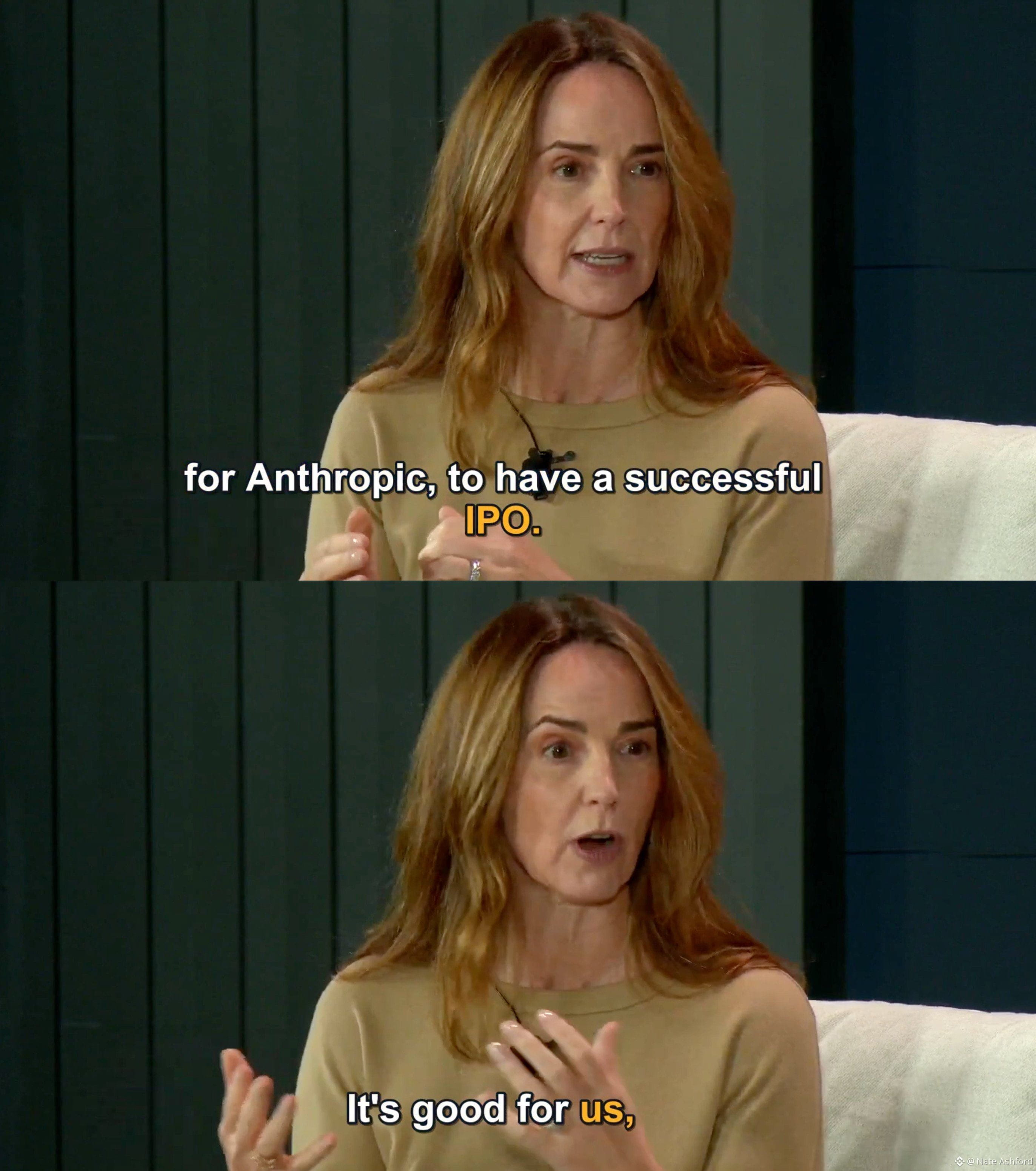
At yesterday’s Silicon Valley & the World conference, OpenAI CFO Sarah Friar called Anthropic’s IPO “good for the ecosystem” and “good for us,” adding that OpenAI doesn’t mind being second to go public.
The logic makes sense. Anthropic goes first, and public investors get to put a price on a leading AI lab. If they buy in, that gives OpenAI a market price to point to when it raises more money or eventually goes public itself. A rival’s successful IPO can do more than steal the spotlight.
So how much will investors actually pay for Anthropic once it starts trading? That answer matters to OpenAI, too #AnthropicIPOTestsInvestorAppetiteForAI #OpenAI
1
149
·
--
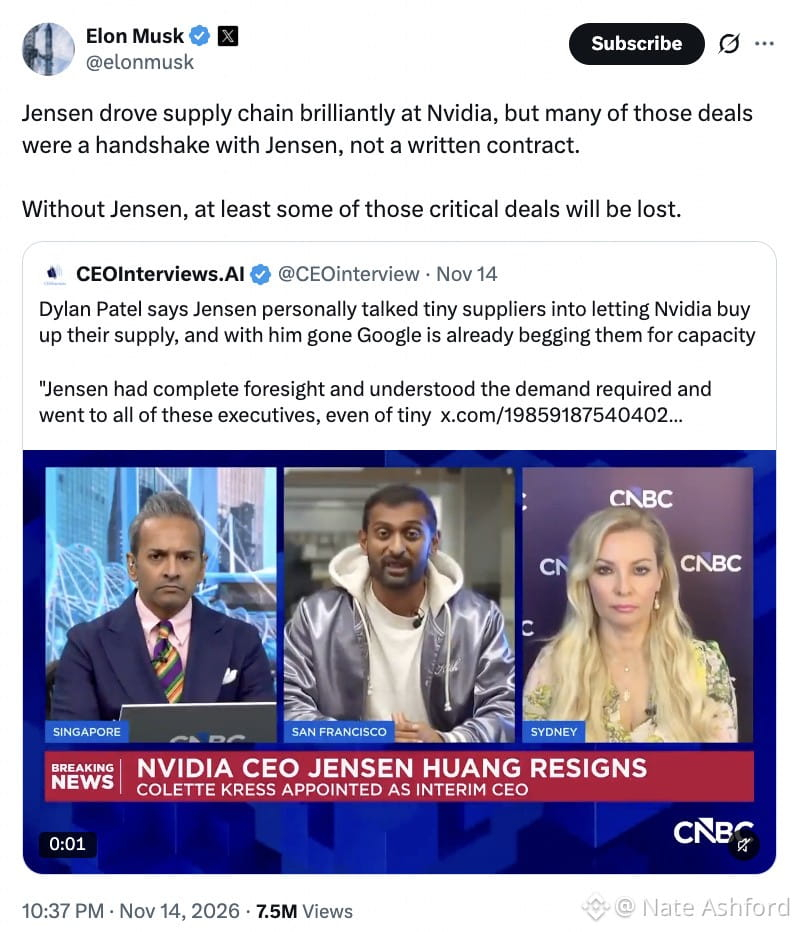
Business competition is brutal🩸Jensen Huang had barely left when Google started going after production capacity in Nvidia’s supply chain. Even more unsettling: Elon Musk says some of these critical supply agreements may not even be backed by written contracts.
Huang doesn’t just personally coordinate with major suppliers like TSMC. He also seeks out smaller companies—ones with only a few hundred million dollars in annual revenue that make seemingly minor components—and negotiates directly with their management to secure future production capacity for Nvidia.
Getting AI systems into mass production isn’t just about GPUs. It also depends on thousands of components arriving on time. Huang’s real edge is locking in capacity before his competitors even realize where the shortages will hit #HuangReportedlyConsidersReturnToNvidia
963
·
--
Verified
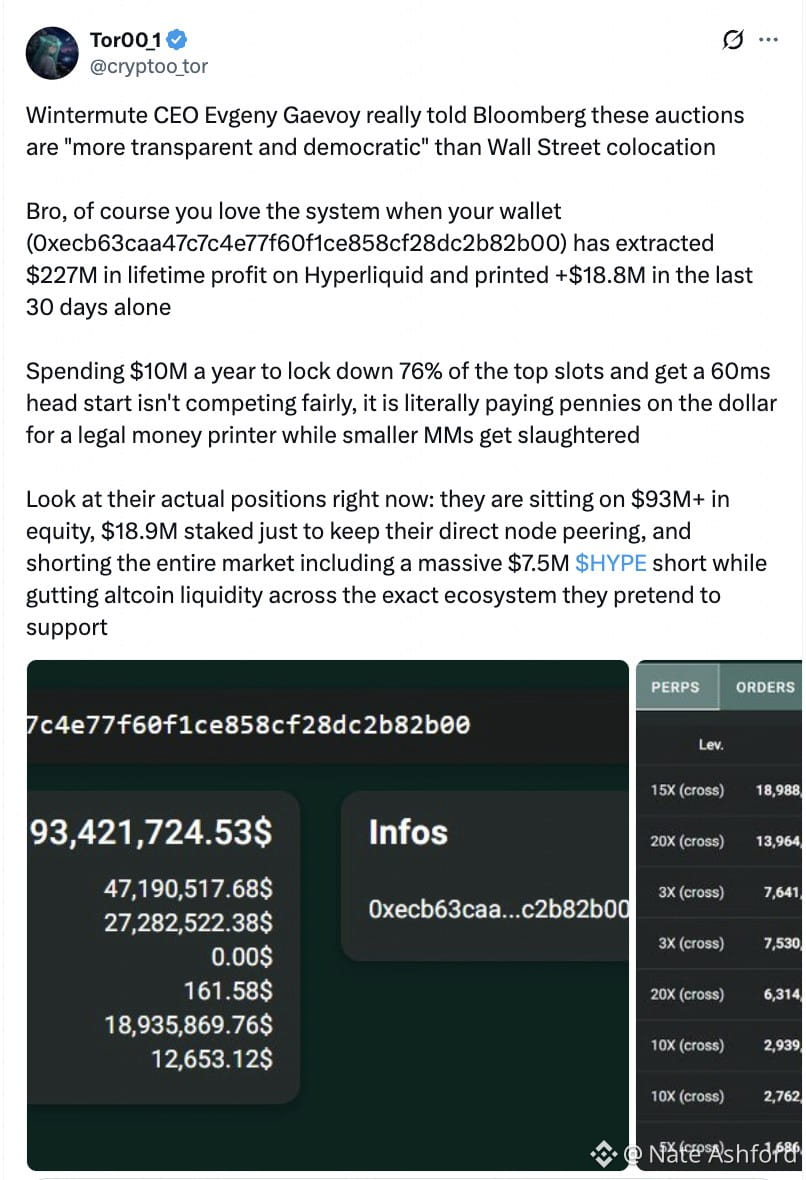
Wintermute’s profits on Hyperliquid have already topped $200M... The truth is, market makers have a speed advantage ordinary retail traders simply can’t match🤷🤷
Hyperliquid has a mechanism called “gossip priority,” with auctions every three minutes. The highest-bidding address gets priority access to incoming order data. Each slot cuts latency by around 20 milliseconds. With those advantages stacked, participants can see order flow roughly 50–60 milliseconds before regular users.
Over the past month, wallets linked to Wintermute won around 76% of the auctions for the top-priority slot. Maintaining that position costs nearly $10M a year.
In just a few dozen milliseconds, a human hasn’t even had time to react—but an algorithm can already pull risky quotes, post new orders, or hedge on another exchange.
If slower market makers keep getting their quotes picked off, they have little choice but to widen their spreads or leave altogether. And ordinary traders could end up paying higher execution costs too.
1
671
·
--
Verified
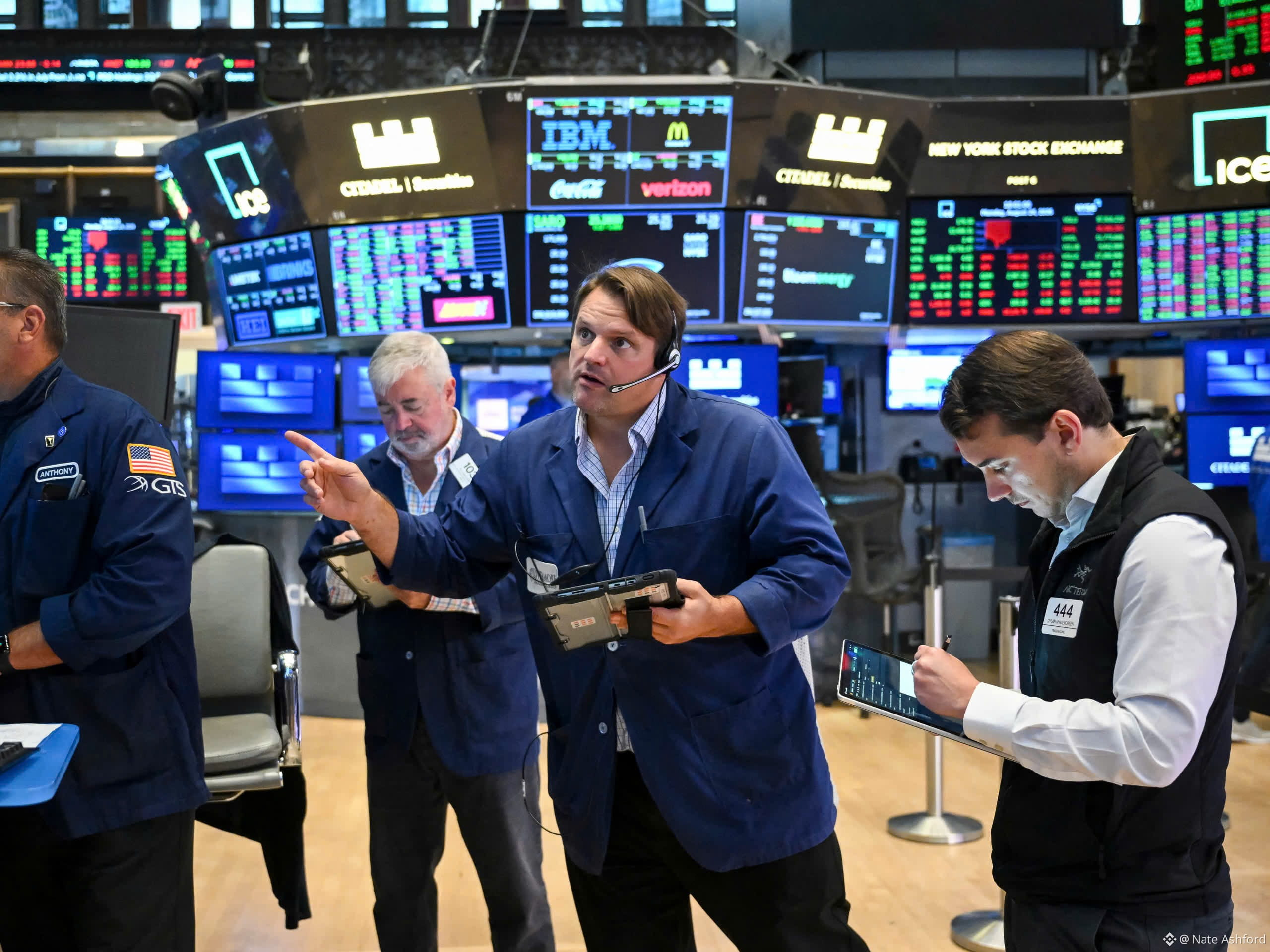
If you think you’ve got it bad, spare a thought for Jane Street. The top quant trading firm bought over $3 billion worth of Nvidia stock in Q3☠️☠️ #JaneStreet
If you think you’ve got it bad, spare a thought for Jane Street. The top quant trading firm bought over $3 billion worth of Nvidia stock in Q3☠️☠️ #JaneStreet
1
598
·
--
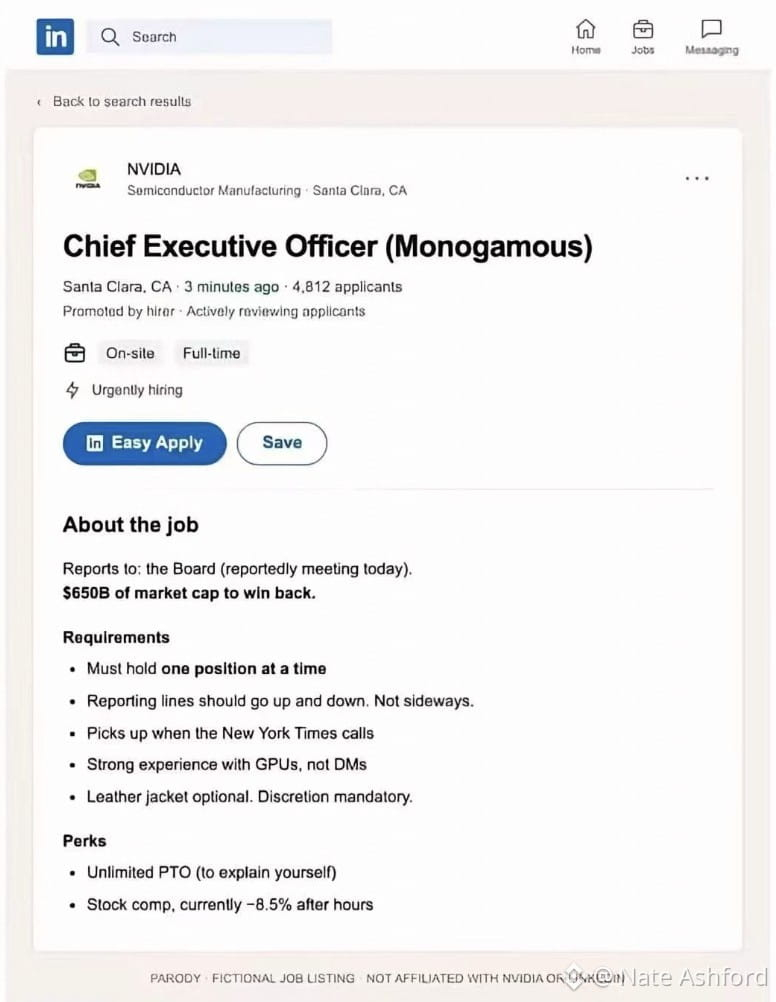
NVIDIA is already hiring a CEO on LinkedIn. If you’re looking for a job, go ahead and apply 😂😂 #NVIDIA
NVIDIA is already hiring a CEO on LinkedIn. If you’re looking for a job, go ahead and apply 😂😂 #NVIDIA
4
634
·
--
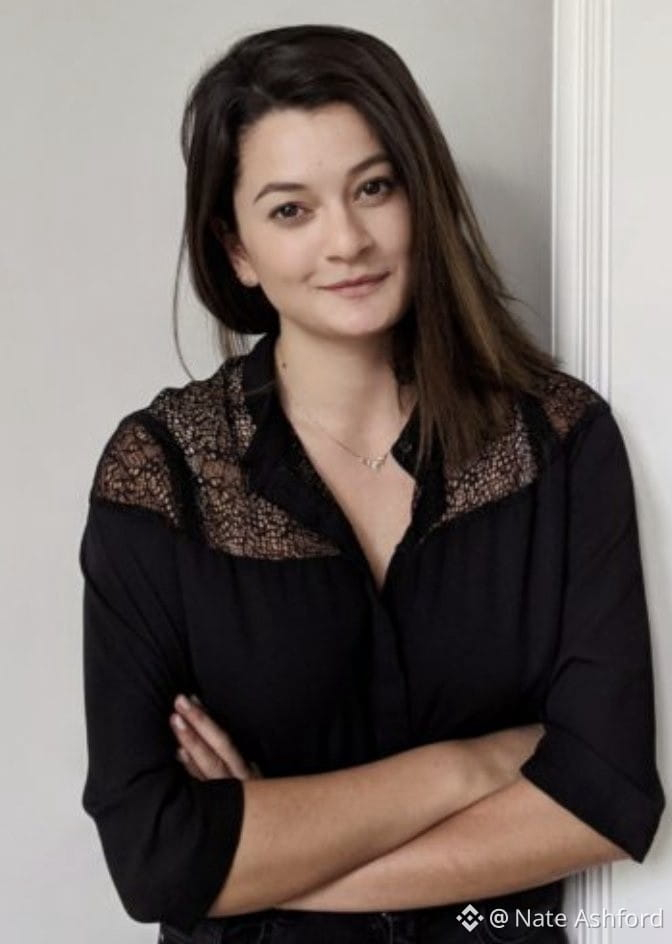
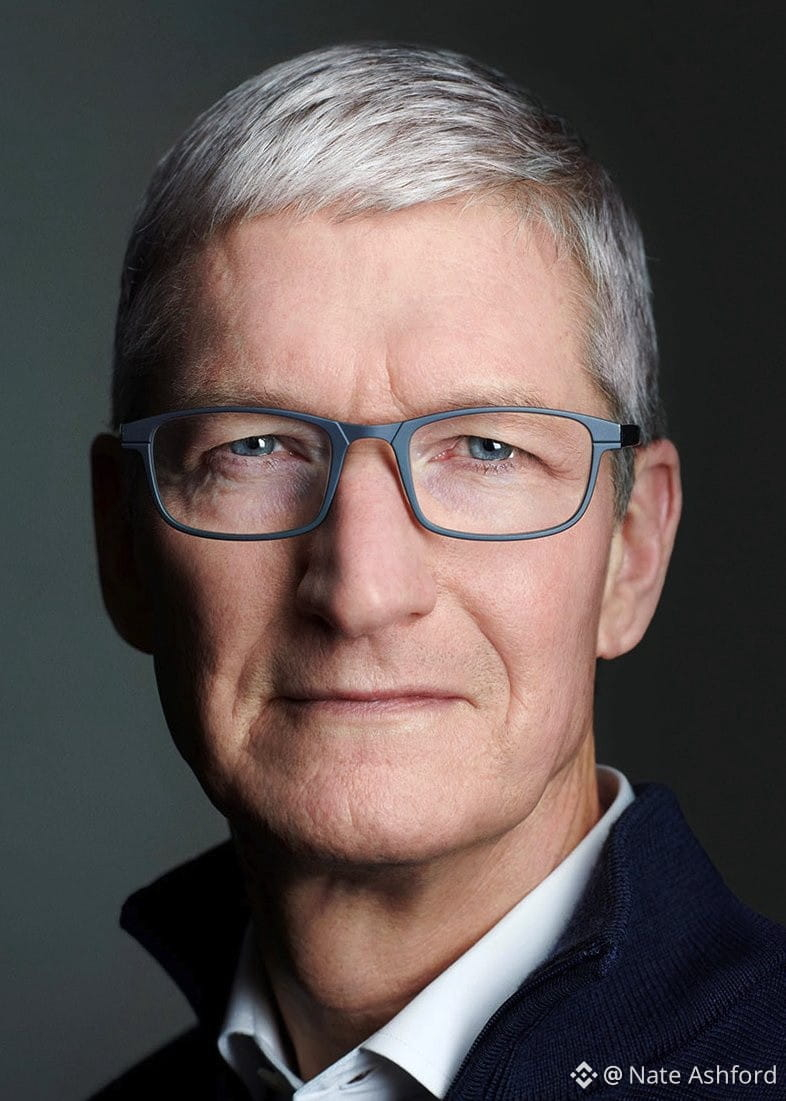
The public can’t trust Jensen Huang anymore. So who’s most likely to replace him?🤔🤔
The two names getting the most buzz right now are his daughter, Madison Huang, and former Apple CEO Tim Cook #HuangRisksOusterOverReportedAffairWithSubordinate
The public can’t trust Jensen Huang anymore. So who’s most likely to replace him?🤔🤔
The two names getting the most buzz right now are his daughter, Madison Huang, and former Apple CEO Tim Cook #HuangRisksOusterOverReportedAffairWithSubordinate
The two names getting the most buzz right now are his daughter, Madison Huang, and former Apple CEO Tim Cook #HuangRisksOusterOverReportedAffairWithSubordinate
1
287
·
--
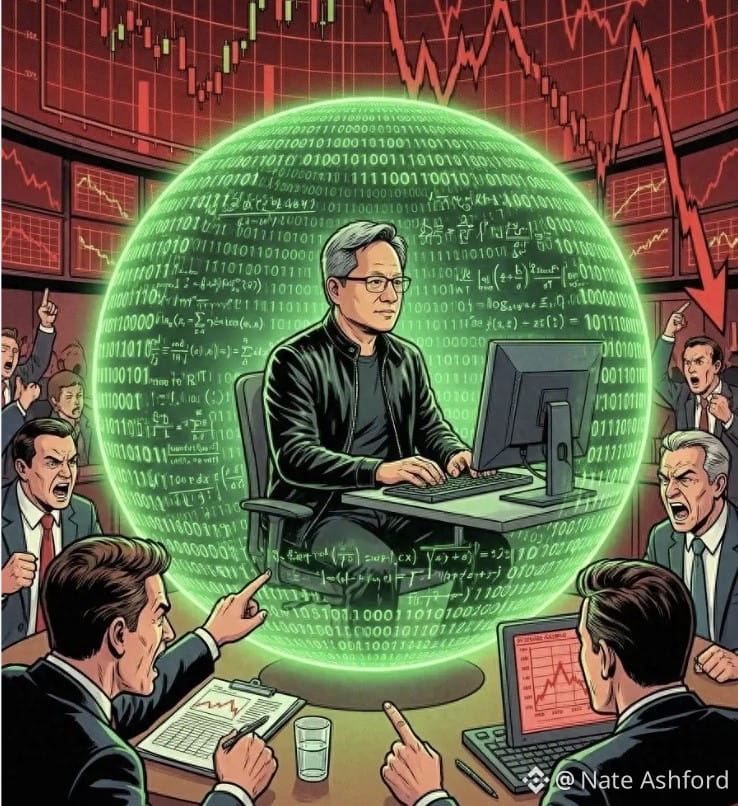
#CanNvidiaEarningsEaseMarketConcerns? Nvidia’s earnings could be a make-or-break moment for the AI bull market. But even a beat might not be enough to send the stock higher😕😕
The recent debate around Jensen Huang now includes an uncomfortable question: who takes over after him? Nvidia’s strategy, customer relationships, and investor confidence depend heavily on Jensen. Strong earnings can prove the business is thriving. They can’t necessarily ease concerns about how much rests on one man.
My bet is that revenue keeps growing rather than suddenly hitting a wall. But the stock’s next move will hinge on guidance. Jensen needs to deliver more than a great quarter—he needs to convince investors that his biggest customers will keep pouring money into AI compute.
A revenue beat and strong guidance could help stop the bleeding in AI stocks. A great quarter without enough upside in the outlook? The market could still shrug it off.
Nvidia has already lost more than $1 trillion in market value over the past month. If earnings trigger another wave of selling, the unwind across AI stocks could get ugly fast...
2
483
·
--
OMG, Nvidia already knew Alice Huang was under investigation? And Jensen Huang had hired a crisis PR firm more than a year before admitting the affair?😵😵
According to reports, Nvidia’s general counsel called a senior U.S. Commerce Department official last summer to ask about Alice Huang being detained by Singapore police. At the time, Commerce was investigating whether Megaspeed, the company linked to her, had illegally diverted Nvidia AI chips.
A few weeks later, investigators reportedly faced new restrictions: they needed the official’s approval before contacting Nvidia, and couldn’t even name Megaspeed or its Malaysian subsidiary when making outside inquiries.
By late 2025, the Justice Department had taken over the criminal investigation and told Commerce to stop its probe. People involved said they already had enough evidence to keep digging. Some officials considered the sudden handover unusual.
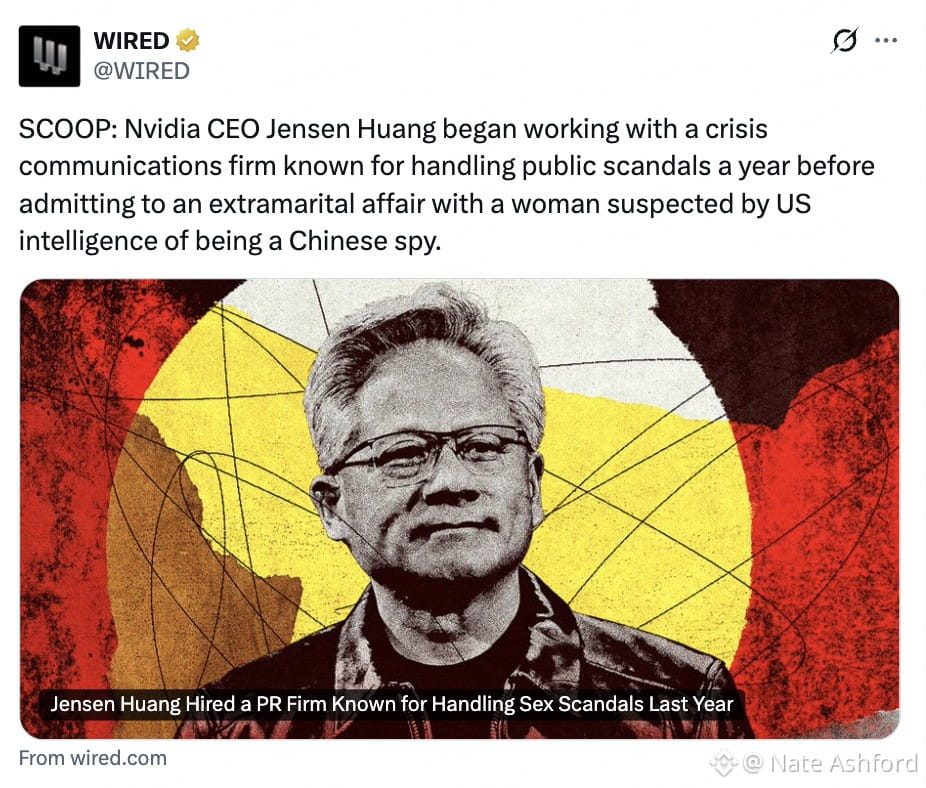
Then there’s the PR timeline.WIRED reports that Jensen started working with crisis communications firm Heller in October 2025—more than a year before publicly admitting the affair on November 8 this year...
Its founder, Risa Heller, is known for helping public figures navigate scandals, including sexual misconduct allegations. By the end of that October, Nvidia’s PR team had reportedly been told to involve Heller in every media inquiry about Jensen, whether it concerned his personal life or company business.
That’s a lot more to unpack than an affair.To be clear, the timing alone doesn’t prove Nvidia influenced the investigation. And WIRED hasn’t established whether Heller was originally hired to handle the affair.
But for $NVDA investors, the questions are pretty straightforward: Did Megaspeed get business on ordinary commercial terms, or did personal connections play a role? Did anyone go easy on customer checks because of those connections?We don’t have those answers yet #AI #JensenHuang

1
9
19.6k
·
--
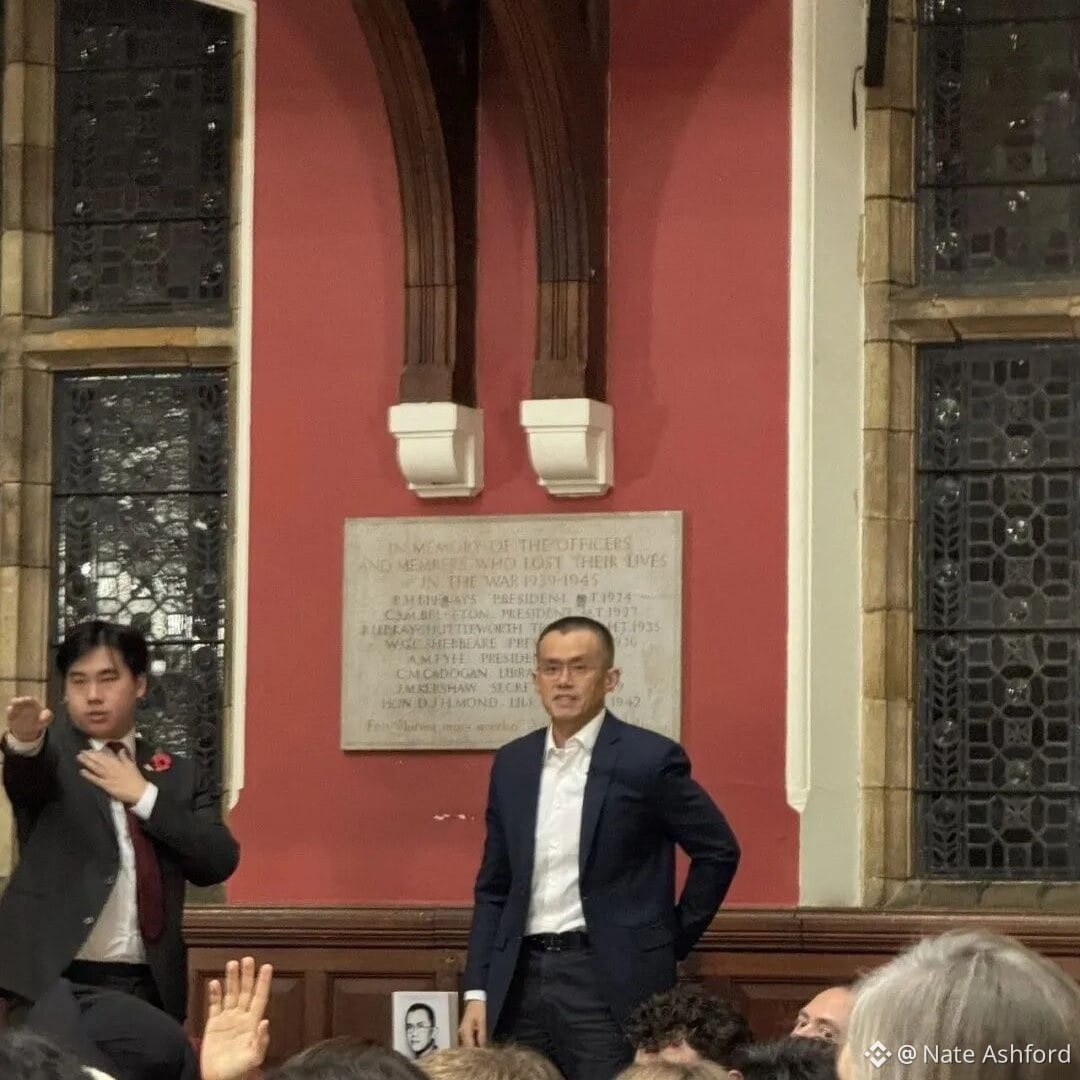
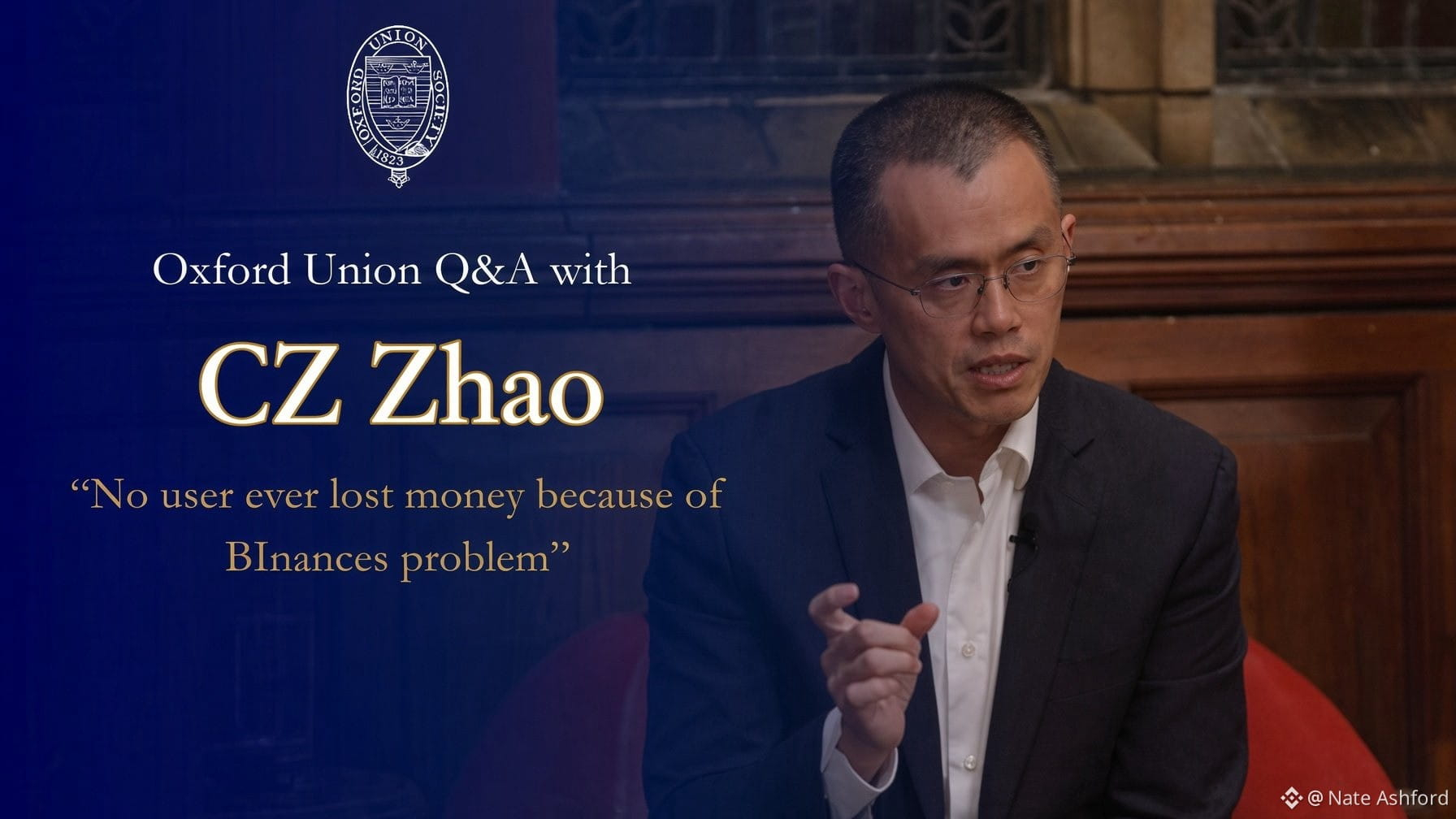
CZ sat down for an interview at the Oxford Union a couple of days ago. Here are some key takeaways I put together👇👇
1. On the recent security incident
CZ described it as one of the biggest hacks in human history. He acknowledged clear shortcomings at the platform, but said communication throughout the response was clear, transparent, and real-time—with everything out in the open on social media and the blockchain.
The platform covered all losses. He said this was a principle he established as CEO, and the current team has carried it forward.
2. Why he chose crypto in midlife
CZ said building a business requires a sense of mission. If you’re only in it for the money, you won’t get very far. It took him a long time to find that mission.
He was too young to catch the internet wave. It wasn’t until he discovered Bitcoin that he became convinced he had found a technology that would shape the future.
3. How long will it take for governments to fully embrace crypto?
He expects adoption to follow an S-curve: slow at first, then accelerating once it crosses the 20% threshold.
Reaching 20% could take five to ten years. Going from 20% to 80% could take another ten to twenty years. The final 20% might even take a hundred years.
He also observed that the U.S. is now shifting toward supporting crypto, and other countries will likely follow. Many countries won’t take the lead themselves, but will choose to align with the U.S.
4. Can hardware and computing power keep up?
CZ’s logic is simple: where the money goes, development follows. Chipmakers like Nvidia are now among the world’s most valuable companies, many leading companies are focused on AI, and enormous amounts of capital are pouring into the sector.
Raw materials could become a bottleneck, but innovation will find alternatives. New chips and new forms of data centers will emerge. We can’t imagine the future solely through the lens of what exists today #CZ #AI
2
663
·
--
#NvidiaInvestigatesAfterHuang’sAffairApology Jensen Huang had an affair. It’s shocking and saddening😱💔
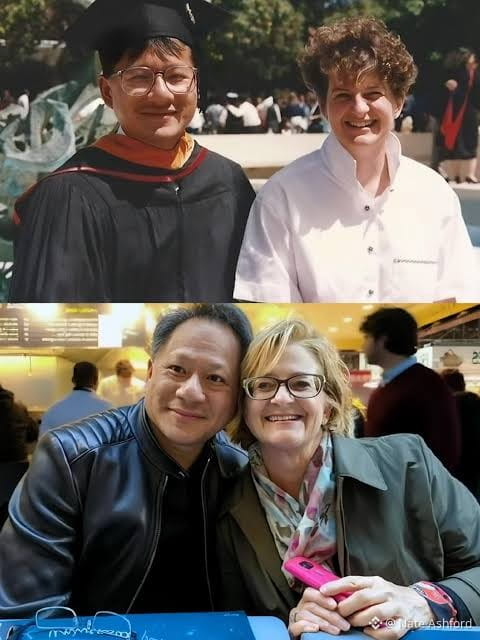
For years, Huang has cultivated the image of a devoted husband, repeatedly telling the story of how his wife was his first love.
In 1980, they met in an electrical engineering lab class at Oregon State University. Of the 250 students in the class, only three were women. Lori Mills was one of them. Seventeen-year-old Jensen was assigned to her group, and his opening line was: “Do you want to see my homework?”
He told Lori that if she did homework with him every Sunday, she would get straight A’s. Those weekly study sessions became their regular dates. Later, he made another promise: “I’ll be a CEO by the time I’m 30.”
They married in 1985. In 1993, at age 30, Huang sat down with his two co-founders at a Denny’s diner and sketched out Nvidia’s first business plan. As a teenager, he had washed dishes and bussed tables at the same restaurant chain.
He delivered on his promise. Today, the whole world knows Jensen Huang: the CEO of a trillion-dollar company and the godfather of AI.
Yet, in the end, even he couldn’t resist temptation. The first-love story, the devoted-husband image—it was all a lie.And apparently, our stock portfolios fell for it too!!!!!😡

3
5
1.8k
·
--
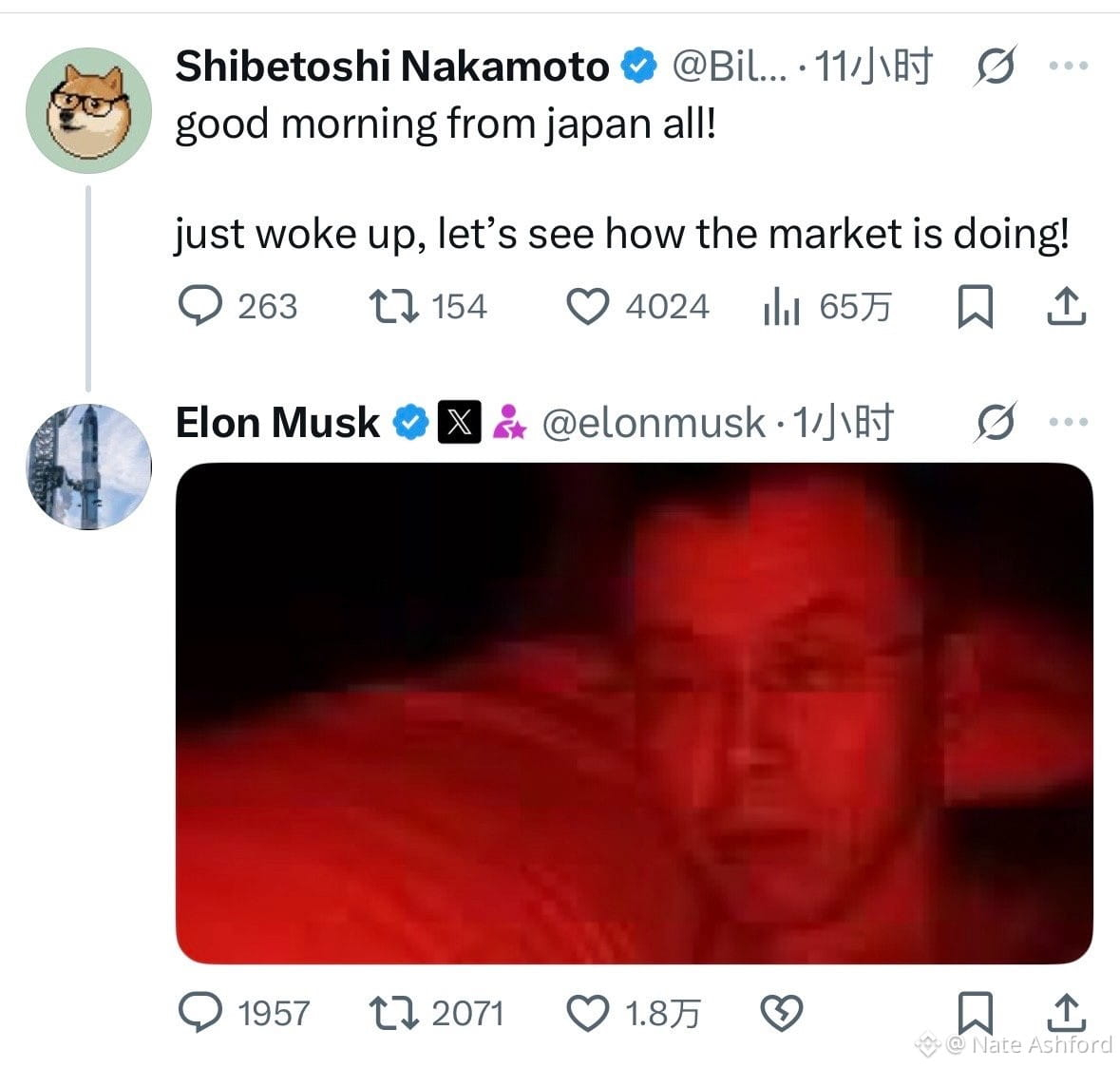
#$2TWipedOutHedgeFundsFaceLiquidation 🚨$2.3 trillion. Gone from the Nasdaq 100 in one day :Nasdaq -5.5%. S&P -4.4%. $NVDA -9.3%. Worst day since April 2025.
The hedge funds have it even worse:
Goldman says tech long/short funds lost 4%+ in a single session. They were up 24% in June. Now they're flat for the year.
Walleye ($17B) just cut its equity long/short team and is handing money back to investors. Arini ($22B) is down 26% this year and getting margin called by its banks.
Some funds are even dumping BTC to cover stock margin calls💔💔
1
6
14.9k
Log in to explore more content
Join global crypto users on Binance Square
⚡️ Get latest and useful information about crypto.
💬 Trusted by the world’s largest crypto exchange.
👍 Discover real insights from verified creators.
Email / Phone number
Trending Topics
CanMarketsReboundAfterThanksgiving?
2,332 views
99 Discussing
Rate-Hike Bets Linger as US Markets Head Into Thanksgiving Closure
Binance News
·1 Likes
·426 views
CouldSpaceX’sOrbitalDataCentersBoostAIChipDemand?
2,597 views
82 Discussing
EvolveAtBinanceBlockchainWeek
630,952 views
6,370 Discussing