

Trade With Dani
52 Posts

Trade With Dani
Report
Block User
Binance Square Creator | 25K Social Media Community | Crypto, AI & Tech Content | Pakistan 🇵🇰

ETH Holder
Occasional Trader
3.1 Years
11 Following
28 Followers
25 Liked
Posts
All
Quotes
Videos

Article
Bitcoin Pizza Day: How 10,000 BTC Bought Two Pizzas and Made Crypto HistoryBinance Square Educational Article | Bitcoin History | Crypto Adoption
On May 22, 2010, a software programmer named Laszlo Hanyecz made a purchase that would become one of the most famous moments in cryptocurrency history. He exchanged 10,000 Bitcoin (BTC) for two large pizzas delivered to his home in Florida, USA.
At the time, Bitcoin was still an experimental digital currency used by a small community of enthusiasts and developers. The transaction was not a multimillion-dollar headline or a marketing campaign. It was a simple attempt to use digital money to buy something in the real world.
Today, the event is remembered annually as Bitcoin Pizza Day. But its importance goes far beyond the value of those coins at today’s prices. It helped demonstrate a fundamental idea behind Bitcoin: digital money could move from a computer network into everyday commerce.
1. The story behind the 10,000 BTC pizza transaction
In May 2010, Bitcoin was still in its early stages. It had been introduced in 2009, but it had no established mainstream payment infrastructure and very few practical places to spend it. For early adopters, mining Bitcoin and exchanging coins with other enthusiasts were more common than buying everyday goods.
Laszlo Hanyecz, a programmer who contributed to early Bitcoin development, wanted to test whether Bitcoin could be used to purchase something tangible.
On May 18, 2010, he published a post on the BitcoinTalk forum titled “Pizza for bitcoins?” His offer was straightforward: he would pay 10,000 BTC to someone who could arrange two large pizzas for him.
He wanted the pizzas delivered to his home and was happy for someone to order them from a restaurant. His goal was not to speculate on Bitcoin’s future price. He simply wanted to experience buying food with it.
At first, nobody completed the deal. Hanyecz followed up in the forum, wondering whether his offer was too low. Eventually, another early Bitcoin participant accepted.
On May 22, 2010, Jeremy Sturdivant, known online as “jercos,” arranged for two large Papa John’s pizzas to be delivered to Hanyecz in Jacksonville, Florida. Sturdivant paid the restaurant using conventional money and received 10,000 BTC from Hanyecz in return.
This detail matters: Papa John’s did not directly accept Bitcoin for the order. The transaction worked because two individuals exchanged Bitcoin for a purchase arranged through an ordinary business.
Hanyecz later confirmed the successful trade on the forum and shared photographs of the pizzas. That public record helped preserve the transaction as a milestone in Bitcoin’s history.
2. What was 10,000 BTC worth in 2010?
At the time, 10,000 BTC was estimated to be worth approximately $40, while the pizzas cost roughly $25. Bitcoin’s price was extremely low compared with later years, and the market was small and relatively illiquid.
Bitcoin spent 10,000 BTC
Approximate value at the time $40
Goods received 2 large pizzas
Historical estimates; exact pizza costs and contemporary BTC valuations vary by source.
The numbers sound extraordinary today, but judging the purchase solely by Bitcoin’s later price misses the economic context of 2010. Bitcoin did not yet have the global exchanges, widespread liquidity, or broad acceptance that would develop over the following years.
At the time of the purchase, Hanyecz was exchanging an experimental digital asset for something useful in his daily life. The transaction’s significance became clearer only as Bitcoin’s ecosystem expanded.
3. Why is May 22 celebrated as Bitcoin Pizza Day?
May 22 is now known throughout the crypto community as Bitcoin Pizza Day, commemorating the completed purchase in 2010.
The day celebrates an early example of Bitcoin being exchanged for physical goods—not the first Bitcoin transaction of any kind. Bitcoin transfers had already occurred, including transactions between early network participants. The pizza purchase is widely recognized as the first documented purchase of real-world goods using Bitcoin.
Bitcoin Pizza Day represents three important developments:
Practical utility: Bitcoin was used to acquire a tangible product rather than simply being mined or transferred between enthusiasts.Economic exchange: The transaction demonstrated that two people could agree on a value for Bitcoin and use it in a real-world purchase.Community history: A small forum exchange became a lasting symbol of Bitcoin’s journey from an experiment to a globally recognized digital asset.
Every May 22, members of the crypto community mark the occasion by sharing the story, ordering pizza, and reflecting on how dramatically the cryptocurrency ecosystem has changed.
4. What would those 10,000 BTC be worth today?
This is the question that makes the story famous. If someone had retained 10,000 BTC instead of spending them, their value today would depend on Bitcoin’s current market price.
The calculation is simple:
\text{Hypothetical value} = 10{,}000 \times \text{BTC price}
For illustration, here is how the value changes at different hypothetical Bitcoin prices:
BTC price
Value of 10,000 BTC
$10,000
$100 million
$50,000
$500 million
$100,000
$1 billion
$150,000
$1.5 billion
These are hypothetical calculations, not live market prices or a prediction of Bitcoin’s future value.
At a hypothetical price of $100,000 per BTC, those coins would equal $1 billion. That figure is striking, but it is a counterfactual calculation—not the amount Hanyecz actually lost in a conventional financial sense.
There is an important distinction between a historical purchase price and a hypothetical value years later. The latter assumes the coins were retained and could be sold at the quoted price. It does not establish that either participant could have predicted Bitcoin’s future or liquidated such a large holding without affecting the market.
The story is therefore not simply about expensive pizza. It illustrates how the perceived value of an emerging asset can change as adoption, infrastructure, liquidity, and demand evolve.
5. Did Laszlo Hanyecz regret spending 10,000 BTC?
The story is often presented as a cautionary tale about spending Bitcoin too early. However, Hanyecz has said publicly that he does not regret the transaction.
His original goal was to make Bitcoin usable as money. Spending it on pizza helped demonstrate that the digital currency could be exchanged for an everyday product. He was participating in an experiment whose long-term outcome was still unknown.
It is also worth remembering that the other participant, Jeremy Sturdivant, received the Bitcoin in exchange for arranging the pizzas. The coins were not simply destroyed; they changed hands as payment.
The transaction should therefore be understood in its historical context. Both participants took part in an exchange using the information and market conditions available at the time.
6. How did Bitcoin evolve after the pizza purchase?
Bitcoin’s development did not happen because of a single pizza order. Its wider adoption emerged through years of technical development, mining, exchange activity, merchant experiments, community participation, and changes in how people perceived digital assets.
Nevertheless, the pizza purchase became an accessible example of Bitcoin’s intended function as a peer-to-peer digital payment system.
The transaction helped tell a story that anyone could understand: a person offered digital coins, another person accepted them, and food arrived at the door. Behind that simple exchange were the core concepts of digital ownership, transaction verification, and value transfer without requiring the buyer to pay the seller directly through a traditional bank transfer.
Over time, Bitcoin became much more than an experimental payment method. It developed into an asset traded on global markets and held by individuals and institutions. Its role as a payment method and its role as an investment asset remain distinct, and the pizza story sits at the beginning of that wider debate.
7. The real lesson of Bitcoin Pizza Day
Bitcoin Pizza Day is often reduced to a joke about someone spending millions—or potentially billions—on two pizzas. But that interpretation focuses on hindsight rather than the original purpose of the transaction.
There are three broader lessons worth taking from the event.
First, adoption requires utility. A digital currency needs more than a working protocol. People must be able to use it, exchange it, and find others willing to accept it.
Second, emerging technologies are difficult to value. In 2010, Bitcoin’s future was uncertain. Its later market price should not be treated as something that participants could have known in advance.
Third, technological milestones can begin with ordinary actions. A simple purchase helped create one of the most recognizable stories in crypto history. It demonstrated a practical use case at a time when Bitcoin’s real-world applications were still limited.
Bitcoin Pizza Day also provides a useful reminder for today’s crypto community: historical performance does not guarantee future returns, and the story should not be used to suggest that every new cryptocurrency will follow Bitcoin’s path.
Conclusion: Two pizzas, one historic milestone
On May 22, 2010, Laszlo Hanyecz exchanged 10,000 BTC for two pizzas arranged by Jeremy Sturdivant. At the time, the transaction was a modest experiment in using digital money. In retrospect, it became a landmark in Bitcoin’s history.
The enduring importance of the purchase is not the hypothetical fortune those coins might represent today. It is that Bitcoin was used to buy something in the real world, helping demonstrate the practical possibilities of a new kind of digital currency.
Bitcoin Pizza Day reminds us that the future of technology is rarely obvious at the beginning. Sometimes, a milestone that later generations celebrate starts with a developer, a forum post, and two pizzas.
Discussion for Binance Square: If you had been holding 10,000 BTC in 2010, would you have spent some of it to prove Bitcoin could work as money—or held it as an investment?
#Bitcoin #BitcoinPizzaDay #BTC #CryptoHistory #Blockchain
Sources for further reading
History of Bitcoin — Pizza DayLaszlo Hanyecz and the first Bitcoin pizzaOriginal BitcoinTalk forum post archive and transaction background
Bitcoin Pizza Day: How 10,000 BTC Bought Two Pizzas and Made Crypto History
Binance Square Educational Article | Bitcoin History | Crypto Adoption
On May 22, 2010, a software programmer named Laszlo Hanyecz made a purchase that would become one of the most famous moments in cryptocurrency history. He exchanged 10,000 Bitcoin (BTC) for two large pizzas delivered to his home in Florida, USA.
At the time, Bitcoin was still an experimental digital currency used by a small community of enthusiasts and developers. The transaction was not a multimillion-dollar headline or a marketing campaign. It was a simple attempt to use digital money to buy something in the real world.
Today, the event is remembered annually as Bitcoin Pizza Day. But its importance goes far beyond the value of those coins at today’s prices. It helped demonstrate a fundamental idea behind Bitcoin: digital money could move from a computer network into everyday commerce.
1. The story behind the 10,000 BTC pizza transaction
In May 2010, Bitcoin was still in its early stages. It had been introduced in 2009, but it had no established mainstream payment infrastructure and very few practical places to spend it. For early adopters, mining Bitcoin and exchanging coins with other enthusiasts were more common than buying everyday goods.
Laszlo Hanyecz, a programmer who contributed to early Bitcoin development, wanted to test whether Bitcoin could be used to purchase something tangible.
On May 18, 2010, he published a post on the BitcoinTalk forum titled “Pizza for bitcoins?” His offer was straightforward: he would pay 10,000 BTC to someone who could arrange two large pizzas for him.
He wanted the pizzas delivered to his home and was happy for someone to order them from a restaurant. His goal was not to speculate on Bitcoin’s future price. He simply wanted to experience buying food with it.
At first, nobody completed the deal. Hanyecz followed up in the forum, wondering whether his offer was too low. Eventually, another early Bitcoin participant accepted.
On May 22, 2010, Jeremy Sturdivant, known online as “jercos,” arranged for two large Papa John’s pizzas to be delivered to Hanyecz in Jacksonville, Florida. Sturdivant paid the restaurant using conventional money and received 10,000 BTC from Hanyecz in return.
This detail matters: Papa John’s did not directly accept Bitcoin for the order. The transaction worked because two individuals exchanged Bitcoin for a purchase arranged through an ordinary business.
Hanyecz later confirmed the successful trade on the forum and shared photographs of the pizzas. That public record helped preserve the transaction as a milestone in Bitcoin’s history.
2. What was 10,000 BTC worth in 2010?
At the time, 10,000 BTC was estimated to be worth approximately $40, while the pizzas cost roughly $25. Bitcoin’s price was extremely low compared with later years, and the market was small and relatively illiquid.
Bitcoin spent 10,000 BTC
Approximate value at the time $40
Goods received 2 large pizzas
Historical estimates; exact pizza costs and contemporary BTC valuations vary by source.
The numbers sound extraordinary today, but judging the purchase solely by Bitcoin’s later price misses the economic context of 2010. Bitcoin did not yet have the global exchanges, widespread liquidity, or broad acceptance that would develop over the following years.
At the time of the purchase, Hanyecz was exchanging an experimental digital asset for something useful in his daily life. The transaction’s significance became clearer only as Bitcoin’s ecosystem expanded.
3. Why is May 22 celebrated as Bitcoin Pizza Day?
May 22 is now known throughout the crypto community as Bitcoin Pizza Day, commemorating the completed purchase in 2010.
The day celebrates an early example of Bitcoin being exchanged for physical goods—not the first Bitcoin transaction of any kind. Bitcoin transfers had already occurred, including transactions between early network participants. The pizza purchase is widely recognized as the first documented purchase of real-world goods using Bitcoin.
Bitcoin Pizza Day represents three important developments:
Practical utility: Bitcoin was used to acquire a tangible product rather than simply being mined or transferred between enthusiasts.Economic exchange: The transaction demonstrated that two people could agree on a value for Bitcoin and use it in a real-world purchase.Community history: A small forum exchange became a lasting symbol of Bitcoin’s journey from an experiment to a globally recognized digital asset.
Every May 22, members of the crypto community mark the occasion by sharing the story, ordering pizza, and reflecting on how dramatically the cryptocurrency ecosystem has changed.
4. What would those 10,000 BTC be worth today?
This is the question that makes the story famous. If someone had retained 10,000 BTC instead of spending them, their value today would depend on Bitcoin’s current market price.
The calculation is simple:
\text{Hypothetical value} = 10{,}000 \times \text{BTC price}
For illustration, here is how the value changes at different hypothetical Bitcoin prices:
BTC price
Value of 10,000 BTC
$10,000
$100 million
$50,000
$500 million
$100,000
$1 billion
$150,000
$1.5 billion
These are hypothetical calculations, not live market prices or a prediction of Bitcoin’s future value.
At a hypothetical price of $100,000 per BTC, those coins would equal $1 billion. That figure is striking, but it is a counterfactual calculation—not the amount Hanyecz actually lost in a conventional financial sense.
There is an important distinction between a historical purchase price and a hypothetical value years later. The latter assumes the coins were retained and could be sold at the quoted price. It does not establish that either participant could have predicted Bitcoin’s future or liquidated such a large holding without affecting the market.
The story is therefore not simply about expensive pizza. It illustrates how the perceived value of an emerging asset can change as adoption, infrastructure, liquidity, and demand evolve.
5. Did Laszlo Hanyecz regret spending 10,000 BTC?
The story is often presented as a cautionary tale about spending Bitcoin too early. However, Hanyecz has said publicly that he does not regret the transaction.
His original goal was to make Bitcoin usable as money. Spending it on pizza helped demonstrate that the digital currency could be exchanged for an everyday product. He was participating in an experiment whose long-term outcome was still unknown.
It is also worth remembering that the other participant, Jeremy Sturdivant, received the Bitcoin in exchange for arranging the pizzas. The coins were not simply destroyed; they changed hands as payment.
The transaction should therefore be understood in its historical context. Both participants took part in an exchange using the information and market conditions available at the time.
6. How did Bitcoin evolve after the pizza purchase?
Bitcoin’s development did not happen because of a single pizza order. Its wider adoption emerged through years of technical development, mining, exchange activity, merchant experiments, community participation, and changes in how people perceived digital assets.
Nevertheless, the pizza purchase became an accessible example of Bitcoin’s intended function as a peer-to-peer digital payment system.
The transaction helped tell a story that anyone could understand: a person offered digital coins, another person accepted them, and food arrived at the door. Behind that simple exchange were the core concepts of digital ownership, transaction verification, and value transfer without requiring the buyer to pay the seller directly through a traditional bank transfer.
Over time, Bitcoin became much more than an experimental payment method. It developed into an asset traded on global markets and held by individuals and institutions. Its role as a payment method and its role as an investment asset remain distinct, and the pizza story sits at the beginning of that wider debate.
7. The real lesson of Bitcoin Pizza Day
Bitcoin Pizza Day is often reduced to a joke about someone spending millions—or potentially billions—on two pizzas. But that interpretation focuses on hindsight rather than the original purpose of the transaction.
There are three broader lessons worth taking from the event.
First, adoption requires utility. A digital currency needs more than a working protocol. People must be able to use it, exchange it, and find others willing to accept it.
Second, emerging technologies are difficult to value. In 2010, Bitcoin’s future was uncertain. Its later market price should not be treated as something that participants could have known in advance.
Third, technological milestones can begin with ordinary actions. A simple purchase helped create one of the most recognizable stories in crypto history. It demonstrated a practical use case at a time when Bitcoin’s real-world applications were still limited.
Bitcoin Pizza Day also provides a useful reminder for today’s crypto community: historical performance does not guarantee future returns, and the story should not be used to suggest that every new cryptocurrency will follow Bitcoin’s path.
Conclusion: Two pizzas, one historic milestone
On May 22, 2010, Laszlo Hanyecz exchanged 10,000 BTC for two pizzas arranged by Jeremy Sturdivant. At the time, the transaction was a modest experiment in using digital money. In retrospect, it became a landmark in Bitcoin’s history.
The enduring importance of the purchase is not the hypothetical fortune those coins might represent today. It is that Bitcoin was used to buy something in the real world, helping demonstrate the practical possibilities of a new kind of digital currency.
Bitcoin Pizza Day reminds us that the future of technology is rarely obvious at the beginning. Sometimes, a milestone that later generations celebrate starts with a developer, a forum post, and two pizzas.
Discussion for Binance Square: If you had been holding 10,000 BTC in 2010, would you have spent some of it to prove Bitcoin could work as money—or held it as an investment?
#Bitcoin #BitcoinPizzaDay #BTC #CryptoHistory #Blockchain
Sources for further reading
History of Bitcoin — Pizza DayLaszlo Hanyecz and the first Bitcoin pizzaOriginal BitcoinTalk forum post archive and transaction background
65
🍕 THE FIRST REAL-WORLD BITCOIN PURCHASE: 10,000 BTC FOR TWO PIZZAS!
On May 22, 2010, programmer Laszlo Hanyecz made Bitcoin history by paying 10,000 BTC for two Papa John’s pizzas.
At the time, Bitcoin was an experimental digital currency, and this transaction demonstrated that it could be used to buy something in the real world.
Today, May 22 is celebrated by the crypto community as Bitcoin Pizza Day.
📈 Imagine holding those 10,000 $BTC today! Their value would be enormous at modern Bitcoin prices. But back then, nobody knew how far Bitcoin would go.
💡 The lesson: Every revolutionary technology starts somewhere. Bitcoin went from a niche experiment to a globally recognized digital asset.
What would you do if you had those 10,000 BTC today?
#Bitcoin #bitcoinpizzaday #BTC #CryptoHistory #BinanceSquare

95
🤖📈 AI + TRADING: THE FUTURE OF SMARTER DECISIONS?
AI is changing how traders analyze markets, identify patterns, and evaluate trading opportunities. But can AI really help you make better trading decisions?
With Binance Pick’s Finance Earnings section, you can predict company earnings, share your market analysis, and earn Binance Pick points on Binance Square.
🔥 Stocks to watch: $MSFT $AMZN $GOOGL
💡 Use AI to research earnings, understand market expectations, and explore bullish or bearish scenarios—but always verify the data. AI can make mistakes, and no prediction guarantees profit.
Join the conversation and share your analysis!
#AI #Trading #BinancePick #EarningsSeason #BinanceSquare
223
Verified
🚨 BINANCE PICK LAUNCHES A NEW EARNINGS PREDICTION SECTION! 📊
Binance Pick has introduced Finance Earnings, where you can predict how leading companies will perform in their earnings reports, earn Binance Pick points, and potentially get a traffic boost on Binance Square.
🔥 How to Participate:
✅ Predict whether a company will beat earnings expectations.
✅ Share your bullish or bearish outlook on its stock.
✅ Post your analysis on Binance Square daily to earn points.
✅ Include #EarningsSeason and Binance Pick in your posts.
✅ Share a screenshot of your Binance Pick prediction.
📈 Featured Stocks: $MSFTB $GOOGL $LLY
💡 Quality posts may be selected for random traffic boosts, helping your analysis reach more readers. Posts sharing trades or positions in these stocks may have a better chance of being boosted.
🎯 Tip: Follow the #EarningsSeason series on Binance Square for earnings previews, market expectations, and analyst AMAs to help inform your predictions.
Are you bullish or bearish on these stocks this earnings season? Share your analysis!
#BinancePick #EarningsSeason #Stocks
1
3
966
Article
BINANCE WEEKLY UPDATE: WHAT HAPPENED & WHAT'S NEXT?📊 BINANCE WEEKLY UPDATE: WHAT HAPPENED & WHAT'S NEXT?
Here’s a quick look at Binance’s progress from October 17–24 and what to watch next week! 👇
🔥 LAST WEEK'S HIGHLIGHTS
📝 1. Write to Earn Upgrade
Binance Square introduced engagement bonuses, allowing eligible creators to earn rewards for genuine engagement alongside trading commissions.
🎯 2. Binance Pick Launched
A new prediction campaign launched with a potential prize pool of up to 1,000,000 USDC, subject to campaign conditions.
⚙️ 3. Trading Updates
Binance announced changes to selected spot trading pairs, futures contracts, and margin requirements.
🔮 WHAT TO EXPECT NEXT WEEK? | OCT 25–31
📌 October 28: EPIC and QUICK spot trading pairs are scheduled for delisting.
📌 October 29: Tick-size adjustments are scheduled for selected spot trading pairs.
📌 October 30: Changes to leverage and margin tiers are scheduled for selected USDⓈ-M perpetual contracts.
These are announced updates, not price predictions. Traders should review official notices before making decisions.
💭 My expectation: Next week could bring more product updates, trading competitions, and ecosystem announcements—but any unannounced developments remain speculative.
💬 What are you watching most closely next week: Binance Square, new listings, or futures updates?
#Binance #BinanceSquare #CryptoNews #Bitcoin #Crypto
BINANCE WEEKLY UPDATE: WHAT HAPPENED & WHAT'S NEXT?
📊 BINANCE WEEKLY UPDATE: WHAT HAPPENED & WHAT'S NEXT?
Here’s a quick look at Binance’s progress from October 17–24 and what to watch next week! 👇
🔥 LAST WEEK'S HIGHLIGHTS
📝 1. Write to Earn Upgrade
Binance Square introduced engagement bonuses, allowing eligible creators to earn rewards for genuine engagement alongside trading commissions.
🎯 2. Binance Pick Launched
A new prediction campaign launched with a potential prize pool of up to 1,000,000 USDC, subject to campaign conditions.
⚙️ 3. Trading Updates
Binance announced changes to selected spot trading pairs, futures contracts, and margin requirements.
🔮 WHAT TO EXPECT NEXT WEEK? | OCT 25–31
📌 October 28: EPIC and QUICK spot trading pairs are scheduled for delisting.
📌 October 29: Tick-size adjustments are scheduled for selected spot trading pairs.
📌 October 30: Changes to leverage and margin tiers are scheduled for selected USDⓈ-M perpetual contracts.
These are announced updates, not price predictions. Traders should review official notices before making decisions.
💭 My expectation: Next week could bring more product updates, trading competitions, and ecosystem announcements—but any unannounced developments remain speculative.
💬 What are you watching most closely next week: Binance Square, new listings, or futures updates?
#Binance #BinanceSquare #CryptoNews #Bitcoin #Crypto
42
📊 BINANCE WEEKLY UPDATE: WHAT HAPPENED & WHAT'S NEXT?
Here’s a quick look at Binance’s progress from October 17–24 and what to watch next week! 👇
🔥 LAST WEEK'S HIGHLIGHTS
📝 1. Write to Earn Upgrade
Binance Square introduced engagement bonuses, allowing eligible creators to earn rewards for genuine engagement alongside trading commissions.
🎯 2. Binance Pick Launched
A new prediction campaign launched with a potential prize pool of up to 1,000,000 USDC, subject to campaign conditions.
⚙️ 3. Trading Updates
Binance announced changes to selected spot trading pairs, futures contracts, and margin requirements.
🔮 WHAT TO EXPECT NEXT WEEK? | OCT 25–31
📌 October 28: EPIC and QUICK spot trading pairs are scheduled for delisting.
📌 October 29: Tick-size adjustments are scheduled for selected spot trading pairs.
📌 October 30: Changes to leverage and margin tiers are scheduled for selected USDⓈ-M perpetual contracts.
These are announced updates, not price predictions. Traders should review official notices before making decisions.
💭 My expectation: Next week could bring more product updates, trading competitions, and ecosystem announcements—but any unannounced developments remain speculative.
💬 What are you watching most closely next week: Binance Square, new listings, or futures updates?
#Binance #BinanceSquare #CryptoNews #Bitcoin #Crypto
50
🏆 Let’s Support Kashif Majeed! 🇵🇰
Kashif Majeed is nominated for Best Long-Form Content Creator at the 100 The Blockchain 2026 Awards!
His dedication to creating educational content and sharing knowledge with the community deserves recognition.
Now it’s our turn to show our support! ❤️
🗳️ Vote for Kashif Majeed and help him bring this recognition home.
Every vote counts. Let’s show the power of our community!
👇 Have you voted yet?
#KashifMajeed #100TheBlockchain2026 #Blockchain #ContentCreator
60
🇵🇰🏆 LET’S BRING A BLOCKCHAIN TROPHY TO PAKISTAN!
It’s time to represent Pakistan on the global stage! 🇵🇰
[Vote Now](https://app.binance.com/uni-qr/cact26user/419?uc=app_square_share_link&us=copylink)
Support Kashif Majeed for Best Long-Form Creator of the Year at Blockchain 100 (2026).
🗳️ VOTE NOW!
✅ Open the official voting page
✅ Select Kashif Majeed
✅ Cast your vote and share this post!
Every vote counts. Let’s unite as a community and show our support for Pakistan’s creator community! 💚
🇵🇰🏆 VOTE FOR KASHIF MAJEED NOW!
#KashifMajeed #Blockchain100 #Pakistan #BinanceSquare
🇵🇰🏆 LET’S BRING A BLOCKCHAIN TROPHY TO PAKISTAN!
It’s time to represent Pakistan on the global stage! 🇵🇰
Vote Now
Support Kashif Majeed for Best Long-Form Creator of the Year at Blockchain 100 (2026).
🗳️ VOTE NOW!
✅ Open the official voting page
✅ Select Kashif Majeed
✅ Cast your vote and share this post!
Every vote counts. Let’s unite as a community and show our support for Pakistan’s creator community! 💚
🇵🇰🏆 VOTE FOR KASHIF MAJEED NOW!
#KashifMajeed #Blockchain100 #Pakistan #BinanceSquare
67
🏆 Let’s Support Kashif Majeed! 🇵🇰
@kashifmajeed is nominated for Best Long-Form Content Creator at the 100 The Blockchain 2026 Awards!
His dedication to creating educational content and sharing knowledge with the community deserves recognition.
Now it’s our turn to show our support! ❤️
[Vote Now](https://app.binance.com/uni-qr/cact26user/419?uc=app_square_share_link&us=copylink)
🗳️ Vote for Kashif Majeed and help him bring this recognition home.
Every vote counts. Let’s show the power of our community!
👇 Have you voted yet?
[https://app.binance.com/uni-qr/cact26user/419?uc=app_square_share_link&us=copylink](https://app.binance.com/uni-qr/cact26user/419?uc=app_square_share_link&us=copylink)
[Click Here](https://app.binance.com/uni-qr/cact26user/419?uc=app_square_share_link&us=copylink)
#kashifmajeed #100TheBlockchain2026 #blockchain #ContentCreatorCrypto
🏆 Let’s Support Kashif Majeed! 🇵🇰
@Kashif Majeed Influencer is nominated for Best Long-Form Content Creator at the 100 The Blockchain 2026 Awards!
His dedication to creating educational content and sharing knowledge with the community deserves recognition.
Now it’s our turn to show our support! ❤️
Vote Now
🗳️ Vote for Kashif Majeed and help him bring this recognition home.
Every vote counts. Let’s show the power of our community!
👇 Have you voted yet?
https://app.binance.com/uni-qr/cact26user/419?uc=app_square_share_link&us=copylink
Click Here
#kashifmajeed #100TheBlockchain2026 #blockchain #ContentCreatorCrypto
77
🇵🇰 PAKISTAN'S CRYPTO INDUSTRY TAKES A MAJOR STEP FORWARD!
Pakistan is opening the door for licensed crypto companies to access the country's banking system. This could be an important milestone in bringing digital assets closer to the formal financial sector.
Here's what changed. 👇
🏦 1. Banks Can Now Serve Licensed Crypto Firms
The State Bank of Pakistan (SBP) has replaced its 2018 restriction, allowing regulated financial institutions to open accounts for eligible Virtual Asset Service Providers (VASPs) licensed by the Pakistan Virtual Assets Regulatory Authority (PVARA).
📋 2. Regulation Comes First
Crypto firms must meet the applicable licensing and compliance requirements. Banks must verify their authorization and follow strict anti-money-laundering controls.
🔐 3. Banks Still Cannot Trade Crypto
This is not permission for banks to buy Bitcoin or hold crypto using customer deposits. The rules maintain clear limits on banks' direct exposure to virtual assets.
🚀 4. Why Does This Matter?
Better banking access could help eligible crypto businesses manage payments, settlement, and operations through the formal financial system.
It also signals a shift toward a more structured regulatory environment for Pakistan's growing digital-asset industry.
⚠️ Important clarification: This change does not automatically mean every crypto exchange is licensed, or that every individual crypto transaction is approved or protected. Banking access depends on the applicable regulatory requirements.
🇵🇰 Pakistan's next challenge is turning regulatory progress into a transparent, secure, and practical crypto ecosystem.
💬 What do you think? Will regulated crypto businesses help Pakistan become a stronger player in the global digital-asset industry?
#Pakistan #Crypto #Bitcoin #blockchains #BinanceSquare
111
Vote
Kashif Majeed
Vote
Kashif Majeed
Kashif Majeed


Kashif Majeed Influencer
·
--
🇵🇰 Pakistan, I Need Your Support! ❤️🏆
🔗 Cast Your Vote: Click here to vote
Every video, every story, and every effort to educate and inspire millions has been a journey of passion and consistency.
Now, I’m proud to be part of the Blockchain 100 Awards 2026 in the Best Long Form Creator Category!
This nomination means more than just an award. It’s an opportunity to represent Pakistan’s creator community on a global platform. 🌍🇵🇰
Let’s show the world what Pakistani creators are capable of! 🔥
Your Support. My Motivation. Pakistan’s Pride! 🇵🇰❤️

1
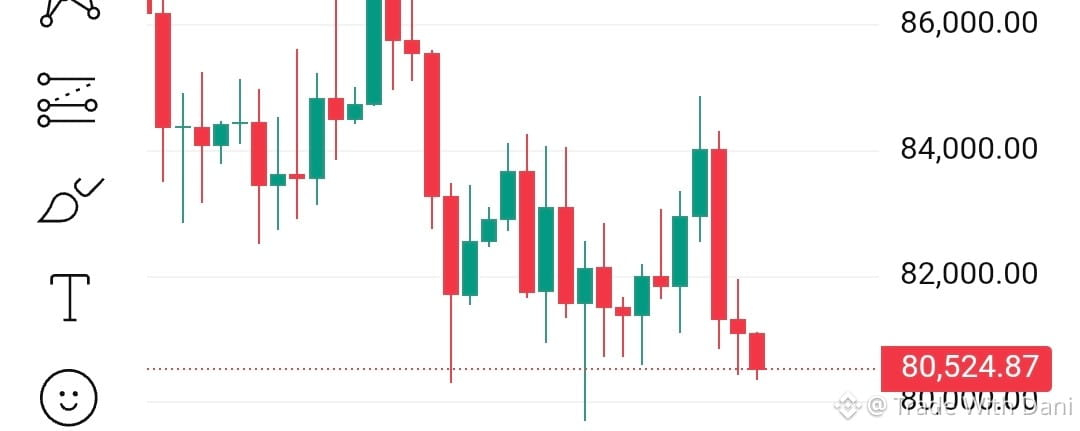
🚨 BITCOIN SURPASSES $83,000!
Bitcoin ($BTC) has briefly crossed the $83,000 mark on October 19, 2026, as the crypto market attempts to recover from recent selling pressure.
📈 Why does this move matter?
🔹 Market sentiment: A move above a major psychological level can attract traders' attention.
🔹 Potential momentum: If BTC holds above $83,000, traders may watch for continued strength. A quick rejection could indicate that selling pressure remains.
🔹 Macro factors: Oil prices and expectations around Federal Reserve policy continue to influence broader risk sentiment.
⚠️ Important: Crossing $83,000 does not automatically confirm a bullish breakout. Sustained price action, trading volume, and broader market conditions matter.
The real question is whether Bitcoin can hold this level or whether sellers will push it back below $83K.
💬 What do you think? Is BTC preparing for another move up, or is this just a temporary bounce?
#Bitcoin #BTC #CryptoMarket #BinanceSquare
83
What Is Hyperliquid (HYPE)Have you ever wondered what would happen if the speed and trading experience of a centralized exchange were combined with the transparency of blockchain?
That's the idea behind Hyperliquid ($HYPE), a project attracting attention in the decentralized finance (DeFi) ecosystem.
But Hyperliquid is more than just another cryptocurrency. Let's understand what it does, how it works, and why its token matters.
🧩 1. What Is Hyperliquid?
Hyperliquid is a Layer 1 blockchain designed to support an open, on-chain financial system.
Unlike traditional exchanges, where trading activity largely takes place within a company's private infrastructure, Hyperliquid records its core trading operations on-chain.
Its ecosystem is built around two major components:
- HyperCore: The system supporting on-chain spot markets and perpetual futures order books.
- HyperEVM: An Ethereum-compatible execution environment that allows developers to build smart contracts and financial applications.
The goal is to combine trading performance, transparent markets, and programmable financial infrastructure.
Official documentation: https://hyperliquid.gitbook.io/hyperliquid-docs
📊 2. What Makes Hyperliquid Different?
One of Hyperliquid's defining features is its focus on on-chain order-book trading.
Many decentralized exchanges use automated market makers (AMMs), where liquidity is provided through pools of assets.
Hyperliquid instead supports an order-book model, where buyers and sellers submit orders that can be matched within its trading infrastructure.
This approach is particularly relevant to traders who want familiar exchange-style features while interacting with an on-chain system.
Hyperliquid also supports perpetual futures, which allow traders to speculate on price movements without an expiration date.
However, perpetual futures can involve leverage, funding payments, and liquidation risk. They are not suitable for everyone.
🪙 3. What Is the HYPE Token Used For?
HYPE is the native token of the Hyperliquid ecosystem.
Its utility includes several important functions:
Network security: HYPE holders can stake tokens with validators to help secure the network.
Transaction fees: HYPE is used as the native gas token on HyperEVM.
Trading benefits: Staking HYPE can qualify users for trading-fee discounts under the platform's fee structure.
Ecosystem economics: Hyperliquid's official documentation describes a mechanism through which trading fees are used to acquire HYPE for the Assistance Fund, where those tokens are burned.
These functions connect the token to the activity and infrastructure of the ecosystem.
However, token utility does not automatically guarantee price appreciation. Demand, circulating supply, emissions, market sentiment, and broader economic conditions all matter.
💰 4. Why Do Traders Watch HYPE?
The main reason to study HYPE is the relationship between the token and its underlying platform.
Consider three factors:
1. Trading activity
If activity on Hyperliquid grows sustainably, the platform's economic activity may become more significant.
2. Token demand
Staking, network usage, and other token utilities may contribute to demand for HYPE.
3. Token supply
Unlocks, future emissions, and the amount of HYPE entering circulation can influence the balance between buying demand and selling pressure.
These factors need to be analyzed together. High trading volume alone does not prove that HYPE's price must increase.
⚠️ 5. What Are the Risks?
Hyperliquid also faces important challenges.
- Competition: Other centralized and decentralized exchanges compete for traders and liquidity.
- Market volatility: HYPE can experience substantial price swings.
- Token supply: Unlocks and emissions may create additional selling pressure.
- Leverage-related risks: Liquidations and extreme market conditions can affect the broader trading ecosystem.
- Regulatory uncertainty: Derivatives platforms face different restrictions across jurisdictions.
- Ecosystem risk: Technical failures, smart-contract vulnerabilities, or changes in user activity could affect confidence.
Understanding these risks is just as important as understanding the project's potential.
🎯 Final Thoughts
Hyperliquid is an interesting example of how blockchain infrastructure is evolving beyond simple token transfers.
Its combination of on-chain order books, perpetual futures, spot trading, and a programmable execution environment gives it a distinct position in the DeFi ecosystem.
But the important question is not simply whether HYPE can rise in price.
It is whether Hyperliquid can sustain user demand, generate meaningful economic activity, compete with other trading platforms, and maintain a token economy that supports its long-term development.
The project deserves to be evaluated on its actual usage, token economics, and risks—not hype alone.
💬 What do you think about Hyperliquid? Can on-chain exchanges compete with centralized platforms over the long term?
#Hyperliquid #HYPE #DeFi #Crypto #BinanceSquare
What Is Hyperliquid (HYPE)
Have you ever wondered what would happen if the speed and trading experience of a centralized exchange were combined with the transparency of blockchain?
That's the idea behind Hyperliquid ($HYPE), a project attracting attention in the decentralized finance (DeFi) ecosystem.
But Hyperliquid is more than just another cryptocurrency. Let's understand what it does, how it works, and why its token matters.
🧩 1. What Is Hyperliquid?
Hyperliquid is a Layer 1 blockchain designed to support an open, on-chain financial system.
Unlike traditional exchanges, where trading activity largely takes place within a company's private infrastructure, Hyperliquid records its core trading operations on-chain.
Its ecosystem is built around two major components:
- HyperCore: The system supporting on-chain spot markets and perpetual futures order books.
- HyperEVM: An Ethereum-compatible execution environment that allows developers to build smart contracts and financial applications.
The goal is to combine trading performance, transparent markets, and programmable financial infrastructure.
Official documentation: https://hyperliquid.gitbook.io/hyperliquid-docs
📊 2. What Makes Hyperliquid Different?
One of Hyperliquid's defining features is its focus on on-chain order-book trading.
Many decentralized exchanges use automated market makers (AMMs), where liquidity is provided through pools of assets.
Hyperliquid instead supports an order-book model, where buyers and sellers submit orders that can be matched within its trading infrastructure.
This approach is particularly relevant to traders who want familiar exchange-style features while interacting with an on-chain system.
Hyperliquid also supports perpetual futures, which allow traders to speculate on price movements without an expiration date.
However, perpetual futures can involve leverage, funding payments, and liquidation risk. They are not suitable for everyone.
🪙 3. What Is the HYPE Token Used For?
HYPE is the native token of the Hyperliquid ecosystem.
Its utility includes several important functions:
Network security: HYPE holders can stake tokens with validators to help secure the network.
Transaction fees: HYPE is used as the native gas token on HyperEVM.
Trading benefits: Staking HYPE can qualify users for trading-fee discounts under the platform's fee structure.
Ecosystem economics: Hyperliquid's official documentation describes a mechanism through which trading fees are used to acquire HYPE for the Assistance Fund, where those tokens are burned.
These functions connect the token to the activity and infrastructure of the ecosystem.
However, token utility does not automatically guarantee price appreciation. Demand, circulating supply, emissions, market sentiment, and broader economic conditions all matter.
💰 4. Why Do Traders Watch HYPE?
The main reason to study HYPE is the relationship between the token and its underlying platform.
Consider three factors:
1. Trading activity
If activity on Hyperliquid grows sustainably, the platform's economic activity may become more significant.
2. Token demand
Staking, network usage, and other token utilities may contribute to demand for HYPE.
3. Token supply
Unlocks, future emissions, and the amount of HYPE entering circulation can influence the balance between buying demand and selling pressure.
These factors need to be analyzed together. High trading volume alone does not prove that HYPE's price must increase.
⚠️ 5. What Are the Risks?
Hyperliquid also faces important challenges.
- Competition: Other centralized and decentralized exchanges compete for traders and liquidity.
- Market volatility: HYPE can experience substantial price swings.
- Token supply: Unlocks and emissions may create additional selling pressure.
- Leverage-related risks: Liquidations and extreme market conditions can affect the broader trading ecosystem.
- Regulatory uncertainty: Derivatives platforms face different restrictions across jurisdictions.
- Ecosystem risk: Technical failures, smart-contract vulnerabilities, or changes in user activity could affect confidence.
Understanding these risks is just as important as understanding the project's potential.
🎯 Final Thoughts
Hyperliquid is an interesting example of how blockchain infrastructure is evolving beyond simple token transfers.
Its combination of on-chain order books, perpetual futures, spot trading, and a programmable execution environment gives it a distinct position in the DeFi ecosystem.
But the important question is not simply whether HYPE can rise in price.
It is whether Hyperliquid can sustain user demand, generate meaningful economic activity, compete with other trading platforms, and maintain a token economy that supports its long-term development.
The project deserves to be evaluated on its actual usage, token economics, and risks—not hype alone.
💬 What do you think about Hyperliquid? Can on-chain exchanges compete with centralized platforms over the long term?
#Hyperliquid #HYPE #DeFi #Crypto #BinanceSquare
226
Crypto is more than a price chart. 📈
It’s about patience, research, and knowing when NOT to trade.
Don’t chase every green candle. Build your strategy, manage your risk, and let discipline guide your decisions.
Trade smart. Stay SAFU. 🔶
#Binance #crypto #tradingStrategy
Crypto is more than a price chart. 📈
It’s about patience, research, and knowing when NOT to trade.
Don’t chase every green candle. Build your strategy, manage your risk, and let discipline guide your decisions.
Trade smart. Stay SAFU. 🔶
#Binance #crypto #tradingStrategy
It’s about patience, research, and knowing when NOT to trade.
Don’t chase every green candle. Build your strategy, manage your risk, and let discipline guide your decisions.
Trade smart. Stay SAFU. 🔶
#Binance #crypto #tradingStrategy
26
Why Does Ethereum Get So Much Attention in November and December?Have you noticed how many crypto traders start watching Ethereum ($ETH ) closely as the year approaches its final two months?
There is a reason November and December often attract attention in the crypto market. But the real question is: Can Ethereum repeat its previous rallies?
Let's understand the factors behind the year-end narrative.
1. 📈 Historical Market Patterns
Crypto traders often study Ethereum's previous November and December performances to identify recurring trends.
When ETH has delivered strong rallies during past year-end periods, investors naturally become interested in whether similar conditions could develop again.
However, historical performance is not consistent every year. Some year-end periods have been bullish, while others have delivered significant losses.
2. 🟠 Bitcoin Often Sets the Tone
Ethereum doesn't move independently of the broader market.
When Bitcoin ($BTC ) enters a strong uptrend, investor confidence can spread into major altcoins. Ethereum may benefit as traders look for opportunities beyond Bitcoin.
But if BTC weakens, ETH can also face substantial selling pressure.
3. 💰 Liquidity and Investor Sentiment
A strong crypto rally usually needs more than optimism.
Improving liquidity, stronger spot-market demand, institutional participation, and rising investor confidence can all contribute to upward momentum.
If these conditions align toward the end of 2026, Ethereum could benefit. If they don't, the calendar alone will not push prices higher.
4. 🔥 Why Traders Are Watching ETH for Q4 2026
Ethereum remains a major blockchain ecosystem, with activity across DeFi, stablecoins, tokenization, and Layer 2 networks.
These fundamentals help explain why ETH remains on traders' watchlists.
Still, ecosystem growth does not guarantee immediate price appreciation. Market expectations, supply dynamics, and broader economic conditions matter too.
🎯 The Big Question: Can ETH Repeat Its Year-End Rally?
The idea that Ethereum pumps every November and December is too strong. Its historical returns vary considerably depending on the year.
What matters is whether the conditions behind previous rallies return:
- Bitcoin maintains bullish momentum.
- ETH shows strength against BTC.
- Buying demand increases.
- Market liquidity improves.
- Investor sentiment becomes more positive.
If several of these factors align, ETH could have the conditions for another rally.
But if the market weakens, November and December could look very different.
Remember: History can provide context, but it cannot guarantee the future.
💬 What do you think? Will Ethereum deliver a strong finish to 2026, or will this year break the year-end rally narrative?
#Ethereum #ETH #CryptoMarket #BinanceSquar
Why Does Ethereum Get So Much Attention in November and December?
Have you noticed how many crypto traders start watching Ethereum ($ETH ) closely as the year approaches its final two months?
There is a reason November and December often attract attention in the crypto market. But the real question is: Can Ethereum repeat its previous rallies?
Let's understand the factors behind the year-end narrative.
1. 📈 Historical Market Patterns
Crypto traders often study Ethereum's previous November and December performances to identify recurring trends.
When ETH has delivered strong rallies during past year-end periods, investors naturally become interested in whether similar conditions could develop again.
However, historical performance is not consistent every year. Some year-end periods have been bullish, while others have delivered significant losses.
2. 🟠 Bitcoin Often Sets the Tone
Ethereum doesn't move independently of the broader market.
When Bitcoin ($BTC ) enters a strong uptrend, investor confidence can spread into major altcoins. Ethereum may benefit as traders look for opportunities beyond Bitcoin.
But if BTC weakens, ETH can also face substantial selling pressure.
3. 💰 Liquidity and Investor Sentiment
A strong crypto rally usually needs more than optimism.
Improving liquidity, stronger spot-market demand, institutional participation, and rising investor confidence can all contribute to upward momentum.
If these conditions align toward the end of 2026, Ethereum could benefit. If they don't, the calendar alone will not push prices higher.
4. 🔥 Why Traders Are Watching ETH for Q4 2026
Ethereum remains a major blockchain ecosystem, with activity across DeFi, stablecoins, tokenization, and Layer 2 networks.
These fundamentals help explain why ETH remains on traders' watchlists.
Still, ecosystem growth does not guarantee immediate price appreciation. Market expectations, supply dynamics, and broader economic conditions matter too.
🎯 The Big Question: Can ETH Repeat Its Year-End Rally?
The idea that Ethereum pumps every November and December is too strong. Its historical returns vary considerably depending on the year.
What matters is whether the conditions behind previous rallies return:
- Bitcoin maintains bullish momentum.
- ETH shows strength against BTC.
- Buying demand increases.
- Market liquidity improves.
- Investor sentiment becomes more positive.
If several of these factors align, ETH could have the conditions for another rally.
But if the market weakens, November and December could look very different.
Remember: History can provide context, but it cannot guarantee the future.
💬 What do you think? Will Ethereum deliver a strong finish to 2026, or will this year break the year-end rally narrative?
#Ethereum #ETH #CryptoMarket #BinanceSquar
60
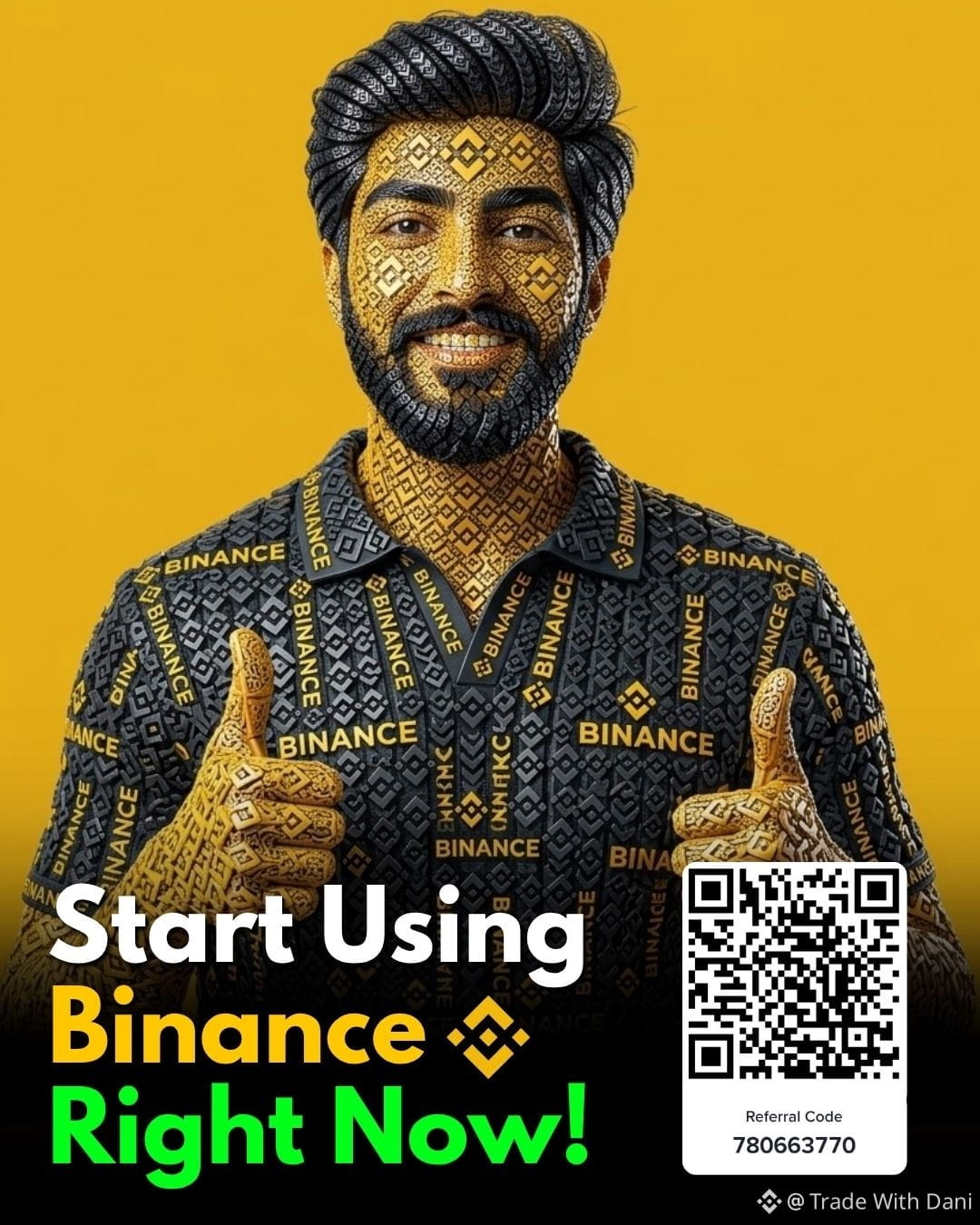
POV: You Start Using Binance
[Scab QR Code and Create Account with referral Code to Get upto $100 USDT Voucher]
$AAPLB $ETH
#BinanceSquareTalks #binancepakistan #danitechwa
POV: You Start Using Binance
[Scab QR Code and Create Account with referral Code to Get upto $100 USDT Voucher]
$AAPLB $ETH
#BinanceSquareTalks #binancepakistan #danitechwa
[Scab QR Code and Create Account with referral Code to Get upto $100 USDT Voucher]
$AAPLB $ETH
#BinanceSquareTalks #binancepakistan #danitechwa

8
POV: You Start Using Binance
[Scab QR Code and Create Account with referral Code to Get upto $100 USDT Voucher]
$AAPLB $ETH
#BinanceSquareTalks #binancepakistan #danitechwa
POV: You Start Using Binance
[Scab QR Code and Create Account with referral Code to Get upto $100 USDT Voucher]
$AAPLB $ETH
#BinanceSquareTalks #binancepakistan #danitechwa
[Scab QR Code and Create Account with referral Code to Get upto $100 USDT Voucher]
$AAPLB $ETH
#BinanceSquareTalks #binancepakistan #danitechwa


7
POV: You Start Using Binance
[Scab QR Code and Create Account with referral Code to Get upto $100 USDT Voucher]
$ETH $BTC
#BinanceSquareFamily #binancepakistan #danitechwala
POV: You Start Using Binance
[Scab QR Code and Create Account with referral Code to Get upto $100 USDT Voucher]
$ETH $BTC
#BinanceSquareFamily #binancepakistan #danitechwala
[Scab QR Code and Create Account with referral Code to Get upto $100 USDT Voucher]
$ETH $BTC
#BinanceSquareFamily #binancepakistan #danitechwala


108
💳 What if your crypto could be used like a normal card?
That’s the idea behind the Binance Card.
Instead of keeping crypto only inside an exchange, eligible users can use the card to spend supported crypto at 90+ million online and offline merchants worldwide through Mastercard acceptance.
The interesting part is the shift in crypto’s use case:
Buy → Hold → Spend
Crypto isn’t only about trading anymore. Payment infrastructure is becoming an important part of the ecosystem.
But there’s an important catch:
⚠️ Binance Card availability, supported assets, fees, and features depend on your country and eligibility.
So before applying, always check the current terms for your region.
For me, the bigger question is:
Would you actually spend your crypto using a card, or would you rather keep it as an investment?
#BinanceCard #Binance #Crypto #Bitcoin #Web3
51
Log in to explore more content
Join global crypto users on Binance Square
⚡️ Get latest and useful information about crypto.
💬 Trusted by the world’s largest crypto exchange.
👍 Discover real insights from verified creators.
Email / Phone number