

Mestr X
845 Posts

Mestr X
Report
Block User
رؤية احترافية لسوق العملات الرقمية عبر تحليل السيولة والتنظيم وسلوك رأس المال. أخبار وتحليلات يومية لدعم قرارات تداول واعية.
High-Frequency Trader
3.2 Years
3.9K+ Following
4.0K+ Followers
5.3K+ Liked
Posts
All
Quotes
Videos
·
--
OpenLedger
OpenLedger
Mestr X
·
--
OpenLedger and the Future of Decentralized Data Economy in the Age of AI
In every new cycle of the crypto market, projects emerge focusing on the "trend", but only a few aim to build infrastructure that the sector can rely on for years. That's why I see @OpenLedger moving in a relatively different direction, especially with the integration of AI and blockchain technologies targeting a real issue, not just marketing hype.
2
5
175
·
--
OpenLedger and the Future of Decentralized Data Economy in the Age of AIIn every new cycle of the crypto market, projects emerge focusing on the "trend", but only a few aim to build infrastructure that the sector can rely on for years. That's why I see @Openledger moving in a relatively different direction, especially with the integration of AI and blockchain technologies targeting a real issue, not just marketing hype.
OpenLedger and the Future of Decentralized Data Economy in the Age of AI
In every new cycle of the crypto market, projects emerge focusing on the "trend", but only a few aim to build infrastructure that the sector can rely on for years. That's why I see @OpenLedger moving in a relatively different direction, especially with the integration of AI and blockchain technologies targeting a real issue, not just marketing hype.
2
6
250
·
--
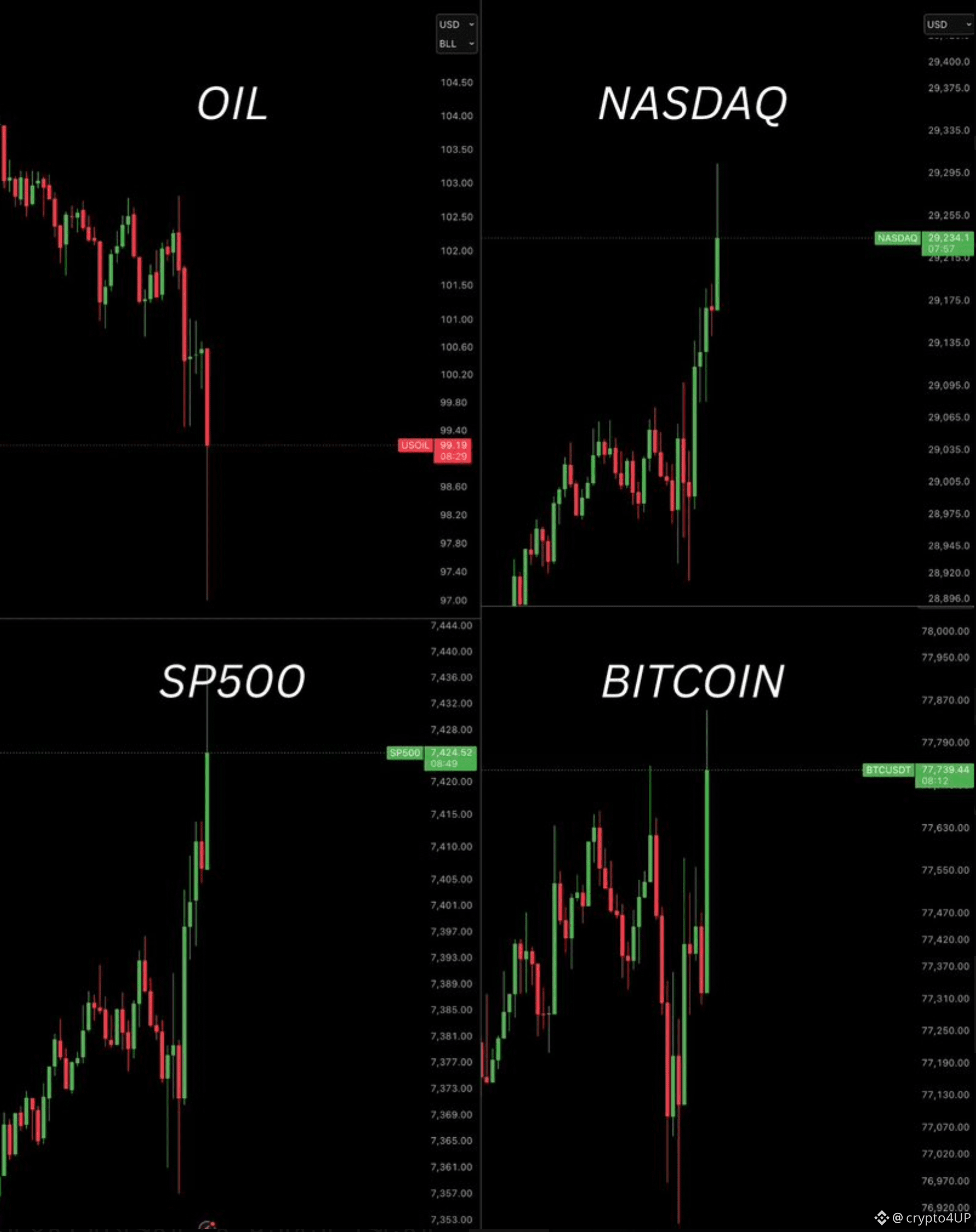
🚨Markets are pumping after President Trump's statement that the United States is in the "final stages" of talks with Iran.
Oil is crashing -3.52% to $97 per barrel on the back of this news.
$PLAY $EDEN $FIDA
🚨Markets are pumping after President Trump's statement that the United States is in the "final stages" of talks with Iran.
Oil is crashing -3.52% to $97 per barrel on the back of this news.
$PLAY $EDEN $FIDA
Oil is crashing -3.52% to $97 per barrel on the back of this news.
$PLAY $EDEN $FIDA
4
425
·
--
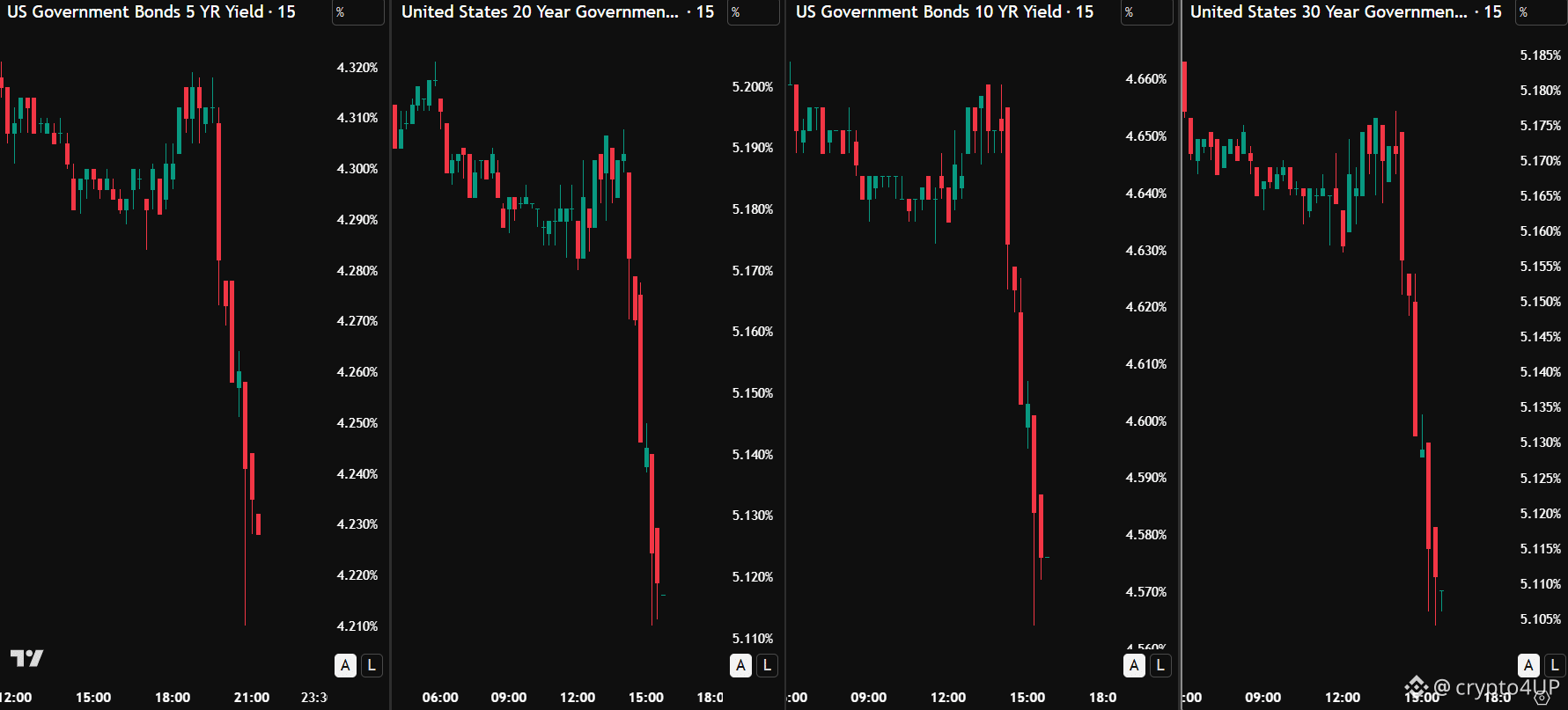
US bond yields are taking a dip right now.
What's the scoop?
Fresh news about US-Iran peace talks just dropped.
$EDEN
US bond yields are taking a dip right now.
What's the scoop?
Fresh news about US-Iran peace talks just dropped.
$EDEN
What's the scoop?
Fresh news about US-Iran peace talks just dropped.
$EDEN
3
359
·
--
#openledger $OPEN
{spot}(OPENUSDT)
I've been keeping an eye on AI projects in crypto for a while, and what stands out to me about @OpenLedger is their focus on building infrastructure that allows data and models to be more transparent and community-owned, rather than monopolized by centralized entities.
The real bet in the upcoming phase won't just be on the strength of AI models, but on the quality of data and how contributors are rewarded. That's why I see projects like OpenLedger trying to tackle a fundamental issue early on before it becomes a crisis in the sector.
This is one of the projects worth following through 2026 👀
#openledger $OPEN
I've been keeping an eye on AI projects in crypto for a while, and what stands out to me about @OpenLedger is their focus on building infrastructure that allows data and models to be more transparent and community-owned, rather than monopolized by centralized entities.
The real bet in the upcoming phase won't just be on the strength of AI models, but on the quality of data and how contributors are rewarded. That's why I see projects like OpenLedger trying to tackle a fundamental issue early on before it becomes a crisis in the sector.
This is one of the projects worth following through 2026 👀
I've been keeping an eye on AI projects in crypto for a while, and what stands out to me about @OpenLedger is their focus on building infrastructure that allows data and models to be more transparent and community-owned, rather than monopolized by centralized entities.
The real bet in the upcoming phase won't just be on the strength of AI models, but on the quality of data and how contributors are rewarded. That's why I see projects like OpenLedger trying to tackle a fundamental issue early on before it becomes a crisis in the sector.
This is one of the projects worth following through 2026 👀

3
211
·
--
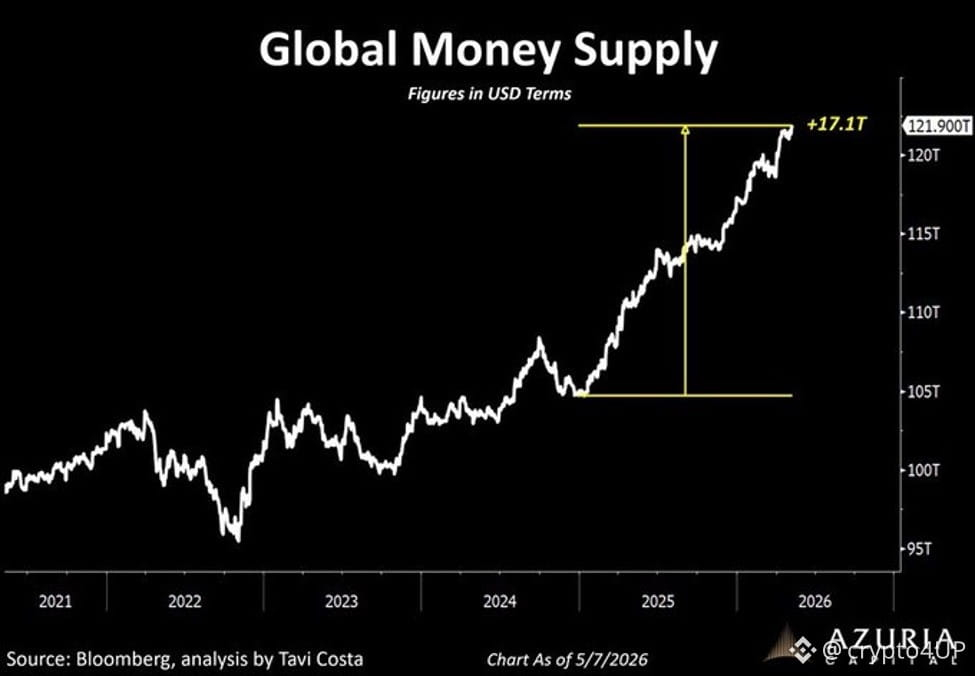
🚨 Global liquidity is exploding again.
The global money supply has reached a new all-time high of $121.9 trillion, after a massive surge of:
📈 +$17.1 trillion in just two years
📈 +$27 trillion since the 2022 bottom
This means that the global money supply is now growing at a rate of between 7% and 8% annually. 💵
In the United States as well, the M2 money supply rose by $1 trillion year-over-year to a record $22.7 trillion.
⚠️ Historically, when money printing and liquidity accelerate like this, risk assets such as:
₿ Bitcoin
📈 stocks
🥇 gold
start to benefit from the new cash flows.
However, on the flip side, this could also mean:
▪️ Greater inflationary pressures
▪️ Weaker purchasing power of currencies
▪️ And a greater reliance on monetary policy to support the economy
The question now is:
Will this new liquidity wave push the markets to new all-time highs… or will it bring inflation back with a vengeance? 👀
#bitcoin #liquidity #economy #Inflation #stocks
$BTC $ETH $BNB
🚨 Global liquidity is exploding again.
The global money supply has reached a new all-time high of $121.9 trillion, after a massive surge of:
📈 +$17.1 trillion in just two years
📈 +$27 trillion since the 2022 bottom
This means that the global money supply is now growing at a rate of between 7% and 8% annually. 💵
In the United States as well, the M2 money supply rose by $1 trillion year-over-year to a record $22.7 trillion.
⚠️ Historically, when money printing and liquidity accelerate like this, risk assets such as:
₿ Bitcoin
📈 stocks
🥇 gold
start to benefit from the new cash flows.
However, on the flip side, this could also mean:
▪️ Greater inflationary pressures
▪️ Weaker purchasing power of currencies
▪️ And a greater reliance on monetary policy to support the economy
The question now is:
Will this new liquidity wave push the markets to new all-time highs… or will it bring inflation back with a vengeance? 👀
#bitcoin #liquidity #economy #Inflation #stocks
$BTC $ETH $BNB
The global money supply has reached a new all-time high of $121.9 trillion, after a massive surge of:
📈 +$17.1 trillion in just two years
📈 +$27 trillion since the 2022 bottom
This means that the global money supply is now growing at a rate of between 7% and 8% annually. 💵
In the United States as well, the M2 money supply rose by $1 trillion year-over-year to a record $22.7 trillion.
⚠️ Historically, when money printing and liquidity accelerate like this, risk assets such as:
₿ Bitcoin
📈 stocks
🥇 gold
start to benefit from the new cash flows.
However, on the flip side, this could also mean:
▪️ Greater inflationary pressures
▪️ Weaker purchasing power of currencies
▪️ And a greater reliance on monetary policy to support the economy
The question now is:
Will this new liquidity wave push the markets to new all-time highs… or will it bring inflation back with a vengeance? 👀
#bitcoin #liquidity #economy #Inflation #stocks
$BTC $ETH $BNB
3
129
·
--
Breaking:
$NVDA shares jumped 2.1% before market open after a report that the U.S. approved sales of H200 chips to 10 Chinese companies.
$BTC $ETH $BNB
Breaking:
$NVDA shares jumped 2.1% before market open after a report that the U.S. approved sales of H200 chips to 10 Chinese companies.
$BTC $ETH $BNB
$NVDA shares jumped 2.1% before market open after a report that the U.S. approved sales of H200 chips to 10 Chinese companies.
$BTC $ETH $BNB
4
157
·
--
I left you a gift from coin $SHIB and $BTTC
You can find it in the first pinned post on my page
{spot}(SHIBUSDT)
{spot}(BTTCUSDT)
I left you a gift from coin $SHIB and $BTTC
You can find it in the first pinned post on my page
You can find it in the first pinned post on my page

2
7
1.4k
·
--
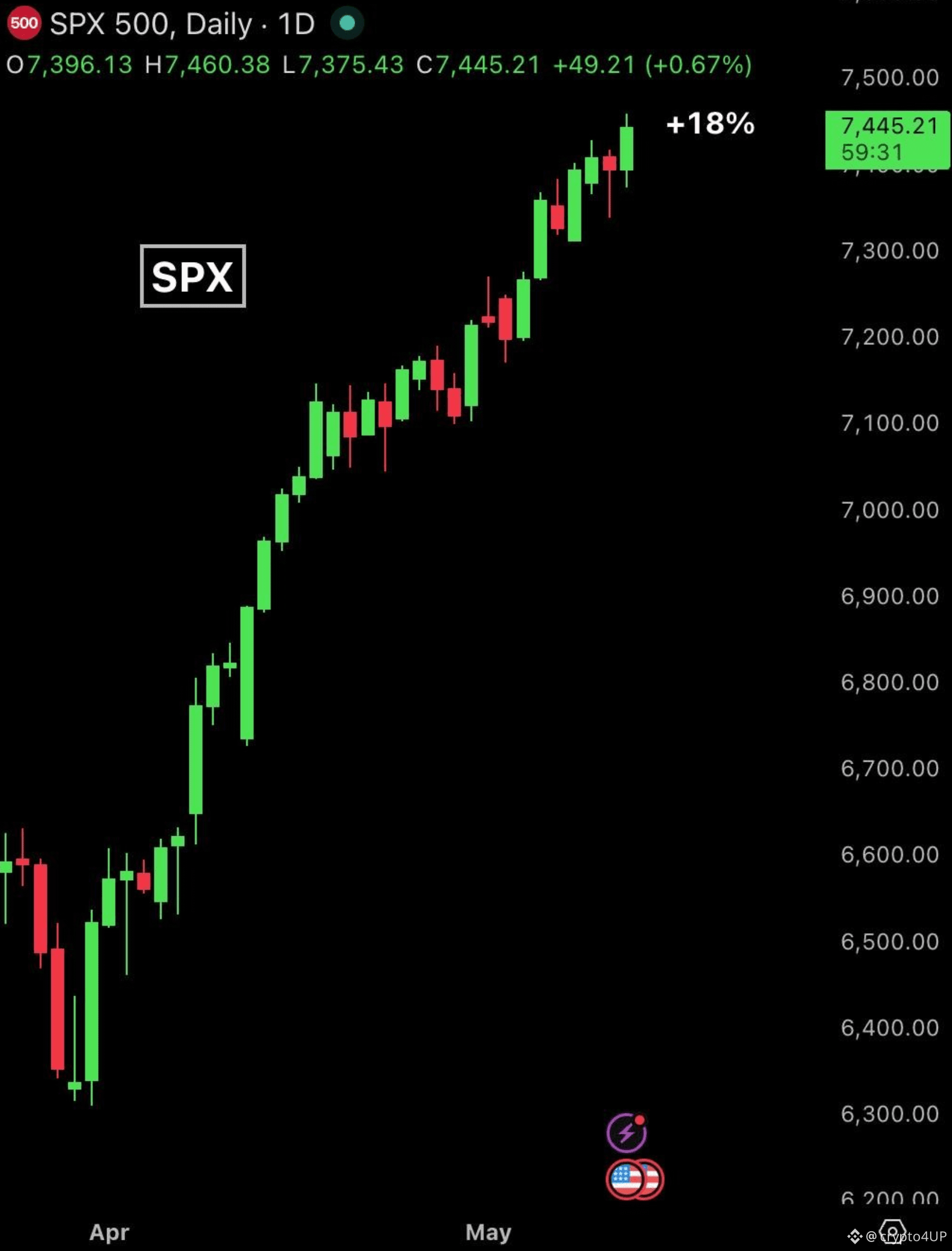
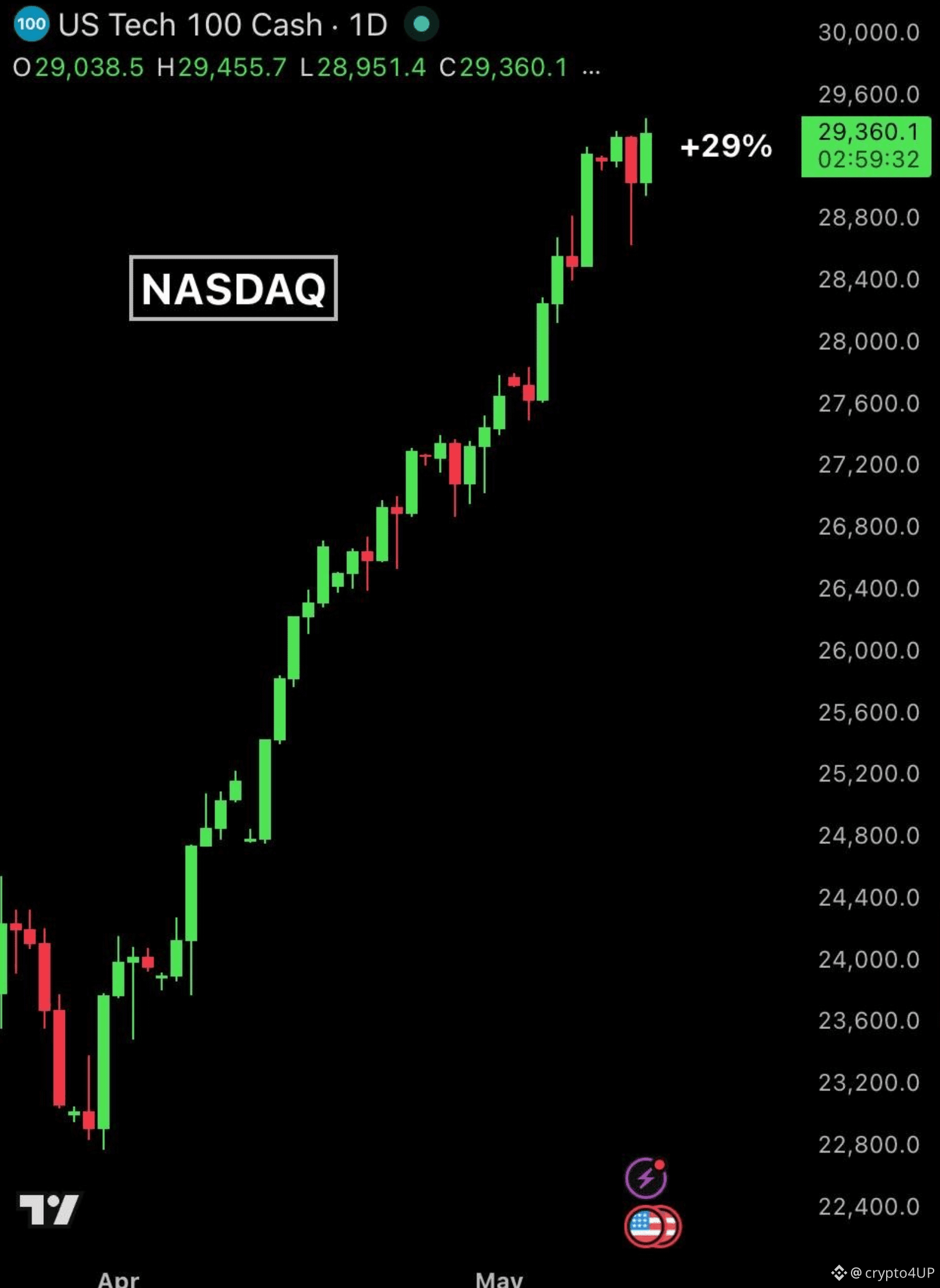
Stocks keep hitting all-time highs!
The Nasdaq and S&P 500 just logged their highest daily closes ever, despite those hot inflation reports from the CPI and PPI indices this week.
$BTC $ETH $XRP
Stocks keep hitting all-time highs!
The Nasdaq and S&P 500 just logged their highest daily closes ever, despite those hot inflation reports from the CPI and PPI indices this week.
$BTC $ETH $XRP
The Nasdaq and S&P 500 just logged their highest daily closes ever, despite those hot inflation reports from the CPI and PPI indices this week.
$BTC $ETH $XRP
2
190
·
--
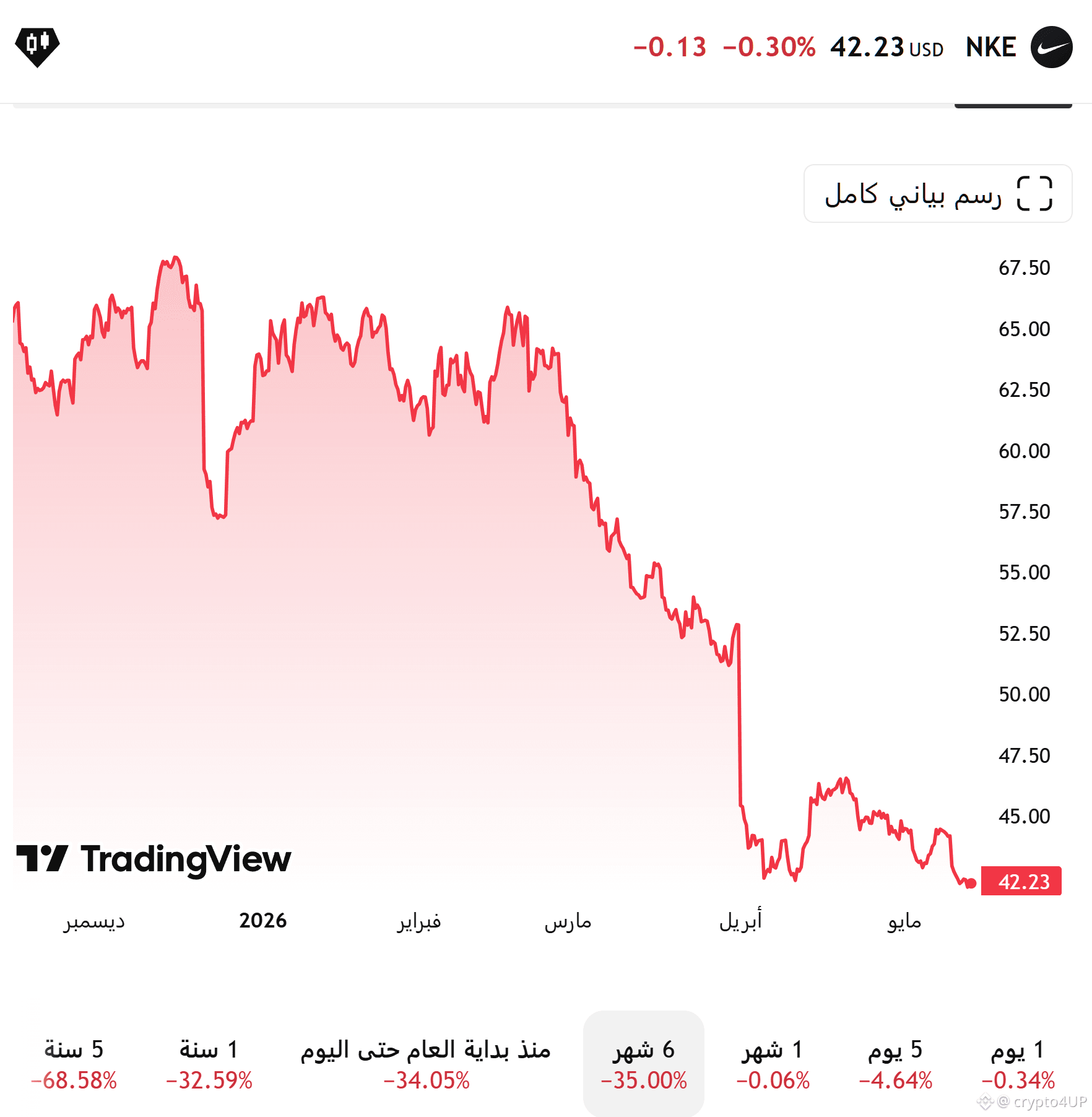
🚨 Nike's plunge is shocking.
The company has lost around 40% of its value in just 80 days, with its stock hitting a 12-year low… while the S&P 500 is reaching historical highs. 📉
The numbers reveal the scale of the crisis:
▪️ Sales in China dropped 20%
▪️ Tariffs could cost the company $1.5 billion this year
▪️ Net income fell 32% last quarter
▪️ And the "transformation" plan has been postponed until at least 2027
But the craziest part of the story?
Allbirds, which was on the brink of collapse, ditched its shoe business entirely and rebranded as an AI company… and its stock skyrocketed +430% in a single day. 🤯
⚠️ The market is sending a clear message:
In 2026, investors aren't just rewarding "legacy" or brand strength…
but are chasing anything related to AI.
A company selling the world's most famous shoes is crashing,
while a company that completely abandons shoes is soaring due to AI.
#NIKE #Aİ #stocks #NASDAQ #Investing
🚨 Nike's plunge is shocking.
The company has lost around 40% of its value in just 80 days, with its stock hitting a 12-year low… while the S&P 500 is reaching historical highs. 📉
The numbers reveal the scale of the crisis:
▪️ Sales in China dropped 20%
▪️ Tariffs could cost the company $1.5 billion this year
▪️ Net income fell 32% last quarter
▪️ And the "transformation" plan has been postponed until at least 2027
But the craziest part of the story?
Allbirds, which was on the brink of collapse, ditched its shoe business entirely and rebranded as an AI company… and its stock skyrocketed +430% in a single day. 🤯
⚠️ The market is sending a clear message:
In 2026, investors aren't just rewarding "legacy" or brand strength…
but are chasing anything related to AI.
A company selling the world's most famous shoes is crashing,
while a company that completely abandons shoes is soaring due to AI.
#NIKE #Aİ #stocks #NASDAQ #Investing
The company has lost around 40% of its value in just 80 days, with its stock hitting a 12-year low… while the S&P 500 is reaching historical highs. 📉
The numbers reveal the scale of the crisis:
▪️ Sales in China dropped 20%
▪️ Tariffs could cost the company $1.5 billion this year
▪️ Net income fell 32% last quarter
▪️ And the "transformation" plan has been postponed until at least 2027
But the craziest part of the story?
Allbirds, which was on the brink of collapse, ditched its shoe business entirely and rebranded as an AI company… and its stock skyrocketed +430% in a single day. 🤯
⚠️ The market is sending a clear message:
In 2026, investors aren't just rewarding "legacy" or brand strength…
but are chasing anything related to AI.
A company selling the world's most famous shoes is crashing,
while a company that completely abandons shoes is soaring due to AI.
#NIKE #Aİ #stocks #NASDAQ #Investing
3
383
·
--
🚨⚡️ Huge development for crypto adoption in the United States.
Charles Schwab has started offering spot trading for Bitcoin and Ethereum to retail investors through the Schwab Crypto platform. 📈
This move means that millions of traditional investors can now access directly:
₿ Bitcoin
⟠ Ethereum
from one of the largest financial institutions in America.
⚠️ The entry of big names like Charles Schwab into crypto spot trading reflects how digital assets are gradually shifting from being an 'alternative' market to becoming a core part of the traditional financial system.
As crypto services expand within major banks and brokerage firms, it seems that the competition for retail investors is heating up significantly.
$BTC
{spot}(BTCUSDT)
$ETH
{spot}(ETHUSDT)
🚨⚡️ Huge development for crypto adoption in the United States.
Charles Schwab has started offering spot trading for Bitcoin and Ethereum to retail investors through the Schwab Crypto platform. 📈
This move means that millions of traditional investors can now access directly:
₿ Bitcoin
⟠ Ethereum
from one of the largest financial institutions in America.
⚠️ The entry of big names like Charles Schwab into crypto spot trading reflects how digital assets are gradually shifting from being an 'alternative' market to becoming a core part of the traditional financial system.
As crypto services expand within major banks and brokerage firms, it seems that the competition for retail investors is heating up significantly.
$BTC
$ETH
Charles Schwab has started offering spot trading for Bitcoin and Ethereum to retail investors through the Schwab Crypto platform. 📈
This move means that millions of traditional investors can now access directly:
₿ Bitcoin
⟠ Ethereum
from one of the largest financial institutions in America.
⚠️ The entry of big names like Charles Schwab into crypto spot trading reflects how digital assets are gradually shifting from being an 'alternative' market to becoming a core part of the traditional financial system.
As crypto services expand within major banks and brokerage firms, it seems that the competition for retail investors is heating up significantly.
$BTC
$ETH

2
127
·
--
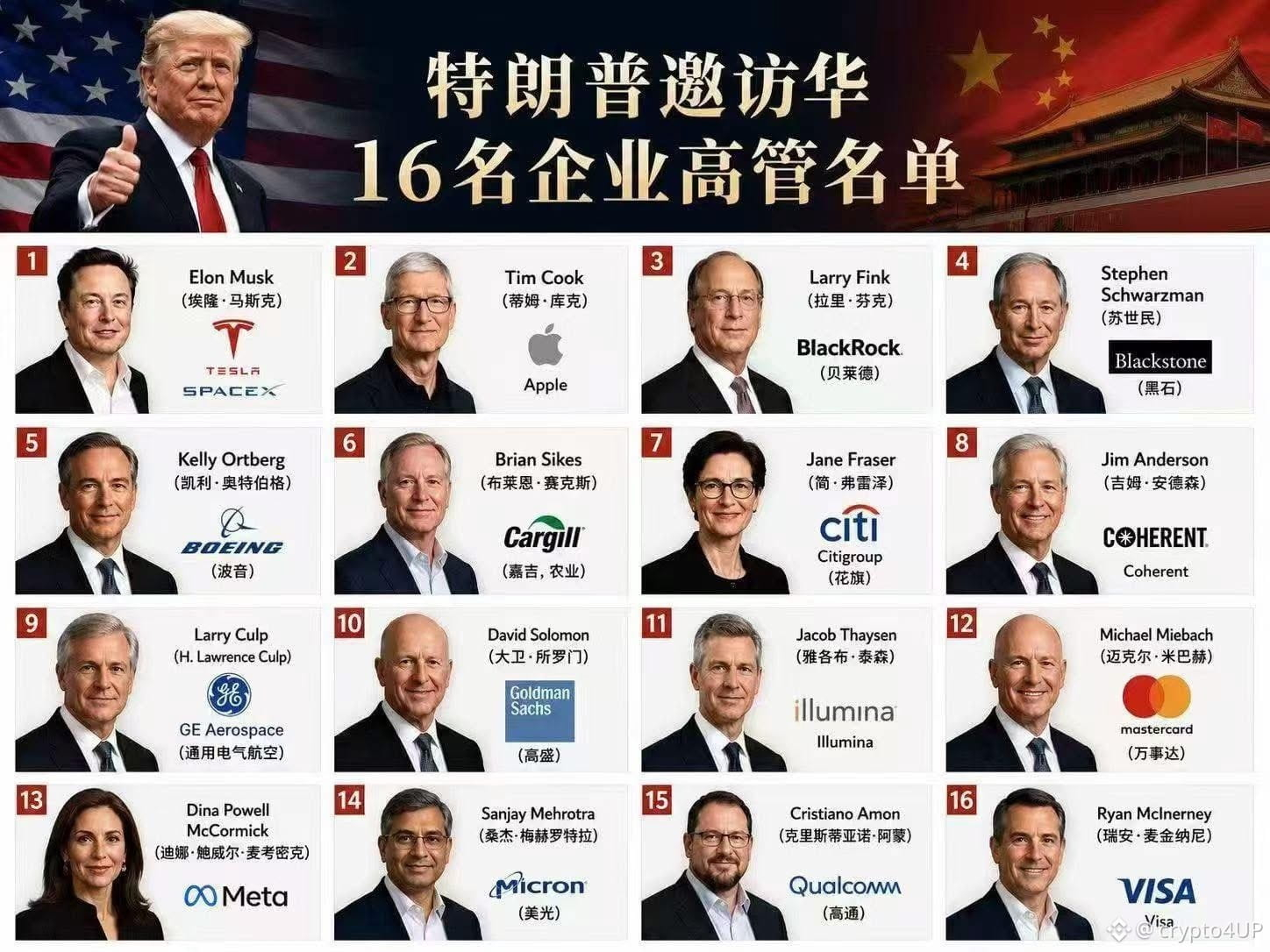
🚨 A massive lineup of top American execs is set to join Trump in China.
The highly anticipated trip to Beijing for a summit with Xi Jinping features names leading the biggest firms and financial-tech institutions in the world, including:
▪️ Tim Cook — Apple
▪️ Elon Musk — Tesla
▪️ Larry Fink — BlackRock
▪️ David Solomon — Goldman Sachs
▪️ Ryan McInerney — Visa
▪️ Michael Miebach — Mastercard
▪️ Chuck Robbins — Cisco
▪️ Sanjay Mehrotra — Micron
▪️ Cristiano Amon — Qualcomm
▪️ Kelly Ortberg — Boeing
▪️ Jane Fraser — Citi
▪️ Stephen Schwarzman — Blackstone
⚠️ This isn't just a diplomatic visit…
It's a clear signal that the tech, AI, semiconductor, and global finance sectors are at the heart of the Washington-Beijing relationship.
The presence of so many Wall Street and Silicon Valley giants could mean that the next phase will see huge deals and economic shifts happening behind the scenes.
#TRUMP #china #ElonMuskTalks #Apple #economy
$BTC $ETH $XRP
🚨 A massive lineup of top American execs is set to join Trump in China.
The highly anticipated trip to Beijing for a summit with Xi Jinping features names leading the biggest firms and financial-tech institutions in the world, including:
▪️ Tim Cook — Apple
▪️ Elon Musk — Tesla
▪️ Larry Fink — BlackRock
▪️ David Solomon — Goldman Sachs
▪️ Ryan McInerney — Visa
▪️ Michael Miebach — Mastercard
▪️ Chuck Robbins — Cisco
▪️ Sanjay Mehrotra — Micron
▪️ Cristiano Amon — Qualcomm
▪️ Kelly Ortberg — Boeing
▪️ Jane Fraser — Citi
▪️ Stephen Schwarzman — Blackstone
⚠️ This isn't just a diplomatic visit…
It's a clear signal that the tech, AI, semiconductor, and global finance sectors are at the heart of the Washington-Beijing relationship.
The presence of so many Wall Street and Silicon Valley giants could mean that the next phase will see huge deals and economic shifts happening behind the scenes.
#TRUMP #china #ElonMuskTalks #Apple #economy
$BTC $ETH $XRP
The highly anticipated trip to Beijing for a summit with Xi Jinping features names leading the biggest firms and financial-tech institutions in the world, including:
▪️ Tim Cook — Apple
▪️ Elon Musk — Tesla
▪️ Larry Fink — BlackRock
▪️ David Solomon — Goldman Sachs
▪️ Ryan McInerney — Visa
▪️ Michael Miebach — Mastercard
▪️ Chuck Robbins — Cisco
▪️ Sanjay Mehrotra — Micron
▪️ Cristiano Amon — Qualcomm
▪️ Kelly Ortberg — Boeing
▪️ Jane Fraser — Citi
▪️ Stephen Schwarzman — Blackstone
⚠️ This isn't just a diplomatic visit…
It's a clear signal that the tech, AI, semiconductor, and global finance sectors are at the heart of the Washington-Beijing relationship.
The presence of so many Wall Street and Silicon Valley giants could mean that the next phase will see huge deals and economic shifts happening behind the scenes.
#TRUMP #china #ElonMuskTalks #Apple #economy
$BTC $ETH $XRP
1
2
397
·
--
🚨🇯🇵 Breaking:
Japan is gearing up to launch EJPY, a stablecoin backed by the Japanese yen.
This new coin will be a "Trust-Based Stablecoin" and will focus on real-world use cases such as:
💳 B2B payments
💸 Money transfers
🌍 Fast and low-cost digital payments
⚠️ This move reflects the accelerating entry of governments and major institutions into the digital asset space, but in a structured way tied to traditional currencies.
Japan seems to be betting that the future of payments will be entirely digital while maintaining the stability of the yen and trust in the financial system.
As stablecoins expand globally, the competition is no longer just among banks…
But between countries as well. 👀
The question now is:
Will government-backed stablecoins support crypto adoption… or will they compete against it fiercely? 🔥
#Japan #stablecoin #crypto #blockchain #EJPY
$BTC $ETH $BNB
🚨🇯🇵 Breaking:
Japan is gearing up to launch EJPY, a stablecoin backed by the Japanese yen.
This new coin will be a "Trust-Based Stablecoin" and will focus on real-world use cases such as:
💳 B2B payments
💸 Money transfers
🌍 Fast and low-cost digital payments
⚠️ This move reflects the accelerating entry of governments and major institutions into the digital asset space, but in a structured way tied to traditional currencies.
Japan seems to be betting that the future of payments will be entirely digital while maintaining the stability of the yen and trust in the financial system.
As stablecoins expand globally, the competition is no longer just among banks…
But between countries as well. 👀
The question now is:
Will government-backed stablecoins support crypto adoption… or will they compete against it fiercely? 🔥
#Japan #stablecoin #crypto #blockchain #EJPY
$BTC $ETH $BNB
Japan is gearing up to launch EJPY, a stablecoin backed by the Japanese yen.
This new coin will be a "Trust-Based Stablecoin" and will focus on real-world use cases such as:
💳 B2B payments
💸 Money transfers
🌍 Fast and low-cost digital payments
⚠️ This move reflects the accelerating entry of governments and major institutions into the digital asset space, but in a structured way tied to traditional currencies.
Japan seems to be betting that the future of payments will be entirely digital while maintaining the stability of the yen and trust in the financial system.
As stablecoins expand globally, the competition is no longer just among banks…
But between countries as well. 👀
The question now is:
Will government-backed stablecoins support crypto adoption… or will they compete against it fiercely? 🔥
#Japan #stablecoin #crypto #blockchain #EJPY
$BTC $ETH $BNB

1
2
133
·
--
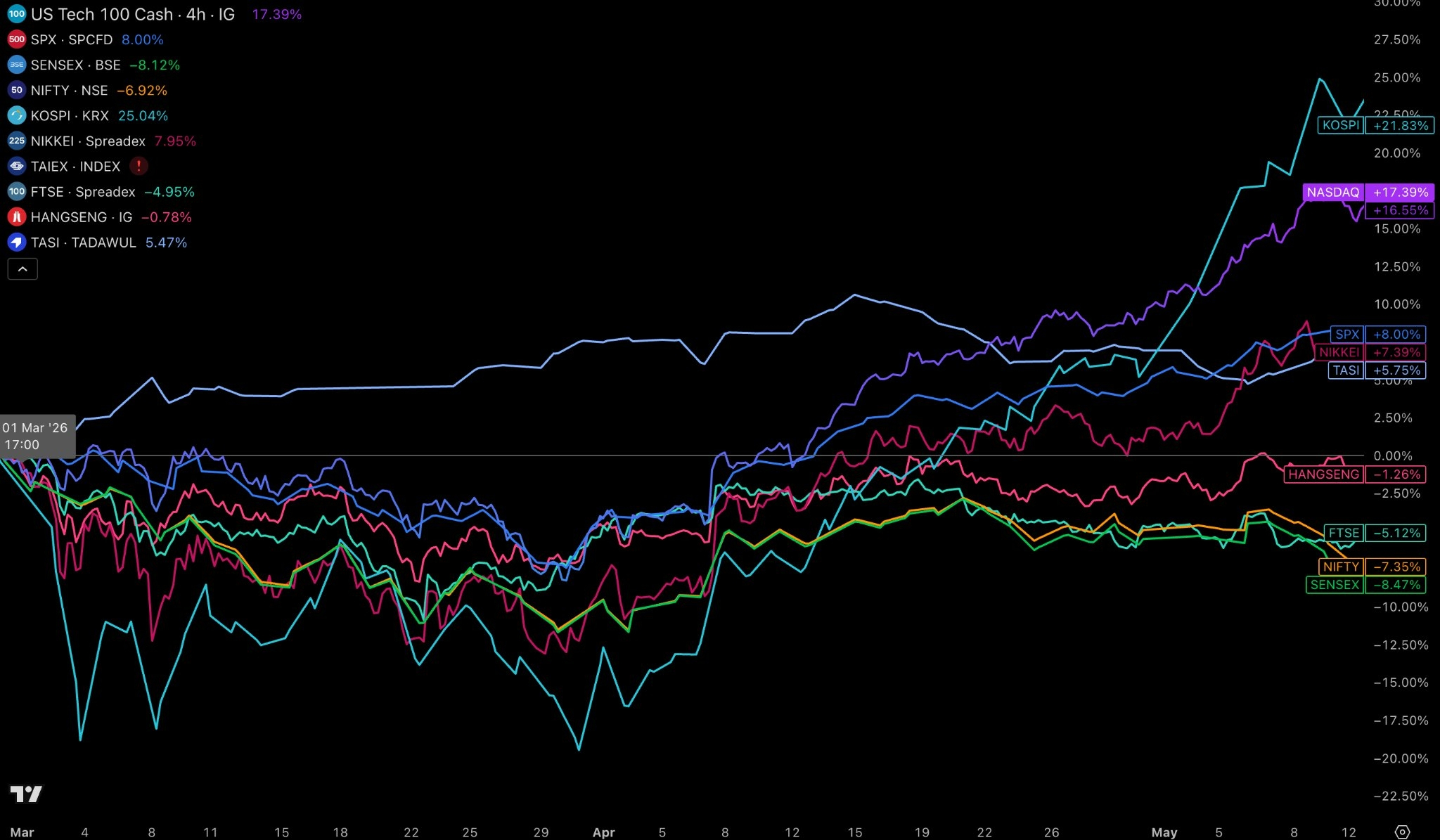
🚨 Surprise in the global markets.
Despite the war and geopolitical tensions, most major markets have managed to score strong gains since the start of the US-Iran conflict:
📈 Nasdaq: +17.39%
📈 S&P 500: +8%
📈 Japanese Nikkei: +7.39%
📈 Korean KOSPI: +21.83%
However, on the flip side, India and the UK have been the laggards among major financial markets:
📉 Indian Sensex: -8.47%
📉 Indian Nifty: -7.35%
📉 British FTSE: -5.12%
⚠️ This divergence reveals that the impact of the war hasn't been uniform for everyone, and some economies have become more sensitive to energy, inflation, and the outflow of global liquidity.
While tech and AI stocks in the US and Asia have thrived, other markets have faced pressure from slowing growth and rising costs.
#stocks #India #UK #NASDAQ #economy
$BTC $ETH $XRP
🚨 Surprise in the global markets.
Despite the war and geopolitical tensions, most major markets have managed to score strong gains since the start of the US-Iran conflict:
📈 Nasdaq: +17.39%
📈 S&P 500: +8%
📈 Japanese Nikkei: +7.39%
📈 Korean KOSPI: +21.83%
However, on the flip side, India and the UK have been the laggards among major financial markets:
📉 Indian Sensex: -8.47%
📉 Indian Nifty: -7.35%
📉 British FTSE: -5.12%
⚠️ This divergence reveals that the impact of the war hasn't been uniform for everyone, and some economies have become more sensitive to energy, inflation, and the outflow of global liquidity.
While tech and AI stocks in the US and Asia have thrived, other markets have faced pressure from slowing growth and rising costs.
#stocks #India #UK #NASDAQ #economy
$BTC $ETH $XRP
Despite the war and geopolitical tensions, most major markets have managed to score strong gains since the start of the US-Iran conflict:
📈 Nasdaq: +17.39%
📈 S&P 500: +8%
📈 Japanese Nikkei: +7.39%
📈 Korean KOSPI: +21.83%
However, on the flip side, India and the UK have been the laggards among major financial markets:
📉 Indian Sensex: -8.47%
📉 Indian Nifty: -7.35%
📉 British FTSE: -5.12%
⚠️ This divergence reveals that the impact of the war hasn't been uniform for everyone, and some economies have become more sensitive to energy, inflation, and the outflow of global liquidity.
While tech and AI stocks in the US and Asia have thrived, other markets have faced pressure from slowing growth and rising costs.
#stocks #India #UK #NASDAQ #economy
$BTC $ETH $XRP
2
222
·
--
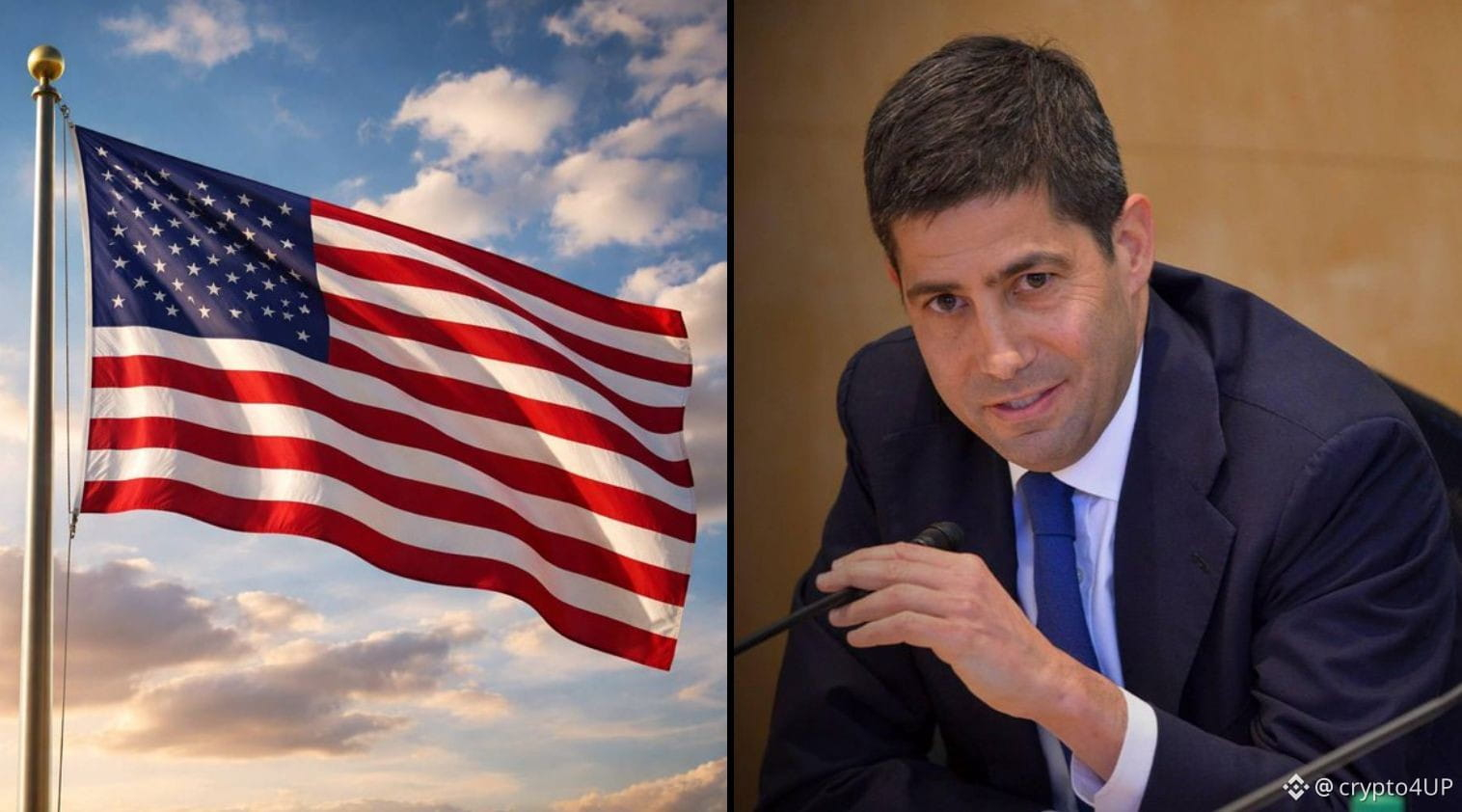
🚨Urgent:
The US Senate has officially confirmed Kevin Warsh as the Fed Governor.
Markets are now watching to see if his presence will push the Fed towards a tighter monetary policy… or signal a new shift in the management of the US economy.
⚠️ Any changes within the Fed could directly impact:
▪️ stocks
▪️ the dollar
▪️ gold
▪️ and even the crypto market
#FederalReserve #Fed #economy #stocks #bitcoin
$BTC $ETH $BNB
🚨Urgent:
The US Senate has officially confirmed Kevin Warsh as the Fed Governor.
Markets are now watching to see if his presence will push the Fed towards a tighter monetary policy… or signal a new shift in the management of the US economy.
⚠️ Any changes within the Fed could directly impact:
▪️ stocks
▪️ the dollar
▪️ gold
▪️ and even the crypto market
#FederalReserve #Fed #economy #stocks #bitcoin
$BTC $ETH $BNB
The US Senate has officially confirmed Kevin Warsh as the Fed Governor.
Markets are now watching to see if his presence will push the Fed towards a tighter monetary policy… or signal a new shift in the management of the US economy.
⚠️ Any changes within the Fed could directly impact:
▪️ stocks
▪️ the dollar
▪️ gold
▪️ and even the crypto market
#FederalReserve #Fed #economy #stocks #bitcoin
$BTC $ETH $BNB
1
2
371
·
--
Breaking:
The U.S. Court of Appeals has temporarily suspended the ruling against Trump's global 10% tariff.
This decision gives the Trump administration a temporary boost in its legal battle over trade tariffs, amidst growing debate about their impact on the economy and global markets.
Traders are now keeping a close eye on whether this move will trigger a new economic escalation between the United States and its trading partners.
#TRUMP #Tariffs #economy #stocks #Inflation
$BTC $ETH $BNB
Breaking:
The U.S. Court of Appeals has temporarily suspended the ruling against Trump's global 10% tariff.
This decision gives the Trump administration a temporary boost in its legal battle over trade tariffs, amidst growing debate about their impact on the economy and global markets.
Traders are now keeping a close eye on whether this move will trigger a new economic escalation between the United States and its trading partners.
#TRUMP #Tariffs #economy #stocks #Inflation
$BTC $ETH $BNB
The U.S. Court of Appeals has temporarily suspended the ruling against Trump's global 10% tariff.
This decision gives the Trump administration a temporary boost in its legal battle over trade tariffs, amidst growing debate about their impact on the economy and global markets.
Traders are now keeping a close eye on whether this move will trigger a new economic escalation between the United States and its trading partners.
#TRUMP #Tariffs #economy #stocks #Inflation
$BTC $ETH $BNB

2
107
·
--
I present to you a gift from the currency $BANANAS31
You'll find it in the first pinned post on my page
I present to you a gift from the currency $BANANAS31
You'll find it in the first pinned post on my page
You'll find it in the first pinned post on my page

87
10
56
32.5k
·
--
A Pentagon official stated that the cost of the U.S. war related to Iran has reached $29 billion so far.
$BTC $ETH
A Pentagon official stated that the cost of the U.S. war related to Iran has reached $29 billion so far.
$BTC $ETH
$BTC $ETH

1
64
·
--
🚨 Important Insight on the Bitcoin Market.
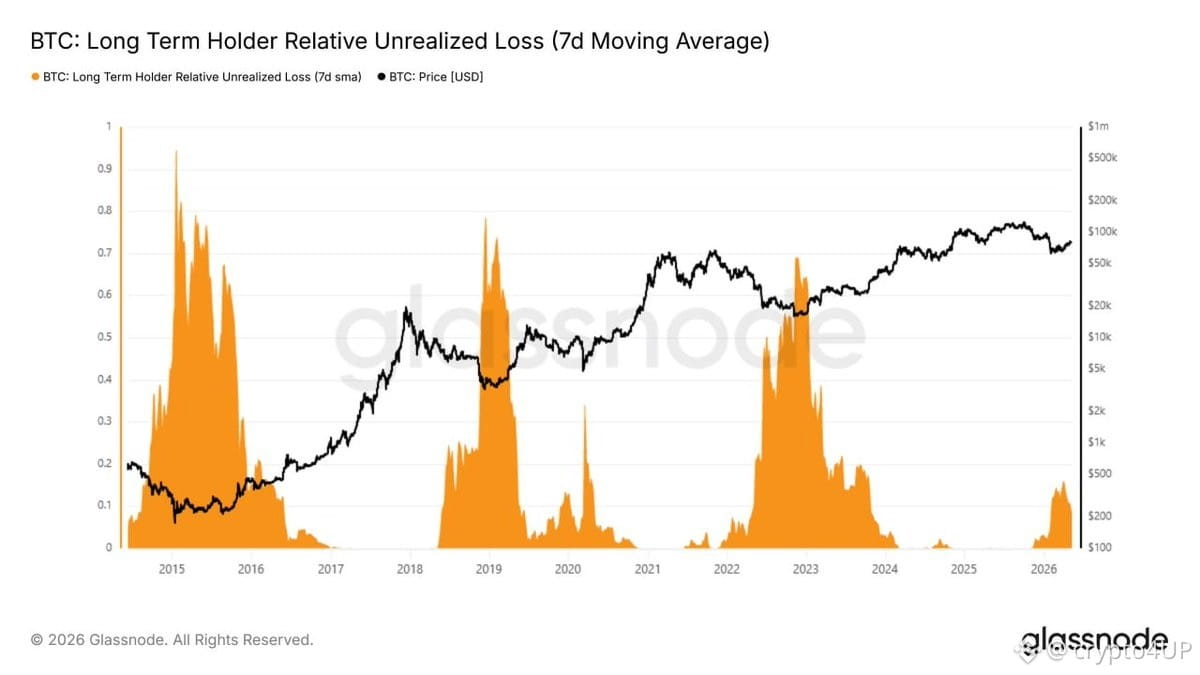
The unrealized losses for holders of $BTC long-term (LTH) have only reached 15% during April, a figure that remains far from the true bear market levels which typically exceed 75%.
This means that long-term investors are still holding onto most of their gains and have not yet entered the "capitulation" phase often seen at major bottoms.
⚠️ Historically, deep bear markets occur when long-term holders start to take massive losses and sell out of panic… and that doesn’t seem evident just yet.
In other words:
Despite the recent volatility, on-chain data suggests that the market may not be in a full-blown collapse as some believe.
#bitcoin #BTC #crypto #Onchain #trading
$ETH $XRP
🚨 Important Insight on the Bitcoin Market.
The unrealized losses for holders of $BTC long-term (LTH) have only reached 15% during April, a figure that remains far from the true bear market levels which typically exceed 75%.
This means that long-term investors are still holding onto most of their gains and have not yet entered the "capitulation" phase often seen at major bottoms.
⚠️ Historically, deep bear markets occur when long-term holders start to take massive losses and sell out of panic… and that doesn’t seem evident just yet.
In other words:
Despite the recent volatility, on-chain data suggests that the market may not be in a full-blown collapse as some believe.
#bitcoin #BTC #crypto #Onchain #trading
$ETH $XRP
The unrealized losses for holders of $BTC long-term (LTH) have only reached 15% during April, a figure that remains far from the true bear market levels which typically exceed 75%.
This means that long-term investors are still holding onto most of their gains and have not yet entered the "capitulation" phase often seen at major bottoms.
⚠️ Historically, deep bear markets occur when long-term holders start to take massive losses and sell out of panic… and that doesn’t seem evident just yet.
In other words:
Despite the recent volatility, on-chain data suggests that the market may not be in a full-blown collapse as some believe.
#bitcoin #BTC #crypto #Onchain #trading
$ETH $XRP
1
144
·
--
🔥 Major update for BNB Chain.
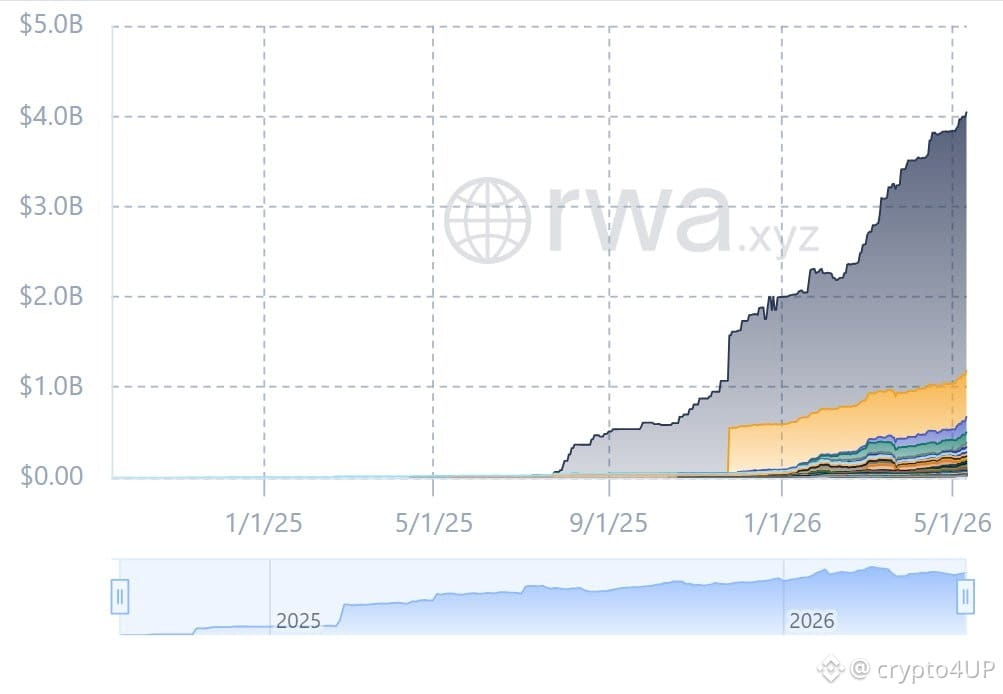
The Total Value Locked (TVL) for real-world assets (RWA) on the BNB Chain has hit $4 billion, adding over $2 billion since just January. 📈
This growth is primarily driven by Circle USDC, reflecting a surge in interest for integrating traditional assets with blockchain.
#bnb #crypto #RWA #defi #blockchain
$BNB
{spot}(BNBUSDT)
🔥 Major update for BNB Chain.
The Total Value Locked (TVL) for real-world assets (RWA) on the BNB Chain has hit $4 billion, adding over $2 billion since just January. 📈
This growth is primarily driven by Circle USDC, reflecting a surge in interest for integrating traditional assets with blockchain.
#bnb #crypto #RWA #defi #blockchain
$BNB
The Total Value Locked (TVL) for real-world assets (RWA) on the BNB Chain has hit $4 billion, adding over $2 billion since just January. 📈
This growth is primarily driven by Circle USDC, reflecting a surge in interest for integrating traditional assets with blockchain.
#bnb #crypto #RWA #defi #blockchain
$BNB

1
144
Log in to explore more content
Join global crypto users on Binance Square
⚡️ Get latest and useful information about crypto.
💬 Trusted by the world’s largest crypto exchange.
👍 Discover real insights from verified creators.
Email / Phone number
Trending Topics
BitcoinClears$85200
3,043 views
115 Discussing
We got the move, and $BTC is standing exactly where we were before the data. That’s what actual patience for a trade looks like.
The data came in mixed but with some important numbers. ADP Non-Farm Employment Change came at 90K vs 73K forecast, while Core PCE came in at 0.2% vs 0.3% expected. Final GDP was also stronger at 2.2% vs 1.5% forecast, while Personal Spending came in at 0.9% vs 0.8% expected. At the same time, Personal Income missed at 0.2% vs 0.5% forecast.
BTC initially surged to $85,600 and is now back where it needs to be. I’m still looking toward the lower ranges at $82,759 and the $80,000 liquidity, because the overhead liquidity is done and dusted.
We had a live session during the data, and during that session we saw the market at $83,800, then $85,600, and then back toward $83,000 and we still didn’t enter a trade.
That’s what patience is.
We can’t force an entry when the market has no clear direction. The same range is still in focus, and we’ll wait for the market to give us the setup.
Let me know, guys, how was the session? And should we have more regular sessions with our respected members so we can have proper discussions regarding the market?
#BitcoinClears$85200 #AltcoinSeasonIndexHoldsAbove60For5Days #USADPAdds90000JobsInSeptember #BitcoinSlipsBelow$84000 #SECToClarifyOnChainFundraisingRules
Crypto_LUX
·22 Likes
·6.8k views
AltcoinSeasonIndexHoldsAbove60For5Days
20,399 views
734 Discussing
USADPAdds90000JobsInSeptember
7,430 views
406 Discussing