
#blockchaintechnology
blockchaintechnology
647,270 views
2,066 Discussing
Hot
Latest

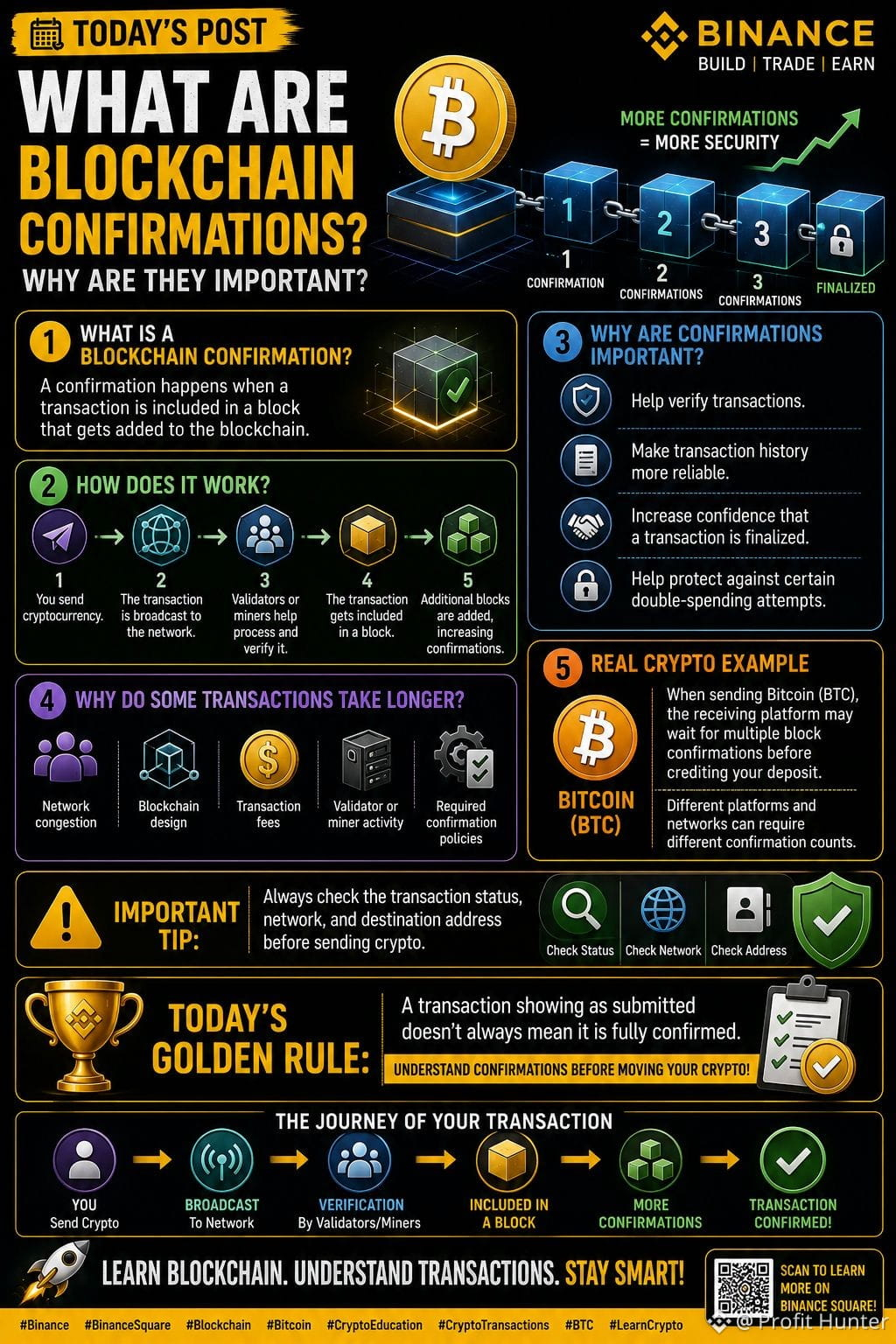
⛓️ WHAT ARE BLOCKCHAIN CONFIRMATIONS? WHY ARE THEY IMPORTANT?
Have you ever sent cryptocurrency and wondered why your transaction takes time to complete?
The answer is often related to Blockchain Confirmations! 🤔
Let's understand how they work. 👇
🔥 1. WHAT IS A BLOCKCHAIN CONFIRMATION?
A confirmation happens when a transaction is included in a block that gets added to the blockchain.
⚙️ 2. HOW DOES IT WORK?
🔹 You send cryptocurrency.
🔹 The transaction is broadcast to the network.
🔹 Validators or miners help process and verify it.
🔹 The transaction gets included in a block.
🔹 Additional blocks are added, increasing confirmations.
📊 3. WHY ARE CONFIRMATIONS IMPORTANT?
✅ Help verify transactions.
✅ Make transaction history more reliable.
✅ Increase confidence that a transaction is finalized.
✅ Help protect against certain double-spending attempts.
⏳ 4. WHY DO SOME TRANSACTIONS TAKE LONGER?
Transaction speed can depend on:
- Network congestion.
- Blockchain design.
- Transaction fees.
- Validator or miner activity.
- Required confirmation policies.
💡 5. REAL CRYPTO EXAMPLE
When sending $BTC
{spot}(BTCUSDT)
The receiving platform may wait for multiple block confirmations before crediting your deposit.
Different platforms and networks can require different confirmation counts.
⚠️ IMPORTANT TIP:
Always check the transaction status, network, and destination address before sending crypto.
🏆 TODAY'S GOLDEN RULE:
A transaction showing as submitted doesn't always mean it is fully confirmed.
Understand confirmations before moving your crypto!
🚀 LEARN BLOCKCHAIN. UNDERSTAND TRANSACTIONS. STAY SMART!
#Blockchain #CryptoTransactions #BTC #BlockchainTechnology
⛓️ WHAT ARE BLOCKCHAIN CONFIRMATIONS? WHY ARE THEY IMPORTANT?
Have you ever sent cryptocurrency and wondered why your transaction takes time to complete?
The answer is often related to Blockchain Confirmations! 🤔
Let's understand how they work. 👇
🔥 1. WHAT IS A BLOCKCHAIN CONFIRMATION?
A confirmation happens when a transaction is included in a block that gets added to the blockchain.
⚙️ 2. HOW DOES IT WORK?
🔹 You send cryptocurrency.
🔹 The transaction is broadcast to the network.
🔹 Validators or miners help process and verify it.
🔹 The transaction gets included in a block.
🔹 Additional blocks are added, increasing confirmations.
📊 3. WHY ARE CONFIRMATIONS IMPORTANT?
✅ Help verify transactions.
✅ Make transaction history more reliable.
✅ Increase confidence that a transaction is finalized.
✅ Help protect against certain double-spending attempts.
⏳ 4. WHY DO SOME TRANSACTIONS TAKE LONGER?
Transaction speed can depend on:
- Network congestion.
- Blockchain design.
- Transaction fees.
- Validator or miner activity.
- Required confirmation policies.
💡 5. REAL CRYPTO EXAMPLE
When sending $BTC
The receiving platform may wait for multiple block confirmations before crediting your deposit.
Different platforms and networks can require different confirmation counts.
⚠️ IMPORTANT TIP:
Always check the transaction status, network, and destination address before sending crypto.
🏆 TODAY'S GOLDEN RULE:
A transaction showing as submitted doesn't always mean it is fully confirmed.
Understand confirmations before moving your crypto!
🚀 LEARN BLOCKCHAIN. UNDERSTAND TRANSACTIONS. STAY SMART!
#Blockchain #CryptoTransactions #BTC #BlockchainTechnology
107

·
--
Crypto Is More Than Coins — It’s an Entire Digital Infrastructure 🌐
When people discuss crypto, they often focus only on Bitcoin’s price or the latest market trend.
But behind every transaction, an entire system is working.
🔹 Nodes help maintain and verify blockchain data.
🔹 Validators help confirm transactions and maintain network security.
🔹 Transaction fees compensate network participants and help manage demand.
🔹 Network protocols define how different participants communicate.
Understanding this infrastructure gives us a deeper perspective on how digital assets actually work.
The real innovation isn't just the coin — it's the system that makes digital ownership possible.
💬 Question: Which part of crypto infrastructure would you like to understand better: nodes, validators, or transaction fees?
#CryptoEducation #BlockchainTechnology #BinanceSquare #DigitalAssets
36
·
--
Got it! Here are 3 ready-to-use English posts about blockchain basics for your Binance Feed or other socials 👇
*Option 1: Simple & Clear*
*Caption:*
*Blockchain Explained in 10 Seconds* 🔗
Think of it as a digital notebook that everyone shares.
1. *No single owner*: It's decentralized
2. *Can't be changed*: Once written, it's permanent
3. *Fully transparent*: Everyone can verify it
It’s not just crypto. It’s a new way to build trust online.
What industry do you think blockchain will disrupt next? 👇
*Option 2: Engaging Question Style*
*Caption:*
*If the internet is for information, blockchain is for trust.* 💡
Before blockchain: We trusted banks, companies, middlemen.
With blockchain: We trust code, math, and consensus.
It’s the technology behind Bitcoin, but its real power is bigger than money. Supply chains, healthcare, voting - all becoming transparent.
Drop a 🔗 if you believe in a decentralized future.
*Option 3: Binance Feed / Professional*
*Caption:*
*3 Things You MUST Know About Blockchain:*
1. *Decentralization* → No single entity controls it. Power to the people.
2. *Immutability* → Data can’t be altered or deleted. True record-keeping.
3. *Transparency* → All transactions are publicly verifiable on the ledger.
Blockchain isn’t the future. It’s already here, building the foundation for Web3.
Save this post if you’re just starting your crypto journey. 📌
#Binance #learnwithbinancesqure #BlockchainBasics #Crypto101 #DYOR
#BlockchainTechnology
1
120

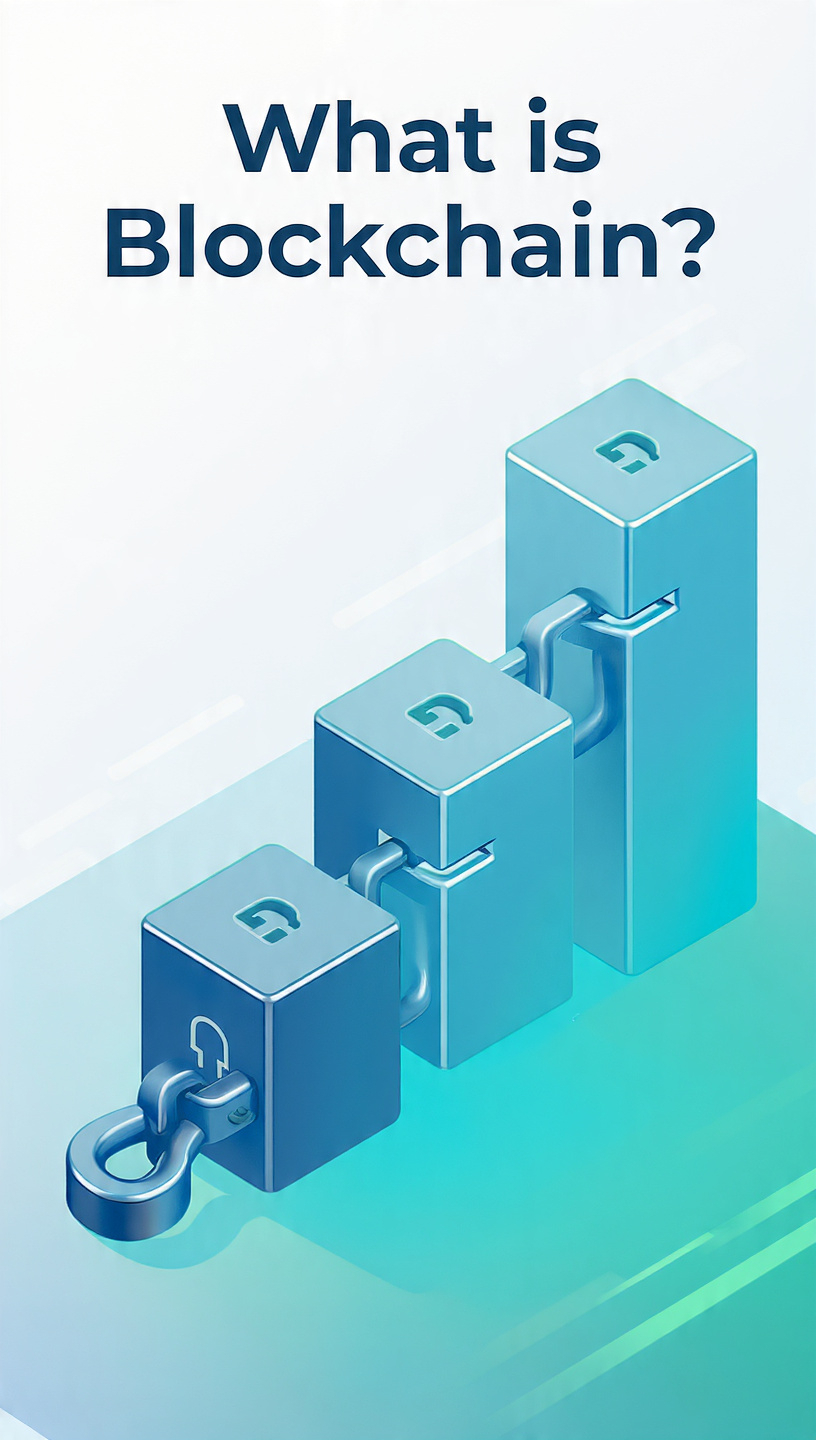
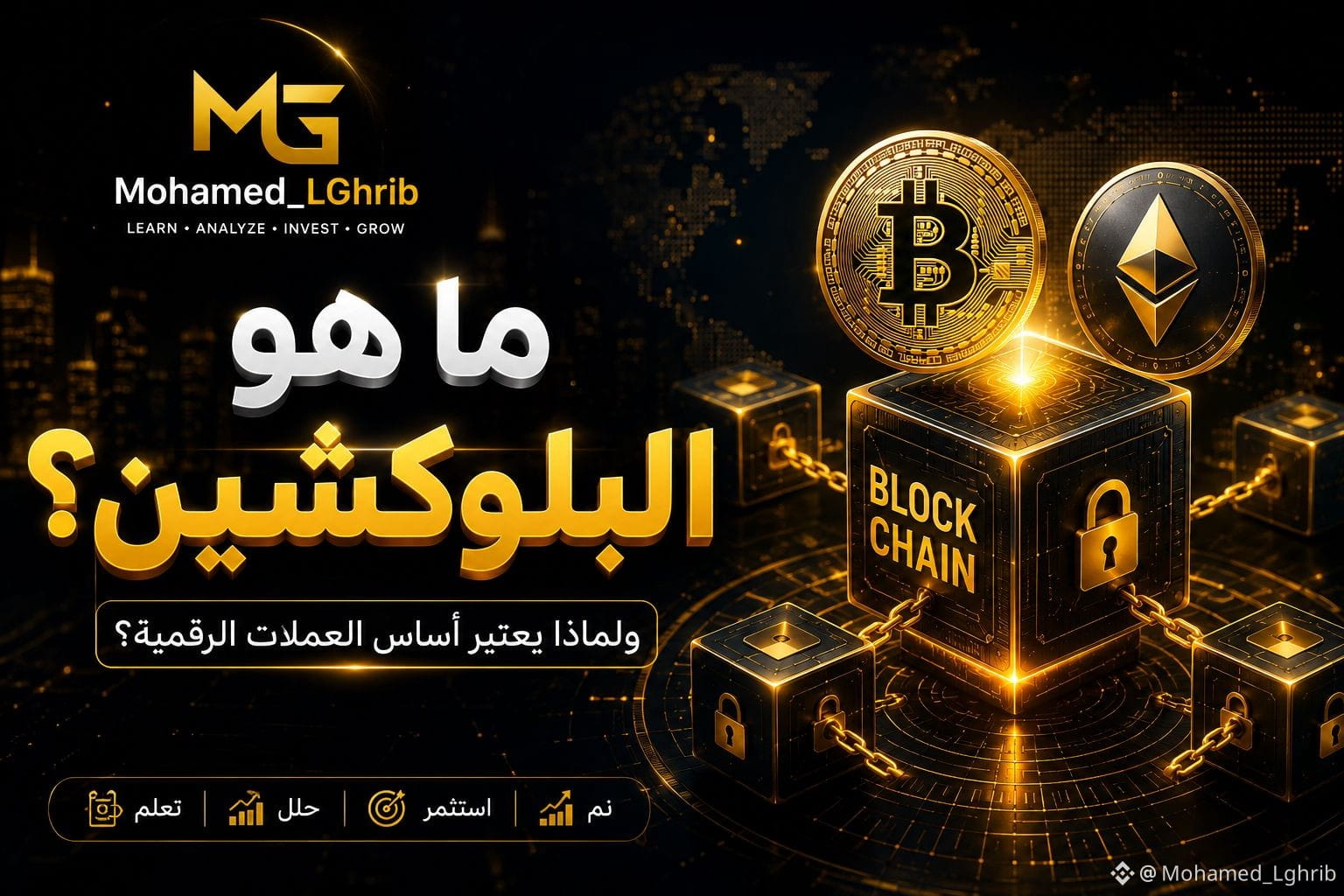
📚 What is Blockchain? And why is it considered the foundation of cryptocurrencies?
If you’re new to the world of cryptocurrencies, it’s important to first understand blockchain technology, because it’s the foundation that most cryptocurrencies rely on.
Simply put, blockchain is a secure and transparent digital ledger that records all transactions, and it’s difficult to tamper with or change them after they’ve been recorded.
✨ Its most important features: ✅ Transparency. ✅ Security. ✅ Decentralization. ✅ Speed of transferring data and digital assets.
That’s why coins like Bitcoin and Ethereum rely on blockchain technology.
⚠️ Important note: Learning the basics of blockchain is more important than just following prices, because it helps you understand projects and make better decisions.
💬 Today’s question: Did you know what blockchain means before reading this post? Write "Yes" or "No" in the comments.
$BTC $ETH $BNB
#Blockchain #Bitcoin #Ethereum #Crypto #CryptoEducation #Web3 #BinanceSquare #DigitalAssets #CryptoNews #BlockchainTechnology
1
134

·
--
Bullish
🚨 Wall Street is moving on-chain.
For years, many believed banks and blockchain were competing technologies. Now, some of the world's biggest financial institutions are exploring tokenized deposits and blockchain-based settlement networks.
If banks like JPMorgan, Bank of America, and Citi continue building in this direction, it could bring faster payments, lower costs, and wider adoption of digital asset infrastructure.
Crypto isn't replacing finance—it's gradually becoming part of it.
The biggest bullish signal isn't hype. It's when traditional finance starts using blockchain behind the scenes.
Alternative version:
Everyone talks about crypto adoption, but real adoption happens when trillion-dollar institutions start building with blockchain.
The latest discussions around tokenized deposit networks show that major banks are no longer asking if blockchain matters—they're exploring how to use it.
The future of finance may not be banks versus crypto. It may be banks powered by blockchain
#CryptoNews #Tokenization #BlockchainTechnology
#JPMorganBofACitiPlanTokenizedDepositNetwork
{spot}(BTCUSDT)
🚨 Wall Street is moving on-chain.
For years, many believed banks and blockchain were competing technologies. Now, some of the world's biggest financial institutions are exploring tokenized deposits and blockchain-based settlement networks.
If banks like JPMorgan, Bank of America, and Citi continue building in this direction, it could bring faster payments, lower costs, and wider adoption of digital asset infrastructure.
Crypto isn't replacing finance—it's gradually becoming part of it.
The biggest bullish signal isn't hype. It's when traditional finance starts using blockchain behind the scenes.
Alternative version:
Everyone talks about crypto adoption, but real adoption happens when trillion-dollar institutions start building with blockchain.
The latest discussions around tokenized deposit networks show that major banks are no longer asking if blockchain matters—they're exploring how to use it.
The future of finance may not be banks versus crypto. It may be banks powered by blockchain
#CryptoNews #Tokenization #BlockchainTechnology
#JPMorganBofACitiPlanTokenizedDepositNetwork
1
140

·
--
🚀 Anchorage Digital to Bring Traditional Banks Onchain! 🏦⛓️
Big moves are happening in the banking world! Anchorage Digital has just launched a brand-new platform designed to help traditional banks issue tokenized deposits.
What does this actually mean for the future of finance? Let’s break it down:
⏱️ 24/7/365 Settlements: No more waiting for "business hours" or batch processing. Banks will be able to offer instant, round-the-clock payments using blockchain technology.
🛠️ No Core Overhauls: The best part? Banks don't need to replace their existing, decades-old core systems. Anchorage’s platform acts as a parallel layer that plugs right in, eliminating massive operational risks.
🛡️ Safe & Secure: Your actual funds stay safely inside the traditional bank account, while the blockchain creates a secure digital representation (token) for lightning-fast movement.
The Big Debate: Stablecoins vs. Tokenized Deposits 🥊 While stablecoins like USDC and USDT are issued by private companies, tokenized deposits are backed directly by commercial banks.
With giants like JPMorgan, Citi, and Bank of America already planning a shared tokenized deposit network by 2027, it’s clear that institutional money is moving onchain fast.
What do you think? Will tokenized deposits eventually overtake traditional stablecoins for institutional finance? 👇
#CryptoNews #Tokenization #Banking #RWA #BlockchainTechnology $BTC
$ETH
{spot}(ETHUSDT)
🚀 Anchorage Digital to Bring Traditional Banks Onchain! 🏦⛓️
Big moves are happening in the banking world! Anchorage Digital has just launched a brand-new platform designed to help traditional banks issue tokenized deposits.
What does this actually mean for the future of finance? Let’s break it down:
⏱️ 24/7/365 Settlements: No more waiting for "business hours" or batch processing. Banks will be able to offer instant, round-the-clock payments using blockchain technology.
🛠️ No Core Overhauls: The best part? Banks don't need to replace their existing, decades-old core systems. Anchorage’s platform acts as a parallel layer that plugs right in, eliminating massive operational risks.
🛡️ Safe & Secure: Your actual funds stay safely inside the traditional bank account, while the blockchain creates a secure digital representation (token) for lightning-fast movement.
The Big Debate: Stablecoins vs. Tokenized Deposits 🥊 While stablecoins like USDC and USDT are issued by private companies, tokenized deposits are backed directly by commercial banks.
With giants like JPMorgan, Citi, and Bank of America already planning a shared tokenized deposit network by 2027, it’s clear that institutional money is moving onchain fast.
What do you think? Will tokenized deposits eventually overtake traditional stablecoins for institutional finance? 👇
#CryptoNews #Tokenization #Banking #RWA #BlockchainTechnology $BTC
$ETH
94

·
--
🚀🚀 AI + Blockchain: The dynamic duo changing the game
Have you ever wondered why everyone is talking about AI in the crypto ecosystem? It’s simple: Artificial Intelligence needs its own economy, and Blockchain is its decentralized bank. 🤖💰
This is how the market is moving right now:
✨ THE FORMULA FOR SUCCESS:
1️⃣ AI (Artificial Intelligence) + *Data* (Big Data)
⬇️
2️⃣ Blockchain (Secure infrastructure)
⬇️
3️⃣ Mass Adoption (The bridge to the end user)
⬇️
4️⃣ Binance: (Your gateway to the ecosystem)
This synergy isn’t just a trend—it’s the foundation of the next big technological revolution. The projects that combine these pillars are leading trading volume on Binance and setting the trend for 2026. 📈🔥
*Remember: The market is volatile—make sure you’re well-informed before every move!* 🧠💡
#CryptoIA #Binance #Web3 #Innovacion #BlockchainTechnology
139
·
--
Just saw a 3.7 magnitude earthquake hit Yibin, Sichuan. Although the magnitude is not large, it reminds us that disasters can happen at any time. In the digital age, blockchain and cryptocurrency have great potential in disaster warning and relief—for example, quickly raising relief funds and ensuring transparent allocation. $BTC $ETH , as a mainstream cryptocurrency, highlights its value especially in times of crisis. Its borderless transfer capability is particularly important in emergencies.
#DisasterRelief #BlockchainTechnology
Just saw a 3.7 magnitude earthquake hit Yibin, Sichuan. While not too severe, it reminds us that disasters can strike anytime. In the digital age, blockchain and crypto have huge potential in disaster warning and relief, like quickly raising funds and ensuring transparent distribution. $BTC $ETH as major cryptocurrencies show special value during crises, with their borderless transfer capabilities being crucial in emergencies.
#DisasterRelief #BlockchainTechnology
#DisasterRelief #BlockchainTechnology
Just saw a 3.7 magnitude earthquake hit Yibin, Sichuan. While not too severe, it reminds us that disasters can strike anytime. In the digital age, blockchain and crypto have huge potential in disaster warning and relief, like quickly raising funds and ensuring transparent distribution. $BTC $ETH as major cryptocurrencies show special value during crises, with their borderless transfer capabilities being crucial in emergencies.
#DisasterRelief #BlockchainTechnology
1
504
·
--
Bullish
#openledger $OPEN
Technology and Web3
$BTC $BNB
The integration of Artificial Intelligence and Blockchain technology is continuing to revolutionize the crypto ecosystem. Projects in the AI sector are attracting massive attention from investors, offering innovative solutions for automating smart contracts and advanced data analysis on the network. It's a great time to watch the evolution of tokens in this category. What's your favorite project in the AI space? 💻
#Crypto Al #Web3 #BlockchainTechnology #INNOVATION
1
162

·
--
Article
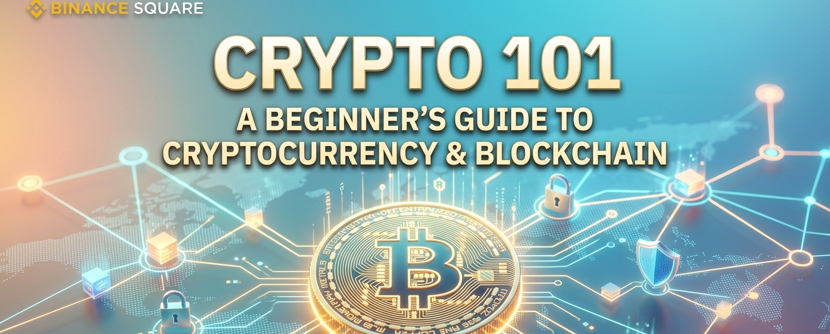
An Ultimate Beginner’s Guide to Cryptocurrency and BlockchainThe digital financial landscape is shifting rapidly. If you have recently stepped into the world of Web3, decentralized finance (DeFi), or digital assets, you might feel inundated with complex jargon. Terms like "Bitcoin," "blockchain," "nodes," and "mining" are thrown around daily, often leaving newcomers feeling left behind.
This comprehensive article breaks down the two foundational pillars of the digital asset revolution: Cryptocurrency and Blockchain. By the end of this guide, you will have a clear, foundational understanding of how this ecosystem operates.
1. What is Cryptocurrency?
At its most fundamental level, a cryptocurrency is a form of digital or virtual currency. Unlike fiat currencies—such as the US Dollar (USD), Euro (EUR), or Sri Lankan Rupee (LKR)—cryptocurrencies do not exist in physical form. You cannot hold a physical Bitcoin in your hand; it exists purely as a digital record.
Key Characteristics of Cryptocurrencies
Decentralization: Traditional money is issued and regulated by central banks and governments. Cryptocurrencies, conversely, operate on distributed networks that no single entity controls.
Cryptographic Security: The "crypto" in cryptocurrency refers to advanced encryption techniques. This complex mathematics secures transactions, prevents double-spending, and regulates the creation of new coin units.
Peer-to-Peer (P2P) Protocol: Transactions occur directly between the sender and the receiver. There is no middleman—like Visa, Mastercard, or a traditional bank—approving or processing the transfer.
A Simple Analogy: Think of traditional banking as a private diary kept by a bank manager who decides who can see it. Cryptocurrency is like a massive, public chalkboard in a town square where everyone can see the ledger of transactions, but nobody can erase what is written.
2. The Infrastructure: What is Blockchain?
If cryptocurrency is the digital money, blockchain is the ground-breaking underlying technology that allows it to exist and function securely.
A blockchain is a decentralized, chronological, and immutable digital ledger. It records transactions across a vast network of computers (often called "nodes") scattered across the globe.
How a Blockchain Transaction Works
To understand the mechanics, let’s look at a simple three-step lifecycle of a transaction:
1. The Request: Alice wants to send 1 Bitcoin to Bob. This transaction is broadcasted to the global network.
2. The Verification: The network of computers races to validate the transaction using complex cryptographic algorithms, ensuring Alice actually owns the Bitcoin she is trying to send.
3. The Creation of the Chain: Once validated, Alice’s transaction is grouped with other recent transactions into a digital "block." This block is permanently timestamped and chained to the previous block of transactions, forming a blockchain.
Why is it Unhackable?
Once a block is added to the chain, changing any information within it requires altering every subsequent block across thousands of computers simultaneously. This makes data on a blockchain virtually immutable—it cannot be altered, deleted, or counterfeited.
3. Why This Technology Matters
The emergence of cryptocurrency and blockchain isn't just a trend; it represents a fundamental shift in economic theory and data security.
Global Accessibility: Over 1.4 billion adults worldwide remain unbanked. Anyone with a smartphone and an internet connection can access cryptocurrency, offering unprecedented financial inclusion.
Radical Transparency: Every transaction ever executed on a public blockchain is visible to the public. This eliminates hidden fees and mitigates corporate corruption.
Lower Costs & Higher Speed: Sending traditional money across borders can take days and incur heavy bank fees. Crypto transactions can settle in minutes, often for a fraction of the cost, regardless of geographical distance.
Looking Ahead
Grasping the relationship between cryptocurrency and blockchain is your first vital milestone in navigating the Web3 space. The journey does not stop here. As you move forward, the next critical steps involve learning how to secure your digital assets, identifying market trends, and understanding risk management.
Did you find this guide helpful?
Like & Share this article to help other beginners kickstart their crypto journey.
Subscribe to this channel to receive the next edition directly in your feed.
Leave a comment: What is the biggest hurdle you are facing as a crypto beginner? Let's discuss below!
#BlockchainTechnology $BTC
An Ultimate Beginner’s Guide to Cryptocurrency and Blockchain
The digital financial landscape is shifting rapidly. If you have recently stepped into the world of Web3, decentralized finance (DeFi), or digital assets, you might feel inundated with complex jargon. Terms like "Bitcoin," "blockchain," "nodes," and "mining" are thrown around daily, often leaving newcomers feeling left behind.
This comprehensive article breaks down the two foundational pillars of the digital asset revolution: Cryptocurrency and Blockchain. By the end of this guide, you will have a clear, foundational understanding of how this ecosystem operates.
1. What is Cryptocurrency?
At its most fundamental level, a cryptocurrency is a form of digital or virtual currency. Unlike fiat currencies—such as the US Dollar (USD), Euro (EUR), or Sri Lankan Rupee (LKR)—cryptocurrencies do not exist in physical form. You cannot hold a physical Bitcoin in your hand; it exists purely as a digital record.
Key Characteristics of Cryptocurrencies
Decentralization: Traditional money is issued and regulated by central banks and governments. Cryptocurrencies, conversely, operate on distributed networks that no single entity controls.
Cryptographic Security: The "crypto" in cryptocurrency refers to advanced encryption techniques. This complex mathematics secures transactions, prevents double-spending, and regulates the creation of new coin units.
Peer-to-Peer (P2P) Protocol: Transactions occur directly between the sender and the receiver. There is no middleman—like Visa, Mastercard, or a traditional bank—approving or processing the transfer.
A Simple Analogy: Think of traditional banking as a private diary kept by a bank manager who decides who can see it. Cryptocurrency is like a massive, public chalkboard in a town square where everyone can see the ledger of transactions, but nobody can erase what is written.
2. The Infrastructure: What is Blockchain?
If cryptocurrency is the digital money, blockchain is the ground-breaking underlying technology that allows it to exist and function securely.
A blockchain is a decentralized, chronological, and immutable digital ledger. It records transactions across a vast network of computers (often called "nodes") scattered across the globe.
How a Blockchain Transaction Works
To understand the mechanics, let’s look at a simple three-step lifecycle of a transaction:
1. The Request: Alice wants to send 1 Bitcoin to Bob. This transaction is broadcasted to the global network.
2. The Verification: The network of computers races to validate the transaction using complex cryptographic algorithms, ensuring Alice actually owns the Bitcoin she is trying to send.
3. The Creation of the Chain: Once validated, Alice’s transaction is grouped with other recent transactions into a digital "block." This block is permanently timestamped and chained to the previous block of transactions, forming a blockchain.
Why is it Unhackable?
Once a block is added to the chain, changing any information within it requires altering every subsequent block across thousands of computers simultaneously. This makes data on a blockchain virtually immutable—it cannot be altered, deleted, or counterfeited.
3. Why This Technology Matters
The emergence of cryptocurrency and blockchain isn't just a trend; it represents a fundamental shift in economic theory and data security.
Global Accessibility: Over 1.4 billion adults worldwide remain unbanked. Anyone with a smartphone and an internet connection can access cryptocurrency, offering unprecedented financial inclusion.
Radical Transparency: Every transaction ever executed on a public blockchain is visible to the public. This eliminates hidden fees and mitigates corporate corruption.
Lower Costs & Higher Speed: Sending traditional money across borders can take days and incur heavy bank fees. Crypto transactions can settle in minutes, often for a fraction of the cost, regardless of geographical distance.
Looking Ahead
Grasping the relationship between cryptocurrency and blockchain is your first vital milestone in navigating the Web3 space. The journey does not stop here. As you move forward, the next critical steps involve learning how to secure your digital assets, identifying market trends, and understanding risk management.
Did you find this guide helpful?
Like & Share this article to help other beginners kickstart their crypto journey.
Subscribe to this channel to receive the next edition directly in your feed.
Leave a comment: What is the biggest hurdle you are facing as a crypto beginner? Let's discuss below!
#BlockchainTechnology $BTC
85


Article
Global Banking Just Quietly Rewired Itself — And Crypto Was the BlueprintGlobal Banking Just Quietly Rewired Itself — And Crypto Was the Blueprint
Seventeen of the world's largest banks just agreed to move money the way crypto has moved value for over a decade — and almost nobody outside the industry noticed.
On July 9, 2026, the global financial messaging network that connects over 11,500 institutions across 200+ countries confirmed its blockchain-based ledger is now ready for live use. Banks spanning six continents — including HSBC, Citi, BNP Paribas, UBS, ANZ, DBS, and Standard Chartered — are preparing to pilot real transactions using tokenized deposits.
◆ The system enables 24/7 cross-border payments, including overnight and weekend transfers — a first for traditional banking rails
◆ It took nine months to build, developed directly with feedback from global financial institutions
◆ 75% of payments on the existing network already reach beneficiary banks within 10 minutes — this pilot extends that speed to tokenized value
◆ Tokenized deposits are digital versions of real bank balances, fully backed and regulated — not stablecoins, not crypto in the traditional sense
◆ Existing compliance, credit, and risk controls remain fully intact — this is an upgrade to the system, not a replacement of it
◆ A separate US consortium — including JPMorgan Chase, Bank of America, Barclays, and Wells Fargo — is building a competing tokenized deposit network through The Clearing House, expected to launch in the first half of 2027
◆ NYSE's parent company has separately outlined plans for a tokenized securities venue built for 24/7 trading and instant settlement
For years, the pitch for blockchain technology was that it could move money faster, around the clock, without waiting on legacy banking hours. Now the institutions that built the old system are formally testing that exact idea — on their own terms, inside their own regulatory perimeter.
This isn't a small experiment. It's a coordinated signal from some of the most systemically important banks on the planet that always-on, blockchain-settled infrastructure is no longer a niche idea — it's the next layer of global finance.
Do you think traditional banks adopting blockchain technology validates the entire digital asset space, or does it just prove banks only wanted the technology — never the open networks it came from?
#CryptoNews #BlockchainTechnology #DigitalAssets #fintech #InstitutionalAdoption
Global Banking Just Quietly Rewired Itself — And Crypto Was the Blueprint
Global Banking Just Quietly Rewired Itself — And Crypto Was the Blueprint
Seventeen of the world's largest banks just agreed to move money the way crypto has moved value for over a decade — and almost nobody outside the industry noticed.
On July 9, 2026, the global financial messaging network that connects over 11,500 institutions across 200+ countries confirmed its blockchain-based ledger is now ready for live use. Banks spanning six continents — including HSBC, Citi, BNP Paribas, UBS, ANZ, DBS, and Standard Chartered — are preparing to pilot real transactions using tokenized deposits.
◆ The system enables 24/7 cross-border payments, including overnight and weekend transfers — a first for traditional banking rails
◆ It took nine months to build, developed directly with feedback from global financial institutions
◆ 75% of payments on the existing network already reach beneficiary banks within 10 minutes — this pilot extends that speed to tokenized value
◆ Tokenized deposits are digital versions of real bank balances, fully backed and regulated — not stablecoins, not crypto in the traditional sense
◆ Existing compliance, credit, and risk controls remain fully intact — this is an upgrade to the system, not a replacement of it
◆ A separate US consortium — including JPMorgan Chase, Bank of America, Barclays, and Wells Fargo — is building a competing tokenized deposit network through The Clearing House, expected to launch in the first half of 2027
◆ NYSE's parent company has separately outlined plans for a tokenized securities venue built for 24/7 trading and instant settlement
For years, the pitch for blockchain technology was that it could move money faster, around the clock, without waiting on legacy banking hours. Now the institutions that built the old system are formally testing that exact idea — on their own terms, inside their own regulatory perimeter.
This isn't a small experiment. It's a coordinated signal from some of the most systemically important banks on the planet that always-on, blockchain-settled infrastructure is no longer a niche idea — it's the next layer of global finance.
Do you think traditional banks adopting blockchain technology validates the entire digital asset space, or does it just prove banks only wanted the technology — never the open networks it came from?
#CryptoNews #BlockchainTechnology #DigitalAssets #fintech #InstitutionalAdoption
122

·
--
Bullish
Verified
#mufgtouseblockchainforjgbsettlement
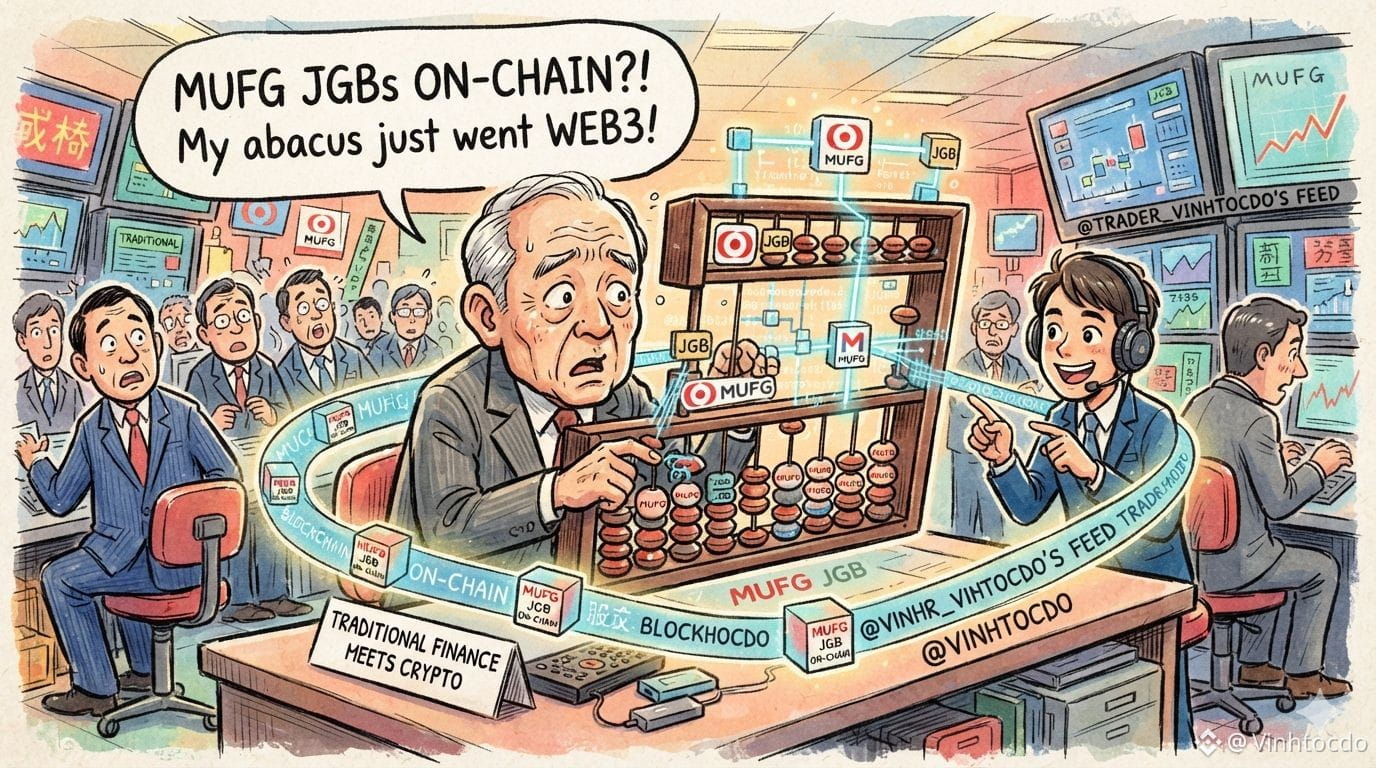
Japan’s biggest bank, MUFG, is using blockchain for government bonds! Even traditional giants are moving on-chain. Crypto era is closer than your next margin call.
Trader tips:
🚀 Don't panic
📈 Adapt or get left behind
🔒 Secure your spot
Register with code VINHTOCDO: link: [https://www.binance.com/register?ref=VINHTOCDO](https://www.binance.com/register?ref=VINHTOCDO)
Not financial advice.
#CryptoFuture #BlockchainTechnology #Web3 #VINHTOCDO
$BTC
{future}(BTCUSDT)
$ETH
{future}(ETHUSDT)
$SEI
{future}(SEIUSDT)
#mufgtouseblockchainforjgbsettlement
Japan’s biggest bank, MUFG, is using blockchain for government bonds! Even traditional giants are moving on-chain. Crypto era is closer than your next margin call.
Trader tips:
🚀 Don't panic
📈 Adapt or get left behind
🔒 Secure your spot
Register with code VINHTOCDO: link: https://www.binance.com/register?ref=VINHTOCDO
Not financial advice.
#CryptoFuture #BlockchainTechnology #Web3 #VINHTOCDO
$BTC
$ETH
$SEI
1
96

·
--
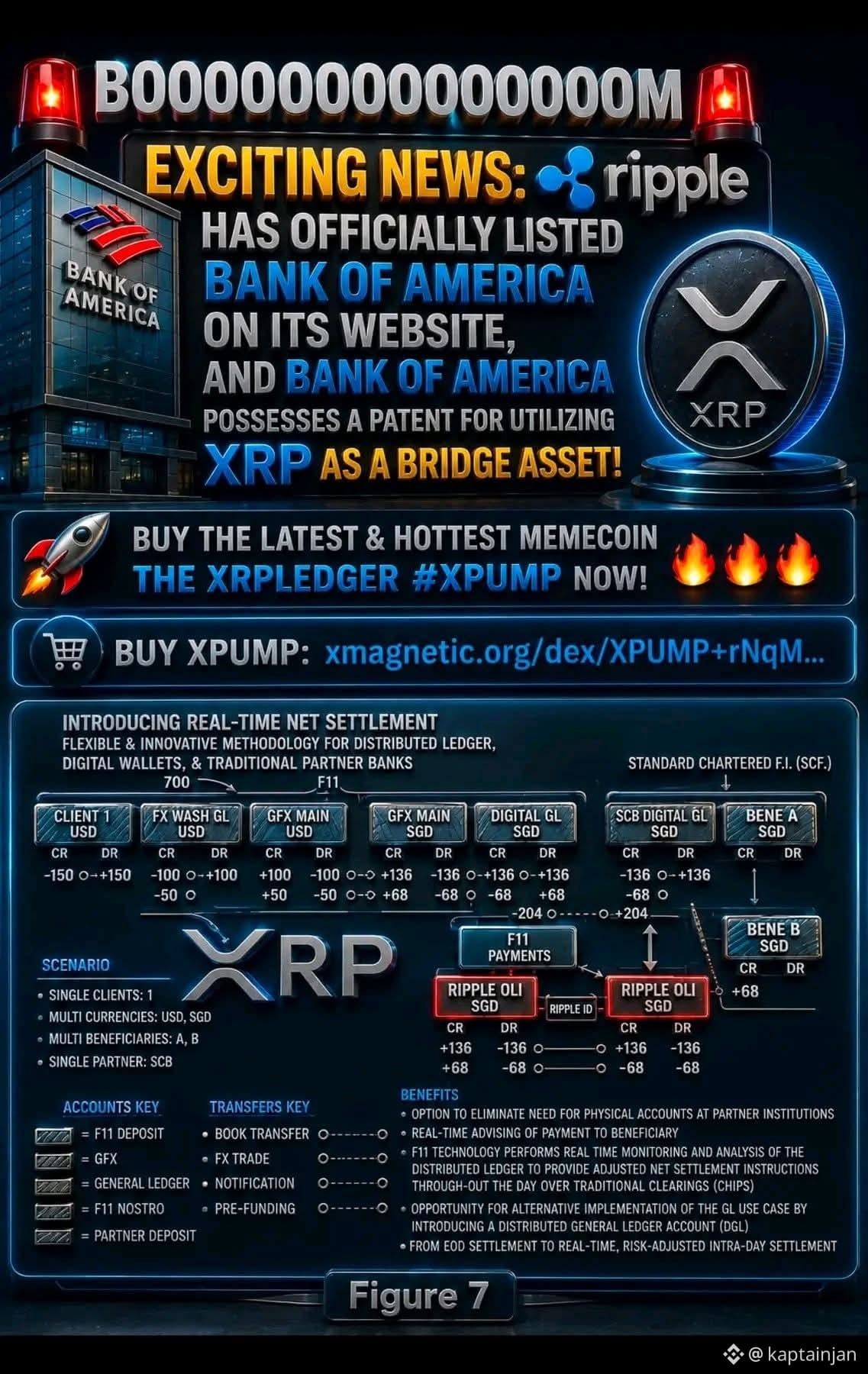
Decoding the Future of Global Settlement: How Distributed Ledger Technology is Reshaping Banking Architecture 🌐
If you look closely at institutional financial flows, traditional cross-border settlement is undergoing a massive architectural shift. Recent diagrams and technical schematics—like the "Figure 7" real-time net settlement model circulating across fintech circles—highlight how major institutions are exploring distributed ledger integration to optimize liquidity.
Here is a breakdown of what these technical frameworks actually mean for the future of multi-currency clearing:
🔹 Real-Time Net Settlement (RTNS): Moving away from traditional end-of-day (EOD) clearing cycles toward real-time, risk-adjusted intra-day settlement. This drastically reduces counterparty risk and pre-funding requirements.
🔹 Digital General Ledger (DGL) Integration: Utilizing synchronized ledgers across partner financial institutions (such as Standard Chartered and other global networks) to manage multi-currency accounts (USD, SGD) seamlessly without the friction of multiple intermediary correspondence banks.
🔹 Bridge Asset Utility: The core focus of these models is optimizing capital efficiency. By leveraging digital assets as bridge mechanisms, institutions can potentially eliminate the need for stagnant physical nostro/vostro accounts locked up in various jurisdictions.
🔹 Automated Instruction Monitoring: Advanced protocols (like F11 technology frameworks) perform continuous real-time monitoring and analysis to provide adjusted net settlement instructions instantly over legacy frameworks like CHIPS.
What are your thoughts on how fast traditional banking giants will adopt distributed ledger technology for wholesale cross-border payments? Let's discuss in the comments! 👇
#Fintech #DigitalAssets #BlockchainTechnology
44
·
--
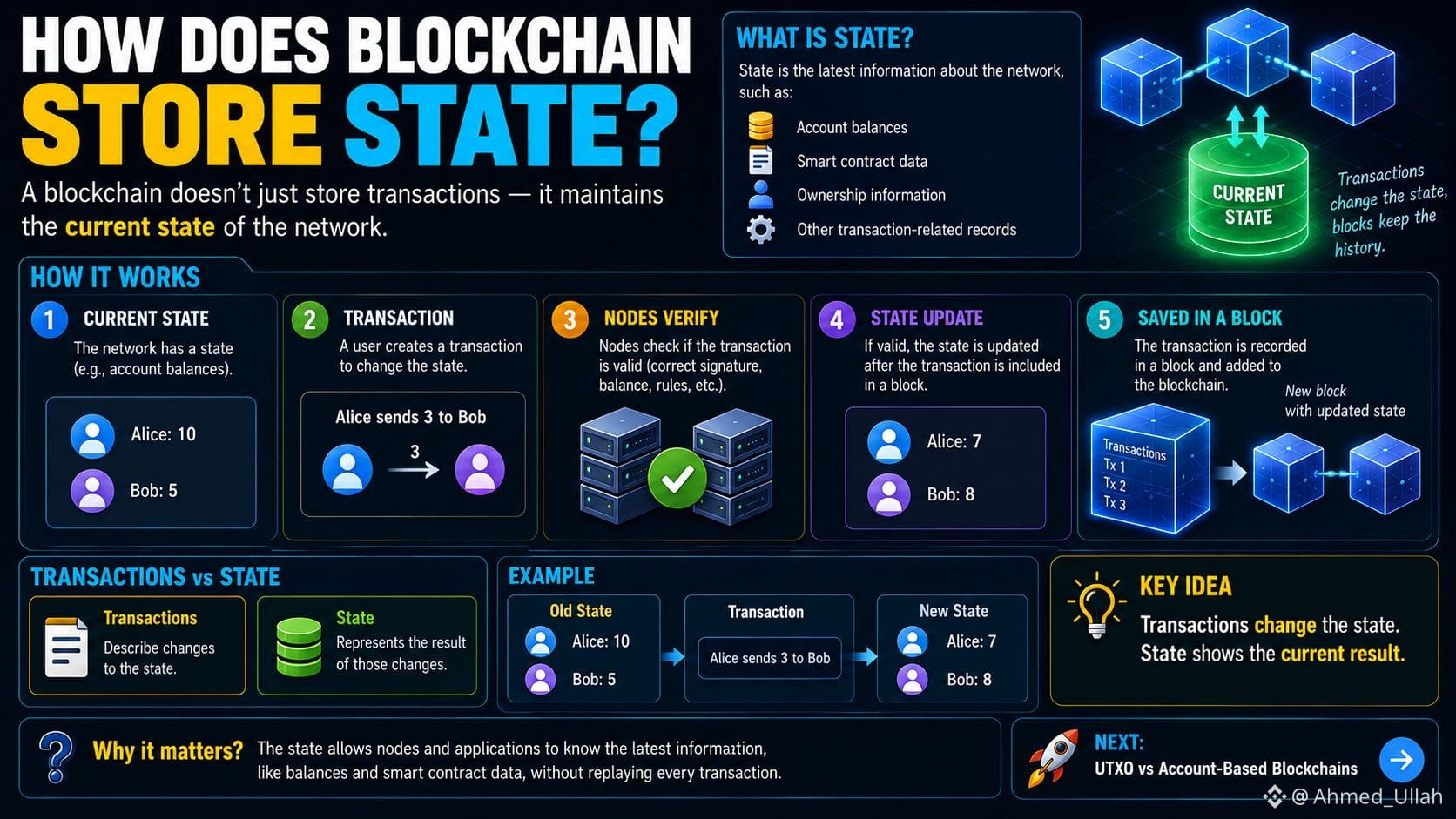
How Does Blockchain Store State? 🔗🧠
A blockchain doesn't just store transactions—it maintains a record of the current state of the network.
For example, state can include:
• Account balances
• Smart contract data
• Ownership information
• Transaction-related records
When a transaction is processed, it changes the state.
Old State → Transaction → New State
For example:
Alice: 10 → Sends 3 → Alice: 7
Nodes independently verify the transaction and update their local view of the blockchain state.
🧠 Key Idea
Transactions describe changes.
State represents the result of those changes.
Understanding blockchain state is essential for understanding how networks like Bitcoin and Ethereum work.
Next: UTXO vs Account-Based Blockchains ⚡
$BTC $BNB $BTTC
#blockchain #BlockchainTechnology #Web3metaverse #blockchaineducation
{spot}(BTCUSDT)
How Does Blockchain Store State? 🔗🧠
A blockchain doesn't just store transactions—it maintains a record of the current state of the network.
For example, state can include:
• Account balances
• Smart contract data
• Ownership information
• Transaction-related records
When a transaction is processed, it changes the state.
Old State → Transaction → New State
For example:
Alice: 10 → Sends 3 → Alice: 7
Nodes independently verify the transaction and update their local view of the blockchain state.
🧠 Key Idea
Transactions describe changes.
State represents the result of those changes.
Understanding blockchain state is essential for understanding how networks like Bitcoin and Ethereum work.
Next: UTXO vs Account-Based Blockchains ⚡
$BTC $BNB $BTTC
#blockchain #BlockchainTechnology #Web3metaverse #blockchaineducation
8
1
2
73

·
--
Blockchain is not just for cryptocurrencies.
Industries using blockchain today include:
✅ Insurance
✅ Logistics
✅ Healthcare
✅ Supply Chain
✅ Banking
The future is tokenized.
#BlockchainTechnology #Innovation
Blockchain is not just for cryptocurrencies.
Industries using blockchain today include:
✅ Insurance
✅ Logistics
✅ Healthcare
✅ Supply Chain
✅ Banking
The future is tokenized.
#BlockchainTechnology #Innovation
Industries using blockchain today include:
✅ Insurance
✅ Logistics
✅ Healthcare
✅ Supply Chain
✅ Banking
The future is tokenized.
#BlockchainTechnology #Innovation
1
1
103


·
--
Verified
🏦 Wall Street's Tokenization Race
📌 Overview
Top U.S. banks, including JPMorgan, Citi, Bank of America, and Wells Fargo, are building a shared tokenized deposit network for 24/7 instant settlements, targeting a 2027 launch.
🚀 Key Highlights
💳 Tokenized Deposits
🔸Faster, regulated bank-backed digital deposits that could compete with USDC and USDT.
📈 BlackRock Expands
🔸BlackRock continues growing its tokenized fund lineup with BUIDL, BSTBL, and BRSRV, making traditional assets more efficient.
🌐 Payments Go On-Chain
🔸Mastercard supports stablecoin settlements, while Visa tests blockchain-powered payment rails.
📑 Securities Get Tokenized
🔸Citi launched tokenized private shares, and the DTCC is rolling out blockchain settlement with 50+ financial firms.
🔗 Crypto Infrastructure Wins
🔸Projects like Ethereum, Ripple, Ondo Finance, Stellar, Solana, and Canton Network are becoming key players in institutional finance.
🔮 Outlook
🔸Wall Street is moving beyond blockchain experiments.
🔸As banks modernize payments and asset settlement, tokenization is set to reshape the future of global finance.
🏷️#TokenizedFinance #WallStreet #BlockchainTechnology

5
685

·
--
Nikkei reports that it is exploring a system that uses blockchain technology in Japan to enable immediate settlement of stock and government bond trades.
#BlockchainTechnology #stock
Nikkei reports that it is exploring a system that uses blockchain technology in Japan to enable immediate settlement of stock and government bond trades.
#BlockchainTechnology #stock
#BlockchainTechnology #stock

Crypto Note MM
·
--
🇯🇵 JUST IN: Nikkei reports that Japan is investigating a system that could enable immediate settlement of stock and government bond trades using blockchain technology. Currently, Japanese authorities are studying ways to make the financial market’s settlement process faster and more efficient using blockchain, and it’s said that they expect to release a formal plan for this initiative within 2027. The gradual entry of blockchain technology into the Traditional Finance (TradFi) sector shows a path for blockchain to be used not only for crypto, but also as a future financial infrastructure. 🚀🇯🇵
$ZEC
#Japan #Blockchain #RWA #TradFi #Crypto #Web3
$ZEC
#Japan #Blockchain #RWA #TradFi #Crypto #Web3

73

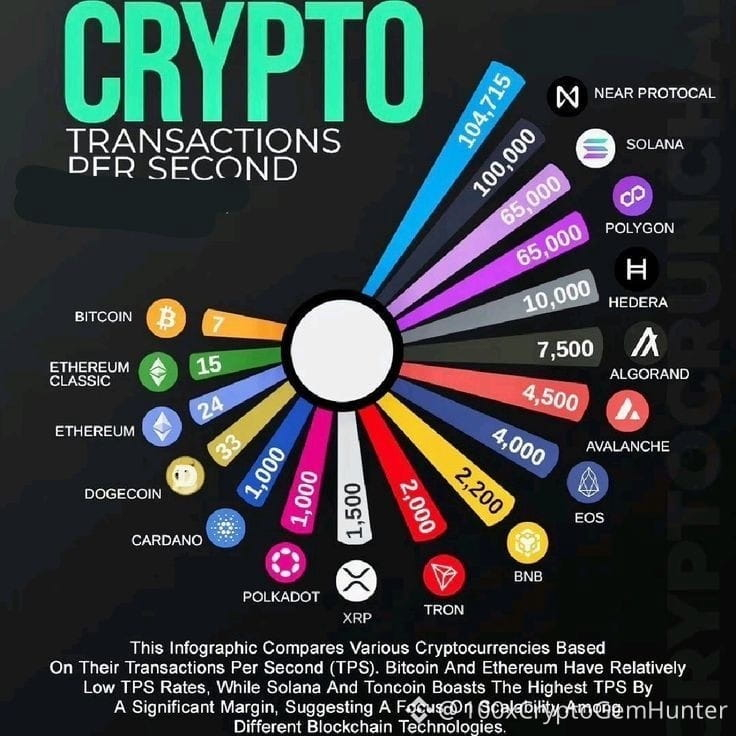
Speed is everything when it comes to mass adoption! ⚡
Looking at maximum TPS across major blockchains, the gap between legacy chains and modern Layer 1s is massive. While Bitcoin and Ethereum focus on security and decentralization, high-throughput networks like Near, Solana, and Polygon are paving the way for scalable web3 applications.
Which ecosystem are you betting on for the future of decentralized tech? Drop your thoughts below! 👇
{spot}(NEARUSDT)
{spot}(SOLUSDT)
{spot}(HBARUSDT)
#CryptoNews #BlockchainTechnology #Web3
Speed is everything when it comes to mass adoption! ⚡
Looking at maximum TPS across major blockchains, the gap between legacy chains and modern Layer 1s is massive. While Bitcoin and Ethereum focus on security and decentralization, high-throughput networks like Near, Solana, and Polygon are paving the way for scalable web3 applications.
Which ecosystem are you betting on for the future of decentralized tech? Drop your thoughts below! 👇
#CryptoNews #BlockchainTechnology #Web3
348

·
--
Will the future of finance be 100% digital, or will there always be room for the traditional? 🌐💼
The financial world is changing at a rapid pace. Every day we see how blockchain technology, the tokenization of assets, and innovations like the DTC protocol are transforming the way we manage and exchange value.
However, some believe that the traditional financial system and cryptocurrencies are not meant to compete, but to integrate in order to offer a more efficient and inclusive economy.
So, what do you think? 👇
1️⃣ Total adoption: Blockchain technology will completely replace traditional banking.
2️⃣ Hybrid model: They will coexist and complement each other in the long run.
3️⃣ Specialized niche: Crypto will remain an alternative only for certain sectors.
Leave your point of view in the comments and debate with the community! 💬👇
#BinanceSquareFamily #CryptoCommunity #BlockchainTechnology #FinancialDebate
154

·
--
$NIL
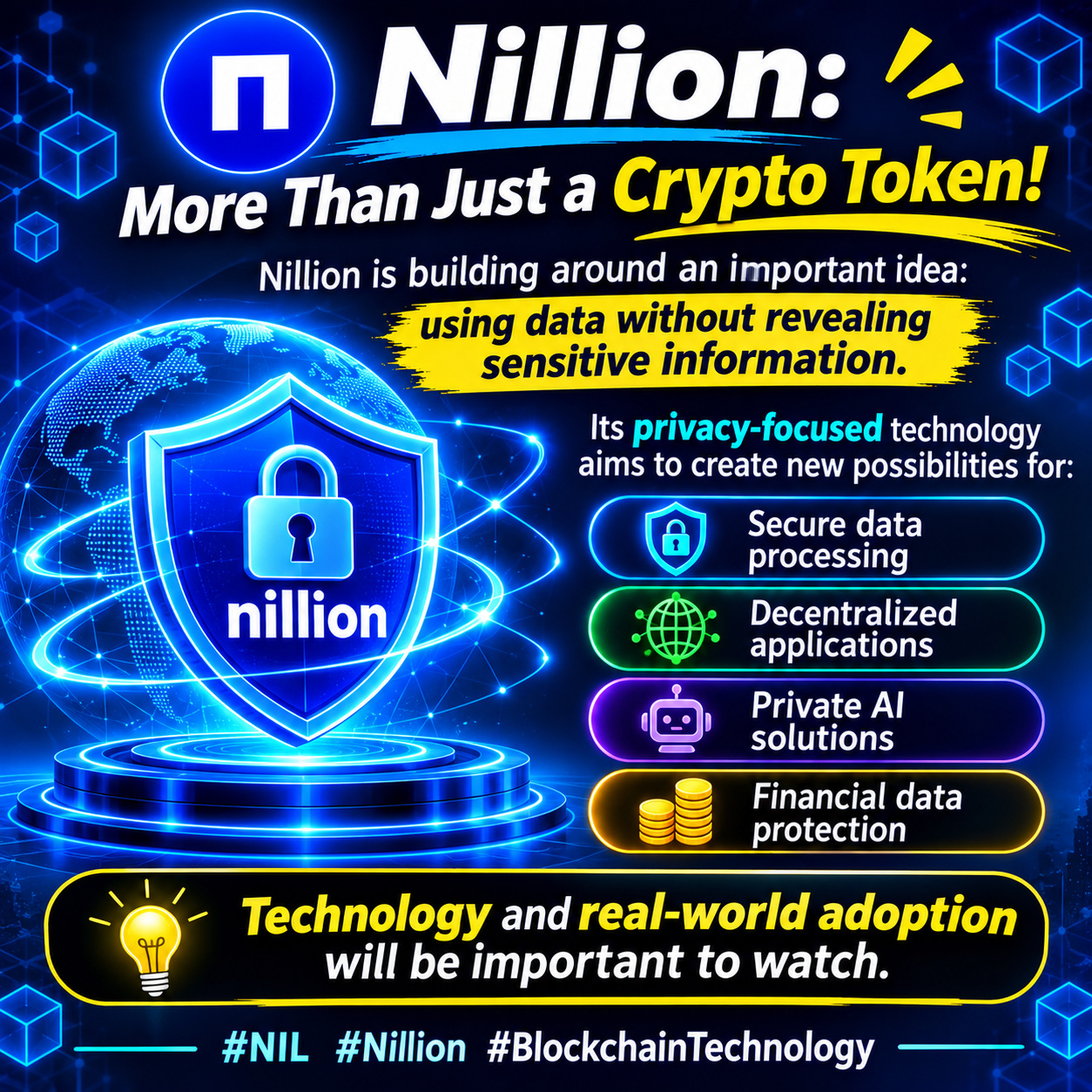
💎 Nillion: More Than Just a Crypto Token!
Nillion is building around an important idea: using data without revealing sensitive information.
Its privacy-focused technology aims to create new possibilities for:
🔐 Secure data processing
🌐 Decentralized applications
🤖 Private AI solutions
💰 Financial data protection
Technology and real-world adoption will be important to watch.
$NIL #Nillion #BlockchainTechnology
1
267
Log in to explore more content
Join global crypto users on Binance Square
⚡️ Get latest and useful information about crypto.
💬 Trusted by the world’s largest crypto exchange.
👍 Discover real insights from verified creators.
Email / Phone number
Trending Topics
1
#BTCReboundsAbove$60KAmidWhaleDipBuying
5,597 views
59 Discussing
2
#NvidiaLoses$2.7TrillionInMonthAndAHalf
44,691 views
209 Discussing
3
#GlobalStocksFaceLongestLosingStreakSince2023
402,328 views
2,659 Discussing
4
#BlackRockIBITPostsRecord$541MSingleDayOutflow
59,256 views
145 Discussing
5
#AnthropicPlungesTowardIPOPriceonDay2
215,608 views
1,708 Discussing
6
#TwentyOneCapitalAdds172.25BTC
104,431 views
1,110 Discussing
7
#HKBillWouldExcludeTokenizedDepositsFromVirtualAssets
14,573 views
66 Discussing
8
#HKBillProposesHK$100KFineForUnauthorizedCryptoTitles
3,621 views
30 Discussing
9
#BitMineFaces$10.1BUnrealizedETHLoss
6,986 views
32 Discussing
10
#StrategyReports$35BNetReserves
3,724 views
24 Discussing