

#globalmarkets
globalmarkets
5M views
6,630 Discussing
Hot
Latest

Global Stocks Fall as Oil Surges
Global stocks came under pressure as oil prices jumped amid the latest US-Iran tensions. Brent crude moved toward $108 a barrel, raising concerns over inflation and higher interest rates. Investors are watching the Middle East conflict and its impact on energy supplies and global markets.
#stockmarket #WallStreet #Oil #GlobalMarkets
Global Stocks Fall as Oil Surges
Global stocks came under pressure as oil prices jumped amid the latest US-Iran tensions. Brent crude moved toward $108 a barrel, raising concerns over inflation and higher interest rates. Investors are watching the Middle East conflict and its impact on energy supplies and global markets.
#stockmarket #WallStreet #Oil #GlobalMarkets
Global stocks came under pressure as oil prices jumped amid the latest US-Iran tensions. Brent crude moved toward $108 a barrel, raising concerns over inflation and higher interest rates. Investors are watching the Middle East conflict and its impact on energy supplies and global markets.
#stockmarket #WallStreet #Oil #GlobalMarkets

278
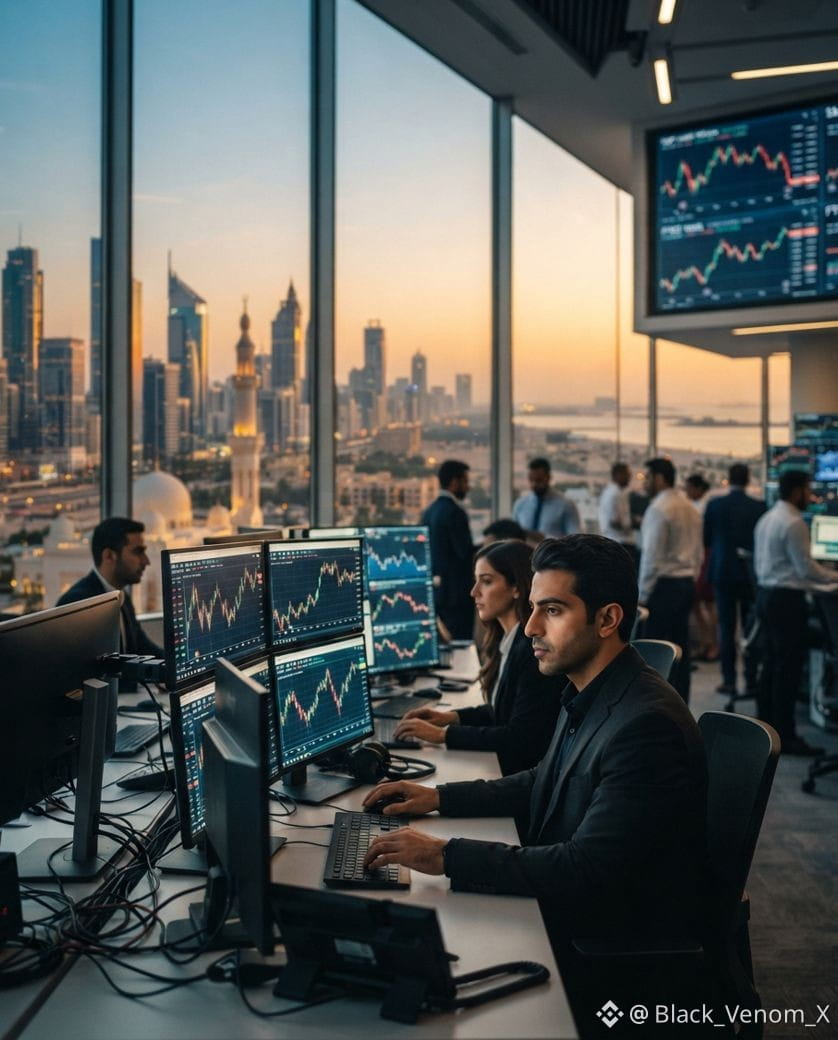
Global Stocks Pause as Oil Rises on Middle East Peace Hopes
Global stocks paused on Wednesday after a four-day winning streak as investors awaited progress on Middle East peace efforts. Brent crude rose 0.62% to $98.86 a barrel, while markets watched for signs of improved oil flows through the Strait of Hormuz. Any sustained reopening could help ease inflation and influence the global interest-rate outlook.
#GlobalMarkets #Oil #BrentCrude #stockmarket
Global Stocks Pause as Oil Rises on Middle East Peace Hopes
Global stocks paused on Wednesday after a four-day winning streak as investors awaited progress on Middle East peace efforts. Brent crude rose 0.62% to $98.86 a barrel, while markets watched for signs of improved oil flows through the Strait of Hormuz. Any sustained reopening could help ease inflation and influence the global interest-rate outlook.
#GlobalMarkets #Oil #BrentCrude #stockmarket
Global stocks paused on Wednesday after a four-day winning streak as investors awaited progress on Middle East peace efforts. Brent crude rose 0.62% to $98.86 a barrel, while markets watched for signs of improved oil flows through the Strait of Hormuz. Any sustained reopening could help ease inflation and influence the global interest-rate outlook.
#GlobalMarkets #Oil #BrentCrude #stockmarket
347

·
--
Bullish
Global Equities Diverge After the Fed as Tech Keeps Markets Supported
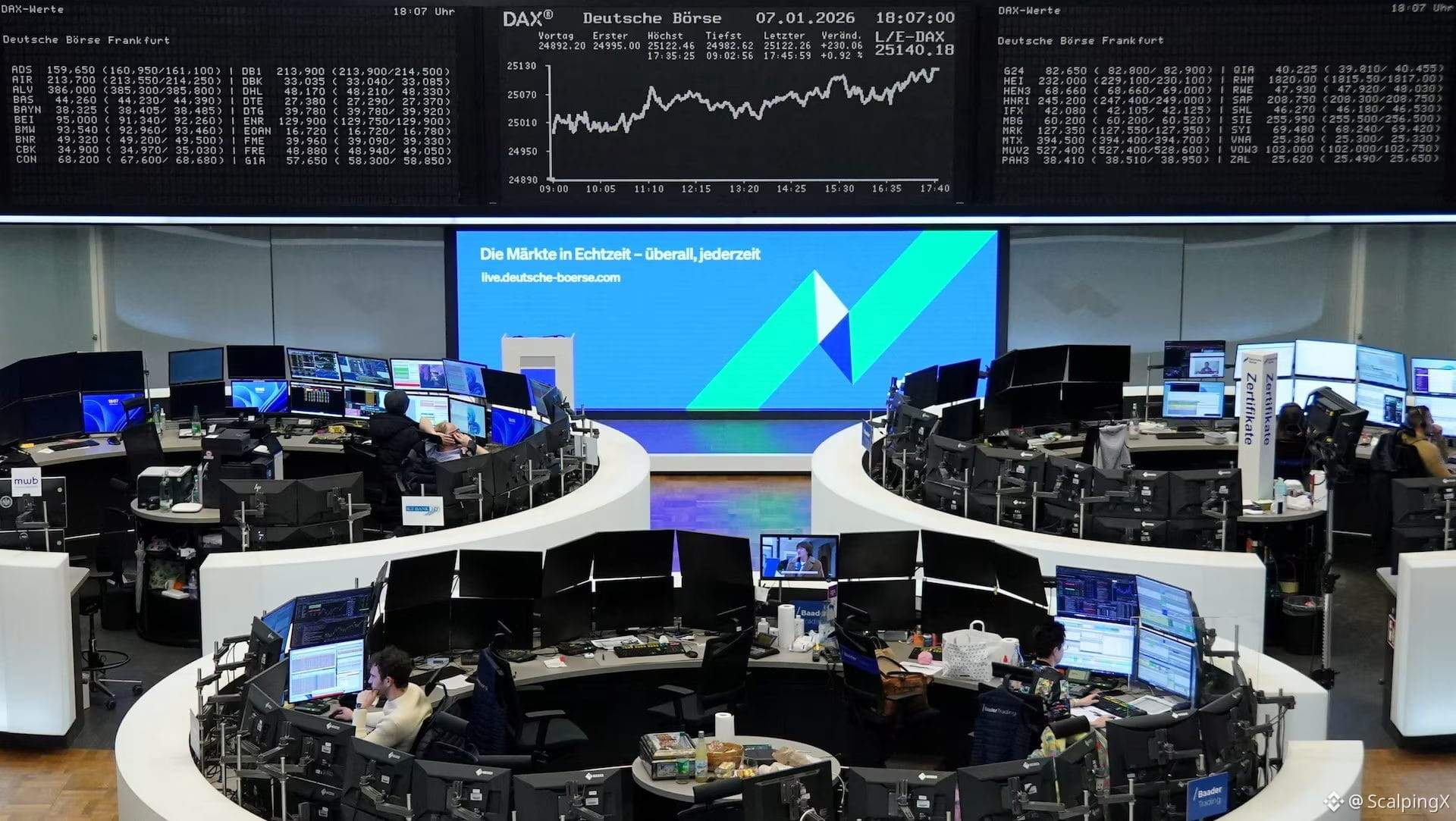
📊 Global equities ended the Sept. 14–18 week with a clear divergence on Wall Street. The S&P 500 was nearly flat, slipping 0.1%, while the Nasdaq gained 0.7%. In contrast, the Dow fell 1.7% and the Russell 2000 lost 1.5%, showing greater pressure on rate-sensitive segments.
💻 Technology rose about 1.0% for the week and healthcare gained 1.8%, while utilities dropped 3.1%, financials fell 2.4%, and real estate declined 2.1%. The U.S. 10-year Treasury yield returning to around 5% continued to weigh on sectors more exposed to financing costs.
🔎 Market breadth also remained cautious. On Friday, the S&P 500 edged higher even as most of its components declined, suggesting that gains remained concentrated in a relatively small group of large-cap stocks. Semiconductors rebounded strongly late in the week after a sharp early-week selloff, helping support the Nasdaq.
🌏 In Asia, the Nikkei, Kospi, and TAIEX finished higher, with South Korea and Taiwan supported by renewed inflows into memory and semiconductor stocks. European equities also improved, with the STOXX 600 heading for its first weekly gain in three weeks, although banks and other cyclical sectors remained under pressure.
📉 Notably, the VIX fell below 15 even as U.S. yields stayed elevated. This suggests markets have not shifted into a broad risk-off phase, with the latest moves looking more like portfolio repositioning following the Fed’s rate decision.
🧭 The broader picture points to sector rotation rather than a widespread selloff. Technology and selected growth areas are still providing enough support for major indices, but if the 10-year yield remains near 5%, market breadth is likely to remain an important signal to watch in the coming week.
#GlobalMarkets $NVDAB $AAPLB $GOOGL.US
Global Equities Diverge After the Fed as Tech Keeps Markets Supported
📊 Global equities ended the Sept. 14–18 week with a clear divergence on Wall Street. The S&P 500 was nearly flat, slipping 0.1%, while the Nasdaq gained 0.7%. In contrast, the Dow fell 1.7% and the Russell 2000 lost 1.5%, showing greater pressure on rate-sensitive segments.
💻 Technology rose about 1.0% for the week and healthcare gained 1.8%, while utilities dropped 3.1%, financials fell 2.4%, and real estate declined 2.1%. The U.S. 10-year Treasury yield returning to around 5% continued to weigh on sectors more exposed to financing costs.
🔎 Market breadth also remained cautious. On Friday, the S&P 500 edged higher even as most of its components declined, suggesting that gains remained concentrated in a relatively small group of large-cap stocks. Semiconductors rebounded strongly late in the week after a sharp early-week selloff, helping support the Nasdaq.
🌏 In Asia, the Nikkei, Kospi, and TAIEX finished higher, with South Korea and Taiwan supported by renewed inflows into memory and semiconductor stocks. European equities also improved, with the STOXX 600 heading for its first weekly gain in three weeks, although banks and other cyclical sectors remained under pressure.
📉 Notably, the VIX fell below 15 even as U.S. yields stayed elevated. This suggests markets have not shifted into a broad risk-off phase, with the latest moves looking more like portfolio repositioning following the Fed’s rate decision.
🧭 The broader picture points to sector rotation rather than a widespread selloff. Technology and selected growth areas are still providing enough support for major indices, but if the 10-year yield remains near 5%, market breadth is likely to remain an important signal to watch in the coming week.
#GlobalMarkets $NVDAB $AAPLB $GOOGL.US
📊 Global equities ended the Sept. 14–18 week with a clear divergence on Wall Street. The S&P 500 was nearly flat, slipping 0.1%, while the Nasdaq gained 0.7%. In contrast, the Dow fell 1.7% and the Russell 2000 lost 1.5%, showing greater pressure on rate-sensitive segments.
💻 Technology rose about 1.0% for the week and healthcare gained 1.8%, while utilities dropped 3.1%, financials fell 2.4%, and real estate declined 2.1%. The U.S. 10-year Treasury yield returning to around 5% continued to weigh on sectors more exposed to financing costs.
🔎 Market breadth also remained cautious. On Friday, the S&P 500 edged higher even as most of its components declined, suggesting that gains remained concentrated in a relatively small group of large-cap stocks. Semiconductors rebounded strongly late in the week after a sharp early-week selloff, helping support the Nasdaq.
🌏 In Asia, the Nikkei, Kospi, and TAIEX finished higher, with South Korea and Taiwan supported by renewed inflows into memory and semiconductor stocks. European equities also improved, with the STOXX 600 heading for its first weekly gain in three weeks, although banks and other cyclical sectors remained under pressure.
📉 Notably, the VIX fell below 15 even as U.S. yields stayed elevated. This suggests markets have not shifted into a broad risk-off phase, with the latest moves looking more like portfolio repositioning following the Fed’s rate decision.
🧭 The broader picture points to sector rotation rather than a widespread selloff. Technology and selected growth areas are still providing enough support for major indices, but if the 10-year yield remains near 5%, market breadth is likely to remain an important signal to watch in the coming week.
#GlobalMarkets $NVDAB $AAPLB $GOOGL.US
1
65

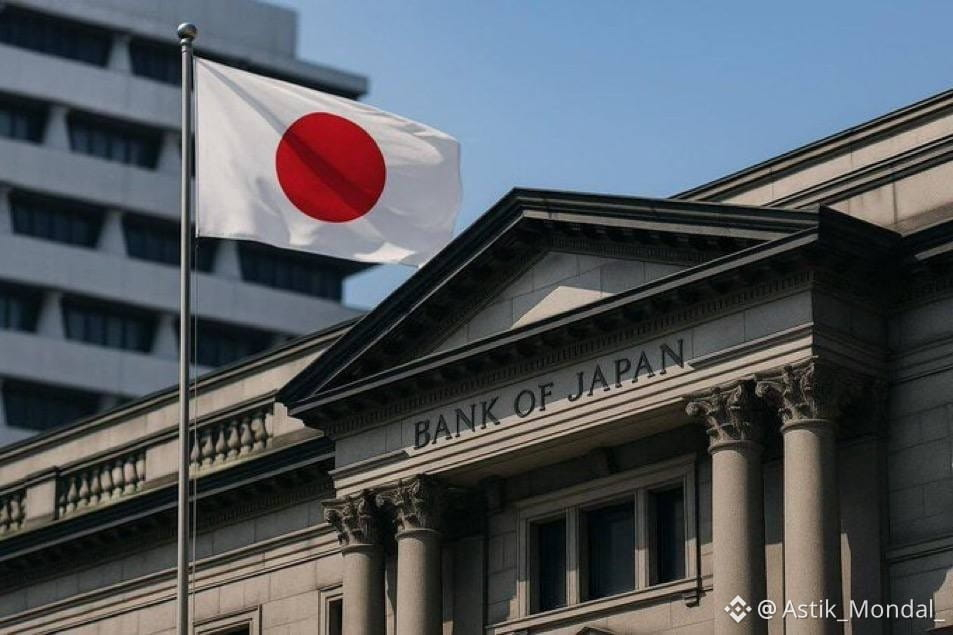
🇯🇵 Japan just did the unthinkable.
For 31 years, the world relied on Japan’s hyper-cheap money to finance global debt, pump risk assets, and keep the carry trade alive.
That regime is officially dead.
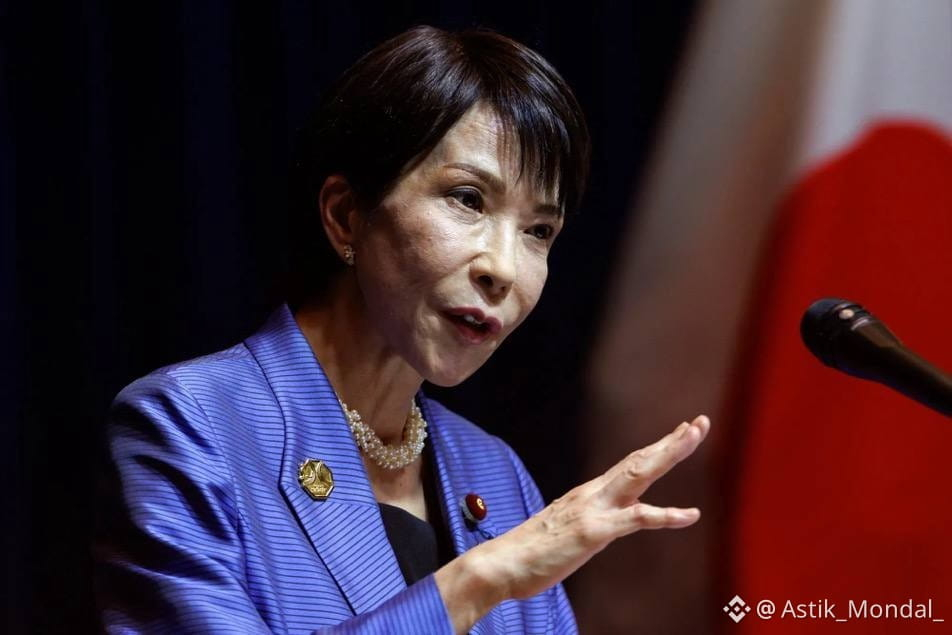
In a rapid-fire 7–2 vote, the Bank of Japan just slammed the gas, raising interest rates to 1.25%.
This isn't just a 25 BPS hike it’s the fastest back to back rate tightening cycle Japan has seen since 1990.
Think about what this actually means:
For decades, institutional capital borrowed yen for free to buy up global stocks, crypto, and real estate.
Now, the cost of servicing that massive global debt loop is soaring.
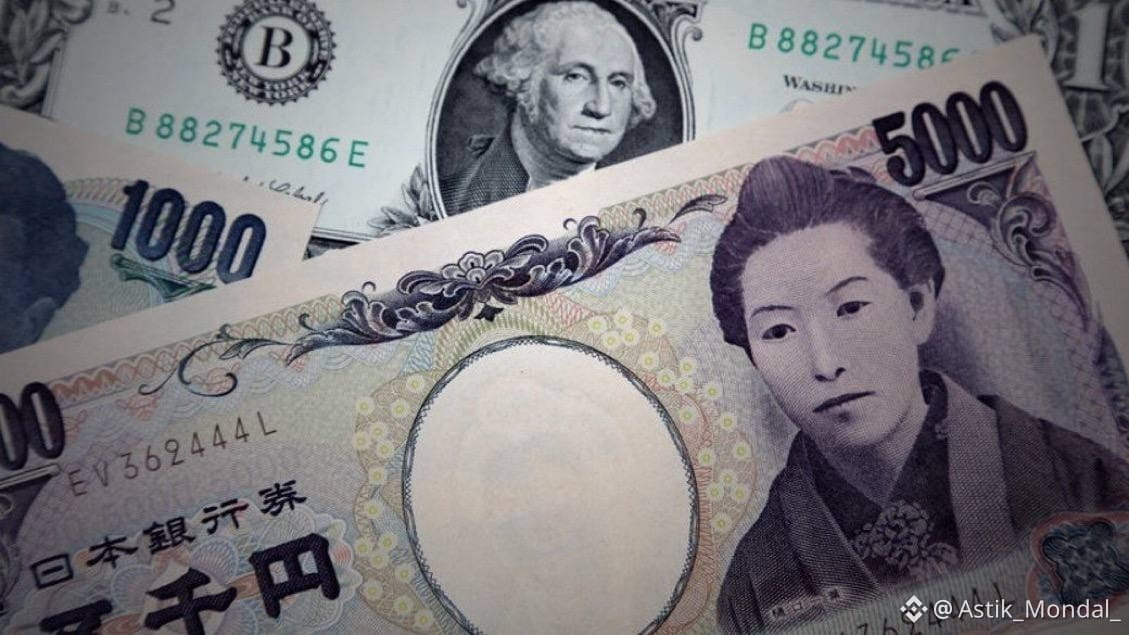
When the BOJ hikes, the yen surges.
When the yen surges, trillions in leveraged cross-border capital get forced into emergency unwinds.
We are watching the global monetary order shift in real time.
The BOJ is openly warning that inflation is risk overshooting its target. They aren't done tightening.
If you hold equities, crypto, or forex positions, the macro liquidity map just got completely redrawn.
Position accordingly.
#Japan #BankOfJapan #MacroEconomy #CryptoNews #GlobalMarkets
🇯🇵 Japan just did the unthinkable.
For 31 years, the world relied on Japan’s hyper-cheap money to finance global debt, pump risk assets, and keep the carry trade alive.
That regime is officially dead.
In a rapid-fire 7–2 vote, the Bank of Japan just slammed the gas, raising interest rates to 1.25%.
This isn't just a 25 BPS hike it’s the fastest back to back rate tightening cycle Japan has seen since 1990.
Think about what this actually means:
For decades, institutional capital borrowed yen for free to buy up global stocks, crypto, and real estate.
Now, the cost of servicing that massive global debt loop is soaring.
When the BOJ hikes, the yen surges.
When the yen surges, trillions in leveraged cross-border capital get forced into emergency unwinds.
We are watching the global monetary order shift in real time.
The BOJ is openly warning that inflation is risk overshooting its target. They aren't done tightening.
If you hold equities, crypto, or forex positions, the macro liquidity map just got completely redrawn.
Position accordingly.
#Japan #BankOfJapan #MacroEconomy #CryptoNews #GlobalMarkets
For 31 years, the world relied on Japan’s hyper-cheap money to finance global debt, pump risk assets, and keep the carry trade alive.
That regime is officially dead.
In a rapid-fire 7–2 vote, the Bank of Japan just slammed the gas, raising interest rates to 1.25%.
This isn't just a 25 BPS hike it’s the fastest back to back rate tightening cycle Japan has seen since 1990.
Think about what this actually means:
For decades, institutional capital borrowed yen for free to buy up global stocks, crypto, and real estate.
Now, the cost of servicing that massive global debt loop is soaring.
When the BOJ hikes, the yen surges.
When the yen surges, trillions in leveraged cross-border capital get forced into emergency unwinds.
We are watching the global monetary order shift in real time.
The BOJ is openly warning that inflation is risk overshooting its target. They aren't done tightening.
If you hold equities, crypto, or forex positions, the macro liquidity map just got completely redrawn.
Position accordingly.
#Japan #BankOfJapan #MacroEconomy #CryptoNews #GlobalMarkets
1
164

·
--
Trade risk is back on the table.
$ONE
Trump calling Canada a “terrible trade partner” and threatening tariffs on the EU is the kind of headline that can quickly spill beyond politics and into markets. If this turns into real policy, the first reactions would likely show up in equities, FX, and commodities as traders reassess growth, inflation, and the durability of the global trade cycle.
For stocks, tariff talk usually means higher uncertainty for exporters, industrials, autos, and anything tied to cross-border supply chains. For forex, it can support safe-haven demand and add volatility to EUR and CAD. For macro, it also matters because new tariffs can feed inflation expectations, which is something rate traders cannot ignore.
$AVA
Crypto is not isolated from this. In risk-off episodes, Bitcoin often gets pulled into the same macro flow as equities before any “digital gold” narrative kicks in. While traders digest that backdrop, , , and are currently standing out among Binance’s top movers.
The key question now is whether this is just rhetoric — or the start of a wider tariff cycle that markets have to price in seriously.
$GENIUS
#Tariffs #GlobalMarkets #Crypto
Trade risk is back on the table.
$ONE
Trump calling Canada a “terrible trade partner” and threatening tariffs on the EU is the kind of headline that can quickly spill beyond politics and into markets. If this turns into real policy, the first reactions would likely show up in equities, FX, and commodities as traders reassess growth, inflation, and the durability of the global trade cycle.
For stocks, tariff talk usually means higher uncertainty for exporters, industrials, autos, and anything tied to cross-border supply chains. For forex, it can support safe-haven demand and add volatility to EUR and CAD. For macro, it also matters because new tariffs can feed inflation expectations, which is something rate traders cannot ignore.
$AVA
Crypto is not isolated from this. In risk-off episodes, Bitcoin often gets pulled into the same macro flow as equities before any “digital gold” narrative kicks in. While traders digest that backdrop, , , and are currently standing out among Binance’s top movers.
The key question now is whether this is just rhetoric — or the start of a wider tariff cycle that markets have to price in seriously.
$GENIUS
#Tariffs #GlobalMarkets #Crypto
$ONE
Trump calling Canada a “terrible trade partner” and threatening tariffs on the EU is the kind of headline that can quickly spill beyond politics and into markets. If this turns into real policy, the first reactions would likely show up in equities, FX, and commodities as traders reassess growth, inflation, and the durability of the global trade cycle.
For stocks, tariff talk usually means higher uncertainty for exporters, industrials, autos, and anything tied to cross-border supply chains. For forex, it can support safe-haven demand and add volatility to EUR and CAD. For macro, it also matters because new tariffs can feed inflation expectations, which is something rate traders cannot ignore.
$AVA
Crypto is not isolated from this. In risk-off episodes, Bitcoin often gets pulled into the same macro flow as equities before any “digital gold” narrative kicks in. While traders digest that backdrop, , , and are currently standing out among Binance’s top movers.
The key question now is whether this is just rhetoric — or the start of a wider tariff cycle that markets have to price in seriously.
$GENIUS
#Tariffs #GlobalMarkets #Crypto
311

After four consecutive trading days of declines, the South Korean KOSPI index hit a new low in nearly two weeks. Daishin Securities analyst Lee Kyoung-min said that higher global bond yields and a rise in oil prices significantly weighed on the market’s buying momentum; as uncertainty surrounding the Federal Reserve’s upcoming policy meeting increases, the market has become even more sensitive to negative factors. At the same time, Lee Hyoung-il, a nominated official for South Korea’s Ministry of Economy and Finance, publicly stated that the government will closely monitor the bond market and, if necessary, take intervention measures to stabilize liquidity.
The sharp sell-off in Asia-Pacific core equity markets directly reflects deep-seated macro concerns about an interest-rate higher-for-longer period exceeding expectations. Inflation stickiness brought about by the oil price rebound has continuously delayed rate-cut expectations among major central banks. Meanwhile, rising sovereign yields such as U.S. Treasuries have directly squeezed the valuation space for global assets, shattering the market’s earlier, overly optimistic assumption of a soft landing.
From a cross-asset allocation perspective, the ongoing rise in sovereign bond yields is pushing up the threshold for global risk-free arbitrage, suppressing liquidity across various risk assets. With dollar-denominated assets remaining strong, non-USD currencies and emerging markets face pressure from capital outflows. Volatility in commodities and the bond market is quickly transmitting to global secondary markets, intensifying overall risk-averse sentiment.
For the cryptocurrency market, tighter liquidity in the traditional financial system and a decline in risk appetite are direct negatives. $BTC and mainstream altcoins, in the absence of incremental fiat liquidity injection, have difficulty forming an effective breakout. If the macro interest-rate environment remains under pressure, the liquidity crash effect may further spill over to crypto assets; in the short term, investors should remain highly vigilant and be prepared to defend.
#MacroEconomics #GlobalMarkets #CryptoRisk
After four consecutive trading days of declines, the South Korean KOSPI index hit a new low in nearly two weeks. Daishin Securities analyst Lee Kyoung-min said that higher global bond yields and a rise in oil prices significantly weighed on the market’s buying momentum; as uncertainty surrounding the Federal Reserve’s upcoming policy meeting increases, the market has become even more sensitive to negative factors. At the same time, Lee Hyoung-il, a nominated official for South Korea’s Ministry of Economy and Finance, publicly stated that the government will closely monitor the bond market and, if necessary, take intervention measures to stabilize liquidity.
The sharp sell-off in Asia-Pacific core equity markets directly reflects deep-seated macro concerns about an interest-rate higher-for-longer period exceeding expectations. Inflation stickiness brought about by the oil price rebound has continuously delayed rate-cut expectations among major central banks. Meanwhile, rising sovereign yields such as U.S. Treasuries have directly squeezed the valuation space for global assets, shattering the market’s earlier, overly optimistic assumption of a soft landing.
From a cross-asset allocation perspective, the ongoing rise in sovereign bond yields is pushing up the threshold for global risk-free arbitrage, suppressing liquidity across various risk assets. With dollar-denominated assets remaining strong, non-USD currencies and emerging markets face pressure from capital outflows. Volatility in commodities and the bond market is quickly transmitting to global secondary markets, intensifying overall risk-averse sentiment.
For the cryptocurrency market, tighter liquidity in the traditional financial system and a decline in risk appetite are direct negatives. $BTC and mainstream altcoins, in the absence of incremental fiat liquidity injection, have difficulty forming an effective breakout. If the macro interest-rate environment remains under pressure, the liquidity crash effect may further spill over to crypto assets; in the short term, investors should remain highly vigilant and be prepared to defend.
#MacroEconomics #GlobalMarkets #CryptoRisk
The sharp sell-off in Asia-Pacific core equity markets directly reflects deep-seated macro concerns about an interest-rate higher-for-longer period exceeding expectations. Inflation stickiness brought about by the oil price rebound has continuously delayed rate-cut expectations among major central banks. Meanwhile, rising sovereign yields such as U.S. Treasuries have directly squeezed the valuation space for global assets, shattering the market’s earlier, overly optimistic assumption of a soft landing.
From a cross-asset allocation perspective, the ongoing rise in sovereign bond yields is pushing up the threshold for global risk-free arbitrage, suppressing liquidity across various risk assets. With dollar-denominated assets remaining strong, non-USD currencies and emerging markets face pressure from capital outflows. Volatility in commodities and the bond market is quickly transmitting to global secondary markets, intensifying overall risk-averse sentiment.
For the cryptocurrency market, tighter liquidity in the traditional financial system and a decline in risk appetite are direct negatives. $BTC and mainstream altcoins, in the absence of incremental fiat liquidity injection, have difficulty forming an effective breakout. If the macro interest-rate environment remains under pressure, the liquidity crash effect may further spill over to crypto assets; in the short term, investors should remain highly vigilant and be prepared to defend.
#MacroEconomics #GlobalMarkets #CryptoRisk
66

🌍 FED FEAR ISN’T JUST HITTING CRYPTO
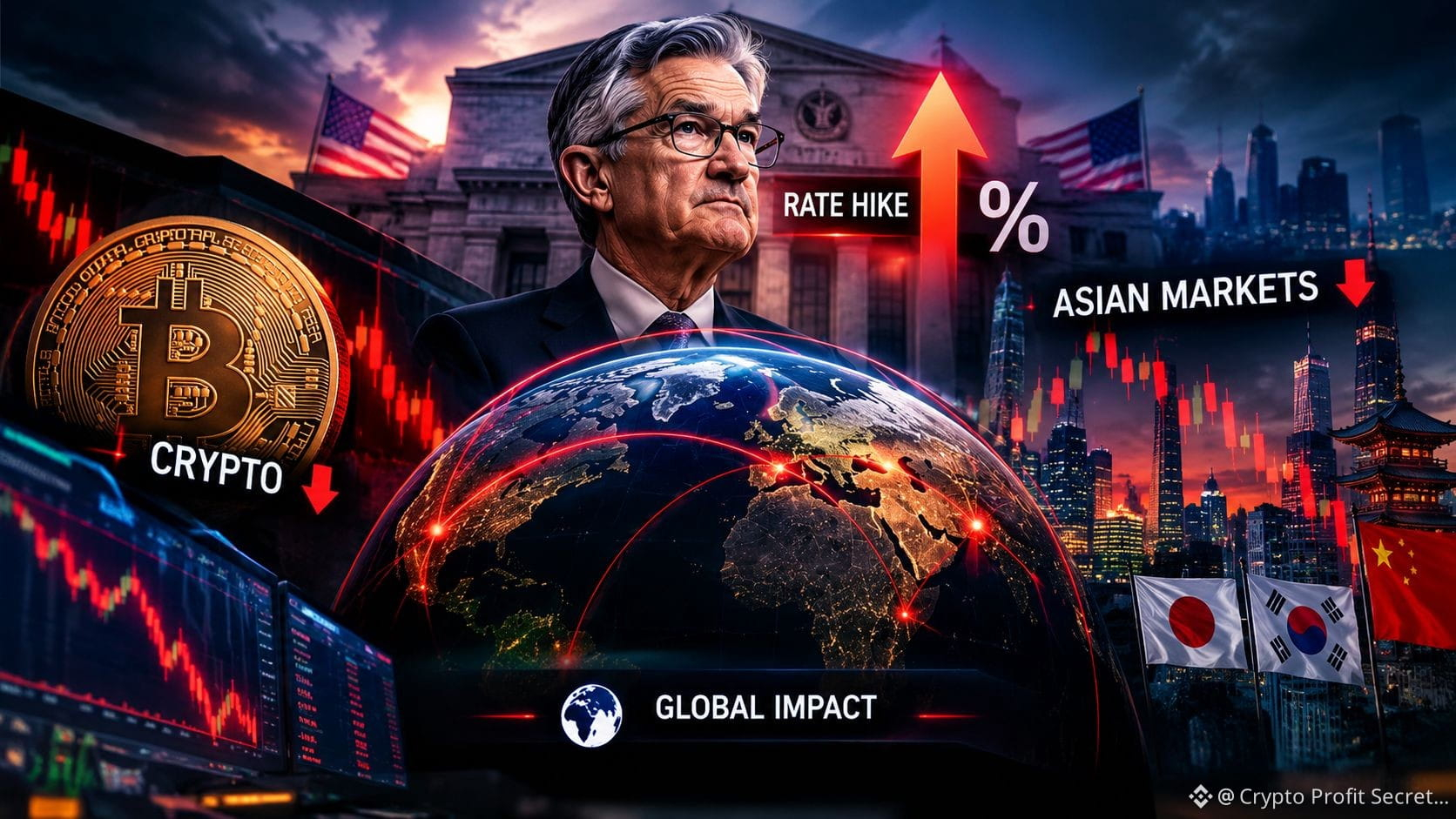
Global markets are starting to feel the pressure as expectations of a Fed rate hike rise.
📉 Asian stock markets are also turning red — showing that this isn’t only a Bitcoin problem.
Why does it matter?
Higher rates can mean:
• Tighter global liquidity
• Less appetite for risky assets
• More pressure on stocks & crypto
So when $BTC drops, don’t look at crypto in isolation.
Macro is moving the entire risk market. 👀
The next major trigger: US inflation data + Fed expectations.
#BTC #Crypto #Fed #Macro #GlobalMarkets
{spot}(BTCUSDT)
🌍 FED FEAR ISN’T JUST HITTING CRYPTO
Global markets are starting to feel the pressure as expectations of a Fed rate hike rise.
📉 Asian stock markets are also turning red — showing that this isn’t only a Bitcoin problem.
Why does it matter?
Higher rates can mean:
• Tighter global liquidity
• Less appetite for risky assets
• More pressure on stocks & crypto
So when $BTC drops, don’t look at crypto in isolation.
Macro is moving the entire risk market. 👀
The next major trigger: US inflation data + Fed expectations.
#BTC #Crypto #Fed #Macro #GlobalMarkets
Global markets are starting to feel the pressure as expectations of a Fed rate hike rise.
📉 Asian stock markets are also turning red — showing that this isn’t only a Bitcoin problem.
Why does it matter?
Higher rates can mean:
• Tighter global liquidity
• Less appetite for risky assets
• More pressure on stocks & crypto
So when $BTC drops, don’t look at crypto in isolation.
Macro is moving the entire risk market. 👀
The next major trigger: US inflation data + Fed expectations.
#BTC #Crypto #Fed #Macro #GlobalMarkets
5
69

·
--
Bullish
Oil Shocks and Rate Fears Grip Global Markets
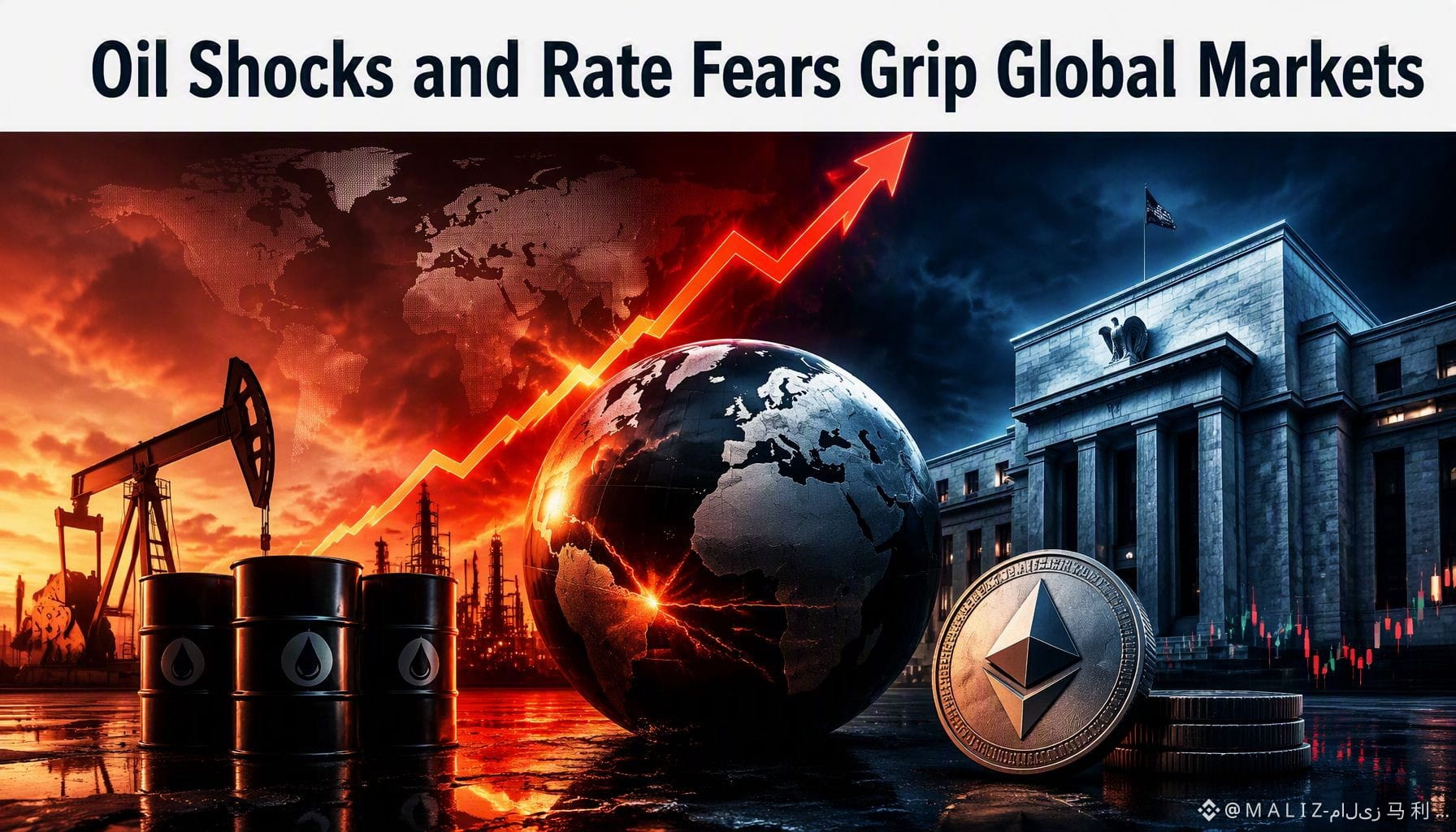
Global financial markets have turned defensive as Brent crude pushes toward USD 100 per barrel, driven by escalating Middle East supply tensions. This energy surge has reignited inflation anxiety, forcing investors to re-price central bank trajectories ahead of critical policy meetings.
Market Reaction & Key Assets to Watch
Hot Stock-ExxonMobil (NYSE: $XOM.US ): Positioned for strong cash flows as elevated crude prices protect integrated energy margins.
Relevant ETF-United States Oil Fund (NYSEArca: $USO.ETF ): Acts as an immediate, liquid proxy tracking WTI crude movements amid supply-chain volatility.
Crypto Coin-Ethereum ( $ETH ): Trading near USD 2,500, ETH acts as a high-beta risk gauge, testing institutional resilience against tightening macro liquidity.
Outlook
Sustained energy inflation threatens to lock central banks into a "higher-for-longer" stance, subduing equity valuations. Portfolio defense now relies on real assets and active duration control.
Analyst Commentary
The re-emergence of an energy shock proves geopolitical risk cannot be ignored. Capital preservation depends on disciplined asset allocation.
#GlobalMarkets #EnergyShock #Inflation #Geopolitics #malizupdate
JOIN THE 😎EXCLUSIVE ROOM 👇TICKER DOWN BELOW MINIMUM FEES💵
Oil Shocks and Rate Fears Grip Global Markets
Global financial markets have turned defensive as Brent crude pushes toward USD 100 per barrel, driven by escalating Middle East supply tensions. This energy surge has reignited inflation anxiety, forcing investors to re-price central bank trajectories ahead of critical policy meetings.
Market Reaction & Key Assets to Watch
Hot Stock-ExxonMobil (NYSE: $XOM.US ): Positioned for strong cash flows as elevated crude prices protect integrated energy margins.
Relevant ETF-United States Oil Fund (NYSEArca: $USO.ETF ): Acts as an immediate, liquid proxy tracking WTI crude movements amid supply-chain volatility.
Crypto Coin-Ethereum ( $ETH ): Trading near USD 2,500, ETH acts as a high-beta risk gauge, testing institutional resilience against tightening macro liquidity.
Outlook
Sustained energy inflation threatens to lock central banks into a "higher-for-longer" stance, subduing equity valuations. Portfolio defense now relies on real assets and active duration control.
Analyst Commentary
The re-emergence of an energy shock proves geopolitical risk cannot be ignored. Capital preservation depends on disciplined asset allocation.
#GlobalMarkets #EnergyShock #Inflation #Geopolitics #malizupdate
JOIN THE 😎EXCLUSIVE ROOM 👇TICKER DOWN BELOW MINIMUM FEES💵
Global financial markets have turned defensive as Brent crude pushes toward USD 100 per barrel, driven by escalating Middle East supply tensions. This energy surge has reignited inflation anxiety, forcing investors to re-price central bank trajectories ahead of critical policy meetings.
Market Reaction & Key Assets to Watch
Hot Stock-ExxonMobil (NYSE: $XOM.US ): Positioned for strong cash flows as elevated crude prices protect integrated energy margins.
Relevant ETF-United States Oil Fund (NYSEArca: $USO.ETF ): Acts as an immediate, liquid proxy tracking WTI crude movements amid supply-chain volatility.
Crypto Coin-Ethereum ( $ETH ): Trading near USD 2,500, ETH acts as a high-beta risk gauge, testing institutional resilience against tightening macro liquidity.
Outlook
Sustained energy inflation threatens to lock central banks into a "higher-for-longer" stance, subduing equity valuations. Portfolio defense now relies on real assets and active duration control.
Analyst Commentary
The re-emergence of an energy shock proves geopolitical risk cannot be ignored. Capital preservation depends on disciplined asset allocation.
#GlobalMarkets #EnergyShock #Inflation #Geopolitics #malizupdate
JOIN THE 😎EXCLUSIVE ROOM 👇TICKER DOWN BELOW MINIMUM FEES💵
1
4
25
942
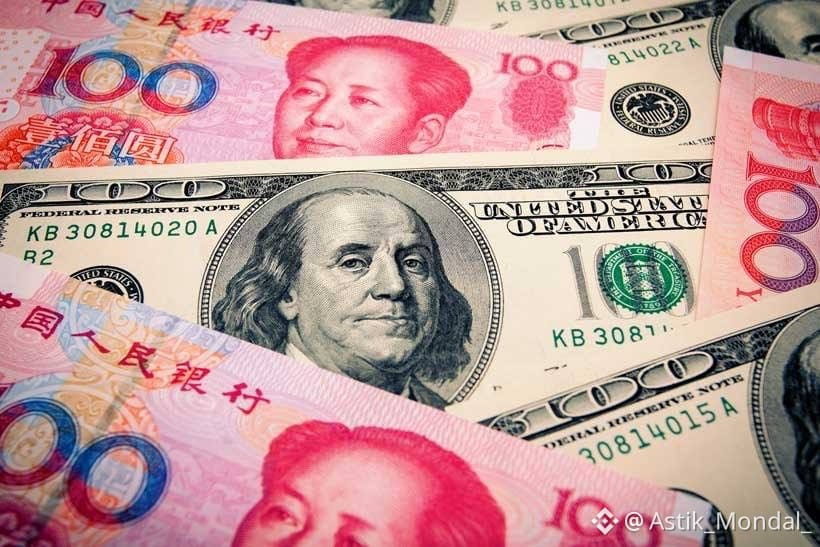
🇨🇳🚨 CHINA JUST DROPPED A MASSIVE TRADE SURPLUS BOMBSHELL
China recorded a staggering $119 BILLION trade surplus in August.
That pushes its 2026 year-to-date surplus to $805.5 BILLION.
But the real shock?
Exports surged 25% YoY.
And despite ongoing U.S. trade tensions, Chinese shipments to the 🇺🇸 U.S. jumped 34.4% YoY.
That’s a HUGE signal for the global economy.
China is exporting at an extraordinary pace and the scale of its trade surplus could have major implications for global liquidity, currencies, bonds, commodities and risk assets.
For markets, this isn’t just a China story.
It’s a global money-flow story.
#China #Economy #GlobalMarkets #Crypto #Bitcoin
🇨🇳🚨 CHINA JUST DROPPED A MASSIVE TRADE SURPLUS BOMBSHELL
China recorded a staggering $119 BILLION trade surplus in August.
That pushes its 2026 year-to-date surplus to $805.5 BILLION.
But the real shock?
Exports surged 25% YoY.
And despite ongoing U.S. trade tensions, Chinese shipments to the 🇺🇸 U.S. jumped 34.4% YoY.
That’s a HUGE signal for the global economy.
China is exporting at an extraordinary pace and the scale of its trade surplus could have major implications for global liquidity, currencies, bonds, commodities and risk assets.
For markets, this isn’t just a China story.
It’s a global money-flow story.
#China #Economy #GlobalMarkets #Crypto #Bitcoin
China recorded a staggering $119 BILLION trade surplus in August.
That pushes its 2026 year-to-date surplus to $805.5 BILLION.
But the real shock?
Exports surged 25% YoY.
And despite ongoing U.S. trade tensions, Chinese shipments to the 🇺🇸 U.S. jumped 34.4% YoY.
That’s a HUGE signal for the global economy.
China is exporting at an extraordinary pace and the scale of its trade surplus could have major implications for global liquidity, currencies, bonds, commodities and risk assets.
For markets, this isn’t just a China story.
It’s a global money-flow story.
#China #Economy #GlobalMarkets #Crypto #Bitcoin
1
29

·
--
#usirantradetankerstrikesescalate
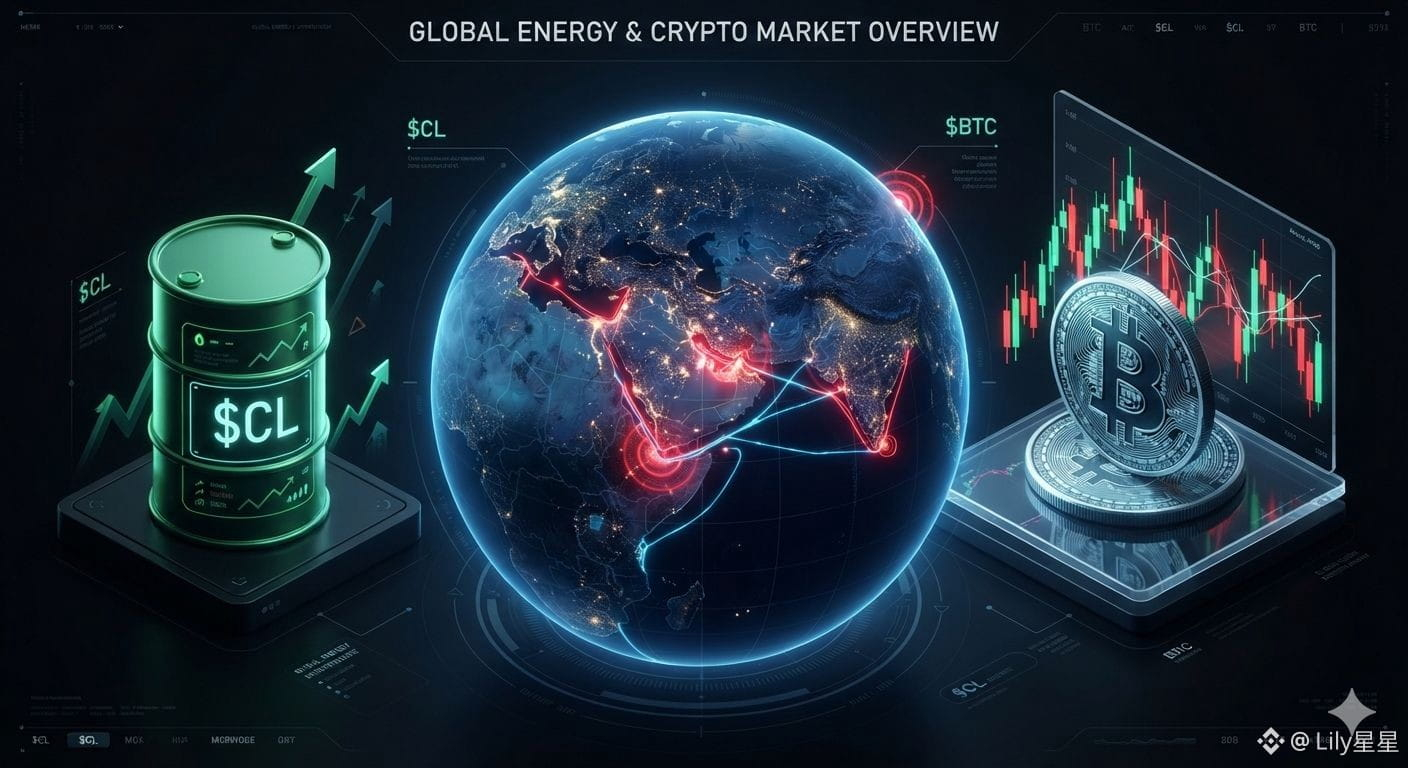
🚨 **ALERT: U.S.–Iran Standoff Hits Critical Waters!** 🚨
This isn't just news—it’s an economic shift. Strikes targeting commercial tankers are raising the stakes fast.
Why are markets everywhere on high alert?
🛢️ **Crude Oil on the Line:** Threatening key maritime chokepoints immediately prices in geopolitical risk, threatening global energy supply.
🚢 **Trade Squeeze:** Higher marine insurance, delayed shipments, and massive rerouting mean costs trickle down to global markets.
💵 **USD Safe-Haven Demand:** As uncertainty rises, investors rush toward traditional safety, boosting the U.S. Dollar.
₿ **Crypto Volatility Ahead:** Bitcoin faces short-term pressure from risk-off selling, but long-term interest in alternative systems could ignite later.
👀 **The Bottom Line:**
It’s not just a single strike—it’s the risk of rapid escalation. If vital trade corridors freeze, prepare for:
• Energy price spikes
• Supply chain disruption
• Currency & stock volatility
• Violent crypto swings
Are we heading toward a broader regional conflict, or will diplomatic efforts cool the waters? What’s your move? 👇
#GlobalMarkets #Geopolitics
$BTC
{future}(BTCUSDT)
$CL
{future}(CLUSDT)
#usirantradetankerstrikesescalate
🚨 **ALERT: U.S.–Iran Standoff Hits Critical Waters!** 🚨
This isn't just news—it’s an economic shift. Strikes targeting commercial tankers are raising the stakes fast.
Why are markets everywhere on high alert?
🛢️ **Crude Oil on the Line:** Threatening key maritime chokepoints immediately prices in geopolitical risk, threatening global energy supply.
🚢 **Trade Squeeze:** Higher marine insurance, delayed shipments, and massive rerouting mean costs trickle down to global markets.
💵 **USD Safe-Haven Demand:** As uncertainty rises, investors rush toward traditional safety, boosting the U.S. Dollar.
₿ **Crypto Volatility Ahead:** Bitcoin faces short-term pressure from risk-off selling, but long-term interest in alternative systems could ignite later.
👀 **The Bottom Line:**
It’s not just a single strike—it’s the risk of rapid escalation. If vital trade corridors freeze, prepare for:
• Energy price spikes
• Supply chain disruption
• Currency & stock volatility
• Violent crypto swings
Are we heading toward a broader regional conflict, or will diplomatic efforts cool the waters? What’s your move? 👇
#GlobalMarkets #Geopolitics
$BTC
$CL
🚨 **ALERT: U.S.–Iran Standoff Hits Critical Waters!** 🚨
This isn't just news—it’s an economic shift. Strikes targeting commercial tankers are raising the stakes fast.
Why are markets everywhere on high alert?
🛢️ **Crude Oil on the Line:** Threatening key maritime chokepoints immediately prices in geopolitical risk, threatening global energy supply.
🚢 **Trade Squeeze:** Higher marine insurance, delayed shipments, and massive rerouting mean costs trickle down to global markets.
💵 **USD Safe-Haven Demand:** As uncertainty rises, investors rush toward traditional safety, boosting the U.S. Dollar.
₿ **Crypto Volatility Ahead:** Bitcoin faces short-term pressure from risk-off selling, but long-term interest in alternative systems could ignite later.
👀 **The Bottom Line:**
It’s not just a single strike—it’s the risk of rapid escalation. If vital trade corridors freeze, prepare for:
• Energy price spikes
• Supply chain disruption
• Currency & stock volatility
• Violent crypto swings
Are we heading toward a broader regional conflict, or will diplomatic efforts cool the waters? What’s your move? 👇
#GlobalMarkets #Geopolitics
$BTC
$CL
1
486

#usirantradetankerstrikesescalate
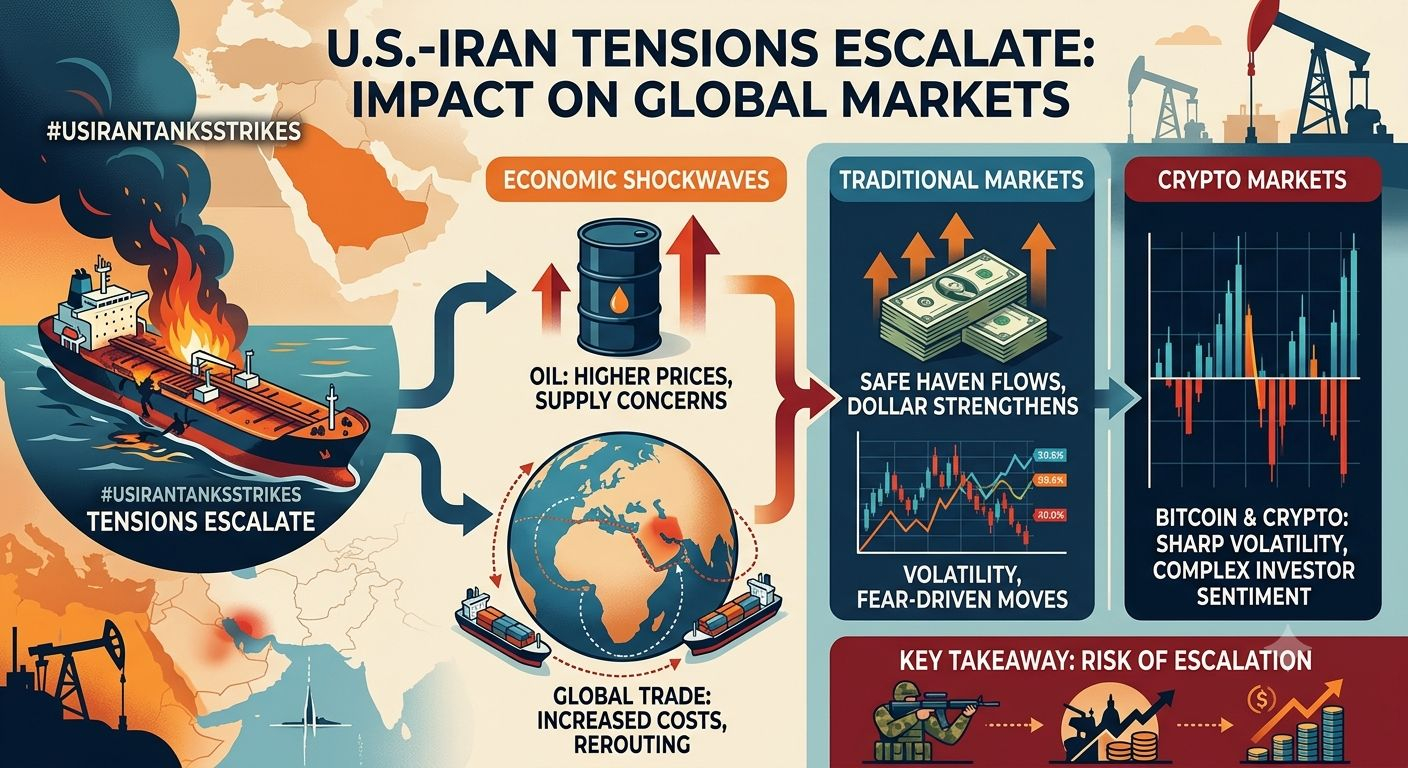
🚨🔥 Tensions between the U.S. and Iran are entering a more dangerous phase… and the world is facing the specter of a full-scale war that could change everything!
This is no longer just another political standoff… strikes involving commercial tankers are adding a dangerous economic dimension to the conflict.
So why are markets watching this so closely?
Oil could be the first major casualty
Any threat to oil tankers or critical shipping routes raises concerns about global supply. That could push energy prices higher as markets price in greater geopolitical risk.
🚢 Then comes global trade
Higher risks for ships can mean higher insurance and transportation costs, while companies may be forced to reroute vessels. Longer routes and rising costs could eventually spread the shock far beyond the region.
The dollar could benefit from fear
When uncertainty rises, some investors move toward assets they consider safer, potentially increasing demand for the U.S. dollar.
₿ And Bitcoin & Crypto?
Bitcoin could face sharp volatility if rising fears trigger a broad move away from risk assets. But if investors begin looking for alternatives outside the traditional financial system, crypto could see renewed attention later.
But there’s one thing that matters even more… 👀
The real danger isn’t one strike — it’s the possibility of escalation.
If the confrontation continues and spreads toward major energy and trade routes, we could see:
Higher oil prices
Disruptions to global shipping
Extreme market volatility
Strong moves in the dollar
₿ Violent swings across crypto
That’s why markets aren’t only watching the strikes…
They’re watching the bigger question: Can both sides stop the escalation before it turns into a much wider regional crisis?
Because a full-scale war wouldn’t just be a military crisis… it could become an economic shock hitting markets around the world.
Do you think tensions will cool down soon, or is the worst still ahead?
#GlobalMarkets #Geopolitics
$BTC
{spot}(BTCUSDT)
$CL
{future}(CLUSDT)
#usirantradetankerstrikesescalate
🚨🔥 Tensions between the U.S. and Iran are entering a more dangerous phase… and the world is facing the specter of a full-scale war that could change everything!
This is no longer just another political standoff… strikes involving commercial tankers are adding a dangerous economic dimension to the conflict.
So why are markets watching this so closely?
Oil could be the first major casualty
Any threat to oil tankers or critical shipping routes raises concerns about global supply. That could push energy prices higher as markets price in greater geopolitical risk.
🚢 Then comes global trade
Higher risks for ships can mean higher insurance and transportation costs, while companies may be forced to reroute vessels. Longer routes and rising costs could eventually spread the shock far beyond the region.
The dollar could benefit from fear
When uncertainty rises, some investors move toward assets they consider safer, potentially increasing demand for the U.S. dollar.
₿ And Bitcoin & Crypto?
Bitcoin could face sharp volatility if rising fears trigger a broad move away from risk assets. But if investors begin looking for alternatives outside the traditional financial system, crypto could see renewed attention later.
But there’s one thing that matters even more… 👀
The real danger isn’t one strike — it’s the possibility of escalation.
If the confrontation continues and spreads toward major energy and trade routes, we could see:
Higher oil prices
Disruptions to global shipping
Extreme market volatility
Strong moves in the dollar
₿ Violent swings across crypto
That’s why markets aren’t only watching the strikes…
They’re watching the bigger question: Can both sides stop the escalation before it turns into a much wider regional crisis?
Because a full-scale war wouldn’t just be a military crisis… it could become an economic shock hitting markets around the world.
Do you think tensions will cool down soon, or is the worst still ahead?
#GlobalMarkets #Geopolitics
$BTC
$CL
🚨🔥 Tensions between the U.S. and Iran are entering a more dangerous phase… and the world is facing the specter of a full-scale war that could change everything!
This is no longer just another political standoff… strikes involving commercial tankers are adding a dangerous economic dimension to the conflict.
So why are markets watching this so closely?
Oil could be the first major casualty
Any threat to oil tankers or critical shipping routes raises concerns about global supply. That could push energy prices higher as markets price in greater geopolitical risk.
🚢 Then comes global trade
Higher risks for ships can mean higher insurance and transportation costs, while companies may be forced to reroute vessels. Longer routes and rising costs could eventually spread the shock far beyond the region.
The dollar could benefit from fear
When uncertainty rises, some investors move toward assets they consider safer, potentially increasing demand for the U.S. dollar.
₿ And Bitcoin & Crypto?
Bitcoin could face sharp volatility if rising fears trigger a broad move away from risk assets. But if investors begin looking for alternatives outside the traditional financial system, crypto could see renewed attention later.
But there’s one thing that matters even more… 👀
The real danger isn’t one strike — it’s the possibility of escalation.
If the confrontation continues and spreads toward major energy and trade routes, we could see:
Higher oil prices
Disruptions to global shipping
Extreme market volatility
Strong moves in the dollar
₿ Violent swings across crypto
That’s why markets aren’t only watching the strikes…
They’re watching the bigger question: Can both sides stop the escalation before it turns into a much wider regional crisis?
Because a full-scale war wouldn’t just be a military crisis… it could become an economic shock hitting markets around the world.
Do you think tensions will cool down soon, or is the worst still ahead?
#GlobalMarkets #Geopolitics
$BTC
$CL
5
3
2k

Bitcoin is back above the $80K level as global risk sentiment improves. BTC recently climbed above $81,000, while U.S. bond yields eased and expectations around Federal Reserve policy shifted.
🌐 What is moving the international market?
🏦 Fed Policy: Comments from Fed Governor Christopher Waller reduced expectations of another immediate rate hike, supporting risk assets.
💵 Bond Yields & Dollar: Falling yields and a softer dollar have provided a more supportive backdrop for Bitcoin.
🌍 Global Risk: Investors are still monitoring oil prices and geopolitical developments, which could quickly change market sentiment.
₿ Bitcoin: BTC has gained momentum, but analysts note that maintaining important support levels remains crucial.
💡 Today's takeaway:
Bitcoin is a global asset. When the international financial environment changes, BTC can react quickly.
📚 Follow the data, understand the bigger picture, and don't let short-term headlines create unnecessary FOMO.
👇 What is most important for BTC right now?
🏦 Fed Policy
💵 Dollar & Yields
🌍 Geopolitics
📊 Global Liquidity
#BinanceSquare #GlobalMarkets #InternationalMarkets #BitcoinNews #DigitalAssets $BTC
Bitcoin is back above the $80K level as global risk sentiment improves. BTC recently climbed above $81,000, while U.S. bond yields eased and expectations around Federal Reserve policy shifted.
🌐 What is moving the international market?
🏦 Fed Policy: Comments from Fed Governor Christopher Waller reduced expectations of another immediate rate hike, supporting risk assets.
💵 Bond Yields & Dollar: Falling yields and a softer dollar have provided a more supportive backdrop for Bitcoin.
🌍 Global Risk: Investors are still monitoring oil prices and geopolitical developments, which could quickly change market sentiment.
₿ Bitcoin: BTC has gained momentum, but analysts note that maintaining important support levels remains crucial.
💡 Today's takeaway:
Bitcoin is a global asset. When the international financial environment changes, BTC can react quickly.
📚 Follow the data, understand the bigger picture, and don't let short-term headlines create unnecessary FOMO.
👇 What is most important for BTC right now?
🏦 Fed Policy
💵 Dollar & Yields
🌍 Geopolitics
📊 Global Liquidity
#BinanceSquare #GlobalMarkets #InternationalMarkets #BitcoinNews #DigitalAssets $BTC
🌐 What is moving the international market?
🏦 Fed Policy: Comments from Fed Governor Christopher Waller reduced expectations of another immediate rate hike, supporting risk assets.
💵 Bond Yields & Dollar: Falling yields and a softer dollar have provided a more supportive backdrop for Bitcoin.
🌍 Global Risk: Investors are still monitoring oil prices and geopolitical developments, which could quickly change market sentiment.
₿ Bitcoin: BTC has gained momentum, but analysts note that maintaining important support levels remains crucial.
💡 Today's takeaway:
Bitcoin is a global asset. When the international financial environment changes, BTC can react quickly.
📚 Follow the data, understand the bigger picture, and don't let short-term headlines create unnecessary FOMO.
👇 What is most important for BTC right now?
🏦 Fed Policy
💵 Dollar & Yields
🌍 Geopolitics
📊 Global Liquidity
#BinanceSquare #GlobalMarkets #InternationalMarkets #BitcoinNews #DigitalAssets $BTC
104

·
--
⚠️ U.S.–Iran Tensions Are Moving Global Markets.
Renewed uncertainty surrounding U.S.–Iran military tensions is affecting energy markets, with oil prices remaining elevated despite Thursday’s pullback.
Crypto traders should pay attention to geopolitical developments because changes in oil, inflation expectations and global risk sentiment can influence broader financial markets.
{spot}(BTCUSDT)
{spot}(BNBUSDT)
{spot}(SOLUSDT)
#CryptoNews #Bitcoin #BTC #GlobalMarkets #MarketUpdate
⚠️ U.S.–Iran Tensions Are Moving Global Markets.
Renewed uncertainty surrounding U.S.–Iran military tensions is affecting energy markets, with oil prices remaining elevated despite Thursday’s pullback.
Crypto traders should pay attention to geopolitical developments because changes in oil, inflation expectations and global risk sentiment can influence broader financial markets.
#CryptoNews #Bitcoin #BTC #GlobalMarkets #MarketUpdate
Renewed uncertainty surrounding U.S.–Iran military tensions is affecting energy markets, with oil prices remaining elevated despite Thursday’s pullback.
Crypto traders should pay attention to geopolitical developments because changes in oil, inflation expectations and global risk sentiment can influence broader financial markets.
#CryptoNews #Bitcoin #BTC #GlobalMarkets #MarketUpdate
1
53
Bitcoin is navigating a challenging global-market environment as September begins.
BTC is trading around the $77K–$78K range, after recently testing the $80K level. At the same time, international markets are dealing with higher oil prices, elevated bond yields, and geopolitical uncertainty.
📌 What matters for BTC today?
💵 Interest Rates & Bonds — Higher yields can reduce appetite for riskier assets.
🛢️ Oil Prices — Rising energy costs can increase inflation concerns globally.
🌍 Geopolitical Risk — International tensions are adding volatility to financial markets.
🏦 Investor Sentiment — Bitcoin remains sensitive to changes in global liquidity and risk appetite.
💡 Today's takeaway:
Bitcoin is a global asset. To understand BTC, look beyond the crypto market and follow the international economy too.
📚 Stay informed. Verify the news. Don't let short-term market noise control your decisions.
👇 What could influence BTC the most this month?
💵 Interest Rates
🛢️ Oil Prices
🌍 Geopolitics
🏦 Global Liquidity
#BinanceSquare #GlobalMarkets #BitcoinNews #DigitalAssets #Blockchain
Bitcoin is navigating a challenging global-market environment as September begins.
BTC is trading around the $77K–$78K range, after recently testing the $80K level. At the same time, international markets are dealing with higher oil prices, elevated bond yields, and geopolitical uncertainty.
📌 What matters for BTC today?
💵 Interest Rates & Bonds — Higher yields can reduce appetite for riskier assets.
🛢️ Oil Prices — Rising energy costs can increase inflation concerns globally.
🌍 Geopolitical Risk — International tensions are adding volatility to financial markets.
🏦 Investor Sentiment — Bitcoin remains sensitive to changes in global liquidity and risk appetite.
💡 Today's takeaway:
Bitcoin is a global asset. To understand BTC, look beyond the crypto market and follow the international economy too.
📚 Stay informed. Verify the news. Don't let short-term market noise control your decisions.
👇 What could influence BTC the most this month?
💵 Interest Rates
🛢️ Oil Prices
🌍 Geopolitics
🏦 Global Liquidity
#BinanceSquare #GlobalMarkets #BitcoinNews #DigitalAssets #Blockchain
BTC is trading around the $77K–$78K range, after recently testing the $80K level. At the same time, international markets are dealing with higher oil prices, elevated bond yields, and geopolitical uncertainty.
📌 What matters for BTC today?
💵 Interest Rates & Bonds — Higher yields can reduce appetite for riskier assets.
🛢️ Oil Prices — Rising energy costs can increase inflation concerns globally.
🌍 Geopolitical Risk — International tensions are adding volatility to financial markets.
🏦 Investor Sentiment — Bitcoin remains sensitive to changes in global liquidity and risk appetite.
💡 Today's takeaway:
Bitcoin is a global asset. To understand BTC, look beyond the crypto market and follow the international economy too.
📚 Stay informed. Verify the news. Don't let short-term market noise control your decisions.
👇 What could influence BTC the most this month?
💵 Interest Rates
🛢️ Oil Prices
🌍 Geopolitics
🏦 Global Liquidity
#BinanceSquare #GlobalMarkets #BitcoinNews #DigitalAssets #Blockchain
99
Bitcoin is facing a mixed global-market environment as September begins.
l le
BTC is trading around the $77K–$79K area, while international markets are reacting to rising oil prices, higher bond yields, renewed geopolitical tensions, and changing expectations for U.S. interest rates.
📌 Key factors to watch:
💵 U.S. Dollar & Rates — Higher-rate expectations can pressure risk assets.
🛢️ Oil Prices — Rising energy prices are increasing global inflation concerns.
🌍 Geopolitics — Renewed U.S.–Iran tensions are creating additional uncertainty across international markets.
₿ Bitcoin — Despite the pressure, BTC remains close to the $78K area, showing continued market interest.
💡 Today's takeaway:
Bitcoin doesn't move in isolation. Global liquidity, interest rates, energy prices, and geopolitical events can all influence crypto sentiment.
📚 Stay informed. Check reliable sources. Don't let short-term market noise decide your thinking.
👇 Which factor will matter most for BTC this month?
💵 Interest Rates
🛢️ Oil Prices
🌍 Geopolitics
🏦 Institutional Demand
#BinanceSquare #Bitcoin #GlobalMarkets #BitcoinNews #DigitalAsset
Bitcoin is facing a mixed global-market environment as September begins.
l le
BTC is trading around the $77K–$79K area, while international markets are reacting to rising oil prices, higher bond yields, renewed geopolitical tensions, and changing expectations for U.S. interest rates.
📌 Key factors to watch:
💵 U.S. Dollar & Rates — Higher-rate expectations can pressure risk assets.
🛢️ Oil Prices — Rising energy prices are increasing global inflation concerns.
🌍 Geopolitics — Renewed U.S.–Iran tensions are creating additional uncertainty across international markets.
₿ Bitcoin — Despite the pressure, BTC remains close to the $78K area, showing continued market interest.
💡 Today's takeaway:
Bitcoin doesn't move in isolation. Global liquidity, interest rates, energy prices, and geopolitical events can all influence crypto sentiment.
📚 Stay informed. Check reliable sources. Don't let short-term market noise decide your thinking.
👇 Which factor will matter most for BTC this month?
💵 Interest Rates
🛢️ Oil Prices
🌍 Geopolitics
🏦 Institutional Demand
#BinanceSquare #Bitcoin #GlobalMarkets #BitcoinNews #DigitalAsset
l le
BTC is trading around the $77K–$79K area, while international markets are reacting to rising oil prices, higher bond yields, renewed geopolitical tensions, and changing expectations for U.S. interest rates.
📌 Key factors to watch:
💵 U.S. Dollar & Rates — Higher-rate expectations can pressure risk assets.
🛢️ Oil Prices — Rising energy prices are increasing global inflation concerns.
🌍 Geopolitics — Renewed U.S.–Iran tensions are creating additional uncertainty across international markets.
₿ Bitcoin — Despite the pressure, BTC remains close to the $78K area, showing continued market interest.
💡 Today's takeaway:
Bitcoin doesn't move in isolation. Global liquidity, interest rates, energy prices, and geopolitical events can all influence crypto sentiment.
📚 Stay informed. Check reliable sources. Don't let short-term market noise decide your thinking.
👇 Which factor will matter most for BTC this month?
💵 Interest Rates
🛢️ Oil Prices
🌍 Geopolitics
🏦 Institutional Demand
#BinanceSquare #Bitcoin #GlobalMarkets #BitcoinNews #DigitalAsset
93
Bitcoin enters September with strong momentum after a powerful August, but global-market risks remain important.
BTC is currently trading around the $79K area, while international investors are watching global liquidity, U.S. monetary policy, bond yields, and geopolitical developments.
📌 Key factors for BTC today:
💵 Global Liquidity — Changes in liquidity can influence demand for risk assets.
🏦 U.S. Monetary Policy — Expectations around interest rates remain important for global markets.
🌍 Geopolitical Risk — International tensions can increase market volatility.
📈 Market Momentum — Bitcoin gained roughly 24% during August, but recent ETF outflows show that sentiment can change quickly.
💡 Today's takeaway:
Bitcoin is a global asset. Don't watch BTC alone—watch the global economy around it.
Stay informed, verify market news, and avoid making decisions based only on short-term price movements.
👇 What will influence BTC most in September?
💵 Global Liquidity
🏦 Interest Rates
🌍 Geopolitics
📊 Institutional Demand
#BinanceSquare #Crypto #GlobalMarkets #BitcoinNews #DigitalAssets $BTC $BNB
Bitcoin enters September with strong momentum after a powerful August, but global-market risks remain important.
BTC is currently trading around the $79K area, while international investors are watching global liquidity, U.S. monetary policy, bond yields, and geopolitical developments.
📌 Key factors for BTC today:
💵 Global Liquidity — Changes in liquidity can influence demand for risk assets.
🏦 U.S. Monetary Policy — Expectations around interest rates remain important for global markets.
🌍 Geopolitical Risk — International tensions can increase market volatility.
📈 Market Momentum — Bitcoin gained roughly 24% during August, but recent ETF outflows show that sentiment can change quickly.
💡 Today's takeaway:
Bitcoin is a global asset. Don't watch BTC alone—watch the global economy around it.
Stay informed, verify market news, and avoid making decisions based only on short-term price movements.
👇 What will influence BTC most in September?
💵 Global Liquidity
🏦 Interest Rates
🌍 Geopolitics
📊 Institutional Demand
#BinanceSquare #Crypto #GlobalMarkets #BitcoinNews #DigitalAssets $BTC $BNB
BTC is currently trading around the $79K area, while international investors are watching global liquidity, U.S. monetary policy, bond yields, and geopolitical developments.
📌 Key factors for BTC today:
💵 Global Liquidity — Changes in liquidity can influence demand for risk assets.
🏦 U.S. Monetary Policy — Expectations around interest rates remain important for global markets.
🌍 Geopolitical Risk — International tensions can increase market volatility.
📈 Market Momentum — Bitcoin gained roughly 24% during August, but recent ETF outflows show that sentiment can change quickly.
💡 Today's takeaway:
Bitcoin is a global asset. Don't watch BTC alone—watch the global economy around it.
Stay informed, verify market news, and avoid making decisions based only on short-term price movements.
👇 What will influence BTC most in September?
💵 Global Liquidity
🏦 Interest Rates
🌍 Geopolitics
📊 Institutional Demand
#BinanceSquare #Crypto #GlobalMarkets #BitcoinNews #DigitalAssets $BTC $BNB
89
Bitcoin remains closely connected to global financial conditions.
Recent international-market developments have kept investors focused on the U.S. dollar, Treasury yields, monetary policy, oil prices, and geopolitical risk. Bitcoin recently moved above $80,000, showing how strongly macroeconomic sentiment can affect digital assets.
🌐 Key Global Factors
💵 U.S. Dollar: Currency movements can influence demand for alternative assets.
🏦 Treasury Yields: Changes in bond yields can affect global risk appetite.
🛢️ Oil Markets: Energy prices remain an important indicator for inflation and economic expectations.
₿ Bitcoin: BTC is increasingly discussed alongside traditional global assets as investors assess liquidity and economic uncertainty.
💡 Today's takeaway:
Bitcoin doesn't move in isolation. Understanding the global economy helps us better understand the forces influencing BTC.
📚 Stay informed. Check reliable sources. Avoid reacting to headlines alone.
👇 Which global factor matters most for BTC?
💵 Dollar
🏦 Interest Rates
🌍 Geopolitics
📊 Global Liquidity
#BinanceSquare #GlobalMarkets #BitcoinNews #DigitalAssets #MarketAnalysis $BTC
Bitcoin remains closely connected to global financial conditions.
Recent international-market developments have kept investors focused on the U.S. dollar, Treasury yields, monetary policy, oil prices, and geopolitical risk. Bitcoin recently moved above $80,000, showing how strongly macroeconomic sentiment can affect digital assets.
🌐 Key Global Factors
💵 U.S. Dollar: Currency movements can influence demand for alternative assets.
🏦 Treasury Yields: Changes in bond yields can affect global risk appetite.
🛢️ Oil Markets: Energy prices remain an important indicator for inflation and economic expectations.
₿ Bitcoin: BTC is increasingly discussed alongside traditional global assets as investors assess liquidity and economic uncertainty.
💡 Today's takeaway:
Bitcoin doesn't move in isolation. Understanding the global economy helps us better understand the forces influencing BTC.
📚 Stay informed. Check reliable sources. Avoid reacting to headlines alone.
👇 Which global factor matters most for BTC?
💵 Dollar
🏦 Interest Rates
🌍 Geopolitics
📊 Global Liquidity
#BinanceSquare #GlobalMarkets #BitcoinNews #DigitalAssets #MarketAnalysis $BTC
Recent international-market developments have kept investors focused on the U.S. dollar, Treasury yields, monetary policy, oil prices, and geopolitical risk. Bitcoin recently moved above $80,000, showing how strongly macroeconomic sentiment can affect digital assets.
🌐 Key Global Factors
💵 U.S. Dollar: Currency movements can influence demand for alternative assets.
🏦 Treasury Yields: Changes in bond yields can affect global risk appetite.
🛢️ Oil Markets: Energy prices remain an important indicator for inflation and economic expectations.
₿ Bitcoin: BTC is increasingly discussed alongside traditional global assets as investors assess liquidity and economic uncertainty.
💡 Today's takeaway:
Bitcoin doesn't move in isolation. Understanding the global economy helps us better understand the forces influencing BTC.
📚 Stay informed. Check reliable sources. Avoid reacting to headlines alone.
👇 Which global factor matters most for BTC?
💵 Dollar
🏦 Interest Rates
🌍 Geopolitics
📊 Global Liquidity
#BinanceSquare #GlobalMarkets #BitcoinNews #DigitalAssets #MarketAnalysis $BTC
92
Bitcoin is starting the week near the $78K area as global investors remain focused on monetary policy, inflation, currencies, and geopolitical developments.
🇺🇸 U.S. Markets: Recent Federal Reserve comments have increased attention on future interest-rate decisions, while Treasury yields and the dollar have also moved higher.
💵 Global Liquidity: Changes in interest rates, bond yields, and the U.S. dollar can influence investor appetite for risk assets, including Bitcoin.
🌍 Geopolitical Risk: Energy markets and tensions affecting global trade remain important factors for international investors.
₿ Bitcoin: BTC continues to trade as a global digital asset, with its price influenced by liquidity, investor demand, regulation, and worldwide market sentiment.
💡 TODAY'S TAKEAWAY:
Don't watch Bitcoin in isolation. Watch the world around Bitcoin. 🌍₿
👇 What will have the biggest influence on BTC this week?
💵 Dollar & Liquidity
🏦 Interest Rates
🌍 Geopolitics
📊 Investor Sentiment
#BinanceSquare #GlobalMarkets #BitcoinNews #WorldMarkets #Blockchain $BTC
Bitcoin is starting the week near the $78K area as global investors remain focused on monetary policy, inflation, currencies, and geopolitical developments.
🇺🇸 U.S. Markets: Recent Federal Reserve comments have increased attention on future interest-rate decisions, while Treasury yields and the dollar have also moved higher.
💵 Global Liquidity: Changes in interest rates, bond yields, and the U.S. dollar can influence investor appetite for risk assets, including Bitcoin.
🌍 Geopolitical Risk: Energy markets and tensions affecting global trade remain important factors for international investors.
₿ Bitcoin: BTC continues to trade as a global digital asset, with its price influenced by liquidity, investor demand, regulation, and worldwide market sentiment.
💡 TODAY'S TAKEAWAY:
Don't watch Bitcoin in isolation. Watch the world around Bitcoin. 🌍₿
👇 What will have the biggest influence on BTC this week?
💵 Dollar & Liquidity
🏦 Interest Rates
🌍 Geopolitics
📊 Investor Sentiment
#BinanceSquare #GlobalMarkets #BitcoinNews #WorldMarkets #Blockchain $BTC
🇺🇸 U.S. Markets: Recent Federal Reserve comments have increased attention on future interest-rate decisions, while Treasury yields and the dollar have also moved higher.
💵 Global Liquidity: Changes in interest rates, bond yields, and the U.S. dollar can influence investor appetite for risk assets, including Bitcoin.
🌍 Geopolitical Risk: Energy markets and tensions affecting global trade remain important factors for international investors.
₿ Bitcoin: BTC continues to trade as a global digital asset, with its price influenced by liquidity, investor demand, regulation, and worldwide market sentiment.
💡 TODAY'S TAKEAWAY:
Don't watch Bitcoin in isolation. Watch the world around Bitcoin. 🌍₿
👇 What will have the biggest influence on BTC this week?
💵 Dollar & Liquidity
🏦 Interest Rates
🌍 Geopolitics
📊 Investor Sentiment
#BinanceSquare #GlobalMarkets #BitcoinNews #WorldMarkets #Blockchain $BTC
80
·
--
Bullish
Global Stock Market Overview, Aug. 24–28: AI Supports Gains as Rates Drive Divergence
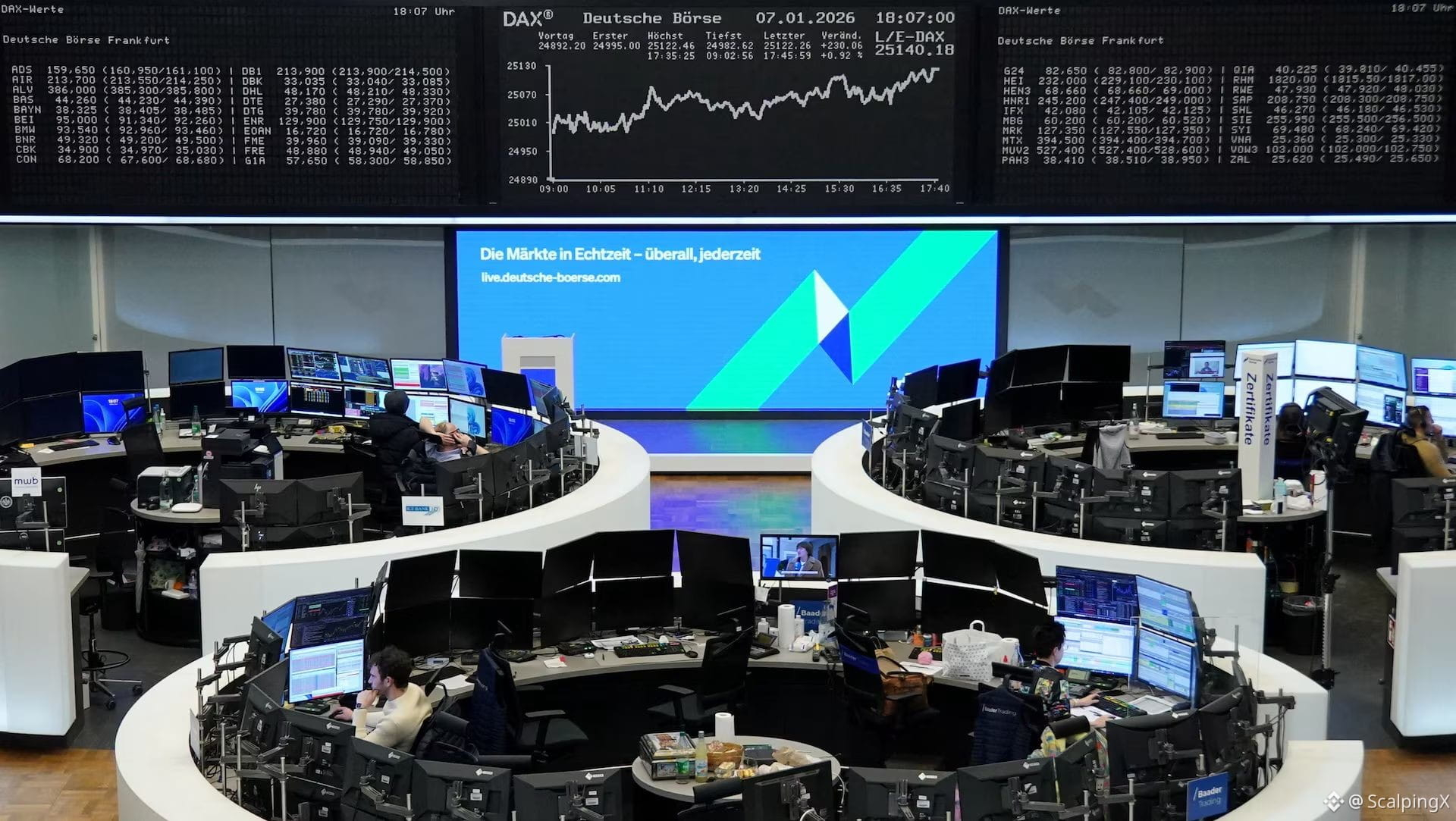
📈 U.S. equities ended the week higher, but market breadth remained narrow. The S&P 500 and Dow Jones gained about 0.5%, while the Nasdaq rose 0.8%. In contrast, the Russell 2000 fell 1.5%. Friday reinforced the gap, with the S&P 500 down 0.25%, the Nasdaq losing 0.52%, and the Russell 2000 sliding 1.4%.
🤖 Technology remained the main driver. Nvidia reported $96.2 billion in revenue, up 106% YoY, helping its shares jump 8.7% on Aug. 27. Salesforce and CrowdStrike surged 22.6% and 20.5% after strong results. Marvell, however, fell more than 10%, showing that investors are becoming more selective within the AI theme.
🏦 Pressure returned on Aug. 28 after Fed Chair Kevin Warsh said inflation remained above target and the Fed still had work to do. Market pricing for a September rate hike rose from around 35% to 55–58%, while the U.S. 2-year Treasury yield climbed to 4.35%. Small caps, real estate and other rate-sensitive groups underperformed cash-rich mega-cap companies.
📊 Breadth also remained weak. On Aug. 27, the S&P 500 rose 0.7% and the Nasdaq gained 1.5%, while the equal-weight S&P 500 fell 0.3%, highlighting how gains remained concentrated in a relatively small group of large-cap stocks.
🌍 Outside the U.S., performance was mixed. Germany’s DAX gained about 1.8% for the week, while France’s CAC 40 fell 0.8% amid political concerns. In Asia, Taiwan’s TAIEX rose 2.5% on AI supply-chain strength, while South Korea’s KOSPI dropped 1.8% as local monetary policy turned more hawkish.
🔎 Overall, markets continued to reward companies delivering visible earnings growth, while stocks more dependent on lower interest rates remained under pressure. The rally therefore stayed selective rather than broadly risk-on.
#GlobalMarkets $NVDAB $AAPLB $GOOGL.US
Global Stock Market Overview, Aug. 24–28: AI Supports Gains as Rates Drive Divergence
📈 U.S. equities ended the week higher, but market breadth remained narrow. The S&P 500 and Dow Jones gained about 0.5%, while the Nasdaq rose 0.8%. In contrast, the Russell 2000 fell 1.5%. Friday reinforced the gap, with the S&P 500 down 0.25%, the Nasdaq losing 0.52%, and the Russell 2000 sliding 1.4%.
🤖 Technology remained the main driver. Nvidia reported $96.2 billion in revenue, up 106% YoY, helping its shares jump 8.7% on Aug. 27. Salesforce and CrowdStrike surged 22.6% and 20.5% after strong results. Marvell, however, fell more than 10%, showing that investors are becoming more selective within the AI theme.
🏦 Pressure returned on Aug. 28 after Fed Chair Kevin Warsh said inflation remained above target and the Fed still had work to do. Market pricing for a September rate hike rose from around 35% to 55–58%, while the U.S. 2-year Treasury yield climbed to 4.35%. Small caps, real estate and other rate-sensitive groups underperformed cash-rich mega-cap companies.
📊 Breadth also remained weak. On Aug. 27, the S&P 500 rose 0.7% and the Nasdaq gained 1.5%, while the equal-weight S&P 500 fell 0.3%, highlighting how gains remained concentrated in a relatively small group of large-cap stocks.
🌍 Outside the U.S., performance was mixed. Germany’s DAX gained about 1.8% for the week, while France’s CAC 40 fell 0.8% amid political concerns. In Asia, Taiwan’s TAIEX rose 2.5% on AI supply-chain strength, while South Korea’s KOSPI dropped 1.8% as local monetary policy turned more hawkish.
🔎 Overall, markets continued to reward companies delivering visible earnings growth, while stocks more dependent on lower interest rates remained under pressure. The rally therefore stayed selective rather than broadly risk-on.
#GlobalMarkets $NVDAB $AAPLB $GOOGL.US
📈 U.S. equities ended the week higher, but market breadth remained narrow. The S&P 500 and Dow Jones gained about 0.5%, while the Nasdaq rose 0.8%. In contrast, the Russell 2000 fell 1.5%. Friday reinforced the gap, with the S&P 500 down 0.25%, the Nasdaq losing 0.52%, and the Russell 2000 sliding 1.4%.
🤖 Technology remained the main driver. Nvidia reported $96.2 billion in revenue, up 106% YoY, helping its shares jump 8.7% on Aug. 27. Salesforce and CrowdStrike surged 22.6% and 20.5% after strong results. Marvell, however, fell more than 10%, showing that investors are becoming more selective within the AI theme.
🏦 Pressure returned on Aug. 28 after Fed Chair Kevin Warsh said inflation remained above target and the Fed still had work to do. Market pricing for a September rate hike rose from around 35% to 55–58%, while the U.S. 2-year Treasury yield climbed to 4.35%. Small caps, real estate and other rate-sensitive groups underperformed cash-rich mega-cap companies.
📊 Breadth also remained weak. On Aug. 27, the S&P 500 rose 0.7% and the Nasdaq gained 1.5%, while the equal-weight S&P 500 fell 0.3%, highlighting how gains remained concentrated in a relatively small group of large-cap stocks.
🌍 Outside the U.S., performance was mixed. Germany’s DAX gained about 1.8% for the week, while France’s CAC 40 fell 0.8% amid political concerns. In Asia, Taiwan’s TAIEX rose 2.5% on AI supply-chain strength, while South Korea’s KOSPI dropped 1.8% as local monetary policy turned more hawkish.
🔎 Overall, markets continued to reward companies delivering visible earnings growth, while stocks more dependent on lower interest rates remained under pressure. The rally therefore stayed selective rather than broadly risk-on.
#GlobalMarkets $NVDAB $AAPLB $GOOGL.US
21
Bitcoin is once again testing the $80K zone as global markets focus on major economic and geopolitical developments.
🇺🇸 U.S. Markets: Investors are watching Federal Reserve signals and inflation expectations, which can influence global liquidity and risk sentiment.
💵 Dollar & Bonds: Movements in Treasury yields and the U.S. dollar remain important for global asset markets.
🛢️ Oil & Geopolitics: Energy prices and tensions around the Strait of Hormuz continue to add uncertainty to international markets.
₿ Bitcoin: BTC has recently moved above $80K but has faced resistance around this psychological level, showing that volatility remains high.
💡 Today's takeaway:
Bitcoin is a global asset. To understand BTC, don't watch only the crypto chart—watch the international economy around it.
📚 Stay informed. Verify the news. Avoid emotional decisions.
👇 What is the biggest factor for BTC right now?
💵 Dollar & Liquidity
🏦 Institutional Demand
🌍 Global Economy
⚖️ Regulation
#BinanceSquare #GlobalMarkets #BitcoinNews #WorldMarkets #DigitalAssets $BTC
Bitcoin is once again testing the $80K zone as global markets focus on major economic and geopolitical developments.
🇺🇸 U.S. Markets: Investors are watching Federal Reserve signals and inflation expectations, which can influence global liquidity and risk sentiment.
💵 Dollar & Bonds: Movements in Treasury yields and the U.S. dollar remain important for global asset markets.
🛢️ Oil & Geopolitics: Energy prices and tensions around the Strait of Hormuz continue to add uncertainty to international markets.
₿ Bitcoin: BTC has recently moved above $80K but has faced resistance around this psychological level, showing that volatility remains high.
💡 Today's takeaway:
Bitcoin is a global asset. To understand BTC, don't watch only the crypto chart—watch the international economy around it.
📚 Stay informed. Verify the news. Avoid emotional decisions.
👇 What is the biggest factor for BTC right now?
💵 Dollar & Liquidity
🏦 Institutional Demand
🌍 Global Economy
⚖️ Regulation
#BinanceSquare #GlobalMarkets #BitcoinNews #WorldMarkets #DigitalAssets $BTC
🇺🇸 U.S. Markets: Investors are watching Federal Reserve signals and inflation expectations, which can influence global liquidity and risk sentiment.
💵 Dollar & Bonds: Movements in Treasury yields and the U.S. dollar remain important for global asset markets.
🛢️ Oil & Geopolitics: Energy prices and tensions around the Strait of Hormuz continue to add uncertainty to international markets.
₿ Bitcoin: BTC has recently moved above $80K but has faced resistance around this psychological level, showing that volatility remains high.
💡 Today's takeaway:
Bitcoin is a global asset. To understand BTC, don't watch only the crypto chart—watch the international economy around it.
📚 Stay informed. Verify the news. Avoid emotional decisions.
👇 What is the biggest factor for BTC right now?
💵 Dollar & Liquidity
🏦 Institutional Demand
🌍 Global Economy
⚖️ Regulation
#BinanceSquare #GlobalMarkets #BitcoinNews #WorldMarkets #DigitalAssets $BTC
91
Log in to explore more content
Join global crypto users on Binance Square
⚡️ Get latest and useful information about crypto.
💬 Trusted by the world’s largest crypto exchange.
👍 Discover real insights from verified creators.
Email / Phone number
Trending Topics
1
#AnthropicIPOProspectusCouldValueItOver$2T
246 views
24 Discussing
2
#HackersDrainOver12.4MXRPFromDCENTWallets
2,890 views
108 Discussing
3
#SECSaysDecentralizedTokenBuybacksNotInvestmentContracts
83 views
4 Discussing
4
#UKFCAWinsCourtOrderToRecover851400Pounds
56,617 views
1,007 Discussing
5
#ChainlinkLaunchesCCIP2WithEnterpriseVerification
66,289 views
1,145 Discussing
6
#GoldFallsTo$4144
21,863 views
180 Discussing
7
#QNTFallsOver40%FromMorningHigh
115,926 views
1,529 Discussing
8
#USDTAdds845900HoldersInPast7Days
33,361 views
581 Discussing
9
#KospiFalls2.7%SamsungSKHynixDropOver5%
43,714 views
685 Discussing
10
#BitgetCEOConfirms$388MStolenInHack
6,176 views
45 Discussing