
#cryptocrash
cryptocrash
10.7M views
16,917 Discussing
Hot
Latest

·
--
Kreimer’s Verdict
The quantum apocalypse is already close, but the crowd is blind. On August 3, Jim Kreimer, horrified, recorded losses and completely exited Bitcoin after a warning from IBM’s head that in 3–4 years quantum computers would break the network’s cryptography. And what did the crowd do? It started crazily buying. In 49 days, Bitcoin surged 37%, hitting an insane $87,395 and gobbling up $850 million in shorts.
But this surge is only a death-rattle convulsion of the market before the inevitable crash. The “Reverse Kreimer Effect” blinded investors, making them believe in perpetual growth. While they’re celebrating a local triumph, the quantum clocks are ticking. By 2029, BTC cryptography will turn to dust, and today’s records will be nothing more than bait in a digital trap that will slam shut, leaving millions with nothing. Run while it’s not too late.
#bitcoin #cryptocrash #quantumcomputing #InverseCramer #CryptoNews
Kreimer’s Verdict
The quantum apocalypse is already close, but the crowd is blind. On August 3, Jim Kreimer, horrified, recorded losses and completely exited Bitcoin after a warning from IBM’s head that in 3–4 years quantum computers would break the network’s cryptography. And what did the crowd do? It started crazily buying. In 49 days, Bitcoin surged 37%, hitting an insane $87,395 and gobbling up $850 million in shorts.
But this surge is only a death-rattle convulsion of the market before the inevitable crash. The “Reverse Kreimer Effect” blinded investors, making them believe in perpetual growth. While they’re celebrating a local triumph, the quantum clocks are ticking. By 2029, BTC cryptography will turn to dust, and today’s records will be nothing more than bait in a digital trap that will slam shut, leaving millions with nothing. Run while it’s not too late.
#bitcoin #cryptocrash #quantumcomputing #InverseCramer #CryptoNews
The quantum apocalypse is already close, but the crowd is blind. On August 3, Jim Kreimer, horrified, recorded losses and completely exited Bitcoin after a warning from IBM’s head that in 3–4 years quantum computers would break the network’s cryptography. And what did the crowd do? It started crazily buying. In 49 days, Bitcoin surged 37%, hitting an insane $87,395 and gobbling up $850 million in shorts.
But this surge is only a death-rattle convulsion of the market before the inevitable crash. The “Reverse Kreimer Effect” blinded investors, making them believe in perpetual growth. While they’re celebrating a local triumph, the quantum clocks are ticking. By 2029, BTC cryptography will turn to dust, and today’s records will be nothing more than bait in a digital trap that will slam shut, leaving millions with nothing. Run while it’s not too late.
#bitcoin #cryptocrash #quantumcomputing #InverseCramer #CryptoNews

WannaClimb:
не пишите ахинею. сделать квантовый компьютер который взломает биткоин, такая же трудная,задача как построить колонию на марсе с 1 млн чел. я думаю вы понимаете что колонии не будет на марсе через 3 года? эти задачи примерно равны по сложности.
1
1
622
·
--
The market rose above $3 trillion. But this isn’t a victory — it’s a perfect trap. ⚠️
Bitcoin is surging to new highs, bringing the total crypto market capitalization back to a historical level above $3T. U.S. spot Bitcoin ETFs recorded a net inflow of $593 million, and altcoins are wildly following the leader: the HYPE token is setting records, while anonymous Zcash shows a sharp jump. The crowd is convinced a permanent bull trend has arrived.
But analysts at QCP Group are sounding the alarm: this growth is an artificial illusion. Prices are pushed up not by real buyers, but by a frenzy of leverage (derivatives) that is growing far faster than actual spot demand. The market has become reflective and extremely fragile.
“Short squeezes move the price, not long-term holders.” Leverage-based long positions are now hanging over the edge. If spot demand even slightly weakens, a modest pullback in price will trigger a domino effect — a wave of forced liquidations that will instantly drag the market down.
Are you truly getting on the wealth train, or are you just increasing someone else’s leverage before a large-scale slaughter?
#bitcoin #cryptocrash #LeverageRisk #CryptoNews
The market rose above $3 trillion. But this isn’t a victory — it’s a perfect trap. ⚠️
Bitcoin is surging to new highs, bringing the total crypto market capitalization back to a historical level above $3T. U.S. spot Bitcoin ETFs recorded a net inflow of $593 million, and altcoins are wildly following the leader: the HYPE token is setting records, while anonymous Zcash shows a sharp jump. The crowd is convinced a permanent bull trend has arrived.
But analysts at QCP Group are sounding the alarm: this growth is an artificial illusion. Prices are pushed up not by real buyers, but by a frenzy of leverage (derivatives) that is growing far faster than actual spot demand. The market has become reflective and extremely fragile.
“Short squeezes move the price, not long-term holders.” Leverage-based long positions are now hanging over the edge. If spot demand even slightly weakens, a modest pullback in price will trigger a domino effect — a wave of forced liquidations that will instantly drag the market down.
Are you truly getting on the wealth train, or are you just increasing someone else’s leverage before a large-scale slaughter?
#bitcoin #cryptocrash #LeverageRisk #CryptoNews
Bitcoin is surging to new highs, bringing the total crypto market capitalization back to a historical level above $3T. U.S. spot Bitcoin ETFs recorded a net inflow of $593 million, and altcoins are wildly following the leader: the HYPE token is setting records, while anonymous Zcash shows a sharp jump. The crowd is convinced a permanent bull trend has arrived.
But analysts at QCP Group are sounding the alarm: this growth is an artificial illusion. Prices are pushed up not by real buyers, but by a frenzy of leverage (derivatives) that is growing far faster than actual spot demand. The market has become reflective and extremely fragile.
“Short squeezes move the price, not long-term holders.” Leverage-based long positions are now hanging over the edge. If spot demand even slightly weakens, a modest pullback in price will trigger a domino effect — a wave of forced liquidations that will instantly drag the market down.
Are you truly getting on the wealth train, or are you just increasing someone else’s leverage before a large-scale slaughter?
#bitcoin #cryptocrash #LeverageRisk #CryptoNews
118

🚨$BTC DIP: Market Trap or Real Correction? 📉
The big question: Is this a buying opportunity or just the start of more volatility? 👀
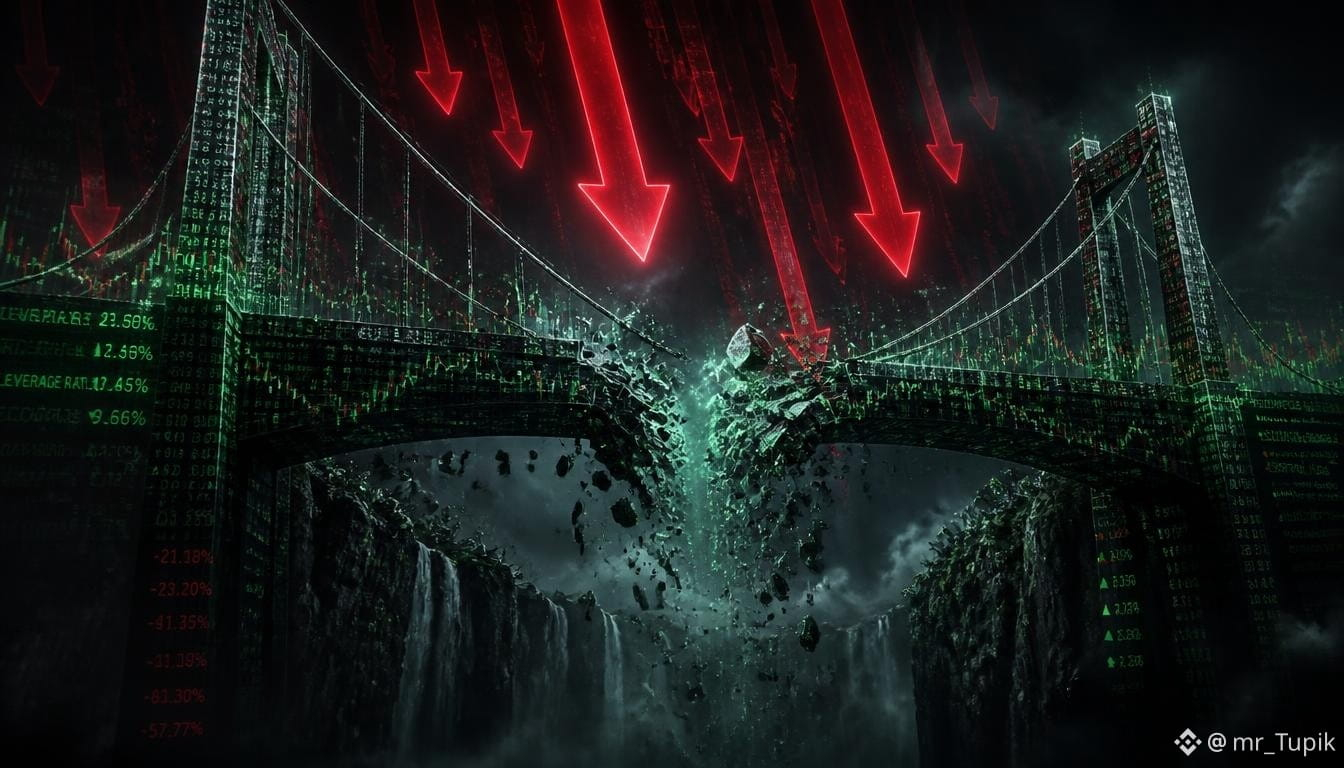
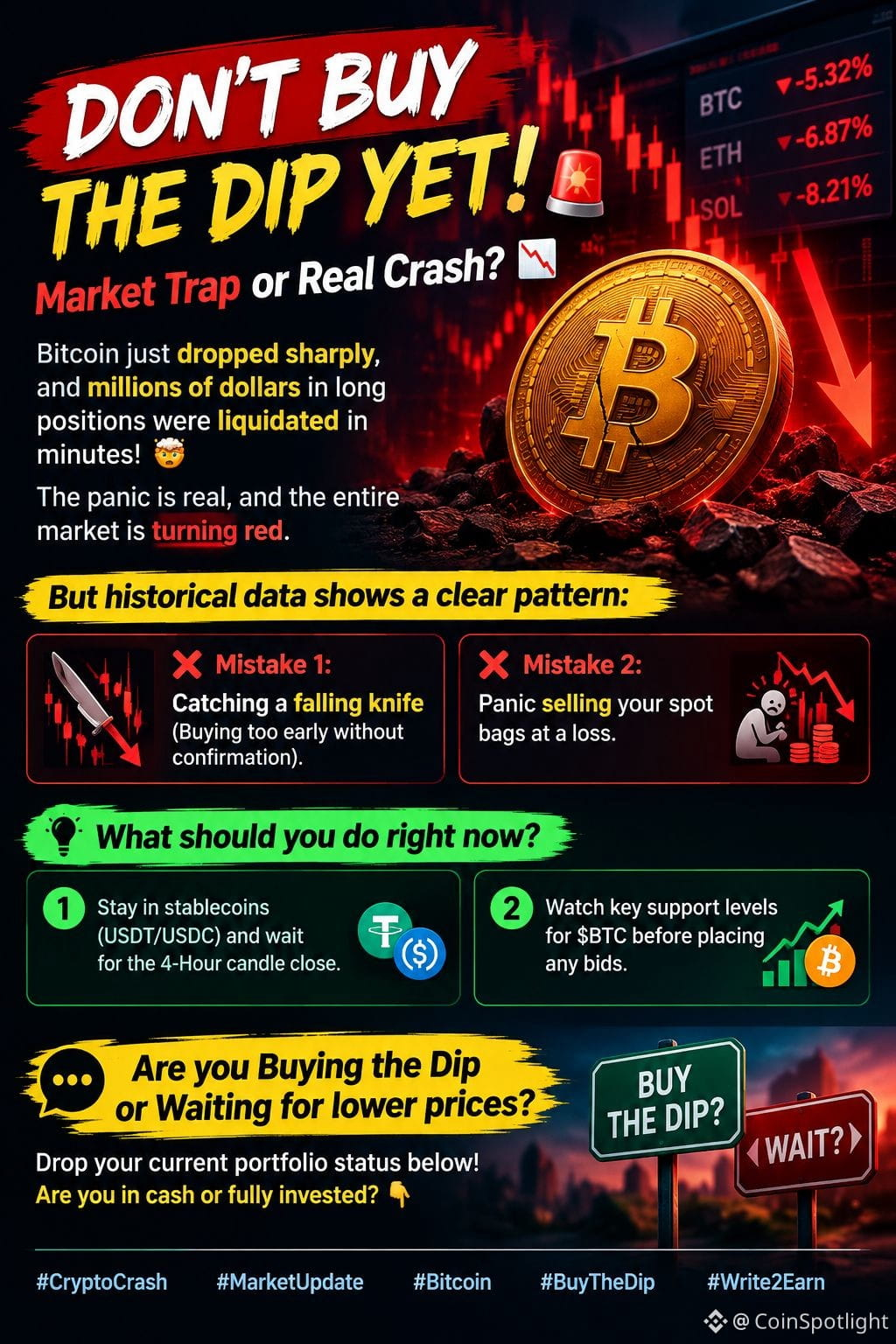
Bitcoin just dropped sharply, and millions of dollars in long positions were liquidated in minutes! 🤯 The panic is real, and the entire market is turning red.
But historical data shows a clear pattern:
❌ Mistake 1: Catching a falling knife (Buying too early without confirmation).
❌ Mistake 2: Panic selling your spot bags at a loss.
💡 What should you do right now?
1️⃣ Stay in stablecoins (USDT/USDC) and wait for the 4-Hour candle close.
2️⃣ Watch key support levels for $BTC before placing any bids.
👇 Are you Buying the Dip or Waiting for lower prices?
Drop your current portfolio status below! Are you in cash or fully invested? 👇
#CryptoCrash #MarketUpdate #bitcoin #Write2Earn
{future}(BTCUSDT)
🚨$BTC DIP: Market Trap or Real Correction? 📉
The big question: Is this a buying opportunity or just the start of more volatility? 👀
Bitcoin just dropped sharply, and millions of dollars in long positions were liquidated in minutes! 🤯 The panic is real, and the entire market is turning red.
But historical data shows a clear pattern:
❌ Mistake 1: Catching a falling knife (Buying too early without confirmation).
❌ Mistake 2: Panic selling your spot bags at a loss.
💡 What should you do right now?
1️⃣ Stay in stablecoins (USDT/USDC) and wait for the 4-Hour candle close.
2️⃣ Watch key support levels for $BTC before placing any bids.
👇 Are you Buying the Dip or Waiting for lower prices?
Drop your current portfolio status below! Are you in cash or fully invested? 👇
#CryptoCrash #MarketUpdate #bitcoin #Write2Earn
The big question: Is this a buying opportunity or just the start of more volatility? 👀
Bitcoin just dropped sharply, and millions of dollars in long positions were liquidated in minutes! 🤯 The panic is real, and the entire market is turning red.
But historical data shows a clear pattern:
❌ Mistake 1: Catching a falling knife (Buying too early without confirmation).
❌ Mistake 2: Panic selling your spot bags at a loss.
💡 What should you do right now?
1️⃣ Stay in stablecoins (USDT/USDC) and wait for the 4-Hour candle close.
2️⃣ Watch key support levels for $BTC before placing any bids.
👇 Are you Buying the Dip or Waiting for lower prices?
Drop your current portfolio status below! Are you in cash or fully invested? 👇
#CryptoCrash #MarketUpdate #bitcoin #Write2Earn
21

·
--
Bearish
🚨 $ZEC CRASHING - PANIC SELL? 🚨
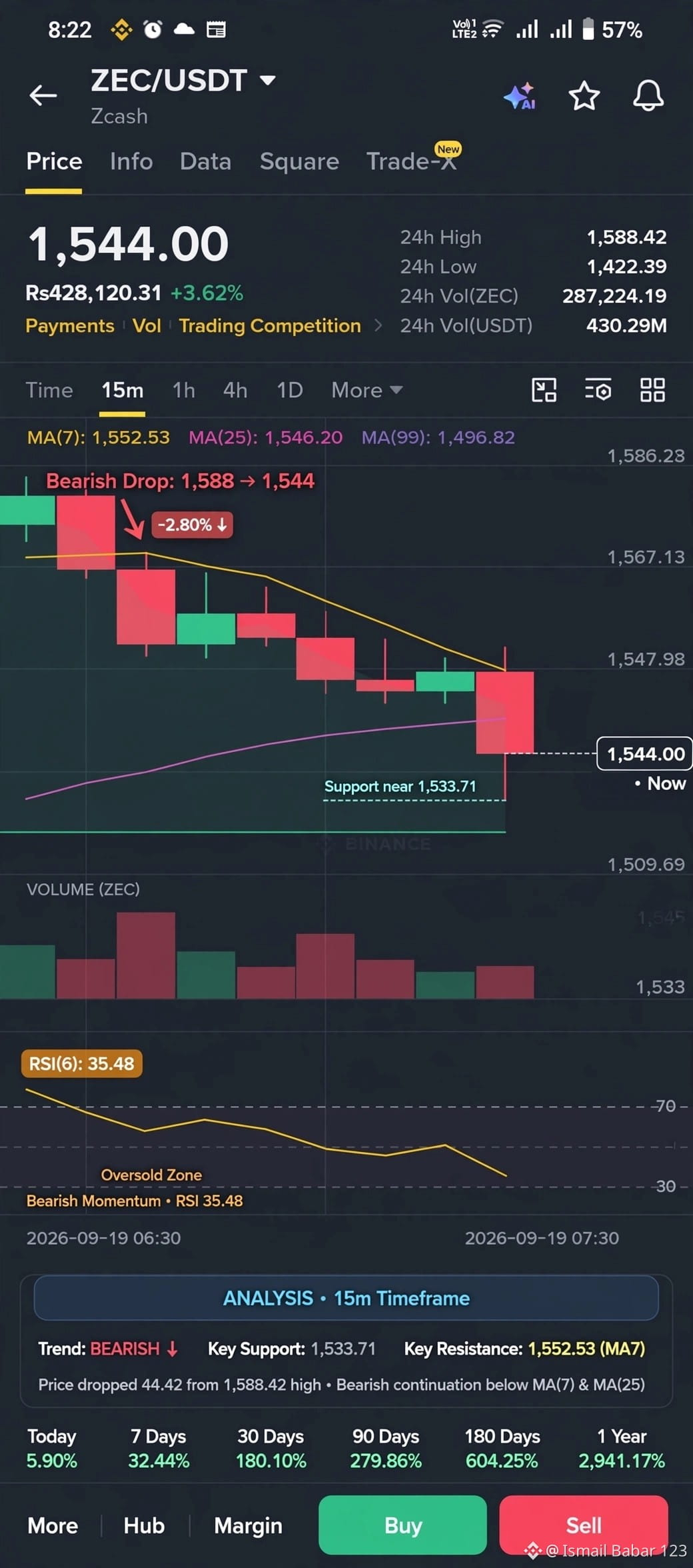
$ZEC dumped from $1,588 to $1,544! 🔻 3% 🚨 ZEC CRASHING - PANIC SELL? 🚨
ZEC dumped from $1,588 to $1,544! 🔻 3% down in minutes!
What is smart money doing?
I placed BUY limit at $1,533. Target $1,580.
Are you panic selling or buying the dip? 👇
#Zec #ZEN/USDT #cryptocrash #BinanceSquare
{spot}(ZECUSDT)
$ZEC
🚨 $ZEC CRASHING - PANIC SELL? 🚨
$ZEC dumped from $1,588 to $1,544! 🔻 3% 🚨 ZEC CRASHING - PANIC SELL? 🚨
ZEC dumped from $1,588 to $1,544! 🔻 3% down in minutes!
What is smart money doing?
I placed BUY limit at $1,533. Target $1,580.
Are you panic selling or buying the dip? 👇
#Zec #ZEN/USDT #cryptocrash #BinanceSquare
$ZEC
$ZEC dumped from $1,588 to $1,544! 🔻 3% 🚨 ZEC CRASHING - PANIC SELL? 🚨
ZEC dumped from $1,588 to $1,544! 🔻 3% down in minutes!
What is smart money doing?
I placed BUY limit at $1,533. Target $1,580.
Are you panic selling or buying the dip? 👇
#Zec #ZEN/USDT #cryptocrash #BinanceSquare
$ZEC
1
205

·
--
🚨 #XRPSinks10% 🚨
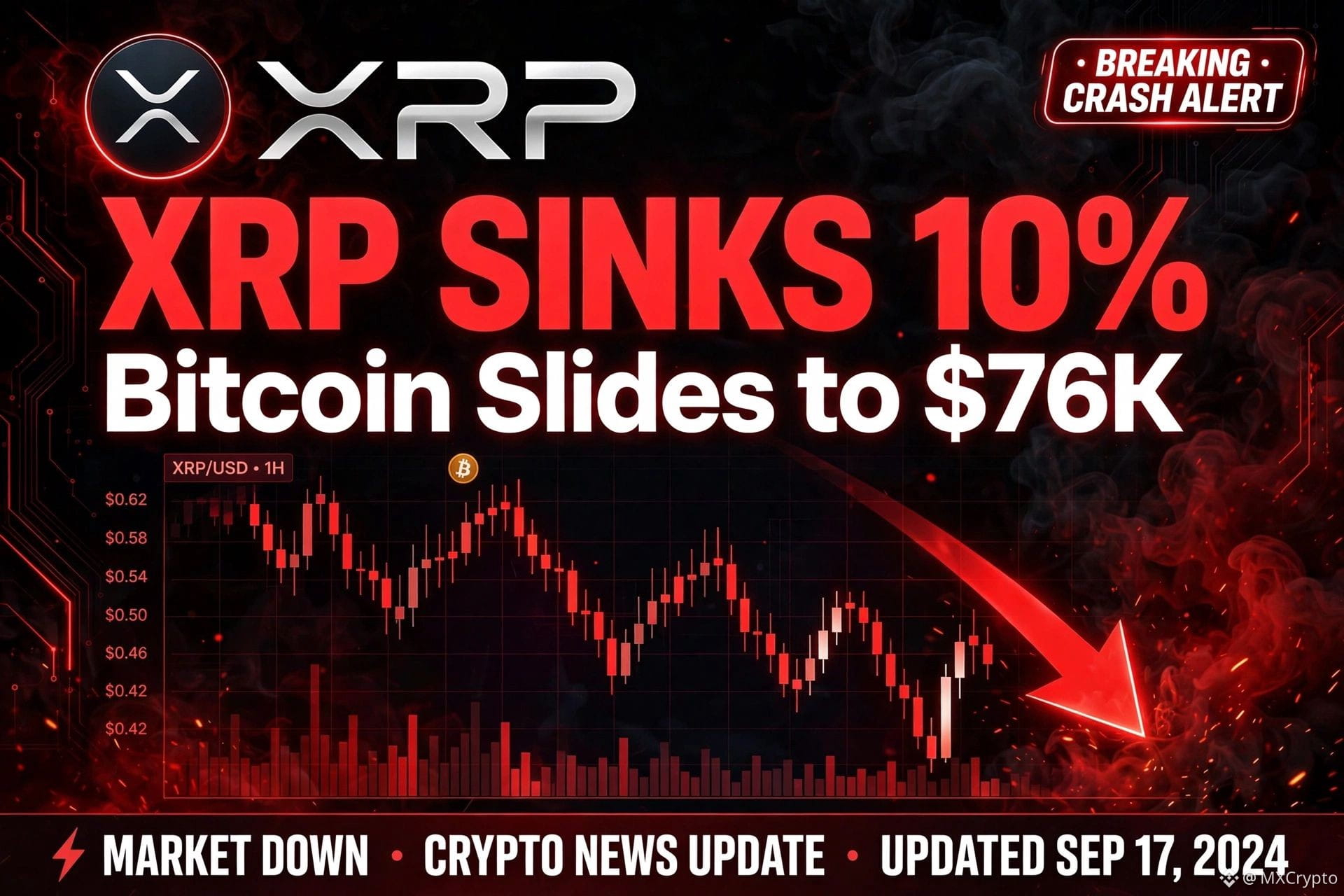
XRP Sinks 10% to $1.30 as Clarity Act Fails - Bitcoin Slides to $76K
XRP dropped 10% today, worst among majors, after US Senate failed to advance the CLARITY Act (49-50 vote). The bill was blocked over ethics concerns and staffing issues.
Other majors: ETH -5% ($2,410), SOL -5% ($97), DOGE -5%, BTC -3% ($76K).
Bitcoin ETFs saw $450M outflows ahead of Fed's 25bps hike to 3.75%-4.00%.
#XRP #Ripple #CryptoNews #Bitcoin #BTC #cryptocrash #CLARITYAct #altcoins
---
🚨 #XRPSinks10% 🚨
XRP Sinks 10% to $1.30 as Clarity Act Fails - Bitcoin Slides to $76K
XRP dropped 10% today, worst among majors, after US Senate failed to advance the CLARITY Act (49-50 vote). The bill was blocked over ethics concerns and staffing issues.
Other majors: ETH -5% ($2,410), SOL -5% ($97), DOGE -5%, BTC -3% ($76K).
Bitcoin ETFs saw $450M outflows ahead of Fed's 25bps hike to 3.75%-4.00%.
#XRP #Ripple #CryptoNews #Bitcoin #BTC #cryptocrash #CLARITYAct #altcoins
---
XRP Sinks 10% to $1.30 as Clarity Act Fails - Bitcoin Slides to $76K
XRP dropped 10% today, worst among majors, after US Senate failed to advance the CLARITY Act (49-50 vote). The bill was blocked over ethics concerns and staffing issues.
Other majors: ETH -5% ($2,410), SOL -5% ($97), DOGE -5%, BTC -3% ($76K).
Bitcoin ETFs saw $450M outflows ahead of Fed's 25bps hike to 3.75%-4.00%.
#XRP #Ripple #CryptoNews #Bitcoin #BTC #cryptocrash #CLARITYAct #altcoins
---
1
45
·
--
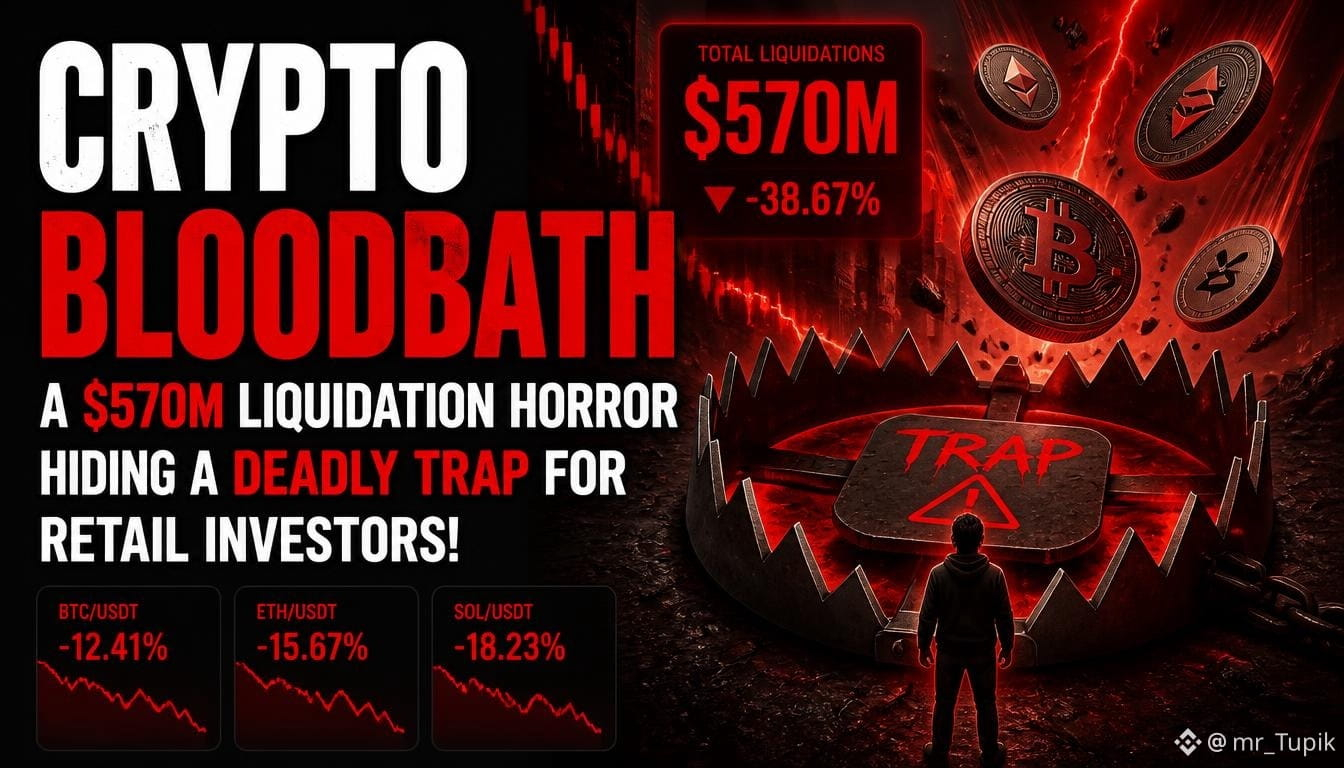
Crypto Market in Horror: The Fed and the Senate Deliver a Crushing Blow
Investors were gripped by panic. The crypto market faced a brutal “double blow,” triggering a mass capital exodus.
The first shock was the collapse of the key Clarity bill in the U.S. Senate. The document, which promised transparent rules of the game, failed the vote. The industry is once again trapped in a legal vacuum.
Then the Fed dealt the market another blow by raising the interest rate to 4.0%. The new head of the agency, Kevin Warsh, made statements that proved disturbingly “hawkish”: the regulator is ready to strangle inflation with further tightening.
Against the backdrop of a massive outflow of funds from funds, prices plunged. Bitcoin fell to critical levels, while Ethereum hovered near a dangerous threshold at $2,441. Analysts are sounding the alarm: a prolonged decline lies ahead.
#cryptocrash #FedRateDecisions #BitcoinPanic #TradingTraps #MarketHorrorShow
Crypto Market in Horror: The Fed and the Senate Deliver a Crushing Blow
Investors were gripped by panic. The crypto market faced a brutal “double blow,” triggering a mass capital exodus.
The first shock was the collapse of the key Clarity bill in the U.S. Senate. The document, which promised transparent rules of the game, failed the vote. The industry is once again trapped in a legal vacuum.
Then the Fed dealt the market another blow by raising the interest rate to 4.0%. The new head of the agency, Kevin Warsh, made statements that proved disturbingly “hawkish”: the regulator is ready to strangle inflation with further tightening.
Against the backdrop of a massive outflow of funds from funds, prices plunged. Bitcoin fell to critical levels, while Ethereum hovered near a dangerous threshold at $2,441. Analysts are sounding the alarm: a prolonged decline lies ahead.
#cryptocrash #FedRateDecisions #BitcoinPanic #TradingTraps #MarketHorrorShow
Investors were gripped by panic. The crypto market faced a brutal “double blow,” triggering a mass capital exodus.
The first shock was the collapse of the key Clarity bill in the U.S. Senate. The document, which promised transparent rules of the game, failed the vote. The industry is once again trapped in a legal vacuum.
Then the Fed dealt the market another blow by raising the interest rate to 4.0%. The new head of the agency, Kevin Warsh, made statements that proved disturbingly “hawkish”: the regulator is ready to strangle inflation with further tightening.
Against the backdrop of a massive outflow of funds from funds, prices plunged. Bitcoin fell to critical levels, while Ethereum hovered near a dangerous threshold at $2,441. Analysts are sounding the alarm: a prolonged decline lies ahead.
#cryptocrash #FedRateDecisions #BitcoinPanic #TradingTraps #MarketHorrorShow
22
·
--
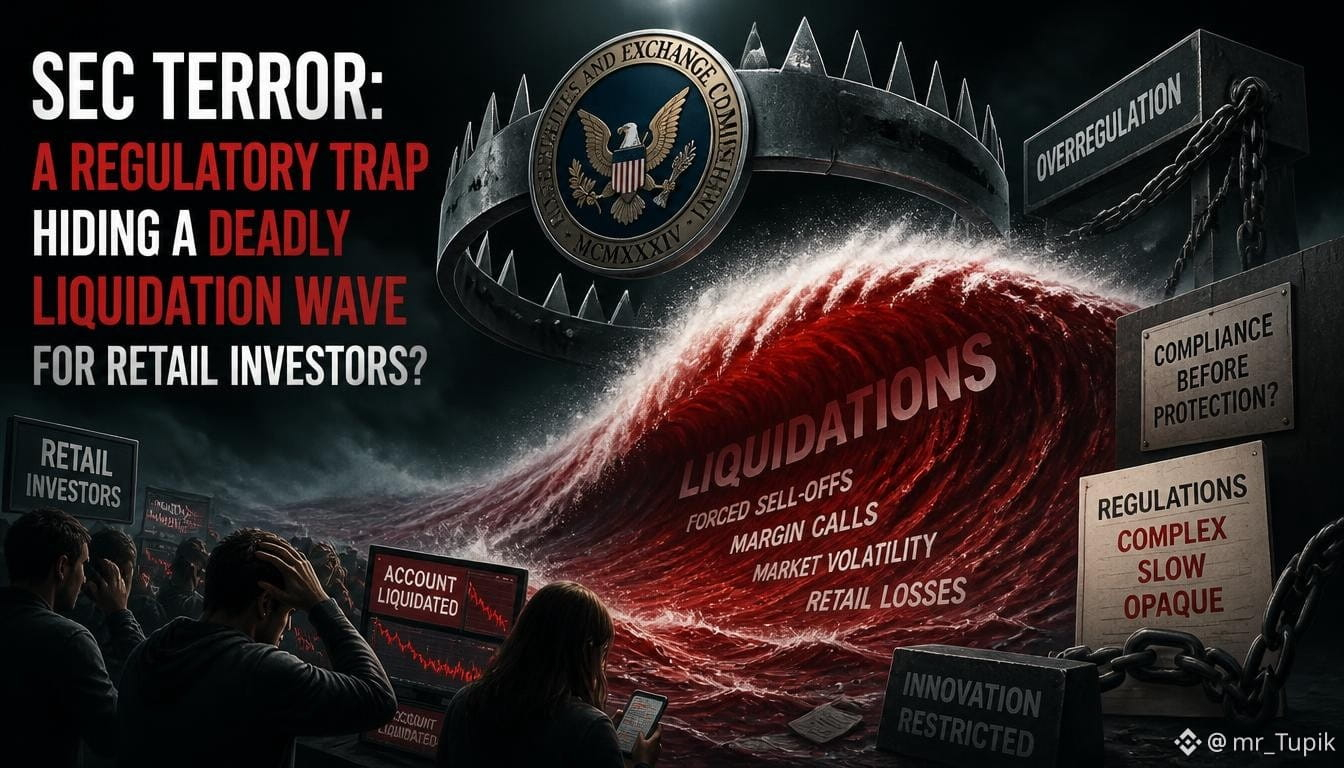
SEC Regulatory Terror: Lethal Liquidation Traps Disguised as Law!
SEC Chapter head Paul Atkins has openly declared war on the free market. The failure of the key CLARITY Act bill in the U.S. Senate will not stop the ruthless purge. The regulator has officially confirmed that the agency will use every hidden legal mechanism and authority to bring the crypto industry under total control.
Against the backdrop of this ultimatum, quotes of leading digital assets plunged into free fall. Bitcoin (BTC) broke through important defense levels, and Ethereum (ETH) is rapidly sliding toward the critical $2,400 mark. A panic selloff has also hit the largest altcoins—Solana (SOL) and BNB are losing ground, dragging the entire sector with them. Investors have been issued an ultimatum, and retail traders have already been trapped in a deadly web of uncertainty.
#cryptocrash #FedRateDecisions #BitcoinPanic #TradingTraps #MarketHorrorShow
SEC Regulatory Terror: Lethal Liquidation Traps Disguised as Law!
SEC Chapter head Paul Atkins has openly declared war on the free market. The failure of the key CLARITY Act bill in the U.S. Senate will not stop the ruthless purge. The regulator has officially confirmed that the agency will use every hidden legal mechanism and authority to bring the crypto industry under total control.
Against the backdrop of this ultimatum, quotes of leading digital assets plunged into free fall. Bitcoin (BTC) broke through important defense levels, and Ethereum (ETH) is rapidly sliding toward the critical $2,400 mark. A panic selloff has also hit the largest altcoins—Solana (SOL) and BNB are losing ground, dragging the entire sector with them. Investors have been issued an ultimatum, and retail traders have already been trapped in a deadly web of uncertainty.
#cryptocrash #FedRateDecisions #BitcoinPanic #TradingTraps #MarketHorrorShow
SEC Chapter head Paul Atkins has openly declared war on the free market. The failure of the key CLARITY Act bill in the U.S. Senate will not stop the ruthless purge. The regulator has officially confirmed that the agency will use every hidden legal mechanism and authority to bring the crypto industry under total control.
Against the backdrop of this ultimatum, quotes of leading digital assets plunged into free fall. Bitcoin (BTC) broke through important defense levels, and Ethereum (ETH) is rapidly sliding toward the critical $2,400 mark. A panic selloff has also hit the largest altcoins—Solana (SOL) and BNB are losing ground, dragging the entire sector with them. Investors have been issued an ultimatum, and retail traders have already been trapped in a deadly web of uncertainty.
#cryptocrash #FedRateDecisions #BitcoinPanic #TradingTraps #MarketHorrorShow
97
·
--
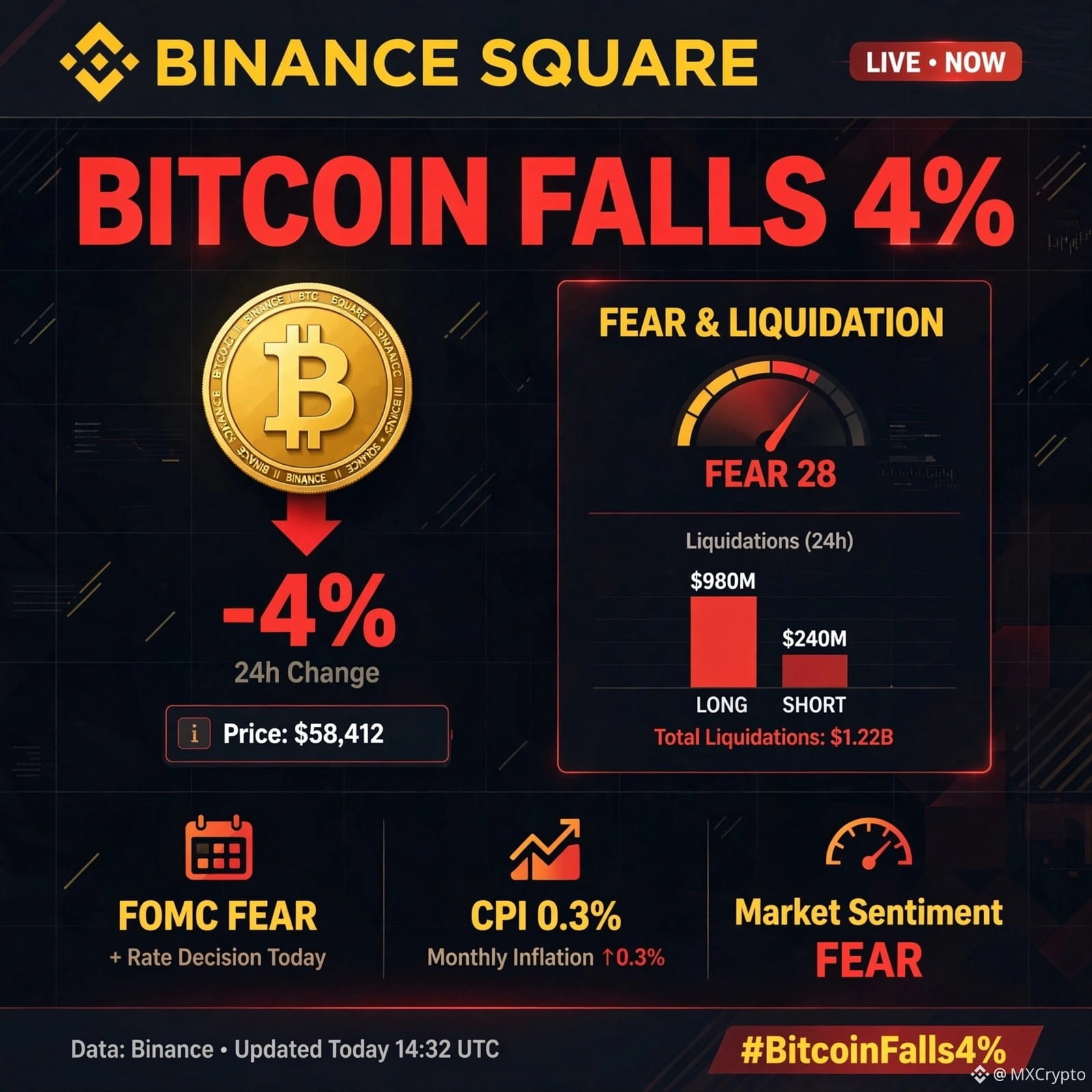
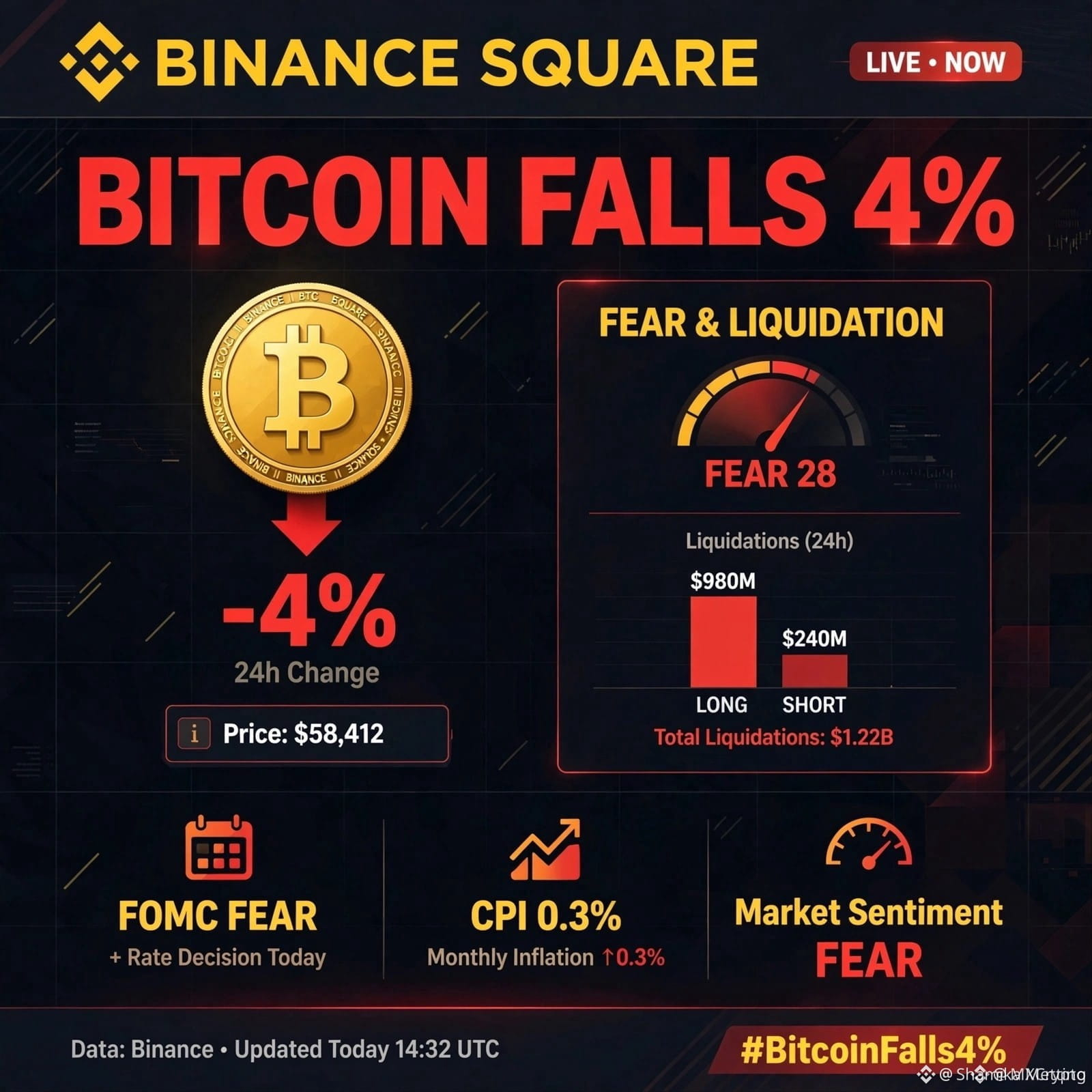
#BitcoinFalls4%
Bitcoin Falls 4% - Panic or Opportunity? #BitcoinFalls4%
BTC dumped -4% in 24h. Fear & Greed at 28 (FEAR), over $1.2B liquidations.
Why the fall?
1. FOMC FEAR: Market pricing 90% chance of 25bp hike after CPI +0.3% MoM
2. Leverage Flush: Too many over-leveraged longs got wiped.
What’s next?
This looks like a pre-FOMC shakeout. If Fed hikes but sounds dovish (one-and-done), we bounce hard.
My plan: Not panic selling. Waiting for FOMC clarity. Buying spot on fear, not leverage.
Did you buy this dip or waiting for lower?
#BitcoinFalls4% #FedRateWatch #BTC #cryptocrash
#BitcoinFalls4%
Bitcoin Falls 4% - Panic or Opportunity? #BitcoinFalls4%
BTC dumped -4% in 24h. Fear & Greed at 28 (FEAR), over $1.2B liquidations.
Why the fall?
1. FOMC FEAR: Market pricing 90% chance of 25bp hike after CPI +0.3% MoM
2. Leverage Flush: Too many over-leveraged longs got wiped.
What’s next?
This looks like a pre-FOMC shakeout. If Fed hikes but sounds dovish (one-and-done), we bounce hard.
My plan: Not panic selling. Waiting for FOMC clarity. Buying spot on fear, not leverage.
Did you buy this dip or waiting for lower?
#BitcoinFalls4% #FedRateWatch #BTC #cryptocrash
Bitcoin Falls 4% - Panic or Opportunity? #BitcoinFalls4%
BTC dumped -4% in 24h. Fear & Greed at 28 (FEAR), over $1.2B liquidations.
Why the fall?
1. FOMC FEAR: Market pricing 90% chance of 25bp hike after CPI +0.3% MoM
2. Leverage Flush: Too many over-leveraged longs got wiped.
What’s next?
This looks like a pre-FOMC shakeout. If Fed hikes but sounds dovish (one-and-done), we bounce hard.
My plan: Not panic selling. Waiting for FOMC clarity. Buying spot on fear, not leverage.
Did you buy this dip or waiting for lower?
#BitcoinFalls4% #FedRateWatch #BTC #cryptocrash
1
89

·
--
Article
FED RATE HYPE SHATTERS BULL MARKETFED RATE HYPE SHATTERS BULL MARKET
The Fed’s first rate hike in three years has just exploded onto the market stage, and the ripple effect is already obliterating the crypto and bond landscapes. Nearly every major bank is now betting on a 25‑basis‑point jump, and the markets have priced it in—yet the political fallout could be deeper than any single hike.
The proof? Wall Street’s collective pulse is shifting: banks are slashing bond yields, and the Fed’s move is already sending shockwaves through $BTC and $ETH. Within hours, Bitcoin’s price dipped 3%, while Ethereum’s gas fees spiked by 12% as miners recalibrate to higher interest costs. #FedHike #CryptoCrash #BondBusters
The stakes are historic. A Fed hike signals tighter liquidity, which could tighten the crypto supply chain and push institutional capital out of riskier assets. If the political fallout deepens—think regulatory crackdowns or a shift in Treasury policy—crypto could face a double whammy: higher borrowing costs and stricter oversight. This isn’t just a market correction; it’s a tectonic shift that could redefine the risk appetite of every investor.
Don’t let the flood start without you. Secure your position in the new era—invest now, or watch the wave carry you away.
FED RATE HYPE SHATTERS BULL MARKET
FED RATE HYPE SHATTERS BULL MARKET
The Fed’s first rate hike in three years has just exploded onto the market stage, and the ripple effect is already obliterating the crypto and bond landscapes. Nearly every major bank is now betting on a 25‑basis‑point jump, and the markets have priced it in—yet the political fallout could be deeper than any single hike.
The proof? Wall Street’s collective pulse is shifting: banks are slashing bond yields, and the Fed’s move is already sending shockwaves through $BTC and $ETH . Within hours, Bitcoin’s price dipped 3%, while Ethereum’s gas fees spiked by 12% as miners recalibrate to higher interest costs. #FedHike #CryptoCrash #BondBusters
The stakes are historic. A Fed hike signals tighter liquidity, which could tighten the crypto supply chain and push institutional capital out of riskier assets. If the political fallout deepens—think regulatory crackdowns or a shift in Treasury policy—crypto could face a double whammy: higher borrowing costs and stricter oversight. This isn’t just a market correction; it’s a tectonic shift that could redefine the risk appetite of every investor.
Don’t let the flood start without you. Secure your position in the new era—invest now, or watch the wave carry you away.
The Fed’s first rate hike in three years has just exploded onto the market stage, and the ripple effect is already obliterating the crypto and bond landscapes. Nearly every major bank is now betting on a 25‑basis‑point jump, and the markets have priced it in—yet the political fallout could be deeper than any single hike.
The proof? Wall Street’s collective pulse is shifting: banks are slashing bond yields, and the Fed’s move is already sending shockwaves through $BTC and $ETH . Within hours, Bitcoin’s price dipped 3%, while Ethereum’s gas fees spiked by 12% as miners recalibrate to higher interest costs. #FedHike #CryptoCrash #BondBusters
The stakes are historic. A Fed hike signals tighter liquidity, which could tighten the crypto supply chain and push institutional capital out of riskier assets. If the political fallout deepens—think regulatory crackdowns or a shift in Treasury policy—crypto could face a double whammy: higher borrowing costs and stricter oversight. This isn’t just a market correction; it’s a tectonic shift that could redefine the risk appetite of every investor.
Don’t let the flood start without you. Secure your position in the new era—invest now, or watch the wave carry you away.
30

#BitcoinFalls4%
Bitcoin drops 4% - Is it panic or an opportunity? #BitcoinFalls4%
BTC fell by -4% over the past 24 hours. Fear & Greed is at 28 (Fear), with more than $1.2 billion in liquidations.
Why is the drop happening?
1. Fear from the FOMC committee: the market is pricing in a 90% probability of a 25-basis-point rate hike after CPI +0.3% monthly data
2. Leverage liquidation: a huge number of over-leveraged long positions have been wiped out.
What’s the next step?
It looks like a preliminary shakeout ahead of the FOMC meeting. If the Federal Reserve raises rates but the tone is dovish (only once), we should rebound strongly.
My plan: No panic selling. Wait for FOMC clarity. Buy spot with cash during fear, not on leverage.
Did you buy this dip or are you waiting for a smaller pullback?
Please follow up
#BitcoinFalls4% #FedRateWatch #BTC #cryptocrash
#BitcoinFalls4%
Bitcoin drops 4% - Is it panic or an opportunity? #BitcoinFalls4%
BTC fell by -4% over the past 24 hours. Fear & Greed is at 28 (Fear), with more than $1.2 billion in liquidations.
Why is the drop happening?
1. Fear from the FOMC committee: the market is pricing in a 90% probability of a 25-basis-point rate hike after CPI +0.3% monthly data
2. Leverage liquidation: a huge number of over-leveraged long positions have been wiped out.
What’s the next step?
It looks like a preliminary shakeout ahead of the FOMC meeting. If the Federal Reserve raises rates but the tone is dovish (only once), we should rebound strongly.
My plan: No panic selling. Wait for FOMC clarity. Buy spot with cash during fear, not on leverage.
Did you buy this dip or are you waiting for a smaller pullback?
Please follow up
#BitcoinFalls4% #FedRateWatch #BTC #cryptocrash
Bitcoin drops 4% - Is it panic or an opportunity? #BitcoinFalls4%
BTC fell by -4% over the past 24 hours. Fear & Greed is at 28 (Fear), with more than $1.2 billion in liquidations.
Why is the drop happening?
1. Fear from the FOMC committee: the market is pricing in a 90% probability of a 25-basis-point rate hike after CPI +0.3% monthly data
2. Leverage liquidation: a huge number of over-leveraged long positions have been wiped out.
What’s the next step?
It looks like a preliminary shakeout ahead of the FOMC meeting. If the Federal Reserve raises rates but the tone is dovish (only once), we should rebound strongly.
My plan: No panic selling. Wait for FOMC clarity. Buy spot with cash during fear, not on leverage.
Did you buy this dip or are you waiting for a smaller pullback?
Please follow up
#BitcoinFalls4% #FedRateWatch #BTC #cryptocrash
1
99

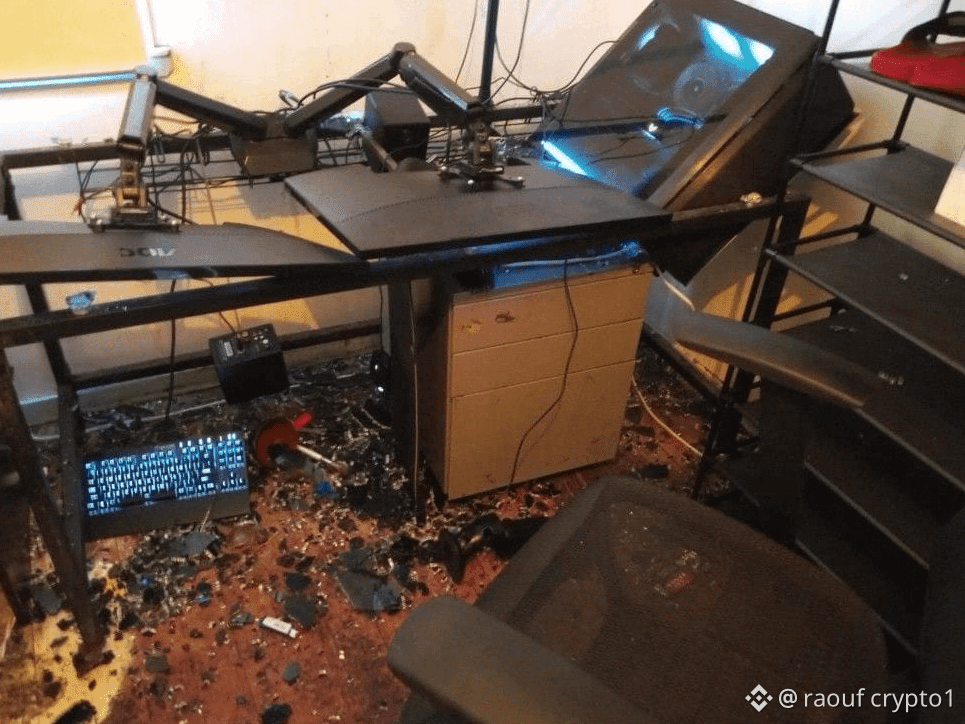
🚨 Liquidation of $275 million in just 20 minutes!!
The “Transparency” law failed in the Senate → massacre for the LONG
📉 What happened in 20 minutes:
$BTC
{future}(BTCUSDT)
: -2,200$ → $74,900
$ETH
{future}(ETHUSDT)
: under $2,400
$SOL
{future}(SOLUSDT)
: under $100
💸 $70 billion has been wiped from the market
Lesson: The market is ruthless with high leverage during political news
#BTC #ETH #cryptocrash
🚨 Liquidation of $275 million in just 20 minutes!!
The “Transparency” law failed in the Senate → massacre for the LONG
📉 What happened in 20 minutes:
$BTC
: -2,200$ → $74,900
$ETH
: under $2,400
$SOL
: under $100
💸 $70 billion has been wiped from the market
Lesson: The market is ruthless with high leverage during political news
#BTC #ETH #cryptocrash
The “Transparency” law failed in the Senate → massacre for the LONG
📉 What happened in 20 minutes:
$BTC
: -2,200$ → $74,900
$ETH
: under $2,400
$SOL
: under $100
💸 $70 billion has been wiped from the market
Lesson: The market is ruthless with high leverage during political news
#BTC #ETH #cryptocrash
1
95

·
--
🚨 ALTCOIN BLOODBATH ON BINANCE! 🩸
The green candles just turned RED 👀
🔻 $RVN — -28.09%
🔻 $IOST — -27.51%
🔻 $BTR — -25.32%
🔻 VTHO — -25.24%
🔻 ONUS — -17.84%
🔻 SAHARA — -17.30%
🔻 UAI — -15.96%
🔻 BEAT — -15.21%
🔻 ARX — -15.15%
💀 Is this a dip… or the start of a deeper correction?
Smart money watches panic.
Weak hands create opportunities. 👀
What’s your move? BUY 🟢 or SELL 🔴?
#Binance #Crypto #Altcoins #CryptoCrash #Bitcoin
{future}(BTRUSDT)
{future}(IOSTUSDT)
{future}(RVNUSDT)
🚨 ALTCOIN BLOODBATH ON BINANCE! 🩸
The green candles just turned RED 👀
🔻 $RVN — -28.09%
🔻 $IOST — -27.51%
🔻 $BTR — -25.32%
🔻 VTHO — -25.24%
🔻 ONUS — -17.84%
🔻 SAHARA — -17.30%
🔻 UAI — -15.96%
🔻 BEAT — -15.21%
🔻 ARX — -15.15%
💀 Is this a dip… or the start of a deeper correction?
Smart money watches panic.
Weak hands create opportunities. 👀
What’s your move? BUY 🟢 or SELL 🔴?
#Binance #Crypto #Altcoins #CryptoCrash #Bitcoin
The green candles just turned RED 👀
🔻 $RVN — -28.09%
🔻 $IOST — -27.51%
🔻 $BTR — -25.32%
🔻 VTHO — -25.24%
🔻 ONUS — -17.84%
🔻 SAHARA — -17.30%
🔻 UAI — -15.96%
🔻 BEAT — -15.21%
🔻 ARX — -15.15%
💀 Is this a dip… or the start of a deeper correction?
Smart money watches panic.
Weak hands create opportunities. 👀
What’s your move? BUY 🟢 or SELL 🔴?
#Binance #Crypto #Altcoins #CryptoCrash #Bitcoin

8
3
1.6k

·
--
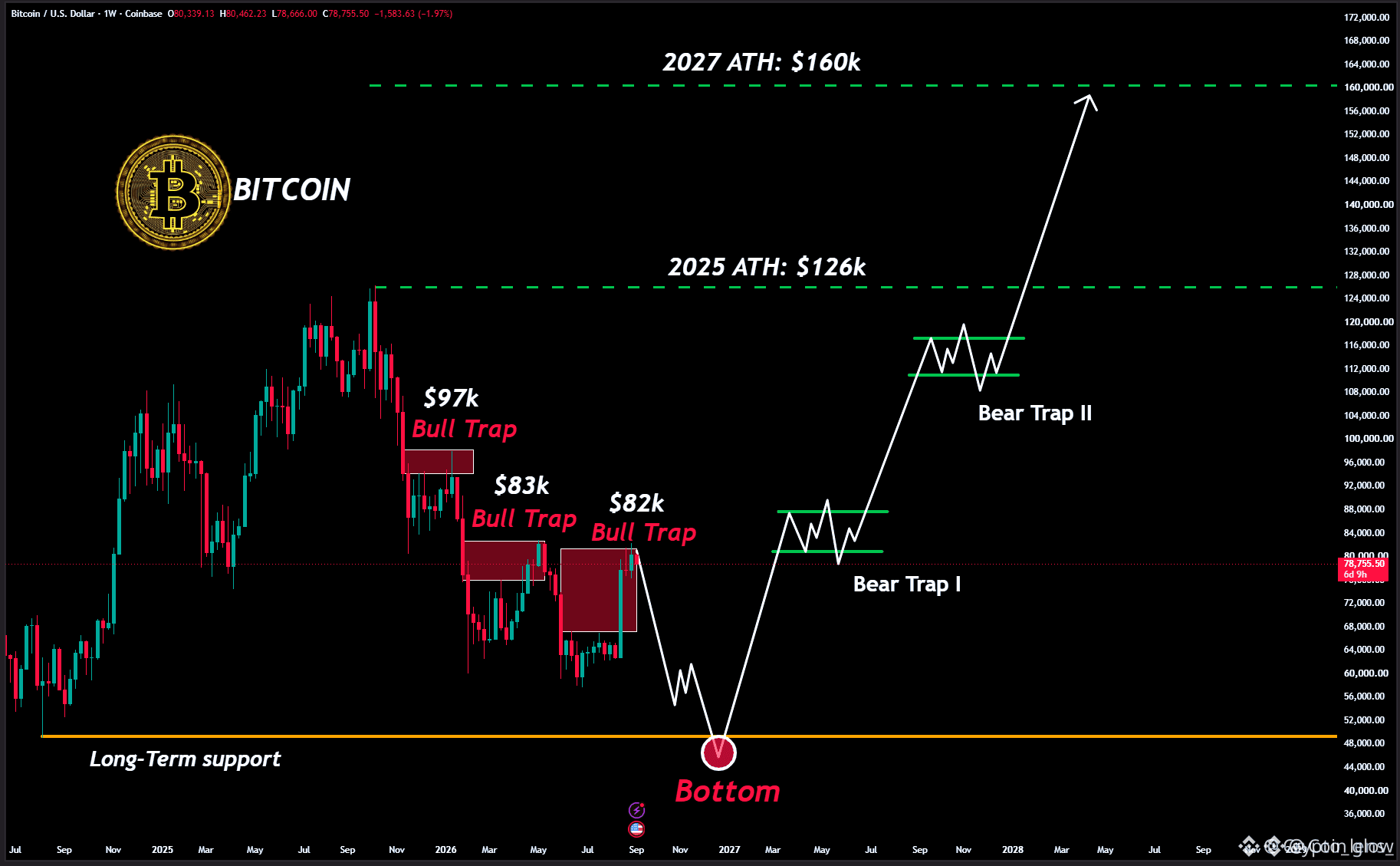
BULL TRAP CONFIRMED. IT'S OVER. 📉
Bitcoin has officially rejected $82K.
The distribution phase is now complete. This was not a breakout, it was a classic bull trap to trap late longs.
My roadmap remains UNCHANGED:
$79K → $65K → $58K → $52K
Real capitulation hasn't even started yet. Volatility will be brutal.
Rule No.1: Don't become someone else's exit liquidity. Cash is also a position.
The REAL bull run will only begin after this final flush.
Are you ready?
$BTC
{spot}(BTCUSDT)
#bitcoin #CryptoCrash #bearmarket #BİNANCE
BULL TRAP CONFIRMED. IT'S OVER. 📉
Bitcoin has officially rejected $82K.
The distribution phase is now complete. This was not a breakout, it was a classic bull trap to trap late longs.
My roadmap remains UNCHANGED:
$79K → $65K → $58K → $52K
Real capitulation hasn't even started yet. Volatility will be brutal.
Rule No.1: Don't become someone else's exit liquidity. Cash is also a position.
The REAL bull run will only begin after this final flush.
Are you ready?
$BTC
#bitcoin #CryptoCrash #bearmarket #BİNANCE
Bitcoin has officially rejected $82K.
The distribution phase is now complete. This was not a breakout, it was a classic bull trap to trap late longs.
My roadmap remains UNCHANGED:
$79K → $65K → $58K → $52K
Real capitulation hasn't even started yet. Volatility will be brutal.
Rule No.1: Don't become someone else's exit liquidity. Cash is also a position.
The REAL bull run will only begin after this final flush.
Are you ready?
$BTC
#bitcoin #CryptoCrash #bearmarket #BİNANCE
24

·
--
Bearish
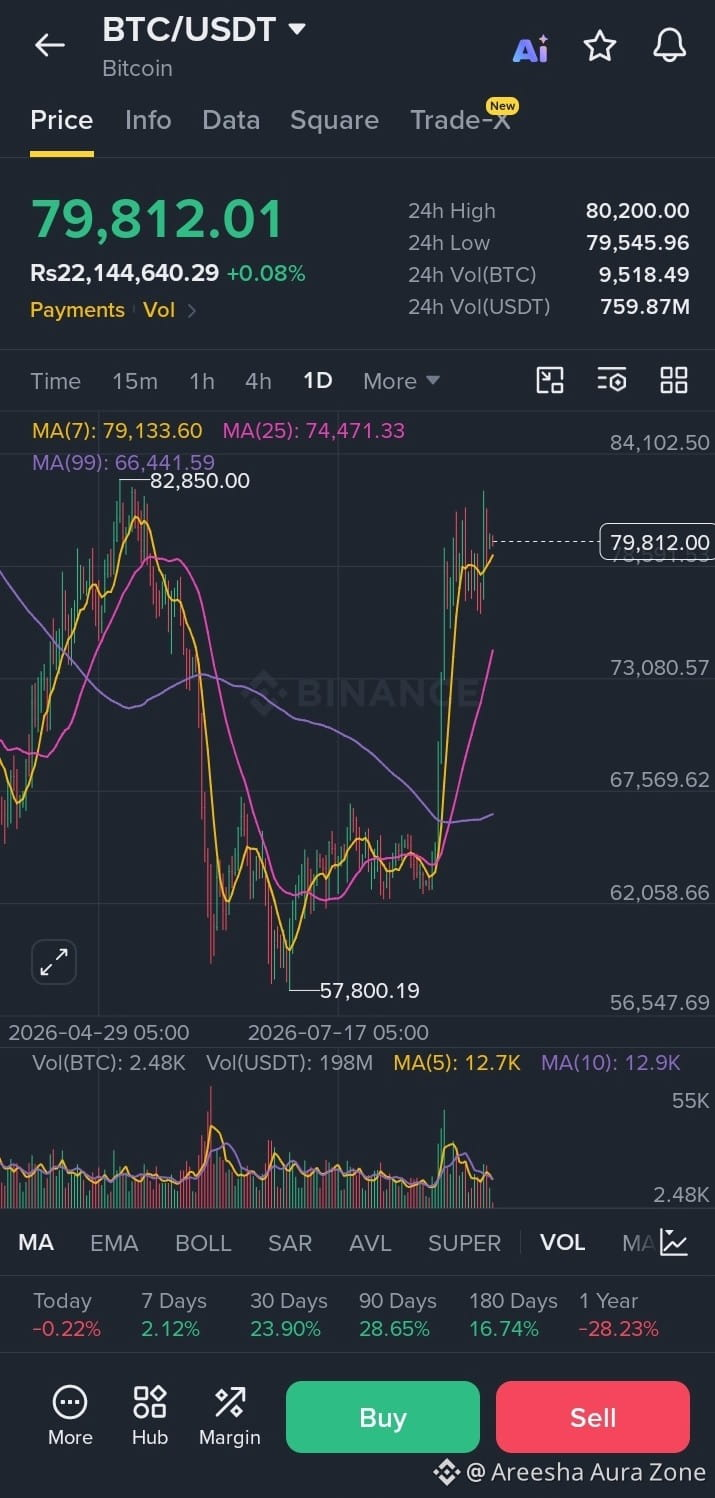
I LOST $2000 BUYING $BTC AT $82,850 LAST TIME — DON'T MAKE THE SAME MISTAKE AT $79,812!
This chart is screaming DANGER and nobody is listening!🤷🏻
BTC pumped from $57,800.19 to $79,812.01 without stopping. Looks bullish right?
WRONG. It's now trapped under $80,200 - $82,850 — The same wall that crashed it -30% last time.
Look:
Price: $79,812.01 (+0.08% fake pump)
Top: $82,850.00 is waiting to dump again
Support: Only $79,133 (MA7) is holding. Break it and we go straight to $74,471
Volume is dying. Whales are selling to retail who are FOMO buying at resistance.
This is how people get liquidated.
{spot}(BTCUSDT)
#cryptocrash
I LOST $2000 BUYING $BTC AT $82,850 LAST TIME — DON'T MAKE THE SAME MISTAKE AT $79,812!
This chart is screaming DANGER and nobody is listening!🤷🏻
BTC pumped from $57,800.19 to $79,812.01 without stopping. Looks bullish right?
WRONG. It's now trapped under $80,200 - $82,850 — The same wall that crashed it -30% last time.
Look:
Price: $79,812.01 (+0.08% fake pump)
Top: $82,850.00 is waiting to dump again
Support: Only $79,133 (MA7) is holding. Break it and we go straight to $74,471
Volume is dying. Whales are selling to retail who are FOMO buying at resistance.
This is how people get liquidated.
#cryptocrash
This chart is screaming DANGER and nobody is listening!🤷🏻
BTC pumped from $57,800.19 to $79,812.01 without stopping. Looks bullish right?
WRONG. It's now trapped under $80,200 - $82,850 — The same wall that crashed it -30% last time.
Look:
Price: $79,812.01 (+0.08% fake pump)
Top: $82,850.00 is waiting to dump again
Support: Only $79,133 (MA7) is holding. Break it and we go straight to $74,471
Volume is dying. Whales are selling to retail who are FOMO buying at resistance.
This is how people get liquidated.
#cryptocrash
36

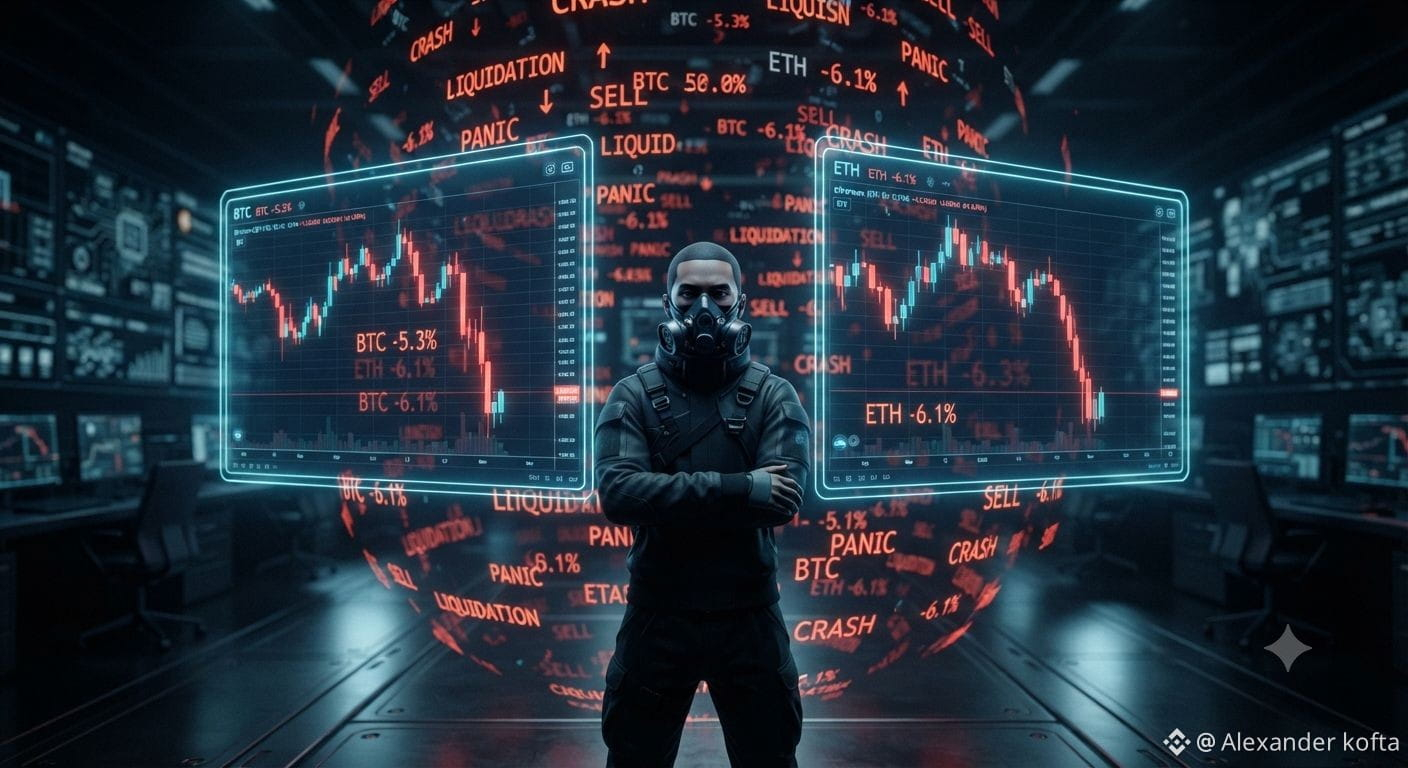
Bloody Friday: panic or an opportunity to buy the dip? 🩸📉
The market is turning red again, all chats are screaming about capitulation, and newbies are blowing up their deposits in panic. Bitcoin has dropped below key levels, dragging Ether and alts with it.
But is this a real crash, or a classic "brain-hook" from market makers?
Liquidity grab: All the obvious stops accumulated over the week were swept away in a couple of minutes. Someone is accumulating huge volumes on spot. 🐋
Strength on the correction: Volume on the drop is not increasing, which often means the hysteria is ending. 📊
Levels under the microscope: We can see where whales are starting to support the price. This is the real area of interest. 🧠
Conclusion: Instead of panicking, it’s time to prepare a buying plan. The game is brutal, no one will hand you perfect entries, but right now the future of your portfolio is being decided.
So are you buying the panic or waiting for even lower prices? Write in the comments 👇
#Bitcoin #BTC #ETH #Binance #cryptocrash $BTC
{future}(BTCUSDT)
$ETH
{spot}(ETHUSDT)
Bloody Friday: panic or an opportunity to buy the dip? 🩸📉
The market is turning red again, all chats are screaming about capitulation, and newbies are blowing up their deposits in panic. Bitcoin has dropped below key levels, dragging Ether and alts with it.
But is this a real crash, or a classic "brain-hook" from market makers?
Liquidity grab: All the obvious stops accumulated over the week were swept away in a couple of minutes. Someone is accumulating huge volumes on spot. 🐋
Strength on the correction: Volume on the drop is not increasing, which often means the hysteria is ending. 📊
Levels under the microscope: We can see where whales are starting to support the price. This is the real area of interest. 🧠
Conclusion: Instead of panicking, it’s time to prepare a buying plan. The game is brutal, no one will hand you perfect entries, but right now the future of your portfolio is being decided.
So are you buying the panic or waiting for even lower prices? Write in the comments 👇
#Bitcoin #BTC #ETH #Binance #cryptocrash $BTC
$ETH
The market is turning red again, all chats are screaming about capitulation, and newbies are blowing up their deposits in panic. Bitcoin has dropped below key levels, dragging Ether and alts with it.
But is this a real crash, or a classic "brain-hook" from market makers?
Liquidity grab: All the obvious stops accumulated over the week were swept away in a couple of minutes. Someone is accumulating huge volumes on spot. 🐋
Strength on the correction: Volume on the drop is not increasing, which often means the hysteria is ending. 📊
Levels under the microscope: We can see where whales are starting to support the price. This is the real area of interest. 🧠
Conclusion: Instead of panicking, it’s time to prepare a buying plan. The game is brutal, no one will hand you perfect entries, but right now the future of your portfolio is being decided.
So are you buying the panic or waiting for even lower prices? Write in the comments 👇
#Bitcoin #BTC #ETH #Binance #cryptocrash $BTC
$ETH
154

·
--
*Market red day*
🚨 $2.72 TRILLION crypto market just got REKT in 24hrs
$BTC -3.8% | $ETH -3.1% | $XRP -5%
Fear is creeping back in after weeks of greed. Is this the shakeout before the next leg up, or just the beginning? 👇
#Bitcoin #cryptocrash
@heyi @Jamesbase
*Market red day*
🚨 $2.72 TRILLION crypto market just got REKT in 24hrs
$BTC -3.8% | $ETH -3.1% | $XRP -5%
Fear is creeping back in after weeks of greed. Is this the shakeout before the next leg up, or just the beginning? 👇
#Bitcoin #cryptocrash
@Yi He @James_BNB
🚨 $2.72 TRILLION crypto market just got REKT in 24hrs
$BTC -3.8% | $ETH -3.1% | $XRP -5%
Fear is creeping back in after weeks of greed. Is this the shakeout before the next leg up, or just the beginning? 👇
#Bitcoin #cryptocrash
@Yi He @James_BNB


1
141
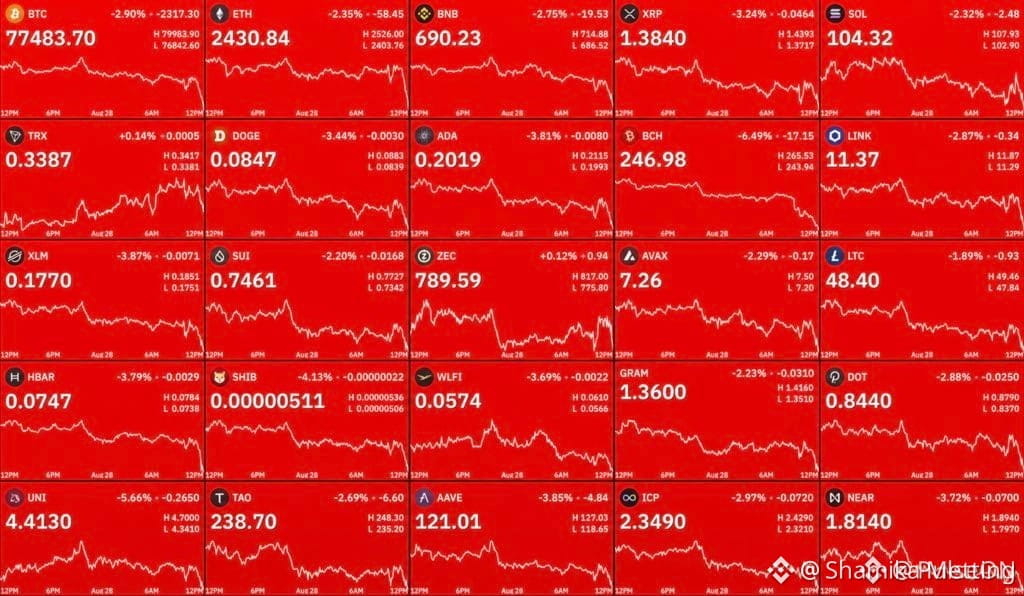
🚨 Crypto Market Plunge
$BTC $ETH
It is said that more than $100 billion has been wiped from the cryptocurrency market, as traders react to tightening financial conditions that emerged after Federal Reserve Chair Kevin Warsh’s appearance in Jackson Hole.
This move led to a sharp unwinding of leveraged positions, with reports of crypto liquidations totaling hundreds of millions of dollars across the market. Long-term traders took the biggest hit as prices fell away from their recent highs.
The Federal Reserve’s message is clear: inflation levels are still above the target, and markets should not assume an easy path toward interest-rate cuts. Higher rates for longer can strengthen the dollar, reduce liquidity, and place pressure on high-risk assets such as Bitcoin and altcoins.
This is a leverage reset—not necessarily the end of the crypto cycle. Monitor funding rates, open interest, Bitcoin’s support levels, and whether spot buyers will step in after the liquidation wave.
Avoid trading out of spite, and don’t overuse leverage during volatility driven by macroeconomic factors.
Follow-up, please
#cryptocrash #Bitcoin #CryptoNews #Macro #CryptoMarket
🚨 Crypto Market Plunge
$BTC $ETH
It is said that more than $100 billion has been wiped from the cryptocurrency market, as traders react to tightening financial conditions that emerged after Federal Reserve Chair Kevin Warsh’s appearance in Jackson Hole.
This move led to a sharp unwinding of leveraged positions, with reports of crypto liquidations totaling hundreds of millions of dollars across the market. Long-term traders took the biggest hit as prices fell away from their recent highs.
The Federal Reserve’s message is clear: inflation levels are still above the target, and markets should not assume an easy path toward interest-rate cuts. Higher rates for longer can strengthen the dollar, reduce liquidity, and place pressure on high-risk assets such as Bitcoin and altcoins.
This is a leverage reset—not necessarily the end of the crypto cycle. Monitor funding rates, open interest, Bitcoin’s support levels, and whether spot buyers will step in after the liquidation wave.
Avoid trading out of spite, and don’t overuse leverage during volatility driven by macroeconomic factors.
Follow-up, please
#cryptocrash #Bitcoin #CryptoNews #Macro #CryptoMarket
$BTC $ETH
It is said that more than $100 billion has been wiped from the cryptocurrency market, as traders react to tightening financial conditions that emerged after Federal Reserve Chair Kevin Warsh’s appearance in Jackson Hole.
This move led to a sharp unwinding of leveraged positions, with reports of crypto liquidations totaling hundreds of millions of dollars across the market. Long-term traders took the biggest hit as prices fell away from their recent highs.
The Federal Reserve’s message is clear: inflation levels are still above the target, and markets should not assume an easy path toward interest-rate cuts. Higher rates for longer can strengthen the dollar, reduce liquidity, and place pressure on high-risk assets such as Bitcoin and altcoins.
This is a leverage reset—not necessarily the end of the crypto cycle. Monitor funding rates, open interest, Bitcoin’s support levels, and whether spot buyers will step in after the liquidation wave.
Avoid trading out of spite, and don’t overuse leverage during volatility driven by macroeconomic factors.
Follow-up, please
#cryptocrash #Bitcoin #CryptoNews #Macro #CryptoMarket
1
100
#XRPLeadsCryptoPullbackDropsNearly7%
BREAKING: $XRP CRASHES 7% - Is The Party OVER? 😱
From HERO to ZERO in 24 hours!
XRP was the KING of the crypto rally - pumping almost 70% from $0.99 to $1.69 in just 5 days. Everyone thought $2 was next...
And then BLOOD. 📉
XRP just led the ENTIRE crypto market pullback with a brutal 6.6% drop to $1.37 - the WORST performance in the Top 10. Over 50 MILLION XRP dumped in less than 24 hours and $70M+ in long positions LIQUIDATED.
Why is this happening when there is NO bad news about Ripple?
Overbought RSI at 88, whales taking profit, and a trap for late buyers. Analysts are calling it a "healthy pullback" but is it really?
I have 2 scenarios for what happens next - one takes XRP to $15, the other one will wipe out new investors.
Do you think this is a BUY THE DIP opportunity or the start of a bigger crash? Comment below 👇
{spot}(BTCUSDT)
#XRP #Ripple #CryptoCrash
{spot}(XRPUSDT)
$BTC
#XRPLeadsCryptoPullbackDropsNearly7%
BREAKING: $XRP CRASHES 7% - Is The Party OVER? 😱
From HERO to ZERO in 24 hours!
XRP was the KING of the crypto rally - pumping almost 70% from $0.99 to $1.69 in just 5 days. Everyone thought $2 was next...
And then BLOOD. 📉
XRP just led the ENTIRE crypto market pullback with a brutal 6.6% drop to $1.37 - the WORST performance in the Top 10. Over 50 MILLION XRP dumped in less than 24 hours and $70M+ in long positions LIQUIDATED.
Why is this happening when there is NO bad news about Ripple?
Overbought RSI at 88, whales taking profit, and a trap for late buyers. Analysts are calling it a "healthy pullback" but is it really?
I have 2 scenarios for what happens next - one takes XRP to $15, the other one will wipe out new investors.
Do you think this is a BUY THE DIP opportunity or the start of a bigger crash? Comment below 👇
#XRP #Ripple #CryptoCrash
$BTC
BREAKING: $XRP CRASHES 7% - Is The Party OVER? 😱
From HERO to ZERO in 24 hours!
XRP was the KING of the crypto rally - pumping almost 70% from $0.99 to $1.69 in just 5 days. Everyone thought $2 was next...
And then BLOOD. 📉
XRP just led the ENTIRE crypto market pullback with a brutal 6.6% drop to $1.37 - the WORST performance in the Top 10. Over 50 MILLION XRP dumped in less than 24 hours and $70M+ in long positions LIQUIDATED.
Why is this happening when there is NO bad news about Ripple?
Overbought RSI at 88, whales taking profit, and a trap for late buyers. Analysts are calling it a "healthy pullback" but is it really?
I have 2 scenarios for what happens next - one takes XRP to $15, the other one will wipe out new investors.
Do you think this is a BUY THE DIP opportunity or the start of a bigger crash? Comment below 👇
#XRP #Ripple #CryptoCrash
$BTC
109
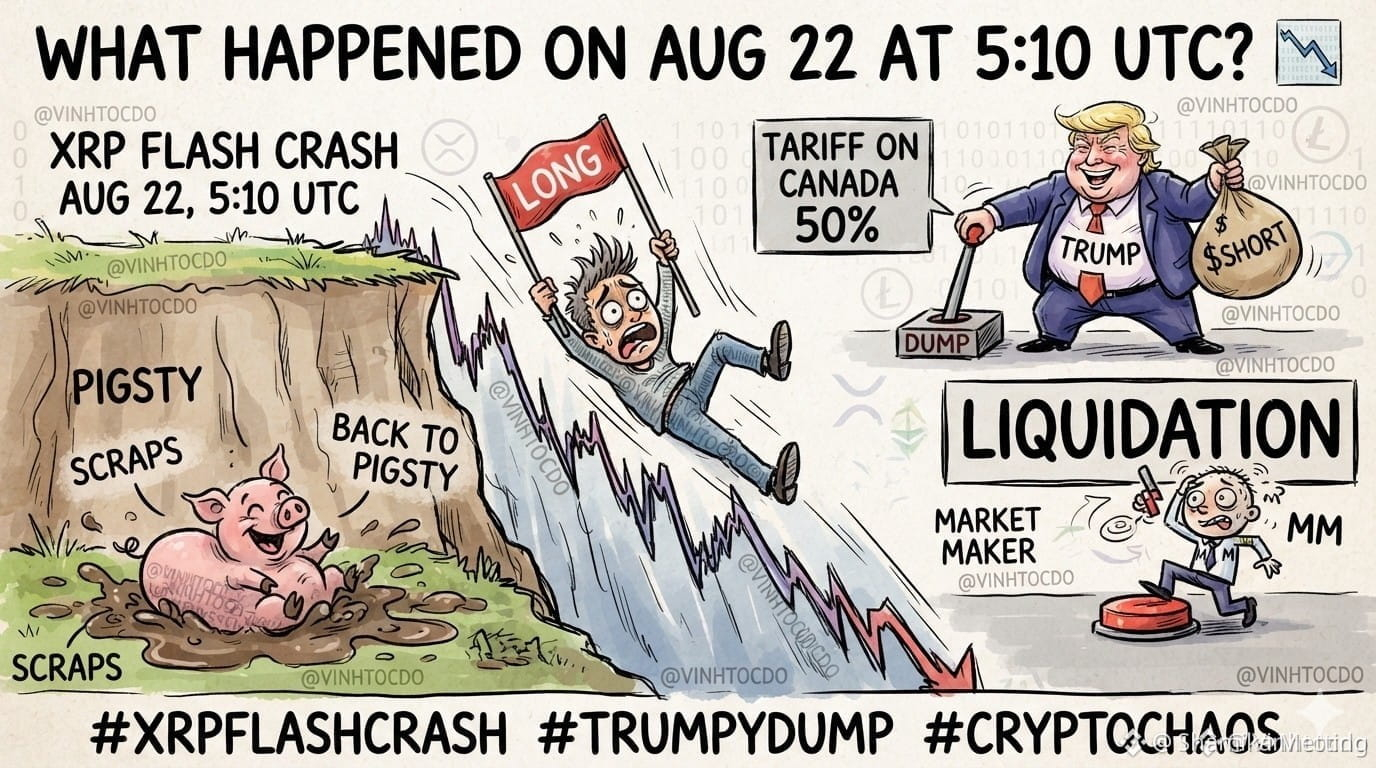
What happened on August 22 at 5:10 UTC? 📉
Even though the funding rates look boring, my instincts are telling a better story.
1️⃣ Theory 1: The Trump family took a short position right before imposing a 50% tariff on Canada directly! Is that just a coincidence? I don’t think so! 🤔
2️⃣ Theory 2: Market makers got dizzy while staring at the pump, then accidentally pressed the “dump” button (sell/down) to check whether our stop-loss orders are actually working.
The result? Years of accumulation were erased in a single flash due to a rapid breakdown.
Back to the “pen” again to gather the leftovers! 🐷
What should traders do?
🛡️ Ditch 100x leverage, use a strict stop-loss, and be ready for surprises.
Not financial advice. ⚠️
Please follow up
Please follow up
#DonaldTrump #CryptoCrash #LeverageLiquidation #MarketMakers
$RAYSOL
$BTC
$BNB
{future}(BNBUSDT)
What happened on August 22 at 5:10 UTC? 📉
Even though the funding rates look boring, my instincts are telling a better story.
1️⃣ Theory 1: The Trump family took a short position right before imposing a 50% tariff on Canada directly! Is that just a coincidence? I don’t think so! 🤔
2️⃣ Theory 2: Market makers got dizzy while staring at the pump, then accidentally pressed the “dump” button (sell/down) to check whether our stop-loss orders are actually working.
The result? Years of accumulation were erased in a single flash due to a rapid breakdown.
Back to the “pen” again to gather the leftovers! 🐷
What should traders do?
🛡️ Ditch 100x leverage, use a strict stop-loss, and be ready for surprises.
Not financial advice. ⚠️
Please follow up
Please follow up
#DonaldTrump #CryptoCrash #LeverageLiquidation #MarketMakers
$RAYSOL
$BTC
$BNB
Even though the funding rates look boring, my instincts are telling a better story.
1️⃣ Theory 1: The Trump family took a short position right before imposing a 50% tariff on Canada directly! Is that just a coincidence? I don’t think so! 🤔
2️⃣ Theory 2: Market makers got dizzy while staring at the pump, then accidentally pressed the “dump” button (sell/down) to check whether our stop-loss orders are actually working.
The result? Years of accumulation were erased in a single flash due to a rapid breakdown.
Back to the “pen” again to gather the leftovers! 🐷
What should traders do?
🛡️ Ditch 100x leverage, use a strict stop-loss, and be ready for surprises.
Not financial advice. ⚠️
Please follow up
Please follow up
#DonaldTrump #CryptoCrash #LeverageLiquidation #MarketMakers
$RAYSOL
$BTC
$BNB
1
84

·
--
Bearish
💥 Market Alert! The list of the “Top Early Losers” is blazing! 🩸🚨
The market is moving violently today, and these are the cryptocurrencies with the biggest drops over the past 24 hours, based on spot trading data. Is this panic or a smart accumulation opportunity? 👇
📉 $SCRT : Down 25.21% to $0.0181.
📉 $HEMI : Sharp decline of 18.99%, price now $0.01015.
📉 $AAOIB : Down 18.02%, to $108.14.
📉 ONG: Down 16.35%, price $0.07362.
📉 MVLLB: Down 14.60%, price $30.12.
💭 What will you do?
When you see this much red, you have two options:
Wait and hold: Exit temporarily and monitor price action to identify the bottom.
Buy the Dip: Look for strong support zones and seize the opportunity for those who see potential for the long term.
#Binance #Crypto #Trading #CryptoCrash #BuyTheDip #Cryptocurrency #Binance
💥 Market Alert! The list of the “Top Early Losers” is blazing! 🩸🚨
The market is moving violently today, and these are the cryptocurrencies with the biggest drops over the past 24 hours, based on spot trading data. Is this panic or a smart accumulation opportunity? 👇
📉 $SCRT : Down 25.21% to $0.0181.
📉 $HEMI : Sharp decline of 18.99%, price now $0.01015.
📉 $AAOIB : Down 18.02%, to $108.14.
📉 ONG: Down 16.35%, price $0.07362.
📉 MVLLB: Down 14.60%, price $30.12.
💭 What will you do?
When you see this much red, you have two options:
Wait and hold: Exit temporarily and monitor price action to identify the bottom.
Buy the Dip: Look for strong support zones and seize the opportunity for those who see potential for the long term.
#Binance #Crypto #Trading #CryptoCrash #BuyTheDip #Cryptocurrency #Binance
The market is moving violently today, and these are the cryptocurrencies with the biggest drops over the past 24 hours, based on spot trading data. Is this panic or a smart accumulation opportunity? 👇
📉 $SCRT : Down 25.21% to $0.0181.
📉 $HEMI : Sharp decline of 18.99%, price now $0.01015.
📉 $AAOIB : Down 18.02%, to $108.14.
📉 ONG: Down 16.35%, price $0.07362.
📉 MVLLB: Down 14.60%, price $30.12.
💭 What will you do?
When you see this much red, you have two options:
Wait and hold: Exit temporarily and monitor price action to identify the bottom.
Buy the Dip: Look for strong support zones and seize the opportunity for those who see potential for the long term.
#Binance #Crypto #Trading #CryptoCrash #BuyTheDip #Cryptocurrency #Binance
2
293
Log in to explore more content
Join global crypto users on Binance Square
⚡️ Get latest and useful information about crypto.
💬 Trusted by the world’s largest crypto exchange.
👍 Discover real insights from verified creators.
Email / Phone number
Trending Topics
1
#AIStocksWhatNext
402,700 views
3,127 Discussing
2
#BitwiseNEARStakingETPAssetsTop$100M
176 views
23 Discussing
3
#MUBARAKRisesOver66%In24Hours
0 views
6 Discussing
4
#BitcoinBreaksAboveMayHighNears$86K
17,038 views
208 Discussing
5
#DogecoinRises15%
54,454 views
1,048 Discussing
6
#$14BBitcoinOptionsExpireFriday
4,605 views
95 Discussing
7
#BNBMarketCapPassesBNYMellon
34,066 views
752 Discussing
8
#CryptoMarketCapReclaims$3Trillion
5,972 views
86 Discussing
9
#MuseOvertakesChatGPTAsTopFreeIOSApp
19,647 views
555 Discussing
10
#TokenizedStockPlatformsCouldLaunchNextQuarter
30,989 views
612 Discussing