

#coinaute
coinaute
4M views
2,927 Discussing
Hot
Latest

·
--
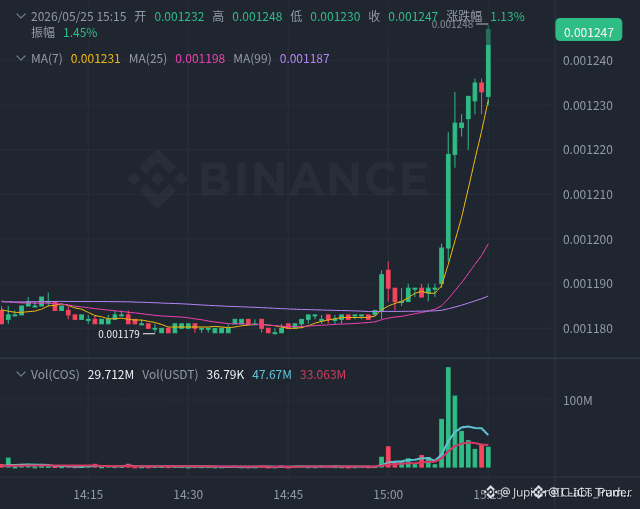
$COS VOLATILITY EXPANDS AS MOMENTUM BUILDS 🚨
Entry: 0.001097-0.00130 🚥
Target: 0.0014-0.00155 ✅
$COS is seeing elevated activity after being highlighted among top gainers, with price action supported by short-term bullish MACD signals and breakout discussions. The setup remains momentum-driven, but heavy promotional noise around the move requires caution. Sustained acceptance above the key range would support continuation, while rejection could invite a sharp liquidity reset.
Not financial advice. Manage your risk.
#coinaute #CryptoTrading #Altcoins #BinanceSquar #MarketUpdate
⚡
{future}(COSUSDT)
$COS VOLATILITY EXPANDS AS MOMENTUM BUILDS 🚨
Entry: 0.001097-0.00130 🚥
Target: 0.0014-0.00155 ✅
$COS is seeing elevated activity after being highlighted among top gainers, with price action supported by short-term bullish MACD signals and breakout discussions. The setup remains momentum-driven, but heavy promotional noise around the move requires caution. Sustained acceptance above the key range would support continuation, while rejection could invite a sharp liquidity reset.
Not financial advice. Manage your risk.
#coinaute #CryptoTrading #Altcoins #BinanceSquar #MarketUpdate
⚡
Entry: 0.001097-0.00130 🚥
Target: 0.0014-0.00155 ✅
$COS is seeing elevated activity after being highlighted among top gainers, with price action supported by short-term bullish MACD signals and breakout discussions. The setup remains momentum-driven, but heavy promotional noise around the move requires caution. Sustained acceptance above the key range would support continuation, while rejection could invite a sharp liquidity reset.
Not financial advice. Manage your risk.
#coinaute #CryptoTrading #Altcoins #BinanceSquar #MarketUpdate
⚡
184

·
--
Bullish
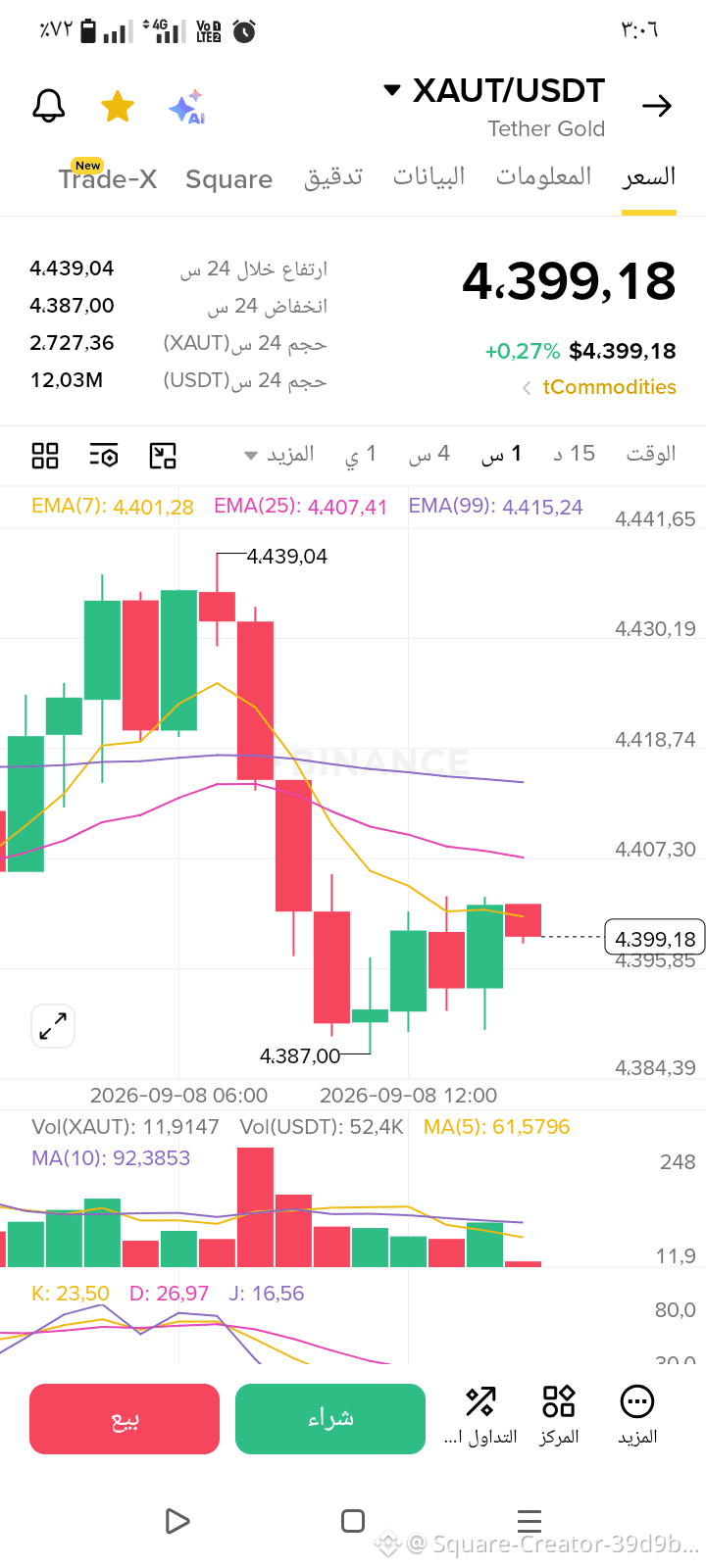
We’re still, young men, buying gold, but with $XAUT securing the deal by setting a stop-loss to protect your capital from any sudden reversal.
If you entered the trade earlier, you should move your stop-loss to the entry point to secure your trade.
🎯 First target: 4,407
🎯 Second target: 4,418
🛑 Stop-loss: 4,380
Let’s go and watch the next move 👇
$XAUT
{spot}(XAUTUSDT)
#CryptoTrends2024 #Crypto_Jobs🎯 #coinaute #XAU
We’re still, young men, buying gold, but with $XAUT securing the deal by setting a stop-loss to protect your capital from any sudden reversal.
If you entered the trade earlier, you should move your stop-loss to the entry point to secure your trade.
🎯 First target: 4,407
🎯 Second target: 4,418
🛑 Stop-loss: 4,380
Let’s go and watch the next move 👇
$XAUT
#CryptoTrends2024 #Crypto_Jobs🎯 #coinaute #XAU
If you entered the trade earlier, you should move your stop-loss to the entry point to secure your trade.
🎯 First target: 4,407
🎯 Second target: 4,418
🛑 Stop-loss: 4,380
Let’s go and watch the next move 👇
$XAUT
#CryptoTrends2024 #Crypto_Jobs🎯 #coinaute #XAU
1
76


·
--
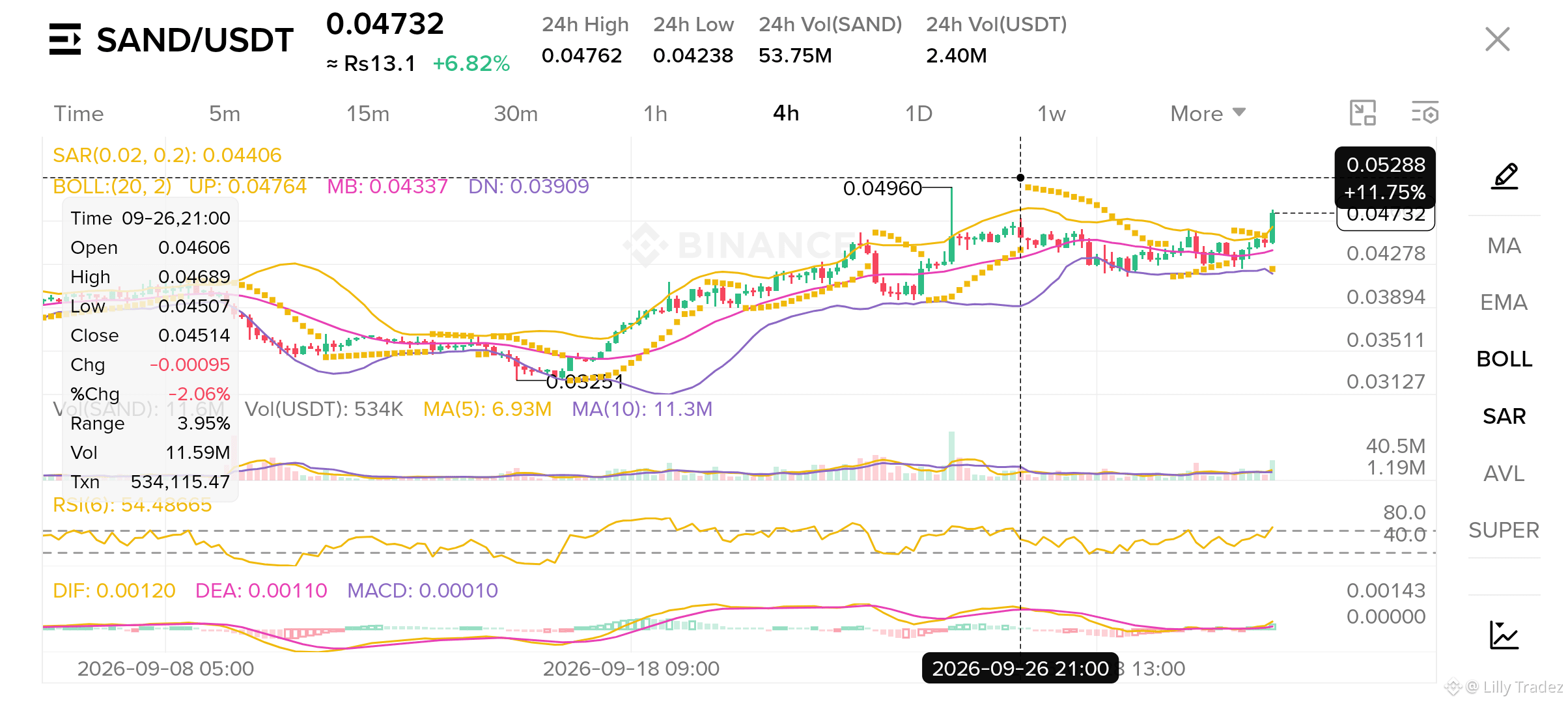
🔥 $SAND ND Gaining Momentum! Next Target in Sight? 🎯
The Metaverse token $SAND is waking up! 🚀 We're seeing a clean upward push on the 4H time frame, sitting at $0.04732 (+6.82%).
Quick Chart Highlights:
Trend: Rebound from local lows ($0.03251) with consistent higher lows.
Key Target Zone: Testing the $0.04960 - $0.05288 liquidity range.
Safety Level: $0.04337 acts as primary dynamic support.
If bulls maintain volume, we could see an attempt to break past the peak $0.05288 levels (+11.75% range target).
Are you holding $SAND for the next wave, or taking profits here? Let's discuss in the comments! 💬
#EthereumFoundationLaunchesZkAPIOnMainnet Binance #EthereumFoundationLaunchesZkAPIOnMainnet SAND #coinaute ryptoSignals #EthereumFoundationLaunchesZkAPIOnMainnet Altcoins #EthereumFoundationLaunchesZkAPIOnMainnet Trading
🔥 $SAND ND Gaining Momentum! Next Target in Sight? 🎯
The Metaverse token $SAND is waking up! 🚀 We're seeing a clean upward push on the 4H time frame, sitting at $0.04732 (+6.82%).
Quick Chart Highlights:
Trend: Rebound from local lows ($0.03251) with consistent higher lows.
Key Target Zone: Testing the $0.04960 - $0.05288 liquidity range.
Safety Level: $0.04337 acts as primary dynamic support.
If bulls maintain volume, we could see an attempt to break past the peak $0.05288 levels (+11.75% range target).
Are you holding $SAND for the next wave, or taking profits here? Let's discuss in the comments! 💬
#EthereumFoundationLaunchesZkAPIOnMainnet Binance #EthereumFoundationLaunchesZkAPIOnMainnet SAND #coinaute ryptoSignals #EthereumFoundationLaunchesZkAPIOnMainnet Altcoins #EthereumFoundationLaunchesZkAPIOnMainnet Trading
The Metaverse token $SAND is waking up! 🚀 We're seeing a clean upward push on the 4H time frame, sitting at $0.04732 (+6.82%).
Quick Chart Highlights:
Trend: Rebound from local lows ($0.03251) with consistent higher lows.
Key Target Zone: Testing the $0.04960 - $0.05288 liquidity range.
Safety Level: $0.04337 acts as primary dynamic support.
If bulls maintain volume, we could see an attempt to break past the peak $0.05288 levels (+11.75% range target).
Are you holding $SAND for the next wave, or taking profits here? Let's discuss in the comments! 💬
#EthereumFoundationLaunchesZkAPIOnMainnet Binance #EthereumFoundationLaunchesZkAPIOnMainnet SAND #coinaute ryptoSignals #EthereumFoundationLaunchesZkAPIOnMainnet Altcoins #EthereumFoundationLaunchesZkAPIOnMainnet Trading
316

🚨👀 THE NEXT BIG MOVE COULD BE CLOSER THAN YOU THINK! 📈🔥
Crypto market is moving fast—and smart traders are watching every signal. ⚡
📊 Volume is changing
🔥 Market momentum is building
👀 New coins are getting attention
⚠️ But volatility means risk is always there
The BIG question is…
💰 Which coin will capture the market’s attention next?
👇 Drop the ONE coin you’re watching right now!
🚀 Bullish?
📉 Expecting a pullback?
💬 Let’s see what the community thinks!
DYOR before making any trade.
#coinaute r#Binance #altcycle #cryptouniverseofficial #TrendingTopic
🚨👀 THE NEXT BIG MOVE COULD BE CLOSER THAN YOU THINK! 📈🔥
Crypto market is moving fast—and smart traders are watching every signal. ⚡
📊 Volume is changing
🔥 Market momentum is building
👀 New coins are getting attention
⚠️ But volatility means risk is always there
The BIG question is…
💰 Which coin will capture the market’s attention next?
👇 Drop the ONE coin you’re watching right now!
🚀 Bullish?
📉 Expecting a pullback?
💬 Let’s see what the community thinks!
DYOR before making any trade.
#coinaute r#Binance #altcycle #cryptouniverseofficial #TrendingTopic
Crypto market is moving fast—and smart traders are watching every signal. ⚡
📊 Volume is changing
🔥 Market momentum is building
👀 New coins are getting attention
⚠️ But volatility means risk is always there
The BIG question is…
💰 Which coin will capture the market’s attention next?
👇 Drop the ONE coin you’re watching right now!
🚀 Bullish?
📉 Expecting a pullback?
💬 Let’s see what the community thinks!
DYOR before making any trade.
#coinaute r#Binance #altcycle #cryptouniverseofficial #TrendingTopic

75

·
--
🚨 BTC vs BNB — Which One Are You Buying? 🔥
Bitcoin (BTC) and BNB are both worth watching closely.
₿ BTC: Stronger market dominance and widely considered the core crypto asset.
🟡 BNB: Strong connection to the Binance ecosystem with its own growth potential.
📊 My watchlist: BTC + BNB
💰 Always manage your risk and never invest more than you can afford to lose.
What are you buying?
$NVDAB
{spot}(BTCUSDT)
coin #BTC inance #coinaute rypto #CryptoTrading. ding #CryptoInvestment
🚨 BTC vs BNB — Which One Are You Buying? 🔥
Bitcoin (BTC) and BNB are both worth watching closely.
₿ BTC: Stronger market dominance and widely considered the core crypto asset.
🟡 BNB: Strong connection to the Binance ecosystem with its own growth potential.
📊 My watchlist: BTC + BNB
💰 Always manage your risk and never invest more than you can afford to lose.
What are you buying?
$NVDAB
coin #BTC inance #coinaute rypto #CryptoTrading. ding #CryptoInvestment
Bitcoin (BTC) and BNB are both worth watching closely.
₿ BTC: Stronger market dominance and widely considered the core crypto asset.
🟡 BNB: Strong connection to the Binance ecosystem with its own growth potential.
📊 My watchlist: BTC + BNB
💰 Always manage your risk and never invest more than you can afford to lose.
What are you buying?
$NVDAB
coin #BTC inance #coinaute rypto #CryptoTrading. ding #CryptoInvestment
BNB
BTC
6 day(s) left
179

·
--
The best future$ETH 🔥 Ethereum (ETH): Is the Future Being Built Here?
What if the next generation of the internet runs on blockchain? 👀
Ethereum isn’t just a coin — it’s an entire ecosystem. From DeFi and NFTs to smart contracts and decentralized applications, Ethereum continues to play a major role in the crypto industry. 🌐
🚀 Why is ETH interesting for the future? • Growing blockchain adoption
• Powerful smart-contract technology
• Huge developer ecosystem
• Continuous network improvements
• Expanding DeFi and Web3 use cases
📊 Could ETH become even more important in the years ahead?
If blockchain adoption keeps growing, Ethereum could remain one of the key networks shaping the future of digital finance and Web3.
💡 What do you think?
Will ETH reach a new all-time high in the next bull market? 🚀📈
Share your ETH price target below! 👇
⚠️ Crypto is highly volatile. This post is for educational purposes, not financial advice.
#Ethereum #ETH #Crypto #Binance #Blockchain #DeFi #Web3 #CryptoCommunity
The best future
$ETH 🔥 Ethereum (ETH): Is the Future Being Built Here?
What if the next generation of the internet runs on blockchain? 👀
Ethereum isn’t just a coin — it’s an entire ecosystem. From DeFi and NFTs to smart contracts and decentralized applications, Ethereum continues to play a major role in the crypto industry. 🌐
🚀 Why is ETH interesting for the future? • Growing blockchain adoption
• Powerful smart-contract technology
• Huge developer ecosystem
• Continuous network improvements
• Expanding DeFi and Web3 use cases
📊 Could ETH become even more important in the years ahead?
If blockchain adoption keeps growing, Ethereum could remain one of the key networks shaping the future of digital finance and Web3.
💡 What do you think?
Will ETH reach a new all-time high in the next bull market? 🚀📈
Share your ETH price target below! 👇
⚠️ Crypto is highly volatile. This post is for educational purposes, not financial advice.
#Ethereum #ETH #Crypto #Binance #Blockchain #DeFi #Web3 #CryptoCommunity
What if the next generation of the internet runs on blockchain? 👀
Ethereum isn’t just a coin — it’s an entire ecosystem. From DeFi and NFTs to smart contracts and decentralized applications, Ethereum continues to play a major role in the crypto industry. 🌐
🚀 Why is ETH interesting for the future? • Growing blockchain adoption
• Powerful smart-contract technology
• Huge developer ecosystem
• Continuous network improvements
• Expanding DeFi and Web3 use cases
📊 Could ETH become even more important in the years ahead?
If blockchain adoption keeps growing, Ethereum could remain one of the key networks shaping the future of digital finance and Web3.
💡 What do you think?
Will ETH reach a new all-time high in the next bull market? 🚀📈
Share your ETH price target below! 👇
⚠️ Crypto is highly volatile. This post is for educational purposes, not financial advice.
#Ethereum #ETH #Crypto #Binance #Blockchain #DeFi #Web3 #CryptoCommunity
57
·
--
Bullish
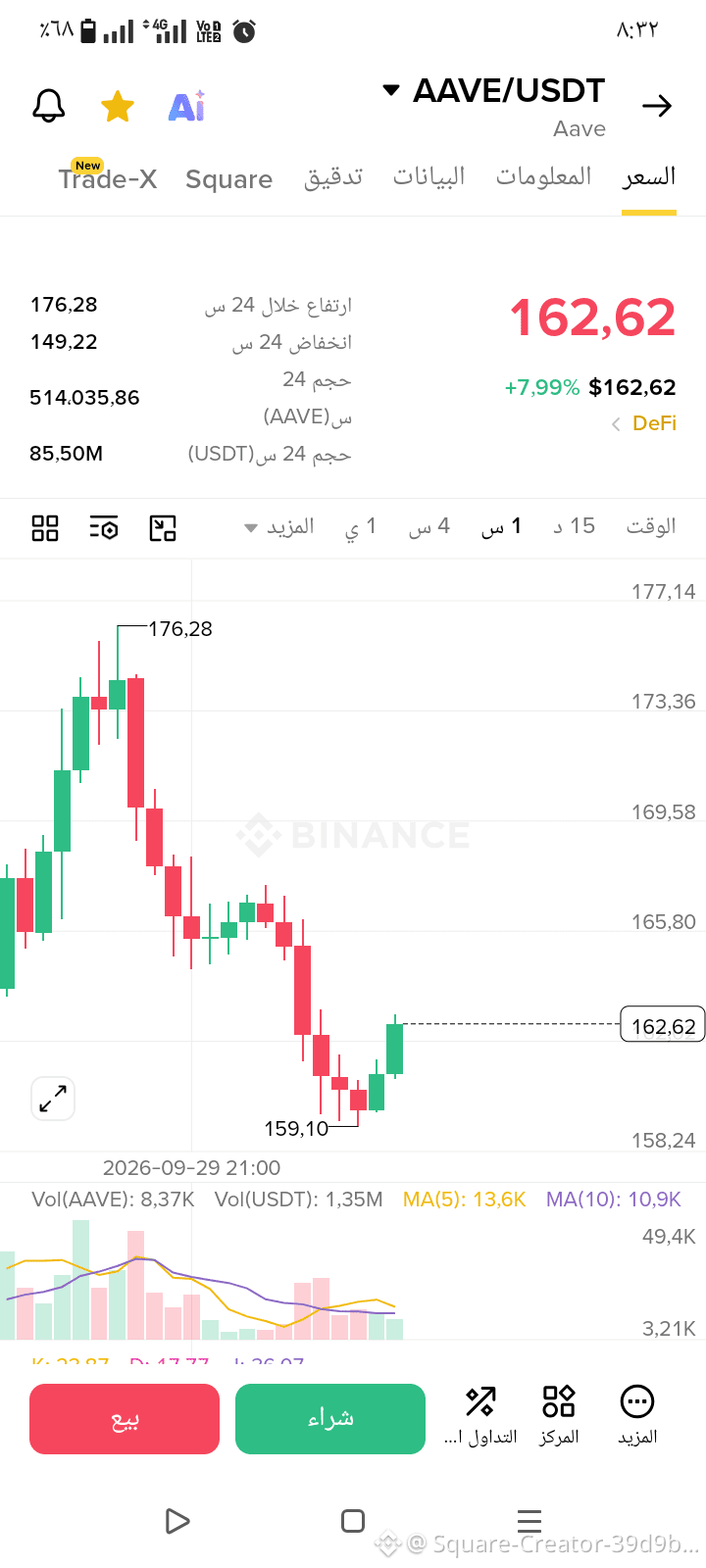
⚡ Take your target quickly!$AAVE
🎯 Keep your eyes on the target 166
🛑 Stop the loss 140
Let’s go 🚀 climb from the bottom… and stay quick in catching the target 🔥
Don’t forget to like ❤️ and tell me your opinion 👇
$AAVE
{spot}(AAVEUSDT)
#Crypto_Jobs🎯 #coinaute #تابع #تابع_الصفحة_ليصلك_كل_جديد
⚡ Take your target quickly!$AAVE
🎯 Keep your eyes on the target 166
🛑 Stop the loss 140
Let’s go 🚀 climb from the bottom… and stay quick in catching the target 🔥
Don’t forget to like ❤️ and tell me your opinion 👇
$AAVE
#Crypto_Jobs🎯 #coinaute #تابع #تابع_الصفحة_ليصلك_كل_جديد
🎯 Keep your eyes on the target 166
🛑 Stop the loss 140
Let’s go 🚀 climb from the bottom… and stay quick in catching the target 🔥
Don’t forget to like ❤️ and tell me your opinion 👇
$AAVE
#Crypto_Jobs🎯 #coinaute #تابع #تابع_الصفحة_ليصلك_كل_جديد
Raed Alabdallah:
صباح الخير مهندسنا المحترم ❤️
1
5
1.1k
·
--
Bullish
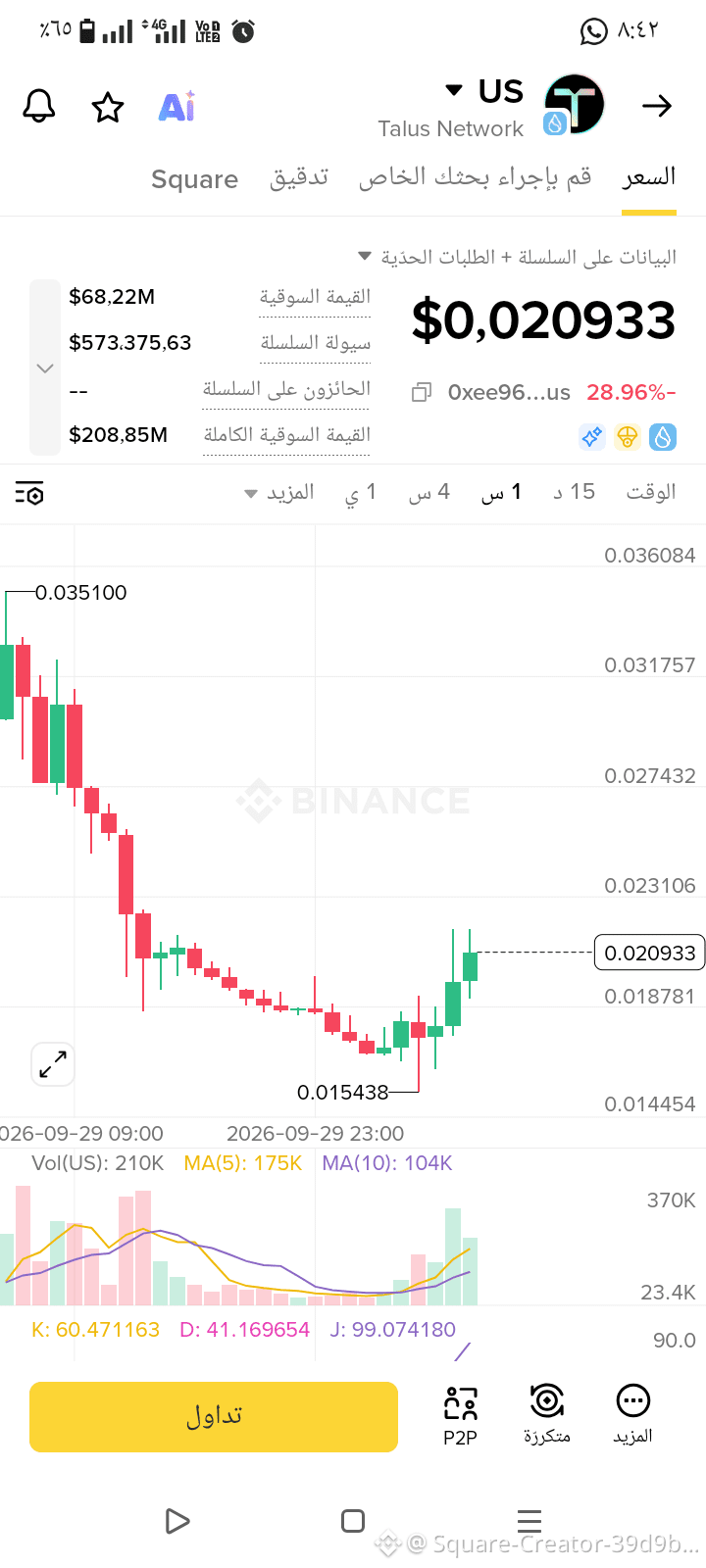
Right now is the best time to buy this coin ....!😍$US
It's at the bottom right now and it has started to rise—enter from the beginning 👏
Be quick and take advantage of the pump...
Target 0.023
Stop loss 0.014
From here now 👇
$US
{alpha}(CT_7840xee962a61432231c2ede6946515beb02290cb516ad087bb06a731e922b2a5f57a::us::US)
#Crypto_Jobs🎯 #coinaute #نصيحة #نكمل_بعض #نار
Right now is the best time to buy this coin ....!😍$US
It's at the bottom right now and it has started to rise—enter from the beginning 👏
Be quick and take advantage of the pump...
Target 0.023
Stop loss 0.014
From here now 👇
$US
#Crypto_Jobs🎯 #coinaute #نصيحة #نكمل_بعض #نار
It's at the bottom right now and it has started to rise—enter from the beginning 👏
Be quick and take advantage of the pump...
Target 0.023
Stop loss 0.014
From here now 👇
$US
#Crypto_Jobs🎯 #coinaute #نصيحة #نكمل_بعض #نار
3
537
·
--
Bullish
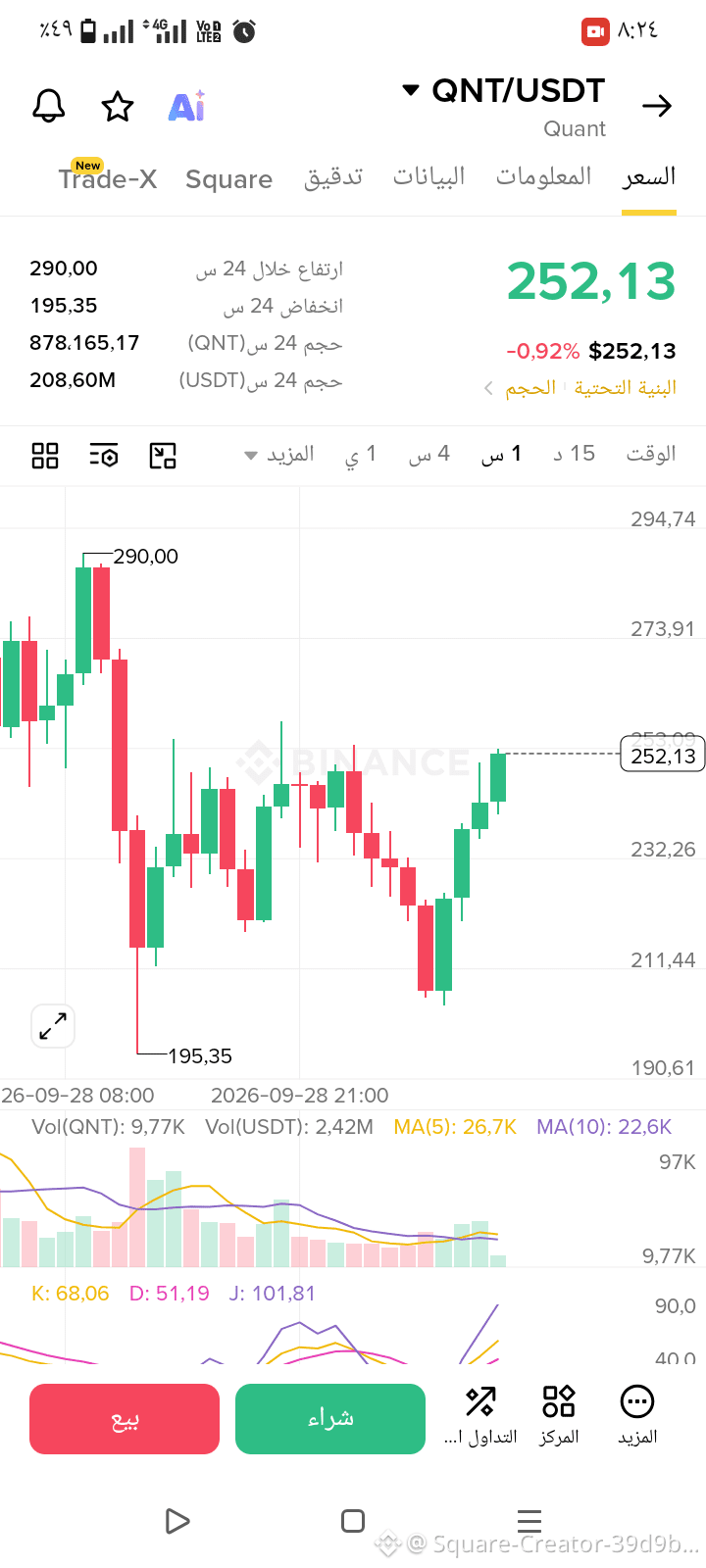
Grab yourself a quick target 👀$QNT
Keep your eyes on the target 255 🎯
🛑 Stop loss: 211
Stay quick and enter immediately a buy from here 👇
$QNT
{spot}(QNTUSDT)
#cadeaux #CryptoWatchMay2024 #Crypto_Jobs🎯 #coinaute
Grab yourself a quick target 👀$QNT
Keep your eyes on the target 255 🎯
🛑 Stop loss: 211
Stay quick and enter immediately a buy from here 👇
$QNT
#cadeaux #CryptoWatchMay2024 #Crypto_Jobs🎯 #coinaute
Keep your eyes on the target 255 🎯
🛑 Stop loss: 211
Stay quick and enter immediately a buy from here 👇
$QNT
#cadeaux #CryptoWatchMay2024 #Crypto_Jobs🎯 #coinaute
3
282
·
--
Bullish
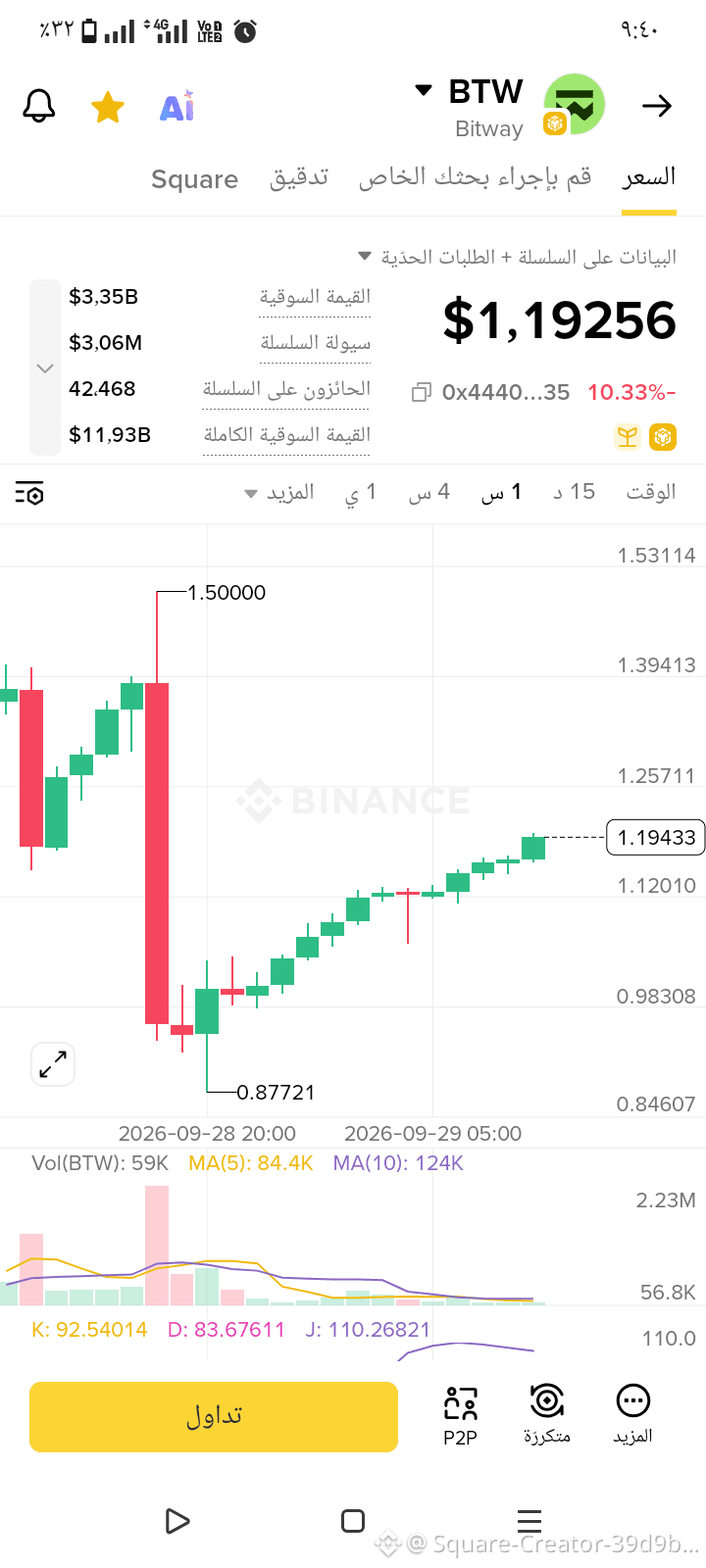
Mashallah 🔥 Moving steadily since the time we talked about it last night on the stream, and it’s still on a continuous climb 🚀
We’re with you toward the next target 🎯 $1.22
We’ll keep going with you toward the next target, God willing 🔥$BTW
{alpha}(560x444045b0ee1ee319a660a5e3d604ca0ffa35acaa)
#cadeaux #Crypto_Jobs🎯 #coinaute #تابع_الصفحة_ليصلك_كل_جديد
Mashallah 🔥 Moving steadily since the time we talked about it last night on the stream, and it’s still on a continuous climb 🚀
We’re with you toward the next target 🎯 $1.22
We’ll keep going with you toward the next target, God willing 🔥$BTW
#cadeaux #Crypto_Jobs🎯 #coinaute #تابع_الصفحة_ليصلك_كل_جديد
We’re with you toward the next target 🎯 $1.22
We’ll keep going with you toward the next target, God willing 🔥$BTW
#cadeaux #Crypto_Jobs🎯 #coinaute #تابع_الصفحة_ليصلك_كل_جديد
Ibrahim Juba:
يامسهل الحال
2
2
158

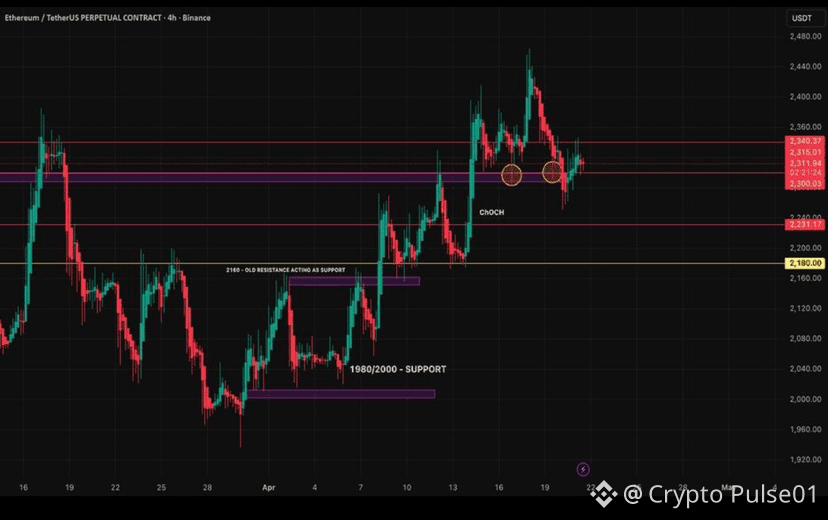
🚨 ETH/USDT MARKET UPDATE
💰 Current Price: ~$2,707 (+0.6% over the last 24h).
📊 Key Levels
🟢 Support 1: $2,680
🟢 Support 2: $2,620
🔴 Resistance 1: $2,750
🔴 Major Resistance: $2,800
⸻
📈 Bullish Scenario
If ETH breaks and closes above $2,750, buyers could target $2,800, with $3,000 becoming the next major psychological target.
📉 Bearish Scenario
If ETH loses $2,680, a pullback toward $2,620 is possible. A break below that level could weaken the short-term bullish structure.
⸻
🔥 Market Sentiment
✅ ETH is still holding above an important support zone.
✅ ETF interest and improving institutional sentiment continue to support the broader trend.
⚠️ However, traders are watching U.S. macro news and Bitcoin’s direction, as both can influence Ethereum’s next move.
⸻
💡 Trading Insight
Patience beats FOMO.
A confirmed breakout above $2,750 is stronger than chasing green candles.
💬 Question for traders:
Will ETH reach $3,000 before the end of this month?
⚠️ Educational purposes only. Not financial advice.
#StrategyStriveAdd2305BitcoinThisWeek #coinaute #btc #ETH
🚨 ETH/USDT MARKET UPDATE
💰 Current Price: ~$2,707 (+0.6% over the last 24h).
📊 Key Levels
🟢 Support 1: $2,680
🟢 Support 2: $2,620
🔴 Resistance 1: $2,750
🔴 Major Resistance: $2,800
⸻
📈 Bullish Scenario
If ETH breaks and closes above $2,750, buyers could target $2,800, with $3,000 becoming the next major psychological target.
📉 Bearish Scenario
If ETH loses $2,680, a pullback toward $2,620 is possible. A break below that level could weaken the short-term bullish structure.
⸻
🔥 Market Sentiment
✅ ETH is still holding above an important support zone.
✅ ETF interest and improving institutional sentiment continue to support the broader trend.
⚠️ However, traders are watching U.S. macro news and Bitcoin’s direction, as both can influence Ethereum’s next move.
⸻
💡 Trading Insight
Patience beats FOMO.
A confirmed breakout above $2,750 is stronger than chasing green candles.
💬 Question for traders:
Will ETH reach $3,000 before the end of this month?
⚠️ Educational purposes only. Not financial advice.
#StrategyStriveAdd2305BitcoinThisWeek #coinaute #btc #ETH
💰 Current Price: ~$2,707 (+0.6% over the last 24h).
📊 Key Levels
🟢 Support 1: $2,680
🟢 Support 2: $2,620
🔴 Resistance 1: $2,750
🔴 Major Resistance: $2,800
⸻
📈 Bullish Scenario
If ETH breaks and closes above $2,750, buyers could target $2,800, with $3,000 becoming the next major psychological target.
📉 Bearish Scenario
If ETH loses $2,680, a pullback toward $2,620 is possible. A break below that level could weaken the short-term bullish structure.
⸻
🔥 Market Sentiment
✅ ETH is still holding above an important support zone.
✅ ETF interest and improving institutional sentiment continue to support the broader trend.
⚠️ However, traders are watching U.S. macro news and Bitcoin’s direction, as both can influence Ethereum’s next move.
⸻
💡 Trading Insight
Patience beats FOMO.
A confirmed breakout above $2,750 is stronger than chasing green candles.
💬 Question for traders:
Will ETH reach $3,000 before the end of this month?
⚠️ Educational purposes only. Not financial advice.
#StrategyStriveAdd2305BitcoinThisWeek #coinaute #btc #ETH
61

·
--

Article
THE MOON — A LIGHT IN THE DARKNESSThe moon has its own way of capturing our attention. It doesn’t need to speak or be the brightest, yet its presence can make the night feel completely different.
Just like our journey in a community, not every day has to be filled with great achievements. Sometimes we are in a bright phase, and sometimes we go through darker moments. But every phase has its own meaning and becomes part of the journey toward something better.
The moon teaches us about patience, change, and consistency. Its shape continues to change, but it never truly stops shining.
The same goes for us. If we haven’t reached our goals today, it doesn’t mean the journey is over. Keep moving forward, keep learning, and continue supporting one another.
🌕 Every night has its own moon.
Every journey has its own timing.
And every effort brings us one step closer to our goals.
Let’s stay together, support each other, and turn every small step today into a greater achievement tomorrow. ✨
🌕: [https://app.binance.com/uni-qr/Fymi61qb](https://app.binance.com/uni-qr/Fymi61qb)
#coinaute #cryptouniverseofficial $AAPL.US
THE MOON — A LIGHT IN THE DARKNESS
The moon has its own way of capturing our attention. It doesn’t need to speak or be the brightest, yet its presence can make the night feel completely different.
Just like our journey in a community, not every day has to be filled with great achievements. Sometimes we are in a bright phase, and sometimes we go through darker moments. But every phase has its own meaning and becomes part of the journey toward something better.
The moon teaches us about patience, change, and consistency. Its shape continues to change, but it never truly stops shining.
The same goes for us. If we haven’t reached our goals today, it doesn’t mean the journey is over. Keep moving forward, keep learning, and continue supporting one another.
🌕 Every night has its own moon.
Every journey has its own timing.
And every effort brings us one step closer to our goals.
Let’s stay together, support each other, and turn every small step today into a greater achievement tomorrow. ✨
🌕: https://app.binance.com/uni-qr/Fymi61qb
#coinaute #cryptouniverseofficial $AAPL.US
Just like our journey in a community, not every day has to be filled with great achievements. Sometimes we are in a bright phase, and sometimes we go through darker moments. But every phase has its own meaning and becomes part of the journey toward something better.
The moon teaches us about patience, change, and consistency. Its shape continues to change, but it never truly stops shining.
The same goes for us. If we haven’t reached our goals today, it doesn’t mean the journey is over. Keep moving forward, keep learning, and continue supporting one another.
🌕 Every night has its own moon.
Every journey has its own timing.
And every effort brings us one step closer to our goals.
Let’s stay together, support each other, and turn every small step today into a greater achievement tomorrow. ✨
🌕: https://app.binance.com/uni-qr/Fymi61qb
#coinaute #cryptouniverseofficial $AAPL.US
AAPLUS+0.18%
WhiteBlack:
🌕 The moon remains there, even on nights when we cannot see it.
Moon is the same quietly observing, learning, and moving through each cycle together.
See you on the Moon 🌕
1
1
4
107
·
--
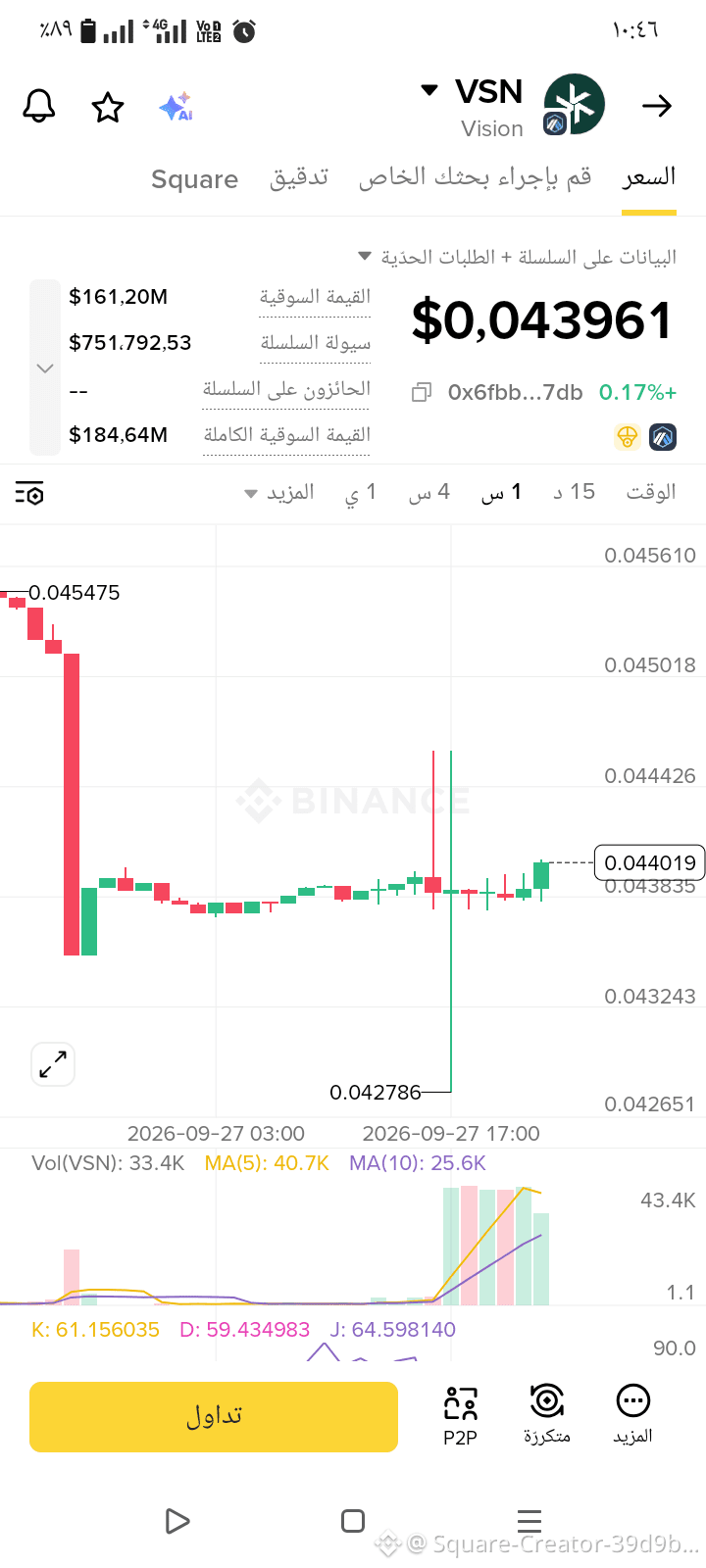
For the fourth time, I’m talking to you about the same coin today 🔥$VSN
Listen to the video and tell me your opinion even if you won’t enter the trade 👀
I care about your opinion on this trade 👍
$VSN
{alpha}(421610x6fbbbd8bfb1cd3986b1d05e7861a0f62f87db74b)
#Crypto_Jobs🎯 #cadeaux #coinaute #تابع_الصفحة_ليصلك_كل_جديد #متابعه_وإعجاب
For the fourth time, I’m talking to you about the same coin today 🔥$VSN
Listen to the video and tell me your opinion even if you won’t enter the trade 👀
I care about your opinion on this trade 👍
$VSN
#Crypto_Jobs🎯 #cadeaux #coinaute #تابع_الصفحة_ليصلك_كل_جديد #متابعه_وإعجاب
Listen to the video and tell me your opinion even if you won’t enter the trade 👀
I care about your opinion on this trade 👍
$VSN
#Crypto_Jobs🎯 #cadeaux #coinaute #تابع_الصفحة_ليصلك_كل_جديد #متابعه_وإعجاب
مهندس وليد
·
--
Excellent buying deal 🔥$VSN
My advice, don't miss it 👌
Watch the video till the end and see the goals, and tell me your opinion in the comments 👇🚀$VSN
#Crypto_Jobs🎯 #مهندس #وليد #متابعه_وإعجاب #تابع_واربح
My advice, don't miss it 👌
Watch the video till the end and see the goals, and tell me your opinion in the comments 👇🚀$VSN
#Crypto_Jobs🎯 #مهندس #وليد #متابعه_وإعجاب #تابع_واربح
2
174


Muzamil Abbas⁷⁵ 穆扎米尔_阿巴斯
·
--
Bullish$DOGE
#CONGRATULATIONSSS💕💖🥰❤️😍 on your 20K followers, brother! This is more than a number; it’s proof of hard work, real friendship, and endless support. Keep growing, keep shining, and let the journey get bigger together. 🔥👑
#Cryptology_7 🌹#MuzammilAbbas⁷⁵穆扎米拉巴斯 💞
@Cryptology_7
$BTC
$ETH
#CONGRATULATIONSSS💕💖🥰❤️😍 on your 20K followers, brother! This is more than a number; it’s proof of hard work, real friendship, and endless support. Keep growing, keep shining, and let the journey get bigger together. 🔥👑
#Cryptology_7 🌹#MuzammilAbbas⁷⁵穆扎米拉巴斯 💞
@Cryptology_7
$BTC
$ETH

1
4
·
--
Bullish
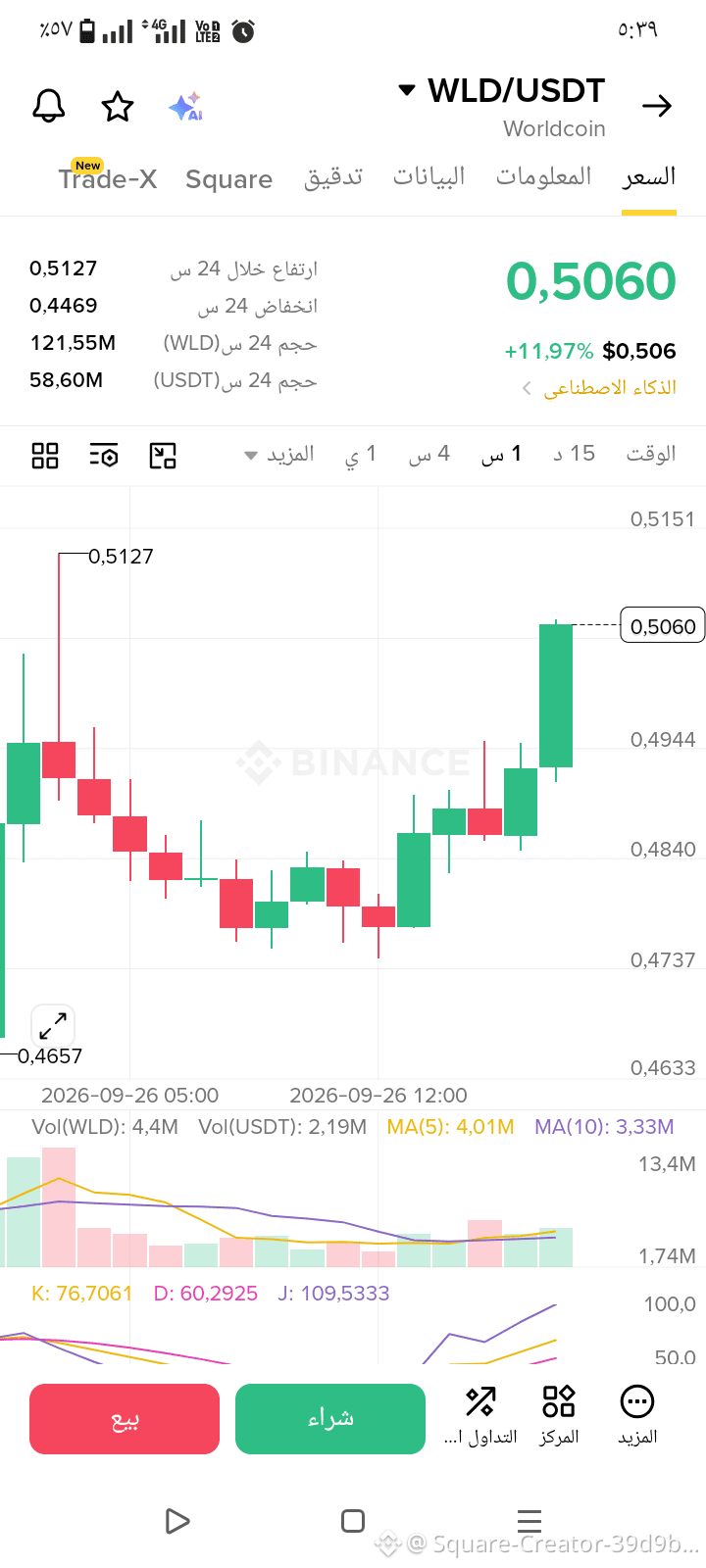
🚀 Explosive energy, guys 🔥$WLD
Take a target quickly 🎯
Keep your eyes on 0.51
Set stop loss at 0.44
Stay quick, let’s go 🚀
$WLD
{spot}(WLDUSDT)
#Crypto_Jobs🎯 #coinaute #cadeaux #CryptoWatchMay2024 #cryptouniverseofficial
🚀 Explosive energy, guys 🔥$WLD
Take a target quickly 🎯
Keep your eyes on 0.51
Set stop loss at 0.44
Stay quick, let’s go 🚀
$WLD
#Crypto_Jobs🎯 #coinaute #cadeaux #CryptoWatchMay2024 #cryptouniverseofficial
Take a target quickly 🎯
Keep your eyes on 0.51
Set stop loss at 0.44
Stay quick, let’s go 🚀
$WLD
#Crypto_Jobs🎯 #coinaute #cadeaux #CryptoWatchMay2024 #cryptouniverseofficial
3
349
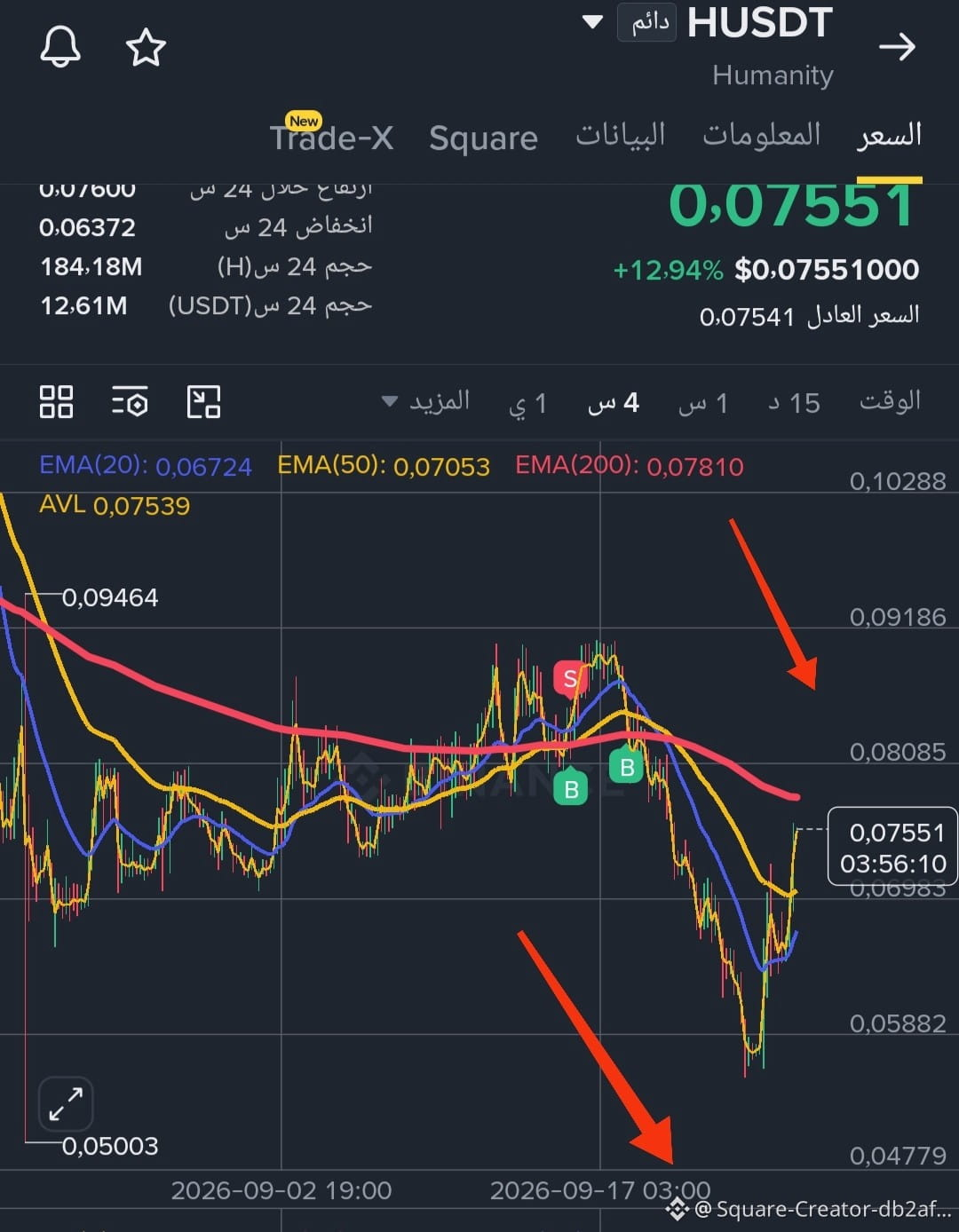
🚨 Warning for traders: Is the "sell pressure" starting on the HUSDT coin now? 🚨$H
After the strong rise the coin has witnessed, clear technical signals on the 15-minute and 4-hour timeframe indicate a high likelihood of a downward correction (Short Squeeze)!
📊 Why do we expect a drop?
1️⃣ The RSI indicator strongly reached the "overbought" zone (exceeded 82 on the 15-minute timeframe).
2️⃣ The Funding Rate is very high (0.09925%), meaning traders are paying a huge premium to buy—and liquidations are coming!
3️⃣ Price is facing strong resistance at the 0.07600 level.
📉 Trade details (Setup)
🔹 Direction: Sell (Short)
🔹 Entry zone: 0.07580 - 0.07600 (near the current resistance).
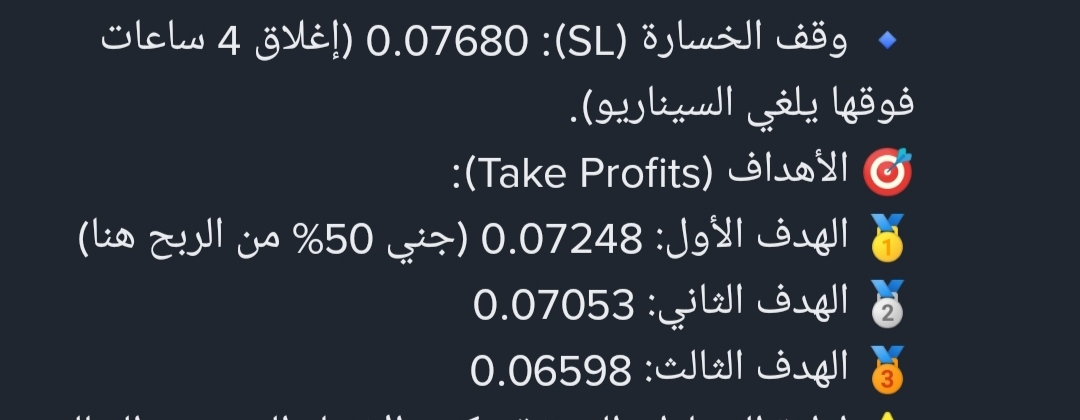
🔹 Stop Loss (SL): 0.07680 (closing above it on the 4-hour chart invalidates the scenario).
🎯 Targets (Take Profits):
🥇 First target: 0.07248 (take 50% profit here)
🥈 Second target: 0.07053
🥉 Third target: 0.06598
⚠️ Risk management: This trade goes against the current bullish direction, so please use low leverage and strictly adhere to the stop loss.
💬 What do you think? Are we on the verge of a strong correction or will the bullish momentum break through all resistances? Share your expectations in the comments! 👇
#husky DT #Humanity #coinaute rypto #تابع_واربح داول #عملات_رقمية #Technical_Analysis #Short #BinanceHerYerde ance
🚨 Warning for traders: Is the "sell pressure" starting on the HUSDT coin now? 🚨$H
After the strong rise the coin has witnessed, clear technical signals on the 15-minute and 4-hour timeframe indicate a high likelihood of a downward correction (Short Squeeze)!
📊 Why do we expect a drop?
1️⃣ The RSI indicator strongly reached the "overbought" zone (exceeded 82 on the 15-minute timeframe).
2️⃣ The Funding Rate is very high (0.09925%), meaning traders are paying a huge premium to buy—and liquidations are coming!
3️⃣ Price is facing strong resistance at the 0.07600 level.
📉 Trade details (Setup)
🔹 Direction: Sell (Short)
🔹 Entry zone: 0.07580 - 0.07600 (near the current resistance).
🔹 Stop Loss (SL): 0.07680 (closing above it on the 4-hour chart invalidates the scenario).
🎯 Targets (Take Profits):
🥇 First target: 0.07248 (take 50% profit here)
🥈 Second target: 0.07053
🥉 Third target: 0.06598
⚠️ Risk management: This trade goes against the current bullish direction, so please use low leverage and strictly adhere to the stop loss.
💬 What do you think? Are we on the verge of a strong correction or will the bullish momentum break through all resistances? Share your expectations in the comments! 👇
#husky DT #Humanity #coinaute rypto #تابع_واربح داول #عملات_رقمية #Technical_Analysis #Short #BinanceHerYerde ance
After the strong rise the coin has witnessed, clear technical signals on the 15-minute and 4-hour timeframe indicate a high likelihood of a downward correction (Short Squeeze)!
📊 Why do we expect a drop?
1️⃣ The RSI indicator strongly reached the "overbought" zone (exceeded 82 on the 15-minute timeframe).
2️⃣ The Funding Rate is very high (0.09925%), meaning traders are paying a huge premium to buy—and liquidations are coming!
3️⃣ Price is facing strong resistance at the 0.07600 level.
📉 Trade details (Setup)
🔹 Direction: Sell (Short)
🔹 Entry zone: 0.07580 - 0.07600 (near the current resistance).
🔹 Stop Loss (SL): 0.07680 (closing above it on the 4-hour chart invalidates the scenario).
🎯 Targets (Take Profits):
🥇 First target: 0.07248 (take 50% profit here)
🥈 Second target: 0.07053
🥉 Third target: 0.06598
⚠️ Risk management: This trade goes against the current bullish direction, so please use low leverage and strictly adhere to the stop loss.
💬 What do you think? Are we on the verge of a strong correction or will the bullish momentum break through all resistances? Share your expectations in the comments! 👇
#husky DT #Humanity #coinaute rypto #تابع_واربح داول #عملات_رقمية #Technical_Analysis #Short #BinanceHerYerde ance
1
115
·
--
Bullish
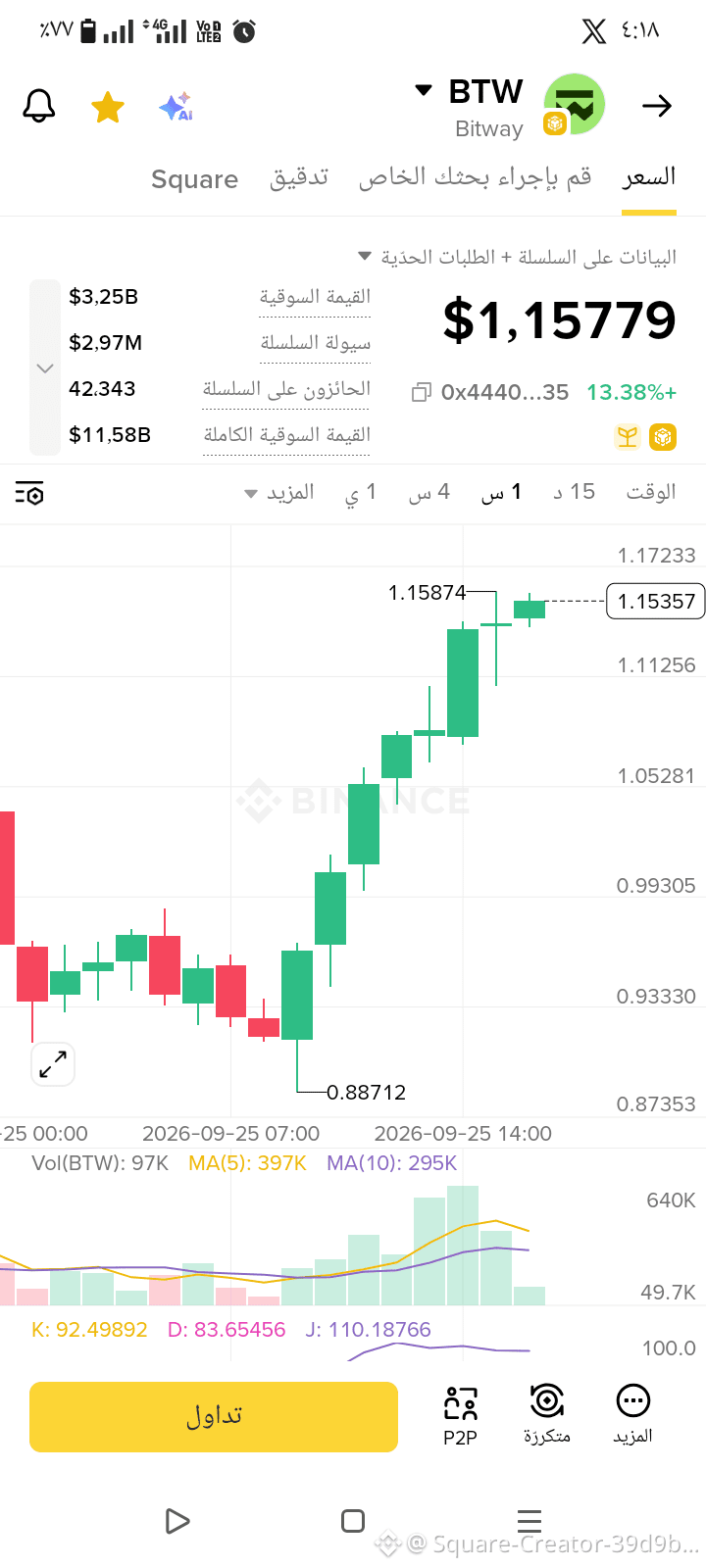
🔥 Grab a target quickly $BTW
The move up is very strong 🚀
👀 Keep your eyes on Target 1.17
🛑 Stop loss 0.95
⚡ Be fast and enter now buying from here 👇
$BTW
{alpha}(560x444045b0ee1ee319a660a5e3d604ca0ffa35acaa)
#cadeaux #CryptoWatchMay2024 #Crypto_Jobs🎯 #coinaute
🔥 Grab a target quickly $BTW
The move up is very strong 🚀
👀 Keep your eyes on Target 1.17
🛑 Stop loss 0.95
⚡ Be fast and enter now buying from here 👇
$BTW
#cadeaux #CryptoWatchMay2024 #Crypto_Jobs🎯 #coinaute
The move up is very strong 🚀
👀 Keep your eyes on Target 1.17
🛑 Stop loss 0.95
⚡ Be fast and enter now buying from here 👇
$BTW
#cadeaux #CryptoWatchMay2024 #Crypto_Jobs🎯 #coinaute
Ibrahim Juba:
تمام
4
1
216

Ethereum Classic (ETC) is showing positive momentum and attracting renewed attention in the crypto market. The coin has been delivering encouraging results, with growing interest from traders and investors. ETC continues to stand out because of its strong connection to the original Ethereum blockchain vision and its established presence in the market. Recent price activity is creating optimism among the community, while increasing trading interest could support further momentum. As market conditions continue to evolve, ETC remains a coin worth watching closely.
ETC is definitely gaining attention right now.
#ETC #coinaute #TrendingTopic #bnb
$ETC
{spot}(ETCUSDT)
Ethereum Classic (ETC) is showing positive momentum and attracting renewed attention in the crypto market. The coin has been delivering encouraging results, with growing interest from traders and investors. ETC continues to stand out because of its strong connection to the original Ethereum blockchain vision and its established presence in the market. Recent price activity is creating optimism among the community, while increasing trading interest could support further momentum. As market conditions continue to evolve, ETC remains a coin worth watching closely.
ETC is definitely gaining attention right now.
#ETC #coinaute #TrendingTopic #bnb
$ETC
ETC is definitely gaining attention right now.
#ETC #coinaute #TrendingTopic #bnb
$ETC
1
132
·
--
Bullish
Continue buying…!! 🤔🔥$ZEN
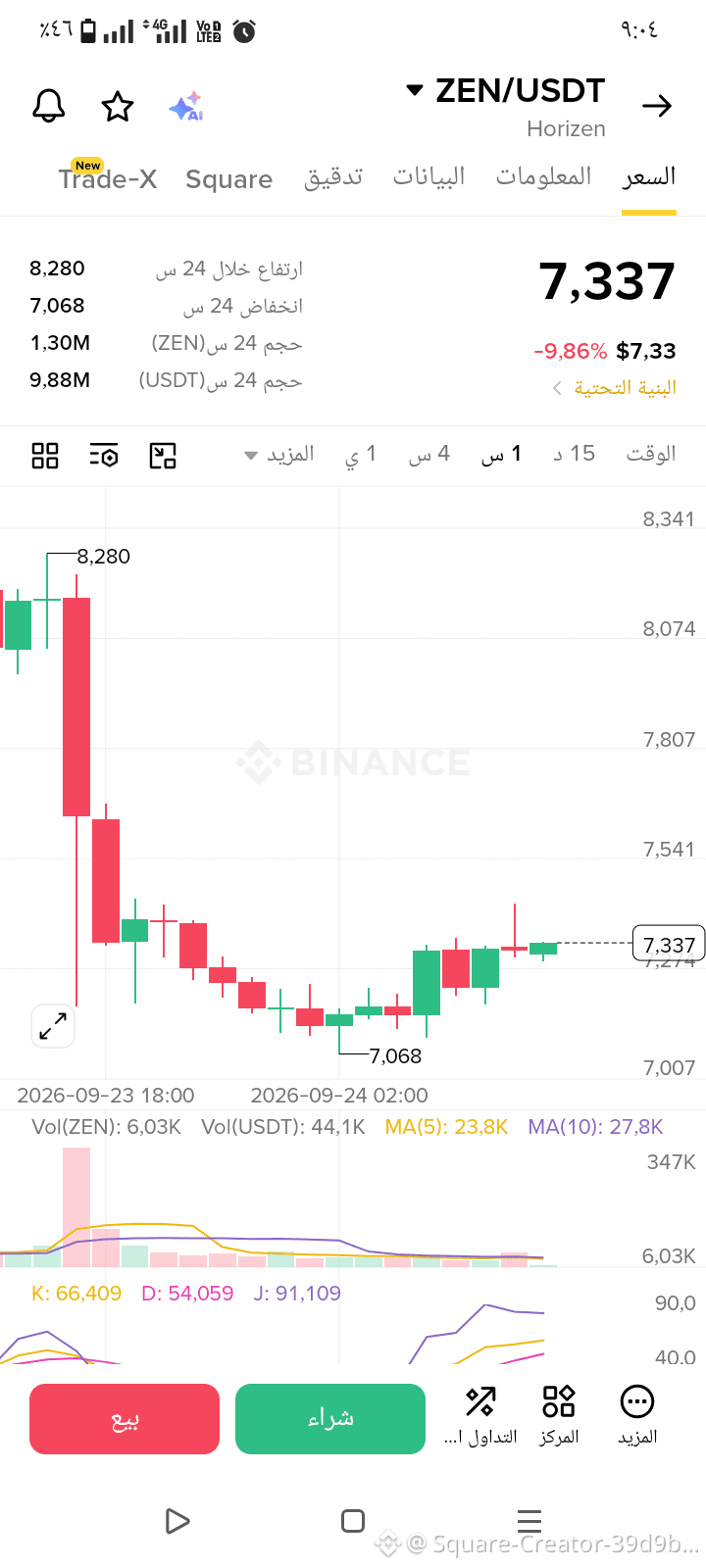
$ZEN witnesses good upward movement at the moment.
This is a suitable opportunity to take advantage of the bullish trend by entering a quick long trade to achieve the maximum possible profit from this rise...
Target: 7.300
And if buying momentum continues, we will head directly to 7.800
Be fast and enter now from here 👇
$ZEN
{spot}(ZENUSDT)
#Crypto_Jobs🎯 #CryptoTrends2024 #coinaute #CryptocurrencyWealth
Continue buying…!! 🤔🔥$ZEN
$ZEN witnesses good upward movement at the moment.
This is a suitable opportunity to take advantage of the bullish trend by entering a quick long trade to achieve the maximum possible profit from this rise...
Target: 7.300
And if buying momentum continues, we will head directly to 7.800
Be fast and enter now from here 👇
$ZEN
#Crypto_Jobs🎯 #CryptoTrends2024 #coinaute #CryptocurrencyWealth
$ZEN witnesses good upward movement at the moment.
This is a suitable opportunity to take advantage of the bullish trend by entering a quick long trade to achieve the maximum possible profit from this rise...
Target: 7.300
And if buying momentum continues, we will head directly to 7.800
Be fast and enter now from here 👇
$ZEN
#Crypto_Jobs🎯 #CryptoTrends2024 #coinaute #CryptocurrencyWealth
2
301
Log in to explore more content
Join global crypto users on Binance Square
⚡️ Get latest and useful information about crypto.
💬 Trusted by the world’s largest crypto exchange.
👍 Discover real insights from verified creators.
Email / Phone number
Trending Topics
1
#NFPWatch
10.4M views
16,622 Discussing
2
#AmazonPlansToSell$8BNvidiaChips
457 views
25 Discussing
3
#NEARFallsToAround$4.70Down14%
27,903 views
60 Discussing
4
#EthereumFoundationLaunchesZkAPIOnMainnet
30,143 views
449 Discussing
5
#EvernorthPlansNasdaqListingOct8
50,815 views
411 Discussing
6
#SECProposesCryptoCustodyFramework
45,964 views
357 Discussing
7
#IMFApproves$139MDisbursementToElSalvador
26,541 views
25 Discussing
8
#AnthropicTargetsIPOAsSoonAsMidNovember
30,832 views
313 Discussing
9
#EtherGains70.9%InQ3
245,908 views
1,660 Discussing
10
#TreasuryLetsStatesFileStablecoinCertificationsEarly
18,664 views
117 Discussing