

#webx2026
webx2026
3,154 views
17 Discussing
Hot
Latest

·
--
Article
WebX 2026 Conference Opens in TokyoToday (July 13), a huge technology event is kicking off in Tokyo, Japan! This event is called "WebX 2026". It runs for two days and will only end tomorrow (July 14).
What kind of gathering is this?
People from all over the world who work on digital currencies and internet new technologies will fly to Tokyo to get together, chat, and share ideas.
Last year, more than 14,000 people came to this event, and 165 companies participated—so it was incredibly lively!
Who will attend?
This time, two "big shots" are coming:
Japan’s prime minister (basically Japan’s "head of the family") will say hello to everyone via video
WebX 2026 Conference Opens in Tokyo
Today (July 13), a huge technology event is kicking off in Tokyo, Japan! This event is called "WebX 2026". It runs for two days and will only end tomorrow (July 14).
What kind of gathering is this?
People from all over the world who work on digital currencies and internet new technologies will fly to Tokyo to get together, chat, and share ideas.
Last year, more than 14,000 people came to this event, and 165 companies participated—so it was incredibly lively!
Who will attend?
This time, two "big shots" are coming:
Japan’s prime minister (basically Japan’s "head of the family") will say hello to everyone via video
What kind of gathering is this?
People from all over the world who work on digital currencies and internet new technologies will fly to Tokyo to get together, chat, and share ideas.
Last year, more than 14,000 people came to this event, and 165 companies participated—so it was incredibly lively!
Who will attend?
This time, two "big shots" are coming:
Japan’s prime minister (basically Japan’s "head of the family") will say hello to everyone via video
1
124

·
--
Bullish
🔥WebX Asia Summit big-name institutional support!
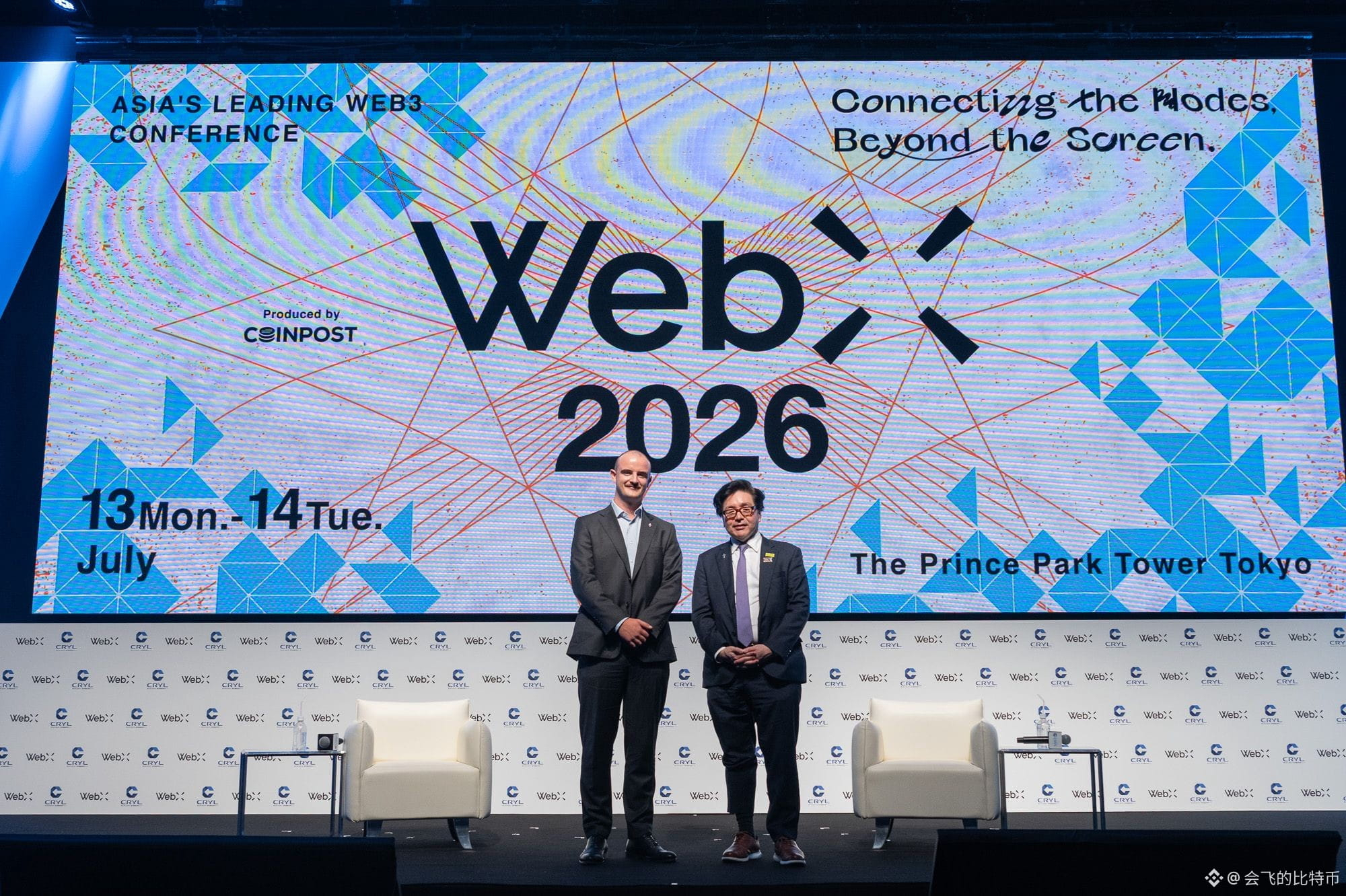
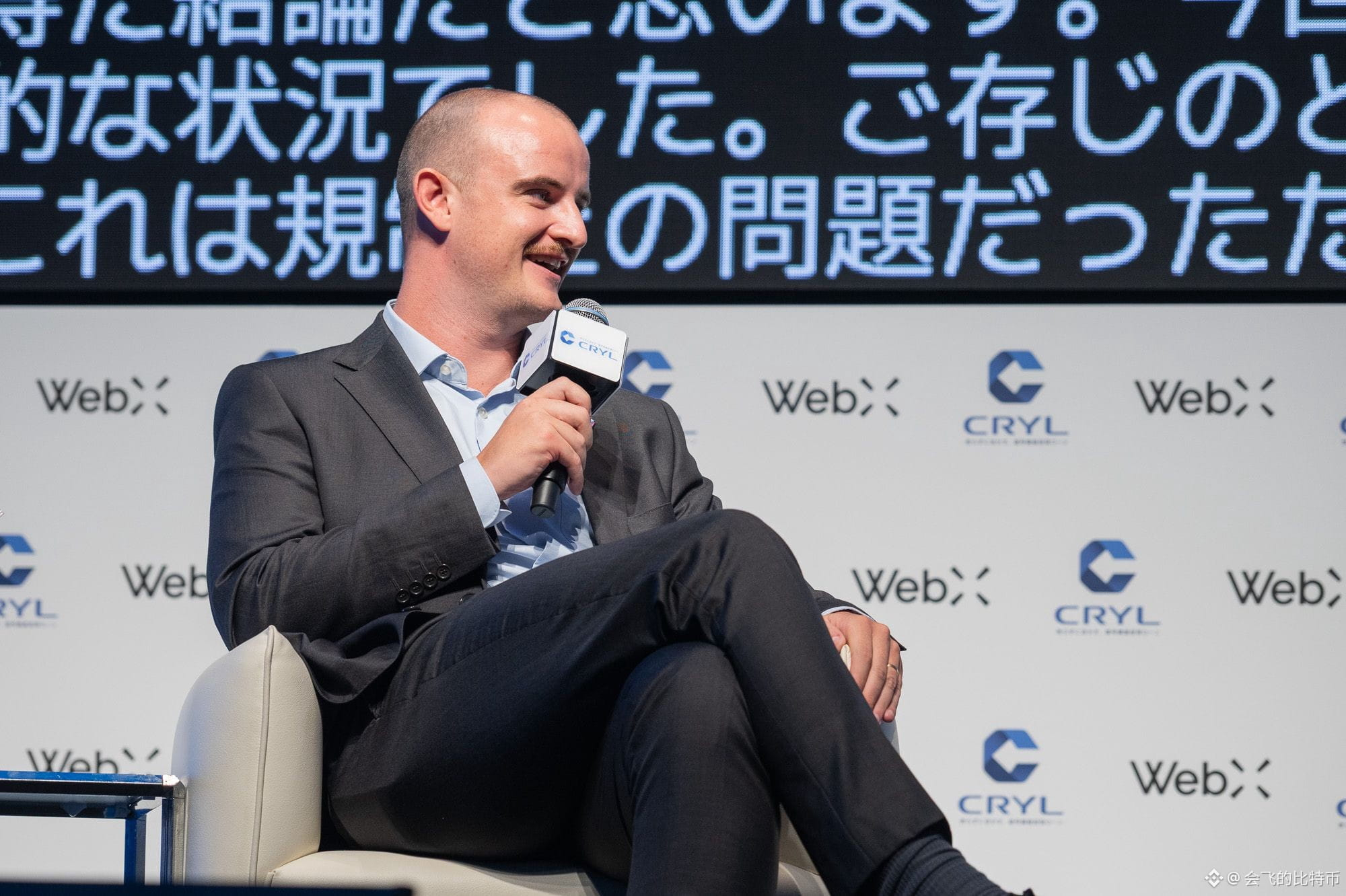
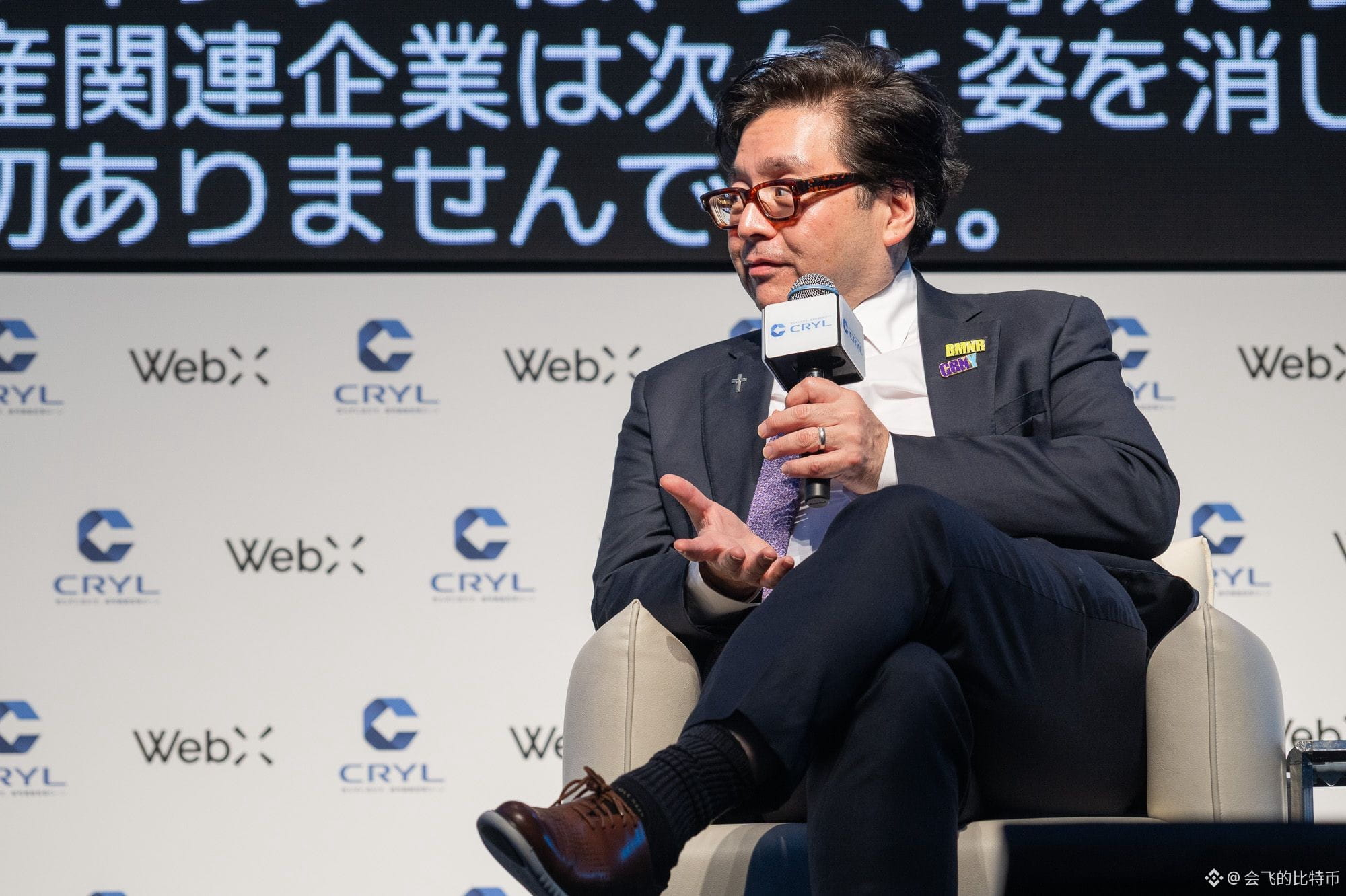
Fundstrat and top industry executives deliver presentations side by side: $ETH —why institutions are rolling out at scale
Wall Street institutions continue to increase their investment in the Ethereum ecosystem; the RWA and AI settlement narratives are gaining momentum in parallel
Tom Lee’s bullish rationale keeps getting validated, and $ETH institutional incremental-market catalysts continue to land
{future}(ETHUSDT)
#ETH #WebX2026 #机构adoption
🔥WebX Asia Summit big-name institutional support!
Fundstrat and top industry executives deliver presentations side by side: $ETH —why institutions are rolling out at scale
Wall Street institutions continue to increase their investment in the Ethereum ecosystem; the RWA and AI settlement narratives are gaining momentum in parallel
Tom Lee’s bullish rationale keeps getting validated, and $ETH institutional incremental-market catalysts continue to land
#ETH #WebX2026 #机构adoption
Fundstrat and top industry executives deliver presentations side by side: $ETH —why institutions are rolling out at scale
Wall Street institutions continue to increase their investment in the Ethereum ecosystem; the RWA and AI settlement narratives are gaining momentum in parallel
Tom Lee’s bullish rationale keeps getting validated, and $ETH institutional incremental-market catalysts continue to land
#ETH #WebX2026 #机构adoption
90

·
--
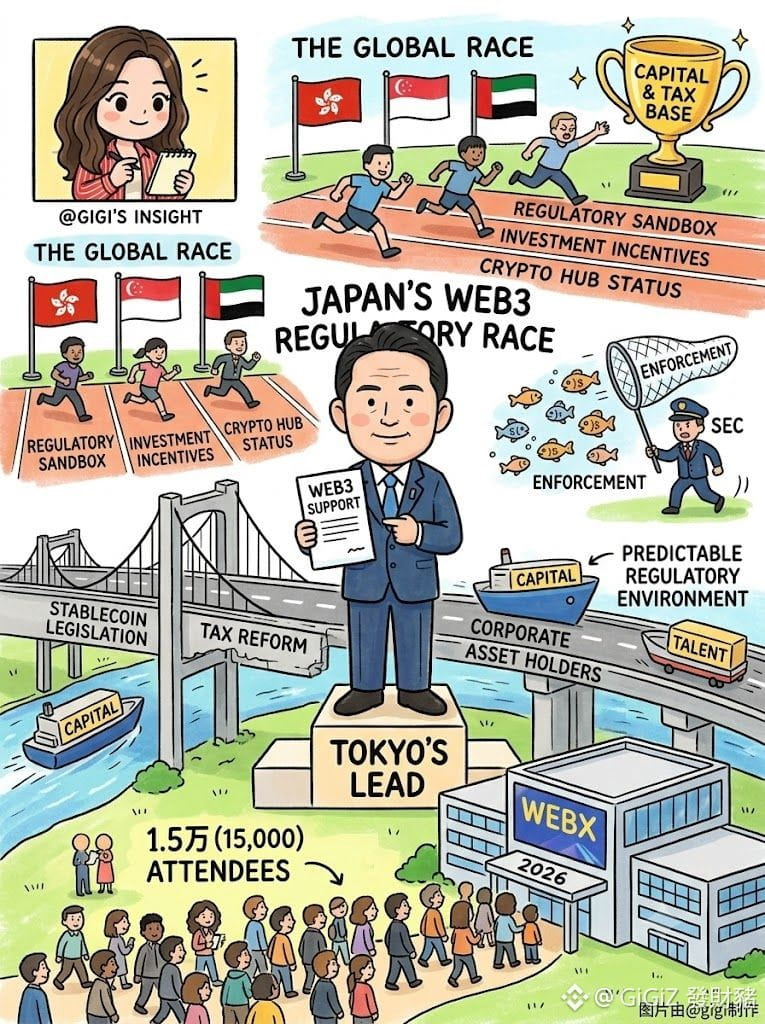
Today WebX 2026 opens in Tokyo with 15,000 attendees—making it, by Asian standards, one of the largest Web3 conferences in terms of scale.
The Japanese prime minister delivered a video message at a Web3 event. In the video, Takaichi said the government will increase funding support for startups, advance a five-year entrepreneurship plan launched in May this year, and place Web3 at the core of Japan’s economic agenda.
This isn’t the first time the Japanese government has shown up at WebX, but the signals behind each appearance are very clear: Japan is using policy stability to attract crypto capital. While the United States is still using the SEC to crack down and Hong Kong is working on compliance “window periods,” Japan is having its prime minister directly endorse it. This isn’t sentiment—it’s招商.
Japan’s logic over the past few years is actually quite clear. Stablecoin legislation, tax reforms for crypto assets, and allowing corporations to hold crypto assets—step by step, not overly aggressive, but with consistent direction. What capital needs isn’t short-term windfalls, but a predictable regulatory environment. That’s what Japan is providing.
Getting WebX to draw 15,000 people to Tokyo today would have been unthinkable two years ago. Asia’s former hub for Web3 conferences was Singapore, but now Japan is actively taking that position—and behind it is government backing, not grassroots, spontaneous demand.
At the macro level, the most worth discussing thing about WebX this year isn’t a particular project. It’s the fact that the Japanese government is pushing Web3 as an industrial policy—and that direction has been set.
An even more thought-provoking question is this: once a country’s government starts actively endorsing Web3, the industry’s narrative shifts from decentralization to national competition.
Japan is competing, Hong Kong is competing, Singapore is competing, and even the UAE is competing. What everyone is vying for isn’t belief, but capital, talent, the tax base, and influence. Web3’s original logic didn’t require the state—but now governments are more proactive than the industry itself.
This mismatch in itself is the biggest reality. We shouldn’t just ask which project is worth investing in, but which region’s regulatory race will first produce a truly implementable framework—where capital and infrastructure will then concentrate.
#WebX2026
Today WebX 2026 opens in Tokyo with 15,000 attendees—making it, by Asian standards, one of the largest Web3 conferences in terms of scale.
The Japanese prime minister delivered a video message at a Web3 event. In the video, Takaichi said the government will increase funding support for startups, advance a five-year entrepreneurship plan launched in May this year, and place Web3 at the core of Japan’s economic agenda.
This isn’t the first time the Japanese government has shown up at WebX, but the signals behind each appearance are very clear: Japan is using policy stability to attract crypto capital. While the United States is still using the SEC to crack down and Hong Kong is working on compliance “window periods,” Japan is having its prime minister directly endorse it. This isn’t sentiment—it’s招商.
Japan’s logic over the past few years is actually quite clear. Stablecoin legislation, tax reforms for crypto assets, and allowing corporations to hold crypto assets—step by step, not overly aggressive, but with consistent direction. What capital needs isn’t short-term windfalls, but a predictable regulatory environment. That’s what Japan is providing.
Getting WebX to draw 15,000 people to Tokyo today would have been unthinkable two years ago. Asia’s former hub for Web3 conferences was Singapore, but now Japan is actively taking that position—and behind it is government backing, not grassroots, spontaneous demand.
At the macro level, the most worth discussing thing about WebX this year isn’t a particular project. It’s the fact that the Japanese government is pushing Web3 as an industrial policy—and that direction has been set.
An even more thought-provoking question is this: once a country’s government starts actively endorsing Web3, the industry’s narrative shifts from decentralization to national competition.
Japan is competing, Hong Kong is competing, Singapore is competing, and even the UAE is competing. What everyone is vying for isn’t belief, but capital, talent, the tax base, and influence. Web3’s original logic didn’t require the state—but now governments are more proactive than the industry itself.
This mismatch in itself is the biggest reality. We shouldn’t just ask which project is worth investing in, but which region’s regulatory race will first produce a truly implementable framework—where capital and infrastructure will then concentrate.
#WebX2026
The Japanese prime minister delivered a video message at a Web3 event. In the video, Takaichi said the government will increase funding support for startups, advance a five-year entrepreneurship plan launched in May this year, and place Web3 at the core of Japan’s economic agenda.
This isn’t the first time the Japanese government has shown up at WebX, but the signals behind each appearance are very clear: Japan is using policy stability to attract crypto capital. While the United States is still using the SEC to crack down and Hong Kong is working on compliance “window periods,” Japan is having its prime minister directly endorse it. This isn’t sentiment—it’s招商.
Japan’s logic over the past few years is actually quite clear. Stablecoin legislation, tax reforms for crypto assets, and allowing corporations to hold crypto assets—step by step, not overly aggressive, but with consistent direction. What capital needs isn’t short-term windfalls, but a predictable regulatory environment. That’s what Japan is providing.
Getting WebX to draw 15,000 people to Tokyo today would have been unthinkable two years ago. Asia’s former hub for Web3 conferences was Singapore, but now Japan is actively taking that position—and behind it is government backing, not grassroots, spontaneous demand.
At the macro level, the most worth discussing thing about WebX this year isn’t a particular project. It’s the fact that the Japanese government is pushing Web3 as an industrial policy—and that direction has been set.
An even more thought-provoking question is this: once a country’s government starts actively endorsing Web3, the industry’s narrative shifts from decentralization to national competition.
Japan is competing, Hong Kong is competing, Singapore is competing, and even the UAE is competing. What everyone is vying for isn’t belief, but capital, talent, the tax base, and influence. Web3’s original logic didn’t require the state—but now governments are more proactive than the industry itself.
This mismatch in itself is the biggest reality. We shouldn’t just ask which project is worth investing in, but which region’s regulatory race will first produce a truly implementable framework—where capital and infrastructure will then concentrate.
#WebX2026
1
1
4.3k

·
--
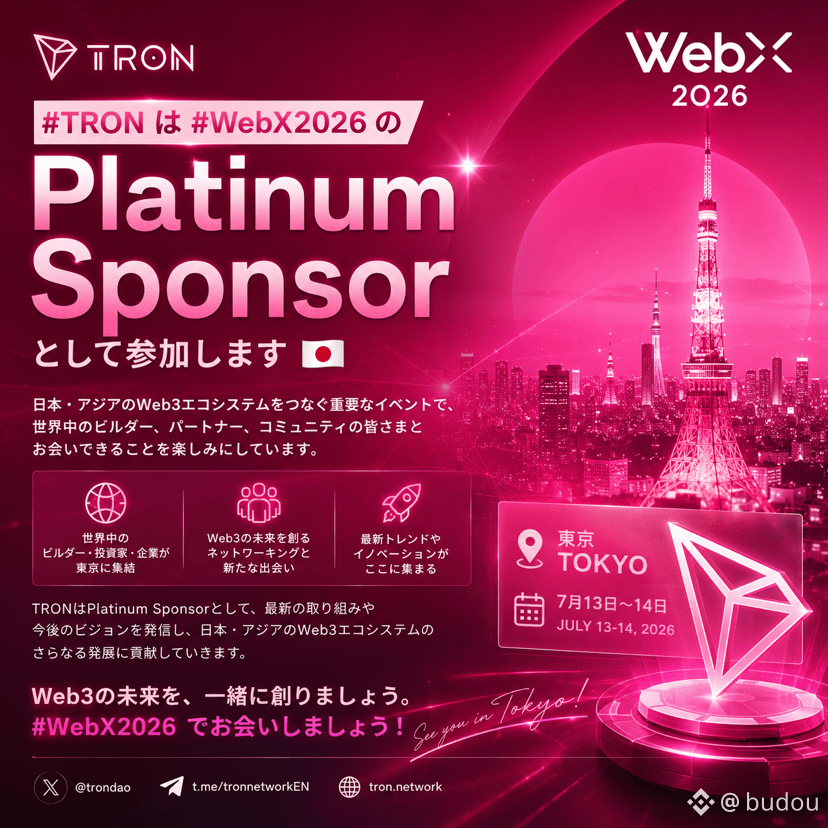
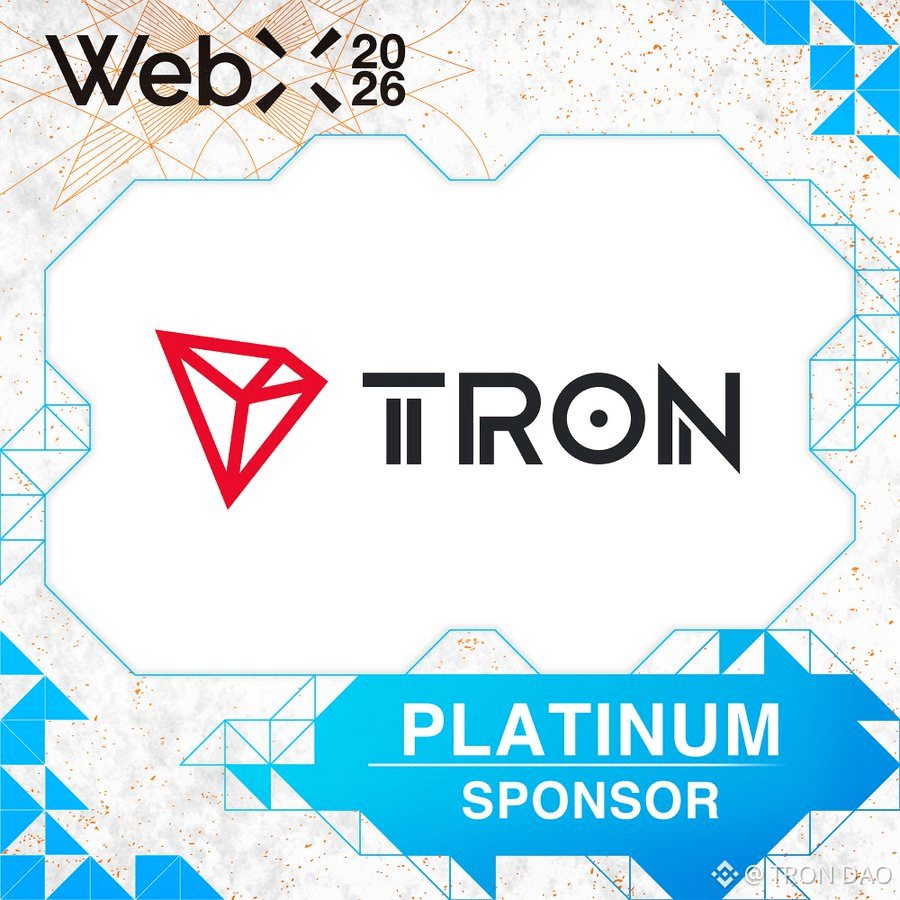
📢 TRON will participate as a Platinum Sponsor at WebX2026 🇯🇵
#TRONGlobalFriends #TGF
@trondao @TronDao_JPN
WebX2026 is one of the leading Web3 conferences representing Japan and Asia—an exciting event that brings together builders, developers, investors, companies, and communities from around the world!
As a Platinum Sponsor, TRON will engage with partners and community members to help further develop the Web3 ecosystem in Japan and Asia, sharing our latest initiatives and future vision.
Two days where the forefront of next-generation technologies converge—blockchain, DeFi, AI, stablecoins, digital assets, and more. This is a great opportunity to connect directly with many global projects and to get a firsthand look at the latest trends shaping the future of Web3.
Whether you’re interested in TRON, want to learn about the latest developments in Web3, or are an industry professional—come and meet us at the venue!
📍 Tokyo
📅 July 13–14
#WebX2026
📢 TRON will participate as a Platinum Sponsor at WebX2026 🇯🇵
#TRONGlobalFriends #TGF
@trondao @TronDao_JPN
WebX2026 is one of the leading Web3 conferences representing Japan and Asia—an exciting event that brings together builders, developers, investors, companies, and communities from around the world!
As a Platinum Sponsor, TRON will engage with partners and community members to help further develop the Web3 ecosystem in Japan and Asia, sharing our latest initiatives and future vision.
Two days where the forefront of next-generation technologies converge—blockchain, DeFi, AI, stablecoins, digital assets, and more. This is a great opportunity to connect directly with many global projects and to get a firsthand look at the latest trends shaping the future of Web3.
Whether you’re interested in TRON, want to learn about the latest developments in Web3, or are an industry professional—come and meet us at the venue!
📍 Tokyo
📅 July 13–14
#WebX2026
#TRONGlobalFriends #TGF
@trondao @TronDao_JPN
WebX2026 is one of the leading Web3 conferences representing Japan and Asia—an exciting event that brings together builders, developers, investors, companies, and communities from around the world!
As a Platinum Sponsor, TRON will engage with partners and community members to help further develop the Web3 ecosystem in Japan and Asia, sharing our latest initiatives and future vision.
Two days where the forefront of next-generation technologies converge—blockchain, DeFi, AI, stablecoins, digital assets, and more. This is a great opportunity to connect directly with many global projects and to get a firsthand look at the latest trends shaping the future of Web3.
Whether you’re interested in TRON, want to learn about the latest developments in Web3, or are an industry professional—come and meet us at the venue!
📍 Tokyo
📅 July 13–14
#WebX2026
131
·
--
🇯🇵 **Japan Prime Minister Shinya Takahashi Confirms Attendance at WebX2026 and Will Deliver a Video Address**
Japan’s 105th Prime Minister, Shinya Takahashi, will deliver an address at the WebX2026 conference via video, adding major political endorsement to this top-tier Asian Web3 event.
📅 Date: July 13 - 14, 2026
📍 Location: Tokyo, Japan
From the highest national executive level, attention to the crypto and blockchain ecosystem sends an unmistakable signal. Japan is accelerating its embrace of the Web3 era.
#WebX2026 #Crypto
🇯🇵 **Japan Prime Minister Shinya Takahashi Confirms Attendance at WebX2026 and Will Deliver a Video Address**
Japan’s 105th Prime Minister, Shinya Takahashi, will deliver an address at the WebX2026 conference via video, adding major political endorsement to this top-tier Asian Web3 event.
📅 Date: July 13 - 14, 2026
📍 Location: Tokyo, Japan
From the highest national executive level, attention to the crypto and blockchain ecosystem sends an unmistakable signal. Japan is accelerating its embrace of the Web3 era.
#WebX2026 #Crypto
Japan’s 105th Prime Minister, Shinya Takahashi, will deliver an address at the WebX2026 conference via video, adding major political endorsement to this top-tier Asian Web3 event.
📅 Date: July 13 - 14, 2026
📍 Location: Tokyo, Japan
From the highest national executive level, attention to the crypto and blockchain ecosystem sends an unmistakable signal. Japan is accelerating its embrace of the Web3 era.
#WebX2026 #Crypto
10
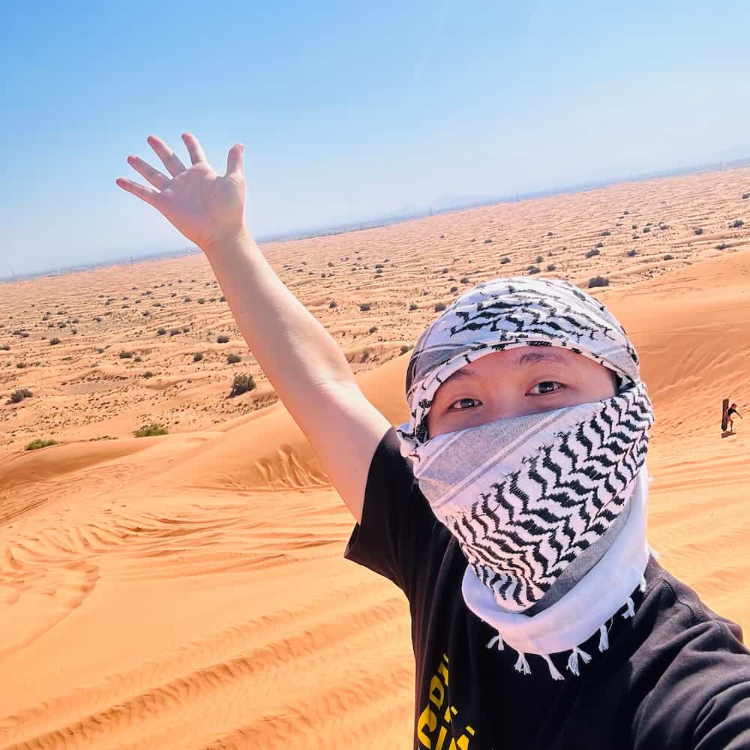
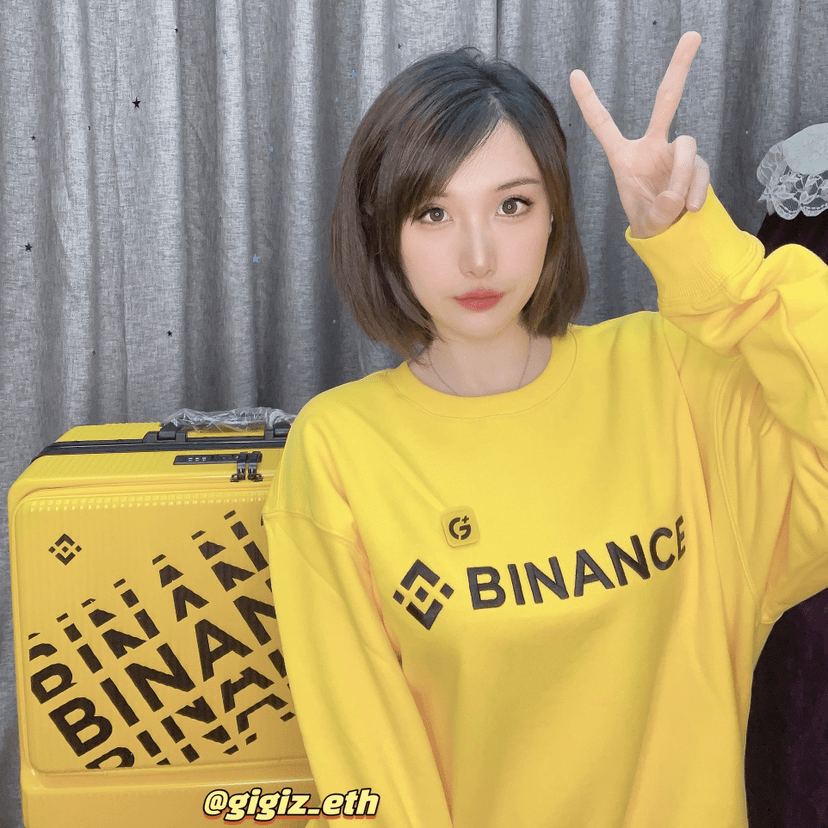
Last month someone found out that I still haven’t been to Japan. This month they just grabbed me and dragged me there (haha~
Honestly, my impression of traveling to Japan has always been great. I’d often think that one day I should definitely go and have a trip there. Then one day—suddenly I’m in my thirties and I still haven’t been?!
Yeah, why is it that Japan is so close yet I still haven’t gone? I can think of a lot of possibilities: language, money, personality, motivation, work... and other factors. Plus I’m not really a travel person, and I’m definitely not into solo travel, so I guess I just never managed to make it happen.
Then last month, by chance, I was chatting with a friend about how I’d never been to Japan. I just casually asked, “So, are you going in July?” There’s also this awesome event, WebX, which I can participate in. At the moment, I thought, July’s fine anyway, so I agreed. But secretly I was thinking—why does talking about this feel as simple as when we make plans to go play ball? Haha
Everything was set pretty soon—tickets and hotel. I was hoping for a smooth trip. But as the day got closer, a fierce typhoon was headed straight for Taiwan. Seeing the typhoon’s path left me desperate—the original flight was forced to be canceled. So I had to passively unlock a new achievement: pay extra to grab new tickets, and take off before the typhoon arrived so the trip wouldn’t get completely ruined.
Shibuya business district, Shinjuku business district, Ginza business district, Hachifusanoen, Tokyo Tower, Tokyo Stock Exchange, Yokohama Outlet, flavorful ramen, hand-pressed matcha, wagyu shabu-shabu, dark alley chicken paitan, affordable sashimi, loyal dog Hachiko, Pikachu. Every day I walked so much that I was exhausted, yet it felt like I was constantly recharging.
Thanks to my good friend for the invitation, care, and hosting ~ You went out of your way to take me to so many places, take so many photos, eat so many great meals, and buy so many clothes (and honestly, that’s the real point?! Haha). I used to think, Japan is so close... it’s not a big deal to go when I’m older. But now it feels really great to go sooner!
PS: This time, for the @BNB_Chain Side Event—the sponsor booths next to it—on one side Unitas was giving away golden small keychain charms (I got one too XD). On the other side, Renaiss was playing games where you could win Pokémon card packs. I was so lucky—I managed to pull a PSA-certified Pikachu card ~ Thanks to @renaissprotocol . There are even Pokémon cards I can catch in Japan, hahaha
$BNB #WebX2026
Last month someone found out that I still haven’t been to Japan. This month they just grabbed me and dragged me there (haha~
Honestly, my impression of traveling to Japan has always been great. I’d often think that one day I should definitely go and have a trip there. Then one day—suddenly I’m in my thirties and I still haven’t been?!
Yeah, why is it that Japan is so close yet I still haven’t gone? I can think of a lot of possibilities: language, money, personality, motivation, work... and other factors. Plus I’m not really a travel person, and I’m definitely not into solo travel, so I guess I just never managed to make it happen.
Then last month, by chance, I was chatting with a friend about how I’d never been to Japan. I just casually asked, “So, are you going in July?” There’s also this awesome event, WebX, which I can participate in. At the moment, I thought, July’s fine anyway, so I agreed. But secretly I was thinking—why does talking about this feel as simple as when we make plans to go play ball? Haha
Everything was set pretty soon—tickets and hotel. I was hoping for a smooth trip. But as the day got closer, a fierce typhoon was headed straight for Taiwan. Seeing the typhoon’s path left me desperate—the original flight was forced to be canceled. So I had to passively unlock a new achievement: pay extra to grab new tickets, and take off before the typhoon arrived so the trip wouldn’t get completely ruined.
Shibuya business district, Shinjuku business district, Ginza business district, Hachifusanoen, Tokyo Tower, Tokyo Stock Exchange, Yokohama Outlet, flavorful ramen, hand-pressed matcha, wagyu shabu-shabu, dark alley chicken paitan, affordable sashimi, loyal dog Hachiko, Pikachu. Every day I walked so much that I was exhausted, yet it felt like I was constantly recharging.
Thanks to my good friend for the invitation, care, and hosting ~ You went out of your way to take me to so many places, take so many photos, eat so many great meals, and buy so many clothes (and honestly, that’s the real point?! Haha). I used to think, Japan is so close... it’s not a big deal to go when I’m older. But now it feels really great to go sooner!
PS: This time, for the @BNB_Chain Side Event—the sponsor booths next to it—on one side Unitas was giving away golden small keychain charms (I got one too XD). On the other side, Renaiss was playing games where you could win Pokémon card packs. I was so lucky—I managed to pull a PSA-certified Pikachu card ~ Thanks to @Renaiss Collectibles . There are even Pokémon cards I can catch in Japan, hahaha
$BNB #WebX2026
Honestly, my impression of traveling to Japan has always been great. I’d often think that one day I should definitely go and have a trip there. Then one day—suddenly I’m in my thirties and I still haven’t been?!
Yeah, why is it that Japan is so close yet I still haven’t gone? I can think of a lot of possibilities: language, money, personality, motivation, work... and other factors. Plus I’m not really a travel person, and I’m definitely not into solo travel, so I guess I just never managed to make it happen.
Then last month, by chance, I was chatting with a friend about how I’d never been to Japan. I just casually asked, “So, are you going in July?” There’s also this awesome event, WebX, which I can participate in. At the moment, I thought, July’s fine anyway, so I agreed. But secretly I was thinking—why does talking about this feel as simple as when we make plans to go play ball? Haha
Everything was set pretty soon—tickets and hotel. I was hoping for a smooth trip. But as the day got closer, a fierce typhoon was headed straight for Taiwan. Seeing the typhoon’s path left me desperate—the original flight was forced to be canceled. So I had to passively unlock a new achievement: pay extra to grab new tickets, and take off before the typhoon arrived so the trip wouldn’t get completely ruined.
Shibuya business district, Shinjuku business district, Ginza business district, Hachifusanoen, Tokyo Tower, Tokyo Stock Exchange, Yokohama Outlet, flavorful ramen, hand-pressed matcha, wagyu shabu-shabu, dark alley chicken paitan, affordable sashimi, loyal dog Hachiko, Pikachu. Every day I walked so much that I was exhausted, yet it felt like I was constantly recharging.
Thanks to my good friend for the invitation, care, and hosting ~ You went out of your way to take me to so many places, take so many photos, eat so many great meals, and buy so many clothes (and honestly, that’s the real point?! Haha). I used to think, Japan is so close... it’s not a big deal to go when I’m older. But now it feels really great to go sooner!
PS: This time, for the @BNB_Chain Side Event—the sponsor booths next to it—on one side Unitas was giving away golden small keychain charms (I got one too XD). On the other side, Renaiss was playing games where you could win Pokémon card packs. I was so lucky—I managed to pull a PSA-certified Pikachu card ~ Thanks to @Renaiss Collectibles . There are even Pokémon cards I can catch in Japan, hahaha
$BNB #WebX2026
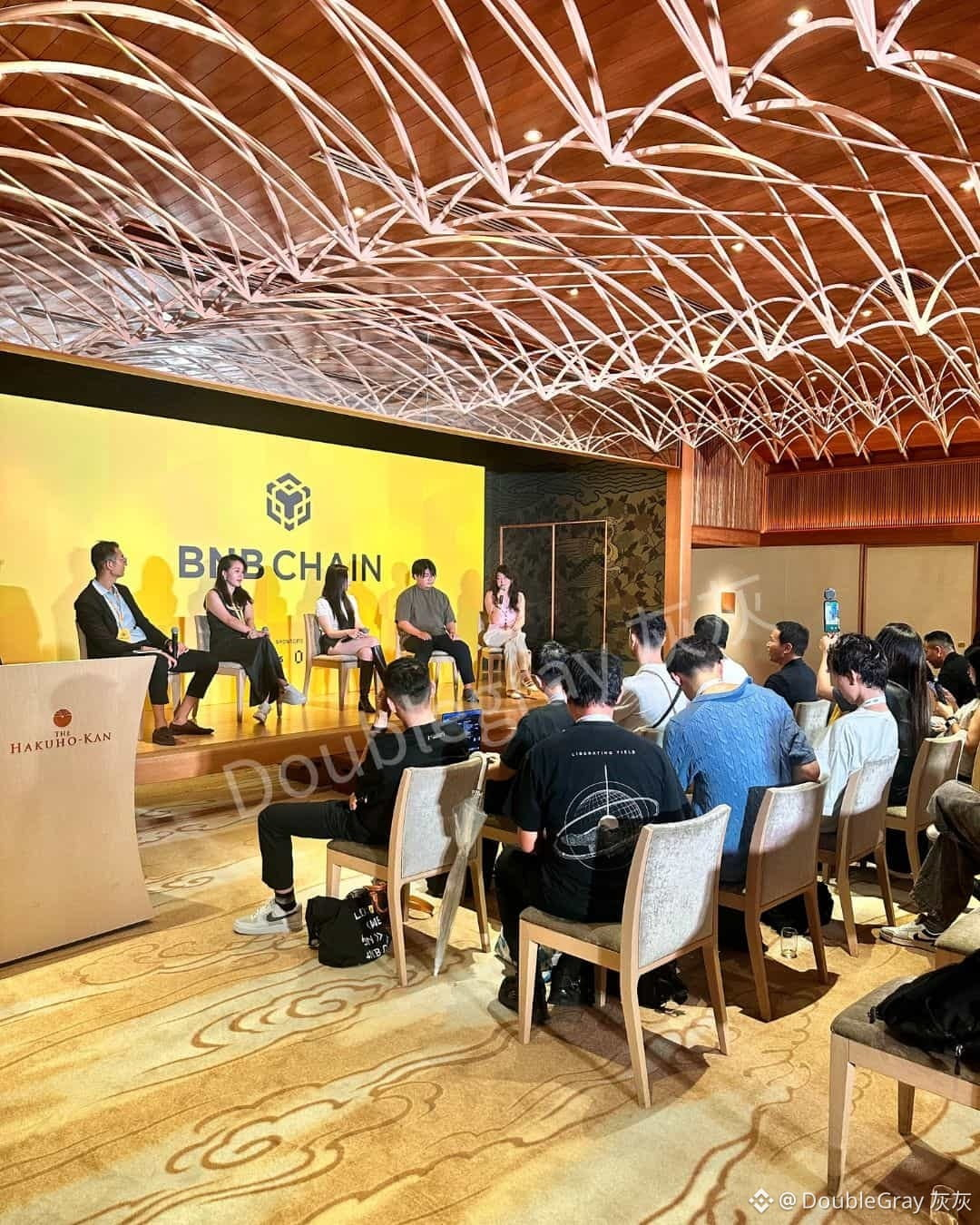
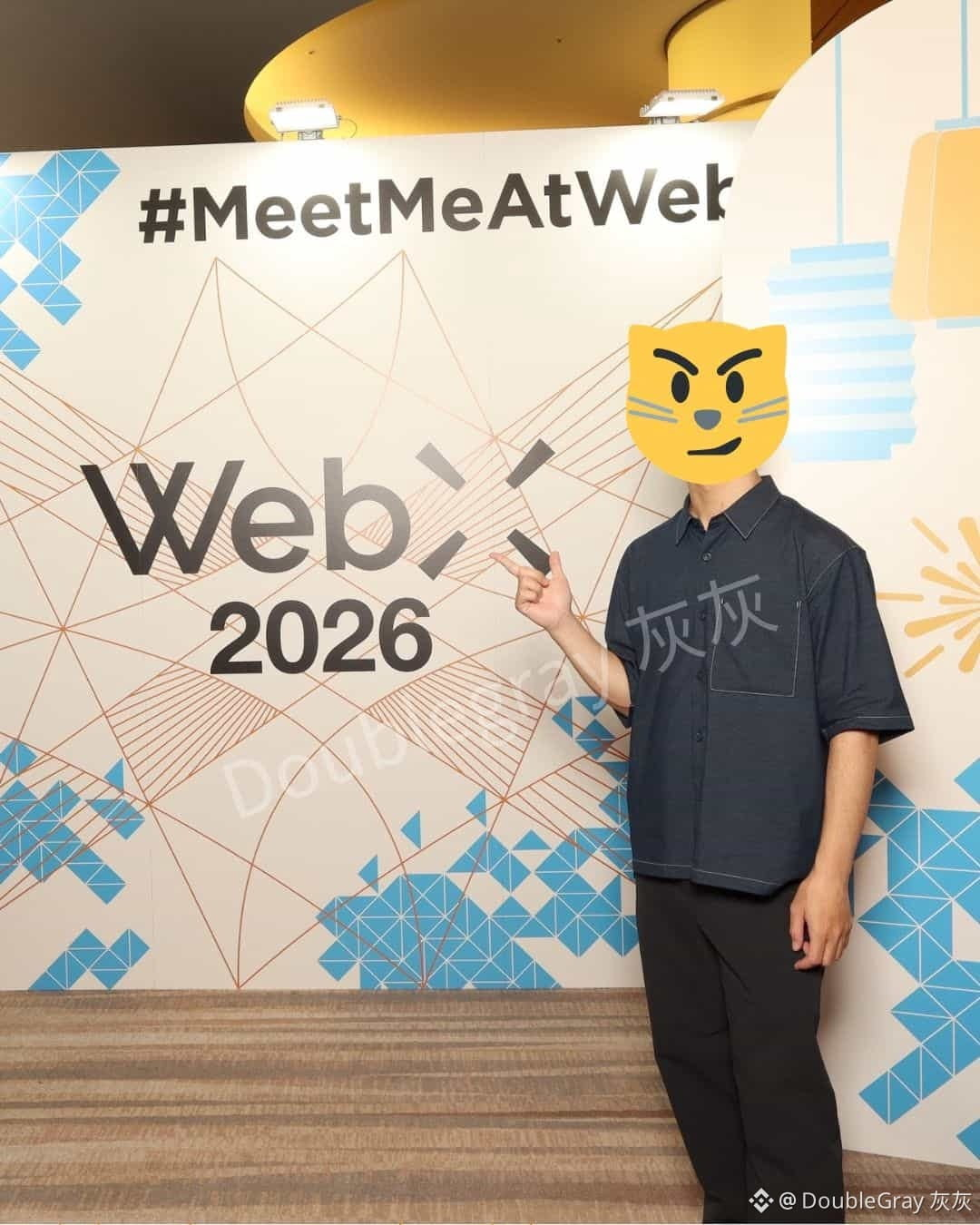
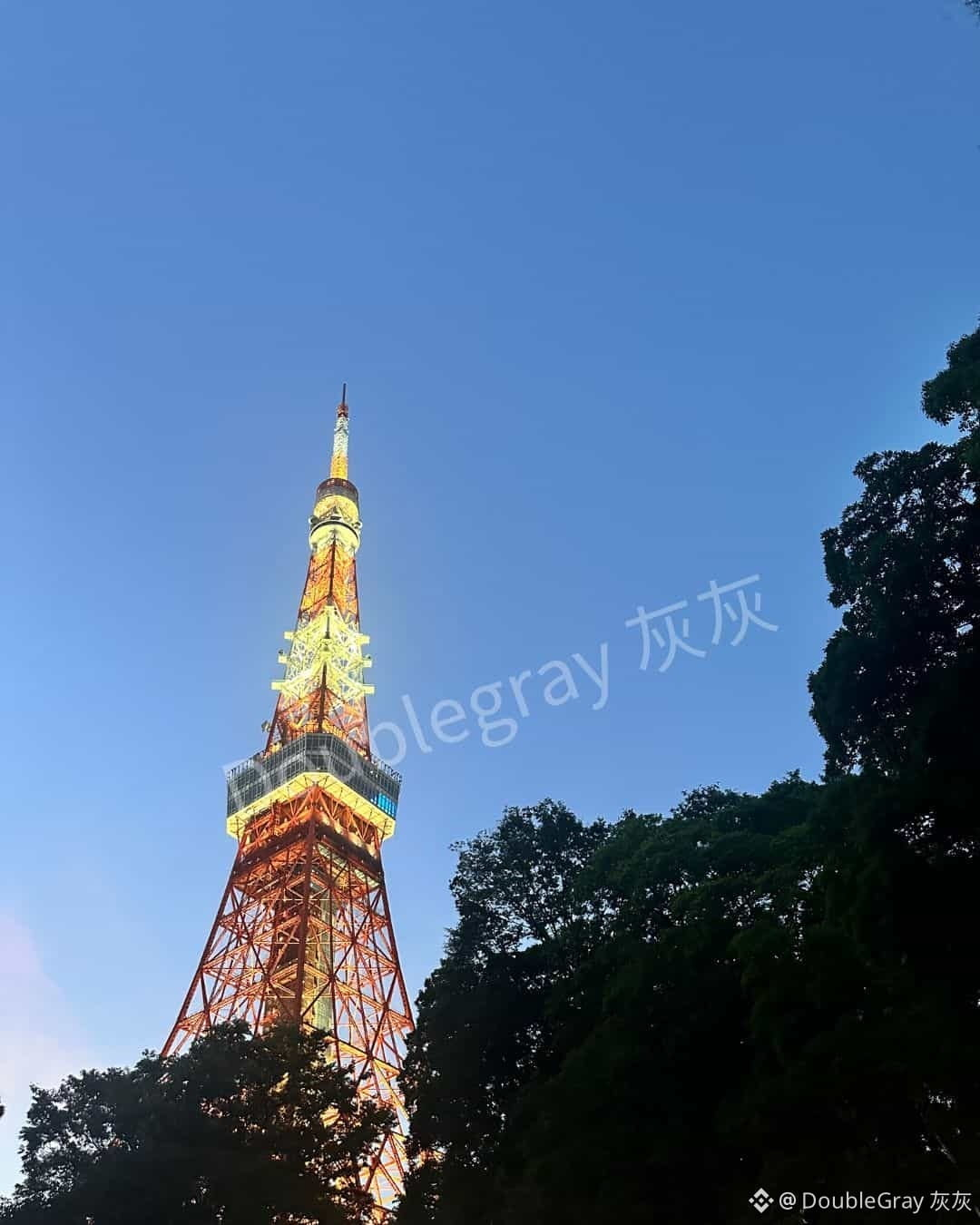
3
3
440

🇯🇵
Missed the WebX event in Japan? No problem! The JustLend DAO online challenge will help you split the 400 USDT prize pool!
Unable to be there in Tokyo
#WebX2026
and meet global geeks face to face at the conference? No need to regret it at all! The GasFree online frenzy challenge, powered by JustLend DAO, is now in full swing. No matter where you are, just participate in the online interaction and speak up about your unique insights into the fee-free GasFree era to unlock up to 400 USDT in a two-tier cash prize together!
Take three quick steps to lock in your exclusive raffle entry ticket:
-> Max out the basic social task with one tap: follow @DeFi_JUST right away and like and repost the official event tweet.
-> Show your strongest risk-control insight: leave your favorite core advantage of GasFree in the comments + tag 3 on-chain friends + include the topic #GasFreeWebX2026 .
-> Join forces to trigger the super-boosted prize pool: the basic prize pool is 200 USDT; when valid comments across the network exceed 300, the super prize pool will instantly double to 400 USDT!
The time window for this online challenge is from July 9 to July 15 (SGT). As a disruptive tool in the TRON ecosystem that breaks the burden of high fees, GasFree technology is making on-chain interactions as simple and free as sending and receiving emails. Don't wait any longer—quickly gather your crypto teammates in the comments section and compete for the 50 USDT high-quality comment prize with the most creative message, so the world can witness the industrial-scale inclusive charm of TRON's decentralized finance together!
@DeFi_JUST @JustinSun #TRONEcoStar
🇯🇵
Missed the WebX event in Japan? No problem! The JustLend DAO online challenge will help you split the 400 USDT prize pool!
Unable to be there in Tokyo
#WebX2026
and meet global geeks face to face at the conference? No need to regret it at all! The GasFree online frenzy challenge, powered by JustLend DAO, is now in full swing. No matter where you are, just participate in the online interaction and speak up about your unique insights into the fee-free GasFree era to unlock up to 400 USDT in a two-tier cash prize together!
Take three quick steps to lock in your exclusive raffle entry ticket:
-> Max out the basic social task with one tap: follow @JUST DAO right away and like and repost the official event tweet.
-> Show your strongest risk-control insight: leave your favorite core advantage of GasFree in the comments + tag 3 on-chain friends + include the topic #GasFreeWebX2026 .
-> Join forces to trigger the super-boosted prize pool: the basic prize pool is 200 USDT; when valid comments across the network exceed 300, the super prize pool will instantly double to 400 USDT!
The time window for this online challenge is from July 9 to July 15 (SGT). As a disruptive tool in the TRON ecosystem that breaks the burden of high fees, GasFree technology is making on-chain interactions as simple and free as sending and receiving emails. Don't wait any longer—quickly gather your crypto teammates in the comments section and compete for the 50 USDT high-quality comment prize with the most creative message, so the world can witness the industrial-scale inclusive charm of TRON's decentralized finance together!
@JUST DAO @Justin Sun孙宇晨 #TRONEcoStar
Missed the WebX event in Japan? No problem! The JustLend DAO online challenge will help you split the 400 USDT prize pool!
Unable to be there in Tokyo
#WebX2026
and meet global geeks face to face at the conference? No need to regret it at all! The GasFree online frenzy challenge, powered by JustLend DAO, is now in full swing. No matter where you are, just participate in the online interaction and speak up about your unique insights into the fee-free GasFree era to unlock up to 400 USDT in a two-tier cash prize together!
Take three quick steps to lock in your exclusive raffle entry ticket:
-> Max out the basic social task with one tap: follow @JUST DAO right away and like and repost the official event tweet.
-> Show your strongest risk-control insight: leave your favorite core advantage of GasFree in the comments + tag 3 on-chain friends + include the topic #GasFreeWebX2026 .
-> Join forces to trigger the super-boosted prize pool: the basic prize pool is 200 USDT; when valid comments across the network exceed 300, the super prize pool will instantly double to 400 USDT!
The time window for this online challenge is from July 9 to July 15 (SGT). As a disruptive tool in the TRON ecosystem that breaks the burden of high fees, GasFree technology is making on-chain interactions as simple and free as sending and receiving emails. Don't wait any longer—quickly gather your crypto teammates in the comments section and compete for the 50 USDT high-quality comment prize with the most creative message, so the world can witness the industrial-scale inclusive charm of TRON's decentralized finance together!
@JUST DAO @Justin Sun孙宇晨 #TRONEcoStar

19
·
--
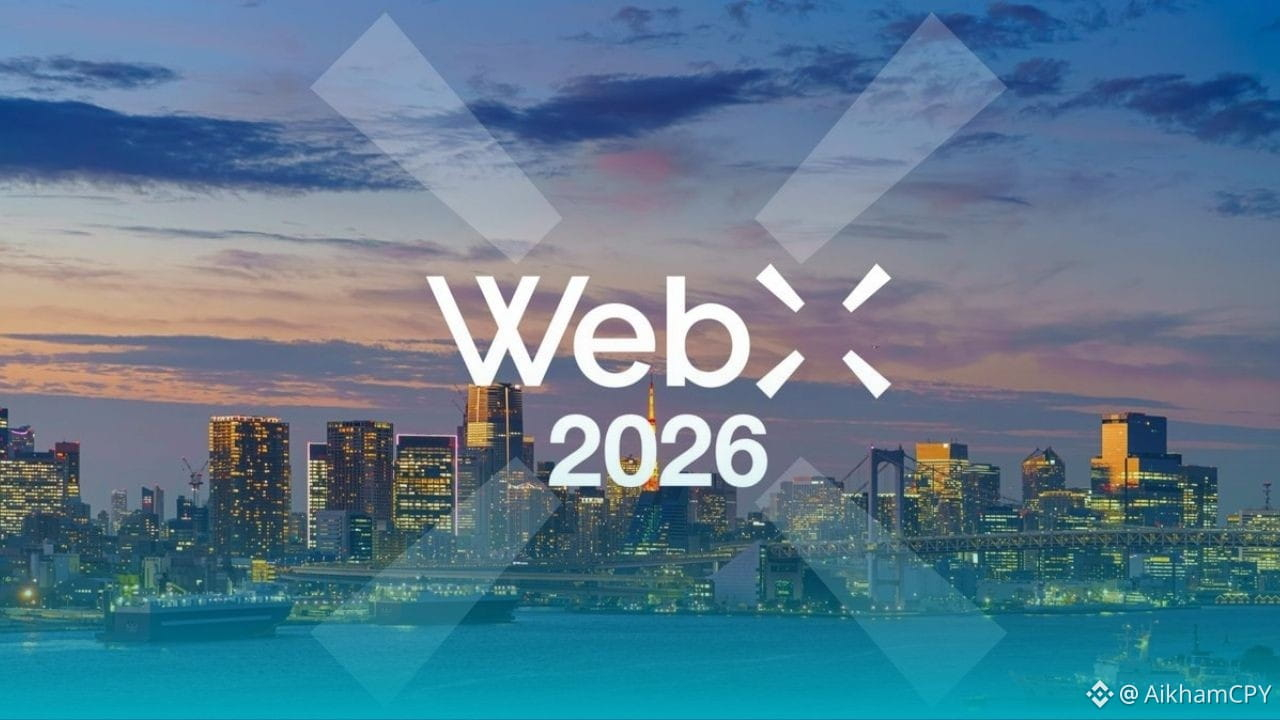
📢✨ The Premier Crypto Event Returns! WebX 2026 Heads Back to Tokyo on July 13–14 🌏🇯🇵
WebX 2026, one of Asia’s leading blockchain and cryptocurrency conferences, is officially scheduled for July 13–14, 2026, at Prince Park Tower in Tokyo, Japan 🗓️🏢
This year’s edition promises to be bigger than ever, bringing together top experts, investors, and industry leaders worldwide to share insights, showcase the latest trends, and drive the future of the crypto ecosystem across Asia and beyond 🚀💡
$SUI $SOL $AVAX
#WebX2026 #JapanCrypto #Blockchain #CryptoEvent
📢✨ The Premier Crypto Event Returns! WebX 2026 Heads Back to Tokyo on July 13–14 🌏🇯🇵
WebX 2026, one of Asia’s leading blockchain and cryptocurrency conferences, is officially scheduled for July 13–14, 2026, at Prince Park Tower in Tokyo, Japan 🗓️🏢
This year’s edition promises to be bigger than ever, bringing together top experts, investors, and industry leaders worldwide to share insights, showcase the latest trends, and drive the future of the crypto ecosystem across Asia and beyond 🚀💡
$SUI $SOL $AVAX
#WebX2026 #JapanCrypto #Blockchain #CryptoEvent
WebX 2026, one of Asia’s leading blockchain and cryptocurrency conferences, is officially scheduled for July 13–14, 2026, at Prince Park Tower in Tokyo, Japan 🗓️🏢
This year’s edition promises to be bigger than ever, bringing together top experts, investors, and industry leaders worldwide to share insights, showcase the latest trends, and drive the future of the crypto ecosystem across Asia and beyond 🚀💡
$SUI $SOL $AVAX
#WebX2026 #JapanCrypto #Blockchain #CryptoEvent
154

·
--
It’s finally today—just a few hours until #WebX2026 opens! 🚀
This time, TRON is participating as a Platinum Sponsor! 🇯🇵✨
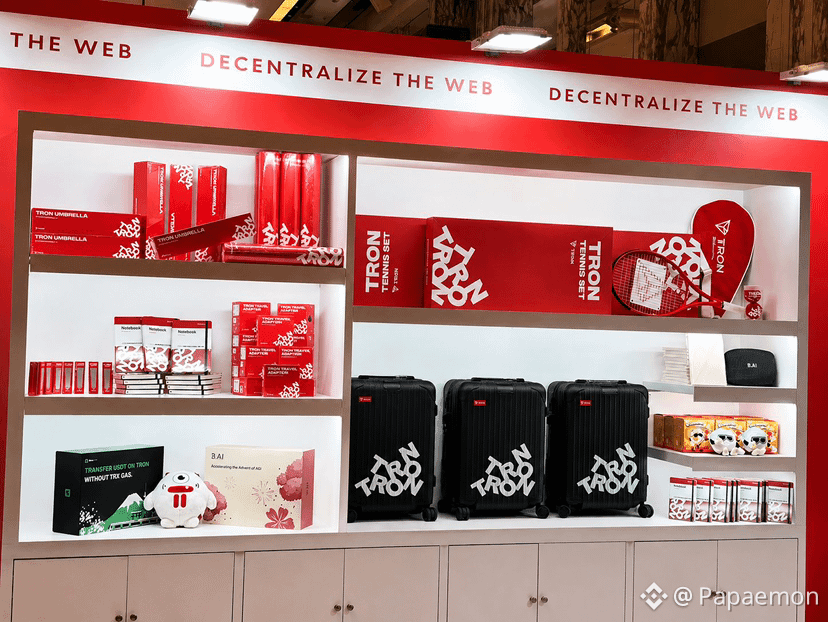
At the TRON booth, there will also be a fabulous raffle where you can win limited tennis sets 🎾 and original suitcases 🧳, it sounds like 🎁 (limited quantities!).
I’ll be staying home this time, reluctantly… but next year I’m absolutely going to attend in person and visit the booth to have fun! 😭🔥
To everyone who’s attending starting today, please enjoy the TRON booth for me as well! 👋
@JustinSun @TRONDAO
#TRONGlobalFriends #TGF
It’s finally today—just a few hours until #WebX2026 opens! 🚀
This time, TRON is participating as a Platinum Sponsor! 🇯🇵✨
At the TRON booth, there will also be a fabulous raffle where you can win limited tennis sets 🎾 and original suitcases 🧳, it sounds like 🎁 (limited quantities!).
I’ll be staying home this time, reluctantly… but next year I’m absolutely going to attend in person and visit the booth to have fun! 😭🔥
To everyone who’s attending starting today, please enjoy the TRON booth for me as well! 👋
@Justin Sun孙宇晨 @TRON DAO
#TRONGlobalFriends #TGF
This time, TRON is participating as a Platinum Sponsor! 🇯🇵✨
At the TRON booth, there will also be a fabulous raffle where you can win limited tennis sets 🎾 and original suitcases 🧳, it sounds like 🎁 (limited quantities!).
I’ll be staying home this time, reluctantly… but next year I’m absolutely going to attend in person and visit the booth to have fun! 😭🔥
To everyone who’s attending starting today, please enjoy the TRON booth for me as well! 👋
@Justin Sun孙宇晨 @TRON DAO
#TRONGlobalFriends #TGF
198

·
--
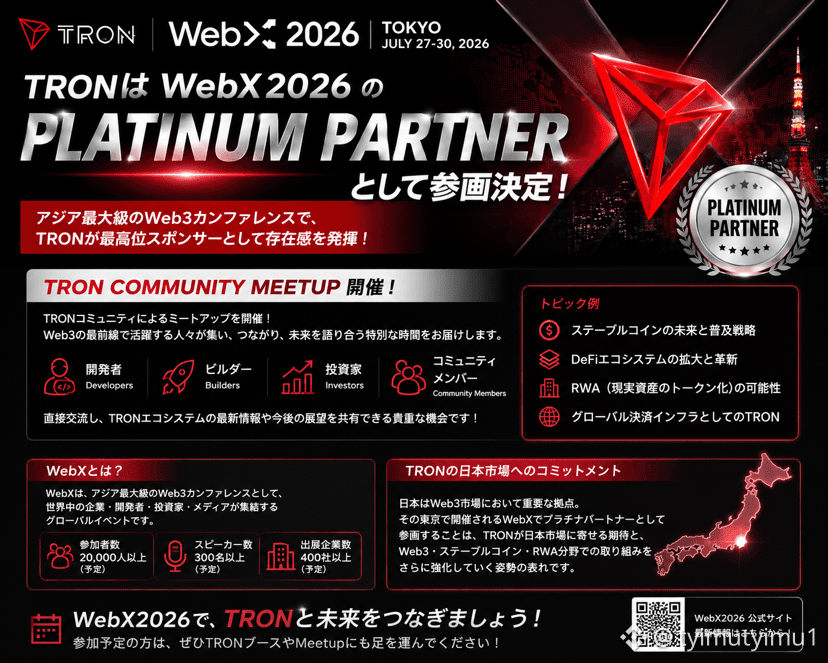
🚀TRON has been confirmed to participate as a Platinum Partner with #WebX2026 ! 🏆
#TRONGlobalFriends #TGF
It’s truly something to be proud of that TRON will make its presence felt as one of the top-tier sponsors at the Asia’s largest conference where Web3 projects from around the world gather✨
We also want to highlight that there will be a Meetup hosted by the TRON community 🤝
@TRONDAO
📍 Developers
📍 Builders
📍 Investors
📍 Community members
This sounds like a valuable opportunity to directly connect with people who are thriving at the forefront of Web3, and to discuss future outlooks—such as the latest TRON ecosystem, stablecoins, DeFi, RWA, and payment infrastructure—together 🔥
Japan is an important hub in the Web3 market.
The fact that TRON will stand out as a Platinum Partner at WebX held in Tokyo makes you feel just how high expectations are for the future of the Japanese market 🇯🇵
If you’re planning to attend, be sure to stop by the TRON booth and the Meetup too!
#TRON #WebX2026
🚀TRON has been confirmed to participate as a Platinum Partner with #WebX2026 ! 🏆
#TRONGlobalFriends #TGF
It’s truly something to be proud of that TRON will make its presence felt as one of the top-tier sponsors at the Asia’s largest conference where Web3 projects from around the world gather✨
We also want to highlight that there will be a Meetup hosted by the TRON community 🤝
@TRON DAO
📍 Developers
📍 Builders
📍 Investors
📍 Community members
This sounds like a valuable opportunity to directly connect with people who are thriving at the forefront of Web3, and to discuss future outlooks—such as the latest TRON ecosystem, stablecoins, DeFi, RWA, and payment infrastructure—together 🔥
Japan is an important hub in the Web3 market.
The fact that TRON will stand out as a Platinum Partner at WebX held in Tokyo makes you feel just how high expectations are for the future of the Japanese market 🇯🇵
If you’re planning to attend, be sure to stop by the TRON booth and the Meetup too!
#TRON #WebX2026
#TRONGlobalFriends #TGF
It’s truly something to be proud of that TRON will make its presence felt as one of the top-tier sponsors at the Asia’s largest conference where Web3 projects from around the world gather✨
We also want to highlight that there will be a Meetup hosted by the TRON community 🤝
@TRON DAO
📍 Developers
📍 Builders
📍 Investors
📍 Community members
This sounds like a valuable opportunity to directly connect with people who are thriving at the forefront of Web3, and to discuss future outlooks—such as the latest TRON ecosystem, stablecoins, DeFi, RWA, and payment infrastructure—together 🔥
Japan is an important hub in the Web3 market.
The fact that TRON will stand out as a Platinum Partner at WebX held in Tokyo makes you feel just how high expectations are for the future of the Japanese market 🇯🇵
If you’re planning to attend, be sure to stop by the TRON booth and the Meetup too!
#TRON #WebX2026
144
·
--
Bitmine Aims to Accumulate 5% of Total Ethereum Supply Before Next Upgrade! 🚀💎
Massive institutional wave hitting $ETH today! At the WebX event in Tokyo, Bitmine Chairman Tom Lee officially announced their mega-strategic plan to accumulate 5% of the entire circulating $ETH supply before the upcoming network upgrades KuCoin News.Key Breakdown of the Institutional Move:📊 Massive Holding: Bitmine disclosed they have already successfully accumulated 5.74 million ETH, which already represents roughly 4.8% of the total circulating network supply KuCoin News.⚡ MAVAN Validator Network: The firm has officially launched MAVAN, making it the largest single-node validator staking operator in the entire ecosystem KuCoin News.📈 Preferred Shares Rollout: To support this aggressive ecosystem expansion, the company has successfully listed on the NYSE Main Board and issued ETH preferred shares KuCoin News.Why this matters for $ETH : Massive corporate staking and continuous supply absorption take thousands of ETH coins off the liquid exchanges, creating structural long-term upward price pressure KuCoin News.Are you bullish on Ethereum's institutional growth this week? Comment your price targets below and tap the tag to trade! 👇#Write2Earn #EthereumNews #ETH🔥🔥🔥🔥🔥🔥 #CryptoNewsCommunity #InstitutionalCryptoAccess #WebX2026
{spot}(ETHUSDT)
Bitmine Aims to Accumulate 5% of Total Ethereum Supply Before Next Upgrade! 🚀💎
Massive institutional wave hitting $ETH today! At the WebX event in Tokyo, Bitmine Chairman Tom Lee officially announced their mega-strategic plan to accumulate 5% of the entire circulating $ETH supply before the upcoming network upgrades KuCoin News.Key Breakdown of the Institutional Move:📊 Massive Holding: Bitmine disclosed they have already successfully accumulated 5.74 million ETH, which already represents roughly 4.8% of the total circulating network supply KuCoin News.⚡ MAVAN Validator Network: The firm has officially launched MAVAN, making it the largest single-node validator staking operator in the entire ecosystem KuCoin News.📈 Preferred Shares Rollout: To support this aggressive ecosystem expansion, the company has successfully listed on the NYSE Main Board and issued ETH preferred shares KuCoin News.Why this matters for $ETH : Massive corporate staking and continuous supply absorption take thousands of ETH coins off the liquid exchanges, creating structural long-term upward price pressure KuCoin News.Are you bullish on Ethereum's institutional growth this week? Comment your price targets below and tap the tag to trade! 👇#Write2Earn #EthereumNews #ETH🔥🔥🔥🔥🔥🔥 #CryptoNewsCommunity #InstitutionalCryptoAccess #WebX2026
Massive institutional wave hitting $ETH today! At the WebX event in Tokyo, Bitmine Chairman Tom Lee officially announced their mega-strategic plan to accumulate 5% of the entire circulating $ETH supply before the upcoming network upgrades KuCoin News.Key Breakdown of the Institutional Move:📊 Massive Holding: Bitmine disclosed they have already successfully accumulated 5.74 million ETH, which already represents roughly 4.8% of the total circulating network supply KuCoin News.⚡ MAVAN Validator Network: The firm has officially launched MAVAN, making it the largest single-node validator staking operator in the entire ecosystem KuCoin News.📈 Preferred Shares Rollout: To support this aggressive ecosystem expansion, the company has successfully listed on the NYSE Main Board and issued ETH preferred shares KuCoin News.Why this matters for $ETH : Massive corporate staking and continuous supply absorption take thousands of ETH coins off the liquid exchanges, creating structural long-term upward price pressure KuCoin News.Are you bullish on Ethereum's institutional growth this week? Comment your price targets below and tap the tag to trade! 👇#Write2Earn #EthereumNews #ETH🔥🔥🔥🔥🔥🔥 #CryptoNewsCommunity #InstitutionalCryptoAccess #WebX2026
1
84
Log in to explore more content
Join global crypto users on Binance Square
⚡️ Get latest and useful information about crypto.
💬 Trusted by the world’s largest crypto exchange.
👍 Discover real insights from verified creators.
Email / Phone number
Trending Topics
1
#QNTRises39%
1,893 views
192 Discussing
2
#EthereumBreaksAbove$2700
408 views
39 Discussing
3
#BitgetBreachForgedRequestsNotStolenKeys
1,263 views
127 Discussing
4
#BitcoinSpotETFsTurnNetPositiveYTD
972 views
96 Discussing
5
#GrayscaleZcashETFHits$1BNetAssets
615 views
28 Discussing
6
#BitcoinSpotETFsNetInflow$191M
4,961 views
158 Discussing
7
#CFTCUpdatesGuidanceOnTokenizedAssets
32,250 views
1,122 Discussing
8
#BitgetSays$352MAffectedInHack
12,943 views
87 Discussing
9
#NYAndPolymarketSueEachOther
2,559 views
127 Discussing
10
#BinanceWillListHyperliquid(HYPE)
236,630 views
3,671 Discussing