

#stoplossstrategies
stoplossstrategies
13.2M views
38,371 Discussing
Discuss your stop-loss strategies and provide examples of how they helped you minimize losses during downturns.
Hot
Latest


Introducing the second topic of our Risk Management Deep Dive – #StopLossStrategies
Stop-loss strategies are essential tools for managing risk in trading. By setting predetermined exit points, you can protect your investments from significant losses during market downturns. Understanding how to effectively implement stop-loss orders can help you maintain control over your trading outcomes.
👉 Your post can include:
• What types of stop-loss strategies do you use, and why?
• How do you determine the appropriate levels for your stop-loss orders?
• Can you share any examples where your stop-loss strategy successfully protected your investments?
E.g. of a post - “I use a combination of fixed stop-loss orders and trailing stop-loss orders. For fixed stop-loss orders, I set levels based on key support points and risk tolerance. Trailing stop-loss orders help me lock in profits while adapting to market movements. This approach has protected my investments during sudden downturns and allowed me to secure gains during uptrends. #StopLossStrategies ”
📢 Create a post with #StopLossStrategies and share your insights to earn Binance points! (Press the “+” on the App homepage and click on Task Center)
Full campaign details [here](https://www.binance.com/en/square/post/22460231593642).
Introducing the second topic of our Risk Management Deep Dive – #StopLossStrategies
Stop-loss strategies are essential tools for managing risk in trading. By setting predetermined exit points, you can protect your investments from significant losses during market downturns. Understanding how to effectively implement stop-loss orders can help you maintain control over your trading outcomes.
👉 Your post can include:
• What types of stop-loss strategies do you use, and why?
• How do you determine the appropriate levels for your stop-loss orders?
• Can you share any examples where your stop-loss strategy successfully protected your investments?
E.g. of a post - “I use a combination of fixed stop-loss orders and trailing stop-loss orders. For fixed stop-loss orders, I set levels based on key support points and risk tolerance. Trailing stop-loss orders help me lock in profits while adapting to market movements. This approach has protected my investments during sudden downturns and allowed me to secure gains during uptrends. #StopLossStrategies ”
📢 Create a post with #StopLossStrategies and share your insights to earn Binance points! (Press the “+” on the App homepage and click on Task Center)
Full campaign details here.
Stop-loss strategies are essential tools for managing risk in trading. By setting predetermined exit points, you can protect your investments from significant losses during market downturns. Understanding how to effectively implement stop-loss orders can help you maintain control over your trading outcomes.
👉 Your post can include:
• What types of stop-loss strategies do you use, and why?
• How do you determine the appropriate levels for your stop-loss orders?
• Can you share any examples where your stop-loss strategy successfully protected your investments?
E.g. of a post - “I use a combination of fixed stop-loss orders and trailing stop-loss orders. For fixed stop-loss orders, I set levels based on key support points and risk tolerance. Trailing stop-loss orders help me lock in profits while adapting to market movements. This approach has protected my investments during sudden downturns and allowed me to secure gains during uptrends. #StopLossStrategies ”
📢 Create a post with #StopLossStrategies and share your insights to earn Binance points! (Press the “+” on the App homepage and click on Task Center)
Full campaign details here.
43
47
234
96.4k

·
--
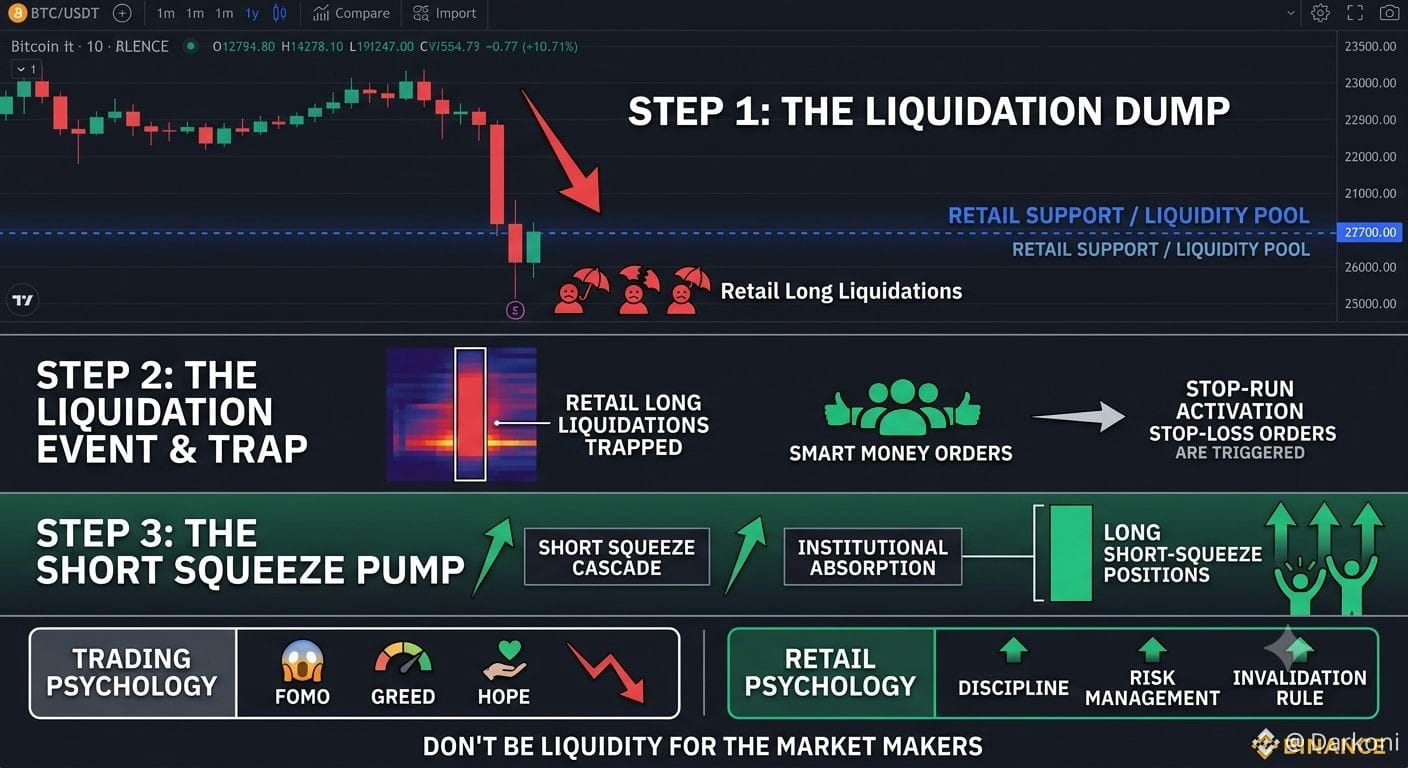
Retail longs are trapped again, and $BTC just swept the liquidity pool.
🚨 When price slices through key support, 90% of traders commit the ultimate account-killer: moving their stop loss deeper into the red. Hope replaces risk management, turning a calculated 2% loss into a devastating 25% liquidation.
Break the cycle with the Invalidation Rule:
• Pre-define invalidation before entering, never mid-trade
• Accept that market structure changes, your thesis failed
• Let the stop hit without emotional resistance
The market hunts liquidity where retail hides pain. Protect your capital first. 🧠
How do you stop yourself from widening your stop when a setup goes against you?
{future}(BTCUSDT)
#BTC🔥🔥🔥🔥🔥 #tradingpsychology #StopLossStrategies
Retail longs are trapped again, and $BTC just swept the liquidity pool.
🚨 When price slices through key support, 90% of traders commit the ultimate account-killer: moving their stop loss deeper into the red. Hope replaces risk management, turning a calculated 2% loss into a devastating 25% liquidation.
Break the cycle with the Invalidation Rule:
• Pre-define invalidation before entering, never mid-trade
• Accept that market structure changes, your thesis failed
• Let the stop hit without emotional resistance
The market hunts liquidity where retail hides pain. Protect your capital first. 🧠
How do you stop yourself from widening your stop when a setup goes against you?
#BTC🔥🔥🔥🔥🔥 #tradingpsychology #StopLossStrategies
🚨 When price slices through key support, 90% of traders commit the ultimate account-killer: moving their stop loss deeper into the red. Hope replaces risk management, turning a calculated 2% loss into a devastating 25% liquidation.
Break the cycle with the Invalidation Rule:
• Pre-define invalidation before entering, never mid-trade
• Accept that market structure changes, your thesis failed
• Let the stop hit without emotional resistance
The market hunts liquidity where retail hides pain. Protect your capital first. 🧠
How do you stop yourself from widening your stop when a setup goes against you?
#BTC🔥🔥🔥🔥🔥 #tradingpsychology #StopLossStrategies
1
43

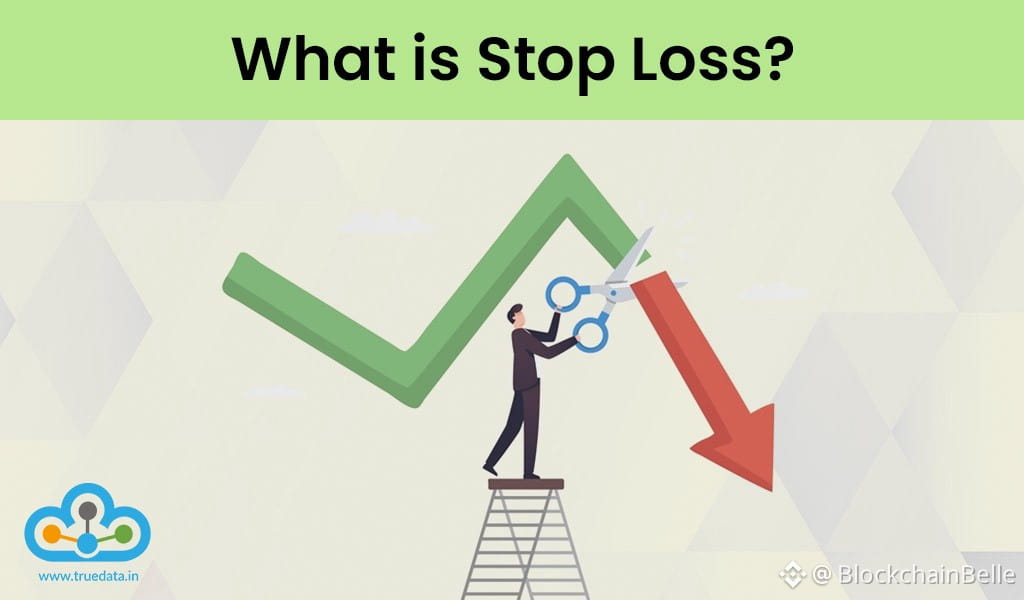
What is STOP LOSS (SL) 🛑?
"Learn to cut the Fingers earlier than cutting your arm later."
I have seen many influencencers sharing opinions on stop loss are for those who don't know how to trade. Stop loss is a sign of accepting defeat and what not.
You may disagree to me but stop loss is your analytical point where you believe if it gonna hit, it may change the whole trend and I can stuck badly. Stop loss is not a sign of accepting defeat , its a prevention from a bigger problem.
As it says, Prevention is better than cure.
always use Stop loss to manage your trades, improve your psychology and to sleep without tension.
#StopLossStrategies
#BitcoinThirdSingleBlockReorgInFourWeeks
$BTC
{future}(BTCUSDT)
$ZEC
{future}(ZECUSDT)
$TAO
{future}(TAOUSDT)
What is STOP LOSS (SL) 🛑?
"Learn to cut the Fingers earlier than cutting your arm later."
I have seen many influencencers sharing opinions on stop loss are for those who don't know how to trade. Stop loss is a sign of accepting defeat and what not.
You may disagree to me but stop loss is your analytical point where you believe if it gonna hit, it may change the whole trend and I can stuck badly. Stop loss is not a sign of accepting defeat , its a prevention from a bigger problem.
As it says, Prevention is better than cure.
always use Stop loss to manage your trades, improve your psychology and to sleep without tension.
#StopLossStrategies
#BitcoinThirdSingleBlockReorgInFourWeeks
$BTC
$ZEC
$TAO
"Learn to cut the Fingers earlier than cutting your arm later."
I have seen many influencencers sharing opinions on stop loss are for those who don't know how to trade. Stop loss is a sign of accepting defeat and what not.
You may disagree to me but stop loss is your analytical point where you believe if it gonna hit, it may change the whole trend and I can stuck badly. Stop loss is not a sign of accepting defeat , its a prevention from a bigger problem.
As it says, Prevention is better than cure.
always use Stop loss to manage your trades, improve your psychology and to sleep without tension.
#StopLossStrategies
#BitcoinThirdSingleBlockReorgInFourWeeks
$BTC
$ZEC
$TAO
1
211

·
--
Bullish
Stop on Structure
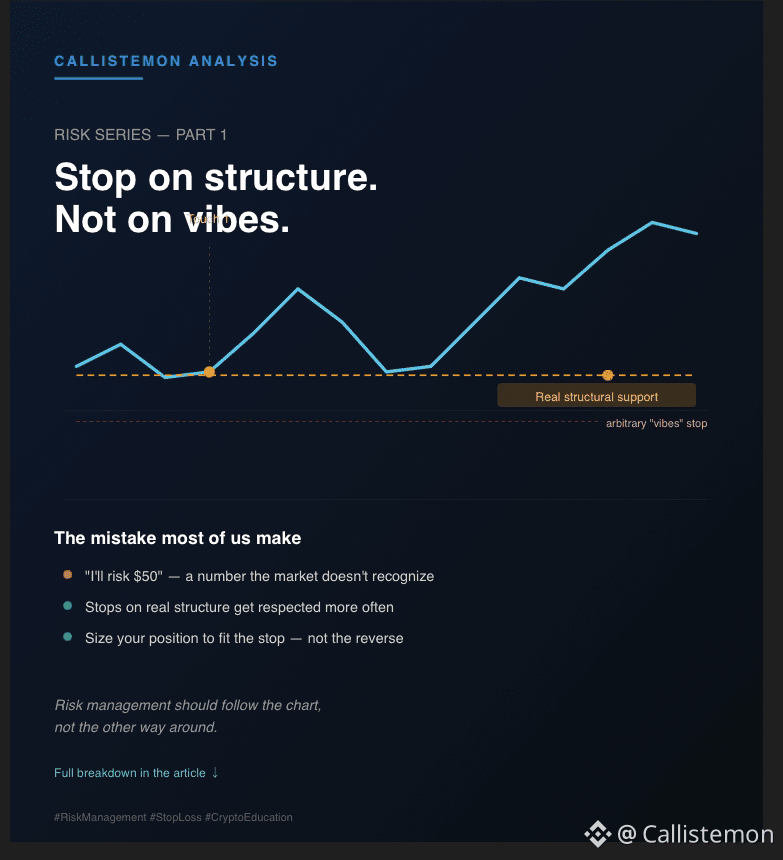
🛡️ Risk Series — Part 1: Stop on structure, not on vibes
"I'll risk $50" means nothing to the market. It doesn't know your account size — it only respects levels where real buying or selling has shown up before.
When your stop is just "a price below where I bought," it often sits exactly where everyone else's stop sits too. That's not a coincidence.
Better approach: find a real structural level — a swing low, a support zone with multiple touches — and size your position around that distance. Let the chart decide your risk, not your gut.
Full breakdown linked.👇👇👇#StopLossStrategies
Stop on Structure
🛡️ Risk Series — Part 1: Stop on structure, not on vibes
"I'll risk $50" means nothing to the market. It doesn't know your account size — it only respects levels where real buying or selling has shown up before.
When your stop is just "a price below where I bought," it often sits exactly where everyone else's stop sits too. That's not a coincidence.
Better approach: find a real structural level — a swing low, a support zone with multiple touches — and size your position around that distance. Let the chart decide your risk, not your gut.
Full breakdown linked.👇👇👇#StopLossStrategies
🛡️ Risk Series — Part 1: Stop on structure, not on vibes
"I'll risk $50" means nothing to the market. It doesn't know your account size — it only respects levels where real buying or selling has shown up before.
When your stop is just "a price below where I bought," it often sits exactly where everyone else's stop sits too. That's not a coincidence.
Better approach: find a real structural level — a swing low, a support zone with multiple touches — and size your position around that distance. Let the chart decide your risk, not your gut.
Full breakdown linked.👇👇👇#StopLossStrategies
Callistemon
·
--
Why Your Stop-Loss Feels Like It's "Always" Wrong (And What To Do Instead)
I used to think stop-losses were the enemy. Every time I set one, the market would dip just enough to wipe me out — then rip higher exactly where I would've taken profit if I'd just held. After enough of these, I started skipping stop-losses entirely. "I'll just watch the chart and exit manually," I told myself.
That decision cost me more than any single stop-loss ever did.
Here's what I eventually understood: the problem usually isn't the stop-loss. It's where — and why — you're placing it.
The Mistake: Setting Stops on Vibes, Not Structure
Most of us place stops based on how much we're willing to lose in dollar terms. "I'll risk $50 on this trade." That number means nothing to the market. The market doesn't know your account size — it only respects levels where real buying or selling has historically shown up.
When your stop is just "a price below where I bought," it often sits exactly where short-term traders expect it to sit too. That's not a coincidence — it's why those wicks happen.
Better approach: Place your stop below (or above) a real structural level — a prior swing low, a support zone with multiple touches, a recent consolidation range. Then size your position so that distance equals the dollar risk you're comfortable with. Risk management should follow the chart, not the other way around.
The Second Mistake: No Stop on Parabolic Moves
If you've followed any of my recent posts, you've seen coins like $RE move +70-90% in a single day. On moves like this, there often isn't a "real" structural level yet — the coin hasn't traded long enough to establish one.
This is the situation where people either:
Skip the stop entirely ("I'll watch it closely")Place an arbitrary stop that gets swept by normal volatility
Neither works well. My rule on parabolic, low-history coins: reduce position size dramatically, or don't enter at all until structure forms. Missing the move costs you nothing real. A bad entry on a structureless chart can cost you a lot.
Risk Management Is Not About Being Right
This is the part that took me the longest to accept: a good stop-loss strategy will make you "wrong" — meaning stopped out before a reversal — fairly often. That's not a flaw in the strategy. That's the cost of having defined risk at all.
The alternative — no stop, "I'll just watch it" — feels safer in the moment but means a single bad trade can wipe out the gains of ten good ones. I've had that happen. It only takes one.
A Simple Framework I Actually Use Now
Before entering: identify the level that, if broken, means my original thesis was wrong. That's where the stop goes — not where I'm "comfortable" losing money.Position size second: I calculate size based on the stop distance, not the other way around. If the stop has to be wide because of volatility, my position gets smaller — not my stop tighter.No structure, no full size: on coins with limited price history (new listings, parabolic pumps), I either skip the trade or use a fraction of normal size.One rule I don't break: I never move a stop further away once it's set. Moving it closer (locking in gains) is fine. Moving it further is how small losses become account-ending ones.
The Honest Bottom Line
Stop-losses aren't there to make you feel good. They're there so that being wrong costs you a known, survivable amount — instead of an unknown, unlimited one. I wish someone had told me that plainly before I learned it the expensive way.
If you've been skipping stops because they "never work," it might not be the tool. It might be where you're putting it.
Not financial advice. This reflects personal trading lessons, not specific recommendations. Always do your own research.
#RiskManagementMastery #StopLossStrategies #cryptoeducation #TradingLessons
That decision cost me more than any single stop-loss ever did.
Here's what I eventually understood: the problem usually isn't the stop-loss. It's where — and why — you're placing it.
The Mistake: Setting Stops on Vibes, Not Structure
Most of us place stops based on how much we're willing to lose in dollar terms. "I'll risk $50 on this trade." That number means nothing to the market. The market doesn't know your account size — it only respects levels where real buying or selling has historically shown up.
When your stop is just "a price below where I bought," it often sits exactly where short-term traders expect it to sit too. That's not a coincidence — it's why those wicks happen.
Better approach: Place your stop below (or above) a real structural level — a prior swing low, a support zone with multiple touches, a recent consolidation range. Then size your position so that distance equals the dollar risk you're comfortable with. Risk management should follow the chart, not the other way around.
The Second Mistake: No Stop on Parabolic Moves
If you've followed any of my recent posts, you've seen coins like $RE move +70-90% in a single day. On moves like this, there often isn't a "real" structural level yet — the coin hasn't traded long enough to establish one.
This is the situation where people either:
Skip the stop entirely ("I'll watch it closely")Place an arbitrary stop that gets swept by normal volatility
Neither works well. My rule on parabolic, low-history coins: reduce position size dramatically, or don't enter at all until structure forms. Missing the move costs you nothing real. A bad entry on a structureless chart can cost you a lot.
Risk Management Is Not About Being Right
This is the part that took me the longest to accept: a good stop-loss strategy will make you "wrong" — meaning stopped out before a reversal — fairly often. That's not a flaw in the strategy. That's the cost of having defined risk at all.
The alternative — no stop, "I'll just watch it" — feels safer in the moment but means a single bad trade can wipe out the gains of ten good ones. I've had that happen. It only takes one.
A Simple Framework I Actually Use Now
Before entering: identify the level that, if broken, means my original thesis was wrong. That's where the stop goes — not where I'm "comfortable" losing money.Position size second: I calculate size based on the stop distance, not the other way around. If the stop has to be wide because of volatility, my position gets smaller — not my stop tighter.No structure, no full size: on coins with limited price history (new listings, parabolic pumps), I either skip the trade or use a fraction of normal size.One rule I don't break: I never move a stop further away once it's set. Moving it closer (locking in gains) is fine. Moving it further is how small losses become account-ending ones.
The Honest Bottom Line
Stop-losses aren't there to make you feel good. They're there so that being wrong costs you a known, survivable amount — instead of an unknown, unlimited one. I wish someone had told me that plainly before I learned it the expensive way.
If you've been skipping stops because they "never work," it might not be the tool. It might be where you're putting it.
Not financial advice. This reflects personal trading lessons, not specific recommendations. Always do your own research.
#RiskManagementMastery #StopLossStrategies #cryptoeducation #TradingLessons
52

Article
Stop Placement Strategies: Learn to Manage Risks in TradingIn trading, many focus solely on profit potential, but seasoned pros know that the real secret lies in risk management and the adoption of stop placement strategies.
More important than knowing when to enter a trade is knowing when to exit — whether to lock in profits or, crucially, to limit losses.
This is where stop placement strategies come into play. Mastering the use of stop loss and take profit is what separates disciplined trading from reckless gambling.
Stop Placement Strategies: Learn to Manage Risks in Trading
In trading, many focus solely on profit potential, but seasoned pros know that the real secret lies in risk management and the adoption of stop placement strategies.
More important than knowing when to enter a trade is knowing when to exit — whether to lock in profits or, crucially, to limit losses.
This is where stop placement strategies come into play. Mastering the use of stop loss and take profit is what separates disciplined trading from reckless gambling.
More important than knowing when to enter a trade is knowing when to exit — whether to lock in profits or, crucially, to limit losses.
This is where stop placement strategies come into play. Mastering the use of stop loss and take profit is what separates disciplined trading from reckless gambling.
2
617

·
--
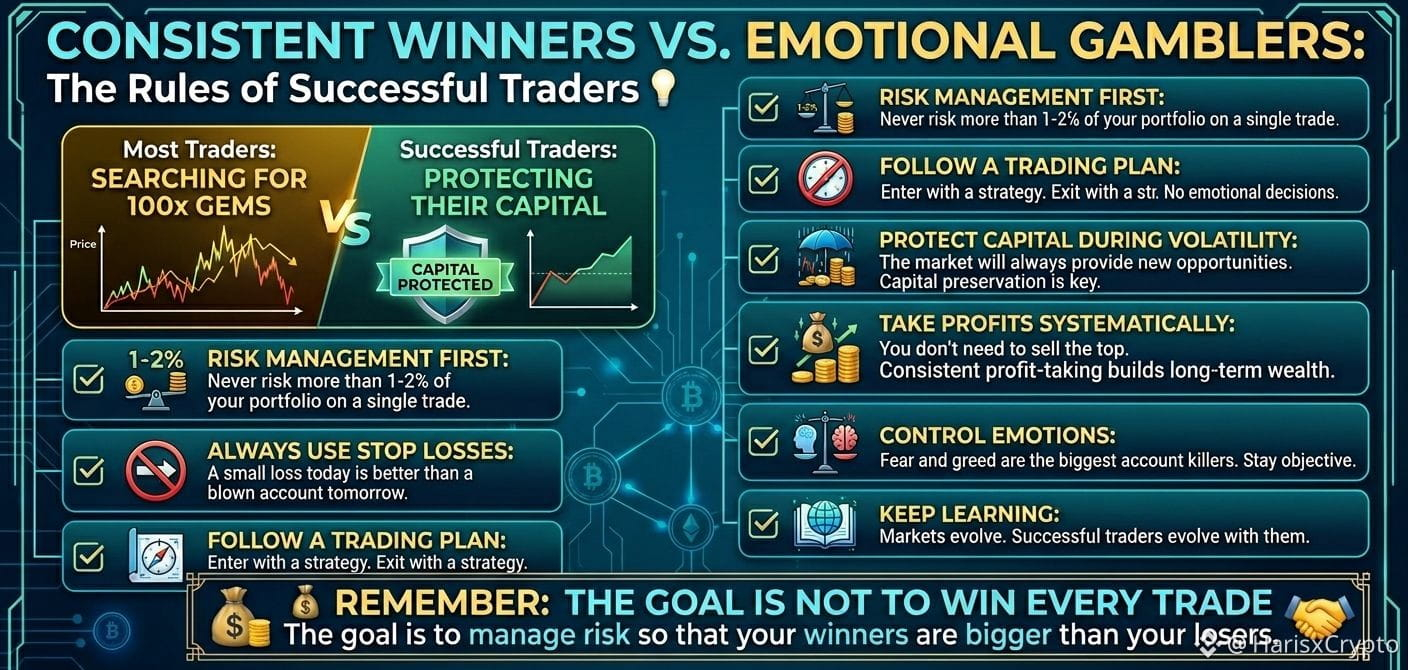
Many traders focus only on profits❗, but smart traders focus on protection first. A Stop Loss is not just a trading tool — it is your capital’s safety shield. 🛡️💰
✅ Why Stop Loss Matters in Trading
📌 1. Protects Your Funds
A stop loss helps prevent small losses from becoming big losses.
📌 2. Controls Emotions
It keeps fear, panic, and greed from controlling your decisions. 🧠
📌 3. Builds Discipline
Successful trading requires a clear plan — and stop loss is part of that plan. 📊
📌 4. Reduces Risk
You cannot control the market, but you can control how much you are willing to risk. ⚠️
📌 5. Keeps You in the Game
Protecting your capital means you have more opportunities to trade again tomorrow. 🚀
📌 6. Prevents Account Blow-Up
One bad trade should never destroy your entire trading journey. 🔐
$SKYAI
{future}(SKYAIUSDT)
💡 Remember:
A stop loss is not your enemy.
$LAB
{future}(LABUSDT)
its your protection, your discipline, and your trading insurance.
Like and follow for trading strategies and tips 🎯
🔥 Trade with a plan. Protect your capital. Respect your stop loss
#SmartTrading #StopLossStrategies #RiskManagement
Many traders focus only on profits❗, but smart traders focus on protection first. A Stop Loss is not just a trading tool — it is your capital’s safety shield. 🛡️💰
✅ Why Stop Loss Matters in Trading
📌 1. Protects Your Funds
A stop loss helps prevent small losses from becoming big losses.
📌 2. Controls Emotions
It keeps fear, panic, and greed from controlling your decisions. 🧠
📌 3. Builds Discipline
Successful trading requires a clear plan — and stop loss is part of that plan. 📊
📌 4. Reduces Risk
You cannot control the market, but you can control how much you are willing to risk. ⚠️
📌 5. Keeps You in the Game
Protecting your capital means you have more opportunities to trade again tomorrow. 🚀
📌 6. Prevents Account Blow-Up
One bad trade should never destroy your entire trading journey. 🔐
$SKYAI
💡 Remember:
A stop loss is not your enemy.
$LAB
its your protection, your discipline, and your trading insurance.
Like and follow for trading strategies and tips 🎯
🔥 Trade with a plan. Protect your capital. Respect your stop loss
#SmartTrading #StopLossStrategies #RiskManagement
✅ Why Stop Loss Matters in Trading
📌 1. Protects Your Funds
A stop loss helps prevent small losses from becoming big losses.
📌 2. Controls Emotions
It keeps fear, panic, and greed from controlling your decisions. 🧠
📌 3. Builds Discipline
Successful trading requires a clear plan — and stop loss is part of that plan. 📊
📌 4. Reduces Risk
You cannot control the market, but you can control how much you are willing to risk. ⚠️
📌 5. Keeps You in the Game
Protecting your capital means you have more opportunities to trade again tomorrow. 🚀
📌 6. Prevents Account Blow-Up
One bad trade should never destroy your entire trading journey. 🔐
$SKYAI
💡 Remember:
A stop loss is not your enemy.
$LAB
its your protection, your discipline, and your trading insurance.
Like and follow for trading strategies and tips 🎯
🔥 Trade with a plan. Protect your capital. Respect your stop loss
#SmartTrading #StopLossStrategies #RiskManagement
1
557
·
--
Article
Why Your Stop-Loss Feels Like It's "Always" Wrong (And What To Do Instead)I used to think stop-losses were the enemy. Every time I set one, the market would dip just enough to wipe me out — then rip higher exactly where I would've taken profit if I'd just held. After enough of these, I started skipping stop-losses entirely. "I'll just watch the chart and exit manually," I told myself.
That decision cost me more than any single stop-loss ever did.
Here's what I eventually understood: the problem usually isn't the stop-loss. It's where — and why — you're placing it.
The Mistake: Setting Stops on Vibes, Not Structure
Most of us place stops based on how much we're willing to lose in dollar terms. "I'll risk $50 on this trade." That number means nothing to the market. The market doesn't know your account size — it only respects levels where real buying or selling has historically shown up.
When your stop is just "a price below where I bought," it often sits exactly where short-term traders expect it to sit too. That's not a coincidence — it's why those wicks happen.
Better approach: Place your stop below (or above) a real structural level — a prior swing low, a support zone with multiple touches, a recent consolidation range. Then size your position so that distance equals the dollar risk you're comfortable with. Risk management should follow the chart, not the other way around.
The Second Mistake: No Stop on Parabolic Moves
If you've followed any of my recent posts, you've seen coins like $RE move +70-90% in a single day. On moves like this, there often isn't a "real" structural level yet — the coin hasn't traded long enough to establish one.
This is the situation where people either:
Skip the stop entirely ("I'll watch it closely")Place an arbitrary stop that gets swept by normal volatility
Neither works well. My rule on parabolic, low-history coins: reduce position size dramatically, or don't enter at all until structure forms. Missing the move costs you nothing real. A bad entry on a structureless chart can cost you a lot.
Risk Management Is Not About Being Right
This is the part that took me the longest to accept: a good stop-loss strategy will make you "wrong" — meaning stopped out before a reversal — fairly often. That's not a flaw in the strategy. That's the cost of having defined risk at all.
The alternative — no stop, "I'll just watch it" — feels safer in the moment but means a single bad trade can wipe out the gains of ten good ones. I've had that happen. It only takes one.
A Simple Framework I Actually Use Now
Before entering: identify the level that, if broken, means my original thesis was wrong. That's where the stop goes — not where I'm "comfortable" losing money.Position size second: I calculate size based on the stop distance, not the other way around. If the stop has to be wide because of volatility, my position gets smaller — not my stop tighter.No structure, no full size: on coins with limited price history (new listings, parabolic pumps), I either skip the trade or use a fraction of normal size.One rule I don't break: I never move a stop further away once it's set. Moving it closer (locking in gains) is fine. Moving it further is how small losses become account-ending ones.
The Honest Bottom Line
Stop-losses aren't there to make you feel good. They're there so that being wrong costs you a known, survivable amount — instead of an unknown, unlimited one. I wish someone had told me that plainly before I learned it the expensive way.
If you've been skipping stops because they "never work," it might not be the tool. It might be where you're putting it.
Not financial advice. This reflects personal trading lessons, not specific recommendations. Always do your own research.
#RiskManagementMastery #StopLossStrategies #cryptoeducation #TradingLessons
Why Your Stop-Loss Feels Like It's "Always" Wrong (And What To Do Instead)
I used to think stop-losses were the enemy. Every time I set one, the market would dip just enough to wipe me out — then rip higher exactly where I would've taken profit if I'd just held. After enough of these, I started skipping stop-losses entirely. "I'll just watch the chart and exit manually," I told myself.
That decision cost me more than any single stop-loss ever did.
Here's what I eventually understood: the problem usually isn't the stop-loss. It's where — and why — you're placing it.
The Mistake: Setting Stops on Vibes, Not Structure
Most of us place stops based on how much we're willing to lose in dollar terms. "I'll risk $50 on this trade." That number means nothing to the market. The market doesn't know your account size — it only respects levels where real buying or selling has historically shown up.
When your stop is just "a price below where I bought," it often sits exactly where short-term traders expect it to sit too. That's not a coincidence — it's why those wicks happen.
Better approach: Place your stop below (or above) a real structural level — a prior swing low, a support zone with multiple touches, a recent consolidation range. Then size your position so that distance equals the dollar risk you're comfortable with. Risk management should follow the chart, not the other way around.
The Second Mistake: No Stop on Parabolic Moves
If you've followed any of my recent posts, you've seen coins like $RE move +70-90% in a single day. On moves like this, there often isn't a "real" structural level yet — the coin hasn't traded long enough to establish one.
This is the situation where people either:
Skip the stop entirely ("I'll watch it closely")Place an arbitrary stop that gets swept by normal volatility
Neither works well. My rule on parabolic, low-history coins: reduce position size dramatically, or don't enter at all until structure forms. Missing the move costs you nothing real. A bad entry on a structureless chart can cost you a lot.
Risk Management Is Not About Being Right
This is the part that took me the longest to accept: a good stop-loss strategy will make you "wrong" — meaning stopped out before a reversal — fairly often. That's not a flaw in the strategy. That's the cost of having defined risk at all.
The alternative — no stop, "I'll just watch it" — feels safer in the moment but means a single bad trade can wipe out the gains of ten good ones. I've had that happen. It only takes one.
A Simple Framework I Actually Use Now
Before entering: identify the level that, if broken, means my original thesis was wrong. That's where the stop goes — not where I'm "comfortable" losing money.Position size second: I calculate size based on the stop distance, not the other way around. If the stop has to be wide because of volatility, my position gets smaller — not my stop tighter.No structure, no full size: on coins with limited price history (new listings, parabolic pumps), I either skip the trade or use a fraction of normal size.One rule I don't break: I never move a stop further away once it's set. Moving it closer (locking in gains) is fine. Moving it further is how small losses become account-ending ones.
The Honest Bottom Line
Stop-losses aren't there to make you feel good. They're there so that being wrong costs you a known, survivable amount — instead of an unknown, unlimited one. I wish someone had told me that plainly before I learned it the expensive way.
If you've been skipping stops because they "never work," it might not be the tool. It might be where you're putting it.
Not financial advice. This reflects personal trading lessons, not specific recommendations. Always do your own research.
#RiskManagementMastery #StopLossStrategies #cryptoeducation #TradingLessons
That decision cost me more than any single stop-loss ever did.
Here's what I eventually understood: the problem usually isn't the stop-loss. It's where — and why — you're placing it.
The Mistake: Setting Stops on Vibes, Not Structure
Most of us place stops based on how much we're willing to lose in dollar terms. "I'll risk $50 on this trade." That number means nothing to the market. The market doesn't know your account size — it only respects levels where real buying or selling has historically shown up.
When your stop is just "a price below where I bought," it often sits exactly where short-term traders expect it to sit too. That's not a coincidence — it's why those wicks happen.
Better approach: Place your stop below (or above) a real structural level — a prior swing low, a support zone with multiple touches, a recent consolidation range. Then size your position so that distance equals the dollar risk you're comfortable with. Risk management should follow the chart, not the other way around.
The Second Mistake: No Stop on Parabolic Moves
If you've followed any of my recent posts, you've seen coins like $RE move +70-90% in a single day. On moves like this, there often isn't a "real" structural level yet — the coin hasn't traded long enough to establish one.
This is the situation where people either:
Skip the stop entirely ("I'll watch it closely")Place an arbitrary stop that gets swept by normal volatility
Neither works well. My rule on parabolic, low-history coins: reduce position size dramatically, or don't enter at all until structure forms. Missing the move costs you nothing real. A bad entry on a structureless chart can cost you a lot.
Risk Management Is Not About Being Right
This is the part that took me the longest to accept: a good stop-loss strategy will make you "wrong" — meaning stopped out before a reversal — fairly often. That's not a flaw in the strategy. That's the cost of having defined risk at all.
The alternative — no stop, "I'll just watch it" — feels safer in the moment but means a single bad trade can wipe out the gains of ten good ones. I've had that happen. It only takes one.
A Simple Framework I Actually Use Now
Before entering: identify the level that, if broken, means my original thesis was wrong. That's where the stop goes — not where I'm "comfortable" losing money.Position size second: I calculate size based on the stop distance, not the other way around. If the stop has to be wide because of volatility, my position gets smaller — not my stop tighter.No structure, no full size: on coins with limited price history (new listings, parabolic pumps), I either skip the trade or use a fraction of normal size.One rule I don't break: I never move a stop further away once it's set. Moving it closer (locking in gains) is fine. Moving it further is how small losses become account-ending ones.
The Honest Bottom Line
Stop-losses aren't there to make you feel good. They're there so that being wrong costs you a known, survivable amount — instead of an unknown, unlimited one. I wish someone had told me that plainly before I learned it the expensive way.
If you've been skipping stops because they "never work," it might not be the tool. It might be where you're putting it.
Not financial advice. This reflects personal trading lessons, not specific recommendations. Always do your own research.
#RiskManagementMastery #StopLossStrategies #cryptoeducation #TradingLessons
3
1
208

·
--
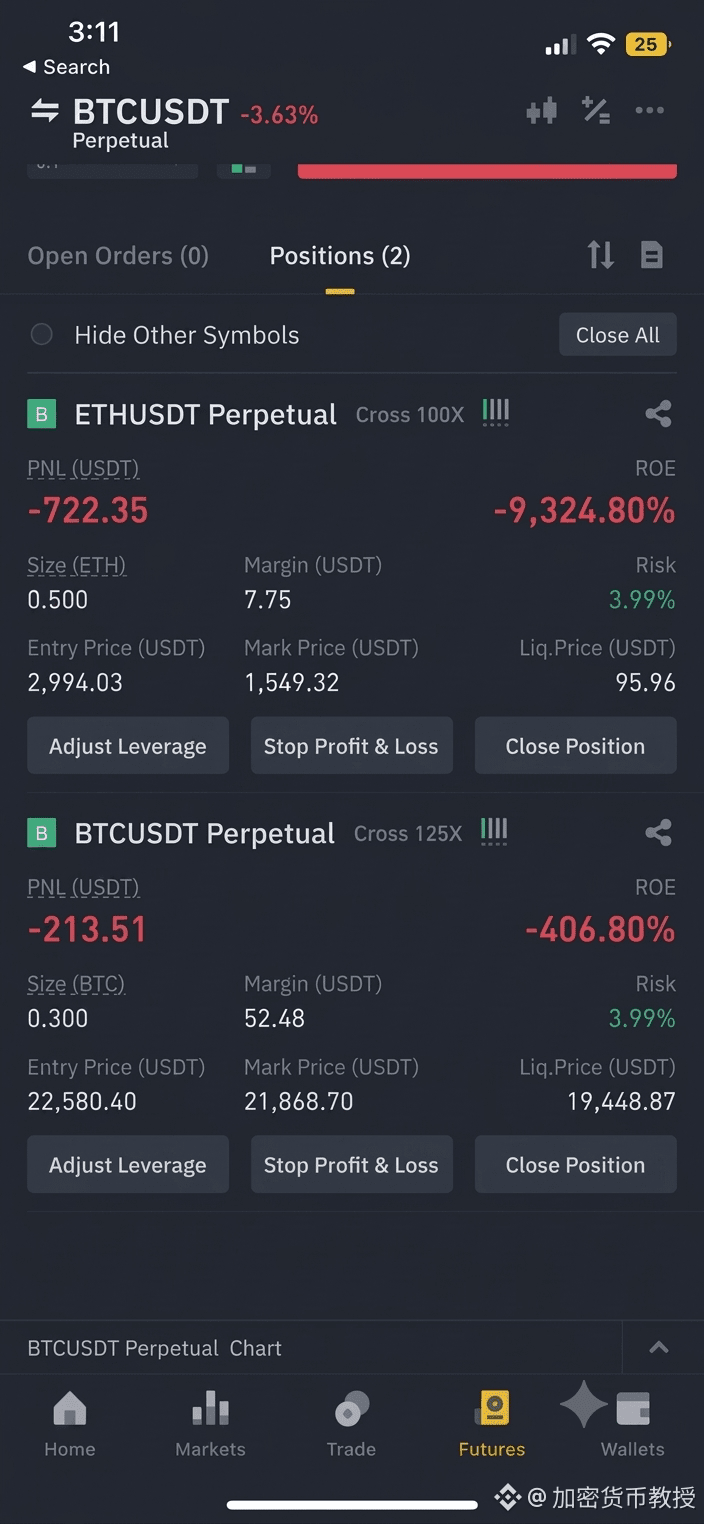
Should I close here ⁉️
The question, whose answer is impossible to answer, for anyone. Human nature is very subjective , and every person has different threshold to bear the risk or take the risk. Before starting any trade think twice, how much risk reward you are expecting on this trade and then set atleast stop loss or trailing stop loss 🛑🚏.
$BTC $ETH #Binance #FutureTarding #BTC #ETH #StopLossStrategies
Should I close here ⁉️
The question, whose answer is impossible to answer, for anyone. Human nature is very subjective , and every person has different threshold to bear the risk or take the risk. Before starting any trade think twice, how much risk reward you are expecting on this trade and then set atleast stop loss or trailing stop loss 🛑🚏.
$BTC $ETH #Binance #FutureTarding #BTC #ETH #StopLossStrategies
The question, whose answer is impossible to answer, for anyone. Human nature is very subjective , and every person has different threshold to bear the risk or take the risk. Before starting any trade think twice, how much risk reward you are expecting on this trade and then set atleast stop loss or trailing stop loss 🛑🚏.
$BTC $ETH #Binance #FutureTarding #BTC #ETH #StopLossStrategies
144

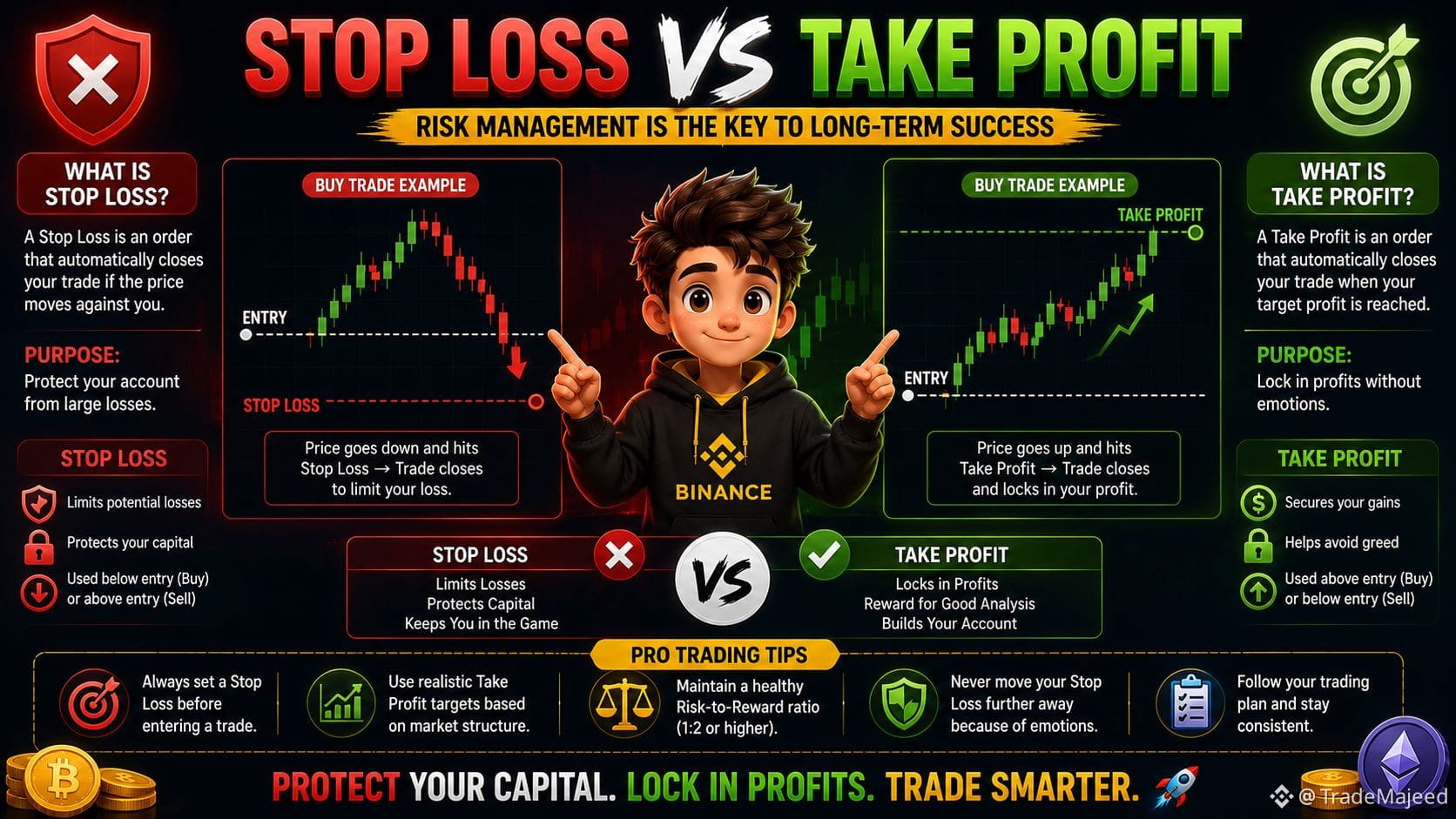
🛡️ Stop Loss vs Take Profit
Every successful trader knows that risk management is just as important as finding the right entry. Two of the most essential tools are Stop Loss (SL) and Take Profit (TP).
🔴 What is Stop Loss?
A Stop Loss is an order that automatically closes your trade if the price moves against you. It helps limit losses and protects your trading capital.
Purpose: Protect your account from large losses.
🟢 What is Take Profit?
A Take Profit is an order that automatically closes your trade when your target profit is reached.
Purpose: Lock in profits without letting emotions affect your decision.
⚖️ Stop Loss vs Take Profit
🔴 Stop Loss
Limits potential losses
Protects your capital
Used below entry (Buy) or above entry (Sell)
🟢 Take Profit
Secures your gains
Helps avoid greed
Used above entry (Buy) or below entry (Sell)
💡 Pro Trading Tips
✅ Always set a Stop Loss before entering a trade.
✅ Use realistic Take Profit targets based on market structure.
✅ Maintain a healthy Risk-to-Reward ratio (such as 1:2 or higher).
✅ Never move your Stop Loss further away because of emotions.
✅ Follow your trading plan consistently.
🎯 Remember: Winning traders don't win every trade—they manage risk on every trade.
Protect Your Capital. Lock in Profits. Trade Smarter. 📈
#Crypto_Jobs🎯 #CryptoTrading. #StopLossStrategies #TakeProfits #Binance
🛡️ Stop Loss vs Take Profit
Every successful trader knows that risk management is just as important as finding the right entry. Two of the most essential tools are Stop Loss (SL) and Take Profit (TP).
🔴 What is Stop Loss?
A Stop Loss is an order that automatically closes your trade if the price moves against you. It helps limit losses and protects your trading capital.
Purpose: Protect your account from large losses.
🟢 What is Take Profit?
A Take Profit is an order that automatically closes your trade when your target profit is reached.
Purpose: Lock in profits without letting emotions affect your decision.
⚖️ Stop Loss vs Take Profit
🔴 Stop Loss
Limits potential losses
Protects your capital
Used below entry (Buy) or above entry (Sell)
🟢 Take Profit
Secures your gains
Helps avoid greed
Used above entry (Buy) or below entry (Sell)
💡 Pro Trading Tips
✅ Always set a Stop Loss before entering a trade.
✅ Use realistic Take Profit targets based on market structure.
✅ Maintain a healthy Risk-to-Reward ratio (such as 1:2 or higher).
✅ Never move your Stop Loss further away because of emotions.
✅ Follow your trading plan consistently.
🎯 Remember: Winning traders don't win every trade—they manage risk on every trade.
Protect Your Capital. Lock in Profits. Trade Smarter. 📈
#Crypto_Jobs🎯 #CryptoTrading. #StopLossStrategies #TakeProfits #Binance
Every successful trader knows that risk management is just as important as finding the right entry. Two of the most essential tools are Stop Loss (SL) and Take Profit (TP).
🔴 What is Stop Loss?
A Stop Loss is an order that automatically closes your trade if the price moves against you. It helps limit losses and protects your trading capital.
Purpose: Protect your account from large losses.
🟢 What is Take Profit?
A Take Profit is an order that automatically closes your trade when your target profit is reached.
Purpose: Lock in profits without letting emotions affect your decision.
⚖️ Stop Loss vs Take Profit
🔴 Stop Loss
Limits potential losses
Protects your capital
Used below entry (Buy) or above entry (Sell)
🟢 Take Profit
Secures your gains
Helps avoid greed
Used above entry (Buy) or below entry (Sell)
💡 Pro Trading Tips
✅ Always set a Stop Loss before entering a trade.
✅ Use realistic Take Profit targets based on market structure.
✅ Maintain a healthy Risk-to-Reward ratio (such as 1:2 or higher).
✅ Never move your Stop Loss further away because of emotions.
✅ Follow your trading plan consistently.
🎯 Remember: Winning traders don't win every trade—they manage risk on every trade.
Protect Your Capital. Lock in Profits. Trade Smarter. 📈
#Crypto_Jobs🎯 #CryptoTrading. #StopLossStrategies #TakeProfits #Binance
99

·
--
🛑 Why is a Stop-Loss necessary in Crypto?
If you bought Crypto worth ₹1,000 and the price keeps falling, then losses can keep increasing without a Stop-Loss.
👉 Stop-Loss means:
Setting a price level where you exit the trade by limiting your losses.
📌 Example:
Buy Price = ₹100
Stop-Loss = ₹95
➡️ If the price reaches ₹95, then exit.
💡 Remember:
Making profit is important, but saving your capital is even more important.
❌ Without Stop-Loss = High Risk
✅ Stop-Loss = Controlled Risk
#CryptoLearning g #cryptoindia a #RiskManagement #StopLossStrategies s #BinanceSquare
🛑 Why is a Stop-Loss necessary in Crypto?
If you bought Crypto worth ₹1,000 and the price keeps falling, then losses can keep increasing without a Stop-Loss.
👉 Stop-Loss means:
Setting a price level where you exit the trade by limiting your losses.
📌 Example:
Buy Price = ₹100
Stop-Loss = ₹95
➡️ If the price reaches ₹95, then exit.
💡 Remember:
Making profit is important, but saving your capital is even more important.
❌ Without Stop-Loss = High Risk
✅ Stop-Loss = Controlled Risk
#CryptoLearning g #cryptoindia a #RiskManagement #StopLossStrategies s #BinanceSquare
If you bought Crypto worth ₹1,000 and the price keeps falling, then losses can keep increasing without a Stop-Loss.
👉 Stop-Loss means:
Setting a price level where you exit the trade by limiting your losses.
📌 Example:
Buy Price = ₹100
Stop-Loss = ₹95
➡️ If the price reaches ₹95, then exit.
💡 Remember:
Making profit is important, but saving your capital is even more important.
❌ Without Stop-Loss = High Risk
✅ Stop-Loss = Controlled Risk
#CryptoLearning g #cryptoindia a #RiskManagement #StopLossStrategies s #BinanceSquare
33

YOUR STOP LOSS IS NOT YOUR ENEMY. NO STOP LOSS IS THE ENEMY THAT WILL KNOCK YOU OUT.
I used to think stop loss is for weak traders. Real traders hold, right? Then one trade without a stop took 40% of my portfolio in one night. That was my knockout.
In boxing you keep your guard up not because you are scared, but because you respect the game and want to fight tomorrow. Stop loss is your guard.
How I set it now: I decide my risk before entry. Max 1-2% of portfolio per trade. Then I place the stop where the setup is invalidated, not where I feel comfortable. If setup needs a 10% stop, I reduce position size. I never widen a stop because “it will come back.”
The best fighters are not the ones who never get hit. They are the ones who know how to take a small hit and stay in the ring.
Do you trade with a hard stop or mental stop?
If this hit hard, Like to protect another trader, Comment GUARD, and Tip to keep this fighter mindset series alive!
Educational only. #StopLossStrategies
{spot}(MSFTBUSDT)
YOUR STOP LOSS IS NOT YOUR ENEMY. NO STOP LOSS IS THE ENEMY THAT WILL KNOCK YOU OUT.
I used to think stop loss is for weak traders. Real traders hold, right? Then one trade without a stop took 40% of my portfolio in one night. That was my knockout.
In boxing you keep your guard up not because you are scared, but because you respect the game and want to fight tomorrow. Stop loss is your guard.
How I set it now: I decide my risk before entry. Max 1-2% of portfolio per trade. Then I place the stop where the setup is invalidated, not where I feel comfortable. If setup needs a 10% stop, I reduce position size. I never widen a stop because “it will come back.”
The best fighters are not the ones who never get hit. They are the ones who know how to take a small hit and stay in the ring.
Do you trade with a hard stop or mental stop?
If this hit hard, Like to protect another trader, Comment GUARD, and Tip to keep this fighter mindset series alive!
Educational only. #StopLossStrategies
I used to think stop loss is for weak traders. Real traders hold, right? Then one trade without a stop took 40% of my portfolio in one night. That was my knockout.
In boxing you keep your guard up not because you are scared, but because you respect the game and want to fight tomorrow. Stop loss is your guard.
How I set it now: I decide my risk before entry. Max 1-2% of portfolio per trade. Then I place the stop where the setup is invalidated, not where I feel comfortable. If setup needs a 10% stop, I reduce position size. I never widen a stop because “it will come back.”
The best fighters are not the ones who never get hit. They are the ones who know how to take a small hit and stay in the ring.
Do you trade with a hard stop or mental stop?
If this hit hard, Like to protect another trader, Comment GUARD, and Tip to keep this fighter mindset series alive!
Educational only. #StopLossStrategies

98

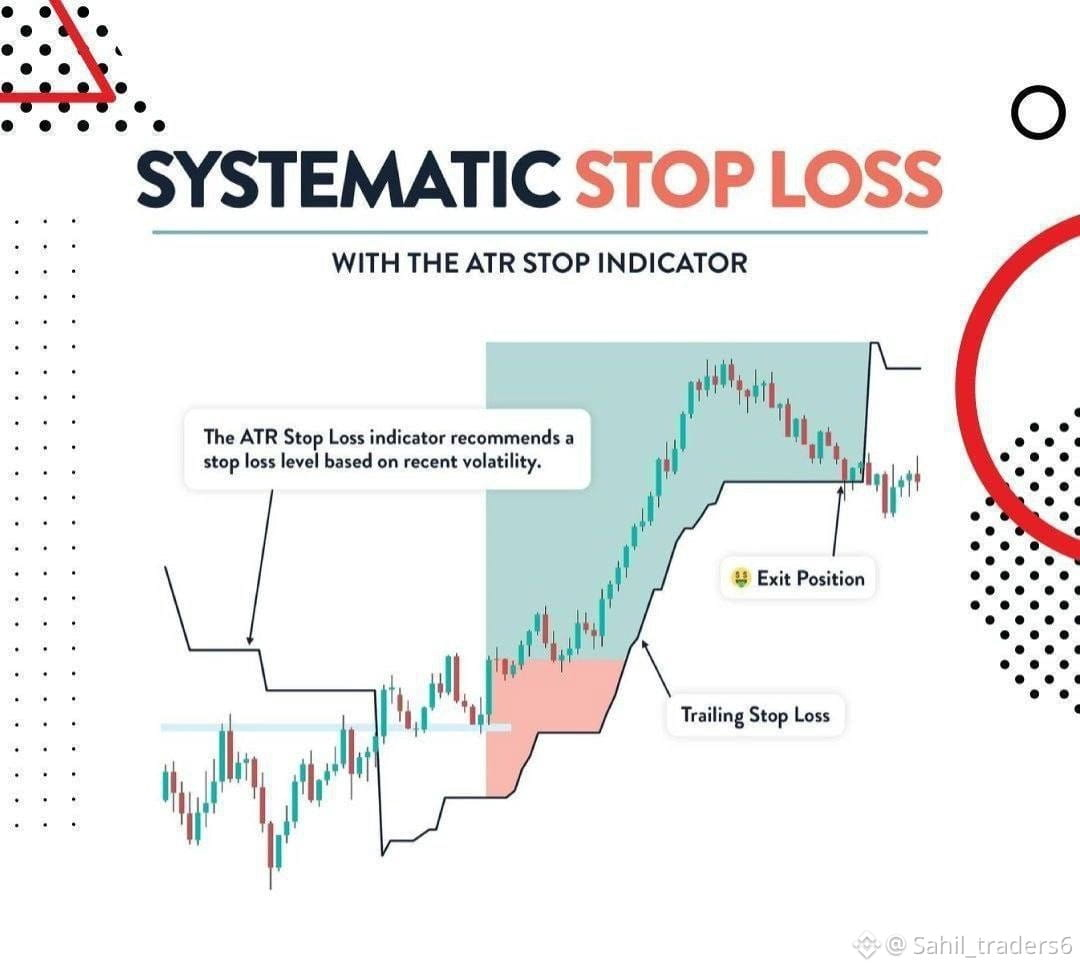
Secure your trades with the ATR Stop Indicator!
This powerful tool helps you implement a systematic stop-loss strategy, safeguarding your investments and minimizing risks. Trust the ATR Stop to navigate volatile markets with confidence. Start using it today and trade with peace of mind. Your success is our priority!
$BLESS $SOL $LYN
{future}(LYNUSDT)
{future}(SOLUSDT)
{future}(BLESSUSDT)
#StopLossStrategies #educational_post #crypto #CryptoNew #bitcoin
Secure your trades with the ATR Stop Indicator!
This powerful tool helps you implement a systematic stop-loss strategy, safeguarding your investments and minimizing risks. Trust the ATR Stop to navigate volatile markets with confidence. Start using it today and trade with peace of mind. Your success is our priority!
$BLESS $SOL $LYN
#StopLossStrategies #educational_post #crypto #CryptoNew #bitcoin
This powerful tool helps you implement a systematic stop-loss strategy, safeguarding your investments and minimizing risks. Trust the ATR Stop to navigate volatile markets with confidence. Start using it today and trade with peace of mind. Your success is our priority!
$BLESS $SOL $LYN
#StopLossStrategies #educational_post #crypto #CryptoNew #bitcoin
1
273


Article
🚨 Beware of “Drama Coins”: When Volatility Turns into a Scam 🎭💥🚨 Beware of “Drama Coins”: When Volatility Turns into a Scam 🎭💥
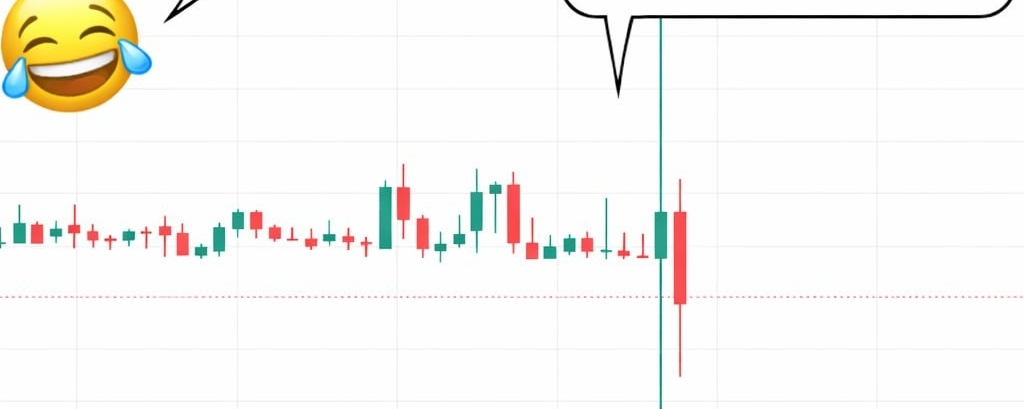
Crypto trading is exciting — but sometimes, excitement hides danger. Recently, traders spotted charts that look less like market movement and more like a roller coaster gone wrong. One moment stable, the next a massive spike up and down. That’s not volatility — that’s manipulation.
🤔 What’s Really Happening?
These sudden spikes often come from low-liquidity coins or pump‑and‑dump schemes. A few whales or insiders push the price up to attract buyers, then dump everything, leaving retail traders holding the bag. The result? A chart that looks like a heart attack.
⚠️ How to Spot a “Drama Coin”
Unnatural price jumps within minutes
Huge candles with no news or volume support
Anonymous teams and vague project goals
Telegram hype but zero real-world utility
If you see a chart like the one in the meme — laugh first, but then walk away fast.
💡 Smart Trader Tips
Always check liquidity and volume consistency, Research the team and tokenomics before buying
Avoid coins that rely on hype instead of fundamentals
Use stop-losses and never chase green candles
😂 Humor Helps, But Awareness Saves
We turned one of these scam charts into a meme — because sometimes laughter spreads awareness faster than warnings.
“This crypto got more drama than a telenovela! 📺😂”
Share it, tag your friends, and remind them: Don’t let volatility become your villain.
#viralpost
#scam
#Volatilidad
#StopLossStrategies
🚨 Beware of “Drama Coins”: When Volatility Turns into a Scam 🎭💥
🚨 Beware of “Drama Coins”: When Volatility Turns into a Scam 🎭💥
Crypto trading is exciting — but sometimes, excitement hides danger. Recently, traders spotted charts that look less like market movement and more like a roller coaster gone wrong. One moment stable, the next a massive spike up and down. That’s not volatility — that’s manipulation.
🤔 What’s Really Happening?
These sudden spikes often come from low-liquidity coins or pump‑and‑dump schemes. A few whales or insiders push the price up to attract buyers, then dump everything, leaving retail traders holding the bag. The result? A chart that looks like a heart attack.
⚠️ How to Spot a “Drama Coin”
Unnatural price jumps within minutes
Huge candles with no news or volume support
Anonymous teams and vague project goals
Telegram hype but zero real-world utility
If you see a chart like the one in the meme — laugh first, but then walk away fast.
💡 Smart Trader Tips
Always check liquidity and volume consistency, Research the team and tokenomics before buying
Avoid coins that rely on hype instead of fundamentals
Use stop-losses and never chase green candles
😂 Humor Helps, But Awareness Saves
We turned one of these scam charts into a meme — because sometimes laughter spreads awareness faster than warnings.
“This crypto got more drama than a telenovela! 📺😂”
Share it, tag your friends, and remind them: Don’t let volatility become your villain.
#viralpost
#scam
#Volatilidad
#StopLossStrategies
Crypto trading is exciting — but sometimes, excitement hides danger. Recently, traders spotted charts that look less like market movement and more like a roller coaster gone wrong. One moment stable, the next a massive spike up and down. That’s not volatility — that’s manipulation.
🤔 What’s Really Happening?
These sudden spikes often come from low-liquidity coins or pump‑and‑dump schemes. A few whales or insiders push the price up to attract buyers, then dump everything, leaving retail traders holding the bag. The result? A chart that looks like a heart attack.
⚠️ How to Spot a “Drama Coin”
Unnatural price jumps within minutes
Huge candles with no news or volume support
Anonymous teams and vague project goals
Telegram hype but zero real-world utility
If you see a chart like the one in the meme — laugh first, but then walk away fast.
💡 Smart Trader Tips
Always check liquidity and volume consistency, Research the team and tokenomics before buying
Avoid coins that rely on hype instead of fundamentals
Use stop-losses and never chase green candles
😂 Humor Helps, But Awareness Saves
We turned one of these scam charts into a meme — because sometimes laughter spreads awareness faster than warnings.
“This crypto got more drama than a telenovela! 📺😂”
Share it, tag your friends, and remind them: Don’t let volatility become your villain.
#viralpost
#scam
#Volatilidad
#StopLossStrategies
2
240

·
--
#MarketMoves Wel come back
As long I can see market sweeps #Liquidations #StopLossStrategies
now we can see uptrend
#SUI🔥 just Enter At market prize there is much posibility for sui acheving $1.10 $1.16
$BNB we may see $800 + vry soon
what is your predction Can we discuss about the MARKET
comment here
#DYOR🟢 before trading
thank you
#MarketMoves Wel come back
As long I can see market sweeps #Liquidations #StopLossStrategies
now we can see uptrend
#SUI🔥 just Enter At market prize there is much posibility for sui acheving $1.10 $1.16
$BNB we may see $800 + vry soon
what is your predction Can we discuss about the MARKET
comment here
#DYOR🟢 before trading
thank you
As long I can see market sweeps #Liquidations #StopLossStrategies
now we can see uptrend
#SUI🔥 just Enter At market prize there is much posibility for sui acheving $1.10 $1.16
$BNB we may see $800 + vry soon
what is your predction Can we discuss about the MARKET
comment here
#DYOR🟢 before trading
thank you
83

·
--
what do you understand about risk management #StopLossStrategies
what do you understand about risk management #StopLossStrategies
50

·
--
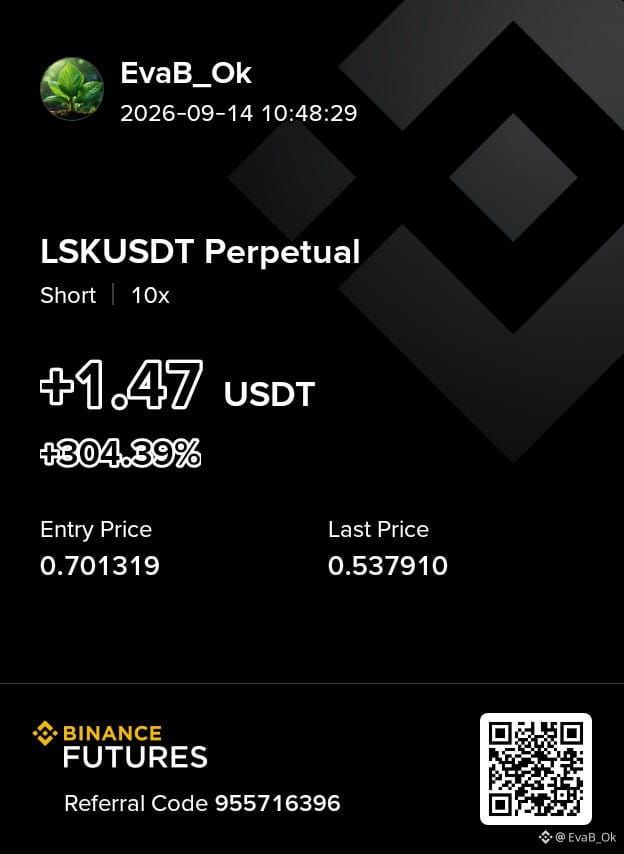
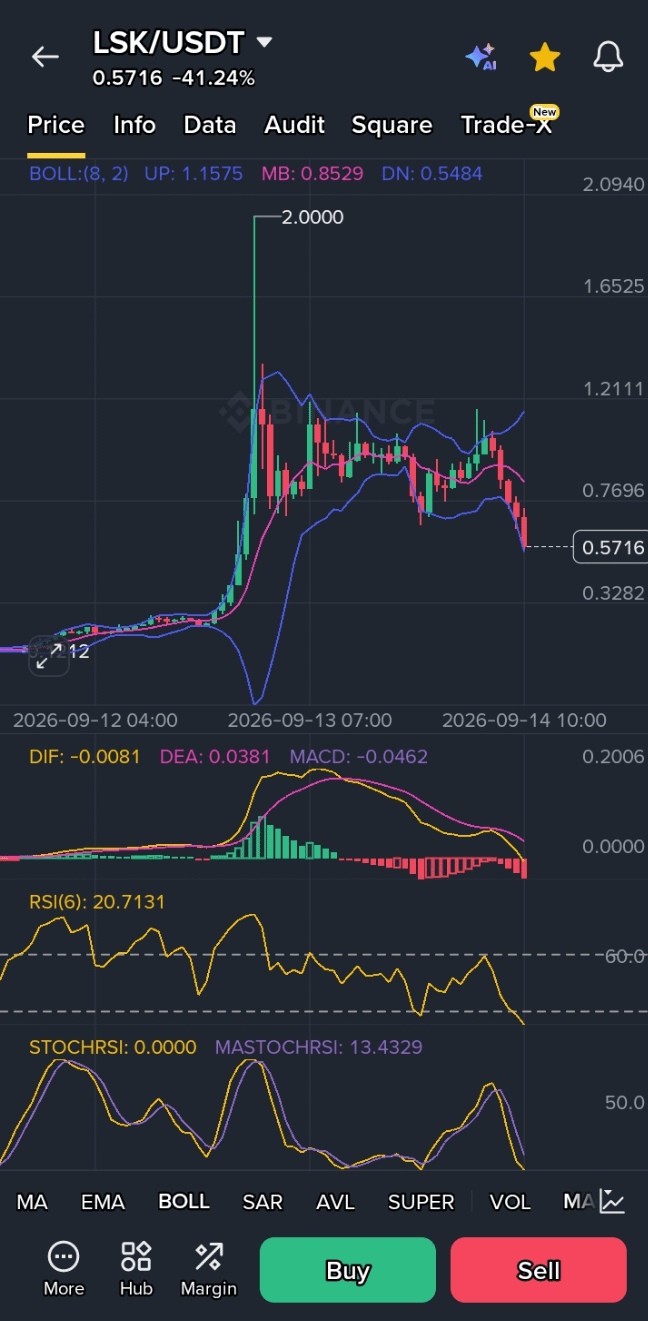
Kandra Niese A7R3:
usdc
309
22
326

·
--
Bullish
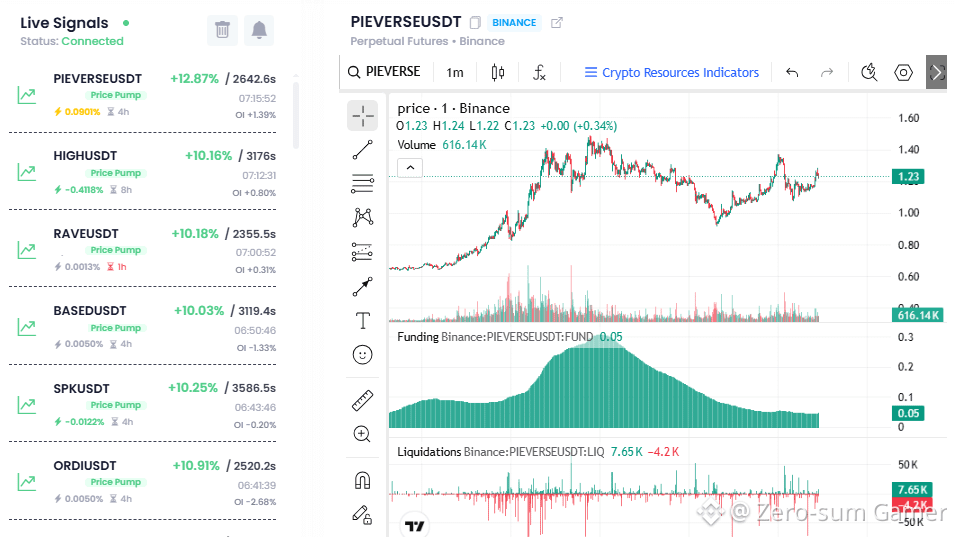
Why the market takes stops first and only then moves 🎯
Most traders think a level failed because price pierced it.
Usually that is not failure.
That is liquidity.
Stops cluster in the same obvious places:
📍 above the local high
📍 below the local low
📍 above the range
📍 under support
📍 where everyone puts the “safe” stop
That pool of stops is usable volume. Big money needs that volume to get filled. So price often runs into stops, liquidations, and late breakout entries first, then shows the real direction.
That is why the move looks dirty before it looks clean.
Why people keep getting trapped 🪤
The crowd trades the level itself.
The market trades the liquidity around it.
Price wicks through, knocks out weak hands, triggers futures liquidations, resets positioning, reshuffles OI — and only after that the move becomes cleaner.
Not because the market changed.
Because it got the fuel it needed.
How to read the sweep
A stop run alone is not a signal.
Watch what comes next:
📍 did price hold beyond the level
📍 did the move get continuation
📍 is OI building with the move or fading
📍 was it real impulse or just a wick
📍 does it match the market phase
If price sweeps a level and cannot continue, that was often just a liquidity grab.
Where the crowd loses
These are the usual mistakes:
📍 placing the obvious stop
📍 buying the first breakout
📍 shorting the first flush
📍 reacting to the sweep without confirmation
At Crypto Resources, we do not treat the first sweep as the entry. We watch what price does after liquidity is taken. Structure first. Then OI, liquidations, premium index, and only then execution.
The market rarely moves in a straight line.
First it clears out the obvious traders.
Then it goes where it was going anyway.
#StopLossStrategies #RiskManagement
Why the market takes stops first and only then moves 🎯
Most traders think a level failed because price pierced it.
Usually that is not failure.
That is liquidity.
Stops cluster in the same obvious places:
📍 above the local high
📍 below the local low
📍 above the range
📍 under support
📍 where everyone puts the “safe” stop
That pool of stops is usable volume. Big money needs that volume to get filled. So price often runs into stops, liquidations, and late breakout entries first, then shows the real direction.
That is why the move looks dirty before it looks clean.
Why people keep getting trapped 🪤
The crowd trades the level itself.
The market trades the liquidity around it.
Price wicks through, knocks out weak hands, triggers futures liquidations, resets positioning, reshuffles OI — and only after that the move becomes cleaner.
Not because the market changed.
Because it got the fuel it needed.
How to read the sweep
A stop run alone is not a signal.
Watch what comes next:
📍 did price hold beyond the level
📍 did the move get continuation
📍 is OI building with the move or fading
📍 was it real impulse or just a wick
📍 does it match the market phase
If price sweeps a level and cannot continue, that was often just a liquidity grab.
Where the crowd loses
These are the usual mistakes:
📍 placing the obvious stop
📍 buying the first breakout
📍 shorting the first flush
📍 reacting to the sweep without confirmation
At Crypto Resources, we do not treat the first sweep as the entry. We watch what price does after liquidity is taken. Structure first. Then OI, liquidations, premium index, and only then execution.
The market rarely moves in a straight line.
First it clears out the obvious traders.
Then it goes where it was going anyway.
#StopLossStrategies #RiskManagement
Most traders think a level failed because price pierced it.
Usually that is not failure.
That is liquidity.
Stops cluster in the same obvious places:
📍 above the local high
📍 below the local low
📍 above the range
📍 under support
📍 where everyone puts the “safe” stop
That pool of stops is usable volume. Big money needs that volume to get filled. So price often runs into stops, liquidations, and late breakout entries first, then shows the real direction.
That is why the move looks dirty before it looks clean.
Why people keep getting trapped 🪤
The crowd trades the level itself.
The market trades the liquidity around it.
Price wicks through, knocks out weak hands, triggers futures liquidations, resets positioning, reshuffles OI — and only after that the move becomes cleaner.
Not because the market changed.
Because it got the fuel it needed.
How to read the sweep
A stop run alone is not a signal.
Watch what comes next:
📍 did price hold beyond the level
📍 did the move get continuation
📍 is OI building with the move or fading
📍 was it real impulse or just a wick
📍 does it match the market phase
If price sweeps a level and cannot continue, that was often just a liquidity grab.
Where the crowd loses
These are the usual mistakes:
📍 placing the obvious stop
📍 buying the first breakout
📍 shorting the first flush
📍 reacting to the sweep without confirmation
At Crypto Resources, we do not treat the first sweep as the entry. We watch what price does after liquidity is taken. Structure first. Then OI, liquidations, premium index, and only then execution.
The market rarely moves in a straight line.
First it clears out the obvious traders.
Then it goes where it was going anyway.
#StopLossStrategies #RiskManagement
1
585


Article
🚨 YOUR STOP LOSS IS NOT PROTECTING YOU — IT'S TARGETING YOU 🚨Let's have an honest conversation that most trading educators won't dare to have with you. 💬
Every single day, millions of retail traders place their Stop Loss orders thinking they're being responsible, thinking they're managing risk, thinking they're doing everything right. 📊 And every single day, those same traders watch in disbelief as price wicks down *exactly* to their SL level — then immediately reverses and goes in the direction they originally predicted. 😤
Sound familiar? It should. Because it's not a coincidence. It's not bad luck. **It's by design.** 🎯
---
🔍 **UNDERSTANDING THE GAME YOU'RE ACTUALLY PLAYING**
Here's the truth that changes everything: **Your Stop Loss is public information.** 📢
Read that again. Slowly.
When you place a Stop Loss order on any exchange, that order sits in the order book. It's visible. It's accessible. And to entities with enough capital — market makers, institutional traders, and smart money — it's not a risk management tool. **It's a liquidity pool waiting to be collected.** 💰
Market makers don't trade *with* you. They trade *against* you. 😈 Their entire business model depends on finding clusters of Stop Loss orders — usually sitting just below key support levels or just above key resistance levels — and engineering price movements to sweep through them.
That's the real game. And most retail traders don't even know they're playing it. 🎮
---
⚡ **THE THREE MOVES THAT DRAIN YOUR ACCOUNT**
Next time you see one of these, don't be fooled:
**1. 🕯️ The Sudden Wick**
Price spikes down in seconds, hits a key level, then shoots back up immediately. Everyone who had their SL just below support? Wiped. The market then rallies 5-10% without them.
**2. 💥 The Fake Breakout**
Price breaks above resistance with convincing momentum. Retail traders go long. Then price collapses back below the level, triggering all their stops — before the *real* breakout happens.
**3. 🌊 The Liquidation Cascade**
In futures trading, a small engineered move hits a cluster of leveraged positions, triggering a chain reaction of liquidations. The exchange collects. The market makers collect. You lose.
None of this is random. All of it is **liquidity being collected.** 🏦
---
😱 **WHY MOST TRADERS KEEP LOSING**
The painful reality is this: most retail traders are not losing because their analysis is wrong. They're losing because they're **predictable.** 🔮
Everyone puts their SL in the same obvious places:
- 📍 Just below the last swing low
- 📍 Just below a round number
- 📍 Just below a support zone
And because everyone does it, those levels become the most attractive targets for smart money. The more obvious your Stop Loss placement, the more certain it is to get hunted. 🎯
---
🧠 **THE MINDSET SHIFT THAT CHANGES EVERYTHING**
Stop asking: *"Where is my Stop Loss safe?"* ❌
Start asking: *"Where is everyone else's Stop Loss?"* ✅
Because wherever the majority of retail stop losses are clustered — **that's where price is going first.** Once that liquidity is swept, once those orders are filled, *then* the real move begins. And if you understand this, you can position yourself on the right side of it. 💡
This is what separates Smart Money traders from retail traders. It's not about having better indicators. It's not about finding a magic strategy. **It's about understanding how the market actually moves and why.** 🔑
---
🛡️ **SO WHAT DO YOU DO ABOUT IT?**
First — **never remove your Stop Loss entirely.** 🚫 That's not the lesson here. Trading without a SL is gambling, plain and simple.
The real solution is to **stop being predictable** and start being dynamic:
✅ **Place your SL beyond obvious levels** — give it room past the point where the majority of stops are clustered
✅ **Watch price action near your SL** — if price approaches your level slowly and with weak momentum, consider adjusting manually
✅ **Use dynamic Stop Losses** — trail your SL based on structure, not just a fixed number of pips or dollars
✅ **Think in terms of liquidity** — before entering any trade, ask yourself where the nearest liquidity pools are and whether price needs to sweep them first
✅ **Be patient after liquidity sweeps** — some of the best entries come *after* a fake move wipes out retail stops
✅ **Think like Smart Money, not like retail** — ask where the pain is, and position yourself away from the predictable crowd 🧩
---
⚖️ **STATIC SL vs DYNAMIC SL**
| | Static SL | Dynamic SL |
|---|---|---|
| 🎯 Target risk | HIGH | LOW |
| 🧠 Requires awareness | No | Yes |
| 💸 Account survival | Low | High |
| 📈 Long-term edge | None | Strong |
A static Stop Loss placed and forgotten is an **easy target.** 🎯
A dynamic Stop Loss managed with awareness is a **survival edge.** 🛡️
---
🔥 **THE FINAL TRUTH**
Stop Loss orders are necessary. Absolutely. Risk management is the foundation of any serious trading career. 📐
But a Stop Loss alone will not save you if you don't understand the environment you're trading in. The market is not a fair, neutral place where price moves randomly. **It is a battlefield** — and the players with the most capital write the rules. ⚔️
Your job as a retail trader is not to fight that reality. Your job is to **understand it, adapt to it, and use it to your advantage.** 🧬
The traders who last in this market are not the ones with the best indicators. They're not the ones with the most complex strategies. They are the ones who **think differently** — who see the liquidity game for what it is, and position themselves accordingly. 👑
So the next time you're about to place a trade, don't just ask where your Stop Loss is. Ask yourself: **"Am I being predictable right now?"** 🤔
Because in this market — **predictable means profitable... for someon else💀
🚀 Stay sharp. Stay aware. Trade like Smart Money.
#stoploss #StopLossStrategies #smartmoney #cryptotrading #btcfutures
🚨 YOUR STOP LOSS IS NOT PROTECTING YOU — IT'S TARGETING YOU 🚨
Let's have an honest conversation that most trading educators won't dare to have with you. 💬
Every single day, millions of retail traders place their Stop Loss orders thinking they're being responsible, thinking they're managing risk, thinking they're doing everything right. 📊 And every single day, those same traders watch in disbelief as price wicks down *exactly* to their SL level — then immediately reverses and goes in the direction they originally predicted. 😤
Sound familiar? It should. Because it's not a coincidence. It's not bad luck. **It's by design.** 🎯
---
🔍 **UNDERSTANDING THE GAME YOU'RE ACTUALLY PLAYING**
Here's the truth that changes everything: **Your Stop Loss is public information.** 📢
Read that again. Slowly.
When you place a Stop Loss order on any exchange, that order sits in the order book. It's visible. It's accessible. And to entities with enough capital — market makers, institutional traders, and smart money — it's not a risk management tool. **It's a liquidity pool waiting to be collected.** 💰
Market makers don't trade *with* you. They trade *against* you. 😈 Their entire business model depends on finding clusters of Stop Loss orders — usually sitting just below key support levels or just above key resistance levels — and engineering price movements to sweep through them.
That's the real game. And most retail traders don't even know they're playing it. 🎮
---
⚡ **THE THREE MOVES THAT DRAIN YOUR ACCOUNT**
Next time you see one of these, don't be fooled:
**1. 🕯️ The Sudden Wick**
Price spikes down in seconds, hits a key level, then shoots back up immediately. Everyone who had their SL just below support? Wiped. The market then rallies 5-10% without them.
**2. 💥 The Fake Breakout**
Price breaks above resistance with convincing momentum. Retail traders go long. Then price collapses back below the level, triggering all their stops — before the *real* breakout happens.
**3. 🌊 The Liquidation Cascade**
In futures trading, a small engineered move hits a cluster of leveraged positions, triggering a chain reaction of liquidations. The exchange collects. The market makers collect. You lose.
None of this is random. All of it is **liquidity being collected.** 🏦
---
😱 **WHY MOST TRADERS KEEP LOSING**
The painful reality is this: most retail traders are not losing because their analysis is wrong. They're losing because they're **predictable.** 🔮
Everyone puts their SL in the same obvious places:
- 📍 Just below the last swing low
- 📍 Just below a round number
- 📍 Just below a support zone
And because everyone does it, those levels become the most attractive targets for smart money. The more obvious your Stop Loss placement, the more certain it is to get hunted. 🎯
---
🧠 **THE MINDSET SHIFT THAT CHANGES EVERYTHING**
Stop asking: *"Where is my Stop Loss safe?"* ❌
Start asking: *"Where is everyone else's Stop Loss?"* ✅
Because wherever the majority of retail stop losses are clustered — **that's where price is going first.** Once that liquidity is swept, once those orders are filled, *then* the real move begins. And if you understand this, you can position yourself on the right side of it. 💡
This is what separates Smart Money traders from retail traders. It's not about having better indicators. It's not about finding a magic strategy. **It's about understanding how the market actually moves and why.** 🔑
---
🛡️ **SO WHAT DO YOU DO ABOUT IT?**
First — **never remove your Stop Loss entirely.** 🚫 That's not the lesson here. Trading without a SL is gambling, plain and simple.
The real solution is to **stop being predictable** and start being dynamic:
✅ **Place your SL beyond obvious levels** — give it room past the point where the majority of stops are clustered
✅ **Watch price action near your SL** — if price approaches your level slowly and with weak momentum, consider adjusting manually
✅ **Use dynamic Stop Losses** — trail your SL based on structure, not just a fixed number of pips or dollars
✅ **Think in terms of liquidity** — before entering any trade, ask yourself where the nearest liquidity pools are and whether price needs to sweep them first
✅ **Be patient after liquidity sweeps** — some of the best entries come *after* a fake move wipes out retail stops
✅ **Think like Smart Money, not like retail** — ask where the pain is, and position yourself away from the predictable crowd 🧩
---
⚖️ **STATIC SL vs DYNAMIC SL**
| | Static SL | Dynamic SL |
|---|---|---|
| 🎯 Target risk | HIGH | LOW |
| 🧠 Requires awareness | No | Yes |
| 💸 Account survival | Low | High |
| 📈 Long-term edge | None | Strong |
A static Stop Loss placed and forgotten is an **easy target.** 🎯
A dynamic Stop Loss managed with awareness is a **survival edge.** 🛡️
---
🔥 **THE FINAL TRUTH**
Stop Loss orders are necessary. Absolutely. Risk management is the foundation of any serious trading career. 📐
But a Stop Loss alone will not save you if you don't understand the environment you're trading in. The market is not a fair, neutral place where price moves randomly. **It is a battlefield** — and the players with the most capital write the rules. ⚔️
Your job as a retail trader is not to fight that reality. Your job is to **understand it, adapt to it, and use it to your advantage.** 🧬
The traders who last in this market are not the ones with the best indicators. They're not the ones with the most complex strategies. They are the ones who **think differently** — who see the liquidity game for what it is, and position themselves accordingly. 👑
So the next time you're about to place a trade, don't just ask where your Stop Loss is. Ask yourself: **"Am I being predictable right now?"** 🤔
Because in this market — **predictable means profitable... for someon else💀
🚀 Stay sharp. Stay aware. Trade like Smart Money.
#stoploss #StopLossStrategies #smartmoney #cryptotrading #btcfutures
Every single day, millions of retail traders place their Stop Loss orders thinking they're being responsible, thinking they're managing risk, thinking they're doing everything right. 📊 And every single day, those same traders watch in disbelief as price wicks down *exactly* to their SL level — then immediately reverses and goes in the direction they originally predicted. 😤
Sound familiar? It should. Because it's not a coincidence. It's not bad luck. **It's by design.** 🎯
---
🔍 **UNDERSTANDING THE GAME YOU'RE ACTUALLY PLAYING**
Here's the truth that changes everything: **Your Stop Loss is public information.** 📢
Read that again. Slowly.
When you place a Stop Loss order on any exchange, that order sits in the order book. It's visible. It's accessible. And to entities with enough capital — market makers, institutional traders, and smart money — it's not a risk management tool. **It's a liquidity pool waiting to be collected.** 💰
Market makers don't trade *with* you. They trade *against* you. 😈 Their entire business model depends on finding clusters of Stop Loss orders — usually sitting just below key support levels or just above key resistance levels — and engineering price movements to sweep through them.
That's the real game. And most retail traders don't even know they're playing it. 🎮
---
⚡ **THE THREE MOVES THAT DRAIN YOUR ACCOUNT**
Next time you see one of these, don't be fooled:
**1. 🕯️ The Sudden Wick**
Price spikes down in seconds, hits a key level, then shoots back up immediately. Everyone who had their SL just below support? Wiped. The market then rallies 5-10% without them.
**2. 💥 The Fake Breakout**
Price breaks above resistance with convincing momentum. Retail traders go long. Then price collapses back below the level, triggering all their stops — before the *real* breakout happens.
**3. 🌊 The Liquidation Cascade**
In futures trading, a small engineered move hits a cluster of leveraged positions, triggering a chain reaction of liquidations. The exchange collects. The market makers collect. You lose.
None of this is random. All of it is **liquidity being collected.** 🏦
---
😱 **WHY MOST TRADERS KEEP LOSING**
The painful reality is this: most retail traders are not losing because their analysis is wrong. They're losing because they're **predictable.** 🔮
Everyone puts their SL in the same obvious places:
- 📍 Just below the last swing low
- 📍 Just below a round number
- 📍 Just below a support zone
And because everyone does it, those levels become the most attractive targets for smart money. The more obvious your Stop Loss placement, the more certain it is to get hunted. 🎯
---
🧠 **THE MINDSET SHIFT THAT CHANGES EVERYTHING**
Stop asking: *"Where is my Stop Loss safe?"* ❌
Start asking: *"Where is everyone else's Stop Loss?"* ✅
Because wherever the majority of retail stop losses are clustered — **that's where price is going first.** Once that liquidity is swept, once those orders are filled, *then* the real move begins. And if you understand this, you can position yourself on the right side of it. 💡
This is what separates Smart Money traders from retail traders. It's not about having better indicators. It's not about finding a magic strategy. **It's about understanding how the market actually moves and why.** 🔑
---
🛡️ **SO WHAT DO YOU DO ABOUT IT?**
First — **never remove your Stop Loss entirely.** 🚫 That's not the lesson here. Trading without a SL is gambling, plain and simple.
The real solution is to **stop being predictable** and start being dynamic:
✅ **Place your SL beyond obvious levels** — give it room past the point where the majority of stops are clustered
✅ **Watch price action near your SL** — if price approaches your level slowly and with weak momentum, consider adjusting manually
✅ **Use dynamic Stop Losses** — trail your SL based on structure, not just a fixed number of pips or dollars
✅ **Think in terms of liquidity** — before entering any trade, ask yourself where the nearest liquidity pools are and whether price needs to sweep them first
✅ **Be patient after liquidity sweeps** — some of the best entries come *after* a fake move wipes out retail stops
✅ **Think like Smart Money, not like retail** — ask where the pain is, and position yourself away from the predictable crowd 🧩
---
⚖️ **STATIC SL vs DYNAMIC SL**
| | Static SL | Dynamic SL |
|---|---|---|
| 🎯 Target risk | HIGH | LOW |
| 🧠 Requires awareness | No | Yes |
| 💸 Account survival | Low | High |
| 📈 Long-term edge | None | Strong |
A static Stop Loss placed and forgotten is an **easy target.** 🎯
A dynamic Stop Loss managed with awareness is a **survival edge.** 🛡️
---
🔥 **THE FINAL TRUTH**
Stop Loss orders are necessary. Absolutely. Risk management is the foundation of any serious trading career. 📐
But a Stop Loss alone will not save you if you don't understand the environment you're trading in. The market is not a fair, neutral place where price moves randomly. **It is a battlefield** — and the players with the most capital write the rules. ⚔️
Your job as a retail trader is not to fight that reality. Your job is to **understand it, adapt to it, and use it to your advantage.** 🧬
The traders who last in this market are not the ones with the best indicators. They're not the ones with the most complex strategies. They are the ones who **think differently** — who see the liquidity game for what it is, and position themselves accordingly. 👑
So the next time you're about to place a trade, don't just ask where your Stop Loss is. Ask yourself: **"Am I being predictable right now?"** 🤔
Because in this market — **predictable means profitable... for someon else💀
🚀 Stay sharp. Stay aware. Trade like Smart Money.
#stoploss #StopLossStrategies #smartmoney #cryptotrading #btcfutures
97
·
--
Bullish
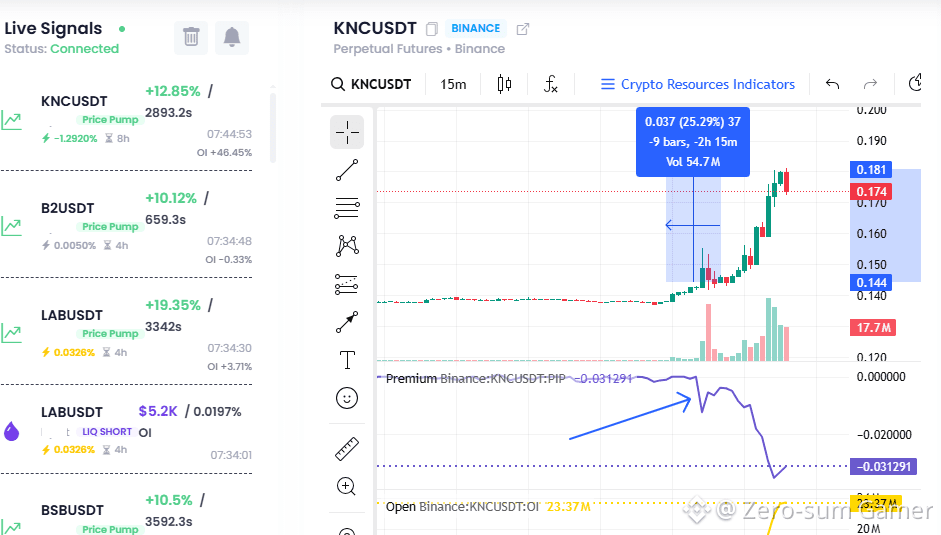
Guessing the direction means nothing if the market stopped you out before the move.
You had the right idea.
You failed the execution.
RM>SL
#StopLossStrategies #RiskManagement
$JCT $BLESS $COAI
{future}(COAIUSDT)
{future}(BLESSUSDT)
{future}(JCTUSDT)
Guessing the direction means nothing if the market stopped you out before the move.
You had the right idea.
You failed the execution.
RM>SL
#StopLossStrategies #RiskManagement
$JCT $BLESS $COAI
You had the right idea.
You failed the execution.
RM>SL
#StopLossStrategies #RiskManagement
$JCT $BLESS $COAI
2
326

·
--
Bullish
$BNB /USDT – Long Term Trade Idea ..
Current price: 657.46
24h change: -2.39%
🧠 Short Analysis:
· Large orders are selling heavily (-22,514 BNB)
· Small buyers still positive (+1,231 BNB)
· 5-day large inflow almost zero today → weakness
✅ Long Term Buy Setup (DCA Strategy)
Buy Zone (lana chahiye):
· First entry: 620–640 USDT
· Second entry: 580–600 USDT
Target (long term):
· TP1: 750
· TP2: 850+
Stop Loss (daily close basis):
· Strict SL: 550 USDT
💡
Agar aap BNB hold karte ho, to Write to Earn ka faida uthao – daily content banao, engagement badhao. Holding + earning = best combo.
#bnb #crypto #StopLossStrategies #Binance #Write2Earn
{spot}(BNBUSDT)
$BNB /USDT – Long Term Trade Idea ..
Current price: 657.46
24h change: -2.39%
🧠 Short Analysis:
· Large orders are selling heavily (-22,514 BNB)
· Small buyers still positive (+1,231 BNB)
· 5-day large inflow almost zero today → weakness
✅ Long Term Buy Setup (DCA Strategy)
Buy Zone (lana chahiye):
· First entry: 620–640 USDT
· Second entry: 580–600 USDT
Target (long term):
· TP1: 750
· TP2: 850+
Stop Loss (daily close basis):
· Strict SL: 550 USDT
💡
Agar aap BNB hold karte ho, to Write to Earn ka faida uthao – daily content banao, engagement badhao. Holding + earning = best combo.
#bnb #crypto #StopLossStrategies #Binance #Write2Earn
Current price: 657.46
24h change: -2.39%
🧠 Short Analysis:
· Large orders are selling heavily (-22,514 BNB)
· Small buyers still positive (+1,231 BNB)
· 5-day large inflow almost zero today → weakness
✅ Long Term Buy Setup (DCA Strategy)
Buy Zone (lana chahiye):
· First entry: 620–640 USDT
· Second entry: 580–600 USDT
Target (long term):
· TP1: 750
· TP2: 850+
Stop Loss (daily close basis):
· Strict SL: 550 USDT
💡
Agar aap BNB hold karte ho, to Write to Earn ka faida uthao – daily content banao, engagement badhao. Holding + earning = best combo.
#bnb #crypto #StopLossStrategies #Binance #Write2Earn
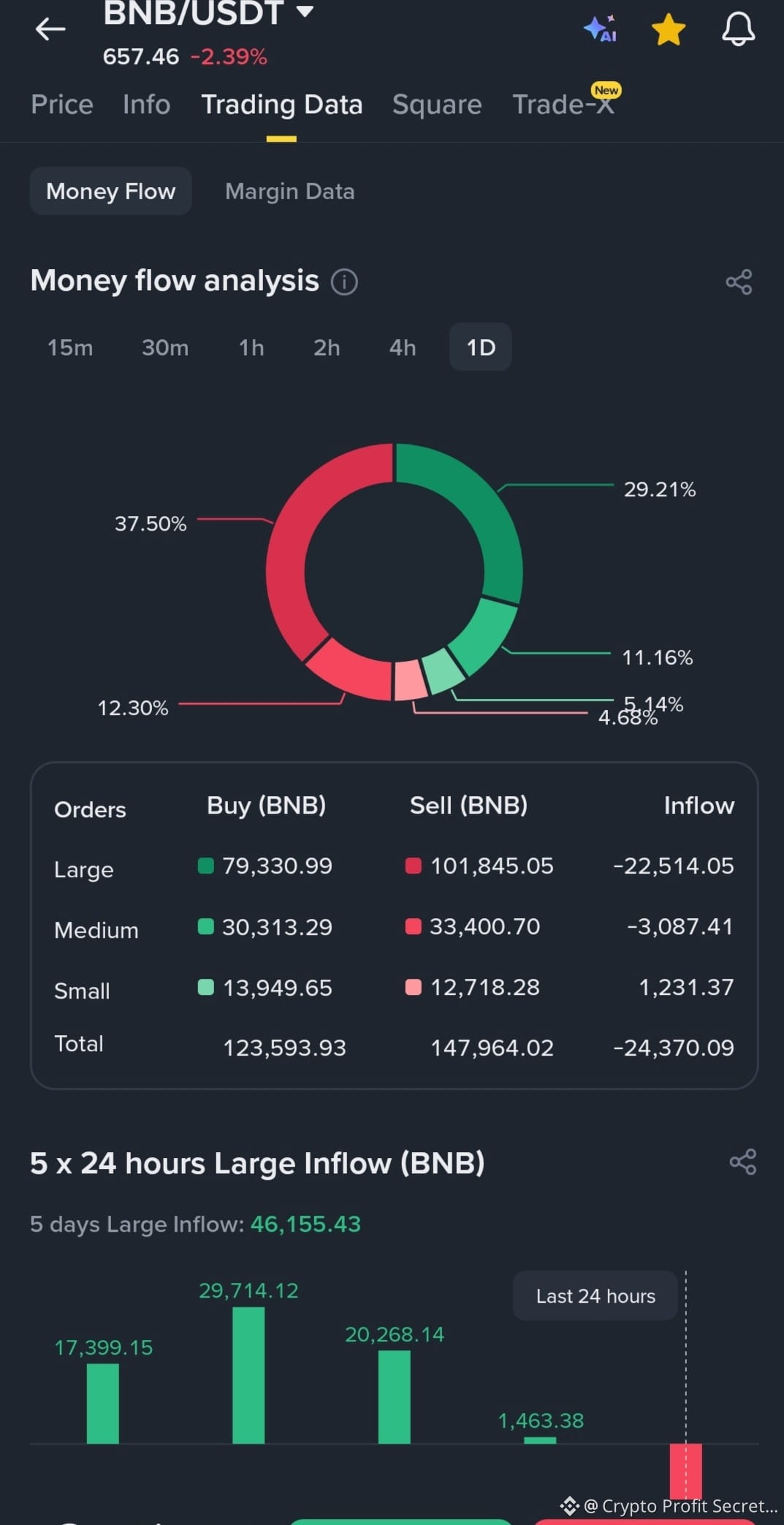
145
Log in to explore more content
Join global crypto users on Binance Square
⚡️ Get latest and useful information about crypto.
💬 Trusted by the world’s largest crypto exchange.
👍 Discover real insights from verified creators.
Email / Phone number
Trending Topics
1
#EarningsSeason
232,085 views
2,092 Discussing
2
#BitwiseLaunchesFirstSpotNEARETF
11,831 views
356 Discussing
3
#USJobOpeningsFallToFiveMonthLow
18,026 views
274 Discussing
4
#ECBToTestAIAgentsInDigitalEuroPayments
16,751 views
424 Discussing
5
#JapanFSABacksFourthStablecoinTradeSettlementPilot
19,775 views
463 Discussing
6
#BitgetHackerFailsToMoveStolenFunds
35,145 views
572 Discussing
7
#BitMineETHHoldingsTop6Million
29,731 views
677 Discussing
8
#StrategyAdds1666BTCHoldingsReach847666
25,362 views
468 Discussing
9
#NvidiaApproves$150BBuyback
4,749 views
71 Discussing
10
#OpenAIDelaysGPT6.1OverSafetyIssues
38,314 views
848 Discussing