
#solvprotocolhacked
solvprotocolhacked
2.4M views
16,341 Discussing
Hot
Latest


·
--
Article
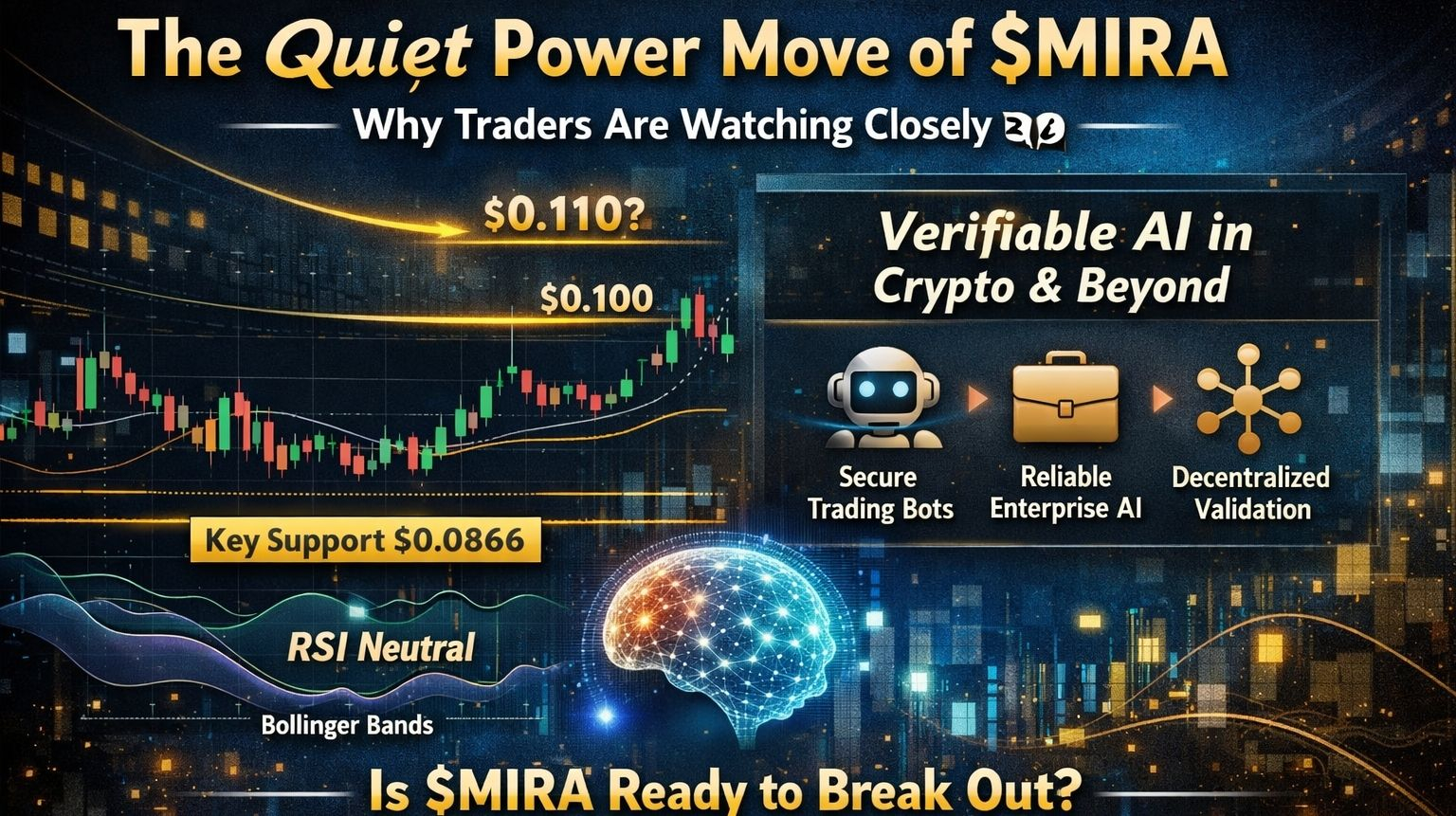
The Quiet Power Move of $MIRA: Why Traders Are Watching Closely 👀Over the past few days, $MIRA hasn’t been making headlines with wild spikes but that’s exactly what makes this moment interesting. After rallying near $0.11, the price settled into a calm $0.089–$0.093 zone. To the casual observer, it might look quiet. But seasoned traders know: markets often whisper before they roar.
Technically, $MIRA is showing signs of strength. Support at $0.0866 is holding, large sell orders are slowing, and RSI sits neutral. Even Bollinger Bands are tightening a classic volatility squeeze, hinting that the market is coiling for the next move. Add a higher low after a recent bullish push, and the chart suggests a potential trend continuation. Key zones to watch: $0.100 and $0.110.
But charts are just half the story. $MIRA isn’t just another token chasing AI hype—it’s solving one of the biggest problems in artificial intelligence: trust. With its verifiable AI layer, Mira ensures outputs can be validated before being acted upon. From crypto trading bots to enterprise AI and decentralized marketplaces, this layer of verification adds confidence where errors can be costly.
The market is noticing. MIRA blends strong technical structure with a real-world solution. And while nothing is guaranteed, quiet moments like this often precede meaningful moves. Patience now could pay off later.
Keep your eyes on @mira_network and $MIRA sometimes the most important market stories aren’t shouted; they’re whispered.
#Mira #SolvProtocolHacked #AI #AltcoinSeasonTalkTwoYearLow
The Quiet Power Move of $MIRA: Why Traders Are Watching Closely 👀
Over the past few days, $MIRA hasn’t been making headlines with wild spikes but that’s exactly what makes this moment interesting. After rallying near $0.11, the price settled into a calm $0.089–$0.093 zone. To the casual observer, it might look quiet. But seasoned traders know: markets often whisper before they roar.
Technically, $MIRA is showing signs of strength. Support at $0.0866 is holding, large sell orders are slowing, and RSI sits neutral. Even Bollinger Bands are tightening a classic volatility squeeze, hinting that the market is coiling for the next move. Add a higher low after a recent bullish push, and the chart suggests a potential trend continuation. Key zones to watch: $0.100 and $0.110.
But charts are just half the story. $MIRA isn’t just another token chasing AI hype—it’s solving one of the biggest problems in artificial intelligence: trust. With its verifiable AI layer, Mira ensures outputs can be validated before being acted upon. From crypto trading bots to enterprise AI and decentralized marketplaces, this layer of verification adds confidence where errors can be costly.
The market is noticing. MIRA blends strong technical structure with a real-world solution. And while nothing is guaranteed, quiet moments like this often precede meaningful moves. Patience now could pay off later.
Keep your eyes on @Mira - Trust Layer of AI and $MIRA sometimes the most important market stories aren’t shouted; they’re whispered.
#Mira #SolvProtocolHacked #AI #AltcoinSeasonTalkTwoYearLow
Technically, $MIRA is showing signs of strength. Support at $0.0866 is holding, large sell orders are slowing, and RSI sits neutral. Even Bollinger Bands are tightening a classic volatility squeeze, hinting that the market is coiling for the next move. Add a higher low after a recent bullish push, and the chart suggests a potential trend continuation. Key zones to watch: $0.100 and $0.110.
But charts are just half the story. $MIRA isn’t just another token chasing AI hype—it’s solving one of the biggest problems in artificial intelligence: trust. With its verifiable AI layer, Mira ensures outputs can be validated before being acted upon. From crypto trading bots to enterprise AI and decentralized marketplaces, this layer of verification adds confidence where errors can be costly.
The market is noticing. MIRA blends strong technical structure with a real-world solution. And while nothing is guaranteed, quiet moments like this often precede meaningful moves. Patience now could pay off later.
Keep your eyes on @Mira - Trust Layer of AI and $MIRA sometimes the most important market stories aren’t shouted; they’re whispered.
#Mira #SolvProtocolHacked #AI #AltcoinSeasonTalkTwoYearLow
10
4.8k

#IranIsraelConflict THE REAL WAR MAY NOT BE WHERE PEOPLE THINK
Everyone is watching missiles, headlines, and military strikes.
But zoom out for a moment — the real battlefield might be energy and currency power.
For years, China quietly built a massive oil pipeline outside the U.S. system.
Two key suppliers: Iran and Venezuela.
China has been buying large volumes of discounted oil from both countries, often through indirect shipping routes and “shadow fleet” tankers designed to bypass sanctions.
Some of this crude is even rebranded through third countries before reaching Chinese refineries.
Why does that matter?
Because cheap oil gives China a huge economic advantage.
Iranian crude alone has reportedly supplied around 13% of China’s seaborne oil imports, often sold below global prices.
And here’s the bigger geopolitical twist:
Many of these deals are settled outside the U.S. dollar, sometimes using the Chinese yuan instead.
Energy + currency = global power.
When oil trades move away from the dollar, it slowly chips away at the financial system that has supported U.S. dominance for decades.
Now connect the dots.
Sanctions on Iran.
Pressure on Venezuela.
Shipping crackdowns.
Tankers seized.
The pattern suggests something larger than regional conflicts.
A slow economic chess match between the two biggest powers on Earth.
China needs cheap energy to fuel growth.
The United States wants to protect the dollar-based global system.
Missiles grab headlines.
But sometimes the real war is fought with oil routes, sanctions, and currencies.
And when energy geopolitics shifts, markets—from oil to stocks to crypto—tend to move with it. $ETH
{spot}(ETHUSDT)
$ZEN
{spot}(ZENUSDT)
$DASH
{spot}(DASHUSDT)
#AltcoinSeasonTalkTwoYearLow #SolvProtocolHacked #USJobsData #MarketRebound
#IranIsraelConflict THE REAL WAR MAY NOT BE WHERE PEOPLE THINK
Everyone is watching missiles, headlines, and military strikes.
But zoom out for a moment — the real battlefield might be energy and currency power.
For years, China quietly built a massive oil pipeline outside the U.S. system.
Two key suppliers: Iran and Venezuela.
China has been buying large volumes of discounted oil from both countries, often through indirect shipping routes and “shadow fleet” tankers designed to bypass sanctions.
Some of this crude is even rebranded through third countries before reaching Chinese refineries.
Why does that matter?
Because cheap oil gives China a huge economic advantage.
Iranian crude alone has reportedly supplied around 13% of China’s seaborne oil imports, often sold below global prices.
And here’s the bigger geopolitical twist:
Many of these deals are settled outside the U.S. dollar, sometimes using the Chinese yuan instead.
Energy + currency = global power.
When oil trades move away from the dollar, it slowly chips away at the financial system that has supported U.S. dominance for decades.
Now connect the dots.
Sanctions on Iran.
Pressure on Venezuela.
Shipping crackdowns.
Tankers seized.
The pattern suggests something larger than regional conflicts.
A slow economic chess match between the two biggest powers on Earth.
China needs cheap energy to fuel growth.
The United States wants to protect the dollar-based global system.
Missiles grab headlines.
But sometimes the real war is fought with oil routes, sanctions, and currencies.
And when energy geopolitics shifts, markets—from oil to stocks to crypto—tend to move with it. $ETH
$ZEN
$DASH
#AltcoinSeasonTalkTwoYearLow #SolvProtocolHacked #USJobsData #MarketRebound
Everyone is watching missiles, headlines, and military strikes.
But zoom out for a moment — the real battlefield might be energy and currency power.
For years, China quietly built a massive oil pipeline outside the U.S. system.
Two key suppliers: Iran and Venezuela.
China has been buying large volumes of discounted oil from both countries, often through indirect shipping routes and “shadow fleet” tankers designed to bypass sanctions.
Some of this crude is even rebranded through third countries before reaching Chinese refineries.
Why does that matter?
Because cheap oil gives China a huge economic advantage.
Iranian crude alone has reportedly supplied around 13% of China’s seaborne oil imports, often sold below global prices.
And here’s the bigger geopolitical twist:
Many of these deals are settled outside the U.S. dollar, sometimes using the Chinese yuan instead.
Energy + currency = global power.
When oil trades move away from the dollar, it slowly chips away at the financial system that has supported U.S. dominance for decades.
Now connect the dots.
Sanctions on Iran.
Pressure on Venezuela.
Shipping crackdowns.
Tankers seized.
The pattern suggests something larger than regional conflicts.
A slow economic chess match between the two biggest powers on Earth.
China needs cheap energy to fuel growth.
The United States wants to protect the dollar-based global system.
Missiles grab headlines.
But sometimes the real war is fought with oil routes, sanctions, and currencies.
And when energy geopolitics shifts, markets—from oil to stocks to crypto—tend to move with it. $ETH
$ZEN
$DASH
#AltcoinSeasonTalkTwoYearLow #SolvProtocolHacked #USJobsData #MarketRebound

2
1.8k

·
--
Bearish
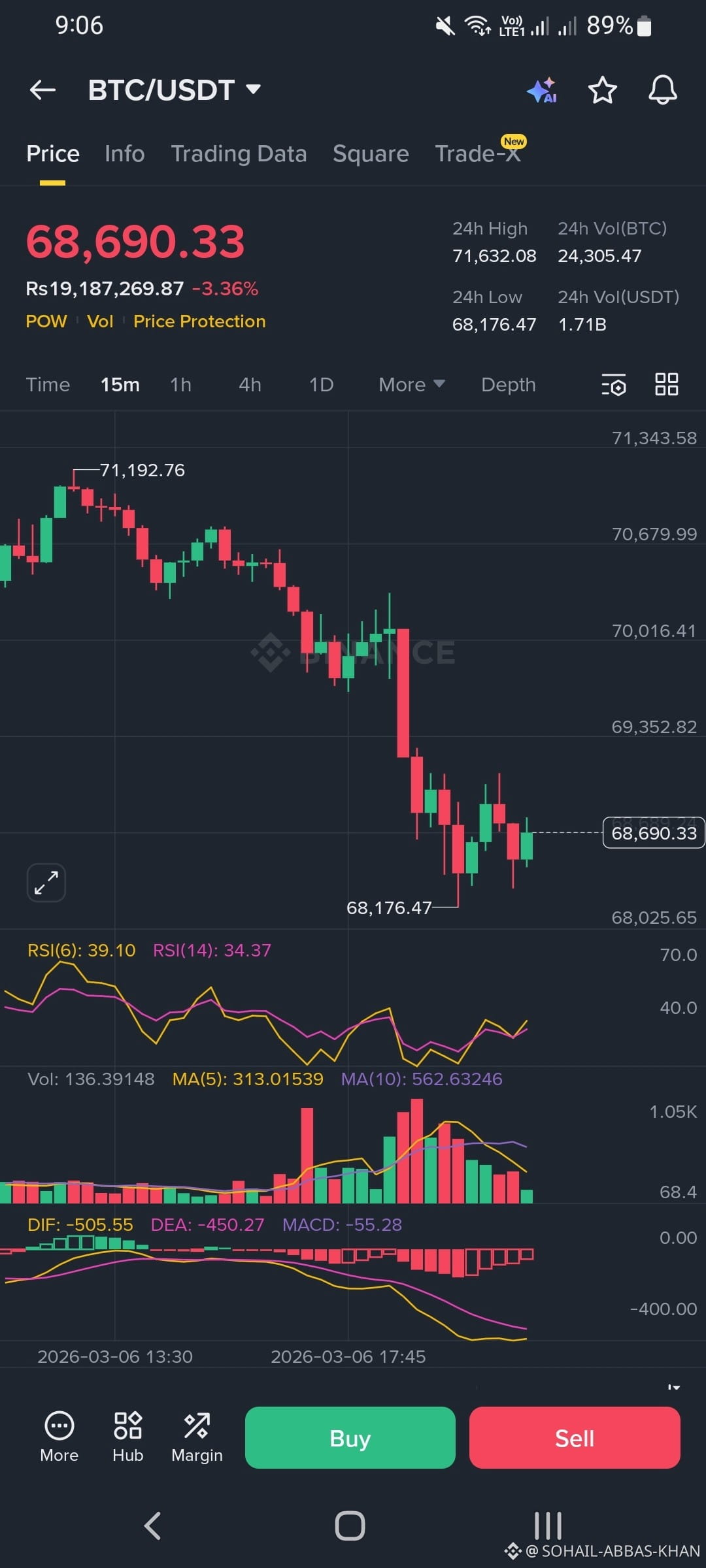
This BTC/USDT 15-minute chart shows Bitcoin in a clear short-term bearish phase. After hitting a high of $71,192, the price faced a sharp rejection, dropping roughly 3.36% to its current level of $68,690.
The indicators paint a cautious picture:
Momentum: The large red candles and increasing volume during the drop suggest strong selling pressure.
RSI: Both RSI(6) and RSI(14) are hovering in the 30–40 range, signaling bearish momentum but nearing "oversold" territory.
MACD: The MACD lines have crossed downward and are trending into negative territory, confirming the bearish trend isn't over yet.
Summary: The price is currently testing support near the $68,176 low. If it fails to hold here, we could see further downside; if it bounces, look for resistance near $70,000.$BTC
#AltcoinSeasonTalkTwoYearLow
#SolvProtocolHacked
#USJobsData
This BTC/USDT 15-minute chart shows Bitcoin in a clear short-term bearish phase. After hitting a high of $71,192, the price faced a sharp rejection, dropping roughly 3.36% to its current level of $68,690.
The indicators paint a cautious picture:
Momentum: The large red candles and increasing volume during the drop suggest strong selling pressure.
RSI: Both RSI(6) and RSI(14) are hovering in the 30–40 range, signaling bearish momentum but nearing "oversold" territory.
MACD: The MACD lines have crossed downward and are trending into negative territory, confirming the bearish trend isn't over yet.
Summary: The price is currently testing support near the $68,176 low. If it fails to hold here, we could see further downside; if it bounces, look for resistance near $70,000.$BTC
#AltcoinSeasonTalkTwoYearLow
#SolvProtocolHacked
#USJobsData
The indicators paint a cautious picture:
Momentum: The large red candles and increasing volume during the drop suggest strong selling pressure.
RSI: Both RSI(6) and RSI(14) are hovering in the 30–40 range, signaling bearish momentum but nearing "oversold" territory.
MACD: The MACD lines have crossed downward and are trending into negative territory, confirming the bearish trend isn't over yet.
Summary: The price is currently testing support near the $68,176 low. If it fails to hold here, we could see further downside; if it bounces, look for resistance near $70,000.$BTC
#AltcoinSeasonTalkTwoYearLow
#SolvProtocolHacked
#USJobsData
3
1
45
243

·
--
#Trump'sCyberStrategy $BTC $ETH #RFKJr.RunningforUSPresidentin2028 #AltcoinSeasonTalkTwoYearLow #SolvProtocolHacked #robo $ROBO 💪💪💪💪💪💪💪💪💪💪💪💪💪💪💪💪💪💪💪💪💪💪💪💪💪💪💪💪💪💪💪💪💪💪💪💪💪💪💪💪💪💪💪💪💪💪💪💪💪💪💪💪💪💪💪💪💪💪💪💪💪💪💪💪💪💪💪💪💪💪💪💪💪💪💪😊😊💪💪💪💪💪💪💪💪💪💪💪💪💪💪💪💪💪💪💪💪💪💪
#Trump'sCyberStrategy $BTC $ETH #RFKJr.RunningforUSPresidentin2028 #AltcoinSeasonTalkTwoYearLow #SolvProtocolHacked #robo $ROBO 💪💪💪💪💪💪💪💪💪💪💪💪💪💪💪💪💪💪💪💪💪💪💪💪💪💪💪💪💪💪💪💪💪💪💪💪💪💪💪💪💪💪💪💪💪💪💪💪💪💪💪💪💪💪💪💪💪💪💪💪💪💪💪💪💪💪💪💪💪💪💪💪💪💪💪😊😊💪💪💪💪💪💪💪💪💪💪💪💪💪💪💪💪💪💪💪💪💪💪
73

·
--
Bullish
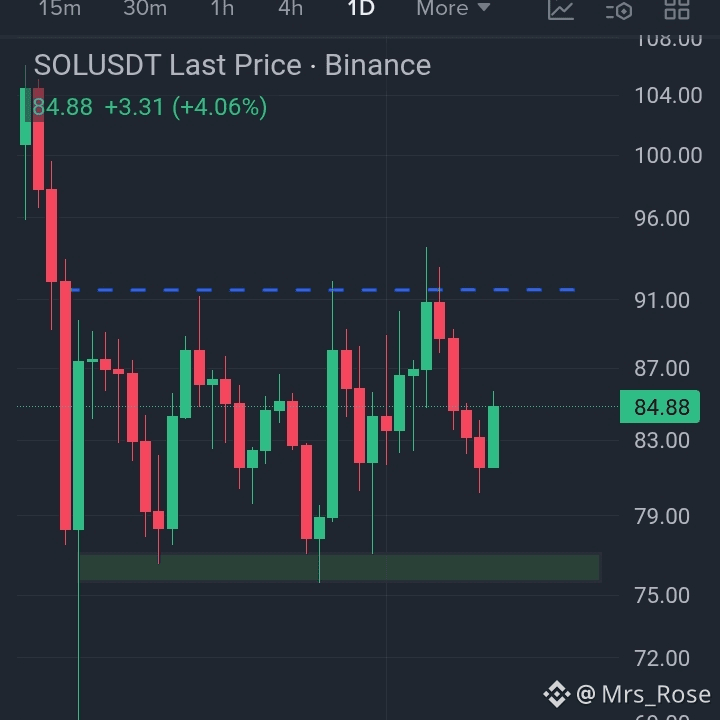
Hey Fam! 👋$SOL USDT is trading inside a clear range on the daily chart. Price is currently around 84.9 and sitting between strong support near 75 and resistance around 91. The market has been forming short swings inside this zone, so the next move will likely come from a breakout.
Entry
82.5 – 84.5
Targets
TP1: 88.0
TP2: 91.0
TP3: 96.0
Stop Loss
79.5
The 75–76 zone acted as strong support earlier, and buyers stepped in aggressively there. As long as price stays above the 82 area, a move back toward the 91 resistance is possible. A clean breakout above 91 could open the path toward the mid-90s. 📈
#SOL #Solona #StrategyBTCPurchase #SolvProtocolHacked #AltcoinSeasonTalkTwoYearLow
Hey Fam! 👋$SOL USDT is trading inside a clear range on the daily chart. Price is currently around 84.9 and sitting between strong support near 75 and resistance around 91. The market has been forming short swings inside this zone, so the next move will likely come from a breakout.
Entry
82.5 – 84.5
Targets
TP1: 88.0
TP2: 91.0
TP3: 96.0
Stop Loss
79.5
The 75–76 zone acted as strong support earlier, and buyers stepped in aggressively there. As long as price stays above the 82 area, a move back toward the 91 resistance is possible. A clean breakout above 91 could open the path toward the mid-90s. 📈
#SOL #Solona #StrategyBTCPurchase #SolvProtocolHacked #AltcoinSeasonTalkTwoYearLow
Entry
82.5 – 84.5
Targets
TP1: 88.0
TP2: 91.0
TP3: 96.0
Stop Loss
79.5
The 75–76 zone acted as strong support earlier, and buyers stepped in aggressively there. As long as price stays above the 82 area, a move back toward the 91 resistance is possible. A clean breakout above 91 could open the path toward the mid-90s. 📈
#SOL #Solona #StrategyBTCPurchase #SolvProtocolHacked #AltcoinSeasonTalkTwoYearLow
6
835

·
--
Bearish
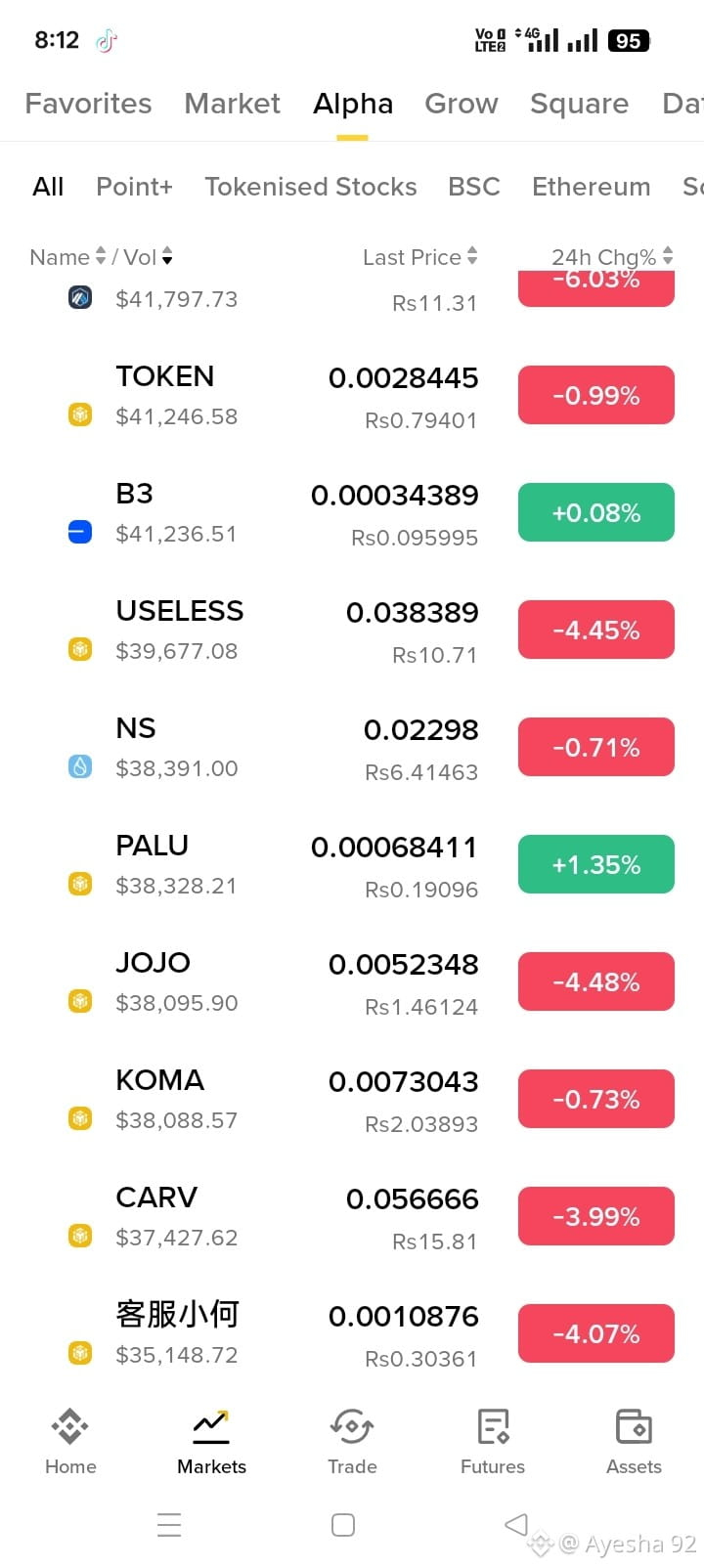
$客服小何
This lesser-known token has also dropped around 4%, highlighting how fragile liquidity can be in smaller markets. When trading volume thins, even modest selling pressure can push prices down quickly.
Takeaway: In low-liquidity assets, price moves often reflect activity levels more than long-term value. #SolvProtocolHacked #MarketPullback
$客服小何
This lesser-known token has also dropped around 4%, highlighting how fragile liquidity can be in smaller markets. When trading volume thins, even modest selling pressure can push prices down quickly.
Takeaway: In low-liquidity assets, price moves often reflect activity levels more than long-term value. #SolvProtocolHacked #MarketPullback
This lesser-known token has also dropped around 4%, highlighting how fragile liquidity can be in smaller markets. When trading volume thins, even modest selling pressure can push prices down quickly.
Takeaway: In low-liquidity assets, price moves often reflect activity levels more than long-term value. #SolvProtocolHacked #MarketPullback
1
6
957


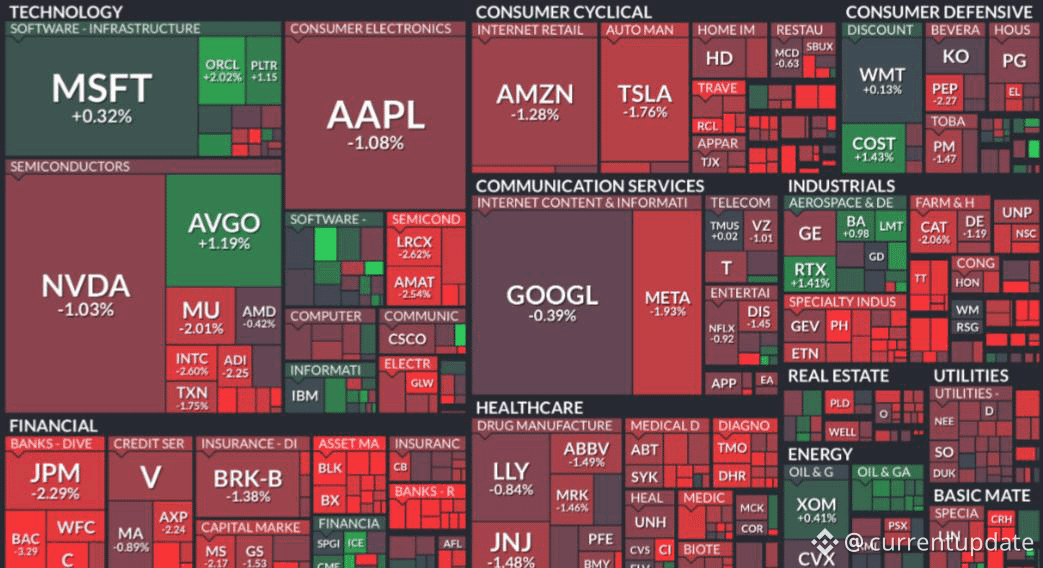
🚨 ALERT: About $800B wiped from U.S. stocks at the open.
#AltcoinSeasonTalkTwoYearLow
#SolvProtocolHacked
#USJobsData
#MarketRebound
#AIBinance
$BTC
{spot}(BTCUSDT)
$ETH
{spot}(ETHUSDT)
$BNB
{spot}(BNBUSDT)
🚨 ALERT: About $800B wiped from U.S. stocks at the open.
#AltcoinSeasonTalkTwoYearLow
#SolvProtocolHacked
#USJobsData
#MarketRebound
#AIBinance
$BTC
$ETH
$BNB
#AltcoinSeasonTalkTwoYearLow
#SolvProtocolHacked
#USJobsData
#MarketRebound
#AIBinance
$BTC
$ETH
$BNB
3
369

·
--
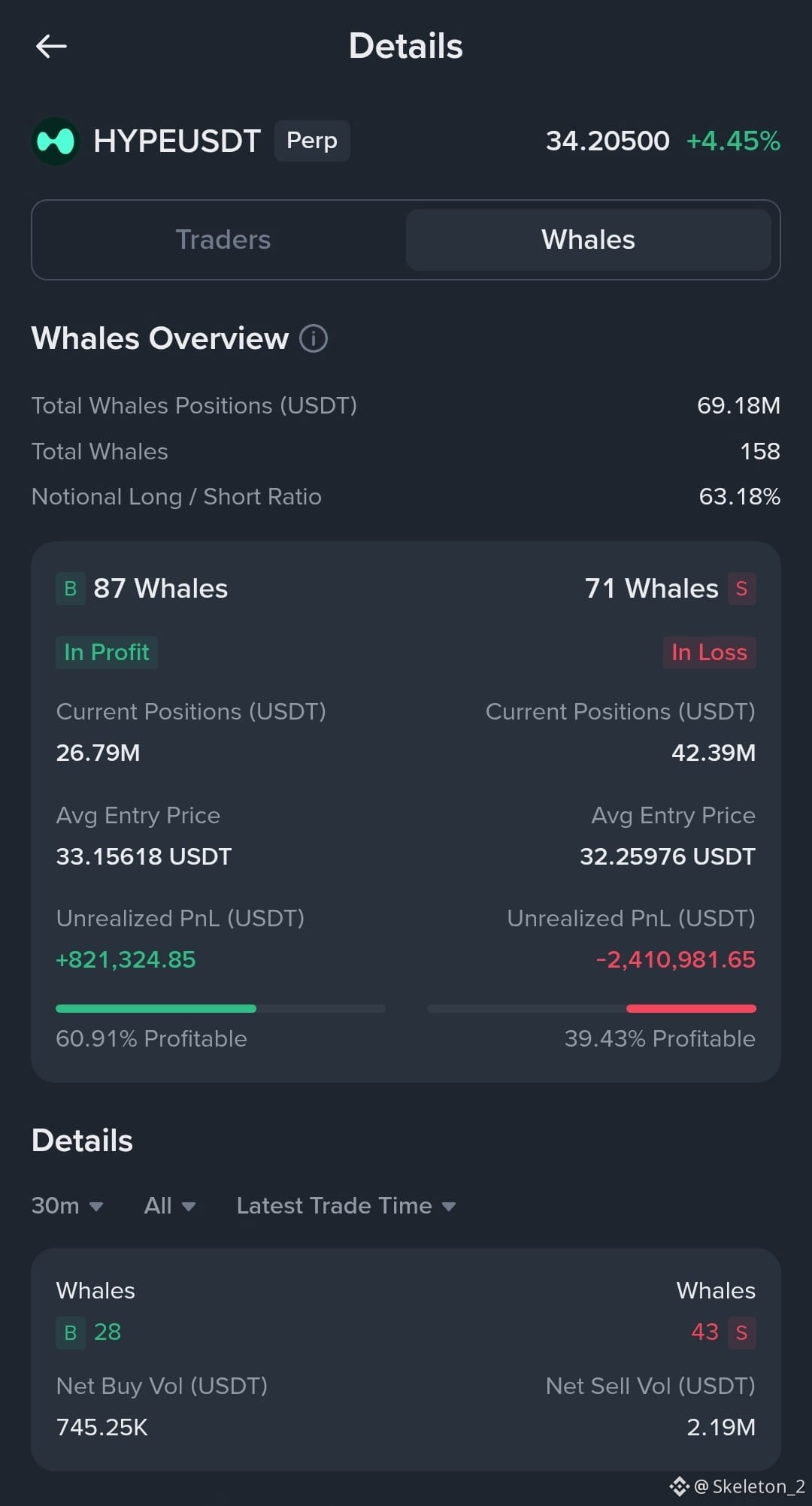
$HYPE Whales update,,,,, There are almost 87 whales are Now in long position,,,And The other side there are Almsot 71 whales are Now in Short position,,,,
But the real Matter is Position size,,, Long whales total position worth is 26.79M and The Short whales total position worth total 42.39M,,,,, Which is a Massive sign That price will falfall down Massively from Here because $HYPE price Fails To reclaim The local top and the rejection area Several times,,,,,, This is The time Just see the last 30min position opened size ratio,,,,, Short position opened 2.19M and long position opened only 700K+,,,, Why You're still seeing the market,,,,, While everyone opened their short position with whales,,,,,,
Keep Shorting and opened your maximum Short position Now,,,, Target set 30.50$ final and start to book profit from 33.60$ area,,,,, This is The time,,,, And put SL: 35.70$ above,,,,
#Web4theNextBigThing?
#Trump'sCyberStrategy
#Iran'sNewSupremeLeader
#OilPricesSlide
#SolvProtocolHacked
$HYPE Whales update,,,,, There are almost 87 whales are Now in long position,,,And The other side there are Almsot 71 whales are Now in Short position,,,,
But the real Matter is Position size,,, Long whales total position worth is 26.79M and The Short whales total position worth total 42.39M,,,,, Which is a Massive sign That price will falfall down Massively from Here because $HYPE price Fails To reclaim The local top and the rejection area Several times,,,,,, This is The time Just see the last 30min position opened size ratio,,,,, Short position opened 2.19M and long position opened only 700K+,,,, Why You're still seeing the market,,,,, While everyone opened their short position with whales,,,,,,
Keep Shorting and opened your maximum Short position Now,,,, Target set 30.50$ final and start to book profit from 33.60$ area,,,,, This is The time,,,, And put SL: 35.70$ above,,,,
#Web4theNextBigThing?
#Trump'sCyberStrategy
#Iran'sNewSupremeLeader
#OilPricesSlide
#SolvProtocolHacked
But the real Matter is Position size,,, Long whales total position worth is 26.79M and The Short whales total position worth total 42.39M,,,,, Which is a Massive sign That price will falfall down Massively from Here because $HYPE price Fails To reclaim The local top and the rejection area Several times,,,,,, This is The time Just see the last 30min position opened size ratio,,,,, Short position opened 2.19M and long position opened only 700K+,,,, Why You're still seeing the market,,,,, While everyone opened their short position with whales,,,,,,
Keep Shorting and opened your maximum Short position Now,,,, Target set 30.50$ final and start to book profit from 33.60$ area,,,,, This is The time,,,, And put SL: 35.70$ above,,,,
#Web4theNextBigThing?
#Trump'sCyberStrategy
#Iran'sNewSupremeLeader
#OilPricesSlide
#SolvProtocolHacked
5
826



·
--
Bullish
#SolvProtocolHacked
🚨 Breaking: Oil prices surge to record highs today due to escalating tensions in the Middle East
📈 Brent crude jumped sharply, surpassing $116 a barrel, amid fears of supply disruptions and declining production in the region following the escalation of tensions.
🚨 عاجل: أسعار النفط ترتفع بشكل قياسي اليوم بسبب تصاعد التوترات في الشرق الأوسط
📈 خام برنت ارتفع بشكل حاد وتجاوز ~116 دولارًا للبرميل وسط مخاوف من تعطّل الإمدادات وتراجع الإنتاج في المنطقة بعد تصاعد الصراع
#SolvProtocolHacked
🚨 Breaking: Oil prices surge to record highs today due to escalating tensions in the Middle East
📈 Brent crude jumped sharply, surpassing $116 a barrel, amid fears of supply disruptions and declining production in the region following the escalation of tensions.
🚨 عاجل: أسعار النفط ترتفع بشكل قياسي اليوم بسبب تصاعد التوترات في الشرق الأوسط
📈 خام برنت ارتفع بشكل حاد وتجاوز ~116 دولارًا للبرميل وسط مخاوف من تعطّل الإمدادات وتراجع الإنتاج في المنطقة بعد تصاعد الصراع
🚨 Breaking: Oil prices surge to record highs today due to escalating tensions in the Middle East
📈 Brent crude jumped sharply, surpassing $116 a barrel, amid fears of supply disruptions and declining production in the region following the escalation of tensions.
🚨 عاجل: أسعار النفط ترتفع بشكل قياسي اليوم بسبب تصاعد التوترات في الشرق الأوسط
📈 خام برنت ارتفع بشكل حاد وتجاوز ~116 دولارًا للبرميل وسط مخاوف من تعطّل الإمدادات وتراجع الإنتاج في المنطقة بعد تصاعد الصراع
3
76

·
--
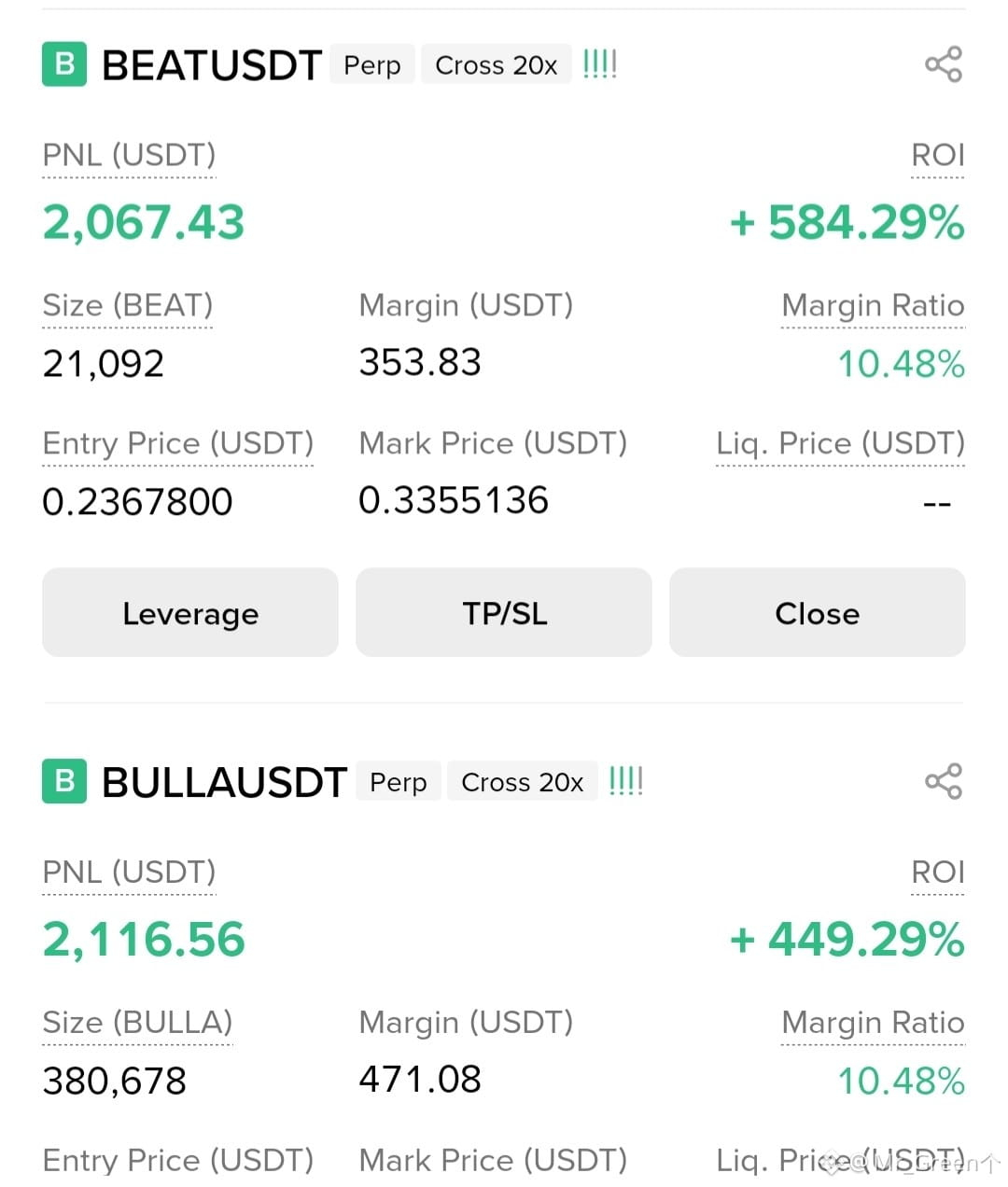
Hello from $BEAT and $BULLA long guys...
So, how was your day today? Made profit or in loss now?
Join our chatroom to get sure signals...
[N.B: Position pic from Future Demo, Just for showing you how much you could get]
#JobsDataShock #AltcoinSeasonTalkTwoYearLow #SolvProtocolHacked #MarketPullback #Mr_Green
Hello from $BEAT and $BULLA long guys...
So, how was your day today? Made profit or in loss now?
Join our chatroom to get sure signals...
[N.B: Position pic from Future Demo, Just for showing you how much you could get]
#JobsDataShock #AltcoinSeasonTalkTwoYearLow #SolvProtocolHacked #MarketPullback #Mr_Green
So, how was your day today? Made profit or in loss now?
Join our chatroom to get sure signals...
[N.B: Position pic from Future Demo, Just for showing you how much you could get]
#JobsDataShock #AltcoinSeasonTalkTwoYearLow #SolvProtocolHacked #MarketPullback #Mr_Green
11
931


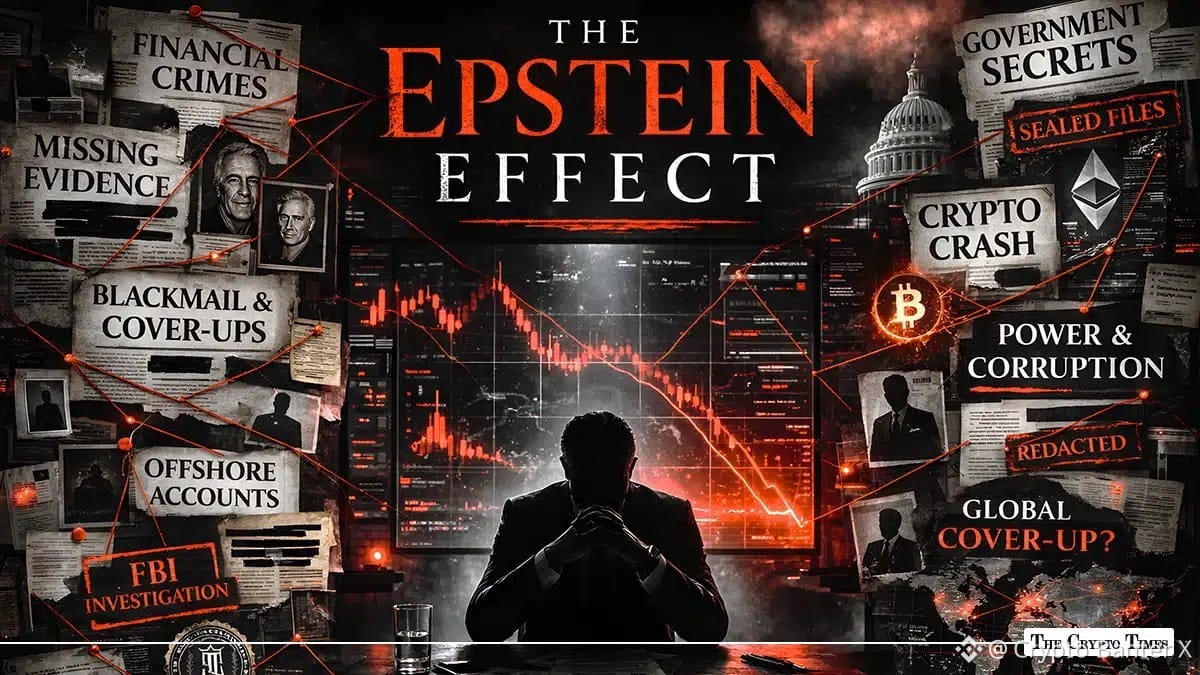
🚨3 Million Pages. $100B Gone. Coincidence?
A ghost from a 2014 private island could liquidate your long position in 2026. The real volatility started when 3 million pages of the Epstein files were released.
Suddenly, “smart money” wasn’t looking at $BTC RSI anymore - they were checking if their GP or bank CEO appeared somewhere in those documents.
$BTC market was already weak even before these files appeared. The Epstein files were just the lightning bolt hitting an already soaked forest.
So is crypto dead?
{future}(BTCUSDT)
#AltcoinSeasonTalkTwoYearLow #SolvProtocolHacked #USJobsData #MarketRebound #AIBinance
🚨3 Million Pages. $100B Gone. Coincidence?
A ghost from a 2014 private island could liquidate your long position in 2026. The real volatility started when 3 million pages of the Epstein files were released.
Suddenly, “smart money” wasn’t looking at $BTC RSI anymore - they were checking if their GP or bank CEO appeared somewhere in those documents.
$BTC market was already weak even before these files appeared. The Epstein files were just the lightning bolt hitting an already soaked forest.
So is crypto dead?
#AltcoinSeasonTalkTwoYearLow #SolvProtocolHacked #USJobsData #MarketRebound #AIBinance
A ghost from a 2014 private island could liquidate your long position in 2026. The real volatility started when 3 million pages of the Epstein files were released.
Suddenly, “smart money” wasn’t looking at $BTC RSI anymore - they were checking if their GP or bank CEO appeared somewhere in those documents.
$BTC market was already weak even before these files appeared. The Epstein files were just the lightning bolt hitting an already soaked forest.
So is crypto dead?
#AltcoinSeasonTalkTwoYearLow #SolvProtocolHacked #USJobsData #MarketRebound #AIBinance
3
106

·
--
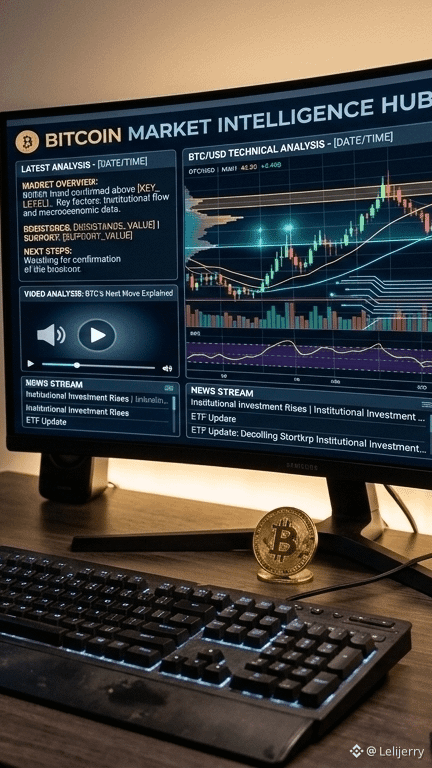
#BTC Market Analysis – March 2026
Bullish Momentum: BTC is currently showing a strong bullish trend, successfully holding above the major support levels.
The price is testing a critical resistance zone. A breakout above this level could lead to a new yearly high.
Market Sentiment: Current sentiment is 71% Bullish, driven by increased institutional investment and positive ETF updates.
Volatility Alert: High trading volume is causing significant volatility. Traders should watch for a confirmed breakout before entering new positions.
Technical Indicator: The RSI (Relative Strength Index) suggests the market is nearing the overbought zone, so a short-term correction is possible.
Quick Catchy Captions for Video/Social Media:
Bitcoin eyes the next breakout! 🚀 Is it time to buy?
"Analyzing the 2026 BTC surge: Key levels to watch tonight."
Real-time Bitcoin intelligence: Bullish trend confirmed.
Disclaimer: Crypto markets are highly volatile. This analysis is for informational purposes only and is not financial advice#AltcoinSeasonTalkTwoYearLow #SolvProtocolHacked #USJobsData #MarketRebound
{spot}(BTCUSDT)
#BTC Market Analysis – March 2026
Bullish Momentum: BTC is currently showing a strong bullish trend, successfully holding above the major support levels.
The price is testing a critical resistance zone. A breakout above this level could lead to a new yearly high.
Market Sentiment: Current sentiment is 71% Bullish, driven by increased institutional investment and positive ETF updates.
Volatility Alert: High trading volume is causing significant volatility. Traders should watch for a confirmed breakout before entering new positions.
Technical Indicator: The RSI (Relative Strength Index) suggests the market is nearing the overbought zone, so a short-term correction is possible.
Quick Catchy Captions for Video/Social Media:
Bitcoin eyes the next breakout! 🚀 Is it time to buy?
"Analyzing the 2026 BTC surge: Key levels to watch tonight."
Real-time Bitcoin intelligence: Bullish trend confirmed.
Disclaimer: Crypto markets are highly volatile. This analysis is for informational purposes only and is not financial advice#AltcoinSeasonTalkTwoYearLow #SolvProtocolHacked #USJobsData #MarketRebound
Bullish Momentum: BTC is currently showing a strong bullish trend, successfully holding above the major support levels.
The price is testing a critical resistance zone. A breakout above this level could lead to a new yearly high.
Market Sentiment: Current sentiment is 71% Bullish, driven by increased institutional investment and positive ETF updates.
Volatility Alert: High trading volume is causing significant volatility. Traders should watch for a confirmed breakout before entering new positions.
Technical Indicator: The RSI (Relative Strength Index) suggests the market is nearing the overbought zone, so a short-term correction is possible.
Quick Catchy Captions for Video/Social Media:
Bitcoin eyes the next breakout! 🚀 Is it time to buy?
"Analyzing the 2026 BTC surge: Key levels to watch tonight."
Real-time Bitcoin intelligence: Bullish trend confirmed.
Disclaimer: Crypto markets are highly volatile. This analysis is for informational purposes only and is not financial advice#AltcoinSeasonTalkTwoYearLow #SolvProtocolHacked #USJobsData #MarketRebound
1
13
500


Article
The American crypto law may be approved by July of this year“Kristin Smith,” President of the Solana Policy Institute and former official at the Blockchain Association, predicted that the “Clarity Act,” one of the most important regulatory projects for the cryptocurrency market in the United States, would be enacted by July 2026.
In an interview with “Fortune” magazine, “Smith” explained that passing standalone legislation during an election year is not easy, so lawmakers may try to pass it by including it in major bills that must be adopted.
The American crypto law may be approved by July of this year
“Kristin Smith,” President of the Solana Policy Institute and former official at the Blockchain Association, predicted that the “Clarity Act,” one of the most important regulatory projects for the cryptocurrency market in the United States, would be enacted by July 2026.
In an interview with “Fortune” magazine, “Smith” explained that passing standalone legislation during an election year is not easy, so lawmakers may try to pass it by including it in major bills that must be adopted.
In an interview with “Fortune” magazine, “Smith” explained that passing standalone legislation during an election year is not easy, so lawmakers may try to pass it by including it in major bills that must be adopted.
5
635

·
--
Bearish
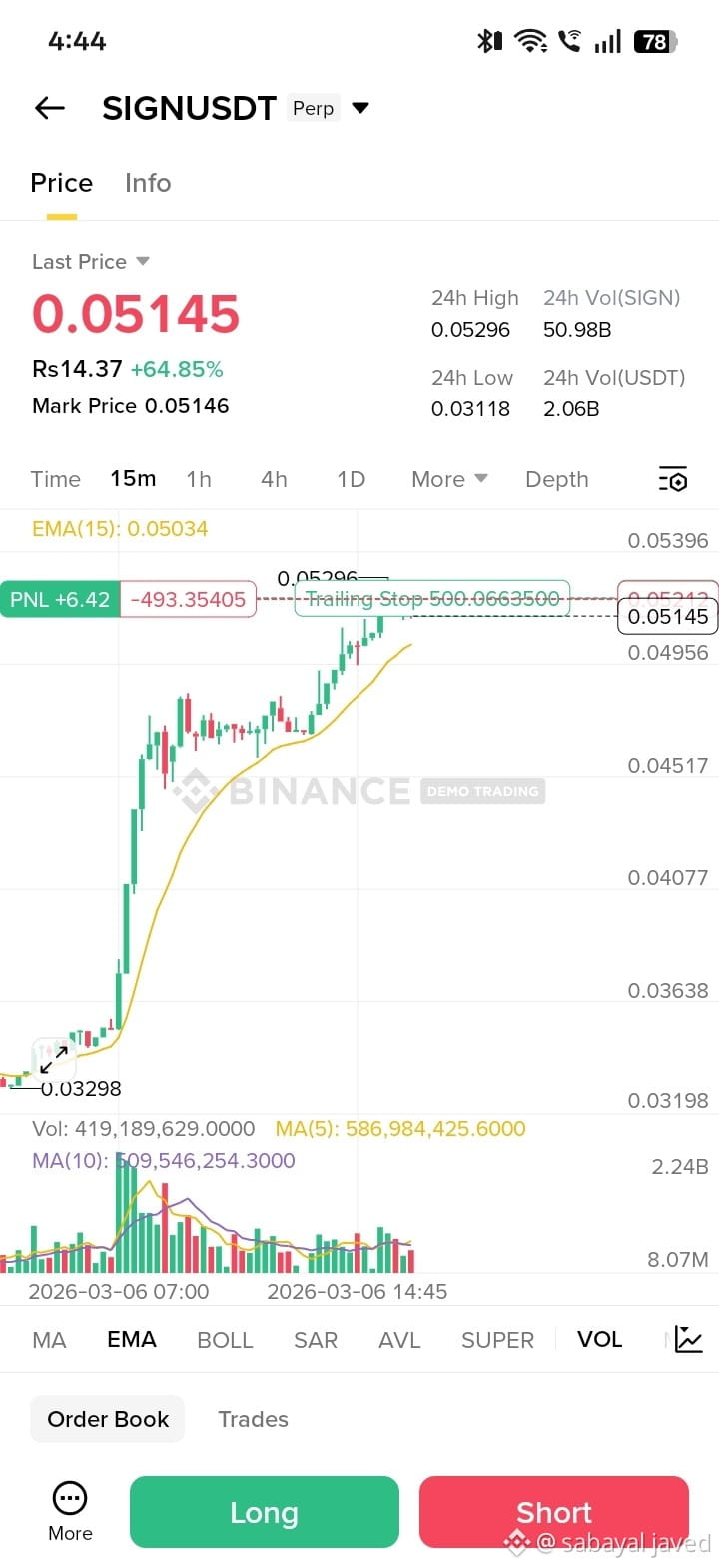
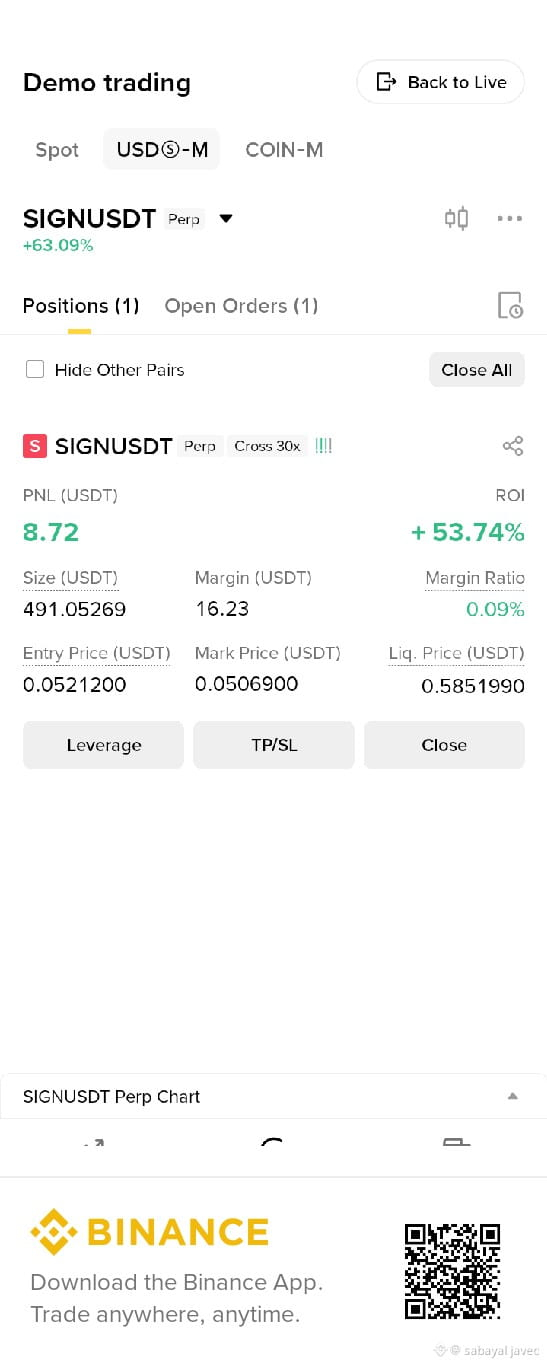
$SIGN protocol usdt
short plan fastly brother good entry
$SIGN Protocol /USDT (15m)
1️⃣ Short Entry: 0.0520 – 0.0525
2️⃣ Stop Loss: 0.0540
3️⃣ Take Profit 1: 0.0498
4️⃣ Take Profit 2: 0.0475
5️⃣ Resistance: 0.0530 strong zone
6️⃣ EMA support: 0.0500 area
#AltcoinSeasonTalkTwoYearLow #SolvProtocolHacked #USJobsData
$SIGN protocol usdt
short plan fastly brother good entry
$SIGN Protocol /USDT (15m)
1️⃣ Short Entry: 0.0520 – 0.0525
2️⃣ Stop Loss: 0.0540
3️⃣ Take Profit 1: 0.0498
4️⃣ Take Profit 2: 0.0475
5️⃣ Resistance: 0.0530 strong zone
6️⃣ EMA support: 0.0500 area
#AltcoinSeasonTalkTwoYearLow #SolvProtocolHacked #USJobsData
short plan fastly brother good entry
$SIGN Protocol /USDT (15m)
1️⃣ Short Entry: 0.0520 – 0.0525
2️⃣ Stop Loss: 0.0540
3️⃣ Take Profit 1: 0.0498
4️⃣ Take Profit 2: 0.0475
5️⃣ Resistance: 0.0530 strong zone
6️⃣ EMA support: 0.0500 area
#AltcoinSeasonTalkTwoYearLow #SolvProtocolHacked #USJobsData
1
1
1
185

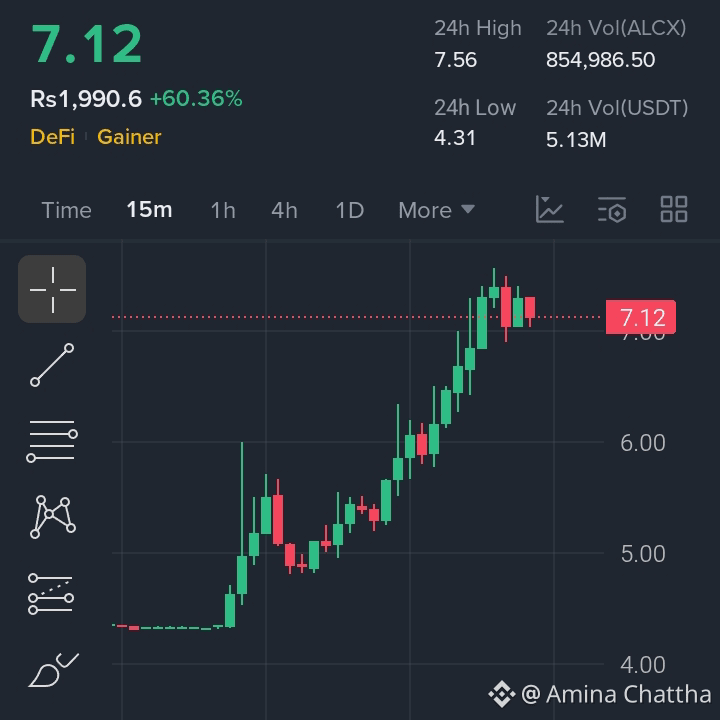
$ALCX Vertical Rally Momentum Play 🚀
Entry: 6.80 – 7.20
TP1: 8.20
TP2: 9.50
TP3: 11.00
SL: 6.10
#JobsDataShock #AltcoinSeasonTalkTwoYearLow #SolvProtocolHacked
{spot}(ALCXUSDT)
$ALCX Vertical Rally Momentum Play 🚀
Entry: 6.80 – 7.20
TP1: 8.20
TP2: 9.50
TP3: 11.00
SL: 6.10
#JobsDataShock #AltcoinSeasonTalkTwoYearLow #SolvProtocolHacked
Entry: 6.80 – 7.20
TP1: 8.20
TP2: 9.50
TP3: 11.00
SL: 6.10
#JobsDataShock #AltcoinSeasonTalkTwoYearLow #SolvProtocolHacked
1
4
1.6k

·
--
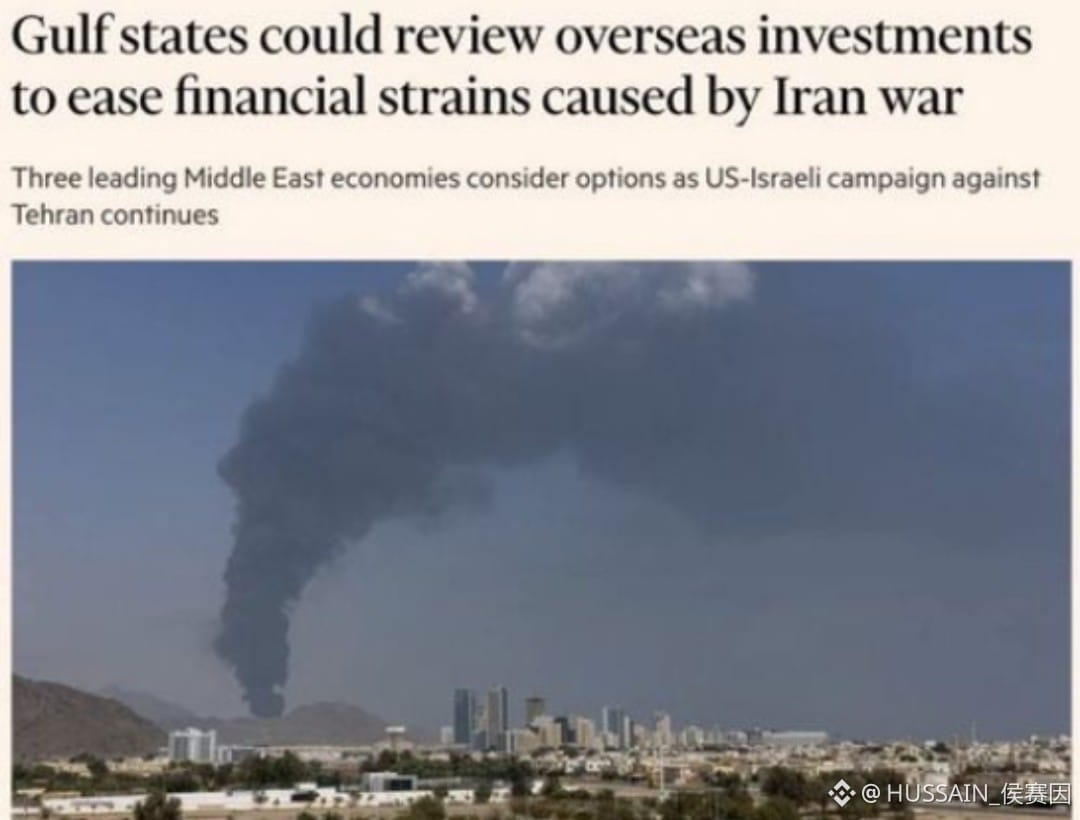
🚨 BREAKING: Gulf–U.S. Financial Alliance Faces Uncertainty
A potential geopolitical shift is emerging in the Middle East. Reports suggest that Saudi Arabia, the UAE, Kuwait, and Qatar are reviewing major contracts and long-term investment commitments with the United States.
For decades, Gulf sovereign wealth and strategic investments have poured hundreds of billions of dollars into U.S. markets, infrastructure, and defense partnerships. Even the discussion of pulling back is sending ripples across global finance and energy markets.
The tension is rising amid the growing instability surrounding the Iran conflict, with Gulf states increasingly concerned about economic exposure, regional security risks, and pressure on oil exports. Leaders across the region are now reassessing whether current alliances still align with their long-term economic and geopolitical interests.
If these investment reviews turn into real policy decisions, it could mark one of the most significant shifts in U.S.–Gulf relations in decades, potentially impacting global capital flows, defense deals, and energy diplomacy.
For markets, the implications stretch far beyond politics — shifts in geopolitical alliances often trigger liquidity rotations, commodity volatility, and new investment corridors.
Smart traders are watching closely.
$HUMA
{spot}(HUMAUSDT)
$KITE
{spot}(KITEUSDT)
$SIGN
{spot}(SIGNUSDT)
#BREAKING #SolvProtocolHacked
Follow HUSSAIN 侯赛因 for more latest updates . 🚀
🚨 BREAKING: Gulf–U.S. Financial Alliance Faces Uncertainty
A potential geopolitical shift is emerging in the Middle East. Reports suggest that Saudi Arabia, the UAE, Kuwait, and Qatar are reviewing major contracts and long-term investment commitments with the United States.
For decades, Gulf sovereign wealth and strategic investments have poured hundreds of billions of dollars into U.S. markets, infrastructure, and defense partnerships. Even the discussion of pulling back is sending ripples across global finance and energy markets.
The tension is rising amid the growing instability surrounding the Iran conflict, with Gulf states increasingly concerned about economic exposure, regional security risks, and pressure on oil exports. Leaders across the region are now reassessing whether current alliances still align with their long-term economic and geopolitical interests.
If these investment reviews turn into real policy decisions, it could mark one of the most significant shifts in U.S.–Gulf relations in decades, potentially impacting global capital flows, defense deals, and energy diplomacy.
For markets, the implications stretch far beyond politics — shifts in geopolitical alliances often trigger liquidity rotations, commodity volatility, and new investment corridors.
Smart traders are watching closely.
$HUMA
$KITE
$SIGN
#BREAKING #SolvProtocolHacked
Follow HUSSAIN 侯赛因 for more latest updates . 🚀
A potential geopolitical shift is emerging in the Middle East. Reports suggest that Saudi Arabia, the UAE, Kuwait, and Qatar are reviewing major contracts and long-term investment commitments with the United States.
For decades, Gulf sovereign wealth and strategic investments have poured hundreds of billions of dollars into U.S. markets, infrastructure, and defense partnerships. Even the discussion of pulling back is sending ripples across global finance and energy markets.
The tension is rising amid the growing instability surrounding the Iran conflict, with Gulf states increasingly concerned about economic exposure, regional security risks, and pressure on oil exports. Leaders across the region are now reassessing whether current alliances still align with their long-term economic and geopolitical interests.
If these investment reviews turn into real policy decisions, it could mark one of the most significant shifts in U.S.–Gulf relations in decades, potentially impacting global capital flows, defense deals, and energy diplomacy.
For markets, the implications stretch far beyond politics — shifts in geopolitical alliances often trigger liquidity rotations, commodity volatility, and new investment corridors.
Smart traders are watching closely.
$HUMA
$KITE
$SIGN
#BREAKING #SolvProtocolHacked
Follow HUSSAIN 侯赛因 for more latest updates . 🚀
5
981

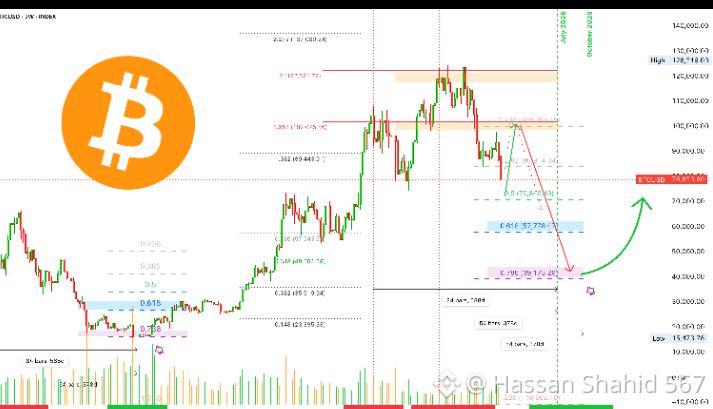
🪙 Bitcoin ($BTC )
Current price: about $68,000 – $71,000 USD
Market cap: about $1.3–$1.4 trillion
24-hour movement: small ups and downs due to global market news. �
Bitget +1
📊 Recently:
Bitcoin reached around $72,000 after a recovery rally. �
The Economic Times
Price sometimes drops near $70,000 because of geopolitical tensions and market uncertainty. �
The Economic Times
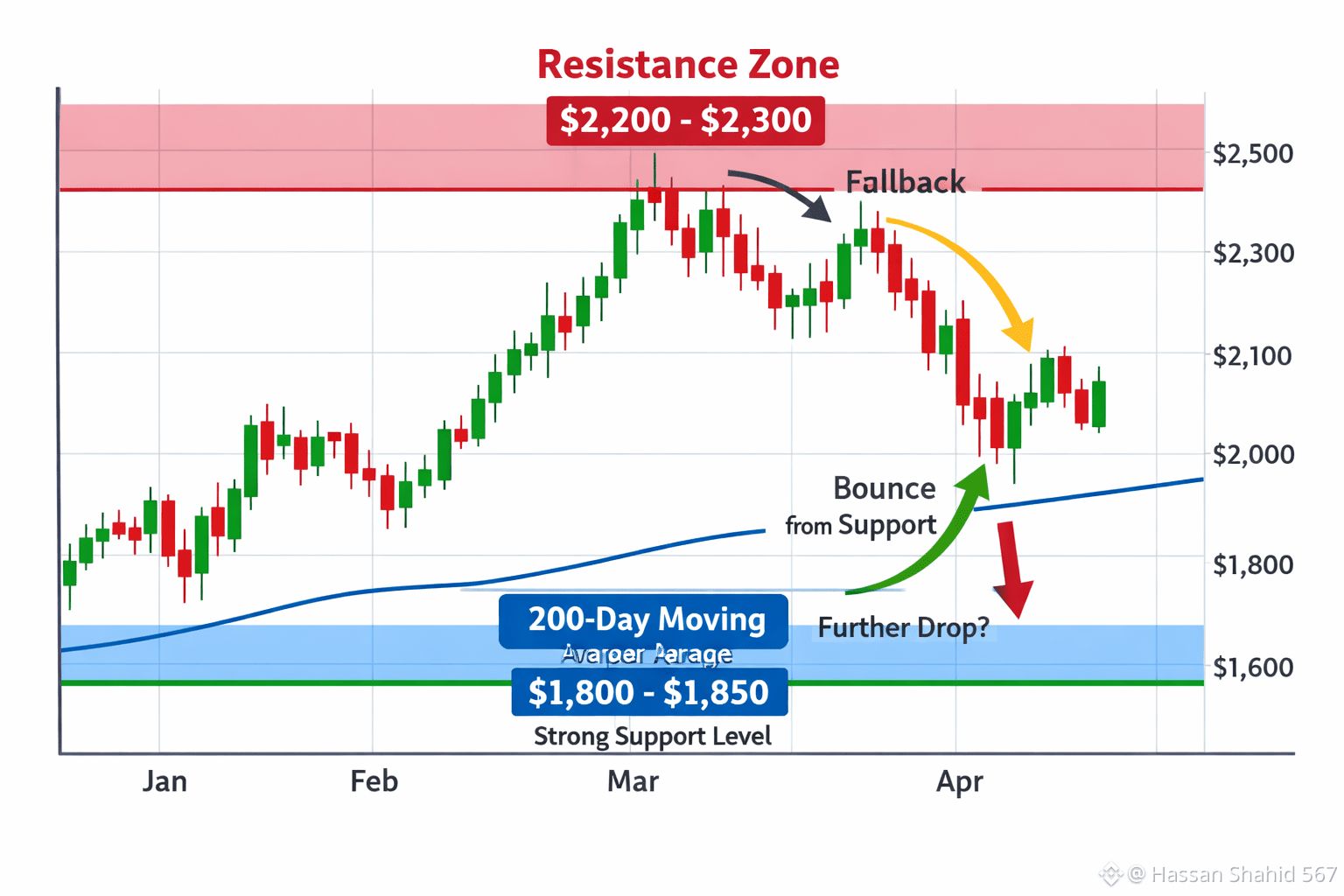
🪙 Ethereum (ETH)
Current price: around $1,980 – $2,000 USD
Market cap: about $239 billion. �
MetaMask +1
📊 Recent trend:
ETH recently touched about $2,160 before pulling back near $2,000. �
TradingView
✅ Quick Summary (March 2026)
$BTC : ~$70K
$ETH : ~$2K
Both coins are still volatile, moving with global economic news and crypto demand.
#AltcoinSeasonTalkTwoYearLow
#SolvProtocolHacked
#MarketPullback
#USJobsData
#AIBinance
🪙 Bitcoin ($BTC )
Current price: about $68,000 – $71,000 USD
Market cap: about $1.3–$1.4 trillion
24-hour movement: small ups and downs due to global market news. �
Bitget +1
📊 Recently:
Bitcoin reached around $72,000 after a recovery rally. �
The Economic Times
Price sometimes drops near $70,000 because of geopolitical tensions and market uncertainty. �
The Economic Times
🪙 Ethereum (ETH)
Current price: around $1,980 – $2,000 USD
Market cap: about $239 billion. �
MetaMask +1
📊 Recent trend:
ETH recently touched about $2,160 before pulling back near $2,000. �
TradingView
✅ Quick Summary (March 2026)
$BTC : ~$70K
$ETH : ~$2K
Both coins are still volatile, moving with global economic news and crypto demand.
#AltcoinSeasonTalkTwoYearLow
#SolvProtocolHacked
#MarketPullback
#USJobsData
#AIBinance
Current price: about $68,000 – $71,000 USD
Market cap: about $1.3–$1.4 trillion
24-hour movement: small ups and downs due to global market news. �
Bitget +1
📊 Recently:
Bitcoin reached around $72,000 after a recovery rally. �
The Economic Times
Price sometimes drops near $70,000 because of geopolitical tensions and market uncertainty. �
The Economic Times
🪙 Ethereum (ETH)
Current price: around $1,980 – $2,000 USD
Market cap: about $239 billion. �
MetaMask +1
📊 Recent trend:
ETH recently touched about $2,160 before pulling back near $2,000. �
TradingView
✅ Quick Summary (March 2026)
$BTC : ~$70K
$ETH : ~$2K
Both coins are still volatile, moving with global economic news and crypto demand.
#AltcoinSeasonTalkTwoYearLow
#SolvProtocolHacked
#MarketPullback
#USJobsData
#AIBinance
2
18
Log in to explore more content
Join global crypto users on Binance Square
⚡️ Get latest and useful information about crypto.
💬 Trusted by the world’s largest crypto exchange.
👍 Discover real insights from verified creators.
Email / Phone number
Trending Topics
1
#EthereumSurpasses$2700
3,092 views
96 Discussing
2
#CanaryFilesSecondAmendmentForStakedSEIETF
14,635 views
351 Discussing
3
#SaylorHintsStrategyBitcoinBuy
2.3M views
13,069 Discussing
4
#BOJRaisesRatesTo31YearHigh
308,418 views
3,657 Discussing
5
#BuffettStepsDownAsBerkshireChairman
149,554 views
1,998 Discussing
6
#XRPExchangeReservesHitSevenYearLow
169,656 views
1,796 Discussing
7
#HKCompletesFirstHKDStablecoinUseCase
175,053 views
2,066 Discussing
8
#VietnamPlansFirstCryptoLicensesIn2026
112,552 views
1,390 Discussing
9
#BTCBreaks80K
581,598 views
6,014 Discussing
10
#BitcoinMarketCapTopsTesla
148,050 views
1,505 Discussing