
#shopusdt
shopusdt
509 views
24 Discussing
Hot
Latest

🍫 The heavy inflow of capital from major financial institutions shows their confidence in the future of Crypto.
🟢 LONG $SHOP
Entry: 148.37
TP: 155.788 | SL: 133.533
👟 Move-to-Earn projects that combine health and income are truly unique.
🔍 The Dynamic Support zone is doing its job well by pushing the price upward.
💎 Respect your time, because it is the most valuable resource on the exchange.
🌸 I hope you will reap fruitful results from the seeds of knowledge you have planted.
#SHOPUSDT $SHOPUSDT
🍫 The heavy inflow of capital from major financial institutions shows their confidence in the future of Crypto.
🟢 LONG $SHOP
Entry: 148.37
TP: 155.788 | SL: 133.533
👟 Move-to-Earn projects that combine health and income are truly unique.
🔍 The Dynamic Support zone is doing its job well by pushing the price upward.
💎 Respect your time, because it is the most valuable resource on the exchange.
🌸 I hope you will reap fruitful results from the seeds of knowledge you have planted.
#SHOPUSDT $SHOPUSDT
🟢 LONG $SHOP
Entry: 148.37
TP: 155.788 | SL: 133.533
👟 Move-to-Earn projects that combine health and income are truly unique.
🔍 The Dynamic Support zone is doing its job well by pushing the price upward.
💎 Respect your time, because it is the most valuable resource on the exchange.
🌸 I hope you will reap fruitful results from the seeds of knowledge you have planted.
#SHOPUSDT $SHOPUSDT
8
🥪 The lack of real-world applications creates financial bubbles, pushing prices down at a rapid pace.
🆙 SHORT $SHOP
Entry: 133.7
TP: 127.0149 | SL: 147.07
🌌 A universe of opportunities is opening up for those who know how to seize technology.
📈 Trading volume surges when the price reaches key support zones.
🛡️ Carefulness in every small detail will make a big difference in results.
🌸 Wishing you soon reach the peak of prosperity and live a calm, effortless life.
#SHOPUSDT $SHOPUSDT
🥪 The lack of real-world applications creates financial bubbles, pushing prices down at a rapid pace.
🆙 SHORT $SHOP
Entry: 133.7
TP: 127.0149 | SL: 147.07
🌌 A universe of opportunities is opening up for those who know how to seize technology.
📈 Trading volume surges when the price reaches key support zones.
🛡️ Carefulness in every small detail will make a big difference in results.
🌸 Wishing you soon reach the peak of prosperity and live a calm, effortless life.
#SHOPUSDT $SHOPUSDT
🆙 SHORT $SHOP
Entry: 133.7
TP: 127.0149 | SL: 147.07
🌌 A universe of opportunities is opening up for those who know how to seize technology.
📈 Trading volume surges when the price reaches key support zones.
🛡️ Carefulness in every small detail will make a big difference in results.
🌸 Wishing you soon reach the peak of prosperity and live a calm, effortless life.
#SHOPUSDT $SHOPUSDT
87

·
--
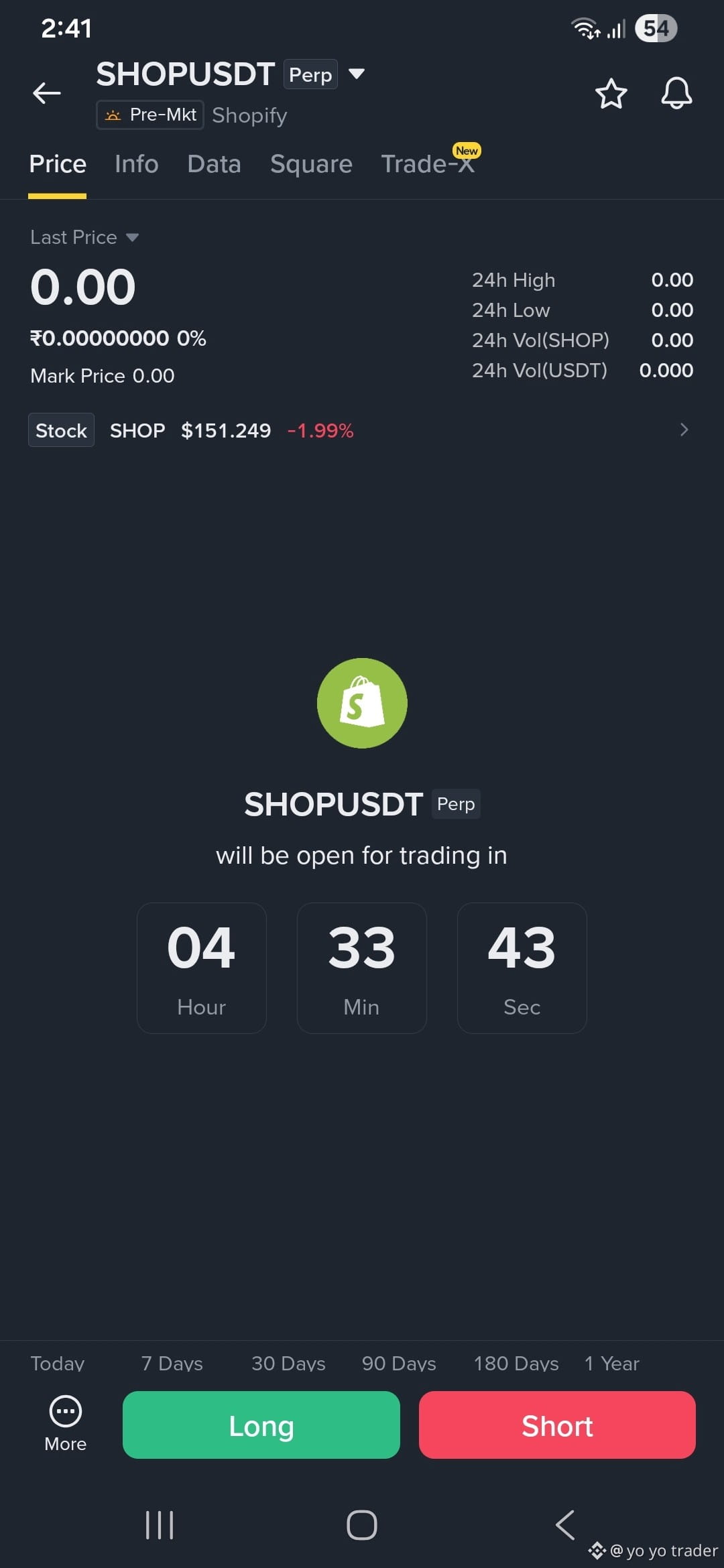
Binance incorporated the perpetual contract SHOPUSDT (based on Class A shares of Shopify Inc., under the TradFi Futures standard).
Unlike a native token issued by Shopify, it is a tokenized representation of its shares (TradFi) on the derivatives platform.#SHOPUSDT
{future}(SHOPUSDT)
Binance incorporated the perpetual contract SHOPUSDT (based on Class A shares of Shopify Inc., under the TradFi Futures standard).
Unlike a native token issued by Shopify, it is a tokenized representation of its shares (TradFi) on the derivatives platform.#SHOPUSDT
Unlike a native token issued by Shopify, it is a tokenized representation of its shares (TradFi) on the derivatives platform.#SHOPUSDT

61

·
--
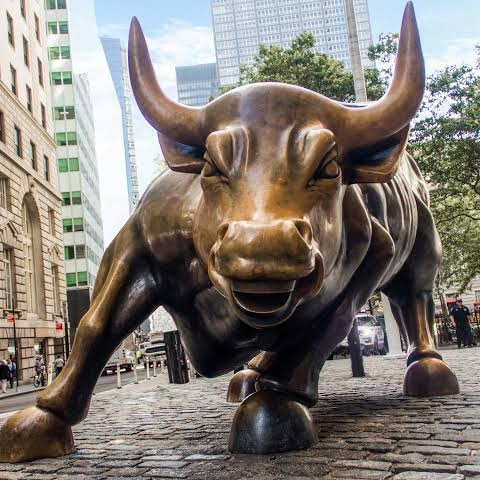
Bullish
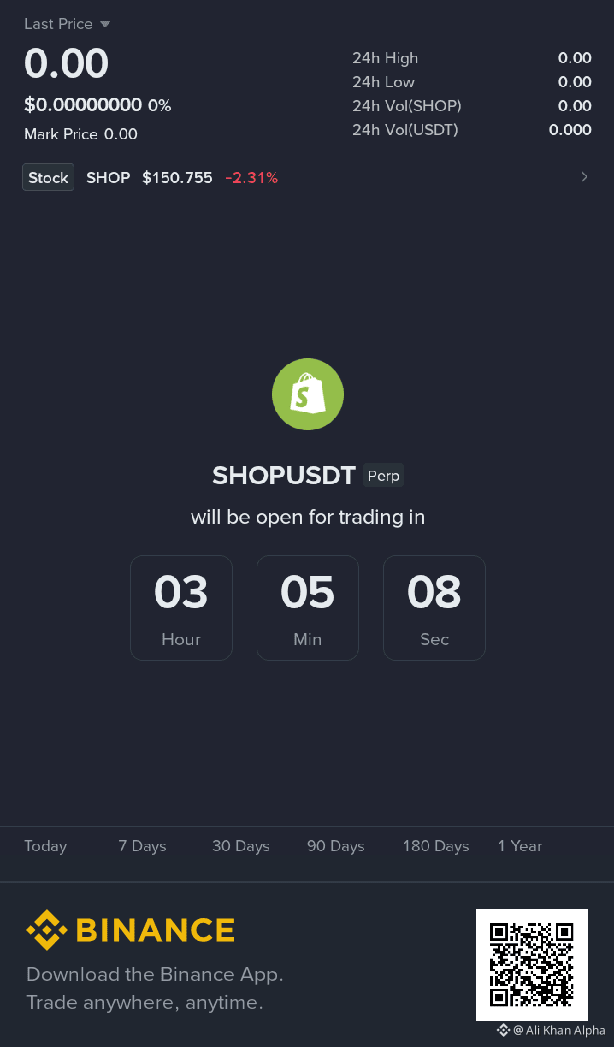
$SHOP USDT Perpetual Futures is listing soon on Binance! 🚀
Get ready traders! #SHOPUSDT ($SHOP TradFi Perp) is going live on Binance Futures.
📊 Up to 20x Leverage | Settled in USDT
Are you Long or Short? Drop your trade strategy below! 👇
#BinanceSquare #cryptotrading #AlikhanAlpha @BiBi #Futureshttps://www.binance.com/download?utm_medium=screenshot
$SHOP USDT Perpetual Futures is listing soon on Binance! 🚀
Get ready traders! #SHOPUSDT ($SHOP TradFi Perp) is going live on Binance Futures.
📊 Up to 20x Leverage | Settled in USDT
Are you Long or Short? Drop your trade strategy below! 👇
#BinanceSquare #cryptotrading #AlikhanAlpha @Binance BiBi #Futureshttps://www.binance.com/download?utm_medium=screenshot
Get ready traders! #SHOPUSDT ($SHOP TradFi Perp) is going live on Binance Futures.
📊 Up to 20x Leverage | Settled in USDT
Are you Long or Short? Drop your trade strategy below! 👇
#BinanceSquare #cryptotrading #AlikhanAlpha @Binance BiBi #Futureshttps://www.binance.com/download?utm_medium=screenshot
1
159

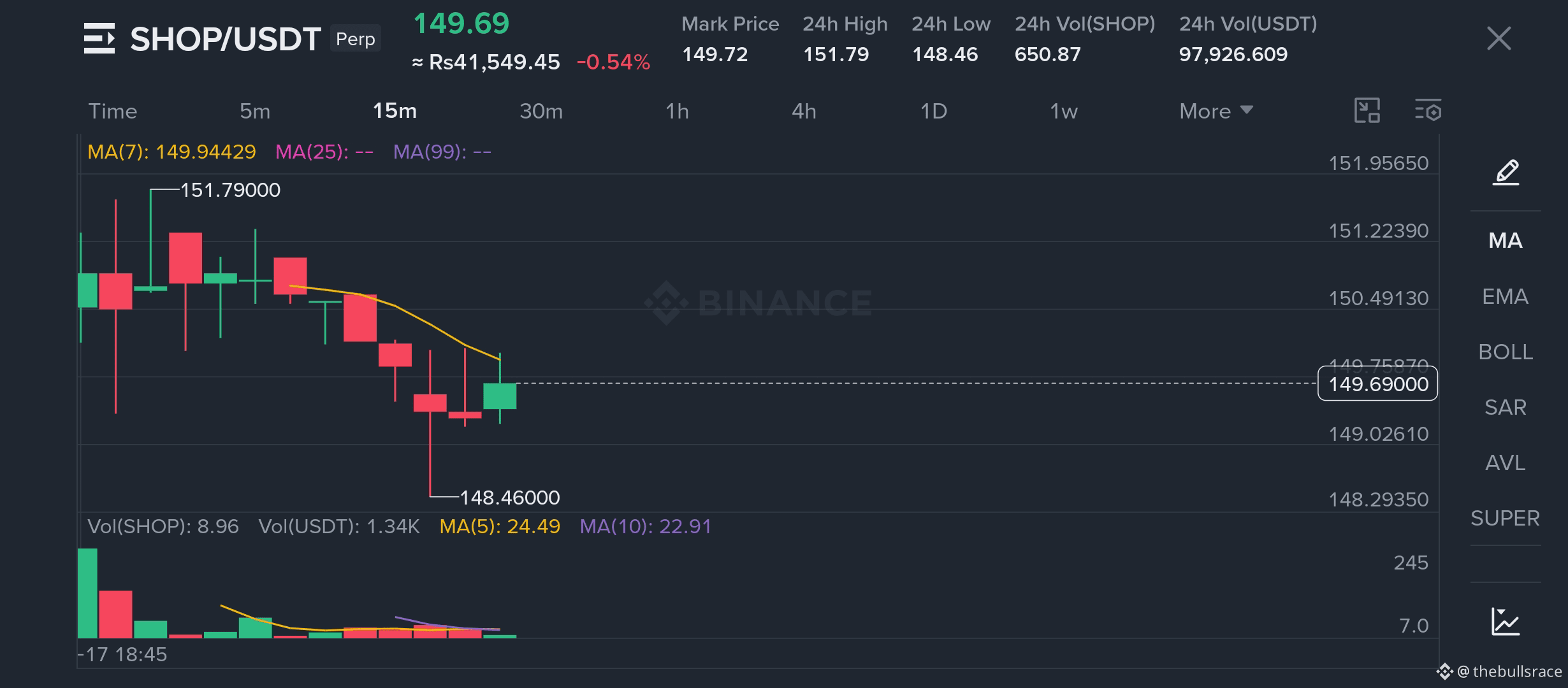
SHOPUSDT again profit
#SHOPUSDT
SHOPUSDT again profit
#SHOPUSDT
#SHOPUSDT
244
·
--
Bullish
1
85
·
--
The old dog glanced at the data for the $SHOP perpetual contract—over the past 24 hours it’s up 5.572%, with the price now at 147.59, but the funding rate remains firmly at zero. This combination is kind of interesting: the market is really rising, but neither the long nor the short side is willing to pay for positions. Trading volume is 2.06 million contracts—not exactly quiet—but combined with this zero fee, it looks more like spot trading is slowly pushing higher rather than leveraged capital rushing in.
Zooming out to the semiconductor/AI chain angle, $SHOP is classified under other sectors, and its logic isn’t quite like MU, NVDA, AMD—those are hardcore chip stocks. Its core is still an e-commerce infrastructure company, and AI enablement is more of an efficiency story; it’s not the kind of core target that “sells shovels.” In this round of sector rotation, it wasn’t treated like an AI hardware leader to be pumped. The neutral funding rate also serves as a confirmation: the market didn’t label it a strong AI winner. So longs aren’t acting crazy, and shorts aren’t rushing to pounce.
My take is that an uptrend supported by zero fees has a healthier internal structure than those coins with runaway funding. At least in the short term, the risk of blow-up cascade liquidations is lower. But momentum may also be limited—this is more like a steady, mild climb. Next, if the price can hold above 147 while OI modestly expands, that would suggest new capital is entering with a bullish stance—only then can the story be made sturdier. Conversely, if there’s still no new money and it relies purely on existing holders rotating positions, this impulse is likely to fizzle out.
For triggers: if price breaks through the 150 round-number level with volume, I’ll consider adding a bit and observing. If it pulls back and drops below 140, I’ll exit first, because that would mean the structure of this mild uptrend has been broken.
The strongest counterargument on the other side is: with no funding incentive, even arbitrage capital has no interest in playing—this kind of rise is likely rootless, so its sustainability is doubtful. The second-order effect is that if a fringe name like $SHOP can be pushed higher by relatively mild flows, capital may be more willing to look for other products with more funding arbitrage space and more dramatic OI changes, which could reduce the liquidity premium in the process.
Failure conditions are very clear: if next week’s data shows funding turning notably positive, but the price still goes sideways or even falls, that would indicate crowded longs are forming and the current mild narrative immediately breaks down.
Trading tag: #BinanceFutures #TradFi #USDⓈM #SHOP #SHOPUSDT $SHOP
The old dog glanced at the data for the $SHOP perpetual contract—over the past 24 hours it’s up 5.572%, with the price now at 147.59, but the funding rate remains firmly at zero. This combination is kind of interesting: the market is really rising, but neither the long nor the short side is willing to pay for positions. Trading volume is 2.06 million contracts—not exactly quiet—but combined with this zero fee, it looks more like spot trading is slowly pushing higher rather than leveraged capital rushing in.
Zooming out to the semiconductor/AI chain angle, $SHOP is classified under other sectors, and its logic isn’t quite like MU, NVDA, AMD—those are hardcore chip stocks. Its core is still an e-commerce infrastructure company, and AI enablement is more of an efficiency story; it’s not the kind of core target that “sells shovels.” In this round of sector rotation, it wasn’t treated like an AI hardware leader to be pumped. The neutral funding rate also serves as a confirmation: the market didn’t label it a strong AI winner. So longs aren’t acting crazy, and shorts aren’t rushing to pounce.
My take is that an uptrend supported by zero fees has a healthier internal structure than those coins with runaway funding. At least in the short term, the risk of blow-up cascade liquidations is lower. But momentum may also be limited—this is more like a steady, mild climb. Next, if the price can hold above 147 while OI modestly expands, that would suggest new capital is entering with a bullish stance—only then can the story be made sturdier. Conversely, if there’s still no new money and it relies purely on existing holders rotating positions, this impulse is likely to fizzle out.
For triggers: if price breaks through the 150 round-number level with volume, I’ll consider adding a bit and observing. If it pulls back and drops below 140, I’ll exit first, because that would mean the structure of this mild uptrend has been broken.
The strongest counterargument on the other side is: with no funding incentive, even arbitrage capital has no interest in playing—this kind of rise is likely rootless, so its sustainability is doubtful. The second-order effect is that if a fringe name like $SHOP can be pushed higher by relatively mild flows, capital may be more willing to look for other products with more funding arbitrage space and more dramatic OI changes, which could reduce the liquidity premium in the process.
Failure conditions are very clear: if next week’s data shows funding turning notably positive, but the price still goes sideways or even falls, that would indicate crowded longs are forming and the current mild narrative immediately breaks down.
Trading tag: #BinanceFutures #TradFi #USDⓈM #SHOP #SHOPUSDT $SHOP
Zooming out to the semiconductor/AI chain angle, $SHOP is classified under other sectors, and its logic isn’t quite like MU, NVDA, AMD—those are hardcore chip stocks. Its core is still an e-commerce infrastructure company, and AI enablement is more of an efficiency story; it’s not the kind of core target that “sells shovels.” In this round of sector rotation, it wasn’t treated like an AI hardware leader to be pumped. The neutral funding rate also serves as a confirmation: the market didn’t label it a strong AI winner. So longs aren’t acting crazy, and shorts aren’t rushing to pounce.
My take is that an uptrend supported by zero fees has a healthier internal structure than those coins with runaway funding. At least in the short term, the risk of blow-up cascade liquidations is lower. But momentum may also be limited—this is more like a steady, mild climb. Next, if the price can hold above 147 while OI modestly expands, that would suggest new capital is entering with a bullish stance—only then can the story be made sturdier. Conversely, if there’s still no new money and it relies purely on existing holders rotating positions, this impulse is likely to fizzle out.
For triggers: if price breaks through the 150 round-number level with volume, I’ll consider adding a bit and observing. If it pulls back and drops below 140, I’ll exit first, because that would mean the structure of this mild uptrend has been broken.
The strongest counterargument on the other side is: with no funding incentive, even arbitrage capital has no interest in playing—this kind of rise is likely rootless, so its sustainability is doubtful. The second-order effect is that if a fringe name like $SHOP can be pushed higher by relatively mild flows, capital may be more willing to look for other products with more funding arbitrage space and more dramatic OI changes, which could reduce the liquidity premium in the process.
Failure conditions are very clear: if next week’s data shows funding turning notably positive, but the price still goes sideways or even falls, that would indicate crowded longs are forming and the current mild narrative immediately breaks down.
Trading tag: #BinanceFutures #TradFi #USDⓈM #SHOP #SHOPUSDT $SHOP
50
·
--
[M1_mag7]
The 24-hour increase of 8.816% for $SHOP is right there: the price got up to 140.21, but when the old dog glanced at the open interest on the same-period contracts on-chain, it was only 2805. Placed at a 140-dollar underlying, that OI number suggests the positioning structure is light—meaning this rally didn’t pull in a large amount of new contract positions to back it.
The funding rate is 0, so for now neither side has to pay the other. Given that the price is rising while OI isn’t keeping up, this looks more like spot or short-term contracts are driving the price, rather than the longs massively building positions on the derivatives side and stacking liquidity. From the perspective of Mag7 as an anchor, if an on-chain contract for a core asset doesn’t see corresponding growth in open interest, then the question is whether the continuity of its move can really be sustained—and its linkage strength to the broader market’s beta may also be weakened.
My take is that this upswing in $SHOP lacks confirmation from the contract-side open interest. A neutral funding rate also suggests both bulls and bears are watching, not forming an overwhelmingly one-sided crowd. The strongest counter-evidence is this: if spot buying remains persistently strong, then even if OI doesn’t rise, the price can still be held up—and in that case my view would be more conservative. But the second-order effect is that rallies without OI support tend to attract short-term traders; once the spot bid runs out, with the derivatives side lacking stable positioning, the pullback could be fairly sharp.
Trading tag: #BinanceFutures #TradFi #USDⓈM #SHOP #SHOPUSDT $SHOP
[M1_mag7]
The 24-hour increase of 8.816% for $SHOP is right there: the price got up to 140.21, but when the old dog glanced at the open interest on the same-period contracts on-chain, it was only 2805. Placed at a 140-dollar underlying, that OI number suggests the positioning structure is light—meaning this rally didn’t pull in a large amount of new contract positions to back it.
The funding rate is 0, so for now neither side has to pay the other. Given that the price is rising while OI isn’t keeping up, this looks more like spot or short-term contracts are driving the price, rather than the longs massively building positions on the derivatives side and stacking liquidity. From the perspective of Mag7 as an anchor, if an on-chain contract for a core asset doesn’t see corresponding growth in open interest, then the question is whether the continuity of its move can really be sustained—and its linkage strength to the broader market’s beta may also be weakened.
My take is that this upswing in $SHOP lacks confirmation from the contract-side open interest. A neutral funding rate also suggests both bulls and bears are watching, not forming an overwhelmingly one-sided crowd. The strongest counter-evidence is this: if spot buying remains persistently strong, then even if OI doesn’t rise, the price can still be held up—and in that case my view would be more conservative. But the second-order effect is that rallies without OI support tend to attract short-term traders; once the spot bid runs out, with the derivatives side lacking stable positioning, the pullback could be fairly sharp.
Trading tag: #BinanceFutures #TradFi #USDⓈM #SHOP #SHOPUSDT $SHOP
The 24-hour increase of 8.816% for $SHOP is right there: the price got up to 140.21, but when the old dog glanced at the open interest on the same-period contracts on-chain, it was only 2805. Placed at a 140-dollar underlying, that OI number suggests the positioning structure is light—meaning this rally didn’t pull in a large amount of new contract positions to back it.
The funding rate is 0, so for now neither side has to pay the other. Given that the price is rising while OI isn’t keeping up, this looks more like spot or short-term contracts are driving the price, rather than the longs massively building positions on the derivatives side and stacking liquidity. From the perspective of Mag7 as an anchor, if an on-chain contract for a core asset doesn’t see corresponding growth in open interest, then the question is whether the continuity of its move can really be sustained—and its linkage strength to the broader market’s beta may also be weakened.
My take is that this upswing in $SHOP lacks confirmation from the contract-side open interest. A neutral funding rate also suggests both bulls and bears are watching, not forming an overwhelmingly one-sided crowd. The strongest counter-evidence is this: if spot buying remains persistently strong, then even if OI doesn’t rise, the price can still be held up—and in that case my view would be more conservative. But the second-order effect is that rallies without OI support tend to attract short-term traders; once the spot bid runs out, with the derivatives side lacking stable positioning, the pullback could be fairly sharp.
Trading tag: #BinanceFutures #TradFi #USDⓈM #SHOP #SHOPUSDT $SHOP
43

·
--
[M1_mag7]
On-chain U.S. stock futures have been pulling back this round; in $SHOP 24 hours, the price dropped by -6.173%, hitting 135.12. Old dog glanced at the data: among the Mag7 sector, this drawdown isn’t the most brutal, but the funding rate of 0.00026616 is still positive. Over the past 24 hours, volume is $540k, open interest is 1206.34 contracts, and it hasn’t shrunk meaningfully along with the price. This combination is kind of interesting: the price is down, the funding rate is positive, and positions don’t seem to loosen—classic long-side trap.
The angle is M1_mag7, talking about sector beta. $SHOP, as an on-chain U.S. stock underlying, should theoretically follow the big-tech rhythm of SPY/QQQ. But in this selloff, its beta may be temporarily off. The funding rate has been positive for the long term, meaning long positioning was crowded earlier; now as price retraces, those long costs are being left “on the mountain.” A funding rate greater than zero means longs pay shorts every day. With the price dropping again, longs are bleeding on two lines. Compared to others: there’s no second-tier meme data provided as a same-sector reference, so we can only look at $SHOP’s structure itself—liquidity (volume) is still decent, but open interest (open positions) hasn’t exited significantly, implying the trapped longs are still hard-sticking and holding on.
Old dog’s take: in the near term, $SHOP isn’t leading the downside; it’s high-leverage longs being forced into passive liquidation. The market may be underestimating how much damage the price retracement can do in a positive funding-rate environment. The strongest counter-evidence is that someone thinks this is a technical correction, and once the broader market stabilizes, $SHOP can rebound quickly. But the mechanism of on-chain contracts is: as long as longs don’t voluntarily cut loss, the funding will keep siphoning them. Any rebound will likely be offset by selling pressure from the shorts or hedging flows. Next step: if $SHOP keeps grinding below 135, the liquidation trigger for the longs holding the bag will gradually get hit, which could cause a small-scale cascading stampede. Liquidity may rotate into assets with lower funding rates.
For now, my observation is: don’t add to the position. The trigger conditions are: if the price breaks below 130 (near the recent low), I’ll cut the current position by half. If the price goes back above 140 and the funding rate turns negative, I’ll reassess the long thesis. This call is most likely wrong if the broader market suddenly rockets higher; then all on-chain U.S. stock underlyings could be carried along by FOMO sentiment, and $SHOP’s trapped longs might get “unstuck” instantly as the funding gets quickly pushed down. If you see a day where price jumps more than 5% and the funding rate drops rapidly, I’ll admit fault and exit.
Trading tag: #BinanceFutures #TradFi #USDⓈM #SHOP #SHOPUSDT $SHOP
[M1_mag7]
On-chain U.S. stock futures have been pulling back this round; in $SHOP 24 hours, the price dropped by -6.173%, hitting 135.12. Old dog glanced at the data: among the Mag7 sector, this drawdown isn’t the most brutal, but the funding rate of 0.00026616 is still positive. Over the past 24 hours, volume is $540k, open interest is 1206.34 contracts, and it hasn’t shrunk meaningfully along with the price. This combination is kind of interesting: the price is down, the funding rate is positive, and positions don’t seem to loosen—classic long-side trap.
The angle is M1_mag7, talking about sector beta. $SHOP , as an on-chain U.S. stock underlying, should theoretically follow the big-tech rhythm of SPY/QQQ. But in this selloff, its beta may be temporarily off. The funding rate has been positive for the long term, meaning long positioning was crowded earlier; now as price retraces, those long costs are being left “on the mountain.” A funding rate greater than zero means longs pay shorts every day. With the price dropping again, longs are bleeding on two lines. Compared to others: there’s no second-tier meme data provided as a same-sector reference, so we can only look at $SHOP ’s structure itself—liquidity (volume) is still decent, but open interest (open positions) hasn’t exited significantly, implying the trapped longs are still hard-sticking and holding on.
Old dog’s take: in the near term, $SHOP isn’t leading the downside; it’s high-leverage longs being forced into passive liquidation. The market may be underestimating how much damage the price retracement can do in a positive funding-rate environment. The strongest counter-evidence is that someone thinks this is a technical correction, and once the broader market stabilizes, $SHOP can rebound quickly. But the mechanism of on-chain contracts is: as long as longs don’t voluntarily cut loss, the funding will keep siphoning them. Any rebound will likely be offset by selling pressure from the shorts or hedging flows. Next step: if $SHOP keeps grinding below 135, the liquidation trigger for the longs holding the bag will gradually get hit, which could cause a small-scale cascading stampede. Liquidity may rotate into assets with lower funding rates.
For now, my observation is: don’t add to the position. The trigger conditions are: if the price breaks below 130 (near the recent low), I’ll cut the current position by half. If the price goes back above 140 and the funding rate turns negative, I’ll reassess the long thesis. This call is most likely wrong if the broader market suddenly rockets higher; then all on-chain U.S. stock underlyings could be carried along by FOMO sentiment, and $SHOP ’s trapped longs might get “unstuck” instantly as the funding gets quickly pushed down. If you see a day where price jumps more than 5% and the funding rate drops rapidly, I’ll admit fault and exit.
Trading tag: #BinanceFutures #TradFi #USDⓈM #SHOP #SHOPUSDT $SHOP
On-chain U.S. stock futures have been pulling back this round; in $SHOP 24 hours, the price dropped by -6.173%, hitting 135.12. Old dog glanced at the data: among the Mag7 sector, this drawdown isn’t the most brutal, but the funding rate of 0.00026616 is still positive. Over the past 24 hours, volume is $540k, open interest is 1206.34 contracts, and it hasn’t shrunk meaningfully along with the price. This combination is kind of interesting: the price is down, the funding rate is positive, and positions don’t seem to loosen—classic long-side trap.
The angle is M1_mag7, talking about sector beta. $SHOP , as an on-chain U.S. stock underlying, should theoretically follow the big-tech rhythm of SPY/QQQ. But in this selloff, its beta may be temporarily off. The funding rate has been positive for the long term, meaning long positioning was crowded earlier; now as price retraces, those long costs are being left “on the mountain.” A funding rate greater than zero means longs pay shorts every day. With the price dropping again, longs are bleeding on two lines. Compared to others: there’s no second-tier meme data provided as a same-sector reference, so we can only look at $SHOP ’s structure itself—liquidity (volume) is still decent, but open interest (open positions) hasn’t exited significantly, implying the trapped longs are still hard-sticking and holding on.
Old dog’s take: in the near term, $SHOP isn’t leading the downside; it’s high-leverage longs being forced into passive liquidation. The market may be underestimating how much damage the price retracement can do in a positive funding-rate environment. The strongest counter-evidence is that someone thinks this is a technical correction, and once the broader market stabilizes, $SHOP can rebound quickly. But the mechanism of on-chain contracts is: as long as longs don’t voluntarily cut loss, the funding will keep siphoning them. Any rebound will likely be offset by selling pressure from the shorts or hedging flows. Next step: if $SHOP keeps grinding below 135, the liquidation trigger for the longs holding the bag will gradually get hit, which could cause a small-scale cascading stampede. Liquidity may rotate into assets with lower funding rates.
For now, my observation is: don’t add to the position. The trigger conditions are: if the price breaks below 130 (near the recent low), I’ll cut the current position by half. If the price goes back above 140 and the funding rate turns negative, I’ll reassess the long thesis. This call is most likely wrong if the broader market suddenly rockets higher; then all on-chain U.S. stock underlyings could be carried along by FOMO sentiment, and $SHOP ’s trapped longs might get “unstuck” instantly as the funding gets quickly pushed down. If you see a day where price jumps more than 5% and the funding rate drops rapidly, I’ll admit fault and exit.
Trading tag: #BinanceFutures #TradFi #USDⓈM #SHOP #SHOPUSDT $SHOP
26
·
--
$SHOP 24 hours dropped 7.331%, price is now 134.62. The funding rate has stalled at a high 0.064%—the longs are paying the shorts every 8 hours. Volume is 527,000 contracts, open interest is 1,177.8 contracts. For the on-chain US stock perpetual contract, these figures are laid out—near-term pressure looks pretty clear.
The old dog swept up this move; the key is the divergence between funding and price. As price falls, funding stays positive. According to the iron law of the funding rate, this looks like longs trapped and still adding with hard resistance. Funding of 0.064% means the longs are crowded. Shorts are collecting rent as prices drop. If the longs can’t hold and begin to liquidate, it can easily trigger a chain reaction of liquidations. Open interest of 1,177.8 contracts—this unit isn’t converted into USD, but when price moves down, these positions become potential sell pressure. Compared with the other coins in the same sector, the input doesn’t provide data for other assets, so we can’t determine whether $SHOP is leading the decline. But based on just these numbers, it’s sitting at a point where liquidity is tightening.
My view is that $SHOP will face continued short-term pressure. Trigger conditions: if the price breaks below 130, I’ll reduce my position. If the funding turns negative, I’ll reassess. The counter-consensus is that the market may think the 7% drop is already enough, but the old dog disagrees—because funding hasn’t turned negative, it means the longs haven’t accepted the exit yet. Any rebound is likely to be a dead-cat bounce. Position-wise, I’ve chosen to stay lightly loaded and observe from the sidelines; I won’t try to catch the bottom.
Where this call is most likely to be wrong: if funding turns negative quickly and forces shorts to cover, or if open interest suddenly spikes, indicating new longs are entering. If price climbs above 140 or if funding drops below 0, I’ll withdraw my bearish view.
Trading tags: #BinanceFutures #TradFi #USDⓈM #SHOP #SHOPUSDT $SHOP
$SHOP 24 hours dropped 7.331%, price is now 134.62. The funding rate has stalled at a high 0.064%—the longs are paying the shorts every 8 hours. Volume is 527,000 contracts, open interest is 1,177.8 contracts. For the on-chain US stock perpetual contract, these figures are laid out—near-term pressure looks pretty clear.
The old dog swept up this move; the key is the divergence between funding and price. As price falls, funding stays positive. According to the iron law of the funding rate, this looks like longs trapped and still adding with hard resistance. Funding of 0.064% means the longs are crowded. Shorts are collecting rent as prices drop. If the longs can’t hold and begin to liquidate, it can easily trigger a chain reaction of liquidations. Open interest of 1,177.8 contracts—this unit isn’t converted into USD, but when price moves down, these positions become potential sell pressure. Compared with the other coins in the same sector, the input doesn’t provide data for other assets, so we can’t determine whether $SHOP is leading the decline. But based on just these numbers, it’s sitting at a point where liquidity is tightening.
My view is that $SHOP will face continued short-term pressure. Trigger conditions: if the price breaks below 130, I’ll reduce my position. If the funding turns negative, I’ll reassess. The counter-consensus is that the market may think the 7% drop is already enough, but the old dog disagrees—because funding hasn’t turned negative, it means the longs haven’t accepted the exit yet. Any rebound is likely to be a dead-cat bounce. Position-wise, I’ve chosen to stay lightly loaded and observe from the sidelines; I won’t try to catch the bottom.
Where this call is most likely to be wrong: if funding turns negative quickly and forces shorts to cover, or if open interest suddenly spikes, indicating new longs are entering. If price climbs above 140 or if funding drops below 0, I’ll withdraw my bearish view.
Trading tags: #BinanceFutures #TradFi #USDⓈM #SHOP #SHOPUSDT $SHOP
The old dog swept up this move; the key is the divergence between funding and price. As price falls, funding stays positive. According to the iron law of the funding rate, this looks like longs trapped and still adding with hard resistance. Funding of 0.064% means the longs are crowded. Shorts are collecting rent as prices drop. If the longs can’t hold and begin to liquidate, it can easily trigger a chain reaction of liquidations. Open interest of 1,177.8 contracts—this unit isn’t converted into USD, but when price moves down, these positions become potential sell pressure. Compared with the other coins in the same sector, the input doesn’t provide data for other assets, so we can’t determine whether $SHOP is leading the decline. But based on just these numbers, it’s sitting at a point where liquidity is tightening.
My view is that $SHOP will face continued short-term pressure. Trigger conditions: if the price breaks below 130, I’ll reduce my position. If the funding turns negative, I’ll reassess. The counter-consensus is that the market may think the 7% drop is already enough, but the old dog disagrees—because funding hasn’t turned negative, it means the longs haven’t accepted the exit yet. Any rebound is likely to be a dead-cat bounce. Position-wise, I’ve chosen to stay lightly loaded and observe from the sidelines; I won’t try to catch the bottom.
Where this call is most likely to be wrong: if funding turns negative quickly and forces shorts to cover, or if open interest suddenly spikes, indicating new longs are entering. If price climbs above 140 or if funding drops below 0, I’ll withdraw my bearish view.
Trading tags: #BinanceFutures #TradFi #USDⓈM #SHOP #SHOPUSDT $SHOP
16
·
--
$SHOP 24 hours down 7.6%, but the funding rate is zero. When a coin drops this much and the funding rate stays at zero, neither longs nor shorts are paying, which means the leveraged degenerates in the futures market didn’t participate in this selloff at all. Old dog glanced at the open interest, 1060.23, much calmer than the price swings; the selling pressure was driven by spot, while the futures market barely moved.
From this angle, it’s a pure spot-selling-driven anomaly. With no negative funding rate to attract shorts into a squeeze and no positive rate to force longs to stop out, the price just slid down like that.
Trade tags: #BinanceFutures #TradFi #USDⓈM #SHOP #SHOPUSDT $SHOP
$SHOP 24 hours down 7.6%, but the funding rate is zero. When a coin drops this much and the funding rate stays at zero, neither longs nor shorts are paying, which means the leveraged degenerates in the futures market didn’t participate in this selloff at all. Old dog glanced at the open interest, 1060.23, much calmer than the price swings; the selling pressure was driven by spot, while the futures market barely moved.
From this angle, it’s a pure spot-selling-driven anomaly. With no negative funding rate to attract shorts into a squeeze and no positive rate to force longs to stop out, the price just slid down like that.
Trade tags: #BinanceFutures #TradFi #USDⓈM #SHOP #SHOPUSDT $SHOP
From this angle, it’s a pure spot-selling-driven anomaly. With no negative funding rate to attract shorts into a squeeze and no positive rate to force longs to stop out, the price just slid down like that.
Trade tags: #BinanceFutures #TradFi #USDⓈM #SHOP #SHOPUSDT $SHOP
·
--
The old dog glanced at the order book: over the past 24 hours, $SHOP fell 2.385%, and the quote is stuck at 142.01. What’s interesting is that while the price is sliding down, its perpetual contract funding rate is negative—-0.00004426. By the funding-rate rule of thumb, a negative rate means shorts have to pay longs, which signals that short positions are relatively crowded. With the price falling plus a negative funding rate, it suggests shorts are currently driving the move. But during a continued downtrend, shorts are also accumulating momentum to close and cover, which can easily trigger a technical rebound.
This semiconductor/AI sector tag is pinned on it, but the input doesn’t provide real-time contract data from peers like MU or NVDA for a direct comparison, so the old dog can’t force a “who’s stronger or weaker” conclusion. Looking at a single underlying, $SHOP ’s open interest is 755.07. Combined with more than 150k in 24-hour trading value, the positioning isn’t especially heavy, but it’s also not light. In a price-down cycle, what’s most dangerous about this kind of negative-funding-rate structure isn’t more drifting lower—it’s a sudden bullish candle. When shorts get squeezed, both liquidation sell orders and chase-buy orders can pour in together, and short-term volatility may amplify.
The narrative the market is giving it is “tech retail,” but in terms of funding flows, it looks more like a bet on a short-term mean-reversion opportunity.
My view: around 142 is a cost-aggregation zone for shorts. If the price can hold steady or even rebound slightly, the negative funding rate will keep draining shorts’ capital and pressure them into closing. That’s the potential short-term upside bounce. But to call it a major-cycle reversal would be too early. The core question is whether, in a downtrend, the negative funding rate is just a breath in the decline—or whether it can actually squeeze out a rebound. I choose the latter, but only for the short term. My plan is to try a low-position long around 142, and treat the 140 whole number as a key support. If price breaks below 140, it means shorts’ power is still absolutely dominant and the negative funding rate can’t hold it up—I’ll admit my mistake and exit. Conversely, if it quickly rallies and breaks above 145, I’ll consider adding, because that would very likely mean a short-squeeze scenario is starting.
Where is this call most likely to be wrong? If the broader tech-stock sector’s pessimism keeps intensifying, the real fundamentals’ selling pressure could completely overwhelm the technical “positive” effect implied by negative funding. In other words, systemic risk would outweigh the single-name short-squeeze logic.
Trading tags: #BinanceFutures #TradFi #USDⓈM #SHOP #SHOPUSDT $SHOP
The old dog glanced at the order book: over the past 24 hours, $SHOP fell 2.385%, and the quote is stuck at 142.01. What’s interesting is that while the price is sliding down, its perpetual contract funding rate is negative—-0.00004426. By the funding-rate rule of thumb, a negative rate means shorts have to pay longs, which signals that short positions are relatively crowded. With the price falling plus a negative funding rate, it suggests shorts are currently driving the move. But during a continued downtrend, shorts are also accumulating momentum to close and cover, which can easily trigger a technical rebound.
This semiconductor/AI sector tag is pinned on it, but the input doesn’t provide real-time contract data from peers like MU or NVDA for a direct comparison, so the old dog can’t force a “who’s stronger or weaker” conclusion. Looking at a single underlying, $SHOP ’s open interest is 755.07. Combined with more than 150k in 24-hour trading value, the positioning isn’t especially heavy, but it’s also not light. In a price-down cycle, what’s most dangerous about this kind of negative-funding-rate structure isn’t more drifting lower—it’s a sudden bullish candle. When shorts get squeezed, both liquidation sell orders and chase-buy orders can pour in together, and short-term volatility may amplify.
The narrative the market is giving it is “tech retail,” but in terms of funding flows, it looks more like a bet on a short-term mean-reversion opportunity.
My view: around 142 is a cost-aggregation zone for shorts. If the price can hold steady or even rebound slightly, the negative funding rate will keep draining shorts’ capital and pressure them into closing. That’s the potential short-term upside bounce. But to call it a major-cycle reversal would be too early. The core question is whether, in a downtrend, the negative funding rate is just a breath in the decline—or whether it can actually squeeze out a rebound. I choose the latter, but only for the short term. My plan is to try a low-position long around 142, and treat the 140 whole number as a key support. If price breaks below 140, it means shorts’ power is still absolutely dominant and the negative funding rate can’t hold it up—I’ll admit my mistake and exit. Conversely, if it quickly rallies and breaks above 145, I’ll consider adding, because that would very likely mean a short-squeeze scenario is starting.
Where is this call most likely to be wrong? If the broader tech-stock sector’s pessimism keeps intensifying, the real fundamentals’ selling pressure could completely overwhelm the technical “positive” effect implied by negative funding. In other words, systemic risk would outweigh the single-name short-squeeze logic.
Trading tags: #BinanceFutures #TradFi #USDⓈM #SHOP #SHOPUSDT $SHOP
This semiconductor/AI sector tag is pinned on it, but the input doesn’t provide real-time contract data from peers like MU or NVDA for a direct comparison, so the old dog can’t force a “who’s stronger or weaker” conclusion. Looking at a single underlying, $SHOP ’s open interest is 755.07. Combined with more than 150k in 24-hour trading value, the positioning isn’t especially heavy, but it’s also not light. In a price-down cycle, what’s most dangerous about this kind of negative-funding-rate structure isn’t more drifting lower—it’s a sudden bullish candle. When shorts get squeezed, both liquidation sell orders and chase-buy orders can pour in together, and short-term volatility may amplify.
The narrative the market is giving it is “tech retail,” but in terms of funding flows, it looks more like a bet on a short-term mean-reversion opportunity.
My view: around 142 is a cost-aggregation zone for shorts. If the price can hold steady or even rebound slightly, the negative funding rate will keep draining shorts’ capital and pressure them into closing. That’s the potential short-term upside bounce. But to call it a major-cycle reversal would be too early. The core question is whether, in a downtrend, the negative funding rate is just a breath in the decline—or whether it can actually squeeze out a rebound. I choose the latter, but only for the short term. My plan is to try a low-position long around 142, and treat the 140 whole number as a key support. If price breaks below 140, it means shorts’ power is still absolutely dominant and the negative funding rate can’t hold it up—I’ll admit my mistake and exit. Conversely, if it quickly rallies and breaks above 145, I’ll consider adding, because that would very likely mean a short-squeeze scenario is starting.
Where is this call most likely to be wrong? If the broader tech-stock sector’s pessimism keeps intensifying, the real fundamentals’ selling pressure could completely overwhelm the technical “positive” effect implied by negative funding. In other words, systemic risk would outweigh the single-name short-squeeze logic.
Trading tags: #BinanceFutures #TradFi #USDⓈM #SHOP #SHOPUSDT $SHOP
·
--
[M1_mag7]
$SHOP 24In the past 24 hours, it dropped 1.753%, and the current price is 143.46, but the funding rate is hanging at zero. This combination is kind of interesting: as the price moves downward, neither longs nor shorts has to pay anyone anything. That suggests there’s no side that’s become overwhelmingly crowded on the order book. The open position size is 724.1, and the notional traded works out to 85441 multiplied by 143.46, roughly around $12 million. As an on-chain TradFi contract, this liquidity level isn’t large, but at least it shows that with a zero funding rate, there’s still money willing to battle it out here.
Old dog, looking at this chart, the angle has to be brought back to M1_mag7. The sector that $SHOP belongs to is Other, but as a well-known tech stock, it’s naturally placed in the larger Mag7 narrative bucket for comparison. How broad-market indexes like SPY and QQQ move often sets the emotional tone for these on-chain U.S. stock contracts. The problem right now is that the market’s beta hasn’t transmitted, or the transmission is very weak. $SHOP itself is dropping— and it’s moving downward with a zero funding rate. That doesn’t look like a typical panic selloff, because panic selloffs usually push out a negative funding rate first, forcing shorts to pay longs. In this state, it looks more like longs are slowly retreating—or that profit-taking is exiting—but shorts also haven’t dared to press aggressively. Just looking at the zero funding rate, you could say longs and shorts are deadlocked. But combined with the falling price, my judgment is: long conviction is insufficient and positions are being lost, while shorts are waiting for a clearer catalyst to reload their bets with heavy size.
If I were holding a position, and I saw the price break below 143.46 while the funding rate started turning positive, that would mean new longs are stepping in to catch the dip—but the price is still falling. That’s a classic “longs catching a falling knife” signal and it may get trapped, so I would reduce my position. Conversely, if the price can stabilize around 143.46, and the trading volume increases moderately alongside it, that might mean some capital is quietly accumulating. This observation window is whether the next 24 hours of trading volume can keep staying above the current level. My action right now is to wait—I’m not in a hurry to move. Under a zero funding rate, the downside move lacks extreme squeeze/forced liquidation signals. Blindly shorting could get slapped by a sudden rebound, while going long would mean fighting against the trend.
Where is this post most likely to be wrong?
Trading tag: #BinanceFutures #TradFi #USDⓈM #SHOP #SHOPUSDT $SHOP
[M1_mag7]
$SHOP 24In the past 24 hours, it dropped 1.753%, and the current price is 143.46, but the funding rate is hanging at zero. This combination is kind of interesting: as the price moves downward, neither longs nor shorts has to pay anyone anything. That suggests there’s no side that’s become overwhelmingly crowded on the order book. The open position size is 724.1, and the notional traded works out to 85441 multiplied by 143.46, roughly around $12 million. As an on-chain TradFi contract, this liquidity level isn’t large, but at least it shows that with a zero funding rate, there’s still money willing to battle it out here.
Old dog, looking at this chart, the angle has to be brought back to M1_mag7. The sector that $SHOP belongs to is Other, but as a well-known tech stock, it’s naturally placed in the larger Mag7 narrative bucket for comparison. How broad-market indexes like SPY and QQQ move often sets the emotional tone for these on-chain U.S. stock contracts. The problem right now is that the market’s beta hasn’t transmitted, or the transmission is very weak. $SHOP itself is dropping— and it’s moving downward with a zero funding rate. That doesn’t look like a typical panic selloff, because panic selloffs usually push out a negative funding rate first, forcing shorts to pay longs. In this state, it looks more like longs are slowly retreating—or that profit-taking is exiting—but shorts also haven’t dared to press aggressively. Just looking at the zero funding rate, you could say longs and shorts are deadlocked. But combined with the falling price, my judgment is: long conviction is insufficient and positions are being lost, while shorts are waiting for a clearer catalyst to reload their bets with heavy size.
If I were holding a position, and I saw the price break below 143.46 while the funding rate started turning positive, that would mean new longs are stepping in to catch the dip—but the price is still falling. That’s a classic “longs catching a falling knife” signal and it may get trapped, so I would reduce my position. Conversely, if the price can stabilize around 143.46, and the trading volume increases moderately alongside it, that might mean some capital is quietly accumulating. This observation window is whether the next 24 hours of trading volume can keep staying above the current level. My action right now is to wait—I’m not in a hurry to move. Under a zero funding rate, the downside move lacks extreme squeeze/forced liquidation signals. Blindly shorting could get slapped by a sudden rebound, while going long would mean fighting against the trend.
Where is this post most likely to be wrong?
Trading tag: #BinanceFutures #TradFi #USDⓈM #SHOP #SHOPUSDT $SHOP
$SHOP 24In the past 24 hours, it dropped 1.753%, and the current price is 143.46, but the funding rate is hanging at zero. This combination is kind of interesting: as the price moves downward, neither longs nor shorts has to pay anyone anything. That suggests there’s no side that’s become overwhelmingly crowded on the order book. The open position size is 724.1, and the notional traded works out to 85441 multiplied by 143.46, roughly around $12 million. As an on-chain TradFi contract, this liquidity level isn’t large, but at least it shows that with a zero funding rate, there’s still money willing to battle it out here.
Old dog, looking at this chart, the angle has to be brought back to M1_mag7. The sector that $SHOP belongs to is Other, but as a well-known tech stock, it’s naturally placed in the larger Mag7 narrative bucket for comparison. How broad-market indexes like SPY and QQQ move often sets the emotional tone for these on-chain U.S. stock contracts. The problem right now is that the market’s beta hasn’t transmitted, or the transmission is very weak. $SHOP itself is dropping— and it’s moving downward with a zero funding rate. That doesn’t look like a typical panic selloff, because panic selloffs usually push out a negative funding rate first, forcing shorts to pay longs. In this state, it looks more like longs are slowly retreating—or that profit-taking is exiting—but shorts also haven’t dared to press aggressively. Just looking at the zero funding rate, you could say longs and shorts are deadlocked. But combined with the falling price, my judgment is: long conviction is insufficient and positions are being lost, while shorts are waiting for a clearer catalyst to reload their bets with heavy size.
If I were holding a position, and I saw the price break below 143.46 while the funding rate started turning positive, that would mean new longs are stepping in to catch the dip—but the price is still falling. That’s a classic “longs catching a falling knife” signal and it may get trapped, so I would reduce my position. Conversely, if the price can stabilize around 143.46, and the trading volume increases moderately alongside it, that might mean some capital is quietly accumulating. This observation window is whether the next 24 hours of trading volume can keep staying above the current level. My action right now is to wait—I’m not in a hurry to move. Under a zero funding rate, the downside move lacks extreme squeeze/forced liquidation signals. Blindly shorting could get slapped by a sudden rebound, while going long would mean fighting against the trend.
Where is this post most likely to be wrong?
Trading tag: #BinanceFutures #TradFi #USDⓈM #SHOP #SHOPUSDT $SHOP
16
·
--
The old dog swept over SHOP’s order book; the funding rate is stuck at zero. This number isn’t very common on the US stock-chain perpetuals. In the past 24 hours, it’s down 1.627%, with the price hovering around 145.72. Open interest is 697, and the trading volume is over 57,000 contracts. With the funding rate at zero, per the iron law, it means neither side currently needs to pay the other—at this price level, the market seems to be caught in a kind of balanced stalemate and waiting.
Pulling the perspective back to the semiconductor/AI chain: the input doesn’t provide specific figures on whether it’s stronger than peer secondary coins, so we can’t directly tell who is more dominant. But judging from the funding structure, SHOP is currently more like a neutral asset. Funding at zero indicates there hasn’t been extreme crowding where shorts are forced to pay or longs are trapped and forced to pay. The price has drifted slightly lower without triggering any dramatic changes in open interest. One-signal read only: the market doesn’t show much disagreement in how it’s pricing SHOP right now—there’s no panic liquidation, and no aggressive accumulation.
My take is very straightforward: wait and watch. There’s no clear funding-side advantage for either longs or shorts right now, so going long or short both lack favorable odds.
Trading tag: #BinanceFutures #TradFi #USDⓈM #SHOP #SHOPUSDT $SHOP
The old dog swept over SHOP’s order book; the funding rate is stuck at zero. This number isn’t very common on the US stock-chain perpetuals. In the past 24 hours, it’s down 1.627%, with the price hovering around 145.72. Open interest is 697, and the trading volume is over 57,000 contracts. With the funding rate at zero, per the iron law, it means neither side currently needs to pay the other—at this price level, the market seems to be caught in a kind of balanced stalemate and waiting.
Pulling the perspective back to the semiconductor/AI chain: the input doesn’t provide specific figures on whether it’s stronger than peer secondary coins, so we can’t directly tell who is more dominant. But judging from the funding structure, SHOP is currently more like a neutral asset. Funding at zero indicates there hasn’t been extreme crowding where shorts are forced to pay or longs are trapped and forced to pay. The price has drifted slightly lower without triggering any dramatic changes in open interest. One-signal read only: the market doesn’t show much disagreement in how it’s pricing SHOP right now—there’s no panic liquidation, and no aggressive accumulation.
My take is very straightforward: wait and watch. There’s no clear funding-side advantage for either longs or shorts right now, so going long or short both lack favorable odds.
Trading tag: #BinanceFutures #TradFi #USDⓈM #SHOP #SHOPUSDT $SHOP
Pulling the perspective back to the semiconductor/AI chain: the input doesn’t provide specific figures on whether it’s stronger than peer secondary coins, so we can’t directly tell who is more dominant. But judging from the funding structure, SHOP is currently more like a neutral asset. Funding at zero indicates there hasn’t been extreme crowding where shorts are forced to pay or longs are trapped and forced to pay. The price has drifted slightly lower without triggering any dramatic changes in open interest. One-signal read only: the market doesn’t show much disagreement in how it’s pricing SHOP right now—there’s no panic liquidation, and no aggressive accumulation.
My take is very straightforward: wait and watch. There’s no clear funding-side advantage for either longs or shorts right now, so going long or short both lack favorable odds.
Trading tag: #BinanceFutures #TradFi #USDⓈM #SHOP #SHOPUSDT $SHOP
11
·
--
[M1_mag7]
$SHOP rose 1.591% over the past 24 hours, price is pinned at 147.52, funding rate is zero, and open interest is 767.70. The old dog took a quick look, and on-chain TradFi contracts in this area currently show no noticeable liquidity movement.
From the M1_mag7 perspective, as an asset pegged as a broad-market anchor, a zero funding rate plus a moderate rise suggests both longs and shorts are taking a break. A zero funding rate means there is no payment transfer, and changes in open interest need to be understood together with the unit, but the input doesn't provide a unit, so I won't force a weighting. Trading volume is 76678.1144, with the unit also unclear, so I can only make a macro judgment that trading activity is lukewarm. Without real-time data for SPY or QQQ, I can't dig into the linkage details and can only speak from the contract itself.
My judgment is: it is currently in a phase of direction buildup, with a slight price rise but flat liquidity indicators, so chasing long positions is easy to step into a trap. The trigger conditions are: if the price falls below 147 dollars, I cut half my position; or if the funding rate jumps above 0.005% and the price holds above 149 dollars, I will take a small long position. Counter-consensus-wise, the market may think zero funding has no room to run, but I believe this avoids the inefficiency of crowded trades and keeps costs lower.
Trading tags: #BinanceFutures #TradFi #USDⓈM #SHOP #SHOPUSDT $SHOP
[M1_mag7]
$SHOP rose 1.591% over the past 24 hours, price is pinned at 147.52, funding rate is zero, and open interest is 767.70. The old dog took a quick look, and on-chain TradFi contracts in this area currently show no noticeable liquidity movement.
From the M1_mag7 perspective, as an asset pegged as a broad-market anchor, a zero funding rate plus a moderate rise suggests both longs and shorts are taking a break. A zero funding rate means there is no payment transfer, and changes in open interest need to be understood together with the unit, but the input doesn't provide a unit, so I won't force a weighting. Trading volume is 76678.1144, with the unit also unclear, so I can only make a macro judgment that trading activity is lukewarm. Without real-time data for SPY or QQQ, I can't dig into the linkage details and can only speak from the contract itself.
My judgment is: it is currently in a phase of direction buildup, with a slight price rise but flat liquidity indicators, so chasing long positions is easy to step into a trap. The trigger conditions are: if the price falls below 147 dollars, I cut half my position; or if the funding rate jumps above 0.005% and the price holds above 149 dollars, I will take a small long position. Counter-consensus-wise, the market may think zero funding has no room to run, but I believe this avoids the inefficiency of crowded trades and keeps costs lower.
Trading tags: #BinanceFutures #TradFi #USDⓈM #SHOP #SHOPUSDT $SHOP
$SHOP rose 1.591% over the past 24 hours, price is pinned at 147.52, funding rate is zero, and open interest is 767.70. The old dog took a quick look, and on-chain TradFi contracts in this area currently show no noticeable liquidity movement.
From the M1_mag7 perspective, as an asset pegged as a broad-market anchor, a zero funding rate plus a moderate rise suggests both longs and shorts are taking a break. A zero funding rate means there is no payment transfer, and changes in open interest need to be understood together with the unit, but the input doesn't provide a unit, so I won't force a weighting. Trading volume is 76678.1144, with the unit also unclear, so I can only make a macro judgment that trading activity is lukewarm. Without real-time data for SPY or QQQ, I can't dig into the linkage details and can only speak from the contract itself.
My judgment is: it is currently in a phase of direction buildup, with a slight price rise but flat liquidity indicators, so chasing long positions is easy to step into a trap. The trigger conditions are: if the price falls below 147 dollars, I cut half my position; or if the funding rate jumps above 0.005% and the price holds above 149 dollars, I will take a small long position. Counter-consensus-wise, the market may think zero funding has no room to run, but I believe this avoids the inefficiency of crowded trades and keeps costs lower.
Trading tags: #BinanceFutures #TradFi #USDⓈM #SHOP #SHOPUSDT $SHOP
14
·
--
$SHOP 24 hours drops 5.231%, funding rate stuck at 0.00097813, longs are still paying. This data is pretty eye-catching in on-chain US stock futures contracts—price is falling but funding is positive, a typical long-side trapped-and-adding position pattern. Open interest is 840.70. I don’t know how to compare size since I don’t have units, but the funding direction has an ironclad rule: positive funding means the long side is crowded, and liquidation risk piles upward.
I think the short-term structural risk is high. The trigger condition is price breaking below 139.51; I’ll clear out everything immediately.
Trade tag: #BinanceFutures #TradFi #USDⓈM #SHOP #SHOPUSDT $SHOP
$SHOP 24 hours drops 5.231%, funding rate stuck at 0.00097813, longs are still paying. This data is pretty eye-catching in on-chain US stock futures contracts—price is falling but funding is positive, a typical long-side trapped-and-adding position pattern. Open interest is 840.70. I don’t know how to compare size since I don’t have units, but the funding direction has an ironclad rule: positive funding means the long side is crowded, and liquidation risk piles upward.
I think the short-term structural risk is high. The trigger condition is price breaking below 139.51; I’ll clear out everything immediately.
Trade tag: #BinanceFutures #TradFi #USDⓈM #SHOP #SHOPUSDT $SHOP
I think the short-term structural risk is high. The trigger condition is price breaking below 139.51; I’ll clear out everything immediately.
Trade tag: #BinanceFutures #TradFi #USDⓈM #SHOP #SHOPUSDT $SHOP
7
·
--
$SHOP As for the price right now: 152.11000, it’s down 1.451% over the past 24h. I checked the funding rate—it's 0.00000000. Neither side has paid the other. OI is 707.13—not big, but not small either, just “okay to look at.” It falls under the semiconductor AI chain angle, but today there’s no suitable reference contract in the same sector. The secondary comparison table is empty, so I can only break it down using $SHOP ’s own data.
With the price moving downward and the funding rate staying at zero, this suggests the drop isn’t caused by crowded contract longs getting liquidated in a panic. It’s more like sell orders on the spot side are gradually coming out.
The “funding rate rule” doesn’t help much here. When funding rate is above zero, longs pay shorts; below zero, shorts pay longs. Right now it’s exactly zero, so nobody is being forced to liquidate. The 1.451% drop happened in the background of funding being zero. Old dog’s read is that this is a liquidity lull, not an active short.
If it were shorts initiating positions, then usually alongside a 1.451% drop over 24h, OI would typically pile up. But OI is only 707.13—shorts haven’t shown heavy positioning. So what am I waiting for? Two signals: (1) price reclaims above 152.11 and OI rises—then it means funds are coming back in and I can follow with a small position. (2) price breaks below 152.11 and OI keeps shrinking—then I’ll withdraw and observe.
I’m not setting a specific support level because there’s nothing in the input; the only anchor is the spot price at 152.11.
The strongest counter-argument is: while the price is falling, the traded amount of 171840.2162 is sitting there, meaning real sell pressure exists on the spot side. You can’t just conclude the drop has no room just because the contract side looks cold. I agree.
Single-asset daily data can’t tell us too much—especially since the funding rate is zero. With no bias from funding, any conclusion is only a weak signal. What the market might be ignoring is that $SHOP dropped but funding didn’t cooperate, suggesting the sellers aren’t leverage players. They’re more likely holders reducing risk on the spot. This kind of sell-side liquidity often wears down more steadily; it usually won’t reverse just because the funding rate changes.
In the second-order effect: if price continues to grind below 152.11 and the contract side has no “meat,” spot holders will lose patience first. Trading volume may slowly dry up, and OI could drift even lower. Only when the funding rate flips from zero positive and price is still falling would that be the signal that longs start to absorb the order flow—then shorts would finally have room to squeeze.
Trading tag: #BinanceFutures #TradFi #USDⓈM #SHOP #SHOPUSDT $SHOP
$SHOP As for the price right now: 152.11000, it’s down 1.451% over the past 24h. I checked the funding rate—it's 0.00000000. Neither side has paid the other. OI is 707.13—not big, but not small either, just “okay to look at.” It falls under the semiconductor AI chain angle, but today there’s no suitable reference contract in the same sector. The secondary comparison table is empty, so I can only break it down using $SHOP ’s own data.
With the price moving downward and the funding rate staying at zero, this suggests the drop isn’t caused by crowded contract longs getting liquidated in a panic. It’s more like sell orders on the spot side are gradually coming out.
The “funding rate rule” doesn’t help much here. When funding rate is above zero, longs pay shorts; below zero, shorts pay longs. Right now it’s exactly zero, so nobody is being forced to liquidate. The 1.451% drop happened in the background of funding being zero. Old dog’s read is that this is a liquidity lull, not an active short.
If it were shorts initiating positions, then usually alongside a 1.451% drop over 24h, OI would typically pile up. But OI is only 707.13—shorts haven’t shown heavy positioning. So what am I waiting for? Two signals: (1) price reclaims above 152.11 and OI rises—then it means funds are coming back in and I can follow with a small position. (2) price breaks below 152.11 and OI keeps shrinking—then I’ll withdraw and observe.
I’m not setting a specific support level because there’s nothing in the input; the only anchor is the spot price at 152.11.
The strongest counter-argument is: while the price is falling, the traded amount of 171840.2162 is sitting there, meaning real sell pressure exists on the spot side. You can’t just conclude the drop has no room just because the contract side looks cold. I agree.
Single-asset daily data can’t tell us too much—especially since the funding rate is zero. With no bias from funding, any conclusion is only a weak signal. What the market might be ignoring is that $SHOP dropped but funding didn’t cooperate, suggesting the sellers aren’t leverage players. They’re more likely holders reducing risk on the spot. This kind of sell-side liquidity often wears down more steadily; it usually won’t reverse just because the funding rate changes.
In the second-order effect: if price continues to grind below 152.11 and the contract side has no “meat,” spot holders will lose patience first. Trading volume may slowly dry up, and OI could drift even lower. Only when the funding rate flips from zero positive and price is still falling would that be the signal that longs start to absorb the order flow—then shorts would finally have room to squeeze.
Trading tag: #BinanceFutures #TradFi #USDⓈM #SHOP #SHOPUSDT $SHOP
With the price moving downward and the funding rate staying at zero, this suggests the drop isn’t caused by crowded contract longs getting liquidated in a panic. It’s more like sell orders on the spot side are gradually coming out.
The “funding rate rule” doesn’t help much here. When funding rate is above zero, longs pay shorts; below zero, shorts pay longs. Right now it’s exactly zero, so nobody is being forced to liquidate. The 1.451% drop happened in the background of funding being zero. Old dog’s read is that this is a liquidity lull, not an active short.
If it were shorts initiating positions, then usually alongside a 1.451% drop over 24h, OI would typically pile up. But OI is only 707.13—shorts haven’t shown heavy positioning. So what am I waiting for? Two signals: (1) price reclaims above 152.11 and OI rises—then it means funds are coming back in and I can follow with a small position. (2) price breaks below 152.11 and OI keeps shrinking—then I’ll withdraw and observe.
I’m not setting a specific support level because there’s nothing in the input; the only anchor is the spot price at 152.11.
The strongest counter-argument is: while the price is falling, the traded amount of 171840.2162 is sitting there, meaning real sell pressure exists on the spot side. You can’t just conclude the drop has no room just because the contract side looks cold. I agree.
Single-asset daily data can’t tell us too much—especially since the funding rate is zero. With no bias from funding, any conclusion is only a weak signal. What the market might be ignoring is that $SHOP dropped but funding didn’t cooperate, suggesting the sellers aren’t leverage players. They’re more likely holders reducing risk on the spot. This kind of sell-side liquidity often wears down more steadily; it usually won’t reverse just because the funding rate changes.
In the second-order effect: if price continues to grind below 152.11 and the contract side has no “meat,” spot holders will lose patience first. Trading volume may slowly dry up, and OI could drift even lower. Only when the funding rate flips from zero positive and price is still falling would that be the signal that longs start to absorb the order flow—then shorts would finally have room to squeeze.
Trading tag: #BinanceFutures #TradFi #USDⓈM #SHOP #SHOPUSDT $SHOP
16
·
--
$SHOP 24h fell 1.969%, price 152.34, funding rate 0, OI 736.79. Since the funding rate is zero, neither longs nor shorts paid any cost. This drop looks more like a light spot-driven pullback than a leveraged position getting squeezed. The old dog doesn’t chase shorts, and the shorts aren’t crowded—there’s no extra fuel for the selloff to accelerate. Counterpoint: if the funding rate turns positive, and the price can’t get back above 152.34, longs may start holding the line, and the downtrend could accelerate. I’ll switch to a bearish view. Action: I won’t touch it now. I’ll consider going short only after the funding rate turns positive and the price breaks below 152.34. If the funding rate turns negative, I’ll protect against a potential squeeze of the shorts.
Trading tag: #BinanceFutures #TradFi #USDⓈM #SHOP #SHOPUSDT $SHOP
$SHOP 24h fell 1.969%, price 152.34, funding rate 0, OI 736.79. Since the funding rate is zero, neither longs nor shorts paid any cost. This drop looks more like a light spot-driven pullback than a leveraged position getting squeezed. The old dog doesn’t chase shorts, and the shorts aren’t crowded—there’s no extra fuel for the selloff to accelerate. Counterpoint: if the funding rate turns positive, and the price can’t get back above 152.34, longs may start holding the line, and the downtrend could accelerate. I’ll switch to a bearish view. Action: I won’t touch it now. I’ll consider going short only after the funding rate turns positive and the price breaks below 152.34. If the funding rate turns negative, I’ll protect against a potential squeeze of the shorts.
Trading tag: #BinanceFutures #TradFi #USDⓈM #SHOP #SHOPUSDT $SHOP
Trading tag: #BinanceFutures #TradFi #USDⓈM #SHOP #SHOPUSDT $SHOP
10

·
--
164
Log in to explore more content
Join global crypto users on Binance Square
⚡️ Get latest and useful information about crypto.
💬 Trusted by the world’s largest crypto exchange.
👍 Discover real insights from verified creators.
Email / Phone number
Trending Topics
1
#AIStocksWhatNext
1.1M views
7,189 Discussing
2
#SpotBitcoinETFsInflow$2.31BInFourDays
0 views
0 Discussing
3
#BitcoinRejectedAt$87,300Twice
0 views
0 Discussing
4
#BCHJumps28%OnCMEFuturesListing
30,637 views
737 Discussing
5
#WallStreetEarningsRevisionsTurnBearish
21,939 views
539 Discussing
6
#DollarIndexReclaims101
18,491 views
473 Discussing
7
#21SharesLaunchesEuropesFirstZcashETP
60,315 views
1,247 Discussing
8
#CardanoJoinsX402PaymentStandard
36,722 views
881 Discussing
9
#BitcoinTops$87KAtEightMonthHigh
15,225 views
136 Discussing
10
#ZECBreaksAbove$1600AtRecordHigh
10,743 views
111 Discussing