

#pakistanscholarsrulecryptopurchasesnotpermitted
pakistanscholarsrulecryptopurchasesnotpermitted
30,196 views
176 Discussing
Hot
Latest
·
--
#pakistanscholarsrulecryptopurchasesnotpermitted 🇵🇰 Pakistan's Crypto Debate Is Heating Up. 🔥
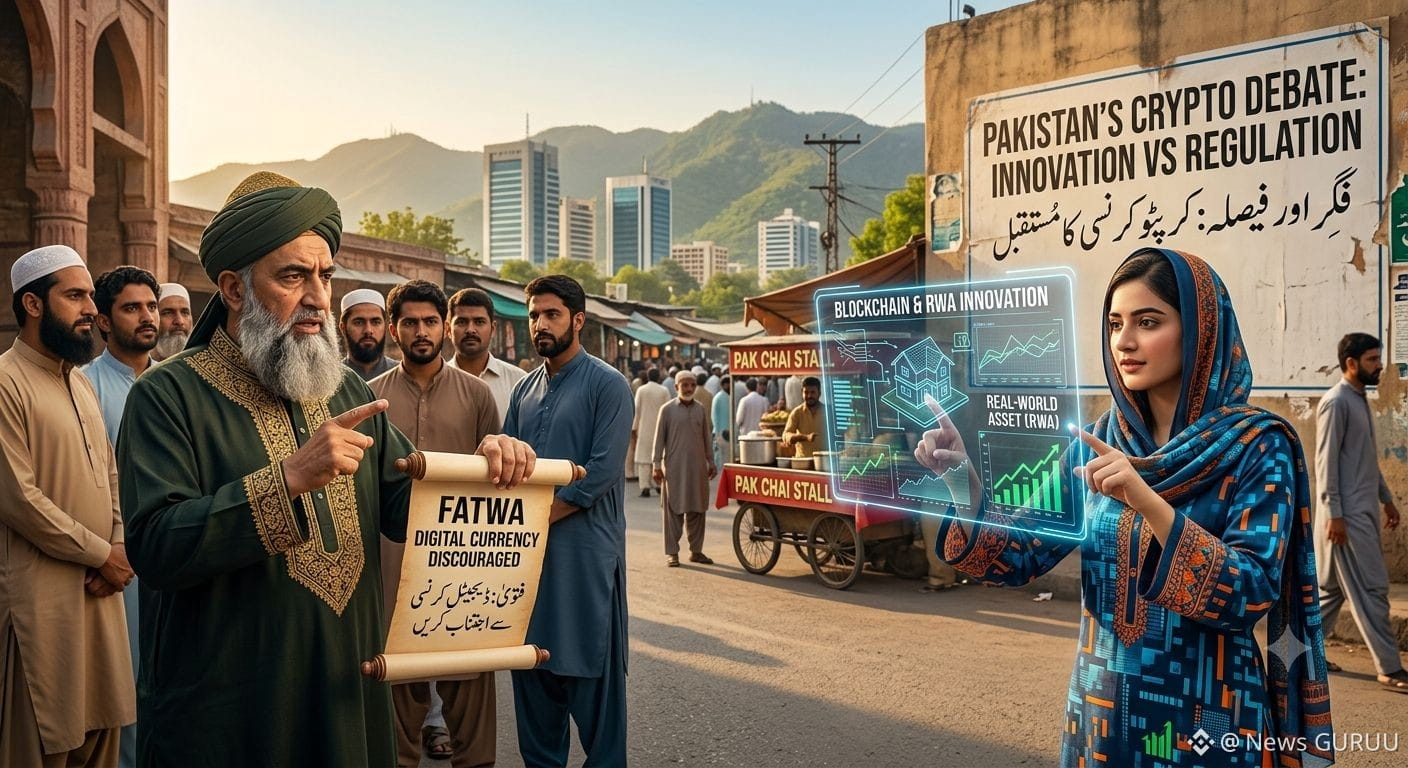
A group of Pakistani scholars has issued a ruling discouraging purchases made with cryptocurrency, sparking widespread discussion across the crypto community.
At the same time, regulators are reportedly engaging in conversations about blockchain innovation and the potential of Real-World Assets (RWA), recognizing that blockchain technology extends far beyond speculation.$ETH
This highlights an important reality: digital assets and blockchain are becoming part of the global financial conversation, even in places where regulation and adoption are still evolving.
For traders, uncertainty often means one thing: risk management comes first. Many investors choose to hold stablecoins like USDT while waiting for clearer market direction, but every strategy carries its own risks.$BTC
The coming months could be significant for crypto adoption and regulation in Pakistan. Stay informed, stay patient, and avoid making emotional decisions.$BNB
⚠️ This post is for educational purposes only and is not financial advice. Always do your own research (DYOR).
#Crypto #Bitcoin #Blockchain #Pakistan
{future}(BNBUSDT)
{future}(ETHUSDT)
{future}(BTCUSDT)
#pakistanscholarsrulecryptopurchasesnotpermitted 🇵🇰 Pakistan's Crypto Debate Is Heating Up. 🔥
A group of Pakistani scholars has issued a ruling discouraging purchases made with cryptocurrency, sparking widespread discussion across the crypto community.
At the same time, regulators are reportedly engaging in conversations about blockchain innovation and the potential of Real-World Assets (RWA), recognizing that blockchain technology extends far beyond speculation.$ETH
This highlights an important reality: digital assets and blockchain are becoming part of the global financial conversation, even in places where regulation and adoption are still evolving.
For traders, uncertainty often means one thing: risk management comes first. Many investors choose to hold stablecoins like USDT while waiting for clearer market direction, but every strategy carries its own risks.$BTC
The coming months could be significant for crypto adoption and regulation in Pakistan. Stay informed, stay patient, and avoid making emotional decisions.$BNB
⚠️ This post is for educational purposes only and is not financial advice. Always do your own research (DYOR).
#Crypto #Bitcoin #Blockchain #Pakistan
A group of Pakistani scholars has issued a ruling discouraging purchases made with cryptocurrency, sparking widespread discussion across the crypto community.
At the same time, regulators are reportedly engaging in conversations about blockchain innovation and the potential of Real-World Assets (RWA), recognizing that blockchain technology extends far beyond speculation.$ETH
This highlights an important reality: digital assets and blockchain are becoming part of the global financial conversation, even in places where regulation and adoption are still evolving.
For traders, uncertainty often means one thing: risk management comes first. Many investors choose to hold stablecoins like USDT while waiting for clearer market direction, but every strategy carries its own risks.$BTC
The coming months could be significant for crypto adoption and regulation in Pakistan. Stay informed, stay patient, and avoid making emotional decisions.$BNB
⚠️ This post is for educational purposes only and is not financial advice. Always do your own research (DYOR).
#Crypto #Bitcoin #Blockchain #Pakistan

14
11
14.6k

·
--
Bearish
#pakistanscholarsrulecryptopurchasesnotpermitted
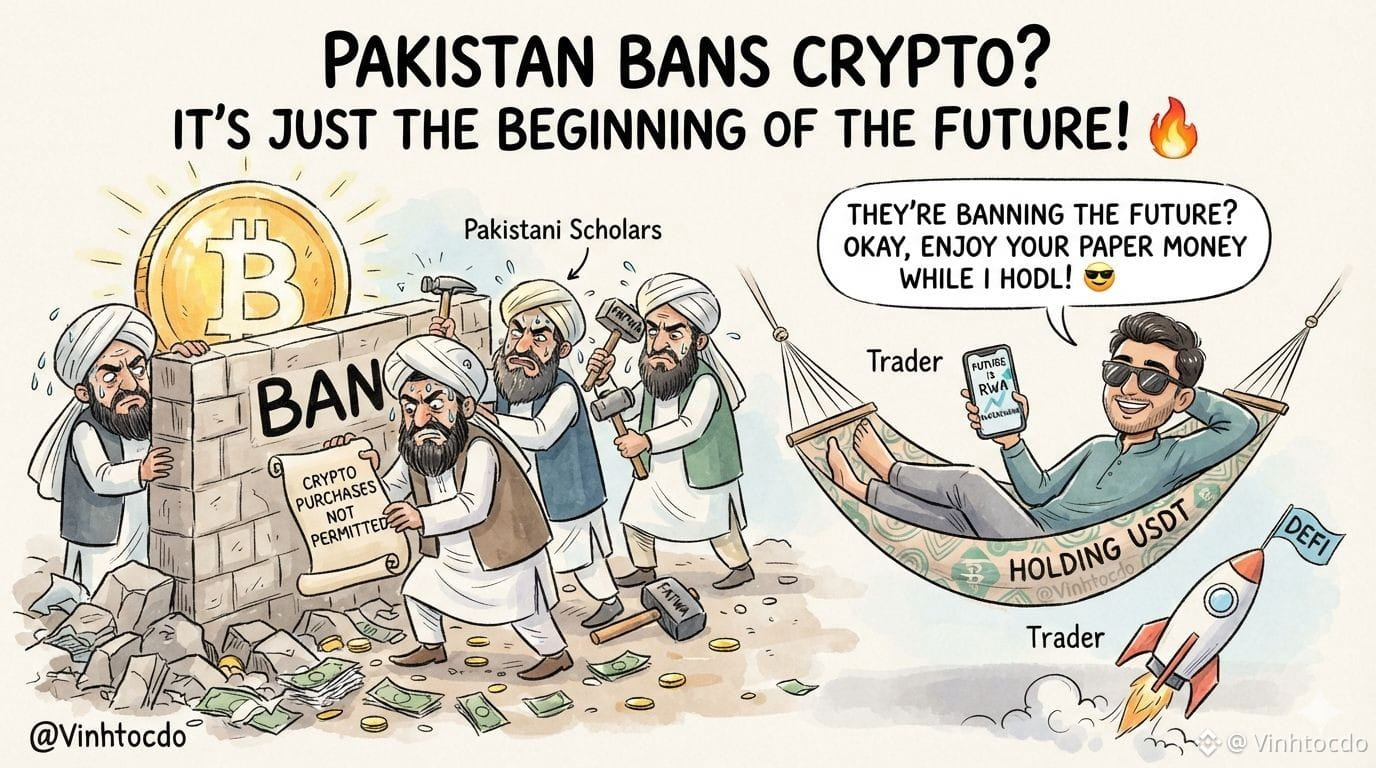
A group of Pakistani scholars has ruled on the “ban on buying with crypto”—it sounds intense, but take a broader view and you’ll see: the era of real digital money has truly arrived, guys! 🔥
So much so that the regulators over there are rushing to seek dialogue, explaining that RWA with blockchain is the future technology—not a scam. Now if anyone wants to cling tightly to their paper money, just let them; you can’t force everyone to get rich along with you, right? 😎
For traders like us right now: buckle up, accumulate USDT as defense, and sit tight to watch the drama unfold—either way, it’ll end.
⚠️ This is not financial advice.
👉 Enter the referral code VINHTOCDO when registering on Binance to speed up your journey to a safer shore with us, guys! 🚀
#Pakistan #crypto #RWA #VINHTOCDO
$BTC
{future}(BTCUSDT)
$ETH
{future}(ETHUSDT)
$BNB
{future}(BNBUSDT)
#pakistanscholarsrulecryptopurchasesnotpermitted
A group of Pakistani scholars has ruled on the “ban on buying with crypto”—it sounds intense, but take a broader view and you’ll see: the era of real digital money has truly arrived, guys! 🔥
So much so that the regulators over there are rushing to seek dialogue, explaining that RWA with blockchain is the future technology—not a scam. Now if anyone wants to cling tightly to their paper money, just let them; you can’t force everyone to get rich along with you, right? 😎
For traders like us right now: buckle up, accumulate USDT as defense, and sit tight to watch the drama unfold—either way, it’ll end.
⚠️ This is not financial advice.
👉 Enter the referral code VINHTOCDO when registering on Binance to speed up your journey to a safer shore with us, guys! 🚀
#Pakistan #crypto #RWA #VINHTOCDO
$BTC
$ETH
$BNB
A group of Pakistani scholars has ruled on the “ban on buying with crypto”—it sounds intense, but take a broader view and you’ll see: the era of real digital money has truly arrived, guys! 🔥
So much so that the regulators over there are rushing to seek dialogue, explaining that RWA with blockchain is the future technology—not a scam. Now if anyone wants to cling tightly to their paper money, just let them; you can’t force everyone to get rich along with you, right? 😎
For traders like us right now: buckle up, accumulate USDT as defense, and sit tight to watch the drama unfold—either way, it’ll end.
⚠️ This is not financial advice.
👉 Enter the referral code VINHTOCDO when registering on Binance to speed up your journey to a safer shore with us, guys! 🚀
#Pakistan #crypto #RWA #VINHTOCDO
$BTC
$ETH
$BNB
8
2
5.4k

·
--
Bullish
#PakistanScholarsRuleCryptoPurchasesNotPermitted The recent religious decree (fatwa) issued in July 2026 by the prominent Pakistani Islamic scholar Mufti Muhammad Taqi Usmani, which states that trade and purchases made with cryptocurrencies are completely prohibited
Under Sharia law. This stance directly clashes with Pakistan’s current efforts to regulate and expand the local crypto ecosystem.
The ruling issued by the academic institution Darul Uloom Karachi states that digital assets do not qualify as "maal" (real property or wealth) under Islamic law. Instead, they are considered nothing more than fictitious numerical records.
$ZEC
{future}(ZECUSDT)
$NVDAB
{spot}(NVDABUSDT)
$METAB
{spot}(METABUSDT)
#PakistanScholarsRuleCryptoPurchasesNotPermitted The recent religious decree (fatwa) issued in July 2026 by the prominent Pakistani Islamic scholar Mufti Muhammad Taqi Usmani, which states that trade and purchases made with cryptocurrencies are completely prohibited
Under Sharia law. This stance directly clashes with Pakistan’s current efforts to regulate and expand the local crypto ecosystem.
The ruling issued by the academic institution Darul Uloom Karachi states that digital assets do not qualify as "maal" (real property or wealth) under Islamic law. Instead, they are considered nothing more than fictitious numerical records.
$ZEC
$NVDAB
$METAB
Under Sharia law. This stance directly clashes with Pakistan’s current efforts to regulate and expand the local crypto ecosystem.
The ruling issued by the academic institution Darul Uloom Karachi states that digital assets do not qualify as "maal" (real property or wealth) under Islamic law. Instead, they are considered nothing more than fictitious numerical records.
$ZEC
$NVDAB
$METAB

1
1
544

·
--
Pakistani Islamic Scholars Say Crypto Purchases Are Not Permitted
A group of Islamic scholars in Pakistan has issued a ruling stating that purchasing cryptocurrencies is not permissible under their interpretation of Islamic law. The decision adds a religious dimension to the country's ongoing debate over digital assets and financial regulation.
The scholars cited concerns about speculation, uncertainty, and the lack of intrinsic backing in many cryptocurrencies. While the ruling is not a government ban, it could influence public sentiment and adoption among Muslim investors in Pakistan.
The announcement comes as policymakers continue discussing how cryptocurrencies should be regulated. The outcome of those discussions may shape the future role of digital assets in one of the world's largest Muslim-majority countries.
#PakistanScholarsRuleCryptoPurchasesNotPermitted
Pakistani Islamic Scholars Say Crypto Purchases Are Not Permitted
A group of Islamic scholars in Pakistan has issued a ruling stating that purchasing cryptocurrencies is not permissible under their interpretation of Islamic law. The decision adds a religious dimension to the country's ongoing debate over digital assets and financial regulation.
The scholars cited concerns about speculation, uncertainty, and the lack of intrinsic backing in many cryptocurrencies. While the ruling is not a government ban, it could influence public sentiment and adoption among Muslim investors in Pakistan.
The announcement comes as policymakers continue discussing how cryptocurrencies should be regulated. The outcome of those discussions may shape the future role of digital assets in one of the world's largest Muslim-majority countries.
#PakistanScholarsRuleCryptoPurchasesNotPermitted
A group of Islamic scholars in Pakistan has issued a ruling stating that purchasing cryptocurrencies is not permissible under their interpretation of Islamic law. The decision adds a religious dimension to the country's ongoing debate over digital assets and financial regulation.
The scholars cited concerns about speculation, uncertainty, and the lack of intrinsic backing in many cryptocurrencies. While the ruling is not a government ban, it could influence public sentiment and adoption among Muslim investors in Pakistan.
The announcement comes as policymakers continue discussing how cryptocurrencies should be regulated. The outcome of those discussions may shape the future role of digital assets in one of the world's largest Muslim-majority countries.
#PakistanScholarsRuleCryptoPurchasesNotPermitted
121

·
--
Bullish
#pakistanscholarsrulecryptopurchasesnotpermitted
🇵🇰 Pakistan's Crypto Landscape Continues to Evolve.
A recent statement from a group of Pakistani scholars advising against cryptocurrency-based purchases has sparked fresh debate among investors and the wider digital asset community.
Meanwhile, discussions around blockchain technology continue to gain momentum, with regulators reportedly exploring its broader applications, including Real-World Assets (RWAs). The conversation suggests that interest is expanding beyond cryptocurrencies alone toward the long-term potential of blockchain innovation. $ETH
For market participants, periods of regulatory uncertainty call for discipline and careful risk management. Some investors prefer to remain in stablecoins such as USDT while waiting for greater clarity, though every investment approach comes with its own set of risks. $BTC
As Pakistan's regulatory framework continues to develop, the months ahead could play an important role in shaping the future of crypto adoption in the country. Stay informed, manage risk wisely, and avoid making decisions based solely on market emotions. $BNB
⚠️ This content is for informational purposes only and should not be considered financial advice. Always conduct your own research before making any investment decisions.
#BinanceTurns9 #JuneCPIFedHike20% #US2YearYieldFalls14bpsBiggestDropSinceFebruary #SilverDown52%FromJanuaryRecordHigh
#pakistanscholarsrulecryptopurchasesnotpermitted
🇵🇰 Pakistan's Crypto Landscape Continues to Evolve.
A recent statement from a group of Pakistani scholars advising against cryptocurrency-based purchases has sparked fresh debate among investors and the wider digital asset community.
Meanwhile, discussions around blockchain technology continue to gain momentum, with regulators reportedly exploring its broader applications, including Real-World Assets (RWAs). The conversation suggests that interest is expanding beyond cryptocurrencies alone toward the long-term potential of blockchain innovation. $ETH
For market participants, periods of regulatory uncertainty call for discipline and careful risk management. Some investors prefer to remain in stablecoins such as USDT while waiting for greater clarity, though every investment approach comes with its own set of risks. $BTC
As Pakistan's regulatory framework continues to develop, the months ahead could play an important role in shaping the future of crypto adoption in the country. Stay informed, manage risk wisely, and avoid making decisions based solely on market emotions. $BNB
⚠️ This content is for informational purposes only and should not be considered financial advice. Always conduct your own research before making any investment decisions.
#BinanceTurns9 #JuneCPIFedHike20% #US2YearYieldFalls14bpsBiggestDropSinceFebruary #SilverDown52%FromJanuaryRecordHigh
🇵🇰 Pakistan's Crypto Landscape Continues to Evolve.
A recent statement from a group of Pakistani scholars advising against cryptocurrency-based purchases has sparked fresh debate among investors and the wider digital asset community.
Meanwhile, discussions around blockchain technology continue to gain momentum, with regulators reportedly exploring its broader applications, including Real-World Assets (RWAs). The conversation suggests that interest is expanding beyond cryptocurrencies alone toward the long-term potential of blockchain innovation. $ETH
For market participants, periods of regulatory uncertainty call for discipline and careful risk management. Some investors prefer to remain in stablecoins such as USDT while waiting for greater clarity, though every investment approach comes with its own set of risks. $BTC
As Pakistan's regulatory framework continues to develop, the months ahead could play an important role in shaping the future of crypto adoption in the country. Stay informed, manage risk wisely, and avoid making decisions based solely on market emotions. $BNB
⚠️ This content is for informational purposes only and should not be considered financial advice. Always conduct your own research before making any investment decisions.
#BinanceTurns9 #JuneCPIFedHike20% #US2YearYieldFalls14bpsBiggestDropSinceFebruary #SilverDown52%FromJanuaryRecordHigh

1
124

·
--
Bullish
#pakistanscholarsrulecryptopurchasesnotpermitted #bnb
🇵🇰 PAKISTAN CRYPTO DEBATE: BUY OR SELL?
Pakistan's crypto discussion is intensifying as scholars discourage crypto payments, while regulators continue exploring blockchain and Real-World Assets (RWA).
✅ Blockchain adoption discussions continue
✅ Long-term crypto regulation is evolving
✅ Short-term uncertainty may increase volatility
Market uncertainty creates opportunities for disciplined traders.
📊 Trading View: BUY quality coins (BTC, ETH & BNB) on market dips and avoid panic selling. Long-term adoption remains the bigger trend.
"CLICK HERE👇👇👇TO TRADE"
$BNB $BTC $ETH
{spot}(ETHUSDT)
{spot}(BTCUSDT)
{spot}(BNBUSDT)
#pakistanscholarsrulecryptopurchasesnotpermitted #bnb
🇵🇰 PAKISTAN CRYPTO DEBATE: BUY OR SELL?
Pakistan's crypto discussion is intensifying as scholars discourage crypto payments, while regulators continue exploring blockchain and Real-World Assets (RWA).
✅ Blockchain adoption discussions continue
✅ Long-term crypto regulation is evolving
✅ Short-term uncertainty may increase volatility
Market uncertainty creates opportunities for disciplined traders.
📊 Trading View: BUY quality coins (BTC, ETH & BNB) on market dips and avoid panic selling. Long-term adoption remains the bigger trend.
"CLICK HERE👇👇👇TO TRADE"
$BNB $BTC $ETH
🇵🇰 PAKISTAN CRYPTO DEBATE: BUY OR SELL?
Pakistan's crypto discussion is intensifying as scholars discourage crypto payments, while regulators continue exploring blockchain and Real-World Assets (RWA).
✅ Blockchain adoption discussions continue
✅ Long-term crypto regulation is evolving
✅ Short-term uncertainty may increase volatility
Market uncertainty creates opportunities for disciplined traders.
📊 Trading View: BUY quality coins (BTC, ETH & BNB) on market dips and avoid panic selling. Long-term adoption remains the bigger trend.
"CLICK HERE👇👇👇TO TRADE"
$BNB $BTC $ETH
1
50
·
--
Bullish
$METAB $MSFTB $METAB #IranianMediaClaimsStrikeOnUSFifthFleetHQ #ZcashRises1190%OverPastYear #PakistanScholarsRuleCryptoPurchasesNotPermitted
{spot}(MSFTBUSDT)
take it out, Mijes
$METAB $MSFTB $METAB #IranianMediaClaimsStrikeOnUSFifthFleetHQ #ZcashRises1190%OverPastYear #PakistanScholarsRuleCryptoPurchasesNotPermitted
take it out, Mijes
take it out, Mijes
5

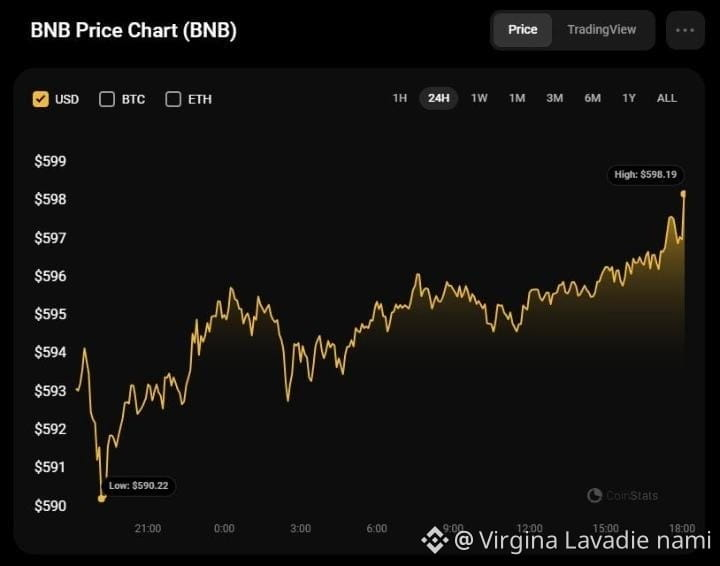
$BNB is trading in a neutral-to-bullish range after recovering from recent volatility. Analysts are watching the $590–$605 resistance zone, while the major support area remains around $570. �
CoinDCX +1
📈 Trend: Neutral to Bullish
🛡️ Support: $570
🎯 Resistance: $590–$605
🚀 Bullish Target: $620+ if resistance breaks. �
CoinDCX +1
Key Factors Supporting BNB
Strong ecosystem growth on BNB Chain.
Continued use of BNB for trading fee discounts on Binance.
Increasing activity in DeFi and Web3 applications. �
Wikipedia +1
Risks
Regulatory uncertainty in the crypto market.
High market volatility and profit-taking pressure.
Outlook
BNB remains one of the largest cryptocurrencies by market capitalization and continues to attract long-term investors. The short-term outlook is cautiously bullish, but traders are waiting for a clear breakout above the $600 area before expecting a stronger rally. �
CoinGecko +1
Overall Rating: 🟢 Cautiously Bullish
Long-Term View: Positive if BNB holds above its key support levels#BinanceTurns9 #PakistanScholarsRuleCryptoPurchasesNotPermitted #USLaunchesFourthStrikeOnIranInAWeek
{spot}(BNBUSDT)
$BNB is trading in a neutral-to-bullish range after recovering from recent volatility. Analysts are watching the $590–$605 resistance zone, while the major support area remains around $570. �
CoinDCX +1
📈 Trend: Neutral to Bullish
🛡️ Support: $570
🎯 Resistance: $590–$605
🚀 Bullish Target: $620+ if resistance breaks. �
CoinDCX +1
Key Factors Supporting BNB
Strong ecosystem growth on BNB Chain.
Continued use of BNB for trading fee discounts on Binance.
Increasing activity in DeFi and Web3 applications. �
Wikipedia +1
Risks
Regulatory uncertainty in the crypto market.
High market volatility and profit-taking pressure.
Outlook
BNB remains one of the largest cryptocurrencies by market capitalization and continues to attract long-term investors. The short-term outlook is cautiously bullish, but traders are waiting for a clear breakout above the $600 area before expecting a stronger rally. �
CoinGecko +1
Overall Rating: 🟢 Cautiously Bullish
Long-Term View: Positive if BNB holds above its key support levels#BinanceTurns9 #PakistanScholarsRuleCryptoPurchasesNotPermitted #USLaunchesFourthStrikeOnIranInAWeek
CoinDCX +1
📈 Trend: Neutral to Bullish
🛡️ Support: $570
🎯 Resistance: $590–$605
🚀 Bullish Target: $620+ if resistance breaks. �
CoinDCX +1
Key Factors Supporting BNB
Strong ecosystem growth on BNB Chain.
Continued use of BNB for trading fee discounts on Binance.
Increasing activity in DeFi and Web3 applications. �
Wikipedia +1
Risks
Regulatory uncertainty in the crypto market.
High market volatility and profit-taking pressure.
Outlook
BNB remains one of the largest cryptocurrencies by market capitalization and continues to attract long-term investors. The short-term outlook is cautiously bullish, but traders are waiting for a clear breakout above the $600 area before expecting a stronger rally. �
CoinGecko +1
Overall Rating: 🟢 Cautiously Bullish
Long-Term View: Positive if BNB holds above its key support levels#BinanceTurns9 #PakistanScholarsRuleCryptoPurchasesNotPermitted #USLaunchesFourthStrikeOnIranInAWeek
67
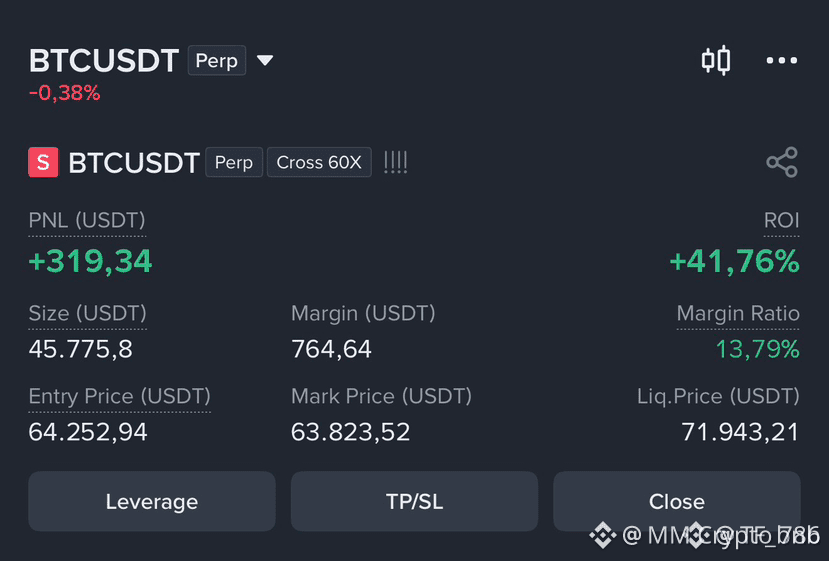
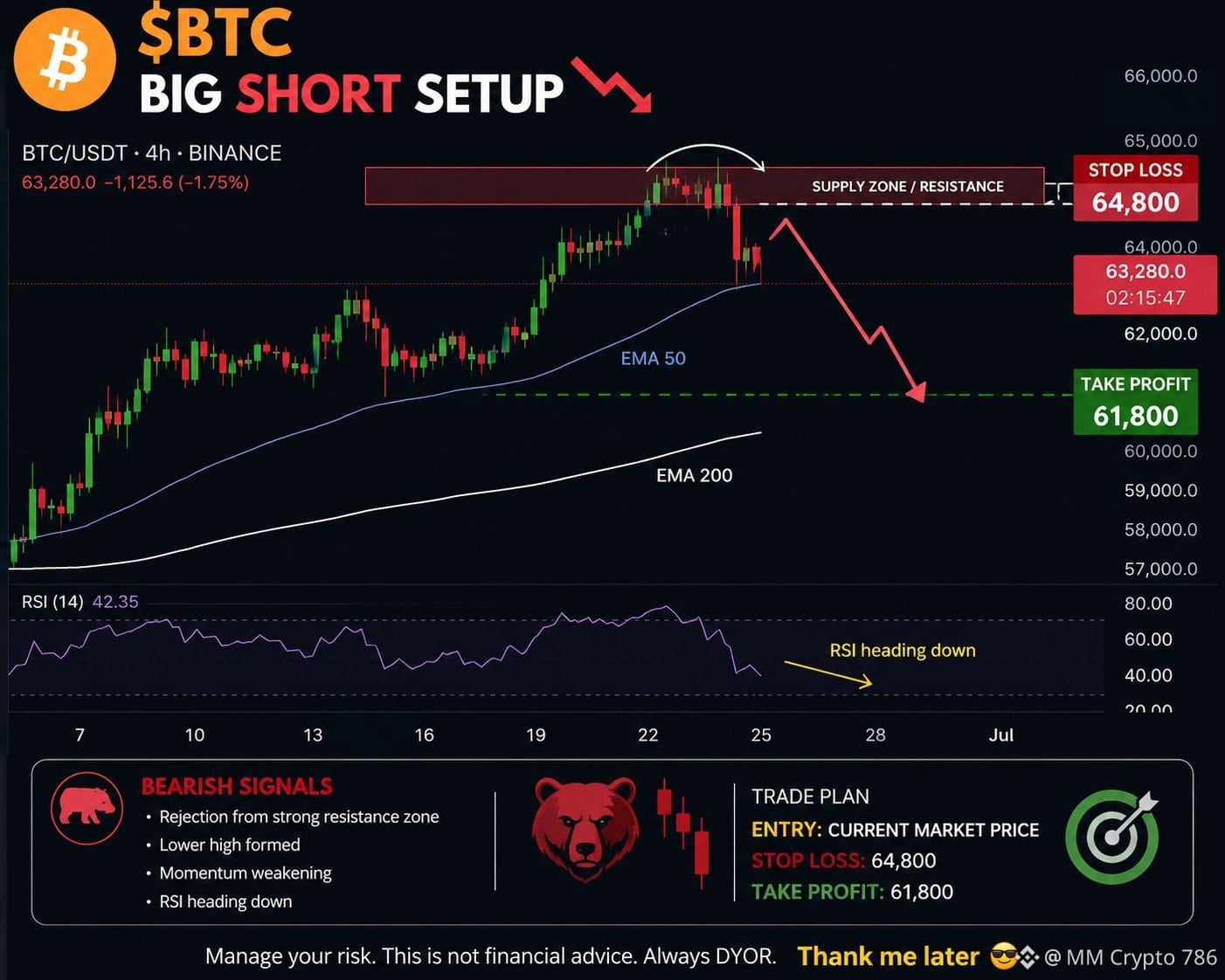
🚨 $BTC Big Short Setup 📉
Entry: Current Market Price
Stop Loss: 64,800
Take Profit: 61,800
BTC is showing bearish momentum, so I'm taking a short position here. Manage your risk and follow your trading plan.
Thank me later. 😎💰
Not financial advice. Always DYOR.
#BinanceTurns9 #ZcashRises1190%OverPastYear #IranianMediaClaimsStrikeOnUSFifthFleetHQ #PakistanScholarsRuleCryptoPurchasesNotPermitted #US2YTreasuryYieldHitsHighestSince2025 $BTC
{spot}(BTCUSDT)
$DEXE
{spot}(DEXEUSDT)
🚨 $BTC Big Short Setup 📉
Entry: Current Market Price
Stop Loss: 64,800
Take Profit: 61,800
BTC is showing bearish momentum, so I'm taking a short position here. Manage your risk and follow your trading plan.
Thank me later. 😎💰
Not financial advice. Always DYOR.
#BinanceTurns9 #ZcashRises1190%OverPastYear #IranianMediaClaimsStrikeOnUSFifthFleetHQ #PakistanScholarsRuleCryptoPurchasesNotPermitted #US2YTreasuryYieldHitsHighestSince2025 $BTC
$DEXE
Entry: Current Market Price
Stop Loss: 64,800
Take Profit: 61,800
BTC is showing bearish momentum, so I'm taking a short position here. Manage your risk and follow your trading plan.
Thank me later. 😎💰
Not financial advice. Always DYOR.
#BinanceTurns9 #ZcashRises1190%OverPastYear #IranianMediaClaimsStrikeOnUSFifthFleetHQ #PakistanScholarsRuleCryptoPurchasesNotPermitted #US2YTreasuryYieldHitsHighestSince2025 $BTC
$DEXE
143

$EIGEN EIGEN is trading with improving momentum on 13 July 2026, as buyers attempt to build strength above key support levels.
{spot}(EIGENUSDT)
#PakistanScholarsRuleCryptoPurchasesNotPermitted
$EIGEN EIGEN is trading with improving momentum on 13 July 2026, as buyers attempt to build strength above key support levels.
#PakistanScholarsRuleCryptoPurchasesNotPermitted
#PakistanScholarsRuleCryptoPurchasesNotPermitted
26

$NVDAB #BinanceTurns9 WTICrudeTouches$73#BitcoinETFsSnapEightWeekOutflowStreak #ARBDropsAbout6% $MSFTB $GOOGLB #USLaunchesFourthStrikeOnIranInAWeek #PakistanScholarsRuleCryptoPurchasesNotPermitted
$NVDAB #BinanceTurns9 WTICrudeTouches$73#BitcoinETFsSnapEightWeekOutflowStreak #ARBDropsAbout6% $MSFTB $GOOGLB #USLaunchesFourthStrikeOnIranInAWeek #PakistanScholarsRuleCryptoPurchasesNotPermitted
48

·
--
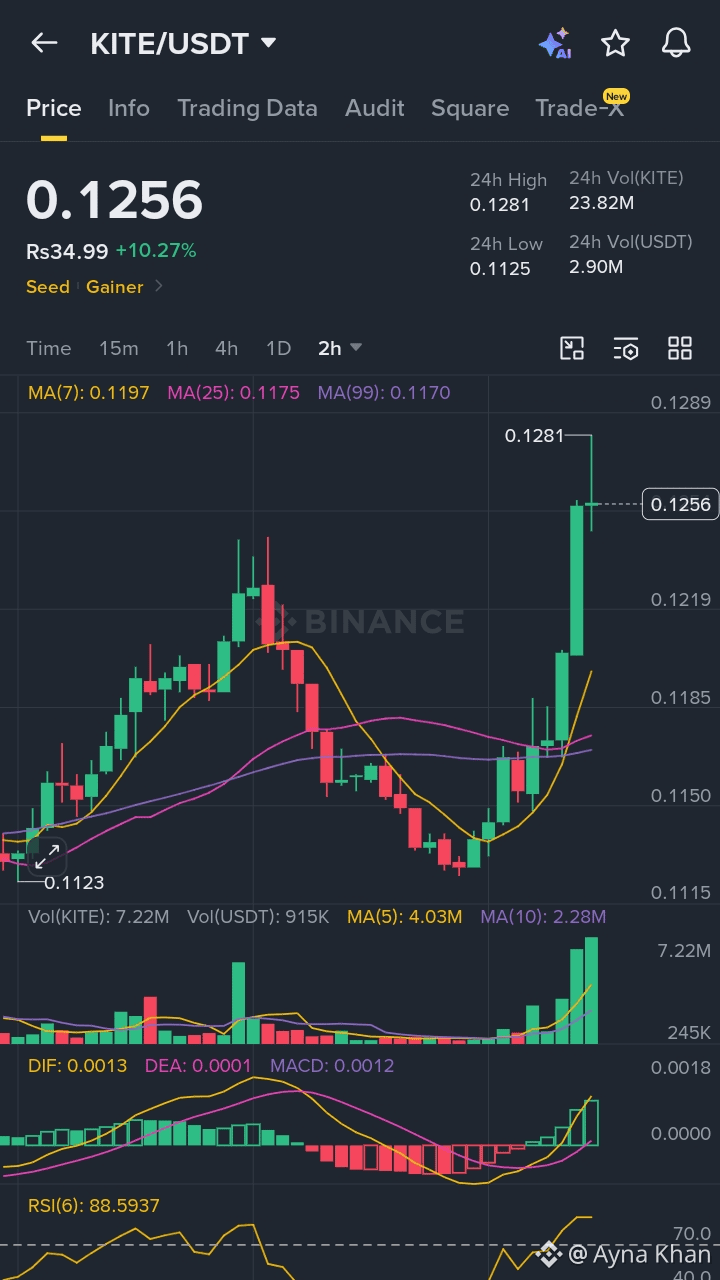
$KITE USDT — Bullish Long Setup 🚀🔥
$KITE is showing explosive bullish momentum on the 2H timeframe, breaking above key resistance with a strong volume surge. Price is trading above the MA7, MA25, and MA99, while the MACD remains bullish, confirming buyers are in control. Although the RSI is around 88, indicating overbought conditions, the trend remains strong as long as support holds.
📍 Long Setup
Entry: 0.1245 – 0.1260
Stop Loss: 0.1190
TP1: 0.1300
TP2: 0.1350
TP3: 0.1400
Strong momentum favors further upside, but always protect your capital with proper risk management. Trade smart, stay disciplined, and ride the trend! 💪📈
Trade now 👇
$BSB
#PakistanScholarsRuleCryptoPurchasesNotPermitted #IranSaysItClosedStraitOfHormuz
$KITE USDT — Bullish Long Setup 🚀🔥
$KITE is showing explosive bullish momentum on the 2H timeframe, breaking above key resistance with a strong volume surge. Price is trading above the MA7, MA25, and MA99, while the MACD remains bullish, confirming buyers are in control. Although the RSI is around 88, indicating overbought conditions, the trend remains strong as long as support holds.
📍 Long Setup
Entry: 0.1245 – 0.1260
Stop Loss: 0.1190
TP1: 0.1300
TP2: 0.1350
TP3: 0.1400
Strong momentum favors further upside, but always protect your capital with proper risk management. Trade smart, stay disciplined, and ride the trend! 💪📈
Trade now 👇
$BSB
#PakistanScholarsRuleCryptoPurchasesNotPermitted #IranSaysItClosedStraitOfHormuz
$KITE is showing explosive bullish momentum on the 2H timeframe, breaking above key resistance with a strong volume surge. Price is trading above the MA7, MA25, and MA99, while the MACD remains bullish, confirming buyers are in control. Although the RSI is around 88, indicating overbought conditions, the trend remains strong as long as support holds.
📍 Long Setup
Entry: 0.1245 – 0.1260
Stop Loss: 0.1190
TP1: 0.1300
TP2: 0.1350
TP3: 0.1400
Strong momentum favors further upside, but always protect your capital with proper risk management. Trade smart, stay disciplined, and ride the trend! 💪📈
Trade now 👇
$BSB
#PakistanScholarsRuleCryptoPurchasesNotPermitted #IranSaysItClosedStraitOfHormuz
250
$ADA Watching volume, momentum indicators, and Bitcoin's trend can help confirm ADA's next significant move.
{spot}(ADAUSDT)
#PakistanScholarsRuleCryptoPurchasesNotPermitted
$ADA Watching volume, momentum indicators, and Bitcoin's trend can help confirm ADA's next significant move.
#PakistanScholarsRuleCryptoPurchasesNotPermitted
#PakistanScholarsRuleCryptoPurchasesNotPermitted
18

·
--
#BinanceTurns9 Most people still judge Newton Protocol (NEWT) by TVL or short-term activity, but that's rarely where the real signal is. I pay more attention to what happens after incentives cool down. If automated strategies continue routing through the network without being paid to stay, that's real demand.
AI agents don't trade with emotion. They constantly compare execution quality, settlement reliability, and cost. The moment another network performs better, liquidity quietly moves before the market notices. That's why returning wallets matter far more than temporary user growth.
#PakistanScholarsRuleCryptoPurchasesNotPermitted #US2YTreasuryYieldHitsHighestSince2025 #USLaunchesFourthStrikeOnIranInAWeek #IranianMediaClaimsStrikeOnUSFifthFleetHQ
During volatile markets, infrastructure gets tested for real. If execution stays reliable when multiple AI strategies react at once, confidence builds naturally. If it doesn't, capital rotates elsewhere without hesitation.
For me, Newton's edge won't be measured by hype or headline metrics. It'll be measured by whether smart capital keeps coming back when conditions get difficult.
$ALLO
{future}(ALLOUSDT)
$LAB
{future}(LABUSDT)
$M
{future}(MUSDT)
#BinanceTurns9 Most people still judge Newton Protocol (NEWT) by TVL or short-term activity, but that's rarely where the real signal is. I pay more attention to what happens after incentives cool down. If automated strategies continue routing through the network without being paid to stay, that's real demand.
AI agents don't trade with emotion. They constantly compare execution quality, settlement reliability, and cost. The moment another network performs better, liquidity quietly moves before the market notices. That's why returning wallets matter far more than temporary user growth.
#PakistanScholarsRuleCryptoPurchasesNotPermitted #US2YTreasuryYieldHitsHighestSince2025 #USLaunchesFourthStrikeOnIranInAWeek #IranianMediaClaimsStrikeOnUSFifthFleetHQ
During volatile markets, infrastructure gets tested for real. If execution stays reliable when multiple AI strategies react at once, confidence builds naturally. If it doesn't, capital rotates elsewhere without hesitation.
For me, Newton's edge won't be measured by hype or headline metrics. It'll be measured by whether smart capital keeps coming back when conditions get difficult.
$ALLO
$LAB
$M
AI agents don't trade with emotion. They constantly compare execution quality, settlement reliability, and cost. The moment another network performs better, liquidity quietly moves before the market notices. That's why returning wallets matter far more than temporary user growth.
#PakistanScholarsRuleCryptoPurchasesNotPermitted #US2YTreasuryYieldHitsHighestSince2025 #USLaunchesFourthStrikeOnIranInAWeek #IranianMediaClaimsStrikeOnUSFifthFleetHQ
During volatile markets, infrastructure gets tested for real. If execution stays reliable when multiple AI strategies react at once, confidence builds naturally. If it doesn't, capital rotates elsewhere without hesitation.
For me, Newton's edge won't be measured by hype or headline metrics. It'll be measured by whether smart capital keeps coming back when conditions get difficult.
$ALLO
$LAB
$M
$ALLO💚
11%
$LAB❤️
89%
$M🧠
0%
9 votes • Voting closed
1
2
391

·
--
Bullish
$EVAA – LONG
📍 Trade Plan:
Entry: 1.0700 – 1.0820
🛑 SL: 1.0450
🎯 TP1: 1.1050
🎯 TP2: 1.1350
🎯 TP3: 1.1750
📊 Why this setup?
The recent $9.4404K short liquidation suggests bearish positions have been squeezed, reinforcing bullish momentum. $EVAA is holding above a key demand zone, and sustained buying pressure could drive the next move toward higher resistance levels. A confirmed hold above the entry range strengthens the bullish outlook. Wait for confirmation before entering and always use disciplined risk management.
#ZcashRises1190%OverPastYear #US2YTreasuryYieldHitsHighestSince2025 #PakistanScholarsRuleCryptoPurchasesNotPermitted #BitcoinPlansECashHardFork #AMDSharesSlideNearly10% $EVAA
{alpha}(560xaa036928c9c0df07d525b55ea8ee690bb5a628c1)
$EVAA – LONG
📍 Trade Plan:
Entry: 1.0700 – 1.0820
🛑 SL: 1.0450
🎯 TP1: 1.1050
🎯 TP2: 1.1350
🎯 TP3: 1.1750
📊 Why this setup?
The recent $9.4404K short liquidation suggests bearish positions have been squeezed, reinforcing bullish momentum. $EVAA is holding above a key demand zone, and sustained buying pressure could drive the next move toward higher resistance levels. A confirmed hold above the entry range strengthens the bullish outlook. Wait for confirmation before entering and always use disciplined risk management.
#ZcashRises1190%OverPastYear #US2YTreasuryYieldHitsHighestSince2025 #PakistanScholarsRuleCryptoPurchasesNotPermitted #BitcoinPlansECashHardFork #AMDSharesSlideNearly10% $EVAA
📍 Trade Plan:
Entry: 1.0700 – 1.0820
🛑 SL: 1.0450
🎯 TP1: 1.1050
🎯 TP2: 1.1350
🎯 TP3: 1.1750
📊 Why this setup?
The recent $9.4404K short liquidation suggests bearish positions have been squeezed, reinforcing bullish momentum. $EVAA is holding above a key demand zone, and sustained buying pressure could drive the next move toward higher resistance levels. A confirmed hold above the entry range strengthens the bullish outlook. Wait for confirmation before entering and always use disciplined risk management.
#ZcashRises1190%OverPastYear #US2YTreasuryYieldHitsHighestSince2025 #PakistanScholarsRuleCryptoPurchasesNotPermitted #BitcoinPlansECashHardFork #AMDSharesSlideNearly10% $EVAA
356
·
--
Bullish
$POL
{future}(POLUSDT)
#POLBTC
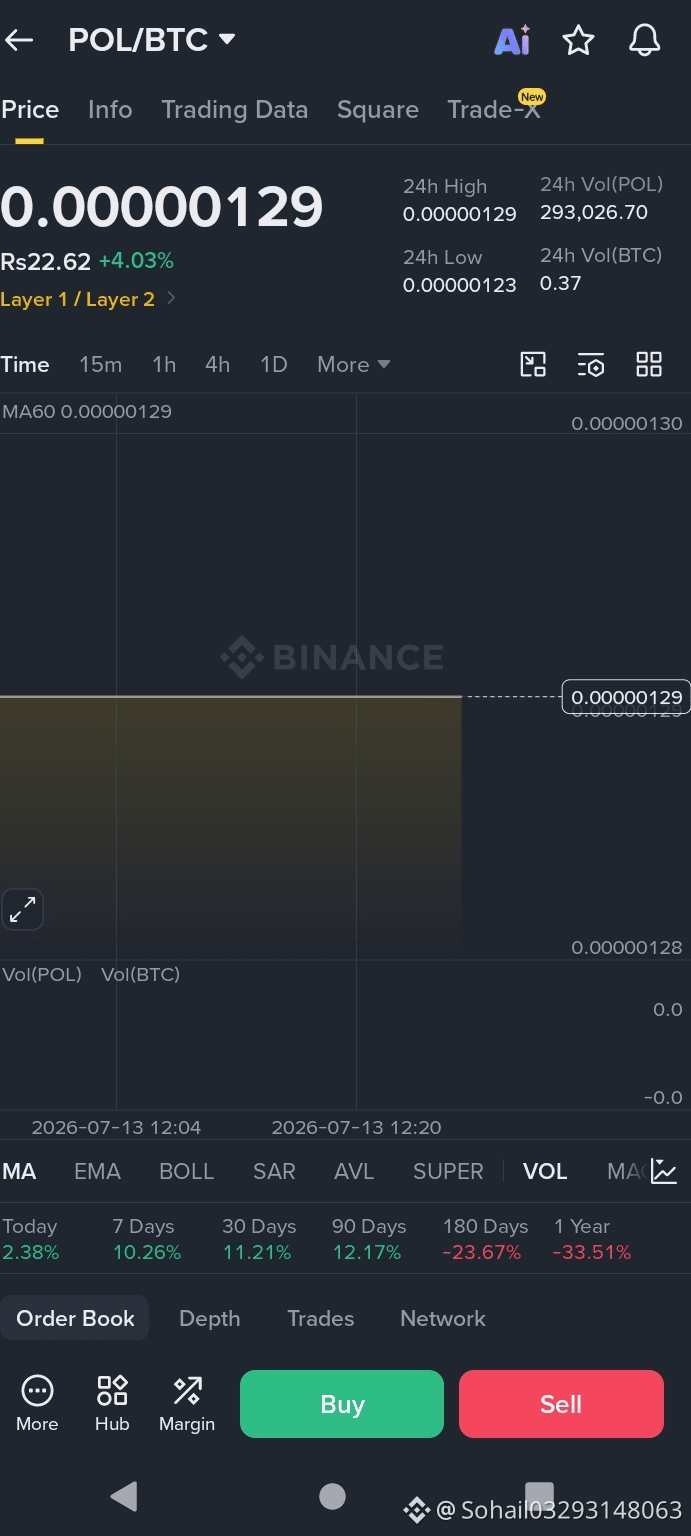
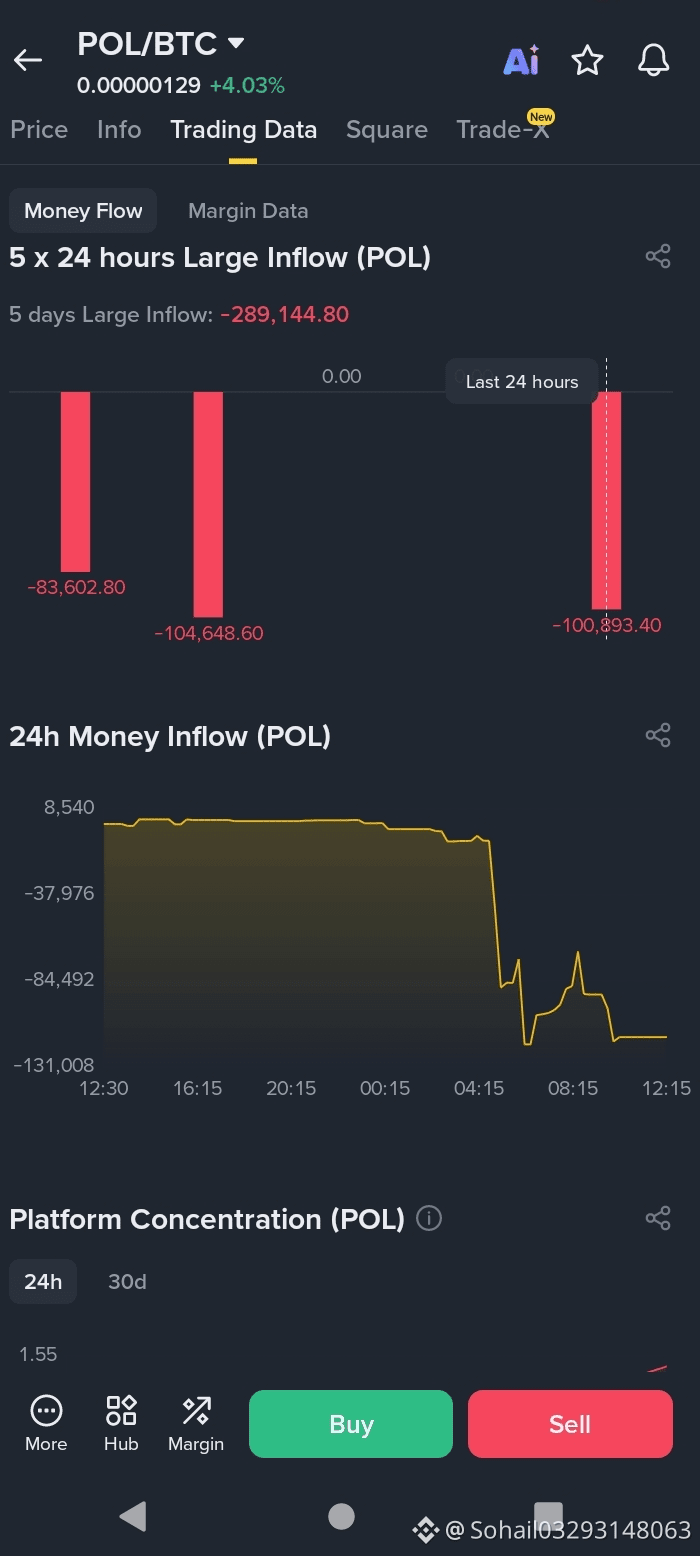
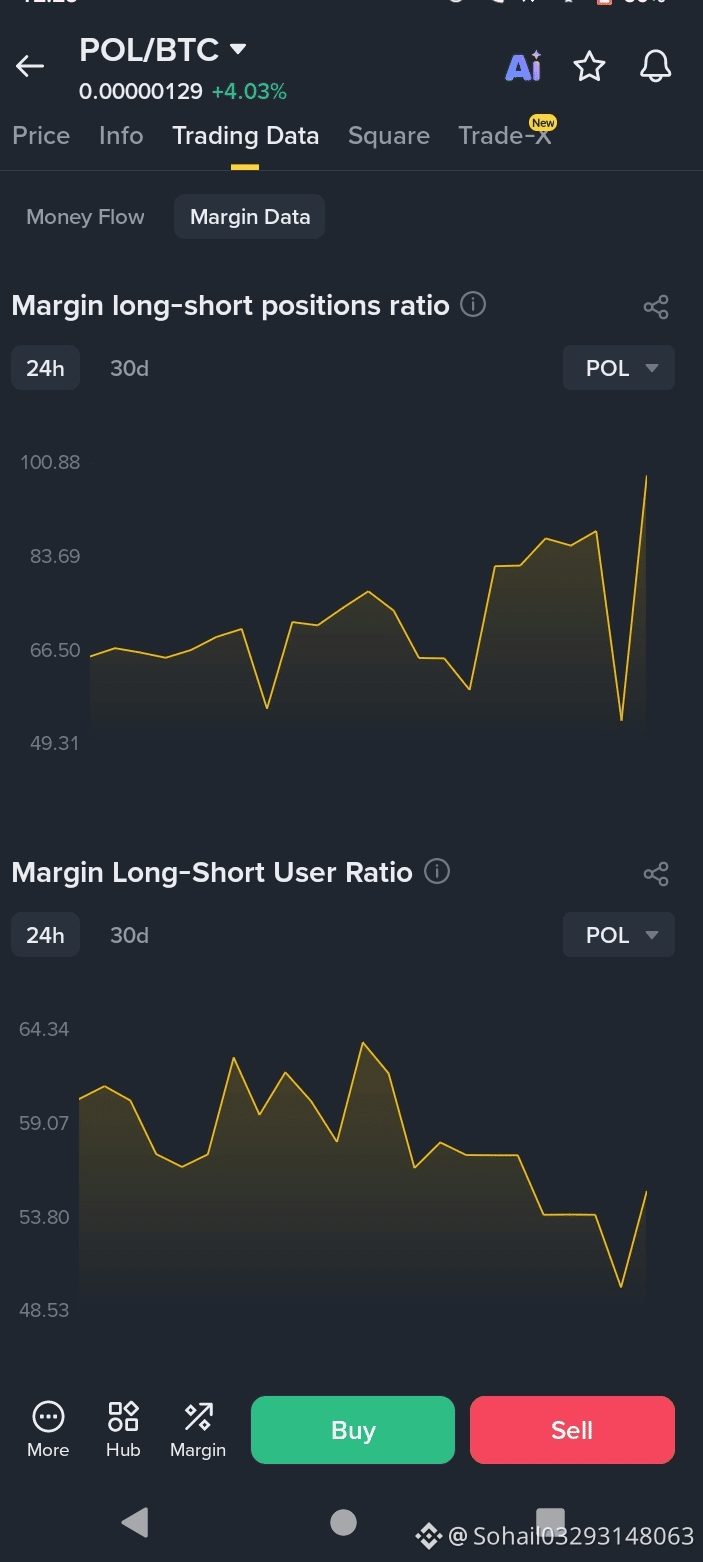
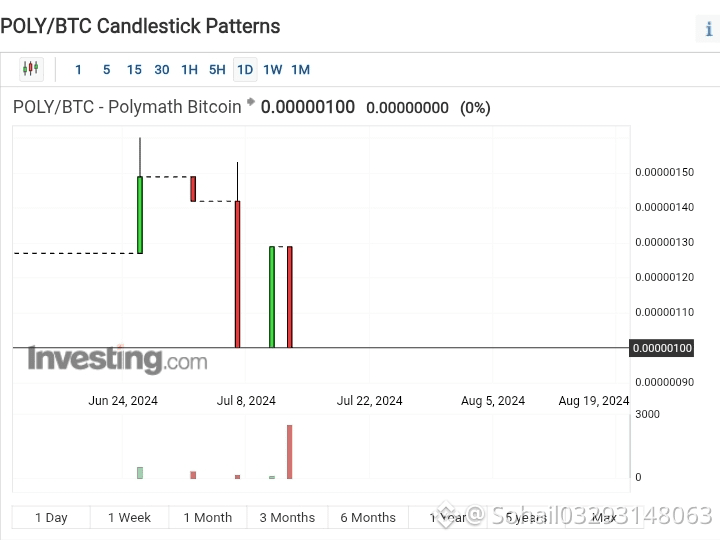
$POLBTC Analyzing POL (formerly Polygon) and BTC (Bitcoin) pairs requires reading candlestick charts, which show the battle between buyers and sellers. Traders use these charts to pick entry and exit prices
Candlestick Signals
Bullish (Green): Price goes up. Buyers are winning.
Bearish (Red): Price goes down. Sellers are winning.
Hammer Pattern: A candle with a short body and a long bottom wick. It means a price drop stopped, and buyers pushed the price back up.
Shooting Star Pattern: A candle with a long top wick. It means the price went up but sellers pushed it back down.
Simple Trade TargetsA successful trade sets clear goals based on chart zones.
Entry: Where you buy the coin.Take Profit (TP): Where you sell to secure a win. You set this at a "Resistance" level (a price ceiling where prices usually stop rising).Stop Loss (SL): Where you sell to stop losing more money. You set this at a "Support" level (a price floor where prices usually stop falling).
#ARBDropsAbout6%
#KospiFallsNearly5%Intraday
#PakistanScholarsRuleCryptoPurchasesNotPermitted
#IranianMediaClaimsStrikeOnUSFifthFleetHQ
$POL
#POLBTC
$POLBTC Analyzing POL (formerly Polygon) and BTC (Bitcoin) pairs requires reading candlestick charts, which show the battle between buyers and sellers. Traders use these charts to pick entry and exit prices
Candlestick Signals
Bullish (Green): Price goes up. Buyers are winning.
Bearish (Red): Price goes down. Sellers are winning.
Hammer Pattern: A candle with a short body and a long bottom wick. It means a price drop stopped, and buyers pushed the price back up.
Shooting Star Pattern: A candle with a long top wick. It means the price went up but sellers pushed it back down.
Simple Trade TargetsA successful trade sets clear goals based on chart zones.
Entry: Where you buy the coin.Take Profit (TP): Where you sell to secure a win. You set this at a "Resistance" level (a price ceiling where prices usually stop rising).Stop Loss (SL): Where you sell to stop losing more money. You set this at a "Support" level (a price floor where prices usually stop falling).
#ARBDropsAbout6%
#KospiFallsNearly5%Intraday
#PakistanScholarsRuleCryptoPurchasesNotPermitted
#IranianMediaClaimsStrikeOnUSFifthFleetHQ
#POLBTC
$POLBTC Analyzing POL (formerly Polygon) and BTC (Bitcoin) pairs requires reading candlestick charts, which show the battle between buyers and sellers. Traders use these charts to pick entry and exit prices
Candlestick Signals
Bullish (Green): Price goes up. Buyers are winning.
Bearish (Red): Price goes down. Sellers are winning.
Hammer Pattern: A candle with a short body and a long bottom wick. It means a price drop stopped, and buyers pushed the price back up.
Shooting Star Pattern: A candle with a long top wick. It means the price went up but sellers pushed it back down.
Simple Trade TargetsA successful trade sets clear goals based on chart zones.
Entry: Where you buy the coin.Take Profit (TP): Where you sell to secure a win. You set this at a "Resistance" level (a price ceiling where prices usually stop rising).Stop Loss (SL): Where you sell to stop losing more money. You set this at a "Support" level (a price floor where prices usually stop falling).
#ARBDropsAbout6%
#KospiFallsNearly5%Intraday
#PakistanScholarsRuleCryptoPurchasesNotPermitted
#IranianMediaClaimsStrikeOnUSFifthFleetHQ
1
139

·
--
$KITE LONG KITE/USDT
Entry price: 0.1240 - 0.1260
TP: 0.1330
SL: 0.1190
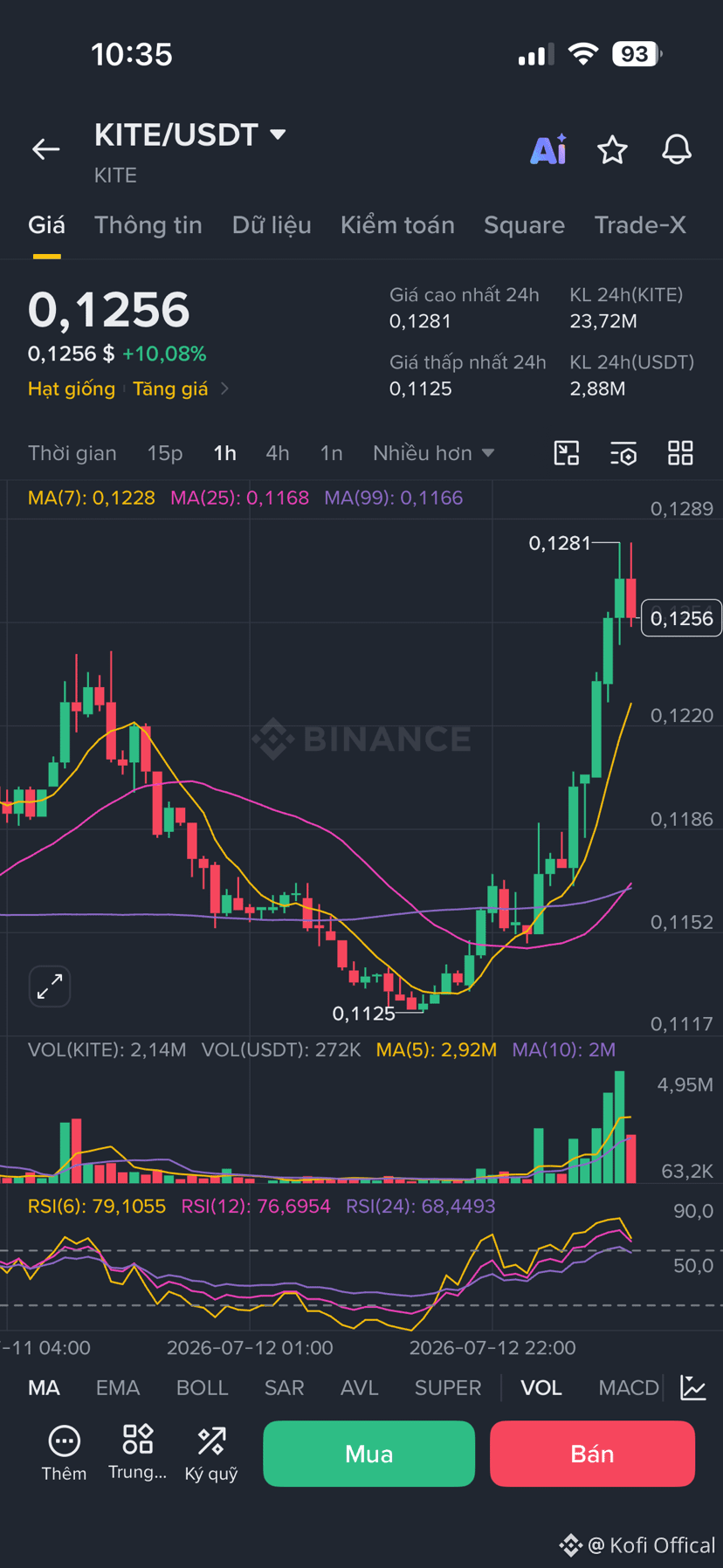
KITE is giving a strong bullish signal on the 1H timeframe after forming a bottom at 0.1125 and continuously breaking out into the 0.1281 zone. MA7 is above MA25 and MA99, confirming the short-term uptrend. Trading volume surged sharply on the most recent green candles, indicating strong capital inflow. RSI around 79 reflects very strong momentum, but also warns of the possibility of short-term pullbacks before the price continues higher. The price is still maintaining a structure of progressively higher highs and lows, so prioritize Long following the trend. If it holds above 0.1240, the target extending to the 0.1330 zone has a higher probability than the downside scenario.
{future}(KITEUSDT)
$DODO
{spot}(DODOUSDT)
$DCR
{spot}(DCRUSDT)
#KOFI #BinanceTurns9 #45NgayTuDoTaiChinh #ZcashRises1190%OverPastYear #PakistanScholarsRuleCryptoPurchasesNotPermitted
$KITE LONG KITE/USDT
Entry price: 0.1240 - 0.1260
TP: 0.1330
SL: 0.1190
KITE is giving a strong bullish signal on the 1H timeframe after forming a bottom at 0.1125 and continuously breaking out into the 0.1281 zone. MA7 is above MA25 and MA99, confirming the short-term uptrend. Trading volume surged sharply on the most recent green candles, indicating strong capital inflow. RSI around 79 reflects very strong momentum, but also warns of the possibility of short-term pullbacks before the price continues higher. The price is still maintaining a structure of progressively higher highs and lows, so prioritize Long following the trend. If it holds above 0.1240, the target extending to the 0.1330 zone has a higher probability than the downside scenario.
$DODO
$DCR
#KOFI #BinanceTurns9 #45NgayTuDoTaiChinh #ZcashRises1190%OverPastYear #PakistanScholarsRuleCryptoPurchasesNotPermitted
Entry price: 0.1240 - 0.1260
TP: 0.1330
SL: 0.1190
KITE is giving a strong bullish signal on the 1H timeframe after forming a bottom at 0.1125 and continuously breaking out into the 0.1281 zone. MA7 is above MA25 and MA99, confirming the short-term uptrend. Trading volume surged sharply on the most recent green candles, indicating strong capital inflow. RSI around 79 reflects very strong momentum, but also warns of the possibility of short-term pullbacks before the price continues higher. The price is still maintaining a structure of progressively higher highs and lows, so prioritize Long following the trend. If it holds above 0.1240, the target extending to the 0.1330 zone has a higher probability than the downside scenario.
$DODO
$DCR
#KOFI #BinanceTurns9 #45NgayTuDoTaiChinh #ZcashRises1190%OverPastYear #PakistanScholarsRuleCryptoPurchasesNotPermitted
2
144

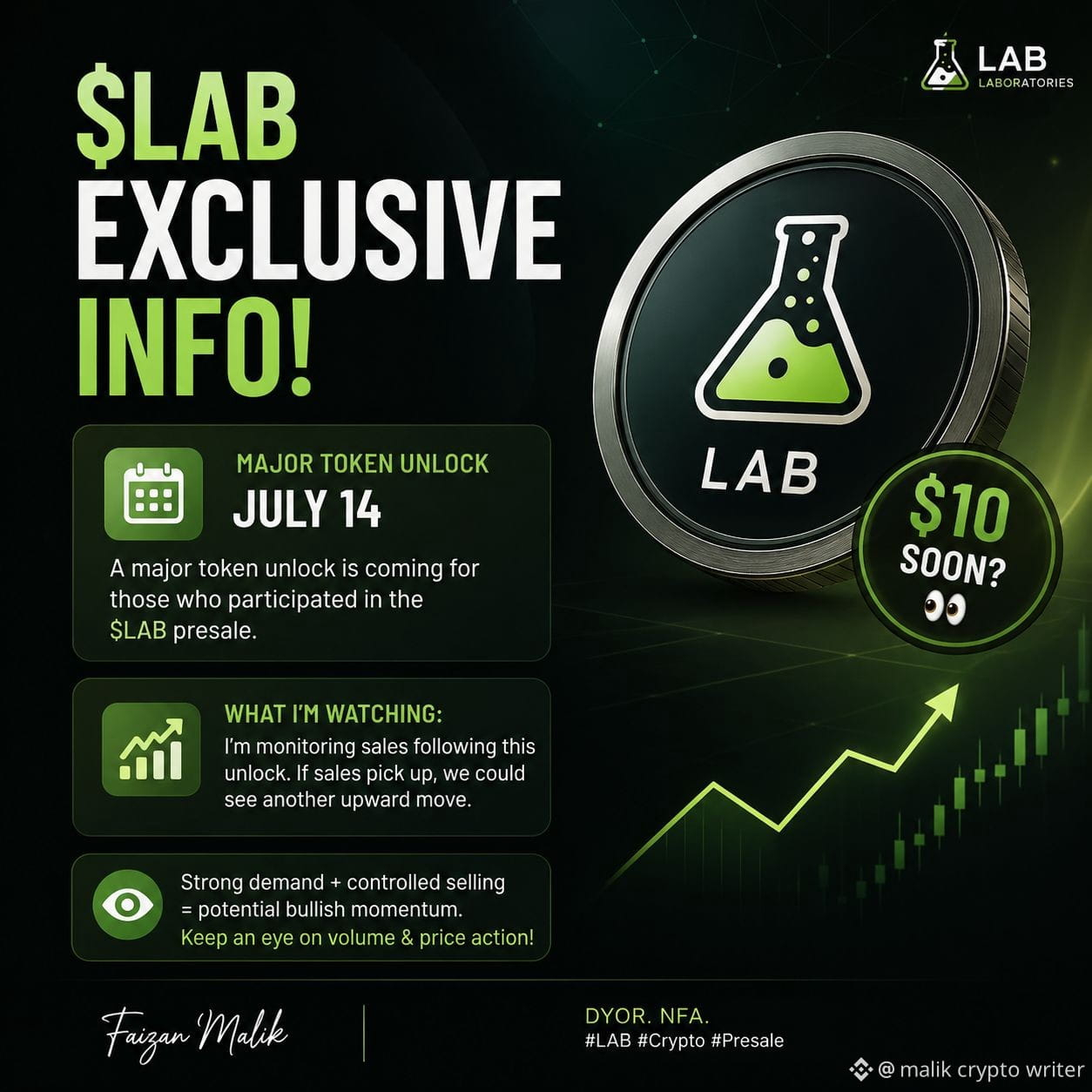
🚨 $LAB Update ⚡
⚡The upcoming token unlock could be a key moment for the $LAB ecosystem. I'm closely watching how the market reacts after the release. Strong demand and controlled selling may support another bullish move. Keep an eye on volume and price action—things could get interesting. ⚡👀#BinanceTurns9 #Labs #USDT #LaborMarket #PakistanScholarsRuleCryptoPurchasesNotPermitted
$LAB
{future}(LABUSDT)
🚨 $LAB Update ⚡
⚡The upcoming token unlock could be a key moment for the $LAB ecosystem. I'm closely watching how the market reacts after the release. Strong demand and controlled selling may support another bullish move. Keep an eye on volume and price action—things could get interesting. ⚡👀#BinanceTurns9 #Labs #USDT #LaborMarket #PakistanScholarsRuleCryptoPurchasesNotPermitted
$LAB
⚡The upcoming token unlock could be a key moment for the $LAB ecosystem. I'm closely watching how the market reacts after the release. Strong demand and controlled selling may support another bullish move. Keep an eye on volume and price action—things could get interesting. ⚡👀#BinanceTurns9 #Labs #USDT #LaborMarket #PakistanScholarsRuleCryptoPurchasesNotPermitted
$LAB
295

·
--
Bullish
$BTC remains fundamentally bullish.
Structure continues to favor buyers.
EP
117,900–118,600
TP
TP1: 120,000
TP2: 121,800
TP3: 124,000
SL
116,800
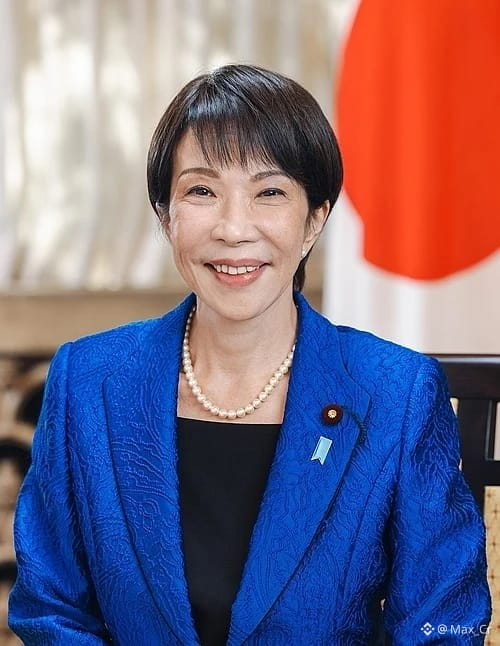
Liquidity continues building above local resistance while buyers defend higher demand zones. A sustained reaction from the entry range keeps bullish market structure intact and supports continuation toward the upside targets as momentum strengthens. Recent political support for Web3 initiatives in Japan adds to the broader constructive backdrop for digital assets.
Let’s go $BTC
{future}(BTCUSDT)
#US2YTreasuryYieldHitsHighestSince2025 #PakistanScholarsRuleCryptoPurchasesNotPermitted #IranianMediaClaimsStrikeOnUSFifthFleetHQ #USLaunchesFourthStrikeOnIranInAWeek #USLaunchesFourthStrikeOnIranInAWeek
$BTC remains fundamentally bullish.
Structure continues to favor buyers.
EP
117,900–118,600
TP
TP1: 120,000
TP2: 121,800
TP3: 124,000
SL
116,800
Liquidity continues building above local resistance while buyers defend higher demand zones. A sustained reaction from the entry range keeps bullish market structure intact and supports continuation toward the upside targets as momentum strengthens. Recent political support for Web3 initiatives in Japan adds to the broader constructive backdrop for digital assets.
Let’s go $BTC
#US2YTreasuryYieldHitsHighestSince2025 #PakistanScholarsRuleCryptoPurchasesNotPermitted #IranianMediaClaimsStrikeOnUSFifthFleetHQ #USLaunchesFourthStrikeOnIranInAWeek #USLaunchesFourthStrikeOnIranInAWeek
Structure continues to favor buyers.
EP
117,900–118,600
TP
TP1: 120,000
TP2: 121,800
TP3: 124,000
SL
116,800
Liquidity continues building above local resistance while buyers defend higher demand zones. A sustained reaction from the entry range keeps bullish market structure intact and supports continuation toward the upside targets as momentum strengthens. Recent political support for Web3 initiatives in Japan adds to the broader constructive backdrop for digital assets.
Let’s go $BTC
#US2YTreasuryYieldHitsHighestSince2025 #PakistanScholarsRuleCryptoPurchasesNotPermitted #IranianMediaClaimsStrikeOnUSFifthFleetHQ #USLaunchesFourthStrikeOnIranInAWeek #USLaunchesFourthStrikeOnIranInAWeek
1
67
Log in to explore more content
Join global crypto users on Binance Square
⚡️ Get latest and useful information about crypto.
💬 Trusted by the world’s largest crypto exchange.
👍 Discover real insights from verified creators.
Email / Phone number
Trending Topics
1
#EarningsSeason
389,446 views
2,959 Discussing
2
#SECChairWantsStockMarketsOnChain
1,142 views
58 Discussing
3
#MulticoinInvestsInGrass
187 views
35 Discussing
4
#CEARenamesToBNBStandardUnderBNC
1,291 views
70 Discussing
5
#BitwiseLaunchesFirstSpotNEARETF
47,493 views
699 Discussing
6
#USJobOpeningsFallToFiveMonthLow
52,272 views
536 Discussing
7
#ECBToTestAIAgentsInDigitalEuroPayments
35,159 views
596 Discussing
8
#JapanFSABacksFourthStablecoinTradeSettlementPilot
39,849 views
623 Discussing
9
#BitgetHackerFailsToMoveStolenFunds
56,952 views
681 Discussing
10
#BitMineETHHoldingsTop6Million
44,533 views
748 Discussing