

#polygon
polygon
12.6M views
118,707 Discussing
Hot
Latest

·
--
Bullish
🔸🧩🔸🚩
Polygon (POL) Looks Significantly Undervalued on Revenue MultiplePolygon founder Sandeep Nailwal just highlighted a striking valuation gap:
POL revenue multiple: only 44x (FDV / annualised revenue)
NEAR: 4,610x
AVAX: 2,802x
At the same time, Polygon reported ~$24.5 million in network revenue year-to-date 2026 — higher than the figures Nailwal cited for Arbitrum and NEAR over the same period.Additional bullish points for POL holders:
Base fees are fully burned
A permanent 100 million POL burn (~1% of supply) has already been executed
Further community-triggered quarterly burns are planned
AggLayer upgrades and higher TPS continue to roll out
With POL’s current FDV sitting near $1.27–1.28 billion, the 44x multiple stands out as one of the lowest among major chains.Is Polygon finally getting the valuation reset many have been waiting for?What do you think — is the low multiple justified, or is POL still underpriced relative to its revenue and burn mechanics?
#POL #Polygon #Crypto #Binance
{spot}(POLUSDT)
{spot}(AVAXUSDT)
🔸🧩🔸🚩
Polygon (POL) Looks Significantly Undervalued on Revenue MultiplePolygon founder Sandeep Nailwal just highlighted a striking valuation gap:
POL revenue multiple: only 44x (FDV / annualised revenue)
NEAR: 4,610x
AVAX: 2,802x
At the same time, Polygon reported ~$24.5 million in network revenue year-to-date 2026 — higher than the figures Nailwal cited for Arbitrum and NEAR over the same period.Additional bullish points for POL holders:
Base fees are fully burned
A permanent 100 million POL burn (~1% of supply) has already been executed
Further community-triggered quarterly burns are planned
AggLayer upgrades and higher TPS continue to roll out
With POL’s current FDV sitting near $1.27–1.28 billion, the 44x multiple stands out as one of the lowest among major chains.Is Polygon finally getting the valuation reset many have been waiting for?What do you think — is the low multiple justified, or is POL still underpriced relative to its revenue and burn mechanics?
#POL #Polygon #Crypto #Binance
Polygon (POL) Looks Significantly Undervalued on Revenue MultiplePolygon founder Sandeep Nailwal just highlighted a striking valuation gap:
POL revenue multiple: only 44x (FDV / annualised revenue)
NEAR: 4,610x
AVAX: 2,802x
At the same time, Polygon reported ~$24.5 million in network revenue year-to-date 2026 — higher than the figures Nailwal cited for Arbitrum and NEAR over the same period.Additional bullish points for POL holders:
Base fees are fully burned
A permanent 100 million POL burn (~1% of supply) has already been executed
Further community-triggered quarterly burns are planned
AggLayer upgrades and higher TPS continue to roll out
With POL’s current FDV sitting near $1.27–1.28 billion, the 44x multiple stands out as one of the lowest among major chains.Is Polygon finally getting the valuation reset many have been waiting for?What do you think — is the low multiple justified, or is POL still underpriced relative to its revenue and burn mechanics?
#POL #Polygon #Crypto #Binance

1
317

·
--
Bullish
$POL IS GETTING ATTENTION — HERE’S WHY
Polygon’s POL has recently gained attention after a reported 100M POL burn and new testing of its agent-payment infrastructure.
⚡ Polygon’s payment system recently processed 11M+ verified payment updates/sec across 25 hubs.
🔥 100M POL burn + payments/AI narrative = interesting catalyst
But don’t confuse a catalyst with a guaranteed price breakout.
👀 Watch POL volume + price confirmation.
Not financial advice. DYOR.
#Polygon #crypto #BinanceSquareFamily
{spot}(POLUSDT)
$POL IS GETTING ATTENTION — HERE’S WHY
Polygon’s POL has recently gained attention after a reported 100M POL burn and new testing of its agent-payment infrastructure.
⚡ Polygon’s payment system recently processed 11M+ verified payment updates/sec across 25 hubs.
🔥 100M POL burn + payments/AI narrative = interesting catalyst
But don’t confuse a catalyst with a guaranteed price breakout.
👀 Watch POL volume + price confirmation.
Not financial advice. DYOR.
#Polygon #crypto #BinanceSquareFamily
Polygon’s POL has recently gained attention after a reported 100M POL burn and new testing of its agent-payment infrastructure.
⚡ Polygon’s payment system recently processed 11M+ verified payment updates/sec across 25 hubs.
🔥 100M POL burn + payments/AI narrative = interesting catalyst
But don’t confuse a catalyst with a guaranteed price breakout.
👀 Watch POL volume + price confirmation.
Not financial advice. DYOR.
#Polygon #crypto #BinanceSquareFamily

2
256

🚨 GAME CHANGER UPDATE FOR POLYGON ($POL)! 🚀
Polygon has officially launched a Stablecoin Subscription Service on the Open Money Stack! 🌐💳
Why does this matter?
Real-world crypto adoption is happening right now. This makes recurring Web3 payments and subscriptions seamless using stablecoins, paving the way for mass adoption! 📈
Quick Question for the Community:
Do you think this major update will trigger a massive bullish rally for $POL / $MATIC? 🐂
👇 Drop your price predictions and thoughts below!
$POL #Polygon #CryptoNews #Web3 #BinanceSquare
{future}(POLUSDT)
🚨 GAME CHANGER UPDATE FOR POLYGON ($POL )! 🚀
Polygon has officially launched a Stablecoin Subscription Service on the Open Money Stack! 🌐💳
Why does this matter?
Real-world crypto adoption is happening right now. This makes recurring Web3 payments and subscriptions seamless using stablecoins, paving the way for mass adoption! 📈
Quick Question for the Community:
Do you think this major update will trigger a massive bullish rally for $POL / $MATIC? 🐂
👇 Drop your price predictions and thoughts below!
$POL #Polygon #CryptoNews #Web3 #BinanceSquare
Polygon has officially launched a Stablecoin Subscription Service on the Open Money Stack! 🌐💳
Why does this matter?
Real-world crypto adoption is happening right now. This makes recurring Web3 payments and subscriptions seamless using stablecoins, paving the way for mass adoption! 📈
Quick Question for the Community:
Do you think this major update will trigger a massive bullish rally for $POL / $MATIC? 🐂
👇 Drop your price predictions and thoughts below!
$POL #Polygon #CryptoNews #Web3 #BinanceSquare


Binance News
·
--
Polygon Launches Stablecoin Subscription Service on Open Money Stack
Polygon said its stablecoin subscription service has gone live on Open Money Stack (OMS). According to Foresight News, users can approve the amount, scope, and billing cycle once, and a non-custodial wallet will automatically deduct payments on schedule without requiring monthly repeated signatures.
Merchants can offer subscriptions, memberships, or account plans inside their apps without directing users to a separate payment flow. Users can revoke authorization, and protocols can set a maximum amount, allowed contracts or actions, billing period, and expiration time.
Merchants can offer subscriptions, memberships, or account plans inside their apps without directing users to a separate payment flow. Users can revoke authorization, and protocols can set a maximum amount, allowed contracts or actions, billing period, and expiration time.
1
24

·
--
Bullish
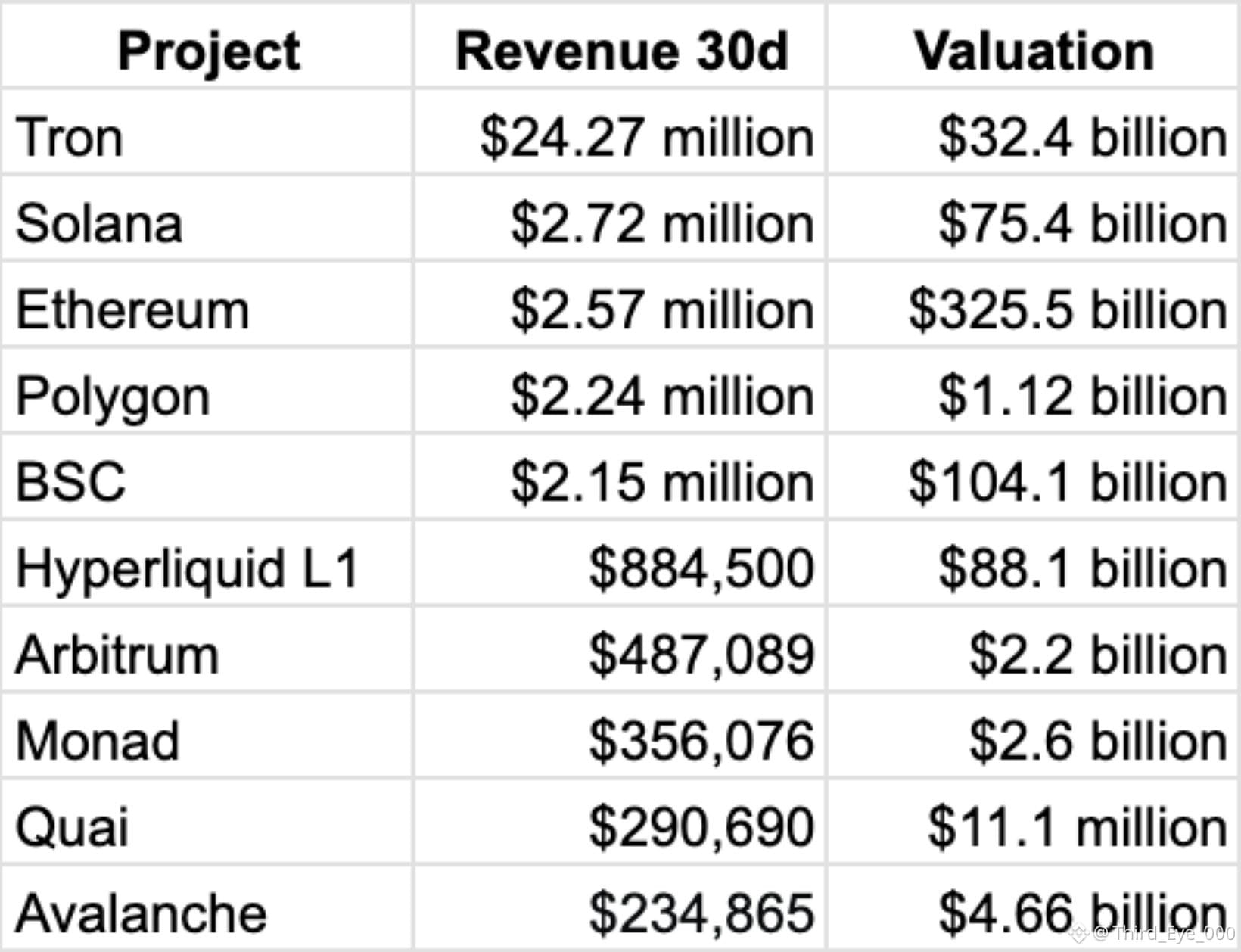
Top 10 chains by 30D revenue vs valuation 👀
Look closely.
What do you notice?
$TRX — $24.27M revenue | $32.4B valuation
$SOL — $2.72M | $75.4B
#ETH — $2.57M | $325.5B
$POL — $2.24M | ONLY $1.12B 🤯
The gap between revenue and valuation is hard to ignore.
#Polygon looks seriously overlooked in this snapshot.
Dear investors, wake up. 👁️
{spot}(TRXUSDT)
{spot}(SOLUSDT)
{spot}(POLUSDT)
Top 10 chains by 30D revenue vs valuation 👀
Look closely.
What do you notice?
$TRX — $24.27M revenue | $32.4B valuation
$SOL — $2.72M | $75.4B
#ETH — $2.57M | $325.5B
$POL — $2.24M | ONLY $1.12B 🤯
The gap between revenue and valuation is hard to ignore.
#Polygon looks seriously overlooked in this snapshot.
Dear investors, wake up. 👁️
Look closely.
What do you notice?
$TRX — $24.27M revenue | $32.4B valuation
$SOL — $2.72M | $75.4B
#ETH — $2.57M | $325.5B
$POL — $2.24M | ONLY $1.12B 🤯
The gap between revenue and valuation is hard to ignore.
#Polygon looks seriously overlooked in this snapshot.
Dear investors, wake up. 👁️
761

Buy Today, Hold for Tomorrow.🤑
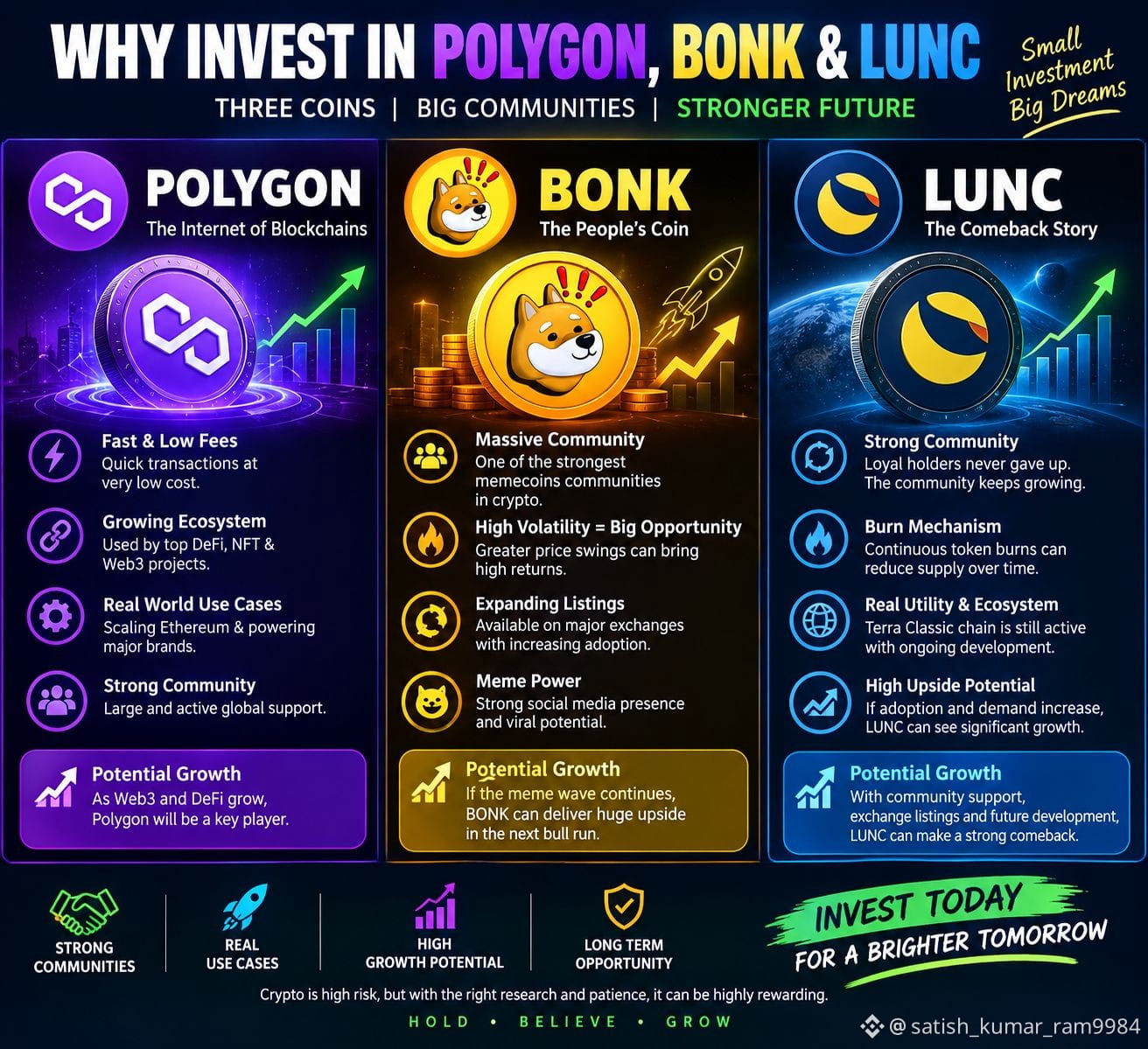
Polygon is quietly preparing for the future.
With a strong focus on payments, stablecoins, and real-world blockchain adoption, Polygon continues to develop its ecosystem and expand its use cases. So, be sure to add it to your portfolio.$POL
Whereas BONK is a community-driven meme coin built on Solana. Its strong community, Solana ecosystem connection, and growing visibility could support its long-term potential. If adoption, liquidity and ecosystem activity continue to grow, BONK may attract more attention in the future.$BONK
And LUNC is high potential play. 🚀
🔥 Low price + strong community
🔥 Ongoing token burns
🔥 Long-term development & ecosystem potential
🔥 Small investment can offer significant upside if adoption and demand grow $LUNC
#Polygon #pol #Bonk #LUNC✅ #LUNC
Invest with patience, manage risk, and think long-term.🚀
Buy Today, Hold for Tomorrow.🤑
Polygon is quietly preparing for the future.
With a strong focus on payments, stablecoins, and real-world blockchain adoption, Polygon continues to develop its ecosystem and expand its use cases. So, be sure to add it to your portfolio.$POL
Whereas BONK is a community-driven meme coin built on Solana. Its strong community, Solana ecosystem connection, and growing visibility could support its long-term potential. If adoption, liquidity and ecosystem activity continue to grow, BONK may attract more attention in the future.$BONK
And LUNC is high potential play. 🚀
🔥 Low price + strong community
🔥 Ongoing token burns
🔥 Long-term development & ecosystem potential
🔥 Small investment can offer significant upside if adoption and demand grow $LUNC
#Polygon #pol #Bonk #LUNC✅ #LUNC
Invest with patience, manage risk, and think long-term.🚀
Polygon is quietly preparing for the future.
With a strong focus on payments, stablecoins, and real-world blockchain adoption, Polygon continues to develop its ecosystem and expand its use cases. So, be sure to add it to your portfolio.$POL
Whereas BONK is a community-driven meme coin built on Solana. Its strong community, Solana ecosystem connection, and growing visibility could support its long-term potential. If adoption, liquidity and ecosystem activity continue to grow, BONK may attract more attention in the future.$BONK
And LUNC is high potential play. 🚀
🔥 Low price + strong community
🔥 Ongoing token burns
🔥 Long-term development & ecosystem potential
🔥 Small investment can offer significant upside if adoption and demand grow $LUNC
#Polygon #pol #Bonk #LUNC✅ #LUNC
Invest with patience, manage risk, and think long-term.🚀
AngelOfCrypto_-:
nice
8
22
6.7k

Article
be positive 🤑You should definitely add Polygon to your portfolio, as it is an excellent coin with great potential at a low price. Polygon's fundamental development is progressing well, particularly in the areas of payments and stablecoins.#Polygon $POL
be positive 🤑
You should definitely add Polygon to your portfolio, as it is an excellent coin with great potential at a low price. Polygon's fundamental development is progressing well, particularly in the areas of payments and stablecoins.#Polygon $POL
CHECCANSK8:
muitos ficam desesperados ao ver preço cair eu fico triste pois quero promoção
2
2
520

·
--
Bearish
#Write2Earn
Token Burns Continue in Popular Altcoin! Here’s the Latest Token Amount Burned
Polygon Foundation CEO Sandeep Nailwal announced a significant supply development for $POL, the native token of the Polygon ecosystem. According to Nailwal’s statement dated September 24th, a total of 100 million pol tokens have been permanently withdrawn from circulation.
Nailwal stated in a social media post that 100 million POLs were “permanently incinerated.” This amount reportedly represents approximately 1% of the total pol supply.
Token burning means permanently removing a certain amount of cryptocurrency from circulation by sending it to an inaccessible address. After this process, the burned tokens cannot be reused or reintroduced into the market. This change in the pol supply directly impacts the total number of tokens in the Polygon ecosystem.
The announcement by the Polygon Foundation is being closely watched, particularly in terms of the token economy and circulating supply. Burning 100 million pol tokens means that approximately 1% of the total supply has been permanently removed from the system.
Sandeep Nailwal did not provide additional details in his post regarding the reasons for the token burn or the potential impact of the operation on Polygon’s future token economy. The statement also did not include any information about a new supply arrangement for pol following the burn.
$POL stands out as the native token used for network activities and various transactions within the Polygon ecosystem. Supply changes in Polygon’s token structure are significant for the ecosystem’s economic model.
With the permanent burning of 100 million pol tokens, approximately 1% of the token supply has been removed from circulation. However, Nailwal’s statement did not include any assessment of the impact of this development on $POL’s market price or investor behavior.#Polygon #pol $POL
{spot}(POLUSDT)
#Write2Earn
Token Burns Continue in Popular Altcoin! Here’s the Latest Token Amount Burned
Polygon Foundation CEO Sandeep Nailwal announced a significant supply development for $POL , the native token of the Polygon ecosystem. According to Nailwal’s statement dated September 24th, a total of 100 million pol tokens have been permanently withdrawn from circulation.
Nailwal stated in a social media post that 100 million POLs were “permanently incinerated.” This amount reportedly represents approximately 1% of the total pol supply.
Token burning means permanently removing a certain amount of cryptocurrency from circulation by sending it to an inaccessible address. After this process, the burned tokens cannot be reused or reintroduced into the market. This change in the pol supply directly impacts the total number of tokens in the Polygon ecosystem.
The announcement by the Polygon Foundation is being closely watched, particularly in terms of the token economy and circulating supply. Burning 100 million pol tokens means that approximately 1% of the total supply has been permanently removed from the system.
Sandeep Nailwal did not provide additional details in his post regarding the reasons for the token burn or the potential impact of the operation on Polygon’s future token economy. The statement also did not include any information about a new supply arrangement for pol following the burn.
$POL stands out as the native token used for network activities and various transactions within the Polygon ecosystem. Supply changes in Polygon’s token structure are significant for the ecosystem’s economic model.
With the permanent burning of 100 million pol tokens, approximately 1% of the token supply has been removed from circulation. However, Nailwal’s statement did not include any assessment of the impact of this development on $POL ’s market price or investor behavior.#Polygon #pol $POL
Token Burns Continue in Popular Altcoin! Here’s the Latest Token Amount Burned
Polygon Foundation CEO Sandeep Nailwal announced a significant supply development for $POL , the native token of the Polygon ecosystem. According to Nailwal’s statement dated September 24th, a total of 100 million pol tokens have been permanently withdrawn from circulation.
Nailwal stated in a social media post that 100 million POLs were “permanently incinerated.” This amount reportedly represents approximately 1% of the total pol supply.
Token burning means permanently removing a certain amount of cryptocurrency from circulation by sending it to an inaccessible address. After this process, the burned tokens cannot be reused or reintroduced into the market. This change in the pol supply directly impacts the total number of tokens in the Polygon ecosystem.
The announcement by the Polygon Foundation is being closely watched, particularly in terms of the token economy and circulating supply. Burning 100 million pol tokens means that approximately 1% of the total supply has been permanently removed from the system.
Sandeep Nailwal did not provide additional details in his post regarding the reasons for the token burn or the potential impact of the operation on Polygon’s future token economy. The statement also did not include any information about a new supply arrangement for pol following the burn.
$POL stands out as the native token used for network activities and various transactions within the Polygon ecosystem. Supply changes in Polygon’s token structure are significant for the ecosystem’s economic model.
With the permanent burning of 100 million pol tokens, approximately 1% of the token supply has been removed from circulation. However, Nailwal’s statement did not include any assessment of the impact of this development on $POL ’s market price or investor behavior.#Polygon #pol $POL

5
306

·
--
#POL #Polygon $POL Burning about 100 million tokens does not mean I’m ready to call it a “deflationary coin.” Why not? Because a single burn can prove that one transaction was executed, but it cannot automatically answer how many tokens were newly added during the same period. What really affects long-term supply is the net amount after both flows are counted.
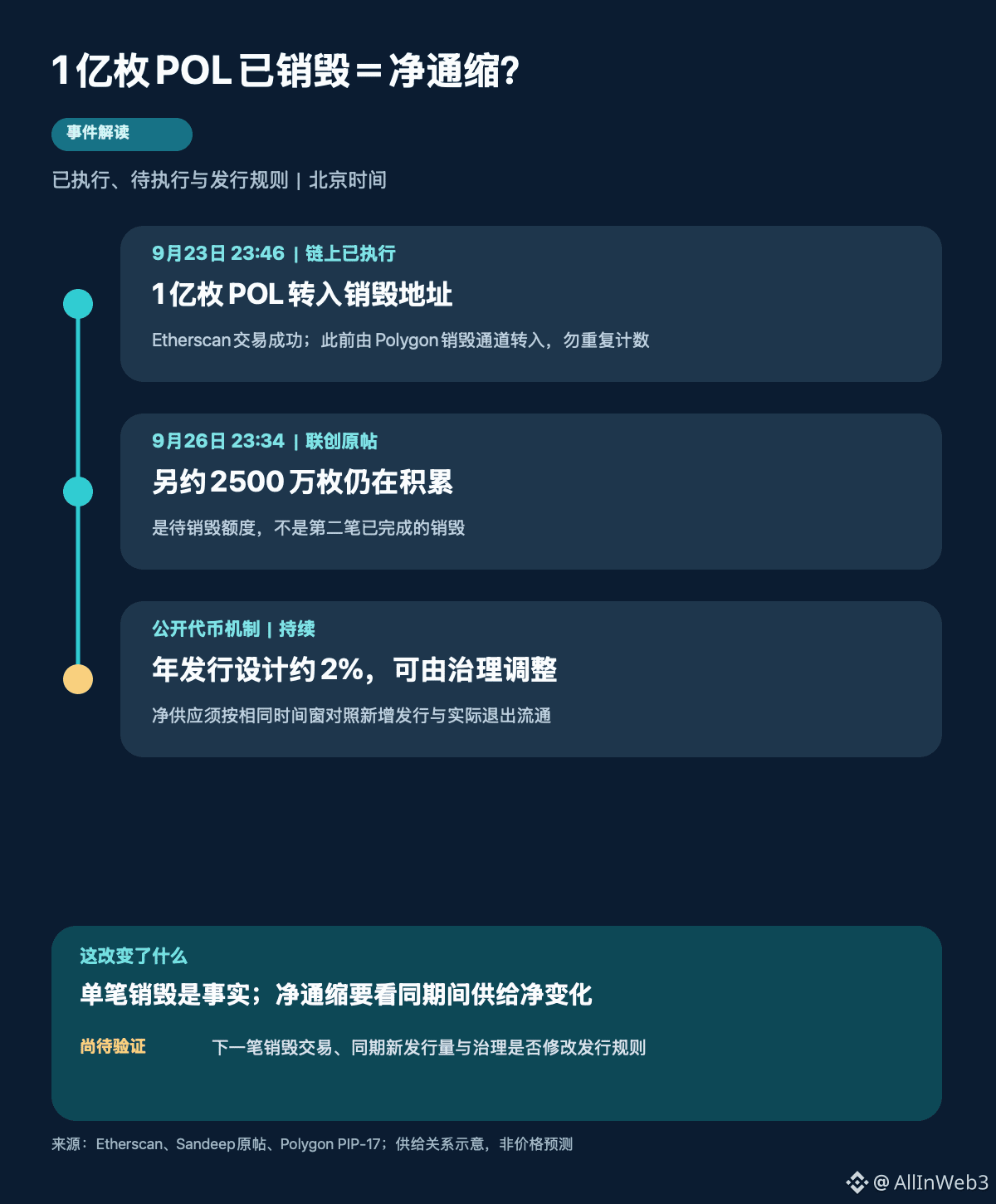
First, let’s get the timing straight. According to the Ethereum explorer, at 23:46 Beijing time on September 23, Polygon’s Burn Tunnel transferred 100 million POL to the dead address, and the transaction was successful. At 23:34 on September 26, Polygon co-founder Sandeep mentioned this completed transfer again in the original post, and said that another roughly 25 million tokens were being accumulated and prepared for a later burn. The Chinese briefing this afternoon was a retelling, not another 100 million-token burn; those 25 million tokens also cannot yet be counted as a second executed transaction.
What is easier to miss is the distinction between “transfer” and “net reduction.” Those 100 million tokens came from a prior burn-aggregation channel and were then sent to the Ethereum dead address. If, in your accounting, you already treat the aggregation balance as having exited circulation, and then also count the dead-address deposit as an additional 100 million burn, you will double-count. The on-chain transfer itself is beyond dispute, but to judge supply changes, you need to explain where it was before and where it is after, rather than focusing only on the destination address.
There is also the other side of issuance. Polygon’s publicly disclosed PIP-17 token mechanism includes an annual POL issuance design of about 2%, serving validator incentives and the community treasury, while retaining room for governance adjustments. Community discussions about removing issuance do not mean the rule has already changed. Directly subtracting a burn equal to about 1% of the initial 10 billion supply from an annual issuance design of about 2% is also not rigorous: the two time windows are different, and both actual minting and actual burning should be checked over the same period.
The co-founder also mentioned Polymarket perpetual products, block streaming processing, and a faster confirmation target in the original post. These are clues about adoption and the technical roadmap; they do not directly imply that fees will necessarily increase or that burns will necessarily accelerate, and they certainly do not mean that “1 millisecond confirmation” is already widely achieved. How much usage grows, and how much base fee ultimately enters the non-circulating pool, is the bridge that determines whether the token economy can keep improving.
My view is this: this on-chain transfer is worth recording, but POL’s core thesis has not been proven by a single transaction. If, over several consecutive periods of the same length, actual burns continue to exceed new issuance, and there is no double counting between the aggregation account and the dead address, I would be more willing to accept a net-deflation narrative. If, however, tokens are only transferred in batches every so often and net supply still rises, then that narrative needs to be reassessed. When you evaluate POL, do you care more about one eye-catching burn number, or about quarter-by-quarter net supply changes that can be recalculated consistently?
#POL #Polygon $POL Burning about 100 million tokens does not mean I’m ready to call it a “deflationary coin.” Why not? Because a single burn can prove that one transaction was executed, but it cannot automatically answer how many tokens were newly added during the same period. What really affects long-term supply is the net amount after both flows are counted.
First, let’s get the timing straight. According to the Ethereum explorer, at 23:46 Beijing time on September 23, Polygon’s Burn Tunnel transferred 100 million POL to the dead address, and the transaction was successful. At 23:34 on September 26, Polygon co-founder Sandeep mentioned this completed transfer again in the original post, and said that another roughly 25 million tokens were being accumulated and prepared for a later burn. The Chinese briefing this afternoon was a retelling, not another 100 million-token burn; those 25 million tokens also cannot yet be counted as a second executed transaction.
What is easier to miss is the distinction between “transfer” and “net reduction.” Those 100 million tokens came from a prior burn-aggregation channel and were then sent to the Ethereum dead address. If, in your accounting, you already treat the aggregation balance as having exited circulation, and then also count the dead-address deposit as an additional 100 million burn, you will double-count. The on-chain transfer itself is beyond dispute, but to judge supply changes, you need to explain where it was before and where it is after, rather than focusing only on the destination address.
There is also the other side of issuance. Polygon’s publicly disclosed PIP-17 token mechanism includes an annual POL issuance design of about 2%, serving validator incentives and the community treasury, while retaining room for governance adjustments. Community discussions about removing issuance do not mean the rule has already changed. Directly subtracting a burn equal to about 1% of the initial 10 billion supply from an annual issuance design of about 2% is also not rigorous: the two time windows are different, and both actual minting and actual burning should be checked over the same period.
The co-founder also mentioned Polymarket perpetual products, block streaming processing, and a faster confirmation target in the original post. These are clues about adoption and the technical roadmap; they do not directly imply that fees will necessarily increase or that burns will necessarily accelerate, and they certainly do not mean that “1 millisecond confirmation” is already widely achieved. How much usage grows, and how much base fee ultimately enters the non-circulating pool, is the bridge that determines whether the token economy can keep improving.
My view is this: this on-chain transfer is worth recording, but POL’s core thesis has not been proven by a single transaction. If, over several consecutive periods of the same length, actual burns continue to exceed new issuance, and there is no double counting between the aggregation account and the dead address, I would be more willing to accept a net-deflation narrative. If, however, tokens are only transferred in batches every so often and net supply still rises, then that narrative needs to be reassessed. When you evaluate POL, do you care more about one eye-catching burn number, or about quarter-by-quarter net supply changes that can be recalculated consistently?
First, let’s get the timing straight. According to the Ethereum explorer, at 23:46 Beijing time on September 23, Polygon’s Burn Tunnel transferred 100 million POL to the dead address, and the transaction was successful. At 23:34 on September 26, Polygon co-founder Sandeep mentioned this completed transfer again in the original post, and said that another roughly 25 million tokens were being accumulated and prepared for a later burn. The Chinese briefing this afternoon was a retelling, not another 100 million-token burn; those 25 million tokens also cannot yet be counted as a second executed transaction.
What is easier to miss is the distinction between “transfer” and “net reduction.” Those 100 million tokens came from a prior burn-aggregation channel and were then sent to the Ethereum dead address. If, in your accounting, you already treat the aggregation balance as having exited circulation, and then also count the dead-address deposit as an additional 100 million burn, you will double-count. The on-chain transfer itself is beyond dispute, but to judge supply changes, you need to explain where it was before and where it is after, rather than focusing only on the destination address.
There is also the other side of issuance. Polygon’s publicly disclosed PIP-17 token mechanism includes an annual POL issuance design of about 2%, serving validator incentives and the community treasury, while retaining room for governance adjustments. Community discussions about removing issuance do not mean the rule has already changed. Directly subtracting a burn equal to about 1% of the initial 10 billion supply from an annual issuance design of about 2% is also not rigorous: the two time windows are different, and both actual minting and actual burning should be checked over the same period.
The co-founder also mentioned Polymarket perpetual products, block streaming processing, and a faster confirmation target in the original post. These are clues about adoption and the technical roadmap; they do not directly imply that fees will necessarily increase or that burns will necessarily accelerate, and they certainly do not mean that “1 millisecond confirmation” is already widely achieved. How much usage grows, and how much base fee ultimately enters the non-circulating pool, is the bridge that determines whether the token economy can keep improving.
My view is this: this on-chain transfer is worth recording, but POL’s core thesis has not been proven by a single transaction. If, over several consecutive periods of the same length, actual burns continue to exceed new issuance, and there is no double counting between the aggregation account and the dead address, I would be more willing to accept a net-deflation narrative. If, however, tokens are only transferred in batches every so often and net supply still rises, then that narrative needs to be reassessed. When you evaluate POL, do you care more about one eye-catching burn number, or about quarter-by-quarter net supply changes that can be recalculated consistently?
1
91

·
--
Saw PANews: Polygon Foundation just burned 100 million POL (about $10 million, coming from fee accruals—not a vault), yet the coin price is still hovering around $0.1.
Look closely at the numbers and it’s not surprising—annual issuance is roughly 2% year-over-year, and burning once doesn’t even offset half a year of gross issuance; in 2026, revenue is about $24.5 million, and on top of that there are layoffs, executive departures, and the discontinuation of zkEVM, with the narrative shifting again toward payment companies. The deflation slogan is loud, but the token structure and fundamentals haven’t moved in sync.
To make “burning coins” feel meaningful, you have to first outperform your own issuance pace.
$POL #Polygon #cryptocurrency
Saw PANews: Polygon Foundation just burned 100 million POL (about $10 million, coming from fee accruals—not a vault), yet the coin price is still hovering around $0.1.
Look closely at the numbers and it’s not surprising—annual issuance is roughly 2% year-over-year, and burning once doesn’t even offset half a year of gross issuance; in 2026, revenue is about $24.5 million, and on top of that there are layoffs, executive departures, and the discontinuation of zkEVM, with the narrative shifting again toward payment companies. The deflation slogan is loud, but the token structure and fundamentals haven’t moved in sync.
To make “burning coins” feel meaningful, you have to first outperform your own issuance pace.
$POL #Polygon #cryptocurrency
Look closely at the numbers and it’s not surprising—annual issuance is roughly 2% year-over-year, and burning once doesn’t even offset half a year of gross issuance; in 2026, revenue is about $24.5 million, and on top of that there are layoffs, executive departures, and the discontinuation of zkEVM, with the narrative shifting again toward payment companies. The deflation slogan is loud, but the token structure and fundamentals haven’t moved in sync.
To make “burning coins” feel meaningful, you have to first outperform your own issuance pace.
$POL #Polygon #cryptocurrency
278
·
--
Article
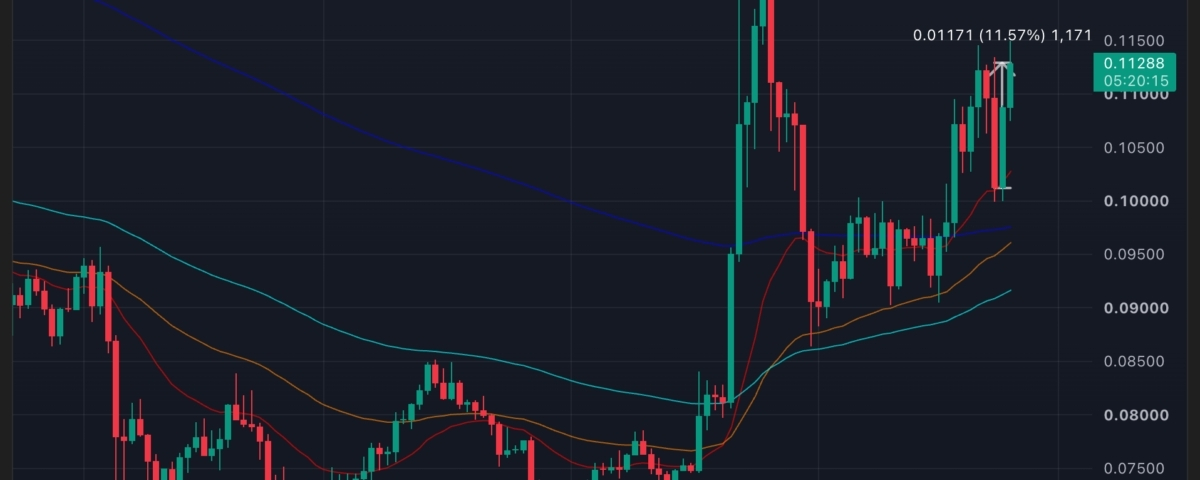
Polygon rises 12% after burning 100 million POL... Will it hold above $0.11?Polygon’s POL token recorded an increase of about 12% since the network permanently removed 100 million tokens from circulation on September 23, bringing the price to around $0.113. The next challenge is to hold above the $0.11 level and break through resistance near $0.115.
The CEO of the Polygon Foundation, Sandeep Nailwal, confirmed the completion of the burn process that removed about 1% of the total POL supply. On-chain data showed that the burned tokens—worth approximately $10.22 million at the time of execution—came from accumulated fees within the network’s fee-collection system. The burn process also introduces a new mechanism that allows the community to enable future burn operations funded by fees, linking the amount of tokens burned more closely to the level of activity on the network.
Polygon rises 12% after burning 100 million POL... Will it hold above $0.11?
Polygon’s POL token recorded an increase of about 12% since the network permanently removed 100 million tokens from circulation on September 23, bringing the price to around $0.113. The next challenge is to hold above the $0.11 level and break through resistance near $0.115.
The CEO of the Polygon Foundation, Sandeep Nailwal, confirmed the completion of the burn process that removed about 1% of the total POL supply. On-chain data showed that the burned tokens—worth approximately $10.22 million at the time of execution—came from accumulated fees within the network’s fee-collection system. The burn process also introduces a new mechanism that allows the community to enable future burn operations funded by fees, linking the amount of tokens burned more closely to the level of activity on the network.
The CEO of the Polygon Foundation, Sandeep Nailwal, confirmed the completion of the burn process that removed about 1% of the total POL supply. On-chain data showed that the burned tokens—worth approximately $10.22 million at the time of execution—came from accumulated fees within the network’s fee-collection system. The burn process also introduces a new mechanism that allows the community to enable future burn operations funded by fees, linking the amount of tokens burned more closely to the level of activity on the network.
19

·
--
Bullish
Coin $ENA Athens, a strong project with a high market value. It has ahead of it ups and downs. God knows best—just an analysis and a personal prediction. It may be correct or incorrect. And coins $POL and $PYTH . These coins’ projects are strong; invest amounts and hold them for the future. For reminder: just an analysis and a personal prediction that may be right or wrong. #PYTH #ENA #Polygon
Coin $ENA Athens, a strong project with a high market value. It has ahead of it ups and downs. God knows best—just an analysis and a personal prediction. It may be correct or incorrect. And coins $POL and $PYTH . These coins’ projects are strong; invest amounts and hold them for the future. For reminder: just an analysis and a personal prediction that may be right or wrong. #PYTH #ENA #Polygon
291

·
--
$POL is catching my attention...
I’m not saying it’s going to go up. Nor that it’s going to fall.
But technically, it’s leaving a structure that could end in a pretty strong move. 👀
POL is reacting with volume and, after the last whiplashes, it’s starting to fight for a key zone around $0.11 again.
📍 Zone to watch: $0.10–$0.11
🔥 If it recovers and holds $0.112–$0.115 with volume, it could start to change the structure.
⚠️ If it loses $0.10 strongly, the reading changes completely.
What’s interesting is that volatility has already shown up... now we need to see which way it breaks.
{future}(POLUSDT)
Does POL set up another strong move or pull another trick? 👀
📚 This is purely technical and educational analysis. NOT investment advice or a buy/sell recommendation. DYOR.
#POL #Polygon #Crypto #BinanceSquareTalks
$POL is catching my attention...
I’m not saying it’s going to go up. Nor that it’s going to fall.
But technically, it’s leaving a structure that could end in a pretty strong move. 👀
POL is reacting with volume and, after the last whiplashes, it’s starting to fight for a key zone around $0.11 again.
📍 Zone to watch: $0.10–$0.11
🔥 If it recovers and holds $0.112–$0.115 with volume, it could start to change the structure.
⚠️ If it loses $0.10 strongly, the reading changes completely.
What’s interesting is that volatility has already shown up... now we need to see which way it breaks.
Does POL set up another strong move or pull another trick? 👀
📚 This is purely technical and educational analysis. NOT investment advice or a buy/sell recommendation. DYOR.
#POL #Polygon #Crypto #BinanceSquareTalks
I’m not saying it’s going to go up. Nor that it’s going to fall.
But technically, it’s leaving a structure that could end in a pretty strong move. 👀
POL is reacting with volume and, after the last whiplashes, it’s starting to fight for a key zone around $0.11 again.
📍 Zone to watch: $0.10–$0.11
🔥 If it recovers and holds $0.112–$0.115 with volume, it could start to change the structure.
⚠️ If it loses $0.10 strongly, the reading changes completely.
What’s interesting is that volatility has already shown up... now we need to see which way it breaks.
Does POL set up another strong move or pull another trick? 👀
📚 This is purely technical and educational analysis. NOT investment advice or a buy/sell recommendation. DYOR.
#POL #Polygon #Crypto #BinanceSquareTalks
1
2
396

·
--
Bullish
🔥 $POL In an explosion zone… are we getting close to the spark of launch?
$POL | Polygon (formerly MATIC) is currently witnessing intense movements and a noticeable surge in interest; the price on Binance is moving near 0.385 USDT with an approximate daily increase of 3.45%. Over the past 24 hours, it has traded between a low of 0.368 USDT and a high of 0.392 USDT, amid high liquidity and rising trading volume exceeding 18 million USDT.
📊 Quick Analysis:
🔹 0.392–0.400 USDT \rightarrow a critical resistance zone; breaking through this area and closing firmly above 0.40 may trigger a strong bullish wave targeting higher levels.
🔹 0.368 USDT \rightarrow a key support level; breaking below it could pressure the price and send us back to test lower accumulation zones.
🔹 Volume Momentum: holding the price above 0.375 USDT while trading volume continues to rise provides a positive signal worth close monitoring.
⚠️ Summary:
POL is at a very critical crossroads… either break the psychological barrier at 0.40 and start a new upward rally, or return to correction and retest support. Don’t trade emotionally; wait for the breakout confirmation and volume liquidity first.
Do you think $POL is ready to be the market’s next surprise? 👀🚀
#Polygon #Binance #CryptoAnalysis #CryptoNews
{future}(POLUSDT)
🔥 $POL In an explosion zone… are we getting close to the spark of launch?
$POL | Polygon (formerly MATIC) is currently witnessing intense movements and a noticeable surge in interest; the price on Binance is moving near 0.385 USDT with an approximate daily increase of 3.45%. Over the past 24 hours, it has traded between a low of 0.368 USDT and a high of 0.392 USDT, amid high liquidity and rising trading volume exceeding 18 million USDT.
📊 Quick Analysis:
🔹 0.392–0.400 USDT \rightarrow a critical resistance zone; breaking through this area and closing firmly above 0.40 may trigger a strong bullish wave targeting higher levels.
🔹 0.368 USDT \rightarrow a key support level; breaking below it could pressure the price and send us back to test lower accumulation zones.
🔹 Volume Momentum: holding the price above 0.375 USDT while trading volume continues to rise provides a positive signal worth close monitoring.
⚠️ Summary:
POL is at a very critical crossroads… either break the psychological barrier at 0.40 and start a new upward rally, or return to correction and retest support. Don’t trade emotionally; wait for the breakout confirmation and volume liquidity first.
Do you think $POL is ready to be the market’s next surprise? 👀🚀
#Polygon #Binance #CryptoAnalysis #CryptoNews
$POL | Polygon (formerly MATIC) is currently witnessing intense movements and a noticeable surge in interest; the price on Binance is moving near 0.385 USDT with an approximate daily increase of 3.45%. Over the past 24 hours, it has traded between a low of 0.368 USDT and a high of 0.392 USDT, amid high liquidity and rising trading volume exceeding 18 million USDT.
📊 Quick Analysis:
🔹 0.392–0.400 USDT \rightarrow a critical resistance zone; breaking through this area and closing firmly above 0.40 may trigger a strong bullish wave targeting higher levels.
🔹 0.368 USDT \rightarrow a key support level; breaking below it could pressure the price and send us back to test lower accumulation zones.
🔹 Volume Momentum: holding the price above 0.375 USDT while trading volume continues to rise provides a positive signal worth close monitoring.
⚠️ Summary:
POL is at a very critical crossroads… either break the psychological barrier at 0.40 and start a new upward rally, or return to correction and retest support. Don’t trade emotionally; wait for the breakout confirmation and volume liquidity first.
Do you think $POL is ready to be the market’s next surprise? 👀🚀
#Polygon #Binance #CryptoAnalysis #CryptoNews
1
58

·
--
Bullish
$POL No doubt pol will rise but its important to manage risk if things goes opposite
I have marked two important levels, retest expected so place your SL below these levels protect your capital from sudden price drop
Btw I dont think it will go this much down but again market did unexpected things 👀
#Polygon
$POL No doubt pol will rise but its important to manage risk if things goes opposite
I have marked two important levels, retest expected so place your SL below these levels protect your capital from sudden price drop
Btw I dont think it will go this much down but again market did unexpected things 👀
#Polygon
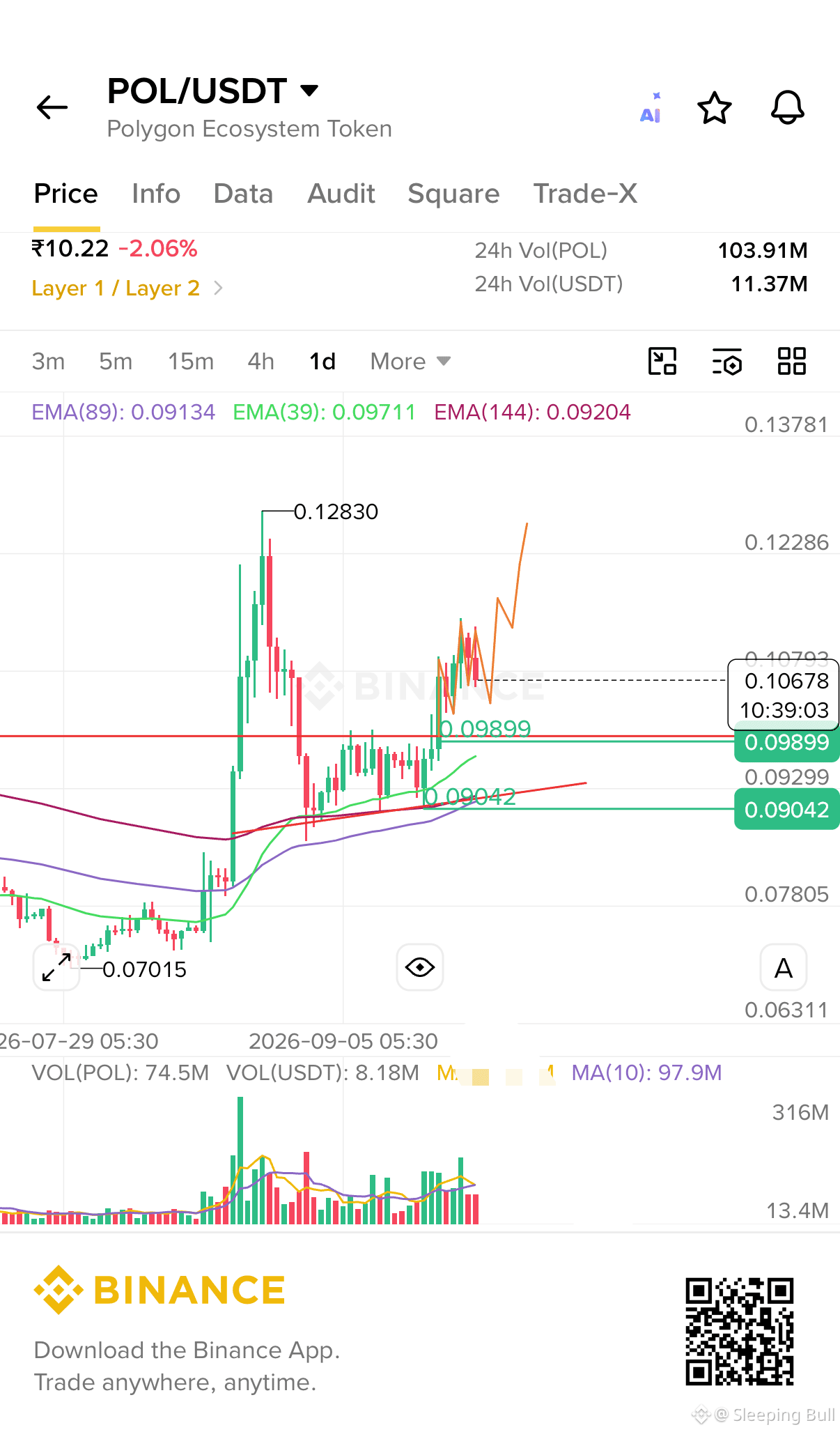
I have marked two important levels, retest expected so place your SL below these levels protect your capital from sudden price drop
Btw I dont think it will go this much down but again market did unexpected things 👀
#Polygon
Sourced by user sharing on Binance
218

·
--
Verified
#Polygon a polygon is preparing a burn of 100 million POL. Permanently burned, it has a revenue of US$ 24,5 million accumulated year-to-date.
#Polygon a polygon is preparing a burn of 100 million POL. Permanently burned, it has a revenue of US$ 24,5 million accumulated year-to-date.
CHECCANSK8:
já queimados nosso querido amigo Vadim da comunidade os queimou agora só o próximo trimestre
1
1
731

·
--
$POL
{future}(POLUSDT)
🔥 Big move on Polygon: 100 million POL ready to be burned!
CEO Sandeep announced: The contract for burning 100 million POL is ready—about 1% of the total supply. Any community member can execute it! It can be burned once every quarter in the future.
POL is already in deflation this year; the testnet is done, and the mainnet only awaits approval from the security committee.
Deflation accelerates—will POL take off?
#Polygon #POL #MATIC #burn
$POL
🔥 Big move on Polygon: 100 million POL ready to be burned!
CEO Sandeep announced: The contract for burning 100 million POL is ready—about 1% of the total supply. Any community member can execute it! It can be burned once every quarter in the future.
POL is already in deflation this year; the testnet is done, and the mainnet only awaits approval from the security committee.
Deflation accelerates—will POL take off?
#Polygon #POL #MATIC #burn
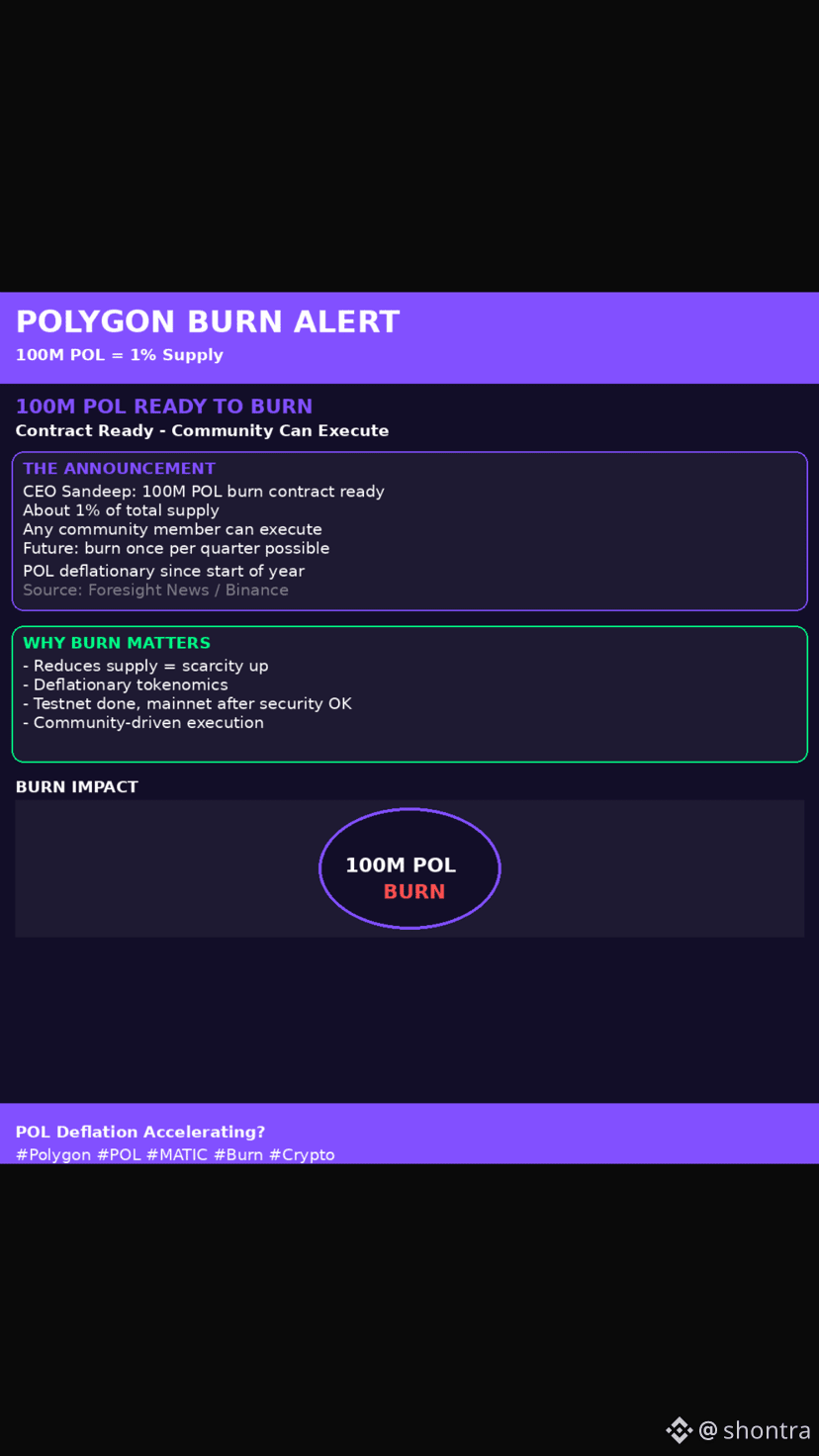
🔥 Big move on Polygon: 100 million POL ready to be burned!
CEO Sandeep announced: The contract for burning 100 million POL is ready—about 1% of the total supply. Any community member can execute it! It can be burned once every quarter in the future.
POL is already in deflation this year; the testnet is done, and the mainnet only awaits approval from the security committee.
Deflation accelerates—will POL take off?
#Polygon #POL #MATIC #burn
109


·
--
Bullish
$POL is trading near $0.10 after Polygon's CEO announced plans to burn 100 million tokens, about 1% of supply, pending final Security Council approval.
The burn is funded by real network fees, and Polygon says 2026 revenue has already hit $24.5M, ahead of Arbitrum and $NEAR by its own numbers. The token has been mildly deflationary since January.
A burn only matters long-term if usage keeps growing behind it, so that's the number I'd track next.
Does a burn tied to real revenue change your view on $POL ?
#Polygon #pol #CryptoNews #BinanceSquare
{future}(NEARUSDT)
{future}(POLUSDT)
$POL is trading near $0.10 after Polygon's CEO announced plans to burn 100 million tokens, about 1% of supply, pending final Security Council approval.
The burn is funded by real network fees, and Polygon says 2026 revenue has already hit $24.5M, ahead of Arbitrum and $NEAR by its own numbers. The token has been mildly deflationary since January.
A burn only matters long-term if usage keeps growing behind it, so that's the number I'd track next.
Does a burn tied to real revenue change your view on $POL ?
#Polygon #pol #CryptoNews #BinanceSquare
The burn is funded by real network fees, and Polygon says 2026 revenue has already hit $24.5M, ahead of Arbitrum and $NEAR by its own numbers. The token has been mildly deflationary since January.
A burn only matters long-term if usage keeps growing behind it, so that's the number I'd track next.
Does a burn tied to real revenue change your view on $POL ?
#Polygon #pol #CryptoNews #BinanceSquare

1
441

·
--
5 Points bn Wallet poly Event
Ast Pre-Event 25 USDT
New Listing Price 15.5
Fill it up
Looks like Binance is at it again—sure profit, no loss with this campaign #Polygon
How to participate 👇
Binance App → Wallet → [Home Banner] or [Discover Banner] → Pre-visit the event page
• Choose $U (United Stables) or $USDC to deposit via the BNB Chain.
• The minimum deposit amount per transaction is $100.
• Each user can only choose one token for subscription.
5 Points bn Wallet poly Event
Ast Pre-Event 25 USDT
New Listing Price 15.5
Fill it up
Looks like Binance is at it again—sure profit, no loss with this campaign #Polygon
How to participate 👇
Binance App → Wallet → [Home Banner] or [Discover Banner] → Pre-visit the event page
• Choose $U (United Stables) or $USDC to deposit via the BNB Chain.
• The minimum deposit amount per transaction is $100.
• Each user can only choose one token for subscription.
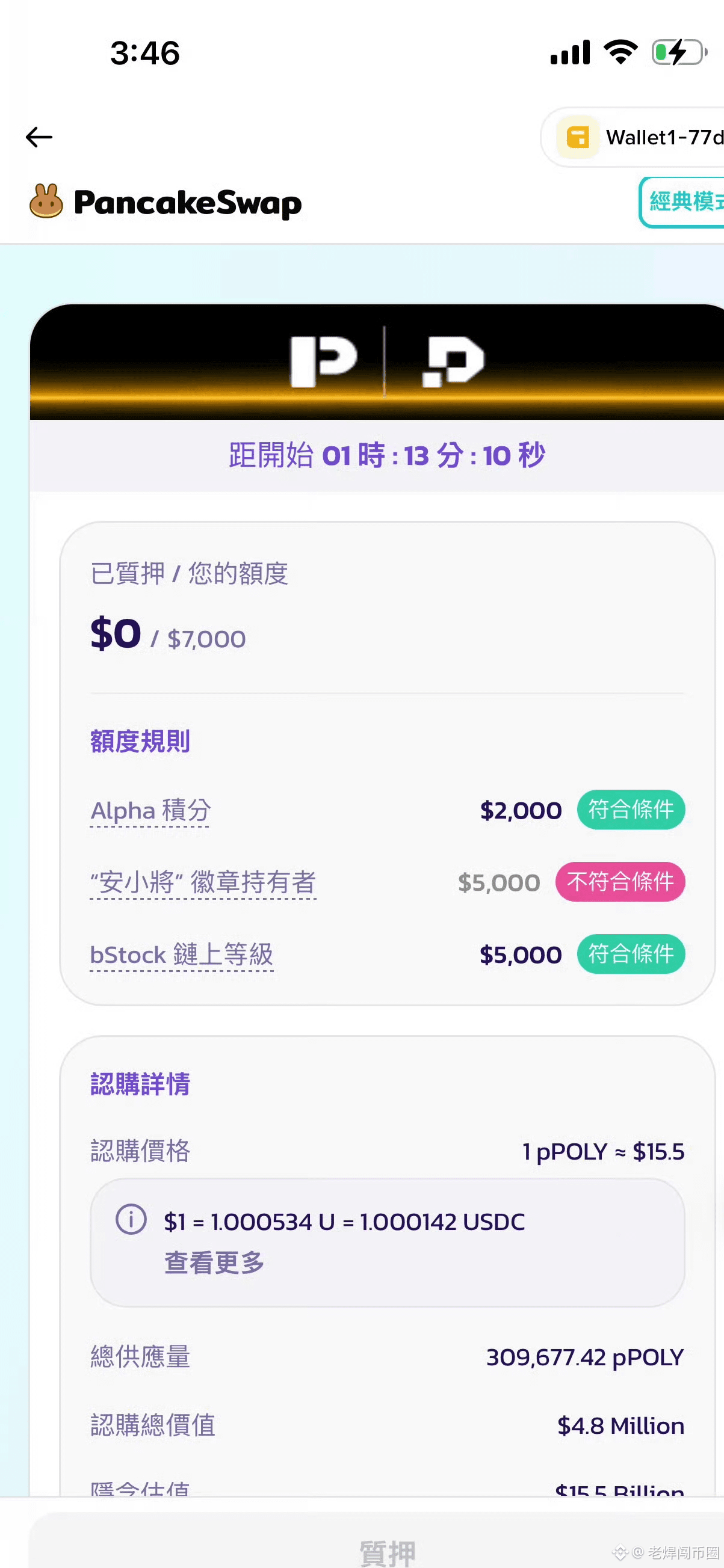
Ast Pre-Event 25 USDT
New Listing Price 15.5
Fill it up
Looks like Binance is at it again—sure profit, no loss with this campaign #Polygon
How to participate 👇
Binance App → Wallet → [Home Banner] or [Discover Banner] → Pre-visit the event page
• Choose $U (United Stables) or $USDC to deposit via the BNB Chain.
• The minimum deposit amount per transaction is $100.
• Each user can only choose one token for subscription.
1.9k

·
--
Bullish
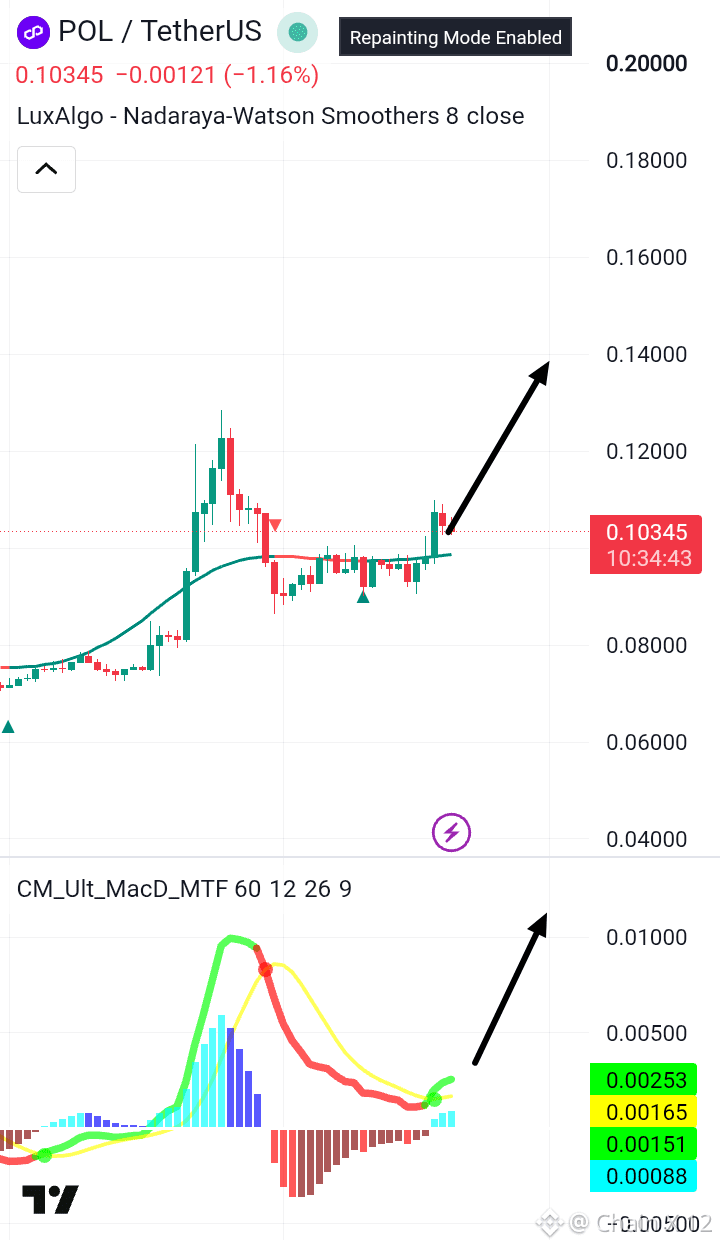
$POL Is Reverse Now To take big Profit
SL- 0.08654
TP - 0.14766
If you follow Not me you missing Something So
Think Again #Polygon
{spot}(POLUSDT)
$POL Is Reverse Now To take big Profit
SL- 0.08654
TP - 0.14766
If you follow Not me you missing Something So
Think Again #Polygon
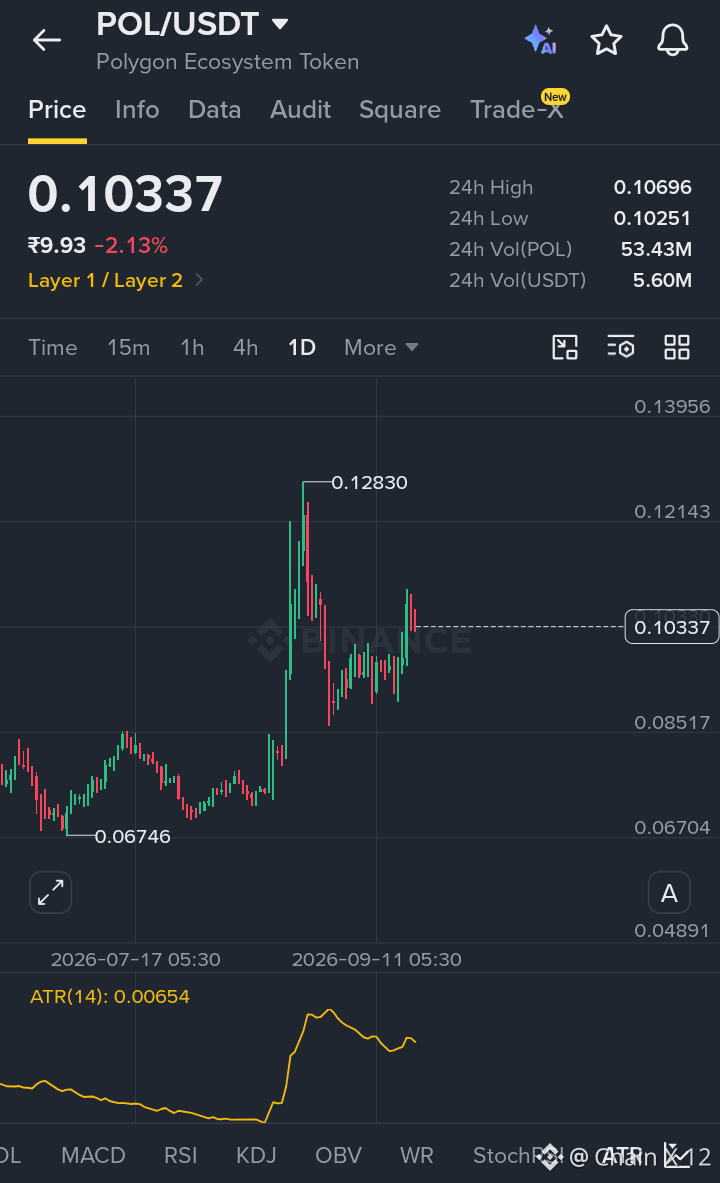
SL- 0.08654
TP - 0.14766
If you follow Not me you missing Something So
Think Again #Polygon
243
Log in to explore more content
Join global crypto users on Binance Square
⚡️ Get latest and useful information about crypto.
💬 Trusted by the world’s largest crypto exchange.
👍 Discover real insights from verified creators.
Email / Phone number
Trending Topics
1
#BitgetHackerMoves$83MStolenXRP
372 views
28 Discussing
2
#SOLSpotETFWeeklyInflow$188M
322 views
36 Discussing
3
#StrategyStriveAdd2305BitcoinThisWeek
30,261 views
910 Discussing
4
#TrumpRejectsIranHormuzReopening
32,771 views
734 Discussing
5
#CircleTetherFreezeBitgetHackerWallet
49,291 views
783 Discussing
6
#SECSaysTokenBuybacksNotAutoSecurities
23,904 views
426 Discussing
7
#ChinaUSAgreeOn$30BTariffCut
1,150 views
30 Discussing
8
#CoinMarketCapCompletesCoinglassAcquisition
41,043 views
563 Discussing
9
#CircleMints500MUSDCOnSolana
219,507 views
3,181 Discussing
10
#PolymarketBankFailureBetsDrawFDICConcern
187,386 views
2,414 Discussing