
Garbiie
1.7k Posts
Garbiie
Report
Block User
On-chain observer. Narrative chaser. Trading what makes sense, not what’s loud.
Open Trade
Occasional Trader
6 Years
30 Following
3.4K+ Followers
4.6K+ Liked
Posts
Portfolio
All
Quotes
PINNED
·
--
Bullish
A lot of people are waiting for $XRP to suddenly replace the entire global banking system overnight, but that's probably not how adoption works.
Financial infrastructure changes in stages. Banks don't replace decades-old systems with a single switch. They test, integrate, and expand over time based on efficiency, regulation, and real-world demand.
$XRP biggest strength has always been its ability to make cross-border payments faster and more efficient. Whether adoption comes quickly or gradually, the real story is the technology solving real problems not unrealistic expectations of an overnight takeover.
Patience is often more valuable than hype in this market.

44
6
205
299.3k
·
--
Bullish
Imagine being able to chat, send crypto and swap assets across different blockchains without jumping between several apps.
That's the experience Liberdus brings to the table.
It's not just another messaging application. You can communicate, make payments using $LIB and swap assets across $ETH , $BNB
{future}(BNBUSDT)
Chain and Polygon, all within the same app.
There's also NEAR Intents, offering a separate pathway for cross-chain swaps and expanding the range of assets users can access.
I like the direction this takes crypto.
We've spent years dealing with fragmented ecosystems, multiple wallets, different interfaces and unnecessary steps just to get simple things done.
Bringing communication and multi-chain transactions closer together makes a lot of sense.
Crypto needs more experiences that connect its different parts instead of keeping everything isolated.
#Liberdus is an interesting step in that direction.
Imagine being able to chat, send crypto and swap assets across different blockchains without jumping between several apps.
That's the experience Liberdus brings to the table.
It's not just another messaging application. You can communicate, make payments using $LIB and swap assets across $ETH , $BNB
Chain and Polygon, all within the same app.
There's also NEAR Intents, offering a separate pathway for cross-chain swaps and expanding the range of assets users can access.
I like the direction this takes crypto.
We've spent years dealing with fragmented ecosystems, multiple wallets, different interfaces and unnecessary steps just to get simple things done.
Bringing communication and multi-chain transactions closer together makes a lot of sense.
Crypto needs more experiences that connect its different parts instead of keeping everything isolated.
#Liberdus is an interesting step in that direction.

326
·
--
Bullish
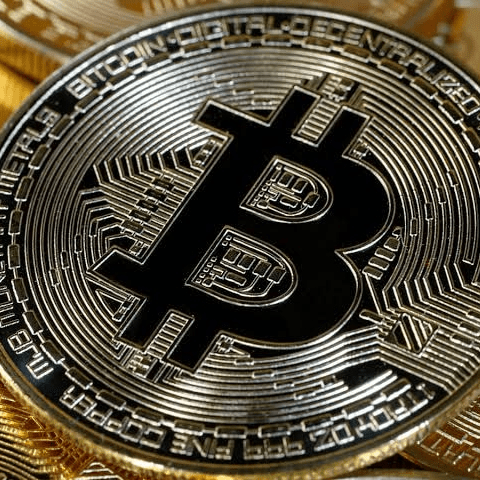
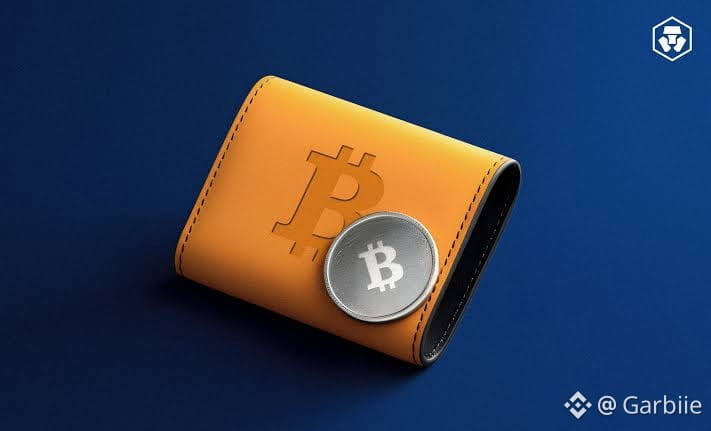
Bitcoin is still showing signs of weakness, with lower highs keeping bearish pressure in play.
The $72,700 level is the one I'm watching. If $BTC
{future}(BTCUSDT)
loses that support convincingly, $69,000 becomes the next downside target.
For now, I'm not rushing to buy the dip. I'd rather see buyers reclaim key levels and prove that momentum is shifting before considering a long.
The structure matters more than the hype. Let's see how BTC reacts around $72.7K.
Bitcoin is still showing signs of weakness, with lower highs keeping bearish pressure in play.
The $72,700 level is the one I'm watching. If $BTC
loses that support convincingly, $69,000 becomes the next downside target.
For now, I'm not rushing to buy the dip. I'd rather see buyers reclaim key levels and prove that momentum is shifting before considering a long.
The structure matters more than the hype. Let's see how BTC reacts around $72.7K.
174
·
--
Bullish
$WTI.US
{stock_us}(WTI.US)
crude is approaching a level where I believe sellers could have another opportunity.
The $88.70 resistance remains the key area to watch. If buyers push price back into that zone but fail to break through, I’ll be looking for a possible short setup.
I don't want to short just because price is rising. I want to see sellers step in and confirm the rejection first.
If $88.70 gives way, the bearish idea needs a rethink.
For now, I'm watching the next rally carefully. Sometimes the best short entries come when everyone starts getting bullish.
$WTI.US
crude is approaching a level where I believe sellers could have another opportunity.
The $88.70 resistance remains the key area to watch. If buyers push price back into that zone but fail to break through, I’ll be looking for a possible short setup.
I don't want to short just because price is rising. I want to see sellers step in and confirm the rejection first.
If $88.70 gives way, the bearish idea needs a rethink.
For now, I'm watching the next rally carefully. Sometimes the best short entries come when everyone starts getting bullish.

309
·
--
Bullish
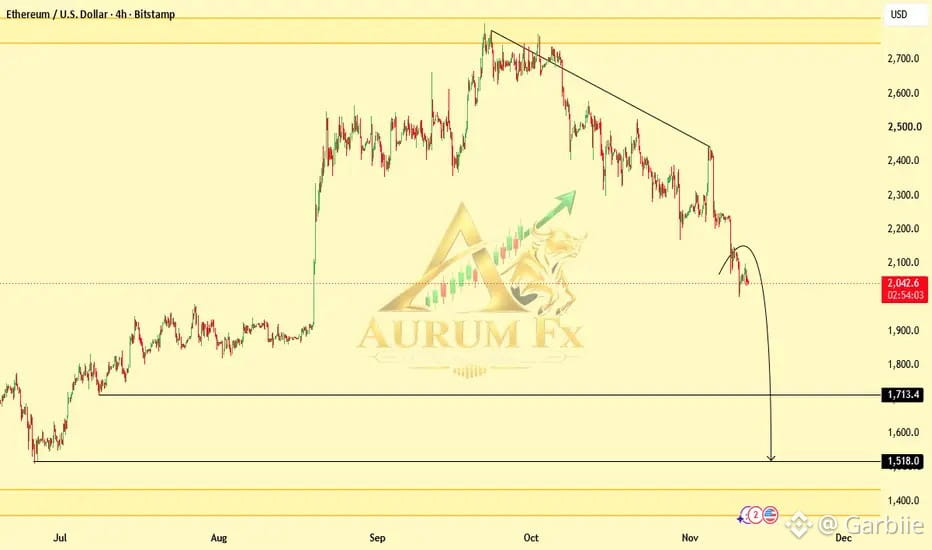
Ethereum's 4H structure is still leaning bearish, and I wouldn't rush to call a reversal just yet.
The important thing now is how price reacts around key support and resistance zones. Until $ETH starts reclaiming lost levels and printing stronger bullish structure, sellers still have the upper hand.
I'm watching for a possible liquidity sweep, a rejection, or a clean structure shift before considering any long positions.
No need to force trades in a market that hasn't confirmed its direction. Patience and confirmation matter more than catching every move.
$ETH
{future}(ETHUSDT)
remains on my watchlist.
Ethereum's 4H structure is still leaning bearish, and I wouldn't rush to call a reversal just yet.
The important thing now is how price reacts around key support and resistance zones. Until $ETH starts reclaiming lost levels and printing stronger bullish structure, sellers still have the upper hand.
I'm watching for a possible liquidity sweep, a rejection, or a clean structure shift before considering any long positions.
No need to force trades in a market that hasn't confirmed its direction. Patience and confirmation matter more than catching every move.
$ETH
remains on my watchlist.
1
1.7k
·
--
Bullish
Verified
Ripple deleting its Qivalis-related post raises an interesting question about transparency.
The company highlighted BBVA and DZ BANK as existing Ripple Custody clients, suggesting a possible connection to the euro-backed stablecoin project involving 37 European banks.
But there's an important detail: Qivalis had already selected Fireblocks for its stablecoin infrastructure.
Having major banks as clients is one thing. Securing the infrastructure deal for a 37-bank stablecoin initiative is another.
For $XRP
{future}(XRPUSDT)
holders, this is a reminder that institutional adoption headlines deserve a closer look. Not every banking relationship translates into direct demand for $XRP .
In this market, the details matter more than the headlines.
Ripple deleting its Qivalis-related post raises an interesting question about transparency.
The company highlighted BBVA and DZ BANK as existing Ripple Custody clients, suggesting a possible connection to the euro-backed stablecoin project involving 37 European banks.
But there's an important detail: Qivalis had already selected Fireblocks for its stablecoin infrastructure.
Having major banks as clients is one thing. Securing the infrastructure deal for a 37-bank stablecoin initiative is another.
For $XRP
holders, this is a reminder that institutional adoption headlines deserve a closer look. Not every banking relationship translates into direct demand for $XRP .
In this market, the details matter more than the headlines.
5
667
·
--
Bullish
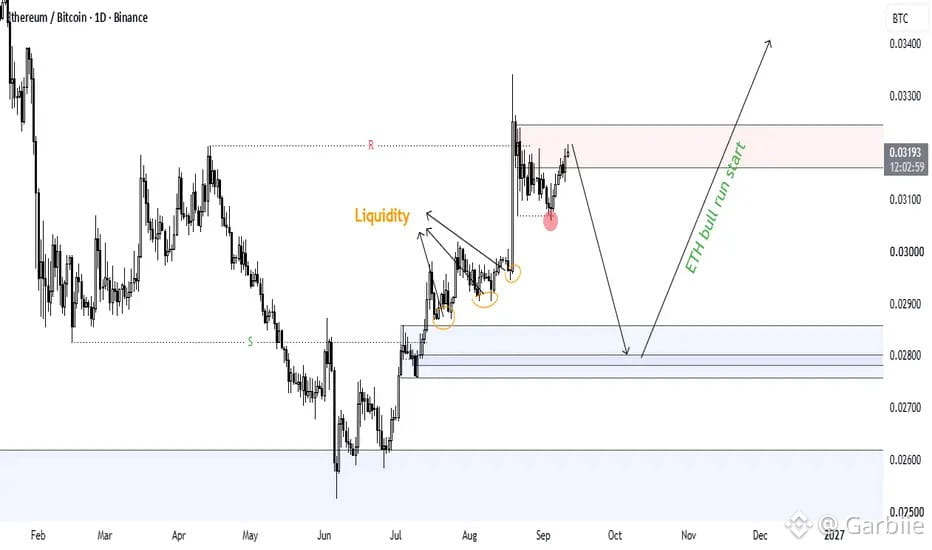
$ETH /$BTC
{future}(BTCUSDT)
may have one more leg down before the bigger recovery begins.
Ethereum is still struggling to show convincing strength against Bitcoin, and I wouldn't rush to call a bottom just yet.
Another dip could shake out weak hands before the trend eventually changes.
I'm watching for signs of exhaustion and a shift in momentum. The bigger bullish picture may still be intact, but timing matters.
$ETH /$BTC
may have one more leg down before the bigger recovery begins.
Ethereum is still struggling to show convincing strength against Bitcoin, and I wouldn't rush to call a bottom just yet.
Another dip could shake out weak hands before the trend eventually changes.
I'm watching for signs of exhaustion and a shift in momentum. The bigger bullish picture may still be intact, but timing matters.
166
·
--
Bullish
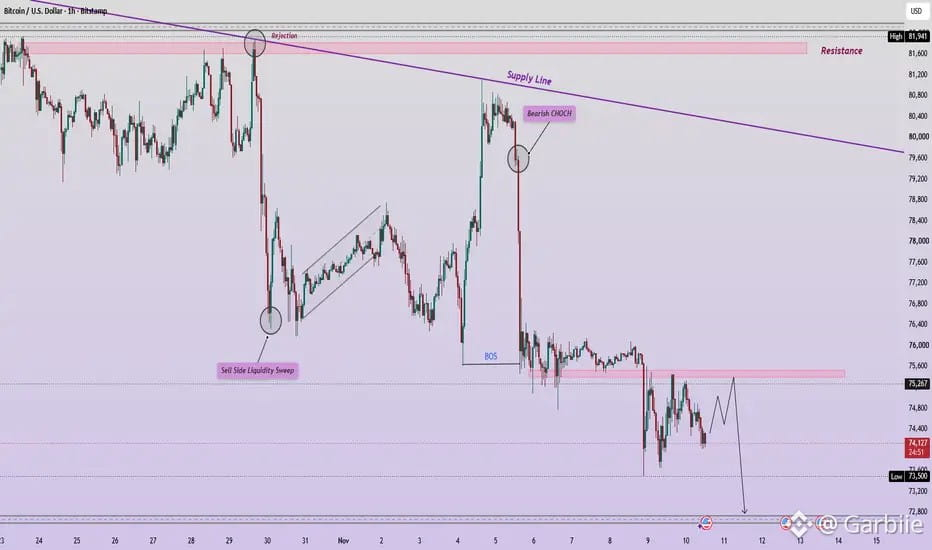
Bitcoin is still showing signs of weakness, and I'm not convinced the bulls are ready to take control just yet.
The $BTC
{future}(BTCUSDT)
market structure remains bearish, with sellers having the upper hand. Until price starts reclaiming important resistance levels and forming higher highs, any upward move could simply be a temporary relief rally.
I'm watching how price reacts around key support zones. A clean breakdown could open the door to further downside, while a strong reclaim of resistance would be the first sign that the bearish structure is losing strength.
For now, patience is more important than trying to catch the bottom.
Don't fight the trend. Wait for confirmation.
Bitcoin is still showing signs of weakness, and I'm not convinced the bulls are ready to take control just yet.
The $BTC
market structure remains bearish, with sellers having the upper hand. Until price starts reclaiming important resistance levels and forming higher highs, any upward move could simply be a temporary relief rally.
I'm watching how price reacts around key support zones. A clean breakdown could open the door to further downside, while a strong reclaim of resistance would be the first sign that the bearish structure is losing strength.
For now, patience is more important than trying to catch the bottom.
Don't fight the trend. Wait for confirmation.
177
·
--
Bullish
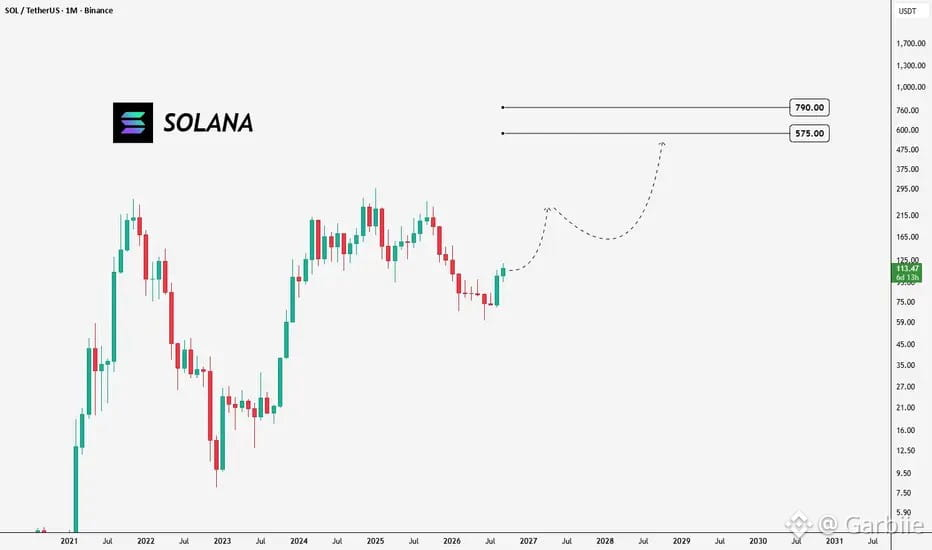
Solana looks like it's approaching an interesting moment.
$SOL is setting up for a potential breakout, but I'm more interested in how price reacts around resistance than trying to anticipate the move.
A clean break above resistance, backed by strong volume, could open the door for another bullish move.
Until then, patience matters. A breakout without confirmation can easily turn into a fakeout.
Keeping $SOL
{future}(SOLUSDT)
on my watchlist.
Solana looks like it's approaching an interesting moment.
$SOL is setting up for a potential breakout, but I'm more interested in how price reacts around resistance than trying to anticipate the move.
A clean break above resistance, backed by strong volume, could open the door for another bullish move.
Until then, patience matters. A breakout without confirmation can easily turn into a fakeout.
Keeping $SOL
on my watchlist.
1
493
·
--
Bullish
$HYPE
{future}(HYPEUSDT)
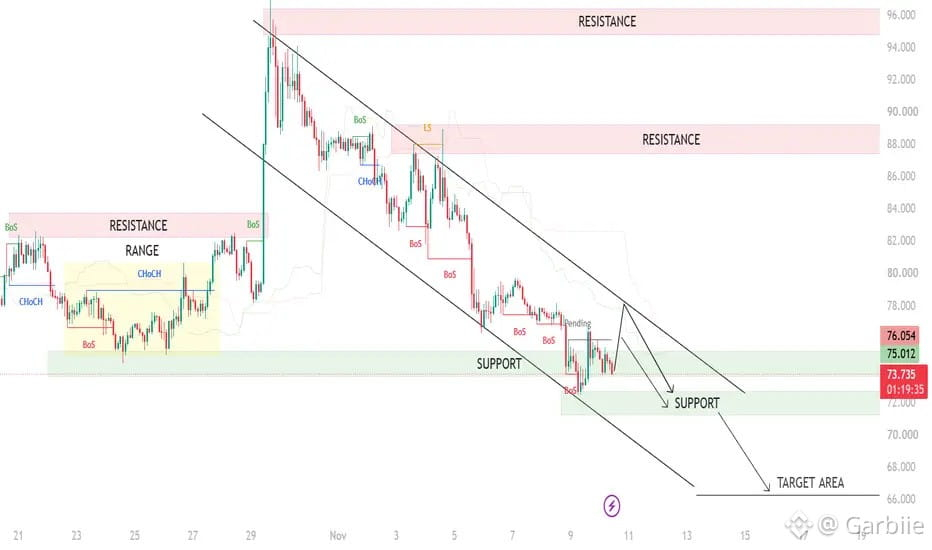
is showing signs of bearish continuation, and I'm watching whether sellers can maintain control.
The technical picture, combined with the broader fundamentals, makes it difficult to call for a sustained recovery just yet.
I'm not rushing to buy every dip. Until price shows a convincing shift in momentum, downside remains a scenario worth taking seriously.
Sometimes the best trade is waiting for confirmation rather than trying to catch the bottom.
$HYPE
is showing signs of bearish continuation, and I'm watching whether sellers can maintain control.
The technical picture, combined with the broader fundamentals, makes it difficult to call for a sustained recovery just yet.
I'm not rushing to buy every dip. Until price shows a convincing shift in momentum, downside remains a scenario worth taking seriously.
Sometimes the best trade is waiting for confirmation rather than trying to catch the bottom.
332
·
--
Bullish
$ZEC
{future}(ZECUSDT)
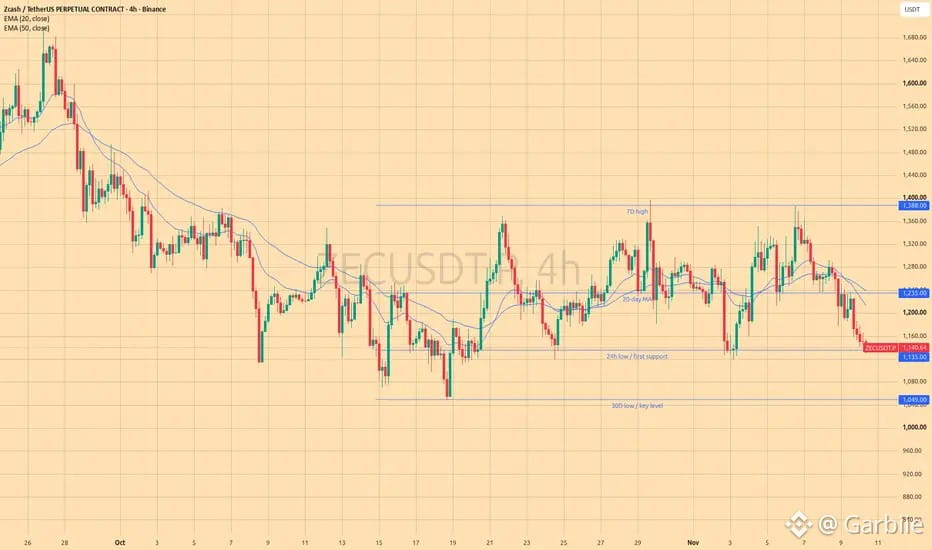
is showing signs of weakness after pulling back below the 20-day moving average.
The $1,135 level is the first support I'm watching closely. If buyers manage to defend this zone, we could see a recovery attempt. However, a clean break below it could open the door to further downside.
For now, I'm watching how price reacts around support rather than rushing into a position.
The next move depends on whether buyers can step back in or sellers maintain control.
$ZEC
is showing signs of weakness after pulling back below the 20-day moving average.
The $1,135 level is the first support I'm watching closely. If buyers manage to defend this zone, we could see a recovery attempt. However, a clean break below it could open the door to further downside.
For now, I'm watching how price reacts around support rather than rushing into a position.
The next move depends on whether buyers can step back in or sellers maintain control.
1.1k
·
--
Bullish
The market selloff is revealing something interesting: not all altcoins are reacting the same way.
While Bitcoin tested $75K following the AI stock selloff, Monero ($XMR
{future}(XMRUSDT)
) managed to hold its ground, while Solana ($SOL
{future}(SOLUSDT)
) continued to struggle.
That's a pretty clear contrast in market strength.
XMR is still holding above its key moving averages, with $648 standing as an important resistance to watch. SOL, on the other hand, needs to reclaim the $97–$101 region before its chart starts looking healthier.
What interests me most is how capital is rotating during periods of uncertainty.
When the market gets shaky, relative strength matters.
For now, Monero looks stronger than Solana, but Bitcoin's next move could change the picture for both.
The market selloff is revealing something interesting: not all altcoins are reacting the same way.
While Bitcoin tested $75K following the AI stock selloff, Monero ($XMR
) managed to hold its ground, while Solana ($SOL
) continued to struggle.
That's a pretty clear contrast in market strength.
XMR is still holding above its key moving averages, with $648 standing as an important resistance to watch. SOL, on the other hand, needs to reclaim the $97–$101 region before its chart starts looking healthier.
What interests me most is how capital is rotating during periods of uncertainty.
When the market gets shaky, relative strength matters.
For now, Monero looks stronger than Solana, but Bitcoin's next move could change the picture for both.
175
·
--
Bullish
Sometimes, the best thing a trader can do is admit when they're wrong.
$XRP analyst Zach Humphries has publicly acknowledged that his $1.15 support prediction failed after XRP dropped to around $1.11.
Now, the focus shifts to $1.11. If buyers fail to defend that level, $1.07 and $1.05 could come into play.
What stands out to me isn't just the price decline, but the importance of patience in a market like this.
You don't have to catch every bottom. Protecting capital and waiting for confirmation is also part of trading.
I'm watching $XRP
{future}(XRPUSDT)
closely. The next move could tell us a lot.
Sometimes, the best thing a trader can do is admit when they're wrong.
$XRP analyst Zach Humphries has publicly acknowledged that his $1.15 support prediction failed after XRP dropped to around $1.11.
Now, the focus shifts to $1.11. If buyers fail to defend that level, $1.07 and $1.05 could come into play.
What stands out to me isn't just the price decline, but the importance of patience in a market like this.
You don't have to catch every bottom. Protecting capital and waiting for confirmation is also part of trading.
I'm watching $XRP
closely. The next move could tell us a lot.
1
4
5k
·
--
Bullish
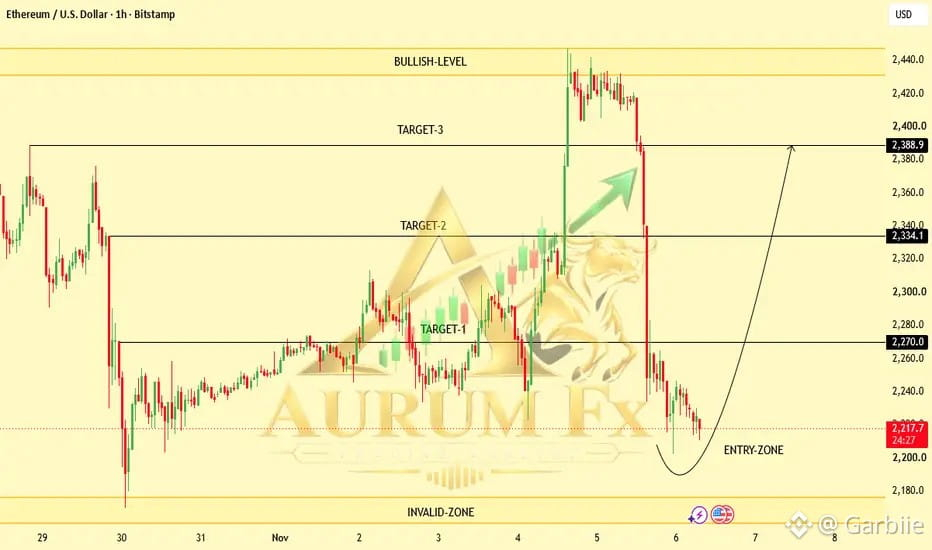
Ethereum is showing signs of a possible bullish recovery.
I'm watching the key demand zone closely because this is where buyers could step back in and change the short-term direction.
The important thing now is how $ETH
{future}(ETHUSDT)
reacts around this area. A strong bounce and confirmation could open the door for further upside.
Still, no need to anticipate the move before the market confirms it.
Let price do the talking.
Ethereum is showing signs of a possible bullish recovery.
I'm watching the key demand zone closely because this is where buyers could step back in and change the short-term direction.
The important thing now is how $ETH
reacts around this area. A strong bounce and confirmation could open the door for further upside.
Still, no need to anticipate the move before the market confirms it.
Let price do the talking.
451
·
--
Bullish
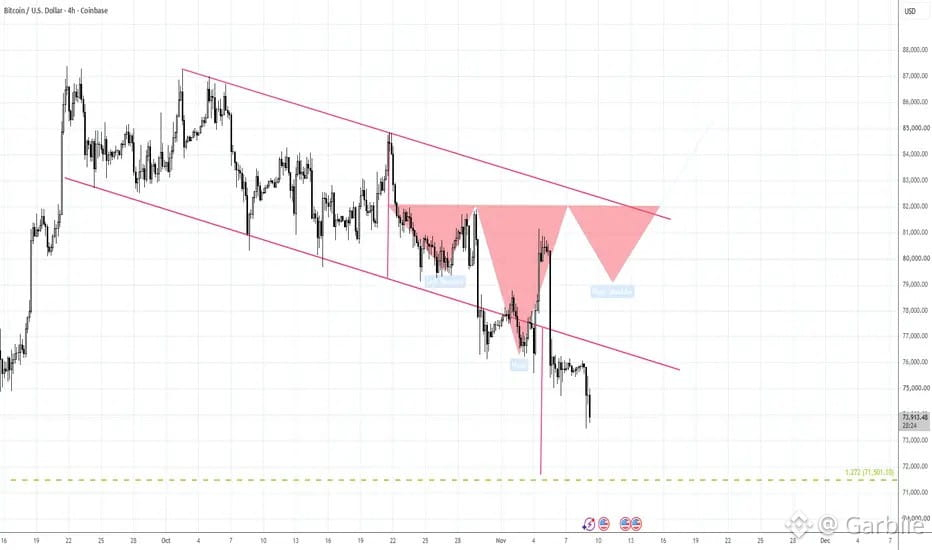
Bitcoin is starting to look interesting again.
The $71.5K–$72K area is the zone I'm watching next on $BTC
{future}(BTCUSDT)
.
Price action is what matters here. I want to see how Bitcoin approaches this level and whether buyers have enough momentum to push through it.
No need to rush into a trade or chase every candle. Let the market come to the levels.
$BTC has a target in sight. Now let's see if the bulls can deliver.
Bitcoin is starting to look interesting again.
The $71.5K–$72K area is the zone I'm watching next on $BTC
.
Price action is what matters here. I want to see how Bitcoin approaches this level and whether buyers have enough momentum to push through it.
No need to rush into a trade or chase every candle. Let the market come to the levels.
$BTC has a target in sight. Now let's see if the bulls can deliver.
231
·
--
Bullish
Think about how much of your life exists online.
Your private conversations, the groups you belong to, the information you share and the digital footprints you leave behind.
Most people accept this as normal because being connected has become part of everyday life.
But should staying connected mean giving up control over your personal information?
I don't think so.
#Liberdus represents the kind of digital experience I believe deserves more attention: private communication, data ownership and decentralized interaction without making privacy an afterthought.
The internet should give people more freedom, not make them feel like they're constantly giving something up.
You shouldn't have to choose between communicating freely and protecting your privacy.
Your data belongs to you. Your conversations belong to you.
Privacy is not a privilege. It's a right worth protecting.

102
·
--
Everyone talks about the next big crypto narrative, but I think privacy deserves much more attention.
Look at how much of our lives now happens online. We chat, share information, make transactions and build relationships through digital platforms.
Yet, we rarely stop to ask how much control we actually have over our information.
That's a problem worth taking seriously.
While $PENGU is attracting attention in the market, I believe conversations around digital privacy deserve just as much visibility.
#Liberdus offers a privacy-focused communication experience where users have more control over their interactions.
Crypto shouldn't only give us financial freedom. It should also give us more freedom over our digital lives.
That's a conversation worth having.

1
505
·
--
Bullish
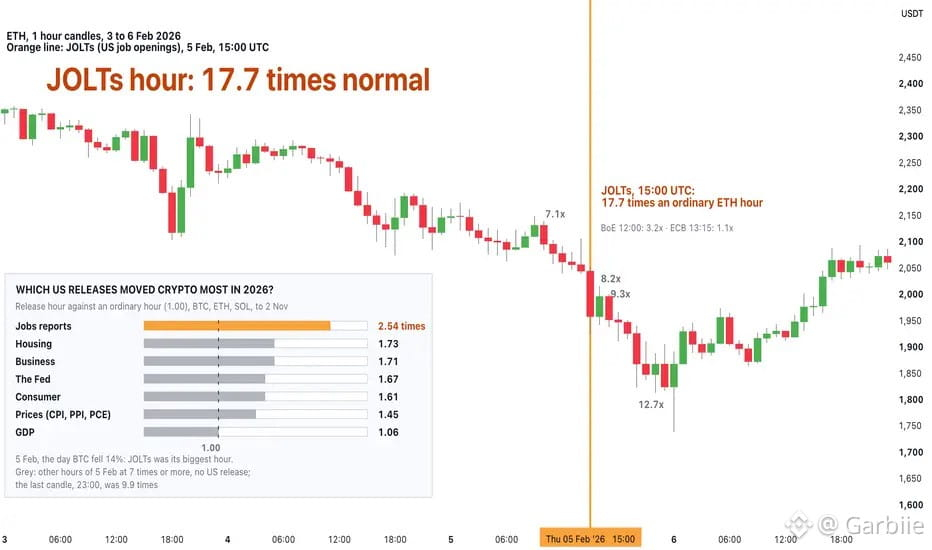
The US jobs data is back in focus, and crypto is feeling the pressure.
$BTC , $ETH and $SOL have all come under selling pressure as traders react to economic uncertainty and shifting expectations around interest rates.
For ETH, I'm paying close attention to how price behaves after this latest move down. A sharp sell-off doesn't automatically mean the bottom is in, and I don't want to mistake a temporary bounce for a trend reversal.
The next move will depend on how buyers respond at key support levels and whether the market can recover some of the lost ground.
For now, I'm staying cautious and watching the reaction rather than trying to catch every dip.
Volatility creates opportunities, but patience and confirmation still matter.
199
·
--
Bullish
$BTC
{future}(BTCUSDT)
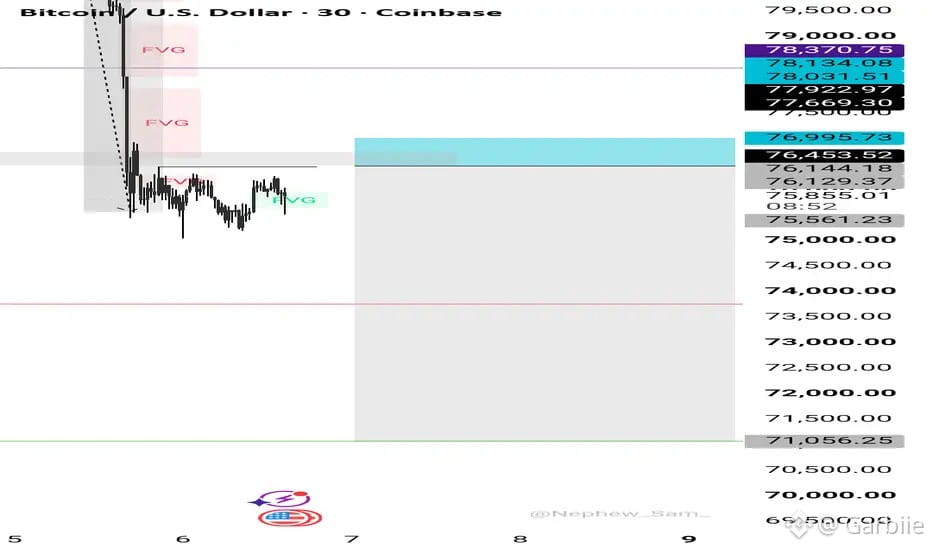
is still showing weakness on the 30-minute chart.
After the sharp move down, price has been consolidating around the 75.5k–76k region, but I'm watching the unfilled fair value gaps overhead.
My interest is in a possible retracement into the 76.1k–77k area, where price could meet resistance before another leg lower.
The downside objective I'm watching is around 71k.
I'm not rushing into a position here. I want to see how price reacts around those overhead imbalances first.
Patience matters. Let the market come to your levels rather than chasing every move.
$BTC
is still showing weakness on the 30-minute chart.
After the sharp move down, price has been consolidating around the 75.5k–76k region, but I'm watching the unfilled fair value gaps overhead.
My interest is in a possible retracement into the 76.1k–77k area, where price could meet resistance before another leg lower.
The downside objective I'm watching is around 71k.
I'm not rushing into a position here. I want to see how price reacts around those overhead imbalances first.
Patience matters. Let the market come to your levels rather than chasing every move.
213
·
--
Bullish
Crypto is moving beyond just buying, selling and holding tokens.
One thing that still makes Web3 unnecessarily complicated is having to jump between different platforms to do simple things.
Want to message someone privately? Open one app.
Want to send crypto? Open another.
Need to swap assets across chains? Now you're dealing with bridges and extra steps.
#Liberdus is bringing these experiences closer together.
Its NEAR Intents integration adds cross-chain swapping to an ecosystem that already combines private messaging and crypto payments.
Gasless transactions across supported networks make the experience even more interesting.
And this is happening while $HYPE and other major crypto projects are attracting attention on Binance Square.
For me, the bigger conversation isn't just about which token is trending today.
It's about which projects are making Web3 genuinely easier to use.
Liberdus deserves a place in that conversation.

356
Log in to explore more content
Join global crypto users on Binance Square
⚡️ Get latest and useful information about crypto.
💬 Trusted by the world’s largest crypto exchange.
👍 Discover real insights from verified creators.
Email / Phone number
Trending Topics
CryptoSelloffTriggersMultipleWhaleLiquidations
3,297 views
122 Discussing
Crypto Liquidations Top $2B in 24 Hours as 329,000 Traders Are Wiped Out
Binance News
·6 Likes
·3.3k views
USSpotXRPETFsSeeLargestWeeklyOutflowIn8Months
45,691 views
555 Discussing
WillFOMCMinutesReinforceRateHikeExpectations?
997 views
42 Discussing