

#l2scaling
l2scaling
18,305 views
130 Discussing
Hot
Latest

🤔 Ethereum at a Crossroad: L2 Growth vs Staking Uncertainty: Layer-2 scaling thrives but ETH price action lags behind network activity
On July 17, 2026, Ethereum finds itself at a narrative crossroad. On-chain activity on layer-2 solutions has reached all-time highs, with daily transactions exceeding five million. Yet $ETH price action at $1,848 remains muted relative to fundamental growth.
The disconnect can be explained by market structure. Layer-2 adoption actually reduces mainnet fee consumption, which impacts the burn mechanism that previously made Ethereum deflationary. The shift from L1 to L2 changes the tokenomics equation.
For $ETH to regain momentum, the market may need to revalue the token based on total ecosystem activity rather than just mainnet fees.
📌 Key Takeaway:
$ETH at $1,848 faces a structural narrative shift as layer-2 growth changes tokenomics while ecosystem activity surges.
#Ethereum #L2Scaling #Tokenomics
#BinanceAlphaAlert
🤔 Ethereum at a Crossroad: L2 Growth vs Staking Uncertainty: Layer-2 scaling thrives but ETH price action lags behind network activity
On July 17, 2026, Ethereum finds itself at a narrative crossroad. On-chain activity on layer-2 solutions has reached all-time highs, with daily transactions exceeding five million. Yet $ETH price action at $1,848 remains muted relative to fundamental growth.
The disconnect can be explained by market structure. Layer-2 adoption actually reduces mainnet fee consumption, which impacts the burn mechanism that previously made Ethereum deflationary. The shift from L1 to L2 changes the tokenomics equation.
For $ETH to regain momentum, the market may need to revalue the token based on total ecosystem activity rather than just mainnet fees.
📌 Key Takeaway:
$ETH at $1,848 faces a structural narrative shift as layer-2 growth changes tokenomics while ecosystem activity surges.
#Ethereum #L2Scaling #Tokenomics
#BinanceAlphaAlert
On July 17, 2026, Ethereum finds itself at a narrative crossroad. On-chain activity on layer-2 solutions has reached all-time highs, with daily transactions exceeding five million. Yet $ETH price action at $1,848 remains muted relative to fundamental growth.
The disconnect can be explained by market structure. Layer-2 adoption actually reduces mainnet fee consumption, which impacts the burn mechanism that previously made Ethereum deflationary. The shift from L1 to L2 changes the tokenomics equation.
For $ETH to regain momentum, the market may need to revalue the token based on total ecosystem activity rather than just mainnet fees.
📌 Key Takeaway:
$ETH at $1,848 faces a structural narrative shift as layer-2 growth changes tokenomics while ecosystem activity surges.
#Ethereum #L2Scaling #Tokenomics
#BinanceAlphaAlert
9
💠 Ethereum Edges Higher While Broader Market Stalls: $ETH gains 0.12% as layer-2 activity surges
On July 14, 2026, $ETH is changing hands at $1,784, posting a positive 0.12% return that outpaces most large-cap peers.
With a market cap of $215.29B, Ethereum dominance has settled at 9.61% of the total crypto market.
The intraday high of $1,790.05 and low of $1,753.21 reflect healthy liquidity, as layer-2 networks continue driving adoption.
While Bitcoin stagnates, Ethereum is demonstrating relative strength, potentially signaling a shift in trader sentiment.
📌 Key Takeaway:
Ethereum's +0.12% gain stands out against a flat market. Sustained layer-2 growth and institutional interest continue to support its relative outperformance.
#Ethereum #ETH #L2Scaling #AltcoinSeason
#BinanceAlphaAlert
💠 Ethereum Edges Higher While Broader Market Stalls: $ETH gains 0.12% as layer-2 activity surges
On July 14, 2026, $ETH is changing hands at $1,784, posting a positive 0.12% return that outpaces most large-cap peers.
With a market cap of $215.29B, Ethereum dominance has settled at 9.61% of the total crypto market.
The intraday high of $1,790.05 and low of $1,753.21 reflect healthy liquidity, as layer-2 networks continue driving adoption.
While Bitcoin stagnates, Ethereum is demonstrating relative strength, potentially signaling a shift in trader sentiment.
📌 Key Takeaway:
Ethereum's +0.12% gain stands out against a flat market. Sustained layer-2 growth and institutional interest continue to support its relative outperformance.
#Ethereum #ETH #L2Scaling #AltcoinSeason
#BinanceAlphaAlert
On July 14, 2026, $ETH is changing hands at $1,784, posting a positive 0.12% return that outpaces most large-cap peers.
With a market cap of $215.29B, Ethereum dominance has settled at 9.61% of the total crypto market.
The intraday high of $1,790.05 and low of $1,753.21 reflect healthy liquidity, as layer-2 networks continue driving adoption.
While Bitcoin stagnates, Ethereum is demonstrating relative strength, potentially signaling a shift in trader sentiment.
📌 Key Takeaway:
Ethereum's +0.12% gain stands out against a flat market. Sustained layer-2 growth and institutional interest continue to support its relative outperformance.
#Ethereum #ETH #L2Scaling #AltcoinSeason
#BinanceAlphaAlert
48

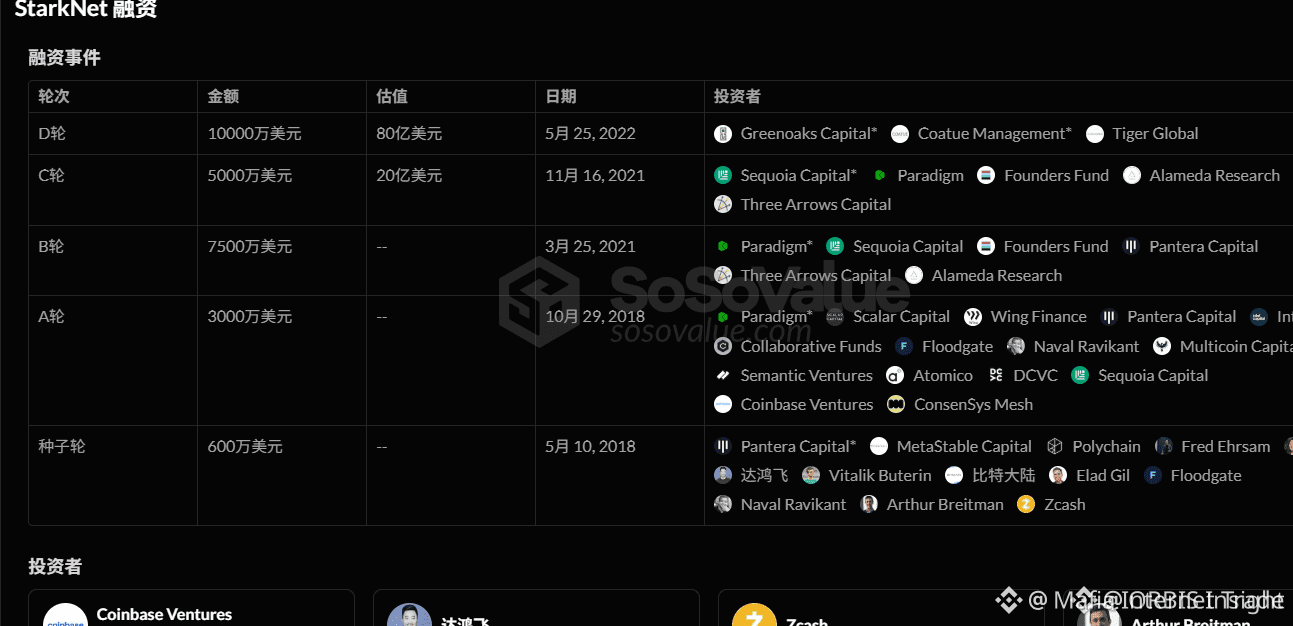
🚨 $STRK 'S TECH IS ELITE BUT PRICE MOVES LIKE A SLOTH — ACCUMULATION OR TRAP? 🦈
Starknet carries ZK-STARK magic, a custom Cairo language, live staking, and gas fee burns — every fundamental box ticked. Yet the chart refuses to stand up and fight. That's exactly what whale accumulation looks like when they need retail to bleed out before the real move. 🐋
The market loves destroying patience right before repricing. Off-chain proof processing, L2 scaling for $ETH , infrastructure humming — the story is intact. The only broken thing is the crowd's nerve while the chop grinds on. 📊
Is this the final shakeout before a violent leg up, or just another tech that never translates to price? 💬
⚠️ Not financial advice. Always manage your risk. 🛡️
🏷️ #STRK #Starknet #ZKRollup #L2Scaling #Crypto
🎯 🦈
🚨 $STRK 'S TECH IS ELITE BUT PRICE MOVES LIKE A SLOTH — ACCUMULATION OR TRAP? 🦈
Starknet carries ZK-STARK magic, a custom Cairo language, live staking, and gas fee burns — every fundamental box ticked. Yet the chart refuses to stand up and fight. That's exactly what whale accumulation looks like when they need retail to bleed out before the real move. 🐋
The market loves destroying patience right before repricing. Off-chain proof processing, L2 scaling for $ETH , infrastructure humming — the story is intact. The only broken thing is the crowd's nerve while the chop grinds on. 📊
Is this the final shakeout before a violent leg up, or just another tech that never translates to price? 💬
⚠️ Not financial advice. Always manage your risk. 🛡️
🏷️ #STRK #Starknet #ZKRollup #L2Scaling #Crypto
🎯 🦈
Starknet carries ZK-STARK magic, a custom Cairo language, live staking, and gas fee burns — every fundamental box ticked. Yet the chart refuses to stand up and fight. That's exactly what whale accumulation looks like when they need retail to bleed out before the real move. 🐋
The market loves destroying patience right before repricing. Off-chain proof processing, L2 scaling for $ETH , infrastructure humming — the story is intact. The only broken thing is the crowd's nerve while the chop grinds on. 📊
Is this the final shakeout before a violent leg up, or just another tech that never translates to price? 💬
⚠️ Not financial advice. Always manage your risk. 🛡️
🏷️ #STRK #Starknet #ZKRollup #L2Scaling #Crypto
🎯 🦈
104

·
--

Article
The Macro Catalyst: Eyes on the Fedthe $BTC
{future}(BTCUSDT)
market is navigating a complex landscape where technical network growth is colliding with a cautious macroeconomic backdrop. While @Bitcoinworld maintains its role as the premier digital asset, its short-term path is being shaped by high-stakes decisions at the Federal Reserve and the maturation of its scaling ecosystem. ⚖️🏛️
📊 Bitcoin Layer 2: A Fee Comparison
The "Layer 2 Summer" of 2026 has introduced diverse options for users looking to avoid mainnet congestion. While @bitcoin L1 fees fluctuate between $1.00 and $20.00+, L2s offer a more accessible alternative:
Lightning Network: Still the gold standard for micropayments, with fees typically less than $0.02 per transaction.
Liquid Network: Ideal for faster settlement (60-second blocks) with fees averaging one-tenth of Bitcoin's mainnet.
Stacks & Rootstock: These "programmable" layers allow for complex DeFi, though fees can be slightly higher than Lightning due to the complexity of smart contract execution.
Citrea & ZK-Rollups: Representing the newest frontier, these aim for negligible fees while inheriting Bitcoin's full security through zero-knowledge proofs.
🏛️ The Macro Catalyst: Eyes on the Fed
The next major volatility window opens on April 28–29, 2026, for the third FOMC meeting of the year. 📅 $ETH
{future}(ETHUSDT)
Current Status: The benchmark interest rate sits at 3.50%–3.75%.
The "Wait and See" Narrative: While the Fed paused rates in March, inflation is currently projected at 2.7% for 2026—still above the 2% target. $BNB
{future}(BNBUSDT)
Impact on Bitcoin: BTC has recently acted as a high-beta risk asset. A "hawkish" stance (fewer cuts) could weigh on the mid-$70k consolidation, while "dovish" signals (confirmation of future cuts) may provide the fuel for a breakout toward the $100,000 psychological barrier.
With the 20 millionth coin recently mined, the supply shock is real, but the macro environment will determine how quickly that scarcity translates into price action. 🛡️🚀
#L2Scaling #FedMeeting #BinanceSquare #CryptoAnalysis
The Macro Catalyst: Eyes on the Fed
the $BTC
market is navigating a complex landscape where technical network growth is colliding with a cautious macroeconomic backdrop. While @Bitcoinworld maintains its role as the premier digital asset, its short-term path is being shaped by high-stakes decisions at the Federal Reserve and the maturation of its scaling ecosystem. ⚖️🏛️
📊 Bitcoin Layer 2: A Fee Comparison
The "Layer 2 Summer" of 2026 has introduced diverse options for users looking to avoid mainnet congestion. While @Bitcoin L1 fees fluctuate between $1.00 and $20.00+, L2s offer a more accessible alternative:
Lightning Network: Still the gold standard for micropayments, with fees typically less than $0.02 per transaction.
Liquid Network: Ideal for faster settlement (60-second blocks) with fees averaging one-tenth of Bitcoin's mainnet.
Stacks & Rootstock: These "programmable" layers allow for complex DeFi, though fees can be slightly higher than Lightning due to the complexity of smart contract execution.
Citrea & ZK-Rollups: Representing the newest frontier, these aim for negligible fees while inheriting Bitcoin's full security through zero-knowledge proofs.
🏛️ The Macro Catalyst: Eyes on the Fed
The next major volatility window opens on April 28–29, 2026, for the third FOMC meeting of the year. 📅 $ETH
Current Status: The benchmark interest rate sits at 3.50%–3.75%.
The "Wait and See" Narrative: While the Fed paused rates in March, inflation is currently projected at 2.7% for 2026—still above the 2% target. $BNB
Impact on Bitcoin: BTC has recently acted as a high-beta risk asset. A "hawkish" stance (fewer cuts) could weigh on the mid-$70k consolidation, while "dovish" signals (confirmation of future cuts) may provide the fuel for a breakout toward the $100,000 psychological barrier.
With the 20 millionth coin recently mined, the supply shock is real, but the macro environment will determine how quickly that scarcity translates into price action. 🛡️🚀
#L2Scaling #FedMeeting #BinanceSquare #CryptoAnalysis
market is navigating a complex landscape where technical network growth is colliding with a cautious macroeconomic backdrop. While @Bitcoinworld maintains its role as the premier digital asset, its short-term path is being shaped by high-stakes decisions at the Federal Reserve and the maturation of its scaling ecosystem. ⚖️🏛️
📊 Bitcoin Layer 2: A Fee Comparison
The "Layer 2 Summer" of 2026 has introduced diverse options for users looking to avoid mainnet congestion. While @Bitcoin L1 fees fluctuate between $1.00 and $20.00+, L2s offer a more accessible alternative:
Lightning Network: Still the gold standard for micropayments, with fees typically less than $0.02 per transaction.
Liquid Network: Ideal for faster settlement (60-second blocks) with fees averaging one-tenth of Bitcoin's mainnet.
Stacks & Rootstock: These "programmable" layers allow for complex DeFi, though fees can be slightly higher than Lightning due to the complexity of smart contract execution.
Citrea & ZK-Rollups: Representing the newest frontier, these aim for negligible fees while inheriting Bitcoin's full security through zero-knowledge proofs.
🏛️ The Macro Catalyst: Eyes on the Fed
The next major volatility window opens on April 28–29, 2026, for the third FOMC meeting of the year. 📅 $ETH
Current Status: The benchmark interest rate sits at 3.50%–3.75%.
The "Wait and See" Narrative: While the Fed paused rates in March, inflation is currently projected at 2.7% for 2026—still above the 2% target. $BNB
Impact on Bitcoin: BTC has recently acted as a high-beta risk asset. A "hawkish" stance (fewer cuts) could weigh on the mid-$70k consolidation, while "dovish" signals (confirmation of future cuts) may provide the fuel for a breakout toward the $100,000 psychological barrier.
With the 20 millionth coin recently mined, the supply shock is real, but the macro environment will determine how quickly that scarcity translates into price action. 🛡️🚀
#L2Scaling #FedMeeting #BinanceSquare #CryptoAnalysis
1
100

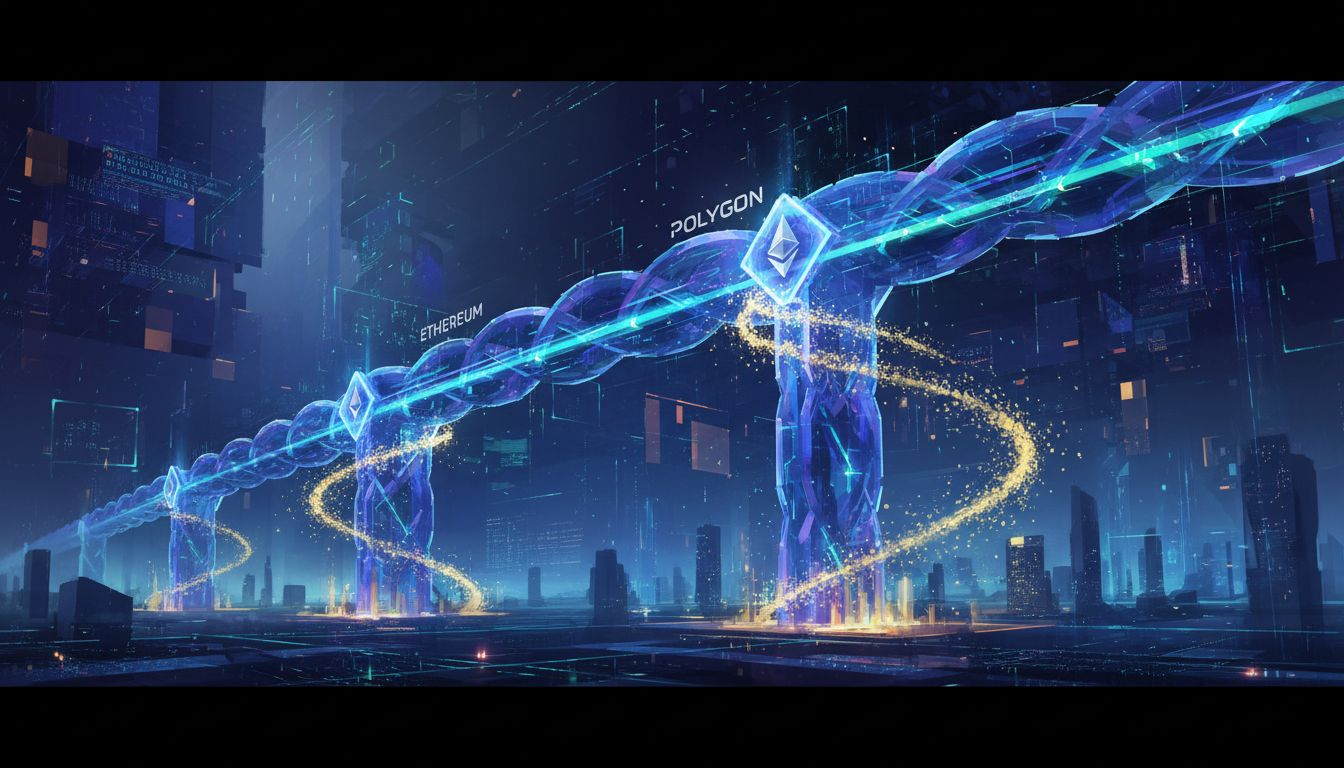
🔥 POLYGON'S CAPITAL: FUELING VISION OR CONCENTRATING POWER?
⚡ Polygon's funding rounds aren't just cash injections. They're market validations. ✨
Multi-million dollar raises, like the $450M from Sequoia-led investors, fuel ambitious roadmaps.
🧠 This capital secures Polygon's position in the fierce L2 race.
It enables critical infrastructure, like Polygon 2.0's ZK-centric evolution. 🚀
It also attracts top talent and strategic partnerships, bolstering ecosystem growth.
📊 My conviction: sustained funding is vital for long-term decentralization and scalability innovation.
It's a necessary resource for building a robust, future-proof blockchain network. 🌐
⚖️ However, large capital raises spark centralization debates. Who truly controls the vision?
Early investor sell pressure is a potential long-term risk for token stability. 📉
🧩 Is Polygon's capital an engine for progress, or a double-edged sword for decentralization?
Your thoughts on venture-backed crypto development? 🤔
#Polygon #CryptoFunding #L2Scaling #Web3 #Tokenomics
🔥 POLYGON'S CAPITAL: FUELING VISION OR CONCENTRATING POWER?
⚡ Polygon's funding rounds aren't just cash injections. They're market validations. ✨
Multi-million dollar raises, like the $450M from Sequoia-led investors, fuel ambitious roadmaps.
🧠 This capital secures Polygon's position in the fierce L2 race.
It enables critical infrastructure, like Polygon 2.0's ZK-centric evolution. 🚀
It also attracts top talent and strategic partnerships, bolstering ecosystem growth.
📊 My conviction: sustained funding is vital for long-term decentralization and scalability innovation.
It's a necessary resource for building a robust, future-proof blockchain network. 🌐
⚖️ However, large capital raises spark centralization debates. Who truly controls the vision?
Early investor sell pressure is a potential long-term risk for token stability. 📉
🧩 Is Polygon's capital an engine for progress, or a double-edged sword for decentralization?
Your thoughts on venture-backed crypto development? 🤔
#Polygon #CryptoFunding #L2Scaling #Web3 #Tokenomics
⚡ Polygon's funding rounds aren't just cash injections. They're market validations. ✨
Multi-million dollar raises, like the $450M from Sequoia-led investors, fuel ambitious roadmaps.
🧠 This capital secures Polygon's position in the fierce L2 race.
It enables critical infrastructure, like Polygon 2.0's ZK-centric evolution. 🚀
It also attracts top talent and strategic partnerships, bolstering ecosystem growth.
📊 My conviction: sustained funding is vital for long-term decentralization and scalability innovation.
It's a necessary resource for building a robust, future-proof blockchain network. 🌐
⚖️ However, large capital raises spark centralization debates. Who truly controls the vision?
Early investor sell pressure is a potential long-term risk for token stability. 📉
🧩 Is Polygon's capital an engine for progress, or a double-edged sword for decentralization?
Your thoughts on venture-backed crypto development? 🤔
#Polygon #CryptoFunding #L2Scaling #Web3 #Tokenomics
21
33
4.2k

·
--
Look at your $ARB charts NOW! Robinhood Chain brings massive utility, but the $18M Ostium exploit and today's token unlock signal caution. Are you positioned for the next move? 👀🧠🎯 #Arbitrum #L2Scaling
Look at your $ARB charts NOW! Robinhood Chain brings massive utility, but the $18M Ostium exploit and today's token unlock signal caution. Are you positioned for the next move? 👀🧠🎯 #Arbitrum #L2Scaling
63

🚀 Aztec V5: a breakthrough in Ethereum privacy and decentralization
Aztec Network announced the experimental V5 upgrade, which provides a fully private execution environment for the second layer of Ethereum (L2). The upgrade focuses on the “client-side proving” feature that enables complex zero-knowledge proofs (ZK proofs) to be generated on simple devices such as mobile phones and laptops—enhancing privacy and scalability.
━━━━━━━━━━━━━━
📊 Impact: 📈 High
🏷️ DEFI
#AztecNetwork #Ethereum #L2Scaling #Privacy #ZKProofs
🔗 Source: https://biztoc.com/x/09d46668c89b99e0
🚀 Aztec V5: a breakthrough in Ethereum privacy and decentralization
Aztec Network announced the experimental V5 upgrade, which provides a fully private execution environment for the second layer of Ethereum (L2). The upgrade focuses on the “client-side proving” feature that enables complex zero-knowledge proofs (ZK proofs) to be generated on simple devices such as mobile phones and laptops—enhancing privacy and scalability.
━━━━━━━━━━━━━━
📊 Impact: 📈 High
🏷️ DEFI
#AztecNetwork #Ethereum #L2Scaling #Privacy #ZKProofs
🔗 Source: https://biztoc.com/x/09d46668c89b99e0
Aztec Network announced the experimental V5 upgrade, which provides a fully private execution environment for the second layer of Ethereum (L2). The upgrade focuses on the “client-side proving” feature that enables complex zero-knowledge proofs (ZK proofs) to be generated on simple devices such as mobile phones and laptops—enhancing privacy and scalability.
━━━━━━━━━━━━━━
📊 Impact: 📈 High
🏷️ DEFI
#AztecNetwork #Ethereum #L2Scaling #Privacy #ZKProofs
🔗 Source: https://biztoc.com/x/09d46668c89b99e0
8
📈 Record high in Ethereum transactions and a drop in network fees!
The Ethereum network saw a 34% increase in daily transactions to reach 2 million, while fees fell by 34% to $344 million. This surge is supported by a rise in stablecoin trading volume to $8 trillion and the adoption of Layer 2 (L2) solutions.
━━━━━━━━━━━━━━
📊 Impact: 🔥 Very high
🏷️ ALTCOIN
#Ethereum #ETH #Crypto #Blockchain #L2Scaling
🔗 Source: https://cryptobriefing.com/ethereum-daily-transactions-rise-fees-drop/
📈 Record high in Ethereum transactions and a drop in network fees!
The Ethereum network saw a 34% increase in daily transactions to reach 2 million, while fees fell by 34% to $344 million. This surge is supported by a rise in stablecoin trading volume to $8 trillion and the adoption of Layer 2 (L2) solutions.
━━━━━━━━━━━━━━
📊 Impact: 🔥 Very high
🏷️ ALTCOIN
#Ethereum #ETH #Crypto #Blockchain #L2Scaling
🔗 Source: https://cryptobriefing.com/ethereum-daily-transactions-rise-fees-drop/
The Ethereum network saw a 34% increase in daily transactions to reach 2 million, while fees fell by 34% to $344 million. This surge is supported by a rise in stablecoin trading volume to $8 trillion and the adoption of Layer 2 (L2) solutions.
━━━━━━━━━━━━━━
📊 Impact: 🔥 Very high
🏷️ ALTCOIN
#Ethereum #ETH #Crypto #Blockchain #L2Scaling
🔗 Source: https://cryptobriefing.com/ethereum-daily-transactions-rise-fees-drop/
1
26

·
--
Here's the thing: even the harshest Ethereum critics might just be wrong about its future prospects.
The concept: layer two scaling solutions #L2Scaling #Ethereum
As you may know, Robinhood L2 has been sparking optimism about ETH's potential. But not everyone is convinced - some think it might actually hurt Ethereum in the long run. Nigel Farage, for instance, got into hot water after a tweet about Robinhood L2 being a "certain way to lose money." Meanwhile, Donald Trump has been making headlines for his cryptic messages about crypto.
So what's the takeaway? Don't be too quick to dismiss ETH just because its critics are singing a different tune. Do your own research, and don't be afraid to challenge the status quo. #LearnCryptoNotFUD
Can Ethereum continue to thrive despite the controversy surrounding it?
Here's the thing: even the harshest Ethereum critics might just be wrong about its future prospects.
The concept: layer two scaling solutions #L2Scaling #Ethereum
As you may know, Robinhood L2 has been sparking optimism about ETH's potential. But not everyone is convinced - some think it might actually hurt Ethereum in the long run. Nigel Farage, for instance, got into hot water after a tweet about Robinhood L2 being a "certain way to lose money." Meanwhile, Donald Trump has been making headlines for his cryptic messages about crypto.
So what's the takeaway? Don't be too quick to dismiss ETH just because its critics are singing a different tune. Do your own research, and don't be afraid to challenge the status quo. #LearnCryptoNotFUD
Can Ethereum continue to thrive despite the controversy surrounding it?
The concept: layer two scaling solutions #L2Scaling #Ethereum
As you may know, Robinhood L2 has been sparking optimism about ETH's potential. But not everyone is convinced - some think it might actually hurt Ethereum in the long run. Nigel Farage, for instance, got into hot water after a tweet about Robinhood L2 being a "certain way to lose money." Meanwhile, Donald Trump has been making headlines for his cryptic messages about crypto.
So what's the takeaway? Don't be too quick to dismiss ETH just because its critics are singing a different tune. Do your own research, and don't be afraid to challenge the status quo. #LearnCryptoNotFUD
Can Ethereum continue to thrive despite the controversy surrounding it?
65
Log in to explore more content
Join global crypto users on Binance Square
⚡️ Get latest and useful information about crypto.
💬 Trusted by the world’s largest crypto exchange.
👍 Discover real insights from verified creators.
Email / Phone number
Trending Topics
1
#BinanceWillListHyperliquid(HYPE)
126,544 views
2,364 Discussing
2
#FedOctoberRateHikeOddsRiseTo69.7%
38,814 views
946 Discussing
3
#BitcoinFallsBelow$83,000
3,712 views
20 Discussing
4
#BitcoinFallsToAround$84,600ThisWeek
0 views
0 Discussing
5
#US30YearYieldHighestSince2004
31,934 views
743 Discussing
6
#ETHBreaksAbove$2,700
1,603 views
19 Discussing
7
#USWeighsPromotingDollarStablecoinsAbroad
67,175 views
1,637 Discussing
8
#US10YTreasuryYieldHits19YearHigh
68,859 views
1,318 Discussing
9
#SpotBitcoinETFsInflow$2.31BInFourDays
7,712 views
79 Discussing
10
#BitcoinRejectedAt$87,300Twice
0 views
0 Discussing