
#bitgetbreachforgedrequestsnotstolenkeys
bitgetbreachforgedrequestsnotstolenkeys
117,912 views
1,002 Discussing
Hot
Latest

·
--
#BitgetBreachForgedRequestsNotStolenKeys addresses the $351.6 million security breach suffered by cryptocurrency exchange Bitget.
#BitgetBreachForgedRequestsNotStolenKeys addresses the $351.6 million security breach suffered by cryptocurrency exchange Bitget.
1
1
281

·
--
Bullish
#BitgetBreachForgedRequestsNotStolenKeys
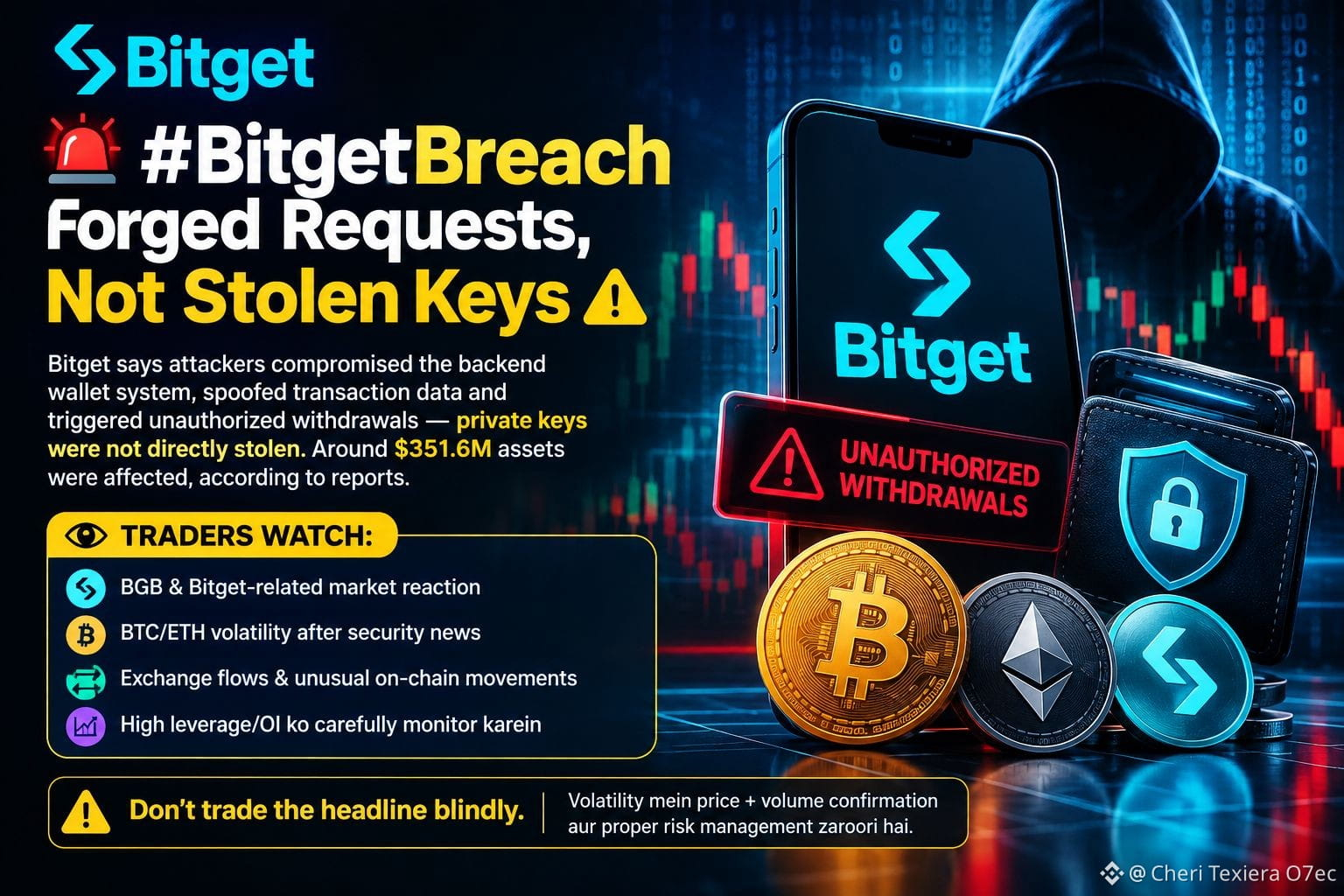
Bitget security incident has again highlighted the crypto market’s risk focus. According to the exchange, attackers compromised the backend wallet system, spoofed transaction data, and triggered unauthorized withdrawals — there is no claim that private keys were directly stolen. Approximately 351.6M assets are reported to be affected.
📊 Traders Watch:
• BGB & Bitget-related market reaction
• BTC/ETH volatility after security news
• Exchange flows & unusual on-chain movements
• Carefully monitor high leverage/OI
$NIL $CHIP $QNT
{future}(QNTUSDT)
{future}(CHIPUSDT)
{future}(NILUSDT)
#BitgetBreachForgedRequestsNotStolenKeys
Bitget security incident has again highlighted the crypto market’s risk focus. According to the exchange, attackers compromised the backend wallet system, spoofed transaction data, and triggered unauthorized withdrawals — there is no claim that private keys were directly stolen. Approximately 351.6M assets are reported to be affected.
📊 Traders Watch:
• BGB & Bitget-related market reaction
• BTC/ETH volatility after security news
• Exchange flows & unusual on-chain movements
• Carefully monitor high leverage/OI
$NIL $CHIP $QNT
Bitget security incident has again highlighted the crypto market’s risk focus. According to the exchange, attackers compromised the backend wallet system, spoofed transaction data, and triggered unauthorized withdrawals — there is no claim that private keys were directly stolen. Approximately 351.6M assets are reported to be affected.
📊 Traders Watch:
• BGB & Bitget-related market reaction
• BTC/ETH volatility after security news
• Exchange flows & unusual on-chain movements
• Carefully monitor high leverage/OI
$NIL $CHIP $QNT
75

#BitgetBreachForgedRequestsNotStolenKeys (Bitget Security Incident)
⚠️ $352M EXPLOIT CONCERNS & MARKET SAFETY! 🛡️
Reports are circulating regarding a $352M breach / forged request issue affecting Bitget. Security incidents like this serve as a critical reminder of why risk management and fund safety must always come first in crypto!
Whether you trade on CEXs or hold on cold storage, protecting your capital is Rule #1.
How do you manage your crypto storage risk during security headlines?
How do you manage your crypto storage risk during security headlines?
{future}(BTCUSDT)
💬 DROP YOUR COMMENT: What is your go-to security setup for trading and storage? Share your best security tips below! 🗣️
#CryptoSecurity #Bitget #BinanceSquare #Web3
👇 VOTE IN THE POLL BELOW! 👇
#BitgetBreachForgedRequestsNotStolenKeys (Bitget Security Incident)
⚠️ $352M EXPLOIT CONCERNS & MARKET SAFETY! 🛡️
Reports are circulating regarding a $352M breach / forged request issue affecting Bitget. Security incidents like this serve as a critical reminder of why risk management and fund safety must always come first in crypto!
Whether you trade on CEXs or hold on cold storage, protecting your capital is Rule #1.
How do you manage your crypto storage risk during security headlines?
How do you manage your crypto storage risk during security headlines?
💬 DROP YOUR COMMENT: What is your go-to security setup for trading and storage? Share your best security tips below! 🗣️
#CryptoSecurity #Bitget #BinanceSquare #Web3
👇 VOTE IN THE POLL BELOW! 👇
⚠️ $352M EXPLOIT CONCERNS & MARKET SAFETY! 🛡️
Reports are circulating regarding a $352M breach / forged request issue affecting Bitget. Security incidents like this serve as a critical reminder of why risk management and fund safety must always come first in crypto!
Whether you trade on CEXs or hold on cold storage, protecting your capital is Rule #1.
How do you manage your crypto storage risk during security headlines?
How do you manage your crypto storage risk during security headlines?
💬 DROP YOUR COMMENT: What is your go-to security setup for trading and storage? Share your best security tips below! 🗣️
#CryptoSecurity #Bitget #BinanceSquare #Web3
👇 VOTE IN THE POLL BELOW! 👇
Hardware / Cold Wallet 🔐
100%
Split across multiple CEXs 🏦
0%
100% on a single CEX 📱
0%
2 votes • Voting closed
69

·
--
#BitgetBreachForgedRequestsNotStolenKeys
🚨 Crypto Security Alert & Breakdown: Bitget Incident Clarification 🔐
There has been a lot of talk in the market about the Bitget breach. According to reports, this issue happened due to Forged Requests—not because private keys (Stolen Keys) were stolen.
📌 Key Takeaways & Lessons for Traders:
• API & System Security: Exchanges need to conduct continuous security audits and strengthen request validation checks.
• Not Stolen Keys: Securing private keys is a positive sign, but security loopholes can be risky everywhere.
• Fund Safety First: Whenever such news comes up about any exchange, keep 2FA active on your accounts and always take extra precautions.
💡 Pro Security Tip:
Keep your large capital in Self-Custody / Hardware Wallets at all times, and use exchanges only for active trading!
💬 What do you think?
Do you keep funds on exchanges or do you prefer Cold Wallets? Let us know in the comments below! 👇
#BitgetBreachForgedRequestsNotStolenKey #CryptoSecurity #BinanceSquare #Write2Earn
$bitget
#BitgetBreachForgedRequestsNotStolenKeys
🚨 Crypto Security Alert & Breakdown: Bitget Incident Clarification 🔐
There has been a lot of talk in the market about the Bitget breach. According to reports, this issue happened due to Forged Requests—not because private keys (Stolen Keys) were stolen.
📌 Key Takeaways & Lessons for Traders:
• API & System Security: Exchanges need to conduct continuous security audits and strengthen request validation checks.
• Not Stolen Keys: Securing private keys is a positive sign, but security loopholes can be risky everywhere.
• Fund Safety First: Whenever such news comes up about any exchange, keep 2FA active on your accounts and always take extra precautions.
💡 Pro Security Tip:
Keep your large capital in Self-Custody / Hardware Wallets at all times, and use exchanges only for active trading!
💬 What do you think?
Do you keep funds on exchanges or do you prefer Cold Wallets? Let us know in the comments below! 👇
#BitgetBreachForgedRequestsNotStolenKey #CryptoSecurity #BinanceSquare #Write2Earn
$bitget
🚨 Crypto Security Alert & Breakdown: Bitget Incident Clarification 🔐
There has been a lot of talk in the market about the Bitget breach. According to reports, this issue happened due to Forged Requests—not because private keys (Stolen Keys) were stolen.
📌 Key Takeaways & Lessons for Traders:
• API & System Security: Exchanges need to conduct continuous security audits and strengthen request validation checks.
• Not Stolen Keys: Securing private keys is a positive sign, but security loopholes can be risky everywhere.
• Fund Safety First: Whenever such news comes up about any exchange, keep 2FA active on your accounts and always take extra precautions.
💡 Pro Security Tip:
Keep your large capital in Self-Custody / Hardware Wallets at all times, and use exchanges only for active trading!
💬 What do you think?
Do you keep funds on exchanges or do you prefer Cold Wallets? Let us know in the comments below! 👇
#BitgetBreachForgedRequestsNotStolenKey #CryptoSecurity #BinanceSquare #Write2Earn
$bitget
56

·
--
UPDATE: Bitget says 🇰🇵North Korean hackers may be behind the $351.6M breach, citing IP addresses linked to VPN services previously used by a DPRK hacking group.
Attackers compromised a wallet-service backend to forge transfer data, but did not obtain wallet private keys.
Some stolen funds have already been recovered.#BitgetBreachForgedRequestsNotStolenKeys #BinanceSquare
UPDATE: Bitget says 🇰🇵North Korean hackers may be behind the $351.6M breach, citing IP addresses linked to VPN services previously used by a DPRK hacking group.
Attackers compromised a wallet-service backend to forge transfer data, but did not obtain wallet private keys.
Some stolen funds have already been recovered.#BitgetBreachForgedRequestsNotStolenKeys #BinanceSquare
Attackers compromised a wallet-service backend to forge transfer data, but did not obtain wallet private keys.
Some stolen funds have already been recovered.#BitgetBreachForgedRequestsNotStolenKeys #BinanceSquare

43

#BitgetBreachForgedRequestsNotStolenKeys
🚨 Bitget Breach Update: Forged Requests, Not Stolen Keys!
Crypto exchange Bitget recently suffered a massive $351.6 million security breach. However, CEO Gracy Chen confirmed that private keys were never stolen.
Instead, hackers infiltrated a backend wallet system, spoofing transaction data to push fake withdrawal requests through normal authorization channels. Think of it like slipping forged paperwork right through a teller window.
Cold storage remains entirely safe, and Bitget’s $464 million user protection fund completely covers the loss. While withdrawals are temporarily paused for security checks, trading and deposits continue normally. 🛡️📉
What are your thoughts on this backend attack vector?
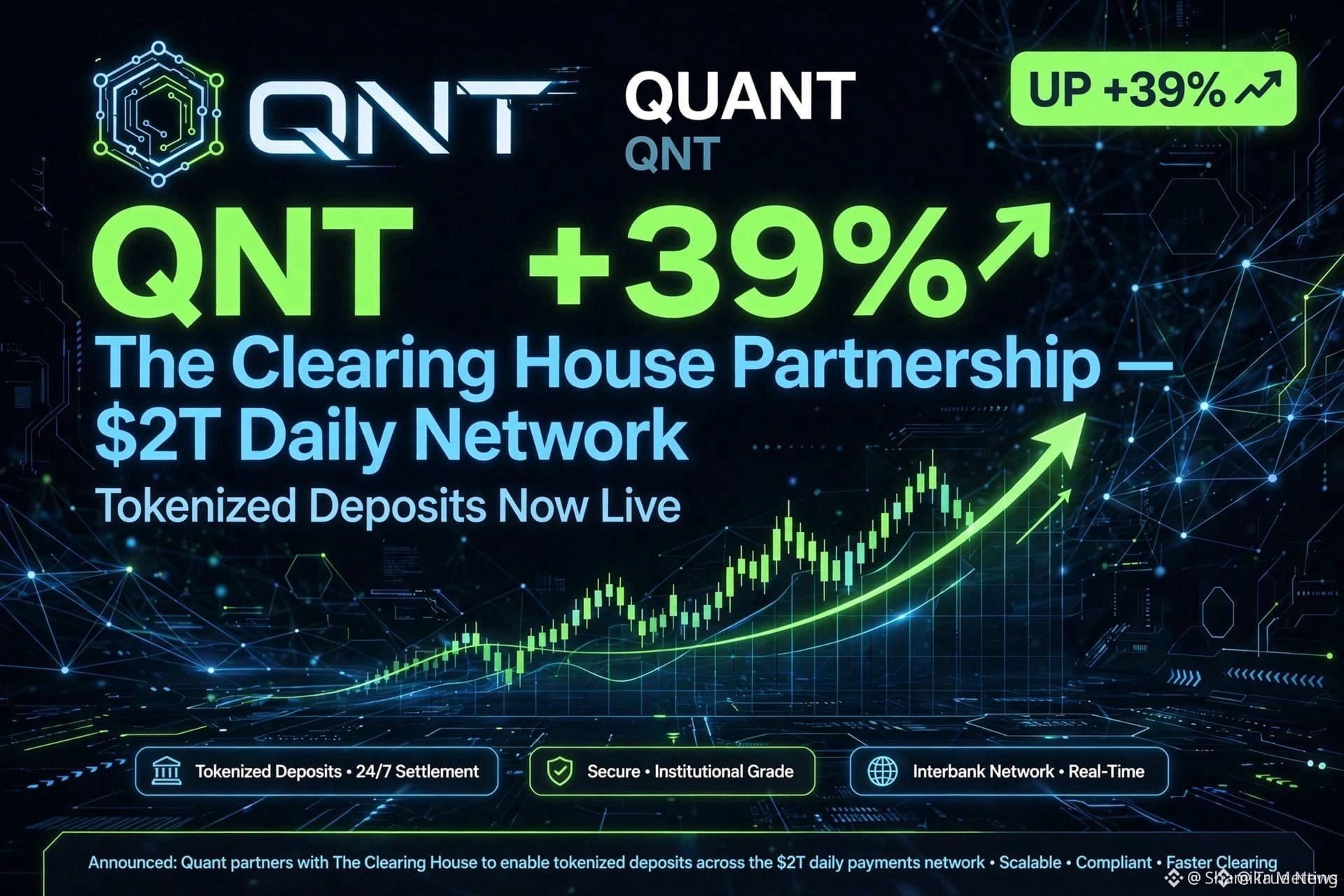
#QNTRises39%
#CFTCUpdatesGuidanceOnTokenizedAssets
#NYAndPolymarketSueEachOther
#Nadeemgujjar143
@Helen_Alek @Square-Creator-f3ffb6967ae3 @qpl5557
$BTC
{spot}(BTCUSDT)
$BNB
{spot}(BNBUSDT)
$ADA
{spot}(ADAUSDT)
#BitgetBreachForgedRequestsNotStolenKeys
🚨 Bitget Breach Update: Forged Requests, Not Stolen Keys!
Crypto exchange Bitget recently suffered a massive $351.6 million security breach. However, CEO Gracy Chen confirmed that private keys were never stolen.
Instead, hackers infiltrated a backend wallet system, spoofing transaction data to push fake withdrawal requests through normal authorization channels. Think of it like slipping forged paperwork right through a teller window.
Cold storage remains entirely safe, and Bitget’s $464 million user protection fund completely covers the loss. While withdrawals are temporarily paused for security checks, trading and deposits continue normally. 🛡️📉
What are your thoughts on this backend attack vector?
#QNTRises39%
#CFTCUpdatesGuidanceOnTokenizedAssets
#NYAndPolymarketSueEachOther
#Nadeemgujjar143
@HANI_Era @aasho @HK七匹狼
$BTC
$BNB
$ADA
🚨 Bitget Breach Update: Forged Requests, Not Stolen Keys!
Crypto exchange Bitget recently suffered a massive $351.6 million security breach. However, CEO Gracy Chen confirmed that private keys were never stolen.
Instead, hackers infiltrated a backend wallet system, spoofing transaction data to push fake withdrawal requests through normal authorization channels. Think of it like slipping forged paperwork right through a teller window.
Cold storage remains entirely safe, and Bitget’s $464 million user protection fund completely covers the loss. While withdrawals are temporarily paused for security checks, trading and deposits continue normally. 🛡️📉
What are your thoughts on this backend attack vector?
#QNTRises39%
#CFTCUpdatesGuidanceOnTokenizedAssets
#NYAndPolymarketSueEachOther
#Nadeemgujjar143
@HANI_Era @aasho @HK七匹狼
$BTC
$BNB
$ADA
3
202

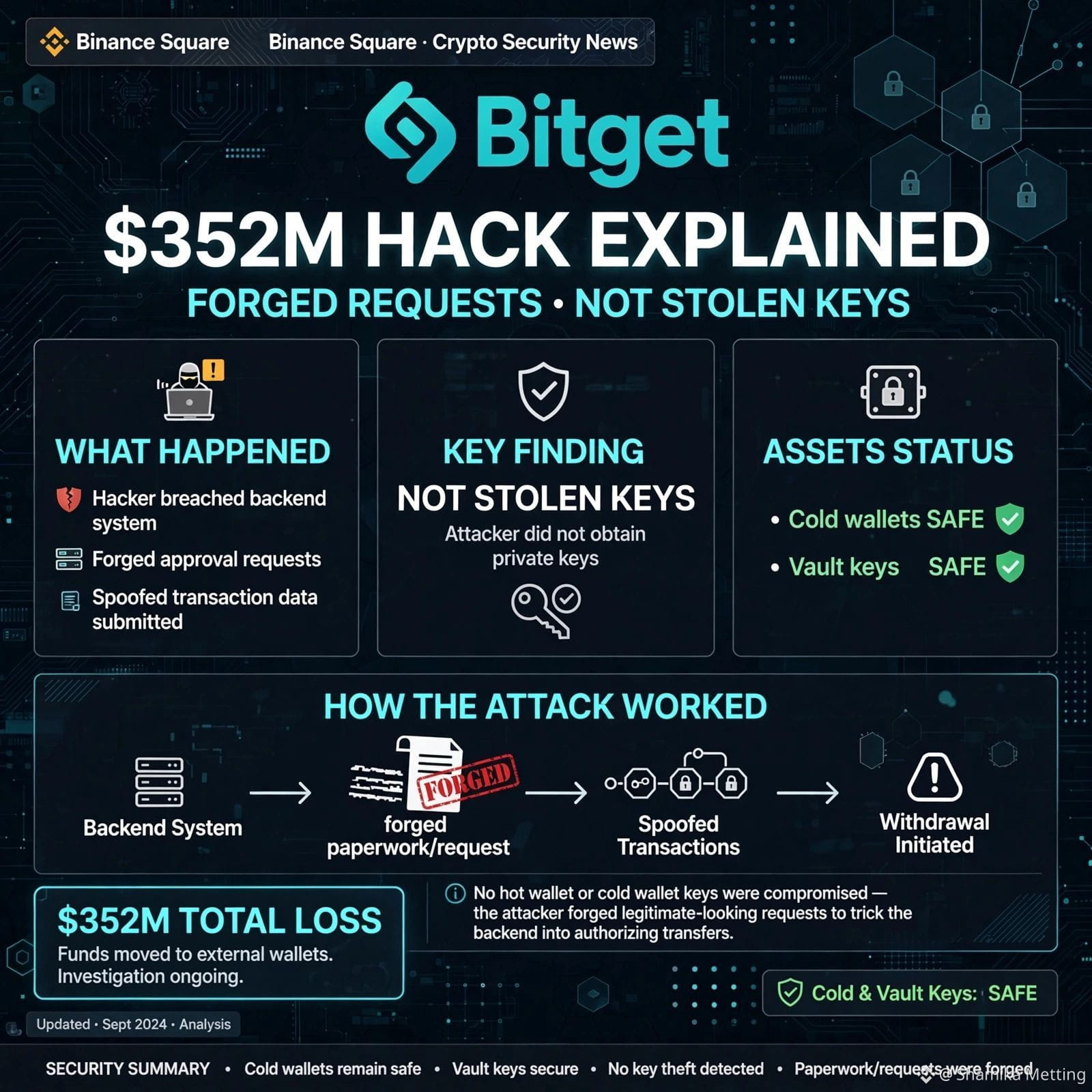
🚨 The $352 million Bitget breach explained: forged requests, not stolen keys!
Everyone is panicking about private keys. But Bitget’s CEO, Gracy Chen, confirmed something even more serious.
What actually happened:
❌ No private keys were stolen (the cold, hot, and warm wallets all remained safe)
❌ No forged withdrawal requests were made by users
✅ The attackers compromised a critical front-end and back-end system
✅ They forged transaction data
✅ They triggered Bitget’s authorization process to move $351.6 million
Think of it like this: “They didn’t break the safe—they forged the paperwork.” The safe keys never left the building; someone just created official-looking fake receipts.
Current status:
Detected at 18:31 UTC on September 24
Cold wallets are safe
The User Protection Fund of $464 million will cover the loss
The CEO links the attack to North Korea, using evidence from IP addresses
What do you think—should CEX platforms make their backend open source?
Please follow up
$AVAX $TRX $XRP
#Bitget #BitgetHack #CryptoSecurity #BreakingNews #BinanceSquare #bitgetbreachforgedrequestsnotstolenkeys
🚨 The $352 million Bitget breach explained: forged requests, not stolen keys!
Everyone is panicking about private keys. But Bitget’s CEO, Gracy Chen, confirmed something even more serious.
What actually happened:
❌ No private keys were stolen (the cold, hot, and warm wallets all remained safe)
❌ No forged withdrawal requests were made by users
✅ The attackers compromised a critical front-end and back-end system
✅ They forged transaction data
✅ They triggered Bitget’s authorization process to move $351.6 million
Think of it like this: “They didn’t break the safe—they forged the paperwork.” The safe keys never left the building; someone just created official-looking fake receipts.
Current status:
Detected at 18:31 UTC on September 24
Cold wallets are safe
The User Protection Fund of $464 million will cover the loss
The CEO links the attack to North Korea, using evidence from IP addresses
What do you think—should CEX platforms make their backend open source?
Please follow up
$AVAX $TRX $XRP
#Bitget #BitgetHack #CryptoSecurity #BreakingNews #BinanceSquare #bitgetbreachforgedrequestsnotstolenkeys
Everyone is panicking about private keys. But Bitget’s CEO, Gracy Chen, confirmed something even more serious.
What actually happened:
❌ No private keys were stolen (the cold, hot, and warm wallets all remained safe)
❌ No forged withdrawal requests were made by users
✅ The attackers compromised a critical front-end and back-end system
✅ They forged transaction data
✅ They triggered Bitget’s authorization process to move $351.6 million
Think of it like this: “They didn’t break the safe—they forged the paperwork.” The safe keys never left the building; someone just created official-looking fake receipts.
Current status:
Detected at 18:31 UTC on September 24
Cold wallets are safe
The User Protection Fund of $464 million will cover the loss
The CEO links the attack to North Korea, using evidence from IP addresses
What do you think—should CEX platforms make their backend open source?
Please follow up
$AVAX $TRX $XRP
#Bitget #BitgetHack #CryptoSecurity #BreakingNews #BinanceSquare #bitgetbreachforgedrequestsnotstolenkeys
4
15
25.5k

#BitgetBreachForgedRequestsNotStolenKeys
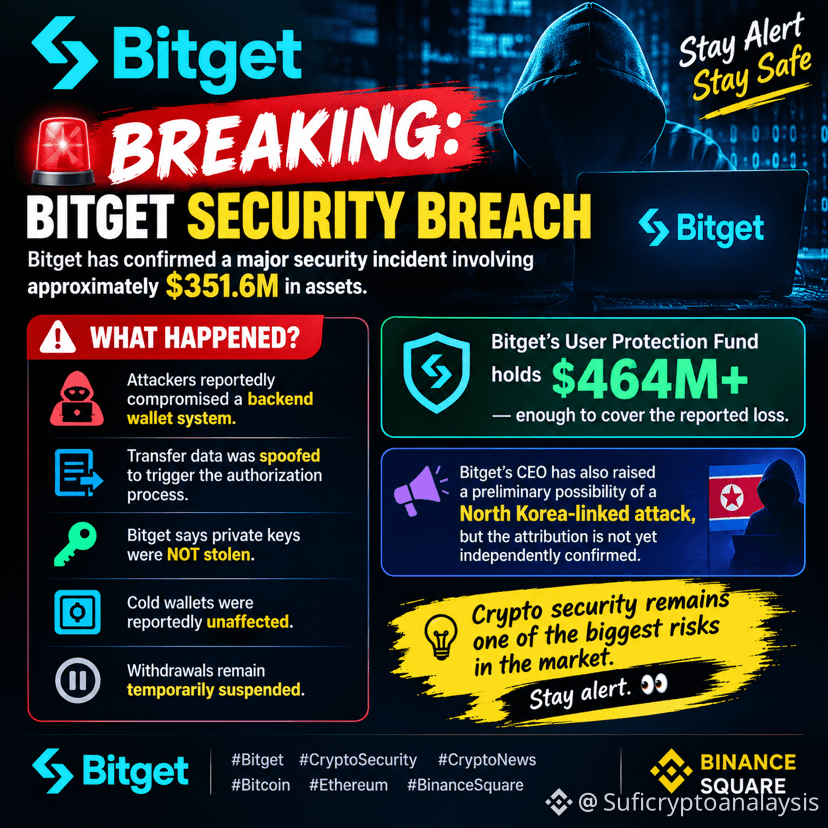
🚨 BREAKING: BITGET SECURITY BREACH 🚨
Bitget has confirmed a major security incident involving approximately $351.6M in assets.
🔴 What happened?
• Attackers reportedly compromised a backend wallet system
• Transfer data was spoofed to trigger the authorization process
• Bitget says private keys were NOT stolen
• Cold wallets were reportedly unaffected
• Withdrawals remain temporarily suspended
💰 Bitget says its User Protection Fund holds $464M+, enough to cover the reported loss.
⚠️ Bitget’s CEO has also raised a preliminary possibility of a North Korea-linked attack, but the attribution is not yet independently confirmed.
Crypto security remains one of the biggest risks in the market. Stay alert. 👀
#Bitget #CryptoSecurity #CryptoNews #Bitcoin #Ethereum #BinanceSquare
{spot}(BTCUSDT)
{spot}(NOTUSDT)
{spot}(ZECUSDT)
#BitgetBreachForgedRequestsNotStolenKeys
🚨 BREAKING: BITGET SECURITY BREACH 🚨
Bitget has confirmed a major security incident involving approximately $351.6M in assets.
🔴 What happened?
• Attackers reportedly compromised a backend wallet system
• Transfer data was spoofed to trigger the authorization process
• Bitget says private keys were NOT stolen
• Cold wallets were reportedly unaffected
• Withdrawals remain temporarily suspended
💰 Bitget says its User Protection Fund holds $464M+, enough to cover the reported loss.
⚠️ Bitget’s CEO has also raised a preliminary possibility of a North Korea-linked attack, but the attribution is not yet independently confirmed.
Crypto security remains one of the biggest risks in the market. Stay alert. 👀
#Bitget #CryptoSecurity #CryptoNews #Bitcoin #Ethereum #BinanceSquare
🚨 BREAKING: BITGET SECURITY BREACH 🚨
Bitget has confirmed a major security incident involving approximately $351.6M in assets.
🔴 What happened?
• Attackers reportedly compromised a backend wallet system
• Transfer data was spoofed to trigger the authorization process
• Bitget says private keys were NOT stolen
• Cold wallets were reportedly unaffected
• Withdrawals remain temporarily suspended
💰 Bitget says its User Protection Fund holds $464M+, enough to cover the reported loss.
⚠️ Bitget’s CEO has also raised a preliminary possibility of a North Korea-linked attack, but the attribution is not yet independently confirmed.
Crypto security remains one of the biggest risks in the market. Stay alert. 👀
#Bitget #CryptoSecurity #CryptoNews #Bitcoin #Ethereum #BinanceSquare
47

·
--
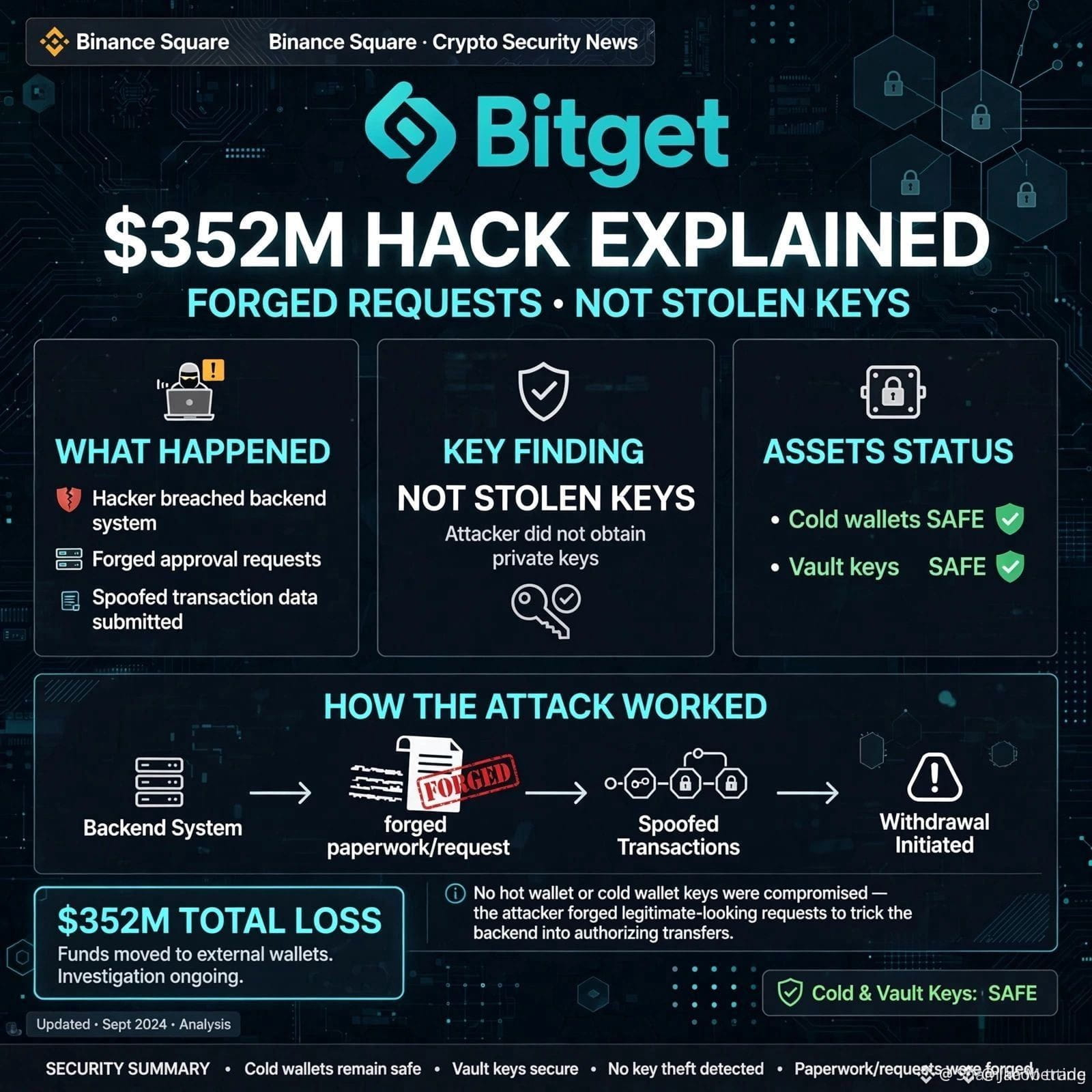
🚨 Details on the $352 million Bitget compromise: falsified requests, not stolen keys!
Everyone is panicking about private keys. But Bitget’s CEO, Gracy Chen, confirmed something even more worrying.
What actually happened:
❌ Private keys (cold, hot, and warm—stored in secure vaults) were not stolen
❌ Users’ withdrawal requests were not forged
✅ The attackers compromised a crucial vital system in the background (backend)
✅ They falsified transaction data
✅ They triggered Bitget’s authorization process to transfer $351.6 million
Imagine the situation like this: “They didn’t break into the vault—they forged the paperwork.” The vault keys never left the building; someone simply created official forged receipts.
Current situation:
Detected at 18:31 UTC on September 24
Cold wallets are secured
The $464 million User Protection Fund will cover the value of the loss
The CEO links the attack to connections coming from North Korea, based on clues drawn from IP addresses
And you—do you think CEX platforms should make their backend open source?
#BitgetBreachForgedRequestsNotStolenKeys #BinanceSquare #CryptoNews #Cybersecurity
$PHA
{future}(PHAUSDT)
$BTW
{future}(BTWUSDT)
$ARK
{future}(ARKUSDT)
🚨 Details on the $352 million Bitget compromise: falsified requests, not stolen keys!
Everyone is panicking about private keys. But Bitget’s CEO, Gracy Chen, confirmed something even more worrying.
What actually happened:
❌ Private keys (cold, hot, and warm—stored in secure vaults) were not stolen
❌ Users’ withdrawal requests were not forged
✅ The attackers compromised a crucial vital system in the background (backend)
✅ They falsified transaction data
✅ They triggered Bitget’s authorization process to transfer $351.6 million
Imagine the situation like this: “They didn’t break into the vault—they forged the paperwork.” The vault keys never left the building; someone simply created official forged receipts.
Current situation:
Detected at 18:31 UTC on September 24
Cold wallets are secured
The $464 million User Protection Fund will cover the value of the loss
The CEO links the attack to connections coming from North Korea, based on clues drawn from IP addresses
And you—do you think CEX platforms should make their backend open source?
#BitgetBreachForgedRequestsNotStolenKeys #BinanceSquare #CryptoNews #Cybersecurity
$PHA
$BTW
$ARK
Everyone is panicking about private keys. But Bitget’s CEO, Gracy Chen, confirmed something even more worrying.
What actually happened:
❌ Private keys (cold, hot, and warm—stored in secure vaults) were not stolen
❌ Users’ withdrawal requests were not forged
✅ The attackers compromised a crucial vital system in the background (backend)
✅ They falsified transaction data
✅ They triggered Bitget’s authorization process to transfer $351.6 million
Imagine the situation like this: “They didn’t break into the vault—they forged the paperwork.” The vault keys never left the building; someone simply created official forged receipts.
Current situation:
Detected at 18:31 UTC on September 24
Cold wallets are secured
The $464 million User Protection Fund will cover the value of the loss
The CEO links the attack to connections coming from North Korea, based on clues drawn from IP addresses
And you—do you think CEX platforms should make their backend open source?
#BitgetBreachForgedRequestsNotStolenKeys #BinanceSquare #CryptoNews #Cybersecurity
$PHA
$BTW
$ARK
261

·
--
Recent discussions highlight a security incident at Bitget where forged requests, rather than stolen private keys, were the vector of attack. This distinction is crucial for understanding the nature of the breach and the effectiveness of current security protocols. While any breach is concerning, the fact that private keys remained secure suggests the core infrastructure might be more robust than initially feared. However, the ability to execute forged requests points to potential vulnerabilities in user verification, API integrations, or internal procedural controls that need immediate and thorough investigation. The market will be watching closely to see how Bitget addresses these issues and reinforces its systems to prevent recurrence. This event underscores the ongoing challenges in maintaining absolute security in the digital asset space, even for established platforms.
Disclaimer: This content is for informational purposes only and does not constitute investment advice.
#BitgetBreachForgedRequestsNotStolenKeys
Recent discussions highlight a security incident at Bitget where forged requests, rather than stolen private keys, were the vector of attack. This distinction is crucial for understanding the nature of the breach and the effectiveness of current security protocols. While any breach is concerning, the fact that private keys remained secure suggests the core infrastructure might be more robust than initially feared. However, the ability to execute forged requests points to potential vulnerabilities in user verification, API integrations, or internal procedural controls that need immediate and thorough investigation. The market will be watching closely to see how Bitget addresses these issues and reinforces its systems to prevent recurrence. This event underscores the ongoing challenges in maintaining absolute security in the digital asset space, even for established platforms.
Disclaimer: This content is for informational purposes only and does not constitute investment advice.
#BitgetBreachForgedRequestsNotStolenKeys
Disclaimer: This content is for informational purposes only and does not constitute investment advice.
#BitgetBreachForgedRequestsNotStolenKeys
1
25

·
--
Bearish
#BitgetBreachForgedRequestsNotStolenKeys
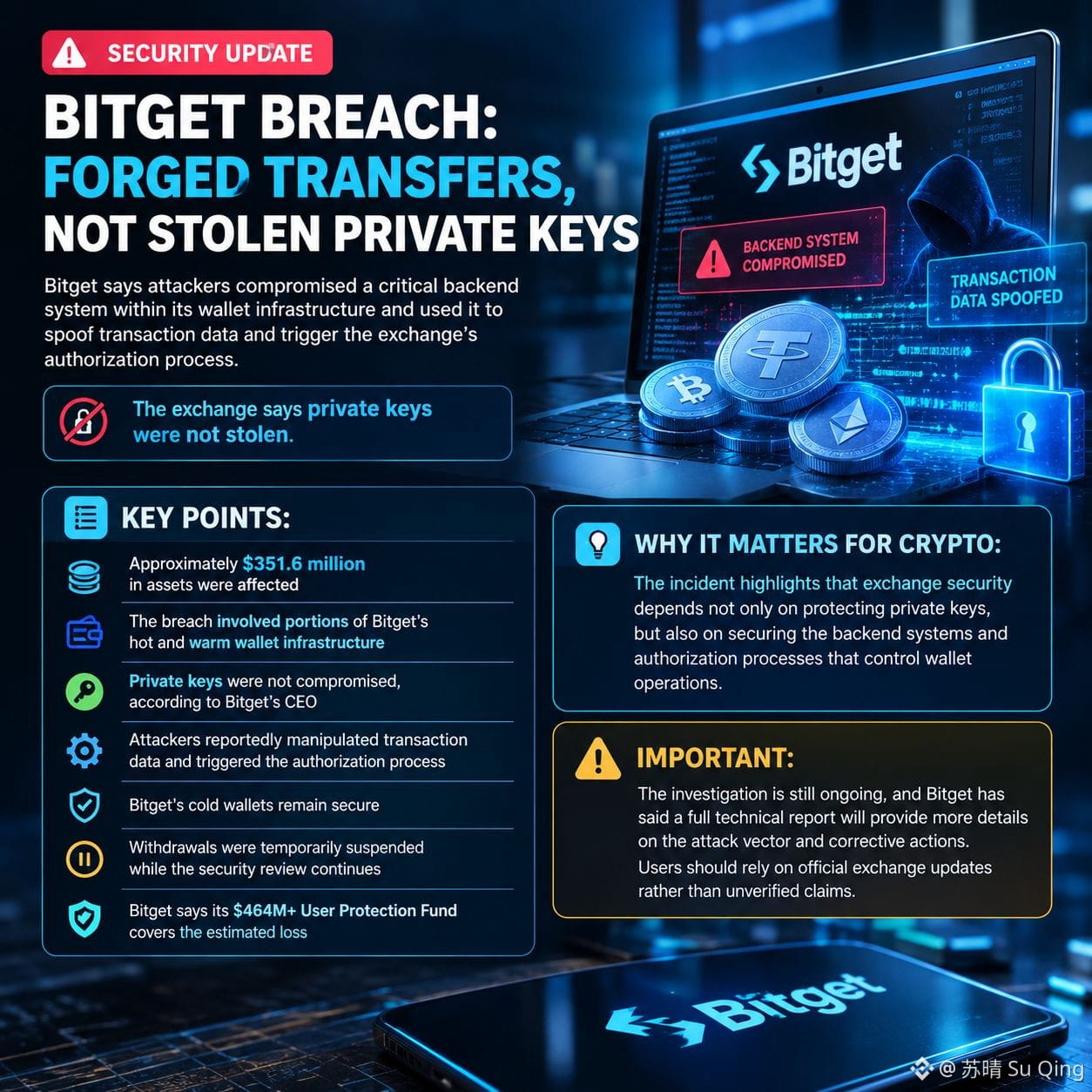
🚨 BITGET BREACH: FORGED TRANSFERS, NOT STOLEN PRIVATE KEYS
Bitget says attackers compromised a critical backend system within its wallet infrastructure and used it to spoof transaction data and trigger the exchange’s authorization process.
The exchange says private keys were not stolen.
📊 Key points:
• Approximately $351.6 million in assets were affected
• The breach involved portions of Bitget’s hot and warm wallet infrastructure
• Private keys were not compromised, according to Bitget’s CEO
• Attackers reportedly manipulated transaction data and triggered the authorization process
• Bitget’s cold wallets remain secure
• Withdrawals were temporarily suspended while the security review continues
• Bitget says its $464M+ User Protection Fund covers the estimated loss
🔎 Why it matters for crypto:
The incident highlights that exchange security depends not only on protecting private keys, but also on securing the backend systems and authorization processes that control wallet operations.
⚠️ Important:
The investigation is still ongoing, and Bitget has said a full technical report will provide more details on the attack vector and corrective actions. Users should rely on official exchange updates rather than unverified claims.
$SAGA
{future}(SAGAUSDT)
$TUT
{future}(TUTUSDT)
$LSK
{future}(LSKUSDT)
#BitgetBreachForgedRequestsNotStolenKeys
🚨 BITGET BREACH: FORGED TRANSFERS, NOT STOLEN PRIVATE KEYS
Bitget says attackers compromised a critical backend system within its wallet infrastructure and used it to spoof transaction data and trigger the exchange’s authorization process.
The exchange says private keys were not stolen.
📊 Key points:
• Approximately $351.6 million in assets were affected
• The breach involved portions of Bitget’s hot and warm wallet infrastructure
• Private keys were not compromised, according to Bitget’s CEO
• Attackers reportedly manipulated transaction data and triggered the authorization process
• Bitget’s cold wallets remain secure
• Withdrawals were temporarily suspended while the security review continues
• Bitget says its $464M+ User Protection Fund covers the estimated loss
🔎 Why it matters for crypto:
The incident highlights that exchange security depends not only on protecting private keys, but also on securing the backend systems and authorization processes that control wallet operations.
⚠️ Important:
The investigation is still ongoing, and Bitget has said a full technical report will provide more details on the attack vector and corrective actions. Users should rely on official exchange updates rather than unverified claims.
$SAGA
$TUT
$LSK
🚨 BITGET BREACH: FORGED TRANSFERS, NOT STOLEN PRIVATE KEYS
Bitget says attackers compromised a critical backend system within its wallet infrastructure and used it to spoof transaction data and trigger the exchange’s authorization process.
The exchange says private keys were not stolen.
📊 Key points:
• Approximately $351.6 million in assets were affected
• The breach involved portions of Bitget’s hot and warm wallet infrastructure
• Private keys were not compromised, according to Bitget’s CEO
• Attackers reportedly manipulated transaction data and triggered the authorization process
• Bitget’s cold wallets remain secure
• Withdrawals were temporarily suspended while the security review continues
• Bitget says its $464M+ User Protection Fund covers the estimated loss
🔎 Why it matters for crypto:
The incident highlights that exchange security depends not only on protecting private keys, but also on securing the backend systems and authorization processes that control wallet operations.
⚠️ Important:
The investigation is still ongoing, and Bitget has said a full technical report will provide more details on the attack vector and corrective actions. Users should rely on official exchange updates rather than unverified claims.
$SAGA
$TUT
$LSK
967

·
--
#bitgetbreachforgedrequestsnotstolenkeys
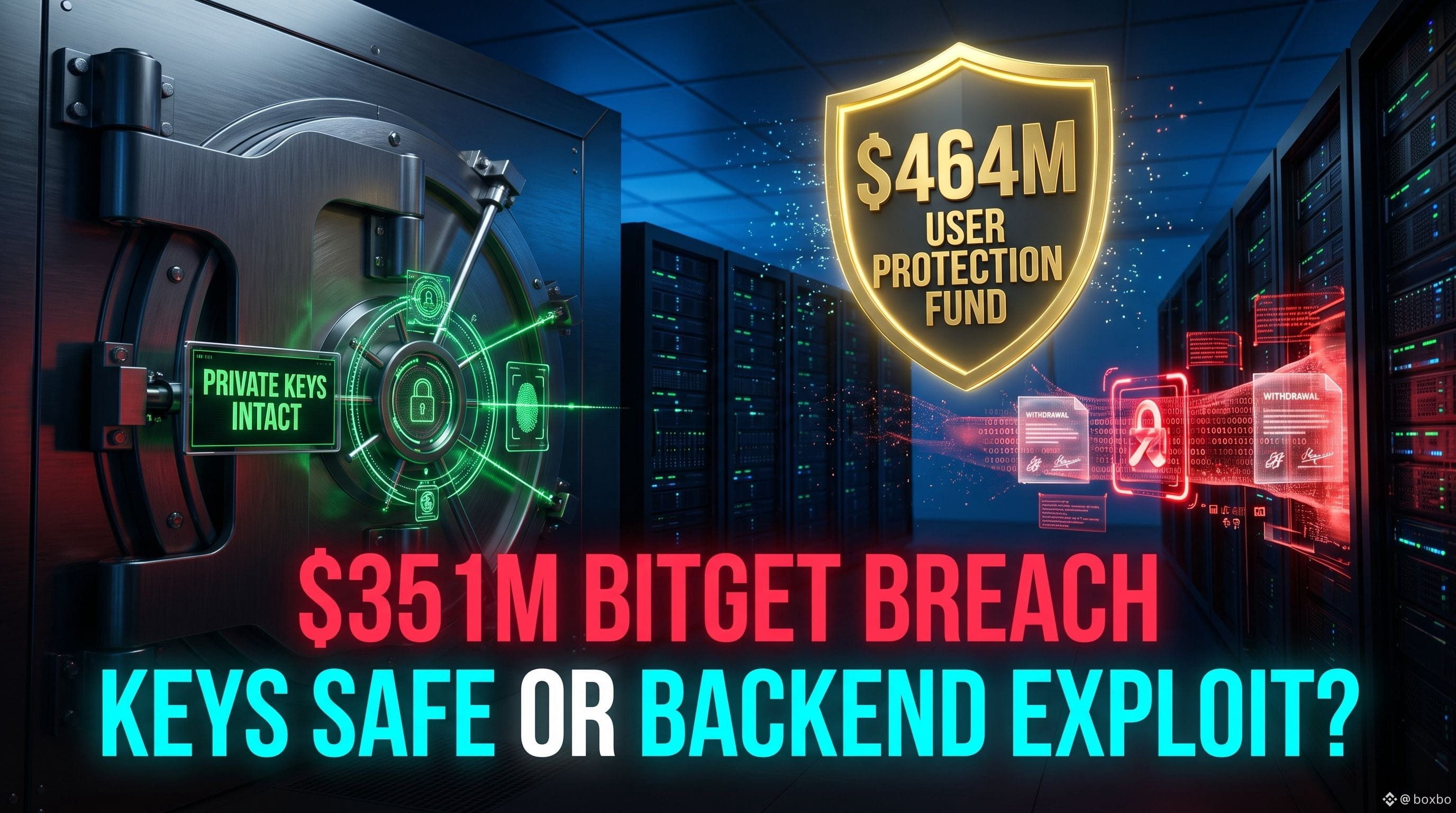
Infrastructure Hijack: How Bitget Lost $351.6 Million Without Losing Private Keys $BTC
{spot}(BTCUSDT)
Bitget suffered a $351.6 million security breach affecting its hot and warm wallet layers, but CEO Gracy Chen confirmed that cryptographic private keys were never compromised. Instead, attackers infiltrated a core backend system within the exchange's wallet infrastructure, allowing them to forge fraudulent withdrawal requests and trick the automated authorization process into signing and executing unauthorized transfers. Because private keys remained intact, cold storage assets were unaffected, preventing a complete platform drain. From a risk perspective, Bitget's $464 million User Protection Fund covers 100% of the stolen capital; however, while trading and deposits remain open, withdrawals have been temporarily frozen pending a full system audit. This incident highlights a growing security shift: modern exchange vulnerabilities are increasingly targeting API workflows and backend authorization pipelines rather than raw private key theft. $BNB
{spot}(BNBUSDT)
#bitgetbreachforgedrequestsnotstolenkeys
Infrastructure Hijack: How Bitget Lost $351.6 Million Without Losing Private Keys $BTC
Bitget suffered a $351.6 million security breach affecting its hot and warm wallet layers, but CEO Gracy Chen confirmed that cryptographic private keys were never compromised. Instead, attackers infiltrated a core backend system within the exchange's wallet infrastructure, allowing them to forge fraudulent withdrawal requests and trick the automated authorization process into signing and executing unauthorized transfers. Because private keys remained intact, cold storage assets were unaffected, preventing a complete platform drain. From a risk perspective, Bitget's $464 million User Protection Fund covers 100% of the stolen capital; however, while trading and deposits remain open, withdrawals have been temporarily frozen pending a full system audit. This incident highlights a growing security shift: modern exchange vulnerabilities are increasingly targeting API workflows and backend authorization pipelines rather than raw private key theft. $BNB
Infrastructure Hijack: How Bitget Lost $351.6 Million Without Losing Private Keys $BTC
Bitget suffered a $351.6 million security breach affecting its hot and warm wallet layers, but CEO Gracy Chen confirmed that cryptographic private keys were never compromised. Instead, attackers infiltrated a core backend system within the exchange's wallet infrastructure, allowing them to forge fraudulent withdrawal requests and trick the automated authorization process into signing and executing unauthorized transfers. Because private keys remained intact, cold storage assets were unaffected, preventing a complete platform drain. From a risk perspective, Bitget's $464 million User Protection Fund covers 100% of the stolen capital; however, while trading and deposits remain open, withdrawals have been temporarily frozen pending a full system audit. This incident highlights a growing security shift: modern exchange vulnerabilities are increasingly targeting API workflows and backend authorization pipelines rather than raw private key theft. $BNB
2
3.8k

·
--
Bullish
#bitgetbreachforgedrequestsnotstolenkeys
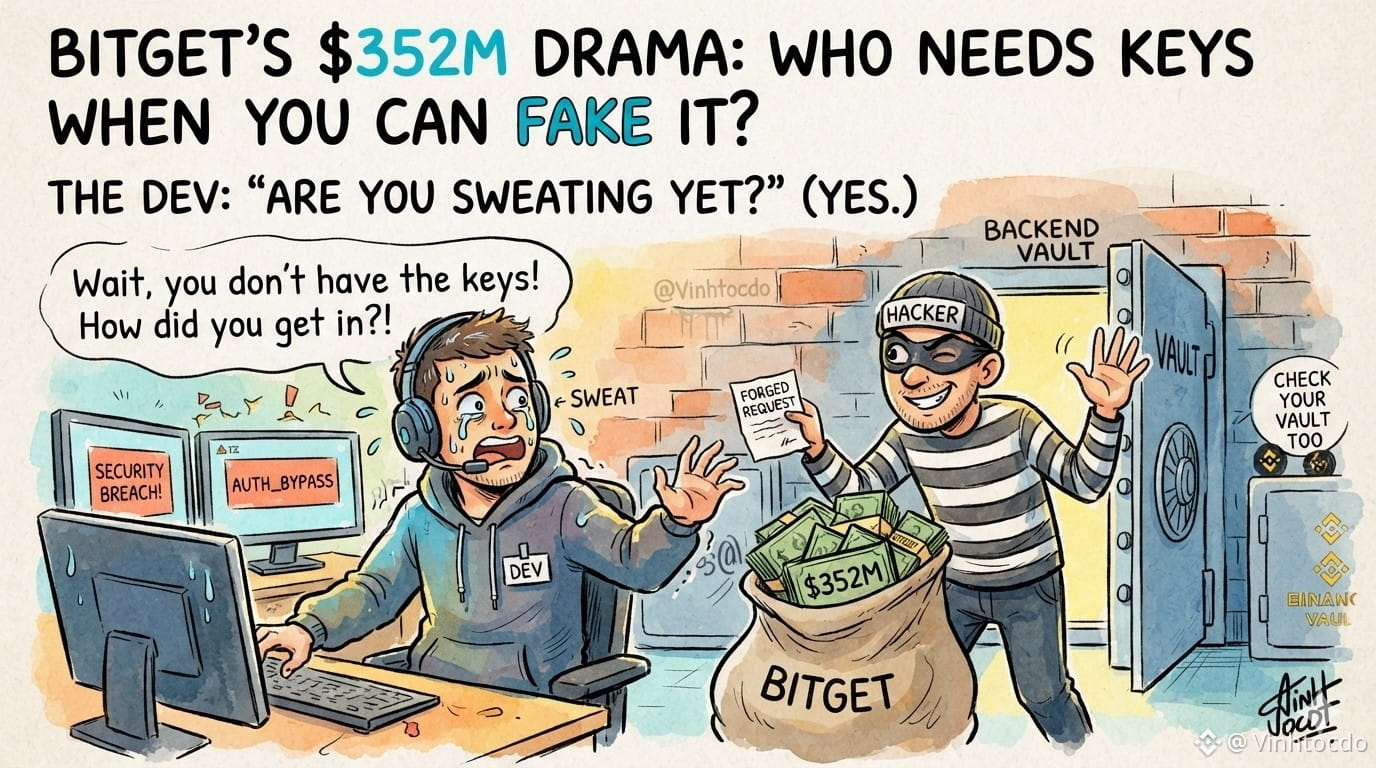
Bitget’s $352M drama: Forged requests, not stolen keys! Devs, are you sweating yet? 🤦♂️🛡️
So, Bitget spilled the tea on their recent hack! The attackers didn't steal their private keys; they simply outsmarted the backend system by forging transaction requests! It’s like a thief walking into a bank with a perfectly forged signature from the manager, and the vault just opened itself! 🏦🔑
This is a massive wake-up call for all blockchain devs and major exchanges, including Binance, to double-check their backend security infrastructure before another exploiter gets creative! 💻💥
What should smart traders do? 🛠️
📌 Keep your guard up: Don't put all your funds into a single exchange.
🛡️ Diversify your assets: Spread your portfolio into trusted tokens to minimize potential platform risks.
Disclaimer: This is personal opinion, not financial advice.
👇 Click and trade below to support me:
💰 $BNB
{future}(BNBUSDT)
| 💰 $BTC
{future}(BTCUSDT)
| 💰 $ETH
{future}(ETHUSDT)
📌 Referral Code: VINHTOCDO
🔗 Join Binance: [https://www.binance.com/register?ref=VINHTOCDO](https://www.binance.com/register?ref=VINHTOCDO)
#BitgetBreach #CryptoSecurity #BackendHacks #VINHTOCDO #TradingSafety #CryptoNews
#bitgetbreachforgedrequestsnotstolenkeys
Bitget’s $352M drama: Forged requests, not stolen keys! Devs, are you sweating yet? 🤦♂️🛡️
So, Bitget spilled the tea on their recent hack! The attackers didn't steal their private keys; they simply outsmarted the backend system by forging transaction requests! It’s like a thief walking into a bank with a perfectly forged signature from the manager, and the vault just opened itself! 🏦🔑
This is a massive wake-up call for all blockchain devs and major exchanges, including Binance, to double-check their backend security infrastructure before another exploiter gets creative! 💻💥
What should smart traders do? 🛠️
📌 Keep your guard up: Don't put all your funds into a single exchange.
🛡️ Diversify your assets: Spread your portfolio into trusted tokens to minimize potential platform risks.
Disclaimer: This is personal opinion, not financial advice.
👇 Click and trade below to support me:
💰 $BNB
| 💰 $BTC
| 💰 $ETH
📌 Referral Code: VINHTOCDO
🔗 Join Binance: https://www.binance.com/register?ref=VINHTOCDO
#BitgetBreach #CryptoSecurity #BackendHacks #VINHTOCDO #TradingSafety #CryptoNews
Bitget’s $352M drama: Forged requests, not stolen keys! Devs, are you sweating yet? 🤦♂️🛡️
So, Bitget spilled the tea on their recent hack! The attackers didn't steal their private keys; they simply outsmarted the backend system by forging transaction requests! It’s like a thief walking into a bank with a perfectly forged signature from the manager, and the vault just opened itself! 🏦🔑
This is a massive wake-up call for all blockchain devs and major exchanges, including Binance, to double-check their backend security infrastructure before another exploiter gets creative! 💻💥
What should smart traders do? 🛠️
📌 Keep your guard up: Don't put all your funds into a single exchange.
🛡️ Diversify your assets: Spread your portfolio into trusted tokens to minimize potential platform risks.
Disclaimer: This is personal opinion, not financial advice.
👇 Click and trade below to support me:
💰 $BNB
| 💰 $BTC
| 💰 $ETH
📌 Referral Code: VINHTOCDO
🔗 Join Binance: https://www.binance.com/register?ref=VINHTOCDO
#BitgetBreach #CryptoSecurity #BackendHacks #VINHTOCDO #TradingSafety #CryptoNews
2
94

·
--
#BitgetBreachForgedRequestsNotStolenKeys
Bitget Breach Used Forged Transfer Requests, Not Stolen Private Keys
Cryptocurrency exchange Bitget says attackers behind its $351.6 million security breach did not steal the exchange’s private keys. Instead, the attackers compromised a critical backend system within Bitget’s wallet infrastructure and used it to spoof transaction data and trigger the exchange’s own authorization process. �
TokenPost +1
The incident was detected on September 24, 2026, after unauthorized transfers were identified from parts of Bitget’s hot and warm wallets. The exchange said its cold wallets remained secure, while deposits and trading continued operating normally. Withdrawals were temporarily suspended during the investigation. �
BleepingComputer
Bitget CEO Gracy Chen said the attackers did not forge individual customer withdrawal requests and did not obtain private keys from the exchange’s cold, hot or warm wallets. The precise method used to initially penetrate the backend system remains under investigation. �
Cointelegraph
Bitget estimates that approximately $351.6 million in assets were affected across several networks and says its User Protection Fund holds more than $464 million, which the company says is sufficient to cover the reported loss. �
BleepingComputer
The company has also reported preliminary indicators potentially connecting the attack to North Korean hacking activity, but that attribution remains under investigation rather than being independently established. �
TokenPost
The breach highlights a different security risk from conventional private-key theft: compromising the systems that generate and authorize legitimate-looking transactions can allow attackers to exploit existing signing infrastructure without directly obtaining the underlying keys.$GOOGL.US $NVDAB
#BitgetBreachForgedRequestsNotStolenKeys
Bitget Breach Used Forged Transfer Requests, Not Stolen Private Keys
Cryptocurrency exchange Bitget says attackers behind its $351.6 million security breach did not steal the exchange’s private keys. Instead, the attackers compromised a critical backend system within Bitget’s wallet infrastructure and used it to spoof transaction data and trigger the exchange’s own authorization process. �
TokenPost +1
The incident was detected on September 24, 2026, after unauthorized transfers were identified from parts of Bitget’s hot and warm wallets. The exchange said its cold wallets remained secure, while deposits and trading continued operating normally. Withdrawals were temporarily suspended during the investigation. �
BleepingComputer
Bitget CEO Gracy Chen said the attackers did not forge individual customer withdrawal requests and did not obtain private keys from the exchange’s cold, hot or warm wallets. The precise method used to initially penetrate the backend system remains under investigation. �
Cointelegraph
Bitget estimates that approximately $351.6 million in assets were affected across several networks and says its User Protection Fund holds more than $464 million, which the company says is sufficient to cover the reported loss. �
BleepingComputer
The company has also reported preliminary indicators potentially connecting the attack to North Korean hacking activity, but that attribution remains under investigation rather than being independently established. �
TokenPost
The breach highlights a different security risk from conventional private-key theft: compromising the systems that generate and authorize legitimate-looking transactions can allow attackers to exploit existing signing infrastructure without directly obtaining the underlying keys.$GOOGL.US $NVDAB
Bitget Breach Used Forged Transfer Requests, Not Stolen Private Keys
Cryptocurrency exchange Bitget says attackers behind its $351.6 million security breach did not steal the exchange’s private keys. Instead, the attackers compromised a critical backend system within Bitget’s wallet infrastructure and used it to spoof transaction data and trigger the exchange’s own authorization process. �
TokenPost +1
The incident was detected on September 24, 2026, after unauthorized transfers were identified from parts of Bitget’s hot and warm wallets. The exchange said its cold wallets remained secure, while deposits and trading continued operating normally. Withdrawals were temporarily suspended during the investigation. �
BleepingComputer
Bitget CEO Gracy Chen said the attackers did not forge individual customer withdrawal requests and did not obtain private keys from the exchange’s cold, hot or warm wallets. The precise method used to initially penetrate the backend system remains under investigation. �
Cointelegraph
Bitget estimates that approximately $351.6 million in assets were affected across several networks and says its User Protection Fund holds more than $464 million, which the company says is sufficient to cover the reported loss. �
BleepingComputer
The company has also reported preliminary indicators potentially connecting the attack to North Korean hacking activity, but that attribution remains under investigation rather than being independently established. �
TokenPost
The breach highlights a different security risk from conventional private-key theft: compromising the systems that generate and authorize legitimate-looking transactions can allow attackers to exploit existing signing infrastructure without directly obtaining the underlying keys.$GOOGL.US $NVDAB
NVDAB-5.32%
GOOGLUS+1.85%
1
33

·
--
Bitget Reveals a Security Incident of $351.6 Million
Bitget reports that on September 24, 2026 at 18:31 UTC, its security system detected an unauthorized transfer involving a number of hot wallets.
🔹 Total assets affected: approximately $351.6 million
🔹 Bitget’s cold wallet and most of the platform’s assets remain safe
🔹 Bitget states that users’ funds are protected
🔹 The incident is covered by Bitget’s User Protection Fund, which is currently worth more than $464 million
🔹 Bitget’s security team has activated emergency response procedures and is conducting a full investigation
#Bitge #Crypto #Binance #Bitcoin .#BitgetBreachForgedRequestsNotStolenKeys
$BABY
{future}(BABYUSDT)
$BTC
{future}(BTCUSDT)
Bitget Reveals a Security Incident of $351.6 Million
Bitget reports that on September 24, 2026 at 18:31 UTC, its security system detected an unauthorized transfer involving a number of hot wallets.
🔹 Total assets affected: approximately $351.6 million
🔹 Bitget’s cold wallet and most of the platform’s assets remain safe
🔹 Bitget states that users’ funds are protected
🔹 The incident is covered by Bitget’s User Protection Fund, which is currently worth more than $464 million
🔹 Bitget’s security team has activated emergency response procedures and is conducting a full investigation
#Bitge #Crypto #Binance #Bitcoin .#BitgetBreachForgedRequestsNotStolenKeys
$BABY
$BTC
Bitget reports that on September 24, 2026 at 18:31 UTC, its security system detected an unauthorized transfer involving a number of hot wallets.
🔹 Total assets affected: approximately $351.6 million
🔹 Bitget’s cold wallet and most of the platform’s assets remain safe
🔹 Bitget states that users’ funds are protected
🔹 The incident is covered by Bitget’s User Protection Fund, which is currently worth more than $464 million
🔹 Bitget’s security team has activated emergency response procedures and is conducting a full investigation
#Bitge #Crypto #Binance #Bitcoin .#BitgetBreachForgedRequestsNotStolenKeys
$BABY
$BTC

489

·
--
Bitget suffered a hack of more than $350M in its hot wallets!!😵
Exchange security is back at the center of the debate. Bitget reported a critical security breach in its internal authorization systems that compromised several of its hot wallets.
Multiple unauthorized transfers were detected following manipulation of the internal authorization system.
About $351.6 million was drained across various assets ($ETH $USDT, $USDC, $BNB $AVAX and $XAUT). These were quickly bridged and mixed on-chain.
Bitget’s directive confirmed that the cold reserves (cold wallets) were not compromised. They also announced that the losses will be covered 100% through their User Protection Fund (valued at ~$464M).
Withdrawals were temporarily paused as a precaution while the forensic audit concludes, although trading operations and deposits remain active.
On-chain analysts and sources linked to the investigation point to possible advanced international cybercrime groups (with patterns similar to North Korean attacks). A detailed technical report is expected within the next few hours.
Events like this remind us of the golden rule in crypto: "Not your keys, not your coins". Do you leave your funds on CEXs or transfer the gains directly to the cold wallet?
I’m reading your comments—please don’t burn your accounts plsss!
I love you❤️
#BitgetBreachForgedRequestsNotStolenKeys #BinanceSquare #Web3Revolution #CyberSecurity
Bitget suffered a hack of more than $350M in its hot wallets!!😵
Exchange security is back at the center of the debate. Bitget reported a critical security breach in its internal authorization systems that compromised several of its hot wallets.
Multiple unauthorized transfers were detected following manipulation of the internal authorization system.
About $351.6 million was drained across various assets ($ETH $USDT, $USDC, $BNB $AVAX and $XAUT). These were quickly bridged and mixed on-chain.
Bitget’s directive confirmed that the cold reserves (cold wallets) were not compromised. They also announced that the losses will be covered 100% through their User Protection Fund (valued at ~$464M).
Withdrawals were temporarily paused as a precaution while the forensic audit concludes, although trading operations and deposits remain active.
On-chain analysts and sources linked to the investigation point to possible advanced international cybercrime groups (with patterns similar to North Korean attacks). A detailed technical report is expected within the next few hours.
Events like this remind us of the golden rule in crypto: "Not your keys, not your coins". Do you leave your funds on CEXs or transfer the gains directly to the cold wallet?
I’m reading your comments—please don’t burn your accounts plsss!
I love you❤️
#BitgetBreachForgedRequestsNotStolenKeys #BinanceSquare #Web3Revolution #CyberSecurity
Exchange security is back at the center of the debate. Bitget reported a critical security breach in its internal authorization systems that compromised several of its hot wallets.
Multiple unauthorized transfers were detected following manipulation of the internal authorization system.
About $351.6 million was drained across various assets ($ETH $USDT, $USDC, $BNB $AVAX and $XAUT). These were quickly bridged and mixed on-chain.
Bitget’s directive confirmed that the cold reserves (cold wallets) were not compromised. They also announced that the losses will be covered 100% through their User Protection Fund (valued at ~$464M).
Withdrawals were temporarily paused as a precaution while the forensic audit concludes, although trading operations and deposits remain active.
On-chain analysts and sources linked to the investigation point to possible advanced international cybercrime groups (with patterns similar to North Korean attacks). A detailed technical report is expected within the next few hours.
Events like this remind us of the golden rule in crypto: "Not your keys, not your coins". Do you leave your funds on CEXs or transfer the gains directly to the cold wallet?
I’m reading your comments—please don’t burn your accounts plsss!
I love you❤️
#BitgetBreachForgedRequestsNotStolenKeys #BinanceSquare #Web3Revolution #CyberSecurity
2
2
873
#bitgetbreachforgedrequestsnotstolenkeys
Bitget breach: Forged transfer requests—no private keys stolen
Bitget confirmed that a major security incident occurred involving approximately $351.6 million in affected funds.
But there’s a crucial point:
According to reports, the attackers did not steal Bitget’s private keys.
Instead, Bitget CEO Grace Chen said the attackers breached a backend wallet-service and used that access to fabricate transfer information and carry out the approval/signing process.
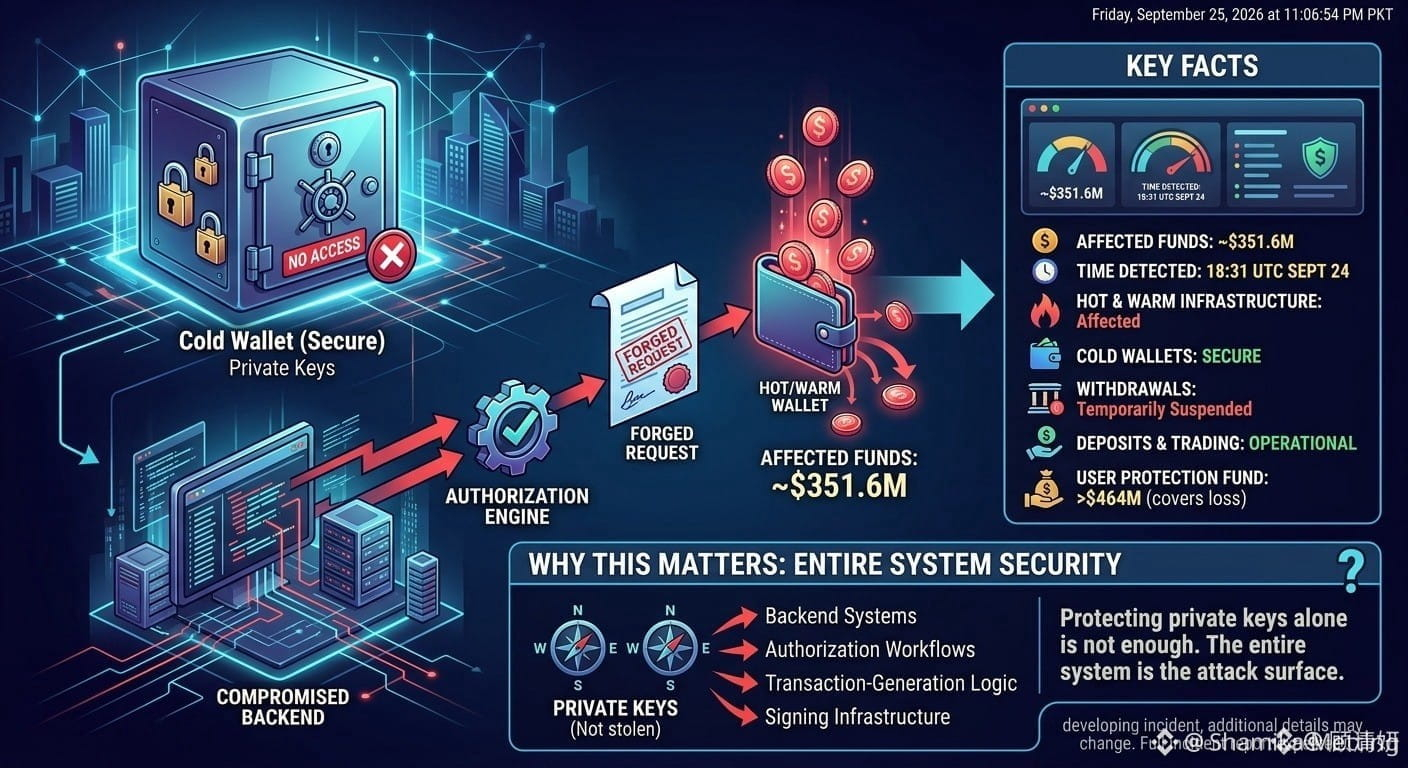
Key facts
• Approximately $351.6 million in funds were affected
• The incident was detected at 18:31 UTC on September 24
• Parts of Bitget’s hot and warm wallet infrastructure were affected
• Bitget says its cold wallets remained secure
• Withdrawal operations were temporarily suspended while security reviews were conducted
• Deposit and trading operations remained active
• Bitget says its User Protection Fund contains more than $464 million and covers the reported loss
Why this matters
This incident highlights a major risk to exchange security: protecting private keys alone isn’t enough.
For traders, the takeaway is simple:
Exchange security is a complete system—not just a private-key problem.
The incident is still evolving, so additional details may change as the investigation progresses.
Please follow up
$QI $PHA $ARK
#bitgetbreachforgedrequestsnotstolenkeys
Bitget breach: Forged transfer requests—no private keys stolen
Bitget confirmed that a major security incident occurred involving approximately $351.6 million in affected funds.
But there’s a crucial point:
According to reports, the attackers did not steal Bitget’s private keys.
Instead, Bitget CEO Grace Chen said the attackers breached a backend wallet-service and used that access to fabricate transfer information and carry out the approval/signing process.
Key facts
• Approximately $351.6 million in funds were affected
• The incident was detected at 18:31 UTC on September 24
• Parts of Bitget’s hot and warm wallet infrastructure were affected
• Bitget says its cold wallets remained secure
• Withdrawal operations were temporarily suspended while security reviews were conducted
• Deposit and trading operations remained active
• Bitget says its User Protection Fund contains more than $464 million and covers the reported loss
Why this matters
This incident highlights a major risk to exchange security: protecting private keys alone isn’t enough.
For traders, the takeaway is simple:
Exchange security is a complete system—not just a private-key problem.
The incident is still evolving, so additional details may change as the investigation progresses.
Please follow up
$QI $PHA $ARK
Bitget breach: Forged transfer requests—no private keys stolen
Bitget confirmed that a major security incident occurred involving approximately $351.6 million in affected funds.
But there’s a crucial point:
According to reports, the attackers did not steal Bitget’s private keys.
Instead, Bitget CEO Grace Chen said the attackers breached a backend wallet-service and used that access to fabricate transfer information and carry out the approval/signing process.
Key facts
• Approximately $351.6 million in funds were affected
• The incident was detected at 18:31 UTC on September 24
• Parts of Bitget’s hot and warm wallet infrastructure were affected
• Bitget says its cold wallets remained secure
• Withdrawal operations were temporarily suspended while security reviews were conducted
• Deposit and trading operations remained active
• Bitget says its User Protection Fund contains more than $464 million and covers the reported loss
Why this matters
This incident highlights a major risk to exchange security: protecting private keys alone isn’t enough.
For traders, the takeaway is simple:
Exchange security is a complete system—not just a private-key problem.
The incident is still evolving, so additional details may change as the investigation progresses.
Please follow up
$QI $PHA $ARK
4
11.9k

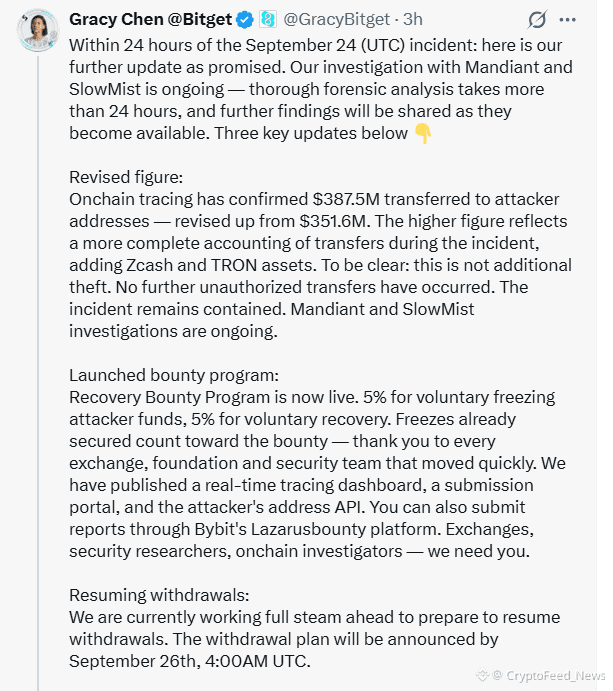
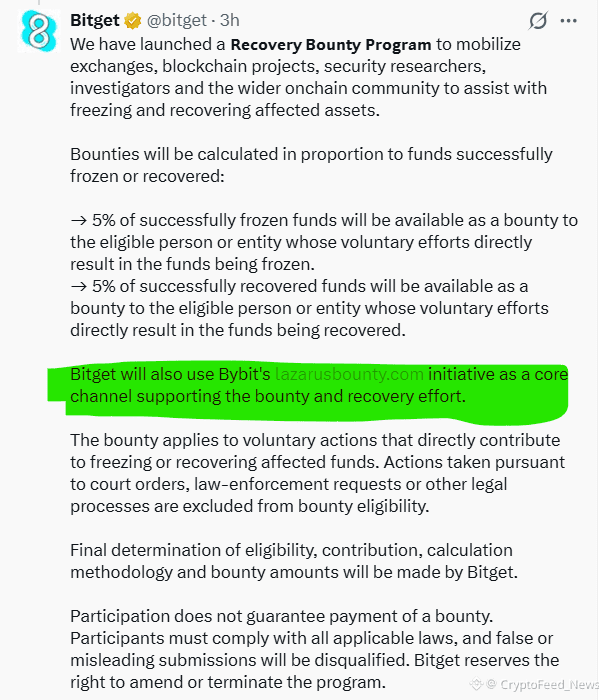
#BitgetBreachForgedRequestsNotStolenKeys Refers to a major security incident on September 24, 2026, where the crypto exchange Bitget suffered a hack resulting in an estimated $351.6 million to $387.5 million in unauthorized transfers.
#BitgetBreachForgedRequestsNotStolenKeys Refers to a major security incident on September 24, 2026, where the crypto exchange Bitget suffered a hack resulting in an estimated $351.6 million to $387.5 million in unauthorized transfers.
1
79

🚨#Bitget says an attacker compromised part of its hot/warm wallet infrastructure, triggering unauthorized transfers worth an estimated $351.6M.
🔒 Cold wallets: Safe, according to Bitget
💰 User balances: Reportedly unaffected
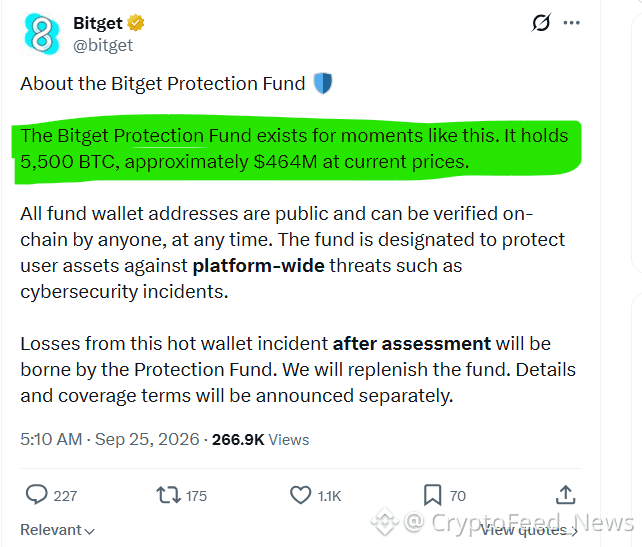
🛡️ Protection Fund: $464M+
⛔ Withdrawals: Paused
✅ Trading & deposits: Still live
The attacker allegedly compromised a backend system and spoofed transaction data to bypass authorization. Bitget says private keys were not compromised and the breach has been contained.
On-chain researchers had previously identified around $183M in suspicious transfers, creating a discrepancy with Bitget's $351.6M estimate.
BGB fell nearly 3% after the news. $ETH 👀
#BitgetBreachForgedRequestsNotStolenKeys #BitgetSays$352MAffectedInHack #Write2Earn
🚨#Bitget says an attacker compromised part of its hot/warm wallet infrastructure, triggering unauthorized transfers worth an estimated $351.6M.
🔒 Cold wallets: Safe, according to Bitget
💰 User balances: Reportedly unaffected
🛡️ Protection Fund: $464M+
⛔ Withdrawals: Paused
✅ Trading & deposits: Still live
The attacker allegedly compromised a backend system and spoofed transaction data to bypass authorization. Bitget says private keys were not compromised and the breach has been contained.
On-chain researchers had previously identified around $183M in suspicious transfers, creating a discrepancy with Bitget's $351.6M estimate.
BGB fell nearly 3% after the news. $ETH 👀
#BitgetBreachForgedRequestsNotStolenKeys #BitgetSays$352MAffectedInHack #Write2Earn
🔒 Cold wallets: Safe, according to Bitget
💰 User balances: Reportedly unaffected
🛡️ Protection Fund: $464M+
⛔ Withdrawals: Paused
✅ Trading & deposits: Still live
The attacker allegedly compromised a backend system and spoofed transaction data to bypass authorization. Bitget says private keys were not compromised and the breach has been contained.
On-chain researchers had previously identified around $183M in suspicious transfers, creating a discrepancy with Bitget's $351.6M estimate.
BGB fell nearly 3% after the news. $ETH 👀
#BitgetBreachForgedRequestsNotStolenKeys #BitgetSays$352MAffectedInHack #Write2Earn
365
#BitgetBreachForgedRequestsNotStolenKeys
Bitget’s security team once again brought new attention to the risks in a cryptocurrency exchange incident, with a specific focus. According to the exchange, the attackers breached the backend wallet system, tampered with transaction data, and initiated unauthorized withdrawals — there are no claims that private keys were directly stolen. Damage of around 351.6 million in assets was reported.
📊 Trader monitoring:
• Market reaction related to BGB and Bitget
• BTC/ETH volatility after security news
• Exchange flows and unusual on-chain activity
• Carefully watch high leverage / open interest (OI)
Stay tuned
$NIL $CHIP $QNT
#BitgetBreachForgedRequestsNotStolenKeys
Bitget’s security team once again brought new attention to the risks in a cryptocurrency exchange incident, with a specific focus. According to the exchange, the attackers breached the backend wallet system, tampered with transaction data, and initiated unauthorized withdrawals — there are no claims that private keys were directly stolen. Damage of around 351.6 million in assets was reported.
📊 Trader monitoring:
• Market reaction related to BGB and Bitget
• BTC/ETH volatility after security news
• Exchange flows and unusual on-chain activity
• Carefully watch high leverage / open interest (OI)
Stay tuned
$NIL $CHIP $QNT
Bitget’s security team once again brought new attention to the risks in a cryptocurrency exchange incident, with a specific focus. According to the exchange, the attackers breached the backend wallet system, tampered with transaction data, and initiated unauthorized withdrawals — there are no claims that private keys were directly stolen. Damage of around 351.6 million in assets was reported.
📊 Trader monitoring:
• Market reaction related to BGB and Bitget
• BTC/ETH volatility after security news
• Exchange flows and unusual on-chain activity
• Carefully watch high leverage / open interest (OI)
Stay tuned
$NIL $CHIP $QNT
1
162
Log in to explore more content
Join global crypto users on Binance Square
⚡️ Get latest and useful information about crypto.
💬 Trusted by the world’s largest crypto exchange.
👍 Discover real insights from verified creators.
Email / Phone number
Trending Topics
1
#NvidiaInvestigatesAfterHuang’sAffairApology
59,471 views
668 Discussing
2
#BitcoinFiveWeeklyLosses
73,264 views
1,110 Discussing
3
#AIChipSlumpNasdaq
39,587 views
664 Discussing
4
#CPITestsDecemberRateOutlook
511,987 views
2,127 Discussing
5
#AnthropicRejectsIPODelayValuationinQuestion
3,068 views
75 Discussing
6
#StrategyBitcoinHoldingsMoveIntoUnrealizedLoss
3,852 views
74 Discussing
7
#TrumpConfirmsCoOwnershipOfWorldLibertyFinancial
158 views
11 Discussing
8
#EthereumSpotETFsPost$365MWeeklyOutflow
4,732 views
50 Discussing
9
#TradFiForBeginners
289,133 views
2,523 Discussing
10
#KeplrAdvisesSocialLoginUsersToTransferAssets
102,755 views
740 Discussing