
#bitcoinopeninterestsharerisesto42
bitcoinopeninterestsharerisesto42
1,292 views
33 Discussing
Hot
Latest

·
--
When Bitcoin open interest dominance spikes past 42 percent, it usually means the market is running on pure leverage rather than spot accumulation.
Most traders feel that familiar rush of greed and aggressively add exposure, only to get wiped out by a sudden cascade before the real macro trend even gets underway.
I have watched this exact setup play out across multiple cycles. Traders rush to deploy $USDT into long positions across $BTC and high-beta assets like $DOT, convinced that rising derivative activity is pure bullish confirmation. What gets overlooked is that when open interest becomes this top-heavy, price action is driven entirely by liquidation cascades rather than genuine buyers.
Derivatives-heavy market structures always resolve with extreme volatility designed to punish late leverage on both sides of the book. In greed-driven phases like this, protecting your capital and letting the liquidation flush happen first is usually the trade that keeps you in the game.
Are you de-risking your open positions here, or looking to ride the volatility into the next move?
#BitcoinOpenInterestShareRisesTo42 #BitcoinReboundsAbove
When Bitcoin open interest dominance spikes past 42 percent, it usually means the market is running on pure leverage rather than spot accumulation.
Most traders feel that familiar rush of greed and aggressively add exposure, only to get wiped out by a sudden cascade before the real macro trend even gets underway.
I have watched this exact setup play out across multiple cycles. Traders rush to deploy $USDT into long positions across $BTC and high-beta assets like $DOT , convinced that rising derivative activity is pure bullish confirmation. What gets overlooked is that when open interest becomes this top-heavy, price action is driven entirely by liquidation cascades rather than genuine buyers.
Derivatives-heavy market structures always resolve with extreme volatility designed to punish late leverage on both sides of the book. In greed-driven phases like this, protecting your capital and letting the liquidation flush happen first is usually the trade that keeps you in the game.
Are you de-risking your open positions here, or looking to ride the volatility into the next move?
#BitcoinOpenInterestShareRisesTo42 #BitcoinReboundsAbove
Most traders feel that familiar rush of greed and aggressively add exposure, only to get wiped out by a sudden cascade before the real macro trend even gets underway.
I have watched this exact setup play out across multiple cycles. Traders rush to deploy $USDT into long positions across $BTC and high-beta assets like $DOT , convinced that rising derivative activity is pure bullish confirmation. What gets overlooked is that when open interest becomes this top-heavy, price action is driven entirely by liquidation cascades rather than genuine buyers.
Derivatives-heavy market structures always resolve with extreme volatility designed to punish late leverage on both sides of the book. In greed-driven phases like this, protecting your capital and letting the liquidation flush happen first is usually the trade that keeps you in the game.
Are you de-risking your open positions here, or looking to ride the volatility into the next move?
#BitcoinOpenInterestShareRisesTo42 #BitcoinReboundsAbove

116

·
--
Have you noticed how everyone is celebrating the latest market rebound while quietly ignoring where all the leverage is actually going?
Most retail traders are busy chasing green candles across smaller tokens, only to get caught off guard the moment liquidity gets sucked back into the dominant asset.
When Bitcoin open interest dominance climbs to forty-two percent, it is rarely just a simple sign of broad market strength. Instead, it signals that speculative capital is heavily concentrating into $BTC derivatives while spot volume struggles to keep up, leaving overall market depth vulnerable to sudden liquidation cascades.
We saw this exact case during previous cycles where traders rotated out of $USDT reserves directly into high-leverage futures positions. When open interest surges without organic spot backing, even a minor macro shift can trigger a sharp unwind across the entire board.
Where do you think this goes from here?
#BitcoinOpenInterestShareRisesTo42 #BitcoinReboundsAbove
Have you noticed how everyone is celebrating the latest market rebound while quietly ignoring where all the leverage is actually going?
Most retail traders are busy chasing green candles across smaller tokens, only to get caught off guard the moment liquidity gets sucked back into the dominant asset.
When Bitcoin open interest dominance climbs to forty-two percent, it is rarely just a simple sign of broad market strength. Instead, it signals that speculative capital is heavily concentrating into $BTC derivatives while spot volume struggles to keep up, leaving overall market depth vulnerable to sudden liquidation cascades.
We saw this exact case during previous cycles where traders rotated out of $USDT reserves directly into high-leverage futures positions. When open interest surges without organic spot backing, even a minor macro shift can trigger a sharp unwind across the entire board.
Where do you think this goes from here?
#BitcoinOpenInterestShareRisesTo42 #BitcoinReboundsAbove
Most retail traders are busy chasing green candles across smaller tokens, only to get caught off guard the moment liquidity gets sucked back into the dominant asset.
When Bitcoin open interest dominance climbs to forty-two percent, it is rarely just a simple sign of broad market strength. Instead, it signals that speculative capital is heavily concentrating into $BTC derivatives while spot volume struggles to keep up, leaving overall market depth vulnerable to sudden liquidation cascades.
We saw this exact case during previous cycles where traders rotated out of $USDT reserves directly into high-leverage futures positions. When open interest surges without organic spot backing, even a minor macro shift can trigger a sharp unwind across the entire board.
Where do you think this goes from here?
#BitcoinOpenInterestShareRisesTo42 #BitcoinReboundsAbove

60

If you are blindly longing every breakout while derivative leverage piles up, stop right now.
Most traders get wiped out not because their macro thesis is wrong, but because they enter overcrowded positions right before a violent flush. Watching your hard-earned $USDT evaporate during a single wick is a painful lesson nobody wants to repeat.
Some analysts argue that seeing $BTC open interest share climb to aggressive highs signals institutional accumulation and an impending continuation rally. The logic seems sound on paper, as concentrated capital usually precedes major price expansion.
Yet looking closely at current market dynamics, this surge in open interest without matching spot volume makes the entire structure fragile. When derivative exposure heavily outpaces organic demand in a greedy market, a brutal shakeout almost always clears out overleveraged positions before any genuine breakout can hold.
Where do you think this goes from here?
#BitcoinOpenInterestShareRisesTo42 #BitcoinReboundsAbove #CPIWatch
If you are blindly longing every breakout while derivative leverage piles up, stop right now.
Most traders get wiped out not because their macro thesis is wrong, but because they enter overcrowded positions right before a violent flush. Watching your hard-earned $USDT evaporate during a single wick is a painful lesson nobody wants to repeat.
Some analysts argue that seeing $BTC open interest share climb to aggressive highs signals institutional accumulation and an impending continuation rally. The logic seems sound on paper, as concentrated capital usually precedes major price expansion.
Yet looking closely at current market dynamics, this surge in open interest without matching spot volume makes the entire structure fragile. When derivative exposure heavily outpaces organic demand in a greedy market, a brutal shakeout almost always clears out overleveraged positions before any genuine breakout can hold.
Where do you think this goes from here?
#BitcoinOpenInterestShareRisesTo42 #BitcoinReboundsAbove #CPIWatch
Most traders get wiped out not because their macro thesis is wrong, but because they enter overcrowded positions right before a violent flush. Watching your hard-earned $USDT evaporate during a single wick is a painful lesson nobody wants to repeat.
Some analysts argue that seeing $BTC open interest share climb to aggressive highs signals institutional accumulation and an impending continuation rally. The logic seems sound on paper, as concentrated capital usually precedes major price expansion.
Yet looking closely at current market dynamics, this surge in open interest without matching spot volume makes the entire structure fragile. When derivative exposure heavily outpaces organic demand in a greedy market, a brutal shakeout almost always clears out overleveraged positions before any genuine breakout can hold.
Where do you think this goes from here?
#BitcoinOpenInterestShareRisesTo42 #BitcoinReboundsAbove #CPIWatch

74

·
--
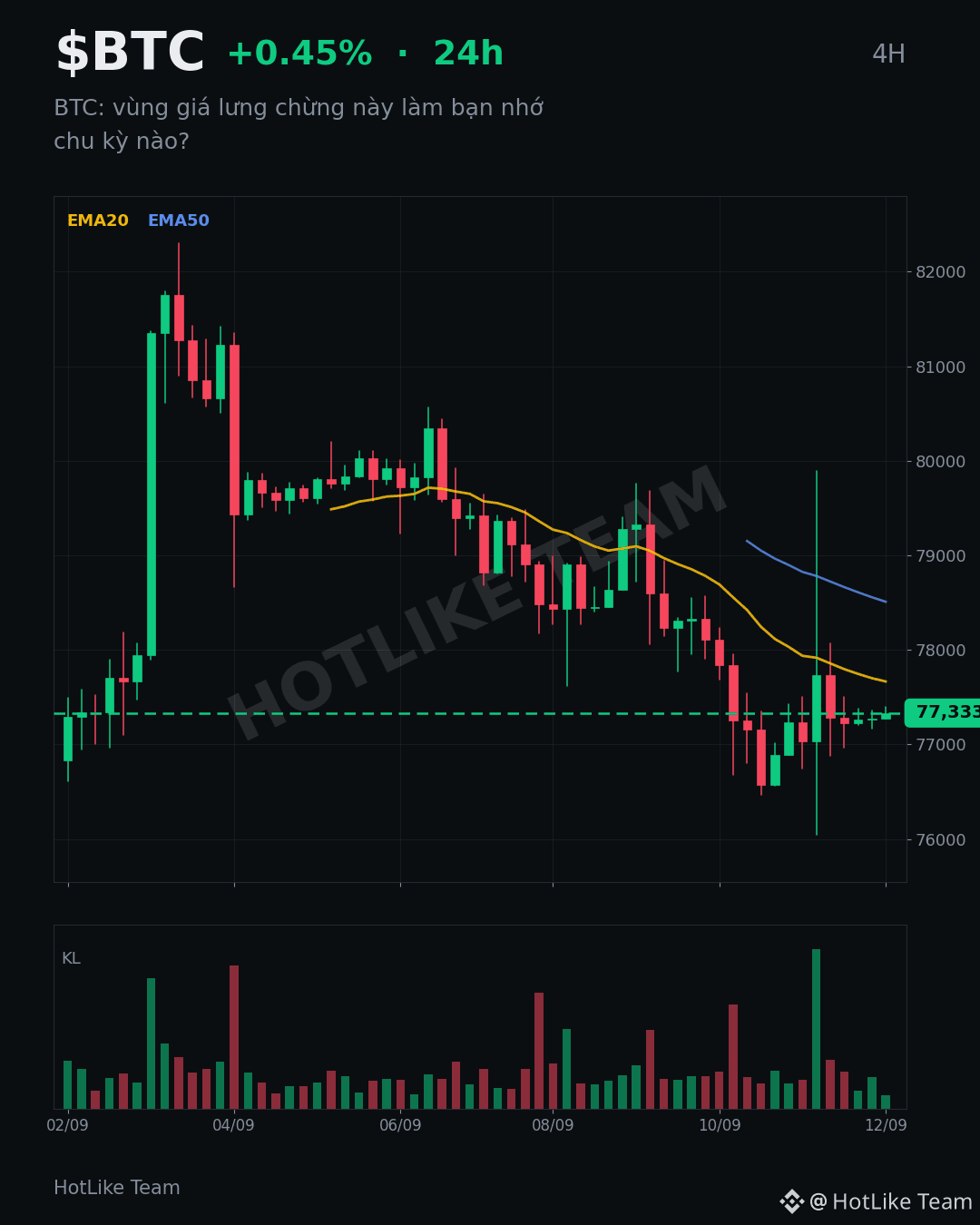
BTC: Which price cycle does this in-between range remind you of?
Today the market is slightly up to 63/100 points of the greed index, up 7 points from yesterday. Bitcoin is only up 0.45% over the past 24 hours. Stuck around this level, I can see the guys are also quite confused.
Not enough greed to be afraid, and not enough fear to add more. In this phase, do you think it resembles which stage of $BTC in the past?
For reference only, not investment advice. DYOR.
#Bitcoin #BitcoinOpenInterestShareRisesTo42.1%
BTC: Which price cycle does this in-between range remind you of?
Today the market is slightly up to 63/100 points of the greed index, up 7 points from yesterday. Bitcoin is only up 0.45% over the past 24 hours. Stuck around this level, I can see the guys are also quite confused.
Not enough greed to be afraid, and not enough fear to add more. In this phase, do you think it resembles which stage of $BTC in the past?
For reference only, not investment advice. DYOR.
#Bitcoin #BitcoinOpenInterestShareRisesTo42.1%
Today the market is slightly up to 63/100 points of the greed index, up 7 points from yesterday. Bitcoin is only up 0.45% over the past 24 hours. Stuck around this level, I can see the guys are also quite confused.
Not enough greed to be afraid, and not enough fear to add more. In this phase, do you think it resembles which stage of $BTC in the past?
For reference only, not investment advice. DYOR.
#Bitcoin #BitcoinOpenInterestShareRisesTo42.1%
95

·
--
Picture this: leverage is quietly piling up behind the scenes while spot volumes remain completely flat.
Most traders see rising open interest and mistake it for real institutional spot demand, only to get wiped out on the sudden liquidity flush when funding rates inevitably snap.
When the market enters extreme greed territory, capital begins concentrating heavily in derivatives rather than cold storage accumulation. We are currently seeing $BTC open interest share climb aggressively toward 42%, creating a massive vulnerability for long-squeeze cascades. When positioning gets this one-sided, market makers have every incentive to hunt the overleveraged positions before any genuine trend continuation can occur.
At the same time, traders rotating $USDT into high-beta names like $DOT without hedging are walking straight into a volatility trap. When derivatives dominate price discovery, the market does not move based on fundamentals; it moves to where the maximum pain lies.
Where do you think this goes from here?
#BitcoinOpenInterestShareRisesTo42 #BitcoinFallsTo
Picture this: leverage is quietly piling up behind the scenes while spot volumes remain completely flat.
Most traders see rising open interest and mistake it for real institutional spot demand, only to get wiped out on the sudden liquidity flush when funding rates inevitably snap.
When the market enters extreme greed territory, capital begins concentrating heavily in derivatives rather than cold storage accumulation. We are currently seeing $BTC open interest share climb aggressively toward 42%, creating a massive vulnerability for long-squeeze cascades. When positioning gets this one-sided, market makers have every incentive to hunt the overleveraged positions before any genuine trend continuation can occur.
At the same time, traders rotating $USDT into high-beta names like $DOT without hedging are walking straight into a volatility trap. When derivatives dominate price discovery, the market does not move based on fundamentals; it moves to where the maximum pain lies.
Where do you think this goes from here?
#BitcoinOpenInterestShareRisesTo42 #BitcoinFallsTo
Most traders see rising open interest and mistake it for real institutional spot demand, only to get wiped out on the sudden liquidity flush when funding rates inevitably snap.
When the market enters extreme greed territory, capital begins concentrating heavily in derivatives rather than cold storage accumulation. We are currently seeing $BTC open interest share climb aggressively toward 42%, creating a massive vulnerability for long-squeeze cascades. When positioning gets this one-sided, market makers have every incentive to hunt the overleveraged positions before any genuine trend continuation can occur.
At the same time, traders rotating $USDT into high-beta names like $DOT without hedging are walking straight into a volatility trap. When derivatives dominate price discovery, the market does not move based on fundamentals; it moves to where the maximum pain lies.
Where do you think this goes from here?
#BitcoinOpenInterestShareRisesTo42 #BitcoinFallsTo

126


Bitcoin's open interest share has surged to 42.1%, indicating a significant uptick in leveraged positions and potential market sentiment shifts. This rise suggests increased trader participation and potentially higher volatility ahead as more capital enters the derivatives market. The growing open interest could signal a strong conviction from traders, either bullish or bearish, and warrants close observation for potential price movements. It's crucial to monitor how this trend develops and whether it translates into sustained price action for $BTC.
Disclaimer: This content is for informational purposes only and does not constitute investment advice.
#BitcoinOpenInterestShareRisesTo42.1%
Bitcoin's open interest share has surged to 42.1%, indicating a significant uptick in leveraged positions and potential market sentiment shifts. This rise suggests increased trader participation and potentially higher volatility ahead as more capital enters the derivatives market. The growing open interest could signal a strong conviction from traders, either bullish or bearish, and warrants close observation for potential price movements. It's crucial to monitor how this trend develops and whether it translates into sustained price action for $BTC .
Disclaimer: This content is for informational purposes only and does not constitute investment advice.
#BitcoinOpenInterestShareRisesTo42.1%
Disclaimer: This content is for informational purposes only and does not constitute investment advice.
#BitcoinOpenInterestShareRisesTo42.1%

5

What does it really mean that Bitcoin Open Interest rises to 42.1%?
Open Interest (OI) is the sum of all outstanding futures and options contracts that haven’t been settled yet. When it rises, it means there are more active positions in the market: more people betting that Bitcoin will go up or down, but without closing their trades yet.
A high OI is not bullish or bearish by itself. It’s fuel: it shows that leverage is in play. If the price moves strongly in either direction, that OI can turn into waves of liquidations.
When OI grows while the price rises, it’s a sign of conviction; when it grows while the price falls or moves sideways, it can be a trap: positions that are waiting for a move that hasn’t happened yet.
The key is to look at the data together: OI + volume + funding rate. A record OI with neutral or negative funding suggests that many are short and expecting a drop. A record OI with a high positive funding rate indicates leveraged euphoria—and that usually ends in a correction.
Understanding Open Interest gives you context about how much potential energy there is in the market. It doesn’t tell you tomorrow’s price, but it does warn you when the ground is overloaded.
Follow us for more context behind the numbers that move the market.
#BitcoinOpenInterestShareRisesTo42.1%
What does it really mean that Bitcoin Open Interest rises to 42.1%?
Open Interest (OI) is the sum of all outstanding futures and options contracts that haven’t been settled yet. When it rises, it means there are more active positions in the market: more people betting that Bitcoin will go up or down, but without closing their trades yet.
A high OI is not bullish or bearish by itself. It’s fuel: it shows that leverage is in play. If the price moves strongly in either direction, that OI can turn into waves of liquidations.
When OI grows while the price rises, it’s a sign of conviction; when it grows while the price falls or moves sideways, it can be a trap: positions that are waiting for a move that hasn’t happened yet.
The key is to look at the data together: OI + volume + funding rate. A record OI with neutral or negative funding suggests that many are short and expecting a drop. A record OI with a high positive funding rate indicates leveraged euphoria—and that usually ends in a correction.
Understanding Open Interest gives you context about how much potential energy there is in the market. It doesn’t tell you tomorrow’s price, but it does warn you when the ground is overloaded.
Follow us for more context behind the numbers that move the market.
#BitcoinOpenInterestShareRisesTo42.1%
Open Interest (OI) is the sum of all outstanding futures and options contracts that haven’t been settled yet. When it rises, it means there are more active positions in the market: more people betting that Bitcoin will go up or down, but without closing their trades yet.
A high OI is not bullish or bearish by itself. It’s fuel: it shows that leverage is in play. If the price moves strongly in either direction, that OI can turn into waves of liquidations.
When OI grows while the price rises, it’s a sign of conviction; when it grows while the price falls or moves sideways, it can be a trap: positions that are waiting for a move that hasn’t happened yet.
The key is to look at the data together: OI + volume + funding rate. A record OI with neutral or negative funding suggests that many are short and expecting a drop. A record OI with a high positive funding rate indicates leveraged euphoria—and that usually ends in a correction.
Understanding Open Interest gives you context about how much potential energy there is in the market. It doesn’t tell you tomorrow’s price, but it does warn you when the ground is overloaded.
Follow us for more context behind the numbers that move the market.
#BitcoinOpenInterestShareRisesTo42.1%
76

everyone thinks high open interest means a massive breakout is guaranteed, but actually it usually means late leverage is about to get nuked.
most traders see derivatives share spike and immediately ape into high leverage longs, only to get wicked out before the actual expansion starts. getting chopped up and liquidated right before the real macro move happens is the most painful way to lose a stack.
look at what happened during the last few local tops when derivatives share crowded out spot volume. when open interest concentration hits extremes like this, order books thin out and market makers have every incentive to hunt stops on both sides. with greed creeping up and liquidity parking in $USDT, smart money usually steps aside to let overleveraged perps wipe each other out first.
when $BTC derivatives suck all the oxygen out of the room, chasing high-beta moves or adding margin on margin is pure exit liquidity behavior. the play here is patience until open interest resets and spot volume actually takes the steering wheel back.
are you de-risking your perp positions here or waiting for the flush?
#BitcoinOpenInterestShareRisesTo42 #BitcoinReboundsAbove
everyone thinks high open interest means a massive breakout is guaranteed, but actually it usually means late leverage is about to get nuked.
most traders see derivatives share spike and immediately ape into high leverage longs, only to get wicked out before the actual expansion starts. getting chopped up and liquidated right before the real macro move happens is the most painful way to lose a stack.
look at what happened during the last few local tops when derivatives share crowded out spot volume. when open interest concentration hits extremes like this, order books thin out and market makers have every incentive to hunt stops on both sides. with greed creeping up and liquidity parking in $USDT, smart money usually steps aside to let overleveraged perps wipe each other out first.
when $BTC derivatives suck all the oxygen out of the room, chasing high-beta moves or adding margin on margin is pure exit liquidity behavior. the play here is patience until open interest resets and spot volume actually takes the steering wheel back.
are you de-risking your perp positions here or waiting for the flush?
#BitcoinOpenInterestShareRisesTo42 #BitcoinReboundsAbove
most traders see derivatives share spike and immediately ape into high leverage longs, only to get wicked out before the actual expansion starts. getting chopped up and liquidated right before the real macro move happens is the most painful way to lose a stack.
look at what happened during the last few local tops when derivatives share crowded out spot volume. when open interest concentration hits extremes like this, order books thin out and market makers have every incentive to hunt stops on both sides. with greed creeping up and liquidity parking in $USDT, smart money usually steps aside to let overleveraged perps wipe each other out first.
when $BTC derivatives suck all the oxygen out of the room, chasing high-beta moves or adding margin on margin is pure exit liquidity behavior. the play here is patience until open interest resets and spot volume actually takes the steering wheel back.
are you de-risking your perp positions here or waiting for the flush?
#BitcoinOpenInterestShareRisesTo42 #BitcoinReboundsAbove

69
·
--
Here's what happened when $BTC started falling while greed was still sitting at 70 and almost nobody treated it as a warning.
The real pain is buying every dip because you don't want to miss the bounce, then realizing you have no exit and the red just keeps compounding. That's how a pullback turns into a hole you can't climb out of.
What most people missed was the setup underneath the price. Open interest was already heavy on the long side, and $USDT flows were quietly picking up as some money stepped off the table. Bitcoin doesn't need a crash headline from those conditions. It just needs a squeeze, then forced selling does the work. Once that starts, weaker names like $DOT usually get hit harder than Bitcoin itself.
The risk is that this isn't a shakeout. A hot CPI print still sitting on the calendar can extend the move, and the traders who kept adding into greed will be the ones providing liquidity on the way down.
Where do you think this goes from here?
#BitcoinFallsTo #CPIWatch #BitcoinOpenInterestShareRisesTo42
Here's what happened when $BTC started falling while greed was still sitting at 70 and almost nobody treated it as a warning.
The real pain is buying every dip because you don't want to miss the bounce, then realizing you have no exit and the red just keeps compounding. That's how a pullback turns into a hole you can't climb out of.
What most people missed was the setup underneath the price. Open interest was already heavy on the long side, and $USDT flows were quietly picking up as some money stepped off the table. Bitcoin doesn't need a crash headline from those conditions. It just needs a squeeze, then forced selling does the work. Once that starts, weaker names like $DOT usually get hit harder than Bitcoin itself.
The risk is that this isn't a shakeout. A hot CPI print still sitting on the calendar can extend the move, and the traders who kept adding into greed will be the ones providing liquidity on the way down.
Where do you think this goes from here?
#BitcoinFallsTo #CPIWatch #BitcoinOpenInterestShareRisesTo42
The real pain is buying every dip because you don't want to miss the bounce, then realizing you have no exit and the red just keeps compounding. That's how a pullback turns into a hole you can't climb out of.
What most people missed was the setup underneath the price. Open interest was already heavy on the long side, and $USDT flows were quietly picking up as some money stepped off the table. Bitcoin doesn't need a crash headline from those conditions. It just needs a squeeze, then forced selling does the work. Once that starts, weaker names like $DOT usually get hit harder than Bitcoin itself.
The risk is that this isn't a shakeout. A hot CPI print still sitting on the calendar can extend the move, and the traders who kept adding into greed will be the ones providing liquidity on the way down.
Where do you think this goes from here?
#BitcoinFallsTo #CPIWatch #BitcoinOpenInterestShareRisesTo42

28
·
--
If you are still chasing every sudden green candle like it is the start of a new supercycle, stop now.
Most traders lose their balance not during violent capitulations, but during choppy relief bounces where FOMO convinces them to market-buy the local top. Missing the initial entry stings, but giving back your capital by longing right into overhead resistance stings much worse.
We have seen this script play out across multiple cycles whenever $BTC stages a sudden comeback. The crowd immediately declares the bottom locked in, derivatives open interest climbs aggressively, and late leverage gets wiped out twenty-four hours later. It feels remarkably similar to the choppy mid-2024 fakeouts where altcoins like $DOT and $ETC barely managed to sustain momentum before rolling over.
Market sentiment is tilting heavily back into greed, yet actual spot volume is not backing up the aggressive bids on perpetuals. When leverage expands faster than spot accumulation during a rally, smart money typically treats the surge as an opportunity to offload rather than start fresh long-term positions.
Are we looking at genuine structural accumulation here, or just another classic liquidity grab before the macro data drops?
#BitcoinReboundsAbove #BitcoinOpenInterestShareRisesTo42 #CPIWatch
If you are still chasing every sudden green candle like it is the start of a new supercycle, stop now.
Most traders lose their balance not during violent capitulations, but during choppy relief bounces where FOMO convinces them to market-buy the local top. Missing the initial entry stings, but giving back your capital by longing right into overhead resistance stings much worse.
We have seen this script play out across multiple cycles whenever $BTC stages a sudden comeback. The crowd immediately declares the bottom locked in, derivatives open interest climbs aggressively, and late leverage gets wiped out twenty-four hours later. It feels remarkably similar to the choppy mid-2024 fakeouts where altcoins like $DOT and $ETC barely managed to sustain momentum before rolling over.
Market sentiment is tilting heavily back into greed, yet actual spot volume is not backing up the aggressive bids on perpetuals. When leverage expands faster than spot accumulation during a rally, smart money typically treats the surge as an opportunity to offload rather than start fresh long-term positions.
Are we looking at genuine structural accumulation here, or just another classic liquidity grab before the macro data drops?
#BitcoinReboundsAbove #BitcoinOpenInterestShareRisesTo42 #CPIWatch
Most traders lose their balance not during violent capitulations, but during choppy relief bounces where FOMO convinces them to market-buy the local top. Missing the initial entry stings, but giving back your capital by longing right into overhead resistance stings much worse.
We have seen this script play out across multiple cycles whenever $BTC stages a sudden comeback. The crowd immediately declares the bottom locked in, derivatives open interest climbs aggressively, and late leverage gets wiped out twenty-four hours later. It feels remarkably similar to the choppy mid-2024 fakeouts where altcoins like $DOT and $ETC barely managed to sustain momentum before rolling over.
Market sentiment is tilting heavily back into greed, yet actual spot volume is not backing up the aggressive bids on perpetuals. When leverage expands faster than spot accumulation during a rally, smart money typically treats the surge as an opportunity to offload rather than start fresh long-term positions.
Are we looking at genuine structural accumulation here, or just another classic liquidity grab before the macro data drops?
#BitcoinReboundsAbove #BitcoinOpenInterestShareRisesTo42 #CPIWatch

12
·
--
Have you noticed that the loudest voices celebrating this $BTC rebound are usually the ones who sold lower last week?
That is the real pain here. You dump into weakness, then FOMO back in on the first green stretch, and the market uses your size as exit liquidity. Most traders do not lose on the dump. They lose on the bounce they were never supposed to chase.
Look at this rebound as a case study. Bitcoin climbs back above a level everyone was watching, greed sits at 70, and the feed fills with bottom calls. Meanwhile $USDT remains one of the most searched tickers, which tells you a lot of capital is still parked, not committed. People rotating into names like $DOT are treating this bounce as confirmation. I am not sure it is.
The structure matters more than the candle color. Rising open interest into a relief move is how crowded longs get built. We have watched this exact pattern fade more than once. A rebound is not a trend until it holds, and greed at 70 on a bounce is a warning, not a green light.
Where do you think this goes from here if the late buyers are already in?
#BitcoinReboundsAbove #BitcoinOpenInterestShareRisesTo42 #CPIWatch
Have you noticed that the loudest voices celebrating this $BTC rebound are usually the ones who sold lower last week?
That is the real pain here. You dump into weakness, then FOMO back in on the first green stretch, and the market uses your size as exit liquidity. Most traders do not lose on the dump. They lose on the bounce they were never supposed to chase.
Look at this rebound as a case study. Bitcoin climbs back above a level everyone was watching, greed sits at 70, and the feed fills with bottom calls. Meanwhile $USDT remains one of the most searched tickers, which tells you a lot of capital is still parked, not committed. People rotating into names like $DOT are treating this bounce as confirmation. I am not sure it is.
The structure matters more than the candle color. Rising open interest into a relief move is how crowded longs get built. We have watched this exact pattern fade more than once. A rebound is not a trend until it holds, and greed at 70 on a bounce is a warning, not a green light.
Where do you think this goes from here if the late buyers are already in?
#BitcoinReboundsAbove #BitcoinOpenInterestShareRisesTo42 #CPIWatch
That is the real pain here. You dump into weakness, then FOMO back in on the first green stretch, and the market uses your size as exit liquidity. Most traders do not lose on the dump. They lose on the bounce they were never supposed to chase.
Look at this rebound as a case study. Bitcoin climbs back above a level everyone was watching, greed sits at 70, and the feed fills with bottom calls. Meanwhile $USDT remains one of the most searched tickers, which tells you a lot of capital is still parked, not committed. People rotating into names like $DOT are treating this bounce as confirmation. I am not sure it is.
The structure matters more than the candle color. Rising open interest into a relief move is how crowded longs get built. We have watched this exact pattern fade more than once. A rebound is not a trend until it holds, and greed at 70 on a bounce is a warning, not a green light.
Where do you think this goes from here if the late buyers are already in?
#BitcoinReboundsAbove #BitcoinOpenInterestShareRisesTo42 #CPIWatch

14
everyone thinks a $BTC rebound means it's finally safe to ape, but actually that's when most of us get chopped up.
ngl the pain is always the same. you sit in $USDT watching the bounce, tell yourself you'll wait for a retest, then fomo in because the timeline won't shut up and you hate missing another leg.
last time this exact setup printed, $BTC reclaimed a level everyone was watching, open interest piled in, and alts like $FIL started running like the bull was back. greed was in the same zone we're sitting in now. then one ugly print later the longs got flushed and the same people yelling wagmi were staring at a red chart.
fear and greed at 70 is not a buy signal ser. it's the part where people stop managing risk because the chart finally looks good. the bounce is real. the question is whether the bid is spot or just leverage waiting to unwind the second cpi comes in hot.
anyone else seeing this or am i tripping?
#BitcoinReboundsAbove #BitcoinOpenInterestShareRisesTo42 #CPIWatch
everyone thinks a $BTC rebound means it's finally safe to ape, but actually that's when most of us get chopped up.
ngl the pain is always the same. you sit in $USDT watching the bounce, tell yourself you'll wait for a retest, then fomo in because the timeline won't shut up and you hate missing another leg.
last time this exact setup printed, $BTC reclaimed a level everyone was watching, open interest piled in, and alts like $FIL started running like the bull was back. greed was in the same zone we're sitting in now. then one ugly print later the longs got flushed and the same people yelling wagmi were staring at a red chart.
fear and greed at 70 is not a buy signal ser. it's the part where people stop managing risk because the chart finally looks good. the bounce is real. the question is whether the bid is spot or just leverage waiting to unwind the second cpi comes in hot.
anyone else seeing this or am i tripping?
#BitcoinReboundsAbove #BitcoinOpenInterestShareRisesTo42 #CPIWatch
ngl the pain is always the same. you sit in $USDT watching the bounce, tell yourself you'll wait for a retest, then fomo in because the timeline won't shut up and you hate missing another leg.
last time this exact setup printed, $BTC reclaimed a level everyone was watching, open interest piled in, and alts like $FIL started running like the bull was back. greed was in the same zone we're sitting in now. then one ugly print later the longs got flushed and the same people yelling wagmi were staring at a red chart.
fear and greed at 70 is not a buy signal ser. it's the part where people stop managing risk because the chart finally looks good. the bounce is real. the question is whether the bid is spot or just leverage waiting to unwind the second cpi comes in hot.
anyone else seeing this or am i tripping?
#BitcoinReboundsAbove #BitcoinOpenInterestShareRisesTo42 #CPIWatch

118
·
--
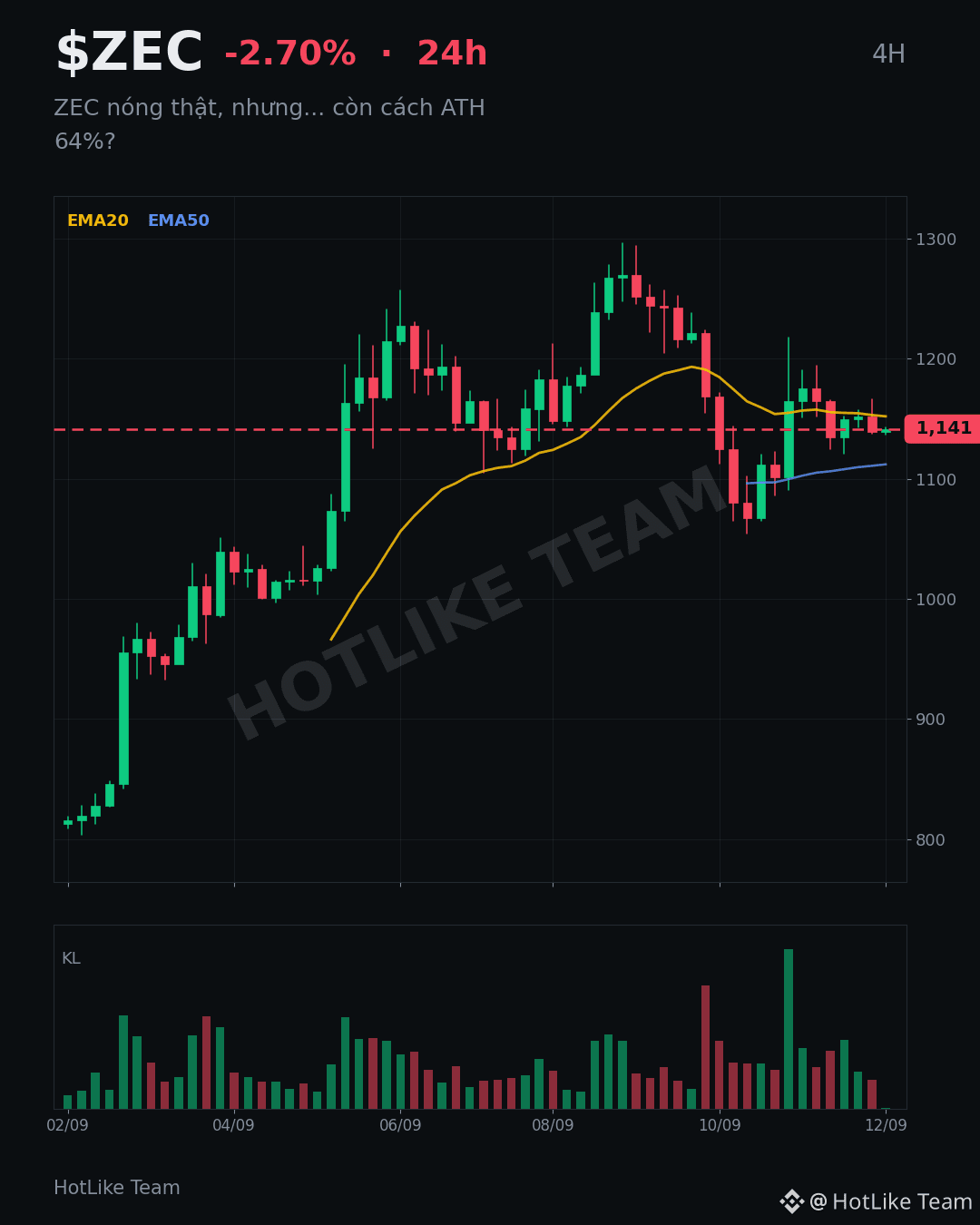
ZEC is really hot, but... only 64% away from ATH?
Just imagine profits from mining coins increasing by 2.5 times! Honestly, this morning I read the news $ZEC and I was shocked—the mining activity exploded, with profits even better than Bitcoin. Who wouldn’t get FOMO, right!
But looking back at the chart, ZEC is still down 2.7% today, and more importantly, it’s still another 64% before it reaches its all-time high from 2016. I’m a bit unsure whether this good news has already been priced in—or if this is just the start of a bigger cycle?
What do you think about ZEC right now?
For reference only, not investment advice. DYOR.
#BitcoinEthereumHitMultiMonthHighs #BitcoinOpenInterestShareRisesTo42.1%
ZEC is really hot, but... only 64% away from ATH?
Just imagine profits from mining coins increasing by 2.5 times! Honestly, this morning I read the news $ZEC and I was shocked—the mining activity exploded, with profits even better than Bitcoin. Who wouldn’t get FOMO, right!
But looking back at the chart, ZEC is still down 2.7% today, and more importantly, it’s still another 64% before it reaches its all-time high from 2016. I’m a bit unsure whether this good news has already been priced in—or if this is just the start of a bigger cycle?
What do you think about ZEC right now?
For reference only, not investment advice. DYOR.
#BitcoinEthereumHitMultiMonthHighs #BitcoinOpenInterestShareRisesTo42.1%
Just imagine profits from mining coins increasing by 2.5 times! Honestly, this morning I read the news $ZEC and I was shocked—the mining activity exploded, with profits even better than Bitcoin. Who wouldn’t get FOMO, right!
But looking back at the chart, ZEC is still down 2.7% today, and more importantly, it’s still another 64% before it reaches its all-time high from 2016. I’m a bit unsure whether this good news has already been priced in—or if this is just the start of a bigger cycle?
What do you think about ZEC right now?
For reference only, not investment advice. DYOR.
#BitcoinEthereumHitMultiMonthHighs #BitcoinOpenInterestShareRisesTo42.1%
1
192

·
--
$BTC is boxed between a reclaim test and a failed rebound. The live price is $77,214.01, with the 24h range running from $76,046.58 to $79,890.00; the near-term pivot is $78,068. Above it, the CPI response has room to retest the session high. Below the range low, the recovery thesis is gone. The next macro checkpoint is the Sep 16 FOMC decision, so this is a level test rather than a broad risk-on call. Does $BTC print a 4h close above $78,068, or does $76,046.58 break first with $79,890 as the upside marker? #BitcoinReboundsAbove$79KAfterCPI #CPIWatch #BitcoinOpenInterestShareRisesTo42.1%
$BTC is boxed between a reclaim test and a failed rebound. The live price is $77,214.01, with the 24h range running from $76,046.58 to $79,890.00; the near-term pivot is $78,068. Above it, the CPI response has room to retest the session high. Below the range low, the recovery thesis is gone. The next macro checkpoint is the Sep 16 FOMC decision, so this is a level test rather than a broad risk-on call. Does $BTC print a 4h close above $78,068, or does $76,046.58 break first with $79,890 as the upside marker? #BitcoinReboundsAbove$79KAfterCPI #CPIWatch #BitcoinOpenInterestShareRisesTo42.1%

65
·
--
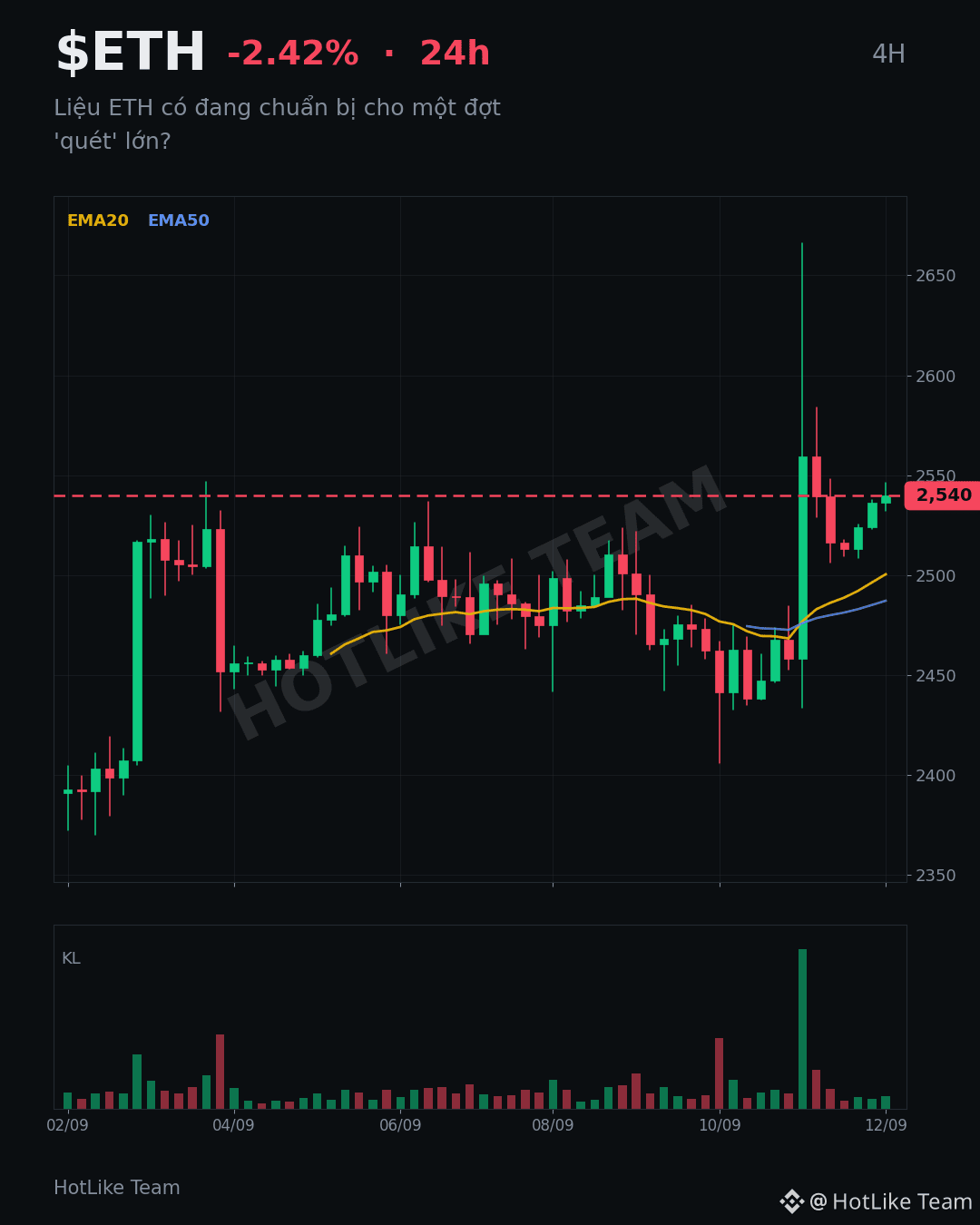
Is ETH preparing for a big “sweep”?
Seeing 73% of LONG orders on $ETH made me both happy and concerned. Price is down more than 2.42% over the past 24h—could this be a signal? 🤔
1) Market sentiment: When most people lean to one side, it’s easy for it to get pulled back the other way. I keep recalling what CZ said about going against the crowd.
2) Risk: With high Open Interest (OI), an unexpected drop can trigger a liquidation cascade.
In my personal view, I’m still cautious about ETH right now—I’m not in a hurry to follow the crowd. The market is always hard to predict. What do you think?
Reference information only, not investment advice. DYOR.
#ETH #BitcoinOpenInterestShareRisesTo42.1%
Is ETH preparing for a big “sweep”?
Seeing 73% of LONG orders on $ETH made me both happy and concerned. Price is down more than 2.42% over the past 24h—could this be a signal? 🤔
1) Market sentiment: When most people lean to one side, it’s easy for it to get pulled back the other way. I keep recalling what CZ said about going against the crowd.
2) Risk: With high Open Interest (OI), an unexpected drop can trigger a liquidation cascade.
In my personal view, I’m still cautious about ETH right now—I’m not in a hurry to follow the crowd. The market is always hard to predict. What do you think?
Reference information only, not investment advice. DYOR.
#ETH #BitcoinOpenInterestShareRisesTo42.1%
Seeing 73% of LONG orders on $ETH made me both happy and concerned. Price is down more than 2.42% over the past 24h—could this be a signal? 🤔
1) Market sentiment: When most people lean to one side, it’s easy for it to get pulled back the other way. I keep recalling what CZ said about going against the crowd.
2) Risk: With high Open Interest (OI), an unexpected drop can trigger a liquidation cascade.
In my personal view, I’m still cautious about ETH right now—I’m not in a hurry to follow the crowd. The market is always hard to predict. What do you think?
Reference information only, not investment advice. DYOR.
#ETH #BitcoinOpenInterestShareRisesTo42.1%
28
·
--
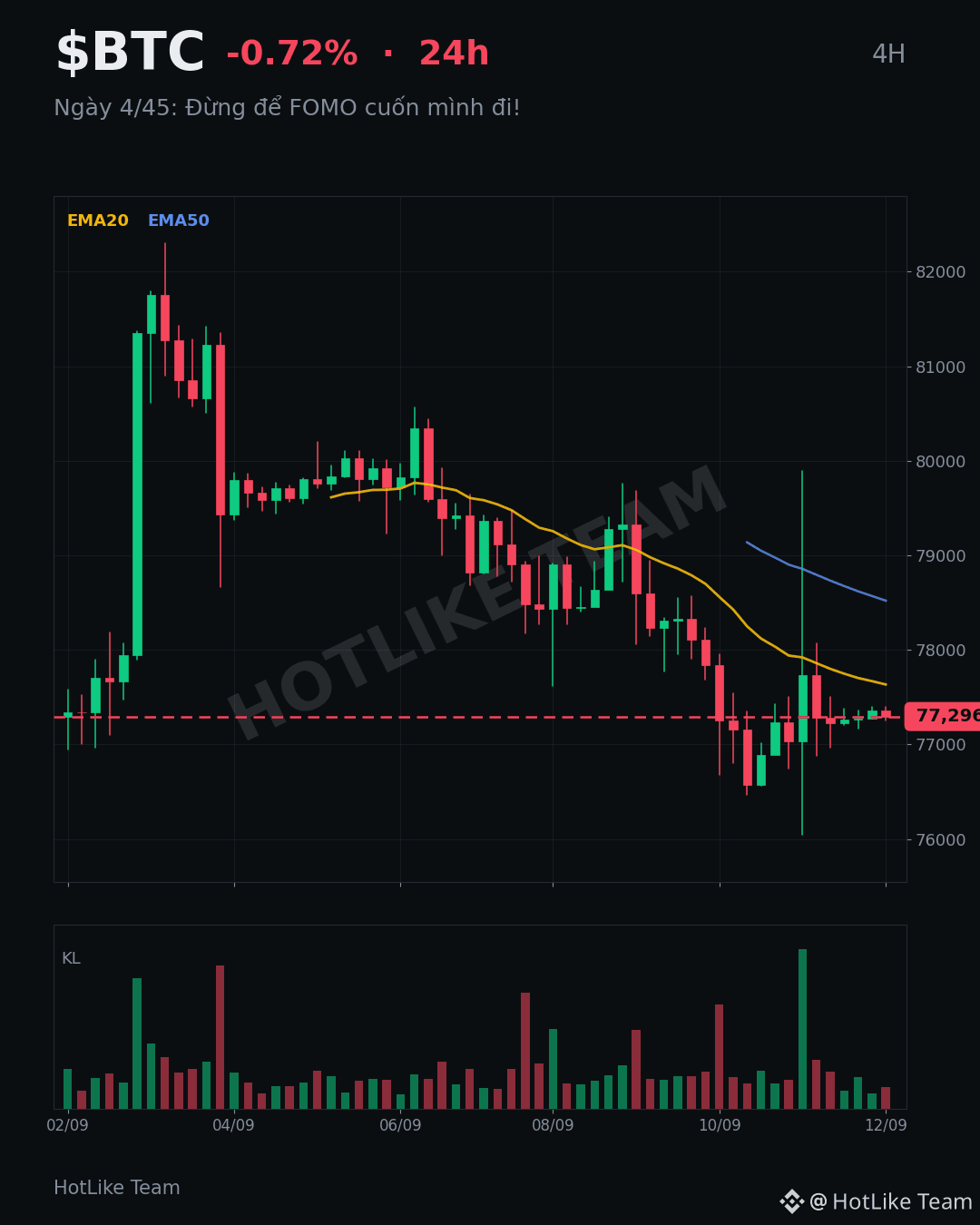
Day 4/45: Don’t let FOMO sweep you away!
On the fourth day of my 45-day journey toward financial freedom, I’m still consistently setting aside 50u to buy more Bitcoin ($BTC). Today the market seems to be a bit sluggish; Bitcoin is down slightly by 0.72%, but it still feels like there’s some warmth left from the growth days before.
That FOMO (fear of missing out) feeling keeps creeping in whenever I see prices blazing green, but I know that’s exactly when I need to stay calm most. My goal isn’t to make quick money, but to build a sustainable habit and practice patience. I believe in the power of steady accumulation, whether the market is up or down.
Reference information only, not investment advice. DYOR.
#45ngaytudotaichinh #BitcoinOpenInterestShareRisesTo42.1%
Day 4/45: Don’t let FOMO sweep you away!
On the fourth day of my 45-day journey toward financial freedom, I’m still consistently setting aside 50u to buy more Bitcoin ($BTC ). Today the market seems to be a bit sluggish; Bitcoin is down slightly by 0.72%, but it still feels like there’s some warmth left from the growth days before.
That FOMO (fear of missing out) feeling keeps creeping in whenever I see prices blazing green, but I know that’s exactly when I need to stay calm most. My goal isn’t to make quick money, but to build a sustainable habit and practice patience. I believe in the power of steady accumulation, whether the market is up or down.
Reference information only, not investment advice. DYOR.
#45ngaytudotaichinh #BitcoinOpenInterestShareRisesTo42.1%
On the fourth day of my 45-day journey toward financial freedom, I’m still consistently setting aside 50u to buy more Bitcoin ($BTC ). Today the market seems to be a bit sluggish; Bitcoin is down slightly by 0.72%, but it still feels like there’s some warmth left from the growth days before.
That FOMO (fear of missing out) feeling keeps creeping in whenever I see prices blazing green, but I know that’s exactly when I need to stay calm most. My goal isn’t to make quick money, but to build a sustainable habit and practice patience. I believe in the power of steady accumulation, whether the market is up or down.
Reference information only, not investment advice. DYOR.
#45ngaytudotaichinh #BitcoinOpenInterestShareRisesTo42.1%
152
·
--
Why is nobody talking about how the CLARITY Act revision just split crypto into protocols with controllers and protocols without them?
Traders keep getting wrecked because they treat every token like it lives under the same rules. You FOMO into a yield farm, the team still holds the keys, and that bag suddenly sits in a completely different legal bucket than you thought.
This revision on Non-DeFi Controllers is the part that actually matters. If a known team can upgrade contracts, pause markets, or change parameters, they are no longer hiding behind the DeFi label. They will be treated closer to a traditional intermediary. That is not a death sentence. It is a sorting mechanism. $BTC has no such controller, which is exactly why it keeps getting the commodity treatment while everything else waits in line. Greed sitting at 70 right now means almost nobody is doing this homework.
I am running a simple filter. First I look for admin keys or a founder-controlled multisig. If they exist, I size that position like a centralized product, not like DeFi. Then I keep more dry powder in $USDT until classifications actually land. And I refuse to give governance-heavy names like $DOT the same risk weight as something nobody can pause.
Are you already separating controller-risk tokens from the rest of your book, or still treating them as one trade?
#CLARITYActRevisionToRuleNonDeFiControllers #BitcoinReboundsAbove #BitcoinOpenInterestShareRisesTo42
Why is nobody talking about how the CLARITY Act revision just split crypto into protocols with controllers and protocols without them?
Traders keep getting wrecked because they treat every token like it lives under the same rules. You FOMO into a yield farm, the team still holds the keys, and that bag suddenly sits in a completely different legal bucket than you thought.
This revision on Non-DeFi Controllers is the part that actually matters. If a known team can upgrade contracts, pause markets, or change parameters, they are no longer hiding behind the DeFi label. They will be treated closer to a traditional intermediary. That is not a death sentence. It is a sorting mechanism. $BTC has no such controller, which is exactly why it keeps getting the commodity treatment while everything else waits in line. Greed sitting at 70 right now means almost nobody is doing this homework.
I am running a simple filter. First I look for admin keys or a founder-controlled multisig. If they exist, I size that position like a centralized product, not like DeFi. Then I keep more dry powder in $USDT until classifications actually land. And I refuse to give governance-heavy names like $DOT the same risk weight as something nobody can pause.
Are you already separating controller-risk tokens from the rest of your book, or still treating them as one trade?
#CLARITYActRevisionToRuleNonDeFiControllers #BitcoinReboundsAbove #BitcoinOpenInterestShareRisesTo42
Traders keep getting wrecked because they treat every token like it lives under the same rules. You FOMO into a yield farm, the team still holds the keys, and that bag suddenly sits in a completely different legal bucket than you thought.
This revision on Non-DeFi Controllers is the part that actually matters. If a known team can upgrade contracts, pause markets, or change parameters, they are no longer hiding behind the DeFi label. They will be treated closer to a traditional intermediary. That is not a death sentence. It is a sorting mechanism. $BTC has no such controller, which is exactly why it keeps getting the commodity treatment while everything else waits in line. Greed sitting at 70 right now means almost nobody is doing this homework.
I am running a simple filter. First I look for admin keys or a founder-controlled multisig. If they exist, I size that position like a centralized product, not like DeFi. Then I keep more dry powder in $USDT until classifications actually land. And I refuse to give governance-heavy names like $DOT the same risk weight as something nobody can pause.
Are you already separating controller-risk tokens from the rest of your book, or still treating them as one trade?
#CLARITYActRevisionToRuleNonDeFiControllers #BitcoinReboundsAbove #BitcoinOpenInterestShareRisesTo42

94
Everyone thinks decentralized finance regulations only affect anonymous developers, but actually, the latest legal updates are drawing a sharp line around who truly holds the keys.
Many investors hold tokens assuming they are completely immune to traditional regulatory crackdowns, only to watch liquidity vanish overnight when backend administrative controls get flagged. It is like driving a car you believe is fully autonomous, only to discover someone else has been holding the master remote control all along.
The recent revision under the CLARITY Act makes a critical distinction between pure automated protocols and teams managing centralized operational switches behind closed doors. When governance retains admin keys or off-chain veto power, regulators no longer treat those platforms as untouchable software.
For market participants watching assets like $BTC or ecosystem tokens like $DOT, understanding true on-chain architecture is becoming just as crucial as tracking macro stablecoins like $USDT. Real decentralization is no longer just an ideological talking point, but a fundamental risk filter for long-term capital protection.
Where do you think regulators will draw the line next between actual decentralized protocols and centralized controllers?
#CLARITYActRevisionToRuleNonDeFiControllers #BitcoinOpenInterestShareRisesTo42 #CPIWatch
Everyone thinks decentralized finance regulations only affect anonymous developers, but actually, the latest legal updates are drawing a sharp line around who truly holds the keys.
Many investors hold tokens assuming they are completely immune to traditional regulatory crackdowns, only to watch liquidity vanish overnight when backend administrative controls get flagged. It is like driving a car you believe is fully autonomous, only to discover someone else has been holding the master remote control all along.
The recent revision under the CLARITY Act makes a critical distinction between pure automated protocols and teams managing centralized operational switches behind closed doors. When governance retains admin keys or off-chain veto power, regulators no longer treat those platforms as untouchable software.
For market participants watching assets like $BTC or ecosystem tokens like $DOT , understanding true on-chain architecture is becoming just as crucial as tracking macro stablecoins like $USDT. Real decentralization is no longer just an ideological talking point, but a fundamental risk filter for long-term capital protection.
Where do you think regulators will draw the line next between actual decentralized protocols and centralized controllers?
#CLARITYActRevisionToRuleNonDeFiControllers #BitcoinOpenInterestShareRisesTo42 #CPIWatch
Many investors hold tokens assuming they are completely immune to traditional regulatory crackdowns, only to watch liquidity vanish overnight when backend administrative controls get flagged. It is like driving a car you believe is fully autonomous, only to discover someone else has been holding the master remote control all along.
The recent revision under the CLARITY Act makes a critical distinction between pure automated protocols and teams managing centralized operational switches behind closed doors. When governance retains admin keys or off-chain veto power, regulators no longer treat those platforms as untouchable software.
For market participants watching assets like $BTC or ecosystem tokens like $DOT , understanding true on-chain architecture is becoming just as crucial as tracking macro stablecoins like $USDT. Real decentralization is no longer just an ideological talking point, but a fundamental risk filter for long-term capital protection.
Where do you think regulators will draw the line next between actual decentralized protocols and centralized controllers?
#CLARITYActRevisionToRuleNonDeFiControllers #BitcoinOpenInterestShareRisesTo42 #CPIWatch

97
·
--
If you are still treating every protocol with a foundation-led multisig as untouchable decentralized finance, stop now.
Traders keep getting blindsided by sudden compliance shocks because they assume every token with a governance forum is legally immune. We saw similar confusion during past regulatory crackdowns, where projects claiming decentralization were caught flat-footed once authorities looked past the branding and targeted the actual operators holding administrative keys.
The ongoing focus around non-DeFi controllers under the CLARITY Act revisions makes it clear that lawmakers are drawing a sharper line between genuinely autonomous infrastructure like $BTC and networks that still rely on centralized management. Protocols like $DOT have spent years decentralizing their operational footprint, yet many competing ecosystems still depend on a few key executives to deploy code and manage treasuries.
When legislation begins holding these centralized custodians to traditional standards, capital will likely migrate toward battle-tested, neutral base layers while pseudo-decentralized platforms face heavy structural friction.
Do you think stricter controller definitions will push projects to truly decentralize, or will they simply incorporate as traditional financial entities?
#CLARITYActRevisionToRuleNonDeFiControllers #BitcoinOpenInterestShareRisesTo42 #BitcoinReboundsAbove
If you are still treating every protocol with a foundation-led multisig as untouchable decentralized finance, stop now.
Traders keep getting blindsided by sudden compliance shocks because they assume every token with a governance forum is legally immune. We saw similar confusion during past regulatory crackdowns, where projects claiming decentralization were caught flat-footed once authorities looked past the branding and targeted the actual operators holding administrative keys.
The ongoing focus around non-DeFi controllers under the CLARITY Act revisions makes it clear that lawmakers are drawing a sharper line between genuinely autonomous infrastructure like $BTC and networks that still rely on centralized management. Protocols like $DOT have spent years decentralizing their operational footprint, yet many competing ecosystems still depend on a few key executives to deploy code and manage treasuries.
When legislation begins holding these centralized custodians to traditional standards, capital will likely migrate toward battle-tested, neutral base layers while pseudo-decentralized platforms face heavy structural friction.
Do you think stricter controller definitions will push projects to truly decentralize, or will they simply incorporate as traditional financial entities?
#CLARITYActRevisionToRuleNonDeFiControllers #BitcoinOpenInterestShareRisesTo42 #BitcoinReboundsAbove
Traders keep getting blindsided by sudden compliance shocks because they assume every token with a governance forum is legally immune. We saw similar confusion during past regulatory crackdowns, where projects claiming decentralization were caught flat-footed once authorities looked past the branding and targeted the actual operators holding administrative keys.
The ongoing focus around non-DeFi controllers under the CLARITY Act revisions makes it clear that lawmakers are drawing a sharper line between genuinely autonomous infrastructure like $BTC and networks that still rely on centralized management. Protocols like $DOT have spent years decentralizing their operational footprint, yet many competing ecosystems still depend on a few key executives to deploy code and manage treasuries.
When legislation begins holding these centralized custodians to traditional standards, capital will likely migrate toward battle-tested, neutral base layers while pseudo-decentralized platforms face heavy structural friction.
Do you think stricter controller definitions will push projects to truly decentralize, or will they simply incorporate as traditional financial entities?
#CLARITYActRevisionToRuleNonDeFiControllers #BitcoinOpenInterestShareRisesTo42 #BitcoinReboundsAbove

101
Every regulatory tightening in crypto history didn't kill development, it simply separated the genuinely decentralized protocols from centralized projects wearing a DeFi mask.
Most traders ignore legislative wording until their favorite governance tokens dump forty percent on sudden enforcement notices. We saw this exact pattern play out in previous cycles where holding assets tied to single foundations left retail portfolios holding the bag.
The recent discussion around clarity act revisions targeting non-DeFi controllers strikes at a core misconception in this market. When lawmakers begin distinguishing between true automated smart contracts and administrative multisig keys, protocols with centralized control vectors face immediate compliance exposure. If a team can pause a contract or unilaterally redirect treasury funds, regulators will treat them like traditional financial entities regardless of what their branding claims.
During past regulatory shakeouts, capital fled ambiguous altcoins and rotated heavily into assets with undeniable architectural decentralization like $BTC, while multi-chain ecosystems like $DOT adapted their validator frameworks to stay ahead of structural shifts. Even liquidity providers balancing exposure with $USDT are watching closely, because true non-custodial operation is rapidly becoming a legal requirement rather than just a philosophical talking point.
Where do you think the line between genuine DeFi and centralized administration should be drawn moving forward?
#CLARITYActRevisionToRuleNonDeFiControllers #BitcoinOpenInterestShareRisesTo42
Every regulatory tightening in crypto history didn't kill development, it simply separated the genuinely decentralized protocols from centralized projects wearing a DeFi mask.
Most traders ignore legislative wording until their favorite governance tokens dump forty percent on sudden enforcement notices. We saw this exact pattern play out in previous cycles where holding assets tied to single foundations left retail portfolios holding the bag.
The recent discussion around clarity act revisions targeting non-DeFi controllers strikes at a core misconception in this market. When lawmakers begin distinguishing between true automated smart contracts and administrative multisig keys, protocols with centralized control vectors face immediate compliance exposure. If a team can pause a contract or unilaterally redirect treasury funds, regulators will treat them like traditional financial entities regardless of what their branding claims.
During past regulatory shakeouts, capital fled ambiguous altcoins and rotated heavily into assets with undeniable architectural decentralization like $BTC , while multi-chain ecosystems like $DOT adapted their validator frameworks to stay ahead of structural shifts. Even liquidity providers balancing exposure with $USDT are watching closely, because true non-custodial operation is rapidly becoming a legal requirement rather than just a philosophical talking point.
Where do you think the line between genuine DeFi and centralized administration should be drawn moving forward?
#CLARITYActRevisionToRuleNonDeFiControllers #BitcoinOpenInterestShareRisesTo42
Most traders ignore legislative wording until their favorite governance tokens dump forty percent on sudden enforcement notices. We saw this exact pattern play out in previous cycles where holding assets tied to single foundations left retail portfolios holding the bag.
The recent discussion around clarity act revisions targeting non-DeFi controllers strikes at a core misconception in this market. When lawmakers begin distinguishing between true automated smart contracts and administrative multisig keys, protocols with centralized control vectors face immediate compliance exposure. If a team can pause a contract or unilaterally redirect treasury funds, regulators will treat them like traditional financial entities regardless of what their branding claims.
During past regulatory shakeouts, capital fled ambiguous altcoins and rotated heavily into assets with undeniable architectural decentralization like $BTC , while multi-chain ecosystems like $DOT adapted their validator frameworks to stay ahead of structural shifts. Even liquidity providers balancing exposure with $USDT are watching closely, because true non-custodial operation is rapidly becoming a legal requirement rather than just a philosophical talking point.
Where do you think the line between genuine DeFi and centralized administration should be drawn moving forward?
#CLARITYActRevisionToRuleNonDeFiControllers #BitcoinOpenInterestShareRisesTo42

75
Log in to explore more content
Join global crypto users on Binance Square
⚡️ Get latest and useful information about crypto.
💬 Trusted by the world’s largest crypto exchange.
👍 Discover real insights from verified creators.
Email / Phone number
Trending Topics
1
#AIStocksWhatNext
444,277 views
3,327 Discussing
2
#BitcoinTops$87KAtEightMonthHigh
107 views
9 Discussing
3
#BitwiseNEARStakingETPAssetsTop$100M
4,996 views
38 Discussing
4
#BitcoinBreaksAboveMayHighNears$86K
20,544 views
221 Discussing
5
#DogecoinRises15%
63,813 views
1,139 Discussing
6
#$14BBitcoinOptionsExpireFriday
5,695 views
102 Discussing
7
#BNBMarketCapPassesBNYMellon
39,653 views
837 Discussing
8
#CryptoMarketCapReclaims$3Trillion
8,020 views
87 Discussing
9
#MuseOvertakesChatGPTAsTopFreeIOSApp
22,801 views
613 Discussing
10
#TokenizedStockPlatformsCouldLaunchNextQuarter
35,063 views
665 Discussing