

#bancocentral
bancocentral
46,913 views
42 Discussing
Hot
Latest

Article
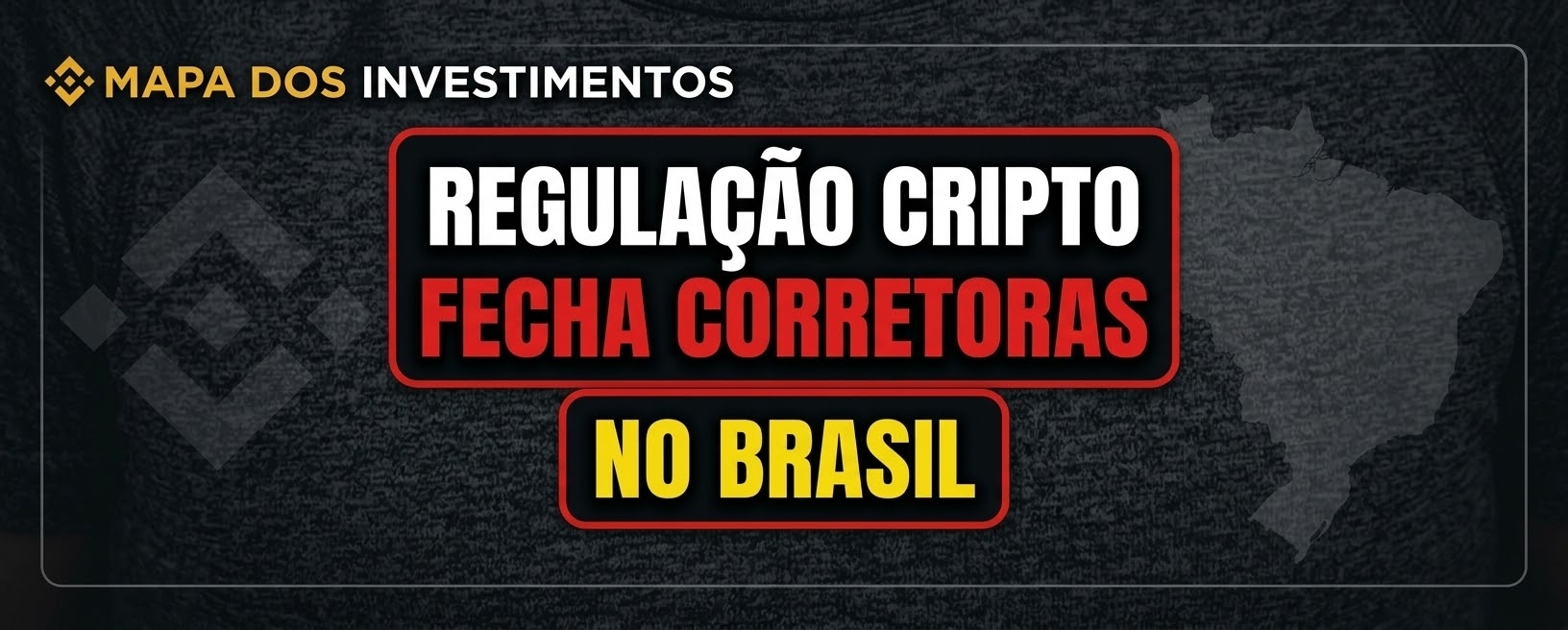
Is Brazil kicking out crypto exchanges? See what really changedIf you saw this headline going around, don’t panic: it’s not really that. The Central Bank isn’t banning anything — it’s tightening the rules on who can operate in the country. And that changes the game for anyone investing in crypto.
What actually changed
Law 14.478/2022 gave the Central Bank the power to regulate the sector. The specific rules took effect on February 2, 2026, creating the PSAVs (Virtual Asset Service Providers) — the mandatory licensing for anyone who buys and sells crypto, custody assets, intermediates operations, or facilitates transfers between clients in Brazil.
Is Brazil kicking out crypto exchanges? See what really changed
If you saw this headline going around, don’t panic: it’s not really that. The Central Bank isn’t banning anything — it’s tightening the rules on who can operate in the country. And that changes the game for anyone investing in crypto.
What actually changed
Law 14.478/2022 gave the Central Bank the power to regulate the sector. The specific rules took effect on February 2, 2026, creating the PSAVs (Virtual Asset Service Providers) — the mandatory licensing for anyone who buys and sells crypto, custody assets, intermediates operations, or facilitates transfers between clients in Brazil.
What actually changed
Law 14.478/2022 gave the Central Bank the power to regulate the sector. The specific rules took effect on February 2, 2026, creating the PSAVs (Virtual Asset Service Providers) — the mandatory licensing for anyone who buys and sells crypto, custody assets, intermediates operations, or facilitates transfers between clients in Brazil.
Velho Nei:
Pra mim tá ótimo
7
1
4
3.4k
Article
Central Bank requires Coaf notification for crypto transfers above US$ 10,000What changed
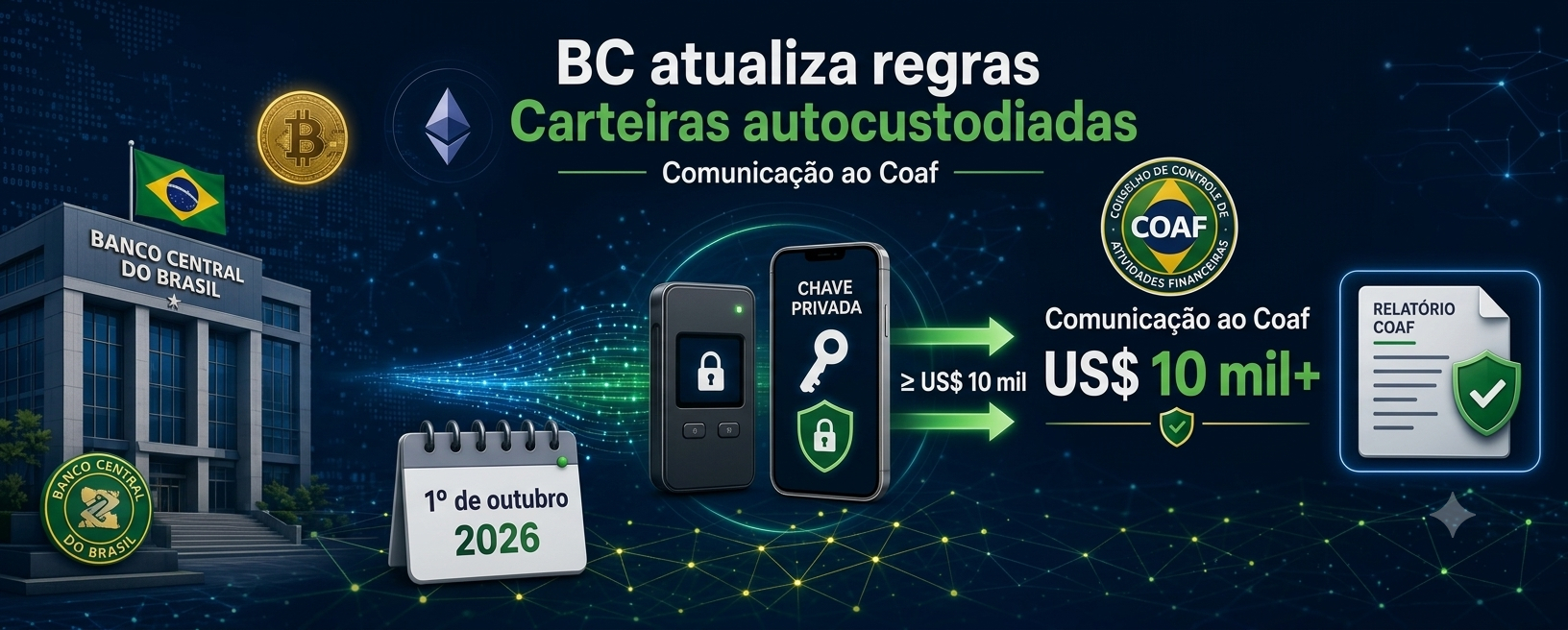
On September 23, the Central Bank published two resolutions that tighten the net on the market for virtual assets in Brazil: Resolution BCB No. 588 and No. 589. Starting October 1, transfers of cryptoassets of a value equal to or greater than US$ 10,000 — in any direction — involving self-custodied wallets will have automatic and mandatory reporting to Coaf, the Financial Activities Control Council.
There is no need for evidence of irregularity: it is enough that the value meets the threshold for the communication to be made. The same rule also applies to foreign exchange transactions involving delivery or receipt of cash in specie starting from US$ 10,000.
Central Bank requires Coaf notification for crypto transfers above US$ 10,000
What changed
On September 23, the Central Bank published two resolutions that tighten the net on the market for virtual assets in Brazil: Resolution BCB No. 588 and No. 589. Starting October 1, transfers of cryptoassets of a value equal to or greater than US$ 10,000 — in any direction — involving self-custodied wallets will have automatic and mandatory reporting to Coaf, the Financial Activities Control Council.
There is no need for evidence of irregularity: it is enough that the value meets the threshold for the communication to be made. The same rule also applies to foreign exchange transactions involving delivery or receipt of cash in specie starting from US$ 10,000.
On September 23, the Central Bank published two resolutions that tighten the net on the market for virtual assets in Brazil: Resolution BCB No. 588 and No. 589. Starting October 1, transfers of cryptoassets of a value equal to or greater than US$ 10,000 — in any direction — involving self-custodied wallets will have automatic and mandatory reporting to Coaf, the Financial Activities Control Council.
There is no need for evidence of irregularity: it is enough that the value meets the threshold for the communication to be made. The same rule also applies to foreign exchange transactions involving delivery or receipt of cash in specie starting from US$ 10,000.
2
3
3.6k

·
--
Bullish
Verified
💳 🇧🇷📉 CLOSED CIRCLE ⛔ CENTRAL BANK TARGETS CRYPTO CARDS WITH NEW RULES❗
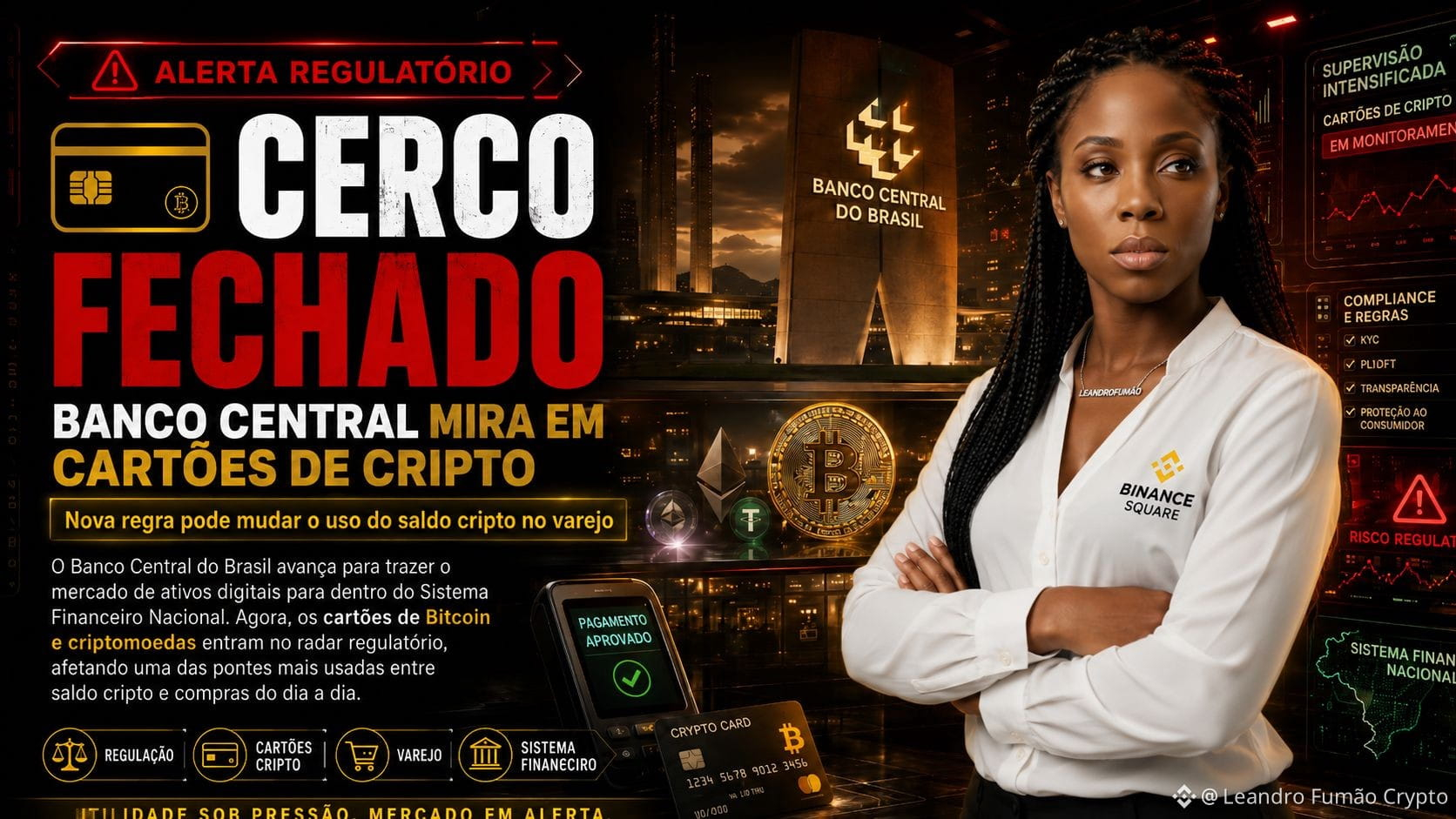
❌ The Central Bank of Brazil continues its relentless march to bring the digital asset market 100% into the National Financial System. As highlighted by Livecoins, the current focus is on Bitcoin▸ $BTC ▸ cards and cryptocurrencies, tools widely used in retail to transform crypto balances into immediate purchasing power at any POS.
The regulator's goal is to eliminate the "gray area" in currency exchange where these cards operated.
🔍 What Changes Practically With the New Rule?
Traceability and Exchange: The BC clearly outlined the procedures that must be followed for each transaction with these cards. The use of crypto linked to payments or international conversions now adheres to the strict rules of the currency regulation.
End of Anonymity in Retail: For those using cards issued by international exchanges (like fiat-crypto on-ramps), the BC requires detailed monthly information about transactions and robust compliance reports to be sent.
Focus on Compliance (AML): Partner platforms or issuers operating in Brazil must comply with the rules of SPSAVs (Virtual Asset Service Provider Companies), with minimum capital and strict auditing.
💡 MY ANALYSIS
If you thought Brazil would remain the "Wild West" of cryptocurrencies, the Central Bank has proven otherwise. The clampdown that began with fines on traditional banks for compliance failures has now reached everyday payment wallets.
The infrastructure is in place, but it requires responsibility. The BC is not prohibiting you from spending your Bitcoin▸ $BTC ▸ in the market; it is forcing card issuers to play the traditional financial game under the world's toughest compliance rules.
For the conscious investor, this brings legal security; for amateurs, it means the end of informal operations.
#Bancocentral #brasilcripto #brasil #Brazuca #noticias
💳 🇧🇷📉 CLOSED CIRCLE ⛔ CENTRAL BANK TARGETS CRYPTO CARDS WITH NEW RULES❗
❌ The Central Bank of Brazil continues its relentless march to bring the digital asset market 100% into the National Financial System. As highlighted by Livecoins, the current focus is on Bitcoin▸ $BTC ▸ cards and cryptocurrencies, tools widely used in retail to transform crypto balances into immediate purchasing power at any POS.
The regulator's goal is to eliminate the "gray area" in currency exchange where these cards operated.
🔍 What Changes Practically With the New Rule?
Traceability and Exchange: The BC clearly outlined the procedures that must be followed for each transaction with these cards. The use of crypto linked to payments or international conversions now adheres to the strict rules of the currency regulation.
End of Anonymity in Retail: For those using cards issued by international exchanges (like fiat-crypto on-ramps), the BC requires detailed monthly information about transactions and robust compliance reports to be sent.
Focus on Compliance (AML): Partner platforms or issuers operating in Brazil must comply with the rules of SPSAVs (Virtual Asset Service Provider Companies), with minimum capital and strict auditing.
💡 MY ANALYSIS
If you thought Brazil would remain the "Wild West" of cryptocurrencies, the Central Bank has proven otherwise. The clampdown that began with fines on traditional banks for compliance failures has now reached everyday payment wallets.
The infrastructure is in place, but it requires responsibility. The BC is not prohibiting you from spending your Bitcoin▸ $BTC ▸ in the market; it is forcing card issuers to play the traditional financial game under the world's toughest compliance rules.
For the conscious investor, this brings legal security; for amateurs, it means the end of informal operations.
#Bancocentral #brasilcripto #brasil #Brazuca #noticias
❌ The Central Bank of Brazil continues its relentless march to bring the digital asset market 100% into the National Financial System. As highlighted by Livecoins, the current focus is on Bitcoin▸ $BTC ▸ cards and cryptocurrencies, tools widely used in retail to transform crypto balances into immediate purchasing power at any POS.
The regulator's goal is to eliminate the "gray area" in currency exchange where these cards operated.
🔍 What Changes Practically With the New Rule?
Traceability and Exchange: The BC clearly outlined the procedures that must be followed for each transaction with these cards. The use of crypto linked to payments or international conversions now adheres to the strict rules of the currency regulation.
End of Anonymity in Retail: For those using cards issued by international exchanges (like fiat-crypto on-ramps), the BC requires detailed monthly information about transactions and robust compliance reports to be sent.
Focus on Compliance (AML): Partner platforms or issuers operating in Brazil must comply with the rules of SPSAVs (Virtual Asset Service Provider Companies), with minimum capital and strict auditing.
💡 MY ANALYSIS
If you thought Brazil would remain the "Wild West" of cryptocurrencies, the Central Bank has proven otherwise. The clampdown that began with fines on traditional banks for compliance failures has now reached everyday payment wallets.
The infrastructure is in place, but it requires responsibility. The BC is not prohibiting you from spending your Bitcoin▸ $BTC ▸ in the market; it is forcing card issuers to play the traditional financial game under the world's toughest compliance rules.
For the conscious investor, this brings legal security; for amateurs, it means the end of informal operations.
#Bancocentral #brasilcripto #brasil #Brazuca #noticias
4
5
2.6k

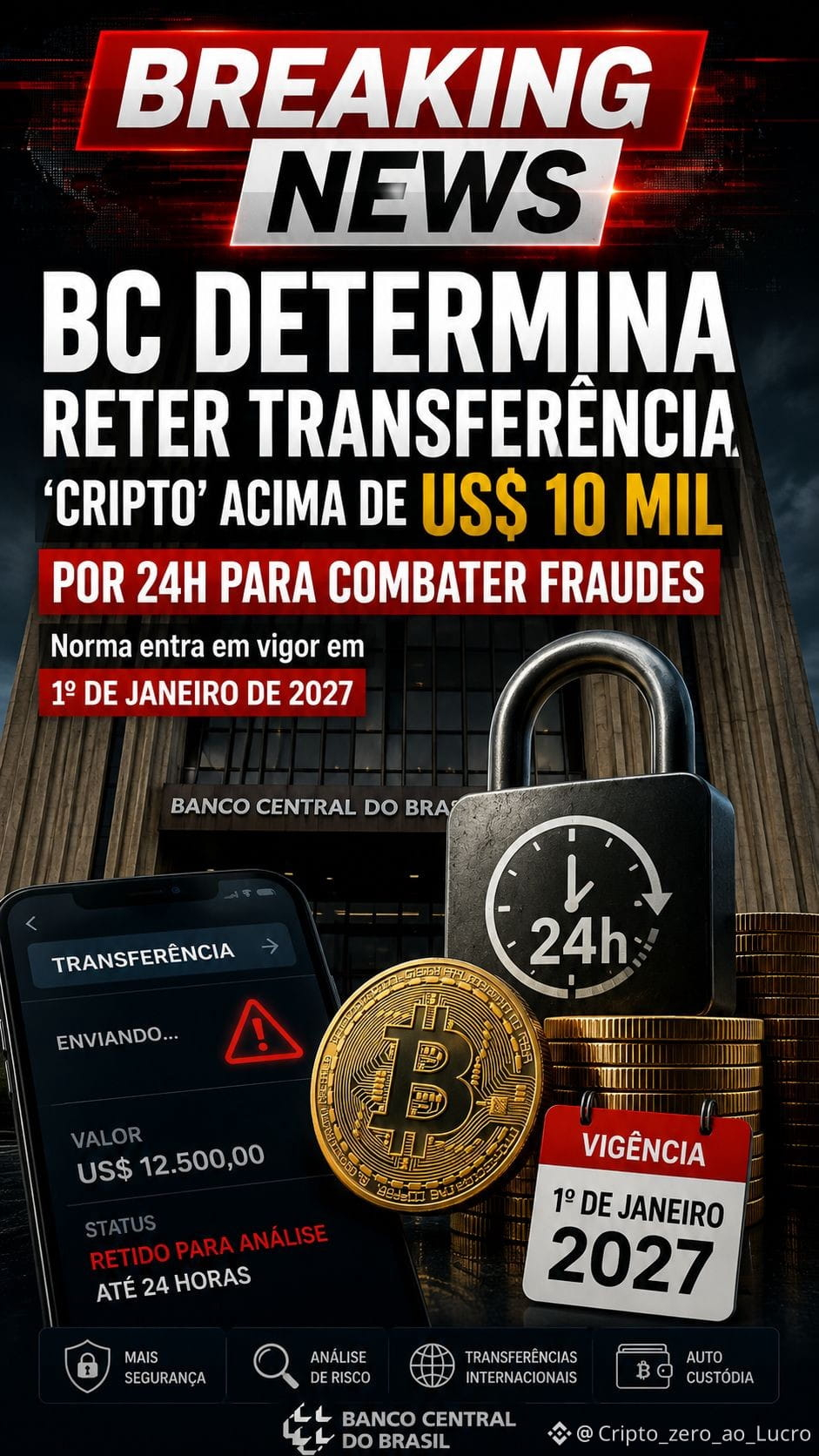
SEC and Central Bank update rules for cryptoassets: In the US, the SEC proposed new regulatory frameworks for the sector, while in Brazil the Central Bank adopted additional security measures, including temporary withholdings in suspicious operations above US$ 10 thousand to curb fraud. #SEC. #Bancocentral $USDC $BTC
SEC and Central Bank update rules for cryptoassets: In the US, the SEC proposed new regulatory frameworks for the sector, while in Brazil the Central Bank adopted additional security measures, including temporary withholdings in suspicious operations above US$ 10 thousand to curb fraud. #SEC. #Bancocentral $USDC $BTC
2
309

Article
Venezuela’s Great Economic Contradiction: The BCV Tightens Banking Oversight While RealityThe Market Demands its Release and the End of the Official Rate.
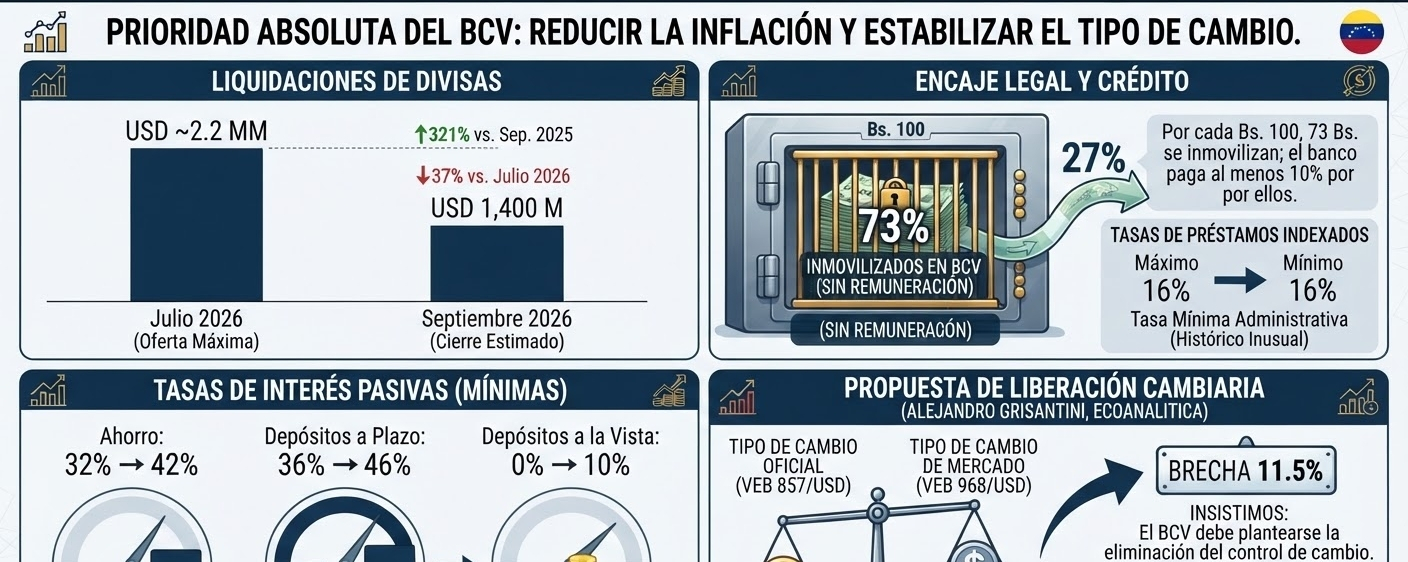
After a recent meeting between the BCV and the country’s leading banks, it became clear that the central bank’s absolute priority is to reduce inflation and stabilize the exchange rate, even at the cost of lower growth and a sharp credit squeeze.
The first sign is in foreign currency. September would end with settlements close to USD 1.4 billion. Although this represents a 321% increase compared to September 2025, it implies a 37% drop from July, the month with the highest supply of foreign currency.
Venezuela’s Great Economic Contradiction: The BCV Tightens Banking Oversight While Reality
The Market Demands its Release and the End of the Official Rate.
After a recent meeting between the BCV and the country’s leading banks, it became clear that the central bank’s absolute priority is to reduce inflation and stabilize the exchange rate, even at the cost of lower growth and a sharp credit squeeze.
The first sign is in foreign currency. September would end with settlements close to USD 1.4 billion. Although this represents a 321% increase compared to September 2025, it implies a 37% drop from July, the month with the highest supply of foreign currency.
After a recent meeting between the BCV and the country’s leading banks, it became clear that the central bank’s absolute priority is to reduce inflation and stabilize the exchange rate, even at the cost of lower growth and a sharp credit squeeze.
The first sign is in foreign currency. September would end with settlements close to USD 1.4 billion. Although this represents a 321% increase compared to September 2025, it implies a 37% drop from July, the month with the highest supply of foreign currency.
93

·
--
Bullish
🚨 ATTENTION, INVESTORS IN BRAZIL: The Central Bank has tightened the net! 🇧🇷📉
The Central Bank of Brazil has just published new rules (BCB Resolution 588/2026) that change the landscape of the domestic market. From now on, the focus will be on movements of significant amounts.
Here are the main points you need to know:
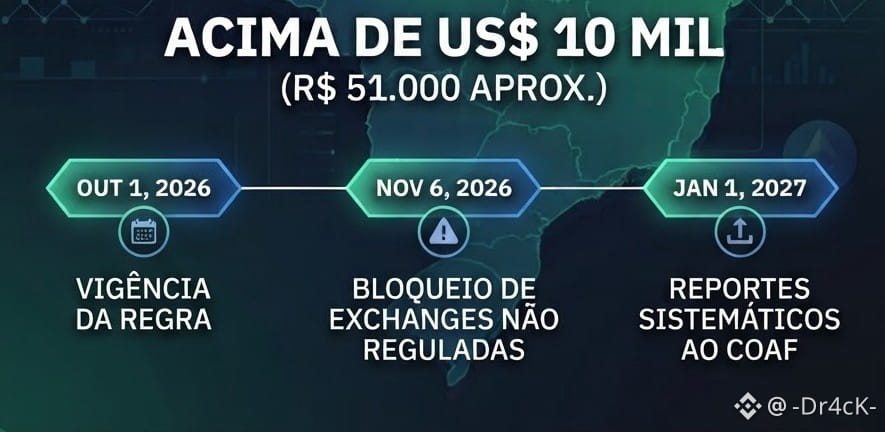
Main Target: Transfers of cryptoassets above US$ 10,000 to or from self-custody wallets (self-custody / cold wallets) will now require reporting to Coaf.
Timeline: The rule takes effect on October 1, 2026, with systematic reporting starting in January 2027.
Cautious Holding: Financial institutions gain the power to hold suspicious transactions above US$ 10,000 for up to 24 hours for security analysis.
End of loopholes: Starting in November, it will be prohibited to operate with crypto entities that do not have authorization to operate in the country.
What does this mean?
The crackdown on illegal use is closing in, and Brazil is fully aligning with global compliance standards. For those operating within regulated and transparent exchanges, the day-to-day impact is smaller, but self-custody
will face much stricter scrutiny.
💬 Your take: Does this regulation protect the market or does it take away the investor’s privacy? How do you handle your custody today? Share your thoughts in the comments! 👇
#Criptomoedas #Bitcoin #Bancocentral #Web3 #Compliance $BTC $AVAX
{spot}(AVAXUSDT)
🚨 ATTENTION, INVESTORS IN BRAZIL: The Central Bank has tightened the net! 🇧🇷📉
The Central Bank of Brazil has just published new rules (BCB Resolution 588/2026) that change the landscape of the domestic market. From now on, the focus will be on movements of significant amounts.
Here are the main points you need to know:
Main Target: Transfers of cryptoassets above US$ 10,000 to or from self-custody wallets (self-custody / cold wallets) will now require reporting to Coaf.
Timeline: The rule takes effect on October 1, 2026, with systematic reporting starting in January 2027.
Cautious Holding: Financial institutions gain the power to hold suspicious transactions above US$ 10,000 for up to 24 hours for security analysis.
End of loopholes: Starting in November, it will be prohibited to operate with crypto entities that do not have authorization to operate in the country.
What does this mean?
The crackdown on illegal use is closing in, and Brazil is fully aligning with global compliance standards. For those operating within regulated and transparent exchanges, the day-to-day impact is smaller, but self-custody
will face much stricter scrutiny.
💬 Your take: Does this regulation protect the market or does it take away the investor’s privacy? How do you handle your custody today? Share your thoughts in the comments! 👇
#Criptomoedas #Bitcoin #Bancocentral #Web3 #Compliance $BTC $AVAX
The Central Bank of Brazil has just published new rules (BCB Resolution 588/2026) that change the landscape of the domestic market. From now on, the focus will be on movements of significant amounts.
Here are the main points you need to know:
Main Target: Transfers of cryptoassets above US$ 10,000 to or from self-custody wallets (self-custody / cold wallets) will now require reporting to Coaf.
Timeline: The rule takes effect on October 1, 2026, with systematic reporting starting in January 2027.
Cautious Holding: Financial institutions gain the power to hold suspicious transactions above US$ 10,000 for up to 24 hours for security analysis.
End of loopholes: Starting in November, it will be prohibited to operate with crypto entities that do not have authorization to operate in the country.
What does this mean?
The crackdown on illegal use is closing in, and Brazil is fully aligning with global compliance standards. For those operating within regulated and transparent exchanges, the day-to-day impact is smaller, but self-custody
will face much stricter scrutiny.
💬 Your take: Does this regulation protect the market or does it take away the investor’s privacy? How do you handle your custody today? Share your thoughts in the comments! 👇
#Criptomoedas #Bitcoin #Bancocentral #Web3 #Compliance $BTC $AVAX
LucianoLala-f0a7a:
Estado cleptocrata, usam a narrativa comunista de dividir para roubar!
10
11
10k
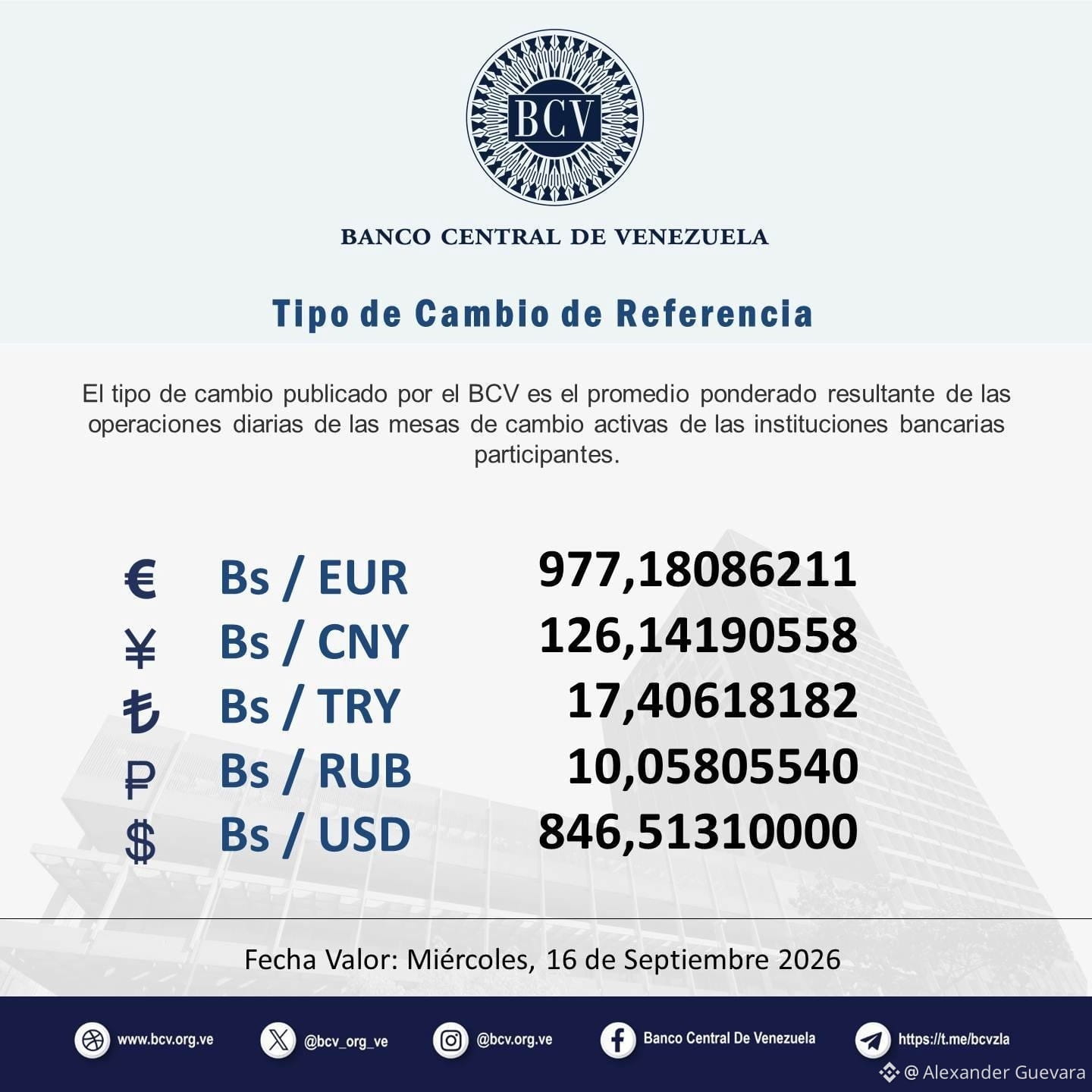
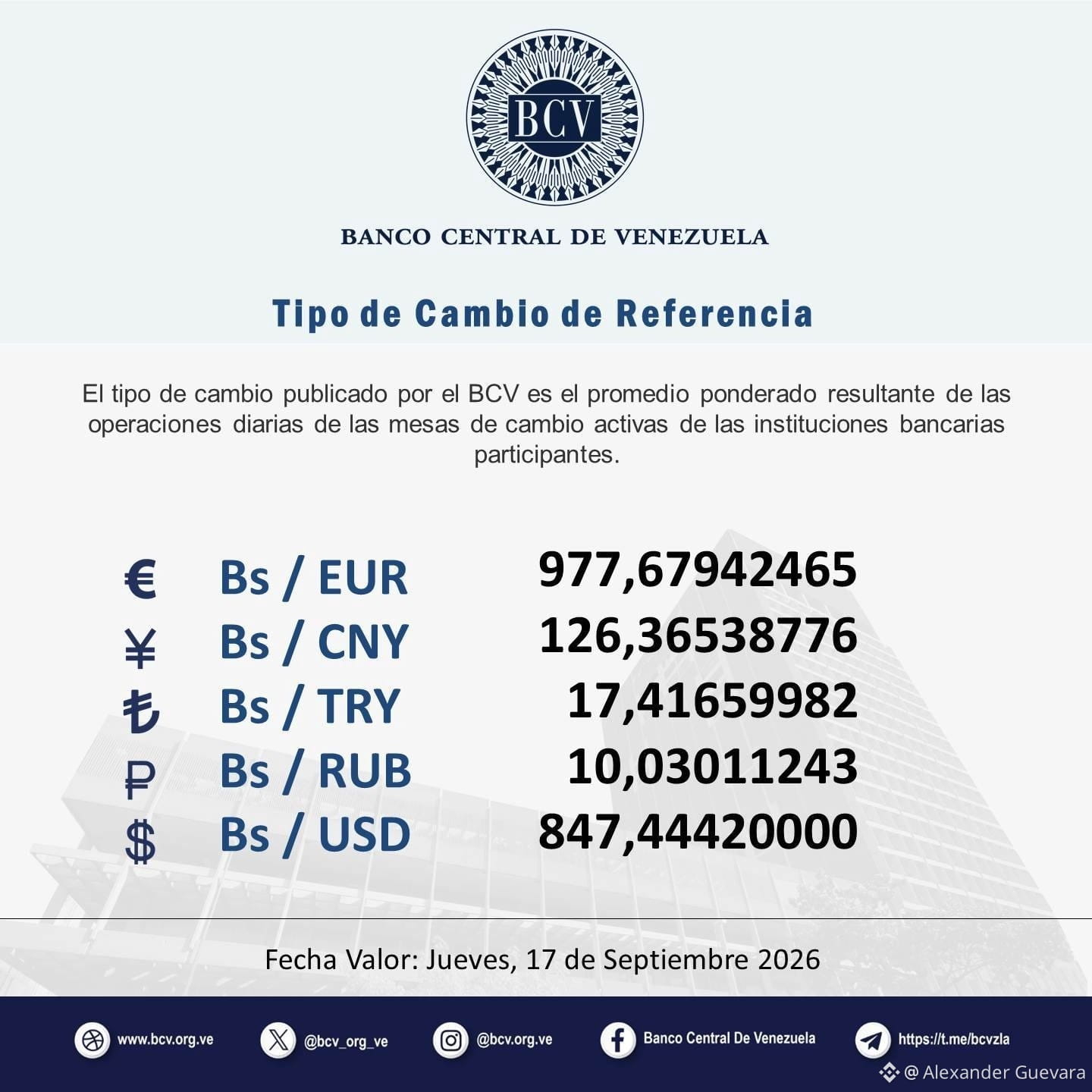
Do you know everything? Have you noticed that the BCV Euro hasn’t moved in the last few days and is still stuck at 977 Bs? 💶📉
It would be great if you keep using the strategy you’re using to achieve that stability.
A predictable market allows us to plan, protect our money, and make better financial decisions 🧠💡
Do you think the trend will continue, or is an adjustment coming soon?
I’ll read your comments below 👇🏻
#BCV #euro #dolar #venezuela #Bancocentral $BTC $CL $BZ
Do you know everything? Have you noticed that the BCV Euro hasn’t moved in the last few days and is still stuck at 977 Bs? 💶📉
It would be great if you keep using the strategy you’re using to achieve that stability.
A predictable market allows us to plan, protect our money, and make better financial decisions 🧠💡
Do you think the trend will continue, or is an adjustment coming soon?
I’ll read your comments below 👇🏻
#BCV #euro #dolar #venezuela #Bancocentral $BTC $CL $BZ
It would be great if you keep using the strategy you’re using to achieve that stability.
A predictable market allows us to plan, protect our money, and make better financial decisions 🧠💡
Do you think the trend will continue, or is an adjustment coming soon?
I’ll read your comments below 👇🏻
#BCV #euro #dolar #venezuela #Bancocentral $BTC $CL $BZ
38

🇷🇺💵🔥 Russia opens the door to crypto to trade with the world, and closes it on the door next door
This week, the Russian Parliament took the biggest step so far toward a regulated crypto market, and the way it did so says more than it seems at first glance.
What already happened (and what’s missing)
The Duma approved in second and third readings the law "On Digital Currency and Digital Rights." It still needs the approval of the Federation Council and Putin’s signature, so technically it is not law yet, although the path is practically paved. If confirmed, it will enter into force on September 1, 2026, with a transition period until July 2027 so exchanges and brokers can obtain a license from the Central Bank.
Two speeds for two types of users
Inside the country, paying with crypto for goods and services remains prohibited, and an unqualified retail investor (the vast majority of the local market) is limited to buying about $3,840 per year per intermediary. Outside, the story is completely different: Russian companies can use $BTC or $USDT without limits for foreign trade and cross-border payments.
My take
This is not a crypto opening in the style of "full adoption." It’s a sanctions-hit country using crypto as an escape valve to keep trading with the world, while keeping the average citizen out of everyday use. It’s regulation with a geopolitical goal as clear as the financial one.
Do you think this model (free crypto for exports, restricted inside the country) will be copied by other sanctioned countries?
#Rusia #CryptoRegulation #BTC #USDT #BancoCentral
🇷🇺💵🔥 Russia opens the door to crypto to trade with the world, and closes it on the door next door
This week, the Russian Parliament took the biggest step so far toward a regulated crypto market, and the way it did so says more than it seems at first glance.
What already happened (and what’s missing)
The Duma approved in second and third readings the law "On Digital Currency and Digital Rights." It still needs the approval of the Federation Council and Putin’s signature, so technically it is not law yet, although the path is practically paved. If confirmed, it will enter into force on September 1, 2026, with a transition period until July 2027 so exchanges and brokers can obtain a license from the Central Bank.
Two speeds for two types of users
Inside the country, paying with crypto for goods and services remains prohibited, and an unqualified retail investor (the vast majority of the local market) is limited to buying about $3,840 per year per intermediary. Outside, the story is completely different: Russian companies can use $BTC or $USDT without limits for foreign trade and cross-border payments.
My take
This is not a crypto opening in the style of "full adoption." It’s a sanctions-hit country using crypto as an escape valve to keep trading with the world, while keeping the average citizen out of everyday use. It’s regulation with a geopolitical goal as clear as the financial one.
Do you think this model (free crypto for exports, restricted inside the country) will be copied by other sanctioned countries?
#Rusia #CryptoRegulation #BTC #USDT #BancoCentral
This week, the Russian Parliament took the biggest step so far toward a regulated crypto market, and the way it did so says more than it seems at first glance.
What already happened (and what’s missing)
The Duma approved in second and third readings the law "On Digital Currency and Digital Rights." It still needs the approval of the Federation Council and Putin’s signature, so technically it is not law yet, although the path is practically paved. If confirmed, it will enter into force on September 1, 2026, with a transition period until July 2027 so exchanges and brokers can obtain a license from the Central Bank.
Two speeds for two types of users
Inside the country, paying with crypto for goods and services remains prohibited, and an unqualified retail investor (the vast majority of the local market) is limited to buying about $3,840 per year per intermediary. Outside, the story is completely different: Russian companies can use $BTC or $USDT without limits for foreign trade and cross-border payments.
My take
This is not a crypto opening in the style of "full adoption." It’s a sanctions-hit country using crypto as an escape valve to keep trading with the world, while keeping the average citizen out of everyday use. It’s regulation with a geopolitical goal as clear as the financial one.
Do you think this model (free crypto for exports, restricted inside the country) will be copied by other sanctioned countries?
#Rusia #CryptoRegulation #BTC #USDT #BancoCentral
1
523

full video on the channel subscribe 👇
https://youtube.com/shorts/hU2O_RBSdYk?is=76T9M7bEqeGsH6U5
#criptonews #criptomoedas #bitcoin #Bancocentral
full video on the channel subscribe 👇
https://youtube.com/shorts/hU2O_RBSdYk?is=76T9M7bEqeGsH6U5
#criptonews #criptomoedas #bitcoin #Bancocentral
https://youtube.com/shorts/hU2O_RBSdYk?is=76T9M7bEqeGsH6U5
#criptonews #criptomoedas #bitcoin #Bancocentral
520
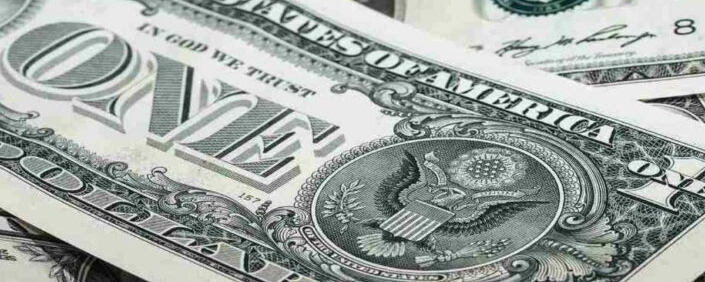
Article
BCV Exchange Rate June 15, 2026: 587.4059 Bs/USD (+0.81%)The BCV exchange rate as of June 15, 2026, published by the Central Bank of Venezuela (BCV), is set at 587.4059 Bs/USD, marking an increase of Bs. +4.7197 (+0.81%) compared to the previous trading session. This rate is derived from the weighted average of daily operations conducted by the currency exchange desks of participating banking institutions.
With the release of the BCV exchange rate, the aim is to provide an official reference for the currency market in Venezuela. It's crucial to keep an eye on these updates daily to understand the evolution of the official exchange rate.
BCV Exchange Rate June 15, 2026: 587.4059 Bs/USD (+0.81%)
The BCV exchange rate as of June 15, 2026, published by the Central Bank of Venezuela (BCV), is set at 587.4059 Bs/USD, marking an increase of Bs. +4.7197 (+0.81%) compared to the previous trading session. This rate is derived from the weighted average of daily operations conducted by the currency exchange desks of participating banking institutions.
With the release of the BCV exchange rate, the aim is to provide an official reference for the currency market in Venezuela. It's crucial to keep an eye on these updates daily to understand the evolution of the official exchange rate.
With the release of the BCV exchange rate, the aim is to provide an official reference for the currency market in Venezuela. It's crucial to keep an eye on these updates daily to understand the evolution of the official exchange rate.
3
125
🤝PUBLISHED DIGITAL INTERVENTION FOR TODAY ‼️
#banco #bancodevenezuela #Bancocentral #venezuela #caracasvenezuela $BTC $KNC $ETH
🤝PUBLISHED DIGITAL INTERVENTION FOR TODAY ‼️
#banco #bancodevenezuela #Bancocentral #venezuela #caracasvenezuela $BTC $KNC $ETH
#banco #bancodevenezuela #Bancocentral #venezuela #caracasvenezuela $BTC $KNC $ETH
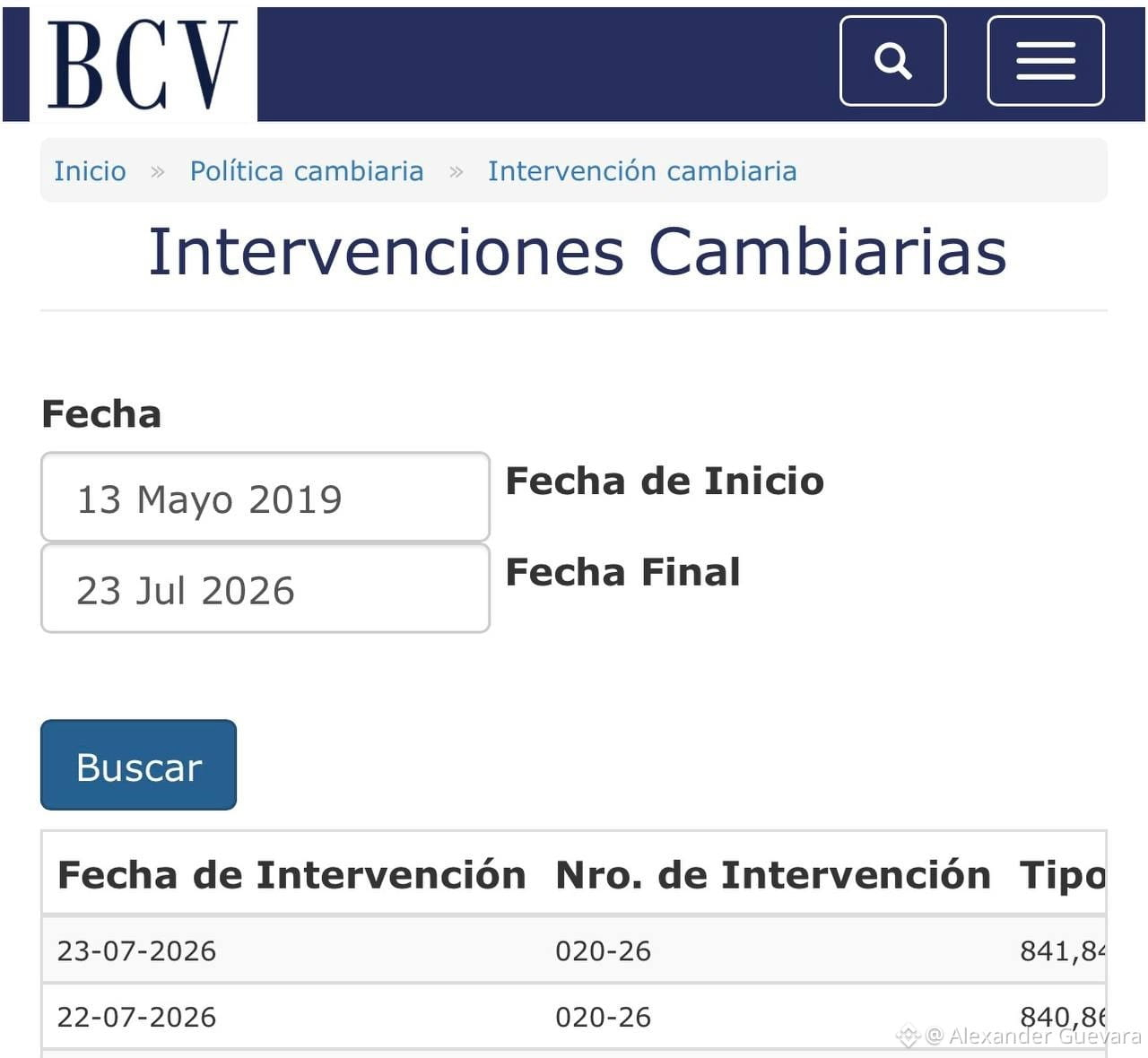
Alexander Guevara
·
--
Economist Hermes Pérez in 😜
Erratic exchange rate policy?
The official exchange rate rose 18% in July (to 21), the largest increase in 6 months, which narrowed the gap. Then, the quote has remained unchanged for 3 consecutive days.
It is difficult to assess this exchange rate policy.
#venezuela #bancoscentrales #Macro #macroeconomy #Caracas $BTCDOM
Erratic exchange rate policy?
The official exchange rate rose 18% in July (to 21), the largest increase in 6 months, which narrowed the gap. Then, the quote has remained unchanged for 3 consecutive days.
It is difficult to assess this exchange rate policy.
#venezuela #bancoscentrales #Macro #macroeconomy #Caracas $BTCDOM
3
582

·
--

Article
🏦 What is a CBDC and how does it differ from Bitcoin and USDT?📌 QUICK SUMMARY
- CBDC means Central Bank Digital Currency.
- It's issued by the government; it's not decentralized.
- Bitcoin is free, with no owner or control.
- USDT is a private stablecoin backed by dollars.
- A CBDC can be useful for digital payments but not for escaping state control.
👇 Keep reading to understand the differences and why they matter.
What is a CBDC?
CBDC stands for Central Bank Digital Currency.
It's a digital currency issued by a country's central bank.
🏦 What is a CBDC and how does it differ from Bitcoin and USDT?
📌 QUICK SUMMARY
- CBDC means Central Bank Digital Currency.
- It's issued by the government; it's not decentralized.
- Bitcoin is free, with no owner or control.
- USDT is a private stablecoin backed by dollars.
- A CBDC can be useful for digital payments but not for escaping state control.
👇 Keep reading to understand the differences and why they matter.
What is a CBDC?
CBDC stands for Central Bank Digital Currency.
It's a digital currency issued by a country's central bank.
- CBDC means Central Bank Digital Currency.
- It's issued by the government; it's not decentralized.
- Bitcoin is free, with no owner or control.
- USDT is a private stablecoin backed by dollars.
- A CBDC can be useful for digital payments but not for escaping state control.
👇 Keep reading to understand the differences and why they matter.
What is a CBDC?
CBDC stands for Central Bank Digital Currency.
It's a digital currency issued by a country's central bank.
128
Log in to explore more content
Join global crypto users on Binance Square
⚡️ Get latest and useful information about crypto.
💬 Trusted by the world’s largest crypto exchange.
👍 Discover real insights from verified creators.
Email / Phone number
Trending Topics
1
#BitcoinSlipsBelow$84000
41 views
27 Discussing
2
#SECToClarifyOnChainFundraisingRules
1,921 views
109 Discussing
3
#UKFCAOpensCryptoFirmAuthorization
4,511 views
137 Discussing
4
#JapanMOFStudyGroupOnTokenizedGovtBonds
4,557 views
153 Discussing
5
#QNTRises287%
31,321 views
464 Discussing
6
#TrumpRejectsAIRulesForVoluntaryAudits
22,922 views
533 Discussing
7
#BitgetHotWalletBreachTiedToThirdPartySecurityFlaw
12,534 views
353 Discussing
8
#OpenAIUnveilsAlwaysOnAgentDots
10,477 views
368 Discussing
9
#ChainlinkLaunchesBankSWIFTLedgerFramework
11,181 views
287 Discussing
10
#EarningsSeason
550,894 views
3,880 Discussing