
strategy 1
21 Posts

strategy 1
Report
Block User
here we share daily dose of trending material and strategically good trdes
6 Following
23 Followers
50 Liked
Posts
All
Quotes
·
--

Article
Market Update 🚀Crypto Market Update: Bitcoin Leads the Recovery as Investors Navigate Uncertainty
November 5, 2026 | Market Analysis
The cryptocurrency market is showing signs of recovery after a period of uncertainty, volatility, and selling pressure. Bitcoin has moved back above the $80,000 level, while Ethereum and several major altcoins are also gaining momentum.
However, investors should not confuse a short-term recovery with a confirmed bullish trend. The market is still dealing with several important challenges, including institutional fund flows, macroeconomic uncertainty, regulatory developments, and the recent security concerns surrounding the crypto industry.
Let's look at what's happening and what traders should watch next.
1. Bitcoin: A Critical Moment for the Market
Bitcoin remains the primary indicator of overall crypto market sentiment.
Following its recent decline below $80,000, BTC has recovered and is trading around the $80,000–$81,000 region, according to early November market reports.
The $80,000 level is particularly important because it represents a psychological and technical reference point for traders.
If Bitcoin maintains its position above this level, bullish momentum could strengthen. A sustained move toward $82,000 and beyond would improve market confidence.
On the other hand, losing this support could bring renewed selling pressure, with the $78,000 and $76,000 regions worth monitoring.
For now, patience and confirmation are more important than chasing price movements.
2. Ethereum and Altcoins Show Signs of Strength
Ethereum is participating in the market recovery, trading around $2,400 in recent market reports.
Several major altcoins have also recorded positive movements, suggesting that buying interest is returning beyond Bitcoin.
However, not every altcoin will benefit equally.
Investors should pay attention to:
Trading volume and liquidity.Bitcoin dominance.Relative strength against BTC.Ecosystem development and real-world adoption.Whether price increases are supported by spot demand.
A sustainable altcoin rally generally requires broader market participation rather than isolated speculative pumps.
3. Institutional Money Remains Important
Institutional participation continues to be one of the biggest factors influencing cryptocurrency prices.
ETF flows, investment fund positioning, and broader risk appetite can significantly affect Bitcoin and Ethereum.
Recent reports have highlighted institutional outflows and cautious investor positioning.
This means the market needs more than temporary buying pressure to establish a strong upward trend.
Consistent inflows and improving spot demand would provide a healthier foundation for a sustained recovery.
4. Macro Economics and US Politics Are Influencing Crypto
Cryptocurrency is increasingly connected to traditional financial markets.
The latest US midterm election results have attracted attention because congressional control could influence the future direction of digital asset regulation.
Meanwhile, investors are monitoring Federal Reserve policy, employment data, Treasury yields, and the US dollar.
A weaker dollar and improving risk appetite have recently supported crypto prices.
Nevertheless, expectations around interest rates remain important. Higher borrowing costs can reduce appetite for speculative assets, while improving liquidity conditions may support digital asset valuations.
5. Market Confidence and Security Matter
Another major issue currently affecting sentiment is the reported security incident involving Binance.
The incident has increased attention on exchange security, withdrawals, liquidity, and proof of reserves.
For the broader cryptocurrency industry, this is an important reminder that security and transparency are essential to long-term adoption.
Investors should evaluate exchange announcements carefully, distinguish verified information from speculation, and avoid making decisions based on unconfirmed social media claims.
What Should Traders Watch Next?
Here are some important levels and indicators to monitor:
Bitcoin
$82,000: Potential upside reference.$80,000: Important psychological level.$78,000: Potential support area.$76,000: Deeper support to monitor.
Ethereum
$2,500: Important upside reference.$2,400: Near-term market reference.$2,300: Potential support area.
These are observation levels, not guaranteed support or resistance zones.
My Market Outlook
I believe the current market environment requires a balanced approach.
There are encouraging signs of recovery, but uncertainty has not disappeared. Bitcoin needs to establish stronger support, institutional demand needs to improve, and the broader market needs sustained buying pressure.
My approach would be to avoid emotional trading, monitor key price levels, and wait for confirmation before taking aggressive positions.
The next major move could provide a clearer indication of whether the market is preparing for another bullish leg or simply experiencing a temporary relief rally.
Final Thought
The cryptocurrency market rewards patience, discipline, and proper risk management.
Green candles do not automatically mean a bull market, and red candles do not necessarily mean the cycle is over.
Focus on market structure, liquidity, fundamentals, and risk management rather than following the crowd.
What is your outlook?
Are we witnessing the beginning of another Bitcoin recovery, or is this simply a temporary bounce before another correction?
Share your thoughts below. Let's discuss.
#bitcoin #MarketSentimentToday #BinanceSquare $ETH
Disclaimer: This article is for educational and informational purposes only. It does not constitute financial or investment advice. Cryptocurrency markets are highly volatile. Always conduct your own research and manage your risk.
{spot}(ETHUSDT)
{spot}(BTCUSDT)
Market Update 🚀
Crypto Market Update: Bitcoin Leads the Recovery as Investors Navigate Uncertainty
November 5, 2026 | Market Analysis
The cryptocurrency market is showing signs of recovery after a period of uncertainty, volatility, and selling pressure. Bitcoin has moved back above the $80,000 level, while Ethereum and several major altcoins are also gaining momentum.
However, investors should not confuse a short-term recovery with a confirmed bullish trend. The market is still dealing with several important challenges, including institutional fund flows, macroeconomic uncertainty, regulatory developments, and the recent security concerns surrounding the crypto industry.
Let's look at what's happening and what traders should watch next.
1. Bitcoin: A Critical Moment for the Market
Bitcoin remains the primary indicator of overall crypto market sentiment.
Following its recent decline below $80,000, BTC has recovered and is trading around the $80,000–$81,000 region, according to early November market reports.
The $80,000 level is particularly important because it represents a psychological and technical reference point for traders.
If Bitcoin maintains its position above this level, bullish momentum could strengthen. A sustained move toward $82,000 and beyond would improve market confidence.
On the other hand, losing this support could bring renewed selling pressure, with the $78,000 and $76,000 regions worth monitoring.
For now, patience and confirmation are more important than chasing price movements.
2. Ethereum and Altcoins Show Signs of Strength
Ethereum is participating in the market recovery, trading around $2,400 in recent market reports.
Several major altcoins have also recorded positive movements, suggesting that buying interest is returning beyond Bitcoin.
However, not every altcoin will benefit equally.
Investors should pay attention to:
Trading volume and liquidity.Bitcoin dominance.Relative strength against BTC.Ecosystem development and real-world adoption.Whether price increases are supported by spot demand.
A sustainable altcoin rally generally requires broader market participation rather than isolated speculative pumps.
3. Institutional Money Remains Important
Institutional participation continues to be one of the biggest factors influencing cryptocurrency prices.
ETF flows, investment fund positioning, and broader risk appetite can significantly affect Bitcoin and Ethereum.
Recent reports have highlighted institutional outflows and cautious investor positioning.
This means the market needs more than temporary buying pressure to establish a strong upward trend.
Consistent inflows and improving spot demand would provide a healthier foundation for a sustained recovery.
4. Macro Economics and US Politics Are Influencing Crypto
Cryptocurrency is increasingly connected to traditional financial markets.
The latest US midterm election results have attracted attention because congressional control could influence the future direction of digital asset regulation.
Meanwhile, investors are monitoring Federal Reserve policy, employment data, Treasury yields, and the US dollar.
A weaker dollar and improving risk appetite have recently supported crypto prices.
Nevertheless, expectations around interest rates remain important. Higher borrowing costs can reduce appetite for speculative assets, while improving liquidity conditions may support digital asset valuations.
5. Market Confidence and Security Matter
Another major issue currently affecting sentiment is the reported security incident involving Binance.
The incident has increased attention on exchange security, withdrawals, liquidity, and proof of reserves.
For the broader cryptocurrency industry, this is an important reminder that security and transparency are essential to long-term adoption.
Investors should evaluate exchange announcements carefully, distinguish verified information from speculation, and avoid making decisions based on unconfirmed social media claims.
What Should Traders Watch Next?
Here are some important levels and indicators to monitor:
Bitcoin
$82,000: Potential upside reference.$80,000: Important psychological level.$78,000: Potential support area.$76,000: Deeper support to monitor.
Ethereum
$2,500: Important upside reference.$2,400: Near-term market reference.$2,300: Potential support area.
These are observation levels, not guaranteed support or resistance zones.
My Market Outlook
I believe the current market environment requires a balanced approach.
There are encouraging signs of recovery, but uncertainty has not disappeared. Bitcoin needs to establish stronger support, institutional demand needs to improve, and the broader market needs sustained buying pressure.
My approach would be to avoid emotional trading, monitor key price levels, and wait for confirmation before taking aggressive positions.
The next major move could provide a clearer indication of whether the market is preparing for another bullish leg or simply experiencing a temporary relief rally.
Final Thought
The cryptocurrency market rewards patience, discipline, and proper risk management.
Green candles do not automatically mean a bull market, and red candles do not necessarily mean the cycle is over.
Focus on market structure, liquidity, fundamentals, and risk management rather than following the crowd.
What is your outlook?
Are we witnessing the beginning of another Bitcoin recovery, or is this simply a temporary bounce before another correction?
Share your thoughts below. Let's discuss.
#bitcoin #MarketSentimentToday #BinanceSquare $ETH
Disclaimer: This article is for educational and informational purposes only. It does not constitute financial or investment advice. Cryptocurrency markets are highly volatile. Always conduct your own research and manage your risk.
60
·
--
Article
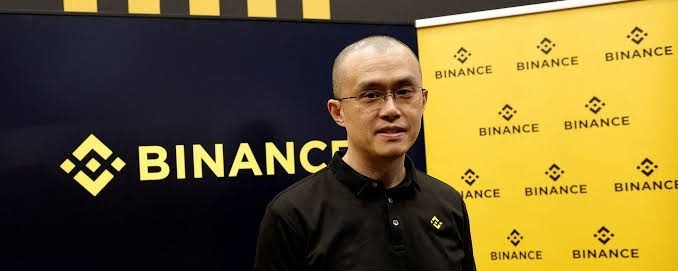
Who is CZ!🚀 𝐅𝐑𝐎𝐌 𝐌𝐂𝐃𝐎𝐍𝐀𝐋𝐃’𝐒 𝐖𝐎𝐑𝐊𝐄𝐑 𝐓𝐎 𝐓𝐇𝐄 𝐌𝐀𝐍 𝐁𝐄𝐇𝐈𝐍𝐃 𝐁𝐈𝐍𝐀𝐍𝐂𝐄: 𝐓𝐇𝐄 𝐔𝐍𝐓𝐎𝐋𝐃 𝐉𝐎𝐔𝐑𝐍𝐄𝐘 𝐎𝐅 𝐂𝐙
𝐇𝐞 𝐰𝐚𝐬𝐧’𝐭 𝐛𝐨𝐫𝐧 𝐢𝐧𝐭𝐨 𝐚 𝐜𝐫𝐲𝐩𝐭𝐨 𝐞𝐦𝐩𝐢𝐫𝐞. 𝐇𝐞 𝐛𝐮𝐢𝐥𝐭 𝐨𝐧𝐞.
Today, millions of people in crypto know these letters: 𝐂𝐙.
But behind those letters is a journey filled with hard work, uncertainty, bold decisions, extraordinary ambition and some very difficult chapters.
The man is 𝐂𝐡𝐚𝐧𝐠𝐩𝐞𝐧𝐠 𝐙𝐡𝐚𝐨, founder of Binance and one of the most influential figures in the history of cryptocurrency.
His story is not just about becoming wealthy. It is about how an ordinary software engineer became one of the most recognizable names in the global crypto industry.
Let's go back to the beginning.
━━━━━━━━━━━━━━━━━━
🌍 𝐅𝐑𝐎𝐌 𝐂𝐇𝐈𝐍𝐀 𝐓𝐎 𝐂𝐀𝐍𝐀𝐃𝐀: 𝐓𝐇𝐄 𝐄𝐀𝐑𝐋𝐘 𝐒𝐓𝐑𝐔𝐆𝐆𝐋𝐄
CZ was born in Jiangsu, China, in 1977. His parents were educators, and his father was a university professor.
When CZ was around 12 years old, his family moved to Vancouver, Canada.
Starting life in a new country wasn't easy. His family had to adapt, and money was not unlimited.
As a teenager, CZ worked at McDonald's and also took overnight shifts at a gas station to help with household expenses.
Think about that for a moment.
The person who would eventually build Binance once spent part of his teenage years working ordinary jobs to earn money.
He wasn't living the billionaire lifestyle. He was learning responsibility, discipline and the value of work.
And perhaps those early experiences helped shape the practical, no-nonsense approach people would later associate with him.
💡 𝐒𝐔𝐂𝐂𝐄𝐒𝐒 𝐃𝐎𝐄𝐒𝐍’𝐓 𝐀𝐋𝐖𝐀𝐘𝐒 𝐁𝐄𝐆𝐈𝐍 𝐖𝐈𝐓𝐇 𝐀 𝐅𝐎𝐑𝐓𝐔𝐍𝐄. 𝐒𝐎𝐌𝐄𝐓𝐈𝐌𝐄𝐒 𝐈𝐓 𝐁𝐄𝐆𝐈𝐍𝐒 𝐖𝐈𝐓𝐇 𝐀 𝐉𝐎𝐁 𝐀𝐍𝐃 𝐀 𝐃𝐑𝐄𝐀𝐌.
━━━━━━━━━━━━━━━━━━
💻 𝐓𝐇𝐄 𝐄𝐍𝐆𝐈𝐍𝐄𝐄𝐑 𝐖𝐇𝐎 𝐋𝐄𝐀𝐑𝐍𝐄𝐃 𝐇𝐎𝐖 𝐌𝐎𝐍𝐄𝐘 𝐌𝐎𝐕𝐄𝐒
CZ studied computer science at McGill University in Montreal, although he left before completing his degree.
His professional journey took him through some important financial and technology centers.
He worked on trading software for the Tokyo Stock Exchange. Later, he joined Bloomberg Tradebook in New York, where he developed futures-trading systems.
In 2005, he moved to Shanghai and founded Fusion Systems, a company focused on high-frequency trading technology.
These were not glamorous celebrity jobs.
They were technical roles requiring problem-solving, coding, precision and the ability to build systems that could handle demanding financial markets.
But here's what makes this part of his story interesting:
CZ wasn't simply learning how to trade. He was learning how the technology behind financial markets actually worked.
Years later, that experience would become one of his biggest advantages.
━━━━━━━━━━━━━━━━━━
₿ 𝐓𝐇𝐄 𝐏𝐎𝐊𝐄𝐑 𝐆𝐀𝐌𝐄 𝐓𝐇𝐀𝐓 𝐂𝐇𝐀𝐍𝐆𝐄𝐃 𝐄𝐕𝐄𝐑𝐘𝐓𝐇𝐈𝐍𝐆
Sometimes a life-changing opportunity arrives when you least expect it.
For CZ, one important moment came in 2013 during a poker game in Shanghai.
Friends introduced him to Bitcoin.
Instead of dismissing it as another internet experiment, he became deeply interested. He studied the technology, explored its possibilities and eventually made a decision that carried enormous personal risk.
He sold his Shanghai apartment and invested heavily in Bitcoin.
Imagine making that decision when cryptocurrency was still misunderstood by most people.
There was no guarantee that Bitcoin would become a global financial asset. There was no guarantee that the investment would succeed.
It was a calculated but extremely risky bet on a technology he believed had a future.
CZ later joined Blockchain.info and became involved in the crypto industry more directly.
He also worked at OKCoin before moving toward his biggest project.
And that project would change crypto history.
━━━━━━━━━━━━━━━━━━
🔥 𝐉𝐔𝐋𝐘 𝟐𝟎𝟏𝟕: 𝐓𝐇𝐄 𝐁𝐈𝐑𝐓𝐇 𝐎𝐅 𝐁𝐈𝐍𝐀𝐍𝐂𝐄
In July 2017, CZ launched Binance.
It started as a relatively small cryptocurrency exchange, supported by a founding team of roughly 30 people.
The idea was simple but ambitious: build a platform where people around the world could trade digital assets efficiently.
Binance raised approximately $15 million through its initial coin offering.
But what happened next was extraordinary.
Within roughly 180 days, Binance had become the world's largest cryptocurrency exchange by trading volume.
How?
A combination of factors helped drive its growth:
🔹 A strong focus on trading technology and platform performance.
🔹 A growing selection of digital assets.
🔹 Competitive trading fees.
🔹 A global user base.
🔹 Rapid product development.
🔹 A willingness to move quickly in a rapidly changing industry.
CZ understood something important: crypto was not just about creating coins. It also needed infrastructure, liquidity, accessible platforms and a broader ecosystem.
Binance became much more than a place to buy and sell cryptocurrency.
━━━━━━━━━━━━━━━━━━
🪙 𝐁𝐍𝐁: 𝐌𝐎𝐑𝐄 𝐓𝐇𝐀𝐍 𝐉𝐔𝐒𝐓 𝐀 𝐓𝐎𝐊𝐄𝐍
One of CZ's major contributions was helping build an ecosystem around Binance.
BNB became an important part of that ecosystem.
It developed from a token associated with exchange fee discounts into an asset with multiple uses across the wider BNB ecosystem.
Today, BNB has roles in:
🔸 Transaction fees on BNB Smart Chain.
🔸 DeFi applications and decentralized exchanges.
🔸 Payments and other ecosystem services.
🔸 Staking and network participation.
🔸 Various Binance platform features and benefits.
The development of BNB Chain also helped expand the opportunities available to developers and users.
This is an important part of CZ's legacy: he helped build infrastructure that allowed other projects, developers and businesses to participate in crypto.
A successful founder doesn't only build a product. The biggest impact can come from creating an environment where others can build too.
━━━━━━━━━━━━━━━━━━
👨💻 𝐁𝐄𝐇𝐈𝐍𝐃 𝐓𝐇𝐄 𝐁𝐈𝐋𝐋𝐈𝐎𝐍𝐀𝐈𝐑𝐄: 𝐖𝐇𝐀𝐓 𝐖𝐀𝐒 𝐂𝐙 𝐋𝐈𝐊𝐄 𝐈𝐍 𝐃𝐀𝐈𝐋𝐘 𝐋𝐈𝐅𝐄?
This is the part of his story many people find fascinating.
Despite becoming one of crypto's most recognizable billionaires, CZ has often presented himself as a relatively low-key technology person rather than a traditional corporate celebrity.
His public image has frequently been associated with simple clothing, a hoodie, a T-shirt and a practical approach to work.
During his university years, he spent time in computer labs working on code, went rollerblading and met friends for food.
He has also spoken about his engineering background and his preference for solving problems.
His working philosophy became closely associated with Binance's fast-moving culture: make decisions quickly, focus on execution and keep building.
But there is another side to his personal life.
CZ is a father, and his life has involved responsibilities beyond business. His journey has also included family, personal relationships, public pressure and major life changes.
We should be careful not to invent a perfect daily routine for him. What we can see from his interviews and career is a consistent pattern: technology, learning, risk-taking and an intense focus on building.
━━━━━━━━━━━━━━━━━━
🌐 𝐇𝐈𝐒 𝐂𝐎𝐍𝐓𝐑𝐈𝐁𝐔𝐓𝐈𝐎𝐍 𝐓𝐎 𝐓𝐇𝐄 𝐂𝐑𝐘𝐏𝐓𝐎 𝐈𝐍𝐃𝐔𝐒𝐓𝐑𝐘
Whether someone likes CZ or dislikes him, it is difficult to discuss the growth of modern cryptocurrency without discussing his influence.
His contribution goes beyond Binance itself.
𝐇𝐞 𝐡𝐞𝐥𝐩𝐞𝐝 𝐛𝐫𝐢𝐧𝐠 𝐜𝐫𝐲𝐩𝐭𝐨 𝐭𝐨 𝐚 𝐦𝐚𝐬𝐬𝐢𝐯𝐞 𝐠𝐥𝐨𝐛𝐚𝐥 𝐚𝐮𝐝𝐢𝐞𝐧𝐜𝐞.
His work helped expand access to digital-asset trading for people across many countries.
𝐇𝐞 𝐡𝐞𝐥𝐩𝐞𝐝 𝐝𝐞𝐯𝐞𝐥𝐨𝐩 𝐜𝐫𝐲𝐩𝐭𝐨 𝐢𝐧𝐟𝐫𝐚𝐬𝐭𝐫𝐮𝐜𝐭𝐮𝐫𝐞.
Binance's ecosystem, BNB and BNB Chain became important parts of the broader blockchain landscape.
𝐇𝐞 𝐡𝐞𝐥𝐩𝐞𝐝 𝐦𝐚𝐤𝐞 𝐜𝐫𝐲𝐩𝐭𝐨 𝐚 𝐦𝐚𝐢𝐧𝐬𝐭𝐫𝐞𝐚𝐦 𝐜𝐨𝐧𝐯𝐞𝐫𝐬𝐚𝐭𝐢𝐨𝐧.
For many newcomers, Binance was one of their first introductions to cryptocurrency.
𝐇𝐞 𝐚𝐥𝐬𝐨 𝐡𝐞𝐥𝐩𝐞𝐝 𝐩𝐮𝐬𝐡 𝐭𝐡𝐞 𝐢𝐧𝐝𝐮𝐬𝐭𝐫𝐲 𝐭𝐨𝐰𝐚𝐫𝐝 𝐧𝐞𝐰 𝐢𝐝𝐞𝐚𝐬.
From token launches and blockchain applications to education and developer support, the ecosystem grew into a much broader operation.
His influence is significant, even though the industry still has many challenges to solve.
━━━━━━━━━━━━━━━━━━
⚖️ 𝐓𝐇𝐄 𝐃𝐈𝐅𝐅𝐈𝐂𝐔𝐋𝐓 𝐂𝐇𝐀𝐏𝐓𝐄𝐑: 𝐒𝐔𝐂𝐂𝐄𝐒𝐒 𝐃𝐎𝐄𝐒𝐍’𝐓 𝐌𝐄𝐀𝐍 𝐍𝐎 𝐒𝐄𝐓𝐁𝐀𝐂𝐊𝐒
A real biography cannot tell only the beautiful parts.
Binance faced increasing regulatory scrutiny as it expanded internationally.
In November 2023, CZ pleaded guilty in the United States to failing to maintain an effective anti-money-laundering program at Binance.
He stepped down as CEO, Binance agreed to a $4.3 billion resolution with U.S. authorities, and CZ was later sentenced to four months in prison.
He served that sentence in 2024.
In October 2025, U.S. President Donald Trump granted him a pardon.
These events became some of the most controversial chapters in his career.
They also demonstrated an important lesson for the entire crypto industry:
𝐁𝐮𝐢𝐥𝐝𝐢𝐧𝐠 𝐚 𝐦𝐚𝐬𝐬𝐢𝐯𝐞 𝐟𝐢𝐧𝐚𝐧𝐜𝐢𝐚𝐥 𝐩𝐥𝐚𝐭𝐟𝐨𝐫𝐦 𝐫𝐞𝐪𝐮𝐢𝐫𝐞𝐬 𝐦𝐨𝐫𝐞 𝐭𝐡𝐚𝐧 𝐭𝐞𝐜𝐡𝐧𝐨𝐥𝐨𝐠𝐲 𝐚𝐧𝐝 𝐠𝐫𝐨𝐰𝐭𝐡. 𝐈𝐭 𝐚𝐥𝐬𝐨 𝐫𝐞𝐪𝐮𝐢𝐫𝐞𝐬 𝐜𝐨𝐦𝐩𝐥𝐢𝐚𝐧𝐜𝐞, 𝐚𝐜𝐜𝐨𝐮𝐧𝐭𝐚𝐛𝐢𝐥𝐢𝐭𝐲 𝐚𝐧𝐝 𝐭𝐫𝐮𝐬𝐭.
His story is therefore not a perfect success story. It is a story of extraordinary achievement, serious mistakes, consequences and a complicated legacy.
━━━━━━━━━━━━━━━━━━
🎓 𝐓𝐇𝐄 𝐍𝐄𝐗𝐓 𝐂𝐇𝐀𝐏𝐓𝐄𝐑: 𝐅𝐑𝐎𝐌 𝐂𝐑𝐘𝐏𝐓𝐎 𝐄𝐗𝐂𝐇𝐀𝐍𝐆𝐄𝐒 𝐓𝐎 𝐄𝐃𝐔𝐂𝐀𝐓𝐈𝐎𝐍
One interesting development after leaving the CEO position is CZ's focus on new projects.
He has been involved in 𝐆𝐢𝐠𝐠𝐥𝐞 𝐀𝐜𝐚𝐝𝐞𝐦𝐲, an educational initiative aimed at providing free learning resources for children.
He has also been involved in mentoring entrepreneurs and supporting new technology ventures through YZi Labs.
This is a different direction from running one of the world's largest crypto exchanges.
It suggests that his interests extend beyond trading platforms and token prices.
Technology, education, artificial intelligence and entrepreneurship are all areas he has expressed interest in exploring.
Perhaps the next chapter of his story will be less about building an exchange and more about helping build the next generation of innovators.
━━━━━━━━━━━━━━━━━━
🧠 𝐖𝐇𝐀𝐓 𝐂𝐀𝐍 𝐖𝐄 𝐋𝐄𝐀𝐑𝐍 𝐅𝐑𝐎𝐌 𝐂𝐙?
There are several lessons worth taking from his journey:
1️⃣ 𝐒𝐓𝐀𝐑𝐓 𝐖𝐈𝐓𝐇 𝐒𝐊𝐈𝐋𝐋𝐒. CZ's technical background gave him an advantage when he entered crypto.
2️⃣ 𝐒𝐓𝐀𝐘 𝐂𝐔𝐑𝐈𝐎𝐔𝐒. His decision to study Bitcoin seriously changed the direction of his career.
3️⃣ 𝐁𝐄 𝐖𝐈𝐋𝐋𝐈𝐍𝐆 𝐓𝐎 𝐓𝐀𝐊𝐄 𝐂𝐀𝐋𝐂𝐔𝐋𝐀𝐓𝐄𝐃 𝐑𝐈𝐒𝐊𝐒. Selling an apartment to invest in Bitcoin was a major risk—not a guaranteed formula for success.
4️⃣ 𝐁𝐔𝐈𝐋𝐃 𝐅𝐎𝐑 𝐓𝐇𝐄 𝐋𝐎𝐍𝐆 𝐓𝐄𝐑𝐌. Binance grew because it developed products, infrastructure and an ecosystem, not just because of a famous founder.
5️⃣ 𝐋𝐄𝐀𝐑𝐍 𝐅𝐑𝐎𝐌 𝐌𝐈𝐒𝐓𝐀𝐊𝐄𝐒. His regulatory experience shows why responsible leadership matters just as much as ambition.
━━━━━━━━━━━━━━━━━━
❤️ 𝐅𝐈𝐍𝐀𝐋 𝐓𝐇𝐎𝐔𝐆𝐇𝐓
From working at McDonald's to developing financial trading systems, from discovering Bitcoin during a poker game to launching Binance, CZ's journey is one of the most remarkable stories in modern crypto.
He helped shape an industry, created opportunities for millions of users and developers, and built an ecosystem that continues to influence the blockchain world.
But perhaps the most interesting part is this:
The young man who once spent hours writing code in a university computer lab eventually built a platform used by people across the world.
His story reminds us that sometimes the biggest opportunities come from understanding something before the rest of the world does.
And sometimes, the most important achievement isn't becoming famous or wealthy.
It's building something that continues to matter.
━━━━━━━━━━━━━━━━━━
💬 𝐍𝐎𝐖 𝐈 𝐖𝐀𝐍𝐓 𝐓𝐎 𝐇𝐄𝐀𝐑 𝐘𝐎𝐔𝐑 𝐎𝐏𝐈𝐍𝐈𝐎𝐍!
𝐐𝟏: What impresses you most about CZ—his technical knowledge, his risk-taking, his leadership or his ability to build Binance?
𝐐𝟐: Do you believe Binance would have reached the same level of success without CZ?
𝐐𝟑: What do you think his next big contribution to the crypto industry will be?
𝐐𝟒: If you could ask CZ just ONE question, what would it be?
👇 Share your thoughts. Let's have a meaningful discussion.
#CZ #ChangpengZhao #Binance #Web3 #CryptoCommunity
Who is CZ!
🚀 𝐅𝐑𝐎𝐌 𝐌𝐂𝐃𝐎𝐍𝐀𝐋𝐃’𝐒 𝐖𝐎𝐑𝐊𝐄𝐑 𝐓𝐎 𝐓𝐇𝐄 𝐌𝐀𝐍 𝐁𝐄𝐇𝐈𝐍𝐃 𝐁𝐈𝐍𝐀𝐍𝐂𝐄: 𝐓𝐇𝐄 𝐔𝐍𝐓𝐎𝐋𝐃 𝐉𝐎𝐔𝐑𝐍𝐄𝐘 𝐎𝐅 𝐂𝐙
𝐇𝐞 𝐰𝐚𝐬𝐧’𝐭 𝐛𝐨𝐫𝐧 𝐢𝐧𝐭𝐨 𝐚 𝐜𝐫𝐲𝐩𝐭𝐨 𝐞𝐦𝐩𝐢𝐫𝐞. 𝐇𝐞 𝐛𝐮𝐢𝐥𝐭 𝐨𝐧𝐞.
Today, millions of people in crypto know these letters: 𝐂𝐙.
But behind those letters is a journey filled with hard work, uncertainty, bold decisions, extraordinary ambition and some very difficult chapters.
The man is 𝐂𝐡𝐚𝐧𝐠𝐩𝐞𝐧𝐠 𝐙𝐡𝐚𝐨, founder of Binance and one of the most influential figures in the history of cryptocurrency.
His story is not just about becoming wealthy. It is about how an ordinary software engineer became one of the most recognizable names in the global crypto industry.
Let's go back to the beginning.
━━━━━━━━━━━━━━━━━━
🌍 𝐅𝐑𝐎𝐌 𝐂𝐇𝐈𝐍𝐀 𝐓𝐎 𝐂𝐀𝐍𝐀𝐃𝐀: 𝐓𝐇𝐄 𝐄𝐀𝐑𝐋𝐘 𝐒𝐓𝐑𝐔𝐆𝐆𝐋𝐄
CZ was born in Jiangsu, China, in 1977. His parents were educators, and his father was a university professor.
When CZ was around 12 years old, his family moved to Vancouver, Canada.
Starting life in a new country wasn't easy. His family had to adapt, and money was not unlimited.
As a teenager, CZ worked at McDonald's and also took overnight shifts at a gas station to help with household expenses.
Think about that for a moment.
The person who would eventually build Binance once spent part of his teenage years working ordinary jobs to earn money.
He wasn't living the billionaire lifestyle. He was learning responsibility, discipline and the value of work.
And perhaps those early experiences helped shape the practical, no-nonsense approach people would later associate with him.
💡 𝐒𝐔𝐂𝐂𝐄𝐒𝐒 𝐃𝐎𝐄𝐒𝐍’𝐓 𝐀𝐋𝐖𝐀𝐘𝐒 𝐁𝐄𝐆𝐈𝐍 𝐖𝐈𝐓𝐇 𝐀 𝐅𝐎𝐑𝐓𝐔𝐍𝐄. 𝐒𝐎𝐌𝐄𝐓𝐈𝐌𝐄𝐒 𝐈𝐓 𝐁𝐄𝐆𝐈𝐍𝐒 𝐖𝐈𝐓𝐇 𝐀 𝐉𝐎𝐁 𝐀𝐍𝐃 𝐀 𝐃𝐑𝐄𝐀𝐌.
━━━━━━━━━━━━━━━━━━
💻 𝐓𝐇𝐄 𝐄𝐍𝐆𝐈𝐍𝐄𝐄𝐑 𝐖𝐇𝐎 𝐋𝐄𝐀𝐑𝐍𝐄𝐃 𝐇𝐎𝐖 𝐌𝐎𝐍𝐄𝐘 𝐌𝐎𝐕𝐄𝐒
CZ studied computer science at McGill University in Montreal, although he left before completing his degree.
His professional journey took him through some important financial and technology centers.
He worked on trading software for the Tokyo Stock Exchange. Later, he joined Bloomberg Tradebook in New York, where he developed futures-trading systems.
In 2005, he moved to Shanghai and founded Fusion Systems, a company focused on high-frequency trading technology.
These were not glamorous celebrity jobs.
They were technical roles requiring problem-solving, coding, precision and the ability to build systems that could handle demanding financial markets.
But here's what makes this part of his story interesting:
CZ wasn't simply learning how to trade. He was learning how the technology behind financial markets actually worked.
Years later, that experience would become one of his biggest advantages.
━━━━━━━━━━━━━━━━━━
₿ 𝐓𝐇𝐄 𝐏𝐎𝐊𝐄𝐑 𝐆𝐀𝐌𝐄 𝐓𝐇𝐀𝐓 𝐂𝐇𝐀𝐍𝐆𝐄𝐃 𝐄𝐕𝐄𝐑𝐘𝐓𝐇𝐈𝐍𝐆
Sometimes a life-changing opportunity arrives when you least expect it.
For CZ, one important moment came in 2013 during a poker game in Shanghai.
Friends introduced him to Bitcoin.
Instead of dismissing it as another internet experiment, he became deeply interested. He studied the technology, explored its possibilities and eventually made a decision that carried enormous personal risk.
He sold his Shanghai apartment and invested heavily in Bitcoin.
Imagine making that decision when cryptocurrency was still misunderstood by most people.
There was no guarantee that Bitcoin would become a global financial asset. There was no guarantee that the investment would succeed.
It was a calculated but extremely risky bet on a technology he believed had a future.
CZ later joined Blockchain.info and became involved in the crypto industry more directly.
He also worked at OKCoin before moving toward his biggest project.
And that project would change crypto history.
━━━━━━━━━━━━━━━━━━
🔥 𝐉𝐔𝐋𝐘 𝟐𝟎𝟏𝟕: 𝐓𝐇𝐄 𝐁𝐈𝐑𝐓𝐇 𝐎𝐅 𝐁𝐈𝐍𝐀𝐍𝐂𝐄
In July 2017, CZ launched Binance.
It started as a relatively small cryptocurrency exchange, supported by a founding team of roughly 30 people.
The idea was simple but ambitious: build a platform where people around the world could trade digital assets efficiently.
Binance raised approximately $15 million through its initial coin offering.
But what happened next was extraordinary.
Within roughly 180 days, Binance had become the world's largest cryptocurrency exchange by trading volume.
How?
A combination of factors helped drive its growth:
🔹 A strong focus on trading technology and platform performance.
🔹 A growing selection of digital assets.
🔹 Competitive trading fees.
🔹 A global user base.
🔹 Rapid product development.
🔹 A willingness to move quickly in a rapidly changing industry.
CZ understood something important: crypto was not just about creating coins. It also needed infrastructure, liquidity, accessible platforms and a broader ecosystem.
Binance became much more than a place to buy and sell cryptocurrency.
━━━━━━━━━━━━━━━━━━
🪙 𝐁𝐍𝐁: 𝐌𝐎𝐑𝐄 𝐓𝐇𝐀𝐍 𝐉𝐔𝐒𝐓 𝐀 𝐓𝐎𝐊𝐄𝐍
One of CZ's major contributions was helping build an ecosystem around Binance.
BNB became an important part of that ecosystem.
It developed from a token associated with exchange fee discounts into an asset with multiple uses across the wider BNB ecosystem.
Today, BNB has roles in:
🔸 Transaction fees on BNB Smart Chain.
🔸 DeFi applications and decentralized exchanges.
🔸 Payments and other ecosystem services.
🔸 Staking and network participation.
🔸 Various Binance platform features and benefits.
The development of BNB Chain also helped expand the opportunities available to developers and users.
This is an important part of CZ's legacy: he helped build infrastructure that allowed other projects, developers and businesses to participate in crypto.
A successful founder doesn't only build a product. The biggest impact can come from creating an environment where others can build too.
━━━━━━━━━━━━━━━━━━
👨💻 𝐁𝐄𝐇𝐈𝐍𝐃 𝐓𝐇𝐄 𝐁𝐈𝐋𝐋𝐈𝐎𝐍𝐀𝐈𝐑𝐄: 𝐖𝐇𝐀𝐓 𝐖𝐀𝐒 𝐂𝐙 𝐋𝐈𝐊𝐄 𝐈𝐍 𝐃𝐀𝐈𝐋𝐘 𝐋𝐈𝐅𝐄?
This is the part of his story many people find fascinating.
Despite becoming one of crypto's most recognizable billionaires, CZ has often presented himself as a relatively low-key technology person rather than a traditional corporate celebrity.
His public image has frequently been associated with simple clothing, a hoodie, a T-shirt and a practical approach to work.
During his university years, he spent time in computer labs working on code, went rollerblading and met friends for food.
He has also spoken about his engineering background and his preference for solving problems.
His working philosophy became closely associated with Binance's fast-moving culture: make decisions quickly, focus on execution and keep building.
But there is another side to his personal life.
CZ is a father, and his life has involved responsibilities beyond business. His journey has also included family, personal relationships, public pressure and major life changes.
We should be careful not to invent a perfect daily routine for him. What we can see from his interviews and career is a consistent pattern: technology, learning, risk-taking and an intense focus on building.
━━━━━━━━━━━━━━━━━━
🌐 𝐇𝐈𝐒 𝐂𝐎𝐍𝐓𝐑𝐈𝐁𝐔𝐓𝐈𝐎𝐍 𝐓𝐎 𝐓𝐇𝐄 𝐂𝐑𝐘𝐏𝐓𝐎 𝐈𝐍𝐃𝐔𝐒𝐓𝐑𝐘
Whether someone likes CZ or dislikes him, it is difficult to discuss the growth of modern cryptocurrency without discussing his influence.
His contribution goes beyond Binance itself.
𝐇𝐞 𝐡𝐞𝐥𝐩𝐞𝐝 𝐛𝐫𝐢𝐧𝐠 𝐜𝐫𝐲𝐩𝐭𝐨 𝐭𝐨 𝐚 𝐦𝐚𝐬𝐬𝐢𝐯𝐞 𝐠𝐥𝐨𝐛𝐚𝐥 𝐚𝐮𝐝𝐢𝐞𝐧𝐜𝐞.
His work helped expand access to digital-asset trading for people across many countries.
𝐇𝐞 𝐡𝐞𝐥𝐩𝐞𝐝 𝐝𝐞𝐯𝐞𝐥𝐨𝐩 𝐜𝐫𝐲𝐩𝐭𝐨 𝐢𝐧𝐟𝐫𝐚𝐬𝐭𝐫𝐮𝐜𝐭𝐮𝐫𝐞.
Binance's ecosystem, BNB and BNB Chain became important parts of the broader blockchain landscape.
𝐇𝐞 𝐡𝐞𝐥𝐩𝐞𝐝 𝐦𝐚𝐤𝐞 𝐜𝐫𝐲𝐩𝐭𝐨 𝐚 𝐦𝐚𝐢𝐧𝐬𝐭𝐫𝐞𝐚𝐦 𝐜𝐨𝐧𝐯𝐞𝐫𝐬𝐚𝐭𝐢𝐨𝐧.
For many newcomers, Binance was one of their first introductions to cryptocurrency.
𝐇𝐞 𝐚𝐥𝐬𝐨 𝐡𝐞𝐥𝐩𝐞𝐝 𝐩𝐮𝐬𝐡 𝐭𝐡𝐞 𝐢𝐧𝐝𝐮𝐬𝐭𝐫𝐲 𝐭𝐨𝐰𝐚𝐫𝐝 𝐧𝐞𝐰 𝐢𝐝𝐞𝐚𝐬.
From token launches and blockchain applications to education and developer support, the ecosystem grew into a much broader operation.
His influence is significant, even though the industry still has many challenges to solve.
━━━━━━━━━━━━━━━━━━
⚖️ 𝐓𝐇𝐄 𝐃𝐈𝐅𝐅𝐈𝐂𝐔𝐋𝐓 𝐂𝐇𝐀𝐏𝐓𝐄𝐑: 𝐒𝐔𝐂𝐂𝐄𝐒𝐒 𝐃𝐎𝐄𝐒𝐍’𝐓 𝐌𝐄𝐀𝐍 𝐍𝐎 𝐒𝐄𝐓𝐁𝐀𝐂𝐊𝐒
A real biography cannot tell only the beautiful parts.
Binance faced increasing regulatory scrutiny as it expanded internationally.
In November 2023, CZ pleaded guilty in the United States to failing to maintain an effective anti-money-laundering program at Binance.
He stepped down as CEO, Binance agreed to a $4.3 billion resolution with U.S. authorities, and CZ was later sentenced to four months in prison.
He served that sentence in 2024.
In October 2025, U.S. President Donald Trump granted him a pardon.
These events became some of the most controversial chapters in his career.
They also demonstrated an important lesson for the entire crypto industry:
𝐁𝐮𝐢𝐥𝐝𝐢𝐧𝐠 𝐚 𝐦𝐚𝐬𝐬𝐢𝐯𝐞 𝐟𝐢𝐧𝐚𝐧𝐜𝐢𝐚𝐥 𝐩𝐥𝐚𝐭𝐟𝐨𝐫𝐦 𝐫𝐞𝐪𝐮𝐢𝐫𝐞𝐬 𝐦𝐨𝐫𝐞 𝐭𝐡𝐚𝐧 𝐭𝐞𝐜𝐡𝐧𝐨𝐥𝐨𝐠𝐲 𝐚𝐧𝐝 𝐠𝐫𝐨𝐰𝐭𝐡. 𝐈𝐭 𝐚𝐥𝐬𝐨 𝐫𝐞𝐪𝐮𝐢𝐫𝐞𝐬 𝐜𝐨𝐦𝐩𝐥𝐢𝐚𝐧𝐜𝐞, 𝐚𝐜𝐜𝐨𝐮𝐧𝐭𝐚𝐛𝐢𝐥𝐢𝐭𝐲 𝐚𝐧𝐝 𝐭𝐫𝐮𝐬𝐭.
His story is therefore not a perfect success story. It is a story of extraordinary achievement, serious mistakes, consequences and a complicated legacy.
━━━━━━━━━━━━━━━━━━
🎓 𝐓𝐇𝐄 𝐍𝐄𝐗𝐓 𝐂𝐇𝐀𝐏𝐓𝐄𝐑: 𝐅𝐑𝐎𝐌 𝐂𝐑𝐘𝐏𝐓𝐎 𝐄𝐗𝐂𝐇𝐀𝐍𝐆𝐄𝐒 𝐓𝐎 𝐄𝐃𝐔𝐂𝐀𝐓𝐈𝐎𝐍
One interesting development after leaving the CEO position is CZ's focus on new projects.
He has been involved in 𝐆𝐢𝐠𝐠𝐥𝐞 𝐀𝐜𝐚𝐝𝐞𝐦𝐲, an educational initiative aimed at providing free learning resources for children.
He has also been involved in mentoring entrepreneurs and supporting new technology ventures through YZi Labs.
This is a different direction from running one of the world's largest crypto exchanges.
It suggests that his interests extend beyond trading platforms and token prices.
Technology, education, artificial intelligence and entrepreneurship are all areas he has expressed interest in exploring.
Perhaps the next chapter of his story will be less about building an exchange and more about helping build the next generation of innovators.
━━━━━━━━━━━━━━━━━━
🧠 𝐖𝐇𝐀𝐓 𝐂𝐀𝐍 𝐖𝐄 𝐋𝐄𝐀𝐑𝐍 𝐅𝐑𝐎𝐌 𝐂𝐙?
There are several lessons worth taking from his journey:
1️⃣ 𝐒𝐓𝐀𝐑𝐓 𝐖𝐈𝐓𝐇 𝐒𝐊𝐈𝐋𝐋𝐒. CZ's technical background gave him an advantage when he entered crypto.
2️⃣ 𝐒𝐓𝐀𝐘 𝐂𝐔𝐑𝐈𝐎𝐔𝐒. His decision to study Bitcoin seriously changed the direction of his career.
3️⃣ 𝐁𝐄 𝐖𝐈𝐋𝐋𝐈𝐍𝐆 𝐓𝐎 𝐓𝐀𝐊𝐄 𝐂𝐀𝐋𝐂𝐔𝐋𝐀𝐓𝐄𝐃 𝐑𝐈𝐒𝐊𝐒. Selling an apartment to invest in Bitcoin was a major risk—not a guaranteed formula for success.
4️⃣ 𝐁𝐔𝐈𝐋𝐃 𝐅𝐎𝐑 𝐓𝐇𝐄 𝐋𝐎𝐍𝐆 𝐓𝐄𝐑𝐌. Binance grew because it developed products, infrastructure and an ecosystem, not just because of a famous founder.
5️⃣ 𝐋𝐄𝐀𝐑𝐍 𝐅𝐑𝐎𝐌 𝐌𝐈𝐒𝐓𝐀𝐊𝐄𝐒. His regulatory experience shows why responsible leadership matters just as much as ambition.
━━━━━━━━━━━━━━━━━━
❤️ 𝐅𝐈𝐍𝐀𝐋 𝐓𝐇𝐎𝐔𝐆𝐇𝐓
From working at McDonald's to developing financial trading systems, from discovering Bitcoin during a poker game to launching Binance, CZ's journey is one of the most remarkable stories in modern crypto.
He helped shape an industry, created opportunities for millions of users and developers, and built an ecosystem that continues to influence the blockchain world.
But perhaps the most interesting part is this:
The young man who once spent hours writing code in a university computer lab eventually built a platform used by people across the world.
His story reminds us that sometimes the biggest opportunities come from understanding something before the rest of the world does.
And sometimes, the most important achievement isn't becoming famous or wealthy.
It's building something that continues to matter.
━━━━━━━━━━━━━━━━━━
💬 𝐍𝐎𝐖 𝐈 𝐖𝐀𝐍𝐓 𝐓𝐎 𝐇𝐄𝐀𝐑 𝐘𝐎𝐔𝐑 𝐎𝐏𝐈𝐍𝐈𝐎𝐍!
𝐐𝟏: What impresses you most about CZ—his technical knowledge, his risk-taking, his leadership or his ability to build Binance?
𝐐𝟐: Do you believe Binance would have reached the same level of success without CZ?
𝐐𝟑: What do you think his next big contribution to the crypto industry will be?
𝐐𝟒: If you could ask CZ just ONE question, what would it be?
👇 Share your thoughts. Let's have a meaningful discussion.
#CZ #ChangpengZhao #Binance #Web3 #CryptoCommunity
1
130
·
--
Article
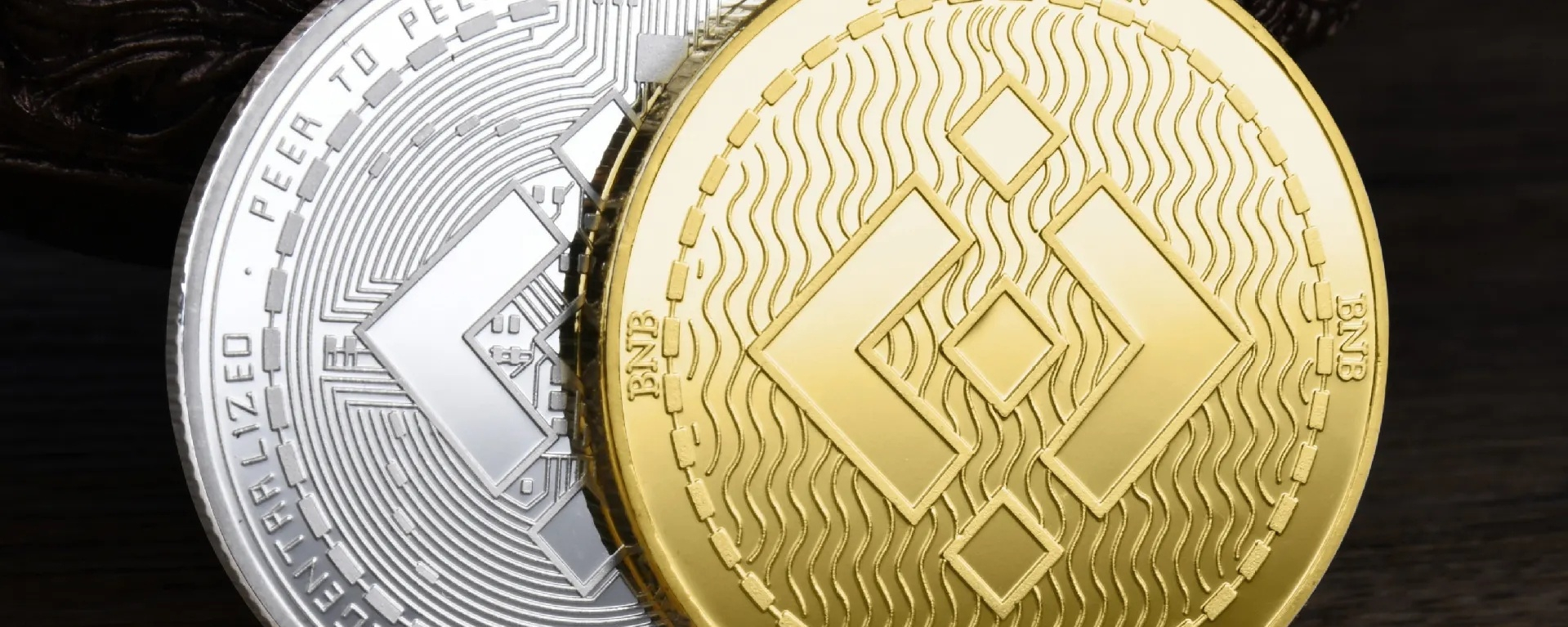
BEST CRYPTOCURRENCY!🚀 𝐖𝐇𝐀𝐓 𝐈𝐅 𝐎𝐍𝐄 𝐂𝐑𝐘𝐏𝐓𝐎 𝐇𝐀𝐒 𝐒𝐎𝐌𝐄𝐓𝐇𝐈𝐍𝐆 𝐓𝐇𝐀𝐓 𝐌𝐎𝐒𝐓 𝐎𝐓𝐇𝐄𝐑𝐒 𝐀𝐑𝐄 𝐒𝐓𝐈𝐋𝐋 𝐓𝐑𝐘𝐈𝐍𝐆 𝐓𝐎 𝐁𝐔𝐈𝐋𝐃?
𝐌𝐲 𝐩𝐢𝐜𝐤? 𝐁𝐍𝐁. 🟡
Let's be honest.
The crypto market is full of exciting projects.
Every week, a new token appears with a revolutionary idea, a huge community and promises of extraordinary returns.
But here's the question I always come back to:
𝐖𝐡𝐚𝐭 𝐢𝐬 𝐭𝐡𝐞 𝐚𝐜𝐭𝐮𝐚𝐥 𝐮𝐬𝐞 𝐨𝐟 𝐭𝐡𝐞 𝐭𝐨𝐤𝐞𝐧 𝐛𝐞𝐲𝐨𝐧𝐝 𝐩𝐞𝐨𝐩𝐥𝐞 𝐛𝐮𝐲𝐢𝐧𝐠 𝐢𝐭 𝐚𝐧𝐝 𝐡𝐨𝐩𝐢𝐧𝐠 𝐢𝐭 𝐠𝐨𝐞𝐬 𝐮𝐩?
That's where BNB catches my attention.
I'm not saying it is risk-free. I'm not saying it will outperform every cryptocurrency.
But I believe BNB has something that makes its long-term story particularly interesting: 𝐔𝐓𝐈𝐋𝐈𝐓𝐘.
## 🟡 𝐁𝐍𝐁 𝐈𝐒 𝐌𝐎𝐑𝐄 𝐓𝐇𝐀𝐍 𝐉𝐔𝐒𝐓 𝐀 𝐂𝐎𝐈𝐍
Think about what happens when you use the Binance ecosystem or interact with BNB Chain.
BNB has multiple practical roles:
🔹 𝐓𝐫𝐚𝐧𝐬𝐚𝐜𝐭𝐢𝐨𝐧 𝐟𝐞𝐞𝐬: It is used to pay gas fees on BNB Smart Chain.
🔹 𝐃𝐞𝐅𝐢: It plays a role in decentralised finance applications, including lending, swapping and liquidity activities.
🔹 𝐄𝐜𝐨𝐬𝐲𝐬𝐭𝐞𝐦 𝐚𝐜𝐜𝐞𝐬𝐬: It is used across applications and services built around BNB Chain.
🔹 𝐁𝐢𝐧𝐚𝐧𝐜𝐞 𝐮𝐭𝐢𝐥𝐢𝐭𝐲: It can provide trading-fee benefits and access to certain platform activities, subject to their terms.
🔹 𝐒𝐭𝐚𝐤𝐢𝐧𝐠 𝐚𝐧𝐝 𝐠𝐨𝐯𝐞𝐫𝐧𝐚𝐧𝐜𝐞: It has roles in network participation and ecosystem governance.
Now think about that for a moment.
A token with multiple uses has a different investment story from a token whose entire appeal depends on social-media attention.
𝐔𝐭𝐢𝐥𝐢𝐭𝐲 𝐝𝐨𝐞𝐬𝐧'𝐭 𝐠𝐮𝐚𝐫𝐚𝐧𝐭𝐞𝐞 𝐩𝐫𝐢𝐜𝐞 𝐠𝐫𝐨𝐰𝐭𝐡, 𝐛𝐮𝐭 𝐢𝐭 𝐠𝐢𝐯𝐞𝐬 𝐮𝐬 𝐬𝐨𝐦𝐞𝐭𝐡𝐢𝐧𝐠 𝐫𝐞𝐚𝐥 𝐭𝐨 𝐞𝐯𝐚𝐥𝐮𝐚𝐭𝐞.
## 🔥 𝐓𝐇𝐄 𝐁𝐍𝐁 𝐁𝐔𝐑𝐍 𝐌𝐄𝐂𝐇𝐀𝐍𝐈𝐒𝐌: 𝐖𝐇𝐘 𝐈𝐓 𝐌𝐀𝐓𝐓𝐄𝐑𝐒
Here's another reason BNB deserves attention.
BNB has a token-burning mechanism designed to gradually reduce its supply towards 100 million tokens.
On October 19, 2026, its 37th quarterly burn removed approximately 1.646 million BNB from circulation, worth around $1.2 billion at the time.
And there's more.
BNB also has a real-time burning mechanism linked to gas fees on BNB Smart Chain.
Why is this interesting?
Because supply reduction can influence token economics when demand remains strong.
But remember one important point:
𝐁𝐮𝐫𝐧𝐢𝐧𝐠 𝐭𝐨𝐤𝐞𝐧𝐬 𝐝𝐨𝐞𝐬 𝐧𝐨𝐭 𝐚𝐮𝐭𝐨𝐦𝐚𝐭𝐢𝐜𝐚𝐥𝐥𝐲 𝐦𝐚𝐤𝐞 𝐚 𝐜𝐨𝐢𝐧 𝐦𝐨𝐫𝐞 𝐯𝐚𝐥𝐮𝐚𝐛𝐥𝐞.
Demand, adoption and actual network activity still matter.
## ⚙️ 𝐓𝐇𝐄 𝐑𝐄𝐀𝐋 𝐒𝐓𝐑𝐄𝐍𝐆𝐓𝐇: 𝐓𝐇𝐄 𝐄𝐂𝐎𝐒𝐘𝐒𝐓𝐄𝐌
Imagine buying a token that is connected to an entire financial and technological ecosystem.
That's an important part of the BNB investment thesis.
BNB Chain supports:
- Decentralised exchanges.
- DeFi applications.
- Stablecoin transfers.
- Web3 projects.
- Tokenised assets.
- Smart contracts.
- New infrastructure for payments and applications.
And the network isn't standing still.
Its 2026 roadmap focuses on improving transaction throughput, reducing congestion and making the network more efficient.
Why should investors care?
Because blockchain adoption is not just about how many people hold a token.
It's also about how many people actually use the network.
𝐓𝐡𝐞 𝐦𝐨𝐫𝐞 𝐮𝐬𝐞𝐟𝐮𝐥 𝐚 𝐧𝐞𝐭𝐰𝐨𝐫𝐤 𝐛𝐞𝐜𝐨𝐦𝐞𝐬, 𝐭𝐡𝐞 𝐦𝐨𝐫𝐞 𝐫𝐞𝐚𝐬𝐨𝐧𝐬 𝐭𝐡𝐞𝐫𝐞 𝐦𝐚𝐲 𝐛𝐞 𝐭𝐨 𝐮𝐬𝐞 𝐢𝐭𝐬 𝐧𝐚𝐭𝐢𝐯𝐞 𝐭𝐨𝐤𝐞𝐧.
## 📉 𝐁𝐔𝐓 𝐈𝐒 𝐁𝐍𝐁 𝐑𝐄𝐀𝐋𝐋𝐘 𝐑𝐄𝐒𝐈𝐒𝐓𝐀𝐍𝐓 𝐓𝐎 𝐌𝐀𝐑𝐊𝐄𝐓 𝐕𝐎𝐋𝐀𝐓𝐈𝐋𝐈𝐓𝐘?
This is where I want to be honest.
BNB can be a strong project and still experience significant price declines.
In fact, recent market data showed BNB trading around $697 on November 3, approximately 49% below its reported all-time high near $1,370.
So no, BNB is not immune to market speculation.
It is still affected by:
- Bitcoin's direction.
- Overall crypto liquidity.
- Investor sentiment.
- Leverage and liquidations.
- Regulatory developments.
- Binance-related news.
- Competition from other blockchain ecosystems.
And there is one risk that deserves particular attention.
BNB's connection to Binance is a strength, but it is also a source of concentration risk.
Recent security developments at the exchange have reminded the market that even major crypto institutions face serious operational risks.
Binance has said it will cover the reported losses from its security incident and has been publishing recovery and reserve updates. However, investors should continue monitoring transparency, security and customer confidence.
𝐒𝐭𝐫𝐨𝐧𝐠 𝐮𝐭𝐢𝐥𝐢𝐭𝐲 𝐝𝐨𝐞𝐬 𝐧𝐨𝐭 𝐦𝐚𝐤𝐞 𝐚 𝐭𝐨𝐤𝐞𝐧 𝐢𝐧𝐝𝐞𝐩𝐞𝐧𝐝𝐞𝐧𝐭 𝐨𝐟 𝐫𝐢𝐬𝐤.
## 🔮 𝐖𝐇𝐘 𝐈 𝐒𝐄𝐄 𝐀 𝐋𝐎𝐍𝐆-𝐓𝐄𝐑𝐌 𝐒𝐓𝐎𝐑𝐘 𝐈𝐍 𝐁𝐍𝐁
For me, the interesting question isn't whether BNB will pump tomorrow.
It's whether the ecosystem will remain relevant over the next 3–5 years.
Consider these possibilities:
🟢 More users interact with BNB Chain.
🟢 More applications attract real users.
🟢 DeFi and tokenised assets expand.
🟢 Network improvements make transactions faster and more efficient.
🟢 BNB continues to have meaningful utility across the ecosystem.
If these developments translate into sustained demand, BNB could have a compelling long-term investment case.
But if network usage stagnates, competitors attract developers and users, or confidence in the wider ecosystem weakens, the investment thesis becomes less attractive.
That's why I would focus on adoption rather than just price predictions.
## 🧠 𝐌𝐘 𝐀𝐏𝐏𝐑𝐎𝐀𝐂𝐇 𝐓𝐎 𝐁𝐍𝐁
I wouldn't build an investment strategy around the assumption that BNB can never fall.
I'd focus on:
1️⃣ Buying gradually instead of chasing sudden rallies.
2️⃣ Avoiding excessive leverage.
3️⃣ Monitoring network usage and ecosystem growth.
4️⃣ Following token burns and circulating supply.
5️⃣ Watching Binance's security, regulatory and financial developments.
6️⃣ Keeping BNB allocation within a level I can comfortably tolerate.
And most importantly, I'd never put my entire crypto portfolio into one token, no matter how much I believe in it.
𝐂𝐨𝐧𝐯𝐢𝐜𝐭𝐢𝐨𝐧 𝐢𝐬 𝐠𝐨𝐨𝐝. 𝐁𝐥𝐢𝐧𝐝 𝐜𝐨𝐧𝐟𝐢𝐝𝐞𝐧𝐜𝐞 𝐢𝐬 𝐝𝐚𝐧𝐠𝐞𝐫𝐨𝐮𝐬.
## 💬 𝐍𝐎𝐖 𝐋𝐄𝐓'𝐒 𝐇𝐀𝐕𝐄 𝐀 𝐑𝐄𝐀𝐋 𝐂𝐑𝐘𝐏𝐓𝐎 𝐃𝐈𝐒𝐂𝐔𝐒𝐒𝐈𝐎𝐍!
I want to hear your honest opinion.
🟡 𝐃𝐨 𝐲𝐨𝐮 𝐭𝐡𝐢𝐧𝐤 𝐁𝐍𝐁 𝐡𝐚𝐬 𝐨𝐧𝐞 𝐨𝐟 𝐭𝐡𝐞 𝐬𝐭𝐫𝐨𝐧𝐠𝐞𝐬𝐭 𝐮𝐭𝐢𝐥𝐢𝐭𝐲-𝐛𝐚𝐬𝐞𝐝 𝐜𝐚𝐬𝐞𝐬 𝐢𝐧 𝐜𝐫𝐲𝐩𝐭𝐨?
🟡 𝐂𝐚𝐧 𝐁𝐍𝐁 𝐨𝐮𝐭𝐩𝐞𝐫𝐟𝐨𝐫𝐦 𝐄𝐓𝐇 𝐨𝐫 𝐒𝐎𝐋 𝐨𝐯𝐞𝐫 𝐭𝐡𝐞 𝐧𝐞𝐱𝐭 𝐟𝐞𝐰 𝐲𝐞𝐚𝐫𝐬?
🟡 𝐈𝐬 𝐁𝐍𝐁 𝐚 𝐥𝐨𝐧𝐠-𝐭𝐞𝐫𝐦 𝐡𝐨𝐥𝐝 𝐟𝐨𝐫 𝐲𝐨𝐮, 𝐨𝐫 𝐣𝐮𝐬𝐭 𝐚𝐧𝐨𝐭𝐡𝐞𝐫 𝐭𝐫𝐚𝐝𝐞?
And here's the question I find most interesting:
𝐈𝐅 𝐘𝐎𝐔 𝐇𝐀𝐃 𝐓𝐎 𝐇𝐎𝐋𝐃 𝐉𝐔𝐒𝐓 𝐎𝐍𝐄 𝐀𝐋𝐓𝐂𝐎𝐈𝐍 𝐅𝐎𝐑 𝐓𝐇𝐄 𝐍𝐄𝐗𝐓 𝟓 𝐘𝐄𝐀𝐑𝐒, 𝐖𝐎𝐔𝐋𝐃 𝐘𝐎𝐔 𝐂𝐇𝐎𝐎𝐒𝐄 𝐁𝐍𝐁?
Tell me why. I want to hear arguments, not just ticker symbols!
Let's make this a discussion worth reading. 👇
🟡 𝐁𝐍𝐁 — 𝐁𝐔𝐈𝐋𝐃𝐈𝐍𝐆 𝐔𝐓𝐈𝐋𝐈𝐓𝐘, 𝐎𝐍𝐄 𝐁𝐋𝐎𝐂𝐊 𝐀𝐓 𝐀 𝐓𝐈𝐌𝐄.
#BNB走势 #BNB_Market_Update #Crypto #BinanceSquareTalks #CryptoInvesting
$BNB $BTC
𝐃𝐢𝐬𝐜𝐥𝐚𝐢𝐦𝐞𝐫: This is a personal market perspective for educational purposes, not financial advice. BNB is volatile, and its future performance is not guaranteed. Always do your own research.
BEST CRYPTOCURRENCY!
🚀 𝐖𝐇𝐀𝐓 𝐈𝐅 𝐎𝐍𝐄 𝐂𝐑𝐘𝐏𝐓𝐎 𝐇𝐀𝐒 𝐒𝐎𝐌𝐄𝐓𝐇𝐈𝐍𝐆 𝐓𝐇𝐀𝐓 𝐌𝐎𝐒𝐓 𝐎𝐓𝐇𝐄𝐑𝐒 𝐀𝐑𝐄 𝐒𝐓𝐈𝐋𝐋 𝐓𝐑𝐘𝐈𝐍𝐆 𝐓𝐎 𝐁𝐔𝐈𝐋𝐃?
𝐌𝐲 𝐩𝐢𝐜𝐤? 𝐁𝐍𝐁. 🟡
Let's be honest.
The crypto market is full of exciting projects.
Every week, a new token appears with a revolutionary idea, a huge community and promises of extraordinary returns.
But here's the question I always come back to:
𝐖𝐡𝐚𝐭 𝐢𝐬 𝐭𝐡𝐞 𝐚𝐜𝐭𝐮𝐚𝐥 𝐮𝐬𝐞 𝐨𝐟 𝐭𝐡𝐞 𝐭𝐨𝐤𝐞𝐧 𝐛𝐞𝐲𝐨𝐧𝐝 𝐩𝐞𝐨𝐩𝐥𝐞 𝐛𝐮𝐲𝐢𝐧𝐠 𝐢𝐭 𝐚𝐧𝐝 𝐡𝐨𝐩𝐢𝐧𝐠 𝐢𝐭 𝐠𝐨𝐞𝐬 𝐮𝐩?
That's where BNB catches my attention.
I'm not saying it is risk-free. I'm not saying it will outperform every cryptocurrency.
But I believe BNB has something that makes its long-term story particularly interesting: 𝐔𝐓𝐈𝐋𝐈𝐓𝐘.
## 🟡 𝐁𝐍𝐁 𝐈𝐒 𝐌𝐎𝐑𝐄 𝐓𝐇𝐀𝐍 𝐉𝐔𝐒𝐓 𝐀 𝐂𝐎𝐈𝐍
Think about what happens when you use the Binance ecosystem or interact with BNB Chain.
BNB has multiple practical roles:
🔹 𝐓𝐫𝐚𝐧𝐬𝐚𝐜𝐭𝐢𝐨𝐧 𝐟𝐞𝐞𝐬: It is used to pay gas fees on BNB Smart Chain.
🔹 𝐃𝐞𝐅𝐢: It plays a role in decentralised finance applications, including lending, swapping and liquidity activities.
🔹 𝐄𝐜𝐨𝐬𝐲𝐬𝐭𝐞𝐦 𝐚𝐜𝐜𝐞𝐬𝐬: It is used across applications and services built around BNB Chain.
🔹 𝐁𝐢𝐧𝐚𝐧𝐜𝐞 𝐮𝐭𝐢𝐥𝐢𝐭𝐲: It can provide trading-fee benefits and access to certain platform activities, subject to their terms.
🔹 𝐒𝐭𝐚𝐤𝐢𝐧𝐠 𝐚𝐧𝐝 𝐠𝐨𝐯𝐞𝐫𝐧𝐚𝐧𝐜𝐞: It has roles in network participation and ecosystem governance.
Now think about that for a moment.
A token with multiple uses has a different investment story from a token whose entire appeal depends on social-media attention.
𝐔𝐭𝐢𝐥𝐢𝐭𝐲 𝐝𝐨𝐞𝐬𝐧'𝐭 𝐠𝐮𝐚𝐫𝐚𝐧𝐭𝐞𝐞 𝐩𝐫𝐢𝐜𝐞 𝐠𝐫𝐨𝐰𝐭𝐡, 𝐛𝐮𝐭 𝐢𝐭 𝐠𝐢𝐯𝐞𝐬 𝐮𝐬 𝐬𝐨𝐦𝐞𝐭𝐡𝐢𝐧𝐠 𝐫𝐞𝐚𝐥 𝐭𝐨 𝐞𝐯𝐚𝐥𝐮𝐚𝐭𝐞.
## 🔥 𝐓𝐇𝐄 𝐁𝐍𝐁 𝐁𝐔𝐑𝐍 𝐌𝐄𝐂𝐇𝐀𝐍𝐈𝐒𝐌: 𝐖𝐇𝐘 𝐈𝐓 𝐌𝐀𝐓𝐓𝐄𝐑𝐒
Here's another reason BNB deserves attention.
BNB has a token-burning mechanism designed to gradually reduce its supply towards 100 million tokens.
On October 19, 2026, its 37th quarterly burn removed approximately 1.646 million BNB from circulation, worth around $1.2 billion at the time.
And there's more.
BNB also has a real-time burning mechanism linked to gas fees on BNB Smart Chain.
Why is this interesting?
Because supply reduction can influence token economics when demand remains strong.
But remember one important point:
𝐁𝐮𝐫𝐧𝐢𝐧𝐠 𝐭𝐨𝐤𝐞𝐧𝐬 𝐝𝐨𝐞𝐬 𝐧𝐨𝐭 𝐚𝐮𝐭𝐨𝐦𝐚𝐭𝐢𝐜𝐚𝐥𝐥𝐲 𝐦𝐚𝐤𝐞 𝐚 𝐜𝐨𝐢𝐧 𝐦𝐨𝐫𝐞 𝐯𝐚𝐥𝐮𝐚𝐛𝐥𝐞.
Demand, adoption and actual network activity still matter.
## ⚙️ 𝐓𝐇𝐄 𝐑𝐄𝐀𝐋 𝐒𝐓𝐑𝐄𝐍𝐆𝐓𝐇: 𝐓𝐇𝐄 𝐄𝐂𝐎𝐒𝐘𝐒𝐓𝐄𝐌
Imagine buying a token that is connected to an entire financial and technological ecosystem.
That's an important part of the BNB investment thesis.
BNB Chain supports:
- Decentralised exchanges.
- DeFi applications.
- Stablecoin transfers.
- Web3 projects.
- Tokenised assets.
- Smart contracts.
- New infrastructure for payments and applications.
And the network isn't standing still.
Its 2026 roadmap focuses on improving transaction throughput, reducing congestion and making the network more efficient.
Why should investors care?
Because blockchain adoption is not just about how many people hold a token.
It's also about how many people actually use the network.
𝐓𝐡𝐞 𝐦𝐨𝐫𝐞 𝐮𝐬𝐞𝐟𝐮𝐥 𝐚 𝐧𝐞𝐭𝐰𝐨𝐫𝐤 𝐛𝐞𝐜𝐨𝐦𝐞𝐬, 𝐭𝐡𝐞 𝐦𝐨𝐫𝐞 𝐫𝐞𝐚𝐬𝐨𝐧𝐬 𝐭𝐡𝐞𝐫𝐞 𝐦𝐚𝐲 𝐛𝐞 𝐭𝐨 𝐮𝐬𝐞 𝐢𝐭𝐬 𝐧𝐚𝐭𝐢𝐯𝐞 𝐭𝐨𝐤𝐞𝐧.
## 📉 𝐁𝐔𝐓 𝐈𝐒 𝐁𝐍𝐁 𝐑𝐄𝐀𝐋𝐋𝐘 𝐑𝐄𝐒𝐈𝐒𝐓𝐀𝐍𝐓 𝐓𝐎 𝐌𝐀𝐑𝐊𝐄𝐓 𝐕𝐎𝐋𝐀𝐓𝐈𝐋𝐈𝐓𝐘?
This is where I want to be honest.
BNB can be a strong project and still experience significant price declines.
In fact, recent market data showed BNB trading around $697 on November 3, approximately 49% below its reported all-time high near $1,370.
So no, BNB is not immune to market speculation.
It is still affected by:
- Bitcoin's direction.
- Overall crypto liquidity.
- Investor sentiment.
- Leverage and liquidations.
- Regulatory developments.
- Binance-related news.
- Competition from other blockchain ecosystems.
And there is one risk that deserves particular attention.
BNB's connection to Binance is a strength, but it is also a source of concentration risk.
Recent security developments at the exchange have reminded the market that even major crypto institutions face serious operational risks.
Binance has said it will cover the reported losses from its security incident and has been publishing recovery and reserve updates. However, investors should continue monitoring transparency, security and customer confidence.
𝐒𝐭𝐫𝐨𝐧𝐠 𝐮𝐭𝐢𝐥𝐢𝐭𝐲 𝐝𝐨𝐞𝐬 𝐧𝐨𝐭 𝐦𝐚𝐤𝐞 𝐚 𝐭𝐨𝐤𝐞𝐧 𝐢𝐧𝐝𝐞𝐩𝐞𝐧𝐝𝐞𝐧𝐭 𝐨𝐟 𝐫𝐢𝐬𝐤.
## 🔮 𝐖𝐇𝐘 𝐈 𝐒𝐄𝐄 𝐀 𝐋𝐎𝐍𝐆-𝐓𝐄𝐑𝐌 𝐒𝐓𝐎𝐑𝐘 𝐈𝐍 𝐁𝐍𝐁
For me, the interesting question isn't whether BNB will pump tomorrow.
It's whether the ecosystem will remain relevant over the next 3–5 years.
Consider these possibilities:
🟢 More users interact with BNB Chain.
🟢 More applications attract real users.
🟢 DeFi and tokenised assets expand.
🟢 Network improvements make transactions faster and more efficient.
🟢 BNB continues to have meaningful utility across the ecosystem.
If these developments translate into sustained demand, BNB could have a compelling long-term investment case.
But if network usage stagnates, competitors attract developers and users, or confidence in the wider ecosystem weakens, the investment thesis becomes less attractive.
That's why I would focus on adoption rather than just price predictions.
## 🧠 𝐌𝐘 𝐀𝐏𝐏𝐑𝐎𝐀𝐂𝐇 𝐓𝐎 𝐁𝐍𝐁
I wouldn't build an investment strategy around the assumption that BNB can never fall.
I'd focus on:
1️⃣ Buying gradually instead of chasing sudden rallies.
2️⃣ Avoiding excessive leverage.
3️⃣ Monitoring network usage and ecosystem growth.
4️⃣ Following token burns and circulating supply.
5️⃣ Watching Binance's security, regulatory and financial developments.
6️⃣ Keeping BNB allocation within a level I can comfortably tolerate.
And most importantly, I'd never put my entire crypto portfolio into one token, no matter how much I believe in it.
𝐂𝐨𝐧𝐯𝐢𝐜𝐭𝐢𝐨𝐧 𝐢𝐬 𝐠𝐨𝐨𝐝. 𝐁𝐥𝐢𝐧𝐝 𝐜𝐨𝐧𝐟𝐢𝐝𝐞𝐧𝐜𝐞 𝐢𝐬 𝐝𝐚𝐧𝐠𝐞𝐫𝐨𝐮𝐬.
## 💬 𝐍𝐎𝐖 𝐋𝐄𝐓'𝐒 𝐇𝐀𝐕𝐄 𝐀 𝐑𝐄𝐀𝐋 𝐂𝐑𝐘𝐏𝐓𝐎 𝐃𝐈𝐒𝐂𝐔𝐒𝐒𝐈𝐎𝐍!
I want to hear your honest opinion.
🟡 𝐃𝐨 𝐲𝐨𝐮 𝐭𝐡𝐢𝐧𝐤 𝐁𝐍𝐁 𝐡𝐚𝐬 𝐨𝐧𝐞 𝐨𝐟 𝐭𝐡𝐞 𝐬𝐭𝐫𝐨𝐧𝐠𝐞𝐬𝐭 𝐮𝐭𝐢𝐥𝐢𝐭𝐲-𝐛𝐚𝐬𝐞𝐝 𝐜𝐚𝐬𝐞𝐬 𝐢𝐧 𝐜𝐫𝐲𝐩𝐭𝐨?
🟡 𝐂𝐚𝐧 𝐁𝐍𝐁 𝐨𝐮𝐭𝐩𝐞𝐫𝐟𝐨𝐫𝐦 𝐄𝐓𝐇 𝐨𝐫 𝐒𝐎𝐋 𝐨𝐯𝐞𝐫 𝐭𝐡𝐞 𝐧𝐞𝐱𝐭 𝐟𝐞𝐰 𝐲𝐞𝐚𝐫𝐬?
🟡 𝐈𝐬 𝐁𝐍𝐁 𝐚 𝐥𝐨𝐧𝐠-𝐭𝐞𝐫𝐦 𝐡𝐨𝐥𝐝 𝐟𝐨𝐫 𝐲𝐨𝐮, 𝐨𝐫 𝐣𝐮𝐬𝐭 𝐚𝐧𝐨𝐭𝐡𝐞𝐫 𝐭𝐫𝐚𝐝𝐞?
And here's the question I find most interesting:
𝐈𝐅 𝐘𝐎𝐔 𝐇𝐀𝐃 𝐓𝐎 𝐇𝐎𝐋𝐃 𝐉𝐔𝐒𝐓 𝐎𝐍𝐄 𝐀𝐋𝐓𝐂𝐎𝐈𝐍 𝐅𝐎𝐑 𝐓𝐇𝐄 𝐍𝐄𝐗𝐓 𝟓 𝐘𝐄𝐀𝐑𝐒, 𝐖𝐎𝐔𝐋𝐃 𝐘𝐎𝐔 𝐂𝐇𝐎𝐎𝐒𝐄 𝐁𝐍𝐁?
Tell me why. I want to hear arguments, not just ticker symbols!
Let's make this a discussion worth reading. 👇
🟡 𝐁𝐍𝐁 — 𝐁𝐔𝐈𝐋𝐃𝐈𝐍𝐆 𝐔𝐓𝐈𝐋𝐈𝐓𝐘, 𝐎𝐍𝐄 𝐁𝐋𝐎𝐂𝐊 𝐀𝐓 𝐀 𝐓𝐈𝐌𝐄.
#BNB走势 #BNB_Market_Update #Crypto #BinanceSquareTalks #CryptoInvesting
$BNB $BTC
𝐃𝐢𝐬𝐜𝐥𝐚𝐢𝐦𝐞𝐫: This is a personal market perspective for educational purposes, not financial advice. BNB is volatile, and its future performance is not guaranteed. Always do your own research.
1
285
·
--

Article
𝐌𝐀𝐃𝐄 $𝟏𝟏𝟒.𝟓 𝐁𝐈𝐋𝐋𝐈𝐎𝐍…🍎 𝐀𝐏𝐏𝐋𝐄 𝐉𝐔𝐒𝐓 𝐌𝐀𝐃𝐄 $𝟏𝟏𝟒.𝟓 𝐁𝐈𝐋𝐋𝐈𝐎𝐍… 𝐁𝐔𝐓 𝐖𝐀𝐋𝐋 𝐒𝐓𝐑𝐄𝐄𝐓 𝐖𝐀𝐒𝐍'𝐓 𝐈𝐌𝐏𝐑𝐄𝐒𝐒𝐄𝐃! 😳
𝐑𝐞𝐜𝐨𝐫𝐝 𝐫𝐞𝐯𝐞𝐧𝐮𝐞. 𝐌𝐨𝐫𝐞 𝐭𝐡𝐚𝐧 $𝟑𝟎 𝐛𝐢𝐥𝐥𝐢𝐨𝐧 𝐢𝐧 𝐩𝐫𝐨𝐟𝐢𝐭. 𝐒𝐭𝐫𝐨𝐧𝐠 𝐢𝐏𝐡𝐨𝐧𝐞 𝐬𝐚𝐥𝐞𝐬.
And yet… Apple's share price moved lower after its earnings announcement.
Wait. What?
How can a company make billions in profit, beat analysts' expectations and still disappoint investors?
That's where things get interesting.
Because the stock market doesn't just reward companies for what they earned yesterday. It also judges what they might earn tomorrow.
And Apple's latest results tell us a story that every investor should understand.
## 📊 𝐅𝐈𝐑𝐒𝐓, 𝐋𝐄𝐓'𝐒 𝐋𝐎𝐎𝐊 𝐀𝐓 𝐓𝐇𝐄 𝐍𝐔𝐌𝐁𝐄𝐑𝐒
Apple's fiscal Q4 2026 results are out, and the headline figures are impressive.
🍎 Revenue: $114.5 billion
💰 Net profit: $30.7 billion
📈 Diluted EPS: $2.10
🏭 Gross margin: 47.9%
That's a lot of money. But how much better was it than the previous quarter?
Let's compare.
| Financial metric | Q3 2026 | Q4 2026 |
|---|---:|---:|
| Revenue | $109.4B | $114.5B |
| Net profit | $29.79B | $30.7B |
| EPS | $2.02 | $2.10 |
| Gross margin | 50.1% | 47.9% |
Here's what catches my attention:
✅ Revenue increased.
✅ Net profit increased.
✅ Earnings per share increased.
⚠️ But gross margin declined.
𝐈𝐧 𝐬𝐢𝐦𝐩𝐥𝐞 𝐰𝐨𝐫𝐝𝐬: 𝐀𝐩𝐩𝐥𝐞 𝐢𝐬 𝐬𝐞𝐥𝐥𝐢𝐧𝐠 𝐦𝐨𝐫𝐞, 𝐛𝐮𝐭 𝐤𝐞𝐞𝐩𝐢𝐧𝐠 𝐚 𝐬𝐦𝐚𝐥𝐥𝐞𝐫 𝐩𝐞𝐫𝐜𝐞𝐧𝐭𝐚𝐠𝐞 𝐨𝐟 𝐞𝐚𝐜𝐡 𝐬𝐚𝐥𝐞 𝐚𝐬 𝐠𝐫𝐨𝐬𝐬 𝐩𝐫𝐨𝐟𝐢𝐭.
And that's the first warning investors should pay attention to.
📱 𝐖𝐇𝐀𝐓 𝐈𝐒 𝐀𝐂𝐓𝐔𝐀𝐋𝐋𝐘 𝐌𝐀𝐊𝐈𝐍𝐆 𝐀𝐏𝐏𝐋𝐄 𝐌𝐎𝐍𝐄𝐘?
Let's put the business into perspective.
1️⃣ iPhone: Still the king 👑
iPhone generated $57.6 billion in revenue, growing 17% year-on-year.
That's more than half of Apple's quarterly revenue.
The message is clear: despite intense competition, consumers are still willing to spend heavily on Apple's smartphones.
But here's the question:
Can Apple keep convincing people to upgrade their phones every few years?
That's something investors need to watch.
2️⃣ Services: The quiet money-making machine 💰
Services generated $31.6 billion, growing 10% year-on-year.
Think about it.
You buy an iPhone once, but you might pay for iCloud, Apple Music, subscriptions and other services for years.
That's recurring revenue.
And services generally enjoy higher margins than hardware.
**𝐓𝐡𝐢𝐬 𝐢𝐬 𝐰𝐡𝐞𝐫𝐞 𝐀𝐩𝐩𝐥𝐞'𝐬 𝐥𝐨𝐧𝐠-𝐭𝐞𝐫𝐦 𝐩𝐫𝐨𝐟𝐢𝐭 𝐬𝐭𝐨𝐫𝐲 𝐛𝐞𝐜𝐨𝐦𝐞𝐬 𝐞𝐬𝐩𝐞𝐜𝐢𝐚𝐥𝐥𝐲 𝐢𝐧𝐭𝐞𝐫𝐞𝐬𝐭𝐢𝐧𝐠.**
3️⃣ Mac: A pleasant surprise 💻
Mac revenue reached $10.8 billion, up 24% year-on-year.
Demand is encouraging, although supply limitations prevented Apple from fulfilling all the demand.
4️⃣ Not everything is growing ⚠️
iPad revenue came in at $6.2 billion, down from $7 billion a year earlier.
Wearables, Home and Accessories generated $8.3 billion, down 8% year-on-year.
So, while Apple's overall business is strong, not every product category is moving in the same direction.
🤔 𝐍𝐎𝐖 𝐂𝐎𝐌𝐄𝐒 𝐓𝐇𝐄 𝐑𝐄𝐀𝐋 𝐏𝐑𝐎𝐁𝐋𝐄𝐌…
If Apple is selling more, earning more and beating expectations, why are investors worried?
𝐓𝐇𝐄 𝐀𝐍𝐒𝐖𝐄𝐑: 𝐂𝐎𝐒𝐓𝐒.
And one particular cost is becoming increasingly important: memory chips.
AI data centres are creating enormous demand for memory components. That puts pressure on global supply and can push prices higher.
Apple needs memory for its devices.
When component prices increase, Apple has a difficult choice:
- Absorb the extra cost and accept lower margins.
- Increase product prices and risk affecting demand.
- Negotiate with suppliers or improve efficiency.
None of these choices is effortless.
And management expects memory costs to rise further.
There's another important detail: Apple's December-quarter gross-margin guidance is approximately 45–46%, below the 47.9% reported in Q4.
**𝐓𝐡𝐚𝐭'𝐬 𝐰𝐡𝐲 𝐢𝐧𝐯𝐞𝐬𝐭𝐨𝐫𝐬 𝐚𝐫𝐞 𝐥𝐨𝐨𝐤𝐢𝐧𝐠 𝐛𝐞𝐲𝐨𝐧𝐝 𝐭𝐡𝐞 𝐫𝐞𝐜𝐨𝐫𝐝 𝐫𝐞𝐯𝐞𝐧𝐮𝐞.**
🤖 𝐀𝐏𝐏𝐋𝐄'𝐒 𝐍𝐄𝐗𝐓 𝐁𝐈𝐆 𝐁𝐄𝐓: 𝐀𝐈
Here's another story worth watching.
Apple is investing in artificial intelligence, including its evolving Siri capabilities.
But AI is not free.
It requires:
- Research and development.
- Powerful computing infrastructure.
- Advanced chips.
- Engineering talent.
- Continuous software improvements.
Operating expenses reached $19.2 billion, up 21% year-on-year.
The big question isn't whether Apple should invest in AI.
𝐓𝐡𝐞 𝐫𝐞𝐚𝐥 𝐪𝐮𝐞𝐬𝐭𝐢𝐨𝐧 𝐢𝐬: 𝐖𝐈𝐋𝐋 𝐀𝐈 𝐌𝐀𝐊𝐄 𝐀𝐏𝐏𝐋𝐄 𝐌𝐎𝐑𝐄 𝐏𝐑𝐎𝐅𝐈𝐓𝐀𝐁𝐋𝐄?
If AI makes people more interested in buying Apple devices and using its services, the investment could become extremely valuable.
But if costs rise faster than the additional revenue, shareholders may become impatient.
That's a story that will take more than one quarter to unfold.
📉 𝐖𝐇𝐘 𝐃𝐈𝐃 𝐓𝐇𝐄 𝐒𝐓𝐎𝐂𝐊 𝐅𝐀𝐋𝐋 𝐃𝐄𝐒𝐏𝐈𝐓𝐄 𝐆𝐎𝐎𝐃 𝐄𝐀𝐑𝐍𝐈𝐍𝐆𝐒?
This is one of the most important lessons for anyone investing in stocks.
Imagine you own a restaurant.
Your sales increase, your customer numbers grow and your profits rise.
But then you announce that the cost of ingredients will increase significantly next quarter.
Would investors only celebrate your current profit?
Of course not. They would also worry about what happens to your future profit.
That's exactly how the market is thinking about Apple.
The earnings beat was positive, but investors are concerned about:
🔸 Lower expected gross margins.
🔸 Higher memory-chip costs.
🔸 Supply limitations.
🔸 Rising investment in AI.
🔸 Whether future earnings growth can justify Apple's valuation.
𝐆𝐨𝐨𝐝 𝐫𝐞𝐬𝐮𝐥𝐭𝐬 𝐝𝐨 𝐧𝐨𝐭 𝐚𝐥𝐰𝐚𝐲𝐬 𝐦𝐞𝐚𝐧 𝐚 𝐠𝐨𝐨𝐝 𝐬𝐭𝐨𝐜𝐤 𝐫𝐞𝐚𝐜𝐭𝐢𝐨𝐧.
Sometimes expectations are simply higher.
🔮 𝐖𝐇𝐀𝐓 𝐀𝐁𝐎𝐔𝐓 𝐀𝐏𝐏𝐋𝐄 𝐎𝐕𝐄𝐑 𝐓𝐇𝐄 𝐍𝐄𝐗𝐓 𝟑–𝟓 𝐘𝐄𝐀𝐑𝐒?
Now let's move away from the daily share-price movement and look at the bigger picture.
I see three important factors.
🟢 The opportunity
Apple has a massive ecosystem, loyal customers, recurring services revenue and strong cash generation.
Its installed base of active devices exceeds 2.5 billion.
That is a powerful competitive advantage.
🟡 The challenge
Apple needs to protect its margins while dealing with expensive components, supply constraints and AI investment.
If these costs remain elevated, profit growth could slow even when revenue continues increasing.
🔴 The biggest test
Can Apple turn AI into something customers are genuinely willing to pay for?
If it succeeds, AI could strengthen its ecosystem and create additional revenue opportunities.
If it fails to deliver meaningful differentiation, competitors could gain ground.
💡 𝐒𝐎, 𝐒𝐇𝐎𝐔𝐋𝐃 𝐈𝐍𝐕𝐄𝐒𝐓𝐎𝐑𝐒 𝐁𝐔𝐘, 𝐇𝐎𝐋𝐃 𝐎𝐑 𝐒𝐄𝐋𝐋?
Let's be practical.
If you already own Apple shares:
Don't panic because of one disappointing market reaction. Look at your investment horizon and monitor margins, cash flow, iPhone demand and services growth.
If you want to enter now:
Don't assume that a falling share price automatically means a bargain. Check Apple's valuation against its expected earnings growth. Consider entering gradually rather than investing everything at once.
If you're a short-term trader:
Watch how the stock behaves after the earnings reaction. Look for price stabilisation, volume and confirmation before entering. Define your risk in advance.
And remember:
𝐀 𝐠𝐫𝐞𝐚𝐭 𝐜𝐨𝐦𝐩𝐚𝐧𝐲 𝐜𝐚𝐧 𝐬𝐭𝐢𝐥𝐥 𝐛𝐞 𝐚𝐧 𝐨𝐯𝐞𝐫𝐩𝐫𝐢𝐜𝐞𝐝 𝐬𝐭𝐨𝐜𝐤.
Never confuse the quality of a business with the attractiveness of its share price.
🎯 𝐌𝐘 𝐅𝐈𝐍𝐀𝐋 𝐓𝐀𝐊𝐄
I'm not looking at Apple's latest results and seeing a failing company.
I'm seeing a very strong business entering a period where protecting profitability may become more difficult.
Revenue is growing. Services are expanding. iPhone demand remains impressive. Cash generation is strong.
But rising memory costs, margin pressure and the execution of its AI strategy deserve serious attention.
𝐓𝐡𝐞 𝐧𝐞𝐱𝐭 𝐜𝐡𝐚𝐩𝐭𝐞𝐫 𝐨𝐟 𝐀𝐩𝐩𝐥𝐞'𝐬 𝐬𝐭𝐨𝐫𝐲 𝐰𝐢𝐥𝐥 𝐧𝐨𝐭 𝐣𝐮𝐬𝐭 𝐛𝐞 𝐚𝐛𝐨𝐮𝐭 𝐡𝐨𝐰 𝐦𝐮𝐜𝐡 𝐢𝐭 𝐬𝐞𝐥𝐥𝐬. 𝐈𝐭 𝐰𝐢𝐥𝐥 𝐛𝐞 𝐚𝐛𝐨𝐮𝐭 𝐡𝐨𝐰 𝐦𝐮𝐜𝐡 𝐩𝐫𝐨𝐟𝐢𝐭 𝐢𝐭 𝐜𝐚𝐧 𝐤𝐞𝐞𝐩.
And that's the number I would be watching.
💬 𝐍𝐎𝐖 𝐈 𝐖𝐀𝐍𝐓 𝐓𝐎 𝐇𝐄𝐀𝐑 𝐅𝐑𝐎𝐌 𝐘𝐎𝐔!
Let's make this a proper investment discussion.
🍎 Would you buy Apple after this earnings reaction, or wait for more clarity?
🤖 Do you believe Apple's AI strategy can become its next major growth engine?
📊 What matters more to you: record revenue or improving profit margins?
Drop your thoughts below. I would genuinely like to hear both bullish and bearish arguments.
𝐑𝐄𝐌𝐄𝐌𝐁𝐄𝐑: 𝐃𝐎𝐍'𝐓 𝐉𝐔𝐒𝐓 𝐁𝐔𝐘 𝐀 𝐅𝐀𝐌𝐎𝐔𝐒 𝐂𝐎𝐌𝐏𝐀𝐍𝐘. 𝐔𝐍𝐃𝐄𝐑𝐒𝐓𝐀𝐍𝐃 𝐓𝐇𝐄 𝐁𝐔𝐒𝐈𝐍𝐄𝐒𝐒 𝐁𝐄𝐇𝐈𝐍𝐃 𝐓𝐇𝐄 𝐒𝐓𝐎𝐂𝐊.
#AAPLB #AppleEarningsAhead-CanStockHitNewHigh #BinanceSquareFamily #cryptouniverseofficial
$AAPLB $BTC
Disclaimer: This content is for educational purposes only and is not financial advice. Always do your own research before making investment decisions.
𝐌𝐀𝐃𝐄 $𝟏𝟏𝟒.𝟓 𝐁𝐈𝐋𝐋𝐈𝐎𝐍…
🍎 𝐀𝐏𝐏𝐋𝐄 𝐉𝐔𝐒𝐓 𝐌𝐀𝐃𝐄 $𝟏𝟏𝟒.𝟓 𝐁𝐈𝐋𝐋𝐈𝐎𝐍… 𝐁𝐔𝐓 𝐖𝐀𝐋𝐋 𝐒𝐓𝐑𝐄𝐄𝐓 𝐖𝐀𝐒𝐍'𝐓 𝐈𝐌𝐏𝐑𝐄𝐒𝐒𝐄𝐃! 😳
𝐑𝐞𝐜𝐨𝐫𝐝 𝐫𝐞𝐯𝐞𝐧𝐮𝐞. 𝐌𝐨𝐫𝐞 𝐭𝐡𝐚𝐧 $𝟑𝟎 𝐛𝐢𝐥𝐥𝐢𝐨𝐧 𝐢𝐧 𝐩𝐫𝐨𝐟𝐢𝐭. 𝐒𝐭𝐫𝐨𝐧𝐠 𝐢𝐏𝐡𝐨𝐧𝐞 𝐬𝐚𝐥𝐞𝐬.
And yet… Apple's share price moved lower after its earnings announcement.
Wait. What?
How can a company make billions in profit, beat analysts' expectations and still disappoint investors?
That's where things get interesting.
Because the stock market doesn't just reward companies for what they earned yesterday. It also judges what they might earn tomorrow.
And Apple's latest results tell us a story that every investor should understand.
## 📊 𝐅𝐈𝐑𝐒𝐓, 𝐋𝐄𝐓'𝐒 𝐋𝐎𝐎𝐊 𝐀𝐓 𝐓𝐇𝐄 𝐍𝐔𝐌𝐁𝐄𝐑𝐒
Apple's fiscal Q4 2026 results are out, and the headline figures are impressive.
🍎 Revenue: $114.5 billion
💰 Net profit: $30.7 billion
📈 Diluted EPS: $2.10
🏭 Gross margin: 47.9%
That's a lot of money. But how much better was it than the previous quarter?
Let's compare.
| Financial metric | Q3 2026 | Q4 2026 |
|---|---:|---:|
| Revenue | $109.4B | $114.5B |
| Net profit | $29.79B | $30.7B |
| EPS | $2.02 | $2.10 |
| Gross margin | 50.1% | 47.9% |
Here's what catches my attention:
✅ Revenue increased.
✅ Net profit increased.
✅ Earnings per share increased.
⚠️ But gross margin declined.
𝐈𝐧 𝐬𝐢𝐦𝐩𝐥𝐞 𝐰𝐨𝐫𝐝𝐬: 𝐀𝐩𝐩𝐥𝐞 𝐢𝐬 𝐬𝐞𝐥𝐥𝐢𝐧𝐠 𝐦𝐨𝐫𝐞, 𝐛𝐮𝐭 𝐤𝐞𝐞𝐩𝐢𝐧𝐠 𝐚 𝐬𝐦𝐚𝐥𝐥𝐞𝐫 𝐩𝐞𝐫𝐜𝐞𝐧𝐭𝐚𝐠𝐞 𝐨𝐟 𝐞𝐚𝐜𝐡 𝐬𝐚𝐥𝐞 𝐚𝐬 𝐠𝐫𝐨𝐬𝐬 𝐩𝐫𝐨𝐟𝐢𝐭.
And that's the first warning investors should pay attention to.
📱 𝐖𝐇𝐀𝐓 𝐈𝐒 𝐀𝐂𝐓𝐔𝐀𝐋𝐋𝐘 𝐌𝐀𝐊𝐈𝐍𝐆 𝐀𝐏𝐏𝐋𝐄 𝐌𝐎𝐍𝐄𝐘?
Let's put the business into perspective.
1️⃣ iPhone: Still the king 👑
iPhone generated $57.6 billion in revenue, growing 17% year-on-year.
That's more than half of Apple's quarterly revenue.
The message is clear: despite intense competition, consumers are still willing to spend heavily on Apple's smartphones.
But here's the question:
Can Apple keep convincing people to upgrade their phones every few years?
That's something investors need to watch.
2️⃣ Services: The quiet money-making machine 💰
Services generated $31.6 billion, growing 10% year-on-year.
Think about it.
You buy an iPhone once, but you might pay for iCloud, Apple Music, subscriptions and other services for years.
That's recurring revenue.
And services generally enjoy higher margins than hardware.
**𝐓𝐡𝐢𝐬 𝐢𝐬 𝐰𝐡𝐞𝐫𝐞 𝐀𝐩𝐩𝐥𝐞'𝐬 𝐥𝐨𝐧𝐠-𝐭𝐞𝐫𝐦 𝐩𝐫𝐨𝐟𝐢𝐭 𝐬𝐭𝐨𝐫𝐲 𝐛𝐞𝐜𝐨𝐦𝐞𝐬 𝐞𝐬𝐩𝐞𝐜𝐢𝐚𝐥𝐥𝐲 𝐢𝐧𝐭𝐞𝐫𝐞𝐬𝐭𝐢𝐧𝐠.**
3️⃣ Mac: A pleasant surprise 💻
Mac revenue reached $10.8 billion, up 24% year-on-year.
Demand is encouraging, although supply limitations prevented Apple from fulfilling all the demand.
4️⃣ Not everything is growing ⚠️
iPad revenue came in at $6.2 billion, down from $7 billion a year earlier.
Wearables, Home and Accessories generated $8.3 billion, down 8% year-on-year.
So, while Apple's overall business is strong, not every product category is moving in the same direction.
🤔 𝐍𝐎𝐖 𝐂𝐎𝐌𝐄𝐒 𝐓𝐇𝐄 𝐑𝐄𝐀𝐋 𝐏𝐑𝐎𝐁𝐋𝐄𝐌…
If Apple is selling more, earning more and beating expectations, why are investors worried?
𝐓𝐇𝐄 𝐀𝐍𝐒𝐖𝐄𝐑: 𝐂𝐎𝐒𝐓𝐒.
And one particular cost is becoming increasingly important: memory chips.
AI data centres are creating enormous demand for memory components. That puts pressure on global supply and can push prices higher.
Apple needs memory for its devices.
When component prices increase, Apple has a difficult choice:
- Absorb the extra cost and accept lower margins.
- Increase product prices and risk affecting demand.
- Negotiate with suppliers or improve efficiency.
None of these choices is effortless.
And management expects memory costs to rise further.
There's another important detail: Apple's December-quarter gross-margin guidance is approximately 45–46%, below the 47.9% reported in Q4.
**𝐓𝐡𝐚𝐭'𝐬 𝐰𝐡𝐲 𝐢𝐧𝐯𝐞𝐬𝐭𝐨𝐫𝐬 𝐚𝐫𝐞 𝐥𝐨𝐨𝐤𝐢𝐧𝐠 𝐛𝐞𝐲𝐨𝐧𝐝 𝐭𝐡𝐞 𝐫𝐞𝐜𝐨𝐫𝐝 𝐫𝐞𝐯𝐞𝐧𝐮𝐞.**
🤖 𝐀𝐏𝐏𝐋𝐄'𝐒 𝐍𝐄𝐗𝐓 𝐁𝐈𝐆 𝐁𝐄𝐓: 𝐀𝐈
Here's another story worth watching.
Apple is investing in artificial intelligence, including its evolving Siri capabilities.
But AI is not free.
It requires:
- Research and development.
- Powerful computing infrastructure.
- Advanced chips.
- Engineering talent.
- Continuous software improvements.
Operating expenses reached $19.2 billion, up 21% year-on-year.
The big question isn't whether Apple should invest in AI.
𝐓𝐡𝐞 𝐫𝐞𝐚𝐥 𝐪𝐮𝐞𝐬𝐭𝐢𝐨𝐧 𝐢𝐬: 𝐖𝐈𝐋𝐋 𝐀𝐈 𝐌𝐀𝐊𝐄 𝐀𝐏𝐏𝐋𝐄 𝐌𝐎𝐑𝐄 𝐏𝐑𝐎𝐅𝐈𝐓𝐀𝐁𝐋𝐄?
If AI makes people more interested in buying Apple devices and using its services, the investment could become extremely valuable.
But if costs rise faster than the additional revenue, shareholders may become impatient.
That's a story that will take more than one quarter to unfold.
📉 𝐖𝐇𝐘 𝐃𝐈𝐃 𝐓𝐇𝐄 𝐒𝐓𝐎𝐂𝐊 𝐅𝐀𝐋𝐋 𝐃𝐄𝐒𝐏𝐈𝐓𝐄 𝐆𝐎𝐎𝐃 𝐄𝐀𝐑𝐍𝐈𝐍𝐆𝐒?
This is one of the most important lessons for anyone investing in stocks.
Imagine you own a restaurant.
Your sales increase, your customer numbers grow and your profits rise.
But then you announce that the cost of ingredients will increase significantly next quarter.
Would investors only celebrate your current profit?
Of course not. They would also worry about what happens to your future profit.
That's exactly how the market is thinking about Apple.
The earnings beat was positive, but investors are concerned about:
🔸 Lower expected gross margins.
🔸 Higher memory-chip costs.
🔸 Supply limitations.
🔸 Rising investment in AI.
🔸 Whether future earnings growth can justify Apple's valuation.
𝐆𝐨𝐨𝐝 𝐫𝐞𝐬𝐮𝐥𝐭𝐬 𝐝𝐨 𝐧𝐨𝐭 𝐚𝐥𝐰𝐚𝐲𝐬 𝐦𝐞𝐚𝐧 𝐚 𝐠𝐨𝐨𝐝 𝐬𝐭𝐨𝐜𝐤 𝐫𝐞𝐚𝐜𝐭𝐢𝐨𝐧.
Sometimes expectations are simply higher.
🔮 𝐖𝐇𝐀𝐓 𝐀𝐁𝐎𝐔𝐓 𝐀𝐏𝐏𝐋𝐄 𝐎𝐕𝐄𝐑 𝐓𝐇𝐄 𝐍𝐄𝐗𝐓 𝟑–𝟓 𝐘𝐄𝐀𝐑𝐒?
Now let's move away from the daily share-price movement and look at the bigger picture.
I see three important factors.
🟢 The opportunity
Apple has a massive ecosystem, loyal customers, recurring services revenue and strong cash generation.
Its installed base of active devices exceeds 2.5 billion.
That is a powerful competitive advantage.
🟡 The challenge
Apple needs to protect its margins while dealing with expensive components, supply constraints and AI investment.
If these costs remain elevated, profit growth could slow even when revenue continues increasing.
🔴 The biggest test
Can Apple turn AI into something customers are genuinely willing to pay for?
If it succeeds, AI could strengthen its ecosystem and create additional revenue opportunities.
If it fails to deliver meaningful differentiation, competitors could gain ground.
💡 𝐒𝐎, 𝐒𝐇𝐎𝐔𝐋𝐃 𝐈𝐍𝐕𝐄𝐒𝐓𝐎𝐑𝐒 𝐁𝐔𝐘, 𝐇𝐎𝐋𝐃 𝐎𝐑 𝐒𝐄𝐋𝐋?
Let's be practical.
If you already own Apple shares:
Don't panic because of one disappointing market reaction. Look at your investment horizon and monitor margins, cash flow, iPhone demand and services growth.
If you want to enter now:
Don't assume that a falling share price automatically means a bargain. Check Apple's valuation against its expected earnings growth. Consider entering gradually rather than investing everything at once.
If you're a short-term trader:
Watch how the stock behaves after the earnings reaction. Look for price stabilisation, volume and confirmation before entering. Define your risk in advance.
And remember:
𝐀 𝐠𝐫𝐞𝐚𝐭 𝐜𝐨𝐦𝐩𝐚𝐧𝐲 𝐜𝐚𝐧 𝐬𝐭𝐢𝐥𝐥 𝐛𝐞 𝐚𝐧 𝐨𝐯𝐞𝐫𝐩𝐫𝐢𝐜𝐞𝐝 𝐬𝐭𝐨𝐜𝐤.
Never confuse the quality of a business with the attractiveness of its share price.
🎯 𝐌𝐘 𝐅𝐈𝐍𝐀𝐋 𝐓𝐀𝐊𝐄
I'm not looking at Apple's latest results and seeing a failing company.
I'm seeing a very strong business entering a period where protecting profitability may become more difficult.
Revenue is growing. Services are expanding. iPhone demand remains impressive. Cash generation is strong.
But rising memory costs, margin pressure and the execution of its AI strategy deserve serious attention.
𝐓𝐡𝐞 𝐧𝐞𝐱𝐭 𝐜𝐡𝐚𝐩𝐭𝐞𝐫 𝐨𝐟 𝐀𝐩𝐩𝐥𝐞'𝐬 𝐬𝐭𝐨𝐫𝐲 𝐰𝐢𝐥𝐥 𝐧𝐨𝐭 𝐣𝐮𝐬𝐭 𝐛𝐞 𝐚𝐛𝐨𝐮𝐭 𝐡𝐨𝐰 𝐦𝐮𝐜𝐡 𝐢𝐭 𝐬𝐞𝐥𝐥𝐬. 𝐈𝐭 𝐰𝐢𝐥𝐥 𝐛𝐞 𝐚𝐛𝐨𝐮𝐭 𝐡𝐨𝐰 𝐦𝐮𝐜𝐡 𝐩𝐫𝐨𝐟𝐢𝐭 𝐢𝐭 𝐜𝐚𝐧 𝐤𝐞𝐞𝐩.
And that's the number I would be watching.
💬 𝐍𝐎𝐖 𝐈 𝐖𝐀𝐍𝐓 𝐓𝐎 𝐇𝐄𝐀𝐑 𝐅𝐑𝐎𝐌 𝐘𝐎𝐔!
Let's make this a proper investment discussion.
🍎 Would you buy Apple after this earnings reaction, or wait for more clarity?
🤖 Do you believe Apple's AI strategy can become its next major growth engine?
📊 What matters more to you: record revenue or improving profit margins?
Drop your thoughts below. I would genuinely like to hear both bullish and bearish arguments.
𝐑𝐄𝐌𝐄𝐌𝐁𝐄𝐑: 𝐃𝐎𝐍'𝐓 𝐉𝐔𝐒𝐓 𝐁𝐔𝐘 𝐀 𝐅𝐀𝐌𝐎𝐔𝐒 𝐂𝐎𝐌𝐏𝐀𝐍𝐘. 𝐔𝐍𝐃𝐄𝐑𝐒𝐓𝐀𝐍𝐃 𝐓𝐇𝐄 𝐁𝐔𝐒𝐈𝐍𝐄𝐒𝐒 𝐁𝐄𝐇𝐈𝐍𝐃 𝐓𝐇𝐄 𝐒𝐓𝐎𝐂𝐊.
#AAPLB #AppleEarningsAhead-CanStockHitNewHigh #BinanceSquareFamily #cryptouniverseofficial
$AAPLB $BTC
Disclaimer: This content is for educational purposes only and is not financial advice. Always do your own research before making investment decisions.
1
80
·
--
Article
⏰ BTC 𝐂𝐑𝐔𝐂𝐈𝐀𝐋 𝐌𝐎𝐌𝐄𝐍𝐓! 🚨 𝐁𝐈𝐓𝐂𝐎𝐈𝐍 𝐈𝐒 𝐀𝐓 𝐀 𝐂𝐑𝐔𝐂𝐈𝐀𝐋 𝐌𝐎𝐌𝐄𝐍𝐓! 𝐁𝐔𝐘 𝐓𝐇𝐄 𝐃𝐈𝐏, 𝐒𝐄𝐋𝐋 𝐓𝐇𝐄 𝐑𝐀𝐋𝐋𝐘, 𝐎𝐑 𝐒𝐓𝐀𝐘 𝐎𝐔𝐓?
𝐎𝐧𝐞 𝐰𝐫𝐨𝐧𝐠 𝐞𝐧𝐭𝐫𝐲 𝐜𝐚𝐧 𝐭𝐮𝐫𝐧 𝐚 𝐠𝐨𝐨𝐝 𝐦𝐚𝐫𝐤𝐞𝐭 𝐨𝐩𝐩𝐨𝐫𝐭𝐮𝐧𝐢𝐭𝐲 𝐢𝐧𝐭𝐨 𝐚 𝐟𝐢𝐧𝐚𝐧𝐜𝐢𝐚𝐥 𝐭𝐫𝐚𝐩. 𝐀𝐧𝐝 𝐫𝐢𝐠𝐡𝐭 𝐧𝐨𝐰, 𝐭𝐡𝐚𝐭'𝐬 𝐰𝐡𝐲 𝐁𝐢𝐭𝐜𝐨𝐢𝐧 𝐝𝐞𝐬𝐞𝐫𝐯𝐞𝐬 𝐲𝐨𝐮𝐫 𝐚𝐭𝐭𝐞𝐧𝐭𝐢𝐨𝐧.
Bitcoin is not dead. The bull market is not automatically over. But the market is certainly testing the patience and discipline of investors.
As of November 3, BTC was trading around **$77,166** in one reported market snapshot, down roughly 2.2% over 24 hours and 3.5% over seven days. That is a significant distance from its October 2025 peak near $126,000.
And here's the real question:
𝐀𝐫𝐞 𝐰𝐞 𝐰𝐢𝐭𝐧𝐞𝐬𝐬𝐢𝐧𝐠 𝐚 𝐡𝐞𝐚𝐥𝐭𝐡𝐲 𝐜𝐨𝐫𝐫𝐞𝐜𝐭𝐢𝐨𝐧, 𝐨𝐫 𝐢𝐬 𝐭𝐡𝐞 𝐦𝐚𝐫𝐤𝐞𝐭 𝐰𝐚𝐫𝐧𝐢𝐧𝐠 𝐮𝐬 𝐨𝐟 𝐦𝐨𝐫𝐞 𝐩𝐚𝐢𝐧?
Let's break it down without blindly becoming a bull or a bear.
📉 𝐖𝐇𝐘 𝐈𝐒 𝐁𝐈𝐓𝐂𝐎𝐈𝐍 𝐔𝐍𝐃𝐄𝐑 𝐏𝐑𝐄𝐒𝐒𝐔𝐑𝐄?
There isn't always one reason behind a Bitcoin move. Right now, several factors deserve attention.
1️⃣ Institutional money is showing caution.
US spot Bitcoin ETFs recorded approximately $643 million in net outflows on October 30. Another report estimated outflows of around $399 million on November 2.
ETF flows matter because they give us a window into demand from traditional financial investors. But remember: one day of outflows does not prove that institutions have abandoned Bitcoin.
2️⃣ The Binance security incident has shaken confidence.
The reported $6.3 billion cryptocurrency theft has become a major market headline. Binance has said it will cover customer losses, and Reuters reported that customer withdrawals were stabilising after the incident.
This is a reminder that crypto risk is not limited to price movements. Exchange security, custody and platform risk matter too.
3️⃣ Leverage is making the market more sensitive.
Glassnode's November 2 market report highlighted an important detail: perpetual futures sellers drove the recent decline, while leverage remained elevated and traders continued paying funding to maintain long positions.
In simple words, the market may still have too many traders leaning in the same direction.
When price moves against crowded leveraged positions, liquidations can accelerate the fall.
4️⃣ Macro uncertainty is not helping.
Interest-rate expectations, the US dollar, economic data and the US midterm elections can all influence investor appetite for risk.
Bitcoin may be a digital asset, but it is increasingly connected to global financial conditions.
🧠 𝐇𝐄𝐑𝐄'𝐒 𝐖𝐇𝐀𝐓 𝐌𝐎𝐒𝐓 𝐓𝐑𝐀𝐃𝐄𝐑𝐒 𝐆𝐄𝐓 𝐖𝐑𝐎𝐍𝐆
Imagine this:
Bitcoin rises sharply. Social media is full of bullish predictions. Everyone starts talking about the next all-time high.
You finally enter because you don't want to miss the move.
Then Bitcoin falls 5%.
You panic.
You sell.
A few hours later, it recovers.
You buy again.
Then it falls once more.
𝐓𝐡𝐢𝐬 𝐢𝐬 𝐡𝐨𝐰 𝐭𝐫𝐚𝐝𝐞𝐫𝐬 𝐞𝐧𝐝 𝐮𝐩 𝐥𝐨𝐬𝐢𝐧𝐠 𝐦𝐨𝐧𝐞𝐲 𝐞𝐯𝐞𝐧 𝐰𝐡𝐞𝐧 𝐁𝐢𝐭𝐜𝐨𝐢𝐧 𝐨𝐟𝐟𝐞𝐫𝐬 𝐩𝐥𝐞𝐧𝐭𝐲 𝐨𝐟 𝐨𝐩𝐩𝐨𝐫𝐭𝐮𝐧𝐢𝐭𝐢𝐞𝐬.
The problem isn't always the market.
Sometimes, it's the absence of a strategy.
🎯 𝐒𝐎, 𝐖𝐇𝐀𝐓 𝐒𝐇𝐎𝐔𝐋𝐃 𝐘𝐎𝐔 𝐃𝐎 𝐍𝐎𝐖?
My approach would be to prepare for three possibilities instead of betting everything on one prediction.
🟢 𝐒𝐂𝐄𝐍𝐀𝐑𝐈𝐎 𝟏: 𝐁𝐈𝐓𝐂𝐎𝐈𝐍 𝐑𝐄𝐂𝐎𝐕𝐄𝐑𝐒
If BTC starts reclaiming important resistance levels, spot buying strengthens and ETF flows improve, a recovery could develop.
But don't buy simply because you see one big green candle.
Wait for:
- A convincing breakout.
- Stronger spot volume.
- A successful retest of the broken level.
- Improving market structure.
𝐋𝐞𝐭 𝐭𝐡𝐞 𝐦𝐚𝐫𝐤𝐞𝐭 𝐜𝐨𝐧𝐟𝐢𝐫𝐦 𝐭𝐡𝐞 𝐦𝐨𝐯𝐞 𝐛𝐞𝐟𝐨𝐫𝐞 𝐲𝐨𝐮 𝐫𝐢𝐬𝐤 𝐲𝐨𝐮𝐫 𝐦𝐨𝐧𝐞𝐲.
🟡 𝐒𝐂𝐄𝐍𝐀𝐑𝐈𝐎 𝟐: 𝐁𝐈𝐓𝐂𝐎𝐈𝐍 𝐌𝐎𝐕𝐄𝐒 𝐒𝐈𝐃𝐄𝐖𝐀𝐘𝐒
This is where impatient traders often lose money.
BTC may move between support and resistance, giving false breakouts in both directions.
In this environment:
- Reduce trading frequency.
- Avoid entering in the middle of a range.
- Look for trades near clearly defined levels.
- Take profits according to your plan.
- Remember that doing nothing is also a decision.
🔴 𝐒𝐂𝐄𝐍𝐀𝐑𝐈𝐎 𝟑: 𝐓𝐇𝐄 𝐂𝐎𝐑𝐑𝐄𝐂𝐓𝐈𝐎𝐍 𝐆𝐎𝐄𝐒 𝐃𝐄𝐄𝐏𝐄𝐑
If selling pressure continues, support breaks and spot demand weakens, another downward move is possible.
Do not keep buying every dip just because Bitcoin is cheaper than yesterday.
**𝐀 𝐝𝐢𝐩 𝐢𝐬 𝐧𝐨𝐭 𝐚 𝐛𝐮𝐲 𝐬𝐢𝐠𝐧𝐚𝐥 𝐮𝐧𝐭𝐢𝐥 𝐲𝐨𝐮 𝐡𝐚𝐯𝐞 𝐚 𝐫𝐞𝐚𝐬𝐨𝐧 𝐭𝐨 𝐛𝐞𝐥𝐢𝐞𝐯𝐞 𝐬𝐞𝐥𝐥𝐢𝐧𝐠 𝐢𝐬 𝐥𝐨𝐬𝐢𝐧𝐠 𝐜𝐨𝐧𝐭𝐫𝐨𝐥.**
💰 𝐀 𝐏𝐑𝐀𝐂𝐓𝐈𝐂𝐀𝐋 𝐒𝐓𝐑𝐀𝐓𝐄𝐆𝐘 𝐅𝐎𝐑 𝐓𝐑𝐀𝐃𝐄𝐑𝐒
If your goal is to make money from short-term Bitcoin movements, consider this framework:
① Don't enter without a setup.
Identify your entry, stop-loss and profit target before opening a position.
② Risk small.
Consider limiting planned risk to around 0.5–1% of your trading account on a single trade. This is a risk-management example, not a guarantee against losses.
③ Stop chasing the market.
If the move has already happened, let it go. There will be another opportunity.
④ Avoid excessive leverage.
A 10x or 20x position can turn a normal Bitcoin fluctuation into a liquidation event. Leverage magnifies losses just as quickly as profits.
⑤ Book profits.
You don't need to sell at the absolute top. Taking partial profits at planned levels can help protect gains.
⑥ Never revenge trade.
A loss is part of trading. Trying to recover it immediately is how one bad trade becomes five.
🏦 𝐖𝐇𝐀𝐓 𝐀𝐁𝐎𝐔𝐓 𝐋𝐎𝐍𝐆-𝐓𝐄𝐑𝐌 𝐁𝐈𝐓𝐂𝐎𝐈𝐍 𝐈𝐍𝐕𝐄𝐒𝐓𝐎𝐑𝐒?
Investors should not behave like day traders.
If you believe in Bitcoin's long-term potential, your strategy should focus on allocation, patience and capital protection.
✔️ Consider gradual buying instead of investing your entire amount at once.
✔️ Keep your Bitcoin allocation within a level you can financially tolerate.
✔️ Do not use borrowed money or emergency savings.
✔️ Reassess your investment thesis when market fundamentals change.
✔️ Avoid selling purely because of a frightening headline, but don't ignore genuine risks either.
And if you bought near the highs?
Don't make your next decision based only on your entry price. Ask yourself:
If I had this money in cash today, would I buy the same amount of Bitcoin at this price?
If the answer is no, perhaps your position is larger than your actual conviction or risk tolerance.
That is worth addressing.
🔍 𝐓𝐇𝐄 𝟓 𝐒𝐈𝐆𝐍𝐀𝐋𝐒 𝐈'𝐃 𝐖𝐀𝐓𝐂𝐇 𝐁𝐄𝐅𝐎𝐑𝐄 𝐌𝐀𝐊𝐈𝐍𝐆 𝐀 𝐁𝐈𝐆 𝐌𝐎𝐕𝐄
1. ETF flows: Is institutional demand returning or weakening?
2. Spot volume: Are actual buyers supporting the price?
3. Funding rates and open interest: Is excessive leverage building up?
4. Support and resistance: Is the market forming a recovery structure or continuing to make lower highs?
5. Macro conditions: Are interest-rate expectations and global liquidity becoming more favourable for risk assets?
No single indicator predicts the future. Look for confirmation across several signals.
⚠️ 𝐎𝐍𝐄 𝐓𝐇𝐈𝐍𝐆 𝐘𝐎𝐔 𝐒𝐇𝐎𝐔𝐋𝐃 𝐍𝐄𝐕𝐄𝐑 𝐅𝐎𝐑𝐆𝐄𝐓
The biggest mistake in a volatile market is believing that you must always be in a trade.
You don't.
You can wait for confirmation. You can hold cash. You can reduce exposure. You can miss a rally and still be a successful investor.
𝐏𝐫𝐨𝐭𝐞𝐜𝐭𝐢𝐧𝐠 𝐲𝐨𝐮𝐫 𝐜𝐚𝐩𝐢𝐭𝐚𝐥 𝐢𝐬 𝐚𝐥𝐬𝐨 𝐚 𝐬𝐭𝐫𝐚𝐭𝐞𝐠𝐲.
💬 𝐋𝐄𝐓'𝐒 𝐇𝐄𝐀𝐑 𝐘𝐎𝐔𝐑 𝐕𝐈𝐄𝐖!
I want to know what the community thinks:
1. Are you accumulating Bitcoin at these levels?
2.Are you waiting for a stronger confirmation before entering?
3. Are you trading short-term volatility or holding for the long term?
4.What do you think comes next — recovery, consolidation or another correction?
Share your reasoning in the comments. Let's discuss the market with analysis, not emotion.
𝐑𝐄𝐌𝐄𝐌𝐁𝐄𝐑: 𝐓𝐇𝐄 𝐆𝐎𝐀𝐋 𝐈𝐒𝐍'𝐓 𝐓𝐎 𝐂𝐀𝐓𝐂𝐇 𝐄𝐕𝐄𝐑𝐘 𝐁𝐈𝐓𝐂𝐎𝐈𝐍 𝐌𝐎𝐕𝐄. 𝐓𝐇𝐄 𝐆𝐎𝐀𝐋 𝐈𝐒 𝐓𝐎 𝐌𝐀𝐊𝐄 𝐒𝐌𝐀𝐑𝐓 𝐃𝐄𝐂𝐈𝐒𝐈𝐎𝐍𝐒 𝐀𝐍𝐃 𝐒𝐓𝐀𝐘 𝐈𝐍 𝐓𝐇𝐄 𝐆𝐀𝐌𝐄. 🚀
#BTC走势分析 #CryptoMarket #TradingSignals #BinanceSquareFamily #RiskControl
$BTC $ETH $AAPLB
Disclaimer: This post is for educational purposes only and is not financial advice. Cryptocurrency trading involves substantial risk, including the possibility of losing your entire investment.
⏰ BTC 𝐂𝐑𝐔𝐂𝐈𝐀𝐋 𝐌𝐎𝐌𝐄𝐍𝐓!
🚨 𝐁𝐈𝐓𝐂𝐎𝐈𝐍 𝐈𝐒 𝐀𝐓 𝐀 𝐂𝐑𝐔𝐂𝐈𝐀𝐋 𝐌𝐎𝐌𝐄𝐍𝐓! 𝐁𝐔𝐘 𝐓𝐇𝐄 𝐃𝐈𝐏, 𝐒𝐄𝐋𝐋 𝐓𝐇𝐄 𝐑𝐀𝐋𝐋𝐘, 𝐎𝐑 𝐒𝐓𝐀𝐘 𝐎𝐔𝐓?
𝐎𝐧𝐞 𝐰𝐫𝐨𝐧𝐠 𝐞𝐧𝐭𝐫𝐲 𝐜𝐚𝐧 𝐭𝐮𝐫𝐧 𝐚 𝐠𝐨𝐨𝐝 𝐦𝐚𝐫𝐤𝐞𝐭 𝐨𝐩𝐩𝐨𝐫𝐭𝐮𝐧𝐢𝐭𝐲 𝐢𝐧𝐭𝐨 𝐚 𝐟𝐢𝐧𝐚𝐧𝐜𝐢𝐚𝐥 𝐭𝐫𝐚𝐩. 𝐀𝐧𝐝 𝐫𝐢𝐠𝐡𝐭 𝐧𝐨𝐰, 𝐭𝐡𝐚𝐭'𝐬 𝐰𝐡𝐲 𝐁𝐢𝐭𝐜𝐨𝐢𝐧 𝐝𝐞𝐬𝐞𝐫𝐯𝐞𝐬 𝐲𝐨𝐮𝐫 𝐚𝐭𝐭𝐞𝐧𝐭𝐢𝐨𝐧.
Bitcoin is not dead. The bull market is not automatically over. But the market is certainly testing the patience and discipline of investors.
As of November 3, BTC was trading around **$77,166** in one reported market snapshot, down roughly 2.2% over 24 hours and 3.5% over seven days. That is a significant distance from its October 2025 peak near $126,000.
And here's the real question:
𝐀𝐫𝐞 𝐰𝐞 𝐰𝐢𝐭𝐧𝐞𝐬𝐬𝐢𝐧𝐠 𝐚 𝐡𝐞𝐚𝐥𝐭𝐡𝐲 𝐜𝐨𝐫𝐫𝐞𝐜𝐭𝐢𝐨𝐧, 𝐨𝐫 𝐢𝐬 𝐭𝐡𝐞 𝐦𝐚𝐫𝐤𝐞𝐭 𝐰𝐚𝐫𝐧𝐢𝐧𝐠 𝐮𝐬 𝐨𝐟 𝐦𝐨𝐫𝐞 𝐩𝐚𝐢𝐧?
Let's break it down without blindly becoming a bull or a bear.
📉 𝐖𝐇𝐘 𝐈𝐒 𝐁𝐈𝐓𝐂𝐎𝐈𝐍 𝐔𝐍𝐃𝐄𝐑 𝐏𝐑𝐄𝐒𝐒𝐔𝐑𝐄?
There isn't always one reason behind a Bitcoin move. Right now, several factors deserve attention.
1️⃣ Institutional money is showing caution.
US spot Bitcoin ETFs recorded approximately $643 million in net outflows on October 30. Another report estimated outflows of around $399 million on November 2.
ETF flows matter because they give us a window into demand from traditional financial investors. But remember: one day of outflows does not prove that institutions have abandoned Bitcoin.
2️⃣ The Binance security incident has shaken confidence.
The reported $6.3 billion cryptocurrency theft has become a major market headline. Binance has said it will cover customer losses, and Reuters reported that customer withdrawals were stabilising after the incident.
This is a reminder that crypto risk is not limited to price movements. Exchange security, custody and platform risk matter too.
3️⃣ Leverage is making the market more sensitive.
Glassnode's November 2 market report highlighted an important detail: perpetual futures sellers drove the recent decline, while leverage remained elevated and traders continued paying funding to maintain long positions.
In simple words, the market may still have too many traders leaning in the same direction.
When price moves against crowded leveraged positions, liquidations can accelerate the fall.
4️⃣ Macro uncertainty is not helping.
Interest-rate expectations, the US dollar, economic data and the US midterm elections can all influence investor appetite for risk.
Bitcoin may be a digital asset, but it is increasingly connected to global financial conditions.
🧠 𝐇𝐄𝐑𝐄'𝐒 𝐖𝐇𝐀𝐓 𝐌𝐎𝐒𝐓 𝐓𝐑𝐀𝐃𝐄𝐑𝐒 𝐆𝐄𝐓 𝐖𝐑𝐎𝐍𝐆
Imagine this:
Bitcoin rises sharply. Social media is full of bullish predictions. Everyone starts talking about the next all-time high.
You finally enter because you don't want to miss the move.
Then Bitcoin falls 5%.
You panic.
You sell.
A few hours later, it recovers.
You buy again.
Then it falls once more.
𝐓𝐡𝐢𝐬 𝐢𝐬 𝐡𝐨𝐰 𝐭𝐫𝐚𝐝𝐞𝐫𝐬 𝐞𝐧𝐝 𝐮𝐩 𝐥𝐨𝐬𝐢𝐧𝐠 𝐦𝐨𝐧𝐞𝐲 𝐞𝐯𝐞𝐧 𝐰𝐡𝐞𝐧 𝐁𝐢𝐭𝐜𝐨𝐢𝐧 𝐨𝐟𝐟𝐞𝐫𝐬 𝐩𝐥𝐞𝐧𝐭𝐲 𝐨𝐟 𝐨𝐩𝐩𝐨𝐫𝐭𝐮𝐧𝐢𝐭𝐢𝐞𝐬.
The problem isn't always the market.
Sometimes, it's the absence of a strategy.
🎯 𝐒𝐎, 𝐖𝐇𝐀𝐓 𝐒𝐇𝐎𝐔𝐋𝐃 𝐘𝐎𝐔 𝐃𝐎 𝐍𝐎𝐖?
My approach would be to prepare for three possibilities instead of betting everything on one prediction.
🟢 𝐒𝐂𝐄𝐍𝐀𝐑𝐈𝐎 𝟏: 𝐁𝐈𝐓𝐂𝐎𝐈𝐍 𝐑𝐄𝐂𝐎𝐕𝐄𝐑𝐒
If BTC starts reclaiming important resistance levels, spot buying strengthens and ETF flows improve, a recovery could develop.
But don't buy simply because you see one big green candle.
Wait for:
- A convincing breakout.
- Stronger spot volume.
- A successful retest of the broken level.
- Improving market structure.
𝐋𝐞𝐭 𝐭𝐡𝐞 𝐦𝐚𝐫𝐤𝐞𝐭 𝐜𝐨𝐧𝐟𝐢𝐫𝐦 𝐭𝐡𝐞 𝐦𝐨𝐯𝐞 𝐛𝐞𝐟𝐨𝐫𝐞 𝐲𝐨𝐮 𝐫𝐢𝐬𝐤 𝐲𝐨𝐮𝐫 𝐦𝐨𝐧𝐞𝐲.
🟡 𝐒𝐂𝐄𝐍𝐀𝐑𝐈𝐎 𝟐: 𝐁𝐈𝐓𝐂𝐎𝐈𝐍 𝐌𝐎𝐕𝐄𝐒 𝐒𝐈𝐃𝐄𝐖𝐀𝐘𝐒
This is where impatient traders often lose money.
BTC may move between support and resistance, giving false breakouts in both directions.
In this environment:
- Reduce trading frequency.
- Avoid entering in the middle of a range.
- Look for trades near clearly defined levels.
- Take profits according to your plan.
- Remember that doing nothing is also a decision.
🔴 𝐒𝐂𝐄𝐍𝐀𝐑𝐈𝐎 𝟑: 𝐓𝐇𝐄 𝐂𝐎𝐑𝐑𝐄𝐂𝐓𝐈𝐎𝐍 𝐆𝐎𝐄𝐒 𝐃𝐄𝐄𝐏𝐄𝐑
If selling pressure continues, support breaks and spot demand weakens, another downward move is possible.
Do not keep buying every dip just because Bitcoin is cheaper than yesterday.
**𝐀 𝐝𝐢𝐩 𝐢𝐬 𝐧𝐨𝐭 𝐚 𝐛𝐮𝐲 𝐬𝐢𝐠𝐧𝐚𝐥 𝐮𝐧𝐭𝐢𝐥 𝐲𝐨𝐮 𝐡𝐚𝐯𝐞 𝐚 𝐫𝐞𝐚𝐬𝐨𝐧 𝐭𝐨 𝐛𝐞𝐥𝐢𝐞𝐯𝐞 𝐬𝐞𝐥𝐥𝐢𝐧𝐠 𝐢𝐬 𝐥𝐨𝐬𝐢𝐧𝐠 𝐜𝐨𝐧𝐭𝐫𝐨𝐥.**
💰 𝐀 𝐏𝐑𝐀𝐂𝐓𝐈𝐂𝐀𝐋 𝐒𝐓𝐑𝐀𝐓𝐄𝐆𝐘 𝐅𝐎𝐑 𝐓𝐑𝐀𝐃𝐄𝐑𝐒
If your goal is to make money from short-term Bitcoin movements, consider this framework:
① Don't enter without a setup.
Identify your entry, stop-loss and profit target before opening a position.
② Risk small.
Consider limiting planned risk to around 0.5–1% of your trading account on a single trade. This is a risk-management example, not a guarantee against losses.
③ Stop chasing the market.
If the move has already happened, let it go. There will be another opportunity.
④ Avoid excessive leverage.
A 10x or 20x position can turn a normal Bitcoin fluctuation into a liquidation event. Leverage magnifies losses just as quickly as profits.
⑤ Book profits.
You don't need to sell at the absolute top. Taking partial profits at planned levels can help protect gains.
⑥ Never revenge trade.
A loss is part of trading. Trying to recover it immediately is how one bad trade becomes five.
🏦 𝐖𝐇𝐀𝐓 𝐀𝐁𝐎𝐔𝐓 𝐋𝐎𝐍𝐆-𝐓𝐄𝐑𝐌 𝐁𝐈𝐓𝐂𝐎𝐈𝐍 𝐈𝐍𝐕𝐄𝐒𝐓𝐎𝐑𝐒?
Investors should not behave like day traders.
If you believe in Bitcoin's long-term potential, your strategy should focus on allocation, patience and capital protection.
✔️ Consider gradual buying instead of investing your entire amount at once.
✔️ Keep your Bitcoin allocation within a level you can financially tolerate.
✔️ Do not use borrowed money or emergency savings.
✔️ Reassess your investment thesis when market fundamentals change.
✔️ Avoid selling purely because of a frightening headline, but don't ignore genuine risks either.
And if you bought near the highs?
Don't make your next decision based only on your entry price. Ask yourself:
If I had this money in cash today, would I buy the same amount of Bitcoin at this price?
If the answer is no, perhaps your position is larger than your actual conviction or risk tolerance.
That is worth addressing.
🔍 𝐓𝐇𝐄 𝟓 𝐒𝐈𝐆𝐍𝐀𝐋𝐒 𝐈'𝐃 𝐖𝐀𝐓𝐂𝐇 𝐁𝐄𝐅𝐎𝐑𝐄 𝐌𝐀𝐊𝐈𝐍𝐆 𝐀 𝐁𝐈𝐆 𝐌𝐎𝐕𝐄
1. ETF flows: Is institutional demand returning or weakening?
2. Spot volume: Are actual buyers supporting the price?
3. Funding rates and open interest: Is excessive leverage building up?
4. Support and resistance: Is the market forming a recovery structure or continuing to make lower highs?
5. Macro conditions: Are interest-rate expectations and global liquidity becoming more favourable for risk assets?
No single indicator predicts the future. Look for confirmation across several signals.
⚠️ 𝐎𝐍𝐄 𝐓𝐇𝐈𝐍𝐆 𝐘𝐎𝐔 𝐒𝐇𝐎𝐔𝐋𝐃 𝐍𝐄𝐕𝐄𝐑 𝐅𝐎𝐑𝐆𝐄𝐓
The biggest mistake in a volatile market is believing that you must always be in a trade.
You don't.
You can wait for confirmation. You can hold cash. You can reduce exposure. You can miss a rally and still be a successful investor.
𝐏𝐫𝐨𝐭𝐞𝐜𝐭𝐢𝐧𝐠 𝐲𝐨𝐮𝐫 𝐜𝐚𝐩𝐢𝐭𝐚𝐥 𝐢𝐬 𝐚𝐥𝐬𝐨 𝐚 𝐬𝐭𝐫𝐚𝐭𝐞𝐠𝐲.
💬 𝐋𝐄𝐓'𝐒 𝐇𝐄𝐀𝐑 𝐘𝐎𝐔𝐑 𝐕𝐈𝐄𝐖!
I want to know what the community thinks:
1. Are you accumulating Bitcoin at these levels?
2.Are you waiting for a stronger confirmation before entering?
3. Are you trading short-term volatility or holding for the long term?
4.What do you think comes next — recovery, consolidation or another correction?
Share your reasoning in the comments. Let's discuss the market with analysis, not emotion.
𝐑𝐄𝐌𝐄𝐌𝐁𝐄𝐑: 𝐓𝐇𝐄 𝐆𝐎𝐀𝐋 𝐈𝐒𝐍'𝐓 𝐓𝐎 𝐂𝐀𝐓𝐂𝐇 𝐄𝐕𝐄𝐑𝐘 𝐁𝐈𝐓𝐂𝐎𝐈𝐍 𝐌𝐎𝐕𝐄. 𝐓𝐇𝐄 𝐆𝐎𝐀𝐋 𝐈𝐒 𝐓𝐎 𝐌𝐀𝐊𝐄 𝐒𝐌𝐀𝐑𝐓 𝐃𝐄𝐂𝐈𝐒𝐈𝐎𝐍𝐒 𝐀𝐍𝐃 𝐒𝐓𝐀𝐘 𝐈𝐍 𝐓𝐇𝐄 𝐆𝐀𝐌𝐄. 🚀
#BTC走势分析 #CryptoMarket #TradingSignals #BinanceSquareFamily #RiskControl
$BTC $ETH $AAPLB
Disclaimer: This post is for educational purposes only and is not financial advice. Cryptocurrency trading involves substantial risk, including the possibility of losing your entire investment.
1
79
·
--
Verified

Article
#Silver Future# 𝐒𝐈𝐋𝐕𝐄𝐑: 𝐅𝐑𝐎𝐌 𝐀 𝐇𝐈𝐒𝐓𝐎𝐑𝐈𝐂 𝐑𝐀𝐋𝐋𝐘 𝐓𝐎 𝐀 𝐒𝐇𝐀𝐑𝐏 𝐂𝐑𝐀𝐒𝐇 — 𝐖𝐇𝐀𝐓 𝐒𝐇𝐎𝐔𝐋𝐃 𝐈𝐍𝐕𝐄𝐒𝐓𝐎𝐑𝐒 𝐀𝐍𝐃 𝐓𝐑𝐀𝐃𝐄𝐑𝐒 𝐃𝐎 𝐍𝐎𝐖?
𝐀 𝐃𝐞𝐞𝐩 𝐀𝐧𝐚𝐥𝐲𝐬𝐢𝐬 𝐎𝐟 𝐒𝐢𝐥𝐯𝐞𝐫'𝐬 𝐑𝐚𝐥𝐥𝐲, 𝐓𝐡𝐞 𝐒𝐮𝐝𝐝𝐞𝐧 𝐃𝐨𝐰𝐧𝐟𝐚𝐥𝐥, 𝐅𝐮𝐭𝐮𝐫𝐞 𝐏𝐨𝐬𝐬𝐢𝐛𝐢𝐥𝐢𝐭𝐢𝐞𝐬, 𝐀𝐧𝐝 𝐖𝐡𝐚𝐭 𝐏𝐞𝐨𝐩𝐥𝐞 𝐖𝐡𝐨 𝐁𝐨𝐮𝐠𝐡𝐭 𝐀𝐭 𝐇𝐢𝐠𝐡 𝐏𝐫𝐢𝐜𝐞𝐬 𝐒𝐡𝐨𝐮𝐥𝐝 𝐂𝐨𝐧𝐬𝐢𝐝𝐞𝐫.
Silver has become one of the most discussed assets in financial markets.
Its extraordinary rally attracted investors from around the world. People who had never previously considered investing in silver suddenly started buying it. Some purchased physical silver, others entered through ETFs, and many traders participated through futures and leveraged instruments.
The excitement was understandable.
Silver crossed the $100 psychological level and reached an extraordinary peak of approximately $121.62 per ounce on January 29, 2026.
But the market subsequently experienced a dramatic reversal.
According to the Bank for International Settlements (BIS), silver fell approximately 30% in a single day during the late-January crash.
This was a brutal reminder that an asset can rise dramatically and still experience an equally dramatic correction.
Now the most important question is not simply whether silver will rise again.
𝐓𝐡𝐞 𝐫𝐞𝐚𝐥 𝐪𝐮𝐞𝐬𝐭𝐢𝐨𝐧 𝐢𝐬: 𝐖𝐡𝐚𝐭 𝐬𝐡𝐨𝐮𝐥𝐝 𝐩𝐞𝐨𝐩𝐥𝐞 𝐝𝐨 𝐧𝐨𝐰, 𝐞𝐬𝐩𝐞𝐜𝐢𝐚𝐥𝐥𝐲 𝐭𝐡𝐨𝐬𝐞 𝐰𝐡𝐨 𝐛𝐨𝐮𝐠𝐡 𝐬𝐢𝐥𝐯𝐞𝐫 𝐝𝐮𝐫𝐢𝐧𝐠 𝐭𝐡𝐞 𝐫𝐚𝐥𝐥𝐲?
Let's look at the situation from the perspective of existing holders, new investors, and short-term traders.
---
## 𝟏. 𝐖𝐇𝐀𝐓 𝐀𝐂𝐓𝐔𝐀𝐋𝐋𝐘 𝐇𝐀𝐏𝐏𝐄𝐍𝐄𝐃 𝐓𝐎 𝐒𝐈𝐋𝐕𝐄𝐑?
Silver's extraordinary rally was supported by several factors:
• Strong investment demand for precious metals.
• Geopolitical uncertainty and safe-haven buying.
• Concerns about inflation, currencies, and government debt.
• Industrial consumption from solar technology, electronics, and automotive applications.
• Expectations of continued supply deficits.
• Speculative buying and increasing participation from retail investors.
These factors created an environment in which silver attracted both fundamental investors and momentum traders.
However, the rally eventually became extremely aggressive.
When an asset rises rapidly, investors often start purchasing it because they fear missing further gains.
This creates a dangerous situation: buyers are no longer necessarily purchasing because of fundamental value; they are purchasing because they expect the price to continue rising.
When the momentum reverses, the same investors can become sellers very quickly.
This is precisely why understanding the difference between fundamental demand and speculative demand is so important.
## 𝟐. 𝐖𝐇𝐘 𝐃𝐈𝐃 𝐒𝐈𝐋𝐕𝐄𝐑 𝐅𝐀𝐋𝐋 𝐒𝐎 𝐒𝐇𝐀𝐑𝐏𝐋𝐘?
The sudden decline was not simply a story of silver losing its industrial usefulness.
Several financial-market factors contributed to the collapse.
𝐅𝐢𝐫𝐬𝐭: 𝐄𝐱𝐜𝐞𝐬𝐬𝐢𝐯𝐞 𝐒𝐩𝐞𝐜𝐮𝐥𝐚𝐭𝐢𝐨𝐧
A large number of investors had become bullish after silver's extraordinary performance.
When prices started falling, the market discovered how much speculative exposure had accumulated.
𝐒𝐞𝐜𝐨𝐧𝐝: 𝐋𝐞𝐯𝐞𝐫𝐚𝐠𝐞𝐝 𝐏𝐨𝐬𝐢𝐭𝐢𝐨𝐧𝐬
Many investors were exposed through leveraged ETFs and futures.
As prices declined, margin pressure and forced selling accelerated the movement.
𝐓𝐡𝐢𝐫𝐝: 𝐂𝐡𝐚𝐧𝐠𝐞𝐬 𝐈𝐧 𝐌𝐨𝐧𝐞𝐭𝐚𝐫𝐲 𝐄𝐱𝐩𝐞𝐜𝐭𝐚𝐭𝐢𝐨𝐧𝐬
Changes in expectations surrounding US monetary policy and the dollar affected precious-metal sentiment.
𝐅𝐨𝐮𝐫𝐭𝐡: 𝐏𝐫𝐨𝐟𝐢𝐭-𝐓𝐚𝐤𝐢𝐧𝐠
Investors who had accumulated silver at much lower prices had strong incentives to secure profits.
When selling accelerated, momentum traders began following the downward movement.
The BIS March 2026 Quarterly Review specifically examined these developments and identified retail investment flows, leveraged ETF rebalancing, and margin-triggered liquidations as important amplifiers of the crash.
This is a crucial lesson:
𝐒𝐢𝐥𝐯𝐞𝐫 𝐝𝐢𝐝 𝐧𝐨𝐭 𝐧𝐞𝐜𝐞𝐬𝐬𝐚𝐫𝐢𝐥𝐲 𝐥𝐨𝐬𝐞 𝐢𝐭𝐬 𝐥𝐨𝐧𝐠-𝐭𝐞𝐫𝐦 𝐟𝐮𝐧𝐝𝐚𝐦𝐞𝐧𝐭𝐚𝐥 𝐯𝐚𝐥𝐮𝐞 𝐨𝐯𝐞𝐫𝐧𝐢𝐠𝐡𝐭. 𝐁𝐮𝐭 𝐢𝐭𝐬 𝐬𝐩𝐞𝐜𝐮𝐥𝐚𝐭𝐢𝐯𝐞 𝐯𝐚𝐥𝐮𝐚𝐭𝐢𝐨𝐧 𝐚𝐧𝐝 𝐦𝐚𝐫𝐤𝐞𝐭 𝐩𝐨𝐬𝐢𝐭𝐢𝐨𝐧𝐢𝐧𝐠 𝐰𝐞𝐫𝐞 𝐞𝐱𝐭𝐫𝐞𝐦𝐞𝐥𝐲 𝐯𝐮𝐥𝐧𝐞𝐫𝐚𝐛𝐥𝐞.
## 𝟑. 𝐈𝐒 𝐓𝐇𝐄 𝐒𝐈𝐋𝐕𝐄𝐑 𝐁𝐔𝐋𝐋 𝐑𝐔𝐍 𝐎𝐕𝐄𝐑?
My view is that the extraordinary speculative rally has ended, but that does not automatically mean silver's long-term investment story is finished.
There are two separate questions:
1. Has silver lost the momentum that drove it above $120?
2. Have the fundamental reasons for owning silver disappeared?
The answer to the first question is that the market has experienced a major reversal.
The answer to the second is no, not necessarily.
Silver continues to have important industrial applications and a supply-demand story worth monitoring.
The Silver Institute's World Silver Survey 2026 identified a sixth consecutive annual market deficit, with a cumulative deficit of approximately 762 million ounces over the six-year period.
However, investors must understand something important.
A supply deficit does not guarantee that prices will rise.
Existing inventories, recycling, investment demand, industrial substitution, and overall economic conditions also influence prices.
Furthermore, high silver prices encourage manufacturers to use less silver in certain applications or explore alternatives such as copper.
Therefore, the long-term bullish argument remains relevant, but it should not be treated as a guarantee of another immediate rally.
## 𝟒. 𝐖𝐇𝐀𝐓 𝐒𝐇𝐎𝐔𝐋𝐃 𝐏𝐄𝐎𝐏𝐋𝐄 𝐃𝐎 𝐖𝐇𝐎 𝐁𝐎𝐔𝐆𝐇𝐓 𝐒𝐈𝐋𝐕𝐄𝐑 𝐀𝐓 𝐇𝐈𝐆𝐇 𝐏𝐑𝐈𝐂𝐄𝐒?
This is probably the most important section for existing silver holders.
Imagine three different investors.
𝐈𝐧𝐯𝐞𝐬𝐭𝐨𝐫 𝐀: 𝐁𝐨𝐮𝐠𝐡 𝐀𝐭 $𝟓𝟎
This investor purchased silver before the strongest part of the rally.
Even after a major correction, they may still have a substantial unrealized profit.
Their decision should focus on portfolio allocation and whether the investment thesis remains attractive.
They do not necessarily need to sell everything simply because the market has corrected.
However, protecting some profits and rebalancing an oversized position may be sensible.
𝐈𝐧𝐯𝐞𝐬𝐭𝐨𝐫 𝐁: 𝐁𝐨𝐮𝐠𝐡 𝐀𝐭 $𝟖𝟎
This investor purchased during the rally.
Depending on the current market price, they may be sitting on a considerable loss.
The important question is whether they bought silver as a long-term investment or simply because its price was increasing.
If the original investment thesis remains valid, the allocation is affordable, and the investor has a sufficiently long horizon, holding some exposure may be reasonable.
But holding should be a conscious investment decision, not an emotional refusal to accept a loss.
𝐈𝐧𝐯𝐞𝐬𝐭𝐨𝐫 𝐂: 𝐁𝐨𝐮𝐠𝐡 𝐀𝐭 $𝟏𝟎𝟎–$𝟏𝟐𝟎
This investor faces a much more difficult decision.
They purchased near the peak, possibly because they expected silver to continue rising.
Now they must decide whether to hold, reduce exposure, or exit.
There is no universal answer.
But there is one important principle:
𝐃𝐨 𝐧𝐨𝐭 𝐡𝐨𝐥𝐝 𝐚𝐧 𝐢𝐧𝐯𝐞𝐬𝐭𝐦𝐞𝐧𝐭 𝐬𝐨𝐥𝐞𝐥𝐲 𝐛𝐞𝐜𝐚𝐮𝐬𝐞 𝐲𝐨𝐮 𝐰𝐚𝐧𝐭 𝐭𝐨 𝐫𝐞𝐜𝐨𝐯𝐞𝐫 𝐲𝐨𝐮𝐫 𝐨𝐫𝐢𝐠𝐢𝐧𝐚𝐥 𝐞𝐧𝐭𝐫𝐲 𝐩𝐫𝐢𝐜𝐞.
The market does not know what you paid.
Your purchase price is important for calculating your personal profit or loss, but it does not determine silver's future value.
Ask yourself:
• If I had cash today instead of silver, would I buy this amount at the current price?
• Do I still believe the investment thesis?
• Is silver now too large a percentage of my portfolio?
• Will I need this money in the next 6–12 months?
• Can I financially and psychologically tolerate another substantial decline?
If your answers suggest that your position is too large or the investment no longer suits your circumstances, reducing exposure or exiting may be more rational than waiting indefinitely.
## 𝟓. 𝐒𝐇𝐎𝐔𝐋𝐃 𝐒𝐈𝐋𝐕𝐄𝐑 𝐇𝐎𝐋𝐃𝐄𝐑𝐒 𝐒𝐄𝐋𝐋, 𝐇𝐎𝐋𝐃, 𝐎𝐑 𝐁𝐔𝐘 𝐌𝐎𝐑𝐄?
Let's make the decision clearer.
𝐖𝐇𝐄𝐍 𝐇𝐎𝐋𝐃𝐈𝐍𝐆 𝐌𝐀𝐘 𝐌𝐀𝐊𝐄 𝐒𝐄𝐍𝐒𝐄
Consider holding if:
• You purchased silver as a genuine long-term investment.
• You do not need the invested money immediately.
• Your overall portfolio is diversified.
• You can tolerate further price volatility.
• Your original fundamental reasons for owning silver remain intact.
Holding does not mean ignoring the market. Review your investment thesis periodically.
𝐖𝐇𝐄𝐍 𝐑𝐄𝐃𝐔𝐂𝐈𝐍𝐆 𝐎𝐑 𝐓𝐀𝐊𝐈𝐍𝐆 𝐀𝐍 𝐄𝐗𝐈𝐓 𝐌𝐀𝐘 𝐌𝐀𝐊𝐄 𝐒𝐄𝐍𝐒𝐄
Consider reducing or exiting if:
• You purchased purely because of FOMO.
• Silver represents an excessive share of your total savings.
• You need the money for an important financial obligation.
• You cannot tolerate another major decline.
• The original investment thesis has materially weakened.
• You are holding only because you refuse to realize a loss.
Selling at a loss is not automatically a bad decision.
Sometimes accepting a manageable loss protects you from a much larger financial problem.
𝐖𝐇𝐄𝐍 𝐀𝐃𝐃𝐈𝐍𝐆 𝐌𝐎𝐑𝐄 𝐌𝐀𝐘 𝐌𝐀𝐊𝐄 𝐒𝐄𝐍𝐒𝐄
Additional accumulation should only be considered if:
• You have independently evaluated silver's long-term fundamentals.
• Your existing exposure is not already excessive.
• You have sufficient emergency savings.
• You are not borrowing money to purchase more.
• You are willing to accumulate gradually rather than trying to predict the exact bottom.
𝐃𝐨 𝐧𝐨𝐭 𝐚𝐯𝐞𝐫𝐚𝐠𝐞 𝐝𝐨𝐰𝐧 𝐣𝐮𝐬𝐭 𝐭𝐨 𝐦𝐚𝐤𝐞 𝐲𝐨𝐮𝐫 𝐚𝐯𝐞𝐫𝐚𝐠𝐞 𝐩𝐮𝐫𝐜𝐡𝐚𝐬𝐞 𝐩𝐫𝐢𝐜𝐞 𝐥𝐨𝐨𝐤 𝐛𝐞𝐭𝐭𝐞𝐫.
Adding more capital increases your exposure. It does not automatically improve the quality of the investment.
## 𝟔. 𝐖𝐇𝐀𝐓 𝐒𝐇𝐎𝐔𝐋𝐃 𝐒𝐇𝐎𝐑𝐓-𝐓𝐄𝐑𝐌 𝐒𝐈𝐋𝐕𝐄𝐑 𝐓𝐑𝐀𝐃𝐄𝐑𝐒 𝐃𝐎?
Traders must approach silver differently from long-term investors.
A trader does not need to believe in silver's five-year potential.
They need to understand its current market structure.
Here are some important principles.
𝐅𝐢𝐫𝐬𝐭: 𝐃𝐨 𝐍𝐨𝐭 𝐀𝐬𝐬𝐮𝐦𝐞 𝐓𝐡𝐚𝐭 𝐀 𝐁𝐢𝐠 𝐅𝐚𝐥𝐥 𝐌𝐞𝐚𝐧𝐬 𝐀 𝐁𝐮𝐲𝐢𝐧𝐠 𝐎𝐩𝐩𝐨𝐫𝐭𝐮𝐧𝐢𝐭𝐲
An asset can fall 50% and still fall another 20%.
Wait for evidence of stabilization and a change in market structure.
𝐒𝐞𝐜𝐨𝐧𝐝: 𝐖𝐚𝐭𝐜𝐡 𝐑𝐞𝐬𝐢𝐬𝐭𝐚𝐧𝐜𝐞 𝐀𝐧𝐝 𝐒𝐮𝐩𝐩𝐨𝐫𝐭
Observe whether silver is establishing higher highs and higher lows or continuing to form lower highs and lower lows.
A recovery that fails repeatedly at resistance is not the same as a confirmed trend reversal.
𝐓𝐡𝐢𝐫𝐝: 𝐌𝐨𝐧𝐢𝐭𝐨𝐫 𝐕𝐨𝐥𝐚𝐭𝐢𝐥𝐢𝐭𝐲
After an extraordinary crash, price movements can remain unpredictable.
Position sizes should reflect volatility.
𝐅𝐨𝐮𝐫𝐭𝐡: 𝐔𝐬𝐞 𝐂𝐨𝐧𝐭𝐫𝐨𝐥𝐥𝐞𝐝 𝐑𝐢𝐬𝐤
Know your stop-loss before entering.
For example, if your trading account is $5,000 and you choose to risk 0.5%, your planned maximum loss is $25 before fees and slippage.
Position size must be calculated from the distance between entry and stop-loss.
𝐅𝐢𝐟𝐭𝐡: 𝐀𝐯𝐨𝐢𝐝 𝐇𝐢𝐠𝐡 𝐋𝐞𝐯𝐞𝐫𝐚𝐠𝐞
Silver is already volatile without leverage.
Using 20x or 50x leverage during an unstable market can turn a normal price fluctuation into a liquidation event.
The goal is to trade the market, not fight it.
## 𝟕. 𝐖𝐇𝐀𝐓 𝐈𝐒 𝐓𝐇𝐄 𝐅𝐔𝐓𝐔𝐑𝐄 𝐎𝐅 𝐒𝐈𝐋𝐕𝐄𝐑?
I see three broad possibilities.
𝐒𝐂𝐄𝐍𝐀𝐑𝐈𝐎 𝐀: 𝐒𝐈𝐋𝐕𝐄𝐑 𝐑𝐄𝐂𝐎𝐕𝐄𝐑𝐒
A weaker US dollar, lower real interest rates, stronger gold prices, renewed investment demand, and continuing physical supply constraints could support another recovery.
However, a recovery needs confirmation through price action and sustained demand.
𝐒𝐂𝐄𝐍𝐀𝐑𝐈𝐎 𝐁: 𝐒𝐈𝐋𝐕𝐄𝐑 𝐌𝐎𝐕𝐄𝐒 𝐒𝐈𝐃𝐄𝐖𝐀𝐘𝐒
This is a possibility investors should take seriously.
After a historic rally and an extraordinary correction, silver may spend considerable time consolidating.
Such a period can frustrate people who expect immediate recovery.
But consolidation can also allow speculative excess to unwind and the market to establish a more sustainable valuation.
𝐒𝐂𝐄𝐍𝐀𝐑𝐈𝐎 𝐂: 𝐒𝐈𝐋𝐕𝐄𝐑 𝐅𝐀𝐋𝐋𝐒 𝐅𝐔𝐑𝐓𝐇𝐄𝐑
A stronger dollar, elevated real interest rates, weaker industrial demand, investment outflows, and continued liquidation pressure could create additional downside.
This possibility should not be ignored simply because silver has already experienced a major correction.
I would not assign a guaranteed price target to any of these scenarios. The next direction depends on how these factors develop.
## 𝟖. 𝐅𝐈𝐕𝐄 𝐓𝐇𝐈𝐍𝐆𝐒 𝐄𝐕𝐄𝐑𝐘 𝐒𝐈𝐋𝐕𝐄𝐑 𝐈𝐍𝐕𝐄𝐒𝐓𝐎𝐑 𝐒𝐇𝐎𝐔𝐋𝐃 𝐂𝐇𝐄𝐂𝐊
Before making another investment decision, monitor these factors:
1. 𝐔𝐒 𝐃𝐨𝐥𝐥𝐚𝐫: A stronger dollar can create pressure on dollar-denominated silver prices.
2. 𝐑𝐞𝐚𝐥 𝐈𝐧𝐭𝐞𝐫𝐞𝐬𝐭 𝐑𝐚𝐭𝐞𝐬: Rising real yields can make non-interest-bearing metals less attractive.
3. 𝐆𝐨𝐥𝐝 𝐏𝐫𝐢𝐜𝐞: Gold's direction can influence precious-metal sentiment, although silver does not always follow it.
4. 𝐏𝐡𝐲𝐬𝐢𝐜𝐚𝐥 𝐒𝐮𝐩𝐩𝐥𝐲 𝐀𝐧𝐝 𝐃𝐞𝐦𝐚𝐧𝐝: Follow mine production, recycling, inventories, and industrial consumption.
5. 𝐈𝐧𝐯𝐞𝐬𝐭𝐦𝐞𝐧𝐭 𝐅𝐥𝐨𝐰𝐬: ETF holdings, futures positioning, and physical investment demand can reveal whether investors are accumulating or distributing silver.
Also remember that physical silver, ETFs, and futures are different investment instruments.
Physical silver has storage, insurance, dealer premiums, and resale-spread considerations.
ETFs have management fees, tracking, custody, and structural risks.
Futures and leveraged products have margin, funding, liquidation, and expiry risks.
The investment vehicle matters just as much as the metal itself.
## 𝟗. 𝐌𝐘 𝐂𝐎𝐍𝐂𝐋𝐔𝐒𝐈𝐎𝐍: 𝐃𝐎 𝐍𝐎𝐓 𝐋𝐄𝐓 𝐘𝐎𝐔𝐑 𝐄𝐍𝐓𝐑𝐘 𝐏𝐑𝐈𝐂 𝐂𝐎𝐍𝐓𝐑𝐎𝐋 𝐘𝐎𝐔𝐑 𝐃𝐄𝐂𝐈𝐒𝐈𝐎𝐍
There is one mistake I see repeatedly across financial markets.
People buy an asset during a strong rally. When it falls, they stop evaluating the asset objectively.
If the price rises, they become optimistic.
If it falls, they refuse to sell because they want to recover their original investment.
This is emotional investing.
Your decision should be based on the future risk and return of the asset, not the price at which you originally purchased it.
If you bought silver at $120, the question is not whether it will return to $120 tomorrow.
The question is whether holding that capital in silver today is better than your available alternatives.
If you bought at $50, the question is whether your current allocation and profit exposure still make sense.
And if you are considering buying now, the question is whether the present valuation and risk justify a new investment.
These are much better questions than simply asking whether silver is going up or down.
## 𝐅𝐈𝐍𝐀𝐋 𝐌𝐄𝐒𝐒𝐀𝐆𝐄
Silver may offer another attractive investment opportunity in the future, but nobody knows when the next major rally will begin.
Those who bought at high prices should not panic, but they should not blindly hold either.
Those who are waiting to enter should not rush simply because the market has fallen.
Those who are trading should avoid excessive leverage and wait for confirmation.
And those who are investing for the long term should focus on portfolio allocation, gradual accumulation, and the underlying fundamentals.
𝐓𝐡𝐞 𝐛𝐢𝐠𝐠𝐞𝐬𝐭 𝐦𝐢𝐬𝐭𝐚𝐤𝐞 𝐢𝐬 𝐧𝐨𝐭 𝐛𝐮𝐲𝐢𝐧𝐠 𝐚𝐭 𝐭𝐡𝐞 𝐭𝐨𝐩. 𝐈𝐭 𝐢𝐬 𝐫𝐞𝐟𝐮𝐬𝐢𝐧𝐠 𝐭𝐨 𝐫𝐞𝐚𝐬𝐬𝐞𝐬𝐬 𝐲𝐨𝐮𝐫 𝐝𝐞𝐜𝐢𝐬𝐢𝐨𝐧 𝐚𝐟𝐭𝐞𝐫 𝐦𝐚𝐫𝐤𝐞𝐭 𝐜𝐨𝐧𝐝𝐢𝐭𝐢𝐨𝐧𝐬 𝐜𝐡𝐚𝐧𝐠𝐞.
𝐈𝐧𝐯𝐞𝐬𝐭 𝐰𝐢𝐭𝐡 𝐚 𝐩𝐥𝐚𝐧. 𝐓𝐫𝐚𝐝𝐞 𝐰𝐢𝐭𝐡 𝐝𝐢𝐬𝐜𝐢𝐩𝐥𝐢𝐧𝐞. 𝐀𝐧𝐝 𝐧𝐞𝐯𝐞𝐫 𝐚𝐥𝐥𝐨𝐰 𝐨𝐧𝐞 𝐦𝐚𝐫𝐤𝐞𝐭 𝐝𝐞𝐜𝐢𝐬𝐢𝐨𝐧 𝐭𝐨 𝐝𝐞𝐭𝐞𝐫𝐦𝐢𝐧𝐞 𝐲𝐨𝐮𝐫 𝐟𝐢𝐧𝐚𝐧𝐜𝐢𝐚𝐥 𝐟𝐮𝐭𝐮𝐫𝐞.
---
𝐑𝐄𝐒𝐄𝐀𝐑𝐂𝐇 𝐒𝐎𝐔𝐑𝐂𝐄𝐒
1. Bank for International Settlements (March 2026), Quarterly Review — *Boom and bust of the recent silver and gold rush: the role of leveraged retail investors.*
2. The Silver Institute (2026), *World Silver Survey 2026* — silver supply, demand, industrial consumption, and longer-term outlook.
3. Investing News Network (March 4, 2026) — historical silver rally and the January 2026 record high.
𝐃𝐈𝐒𝐂𝐋𝐀𝐈𝐌𝐄𝐑: This article is for educational purposes only and does not constitute personalized financial advice. Silver prices can be highly volatile. Every investor should evaluate their financial circumstances, risk tolerance, investment horizon, and applicable costs before making a decision.
#Silver #silverprice #xagusdt #RiskManagement #BinanceSquareFamily $XAG $BTC $XAUT
{future}(XAGUSDT)
#Silver Future
# 𝐒𝐈𝐋𝐕𝐄𝐑: 𝐅𝐑𝐎𝐌 𝐀 𝐇𝐈𝐒𝐓𝐎𝐑𝐈𝐂 𝐑𝐀𝐋𝐋𝐘 𝐓𝐎 𝐀 𝐒𝐇𝐀𝐑𝐏 𝐂𝐑𝐀𝐒𝐇 — 𝐖𝐇𝐀𝐓 𝐒𝐇𝐎𝐔𝐋𝐃 𝐈𝐍𝐕𝐄𝐒𝐓𝐎𝐑𝐒 𝐀𝐍𝐃 𝐓𝐑𝐀𝐃𝐄𝐑𝐒 𝐃𝐎 𝐍𝐎𝐖?
𝐀 𝐃𝐞𝐞𝐩 𝐀𝐧𝐚𝐥𝐲𝐬𝐢𝐬 𝐎𝐟 𝐒𝐢𝐥𝐯𝐞𝐫'𝐬 𝐑𝐚𝐥𝐥𝐲, 𝐓𝐡𝐞 𝐒𝐮𝐝𝐝𝐞𝐧 𝐃𝐨𝐰𝐧𝐟𝐚𝐥𝐥, 𝐅𝐮𝐭𝐮𝐫𝐞 𝐏𝐨𝐬𝐬𝐢𝐛𝐢𝐥𝐢𝐭𝐢𝐞𝐬, 𝐀𝐧𝐝 𝐖𝐡𝐚𝐭 𝐏𝐞𝐨𝐩𝐥𝐞 𝐖𝐡𝐨 𝐁𝐨𝐮𝐠𝐡𝐭 𝐀𝐭 𝐇𝐢𝐠𝐡 𝐏𝐫𝐢𝐜𝐞𝐬 𝐒𝐡𝐨𝐮𝐥𝐝 𝐂𝐨𝐧𝐬𝐢𝐝𝐞𝐫.
Silver has become one of the most discussed assets in financial markets.
Its extraordinary rally attracted investors from around the world. People who had never previously considered investing in silver suddenly started buying it. Some purchased physical silver, others entered through ETFs, and many traders participated through futures and leveraged instruments.
The excitement was understandable.
Silver crossed the $100 psychological level and reached an extraordinary peak of approximately $121.62 per ounce on January 29, 2026.
But the market subsequently experienced a dramatic reversal.
According to the Bank for International Settlements (BIS), silver fell approximately 30% in a single day during the late-January crash.
This was a brutal reminder that an asset can rise dramatically and still experience an equally dramatic correction.
Now the most important question is not simply whether silver will rise again.
𝐓𝐡𝐞 𝐫𝐞𝐚𝐥 𝐪𝐮𝐞𝐬𝐭𝐢𝐨𝐧 𝐢𝐬: 𝐖𝐡𝐚𝐭 𝐬𝐡𝐨𝐮𝐥𝐝 𝐩𝐞𝐨𝐩𝐥𝐞 𝐝𝐨 𝐧𝐨𝐰, 𝐞𝐬𝐩𝐞𝐜𝐢𝐚𝐥𝐥𝐲 𝐭𝐡𝐨𝐬𝐞 𝐰𝐡𝐨 𝐛𝐨𝐮𝐠𝐡 𝐬𝐢𝐥𝐯𝐞𝐫 𝐝𝐮𝐫𝐢𝐧𝐠 𝐭𝐡𝐞 𝐫𝐚𝐥𝐥𝐲?
Let's look at the situation from the perspective of existing holders, new investors, and short-term traders.
---
## 𝟏. 𝐖𝐇𝐀𝐓 𝐀𝐂𝐓𝐔𝐀𝐋𝐋𝐘 𝐇𝐀𝐏𝐏𝐄𝐍𝐄𝐃 𝐓𝐎 𝐒𝐈𝐋𝐕𝐄𝐑?
Silver's extraordinary rally was supported by several factors:
• Strong investment demand for precious metals.
• Geopolitical uncertainty and safe-haven buying.
• Concerns about inflation, currencies, and government debt.
• Industrial consumption from solar technology, electronics, and automotive applications.
• Expectations of continued supply deficits.
• Speculative buying and increasing participation from retail investors.
These factors created an environment in which silver attracted both fundamental investors and momentum traders.
However, the rally eventually became extremely aggressive.
When an asset rises rapidly, investors often start purchasing it because they fear missing further gains.
This creates a dangerous situation: buyers are no longer necessarily purchasing because of fundamental value; they are purchasing because they expect the price to continue rising.
When the momentum reverses, the same investors can become sellers very quickly.
This is precisely why understanding the difference between fundamental demand and speculative demand is so important.
## 𝟐. 𝐖𝐇𝐘 𝐃𝐈𝐃 𝐒𝐈𝐋𝐕𝐄𝐑 𝐅𝐀𝐋𝐋 𝐒𝐎 𝐒𝐇𝐀𝐑𝐏𝐋𝐘?
The sudden decline was not simply a story of silver losing its industrial usefulness.
Several financial-market factors contributed to the collapse.
𝐅𝐢𝐫𝐬𝐭: 𝐄𝐱𝐜𝐞𝐬𝐬𝐢𝐯𝐞 𝐒𝐩𝐞𝐜𝐮𝐥𝐚𝐭𝐢𝐨𝐧
A large number of investors had become bullish after silver's extraordinary performance.
When prices started falling, the market discovered how much speculative exposure had accumulated.
𝐒𝐞𝐜𝐨𝐧𝐝: 𝐋𝐞𝐯𝐞𝐫𝐚𝐠𝐞𝐝 𝐏𝐨𝐬𝐢𝐭𝐢𝐨𝐧𝐬
Many investors were exposed through leveraged ETFs and futures.
As prices declined, margin pressure and forced selling accelerated the movement.
𝐓𝐡𝐢𝐫𝐝: 𝐂𝐡𝐚𝐧𝐠𝐞𝐬 𝐈𝐧 𝐌𝐨𝐧𝐞𝐭𝐚𝐫𝐲 𝐄𝐱𝐩𝐞𝐜𝐭𝐚𝐭𝐢𝐨𝐧𝐬
Changes in expectations surrounding US monetary policy and the dollar affected precious-metal sentiment.
𝐅𝐨𝐮𝐫𝐭𝐡: 𝐏𝐫𝐨𝐟𝐢𝐭-𝐓𝐚𝐤𝐢𝐧𝐠
Investors who had accumulated silver at much lower prices had strong incentives to secure profits.
When selling accelerated, momentum traders began following the downward movement.
The BIS March 2026 Quarterly Review specifically examined these developments and identified retail investment flows, leveraged ETF rebalancing, and margin-triggered liquidations as important amplifiers of the crash.
This is a crucial lesson:
𝐒𝐢𝐥𝐯𝐞𝐫 𝐝𝐢𝐝 𝐧𝐨𝐭 𝐧𝐞𝐜𝐞𝐬𝐬𝐚𝐫𝐢𝐥𝐲 𝐥𝐨𝐬𝐞 𝐢𝐭𝐬 𝐥𝐨𝐧𝐠-𝐭𝐞𝐫𝐦 𝐟𝐮𝐧𝐝𝐚𝐦𝐞𝐧𝐭𝐚𝐥 𝐯𝐚𝐥𝐮𝐞 𝐨𝐯𝐞𝐫𝐧𝐢𝐠𝐡𝐭. 𝐁𝐮𝐭 𝐢𝐭𝐬 𝐬𝐩𝐞𝐜𝐮𝐥𝐚𝐭𝐢𝐯𝐞 𝐯𝐚𝐥𝐮𝐚𝐭𝐢𝐨𝐧 𝐚𝐧𝐝 𝐦𝐚𝐫𝐤𝐞𝐭 𝐩𝐨𝐬𝐢𝐭𝐢𝐨𝐧𝐢𝐧𝐠 𝐰𝐞𝐫𝐞 𝐞𝐱𝐭𝐫𝐞𝐦𝐞𝐥𝐲 𝐯𝐮𝐥𝐧𝐞𝐫𝐚𝐛𝐥𝐞.
## 𝟑. 𝐈𝐒 𝐓𝐇𝐄 𝐒𝐈𝐋𝐕𝐄𝐑 𝐁𝐔𝐋𝐋 𝐑𝐔𝐍 𝐎𝐕𝐄𝐑?
My view is that the extraordinary speculative rally has ended, but that does not automatically mean silver's long-term investment story is finished.
There are two separate questions:
1. Has silver lost the momentum that drove it above $120?
2. Have the fundamental reasons for owning silver disappeared?
The answer to the first question is that the market has experienced a major reversal.
The answer to the second is no, not necessarily.
Silver continues to have important industrial applications and a supply-demand story worth monitoring.
The Silver Institute's World Silver Survey 2026 identified a sixth consecutive annual market deficit, with a cumulative deficit of approximately 762 million ounces over the six-year period.
However, investors must understand something important.
A supply deficit does not guarantee that prices will rise.
Existing inventories, recycling, investment demand, industrial substitution, and overall economic conditions also influence prices.
Furthermore, high silver prices encourage manufacturers to use less silver in certain applications or explore alternatives such as copper.
Therefore, the long-term bullish argument remains relevant, but it should not be treated as a guarantee of another immediate rally.
## 𝟒. 𝐖𝐇𝐀𝐓 𝐒𝐇𝐎𝐔𝐋𝐃 𝐏𝐄𝐎𝐏𝐋𝐄 𝐃𝐎 𝐖𝐇𝐎 𝐁𝐎𝐔𝐆𝐇𝐓 𝐒𝐈𝐋𝐕𝐄𝐑 𝐀𝐓 𝐇𝐈𝐆𝐇 𝐏𝐑𝐈𝐂𝐄𝐒?
This is probably the most important section for existing silver holders.
Imagine three different investors.
𝐈𝐧𝐯𝐞𝐬𝐭𝐨𝐫 𝐀: 𝐁𝐨𝐮𝐠𝐡 𝐀𝐭 $𝟓𝟎
This investor purchased silver before the strongest part of the rally.
Even after a major correction, they may still have a substantial unrealized profit.
Their decision should focus on portfolio allocation and whether the investment thesis remains attractive.
They do not necessarily need to sell everything simply because the market has corrected.
However, protecting some profits and rebalancing an oversized position may be sensible.
𝐈𝐧𝐯𝐞𝐬𝐭𝐨𝐫 𝐁: 𝐁𝐨𝐮𝐠𝐡 𝐀𝐭 $𝟖𝟎
This investor purchased during the rally.
Depending on the current market price, they may be sitting on a considerable loss.
The important question is whether they bought silver as a long-term investment or simply because its price was increasing.
If the original investment thesis remains valid, the allocation is affordable, and the investor has a sufficiently long horizon, holding some exposure may be reasonable.
But holding should be a conscious investment decision, not an emotional refusal to accept a loss.
𝐈𝐧𝐯𝐞𝐬𝐭𝐨𝐫 𝐂: 𝐁𝐨𝐮𝐠𝐡 𝐀𝐭 $𝟏𝟎𝟎–$𝟏𝟐𝟎
This investor faces a much more difficult decision.
They purchased near the peak, possibly because they expected silver to continue rising.
Now they must decide whether to hold, reduce exposure, or exit.
There is no universal answer.
But there is one important principle:
𝐃𝐨 𝐧𝐨𝐭 𝐡𝐨𝐥𝐝 𝐚𝐧 𝐢𝐧𝐯𝐞𝐬𝐭𝐦𝐞𝐧𝐭 𝐬𝐨𝐥𝐞𝐥𝐲 𝐛𝐞𝐜𝐚𝐮𝐬𝐞 𝐲𝐨𝐮 𝐰𝐚𝐧𝐭 𝐭𝐨 𝐫𝐞𝐜𝐨𝐯𝐞𝐫 𝐲𝐨𝐮𝐫 𝐨𝐫𝐢𝐠𝐢𝐧𝐚𝐥 𝐞𝐧𝐭𝐫𝐲 𝐩𝐫𝐢𝐜𝐞.
The market does not know what you paid.
Your purchase price is important for calculating your personal profit or loss, but it does not determine silver's future value.
Ask yourself:
• If I had cash today instead of silver, would I buy this amount at the current price?
• Do I still believe the investment thesis?
• Is silver now too large a percentage of my portfolio?
• Will I need this money in the next 6–12 months?
• Can I financially and psychologically tolerate another substantial decline?
If your answers suggest that your position is too large or the investment no longer suits your circumstances, reducing exposure or exiting may be more rational than waiting indefinitely.
## 𝟓. 𝐒𝐇𝐎𝐔𝐋𝐃 𝐒𝐈𝐋𝐕𝐄𝐑 𝐇𝐎𝐋𝐃𝐄𝐑𝐒 𝐒𝐄𝐋𝐋, 𝐇𝐎𝐋𝐃, 𝐎𝐑 𝐁𝐔𝐘 𝐌𝐎𝐑𝐄?
Let's make the decision clearer.
𝐖𝐇𝐄𝐍 𝐇𝐎𝐋𝐃𝐈𝐍𝐆 𝐌𝐀𝐘 𝐌𝐀𝐊𝐄 𝐒𝐄𝐍𝐒𝐄
Consider holding if:
• You purchased silver as a genuine long-term investment.
• You do not need the invested money immediately.
• Your overall portfolio is diversified.
• You can tolerate further price volatility.
• Your original fundamental reasons for owning silver remain intact.
Holding does not mean ignoring the market. Review your investment thesis periodically.
𝐖𝐇𝐄𝐍 𝐑𝐄𝐃𝐔𝐂𝐈𝐍𝐆 𝐎𝐑 𝐓𝐀𝐊𝐈𝐍𝐆 𝐀𝐍 𝐄𝐗𝐈𝐓 𝐌𝐀𝐘 𝐌𝐀𝐊𝐄 𝐒𝐄𝐍𝐒𝐄
Consider reducing or exiting if:
• You purchased purely because of FOMO.
• Silver represents an excessive share of your total savings.
• You need the money for an important financial obligation.
• You cannot tolerate another major decline.
• The original investment thesis has materially weakened.
• You are holding only because you refuse to realize a loss.
Selling at a loss is not automatically a bad decision.
Sometimes accepting a manageable loss protects you from a much larger financial problem.
𝐖𝐇𝐄𝐍 𝐀𝐃𝐃𝐈𝐍𝐆 𝐌𝐎𝐑𝐄 𝐌𝐀𝐘 𝐌𝐀𝐊𝐄 𝐒𝐄𝐍𝐒𝐄
Additional accumulation should only be considered if:
• You have independently evaluated silver's long-term fundamentals.
• Your existing exposure is not already excessive.
• You have sufficient emergency savings.
• You are not borrowing money to purchase more.
• You are willing to accumulate gradually rather than trying to predict the exact bottom.
𝐃𝐨 𝐧𝐨𝐭 𝐚𝐯𝐞𝐫𝐚𝐠𝐞 𝐝𝐨𝐰𝐧 𝐣𝐮𝐬𝐭 𝐭𝐨 𝐦𝐚𝐤𝐞 𝐲𝐨𝐮𝐫 𝐚𝐯𝐞𝐫𝐚𝐠𝐞 𝐩𝐮𝐫𝐜𝐡𝐚𝐬𝐞 𝐩𝐫𝐢𝐜𝐞 𝐥𝐨𝐨𝐤 𝐛𝐞𝐭𝐭𝐞𝐫.
Adding more capital increases your exposure. It does not automatically improve the quality of the investment.
## 𝟔. 𝐖𝐇𝐀𝐓 𝐒𝐇𝐎𝐔𝐋𝐃 𝐒𝐇𝐎𝐑𝐓-𝐓𝐄𝐑𝐌 𝐒𝐈𝐋𝐕𝐄𝐑 𝐓𝐑𝐀𝐃𝐄𝐑𝐒 𝐃𝐎?
Traders must approach silver differently from long-term investors.
A trader does not need to believe in silver's five-year potential.
They need to understand its current market structure.
Here are some important principles.
𝐅𝐢𝐫𝐬𝐭: 𝐃𝐨 𝐍𝐨𝐭 𝐀𝐬𝐬𝐮𝐦𝐞 𝐓𝐡𝐚𝐭 𝐀 𝐁𝐢𝐠 𝐅𝐚𝐥𝐥 𝐌𝐞𝐚𝐧𝐬 𝐀 𝐁𝐮𝐲𝐢𝐧𝐠 𝐎𝐩𝐩𝐨𝐫𝐭𝐮𝐧𝐢𝐭𝐲
An asset can fall 50% and still fall another 20%.
Wait for evidence of stabilization and a change in market structure.
𝐒𝐞𝐜𝐨𝐧𝐝: 𝐖𝐚𝐭𝐜𝐡 𝐑𝐞𝐬𝐢𝐬𝐭𝐚𝐧𝐜𝐞 𝐀𝐧𝐝 𝐒𝐮𝐩𝐩𝐨𝐫𝐭
Observe whether silver is establishing higher highs and higher lows or continuing to form lower highs and lower lows.
A recovery that fails repeatedly at resistance is not the same as a confirmed trend reversal.
𝐓𝐡𝐢𝐫𝐝: 𝐌𝐨𝐧𝐢𝐭𝐨𝐫 𝐕𝐨𝐥𝐚𝐭𝐢𝐥𝐢𝐭𝐲
After an extraordinary crash, price movements can remain unpredictable.
Position sizes should reflect volatility.
𝐅𝐨𝐮𝐫𝐭𝐡: 𝐔𝐬𝐞 𝐂𝐨𝐧𝐭𝐫𝐨𝐥𝐥𝐞𝐝 𝐑𝐢𝐬𝐤
Know your stop-loss before entering.
For example, if your trading account is $5,000 and you choose to risk 0.5%, your planned maximum loss is $25 before fees and slippage.
Position size must be calculated from the distance between entry and stop-loss.
𝐅𝐢𝐟𝐭𝐡: 𝐀𝐯𝐨𝐢𝐝 𝐇𝐢𝐠𝐡 𝐋𝐞𝐯𝐞𝐫𝐚𝐠𝐞
Silver is already volatile without leverage.
Using 20x or 50x leverage during an unstable market can turn a normal price fluctuation into a liquidation event.
The goal is to trade the market, not fight it.
## 𝟕. 𝐖𝐇𝐀𝐓 𝐈𝐒 𝐓𝐇𝐄 𝐅𝐔𝐓𝐔𝐑𝐄 𝐎𝐅 𝐒𝐈𝐋𝐕𝐄𝐑?
I see three broad possibilities.
𝐒𝐂𝐄𝐍𝐀𝐑𝐈𝐎 𝐀: 𝐒𝐈𝐋𝐕𝐄𝐑 𝐑𝐄𝐂𝐎𝐕𝐄𝐑𝐒
A weaker US dollar, lower real interest rates, stronger gold prices, renewed investment demand, and continuing physical supply constraints could support another recovery.
However, a recovery needs confirmation through price action and sustained demand.
𝐒𝐂𝐄𝐍𝐀𝐑𝐈𝐎 𝐁: 𝐒𝐈𝐋𝐕𝐄𝐑 𝐌𝐎𝐕𝐄𝐒 𝐒𝐈𝐃𝐄𝐖𝐀𝐘𝐒
This is a possibility investors should take seriously.
After a historic rally and an extraordinary correction, silver may spend considerable time consolidating.
Such a period can frustrate people who expect immediate recovery.
But consolidation can also allow speculative excess to unwind and the market to establish a more sustainable valuation.
𝐒𝐂𝐄𝐍𝐀𝐑𝐈𝐎 𝐂: 𝐒𝐈𝐋𝐕𝐄𝐑 𝐅𝐀𝐋𝐋𝐒 𝐅𝐔𝐑𝐓𝐇𝐄𝐑
A stronger dollar, elevated real interest rates, weaker industrial demand, investment outflows, and continued liquidation pressure could create additional downside.
This possibility should not be ignored simply because silver has already experienced a major correction.
I would not assign a guaranteed price target to any of these scenarios. The next direction depends on how these factors develop.
## 𝟖. 𝐅𝐈𝐕𝐄 𝐓𝐇𝐈𝐍𝐆𝐒 𝐄𝐕𝐄𝐑𝐘 𝐒𝐈𝐋𝐕𝐄𝐑 𝐈𝐍𝐕𝐄𝐒𝐓𝐎𝐑 𝐒𝐇𝐎𝐔𝐋𝐃 𝐂𝐇𝐄𝐂𝐊
Before making another investment decision, monitor these factors:
1. 𝐔𝐒 𝐃𝐨𝐥𝐥𝐚𝐫: A stronger dollar can create pressure on dollar-denominated silver prices.
2. 𝐑𝐞𝐚𝐥 𝐈𝐧𝐭𝐞𝐫𝐞𝐬𝐭 𝐑𝐚𝐭𝐞𝐬: Rising real yields can make non-interest-bearing metals less attractive.
3. 𝐆𝐨𝐥𝐝 𝐏𝐫𝐢𝐜𝐞: Gold's direction can influence precious-metal sentiment, although silver does not always follow it.
4. 𝐏𝐡𝐲𝐬𝐢𝐜𝐚𝐥 𝐒𝐮𝐩𝐩𝐥𝐲 𝐀𝐧𝐝 𝐃𝐞𝐦𝐚𝐧𝐝: Follow mine production, recycling, inventories, and industrial consumption.
5. 𝐈𝐧𝐯𝐞𝐬𝐭𝐦𝐞𝐧𝐭 𝐅𝐥𝐨𝐰𝐬: ETF holdings, futures positioning, and physical investment demand can reveal whether investors are accumulating or distributing silver.
Also remember that physical silver, ETFs, and futures are different investment instruments.
Physical silver has storage, insurance, dealer premiums, and resale-spread considerations.
ETFs have management fees, tracking, custody, and structural risks.
Futures and leveraged products have margin, funding, liquidation, and expiry risks.
The investment vehicle matters just as much as the metal itself.
## 𝟗. 𝐌𝐘 𝐂𝐎𝐍𝐂𝐋𝐔𝐒𝐈𝐎𝐍: 𝐃𝐎 𝐍𝐎𝐓 𝐋𝐄𝐓 𝐘𝐎𝐔𝐑 𝐄𝐍𝐓𝐑𝐘 𝐏𝐑𝐈𝐂 𝐂𝐎𝐍𝐓𝐑𝐎𝐋 𝐘𝐎𝐔𝐑 𝐃𝐄𝐂𝐈𝐒𝐈𝐎𝐍
There is one mistake I see repeatedly across financial markets.
People buy an asset during a strong rally. When it falls, they stop evaluating the asset objectively.
If the price rises, they become optimistic.
If it falls, they refuse to sell because they want to recover their original investment.
This is emotional investing.
Your decision should be based on the future risk and return of the asset, not the price at which you originally purchased it.
If you bought silver at $120, the question is not whether it will return to $120 tomorrow.
The question is whether holding that capital in silver today is better than your available alternatives.
If you bought at $50, the question is whether your current allocation and profit exposure still make sense.
And if you are considering buying now, the question is whether the present valuation and risk justify a new investment.
These are much better questions than simply asking whether silver is going up or down.
## 𝐅𝐈𝐍𝐀𝐋 𝐌𝐄𝐒𝐒𝐀𝐆𝐄
Silver may offer another attractive investment opportunity in the future, but nobody knows when the next major rally will begin.
Those who bought at high prices should not panic, but they should not blindly hold either.
Those who are waiting to enter should not rush simply because the market has fallen.
Those who are trading should avoid excessive leverage and wait for confirmation.
And those who are investing for the long term should focus on portfolio allocation, gradual accumulation, and the underlying fundamentals.
𝐓𝐡𝐞 𝐛𝐢𝐠𝐠𝐞𝐬𝐭 𝐦𝐢𝐬𝐭𝐚𝐤𝐞 𝐢𝐬 𝐧𝐨𝐭 𝐛𝐮𝐲𝐢𝐧𝐠 𝐚𝐭 𝐭𝐡𝐞 𝐭𝐨𝐩. 𝐈𝐭 𝐢𝐬 𝐫𝐞𝐟𝐮𝐬𝐢𝐧𝐠 𝐭𝐨 𝐫𝐞𝐚𝐬𝐬𝐞𝐬𝐬 𝐲𝐨𝐮𝐫 𝐝𝐞𝐜𝐢𝐬𝐢𝐨𝐧 𝐚𝐟𝐭𝐞𝐫 𝐦𝐚𝐫𝐤𝐞𝐭 𝐜𝐨𝐧𝐝𝐢𝐭𝐢𝐨𝐧𝐬 𝐜𝐡𝐚𝐧𝐠𝐞.
𝐈𝐧𝐯𝐞𝐬𝐭 𝐰𝐢𝐭𝐡 𝐚 𝐩𝐥𝐚𝐧. 𝐓𝐫𝐚𝐝𝐞 𝐰𝐢𝐭𝐡 𝐝𝐢𝐬𝐜𝐢𝐩𝐥𝐢𝐧𝐞. 𝐀𝐧𝐝 𝐧𝐞𝐯𝐞𝐫 𝐚𝐥𝐥𝐨𝐰 𝐨𝐧𝐞 𝐦𝐚𝐫𝐤𝐞𝐭 𝐝𝐞𝐜𝐢𝐬𝐢𝐨𝐧 𝐭𝐨 𝐝𝐞𝐭𝐞𝐫𝐦𝐢𝐧𝐞 𝐲𝐨𝐮𝐫 𝐟𝐢𝐧𝐚𝐧𝐜𝐢𝐚𝐥 𝐟𝐮𝐭𝐮𝐫𝐞.
---
𝐑𝐄𝐒𝐄𝐀𝐑𝐂𝐇 𝐒𝐎𝐔𝐑𝐂𝐄𝐒
1. Bank for International Settlements (March 2026), Quarterly Review — *Boom and bust of the recent silver and gold rush: the role of leveraged retail investors.*
2. The Silver Institute (2026), *World Silver Survey 2026* — silver supply, demand, industrial consumption, and longer-term outlook.
3. Investing News Network (March 4, 2026) — historical silver rally and the January 2026 record high.
𝐃𝐈𝐒𝐂𝐋𝐀𝐈𝐌𝐄𝐑: This article is for educational purposes only and does not constitute personalized financial advice. Silver prices can be highly volatile. Every investor should evaluate their financial circumstances, risk tolerance, investment horizon, and applicable costs before making a decision.
#Silver #silverprice #xagusdt #RiskManagement #BinanceSquareFamily $XAG $BTC $XAUT
2
1.6k
·
--

Article
# 𝐓𝐡𝐞 𝐁𝐢𝐠𝐠𝐞𝐬𝐭 𝐓𝐫𝐚𝐩 𝐈𝐧 𝐓𝐫𝐚𝐝ing# 𝐓𝐡𝐞 𝐁𝐢𝐠𝐠𝐞𝐬𝐭 𝐓𝐫𝐚𝐩 𝐈𝐧 𝐓𝐫𝐚𝐝𝐢𝐧𝐠: 𝐎𝐯𝐞𝐫𝐜𝐨𝐧𝐟𝐢𝐝𝐞𝐧𝐜𝐞, 𝐇𝐢𝐠𝐡 𝐋𝐞𝐯𝐞𝐫𝐚𝐠𝐞, 𝐀𝐧𝐝 𝐓𝐡𝐞 𝐈𝐥𝐥𝐮𝐬𝐢𝐨𝐧 𝐎𝐟 𝐂𝐚𝐭𝐜𝐡𝐢𝐧𝐠 𝐄𝐯𝐞𝐫𝐲 𝐌𝐚𝐫𝐤𝐞𝐭 𝐌𝐨𝐯𝐞
There is an interesting pattern in financial markets that deserves more attention.
Many traders enter the market with the intention of making money, but somewhere along the way, they become obsessed with making money quickly. They start believing that every dip is a buying opportunity, every rally is a chance to open a long position, and every correction is an opportunity to short.
Eventually, trading stops being a process of probability, discipline, and risk management. It becomes a competition against the market.
And that is where many accounts begin to suffer.
Let's discuss why this happens, what research tells us, and how traders can approach the market more intelligently.
## 𝟏. 𝐎𝐯𝐞𝐫𝐜𝐨𝐧𝐟𝐢𝐝𝐞𝐧𝐜𝐞: 𝐖𝐡𝐞𝐧 𝐂𝐨𝐧𝐟𝐢𝐝𝐞𝐧𝐜𝐞 𝐁𝐞𝐜𝐨𝐦𝐞𝐬 𝐘𝐨𝐮𝐫 𝐁𝐢𝐠𝐠𝐞𝐬𝐭 𝐄𝐧𝐞𝐦𝐲
One profitable trade can teach a trader an extremely dangerous lesson: that they understand the market better than they actually do.
After a few successful trades, some traders begin increasing their position sizes, ignoring their original strategies, and taking setups without proper confirmation.
They stop asking:
• What is the probability of this trade succeeding?
• Where is my invalidation level?
• How much can I afford to lose?
• What happens if the market moves against me?
Instead, they start thinking:
"I know the market is going up."
But markets do not reward certainty. They reward sound decisions made under uncertainty.
Research supports this concern.
In a well-known study, *Trading Is Hazardous to Your Wealth* (2000), researchers Brad Barber and Terrance Odean examined 66,465 brokerage households. The most active traders earned an annual return of 11.4%, while the market returned 17.9% during the study period.
The researchers identified overconfidence as one possible explanation for excessive trading and weaker performance.
The lesson is not that trading is always unprofitable. It is that believing you have an edge does not automatically mean you actually have one.
## 𝟐. 𝐇𝐢𝐠𝐡 𝐋𝐞𝐯𝐞𝐫𝐚𝐠𝐞: 𝐖𝐡𝐞𝐧 𝐀 𝐒𝐦𝐚𝐥𝐥 𝐌𝐚𝐫𝐤𝐞𝐭 𝐌𝐨𝐯𝐞 𝐁𝐞𝐜𝐨𝐦𝐞𝐬 𝐀 𝐁𝐢𝐠 𝐀𝐜𝐜𝐨𝐮𝐧𝐭 𝐋𝐨𝐬𝐬
Leverage is one of the most misunderstood tools in cryptocurrency trading.
Some traders believe that using 20x, 50x, or even 100x leverage is a shortcut to building wealth.
But leverage does not improve the quality of your trading decision. It simply magnifies the financial consequences of that decision.
Consider a simple example:
Imagine a trader has $100 and opens a $1,000 position using 10x leverage.
• A 1% favorable price movement produces approximately $10 in gross profit.
• A 1% unfavorable movement produces approximately $10 in gross loss.
• A 5% unfavorable movement represents approximately 50% of the initial $100 margin.
These figures exclude fees, funding payments, maintenance margin, and liquidation mechanics.
Now imagine the same trader uses 50x leverage.
A 2% adverse price movement represents approximately 100% of the initial margin in a simplified calculation.
This is why even a relatively ordinary market fluctuation can become financially devastating for a highly leveraged trader.
The Commodity Futures Trading Commission (CFTC) has repeatedly warned that leverage amplifies both profits and losses in virtual currency derivatives.
𝐑𝐞𝐦𝐞𝐦𝐛𝐞𝐫: 𝐋𝐞𝐯𝐞𝐫𝐚𝐠𝐞 𝐜𝐚𝐧 𝐢𝐧𝐜𝐫𝐞𝐚𝐬𝐞 𝐲𝐨𝐮𝐫 𝐞𝐱𝐩𝐨𝐬𝐮𝐫𝐞, 𝐛𝐮𝐭 𝐢𝐭 𝐜𝐚𝐧𝐧𝐨𝐭 𝐢𝐧𝐜𝐫𝐞𝐚𝐬𝐞 𝐲𝐨𝐮𝐫 𝐚𝐜𝐜𝐮𝐫𝐚𝐜𝐲.
## 𝟑. 𝐓𝐡𝐞 𝐄𝐯𝐞𝐫𝐲-𝐃𝐢𝐩-𝐈𝐬-𝐀-𝐁𝐮𝐲 𝐌𝐢𝐧𝐝𝐬𝐞𝐭
One of the most common mistakes in crypto trading is assuming that every significant price decline represents an opportunity to buy.
Let's consider Bitcoin.
Imagine BTC falls from $100,000 to $95,000.
A trader immediately assumes that the market has discounted enough and opens a long position.
But what if the price falls further to $90,000?
The trader buys again.
Then it falls to $85,000.
Now the trader is emotionally attached to the position, starts defending the original decision, and may increase exposure to recover previous losses.
The problem is not necessarily buying the dip.
The problem is buying without understanding why the dip is happening.
There is a fundamental difference between:
• A healthy correction during an established uptrend.
• A breakdown of an important support level.
• A change in market structure.
• A liquidity-driven temporary movement.
• A genuine shift in market sentiment.
A falling price is not automatically cheap.
Sometimes a dip is an opportunity. Sometimes it is the beginning of a deeper correction.
The same logic applies to shorting every market rally.
A price increase does not automatically mean the market is overbought or ready to reverse.
𝐓𝐫𝐚𝐝𝐞 𝐭𝐡𝐞 𝐬𝐭𝐫𝐮𝐜𝐭𝐮𝐫𝐞, 𝐧𝐨𝐭 𝐲𝐨𝐮𝐫 𝐞𝐱𝐩𝐞𝐜𝐭𝐚𝐭𝐢𝐨𝐧.
## 𝟒. 𝐓𝐡𝐞 𝐌𝐚𝐫𝐤𝐞𝐭 𝐃𝐨𝐞𝐬 𝐍𝐨𝐭 𝐂𝐚𝐫𝐞 𝐀𝐛𝐨𝐮𝐭 𝐘𝐨𝐮𝐫 𝐄𝐧𝐭𝐫𝐲
This is an important psychological concept.
A trader enters a long position at $100 and believes the asset should move to $110.
Instead, the price drops to $96.
Rather than accepting that the trade may be wrong, the trader starts searching for reasons to justify holding the position.
They may say:
"The market is manipulating retail traders."
"Whales are collecting liquidity."
"It will recover after this candle."
Sometimes these explanations may describe genuine market dynamics. But without evidence, they become excuses for refusing to accept risk.
The market does not know your entry price.
It does not know your liquidation level.
It does not care how much money you have invested.
And it certainly does not have an obligation to bring the price back to your entry.
A professional trader must be willing to admit that a trade is invalidated.
𝐀 𝐬𝐦𝐚𝐥𝐥 𝐜𝐨𝐧𝐭𝐫𝐨𝐥𝐥𝐞𝐝 𝐥𝐨𝐬𝐬 𝐢𝐬 𝐨𝐟𝐭𝐞𝐧 𝐟𝐚𝐫 𝐛𝐞𝐭𝐭𝐞𝐫 𝐭𝐡𝐚𝐧 𝐚 𝐥𝐚𝐫𝐠𝐞 𝐥𝐨𝐬𝐬 𝐜𝐚𝐮𝐬𝐞𝐝 𝐛𝐲 𝐞𝐠𝐨.
## 𝟓. 𝐖𝐡𝐚𝐭 𝐃𝐨𝐞𝐬 𝐀𝐜𝐭𝐮𝐚𝐥 𝐑𝐞𝐬𝐞𝐚𝐫𝐜𝐡 𝐒𝐚𝐲 𝐀𝐛𝐨𝐮𝐭 𝐂𝐫𝐲𝐩𝐭𝐨 𝐓𝐫𝐚𝐝𝐢𝐧𝐠?
The problem is not merely theoretical.
A Bank for International Settlements (BIS) working paper published in 2022 examined retail crypto adoption across 95 countries.
Its estimates suggested that approximately 73–81% of retail crypto investors had likely lost money on their initial Bitcoin investment.
Another BIS Bulletin, published in February 2023, examined crypto shocks and retail losses. It found that a majority of crypto app users in nearly all economies had made losses on their Bitcoin holdings during the period studied.
These findings should be understood in their historical context. They do not establish that every trader loses money, nor do they prove that leverage alone caused those losses.
However, they highlight something important:
Entering the cryptocurrency market is easy. Consistently managing risk and remaining profitable is considerably harder.
The difference between participating in a market and becoming a disciplined trader is enormous.
## 𝟔. 𝐓𝐡𝐞 𝐏𝐫𝐨𝐟𝐢𝐭 𝐓𝐫𝐚𝐩: 𝐖𝐡𝐲 𝐑𝐞𝐜𝐨𝐯𝐞𝐫𝐢𝐧𝐠 𝐋𝐨𝐬𝐬𝐞𝐬 𝐈𝐬 𝐇𝐚𝐫𝐝𝐞𝐫 𝐓𝐡𝐚𝐧 𝐘𝐨𝐮 𝐓𝐡𝐢𝐧𝐤
Many traders underestimate how difficult it is to recover from significant losses.
Let's look at the mathematics.
Imagine you start with $1,000.
If you lose 10%, your capital becomes $900. You now need an 11.11% gain to return to $1,000.
If you lose 20%, your capital becomes $800. You need a 25% gain to recover.
If you lose 50%, your capital becomes $500. You now need a 100% gain just to break even.
Here is the important point:
| Capital loss | Gain needed to recover |
|---|---:|
| 10% | 11.11% |
| 20% | 25% |
| 30% | 42.86% |
| 40% | 66.67% |
| 50% | 100% |
| 70% | 233.33% |
This is why capital preservation is not a boring part of trading.
It is one of the most important parts.
A trader who protects their capital maintains the ability to participate in future opportunities.
A trader who repeatedly destroys their capital eventually loses that flexibility.
## 𝟕. 𝐓𝐡𝐞 𝐒𝐦𝐚𝐫𝐭𝐞𝐫 𝐀𝐩𝐩𝐫𝐨𝐚𝐜𝐡: 𝐂𝐚𝐥𝐜𝐮𝐥𝐚𝐭𝐞𝐝 𝐑𝐢𝐬𝐤 𝐎𝐯𝐞𝐫 𝐀𝐠𝐠𝐫𝐞𝐬𝐬𝐢𝐯𝐞 𝐆𝐫𝐨𝐰𝐭𝐡
If the objective is long-term trading success, the focus should shift from how much money can be made on one trade to how consistently risk can be managed across many trades.
Here are some practical principles.
𝐀. 𝐑𝐢𝐬𝐤 𝐚 𝐒𝐦𝐚𝐥𝐥 𝐏𝐨𝐫𝐭𝐢𝐨𝐧 𝐎𝐟 𝐘𝐨𝐮𝐫 𝐂𝐚𝐩𝐢𝐭𝐚𝐥
For example, a trader with a $1,000 account might choose to risk only 1% per trade, meaning a maximum planned loss of $10.
This does not mean using $10 as the entire position size.
Position size must be calculated according to the distance between entry and stop-loss.
The objective is to prevent one incorrect decision from damaging the entire account.
𝐁. 𝐒𝐭𝐨𝐩 𝐓𝐫𝐲𝐢𝐧𝐠 𝐓𝐨 𝐂𝐚𝐭𝐜𝐡 𝐄𝐯𝐞𝐫𝐲 𝐌𝐨𝐯𝐞
You do not need to trade every Bitcoin candle.
You do not need to buy every dip.
You do not need to short every rally.
Sometimes the most intelligent decision is to remain in cash and wait for a setup that matches your strategy.
𝐂. 𝐔𝐬𝐞 𝐒𝐭𝐫𝐮𝐜𝐭𝐮𝐫𝐞 𝐀𝐧𝐝 𝐂𝐨𝐧𝐟𝐢𝐫𝐦𝐚𝐭𝐢𝐨𝐧
Before entering a trade, understand:
• The overall market trend.
• Important support and resistance levels.
• Volume and liquidity conditions.
• Market structure and potential invalidation.
• Your entry, stop-loss, and profit target.
• Whether the potential reward justifies the risk.
A trade should have a reason beyond simply believing that the price has moved far enough.
𝐃. 𝐀𝐯𝐨𝐢𝐝 𝐑𝐞𝐯𝐞𝐧𝐠𝐞 𝐓𝐫𝐚𝐝𝐢𝐧𝐠
After a loss, some traders immediately open another position to recover their money.
This creates a dangerous cycle:
Loss → Frustration → Bigger Position → Another Loss → Panic → More Risk.
The solution is simple in principle but difficult in practice: accept the loss, review the decision, and return only when a valid setup appears.
𝐄. 𝐌𝐞𝐚𝐬𝐮𝐫𝐞 𝐏𝐞𝐫𝐟𝐨𝐫𝐦𝐚𝐧𝐜𝐞 𝐎𝐯𝐞𝐫 𝐌𝐚𝐧𝐲 𝐓𝐫𝐚𝐝𝐞𝐬
One winning trade does not make someone a professional.
One losing trade does not make someone a failure.
What matters is whether your strategy has a positive expectancy over a sufficiently large sample of trades, after trading fees, funding costs, slippage, and other expenses.
A trader should evaluate the quality of their decisions, not just the outcome of an individual trade.
## 𝟖. 𝐓𝐡𝐞 𝐏𝐨𝐰𝐞𝐫 𝐎𝐟 𝐒𝐦𝐚𝐥𝐥 𝐀𝐧𝐝 𝐂𝐨𝐧𝐬𝐢𝐬𝐭𝐞𝐧𝐭 𝐏𝐫𝐨𝐠𝐫𝐞𝐬𝐬
Consider two hypothetical traders.
Trader A has $1,000 and wants to double the account quickly. They use aggressive leverage, trade frequently, and risk a substantial portion of their capital on every position.
Trader B also has $1,000 but focuses on capital preservation, reasonable position sizing, and carefully selected setups.
Trader B might make less money during a strong market rally.
But when volatility increases, the difference in risk management becomes clear.
Trader A may experience a liquidation or a major drawdown.
Trader B still has capital available to participate when the next opportunity develops.
This does not mean conservative trading guarantees profits. No trading strategy can guarantee that.
It means that controlling downside risk gives a trader a better chance of remaining active over the long term.
The objective is not to become rich from one trade.
The objective is to develop a repeatable process that can survive different market conditions.
## 𝟗. 𝐒𝐨𝐦𝐞 𝐓𝐫𝐚𝐝𝐢𝐧𝐠 𝐏𝐫𝐢𝐧𝐜𝐢𝐩𝐥𝐞𝐬 𝐖𝐨𝐫𝐭𝐡 𝐑𝐞𝐦𝐞𝐦𝐛𝐞𝐫𝐢𝐧𝐠
Here are a few principles every trader should consider:
1. Never confuse a strong opinion with a high-probability trade.
2. Never increase leverage simply because you want to recover a loss.
3. Never enter a position without knowing where your trade becomes invalid.
4. Never assume that a market correction must immediately reverse.
5. Never allow one trade to determine your financial future.
6. Never mistake frequent trading for productive trading.
7. Never let greed decide your position size.
8. Always understand the risks before using futures or margin.
9. Keep a trading journal and learn from both profitable and losing trades.
10. Understand that sometimes doing nothing is the best trading decision.
## 𝐅𝐢𝐧𝐚𝐥 𝐓𝐡𝐨𝐮𝐠𝐡𝐭: 𝐓𝐡𝐞 𝐌𝐚𝐫𝐤𝐞𝐭 𝐖𝐢𝐥𝐥 𝐀𝐥𝐰𝐚𝐲𝐬 𝐏𝐫𝐨𝐯𝐢𝐝𝐞 𝐀𝐧𝐨𝐭𝐡𝐞𝐫 𝐎𝐩𝐩𝐨𝐫𝐭𝐮𝐧𝐢𝐭𝐲
The cryptocurrency market operates around the clock. Bitcoin will have another correction, another rally, another breakout, and another period of uncertainty.
There is no reason to force a trade simply because the market is moving.
The real challenge is controlling your own behavior when the market becomes unpredictable.
Overconfidence encourages unnecessary risk. Greed encourages excessive leverage. Fear encourages emotional exits. And the desire to recover losses encourages even worse decisions.
Successful trading requires something much more valuable than predicting every market movement: patience, discipline, probability-based thinking, and capital preservation.
As a principle worth remembering:
"𝐘𝐨𝐮 𝐝𝐨 𝐧𝐨𝐭 𝐧𝐞𝐞𝐝 𝐭𝐨 𝐰𝐢𝐧 𝐞𝐯𝐞𝐫𝐲 𝐭𝐫𝐚𝐝𝐞. 𝐘𝐨𝐮 𝐧𝐞𝐞𝐝 𝐭𝐨 𝐦𝐚𝐤𝐞 𝐬𝐮𝐫𝐞 𝐭𝐡𝐚𝐭 𝐧𝐨 𝐬𝐢𝐧𝐠𝐥𝐞 𝐭𝐫𝐚𝐝𝐞 𝐜𝐚𝐧 𝐞𝐧𝐝 𝐲𝐨𝐮𝐫 𝐣𝐨𝐮𝐫𝐧𝐞𝐲."
Take calculated risks. Protect your capital. Learn from your mistakes. Build consistency step by step.
Because in trading, survival is not separate from success. It is a prerequisite for it.
#cryptouniverseofficial #bitcoin #BinanceSquareFamily #TradingDiscipline sdt $ETH
{future}(ETHUSDT)
$BTC
{future}(BTCUSDT)
$SPCX.US
{stock_us}(SPCX.US)
# 𝐓𝐡𝐞 𝐁𝐢𝐠𝐠𝐞𝐬𝐭 𝐓𝐫𝐚𝐩 𝐈𝐧 𝐓𝐫𝐚𝐝ing
# 𝐓𝐡𝐞 𝐁𝐢𝐠𝐠𝐞𝐬𝐭 𝐓𝐫𝐚𝐩 𝐈𝐧 𝐓𝐫𝐚𝐝𝐢𝐧𝐠: 𝐎𝐯𝐞𝐫𝐜𝐨𝐧𝐟𝐢𝐝𝐞𝐧𝐜𝐞, 𝐇𝐢𝐠𝐡 𝐋𝐞𝐯𝐞𝐫𝐚𝐠𝐞, 𝐀𝐧𝐝 𝐓𝐡𝐞 𝐈𝐥𝐥𝐮𝐬𝐢𝐨𝐧 𝐎𝐟 𝐂𝐚𝐭𝐜𝐡𝐢𝐧𝐠 𝐄𝐯𝐞𝐫𝐲 𝐌𝐚𝐫𝐤𝐞𝐭 𝐌𝐨𝐯𝐞
There is an interesting pattern in financial markets that deserves more attention.
Many traders enter the market with the intention of making money, but somewhere along the way, they become obsessed with making money quickly. They start believing that every dip is a buying opportunity, every rally is a chance to open a long position, and every correction is an opportunity to short.
Eventually, trading stops being a process of probability, discipline, and risk management. It becomes a competition against the market.
And that is where many accounts begin to suffer.
Let's discuss why this happens, what research tells us, and how traders can approach the market more intelligently.
## 𝟏. 𝐎𝐯𝐞𝐫𝐜𝐨𝐧𝐟𝐢𝐝𝐞𝐧𝐜𝐞: 𝐖𝐡𝐞𝐧 𝐂𝐨𝐧𝐟𝐢𝐝𝐞𝐧𝐜𝐞 𝐁𝐞𝐜𝐨𝐦𝐞𝐬 𝐘𝐨𝐮𝐫 𝐁𝐢𝐠𝐠𝐞𝐬𝐭 𝐄𝐧𝐞𝐦𝐲
One profitable trade can teach a trader an extremely dangerous lesson: that they understand the market better than they actually do.
After a few successful trades, some traders begin increasing their position sizes, ignoring their original strategies, and taking setups without proper confirmation.
They stop asking:
• What is the probability of this trade succeeding?
• Where is my invalidation level?
• How much can I afford to lose?
• What happens if the market moves against me?
Instead, they start thinking:
"I know the market is going up."
But markets do not reward certainty. They reward sound decisions made under uncertainty.
Research supports this concern.
In a well-known study, *Trading Is Hazardous to Your Wealth* (2000), researchers Brad Barber and Terrance Odean examined 66,465 brokerage households. The most active traders earned an annual return of 11.4%, while the market returned 17.9% during the study period.
The researchers identified overconfidence as one possible explanation for excessive trading and weaker performance.
The lesson is not that trading is always unprofitable. It is that believing you have an edge does not automatically mean you actually have one.
## 𝟐. 𝐇𝐢𝐠𝐡 𝐋𝐞𝐯𝐞𝐫𝐚𝐠𝐞: 𝐖𝐡𝐞𝐧 𝐀 𝐒𝐦𝐚𝐥𝐥 𝐌𝐚𝐫𝐤𝐞𝐭 𝐌𝐨𝐯𝐞 𝐁𝐞𝐜𝐨𝐦𝐞𝐬 𝐀 𝐁𝐢𝐠 𝐀𝐜𝐜𝐨𝐮𝐧𝐭 𝐋𝐨𝐬𝐬
Leverage is one of the most misunderstood tools in cryptocurrency trading.
Some traders believe that using 20x, 50x, or even 100x leverage is a shortcut to building wealth.
But leverage does not improve the quality of your trading decision. It simply magnifies the financial consequences of that decision.
Consider a simple example:
Imagine a trader has $100 and opens a $1,000 position using 10x leverage.
• A 1% favorable price movement produces approximately $10 in gross profit.
• A 1% unfavorable movement produces approximately $10 in gross loss.
• A 5% unfavorable movement represents approximately 50% of the initial $100 margin.
These figures exclude fees, funding payments, maintenance margin, and liquidation mechanics.
Now imagine the same trader uses 50x leverage.
A 2% adverse price movement represents approximately 100% of the initial margin in a simplified calculation.
This is why even a relatively ordinary market fluctuation can become financially devastating for a highly leveraged trader.
The Commodity Futures Trading Commission (CFTC) has repeatedly warned that leverage amplifies both profits and losses in virtual currency derivatives.
𝐑𝐞𝐦𝐞𝐦𝐛𝐞𝐫: 𝐋𝐞𝐯𝐞𝐫𝐚𝐠𝐞 𝐜𝐚𝐧 𝐢𝐧𝐜𝐫𝐞𝐚𝐬𝐞 𝐲𝐨𝐮𝐫 𝐞𝐱𝐩𝐨𝐬𝐮𝐫𝐞, 𝐛𝐮𝐭 𝐢𝐭 𝐜𝐚𝐧𝐧𝐨𝐭 𝐢𝐧𝐜𝐫𝐞𝐚𝐬𝐞 𝐲𝐨𝐮𝐫 𝐚𝐜𝐜𝐮𝐫𝐚𝐜𝐲.
## 𝟑. 𝐓𝐡𝐞 𝐄𝐯𝐞𝐫𝐲-𝐃𝐢𝐩-𝐈𝐬-𝐀-𝐁𝐮𝐲 𝐌𝐢𝐧𝐝𝐬𝐞𝐭
One of the most common mistakes in crypto trading is assuming that every significant price decline represents an opportunity to buy.
Let's consider Bitcoin.
Imagine BTC falls from $100,000 to $95,000.
A trader immediately assumes that the market has discounted enough and opens a long position.
But what if the price falls further to $90,000?
The trader buys again.
Then it falls to $85,000.
Now the trader is emotionally attached to the position, starts defending the original decision, and may increase exposure to recover previous losses.
The problem is not necessarily buying the dip.
The problem is buying without understanding why the dip is happening.
There is a fundamental difference between:
• A healthy correction during an established uptrend.
• A breakdown of an important support level.
• A change in market structure.
• A liquidity-driven temporary movement.
• A genuine shift in market sentiment.
A falling price is not automatically cheap.
Sometimes a dip is an opportunity. Sometimes it is the beginning of a deeper correction.
The same logic applies to shorting every market rally.
A price increase does not automatically mean the market is overbought or ready to reverse.
𝐓𝐫𝐚𝐝𝐞 𝐭𝐡𝐞 𝐬𝐭𝐫𝐮𝐜𝐭𝐮𝐫𝐞, 𝐧𝐨𝐭 𝐲𝐨𝐮𝐫 𝐞𝐱𝐩𝐞𝐜𝐭𝐚𝐭𝐢𝐨𝐧.
## 𝟒. 𝐓𝐡𝐞 𝐌𝐚𝐫𝐤𝐞𝐭 𝐃𝐨𝐞𝐬 𝐍𝐨𝐭 𝐂𝐚𝐫𝐞 𝐀𝐛𝐨𝐮𝐭 𝐘𝐨𝐮𝐫 𝐄𝐧𝐭𝐫𝐲
This is an important psychological concept.
A trader enters a long position at $100 and believes the asset should move to $110.
Instead, the price drops to $96.
Rather than accepting that the trade may be wrong, the trader starts searching for reasons to justify holding the position.
They may say:
"The market is manipulating retail traders."
"Whales are collecting liquidity."
"It will recover after this candle."
Sometimes these explanations may describe genuine market dynamics. But without evidence, they become excuses for refusing to accept risk.
The market does not know your entry price.
It does not know your liquidation level.
It does not care how much money you have invested.
And it certainly does not have an obligation to bring the price back to your entry.
A professional trader must be willing to admit that a trade is invalidated.
𝐀 𝐬𝐦𝐚𝐥𝐥 𝐜𝐨𝐧𝐭𝐫𝐨𝐥𝐥𝐞𝐝 𝐥𝐨𝐬𝐬 𝐢𝐬 𝐨𝐟𝐭𝐞𝐧 𝐟𝐚𝐫 𝐛𝐞𝐭𝐭𝐞𝐫 𝐭𝐡𝐚𝐧 𝐚 𝐥𝐚𝐫𝐠𝐞 𝐥𝐨𝐬𝐬 𝐜𝐚𝐮𝐬𝐞𝐝 𝐛𝐲 𝐞𝐠𝐨.
## 𝟓. 𝐖𝐡𝐚𝐭 𝐃𝐨𝐞𝐬 𝐀𝐜𝐭𝐮𝐚𝐥 𝐑𝐞𝐬𝐞𝐚𝐫𝐜𝐡 𝐒𝐚𝐲 𝐀𝐛𝐨𝐮𝐭 𝐂𝐫𝐲𝐩𝐭𝐨 𝐓𝐫𝐚𝐝𝐢𝐧𝐠?
The problem is not merely theoretical.
A Bank for International Settlements (BIS) working paper published in 2022 examined retail crypto adoption across 95 countries.
Its estimates suggested that approximately 73–81% of retail crypto investors had likely lost money on their initial Bitcoin investment.
Another BIS Bulletin, published in February 2023, examined crypto shocks and retail losses. It found that a majority of crypto app users in nearly all economies had made losses on their Bitcoin holdings during the period studied.
These findings should be understood in their historical context. They do not establish that every trader loses money, nor do they prove that leverage alone caused those losses.
However, they highlight something important:
Entering the cryptocurrency market is easy. Consistently managing risk and remaining profitable is considerably harder.
The difference between participating in a market and becoming a disciplined trader is enormous.
## 𝟔. 𝐓𝐡𝐞 𝐏𝐫𝐨𝐟𝐢𝐭 𝐓𝐫𝐚𝐩: 𝐖𝐡𝐲 𝐑𝐞𝐜𝐨𝐯𝐞𝐫𝐢𝐧𝐠 𝐋𝐨𝐬𝐬𝐞𝐬 𝐈𝐬 𝐇𝐚𝐫𝐝𝐞𝐫 𝐓𝐡𝐚𝐧 𝐘𝐨𝐮 𝐓𝐡𝐢𝐧𝐤
Many traders underestimate how difficult it is to recover from significant losses.
Let's look at the mathematics.
Imagine you start with $1,000.
If you lose 10%, your capital becomes $900. You now need an 11.11% gain to return to $1,000.
If you lose 20%, your capital becomes $800. You need a 25% gain to recover.
If you lose 50%, your capital becomes $500. You now need a 100% gain just to break even.
Here is the important point:
| Capital loss | Gain needed to recover |
|---|---:|
| 10% | 11.11% |
| 20% | 25% |
| 30% | 42.86% |
| 40% | 66.67% |
| 50% | 100% |
| 70% | 233.33% |
This is why capital preservation is not a boring part of trading.
It is one of the most important parts.
A trader who protects their capital maintains the ability to participate in future opportunities.
A trader who repeatedly destroys their capital eventually loses that flexibility.
## 𝟕. 𝐓𝐡𝐞 𝐒𝐦𝐚𝐫𝐭𝐞𝐫 𝐀𝐩𝐩𝐫𝐨𝐚𝐜𝐡: 𝐂𝐚𝐥𝐜𝐮𝐥𝐚𝐭𝐞𝐝 𝐑𝐢𝐬𝐤 𝐎𝐯𝐞𝐫 𝐀𝐠𝐠𝐫𝐞𝐬𝐬𝐢𝐯𝐞 𝐆𝐫𝐨𝐰𝐭𝐡
If the objective is long-term trading success, the focus should shift from how much money can be made on one trade to how consistently risk can be managed across many trades.
Here are some practical principles.
𝐀. 𝐑𝐢𝐬𝐤 𝐚 𝐒𝐦𝐚𝐥𝐥 𝐏𝐨𝐫𝐭𝐢𝐨𝐧 𝐎𝐟 𝐘𝐨𝐮𝐫 𝐂𝐚𝐩𝐢𝐭𝐚𝐥
For example, a trader with a $1,000 account might choose to risk only 1% per trade, meaning a maximum planned loss of $10.
This does not mean using $10 as the entire position size.
Position size must be calculated according to the distance between entry and stop-loss.
The objective is to prevent one incorrect decision from damaging the entire account.
𝐁. 𝐒𝐭𝐨𝐩 𝐓𝐫𝐲𝐢𝐧𝐠 𝐓𝐨 𝐂𝐚𝐭𝐜𝐡 𝐄𝐯𝐞𝐫𝐲 𝐌𝐨𝐯𝐞
You do not need to trade every Bitcoin candle.
You do not need to buy every dip.
You do not need to short every rally.
Sometimes the most intelligent decision is to remain in cash and wait for a setup that matches your strategy.
𝐂. 𝐔𝐬𝐞 𝐒𝐭𝐫𝐮𝐜𝐭𝐮𝐫𝐞 𝐀𝐧𝐝 𝐂𝐨𝐧𝐟𝐢𝐫𝐦𝐚𝐭𝐢𝐨𝐧
Before entering a trade, understand:
• The overall market trend.
• Important support and resistance levels.
• Volume and liquidity conditions.
• Market structure and potential invalidation.
• Your entry, stop-loss, and profit target.
• Whether the potential reward justifies the risk.
A trade should have a reason beyond simply believing that the price has moved far enough.
𝐃. 𝐀𝐯𝐨𝐢𝐝 𝐑𝐞𝐯𝐞𝐧𝐠𝐞 𝐓𝐫𝐚𝐝𝐢𝐧𝐠
After a loss, some traders immediately open another position to recover their money.
This creates a dangerous cycle:
Loss → Frustration → Bigger Position → Another Loss → Panic → More Risk.
The solution is simple in principle but difficult in practice: accept the loss, review the decision, and return only when a valid setup appears.
𝐄. 𝐌𝐞𝐚𝐬𝐮𝐫𝐞 𝐏𝐞𝐫𝐟𝐨𝐫𝐦𝐚𝐧𝐜𝐞 𝐎𝐯𝐞𝐫 𝐌𝐚𝐧𝐲 𝐓𝐫𝐚𝐝𝐞𝐬
One winning trade does not make someone a professional.
One losing trade does not make someone a failure.
What matters is whether your strategy has a positive expectancy over a sufficiently large sample of trades, after trading fees, funding costs, slippage, and other expenses.
A trader should evaluate the quality of their decisions, not just the outcome of an individual trade.
## 𝟖. 𝐓𝐡𝐞 𝐏𝐨𝐰𝐞𝐫 𝐎𝐟 𝐒𝐦𝐚𝐥𝐥 𝐀𝐧𝐝 𝐂𝐨𝐧𝐬𝐢𝐬𝐭𝐞𝐧𝐭 𝐏𝐫𝐨𝐠𝐫𝐞𝐬𝐬
Consider two hypothetical traders.
Trader A has $1,000 and wants to double the account quickly. They use aggressive leverage, trade frequently, and risk a substantial portion of their capital on every position.
Trader B also has $1,000 but focuses on capital preservation, reasonable position sizing, and carefully selected setups.
Trader B might make less money during a strong market rally.
But when volatility increases, the difference in risk management becomes clear.
Trader A may experience a liquidation or a major drawdown.
Trader B still has capital available to participate when the next opportunity develops.
This does not mean conservative trading guarantees profits. No trading strategy can guarantee that.
It means that controlling downside risk gives a trader a better chance of remaining active over the long term.
The objective is not to become rich from one trade.
The objective is to develop a repeatable process that can survive different market conditions.
## 𝟗. 𝐒𝐨𝐦𝐞 𝐓𝐫𝐚𝐝𝐢𝐧𝐠 𝐏𝐫𝐢𝐧𝐜𝐢𝐩𝐥𝐞𝐬 𝐖𝐨𝐫𝐭𝐡 𝐑𝐞𝐦𝐞𝐦𝐛𝐞𝐫𝐢𝐧𝐠
Here are a few principles every trader should consider:
1. Never confuse a strong opinion with a high-probability trade.
2. Never increase leverage simply because you want to recover a loss.
3. Never enter a position without knowing where your trade becomes invalid.
4. Never assume that a market correction must immediately reverse.
5. Never allow one trade to determine your financial future.
6. Never mistake frequent trading for productive trading.
7. Never let greed decide your position size.
8. Always understand the risks before using futures or margin.
9. Keep a trading journal and learn from both profitable and losing trades.
10. Understand that sometimes doing nothing is the best trading decision.
## 𝐅𝐢𝐧𝐚𝐥 𝐓𝐡𝐨𝐮𝐠𝐡𝐭: 𝐓𝐡𝐞 𝐌𝐚𝐫𝐤𝐞𝐭 𝐖𝐢𝐥𝐥 𝐀𝐥𝐰𝐚𝐲𝐬 𝐏𝐫𝐨𝐯𝐢𝐝𝐞 𝐀𝐧𝐨𝐭𝐡𝐞𝐫 𝐎𝐩𝐩𝐨𝐫𝐭𝐮𝐧𝐢𝐭𝐲
The cryptocurrency market operates around the clock. Bitcoin will have another correction, another rally, another breakout, and another period of uncertainty.
There is no reason to force a trade simply because the market is moving.
The real challenge is controlling your own behavior when the market becomes unpredictable.
Overconfidence encourages unnecessary risk. Greed encourages excessive leverage. Fear encourages emotional exits. And the desire to recover losses encourages even worse decisions.
Successful trading requires something much more valuable than predicting every market movement: patience, discipline, probability-based thinking, and capital preservation.
As a principle worth remembering:
"𝐘𝐨𝐮 𝐝𝐨 𝐧𝐨𝐭 𝐧𝐞𝐞𝐝 𝐭𝐨 𝐰𝐢𝐧 𝐞𝐯𝐞𝐫𝐲 𝐭𝐫𝐚𝐝𝐞. 𝐘𝐨𝐮 𝐧𝐞𝐞𝐝 𝐭𝐨 𝐦𝐚𝐤𝐞 𝐬𝐮𝐫𝐞 𝐭𝐡𝐚𝐭 𝐧𝐨 𝐬𝐢𝐧𝐠𝐥𝐞 𝐭𝐫𝐚𝐝𝐞 𝐜𝐚𝐧 𝐞𝐧𝐝 𝐲𝐨𝐮𝐫 𝐣𝐨𝐮𝐫𝐧𝐞𝐲."
Take calculated risks. Protect your capital. Learn from your mistakes. Build consistency step by step.
Because in trading, survival is not separate from success. It is a prerequisite for it.
#cryptouniverseofficial #bitcoin #BinanceSquareFamily #TradingDiscipline sdt $ETH
$BTC
$SPCX.US
2
944
·
--

Article
📊 𝗜𝗡𝗩𝗘𝗦𝗧 𝗦𝗠𝗔𝗥𝗧𝗘𝗥: 𝗕𝗨𝗜𝗟𝗗 𝗪𝗘𝗔𝗟𝗧𝗛, 𝗗𝗢𝗡'𝗧 𝗖𝗛𝗔𝗦𝗘 𝗛𝗬𝗣𝗘!📊 𝗜𝗡𝗩𝗘𝗦𝗧 𝗦𝗠𝗔𝗥𝗧𝗘𝗥: 𝗕𝗨𝗜𝗟𝗗 𝗪𝗘𝗔𝗟𝗧𝗛, 𝗗𝗢𝗡'𝗧 𝗖𝗛𝗔𝗦𝗘 𝗛𝗬𝗣𝗘!
I believe one of the biggest mistakes investors make is putting too much money into penny stocks and meme coins while ignoring assets with stronger fundamentals and established long-term value.
Think about this:
🥇 𝗚𝗢𝗟𝗗 𝗩𝗦 𝗠𝗘𝗠𝗘 𝗖𝗢𝗜𝗡𝗦
Gold has preserved value across generations and can help diversify a portfolio.
Meme coins can deliver extraordinary gains, but many are driven by hype, speculation and social media trends. When attention disappears, liquidity and price can disappear too.
₿ 𝗕𝗜𝗧𝗖𝗢𝗜𝗡 & 𝗘𝗧𝗛𝗘𝗥𝗘𝗨𝗠 𝗩𝗦 𝗥𝗔𝗡𝗗𝗢𝗠 𝗔𝗟𝗧𝗖𝗢𝗜𝗡𝗦
Bitcoin and Ethereum have established ecosystems, broader adoption and significant market liquidity.
Many smaller altcoins have uncertain utility, limited adoption and a much higher chance of becoming irrelevant.
📈 𝗤𝗨𝗔𝗟𝗜𝗧𝗬 𝗦𝗧𝗢𝗖𝗞𝗦 𝗩𝗦 𝗣𝗘𝗡𝗡𝗬 𝗦𝗧𝗢𝗖𝗞𝗦
A strong company can generate revenue, expand its business, innovate and reward long-term shareholders.
A penny stock may look affordable, but a low share price doesn't automatically make it undervalued.
𝗧𝗛𝗘 𝗗𝗜𝗙𝗙𝗘𝗥𝗘𝗡𝗖𝗘 𝗜𝗦 𝗦𝗜𝗠𝗣𝗟𝗘: 𝗣𝗥𝗜𝗖𝗘 𝗜𝗦 𝗪𝗛𝗔𝗧 𝗬𝗢𝗨 𝗣𝗔𝗬; 𝗤𝗨𝗔𝗟𝗜𝗧𝗬 𝗜𝗦 𝗪𝗛𝗔𝗧 𝗬𝗢𝗨 𝗢𝗪𝗡.
💡 𝗠𝗬 𝗟𝗢𝗡𝗚-𝗧𝗘𝗥𝗠 𝗜𝗡𝗩𝗘𝗦𝗧𝗠𝗘𝗡𝗧 𝗔𝗣𝗣𝗥𝗢𝗔𝗖𝗛
I would rather build a portfolio around quality assets and accumulate them gradually than risk the majority of my capital chasing the next 100x opportunity.
My approach would be:
🔹 Quality stocks and diversified ETFs for long-term growth.
🔹 Bitcoin and Ethereum for measured crypto exposure.
🔹 Gold for diversification.
🔹 Cash reserves for flexibility and future opportunities.
🔹 A small allocation to meme coins and penny stocks for high-risk speculation.
📉 𝗪𝗛𝗬 𝗔𝗖𝗖𝗨𝗠𝗨𝗟𝗔𝗧𝗘 𝗔𝗧 𝗗𝗜𝗙𝗙𝗘𝗥𝗘𝗡𝗧 𝗣𝗥𝗜𝗖𝗘𝗦?
Nobody can consistently predict the exact market bottom.
Instead of investing everything at once, consider Dollar-Cost Averaging (DCA): invest a fixed amount at regular intervals, regardless of short-term market movements.
This helps reduce the pressure of timing the market and builds investment discipline.
Of course, DCA doesn't guarantee profits or protect against an asset losing its value. Asset selection still matters.
🔥 𝗧𝗛𝗘 𝗕𝗜𝗚𝗚𝗘𝗥 𝗣𝗜𝗖𝗧𝗨𝗥𝗘
Imagine two investors:
𝗜𝗡𝗩𝗘𝗦𝗧𝗢𝗥 𝗔: Constantly jumps from one trending meme coin to another, hoping to catch a 100x.
𝗜𝗡𝗩𝗘𝗦𝗧𝗢𝗥 𝗕: Gradually accumulates quality stocks, established cryptocurrencies and gold over several years, while keeping speculative bets limited.
Both are taking risks, but their strategies and risk exposures are very different.
I prefer building a financial foundation rather than depending on a lucky trade.
𝗬𝗢𝗨 𝗗𝗢𝗡'𝗧 𝗛𝗔𝗩𝗘 𝗧𝗢 𝗖𝗔𝗧𝗖𝗛 𝗘𝗩𝗘𝗥𝗬 𝗣𝗨𝗠𝗣 𝗧𝗢 𝗕𝗨𝗜𝗟𝗗 𝗪𝗘𝗔𝗟𝗧𝗛.
Sometimes the real opportunity is having the discipline to accumulate quality assets while everyone else is chasing hype.
👇 What's your investment philosophy?
Do you prefer long-term accumulation or high-risk, high-reward opportunities?
#Bitcoin #Ethereum #Gold #Stocks #CryptoInvesting #DCA #LongTermInvesting #WealthBuilding #BinanceSquare
📊 𝗜𝗡𝗩𝗘𝗦𝗧 𝗦𝗠𝗔𝗥𝗧𝗘𝗥: 𝗕𝗨𝗜𝗟𝗗 𝗪𝗘𝗔𝗟𝗧𝗛, 𝗗𝗢𝗡'𝗧 𝗖𝗛𝗔𝗦𝗘 𝗛𝗬𝗣𝗘!
📊 𝗜𝗡𝗩𝗘𝗦𝗧 𝗦𝗠𝗔𝗥𝗧𝗘𝗥: 𝗕𝗨𝗜𝗟𝗗 𝗪𝗘𝗔𝗟𝗧𝗛, 𝗗𝗢𝗡'𝗧 𝗖𝗛𝗔𝗦𝗘 𝗛𝗬𝗣𝗘!
I believe one of the biggest mistakes investors make is putting too much money into penny stocks and meme coins while ignoring assets with stronger fundamentals and established long-term value.
Think about this:
🥇 𝗚𝗢𝗟𝗗 𝗩𝗦 𝗠𝗘𝗠𝗘 𝗖𝗢𝗜𝗡𝗦
Gold has preserved value across generations and can help diversify a portfolio.
Meme coins can deliver extraordinary gains, but many are driven by hype, speculation and social media trends. When attention disappears, liquidity and price can disappear too.
₿ 𝗕𝗜𝗧𝗖𝗢𝗜𝗡 & 𝗘𝗧𝗛𝗘𝗥𝗘𝗨𝗠 𝗩𝗦 𝗥𝗔𝗡𝗗𝗢𝗠 𝗔𝗟𝗧𝗖𝗢𝗜𝗡𝗦
Bitcoin and Ethereum have established ecosystems, broader adoption and significant market liquidity.
Many smaller altcoins have uncertain utility, limited adoption and a much higher chance of becoming irrelevant.
📈 𝗤𝗨𝗔𝗟𝗜𝗧𝗬 𝗦𝗧𝗢𝗖𝗞𝗦 𝗩𝗦 𝗣𝗘𝗡𝗡𝗬 𝗦𝗧𝗢𝗖𝗞𝗦
A strong company can generate revenue, expand its business, innovate and reward long-term shareholders.
A penny stock may look affordable, but a low share price doesn't automatically make it undervalued.
𝗧𝗛𝗘 𝗗𝗜𝗙𝗙𝗘𝗥𝗘𝗡𝗖𝗘 𝗜𝗦 𝗦𝗜𝗠𝗣𝗟𝗘: 𝗣𝗥𝗜𝗖𝗘 𝗜𝗦 𝗪𝗛𝗔𝗧 𝗬𝗢𝗨 𝗣𝗔𝗬; 𝗤𝗨𝗔𝗟𝗜𝗧𝗬 𝗜𝗦 𝗪𝗛𝗔𝗧 𝗬𝗢𝗨 𝗢𝗪𝗡.
💡 𝗠𝗬 𝗟𝗢𝗡𝗚-𝗧𝗘𝗥𝗠 𝗜𝗡𝗩𝗘𝗦𝗧𝗠𝗘𝗡𝗧 𝗔𝗣𝗣𝗥𝗢𝗔𝗖𝗛
I would rather build a portfolio around quality assets and accumulate them gradually than risk the majority of my capital chasing the next 100x opportunity.
My approach would be:
🔹 Quality stocks and diversified ETFs for long-term growth.
🔹 Bitcoin and Ethereum for measured crypto exposure.
🔹 Gold for diversification.
🔹 Cash reserves for flexibility and future opportunities.
🔹 A small allocation to meme coins and penny stocks for high-risk speculation.
📉 𝗪𝗛𝗬 𝗔𝗖𝗖𝗨𝗠𝗨𝗟𝗔𝗧𝗘 𝗔𝗧 𝗗𝗜𝗙𝗙𝗘𝗥𝗘𝗡𝗧 𝗣𝗥𝗜𝗖𝗘𝗦?
Nobody can consistently predict the exact market bottom.
Instead of investing everything at once, consider Dollar-Cost Averaging (DCA): invest a fixed amount at regular intervals, regardless of short-term market movements.
This helps reduce the pressure of timing the market and builds investment discipline.
Of course, DCA doesn't guarantee profits or protect against an asset losing its value. Asset selection still matters.
🔥 𝗧𝗛𝗘 𝗕𝗜𝗚𝗚𝗘𝗥 𝗣𝗜𝗖𝗧𝗨𝗥𝗘
Imagine two investors:
𝗜𝗡𝗩𝗘𝗦𝗧𝗢𝗥 𝗔: Constantly jumps from one trending meme coin to another, hoping to catch a 100x.
𝗜𝗡𝗩𝗘𝗦𝗧𝗢𝗥 𝗕: Gradually accumulates quality stocks, established cryptocurrencies and gold over several years, while keeping speculative bets limited.
Both are taking risks, but their strategies and risk exposures are very different.
I prefer building a financial foundation rather than depending on a lucky trade.
𝗬𝗢𝗨 𝗗𝗢𝗡'𝗧 𝗛𝗔𝗩𝗘 𝗧𝗢 𝗖𝗔𝗧𝗖𝗛 𝗘𝗩𝗘𝗥𝗬 𝗣𝗨𝗠𝗣 𝗧𝗢 𝗕𝗨𝗜𝗟𝗗 𝗪𝗘𝗔𝗟𝗧𝗛.
Sometimes the real opportunity is having the discipline to accumulate quality assets while everyone else is chasing hype.
👇 What's your investment philosophy?
Do you prefer long-term accumulation or high-risk, high-reward opportunities?
#Bitcoin #Ethereum #Gold #Stocks #CryptoInvesting #DCA #LongTermInvesting #WealthBuilding #BinanceSquare
1
309
·
--
Partly True

Article
🚨 GOLD Futures🚨 𝐆𝐎𝐋𝐃 𝐗𝐀𝐔𝐔𝐒𝐃𝐓: 𝐁𝐈𝐆 𝐁𝐎𝐔𝐍𝐂𝐄 𝐀𝐇𝐄𝐀𝐃? 📈 | 𝐊𝐄𝐘 𝐒𝐔𝐏𝐏𝐎𝐑𝐓 & 𝐑𝐄𝐒𝐈𝐒𝐓𝐀𝐍𝐂𝐄 𝐅𝐎𝐑 𝐍𝐎𝐕𝐄𝐌𝐁𝐄𝐑 𝟐
Gold has experienced significant selling pressure recently, but the upcoming market opening could bring an interesting opportunity for buyers.
My attention is now on the possibility of a bullish recovery in XAUUSDT.
However, rather than blindly predicting an upward move, let's examine the important technical levels, market momentum and possible scenarios.
━━━━━━━━━━━━━━━━━━
🟡 𝐀𝐍𝐀𝐋𝐘𝐒𝐈𝐒 𝐎𝐅 𝐓𝐇𝐄 𝐂𝐔𝐑𝐑𝐄𝐍𝐓 𝐌𝐀𝐑𝐊𝐄𝐓
Gold is trading around the $3,890 area according to the latest November 1 spot-market technical snapshot.
The recent decline has pushed the RSI into oversold territory:
• 4H RSI: 21.5
• Daily RSI: 27.4
• Weekly RSI: 32.1
This indicates considerable selling pressure.
An oversold RSI does not automatically mean that price must reverse. However, it increases the importance of watching for selling exhaustion, bullish divergence and strong buyer reactions around support.
My view: A technical rebound is possible if buyers successfully defend the important support region.
━━━━━━━━━━━━━━━━━━
🟢 𝐊𝐄𝐘 𝐒𝐔𝐏𝐏𝐎𝐑𝐓 𝐙𝐎𝐍𝐄𝐒
Here are the important levels I will be monitoring:
🥇 S1: $3,878
Immediate technical support.
🥇 S2: $3,850–$3,817
Important potential demand zone where buyers could attempt to defend the market.
🥇 S3: $3,810
Next important technical support.
🥇 S4: $3,761
Deeper support if selling pressure continues.
The $3,817–$3,859 region deserves special attention because another technical analysis identifies it as a potential weekly bottoming zone.
If gold enters this region and produces a strong bullish reaction, it could provide the first indication of a recovery.
━━━━━━━━━━━━━━━━━━
🔴 𝐊𝐄𝐘 𝐑𝐄𝐒𝐈𝐒𝐓𝐀𝐍𝐂𝐄 𝐋𝐄𝐕𝐄𝐋𝐒
For a bullish recovery, buyers need to overcome several resistance levels.
🎯 R1: $3,900
First resistance and immediate bullish reclaim level.
🎯 R2: $3,983
Next important resistance.
🎯 R3: $4,018
A stronger recovery target.
🎯 R4: $4,067
Important daily bullish confirmation level.
🎯 R5: $4,140
Major weekly reversal confirmation level.
A break above $3,900 would be an encouraging first step, but a sustained move above $3,983 and $4,018 would provide stronger evidence that buyers are returning.
━━━━━━━━━━━━━━━━━━
📈 𝐌𝐘 𝐁𝐔𝐋𝐋𝐈𝐒𝐇 𝐒𝐂𝐄𝐍𝐀𝐑𝐈𝐎 𝐅𝐎𝐑 𝐍𝐎𝐕𝐄𝐌𝐁𝐄𝐑 𝟐
I am watching for the following possible development:
1️⃣ Gold opens and attempts to stabilize around its support region.
2️⃣ Buyers defend the $3,850–$3,817 demand zone.
3️⃣ Price reclaims $3,900 with a strong 1H or 4H candle close.
4️⃣ A sustained breakout above $3,983 could open the way toward $4,018.
5️⃣ If bullish momentum continues, $4,067 becomes the next major recovery level.
A move toward $4,140 would represent a much stronger reversal, but that would require substantial confirmation.
━━━━━━━━━━━━━━━━━━
⚠️ 𝐖𝐇𝐀𝐓 𝐂𝐎𝐔𝐋𝐃 𝐈𝐍𝐕𝐀𝐋𝐈𝐃𝐀𝐓𝐄 𝐓𝐇𝐄 𝐁𝐔𝐋𝐋𝐈𝐒𝐇 𝐕𝐈𝐄𝐖?
We must also respect the bearish scenario.
• A sustained daily close below $3,878 would weaken the immediate recovery setup.
• A breakdown below $3,817 could expose $3,810 and $3,761.
• Continued trading below the major moving averages would mean the broader bearish trend remains intact.
Therefore, buying simply because RSI is oversold would be a risky decision.
━━━━━━━━━━━━━━━━━━
💎 𝐌𝐘 𝐅𝐈𝐍𝐀𝐋 𝐎𝐔𝐓𝐋𝐎𝐎𝐊
I am cautiously watching for a bullish rebound in gold when the market reopens.
The oversold RSI readings and approaching support region make a recovery scenario worth monitoring.
My key levels are:
🟢 Support: $3,878 | $3,850–$3,817 | $3,810
🔴 Resistance: $3,900 | $3,983 | $4,018 | $4,067
📌 My preferred bullish confirmation: A sustained reclaim of $3,900, followed by a breakout above $3,983.
The most important thing is to let the market confirm the direction instead of entering a trade based only on expectations.
Remember: Protect your capital, use appropriate stop-losses and avoid excessive leverage.
💬 𝐖𝐇𝐀𝐓 𝐈𝐒 𝐘𝐎𝐔𝐑 𝐎𝐏𝐈𝐍𝐈𝐎𝐍?
Will gold recover on November 2, or will sellers push it toward the $3,817 support zone first?
Share your analysis below! 👇
#XAUUSDT
$#GOLD #XAUUSD #GoldAnalysis #TechnicalAnalysis #CryptoTrading #TradingSignals #SupportAndResistance #BinanceSquare #MarketOutlook
🚨 GOLD Futures
🚨 𝐆𝐎𝐋𝐃 𝐗𝐀𝐔𝐔𝐒𝐃𝐓: 𝐁𝐈𝐆 𝐁𝐎𝐔𝐍𝐂𝐄 𝐀𝐇𝐄𝐀𝐃? 📈 | 𝐊𝐄𝐘 𝐒𝐔𝐏𝐏𝐎𝐑𝐓 & 𝐑𝐄𝐒𝐈𝐒𝐓𝐀𝐍𝐂𝐄 𝐅𝐎𝐑 𝐍𝐎𝐕𝐄𝐌𝐁𝐄𝐑 𝟐
Gold has experienced significant selling pressure recently, but the upcoming market opening could bring an interesting opportunity for buyers.
My attention is now on the possibility of a bullish recovery in XAUUSDT.
However, rather than blindly predicting an upward move, let's examine the important technical levels, market momentum and possible scenarios.
━━━━━━━━━━━━━━━━━━
🟡 𝐀𝐍𝐀𝐋𝐘𝐒𝐈𝐒 𝐎𝐅 𝐓𝐇𝐄 𝐂𝐔𝐑𝐑𝐄𝐍𝐓 𝐌𝐀𝐑𝐊𝐄𝐓
Gold is trading around the $3,890 area according to the latest November 1 spot-market technical snapshot.
The recent decline has pushed the RSI into oversold territory:
• 4H RSI: 21.5
• Daily RSI: 27.4
• Weekly RSI: 32.1
This indicates considerable selling pressure.
An oversold RSI does not automatically mean that price must reverse. However, it increases the importance of watching for selling exhaustion, bullish divergence and strong buyer reactions around support.
My view: A technical rebound is possible if buyers successfully defend the important support region.
━━━━━━━━━━━━━━━━━━
🟢 𝐊𝐄𝐘 𝐒𝐔𝐏𝐏𝐎𝐑𝐓 𝐙𝐎𝐍𝐄𝐒
Here are the important levels I will be monitoring:
🥇 S1: $3,878
Immediate technical support.
🥇 S2: $3,850–$3,817
Important potential demand zone where buyers could attempt to defend the market.
🥇 S3: $3,810
Next important technical support.
🥇 S4: $3,761
Deeper support if selling pressure continues.
The $3,817–$3,859 region deserves special attention because another technical analysis identifies it as a potential weekly bottoming zone.
If gold enters this region and produces a strong bullish reaction, it could provide the first indication of a recovery.
━━━━━━━━━━━━━━━━━━
🔴 𝐊𝐄𝐘 𝐑𝐄𝐒𝐈𝐒𝐓𝐀𝐍𝐂𝐄 𝐋𝐄𝐕𝐄𝐋𝐒
For a bullish recovery, buyers need to overcome several resistance levels.
🎯 R1: $3,900
First resistance and immediate bullish reclaim level.
🎯 R2: $3,983
Next important resistance.
🎯 R3: $4,018
A stronger recovery target.
🎯 R4: $4,067
Important daily bullish confirmation level.
🎯 R5: $4,140
Major weekly reversal confirmation level.
A break above $3,900 would be an encouraging first step, but a sustained move above $3,983 and $4,018 would provide stronger evidence that buyers are returning.
━━━━━━━━━━━━━━━━━━
📈 𝐌𝐘 𝐁𝐔𝐋𝐋𝐈𝐒𝐇 𝐒𝐂𝐄𝐍𝐀𝐑𝐈𝐎 𝐅𝐎𝐑 𝐍𝐎𝐕𝐄𝐌𝐁𝐄𝐑 𝟐
I am watching for the following possible development:
1️⃣ Gold opens and attempts to stabilize around its support region.
2️⃣ Buyers defend the $3,850–$3,817 demand zone.
3️⃣ Price reclaims $3,900 with a strong 1H or 4H candle close.
4️⃣ A sustained breakout above $3,983 could open the way toward $4,018.
5️⃣ If bullish momentum continues, $4,067 becomes the next major recovery level.
A move toward $4,140 would represent a much stronger reversal, but that would require substantial confirmation.
━━━━━━━━━━━━━━━━━━
⚠️ 𝐖𝐇𝐀𝐓 𝐂𝐎𝐔𝐋𝐃 𝐈𝐍𝐕𝐀𝐋𝐈𝐃𝐀𝐓𝐄 𝐓𝐇𝐄 𝐁𝐔𝐋𝐋𝐈𝐒𝐇 𝐕𝐈𝐄𝐖?
We must also respect the bearish scenario.
• A sustained daily close below $3,878 would weaken the immediate recovery setup.
• A breakdown below $3,817 could expose $3,810 and $3,761.
• Continued trading below the major moving averages would mean the broader bearish trend remains intact.
Therefore, buying simply because RSI is oversold would be a risky decision.
━━━━━━━━━━━━━━━━━━
💎 𝐌𝐘 𝐅𝐈𝐍𝐀𝐋 𝐎𝐔𝐓𝐋𝐎𝐎𝐊
I am cautiously watching for a bullish rebound in gold when the market reopens.
The oversold RSI readings and approaching support region make a recovery scenario worth monitoring.
My key levels are:
🟢 Support: $3,878 | $3,850–$3,817 | $3,810
🔴 Resistance: $3,900 | $3,983 | $4,018 | $4,067
📌 My preferred bullish confirmation: A sustained reclaim of $3,900, followed by a breakout above $3,983.
The most important thing is to let the market confirm the direction instead of entering a trade based only on expectations.
Remember: Protect your capital, use appropriate stop-losses and avoid excessive leverage.
💬 𝐖𝐇𝐀𝐓 𝐈𝐒 𝐘𝐎𝐔𝐑 𝐎𝐏𝐈𝐍𝐈𝐎𝐍?
Will gold recover on November 2, or will sellers push it toward the $3,817 support zone first?
Share your analysis below! 👇
#XAUUSDT
$#GOLD #XAUUSD #GoldAnalysis #TechnicalAnalysis #CryptoTrading #TradingSignals #SupportAndResistance #BinanceSquare #MarketOutlook
1
1.6k
·
--
🚨 BINANCE WITHDRAWALS ARE BACK! A BIG STEP TOWARD RECOVERY!🟡
After the recent security attack that caused temporary withdrawal suspensions and concern across the crypto community, Binance has taken an important step toward restoring normal services.
🔥 The good news? Withdrawal services are now being restored in phases!
Users can look forward to withdrawals through major networks, including:
🔹 Ethereum (ERC20) – ETH, USDT, USDC
🔹 BNB Smart Chain (BEP20) – BNB, USDT, USDC
This is an encouraging development for Binance users who have been waiting to regain access to their funds.
🛡️ **What makes this update important?**
✅ Security assessments and preventive measures have been implemented.
✅ Withdrawal services are returning through a phased approach.
✅ Binance reports that approximately 95% of the affected assets have been replenished.
✅ Binance has reiterated its commitment to covering the financial impact of the incident.
💡 A MESSAGE TO THE COMMUNITY
Security comes first. Although the incident created uncertainty, the gradual restoration of withdrawals is an important milestone.
Let's appreciate the importance of security, transparency and responsible recovery in the crypto industry.
⚠️ Important:
Withdrawal availability may vary by token and network. Always check the Binance withdrawal page before transferring funds. Make sure the receiving wallet supports the exact network you select.
What do you think about Binance's recovery efforts? Is this a positive sign for the future of user confidence?
👇 Share your thoughts!
#Binance #BNB #Ethereum #BSC #CryptoNews #BinanceUpdate #CryptoCommunity #BlockchainSecurity #USDT #CryptoRecovery #BinanceRestoresWithdrawalsForEthereumNetwork&BNBSmartChain
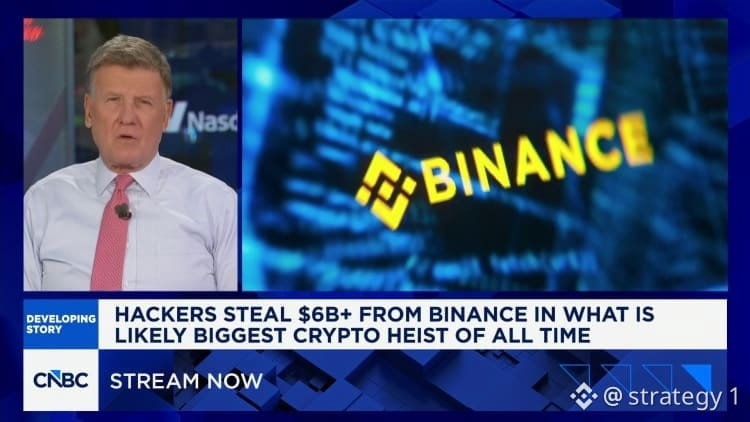
92
·
--

Article
Trading or gambling???𝐂𝐫𝐲𝐩𝐭𝐨 𝐭𝐫𝐚𝐝𝐢𝐧𝐠 𝐚𝐭𝐭𝐫𝐚𝐜𝐭𝐬 𝐩𝐞𝐨𝐩𝐥𝐞 𝐰𝐢𝐭𝐡 𝐝𝐫𝐞𝐚𝐦𝐬 𝐨𝐟 𝐪𝐮𝐢𝐜𝐤 𝐦𝐨𝐧𝐞𝐲 𝐚𝐧𝐝 𝐟𝐢𝐧𝐚𝐧𝐜𝐢𝐚𝐥 𝐟𝐫𝐞𝐞𝐝𝐨𝐦. 𝐇𝐨𝐰𝐞𝐯𝐞𝐫, 𝐭𝐡𝐞 𝐫𝐞𝐚𝐥𝐢𝐭𝐲 𝐢𝐬 𝐯𝐞𝐫𝐲 𝐝𝐢𝐟𝐟𝐞𝐫𝐞𝐧𝐭. 𝐌𝐨𝐬𝐭 𝐭𝐫𝐚𝐝𝐞𝐫𝐬 𝐟𝐚𝐢𝐥 𝐧𝐨𝐭 𝐛𝐞𝐜𝐚𝐮𝐬𝐞 𝐭𝐫𝐚𝐝𝐢𝐧𝐠 𝐢𝐬 𝐢𝐦𝐩𝐨𝐬𝐬𝐢𝐛𝐥𝐞, 𝐛𝐮𝐭 𝐛𝐞𝐜𝐚𝐮𝐬𝐞 𝐭𝐡𝐞𝐲 𝐥𝐚𝐜𝐤 𝐝𝐢𝐬𝐜𝐢𝐩𝐥𝐢𝐧𝐞, 𝐬𝐭𝐫𝐮𝐜𝐭𝐮𝐫𝐞, 𝐚𝐧𝐝 𝐫𝐢𝐬𝐤 𝐜𝐨𝐧𝐭𝐫𝐨𝐥. 𝐁𝐞𝐜𝐨𝐦𝐢𝐧𝐠 𝐚 𝐠𝐨𝐨𝐝 𝐭𝐫𝐚𝐝𝐞𝐫 𝐢𝐬 𝐚 𝐬𝐤𝐢𝐥𝐥-𝐛𝐮𝐢𝐥𝐝𝐢𝐧𝐠 𝐣𝐨𝐮𝐫𝐧𝐞𝐲, 𝐧𝐨𝐭 𝐚 𝐬𝐡𝐨𝐫𝐭𝐜𝐮𝐭.
𝟏. 𝐔𝐧𝐝𝐞𝐫𝐬𝐭𝐚𝐧𝐝 𝐖𝐡𝐚𝐭 𝐓𝐫𝐚𝐝𝐢𝐧𝐠 𝐑𝐞𝐚𝐥𝐥𝐲 𝐈𝐬
𝐓𝐫𝐚𝐝𝐢𝐧𝐠 𝐢𝐬 𝐧𝐨𝐭:
𝐆𝐚𝐦𝐛𝐥𝐢𝐧𝐠
𝐀 𝐠𝐞𝐭-𝐫𝐢𝐜𝐡-𝐪𝐮𝐢𝐜𝐤 𝐬𝐜𝐡𝐞𝐦𝐞
𝐁𝐥𝐢𝐧𝐝𝐥𝐲 𝐟𝐨𝐥𝐥𝐨𝐰𝐢𝐧𝐠 𝐬𝐢𝐠𝐧𝐚𝐥𝐬
𝐄𝐦𝐨𝐭𝐢𝐨𝐧𝐚𝐥 𝐝𝐞𝐜𝐢𝐬𝐢𝐨𝐧-𝐦𝐚𝐤𝐢𝐧𝐠
𝐓𝐫𝐚𝐝𝐢𝐧𝐠 𝐢𝐬:
𝐑𝐢𝐬𝐤 𝐦𝐚𝐧𝐚𝐠𝐞𝐦𝐞𝐧𝐭
𝐏𝐫𝐨𝐛𝐚𝐛𝐢𝐥𝐢𝐭𝐲-𝐛𝐚𝐬𝐞𝐝 𝐭𝐡𝐢𝐧𝐤𝐢𝐧𝐠
𝐃𝐢𝐬𝐜𝐢𝐩𝐥𝐢𝐧𝐞 𝐚𝐧𝐝 𝐩𝐚𝐭𝐢𝐞𝐧𝐜𝐞
𝐋𝐨𝐬𝐬𝐞𝐬 𝐚𝐫𝐞 𝐩𝐚𝐫𝐭 𝐨𝐟 𝐭𝐫𝐚𝐝𝐢𝐧𝐠.
𝟐. 𝐁𝐮𝐢𝐥𝐝 𝐭𝐡𝐞 𝐑𝐢𝐠𝐡𝐭 𝐓𝐫𝐚𝐝𝐢𝐧𝐠 𝐌𝐢𝐧𝐝𝐬𝐞𝐭
𝐘𝐨𝐮𝐫 𝐦𝐢𝐧𝐝𝐬𝐞𝐭 𝐦𝐚𝐭𝐭𝐞𝐫𝐬 𝐦𝐨𝐫𝐞 𝐭𝐡𝐚𝐧 𝐚𝐧𝐲 𝐢𝐧𝐝𝐢𝐜𝐚𝐭𝐨𝐫.
𝐀 𝐠𝐨𝐨𝐝 𝐭𝐫𝐚𝐝𝐞𝐫 𝐟𝐨𝐜𝐮𝐬𝐞𝐬 𝐨𝐧:
𝐏𝐫𝐨𝐜𝐞𝐬𝐬 𝐨𝐯𝐞𝐫 𝐩𝐫𝐨𝐟𝐢𝐭
𝐃𝐢𝐬𝐜𝐢𝐩𝐥𝐢𝐧𝐞 𝐨𝐯𝐞𝐫 𝐞𝐱𝐜𝐢𝐭𝐞𝐦𝐞𝐧𝐭
𝐂𝐨𝐧𝐬𝐢𝐬𝐭𝐞𝐧𝐜𝐲 𝐨𝐯𝐞𝐫 𝐩𝐞𝐫𝐟𝐞𝐜𝐭𝐢𝐨𝐧
𝟑. 𝐋𝐞𝐚𝐫𝐧 𝐭𝐡𝐞 𝐁𝐚𝐬𝐢𝐜𝐬 𝐁𝐞𝐟𝐨𝐫𝐞 𝐓𝐫𝐚𝐝𝐢𝐧𝐠
𝐁𝐞𝐟𝐨𝐫𝐞 𝐫𝐞𝐚𝐥 𝐭𝐫𝐚𝐝𝐞𝐬, 𝐮𝐧𝐝𝐞𝐫𝐬𝐭𝐚𝐧𝐝:
𝐒𝐮𝐩𝐩𝐨𝐫𝐭 𝐚𝐧𝐝 𝐫𝐞𝐬𝐢𝐬𝐭𝐚𝐧𝐜𝐞
𝐓𝐫𝐞𝐧𝐝𝐬
𝐂𝐚𝐧𝐝𝐥𝐞𝐬𝐭𝐢𝐜𝐤 𝐩𝐚𝐭𝐭𝐞𝐫𝐧𝐬
𝐕𝐨𝐥𝐮𝐦𝐞
𝐒𝐢𝐦𝐩𝐥𝐞 𝐰𝐨𝐫𝐤𝐬 𝐛𝐞𝐬𝐭.
𝟒. 𝐂𝐡𝐨𝐨𝐬𝐞 𝐎𝐧𝐞 𝐓𝐫𝐚𝐝𝐢𝐧𝐠 𝐒𝐭𝐲𝐥𝐞
𝐁𝐞𝐠𝐢𝐧𝐧𝐞𝐫𝐬 𝐬𝐡𝐨𝐮𝐥𝐝 𝐟𝐨𝐜𝐮𝐬 𝐨𝐧 𝐬𝐰𝐢𝐧𝐠 𝐭𝐫𝐚𝐝𝐢𝐧𝐠 𝐟𝐨𝐫 𝐛𝐞𝐭𝐭𝐞𝐫 𝐜𝐨𝐧𝐭𝐫𝐨𝐥.
𝟓. 𝐂𝐫𝐞𝐚𝐭𝐞 𝐚 𝐓𝐫𝐚𝐝𝐢𝐧𝐠 𝐏𝐥𝐚𝐧
𝐍𝐞𝐯𝐞𝐫 𝐭𝐫𝐚𝐝𝐞 𝐰𝐢𝐭𝐡𝐨𝐮𝐭 𝐚 𝐩𝐥𝐚𝐧.
𝐄𝐧𝐭𝐫𝐲
𝐒𝐭𝐨𝐩-𝐥𝐨𝐬𝐬
𝐓𝐚𝐫𝐠𝐞𝐭
𝐑𝐢𝐬𝐤
𝟔. 𝐖𝐡𝐞𝐧 𝐭𝐨 𝐄𝐧𝐭𝐞𝐫
𝐄𝐧𝐭𝐞𝐫 𝐛𝐚𝐬𝐞𝐝 𝐨𝐧 𝐜𝐨𝐧𝐟𝐢𝐫𝐦𝐚𝐭𝐢𝐨𝐧, 𝐧𝐨𝐭 𝐞𝐦𝐨𝐭𝐢𝐨𝐧.
𝟕. 𝐖𝐡𝐞𝐧 𝐭𝐨 𝐄𝐱𝐢𝐭
𝐀𝐥𝐰𝐚𝐲𝐬 𝐝𝐞𝐟𝐢𝐧𝐞:
𝐒𝐭𝐨𝐩-𝐥𝐨𝐬𝐬
𝐓𝐚𝐤𝐞-𝐩𝐫𝐨𝐟𝐢𝐭
𝟖. 𝐑𝐢𝐬𝐤 𝐌𝐚𝐧𝐚𝐠𝐞𝐦𝐞𝐧𝐭
𝐑𝐢𝐬𝐤 𝐨𝐧𝐥𝐲 𝟏–𝟐% 𝐩𝐞𝐫 𝐭𝐫𝐚𝐝𝐞.
𝟗. 𝐒𝐞𝐭 𝐑𝐞𝐚𝐥𝐢𝐬𝐭𝐢𝐜 𝐆𝐨𝐚𝐥𝐬
𝐅𝐨𝐜𝐮𝐬 𝐨𝐧 𝐟𝐨𝐥𝐥𝐨𝐰𝐢𝐧𝐠 𝐫𝐮𝐥𝐞𝐬, 𝐧𝐨𝐭 𝐦𝐨𝐧𝐞𝐲.
𝟏𝟎. 𝐌𝐚𝐢𝐧𝐭𝐚𝐢𝐧 𝐚 𝐓𝐫𝐚𝐝𝐢𝐧𝐠 𝐉𝐨𝐮𝐫𝐧𝐚𝐥
𝐓𝐫𝐚𝐜𝐤 𝐞𝐯𝐞𝐫𝐲 𝐭𝐫𝐚𝐝𝐞.
𝐅𝐢𝐧𝐚𝐥 𝐓𝐡𝐨𝐮𝐠𝐡𝐭𝐬
𝐓𝐫𝐚𝐝𝐢𝐧𝐠 𝐢𝐬 𝐚 𝐦𝐚𝐫𝐚𝐭𝐡𝐨𝐧, 𝐧𝐨𝐭 𝐚 𝐬𝐩𝐫𝐢𝐧𝐭.
𝐌𝐚𝐬𝐭𝐞𝐫 𝐲𝐨𝐮𝐫𝐬𝐞𝐥𝐟, 𝐚𝐧𝐝 𝐭𝐡𝐞 𝐦𝐚𝐫𝐤𝐞𝐭 𝐰𝐢𝐥𝐥 𝐟𝐨𝐥𝐥𝐨𝐰.
Trading or gambling???
𝐂𝐫𝐲𝐩𝐭𝐨 𝐭𝐫𝐚𝐝𝐢𝐧𝐠 𝐚𝐭𝐭𝐫𝐚𝐜𝐭𝐬 𝐩𝐞𝐨𝐩𝐥𝐞 𝐰𝐢𝐭𝐡 𝐝𝐫𝐞𝐚𝐦𝐬 𝐨𝐟 𝐪𝐮𝐢𝐜𝐤 𝐦𝐨𝐧𝐞𝐲 𝐚𝐧𝐝 𝐟𝐢𝐧𝐚𝐧𝐜𝐢𝐚𝐥 𝐟𝐫𝐞𝐞𝐝𝐨𝐦. 𝐇𝐨𝐰𝐞𝐯𝐞𝐫, 𝐭𝐡𝐞 𝐫𝐞𝐚𝐥𝐢𝐭𝐲 𝐢𝐬 𝐯𝐞𝐫𝐲 𝐝𝐢𝐟𝐟𝐞𝐫𝐞𝐧𝐭. 𝐌𝐨𝐬𝐭 𝐭𝐫𝐚𝐝𝐞𝐫𝐬 𝐟𝐚𝐢𝐥 𝐧𝐨𝐭 𝐛𝐞𝐜𝐚𝐮𝐬𝐞 𝐭𝐫𝐚𝐝𝐢𝐧𝐠 𝐢𝐬 𝐢𝐦𝐩𝐨𝐬𝐬𝐢𝐛𝐥𝐞, 𝐛𝐮𝐭 𝐛𝐞𝐜𝐚𝐮𝐬𝐞 𝐭𝐡𝐞𝐲 𝐥𝐚𝐜𝐤 𝐝𝐢𝐬𝐜𝐢𝐩𝐥𝐢𝐧𝐞, 𝐬𝐭𝐫𝐮𝐜𝐭𝐮𝐫𝐞, 𝐚𝐧𝐝 𝐫𝐢𝐬𝐤 𝐜𝐨𝐧𝐭𝐫𝐨𝐥. 𝐁𝐞𝐜𝐨𝐦𝐢𝐧𝐠 𝐚 𝐠𝐨𝐨𝐝 𝐭𝐫𝐚𝐝𝐞𝐫 𝐢𝐬 𝐚 𝐬𝐤𝐢𝐥𝐥-𝐛𝐮𝐢𝐥𝐝𝐢𝐧𝐠 𝐣𝐨𝐮𝐫𝐧𝐞𝐲, 𝐧𝐨𝐭 𝐚 𝐬𝐡𝐨𝐫𝐭𝐜𝐮𝐭.
𝟏. 𝐔𝐧𝐝𝐞𝐫𝐬𝐭𝐚𝐧𝐝 𝐖𝐡𝐚𝐭 𝐓𝐫𝐚𝐝𝐢𝐧𝐠 𝐑𝐞𝐚𝐥𝐥𝐲 𝐈𝐬
𝐓𝐫𝐚𝐝𝐢𝐧𝐠 𝐢𝐬 𝐧𝐨𝐭:
𝐆𝐚𝐦𝐛𝐥𝐢𝐧𝐠
𝐀 𝐠𝐞𝐭-𝐫𝐢𝐜𝐡-𝐪𝐮𝐢𝐜𝐤 𝐬𝐜𝐡𝐞𝐦𝐞
𝐁𝐥𝐢𝐧𝐝𝐥𝐲 𝐟𝐨𝐥𝐥𝐨𝐰𝐢𝐧𝐠 𝐬𝐢𝐠𝐧𝐚𝐥𝐬
𝐄𝐦𝐨𝐭𝐢𝐨𝐧𝐚𝐥 𝐝𝐞𝐜𝐢𝐬𝐢𝐨𝐧-𝐦𝐚𝐤𝐢𝐧𝐠
𝐓𝐫𝐚𝐝𝐢𝐧𝐠 𝐢𝐬:
𝐑𝐢𝐬𝐤 𝐦𝐚𝐧𝐚𝐠𝐞𝐦𝐞𝐧𝐭
𝐏𝐫𝐨𝐛𝐚𝐛𝐢𝐥𝐢𝐭𝐲-𝐛𝐚𝐬𝐞𝐝 𝐭𝐡𝐢𝐧𝐤𝐢𝐧𝐠
𝐃𝐢𝐬𝐜𝐢𝐩𝐥𝐢𝐧𝐞 𝐚𝐧𝐝 𝐩𝐚𝐭𝐢𝐞𝐧𝐜𝐞
𝐋𝐨𝐬𝐬𝐞𝐬 𝐚𝐫𝐞 𝐩𝐚𝐫𝐭 𝐨𝐟 𝐭𝐫𝐚𝐝𝐢𝐧𝐠.
𝟐. 𝐁𝐮𝐢𝐥𝐝 𝐭𝐡𝐞 𝐑𝐢𝐠𝐡𝐭 𝐓𝐫𝐚𝐝𝐢𝐧𝐠 𝐌𝐢𝐧𝐝𝐬𝐞𝐭
𝐘𝐨𝐮𝐫 𝐦𝐢𝐧𝐝𝐬𝐞𝐭 𝐦𝐚𝐭𝐭𝐞𝐫𝐬 𝐦𝐨𝐫𝐞 𝐭𝐡𝐚𝐧 𝐚𝐧𝐲 𝐢𝐧𝐝𝐢𝐜𝐚𝐭𝐨𝐫.
𝐀 𝐠𝐨𝐨𝐝 𝐭𝐫𝐚𝐝𝐞𝐫 𝐟𝐨𝐜𝐮𝐬𝐞𝐬 𝐨𝐧:
𝐏𝐫𝐨𝐜𝐞𝐬𝐬 𝐨𝐯𝐞𝐫 𝐩𝐫𝐨𝐟𝐢𝐭
𝐃𝐢𝐬𝐜𝐢𝐩𝐥𝐢𝐧𝐞 𝐨𝐯𝐞𝐫 𝐞𝐱𝐜𝐢𝐭𝐞𝐦𝐞𝐧𝐭
𝐂𝐨𝐧𝐬𝐢𝐬𝐭𝐞𝐧𝐜𝐲 𝐨𝐯𝐞𝐫 𝐩𝐞𝐫𝐟𝐞𝐜𝐭𝐢𝐨𝐧
𝟑. 𝐋𝐞𝐚𝐫𝐧 𝐭𝐡𝐞 𝐁𝐚𝐬𝐢𝐜𝐬 𝐁𝐞𝐟𝐨𝐫𝐞 𝐓𝐫𝐚𝐝𝐢𝐧𝐠
𝐁𝐞𝐟𝐨𝐫𝐞 𝐫𝐞𝐚𝐥 𝐭𝐫𝐚𝐝𝐞𝐬, 𝐮𝐧𝐝𝐞𝐫𝐬𝐭𝐚𝐧𝐝:
𝐒𝐮𝐩𝐩𝐨𝐫𝐭 𝐚𝐧𝐝 𝐫𝐞𝐬𝐢𝐬𝐭𝐚𝐧𝐜𝐞
𝐓𝐫𝐞𝐧𝐝𝐬
𝐂𝐚𝐧𝐝𝐥𝐞𝐬𝐭𝐢𝐜𝐤 𝐩𝐚𝐭𝐭𝐞𝐫𝐧𝐬
𝐕𝐨𝐥𝐮𝐦𝐞
𝐒𝐢𝐦𝐩𝐥𝐞 𝐰𝐨𝐫𝐤𝐬 𝐛𝐞𝐬𝐭.
𝟒. 𝐂𝐡𝐨𝐨𝐬𝐞 𝐎𝐧𝐞 𝐓𝐫𝐚𝐝𝐢𝐧𝐠 𝐒𝐭𝐲𝐥𝐞
𝐁𝐞𝐠𝐢𝐧𝐧𝐞𝐫𝐬 𝐬𝐡𝐨𝐮𝐥𝐝 𝐟𝐨𝐜𝐮𝐬 𝐨𝐧 𝐬𝐰𝐢𝐧𝐠 𝐭𝐫𝐚𝐝𝐢𝐧𝐠 𝐟𝐨𝐫 𝐛𝐞𝐭𝐭𝐞𝐫 𝐜𝐨𝐧𝐭𝐫𝐨𝐥.
𝟓. 𝐂𝐫𝐞𝐚𝐭𝐞 𝐚 𝐓𝐫𝐚𝐝𝐢𝐧𝐠 𝐏𝐥𝐚𝐧
𝐍𝐞𝐯𝐞𝐫 𝐭𝐫𝐚𝐝𝐞 𝐰𝐢𝐭𝐡𝐨𝐮𝐭 𝐚 𝐩𝐥𝐚𝐧.
𝐄𝐧𝐭𝐫𝐲
𝐒𝐭𝐨𝐩-𝐥𝐨𝐬𝐬
𝐓𝐚𝐫𝐠𝐞𝐭
𝐑𝐢𝐬𝐤
𝟔. 𝐖𝐡𝐞𝐧 𝐭𝐨 𝐄𝐧𝐭𝐞𝐫
𝐄𝐧𝐭𝐞𝐫 𝐛𝐚𝐬𝐞𝐝 𝐨𝐧 𝐜𝐨𝐧𝐟𝐢𝐫𝐦𝐚𝐭𝐢𝐨𝐧, 𝐧𝐨𝐭 𝐞𝐦𝐨𝐭𝐢𝐨𝐧.
𝟕. 𝐖𝐡𝐞𝐧 𝐭𝐨 𝐄𝐱𝐢𝐭
𝐀𝐥𝐰𝐚𝐲𝐬 𝐝𝐞𝐟𝐢𝐧𝐞:
𝐒𝐭𝐨𝐩-𝐥𝐨𝐬𝐬
𝐓𝐚𝐤𝐞-𝐩𝐫𝐨𝐟𝐢𝐭
𝟖. 𝐑𝐢𝐬𝐤 𝐌𝐚𝐧𝐚𝐠𝐞𝐦𝐞𝐧𝐭
𝐑𝐢𝐬𝐤 𝐨𝐧𝐥𝐲 𝟏–𝟐% 𝐩𝐞𝐫 𝐭𝐫𝐚𝐝𝐞.
𝟗. 𝐒𝐞𝐭 𝐑𝐞𝐚𝐥𝐢𝐬𝐭𝐢𝐜 𝐆𝐨𝐚𝐥𝐬
𝐅𝐨𝐜𝐮𝐬 𝐨𝐧 𝐟𝐨𝐥𝐥𝐨𝐰𝐢𝐧𝐠 𝐫𝐮𝐥𝐞𝐬, 𝐧𝐨𝐭 𝐦𝐨𝐧𝐞𝐲.
𝟏𝟎. 𝐌𝐚𝐢𝐧𝐭𝐚𝐢𝐧 𝐚 𝐓𝐫𝐚𝐝𝐢𝐧𝐠 𝐉𝐨𝐮𝐫𝐧𝐚𝐥
𝐓𝐫𝐚𝐜𝐤 𝐞𝐯𝐞𝐫𝐲 𝐭𝐫𝐚𝐝𝐞.
𝐅𝐢𝐧𝐚𝐥 𝐓𝐡𝐨𝐮𝐠𝐡𝐭𝐬
𝐓𝐫𝐚𝐝𝐢𝐧𝐠 𝐢𝐬 𝐚 𝐦𝐚𝐫𝐚𝐭𝐡𝐨𝐧, 𝐧𝐨𝐭 𝐚 𝐬𝐩𝐫𝐢𝐧𝐭.
𝐌𝐚𝐬𝐭𝐞𝐫 𝐲𝐨𝐮𝐫𝐬𝐞𝐥𝐟, 𝐚𝐧𝐝 𝐭𝐡𝐞 𝐦𝐚𝐫𝐤𝐞𝐭 𝐰𝐢𝐥𝐥 𝐟𝐨𝐥𝐥𝐨𝐰.
3
80
·
--
Bullish
🚀 BITCOIN CASH (BCH): WHY IT COULD BE YOUR NEXT CRYPTO PICK ⚒️
$BCH #BitcoinCash
BCH isn’t just another crypto—it’s built for fast, cheap, and reliable payments. Here’s why it matters:
💎 Why Invest?
⚡ Fast & Affordable: Near-instant transactions, super low fees
🛡️ Proven Tech: Secure, decentralized, built on Bitcoin’s code
📉 Undervalued Potential: Lower market cap = room to grow
🌱 Growing Ecosystem: Wallets, merchants, and payment tools expanding
⚠️ Risks to Watch
🤼 Competition: Bitcoin, Ethereum & newer chains
❓ Adoption: Needs users and merchants to grow
🎢 Volatility: Sharp price swings can be risky
🏷️ Perception: Branding and past community disputes still linger
🔮 Future Outlook
BCH is all about practical payments. As crypto adoption rises globally, fast & low-cost networks could see renewed relevance—especially in regions where fees matter.
Bottom Line: BCH is a high-potential crypto with real-world utility, but adoption and market sentiment will shape its future.
$BCH $BTC #BitcoinCash #crypto #Bitcoin❗
1
27
·
--

Article
Silver at All-Time Highs: Opportunity… or the Next Shock?Silver is making headlines after hitting historic price levels. Momentum is strong, sentiment is bullish — but one critical question remains:
Can silver crash?
The Reality Check
Silver is famous for doing two things extremely well:
📈 Rally hard
📉 Correct harder
Its market is smaller and thinner than gold’s, which means price moves can turn violent when traders rush in — or rush out.
A sharp pullback could be triggered by:
Profit-taking after a massive run
Too much leverage and speculation
Shifts in interest rates or the U.S. dollar
A slowdown in global industrial demand
In past bull cycles, silver has seen 20–40% drops — even while the long-term trend stayed intact.
Who Should Be Worried?
⚠️ Investors who:
Went all-in near the top
Used margin or high leverage
Expect straight-line gains
These are the portfolios that get hit hardest when volatility spikes.
Who Is Likely Safe?
✅ Investors who:
Hold silver as part of a diversified portfolio
Avoid leverage
Understand silver is not a stable asset — it’s a fast one
Volatility doesn’t destroy disciplined investors — panic does.
Why Silver Isn’t Likely to Collapse
Despite correction risks, silver isn’t running on hype alone:
Supply remains tight
Industrial demand is real (solar, EVs, electronics)
Silver still acts as a hedge in uncertain times
This makes a total collapse unlikely — but turbulence is guaranteed.
Final Take
Silver rewards patience — and punishes overconfidence.
📉 Corrections are normal
🔥 Leverage is dangerous
🧠 Risk management beats predictions
In silver, the biggest risk isn’t the market — it’s ignoring it.
#Silver #crashmarket
Silver at All-Time Highs: Opportunity… or the Next Shock?
Silver is making headlines after hitting historic price levels. Momentum is strong, sentiment is bullish — but one critical question remains:
Can silver crash?
The Reality Check
Silver is famous for doing two things extremely well:
📈 Rally hard
📉 Correct harder
Its market is smaller and thinner than gold’s, which means price moves can turn violent when traders rush in — or rush out.
A sharp pullback could be triggered by:
Profit-taking after a massive run
Too much leverage and speculation
Shifts in interest rates or the U.S. dollar
A slowdown in global industrial demand
In past bull cycles, silver has seen 20–40% drops — even while the long-term trend stayed intact.
Who Should Be Worried?
⚠️ Investors who:
Went all-in near the top
Used margin or high leverage
Expect straight-line gains
These are the portfolios that get hit hardest when volatility spikes.
Who Is Likely Safe?
✅ Investors who:
Hold silver as part of a diversified portfolio
Avoid leverage
Understand silver is not a stable asset — it’s a fast one
Volatility doesn’t destroy disciplined investors — panic does.
Why Silver Isn’t Likely to Collapse
Despite correction risks, silver isn’t running on hype alone:
Supply remains tight
Industrial demand is real (solar, EVs, electronics)
Silver still acts as a hedge in uncertain times
This makes a total collapse unlikely — but turbulence is guaranteed.
Final Take
Silver rewards patience — and punishes overconfidence.
📉 Corrections are normal
🔥 Leverage is dangerous
🧠 Risk management beats predictions
In silver, the biggest risk isn’t the market — it’s ignoring it.
#Silver #crashmarket
2
130
·
--
Launch of crypto 🚀Share your idea what if you can build a new kind of cryptocurrency what features it would have!
Don't hesitate comment down and share with your circle let's see what you miss in today world 🌍!
#CryptocurrencyWealth #crypto #Binance
Launch of crypto 🚀
Share your idea what if you can build a new kind of cryptocurrency what features it would have!
Don't hesitate comment down and share with your circle let's see what you miss in today world 🌍!
#CryptocurrencyWealth #crypto #Binance
Don't hesitate comment down and share with your circle let's see what you miss in today world 🌍!
#CryptocurrencyWealth #crypto #Binance
2
50
·
--

Article
BNB vs BitcoinBNB vs Bitcoin: Two Different Kinds of Value
When people talk about crypto value, Bitcoin is usually the first name mentioned. But value isn’t just about price — it’s about purpose, utility, and impact. That’s where BNB and Bitcoin take very different paths.
Bitcoin: Value Through Scarcity
Bitcoin was built to be simple and strong. Its power comes from scarcity, decentralization, and trust. With a fixed supply, Bitcoin is often seen as digital gold — something to hold, protect wealth, and rely on during uncertainty.
Bitcoin’s value is driven by belief and long-term confidence, not daily usage.
BNB: Value Through Utility
BNB was created to be used, not just held. It fuels a growing ecosystem and plays an active role across platforms and applications.
BNB is used for:
Lower transaction fees
Powering the BNB Chain
Supporting DeFi, NFTs, gaming, and Web3
Regular token burns that reduce supply
As the ecosystem expands, BNB’s real-world utility grows, strengthening its long-term value.
The Core Difference
Bitcoin gains value from scarcity and trust
BNB gains value from utility and adoption
Bitcoin asks: “Do you believe in decentralized money?”
BNB asks: “Are you using the ecosystem?”
Why This Comparison Matters
Bitcoin is designed to remain stable and predictable.
BNB is designed to evolve and adapt.
Both serve different purposes — and that difference is exactly where their value lies.
Final Thought
Bitcoin is the foundation of crypto.
BNB is the engine that drives daily activity.
One stores value.
The other creates value.
Understanding both is smarter than choosing just one.
#BTCvsBNB #crypto #Binance
$BNB $BTC
BNB vs Bitcoin
BNB vs Bitcoin: Two Different Kinds of Value
When people talk about crypto value, Bitcoin is usually the first name mentioned. But value isn’t just about price — it’s about purpose, utility, and impact. That’s where BNB and Bitcoin take very different paths.
Bitcoin: Value Through Scarcity
Bitcoin was built to be simple and strong. Its power comes from scarcity, decentralization, and trust. With a fixed supply, Bitcoin is often seen as digital gold — something to hold, protect wealth, and rely on during uncertainty.
Bitcoin’s value is driven by belief and long-term confidence, not daily usage.
BNB: Value Through Utility
BNB was created to be used, not just held. It fuels a growing ecosystem and plays an active role across platforms and applications.
BNB is used for:
Lower transaction fees
Powering the BNB Chain
Supporting DeFi, NFTs, gaming, and Web3
Regular token burns that reduce supply
As the ecosystem expands, BNB’s real-world utility grows, strengthening its long-term value.
The Core Difference
Bitcoin gains value from scarcity and trust
BNB gains value from utility and adoption
Bitcoin asks: “Do you believe in decentralized money?”
BNB asks: “Are you using the ecosystem?”
Why This Comparison Matters
Bitcoin is designed to remain stable and predictable.
BNB is designed to evolve and adapt.
Both serve different purposes — and that difference is exactly where their value lies.
Final Thought
Bitcoin is the foundation of crypto.
BNB is the engine that drives daily activity.
One stores value.
The other creates value.
Understanding both is smarter than choosing just one.
#BTCvsBNB #crypto #Binance
$BNB $BTC
3
65
·
--
Bullish
Gold. Silver. Bitcoin.
Not assets.
Personalities. ✨
1-🟡 Gold
The OG.
Low drama. High trust.
When the world panics, gold stays calm.
2-⚪ Silver
The underrated one.
Old-school value + tech vibes.
Moves faster. Feels balanced.
3-🟠 Cryptocurrency
Built for the digital generation.
No borders. No middlemen.
High risk. High potential.
🤔 So… who are you? 👀
• Stability mindset → Gold
• Balance mindset → Silver
• Future mindset → Bitcoin
🚅 Real power move? 💡
Understanding all three.
Because smart money isn’t loud — it’s informed.
$BTC $BNB $SOL
#BTCVSGOLD #SilverToBTCsGold
3
63
·
--
Bullish
🤔 Solana(SOL) 😕 💥 $SOL
🚀 SOLANA (SOL) – THE HIGH-SPEED BLOCKCHAIN TAKING OFF!
⚡ BLAZING FAST & LOW FEES: ~65,000 TPS makes DEFI, NFTS, AND GAMING SEAMLESS
🌐 GROWING ECOSYSTEM: More DAPS, DEVELOPERS, AND REAL-WORLD USE CASES every day
🏦 INSTITUTIONAL ATTENTION: FUTURES, ETFS, AND PARTNERSHIPS boosting credibility
📊 PRICE POTENTIAL:
SHORT-TERM (2025–26): $200–$600
LONG-TERM (2030+): COULD SURPASS $1,000 with continued adoption
💡 WHY IT MATTERS: SOLANA COMBINES SPEED, SCALE, AND INNOVATION, making it a top contender — but NETWORK RELIABILITY AND COMPETITION will be key.
🔥 BOTTOM LINE: FAST, SCALABLE, AND FULL OF POTENTIAL — Solana is one to watch!
$SOL $BTC
#SOL空投 #solana #SolanaAnalysis #Comebackstronger
1
47
·
--
💥 End of bitcoin 🤔
𝐐𝐮𝐚𝐧𝐭𝐮𝐦 𝐂𝐨𝐦𝐩𝐮𝐭𝐞𝐫𝐬 𝐚𝐬 𝐚 𝐓𝐡𝐫𝐞𝐚𝐭!
This concern is often overstated.
Quantum computing is not currently capable of breaking Bitcoin’s cryptography
If quantum risk becomes real, Bitcoin can upgrade its cryptography, just like other blockchains
Ethereum, banks, and the entire internet would face the same threat, not just Bitcoin
So quantum computing is a long-term theoretical risk, not an immediate or Bitcoin-only problem.
#quantumcomputing #Bitcoin❗ #Endofbitcoin $BTC
10
139
·
--
Bearish
🚨 Market Alert 🚨
The current market sentiment is leaning towards a bearish trend. 📉 In times like these, patience is key. Sometimes the best trade is not trading.
⚠️ Tip for Traders: Be cautious and wait for clearer signals before entering any positions. Protect your capital and stay informed!
#Crypto #MarketTrends #Bearish #TradingTips #bitcoin #BTC $BTC $ETH $BNB
12
90
·
--
share your number I may guide you!
share your number I may guide you!

Tahir shafiq125
·
--
if some one tell me how to manage this trade or if there is any paid trade manager?

158
Log in to explore more content
Join global crypto users on Binance Square
⚡️ Get latest and useful information about crypto.
💬 Trusted by the world’s largest crypto exchange.
👍 Discover real insights from verified creators.
Email / Phone number
Trending Topics
BinanceReopensWithdrawalsForMoreAssets
587,064 views
2,737 Discussing
Security Incident | Recovery Update #8: Withdrawals for More Assets to Reopen (2026-11-05)
Binance Announcement
·92 Likes
·242.3k views
BTCRebounds80K
110,864 views
1,082 Discussing
Binance98PercentReplenished
59,572 views
780 Discussing