

ShiftDelete
110 Posts
ShiftDelete
Breaking crypto before it trends. Onchain signals. Market moves.
Open Trade
Frequent Trader
7.6 Years
14 Following
548 Followers
140 Liked
Posts
Portfolio
All
Quotes













ShiftDelete
·
--
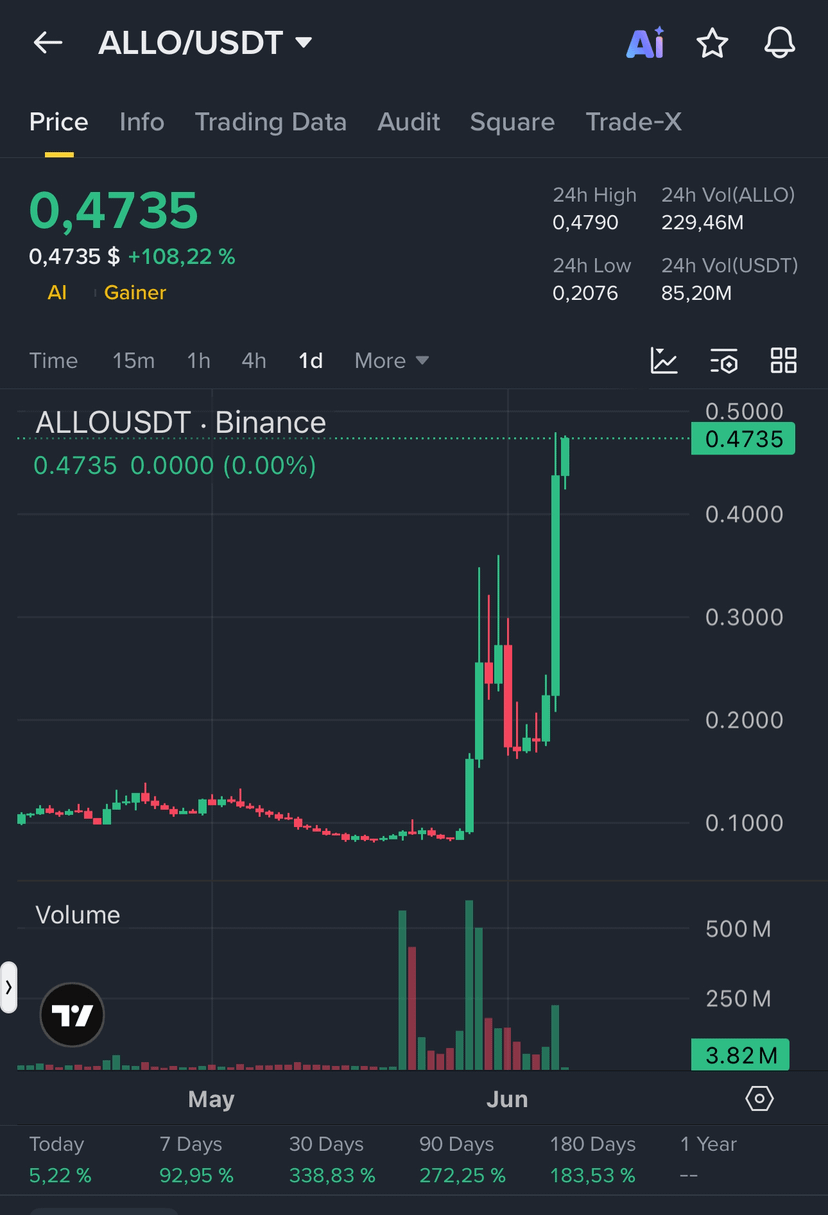
$ALLO just closed another daily candle in the green. Considering where the rest of the market has been trading lately, that's a good reason to take another look at it.
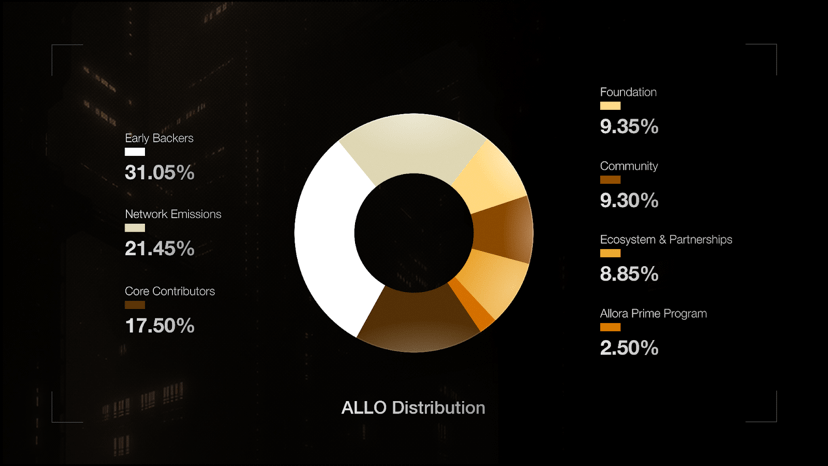
🧮 This time, let's talk tokenomics. Some facts:
- Max supply: 1B ALLO
- Circulating supply: ~20% of total supply
- The majority of tokens are still locked and will enter circulation over time
- Future unlocks remain one of the biggest variables traders should monitor
- Strong price performance means nothing if supply expansion outpaces demand
That's why the $ALLO story is interesting. The bulls see one of the strongest AI narratives in crypto. The bears see years of future supply still waiting to hit the market.
My take❔
The key support zone sits at $0.373-$0.380.
As long as price holds above support, the bullish structure remains intact and a retest of the $0.464 resistance level looks likely.
A breakdown below support would be a warning sign, potentially triggering stop losses and opening the door for a deeper correction, especially if BTC starts showing weakness.
#Allo
#altcoins
#FeatureTrading
#bitcoin
#ai
🧮 This time, let's talk tokenomics. Some facts:
- Max supply: 1B ALLO
- Circulating supply: ~20% of total supply
- The majority of tokens are still locked and will enter circulation over time
- Future unlocks remain one of the biggest variables traders should monitor
- Strong price performance means nothing if supply expansion outpaces demand
That's why the $ALLO story is interesting. The bulls see one of the strongest AI narratives in crypto. The bears see years of future supply still waiting to hit the market.
My take❔
The key support zone sits at $0.373-$0.380.
As long as price holds above support, the bullish structure remains intact and a retest of the $0.464 resistance level looks likely.
A breakdown below support would be a warning sign, potentially triggering stop losses and opening the door for a deeper correction, especially if BTC starts showing weakness.
#Allo
#altcoins
#FeatureTrading
#bitcoin
#ai
ShiftDelete
·
--
While most traders are focused on AI and memecoins, $FIDA is one of those older Solana ecosystem tokens quietly starting to show signs of life again.
For those unfamiliar, Bonfida was one of the earliest projects built around Solana, providing trading infrastructure, analytics, and products tied to the Solana ecosystem.
📈 The bull case:
- Deep ties to the Solana ecosystem
- Relatively small market cap compared to many major Solana projects
- Historically capable of explosive moves when Solana narratives heat up
- Benefits indirectly from growing $SOL activity
📉 The bear case:
- Much less attention than during the last cycle
- Faces competition from newer projects
- Product adoption hasn't grown as fast as some traders expected
My take (nfa)❔
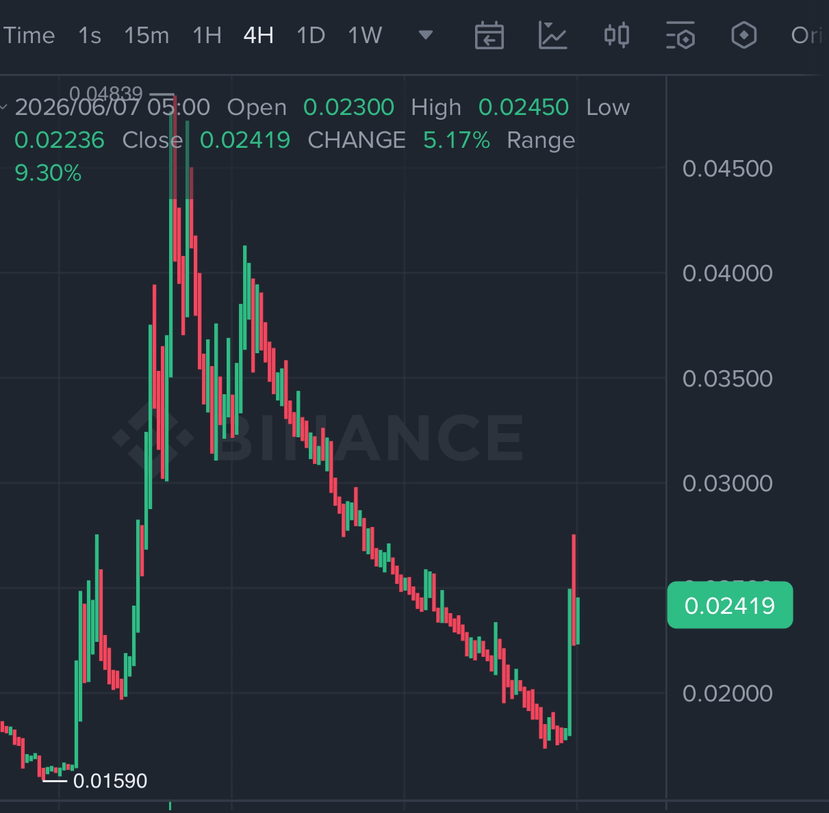
After a strong +24% rally, $FIDA is now retesting support and forming what looks like a bullish flag / higher-low structure.
Entry Zone: $0.0225-$0.0235
TP 1-2-3: $0.0260 → $0.0280 → $0.0320
Stop Loss: $0.0210 The key level to watch is $0.0217 support.
As long as bulls defend it, the setup remains bullish. A breakout above the $0.0280 resistance could trigger fresh momentum and open the door for a move toward new swing highs.
#altcoins
#fida
#solana
#FeatureTrading
#bitcoin
For those unfamiliar, Bonfida was one of the earliest projects built around Solana, providing trading infrastructure, analytics, and products tied to the Solana ecosystem.
📈 The bull case:
- Deep ties to the Solana ecosystem
- Relatively small market cap compared to many major Solana projects
- Historically capable of explosive moves when Solana narratives heat up
- Benefits indirectly from growing $SOL activity
📉 The bear case:
- Much less attention than during the last cycle
- Faces competition from newer projects
- Product adoption hasn't grown as fast as some traders expected
My take (nfa)❔
After a strong +24% rally, $FIDA is now retesting support and forming what looks like a bullish flag / higher-low structure.
Entry Zone: $0.0225-$0.0235
TP 1-2-3: $0.0260 → $0.0280 → $0.0320
Stop Loss: $0.0210 The key level to watch is $0.0217 support.
As long as bulls defend it, the setup remains bullish. A breakout above the $0.0280 resistance could trigger fresh momentum and open the door for a move toward new swing highs.
#altcoins
#fida
#solana
#FeatureTrading
#bitcoin

Log in to explore more content