
xRAMAD
731 Posts

xRAMAD
Report
Block User
Binance Angel | Web3 & Blockchain Community Builder | Crypto & IT | MENA Community & Ecosystem Growth

Content Master Angel

Binance Square Angels
High-Frequency Trader
5.7 Years
155 Following
4.8K+ Followers
38.6K+ Liked
2 Badges
Posts
All
Quotes
Videos
PINNED
·
--
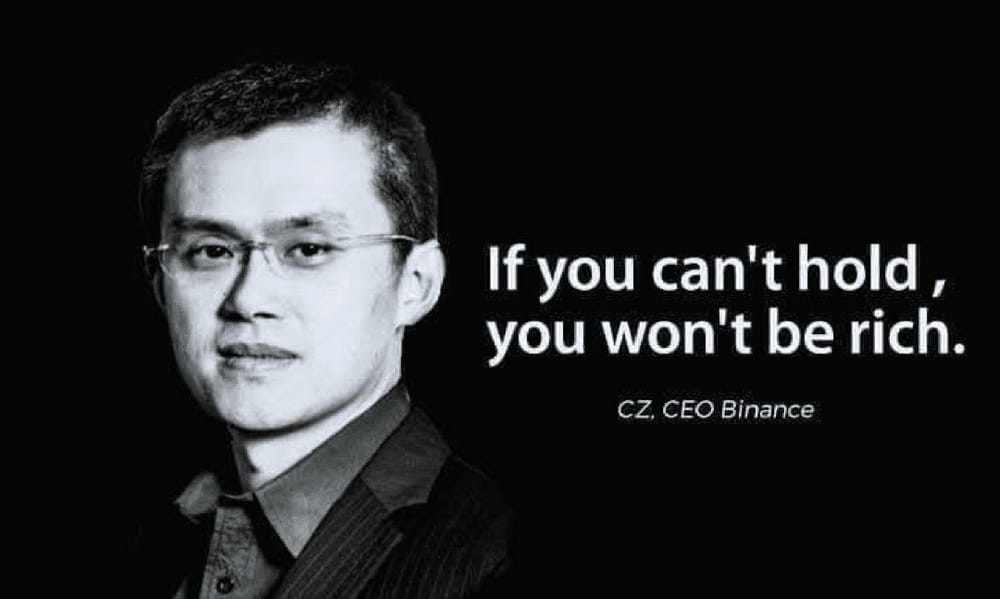
Don't forget this wisdom 😉
#If you can't hold you won't be rich 👌
Don't forget this wisdom 😉
#If you can't hold you won't be rich 👌
#If you can't hold you won't be rich 👌
3
118
1.3k
PINNED

·
--
🐪 The biggest number in Qafila needs one important footnote
The $1,000,000 $USDC figure represents the campaign's total reward pool, not a guaranteed payout for every participant
Qafila 2026 runs until November 30, but available activities, eligibility requirements, and rewards are subject to the official terms and may differ by market
Before sharing a campaign post or participating in any activity, check the exact conditions for your account. A responsible community creator should explain what is confirmed, what varies, and what is not guaranteed. No promotion is worth taking a financial risk you don't understand
@Binance_Academy @Binancearabic
#Qafila2026 #BinanceMENA #CryptoCommunity
Join My Crypto Space on Binance Square for more community-focused updates
What's the first thing you check in a campaign: eligibility, deadline, or reward conditions?
Follow me for more clear Binance MENA updates
🐪 The biggest number in Qafila needs one important footnote
The $1,000,000 $USDC figure represents the campaign's total reward pool, not a guaranteed payout for every participant
Qafila 2026 runs until November 30, but available activities, eligibility requirements, and rewards are subject to the official terms and may differ by market
Before sharing a campaign post or participating in any activity, check the exact conditions for your account. A responsible community creator should explain what is confirmed, what varies, and what is not guaranteed. No promotion is worth taking a financial risk you don't understand
@Binance Academy @Binance MENA
#Qafila2026 #BinanceMENA #CryptoCommunity
Join My Crypto Space on Binance Square for more community-focused updates
What's the first thing you check in a campaign: eligibility, deadline, or reward conditions?
Follow me for more clear Binance MENA updates

1
109
·
--
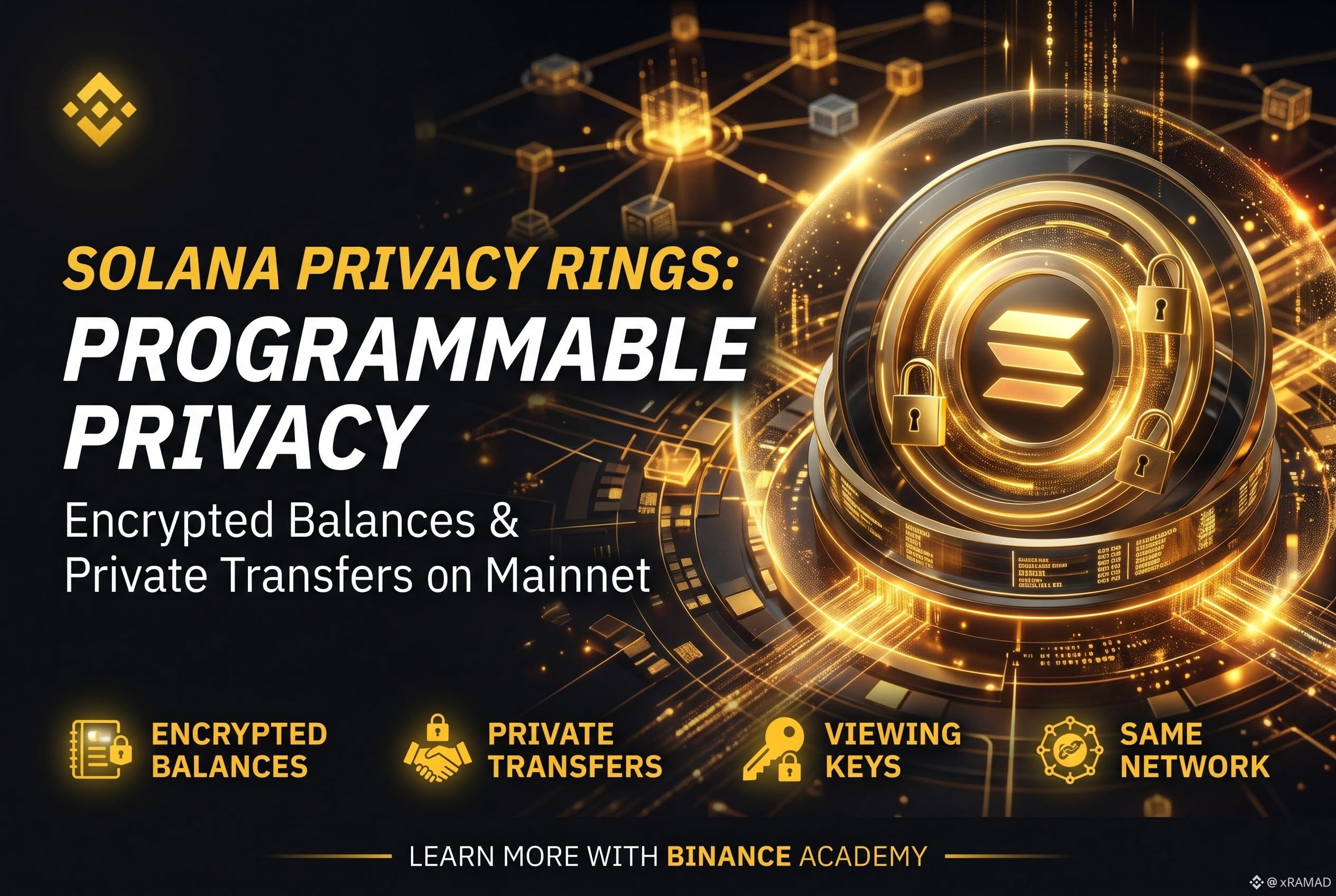
Can a public blockchain offer privacy without moving users to a separate network? 👀
A new development on Solana is exploring exactly that.
On November 10, Helius launched Solana Privacy Rings on mainnet, introducing programmable privacy through encrypted balances and private transfers.
Here's what makes the approach interesting:
🔹 Encrypted balances: Asset balances and transfer amounts are encrypted.
🔹 Private transfers: Users can transfer assets to Solana wallet addresses through private balances.
🔹 Viewing keys: Users can access their own encrypted balance information.
🔹 Same network: Private transactions execute on Solana rather than requiring users to move to a separate blockchain.
There's an important distinction: wallet addresses remain visible, so this should not be confused with complete anonymity.
Why does this matter?
Public blockchains offer transparency, but not every financial activity needs to expose every amount and balance to the entire world.
Individuals may want payment privacy, while businesses may need confidentiality around treasury activity and sensitive transactions.
The real challenge is finding the right balance between privacy, self-custody, public verification, and compliance.
My perspective: Privacy should be an important part of blockchain infrastructure, not an afterthought.
🔶 Join My Crypto Space on Binance Square and let's explore the technology shaping Web3.
💬 Would you prefer public transaction details by default, or the ability to choose what information remains private?
Follow me for more blockchain technology insights!
#Solana #BlockchainPrivacy #ZeroKnowledge #Web3 $SOL $BNB
@Binance_Academy @Binancearabic
Can a public blockchain offer privacy without moving users to a separate network? 👀
A new development on Solana is exploring exactly that.
On November 10, Helius launched Solana Privacy Rings on mainnet, introducing programmable privacy through encrypted balances and private transfers.
Here's what makes the approach interesting:
🔹 Encrypted balances: Asset balances and transfer amounts are encrypted.
🔹 Private transfers: Users can transfer assets to Solana wallet addresses through private balances.
🔹 Viewing keys: Users can access their own encrypted balance information.
🔹 Same network: Private transactions execute on Solana rather than requiring users to move to a separate blockchain.
There's an important distinction: wallet addresses remain visible, so this should not be confused with complete anonymity.
Why does this matter?
Public blockchains offer transparency, but not every financial activity needs to expose every amount and balance to the entire world.
Individuals may want payment privacy, while businesses may need confidentiality around treasury activity and sensitive transactions.
The real challenge is finding the right balance between privacy, self-custody, public verification, and compliance.
My perspective: Privacy should be an important part of blockchain infrastructure, not an afterthought.
🔶 Join My Crypto Space on Binance Square and let's explore the technology shaping Web3.
💬 Would you prefer public transaction details by default, or the ability to choose what information remains private?
Follow me for more blockchain technology insights!
#Solana #BlockchainPrivacy #ZeroKnowledge #Web3 $SOL $BNB
@Binance Academy @Binance MENA
2
171
·
--
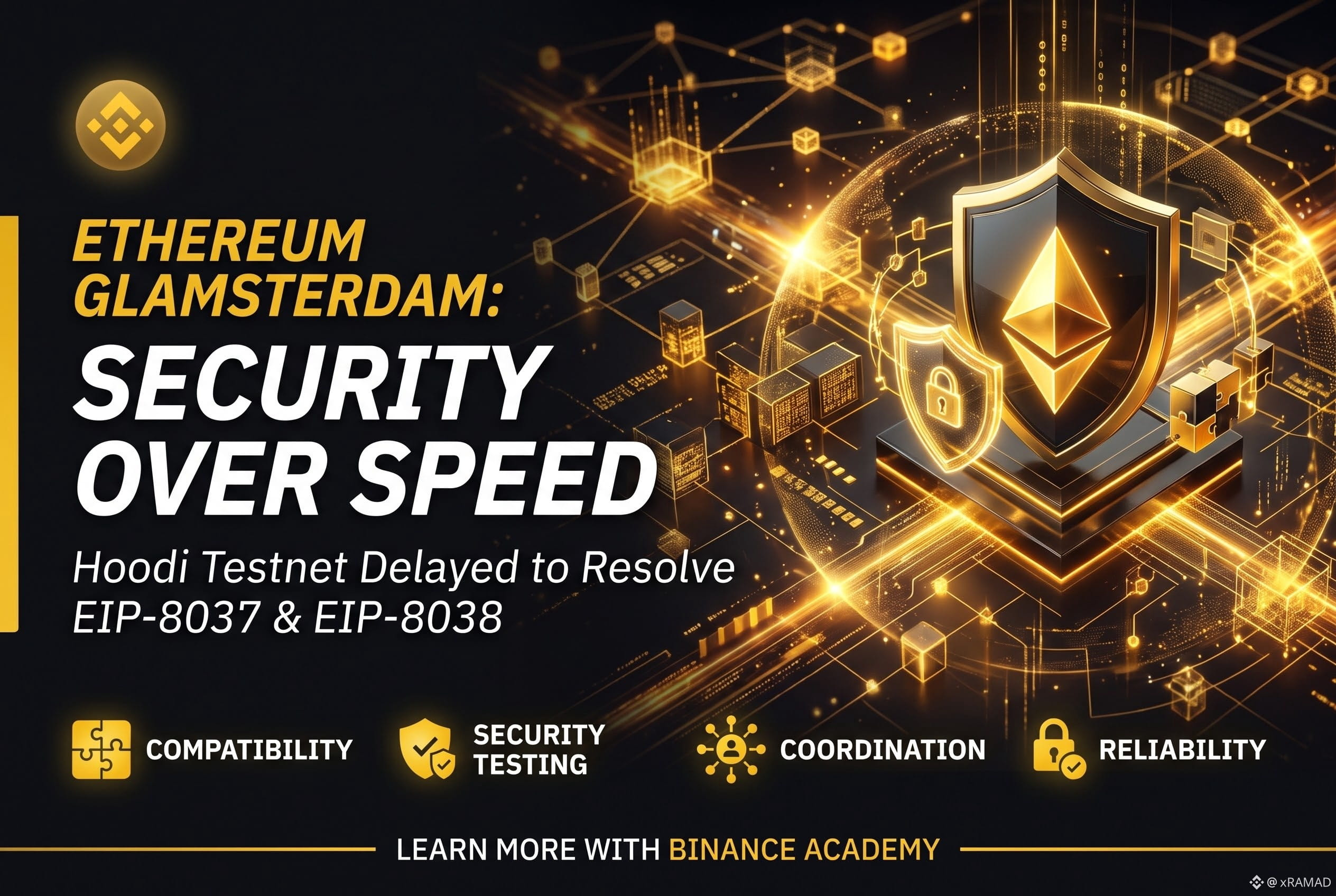
Sometimes the smartest blockchain upgrade is the one developers decide to delay 🧩
Ethereum's upcoming Glamsterdam upgrade has encountered compatibility concerns during testnet development.
On November 6, the Ethereum Foundation announced that security researchers had identified applications potentially affected by changes introduced through EIP-8037 and EIP-8038.
As a result, developers decided to delay the Hoodi testnet hard fork until the issues are addressed.
Why is this important?
🔹 Application compatibility: Smart contracts and applications may rely on technical assumptions that change during protocol upgrades.
🔹 Security testing: Identifying vulnerabilities before deployment helps prevent avoidable problems.
🔹 Developer coordination: Core developers, security researchers, and application teams need to understand how changes affect the wider ecosystem.
🔹 Long-term reliability: Shipping an upgrade quickly is less important than ensuring it works as intended.
My take: Blockchain development isn't a race to release updates.
A successful protocol upgrade must improve the network without unexpectedly breaking the applications built on top of it.
The decision to pause, investigate, and resolve compatibility issues is an important part of responsible engineering.
🔶 Join my My Crypto Space community on Binance Square for more technical discussions.
💬 Do you think blockchain developers should prioritize faster upgrades or longer testing periods?
Follow me for more Ethereum and blockchain insights!
#Ethereum #Glamsterdam $BNB #BlockchainDevelopment #Web3
@Binance_Academy @Binancearabic
Sometimes the smartest blockchain upgrade is the one developers decide to delay 🧩
Ethereum's upcoming Glamsterdam upgrade has encountered compatibility concerns during testnet development.
On November 6, the Ethereum Foundation announced that security researchers had identified applications potentially affected by changes introduced through EIP-8037 and EIP-8038.
As a result, developers decided to delay the Hoodi testnet hard fork until the issues are addressed.
Why is this important?
🔹 Application compatibility: Smart contracts and applications may rely on technical assumptions that change during protocol upgrades.
🔹 Security testing: Identifying vulnerabilities before deployment helps prevent avoidable problems.
🔹 Developer coordination: Core developers, security researchers, and application teams need to understand how changes affect the wider ecosystem.
🔹 Long-term reliability: Shipping an upgrade quickly is less important than ensuring it works as intended.
My take: Blockchain development isn't a race to release updates.
A successful protocol upgrade must improve the network without unexpectedly breaking the applications built on top of it.
The decision to pause, investigate, and resolve compatibility issues is an important part of responsible engineering.
🔶 Join my My Crypto Space community on Binance Square for more technical discussions.
💬 Do you think blockchain developers should prioritize faster upgrades or longer testing periods?
Follow me for more Ethereum and blockchain insights!
#Ethereum #Glamsterdam $BNB #BlockchainDevelopment #Web3
@Binance Academy @Binance MENA
1
106
·
--
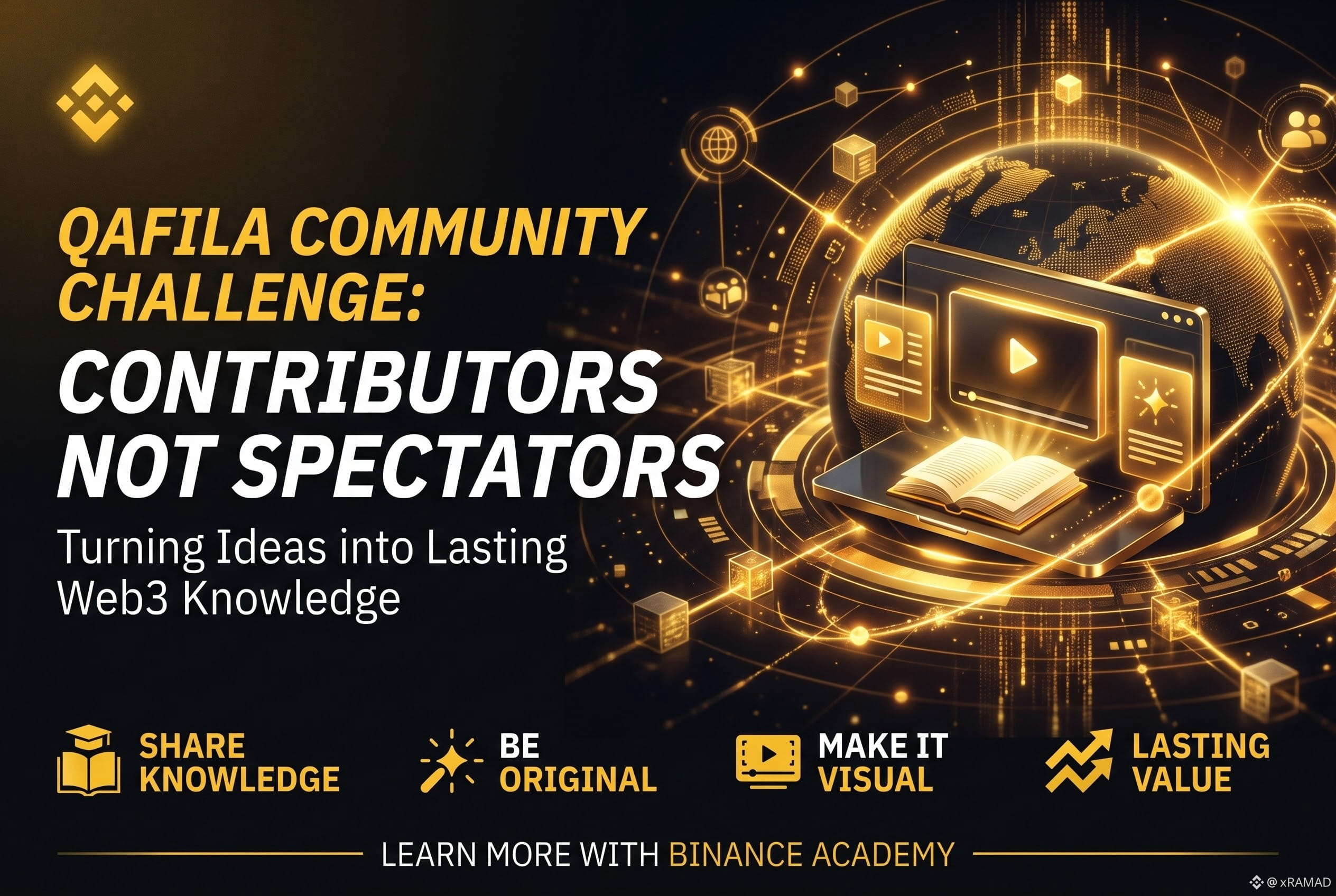
The best crypto content doesn't just get views. It helps someone understand something new 💛
That's what makes user-generated content (UGC) so valuable to the Web3 community
The Qafila Community Challenge puts creator participation and original content in the spotlight.
But what makes a contribution genuinely useful?
🔹 Share knowledge: Explain a crypto concept in simple language.
🔹 Be original: Add your own experience and perspective instead of repeating existing content.
🔹 Make it visual: Use short videos, graphics, and real examples to simplify complex ideas.
🔹 Create lasting value: Make something people can learn from even after a campaign ends.
My perspective: A strong crypto creator isn't simply someone who publishes frequently. It's someone who makes the industry easier to understand and encourages others to participate responsibly.
A community grows stronger when its members become contributors, not just spectators.
🔶 Join my My Crypto Space community on Binance Square. Let's learn, share ideas, and grow together.
💬 What type of crypto content do you find most valuable: educational videos, visual explainers, or personal experiences?
Follow me for more community and Web3 insights!
#Qafila2026 #UGC #CryptoCommunity #CryptoEducation $BNB
@Binance_Academy @Binancearabic
The best crypto content doesn't just get views. It helps someone understand something new 💛
That's what makes user-generated content (UGC) so valuable to the Web3 community
The Qafila Community Challenge puts creator participation and original content in the spotlight.
But what makes a contribution genuinely useful?
🔹 Share knowledge: Explain a crypto concept in simple language.
🔹 Be original: Add your own experience and perspective instead of repeating existing content.
🔹 Make it visual: Use short videos, graphics, and real examples to simplify complex ideas.
🔹 Create lasting value: Make something people can learn from even after a campaign ends.
My perspective: A strong crypto creator isn't simply someone who publishes frequently. It's someone who makes the industry easier to understand and encourages others to participate responsibly.
A community grows stronger when its members become contributors, not just spectators.
🔶 Join my My Crypto Space community on Binance Square. Let's learn, share ideas, and grow together.
💬 What type of crypto content do you find most valuable: educational videos, visual explainers, or personal experiences?
Follow me for more community and Web3 insights!
#Qafila2026 #UGC #CryptoCommunity #CryptoEducation $BNB
@Binance Academy @Binance MENA
1
155
·
--
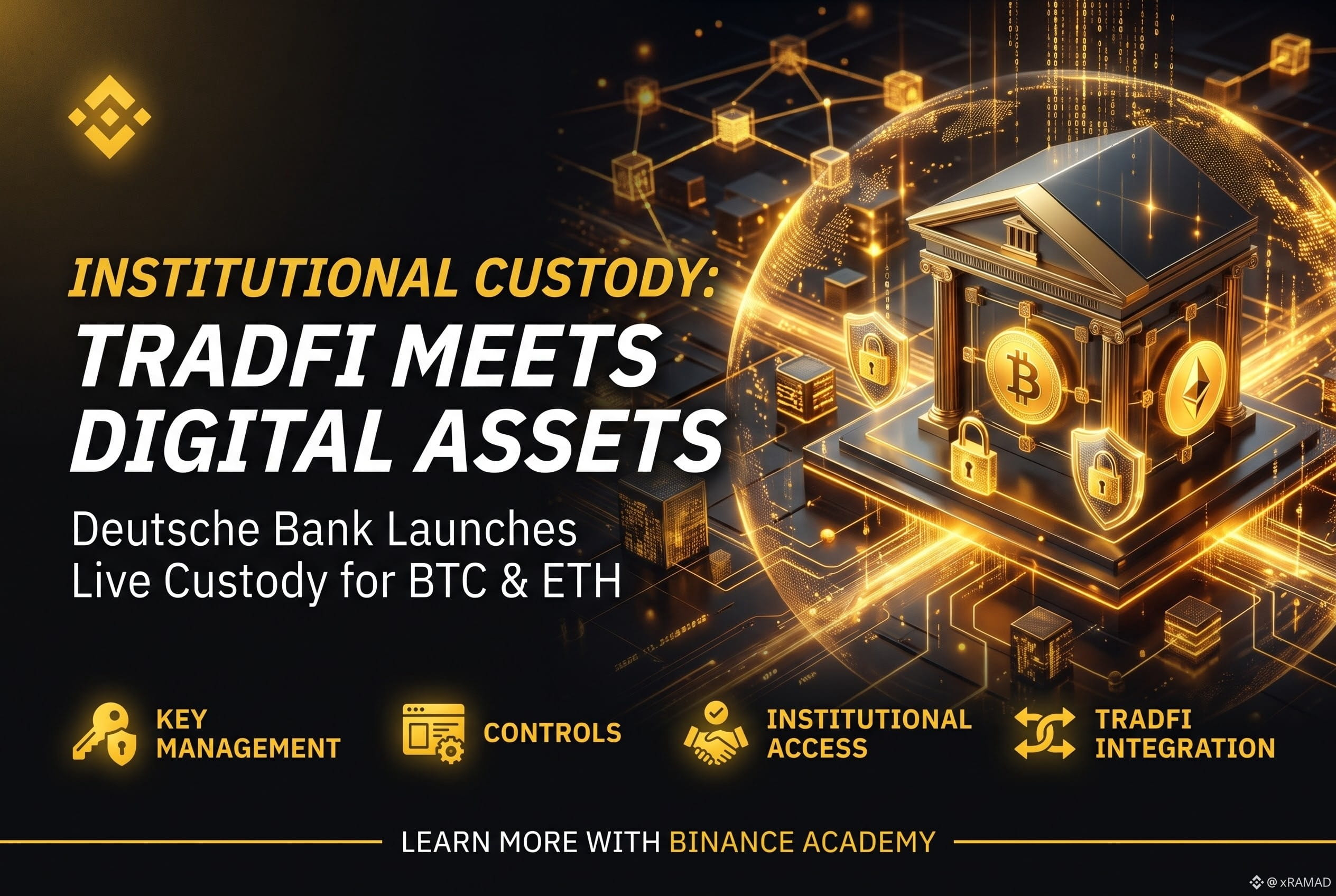
When a major traditional bank starts offering digital asset custody, it tells us something about where financial infrastructure is heading 🏦
On November 11, Deutsche Bank confirmed that its digital asset custody service had gone live for paying clients.
The service was designed for institutional and corporate clients, with Bitcoin and Ether among the assets included in its initial plans.
Why is this development important?
🔹 Private-key management: Institutions need reliable ways to manage the keys controlling digital assets.
🔹 Operational controls: Multiple approvals, secure storage, and recovery procedures are essential.
🔹 Institutional access: Businesses may prefer established financial institutions to manage complex custody infrastructure.
🔹 Traditional finance integration: Digital asset services are increasingly becoming part of the infrastructure offered by major financial institutions.
My perspective: Institutional adoption isn't measured only by how many companies buy crypto.
It's also measured by the infrastructure they build around it: custody, compliance, governance, and operational controls.
However, custody does not eliminate market volatility or all risks associated with digital assets.
The bigger question is no longer whether traditional finance is exploring digital assets, but how it will integrate them responsibly.
💬 Would you trust a traditional bank to safeguard your digital assets, or would you prefer a crypto-native custodian?
🔶 Join my My Crypto Space community and let's discuss the future of digital finance.
Follow me for more industry insights!
#DigitalAssets #InstitutionalCrypto #Bitcoin #Ethereum $BNB
@Binance_Academy @Binancearabic
When a major traditional bank starts offering digital asset custody, it tells us something about where financial infrastructure is heading 🏦
On November 11, Deutsche Bank confirmed that its digital asset custody service had gone live for paying clients.
The service was designed for institutional and corporate clients, with Bitcoin and Ether among the assets included in its initial plans.
Why is this development important?
🔹 Private-key management: Institutions need reliable ways to manage the keys controlling digital assets.
🔹 Operational controls: Multiple approvals, secure storage, and recovery procedures are essential.
🔹 Institutional access: Businesses may prefer established financial institutions to manage complex custody infrastructure.
🔹 Traditional finance integration: Digital asset services are increasingly becoming part of the infrastructure offered by major financial institutions.
My perspective: Institutional adoption isn't measured only by how many companies buy crypto.
It's also measured by the infrastructure they build around it: custody, compliance, governance, and operational controls.
However, custody does not eliminate market volatility or all risks associated with digital assets.
The bigger question is no longer whether traditional finance is exploring digital assets, but how it will integrate them responsibly.
💬 Would you trust a traditional bank to safeguard your digital assets, or would you prefer a crypto-native custodian?
🔶 Join my My Crypto Space community and let's discuss the future of digital finance.
Follow me for more industry insights!
#DigitalAssets #InstitutionalCrypto #Bitcoin #Ethereum $BNB
@Binance Academy @Binance MENA
2
146
·
--
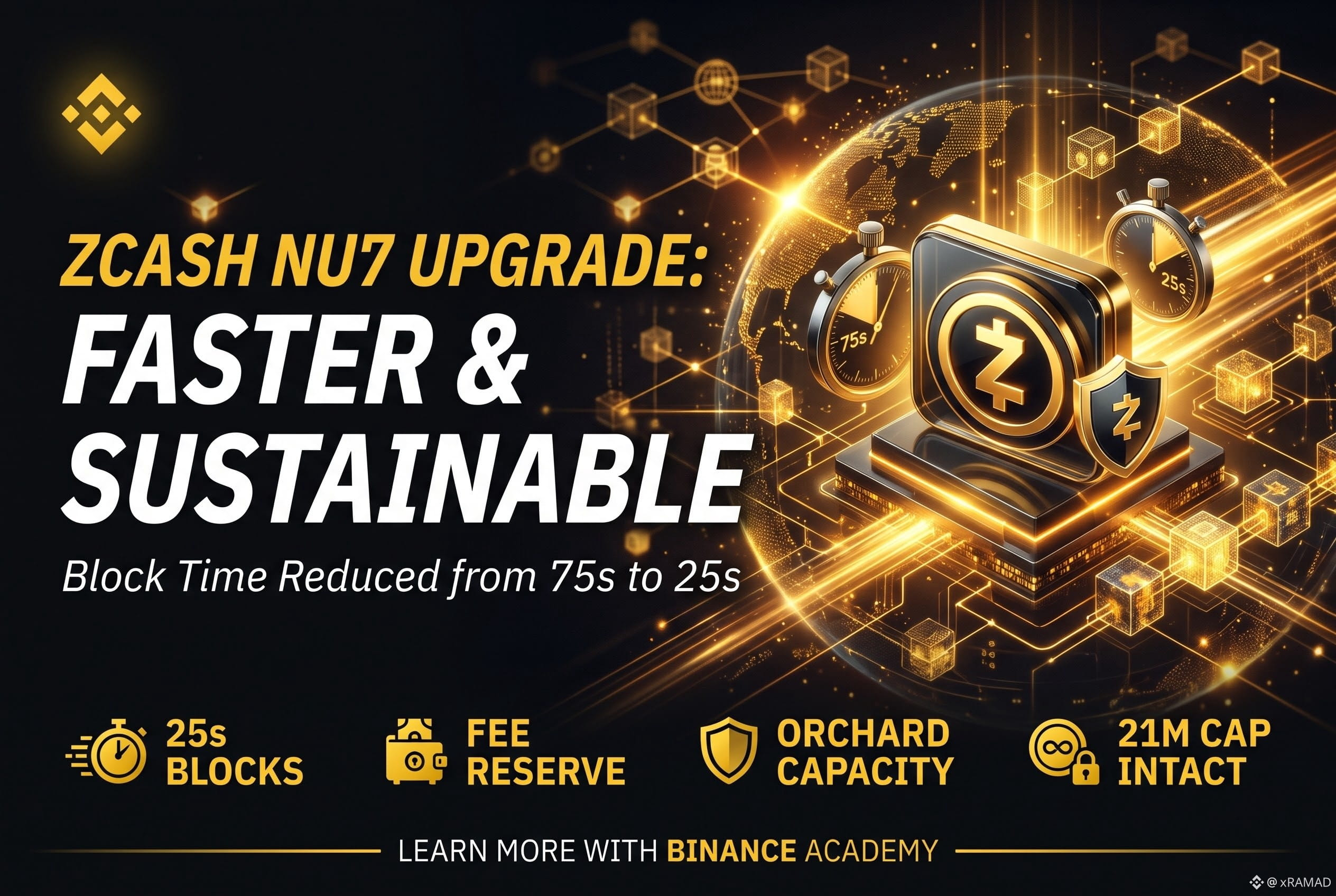
What if a blockchain could cut its average block confirmation wait by almost two-thirds? ⚡
That's one of the major changes introduced by Zcash's NU7 network upgrade
Activated on November 5, NU7 reduced Zcash's target block interval from 75 seconds to 25 seconds.
But the upgrade goes beyond speed.
Here's what changed:
🔹 Faster confirmations: The target block interval is now three times shorter.
🔹 Network sustainability: 60% of each block's transaction fees are placed into a reserve mechanism.
🔹 Shielded capacity: The upgrade increases capacity for Orchard transactions and introduces additional limits designed to protect wallets against spam.
🔹 Supply consistency: The daily ZEC issuance rate and the 21 million supply cap remain unchanged.
My take: A successful blockchain upgrade isn't simply about making transactions faster.
It must balance user experience, network security, economic incentives, and long-term sustainability.
That's why protocol upgrades deserve attention beyond short-term price movements.
💬 Which matters more to blockchain adoption: faster confirmations, stronger privacy, or sustainable network economics?
🔶 Join My Crypto Space on Binance Square for more technology discussions.
Follow me for more blockchain insights!
#Zcash #ZEC #Blockchain #ProtocolUpgrade
@Binance_Academy @Binancearabic
What if a blockchain could cut its average block confirmation wait by almost two-thirds? ⚡
That's one of the major changes introduced by Zcash's NU7 network upgrade
Activated on November 5, NU7 reduced Zcash's target block interval from 75 seconds to 25 seconds.
But the upgrade goes beyond speed.
Here's what changed:
🔹 Faster confirmations: The target block interval is now three times shorter.
🔹 Network sustainability: 60% of each block's transaction fees are placed into a reserve mechanism.
🔹 Shielded capacity: The upgrade increases capacity for Orchard transactions and introduces additional limits designed to protect wallets against spam.
🔹 Supply consistency: The daily ZEC issuance rate and the 21 million supply cap remain unchanged.
My take: A successful blockchain upgrade isn't simply about making transactions faster.
It must balance user experience, network security, economic incentives, and long-term sustainability.
That's why protocol upgrades deserve attention beyond short-term price movements.
💬 Which matters more to blockchain adoption: faster confirmations, stronger privacy, or sustainable network economics?
🔶 Join My Crypto Space on Binance Square for more technology discussions.
Follow me for more blockchain insights!
#Zcash #ZEC #Blockchain #ProtocolUpgrade
@Binance Academy @Binance MENA
2
247
·
--
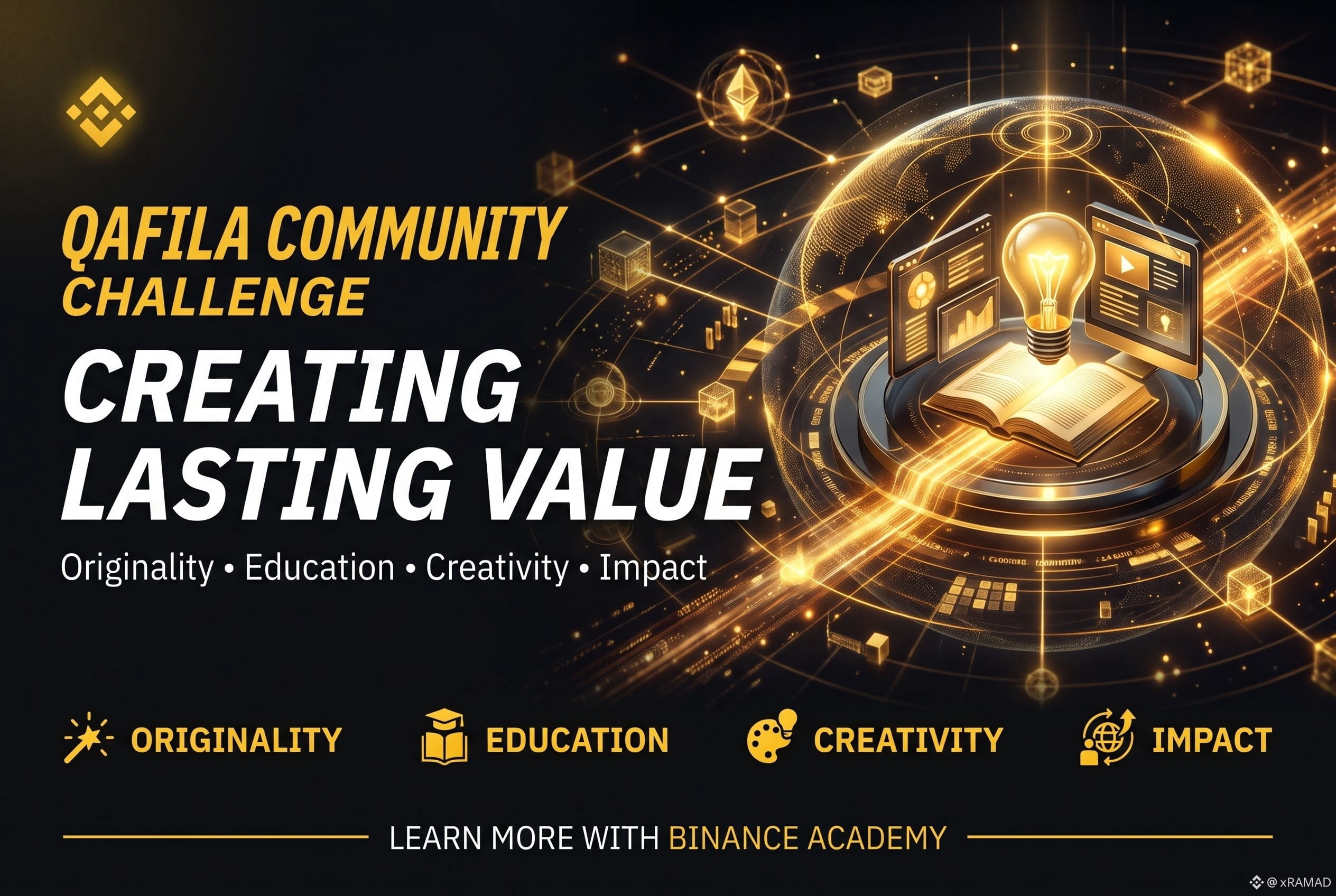
A community campaign becomes more valuable when people create knowledge, not just content 💛
The Qafila Community Challenge is a great opportunity for creators to turn their ideas and experiences into original educational content.
But here's what I believe makes community-driven campaigns truly meaningful:
🔹 Originality: Share your own perspective instead of copying existing posts.
🔹 Education: Explain concepts in a way that newcomers can understand.
🔹 Creativity: Use videos, visuals, storytelling, or real examples to make information memorable.
🔹 Community impact: Create something that encourages people to learn, discuss, and participate.
A strong community isn't built by the number of posts alone. It's built by the value people bring to each other.
For me, the best UGC is content that remains useful even after the campaign ends.
💬 What do you think makes a crypto community creator stand out: creativity, knowledge, or consistency?
🔶 Join my My Crypto Space community on Binance Square. Let's keep learning and building together!
Follow me for more crypto community insights!
#Qafila2026 #CryptoCommunity #UGC #CryptoEducation $BNB
@Binance_Academy @Binancearabic
A community campaign becomes more valuable when people create knowledge, not just content 💛
The Qafila Community Challenge is a great opportunity for creators to turn their ideas and experiences into original educational content.
But here's what I believe makes community-driven campaigns truly meaningful:
🔹 Originality: Share your own perspective instead of copying existing posts.
🔹 Education: Explain concepts in a way that newcomers can understand.
🔹 Creativity: Use videos, visuals, storytelling, or real examples to make information memorable.
🔹 Community impact: Create something that encourages people to learn, discuss, and participate.
A strong community isn't built by the number of posts alone. It's built by the value people bring to each other.
For me, the best UGC is content that remains useful even after the campaign ends.
💬 What do you think makes a crypto community creator stand out: creativity, knowledge, or consistency?
🔶 Join my My Crypto Space community on Binance Square. Let's keep learning and building together!
Follow me for more crypto community insights!
#Qafila2026 #CryptoCommunity #UGC #CryptoEducation $BNB
@Binance Academy @Binance MENA
4
221
·
--
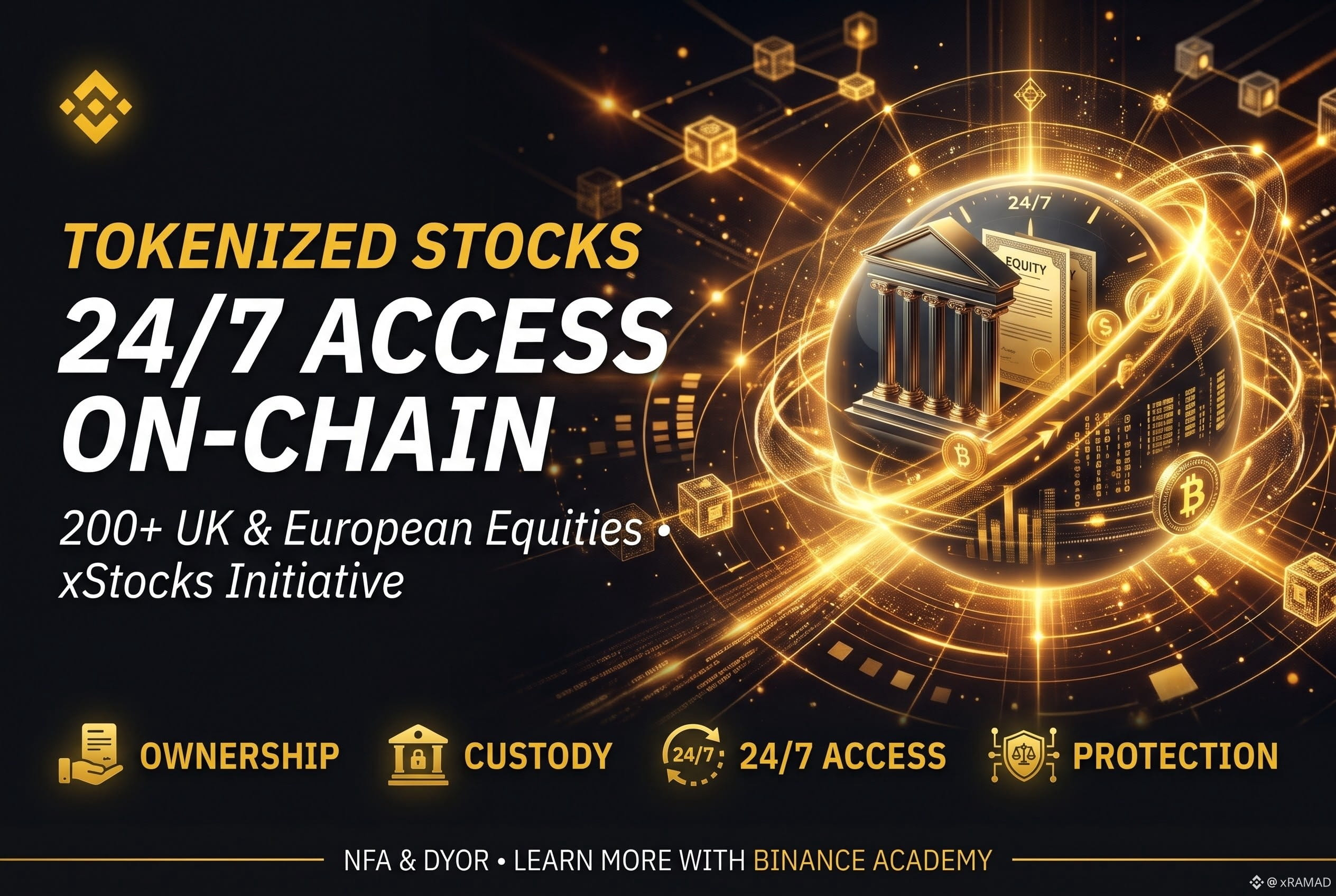
What if traditional stocks could be accessed through blockchain-based tokens around the clock? 🌐
That's becoming a reality in the digital asset industry.
On November 11, Nasdaq-backed Payward launched more than 200 tokenized versions of UK and European stocks through its xStocks initiative.
The reported lineup includes companies such as Siemens, Shell, and LVMH, as well as constituents of the FTSE 100 and German DAX.
The interesting part isn't simply the number of assets.
It's the questions this development raises about how traditional securities could interact with blockchain infrastructure.
Consider four important points:
🔹 Ownership: What legal rights does each token actually represent?
🔹 Custody: Who holds or safeguards the underlying securities?
🔹 Accessibility: How does around-the-clock trading affect market access?
🔹 Investor protection: Which legal framework applies if something goes wrong?
One important distinction: 24/7 token trading does not automatically mean the underlying stock market operates around the clock, or that every token carries identical shareholder rights.
In my view, tokenization will be judged not only by convenience, but by how clearly it preserves ownership rights, transparency, and investor protections
💬 What matters most to you when evaluating tokenized stocks: legal ownership, security, or 24/7 accessibility?
🔶 Join My Crypto Space on Binance Square for more discussions about the future of digital assets
Follow me for more blockchain insights!
NFA & #DYOR
#Tokenization #DigitalAssets #EuropeanMarkets #Blockchain $BNB
@Binance_Academy @Binancearabic
What if traditional stocks could be accessed through blockchain-based tokens around the clock? 🌐
That's becoming a reality in the digital asset industry.
On November 11, Nasdaq-backed Payward launched more than 200 tokenized versions of UK and European stocks through its xStocks initiative.
The reported lineup includes companies such as Siemens, Shell, and LVMH, as well as constituents of the FTSE 100 and German DAX.
The interesting part isn't simply the number of assets.
It's the questions this development raises about how traditional securities could interact with blockchain infrastructure.
Consider four important points:
🔹 Ownership: What legal rights does each token actually represent?
🔹 Custody: Who holds or safeguards the underlying securities?
🔹 Accessibility: How does around-the-clock trading affect market access?
🔹 Investor protection: Which legal framework applies if something goes wrong?
One important distinction: 24/7 token trading does not automatically mean the underlying stock market operates around the clock, or that every token carries identical shareholder rights.
In my view, tokenization will be judged not only by convenience, but by how clearly it preserves ownership rights, transparency, and investor protections
💬 What matters most to you when evaluating tokenized stocks: legal ownership, security, or 24/7 accessibility?
🔶 Join My Crypto Space on Binance Square for more discussions about the future of digital assets
Follow me for more blockchain insights!
NFA & #DYOR
#Tokenization #DigitalAssets #EuropeanMarkets #Blockchain $BNB
@Binance Academy @Binance MENA
4
334
·
--
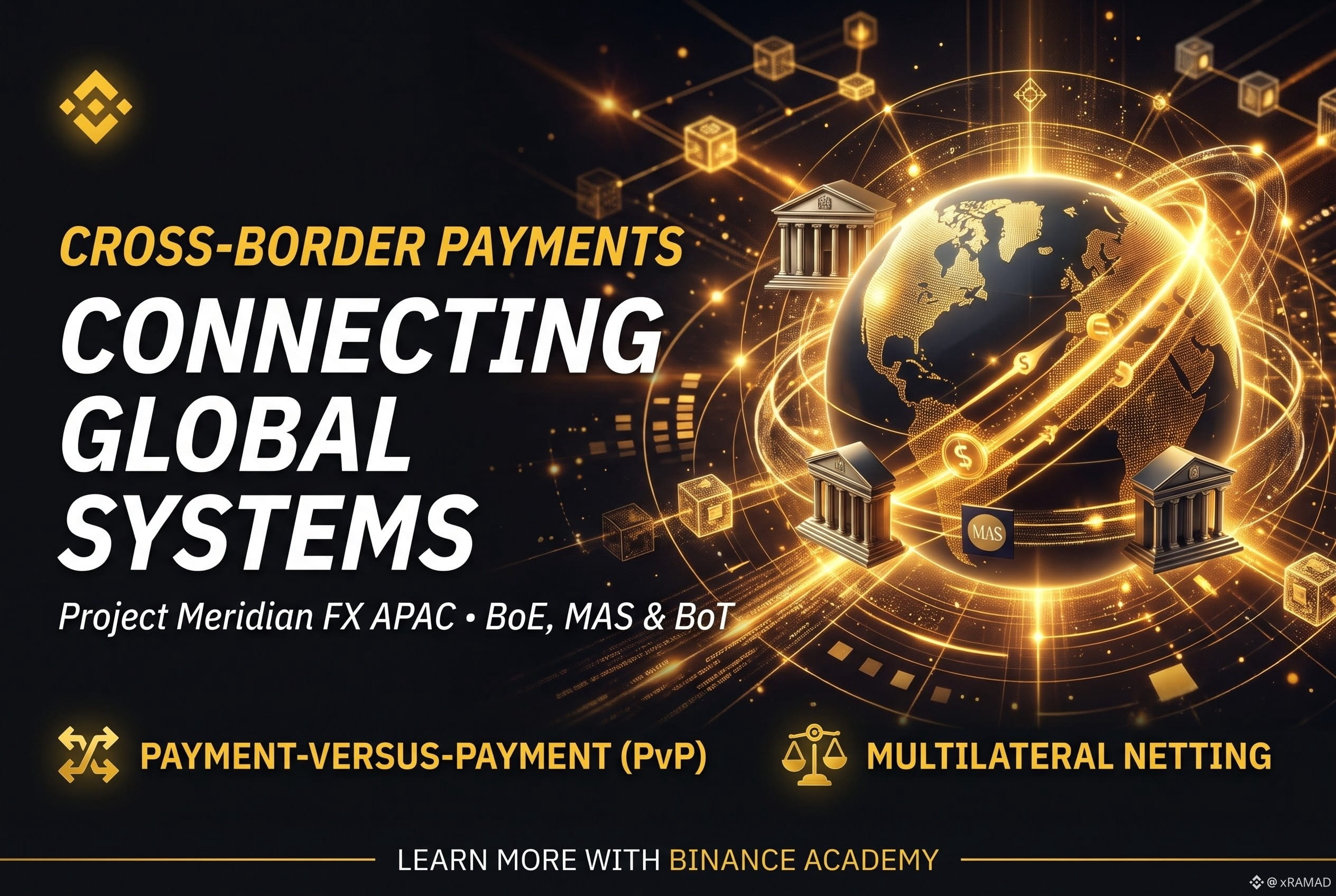
The next blockchain breakthrough might happen behind the scenes of global payments🌍
On November 13, the Bank of England, the Monetary Authority of Singapore, and the Bank of Thailand published findings from Project Meridian FX APAC.
The project tested how traditional payment infrastructure and distributed ledger technology could coordinate cross-border foreign exchange settlements.
Two concepts are especially interesting:
🔹 Payment-versus-Payment (PvP): One currency transfer takes place only if the corresponding transfer of the other currency also happens.
🔹 Multilateral Netting: Financial institutions can offset payments against each other, potentially reducing the liquidity needed for settlement.
Why does this matter?
International payments involve different currencies, jurisdictions, banking systems, and operating hours.
Coordinating these systems more effectively could help reduce settlement risk and improve the efficiency of financial infrastructure.
But there's an important distinction: this was a technical trial, not the launch of a fully operational global payment network.
The central banks also identified important challenges involving operational resilience, legal responsibility, governance, settlement finality, and cross-border data sharing.
The Bank of England says the findings will inform further work as it plans a live synchronisation interface in 2028.
My perspective: The real opportunity for blockchain isn't necessarily replacing existing financial infrastructure. It may be connecting different systems in a safer and more efficient way.
💬 Which matters most for the future of international payments: speed, lower settlement risk, or compatibility between systems?
🔶 Join my My Crypto Space community and let's explore these developments together.
Follow me for more blockchain and technology insights!
#CrossBorderPayments #Blockchain #FinancialInfrastructure #DigitalAssets $BNB
@Binance_Academy @Binancearabic
The next blockchain breakthrough might happen behind the scenes of global payments🌍
On November 13, the Bank of England, the Monetary Authority of Singapore, and the Bank of Thailand published findings from Project Meridian FX APAC.
The project tested how traditional payment infrastructure and distributed ledger technology could coordinate cross-border foreign exchange settlements.
Two concepts are especially interesting:
🔹 Payment-versus-Payment (PvP): One currency transfer takes place only if the corresponding transfer of the other currency also happens.
🔹 Multilateral Netting: Financial institutions can offset payments against each other, potentially reducing the liquidity needed for settlement.
Why does this matter?
International payments involve different currencies, jurisdictions, banking systems, and operating hours.
Coordinating these systems more effectively could help reduce settlement risk and improve the efficiency of financial infrastructure.
But there's an important distinction: this was a technical trial, not the launch of a fully operational global payment network.
The central banks also identified important challenges involving operational resilience, legal responsibility, governance, settlement finality, and cross-border data sharing.
The Bank of England says the findings will inform further work as it plans a live synchronisation interface in 2028.
My perspective: The real opportunity for blockchain isn't necessarily replacing existing financial infrastructure. It may be connecting different systems in a safer and more efficient way.
💬 Which matters most for the future of international payments: speed, lower settlement risk, or compatibility between systems?
🔶 Join my My Crypto Space community and let's explore these developments together.
Follow me for more blockchain and technology insights!
#CrossBorderPayments #Blockchain #FinancialInfrastructure #DigitalAssets $BNB
@Binance Academy @Binance MENA
2
164
·
--
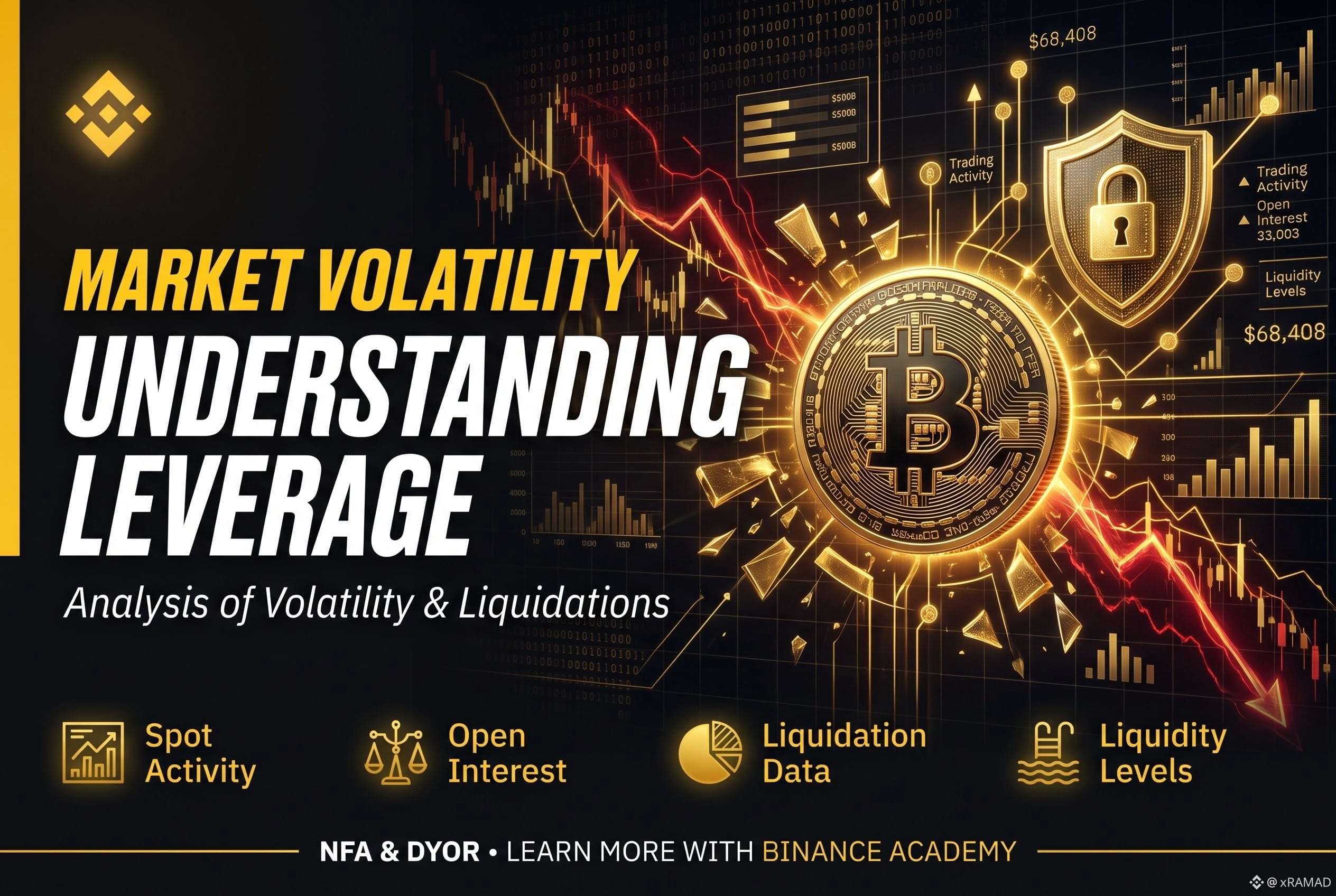
Bitcoin's sharpest moves often reveal the market's leverage, not just its direction ⚠️
A November 13 report from The Block showed that Bitcoin had fallen around 7% over 24 hours to $68,408, while crypto liquidations reached $1.47 billion during the same period. Around $1.31 billion came from long positions.
But here's the part worth understanding:
Liquidations measure positions forcibly closed when traders can no longer meet margin requirements. They don't automatically tell us how much spot investors are selling, whether long-term holders have changed their outlook, or where the market might find support.
When leverage becomes crowded, a break in price levels can trigger automatic closures and intensify an already volatile move.
That's why looking at a single red candle is never enough.
A more complete market picture considers:
🔹 Spot trading activity.
🔹 Open interest and funding conditions.
🔹 Liquidity around important price levels.
🔹 Liquidation data and broader economic developments.
My takeaway: Understanding market structure is just as important as watching price movements.
💬 When volatility increases, which metric do you check first: spot volume, open interest, or liquidation data?
🔶 Join my My Crypto Space community on Binance Square and let's exchange insights.
Follow me for more crypto market analysis!
NFA & #DYOR
#Bitcoin #BTC #CryptoMarkets #CryptoEducation $BNB
@Binance_Academy @Binancearabic
Bitcoin's sharpest moves often reveal the market's leverage, not just its direction ⚠️
A November 13 report from The Block showed that Bitcoin had fallen around 7% over 24 hours to $68,408, while crypto liquidations reached $1.47 billion during the same period. Around $1.31 billion came from long positions.
But here's the part worth understanding:
Liquidations measure positions forcibly closed when traders can no longer meet margin requirements. They don't automatically tell us how much spot investors are selling, whether long-term holders have changed their outlook, or where the market might find support.
When leverage becomes crowded, a break in price levels can trigger automatic closures and intensify an already volatile move.
That's why looking at a single red candle is never enough.
A more complete market picture considers:
🔹 Spot trading activity.
🔹 Open interest and funding conditions.
🔹 Liquidity around important price levels.
🔹 Liquidation data and broader economic developments.
My takeaway: Understanding market structure is just as important as watching price movements.
💬 When volatility increases, which metric do you check first: spot volume, open interest, or liquidation data?
🔶 Join my My Crypto Space community on Binance Square and let's exchange insights.
Follow me for more crypto market analysis!
NFA & #DYOR
#Bitcoin #BTC #CryptoMarkets #CryptoEducation $BNB
@Binance Academy @Binance MENA
4
243
·
--
Bangkok is getting ready for one of the biggest blockchain gatherings of the year! 🇹🇭
Binance Blockchain Week 2026 is scheduled for November 28–29 at the Queen Sirikit National Convention Center in #Bangkok
The announced speaker lineup brings together voices from different areas of the digital economy, including traditional finance, payments, blockchain infrastructure, and Web3.
Why should the community pay attention?
🔹 Traditional finance meets Web3: Exploring how financial institutions interact with digital assets.
🔹 Real-world applications: Discussions around tokenization, payments, and blockchain infrastructure.
🔹 Industry collaboration: Bringing builders, researchers, institutions, and communities together.
🔹 Knowledge exchange: Opportunities to understand where the industry is heading.
I believe the most valuable part of events like these isn't simply the announcements. It's the conversations, different perspectives, and connections that help move the ecosystem forward.
💬 If you could attend one session at BBW 2026, which topic would you choose?
🔶 Join my My Crypto Space community on Binance Square. Let's discuss the latest developments together!
Follow me for more crypto and Web3 updates!
#BinanceBlockchainWeek #BBW2026 #Web3 #CryptoCommunity $BNB
@Binance_Academy @Binancearabic @Binance_Angels
Bangkok is getting ready for one of the biggest blockchain gatherings of the year! 🇹🇭
Binance Blockchain Week 2026 is scheduled for November 28–29 at the Queen Sirikit National Convention Center in #Bangkok
The announced speaker lineup brings together voices from different areas of the digital economy, including traditional finance, payments, blockchain infrastructure, and Web3.
Why should the community pay attention?
🔹 Traditional finance meets Web3: Exploring how financial institutions interact with digital assets.
🔹 Real-world applications: Discussions around tokenization, payments, and blockchain infrastructure.
🔹 Industry collaboration: Bringing builders, researchers, institutions, and communities together.
🔹 Knowledge exchange: Opportunities to understand where the industry is heading.
I believe the most valuable part of events like these isn't simply the announcements. It's the conversations, different perspectives, and connections that help move the ecosystem forward.
💬 If you could attend one session at BBW 2026, which topic would you choose?
🔶 Join my My Crypto Space community on Binance Square. Let's discuss the latest developments together!
Follow me for more crypto and Web3 updates!
#BinanceBlockchainWeek #BBW2026 #Web3 #CryptoCommunity $BNB
@Binance Academy @Binance MENA @Binance Angels

5
187
·
--
Verified
The future of blockchain isn't just about building more networks. It's about connecting them 🌐
One of the biggest challenges in Web3 is interoperability: allowing independent blockchains to communicate and exchange information securely.
On November 9, Cosmos announced that its Inter-Blockchain Communication Protocol (IBC) is joining the Linux Foundation's LF Decentralized Trust.
Why is this important?
🔹 Open standards: Shared infrastructure can make communication between networks easier.
🔹 Independent development: A neutral environment encourages broader collaboration.
🔹 Security: Interoperability must be designed with reliable verification and safeguards.
🔹 Ecosystem growth: Connected networks can expand the possibilities for decentralized applications.
My perspective: blockchain adoption shouldn't be measured only by how many networks exist. How effectively and securely those networks communicate matters just as much.
💬 Do you think interoperability will become one of the most important foundations of Web3?
🔶 Join my My Crypto Space community on Binance Square and share your thoughts.
Follow me for more blockchain insights!
#Blockchain #Interoperability #Web3 #OpenSource $BNB
@Binance_Academy @Binancearabic
The future of blockchain isn't just about building more networks. It's about connecting them 🌐
One of the biggest challenges in Web3 is interoperability: allowing independent blockchains to communicate and exchange information securely.
On November 9, Cosmos announced that its Inter-Blockchain Communication Protocol (IBC) is joining the Linux Foundation's LF Decentralized Trust.
Why is this important?
🔹 Open standards: Shared infrastructure can make communication between networks easier.
🔹 Independent development: A neutral environment encourages broader collaboration.
🔹 Security: Interoperability must be designed with reliable verification and safeguards.
🔹 Ecosystem growth: Connected networks can expand the possibilities for decentralized applications.
My perspective: blockchain adoption shouldn't be measured only by how many networks exist. How effectively and securely those networks communicate matters just as much.
💬 Do you think interoperability will become one of the most important foundations of Web3?
🔶 Join my My Crypto Space community on Binance Square and share your thoughts.
Follow me for more blockchain insights!
#Blockchain #Interoperability #Web3 #OpenSource $BNB
@Binance Academy @Binance MENA
3
127
·
--
Verified
Crypto security is no longer a responsibility that any single organization can handle alone 🛡️
On November 12, TRON, Tether, and Chainalysis announced the launch of the Digital Crime Task Force, an initiative focused on identifying and disrupting illicit activity involving USDT on the TRON blockchain.
Why does this matter?
🔹 Faster detection: Identifying suspicious activity can help limit the movement of illicit funds.
🔹 Industry collaboration: Blockchain networks, analytics providers, and stablecoin issuers can share expertise and information.
🔹 Stronger investigations: Cooperation with law enforcement can support more effective responses to digital crime.
In my view, the biggest takeaway is that blockchain security requires more than advanced technology. It requires coordination, transparency, and responsible action across the ecosystem.
💬 What do you think matters most in crypto security: prevention, detection, or collaboration?
🔶 Join my My Crypto Space community on Binance Square and let's keep learning together.
Follow me for more crypto insights!
#CryptoSecurity #Blockchain #Web3 #CryptoEducation $BNB
@Binance_Academy @Binancearabic
Crypto security is no longer a responsibility that any single organization can handle alone 🛡️
On November 12, TRON, Tether, and Chainalysis announced the launch of the Digital Crime Task Force, an initiative focused on identifying and disrupting illicit activity involving USDT on the TRON blockchain.
Why does this matter?
🔹 Faster detection: Identifying suspicious activity can help limit the movement of illicit funds.
🔹 Industry collaboration: Blockchain networks, analytics providers, and stablecoin issuers can share expertise and information.
🔹 Stronger investigations: Cooperation with law enforcement can support more effective responses to digital crime.
In my view, the biggest takeaway is that blockchain security requires more than advanced technology. It requires coordination, transparency, and responsible action across the ecosystem.
💬 What do you think matters most in crypto security: prevention, detection, or collaboration?
🔶 Join my My Crypto Space community on Binance Square and let's keep learning together.
Follow me for more crypto insights!
#CryptoSecurity #Blockchain #Web3 #CryptoEducation $BNB
@Binance Academy @Binance MENA
3
2
127
·
--
Verified
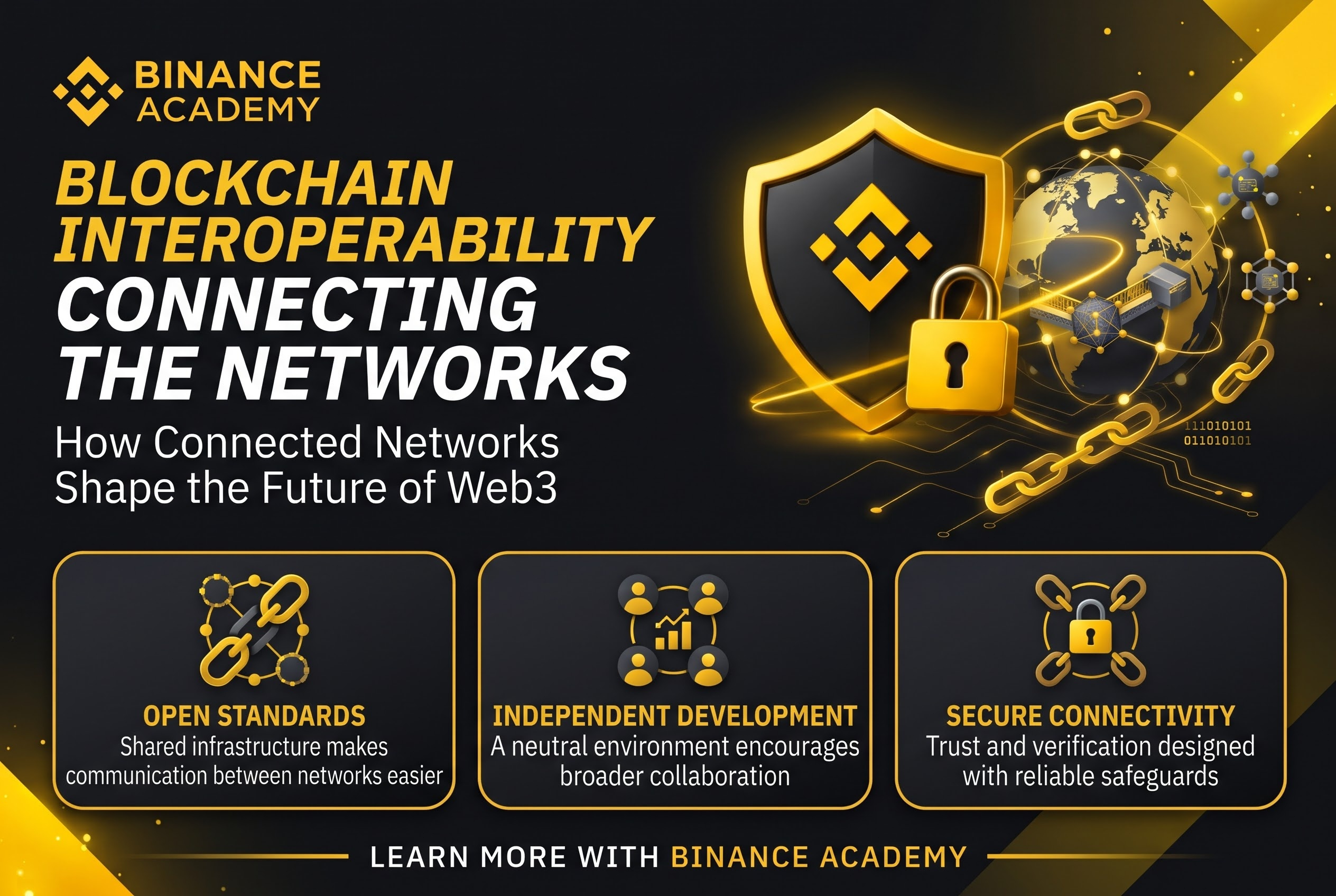
The future of blockchain isn't just about building more networks. It's about connecting them 🌐
One of the biggest challenges in Web3 is interoperability: allowing independent blockchains to communicate and exchange information securely
On November 9, Cosmos announced that its Inter-Blockchain Communication Protocol (IBC) is joining the Linux Foundation's LF Decentralized Trust
Why is this important?
🔹 Open standards: Shared infrastructure can make communication between networks easier.
🔹 Independent development: A neutral environment encourages broader collaboration.
🔹 Security: Interoperability must be designed with reliable verification and safeguards.
🔹 Ecosystem growth: Connected networks can expand the possibilities for decentralized applications
My perspective: blockchain adoption shouldn't be measured only by how many networks exist. How effectively and securely those networks communicate matters just as much
💬 Do you think interoperability will become one of the most important foundations of Web3?
🔶 Join my My Crypto Space community on Binance Square and share your thoughts
Follow me for more blockchain insights!
#Blockchain #Interoperability #Web3 #OpenSource $BNB
@Binance_Academy @Binancearabic
The future of blockchain isn't just about building more networks. It's about connecting them 🌐
One of the biggest challenges in Web3 is interoperability: allowing independent blockchains to communicate and exchange information securely
On November 9, Cosmos announced that its Inter-Blockchain Communication Protocol (IBC) is joining the Linux Foundation's LF Decentralized Trust
Why is this important?
🔹 Open standards: Shared infrastructure can make communication between networks easier.
🔹 Independent development: A neutral environment encourages broader collaboration.
🔹 Security: Interoperability must be designed with reliable verification and safeguards.
🔹 Ecosystem growth: Connected networks can expand the possibilities for decentralized applications
My perspective: blockchain adoption shouldn't be measured only by how many networks exist. How effectively and securely those networks communicate matters just as much
💬 Do you think interoperability will become one of the most important foundations of Web3?
🔶 Join my My Crypto Space community on Binance Square and share your thoughts
Follow me for more blockchain insights!
#Blockchain #Interoperability #Web3 #OpenSource $BNB
@Binance Academy @Binance MENA
2
47
·
--
Bangkok is getting ready for one of the biggest blockchain gatherings of the year! 🇹🇭
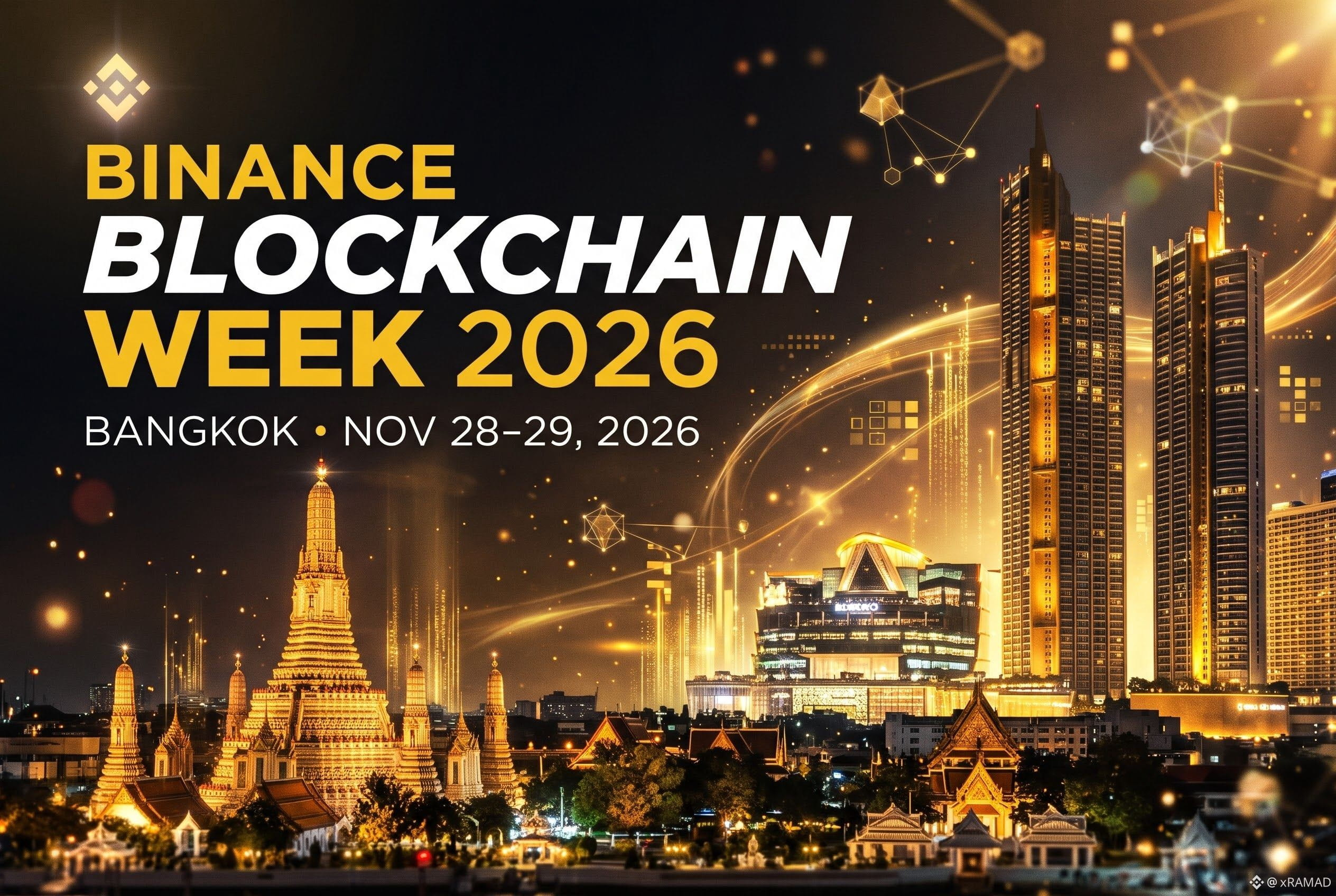
Binance Blockchain Week 2026 is scheduled for November 28–29 at the Queen Sirikit National Convention Center in Bangkok
The announced speaker lineup brings together voices from different areas of the digital economy, including traditional finance, payments, blockchain infrastructure, and Web3
Why should the community pay attention?
🔹 Traditional finance meets Web3: Exploring how financial institutions interact with digital assets
🔹 Real-world applications: Discussions around tokenization, payments, and blockchain infrastructure
🔹 Industry collaboration: Bringing builders, researchers, institutions, and communities together
🔹 Knowledge exchange: Opportunities to understand where the industry is heading
I believe the most valuable part of events like these isn't simply the announcements. It's the conversations, different perspectives, and connections that help move the ecosystem forward.
💬 If you could attend one session at BBW 2026, which topic would you choose?
🔶 Join my My Crypto Space community on Binance Square. Let's discuss the latest developments together!
Follow me for more crypto and Web3 updates!
#BinanceBlockchainWeek #BBW2026 #Web3 #CryptoCommunity $BNB
@BinanceBlockchainWeek
Bangkok is getting ready for one of the biggest blockchain gatherings of the year! 🇹🇭
Binance Blockchain Week 2026 is scheduled for November 28–29 at the Queen Sirikit National Convention Center in Bangkok
The announced speaker lineup brings together voices from different areas of the digital economy, including traditional finance, payments, blockchain infrastructure, and Web3
Why should the community pay attention?
🔹 Traditional finance meets Web3: Exploring how financial institutions interact with digital assets
🔹 Real-world applications: Discussions around tokenization, payments, and blockchain infrastructure
🔹 Industry collaboration: Bringing builders, researchers, institutions, and communities together
🔹 Knowledge exchange: Opportunities to understand where the industry is heading
I believe the most valuable part of events like these isn't simply the announcements. It's the conversations, different perspectives, and connections that help move the ecosystem forward.
💬 If you could attend one session at BBW 2026, which topic would you choose?
🔶 Join my My Crypto Space community on Binance Square. Let's discuss the latest developments together!
Follow me for more crypto and Web3 updates!
#BinanceBlockchainWeek #BBW2026 #Web3 #CryptoCommunity $BNB
@Binance Blockchain Week
3
331
·
--
Crypto security is no longer a responsibility that any single organization can handle alone 🛡️
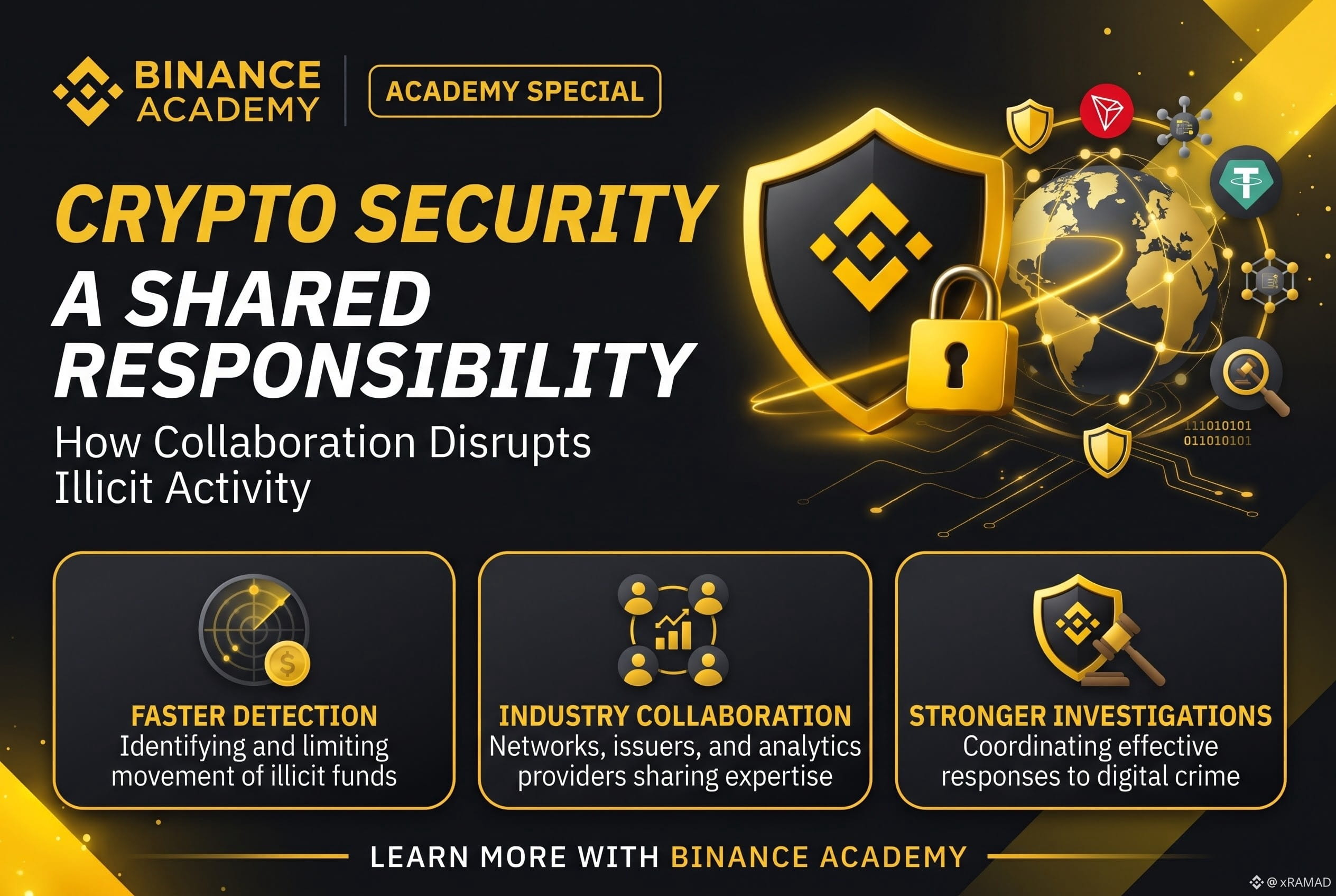
On November 12, TRON, Tether, and Chainalysis announced the launch of the Digital Crime Task Force, an initiative focused on identifying and disrupting illicit activity involving USDT on the TRON blockchain.
Why does this matter?
🔹 Faster detection: Identifying suspicious activity can help limit the movement of illicit funds.
🔹 Industry collaboration: Blockchain networks, analytics providers, and stablecoin issuers can share expertise and information.
🔹 Stronger investigations: Cooperation with law enforcement can support more effective responses to digital crime.
In my view, the biggest takeaway is that blockchain security requires more than advanced technology. It requires coordination, transparency, and responsible action across the ecosystem.
💬 What do you think matters most in crypto security: prevention, detection, or collaboration?
🔶 Join my My Crypto Space community on Binance Square and let's keep learning together
Follow me for more crypto insights!
#CryptoSecurity #Blockchain #Web3 #CryptoEducation
@Binance_Academy @Binancearabic
Crypto security is no longer a responsibility that any single organization can handle alone 🛡️
On November 12, TRON, Tether, and Chainalysis announced the launch of the Digital Crime Task Force, an initiative focused on identifying and disrupting illicit activity involving USDT on the TRON blockchain.
Why does this matter?
🔹 Faster detection: Identifying suspicious activity can help limit the movement of illicit funds.
🔹 Industry collaboration: Blockchain networks, analytics providers, and stablecoin issuers can share expertise and information.
🔹 Stronger investigations: Cooperation with law enforcement can support more effective responses to digital crime.
In my view, the biggest takeaway is that blockchain security requires more than advanced technology. It requires coordination, transparency, and responsible action across the ecosystem.
💬 What do you think matters most in crypto security: prevention, detection, or collaboration?
🔶 Join my My Crypto Space community on Binance Square and let's keep learning together
Follow me for more crypto insights!
#CryptoSecurity #Blockchain #Web3 #CryptoEducation
@Binance Academy @Binance MENA
1
4
625
·
--
A stablecoin is often judged by one question: does its price stay close to its peg?
But there is much more to understand before evaluating a stablecoin
Consider these important questions:
🔹 Reserves: What assets back the stablecoin, and who holds them?
🔹 Redemption: Can holders redeem their tokens under clear and enforceable terms?
🔹 Transparency: Are reserve disclosures available and independently verified?
🔹 Regulation: Who supervises the issuer and manages operational risks?
On November 11, 2026, the Financial Stability Board called for Turkey to establish a dedicated regulatory framework for stablecoin issuers, highlighting potential financial-stability concerns
The key lesson: price stability does not automatically mean a stablecoin is risk-free
Understanding its reserves, redemption process, issuer, and legal framework matters
#Stablecoins #CryptoRegulation #CryptoEducation #BinanceAcademy @Binancearabic @Binance_Academy
$BNB
A stablecoin is often judged by one question: does its price stay close to its peg?
But there is much more to understand before evaluating a stablecoin
Consider these important questions:
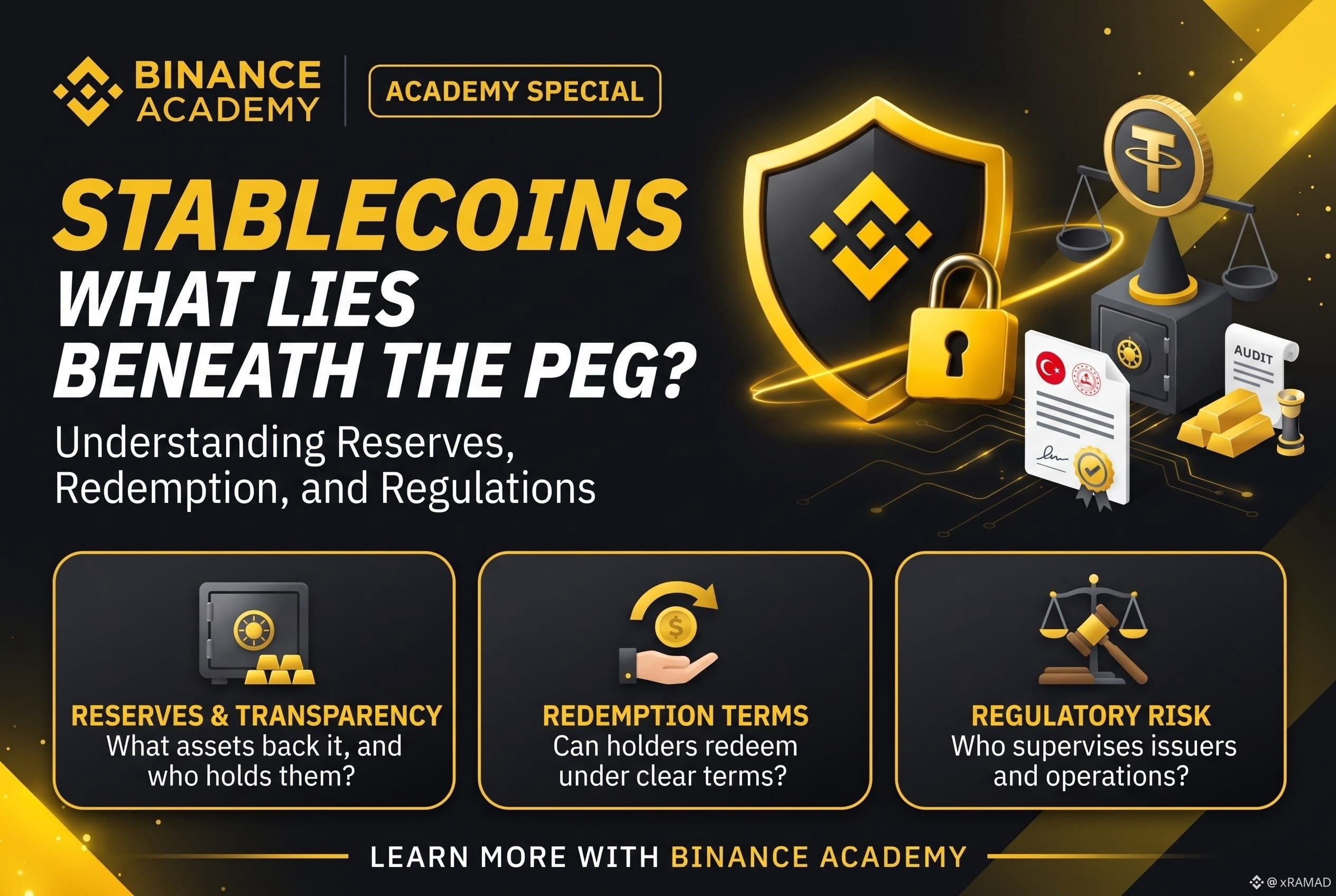
🔹 Reserves: What assets back the stablecoin, and who holds them?
🔹 Redemption: Can holders redeem their tokens under clear and enforceable terms?
🔹 Transparency: Are reserve disclosures available and independently verified?
🔹 Regulation: Who supervises the issuer and manages operational risks?
On November 11, 2026, the Financial Stability Board called for Turkey to establish a dedicated regulatory framework for stablecoin issuers, highlighting potential financial-stability concerns
The key lesson: price stability does not automatically mean a stablecoin is risk-free
Understanding its reserves, redemption process, issuer, and legal framework matters
#Stablecoins #CryptoRegulation #CryptoEducation #BinanceAcademy @Binance MENA @Binance Academy
$BNB
1
129
·
--
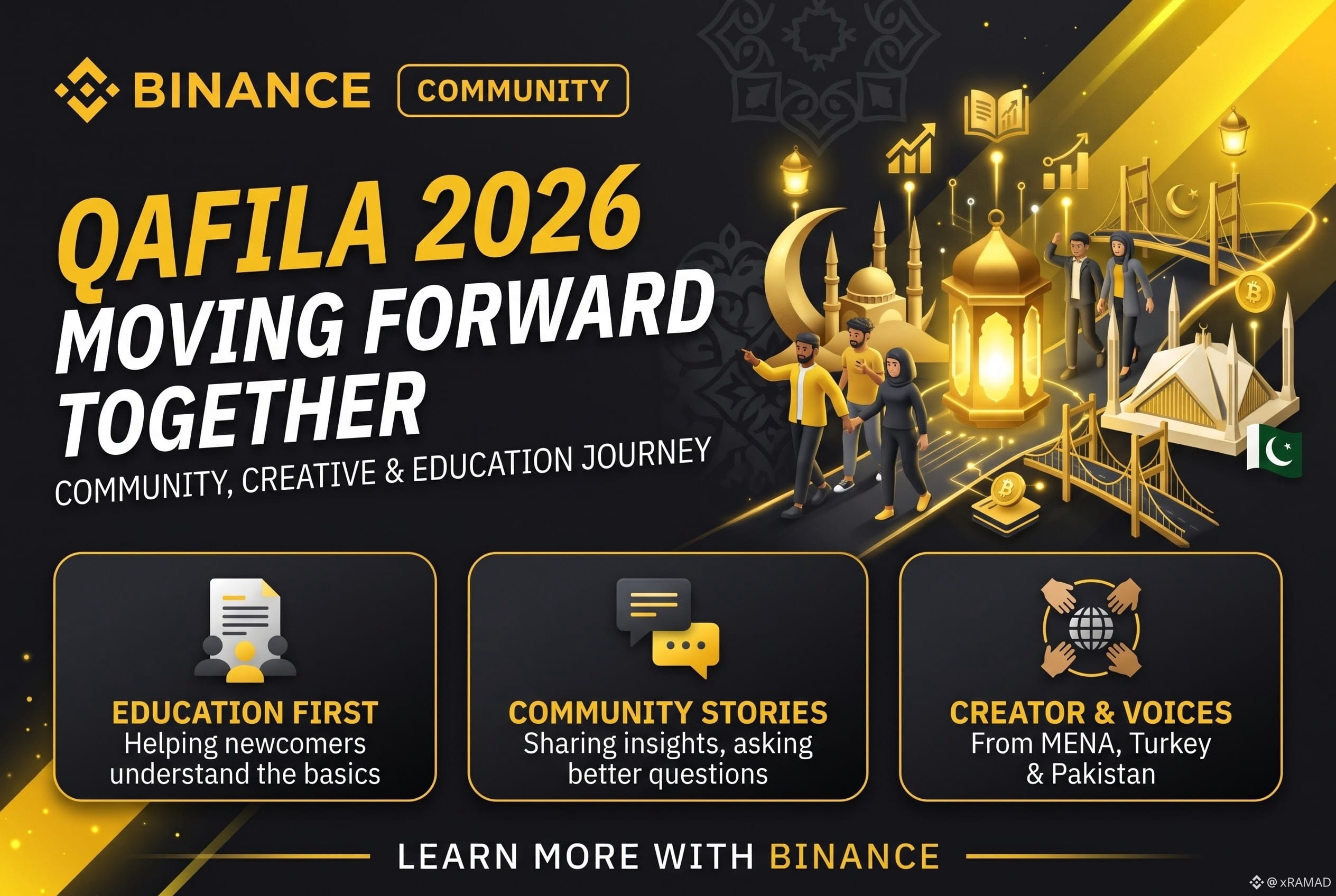
Every strong digital community is built through more than product announcements
It grows when people share what they are learning, ask better questions, and help newcomers understand the basics
That spirit is at the heart of Qafila 2026: bringing voices from across MENA and Pakistan together through community stories, creator participation, and educational content
The best contribution isn't always the loudest post. It's the insight that helps someone else take their next informed step
What is one lesson about crypto or blockchain you wish you had learned earlier?
#Qafila2026 #CryptoEducation #BinanceAcademy @Binance_Academy @Binancearabic $BNB
Every strong digital community is built through more than product announcements
It grows when people share what they are learning, ask better questions, and help newcomers understand the basics
That spirit is at the heart of Qafila 2026: bringing voices from across MENA and Pakistan together through community stories, creator participation, and educational content
The best contribution isn't always the loudest post. It's the insight that helps someone else take their next informed step
What is one lesson about crypto or blockchain you wish you had learned earlier?
#Qafila2026 #CryptoEducation #BinanceAcademy @Binance Academy @Binance MENA $BNB
5
5
655
Log in to explore more content
Join global crypto users on Binance Square
⚡️ Get latest and useful information about crypto.
💬 Trusted by the world’s largest crypto exchange.
👍 Discover real insights from verified creators.
Email / Phone number
Trending Topics
NvidiaBeatsEstimatesWith$130BQ4Outlook
2,543 views
49 Discussing
Nvidia Beats With $115.8 Billion in Revenue, Guides to $130 Billion and Adds $150 Billion Buyback
Binance News
·25 Likes
·30.8k views
AnthropicIPOPriceCouldExceed$80
6,269 views
54 Discussing
CanNvidia’sDataCenterGrowthContinue?
13,670 views
238 Discussing