
R_Ari21
Full time trader.
Frequent Trader
5 Years
9 Following
76 Followers
287 Liked
Posts
All
Quotes

Partly True
R_Ari21
·
--
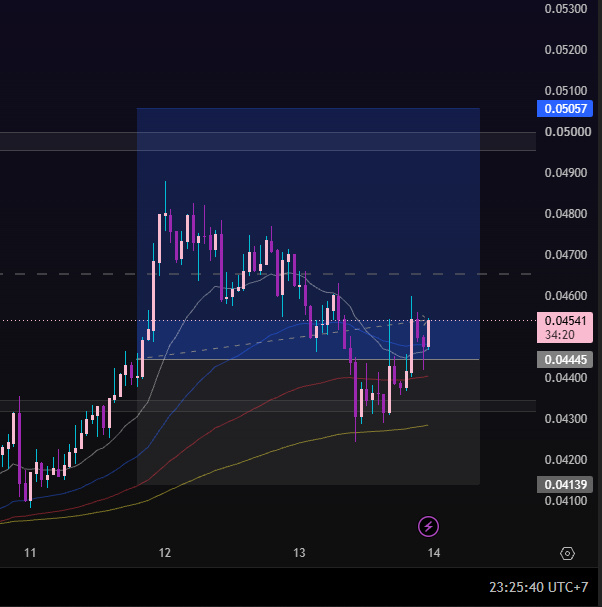
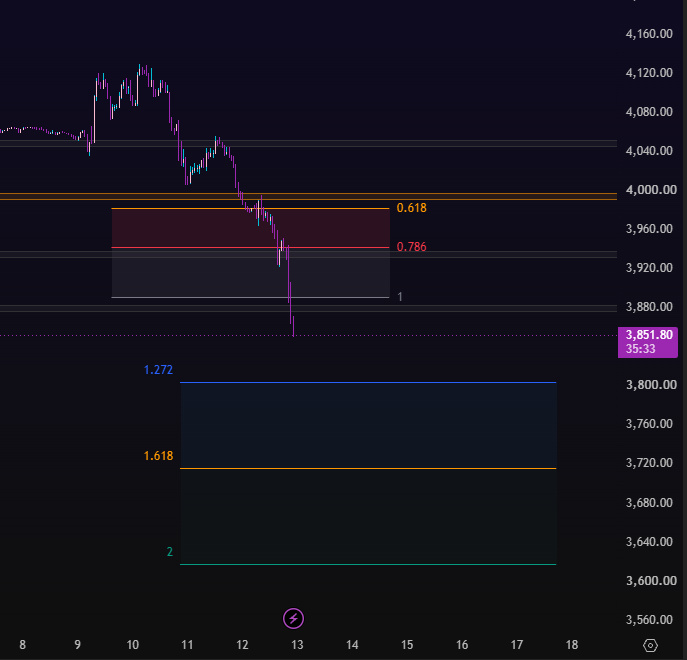
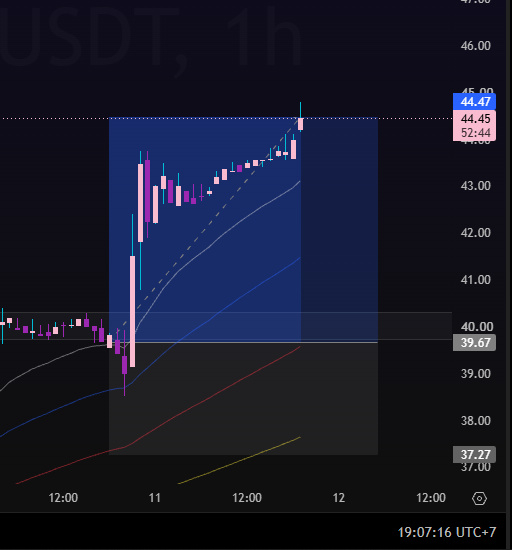
Forward Test #4
=======
11 Nov 2026
SPOT || TF H1 || Risk 0.5-2.5% || RR 1:2
Entry: See image $NIGHT
Note: This is a personal strategy testing journal (forward test), not financial advice (DYOR & always use your own risk management).
=======
11 Nov 2026
SPOT || TF H1 || Risk 0.5-2.5% || RR 1:2
Entry: See image $NIGHT
Note: This is a personal strategy testing journal (forward test), not financial advice (DYOR & always use your own risk management).
R_Ari21
·
--
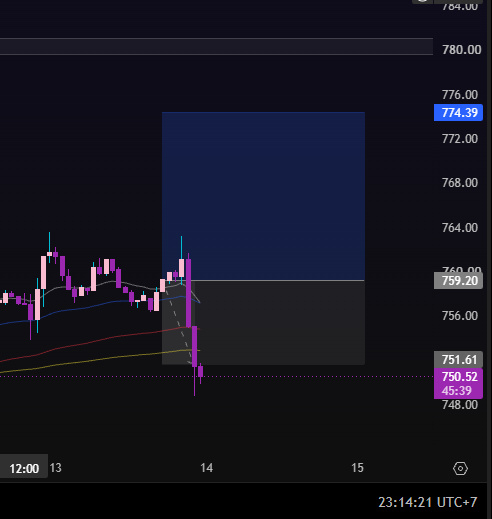
BullishForward Test #5
=======
13 Nov 2026
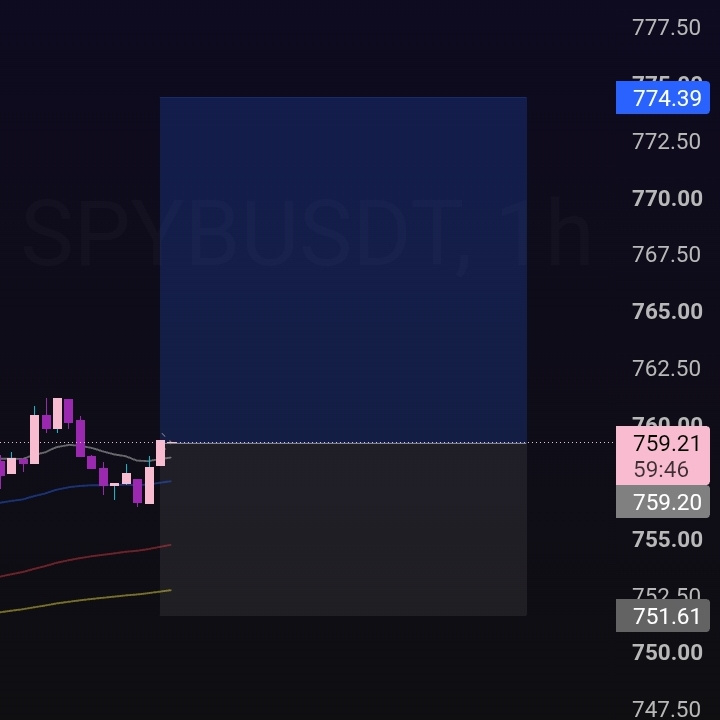
SPOT || TF H1 || Risk 0.5-2.5% || RR 1:2
Entry: See image $SPYB
Note: This is a personal strategy testing journal (forward test), not a financial recommendation (DYOR & always use your own risk management).
=======
13 Nov 2026
SPOT || TF H1 || Risk 0.5-2.5% || RR 1:2
Entry: See image $SPYB
Note: This is a personal strategy testing journal (forward test), not a financial recommendation (DYOR & always use your own risk management).
Khabuev13
·
--
VOTING!!!
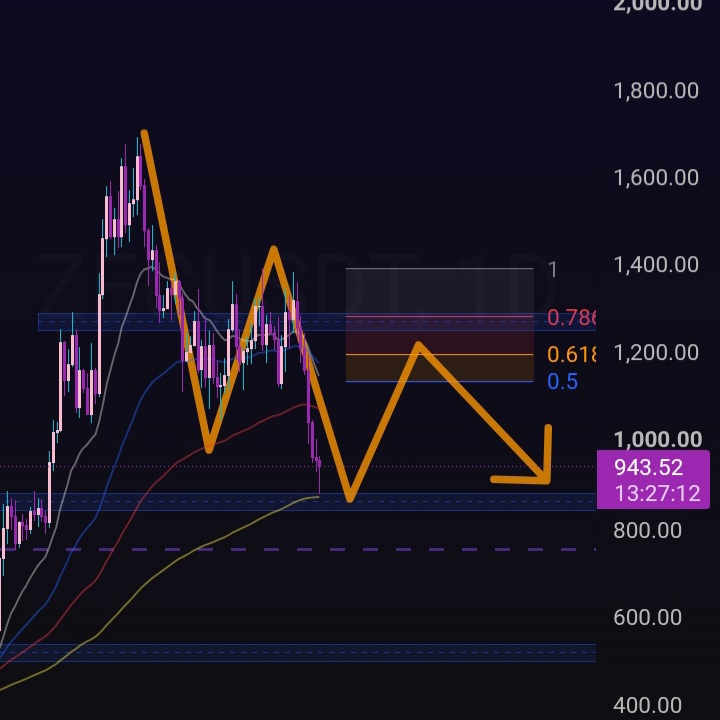
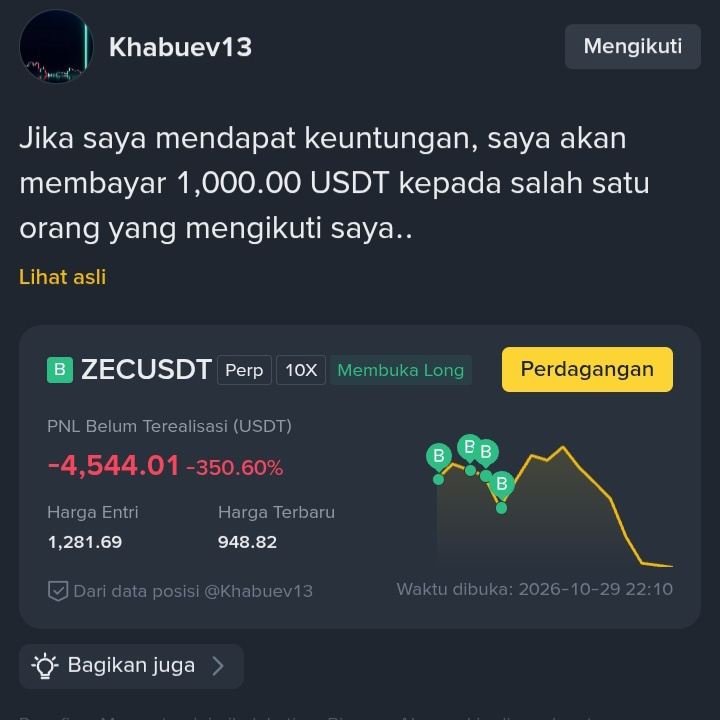
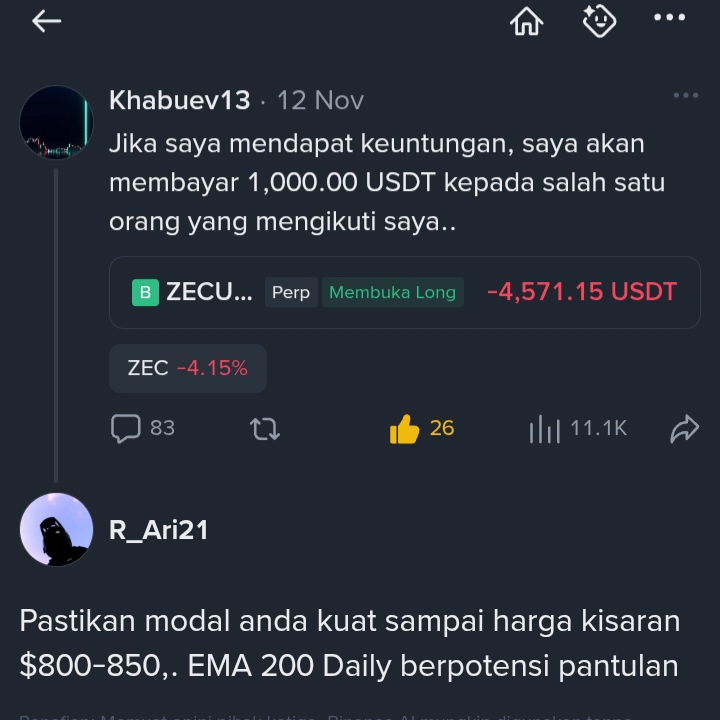
Friends, everyone is saying and asking me to close the trade because ZEC will go to 800-700-500-450. What do you say?
Are there any professional traders here??
Friends, everyone is saying and asking me to close the trade because ZEC will go to 800-700-500-450. What do you say?
Are there any professional traders here??
R_Ari21
·
--
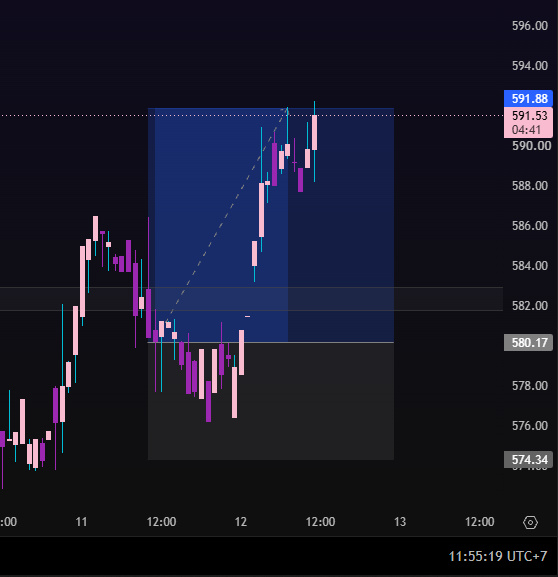
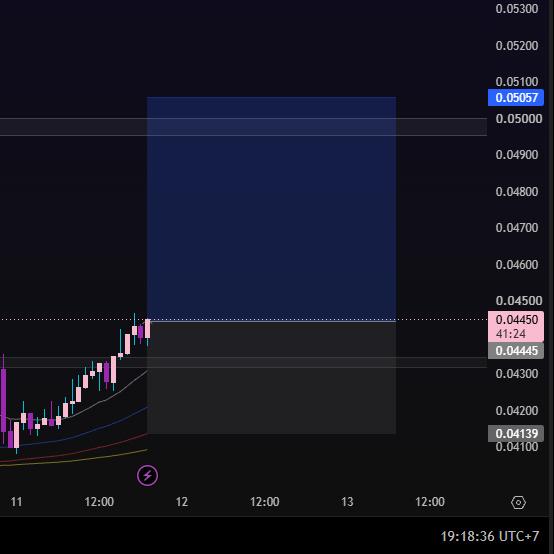
Forward Test #3
=======
11 November 2026
SPOT || TF H1 || Risk 0.5–2.5% || RR 1:2
Entry: See image $BRKBB
Note: This is a personal strategy testing journal (forward test), not financial advice (DYOR & always use your own risk management).
=======
11 November 2026
SPOT || TF H1 || Risk 0.5–2.5% || RR 1:2
Entry: See image $BRKBB
Note: This is a personal strategy testing journal (forward test), not financial advice (DYOR & always use your own risk management).
R_Ari21
·
--
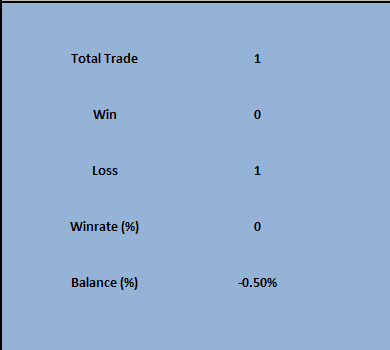
Forward Test #2
=======
10 November 2026
SPOT || TF H1 || Risk 0.5-2.5% || RR 1:2
Entry: See image $QNTB
Note: This is a personal strategy testing journal (forward test), not financial advice (DYOR & always use your own risk management).
=======
10 November 2026
SPOT || TF H1 || Risk 0.5-2.5% || RR 1:2
Entry: See image $QNTB
Note: This is a personal strategy testing journal (forward test), not financial advice (DYOR & always use your own risk management).
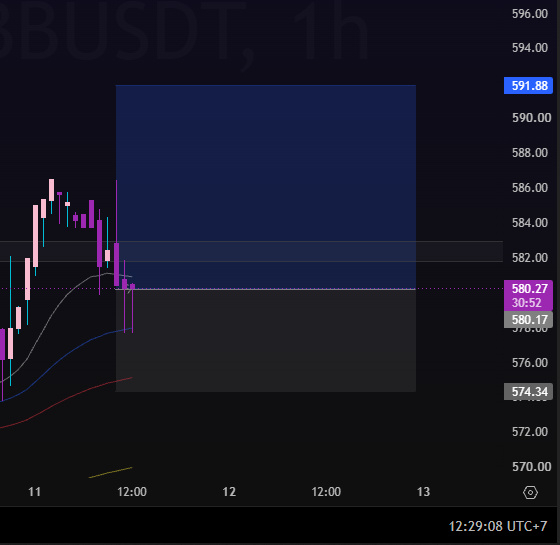
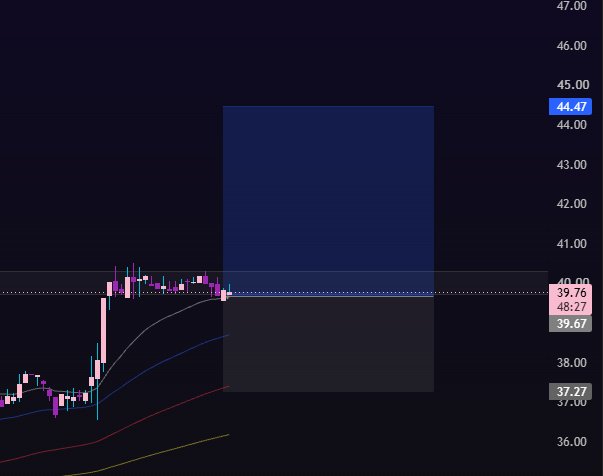
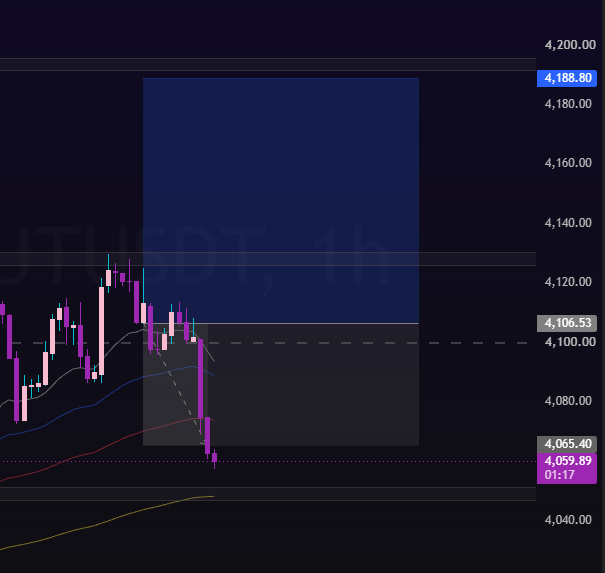
R_Ari21
·
--
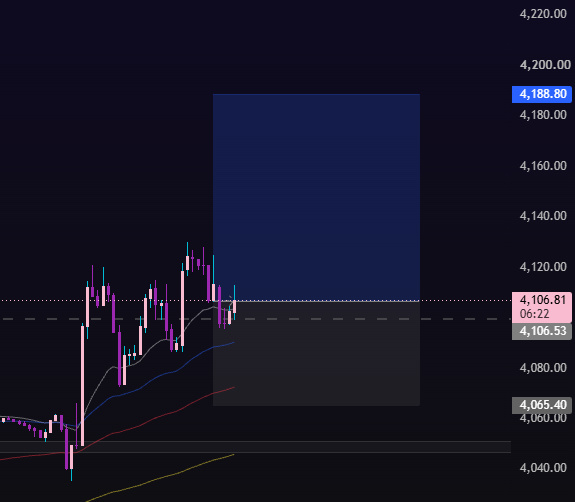
Forward Test #1
=======
10 Nov 2026
SPOT || TF H1 || Risk 0.5-2.5% || RR 1:2
Entry: See image $XAUT
Note: This is a journal of personal strategy testing (forward test), not financial advice (DYOR & always use your own risk management).
=======
10 Nov 2026
SPOT || TF H1 || Risk 0.5-2.5% || RR 1:2
Entry: See image $XAUT
Note: This is a journal of personal strategy testing (forward test), not financial advice (DYOR & always use your own risk management).




机灵的杰尼君
·
--
The preliminary report on the $6.3 billion theft from Binance @binancezh is out. Another social engineering infiltration.
It started when Engineer B used a company computer during a job interview after switching jobs—and even downloaded third-party code. How much more can they dock from his performance review? 🤡
How the theft happened:
In June, Wallet Operations Engineer A searched for an AI coding tool and downloaded a tampered version of Homebrew, exposing the team’s information;
In September, Engineer B was invited to an interview by a fake recruiter. They went through the whole routine: a real video call with HR, followed by a second interview with a fake CEO. Finally, they asked him to run a “coding challenge” on his work computer, and the malware secretly replaced pyenv;
On October 20, hackers used B’s computer as a starting point and leveraged Binance’s internal AI tools to take control of the computers belonging to Wallet Engineers A and C;
On October 29, the hackers accessed C’s computer and used A’s deployment permissions to make calls to the signing service. That’s how the hot-wallet funds were transferred out.
North Korean hackers really are everywhere.
From now on, when exchange employees go to interviews, should they first make the interviewer say, “Kim Jong-un is **”? 🤣



Binance News
·
--
Binance Users Can Now Verify 1:1 Backing of BTC, ETH, USDT and Seven Other Tokens as Zero-Knowledge Proof Is Completed; 95% of Loss Covered
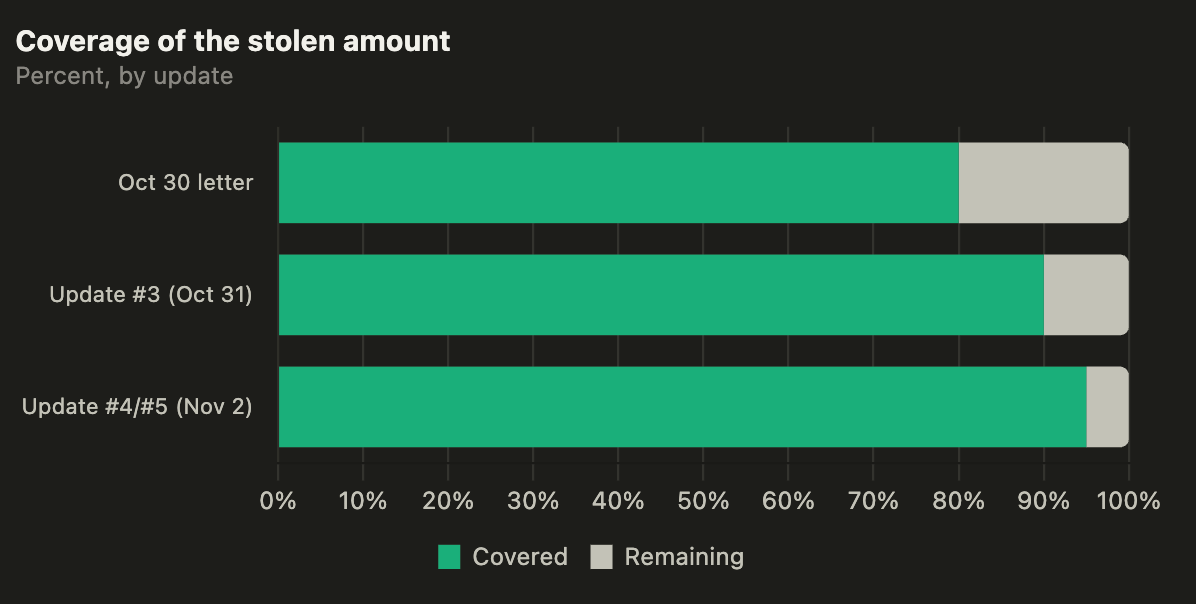
Binance users can now independently verify that their balances in ten major tokens are backed at least 1:1, after the exchange completed the full zero-knowledge proof for its latest Proof of Reserves snapshot. In its fifth recovery update on Monday, November 2, Binance said the proof for the snapshot taken at 00:00 UTC on October 31 was finished within its estimated timeframe.“With the generated proof, the backed portion of that commitment is now publicly verifiable,” the exchange said.Ten Tokens Now VerifiableThe proof covers the ten tokens Binance has fully backed since its security incident: BTC, ETH, USDT, BNB, SOL, USDC, XRP, USD1, RLUSD and ZEC. Users holding any of them can confirm their balances are backed at least 1:1 using the verification tool on Binance’s Proof of Reserves website.How to VerifyTo run the check, users log in to their Binance account through the official website and download the verifier tool from the Proof of Reserves page to their own computer. Running it on their own device means users carry out the check themselves rather than relying on Binance’s word. The verifier is open source, published on GitHub and has been independently audited.Binance’s Proof of Reserves combines two cryptographic tools. A Merkle tree lets each user confirm that their own account assets are included in the snapshot. A zk-SNARK, a type of zero-knowledge proof, shows that reserves cover user balances at least 1:1 without revealing any individual’s balance.95% of the Loss Now CoveredBinance said it has covered about 95% of the stolen amount, up from 90% on October 31. The remaining 5% is made up of less liquid tokens outside the top ten, which take longer to buy at the required scale, and Binance is working with industry partners to complete those purchases.More Tokens and Withdrawals This WeekBinance plans to take another snapshot covering more tokens on Wednesday, November 4, followed by a new full zero-knowledge proof that will take about 40 to 50 hours to generate. The next phase of withdrawals for additional networks and assets is planned for Tuesday, November 3, as a progressive rollout. “Binance will absorb the financial impact of the stolen funds, not our users,” the exchange said.Binance reminded users to access only its official website for verification, never share login details, and avoid untrusted devices.
Log in to explore more content