
Omar 10000
1.2k Posts

Omar 10000
Report
Block User
"Never stop learning." 🏄

SOL Holder
Frequent Trader
4.9 Years
24 Following
209 Followers
1.0K+ Liked
Posts
All
Quotes
Videos
·
--
🔥Donald Trump Speaks to the Democrats on His Platform (Truth Social)
After the midterm elections, the president of the United States had a few words for the Democrats.
Congratulations, you won something, but remember: “I wasn’t on the ballot, and if I had been, we would have won BY A LANDSLIDE!” I’ll work hand in hand with you, but if you don’t want that, my signature will be off limits to you.
Let’s remember: Trump posted a photo on his social media of his famous red cap, edited with the word “VETO,” making a direct reference to using his presidential signature to block bills from Congress.
💻We’re keeping an eye on market updates.
$SOL
#solanAnalysis #BTC🔥🔥🔥🔥🔥 #omar10000
{spot}(SOLUSDT)
🔥Donald Trump Speaks to the Democrats on His Platform (Truth Social)
After the midterm elections, the president of the United States had a few words for the Democrats.
Congratulations, you won something, but remember: “I wasn’t on the ballot, and if I had been, we would have won BY A LANDSLIDE!” I’ll work hand in hand with you, but if you don’t want that, my signature will be off limits to you.
Let’s remember: Trump posted a photo on his social media of his famous red cap, edited with the word “VETO,” making a direct reference to using his presidential signature to block bills from Congress.
💻We’re keeping an eye on market updates.
$SOL
#solanAnalysis #BTC🔥🔥🔥🔥🔥 #omar10000

127
·
--
The man who defended his surname… and beat Nissan Motor
Corporations 🚗⚖️
Uzi Nissan, a computer repair technician, registered Nissan.com in 1994 for his computer business. Years later, Nissan Motor sued him, filing a lawsuit in 1999 that included claims of cybersquatting, trademark infringement, and dilution, and sought $10 million in damages.
The legal battle lasted about eight years and ended in September 2007; Nissan Motor did not get the domain. The decisions addressed various issues involving trademarks, commercial use, and freedom of expression. In addition, the Ninth Circuit ruled on an appeal in 2004, and the Supreme Court declined to review the case.
Uzi died from complications of COVID-19 in July 2020. Later, his heirs alleged that someone had stolen the domains. In April 2024, a judge ordered nissan.com and nissan.net returned to the family estate. As a result, Nissan Motor is “forced” to use NissanUSA.com: it uses nissanusa.com for its U.S. website 💻🏛️
A true story about identity, perseverance, and an internet address that ended up becoming a symbol of a long-running dispute.
A victory we will remember as “The Man Who Beat Nissan Motor Corporation.”🌐
#HistoriasReales #Nissan #Internet #omar10000
$SOL
{spot}(SOLUSDT)
The man who defended his surname… and beat Nissan Motor
Corporations 🚗⚖️
Uzi Nissan, a computer repair technician, registered Nissan.com in 1994 for his computer business. Years later, Nissan Motor sued him, filing a lawsuit in 1999 that included claims of cybersquatting, trademark infringement, and dilution, and sought $10 million in damages.
The legal battle lasted about eight years and ended in September 2007; Nissan Motor did not get the domain. The decisions addressed various issues involving trademarks, commercial use, and freedom of expression. In addition, the Ninth Circuit ruled on an appeal in 2004, and the Supreme Court declined to review the case.
Uzi died from complications of COVID-19 in July 2020. Later, his heirs alleged that someone had stolen the domains. In April 2024, a judge ordered nissan.com and nissan.net returned to the family estate. As a result, Nissan Motor is “forced” to use NissanUSA.com: it uses nissanusa.com for its U.S. website 💻🏛️
A true story about identity, perseverance, and an internet address that ended up becoming a symbol of a long-running dispute.
A victory we will remember as “The Man Who Beat Nissan Motor Corporation.”🌐
#HistoriasReales #Nissan #Internet #omar10000
$SOL

1
372
·
--
⚡ THE MINERS’ DILEMMA: BITCOIN OR ARTIFICIAL INTELLIGENCE? ⚡
Bitcoin mining companies that tried to diversify their businesses into data centers for artificial intelligence (AI) are facing a harsh financial reality.
The enormous capital expenditure required to maintain AI infrastructure has exceeded many firms’ expectations. As a result, several mining companies have been forced to sell off some of their valuable BTC reserves on the market to keep funding their technology operations. 🖥️🪙
#MineriaBitcoin #InteligenciaArtificial #CryptoMineros #omar10000
$INIT $BTC
{spot}(INITUSDT)
⚡ THE MINERS’ DILEMMA: BITCOIN OR ARTIFICIAL INTELLIGENCE? ⚡
Bitcoin mining companies that tried to diversify their businesses into data centers for artificial intelligence (AI) are facing a harsh financial reality.
The enormous capital expenditure required to maintain AI infrastructure has exceeded many firms’ expectations. As a result, several mining companies have been forced to sell off some of their valuable BTC reserves on the market to keep funding their technology operations. 🖥️🪙
#MineriaBitcoin #InteligenciaArtificial #CryptoMineros #omar10000
$INIT $BTC

1
170
·
--
🚨Trump Just Lost 📊📝
📍What Happened in the U.S. Midterm Elections (2026 Midterms).
The midterm congressional elections have just been held. Citizens went to the polls to renew the entire House of Representatives and one-third of the Senate.
The first vote-counting reports revealed a significant political shift in Congress:
Congress changed hands: According to counts published by international news outlets, the Democratic Party regained control of both chambers of Congress (the House of Representatives and the Senate), taking the majorities away from the governing Republican Party.
A historic “blue wave.” The international press described election night as a triumphant one for the Democrats. Among the report’s most notable results were victories in traditionally conservative strongholds, such as Adam Hamilton’s victory in the Kansas Senate race, marking the first Democratic win in that seat in nearly 100 years.
In short: Trump is currently president, but his party has just lost legislative control of Congress to the Democratic opposition in the congressional elections.
$SOL $BNB
{spot}(BNBUSDT)
🚨Trump Just Lost 📊📝
📍What Happened in the U.S. Midterm Elections (2026 Midterms).
The midterm congressional elections have just been held. Citizens went to the polls to renew the entire House of Representatives and one-third of the Senate.
The first vote-counting reports revealed a significant political shift in Congress:
Congress changed hands: According to counts published by international news outlets, the Democratic Party regained control of both chambers of Congress (the House of Representatives and the Senate), taking the majorities away from the governing Republican Party.
A historic “blue wave.” The international press described election night as a triumphant one for the Democrats. Among the report’s most notable results were victories in traditionally conservative strongholds, such as Adam Hamilton’s victory in the Kansas Senate race, marking the first Democratic win in that seat in nearly 100 years.
In short: Trump is currently president, but his party has just lost legislative control of Congress to the Democratic opposition in the congressional elections.
$SOL $BNB

1
112
·
--
📈 THE MARKET HOLDS FIRM AND SEEKS A RECOVERY! 📈
After the major scare caused by the Binance incident, which sent prices lower, the crypto market is showing its resilience with a V-shaped technical rebound.
The easing of political uncertainty following the U.S. elections has restored investor optimism. Bitcoin (BTC) is leading the way, trading above $78,300 (+2.10%), while Ethereum (ETH) is seeking stability at $2,315. Meanwhile, BNB remains steady above $702, demonstrating the market’s confidence in the platform’s reserve funds. 🚀📊
#bitcoinprecio #CryptoMercado #Bullrun
$ETH $BTC $SOL
{spot}(BTCUSDT)
{spot}(ETHUSDT)
📈 THE MARKET HOLDS FIRM AND SEEKS A RECOVERY! 📈
After the major scare caused by the Binance incident, which sent prices lower, the crypto market is showing its resilience with a V-shaped technical rebound.
The easing of political uncertainty following the U.S. elections has restored investor optimism. Bitcoin (BTC) is leading the way, trading above $78,300 (+2.10%), while Ethereum (ETH) is seeking stability at $2,315. Meanwhile, BNB remains steady above $702, demonstrating the market’s confidence in the platform’s reserve funds. 🚀📊
#bitcoinprecio #CryptoMercado #Bullrun
$ETH $BTC $SOL
2
139

·
--
The death of renowned British actor Patrick Stewart at the age of 86 has been reported.
Everyone knew him as a great actor who portrayed Doctor Javier in X-Men.
$SOL $BTC $SOXSB
{spot}(SOLUSDT)
The death of renowned British actor Patrick Stewart at the age of 86 has been reported.
Everyone knew him as a great actor who portrayed Doctor Javier in X-Men.
$SOL $BTC $SOXSB
Everyone knew him as a great actor who portrayed Doctor Javier in X-Men.
$SOL $BTC $SOXSB

159
·
--
🔥Breaking News |
Dozens of markets in Belgium and Sweden are facing losses following a new cyberattack, similar to the one that happened in France a few weeks ago.
On Monday, November 2, 2026, a large-scale coordinated cyberattack was reported, affecting the cooling systems of dozens of supermarkets in at least seven European countries, with Belgium and Sweden being the hardest hit this time.
$SOL $BNB $SOXSB
{spot}(SOXSBUSDT)
🔥Breaking News |
Dozens of markets in Belgium and Sweden are facing losses following a new cyberattack, similar to the one that happened in France a few weeks ago.
On Monday, November 2, 2026, a large-scale coordinated cyberattack was reported, affecting the cooling systems of dozens of supermarkets in at least seven European countries, with Belgium and Sweden being the hardest hit this time.
$SOL $BNB $SOXSB

1
173
·
--
The cryptocurrency market is experiencing one of its most tense weeks.
Despite the large-scale movement of illegal funds that Binance suffered, the exchange has stood firm and managed to recover 80% to 90% of the hacked funds. This has given the Binance team and its insurance system a great deal of credibility. Despite this, Binance is still working to resolve the incident.
Meanwhile, the U.S. midterm elections and employment data are approaching.
We’re keeping an eye on the updates.
Remember to do your #DYOR🟢 (research).
$SOL $BTC $BNB

1
159
·
--
Surprise, Lazarus has resurrected 👀
$ESPORTS is accumulating volume.
More than 600 million tokens in positions.
Hitting +110%
It has an upward trend for a quick entry. Be careful, because once it passes a certain point, there will be a major drop.
$ESPORTS
{future}(ESPORTSUSDT)
Surprise, Lazarus has resurrected 👀
$ESPORTS is accumulating volume.
More than 600 million tokens in positions.
Hitting +110%
It has an upward trend for a quick entry. Be careful, because once it passes a certain point, there will be a major drop.
$ESPORTS
$ESPORTS is accumulating volume.
More than 600 million tokens in positions.
Hitting +110%
It has an upward trend for a quick entry. Be careful, because once it passes a certain point, there will be a major drop.
$ESPORTS
1
1k
·
--
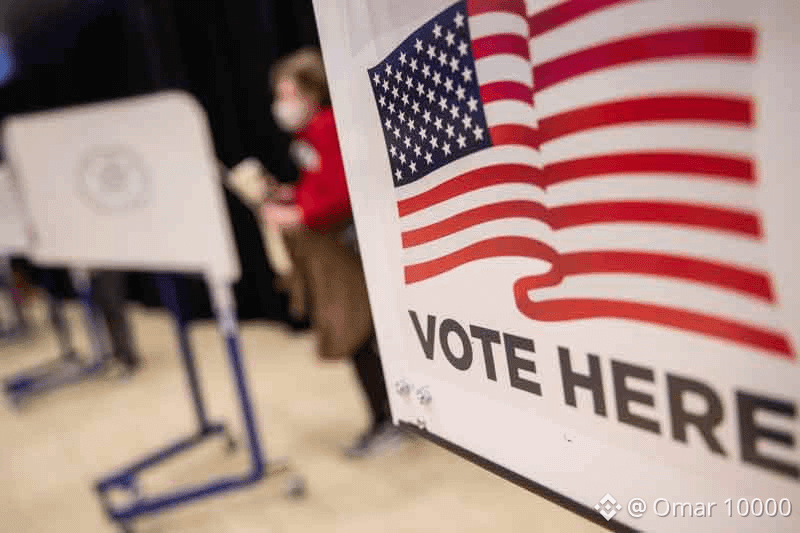
🗳️ The Midterm Elections (Midterms)
The elections will be held this Tuesday, November 3, 2026. Claims that Republicans will “lose” both chambers reflect polling trends and political analysis from the last few weeks of October.
Let’s remember that Donald Trump’s popularity has fallen drastically.
Analysts and media reports, such as those from CNN en Español, have noted that the Democratic Party is benefiting from a favorable climate due to public discontent over the cost of living, tariffs, and the unpopularity of conflicts such as the war in Iran.
Meanwhile, the NASDAQ and S&P 500 indexes have come under strong downward pressure following quarterly earnings reports from tech giants (the so-called “Magnificent 7”). For example, shares of direct competitors such as Alphabet (Google) fell by more than 12% immediately after releasing their quarterly figures.
Investors have shown widespread nervousness due to rising semiconductor costs, higher memory prices, and doubts about whether the pace of earnings growth justifies the high valuations of artificial intelligence.
History could repeat itself, as it did in 2018.
On Tuesday, November 3, 2026, a fundamental part of the country’s political power will be renewed in the United States. Since these are midterm elections (or midterms, because they take place halfway through a presidential term), voters do not vote for the president, but rather for control of the Legislative Branch and local governments.
$SOL $BNB $ETH
{spot}(ETHUSDT)
{spot}(BNBUSDT)
🗳️ The Midterm Elections (Midterms)
The elections will be held this Tuesday, November 3, 2026. Claims that Republicans will “lose” both chambers reflect polling trends and political analysis from the last few weeks of October.
Let’s remember that Donald Trump’s popularity has fallen drastically.
Analysts and media reports, such as those from CNN en Español, have noted that the Democratic Party is benefiting from a favorable climate due to public discontent over the cost of living, tariffs, and the unpopularity of conflicts such as the war in Iran.
Meanwhile, the NASDAQ and S&P 500 indexes have come under strong downward pressure following quarterly earnings reports from tech giants (the so-called “Magnificent 7”). For example, shares of direct competitors such as Alphabet (Google) fell by more than 12% immediately after releasing their quarterly figures.
Investors have shown widespread nervousness due to rising semiconductor costs, higher memory prices, and doubts about whether the pace of earnings growth justifies the high valuations of artificial intelligence.
History could repeat itself, as it did in 2018.
On Tuesday, November 3, 2026, a fundamental part of the country’s political power will be renewed in the United States. Since these are midterm elections (or midterms, because they take place halfway through a presidential term), voters do not vote for the president, but rather for control of the Legislative Branch and local governments.
$SOL $BNB $ETH
352
·
--
🚨 A TAX FOR EVERY GB CONSUMED?
France, the country of the beloved tower.
The truth behind the controversy in France 📉
You’ve probably seen the headlines: "France approves a tax of 5.5 cents for every Gigabyte of internet data." Don’t panic! Before the tech and Web3 sectors get alarmed, let’s debunk the myths and see what’s really going on. 👇
📌 1. It’s not an approved law
A budget committee only voted in favor of an amendment by a very narrow margin (11 votes to 10). It still has to go through the full Assembly debate, the Senate, and the Government’s review. It’s VERY far from becoming reality.
📌 2. It’s not for end users
You wouldn’t pay for the GBs you consume. The fee is aimed at "content producers" and tech giants (Netflix, Google, Meta, etc.) because of the infrastructure they put under strain.
📌 3. The real collateral danger
Even though you wouldn’t be charged directly, the community has already sounded the alarm:
• Platforms could raise their subscription prices to offset the cost.
• Open-source and free software projects (such as VLC) have warned that the measure would be financially devastating, since it makes no distinction between multibillion-dollar companies and free projects.
In the crypto and Web3 ecosystem, where data flow and decentralization are key, these kinds of regulations and infrastructure taxes always create friction.
Do you think these kinds of measures will end up stifling digital innovation in Europe, or is it fair for Big Tech to pay for using the network? 💬👇
#Francia #tecnologías #RegulacionTech #InternetBattles #BinanceSquare
$BNB $BTC $ETH
{spot}(ETHUSDT)
{spot}(BTCUSDT)
{spot}(BNBUSDT)
🚨 A TAX FOR EVERY GB CONSUMED?
France, the country of the beloved tower.
The truth behind the controversy in France 📉
You’ve probably seen the headlines: "France approves a tax of 5.5 cents for every Gigabyte of internet data." Don’t panic! Before the tech and Web3 sectors get alarmed, let’s debunk the myths and see what’s really going on. 👇
📌 1. It’s not an approved law
A budget committee only voted in favor of an amendment by a very narrow margin (11 votes to 10). It still has to go through the full Assembly debate, the Senate, and the Government’s review. It’s VERY far from becoming reality.
📌 2. It’s not for end users
You wouldn’t pay for the GBs you consume. The fee is aimed at "content producers" and tech giants (Netflix, Google, Meta, etc.) because of the infrastructure they put under strain.
📌 3. The real collateral danger
Even though you wouldn’t be charged directly, the community has already sounded the alarm:
• Platforms could raise their subscription prices to offset the cost.
• Open-source and free software projects (such as VLC) have warned that the measure would be financially devastating, since it makes no distinction between multibillion-dollar companies and free projects.
In the crypto and Web3 ecosystem, where data flow and decentralization are key, these kinds of regulations and infrastructure taxes always create friction.
Do you think these kinds of measures will end up stifling digital innovation in Europe, or is it fair for Big Tech to pay for using the network? 💬👇
#Francia #tecnologías #RegulacionTech #InternetBattles #BinanceSquare
$BNB $BTC $ETH

123
·
--
The CEO of 𝗢𝗽𝗲𝗻𝗔𝗜, 𝗦𝗮𝗺 𝗔𝗹𝘁𝗺𝗮𝗻, came out and said that you and I, as ordinary users, shouldn’t have to own a RAM card (the kind used in your phone, PC, or console)... “That’s terrible,” he said.
According to his logic, that RAM has to be in one of his data centers. This response comes amid the shortage of RAM cards, which he and his company themselves have caused.
And in the end, obviously, the easy way out is to take it away from us, saying that neither you, nor I, nor anyone should have RAM. HE BLAMES US for problems he caused,
And well, don’t be surprised when they later try to restrict our water because their AI and data centers “need” it more than we do, too...
Anyway, what a bunch of gems those guys are.
$SOL #omar10000
{spot}(SOLUSDT)
The CEO of 𝗢𝗽𝗲𝗻𝗔𝗜, 𝗦𝗮𝗺 𝗔𝗹𝘁𝗺𝗮𝗻, came out and said that you and I, as ordinary users, shouldn’t have to own a RAM card (the kind used in your phone, PC, or console)... “That’s terrible,” he said.
According to his logic, that RAM has to be in one of his data centers. This response comes amid the shortage of RAM cards, which he and his company themselves have caused.
And in the end, obviously, the easy way out is to take it away from us, saying that neither you, nor I, nor anyone should have RAM. HE BLAMES US for problems he caused,
And well, don’t be surprised when they later try to restrict our water because their AI and data centers “need” it more than we do, too...
Anyway, what a bunch of gems those guys are.
$SOL #omar10000

11
3.3k
·
--
On October 29, 2026, approximately $6.36 billion in digital assets were stolen from Binance across ten different blockchains in just 20 minutes.
Global blockchain intelligence and analytics firms have provided substantial evidence about the incident. On-chain flows and movements showed exactly the same automated methods and techniques used by a particular group in previous large-scale thefts, such as the $1.5 billion theft from the Bybit platform in 2025.
Despite the scale of the catastrophe, the response to contain it was swift:
Asset freeze: Binance, together with industry issuers and protocols (such as Tether, Circle, and the Arbitrum Council), managed to react in time to freeze approximately 44% of the stolen funds (around $2.84 billion to $3.00 billion) before they could be withdrawn.
Binance leadership publicly confirmed that user funds are fully protected. The remaining losses from the hack will be fully absorbed through its institutional guarantee fund (SAFU) and direct open-market purchases to restore every last cent to the affected accounts.
$SOL $BTC $LSK
{spot}(LSKUSDT)
On October 29, 2026, approximately $6.36 billion in digital assets were stolen from Binance across ten different blockchains in just 20 minutes.
Global blockchain intelligence and analytics firms have provided substantial evidence about the incident. On-chain flows and movements showed exactly the same automated methods and techniques used by a particular group in previous large-scale thefts, such as the $1.5 billion theft from the Bybit platform in 2025.
Despite the scale of the catastrophe, the response to contain it was swift:
Asset freeze: Binance, together with industry issuers and protocols (such as Tether, Circle, and the Arbitrum Council), managed to react in time to freeze approximately 44% of the stolen funds (around $2.84 billion to $3.00 billion) before they could be withdrawn.
Binance leadership publicly confirmed that user funds are fully protected. The remaining losses from the hack will be fully absorbed through its institutional guarantee fund (SAFU) and direct open-market purchases to restore every last cent to the affected accounts.
$SOL $BTC $LSK

1
115
·
--
In the cryptocurrency ecosystem.
Anything can happen!🚀
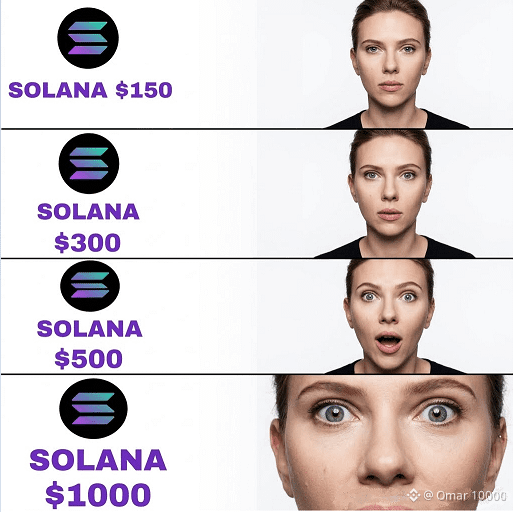
See how an asset like Solana is able to scale over time.
Let’s remember its all-time high of $SOL , where the highest price it reached was approximately $295.00 USD, recorded on January 18, 2025.
While this year it has reached $124.95·
Solana has established itself as one of the three most important cryptocurrency networks in the world. It processes thousands of transactions per second with fees of fractions of a cent, outperforming most of its competitors in speed.
$SOL
{spot}(SOLUSDT)
In the cryptocurrency ecosystem.
Anything can happen!🚀
See how an asset like Solana is able to scale over time.
Let’s remember its all-time high of $SOL , where the highest price it reached was approximately $295.00 USD, recorded on January 18, 2025.
While this year it has reached $124.95·
Solana has established itself as one of the three most important cryptocurrency networks in the world. It processes thousands of transactions per second with fees of fractions of a cent, outperforming most of its competitors in speed.
$SOL
1
273
·
--
What happened yesterday with Binan/ce?
Nearly $5.9B left
4:20 PM: someone signed a single authorization.
4:24 PM: $2.5B left in a single transaction. In 40 minutes, one address amassed $3.52B (almost $90M per minute).
Tether froze $1.567B and Circle froze $800M: digital dollars have an owner. Binance says the amount frozen now totals $2.54B.
₿ Bitcoin and ether have no freeze button: they keep moving.
Bitcoin fell from $80,000 to below $77,000, and more than $600M in bets on rising prices were liquidated in one hour.
Withdrawals and deposits suspended. Binan/ce promises to cover all losses.
Preliminary figures: Binan/ce has not yet confirmed the total.
Who signed that authorization at 4:20?
#Binance #Bitcoin #cripto #tetherUsdt
$BTC

104
·
--
$BTC The ecosystem's flagship crypto is hovering around 80K, facing a slowdown due to the upcoming midterm elections and the Federal Reserve's stance on keeping interest rates between 3.7% and 4%.
The charts show substantial liquidity below 80K. If there's a pullback to $79,400, this could trigger a drop from its current price of 80K. A move to 78K and 77K could be the next scenario.
Remember to do your #DYOR🟢
#BTC
$BTC
{spot}(BTCUSDT)
$BTC The ecosystem's flagship crypto is hovering around 80K, facing a slowdown due to the upcoming midterm elections and the Federal Reserve's stance on keeping interest rates between 3.7% and 4%.
The charts show substantial liquidity below 80K. If there's a pullback to $79,400, this could trigger a drop from its current price of 80K. A move to 78K and 77K could be the next scenario.
Remember to do your #DYOR🟢
#BTC
$BTC
The charts show substantial liquidity below 80K. If there's a pullback to $79,400, this could trigger a drop from its current price of 80K. A move to 78K and 77K could be the next scenario.
Remember to do your #DYOR🟢
#BTC
$BTC
1
139
·
--
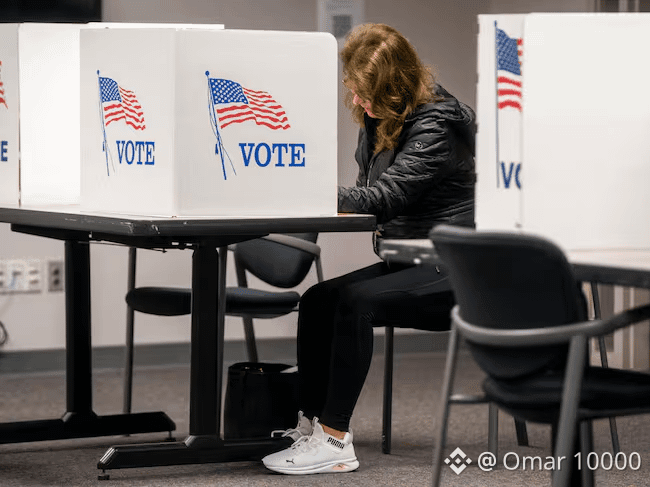
Countdown to the U.S. midterm elections: what you need to know before the November 3 vote
Americans vote on Tuesday, November 3, in the 2026 midterm elections, the first national test of President Donald Trump’s second term. With five days to go until the vote, forecasters and prediction markets favor Democrats to win control of Congress. This guide explains what’s at stake, how the races work, and what to watch on election night.
$BTC
{spot}(BTCUSDT)
Countdown to the U.S. midterm elections: what you need to know before the November 3 vote
Americans vote on Tuesday, November 3, in the 2026 midterm elections, the first national test of President Donald Trump’s second term. With five days to go until the vote, forecasters and prediction markets favor Democrats to win control of Congress. This guide explains what’s at stake, how the races work, and what to watch on election night.
$BTC
1
104
·
--
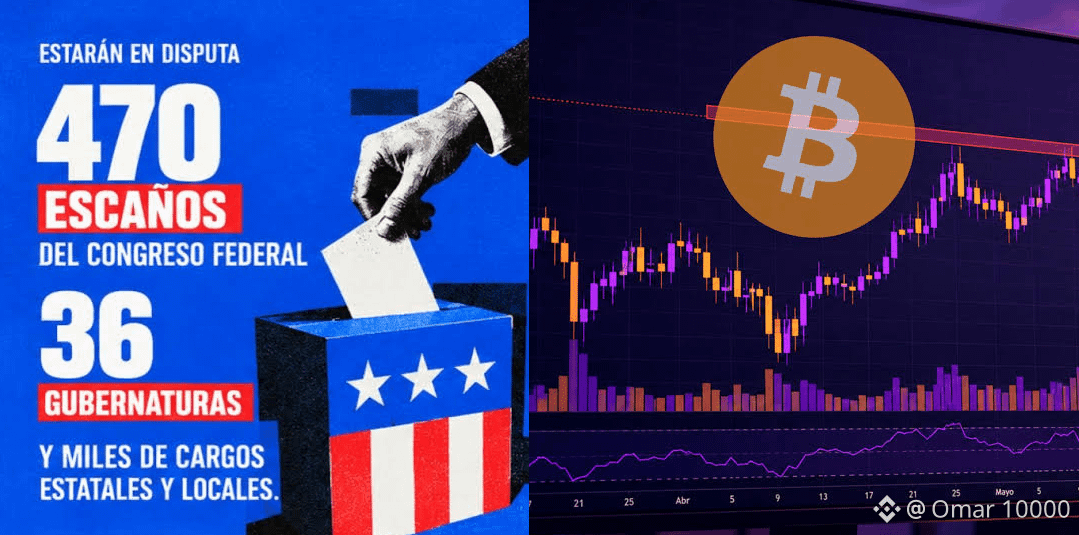
The crypto market reacts cautiously to the Fed. The market saw slight declines after the Federal Reserve (Fed) meeting.
Although the Fed kept interest rates steady in the range of 3.75% to 4.00%, two of its members voted for an immediate hike. This hawkish tone dampened risk-asset traders’ optimism.
All of this is compounded by the election effect. Analysts report that options issuers are holding back capital until the U.S. midterm elections (November 3) are over, which could amplify sharp price movements in the coming days.
$PARTI $LSK $HYPE
{spot}(HYPEUSDT)
{spot}(LSKUSDT)
{spot}(PARTIUSDT)
The crypto market reacts cautiously to the Fed. The market saw slight declines after the Federal Reserve (Fed) meeting.
Although the Fed kept interest rates steady in the range of 3.75% to 4.00%, two of its members voted for an immediate hike. This hawkish tone dampened risk-asset traders’ optimism.
All of this is compounded by the election effect. Analysts report that options issuers are holding back capital until the U.S. midterm elections (November 3) are over, which could amplify sharp price movements in the coming days.
$PARTI $LSK $HYPE
1
278
·
--
What happened today with the "Federal Reserve" (FED) 🔥
At the press conference following the Federal Reserve (Fed) meeting, central bank chair Kevin Warsh announced that interest rates would remain unchanged in the range of 3.75% to 4.00%. Although the pause was widely expected by the market, the decision was not unanimous and revealed an internal divide, as two committee members (Lisa Cook and Beth Hammack) voted in favor of raising rates by a quarter of a percentage point.
This brought about a familiar outlook. Warsh also assured everyone that the U.S. economy is not "too hot," despite demand pressures generated by the boom in artificial intelligence investments. He mentioned that the Fed's goal is not to hinder economic development.
$BTC $EVAA $SOL
{spot}(SOLUSDT)
{future}(EVAAUSDT)
{spot}(BTCUSDT)
What happened today with the "Federal Reserve" (FED) 🔥
At the press conference following the Federal Reserve (Fed) meeting, central bank chair Kevin Warsh announced that interest rates would remain unchanged in the range of 3.75% to 4.00%. Although the pause was widely expected by the market, the decision was not unanimous and revealed an internal divide, as two committee members (Lisa Cook and Beth Hammack) voted in favor of raising rates by a quarter of a percentage point.
This brought about a familiar outlook. Warsh also assured everyone that the U.S. economy is not "too hot," despite demand pressures generated by the boom in artificial intelligence investments. He mentioned that the Fed's goal is not to hinder economic development.
$BTC $EVAA $SOL

1
342
Log in to explore more content
Join global crypto users on Binance Square
⚡️ Get latest and useful information about crypto.
💬 Trusted by the world’s largest crypto exchange.
👍 Discover real insights from verified creators.
Email / Phone number
Trending Topics
BinanceReopensWithdrawalsForMoreAssets
878,212 views
4,659 Discussing
Security Incident | Recovery Update #8: Withdrawals for More Assets to Reopen (2026-11-05)
Binance Announcement
·410 Likes
·1.8M views
Binance98PercentReplenished
205,074 views
1,907 Discussing
USStocksSlipandCryptoMarketUnderBroadPressure
18,220 views
263 Discussing