Binance Square
LIVE

MrRUHUL

image
Verified Creator
Open Trade
High-Frequency Trader
3.4 Years
News, Memes, Charts, Hopium, Market analysis and Latest crypto updates ! Twitter X: @MrRUHUL77
145 Following
44.2K+ Followers
29.7K+ Liked
2.9K+ Shared
All Content
Portfolio
--
How Kite Incentivizes Healthy Market Behavior DeFi’s a bit of a rollercoaster these days. Projects pop up, hype goes wild, and most of them just fade away. Kite’s not playing that game. They’re actually trying to build something that lasts—a token model with staying power. The whole setup rewards people who help the network grow, not just those hoping to make a quick buck and disappear. It all comes down to Kite’s balanced tokenomics. The team puts rewards where they count—staking, liquidity, governance, and growing the whole ecosystem. They’re not out here dumping tokens just to pump numbers. Instead, rewards go to people who actually show up and take real action. You want in? You’ve got to participate. Staking is front and center. Stake Kite and you don’t just earn yields—your voice in governance gets louder, and you get first dibs on new features. The longer you stick around, the better the rewards. It’s a pretty clear way to keep people engaged and weed out the jumpers who are only in it for the fast flip. There’s less chaos, more real support. Liquidity’s always tricky in DeFi. Most liquidity providers bolt when yields dip, and that dries up trading. Kite flips the script by rewarding folks who stick it out, not just those chasing the next big payout. Their incentives stay steady, so you don’t have to play games with timing the market. That means tighter spreads, deeper markets, and a fairer shot at price discovery. Then there’s the whole supply thing. Too many projects get shady—random unlocks, surprise burns, weird emissions. That just freaks people out. Kite keeps it simple: they share the schedule, automate changes, and let the community vote on any tweaks. It’s all out in the open. No surprises. Fairness matters, too. Kite’s put real anti-whale rules in place. Big holders can’t just dump and run—their allocations vest slowly. The people who actually participate earn more. No more one big fish tipping the whole pond or hijacking decisions. And here’s the best part: the more you actually use Kite—trade, hold, interact with dApps, join community stuff—the more you get back. They’re not interested in padding stats with empty rewards. They want the growth to be real. So here’s the gist: Kite rewards contribution. If you’re helping out, you win. If you’re just looking for loopholes or fast money, you’re out of luck. With transparent economics, real utility, and a focus on the long haul, Kite looks like it’s here to stay—and honestly, it might just get better as it goes.@GoKiteAI #KİTE $KITE

How Kite Incentivizes Healthy Market Behavior

DeFi’s a bit of a rollercoaster these days. Projects pop up, hype goes wild, and most of them just fade away. Kite’s not playing that game. They’re actually trying to build something that lasts—a token model with staying power. The whole setup rewards people who help the network grow, not just those hoping to make a quick buck and disappear.

It all comes down to Kite’s balanced tokenomics. The team puts rewards where they count—staking, liquidity, governance, and growing the whole ecosystem. They’re not out here dumping tokens just to pump numbers. Instead, rewards go to people who actually show up and take real action. You want in? You’ve got to participate.

Staking is front and center. Stake Kite and you don’t just earn yields—your voice in governance gets louder, and you get first dibs on new features. The longer you stick around, the better the rewards. It’s a pretty clear way to keep people engaged and weed out the jumpers who are only in it for the fast flip. There’s less chaos, more real support.

Liquidity’s always tricky in DeFi. Most liquidity providers bolt when yields dip, and that dries up trading. Kite flips the script by rewarding folks who stick it out, not just those chasing the next big payout. Their incentives stay steady, so you don’t have to play games with timing the market. That means tighter spreads, deeper markets, and a fairer shot at price discovery.

Then there’s the whole supply thing. Too many projects get shady—random unlocks, surprise burns, weird emissions. That just freaks people out. Kite keeps it simple: they share the schedule, automate changes, and let the community vote on any tweaks. It’s all out in the open. No surprises.

Fairness matters, too. Kite’s put real anti-whale rules in place. Big holders can’t just dump and run—their allocations vest slowly. The people who actually participate earn more. No more one big fish tipping the whole pond or hijacking decisions.

And here’s the best part: the more you actually use Kite—trade, hold, interact with dApps, join community stuff—the more you get back. They’re not interested in padding stats with empty rewards. They want the growth to be real.

So here’s the gist: Kite rewards contribution. If you’re helping out, you win. If you’re just looking for loopholes or fast money, you’re out of luck. With transparent economics, real utility, and a focus on the long haul, Kite looks like it’s here to stay—and honestly, it might just get better as it goes.@KITE AI #KİTE $KITE
🎙️ WBTC
background
avatar
liveLIVE
104 listens
red envelope
TIA/USDT
Limit/Sell
0%
1
0
Why Audits and Risk Frameworks Are Critical for Lorenzo Users Lorenzo’s is fast becoming the spot for anyone chasing hybrid yield, real-world asset exposure, and hands-off on-chain strategies. But let’s not kid ourselves—when there’s big money and complex yield setups in the mix, security is always front and center. And it’s not just about having tough passwords. It comes down to two things: solid audits and a real risk framework. These are the non-negotiables. If Lorenzo’s skips them, they’re not just risking money—they’re risking trust and the whole protocol’s future. So, why do these guardrails matter so much for Lorenzo’s users? 1. Smart Contract Audits: The First Real Defense Lorenzo’s smart contracts run everything. They handle deposits, redemptions, all the strategies, and move funds between chains. We’re talking millions at stake. One tiny bug? That’s all it takes for things to fall apart. Why Bother With Audits? Stop the bleeding before it starts: Look at the biggest DeFi hacks—Wormhole, Euler, Poly Network. Billions vanished because of unpatched code. Audits spot those cracks before someone else does. Check every corner: Lorenzo’s yield setup is far from basic. Real-world assets, yield splits, weird edge cases. Audits make sure every line works as intended—no hidden traps. Earn trust: Big institutions won’t touch unaudited contracts. An audit report is the proof that security’s a top priority. More Audits, Fewer Surprises The best DeFi projects don’t just settle for one audit—they get two, sometimes more. Different eyes catch different things. And whenever Lorenzo’s rolls out an upgrade or a new feature, they go back for another round of checks. It keeps things tight. 2. Risk Frameworks: Security Isn’t Just About Code Audits are just one part of the puzzle. Lorenzo’s is plugged into a messy world—real-world assets, off-chain partners, validators, oracles, integrations everywhere. That’s where a risk framework steps in. A good risk framework spells out: Exactly where the yield comes from—real-world assets, staking, liquidity pools, or a combo What risks are actually on the table—issuer, validator, protocol, stablecoin, you name it What Lorenzo’s doing to address each risk How they’ll handle emergencies—depegs, sudden liquidity crunches, partner failures When users get this kind of transparency, they can actually make smart choices. Institutions and cautious investors especially need this clarity. 3. The Big Risks Lorenzo Has to Stay Ahead Of A. Smart Contract Risk Even with an audit, risks don’t just disappear. New integrations, fresh features, and clever attackers (think MEV or oracle attacks) keep things interesting. The risk framework can flag these problems fast. B. Liquidity Risk Lorenzo’s vaults might hold tokenized T-bills, liquid staking tokens, or yield-bearing stablecoins. Users want out without taking a hit. So the risk models track: How much liquidity is actually there Any withdrawal limits Redemption queues Market depth across exchanges C. Counterparty Risk (Big Deal for Real-World Assets) When you’re dealing with off-chain partners—T-bill issuers, custodians—there’s always a shot at default, regulatory messes, or something operational breaking. The framework covers: Who really controls those assets What happens if an issuer flakes Any insurance or legal backup D. Oracle & Data Risk Everything hinges on good data—yield numbers, price feeds, all of it. The framework makes it clear: Which oracles Lorenzo relies on How they prevent data games What backup plans kick in if something goes wrong 4. Emergency Procedures and User Protection Sometimes, things just go sideways. Stablecoins depeg, markets go nuts, custodians freeze up, or a contract melts down. Lorenzo needs a plan ready to go—not something they scramble to invent in a panic. That means things like: Circuit breakers Emergency withdrawals Pausing strategies Rebalancing moves Triggering the insurance fund When users know there’s a real plan for chaos, they breathe easy. 5. Regulatory Alignment and Winning Institutions Blending real-world assets with DeFi lands Lorenzo right in the middle of on-chain and off-chain finance. Regulators want answers: Who’s holding the assets How risks get disclosed That audits are the real deal Where counterparty risks sit Strong audits and a clear risk framework don’t just keep Lorenzo safe—they show they’re serious, make institutions more comfortable, and get Lorenzo ready for whatever rules are around the corner. It’s not just about playing defense; it’s how Lorenzo stays ahead.@LorenzoProtocol #LorenzoProtocol $BANK

Why Audits and Risk Frameworks Are Critical for Lorenzo Users

Lorenzo’s is fast becoming the spot for anyone chasing hybrid yield, real-world asset exposure, and hands-off on-chain strategies. But let’s not kid ourselves—when there’s big money and complex yield setups in the mix, security is always front and center. And it’s not just about having tough passwords. It comes down to two things: solid audits and a real risk framework. These are the non-negotiables. If Lorenzo’s skips them, they’re not just risking money—they’re risking trust and the whole protocol’s future.

So, why do these guardrails matter so much for Lorenzo’s users?

1. Smart Contract Audits: The First Real Defense

Lorenzo’s smart contracts run everything. They handle deposits, redemptions, all the strategies, and move funds between chains. We’re talking millions at stake. One tiny bug? That’s all it takes for things to fall apart.

Why Bother With Audits?

Stop the bleeding before it starts:
Look at the biggest DeFi hacks—Wormhole, Euler, Poly Network. Billions vanished because of unpatched code. Audits spot those cracks before someone else does.

Check every corner:
Lorenzo’s yield setup is far from basic. Real-world assets, yield splits, weird edge cases. Audits make sure every line works as intended—no hidden traps.

Earn trust:
Big institutions won’t touch unaudited contracts. An audit report is the proof that security’s a top priority.

More Audits, Fewer Surprises

The best DeFi projects don’t just settle for one audit—they get two, sometimes more. Different eyes catch different things. And whenever Lorenzo’s rolls out an upgrade or a new feature, they go back for another round of checks. It keeps things tight.

2. Risk Frameworks: Security Isn’t Just About Code

Audits are just one part of the puzzle. Lorenzo’s is plugged into a messy world—real-world assets, off-chain partners, validators, oracles, integrations everywhere. That’s where a risk framework steps in.

A good risk framework spells out:

Exactly where the yield comes from—real-world assets, staking, liquidity pools, or a combo

What risks are actually on the table—issuer, validator, protocol, stablecoin, you name it

What Lorenzo’s doing to address each risk

How they’ll handle emergencies—depegs, sudden liquidity crunches, partner failures

When users get this kind of transparency, they can actually make smart choices. Institutions and cautious investors especially need this clarity.

3. The Big Risks Lorenzo Has to Stay Ahead Of

A. Smart Contract Risk

Even with an audit, risks don’t just disappear. New integrations, fresh features, and clever attackers (think MEV or oracle attacks) keep things interesting. The risk framework can flag these problems fast.

B. Liquidity Risk

Lorenzo’s vaults might hold tokenized T-bills, liquid staking tokens, or yield-bearing stablecoins. Users want out without taking a hit. So the risk models track:

How much liquidity is actually there

Any withdrawal limits

Redemption queues

Market depth across exchanges

C. Counterparty Risk (Big Deal for Real-World Assets)

When you’re dealing with off-chain partners—T-bill issuers, custodians—there’s always a shot at default, regulatory messes, or something operational breaking. The framework covers:

Who really controls those assets

What happens if an issuer flakes

Any insurance or legal backup

D. Oracle & Data Risk

Everything hinges on good data—yield numbers, price feeds, all of it. The framework makes it clear:

Which oracles Lorenzo relies on

How they prevent data games

What backup plans kick in if something goes wrong

4. Emergency Procedures and User Protection

Sometimes, things just go sideways. Stablecoins depeg, markets go nuts, custodians freeze up, or a contract melts down. Lorenzo needs a plan ready to go—not something they scramble to invent in a panic.

That means things like:

Circuit breakers

Emergency withdrawals

Pausing strategies

Rebalancing moves

Triggering the insurance fund

When users know there’s a real plan for chaos, they breathe easy.

5. Regulatory Alignment and Winning Institutions

Blending real-world assets with DeFi lands Lorenzo right in the middle of on-chain and off-chain finance. Regulators want answers:

Who’s holding the assets

How risks get disclosed

That audits are the real deal

Where counterparty risks sit

Strong audits and a clear risk framework don’t just keep Lorenzo safe—they show they’re serious, make institutions more comfortable, and get Lorenzo ready for whatever rules are around the corner. It’s not just about playing defense; it’s how Lorenzo stays ahead.@Lorenzo Protocol #LorenzoProtocol $BANK
Kite’s Approach to Minimizing MEV and Protecting Users MEV—Maximal Extractable Value—just won’t quit. It keeps finding ways to eat into profits across DeFi, whether it’s front-running, sandwich attacks, or some sneaky transaction shuffle. New blockchains keep showing up, and MEV isn’t something you can just ignore anymore. It’s not some obscure technical glitch—it actually shapes whether people stick around or head for the exits. That’s why Kite is hitting this problem head-on, building fairness and predictability into their platform from day one. Kite doesn’t shrug off MEV. They call it what it is: an incentive mess wired right into the system. Validators and bots get to reorder transactions and skim extra profits, leaving regular users—especially smaller traders and liquidity providers—stuck with the bill. So Kite’s layering defenses. They’ve got built-in protocol protections, off-chain coordination, and smarter routing, all working together to block these exploits before they can even get started. Private transaction flow is a big part of Kite’s approach. Instead of tossing your trades into the public mempool where MEV bots are waiting, Kite uses privacy channels to keep your orders hidden until they're locked in. Nobody gets to peek at your trade, so nobody can mess with it. It’s just like the top MEV defenses on Ethereum, but with Kite, it’s automatic. Smoother trades, less hassle, and way more peace of mind. Kite also brings in fair-ordering logic. Validators can’t just shuffle transactions to line their own pockets. Everything runs on strict, transparent rules. That means users see the trades they expect—less slippage, fewer surprises. Sandwich attacks? Kite’s got that covered, too. When you start a trade, Kite simulates MEV tricks and tweaks the route or timing to block attackers before they even get a shot. By staying a step ahead, Kite shuts down one of the most common DeFi scams before it can hurt anyone. Smart routing is another piece of the puzzle. Kite doesn’t just toss trades into the void and hope for the best—it routes orders to pools and partners where MEV risk is low. Sometimes it taps into its own liquidity, sometimes trusted networks. Either way, users stay safe, and liquidity providers actually have a shot at earning, instead of getting picked apart by bots. Community incentives matter, too. Kite’s governance and validator system actually reward people for playing fair. Validators and partners get paid for honesty, not for squeezing out every penny from users. Staking and governance drive transparency, making it much harder for anyone to pull off MEV tricks behind the scenes. And users aren’t left guessing. You get tools like slippage controls, privacy options, and real warnings about MEV risks. Kite pushes out regular updates and guides so everyone knows how to keep their trades safe. Bottom line? Kite isn’t just patching up an old problem. They’re baking fairness and transparency right into the blockchain. In a world where MEV seems like a given, Kite shows you don’t have to settle. They’re putting users first and making DeFi work for real people.@GoKiteAI #KITE $KITE

Kite’s Approach to Minimizing MEV and Protecting Users

MEV—Maximal Extractable Value—just won’t quit. It keeps finding ways to eat into profits across DeFi, whether it’s front-running, sandwich attacks, or some sneaky transaction shuffle. New blockchains keep showing up, and MEV isn’t something you can just ignore anymore. It’s not some obscure technical glitch—it actually shapes whether people stick around or head for the exits. That’s why Kite is hitting this problem head-on, building fairness and predictability into their platform from day one.

Kite doesn’t shrug off MEV. They call it what it is: an incentive mess wired right into the system. Validators and bots get to reorder transactions and skim extra profits, leaving regular users—especially smaller traders and liquidity providers—stuck with the bill. So Kite’s layering defenses. They’ve got built-in protocol protections, off-chain coordination, and smarter routing, all working together to block these exploits before they can even get started.

Private transaction flow is a big part of Kite’s approach. Instead of tossing your trades into the public mempool where MEV bots are waiting, Kite uses privacy channels to keep your orders hidden until they're locked in. Nobody gets to peek at your trade, so nobody can mess with it. It’s just like the top MEV defenses on Ethereum, but with Kite, it’s automatic. Smoother trades, less hassle, and way more peace of mind.

Kite also brings in fair-ordering logic. Validators can’t just shuffle transactions to line their own pockets. Everything runs on strict, transparent rules. That means users see the trades they expect—less slippage, fewer surprises.

Sandwich attacks? Kite’s got that covered, too. When you start a trade, Kite simulates MEV tricks and tweaks the route or timing to block attackers before they even get a shot. By staying a step ahead, Kite shuts down one of the most common DeFi scams before it can hurt anyone.

Smart routing is another piece of the puzzle. Kite doesn’t just toss trades into the void and hope for the best—it routes orders to pools and partners where MEV risk is low. Sometimes it taps into its own liquidity, sometimes trusted networks. Either way, users stay safe, and liquidity providers actually have a shot at earning, instead of getting picked apart by bots.

Community incentives matter, too. Kite’s governance and validator system actually reward people for playing fair. Validators and partners get paid for honesty, not for squeezing out every penny from users. Staking and governance drive transparency, making it much harder for anyone to pull off MEV tricks behind the scenes.

And users aren’t left guessing. You get tools like slippage controls, privacy options, and real warnings about MEV risks. Kite pushes out regular updates and guides so everyone knows how to keep their trades safe.

Bottom line? Kite isn’t just patching up an old problem. They’re baking fairness and transparency right into the blockchain. In a world where MEV seems like a given, Kite shows you don’t have to settle. They’re putting users first and making DeFi work for real people.@KITE AI #KITE $KITE
Falcon’s Liquidity Model: How It Attracts Traders and LPsFalcon Finance really made waves in 2025, and it’s no mystery why. Their approach to liquidity isn’t just a step forward—it’s changing how people look at DeFi altogether. In a space where speed matters and everyone’s chasing an edge, Falcon goes straight for what counts: traders want tight spreads and quick trades, and LPs just want steady, reliable returns. Falcon brings both sides together with smart incentives, a sharp AMM engine, and cross-chain routing. The result? A liquidity layer that runs deep and doesn’t shake easily. The core of it all is Falcon’s AMM, and it’s not just another constant-product pool. This thing reacts in real time. When trading heats up, Falcon tightens its curve to keep slippage down. If volatility spikes, it widens the curve to protect LPs. This hybrid setup means traders get better prices, and LPs avoid nasty losses—the kind that usually send them packing. Falcon keeps people in the game with a dual rewards system. LPs pick up trading fees first—real, organic yields straight from market activity. Then there are FAL emissions, but they’re not just sprayed everywhere. Pools with the most volume, deepest liquidity, and biggest user bases get more rewards. So if you support the key markets, you earn more. Simple as that. Then there’s the Liquidity Alignment Score, or LAS. This metric checks out how much action a pool gets, how volatile it is, how deep the liquidity goes, and how much it matters to the protocol as a whole. Pools with higher LAS scores grab extra rewards and get top spots on aggregator routes. For LPs, it’s basically a roadmap to the best returns. For traders, it means you’ll always find active, liquid pools—prime territory for big trades without eating huge costs. Falcon doesn’t stop there. With cross-chain routing, it taps into liquidity from all over, using secure bridges and virtual pooling. Traders don’t have to fuss with bridges or move assets around; they just tap in and trade. This pulls in more volume from different networks, which means more fee income for LPs. Everybody wins—traders get the best routes, LPs get more action. One thing Falcon really nails is yield sustainability. Instead of dangling huge APRs that disappear overnight, Falcon ties yields to real trading demand. Emissions slow down unless there’s genuine activity in the pools. That keeps runaway inflation at bay and makes the system strong for the long run. No wonder institutional LPs and pro market makers keep coming back for more. Falcon also connects with major DEX aggregators, perp platforms, and on-chain trading bots, so there’s always a steady stream of organic flow in its pools. With smart fees, deep routing, and a responsive AMM, Falcon often pops up at the top of aggregator searches. More flow means better prices for traders and bigger rewards for LPs. Bottom line—Falcon stands out because it really balances efficiency, incentives, and sustainability. Traders get sharp execution, LPs see real, activity-driven rewards, and the whole thing just runs with staying power. That’s why Falcon looks like a real leader as DeFi gets ready for its next big leap.@falcon_finance #FalconFinance $FF

Falcon’s Liquidity Model: How It Attracts Traders and LPs

Falcon Finance really made waves in 2025, and it’s no mystery why. Their approach to liquidity isn’t just a step forward—it’s changing how people look at DeFi altogether. In a space where speed matters and everyone’s chasing an edge, Falcon goes straight for what counts: traders want tight spreads and quick trades, and LPs just want steady, reliable returns. Falcon brings both sides together with smart incentives, a sharp AMM engine, and cross-chain routing. The result? A liquidity layer that runs deep and doesn’t shake easily.

The core of it all is Falcon’s AMM, and it’s not just another constant-product pool. This thing reacts in real time. When trading heats up, Falcon tightens its curve to keep slippage down. If volatility spikes, it widens the curve to protect LPs. This hybrid setup means traders get better prices, and LPs avoid nasty losses—the kind that usually send them packing.

Falcon keeps people in the game with a dual rewards system. LPs pick up trading fees first—real, organic yields straight from market activity. Then there are FAL emissions, but they’re not just sprayed everywhere. Pools with the most volume, deepest liquidity, and biggest user bases get more rewards. So if you support the key markets, you earn more. Simple as that.

Then there’s the Liquidity Alignment Score, or LAS. This metric checks out how much action a pool gets, how volatile it is, how deep the liquidity goes, and how much it matters to the protocol as a whole. Pools with higher LAS scores grab extra rewards and get top spots on aggregator routes. For LPs, it’s basically a roadmap to the best returns. For traders, it means you’ll always find active, liquid pools—prime territory for big trades without eating huge costs.

Falcon doesn’t stop there. With cross-chain routing, it taps into liquidity from all over, using secure bridges and virtual pooling. Traders don’t have to fuss with bridges or move assets around; they just tap in and trade. This pulls in more volume from different networks, which means more fee income for LPs. Everybody wins—traders get the best routes, LPs get more action.

One thing Falcon really nails is yield sustainability. Instead of dangling huge APRs that disappear overnight, Falcon ties yields to real trading demand. Emissions slow down unless there’s genuine activity in the pools. That keeps runaway inflation at bay and makes the system strong for the long run. No wonder institutional LPs and pro market makers keep coming back for more.

Falcon also connects with major DEX aggregators, perp platforms, and on-chain trading bots, so there’s always a steady stream of organic flow in its pools. With smart fees, deep routing, and a responsive AMM, Falcon often pops up at the top of aggregator searches. More flow means better prices for traders and bigger rewards for LPs.

Bottom line—Falcon stands out because it really balances efficiency, incentives, and sustainability. Traders get sharp execution, LPs see real, activity-driven rewards, and the whole thing just runs with staying power. That’s why Falcon looks like a real leader as DeFi gets ready for its next big leap.@Falcon Finance #FalconFinance $FF
🎙️ Let's Grow together
background
avatar
End
05 h 01 m 36 s
6.3k
11
6
🎙️ Hawk中文社区直播间!互粉直播间!交易等干货分享! 马斯克,拜登,特朗普明奶币种,SHIB杀手Hawk震撼来袭!致力于影响全球每个城市!
background
avatar
End
04 h 47 m 40 s
18k
19
42
Why Risk Management Matters in Lorenzo’s BTC Yield Products Lorenzo’s BTC yield products have been turning heads lately, especially for folks tired of just letting their Bitcoin sit around doing nothing. The platform blends real-world assets, DeFi, and some clever automation, and the yields? They’re actually worth noticing—no more settling for pennies that barely add up. Still, let’s not kid ourselves: bigger returns mean bigger risks. The real question is, are you ready for that? Lorenzo doesn’t treat risk management like an afterthought. It’s baked into everything they do, right from the start. Here’s the core idea: keep your Bitcoin safe, but let it earn. Most Bitcoin holders play it cautious for good reason. Bitcoin’s been solid for years, and nobody wants to risk it all chasing a flashy yield. Lorenzo gets that. They don’t go chasing every DeFi fad or toss your BTC into some random risky protocol. Instead, they stick with proven strategies—short-term Treasuries, reliable lending, and stablecoin options that have actually stood the test. No wild guesses, just smart, steady moves. And yeah, smart contract risk is real. One glitch and things can go sideways fast. Lorenzo takes this seriously. They bring in outside auditors, run formal checks, and keep a sharp eye on everything happening on-chain. Nothing’s perfect, but these steps make big blowups a lot less likely. If something does go wrong, they’ve got circuit breakers and pause buttons ready to step in. By spreading funds across different contracts, they make sure a single issue doesn’t sink the whole ship. Don’t forget about Bitcoin’s price swings, either. Any yield strategy that uses collateral or needs liquidity has to be ready for the rollercoaster. Lorenzo keeps collateral limits tight, loan-to-value ratios low, and uses automated liquidations to protect your Bitcoin, even when the market takes a nosedive. Their priority never changes: protect your investment first, then focus on yield. That’s how they keep things steady when everything else gets messy. Liquidity’s another big one. Some platforms lock up your money and leave you hanging when you want out. Lorenzo’s straight with you about redemption times, keeps big reserves, and makes sure you can actually get your funds back—even if things get rocky. Nobody wants to feel trapped, and Lorenzo understands that. Regulation isn’t just a footnote, either. With real-world assets in play, it’s a huge deal. Lorenzo works with compliant issuers, custodians, and auditors, and stays on top of shifting regulations to protect both you and themselves. At the end of the day, yield only matters if you can trust it. Real risk management is what makes that possible—not hype or empty promises. Lorenzo’s BTC yield products aren’t about chasing the craziest returns. They’re about striking the right balance: solid yield, real security, transparency, and stability. For Bitcoin holders looking for more than talk, that’s the difference. This isn’t a shot in the dark—it’s an actual plan.@LorenzoProtocol #LorenzoProtocol $BANK

Why Risk Management Matters in Lorenzo’s BTC Yield Products

Lorenzo’s BTC yield products have been turning heads lately, especially for folks tired of just letting their Bitcoin sit around doing nothing. The platform blends real-world assets, DeFi, and some clever automation, and the yields? They’re actually worth noticing—no more settling for pennies that barely add up. Still, let’s not kid ourselves: bigger returns mean bigger risks. The real question is, are you ready for that? Lorenzo doesn’t treat risk management like an afterthought. It’s baked into everything they do, right from the start.

Here’s the core idea: keep your Bitcoin safe, but let it earn. Most Bitcoin holders play it cautious for good reason. Bitcoin’s been solid for years, and nobody wants to risk it all chasing a flashy yield. Lorenzo gets that. They don’t go chasing every DeFi fad or toss your BTC into some random risky protocol. Instead, they stick with proven strategies—short-term Treasuries, reliable lending, and stablecoin options that have actually stood the test. No wild guesses, just smart, steady moves.

And yeah, smart contract risk is real. One glitch and things can go sideways fast. Lorenzo takes this seriously. They bring in outside auditors, run formal checks, and keep a sharp eye on everything happening on-chain. Nothing’s perfect, but these steps make big blowups a lot less likely. If something does go wrong, they’ve got circuit breakers and pause buttons ready to step in. By spreading funds across different contracts, they make sure a single issue doesn’t sink the whole ship.

Don’t forget about Bitcoin’s price swings, either. Any yield strategy that uses collateral or needs liquidity has to be ready for the rollercoaster. Lorenzo keeps collateral limits tight, loan-to-value ratios low, and uses automated liquidations to protect your Bitcoin, even when the market takes a nosedive. Their priority never changes: protect your investment first, then focus on yield. That’s how they keep things steady when everything else gets messy.

Liquidity’s another big one. Some platforms lock up your money and leave you hanging when you want out. Lorenzo’s straight with you about redemption times, keeps big reserves, and makes sure you can actually get your funds back—even if things get rocky. Nobody wants to feel trapped, and Lorenzo understands that.

Regulation isn’t just a footnote, either. With real-world assets in play, it’s a huge deal. Lorenzo works with compliant issuers, custodians, and auditors, and stays on top of shifting regulations to protect both you and themselves.

At the end of the day, yield only matters if you can trust it. Real risk management is what makes that possible—not hype or empty promises. Lorenzo’s BTC yield products aren’t about chasing the craziest returns. They’re about striking the right balance: solid yield, real security, transparency, and stability. For Bitcoin holders looking for more than talk, that’s the difference. This isn’t a shot in the dark—it’s an actual plan.@Lorenzo Protocol #LorenzoProtocol $BANK
Falcon vs Traditional Finance: Key Differences ExplainedFalcon Finance isn’t here to play it safe or make tiny changes—it’s tearing up the old finance playbook and starting from scratch. DeFi, or decentralized finance, doesn’t just touch up the system. It rips out the old parts and rebuilds everything. No more banks. No more stacks of paperwork. No middlemen standing in your way. It’s all about blockchain now, and that’s got crypto fans and anyone chasing better returns paying attention. 1. Centralization vs Decentralization Let’s get down to it: who’s actually in charge? With traditional finance, banks, governments, and regulators hold the keys. You hand over your money and trust they’ll take care of it. Falcon flips that upside down. Instead of managers calling the shots, smart contracts handle everything on the blockchain. No banks, nobody with final say—just code. Got a crypto wallet? You’re in. No one can block you or slow you down. 2. Accessibility and Barriers to Entry Regular finance isn’t built for everyone. Where you live, how much you make, your credit score—it all matters. Want access to top investments? Usually, you need connections or a fat bank account. Falcon cuts through all that. If you have a crypto wallet, you’re good to go. No minimums, no paperwork, no endless hoops. People anywhere can jump into staking, lending, or advanced yield moves. It’s a real shot at leveling the field. 3. Speed, Settlement, and Efficiency Old-school finance crawls. Sending money abroad? Get ready to wait days. Need to do something after hours? Forget it. Falcon puts that to shame. Blockchain and smart contracts mean money moves almost instantly, anytime. You always know where your funds are—no mysterious delays or hidden steps. That speed and clarity pull people in. 4. Yield Generation Models Banks keep your options narrow—loans, bonds, maybe a managed fund if you’re lucky. Returns? Not much, and fees eat into what little you get. Falcon shakes things up. Yields come from algorithms, on-chain strategies, liquid staking, even real-world asset tie-ins. No middlemen shaving off your profits. The potential is bigger, but so are the risks—especially with unpredictable code and wild markets. 5. Transparency and User Control Ever try to get a straight answer from your bank about what they’re doing with your money? Good luck. Most of it’s a mystery. Falcon flips on the lights. Every transaction, every pool, every reward—it’s all visible on the blockchain. You’re in charge of your assets unless you decide to lock or stake them. That kind of openness and control is what makes DeFi stand out. Bottom line: Falcon Finance puts the power back in your hands. It knocks down old barriers and lets anyone take part. Sure, banks still offer stability and some protections, but Falcon brings new ideas, transparency, and global access. Knowing what sets them apart makes it easier to decide how to mix the old with the new—especially as platforms like Falcon keep picking up steam.@falcon_finance #FalconFinance $FF

Falcon vs Traditional Finance: Key Differences Explained

Falcon Finance isn’t here to play it safe or make tiny changes—it’s tearing up the old finance playbook and starting from scratch. DeFi, or decentralized finance, doesn’t just touch up the system. It rips out the old parts and rebuilds everything. No more banks. No more stacks of paperwork. No middlemen standing in your way. It’s all about blockchain now, and that’s got crypto fans and anyone chasing better returns paying attention.

1. Centralization vs Decentralization
Let’s get down to it: who’s actually in charge? With traditional finance, banks, governments, and regulators hold the keys. You hand over your money and trust they’ll take care of it.
Falcon flips that upside down. Instead of managers calling the shots, smart contracts handle everything on the blockchain. No banks, nobody with final say—just code. Got a crypto wallet? You’re in. No one can block you or slow you down.

2. Accessibility and Barriers to Entry
Regular finance isn’t built for everyone. Where you live, how much you make, your credit score—it all matters. Want access to top investments? Usually, you need connections or a fat bank account.
Falcon cuts through all that. If you have a crypto wallet, you’re good to go. No minimums, no paperwork, no endless hoops. People anywhere can jump into staking, lending, or advanced yield moves. It’s a real shot at leveling the field.

3. Speed, Settlement, and Efficiency
Old-school finance crawls. Sending money abroad? Get ready to wait days. Need to do something after hours? Forget it.
Falcon puts that to shame. Blockchain and smart contracts mean money moves almost instantly, anytime. You always know where your funds are—no mysterious delays or hidden steps. That speed and clarity pull people in.

4. Yield Generation Models
Banks keep your options narrow—loans, bonds, maybe a managed fund if you’re lucky. Returns? Not much, and fees eat into what little you get.
Falcon shakes things up. Yields come from algorithms, on-chain strategies, liquid staking, even real-world asset tie-ins. No middlemen shaving off your profits. The potential is bigger, but so are the risks—especially with unpredictable code and wild markets.

5. Transparency and User Control
Ever try to get a straight answer from your bank about what they’re doing with your money? Good luck. Most of it’s a mystery.
Falcon flips on the lights. Every transaction, every pool, every reward—it’s all visible on the blockchain. You’re in charge of your assets unless you decide to lock or stake them. That kind of openness and control is what makes DeFi stand out.

Bottom line: Falcon Finance puts the power back in your hands. It knocks down old barriers and lets anyone take part. Sure, banks still offer stability and some protections, but Falcon brings new ideas, transparency, and global access. Knowing what sets them apart makes it easier to decide how to mix the old with the new—especially as platforms like Falcon keep picking up steam.@Falcon Finance #FalconFinance $FF
Binance OneUnstoppable Community 🎁🧧🎁🧧🎁🧧🎁🧧🎁🧧🎁🧧🎁
Binance OneUnstoppable Community

🎁🧧🎁🧧🎁🧧🎁🧧🎁🧧🎁🧧🎁
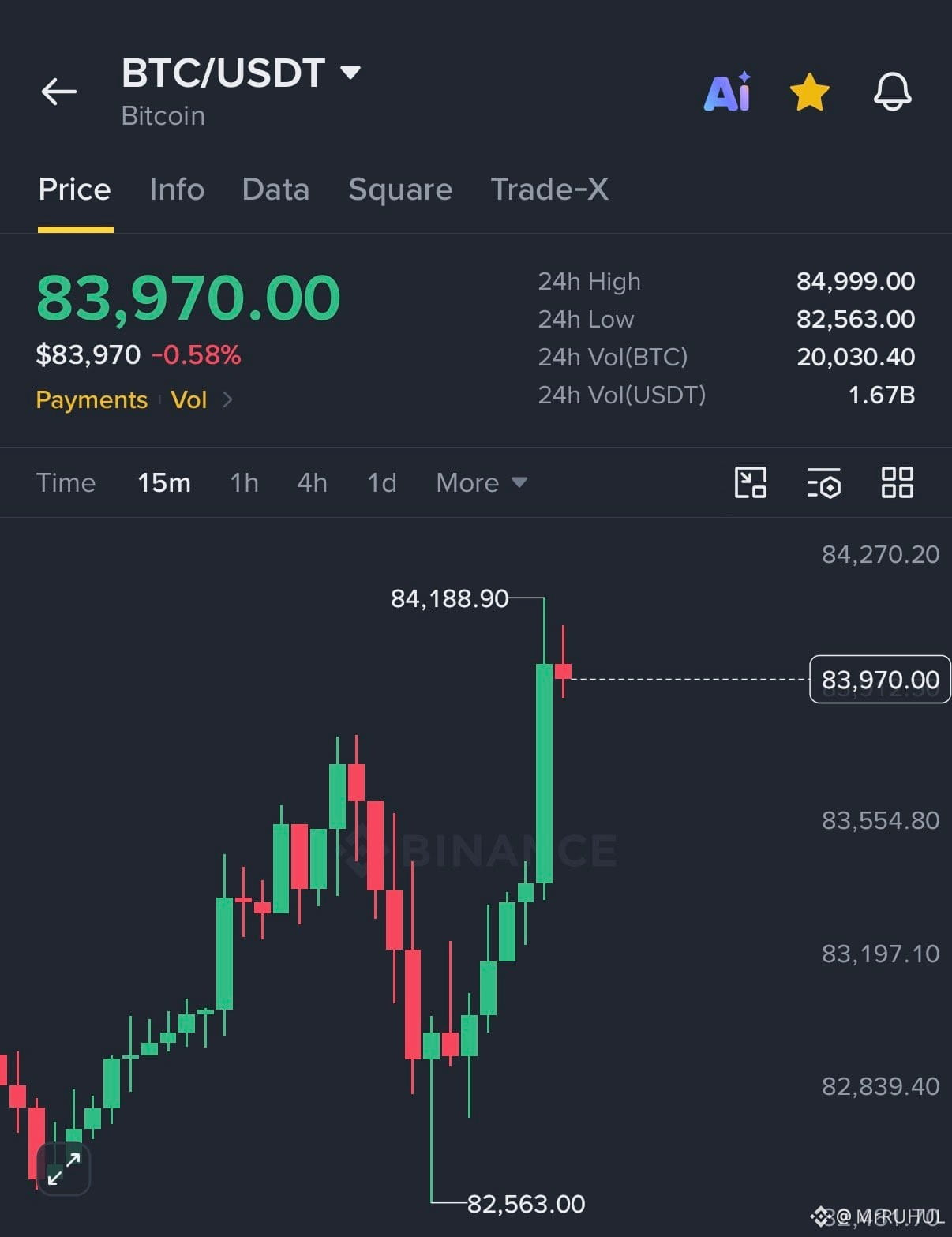
Would be Lucky if $BTC Gives me chance to Slurp more On any condition Higher Programmed See you
Would be Lucky if $BTC Gives me chance to Slurp more

On any condition Higher Programmed

See you
“New to Binance Earn? Grab a 50% APR BMT Trial Fund Voucher — Here’s HowBinance Earn just rolled out a pretty sweet offer for anyone looking to make more from their crypto—newbies and longtime users alike. Right now, you can grab a BMT Trial Fund Voucher with a huge 50% APR. You get to try out Binance Simple Earn, collect boosted rewards on BMT, and the best part? You don’t even have to use your own tokens. There’s no risk—just a shot at extra rewards. If you’re new, it’s a simple way to see how Simple Earn works. If you’re already in, this stacks on top of your usual BMT Flexible Product earnings. So, what’s the deal? Here’s the breakdown. What’s a BMT Trial Fund Voucher? Picture it like a free sample from Binance. You earn yield as if you’d deposited your own tokens into Simple Earn, but really, Binance is giving you the BMT for the promo. Any interest you earn is yours to keep. You can’t pull out the principal, but your rewards go straight into your Spot Wallet once the promo ends. And with this promo, you’re looking at a 50% APR on BMT. That’s way higher than the usual and one of the best short-term offers Binance has right now. Who Can Get In? This is mostly for people who: Just started with Binance Simple Earn, or Are hopping into the BMT Earn promos Usually, you need to finish identity verification and not have used Simple Earn before. Still, some existing users might spot the voucher in their Rewards Hub, depending on where they live and what they’ve done on Binance. How to Snag Your 50% APR BMT Trial Fund Voucher It’s fast and easy: 1. Log in to Binance Open up the app or the website and sign in. If your KYC isn’t done, get that sorted first. 2. Find the Rewards Hub Go to your Profile, then tap Rewards Hub. You’ll see all sorts of promos—Trial Fund Vouchers, cashback, trading bonuses, whatever’s running. 3. Claim Your BMT Voucher If you’re eligible, the 50% APR BMT Trial Fund Voucher should be there. Just hit Claim. 4. Redeem in Simple Earn Once you’ve claimed it, go to Earn → Simple Earn → Trial Fund. Pick the BMT voucher and redeem. Binance loads the promo BMT into your Trial Fund. 5. Start Earning The voucher gets going right away, earning you 50% APR during the promo. When it’s over, the interest drops into your Spot Wallet. The principal just expires—nothing else for you to do. Why Jump In? Honestly, it’s a no-brainer if you’re even a little curious about earning passive income with crypto. Here’s what makes it great: You don’t risk your own funds You get a boosted 50% APR Hands-on way to see how Simple Earn works Rewards show up as BMT in your wallet Binance always has new ways to earn, but this BMT Trial Fund Voucher is something special. It’s risk-free, the rewards are high, and it’s a solid way to see what yield products are all about. If you’ve been thinking about trying passive crypto income, now’s the time to jump in.#BinanceEarn #Write2Earn!

“New to Binance Earn? Grab a 50% APR BMT Trial Fund Voucher — Here’s How

Binance Earn just rolled out a pretty sweet offer for anyone looking to make more from their crypto—newbies and longtime users alike. Right now, you can grab a BMT Trial Fund Voucher with a huge 50% APR. You get to try out Binance Simple Earn, collect boosted rewards on BMT, and the best part? You don’t even have to use your own tokens. There’s no risk—just a shot at extra rewards. If you’re new, it’s a simple way to see how Simple Earn works. If you’re already in, this stacks on top of your usual BMT Flexible Product earnings.

So, what’s the deal? Here’s the breakdown.

What’s a BMT Trial Fund Voucher?

Picture it like a free sample from Binance. You earn yield as if you’d deposited your own tokens into Simple Earn, but really, Binance is giving you the BMT for the promo. Any interest you earn is yours to keep. You can’t pull out the principal, but your rewards go straight into your Spot Wallet once the promo ends.

And with this promo, you’re looking at a 50% APR on BMT. That’s way higher than the usual and one of the best short-term offers Binance has right now.

Who Can Get In?

This is mostly for people who:

Just started with Binance Simple Earn, or

Are hopping into the BMT Earn promos

Usually, you need to finish identity verification and not have used Simple Earn before. Still, some existing users might spot the voucher in their Rewards Hub, depending on where they live and what they’ve done on Binance.

How to Snag Your 50% APR BMT Trial Fund Voucher

It’s fast and easy:

1. Log in to Binance

Open up the app or the website and sign in. If your KYC isn’t done, get that sorted first.

2. Find the Rewards Hub

Go to your Profile, then tap Rewards Hub. You’ll see all sorts of promos—Trial Fund Vouchers, cashback, trading bonuses, whatever’s running.

3. Claim Your BMT Voucher

If you’re eligible, the 50% APR BMT Trial Fund Voucher should be there. Just hit Claim.

4. Redeem in Simple Earn

Once you’ve claimed it, go to Earn → Simple Earn → Trial Fund. Pick the BMT voucher and redeem. Binance loads the promo BMT into your Trial Fund.

5. Start Earning

The voucher gets going right away, earning you 50% APR during the promo. When it’s over, the interest drops into your Spot Wallet. The principal just expires—nothing else for you to do.

Why Jump In?

Honestly, it’s a no-brainer if you’re even a little curious about earning passive income with crypto. Here’s what makes it great:

You don’t risk your own funds

You get a boosted 50% APR

Hands-on way to see how Simple Earn works

Rewards show up as BMT in your wallet

Binance always has new ways to earn, but this BMT Trial Fund Voucher is something special. It’s risk-free, the rewards are high, and it’s a solid way to see what yield products are all about. If you’ve been thinking about trying passive crypto income, now’s the time to jump in.#BinanceEarn #Write2Earn!
This is insane level of manipulation. First, $BTC and $ETH pumped on the bullish PCE data which came in lower than expected, But now both are dumping hard. In just 30 minutes, nearly $100 million in long positions has been liquidated
This is insane level of manipulation.

First, $BTC and $ETH pumped on the bullish PCE data which came in lower than expected, But now both are dumping hard.

In just 30 minutes, nearly $100 million in long positions has been liquidated
Terra (LUNA) Prepares for Major Network Upgrade: What Binance Users Need to Know Terra (LUNA) is about to get a big network upgrade on December 8, 2025. This isn’t just another technical update—it’s another step in Terra’s ongoing comeback. Binance, one of the major global exchanges, already said it’s fully on board. That means if you’re a Binance user, you’ll barely notice anything out of the ordinary. Things should go smoothly. Here’s what’s actually happening: Binance will pause deposits and withdrawals for all Terra (LUNA) tokens starting around 12:05 UTC on December 8. This is normal—just a routine safety step whenever there’s a major chain upgrade. You’ll still be able to trade LUNA and Terra-based tokens on Binance, but you can’t take money in or out until the upgrade wraps up and the chain settles down. So, if you need to move your tokens, do it before the cutoff. The upgrade itself promises several improvements. The Terra team hasn’t shared every detail, but these kinds of upgrades usually boost security, speed, and stability. Terra’s been working on playing nicer with the wider Cosmos ecosystem, so you can expect upgrades that help with interoperability, maybe better validator performance, and more support for decentralized apps. For anyone using Binance, the main thing to know is your assets are safe. Binance handles everything behind the scenes—updating nodes, syncing the chain, all the technical heavy lifting. You don’t need to do anything. No token migrations, no balance conversions, nothing. When the upgrade finishes and everything looks good, Binance will turn deposits and withdrawals back on and let everyone know. This upgrade matters for Terra. The chain’s been trying to regain its footing ever since its crash a few years ago. Now, it’s rebuilding trust through steady improvements and upgrades like this one. Better performance isn’t just a technical goal—it’s what helps bring back developers and users, which Terra really needs if it wants to compete with other Layer-1 networks. From a market angle, these upgrades tend to draw some attention. You might see traders get a bit more active, but don’t expect price swings just because of the upgrade. For long-term Terra fans, the real question is whether these changes actually lead to more developer activity and real-world use. Bottom line: Binance has your back during this upgrade. You can keep trading as usual, but expect a short pause on deposits and withdrawals. For Terra, this upgrade is another shot at proving it’s here to stay—and maybe building something stronger for the future.#TerraLunc #Write2Earn #Binance

Terra (LUNA) Prepares for Major Network Upgrade: What Binance Users Need to Know

Terra (LUNA) is about to get a big network upgrade on December 8, 2025. This isn’t just another technical update—it’s another step in Terra’s ongoing comeback. Binance, one of the major global exchanges, already said it’s fully on board. That means if you’re a Binance user, you’ll barely notice anything out of the ordinary. Things should go smoothly.
Here’s what’s actually happening: Binance will pause deposits and withdrawals for all Terra (LUNA) tokens starting around 12:05 UTC on December 8. This is normal—just a routine safety step whenever there’s a major chain upgrade. You’ll still be able to trade LUNA and Terra-based tokens on Binance, but you can’t take money in or out until the upgrade wraps up and the chain settles down. So, if you need to move your tokens, do it before the cutoff.
The upgrade itself promises several improvements. The Terra team hasn’t shared every detail, but these kinds of upgrades usually boost security, speed, and stability. Terra’s been working on playing nicer with the wider Cosmos ecosystem, so you can expect upgrades that help with interoperability, maybe better validator performance, and more support for decentralized apps.
For anyone using Binance, the main thing to know is your assets are safe. Binance handles everything behind the scenes—updating nodes, syncing the chain, all the technical heavy lifting. You don’t need to do anything. No token migrations, no balance conversions, nothing. When the upgrade finishes and everything looks good, Binance will turn deposits and withdrawals back on and let everyone know.
This upgrade matters for Terra. The chain’s been trying to regain its footing ever since its crash a few years ago. Now, it’s rebuilding trust through steady improvements and upgrades like this one. Better performance isn’t just a technical goal—it’s what helps bring back developers and users, which Terra really needs if it wants to compete with other Layer-1 networks.
From a market angle, these upgrades tend to draw some attention. You might see traders get a bit more active, but don’t expect price swings just because of the upgrade. For long-term Terra fans, the real question is whether these changes actually lead to more developer activity and real-world use.
Bottom line: Binance has your back during this upgrade. You can keep trading as usual, but expect a short pause on deposits and withdrawals. For Terra, this upgrade is another shot at proving it’s here to stay—and maybe building something stronger for the future.#TerraLunc #Write2Earn #Binance
Where Injective Fits in a Regulated DeFi WorldRegulators aren’t just talking about decentralized finance anymore—they’re actually making rules. And in this new landscape, the DeFi projects that stick out aren’t just decentralized for the sake of it. They’re the ones that blend true decentralization with a real willingness to play by the rules. Injective does exactly that. It’s one of those rare ecosystems that feels like it was built for a world where DeFi and regulation walk side by side. The tech is lightning fast, everything’s interoperable, and institutions don’t have to jump through hoops to use it. Injective isn’t just keeping up with regulation—it’s ready to make it an advantage. 1. Regulated DeFi Is Already Here Regulators are no longer watching from the sidelines. They’re rolling out real regulations—here’s what’s actually changing: - Projects need to be up front about what tokens they’re selling. - Exchanges, custodians, and asset managers have new licensing hoops to jump through. - There are tighter rules to protect investors, especially around derivatives and leverage. - Stablecoins, KYC, and cross-border transfers face more scrutiny. Some DeFi platforms are going to struggle. But ecosystems like Injective, which are modular and built for interoperability, are in a sweet spot. Institutions already trust them, and that trust drives real adoption. 2. Injective: Ready for Regulation Injective isn’t just fast. It’s reliable, precise, and built to keep up no matter which way the rules shift. Here’s why it stands out: • On-chain Orderbook Execution Forget relying only on AMMs—Injective runs a fully on-chain orderbook. Price discovery is transparent, with no shady manipulations or hidden MEV. That’s the kind of setup regulators actually want to see. • High Throughput, Low Fees Institutions don’t have time for slow or expensive transactions. Injective’s tech stack—powered by Tendermint and WASM—delivers: - Sub-second finality - Gas fees so low they’re barely there - Real scalability that can actually handle volume That’s exactly what compliant financial systems demand. • Interoperability That Fits the Rules Using IBC and cross-chain bridges, Injective connects directly with Ethereum, Cosmos, Solana, and more. Assets can move around without getting stuck or bogged down by centralized choke points. 3. Institutions Already Trust Injective You can actually see the momentum in Injective’s partners—Fireblocks, decentralized identity providers, insurance, compliance tools, and more. These integrations let regulated players dive into DeFi without getting burned. What does that unlock? - Vaults with built-in KYC/KYB - Custodial access for institutions right inside Injective protocols - Safe, regulated trading for derivatives and structured products - Audited code and clear risk management Institutions want chains with low MEV, predictable execution, and instant settlement. Injective checks all those boxes. 4. Real-World Assets (RWAs): Injective’s Edge The next wave? Tokenized real-world assets. Injective is already set up for: - On-chain treasuries - Synthetic stocks - Regulated commodities - Forex and structured products Because the chain is neutral and decentralized, it lets you access regulated assets without relying on a single central gatekeeper. 5. Compliance Without Sacrificing Decentralization Injective doesn’t ditch its core values just to follow the rules. Validator governance stays decentralized. Access remains permissionless. Builders can add compliance features where needed, but it’s not forced on everyone. There’s no protocol-level censorship. This “compliance-optional” approach means both everyday users and big institutions can get involved—nobody left out. 6. What’s Next? DeFi is moving from a free-for-all to a compliance-driven space, and Injective is built for this shift. Its architecture is designed for institutions, transparency, and seamless cross-chain action. Out of the box, you get compliance-ready tools. In this new era of regulated DeFi, Injective isn’t just surviving—it’s setting the bar for what decentralized, compliant finance should look like.@Injective #Injective $INJ

Where Injective Fits in a Regulated DeFi World

Regulators aren’t just talking about decentralized finance anymore—they’re actually making rules. And in this new landscape, the DeFi projects that stick out aren’t just decentralized for the sake of it. They’re the ones that blend true decentralization with a real willingness to play by the rules. Injective does exactly that. It’s one of those rare ecosystems that feels like it was built for a world where DeFi and regulation walk side by side. The tech is lightning fast, everything’s interoperable, and institutions don’t have to jump through hoops to use it. Injective isn’t just keeping up with regulation—it’s ready to make it an advantage.

1. Regulated DeFi Is Already Here

Regulators are no longer watching from the sidelines. They’re rolling out real regulations—here’s what’s actually changing:

- Projects need to be up front about what tokens they’re selling.
- Exchanges, custodians, and asset managers have new licensing hoops to jump through.
- There are tighter rules to protect investors, especially around derivatives and leverage.
- Stablecoins, KYC, and cross-border transfers face more scrutiny.

Some DeFi platforms are going to struggle. But ecosystems like Injective, which are modular and built for interoperability, are in a sweet spot. Institutions already trust them, and that trust drives real adoption.

2. Injective: Ready for Regulation

Injective isn’t just fast. It’s reliable, precise, and built to keep up no matter which way the rules shift. Here’s why it stands out:

• On-chain Orderbook Execution

Forget relying only on AMMs—Injective runs a fully on-chain orderbook. Price discovery is transparent, with no shady manipulations or hidden MEV. That’s the kind of setup regulators actually want to see.

• High Throughput, Low Fees

Institutions don’t have time for slow or expensive transactions. Injective’s tech stack—powered by Tendermint and WASM—delivers:

- Sub-second finality
- Gas fees so low they’re barely there
- Real scalability that can actually handle volume

That’s exactly what compliant financial systems demand.

• Interoperability That Fits the Rules

Using IBC and cross-chain bridges, Injective connects directly with Ethereum, Cosmos, Solana, and more. Assets can move around without getting stuck or bogged down by centralized choke points.

3. Institutions Already Trust Injective

You can actually see the momentum in Injective’s partners—Fireblocks, decentralized identity providers, insurance, compliance tools, and more. These integrations let regulated players dive into DeFi without getting burned.

What does that unlock?

- Vaults with built-in KYC/KYB
- Custodial access for institutions right inside Injective protocols
- Safe, regulated trading for derivatives and structured products
- Audited code and clear risk management

Institutions want chains with low MEV, predictable execution, and instant settlement. Injective checks all those boxes.

4. Real-World Assets (RWAs): Injective’s Edge

The next wave? Tokenized real-world assets. Injective is already set up for:

- On-chain treasuries
- Synthetic stocks
- Regulated commodities
- Forex and structured products

Because the chain is neutral and decentralized, it lets you access regulated assets without relying on a single central gatekeeper.

5. Compliance Without Sacrificing Decentralization

Injective doesn’t ditch its core values just to follow the rules. Validator governance stays decentralized. Access remains permissionless. Builders can add compliance features where needed, but it’s not forced on everyone. There’s no protocol-level censorship.

This “compliance-optional” approach means both everyday users and big institutions can get involved—nobody left out.

6. What’s Next?

DeFi is moving from a free-for-all to a compliance-driven space, and Injective is built for this shift. Its architecture is designed for institutions, transparency, and seamless cross-chain action. Out of the box, you get compliance-ready tools.

In this new era of regulated DeFi, Injective isn’t just surviving—it’s setting the bar for what decentralized, compliant finance should look like.@Injective #Injective $INJ
YGG, Data, and Privacy in Web3 Gaming Web3 gaming is blowing up, and honestly, players are over feeling like background data. They want real control over their info and privacy—no nonsense. Blockchain games are flipping the old script. Now you can play, earn, and shape your digital identity in ways that just weren’t possible before. People want to decide what happens to their data. That’s where Yield Guild Games—or YGG—steps in. With millions of gamers connecting through YGG across all sorts of blockchains and games, how YGG handles privacy is starting to set the standard for everyone. Remember Web2 games? Everything sat on some company’s servers. Every move you made—every click, every buy—got tracked, and you had no clue where it all went. You didn’t get a vote, either. Web3 turns that upside down. Players keep their data on-chain, manage their own wallets, and actually get to see what’s happening with their info. That’s huge. But here’s the thing: blockchain data is public, so if you’re not paying attention, anyone can peek. YGG knows this. That’s why they’re working on ways for players to really own and control both their in-game and on-chain data. What really makes YGG different? It’s all about community-driven governance. Players don’t just sit back and hope for the best—they actually help shape the direction of games and fight for tools that protect real privacy. Self-Sovereign Identity (SSI) is picking up steam, too. With SSI, you can prove you finished a quest or reached a milestone, but you don’t have to show your whole wallet or overshare. You decide what to reveal—nothing extra. Zero-knowledge proofs are changing the game, too. They let you prove you scored a win or pulled off a slick strategy, but you don’t have to spill your secrets. YGG is testing these ZKP systems so you can keep your earnings or gameplay details under wraps, while games still get the proof they need. In Web3 gaming—where every move can mean real-world value—privacy isn’t just a perk. It’s a serious advantage. ZKPs let you play hard without giving up your edge. The whole data economy is shifting. Players want to pick when and how they share their data, and only do it when it pays off for them. YGG is pushing for setups where you choose exactly what to share, locked down tight with strong cryptography. Maybe you decide to share some info with a studio or advertiser, but you get real rewards—bonuses, perks, things you actually care about. No more platforms selling your info behind your back. Guilds like YGG act as trusted middlemen, making sure deals are fair and credentials are legit. Still, there are real risks out there. On-chain data can get tracked, profiled, or snatched by scammers and front-runners. YGG takes this seriously. They push smart habits like spreading assets across different wallets, using privacy tools, and keeping your metadata tight. Staying safe isn’t just about protecting your loot; it’s about making sure you can play, trade, and connect without putting your identity on the line. Looking forward, as digital identities, reputations, and assets move across more and more virtual worlds, YGG wants to lead the charge on privacy-first gaming. By demanding true data ownership, better encryption, and more transparency, they’re building a Web3 gaming world where players aren’t just numbers in a database—they’re actual people with real power.@YieldGuildGames #YGGPlay $YGG

YGG, Data, and Privacy in Web3 Gaming

Web3 gaming is blowing up, and honestly, players are over feeling like background data. They want real control over their info and privacy—no nonsense. Blockchain games are flipping the old script. Now you can play, earn, and shape your digital identity in ways that just weren’t possible before. People want to decide what happens to their data. That’s where Yield Guild Games—or YGG—steps in. With millions of gamers connecting through YGG across all sorts of blockchains and games, how YGG handles privacy is starting to set the standard for everyone.

Remember Web2 games? Everything sat on some company’s servers. Every move you made—every click, every buy—got tracked, and you had no clue where it all went. You didn’t get a vote, either. Web3 turns that upside down. Players keep their data on-chain, manage their own wallets, and actually get to see what’s happening with their info. That’s huge. But here’s the thing: blockchain data is public, so if you’re not paying attention, anyone can peek. YGG knows this. That’s why they’re working on ways for players to really own and control both their in-game and on-chain data.

What really makes YGG different? It’s all about community-driven governance. Players don’t just sit back and hope for the best—they actually help shape the direction of games and fight for tools that protect real privacy. Self-Sovereign Identity (SSI) is picking up steam, too. With SSI, you can prove you finished a quest or reached a milestone, but you don’t have to show your whole wallet or overshare. You decide what to reveal—nothing extra.

Zero-knowledge proofs are changing the game, too. They let you prove you scored a win or pulled off a slick strategy, but you don’t have to spill your secrets. YGG is testing these ZKP systems so you can keep your earnings or gameplay details under wraps, while games still get the proof they need. In Web3 gaming—where every move can mean real-world value—privacy isn’t just a perk. It’s a serious advantage. ZKPs let you play hard without giving up your edge.

The whole data economy is shifting. Players want to pick when and how they share their data, and only do it when it pays off for them. YGG is pushing for setups where you choose exactly what to share, locked down tight with strong cryptography. Maybe you decide to share some info with a studio or advertiser, but you get real rewards—bonuses, perks, things you actually care about. No more platforms selling your info behind your back. Guilds like YGG act as trusted middlemen, making sure deals are fair and credentials are legit.

Still, there are real risks out there. On-chain data can get tracked, profiled, or snatched by scammers and front-runners. YGG takes this seriously. They push smart habits like spreading assets across different wallets, using privacy tools, and keeping your metadata tight. Staying safe isn’t just about protecting your loot; it’s about making sure you can play, trade, and connect without putting your identity on the line.

Looking forward, as digital identities, reputations, and assets move across more and more virtual worlds, YGG wants to lead the charge on privacy-first gaming. By demanding true data ownership, better encryption, and more transparency, they’re building a Web3 gaming world where players aren’t just numbers in a database—they’re actual people with real power.@Yield Guild Games #YGGPlay $YGG
Injective as a Bridge Between Solana, Cosmos, and EthereumInjective didn’t waste any time shaking up the multi-chain crypto scene. While everyone else is still figuring out how to move liquidity and users across different blockchains, Injective just jumped in and started connecting the dots. Right now, it’s the bridge that links three of the biggest names in crypto: Solana, Cosmos, and Ethereum. The tech under the hood isn’t just fast—it’s built to be flexible, modular, and ready for whatever DeFi throws at it next. The real magic comes from Injective’s foundation: Cosmos SDK and IBC (Inter-Blockchain Communication). With IBC, Injective plugs straight into the Cosmos universe, letting assets and data zip between dozens of chains almost effortlessly. Instantly, Injective gets access to one of crypto’s fastest-growing communities. But they didn’t just stop at Cosmos. The team went further, wiring up connections to networks that don’t even speak IBC’s language—like Ethereum and Solana. Injective’s link to Ethereum is all about its native EVM tools and some slick bridging tech. The Injective-Ethereum bridge lets anyone move ERC-20 tokens directly onto Injective. Suddenly, all that Ethereum liquidity flows into a lightning-fast playground. It’s a real upgrade—faster trades, almost zero gas fees, and a totally on-chain orderbook. Stuff Ethereum itself just can’t do right now. Plus, developers can deploy Solidity smart contracts on Injective using Project Espresso and other tools, making its EVM support even more versatile. Then there’s Solana, which is blowing up in 2025 with memecoins, high-frequency trading, and payments. But Solana’s always been kind of isolated—hard to connect with Cosmos or Ethereum. Injective changes that. Now, Solana assets can move over, and Solana’s deep liquidity finally has an express lane into Cosmos DeFi markets. It’s a win all around: Solana traders get Injective’s advanced derivatives, Cosmos users get access to Solana coins, and liquidity can move across networks that used to be walled gardens. At the core, Injective acts like a router for cross-chain liquidity. It’s built for speed—sub-second finality, high throughput, and MEV-resistant execution. That makes it a perfect home base for trading and settling assets from Ethereum or Solana. The orderbook works so smoothly, it feels like using a centralized exchange, only it’s actually decentralized. Builders love it, too. They can launch apps that tap into liquidity from all these chains, without losing sleep over bridge hacks or juggling a mess of different environments. As the multi-chain era picks up steam, the winners will be the networks that connect everything together. Injective’s making its case right now. It sits right in the middle, bridging Solana’s speed, Ethereum’s liquidity, and Cosmos’s adaptable design. By letting value and execution flow freely between all three, Injective isn’t just another blockchain—it’s shaping up to be the glue that holds the next generation of DeFi together, where cross-chain isn’t a bonus. It’s just how things work.@Injective #Injective $INJ

Injective as a Bridge Between Solana, Cosmos, and Ethereum

Injective didn’t waste any time shaking up the multi-chain crypto scene. While everyone else is still figuring out how to move liquidity and users across different blockchains, Injective just jumped in and started connecting the dots. Right now, it’s the bridge that links three of the biggest names in crypto: Solana, Cosmos, and Ethereum. The tech under the hood isn’t just fast—it’s built to be flexible, modular, and ready for whatever DeFi throws at it next.

The real magic comes from Injective’s foundation: Cosmos SDK and IBC (Inter-Blockchain Communication). With IBC, Injective plugs straight into the Cosmos universe, letting assets and data zip between dozens of chains almost effortlessly. Instantly, Injective gets access to one of crypto’s fastest-growing communities. But they didn’t just stop at Cosmos. The team went further, wiring up connections to networks that don’t even speak IBC’s language—like Ethereum and Solana.

Injective’s link to Ethereum is all about its native EVM tools and some slick bridging tech. The Injective-Ethereum bridge lets anyone move ERC-20 tokens directly onto Injective. Suddenly, all that Ethereum liquidity flows into a lightning-fast playground. It’s a real upgrade—faster trades, almost zero gas fees, and a totally on-chain orderbook. Stuff Ethereum itself just can’t do right now. Plus, developers can deploy Solidity smart contracts on Injective using Project Espresso and other tools, making its EVM support even more versatile.

Then there’s Solana, which is blowing up in 2025 with memecoins, high-frequency trading, and payments. But Solana’s always been kind of isolated—hard to connect with Cosmos or Ethereum. Injective changes that. Now, Solana assets can move over, and Solana’s deep liquidity finally has an express lane into Cosmos DeFi markets. It’s a win all around: Solana traders get Injective’s advanced derivatives, Cosmos users get access to Solana coins, and liquidity can move across networks that used to be walled gardens.

At the core, Injective acts like a router for cross-chain liquidity. It’s built for speed—sub-second finality, high throughput, and MEV-resistant execution. That makes it a perfect home base for trading and settling assets from Ethereum or Solana. The orderbook works so smoothly, it feels like using a centralized exchange, only it’s actually decentralized. Builders love it, too. They can launch apps that tap into liquidity from all these chains, without losing sleep over bridge hacks or juggling a mess of different environments.

As the multi-chain era picks up steam, the winners will be the networks that connect everything together. Injective’s making its case right now. It sits right in the middle, bridging Solana’s speed, Ethereum’s liquidity, and Cosmos’s adaptable design. By letting value and execution flow freely between all three, Injective isn’t just another blockchain—it’s shaping up to be the glue that holds the next generation of DeFi together, where cross-chain isn’t a bonus. It’s just how things work.@Injective #Injective $INJ
The Future of YGG Governance: Decentralizing Power for a Global Gaming Economy Yield Guild Games (YGG) started out as a play-to-earn trailblazer, but now it’s way bigger than just a gaming guild. Web3 gaming keeps moving, and YGG’s way of running things is getting more important. These days, governance isn’t just about who checks a box. It’s the backbone—guiding where the money goes, supporting players, and shaping what comes next. Over the next few years, YGG’s ramping things up: more rewards for the community, more ways in for new people, and a real push to open its doors wider. So, what’s actually changing? First up—control. Early on, a handful of people called the shots. They picked the partners, decided on spending, all that. But YGG’s community has gotten a lot smarter and more varied, and that old top-down style just doesn’t fit anymore. Now, it’s all about letting decisions come from the ground up—regional sub-DAOs, hands-on committees, and people who get what local gamers want. YGG wants to stay global, but never lose touch with the crowd that built it. And there’s more. Governance is getting real. Voting is just the start; there’s serious money and big plans at stake. YGG needs folks who know their stuff—people with backgrounds in economics, game design, treasury management, tokenomics, and community growth. Expect to see more paid teams handling the nuts and bolts: turning ideas into reality, crunching numbers, keeping everyone updated. Over time, YGG’s going to stop looking like a wild experiment and start feeling like a legit, decentralized gaming company—open, sharp, and stacked with talent. Tokenomics is heading in a new direction, too. The YGG token isn’t just about “one token, one vote” anymore. Soon, you’ll see stake-weighted voting, reputation scores, and rewards that keep members active. Even if you’re not dropping cash, you can still get a voice—whether you’re leading a guild, helping the community, or racking up wins in-game. That’s been YGG’s aim all along: making sure the real gamers—not just people with deep pockets—get a seat at the table. Treasury management is changing as well. YGG’s looking for steady returns, smarter investments, and real growth over time. The community will set the rules, balancing risk and reward. Watch for proposals to back new games, fund eSports, support creators, and build better infrastructure. The treasury isn’t just a pile of tokens anymore—it’s fueling everything YGG wants to do. And there’s one more piece: connecting blockchain to the real world. As YGG teams up with more traditional gaming companies, its governance needs to stay transparent and legal, but also react fast when things matter. New tools—AI for reading proposals, slick dashboards, voting across different blockchains—will make it easier for everyone to jump in and keep things moving smoothly. Bottom line? YGG’s governance is growing up, turning into a global, pro-level network for making big decisions. With more decentralization, expert teams, smarter voting, and a sharp treasury strategy, YGG is setting itself up to lead the next wave of Web3 gaming. The future’s for communities that know how to work together—and that’s exactly what YGG’s building.@YieldGuildGames #YGGPlay $YGG

The Future of YGG Governance: Decentralizing Power for a Global Gaming Economy

Yield Guild Games (YGG) started out as a play-to-earn trailblazer, but now it’s way bigger than just a gaming guild. Web3 gaming keeps moving, and YGG’s way of running things is getting more important. These days, governance isn’t just about who checks a box. It’s the backbone—guiding where the money goes, supporting players, and shaping what comes next. Over the next few years, YGG’s ramping things up: more rewards for the community, more ways in for new people, and a real push to open its doors wider.

So, what’s actually changing? First up—control. Early on, a handful of people called the shots. They picked the partners, decided on spending, all that. But YGG’s community has gotten a lot smarter and more varied, and that old top-down style just doesn’t fit anymore. Now, it’s all about letting decisions come from the ground up—regional sub-DAOs, hands-on committees, and people who get what local gamers want. YGG wants to stay global, but never lose touch with the crowd that built it.

And there’s more. Governance is getting real. Voting is just the start; there’s serious money and big plans at stake. YGG needs folks who know their stuff—people with backgrounds in economics, game design, treasury management, tokenomics, and community growth. Expect to see more paid teams handling the nuts and bolts: turning ideas into reality, crunching numbers, keeping everyone updated. Over time, YGG’s going to stop looking like a wild experiment and start feeling like a legit, decentralized gaming company—open, sharp, and stacked with talent.

Tokenomics is heading in a new direction, too. The YGG token isn’t just about “one token, one vote” anymore. Soon, you’ll see stake-weighted voting, reputation scores, and rewards that keep members active. Even if you’re not dropping cash, you can still get a voice—whether you’re leading a guild, helping the community, or racking up wins in-game. That’s been YGG’s aim all along: making sure the real gamers—not just people with deep pockets—get a seat at the table.

Treasury management is changing as well. YGG’s looking for steady returns, smarter investments, and real growth over time. The community will set the rules, balancing risk and reward. Watch for proposals to back new games, fund eSports, support creators, and build better infrastructure. The treasury isn’t just a pile of tokens anymore—it’s fueling everything YGG wants to do.

And there’s one more piece: connecting blockchain to the real world. As YGG teams up with more traditional gaming companies, its governance needs to stay transparent and legal, but also react fast when things matter. New tools—AI for reading proposals, slick dashboards, voting across different blockchains—will make it easier for everyone to jump in and keep things moving smoothly.

Bottom line? YGG’s governance is growing up, turning into a global, pro-level network for making big decisions. With more decentralization, expert teams, smarter voting, and a sharp treasury strategy, YGG is setting itself up to lead the next wave of Web3 gaming. The future’s for communities that know how to work together—and that’s exactly what YGG’s building.@Yield Guild Games #YGGPlay $YGG
Main Risks in BTCfi and Where Lorenzo Fits on the Risk ScaleBTCfi is blowing up right now. People are building all sorts of lending platforms, yield farms, and synthetic assets on top of Bitcoin—pretty much dragging DeFi over to the world’s biggest blockchain. It’s wild to watch. But let’s not kid ourselves—there are real risks here. If you’re thinking about getting involved, you need to know what you’re up against. And you’ll want to see how platforms like Lorenzo fit into all this chaos. The Big Risks in BTCfi 1. Bitcoin Layer Risk (L1 + L2 Security) Most BTCfi apps can’t run straight on Bitcoin’s base layer—it just wasn’t built for this level of complexity. So, people use sidechains, rollups, or new Layer 2 solutions. Here’s the catch: now you’re trusting bridges, outside validators, or both. If the security on one of these Layer 2s fails, you might end up waiting forever to get your money out—or you just lose it. Ethereum’s Layer 2s have been around for a while and have battle scars to prove it. Bitcoin’s? They’re still the new kids, and honestly, it shows. 2. Custodial & Bridging Risk Moving BTC into smart contract land isn’t easy. Most protocols rely on federations, multisigs, or custodial gateways to wrap your BTC. These bridges? Easily the sketchiest part of the whole setup. Hacks, lost keys, or just too much power concentrated in one spot have already cost people millions. BTCfi leans hard on these bridges, so custody risk never really goes away. 3. Smart Contract & Protocol Risk Because Bitcoin doesn’t natively support fancy smart contracts, a lot of BTCfi projects run their contracts on Ethereum, EVM-compatible L2s, or their own chains. This opens the door to bugs, logic errors, broken oracles, and economic attacks. Most of these projects are still pretty green—nowhere near as battle-tested as the OG DeFi protocols. Things break more often than you’d like. 4. Liquidity & Market Depth Risk BTCfi markets are still shallow. Lending pools, perps, and yield farms just don’t have a ton of money in them yet. Here’s what that means: - Slippage eats into your trades. - Getting out of a position isn’t always easy when you want to. - Prices are much easier to mess with. Until BTCfi catches up to Ethereum in trading activity, thin liquidity comes with the territory. 5. Centralization & Governance Risk A lot of BTCfi products lean on centralized teams or operators—whether it’s minting wrapped BTC, updating oracles, or handling withdrawals. That puts a lot of trust in a tiny group, which kind of goes against Bitcoin’s whole philosophy. The more closed-off or tightly controlled the process, the bigger the risk. 6. Regulatory Risk The bigger BTCfi gets—especially with yield, tokenized BTC, and synthetic assets—the more it starts to look like traditional finance. That’s bound to get regulators interested, especially if custodial models or yield promises are involved. Where Lorenzo Fits in the BTCfi Risk Map Lorenzo sits somewhere in the lower to middle part of the BTCfi risk spectrum because it’s careful about how it chases yield and handles risk. Here’s what makes Lorenzo stand out: 1. Non-Custodial Design (Lower Risk) Lorenzo never touches your coins. You always hold the keys, thanks to smart contracts and decentralized systems. That takes away a lot of the multisig and operator risk you see with some bridges. 2. Transparent, Audited Smart Contracts (Moderate Risk) There’s still some risk with smart contracts—nobody’s pretending otherwise. But Lorenzo gets regular audits, sticks to predictable architecture, and avoids wild, untested features. It’s way safer than the unaudited, “move-fast-and-break-things” projects, though not as bulletproof as Bitcoin’s base chain. 3. Yields from Collateralized BTC Strategies (Lower Risk) Lorenzo mainly earns yield by using BTC-backed, overcollateralized, or delta-neutral strategies. No wild leverage. So, if the market tanks, you’re less likely to get wiped out. 4. Exposure to Bridges and L2s (Moderate-High Risk) Lorenzo still uses bridges and Layer 2s, like everyone in BTCfi. That risk isn’t going anywhere, but Lorenzo does its best to avoid custodial models where it can. Bottom Line: Lorenzo’s Risk Score To put things in perspective, here’s a simple 1–10 risk scale: Bridges & Custodial BTC: 9–10 Unproven L2s / Sidechains: 7–8 Brand new smart contract platforms: 6 Lorenzo’s approach: 4–5 Bitcoin L1 self-custody: 1 The Takeaway Lorenzo isn’t risk-free. But compared to most of BTCfi, it’s on the safer side. You get a more transparent, secure, and conservative way to earn yield on your BTC. It’s a smart option if you want to dip your toes into BTCfi without diving headfirst into the deep end.@LorenzoProtocol #LorenzoProtocol $BANK

Main Risks in BTCfi and Where Lorenzo Fits on the Risk Scale

BTCfi is blowing up right now. People are building all sorts of lending platforms, yield farms, and synthetic assets on top of Bitcoin—pretty much dragging DeFi over to the world’s biggest blockchain. It’s wild to watch. But let’s not kid ourselves—there are real risks here. If you’re thinking about getting involved, you need to know what you’re up against. And you’ll want to see how platforms like Lorenzo fit into all this chaos.

The Big Risks in BTCfi

1. Bitcoin Layer Risk (L1 + L2 Security)

Most BTCfi apps can’t run straight on Bitcoin’s base layer—it just wasn’t built for this level of complexity. So, people use sidechains, rollups, or new Layer 2 solutions. Here’s the catch: now you’re trusting bridges, outside validators, or both. If the security on one of these Layer 2s fails, you might end up waiting forever to get your money out—or you just lose it. Ethereum’s Layer 2s have been around for a while and have battle scars to prove it. Bitcoin’s? They’re still the new kids, and honestly, it shows.

2. Custodial & Bridging Risk

Moving BTC into smart contract land isn’t easy. Most protocols rely on federations, multisigs, or custodial gateways to wrap your BTC. These bridges? Easily the sketchiest part of the whole setup. Hacks, lost keys, or just too much power concentrated in one spot have already cost people millions. BTCfi leans hard on these bridges, so custody risk never really goes away.

3. Smart Contract & Protocol Risk

Because Bitcoin doesn’t natively support fancy smart contracts, a lot of BTCfi projects run their contracts on Ethereum, EVM-compatible L2s, or their own chains. This opens the door to bugs, logic errors, broken oracles, and economic attacks. Most of these projects are still pretty green—nowhere near as battle-tested as the OG DeFi protocols. Things break more often than you’d like.

4. Liquidity & Market Depth Risk

BTCfi markets are still shallow. Lending pools, perps, and yield farms just don’t have a ton of money in them yet. Here’s what that means:

- Slippage eats into your trades.
- Getting out of a position isn’t always easy when you want to.
- Prices are much easier to mess with.

Until BTCfi catches up to Ethereum in trading activity, thin liquidity comes with the territory.

5. Centralization & Governance Risk

A lot of BTCfi products lean on centralized teams or operators—whether it’s minting wrapped BTC, updating oracles, or handling withdrawals. That puts a lot of trust in a tiny group, which kind of goes against Bitcoin’s whole philosophy. The more closed-off or tightly controlled the process, the bigger the risk.

6. Regulatory Risk

The bigger BTCfi gets—especially with yield, tokenized BTC, and synthetic assets—the more it starts to look like traditional finance. That’s bound to get regulators interested, especially if custodial models or yield promises are involved.

Where Lorenzo Fits in the BTCfi Risk Map

Lorenzo sits somewhere in the lower to middle part of the BTCfi risk spectrum because it’s careful about how it chases yield and handles risk. Here’s what makes Lorenzo stand out:

1. Non-Custodial Design (Lower Risk)

Lorenzo never touches your coins. You always hold the keys, thanks to smart contracts and decentralized systems. That takes away a lot of the multisig and operator risk you see with some bridges.

2. Transparent, Audited Smart Contracts (Moderate Risk)

There’s still some risk with smart contracts—nobody’s pretending otherwise. But Lorenzo gets regular audits, sticks to predictable architecture, and avoids wild, untested features. It’s way safer than the unaudited, “move-fast-and-break-things” projects, though not as bulletproof as Bitcoin’s base chain.

3. Yields from Collateralized BTC Strategies (Lower Risk)

Lorenzo mainly earns yield by using BTC-backed, overcollateralized, or delta-neutral strategies. No wild leverage. So, if the market tanks, you’re less likely to get wiped out.

4. Exposure to Bridges and L2s (Moderate-High Risk)

Lorenzo still uses bridges and Layer 2s, like everyone in BTCfi. That risk isn’t going anywhere, but Lorenzo does its best to avoid custodial models where it can.

Bottom Line: Lorenzo’s Risk Score

To put things in perspective, here’s a simple 1–10 risk scale:

Bridges & Custodial BTC: 9–10
Unproven L2s / Sidechains: 7–8
Brand new smart contract platforms: 6
Lorenzo’s approach: 4–5
Bitcoin L1 self-custody: 1

The Takeaway

Lorenzo isn’t risk-free. But compared to most of BTCfi, it’s on the safer side. You get a more transparent, secure, and conservative way to earn yield on your BTC. It’s a smart option if you want to dip your toes into BTCfi without diving headfirst into the deep end.@Lorenzo Protocol #LorenzoProtocol $BANK
Kite Volatility Cycles: What Traders Should UnderstandVolatility basically drives everything about how Kite (KITE) moves. If you start to pick up on Kite’s volatility patterns, you’re already ahead of the pack. You’ll find smarter entry and exit points, get a better read on what everyone else is feeling, and handle risk with way more confidence. At first, volatility looks random, pure chaos. Underneath though, there’s a rhythm—liquidity, sentiment, demand, and the bigger market picture all push things one way or another. Here’s how Kite’s usual cycles play out, and what actually matters if you’re trading this thing. 1. Accumulation Phase: Slow and Almost Boring It usually kicks off with a whole lot of nothing. Accumulation’s pretty dull—price barely moves, nobody’s really watching, and news is dead quiet. A few traders quietly build positions, market makers do their thing, but that’s about it. For Kite, this is the no-hype zone. Price just drifts sideways, maybe forms a wedge or just flatlines in a narrow band. What you want to watch: Look for price squeezing into tighter ranges and volume fading away. Best entries sit close to solid, long-term support—not smack in the middle of nowhere. Keep leverage low. When volatility drops, a big move usually isn’t far off. 2. Expansion Phase: Things Get Moving Suddenly, the sleepiness ends. Maybe Kite drops a partnership announcement, gets listed somewhere big, or just catches some buzz. Whatever flips the switch, new money pours in and price explodes. Volatility ramps up fast. Breakout traders pile in, bots start firing, and the whole thing gets wild. Sometimes Kite will rip 20%, even 60% in just a few days if momentum’s strong and liquidity’s thin. How to handle it: Ride the breakout, but don’t get sloppy—set tight stop losses. Watch momentum indicators like RSI, MACD, and those big volume bursts to see if the run’s got legs. Check the order book. If you’re trading size, make sure you’re not about to get steamrolled. 3. Euphoria or Blow-Off: The Wild Ride If the expansion phase goes nuts, euphoria kicks in. Price rockets up, volatility goes off the charts, and suddenly everyone’s chasing the move, desperate not to miss out. For a smaller token like Kite, this can get insane. Liquidity dries up, price action gets choppy, and things move fast—huge spikes, whiplash reversals, nasty stop hunts. What works: Take profits as price goes vertical. Don’t let greed take over. Look for signals it’s running out of steam—bearish divergence, parabolic moves breaking down. Forget new longs. Risk is sky-high now. 4. Correction: Back to Reality Eventually, things cool off. Volatility drops, price settles—usually back near old support zones or Fibonacci levels. Corrections are messy. Price chops around, stop losses get triggered, leveraged traders get washed out. How to play it: Wait for the dust to settle—a trendline retest or key level getting reclaimed. Be patient. Corrections always feel like they’re dragging on. Don’t panic sell. Corrections are part of the game and actually healthy. Final Thoughts Kite’s volatility isn’t just noise—it runs in cycles: accumulation, expansion, euphoria, correction. If you know what you’re looking for, you dodge panic, spot better trades, and stay one step ahead. Volatility isn’t the enemy. Once you learn to read it, it actually gives you an edge.@GoKiteAI #KITE $KITE

Kite Volatility Cycles: What Traders Should Understand

Volatility basically drives everything about how Kite (KITE) moves. If you start to pick up on Kite’s volatility patterns, you’re already ahead of the pack. You’ll find smarter entry and exit points, get a better read on what everyone else is feeling, and handle risk with way more confidence. At first, volatility looks random, pure chaos. Underneath though, there’s a rhythm—liquidity, sentiment, demand, and the bigger market picture all push things one way or another. Here’s how Kite’s usual cycles play out, and what actually matters if you’re trading this thing.

1. Accumulation Phase: Slow and Almost Boring

It usually kicks off with a whole lot of nothing. Accumulation’s pretty dull—price barely moves, nobody’s really watching, and news is dead quiet. A few traders quietly build positions, market makers do their thing, but that’s about it.

For Kite, this is the no-hype zone. Price just drifts sideways, maybe forms a wedge or just flatlines in a narrow band.

What you want to watch:

Look for price squeezing into tighter ranges and volume fading away.

Best entries sit close to solid, long-term support—not smack in the middle of nowhere.

Keep leverage low. When volatility drops, a big move usually isn’t far off.

2. Expansion Phase: Things Get Moving

Suddenly, the sleepiness ends. Maybe Kite drops a partnership announcement, gets listed somewhere big, or just catches some buzz. Whatever flips the switch, new money pours in and price explodes.

Volatility ramps up fast. Breakout traders pile in, bots start firing, and the whole thing gets wild. Sometimes Kite will rip 20%, even 60% in just a few days if momentum’s strong and liquidity’s thin.

How to handle it:

Ride the breakout, but don’t get sloppy—set tight stop losses.

Watch momentum indicators like RSI, MACD, and those big volume bursts to see if the run’s got legs.

Check the order book. If you’re trading size, make sure you’re not about to get steamrolled.

3. Euphoria or Blow-Off: The Wild Ride

If the expansion phase goes nuts, euphoria kicks in. Price rockets up, volatility goes off the charts, and suddenly everyone’s chasing the move, desperate not to miss out.

For a smaller token like Kite, this can get insane. Liquidity dries up, price action gets choppy, and things move fast—huge spikes, whiplash reversals, nasty stop hunts.

What works:

Take profits as price goes vertical. Don’t let greed take over.

Look for signals it’s running out of steam—bearish divergence, parabolic moves breaking down.

Forget new longs. Risk is sky-high now.

4. Correction: Back to Reality

Eventually, things cool off. Volatility drops, price settles—usually back near old support zones or Fibonacci levels.

Corrections are messy. Price chops around, stop losses get triggered, leveraged traders get washed out.

How to play it:

Wait for the dust to settle—a trendline retest or key level getting reclaimed.

Be patient. Corrections always feel like they’re dragging on.

Don’t panic sell. Corrections are part of the game and actually healthy.

Final Thoughts

Kite’s volatility isn’t just noise—it runs in cycles: accumulation, expansion, euphoria, correction. If you know what you’re looking for, you dodge panic, spot better trades, and stay one step ahead. Volatility isn’t the enemy. Once you learn to read it, it actually gives you an edge.@KITE AI #KITE $KITE
Login to explore more contents
Explore the latest crypto news
⚡️ Be a part of the latests discussions in crypto
💬 Interact with your favorite creators
👍 Enjoy content that interests you
Email / Phone number

Latest News

--
View More

Trending Articles

AnphaQuant
View More
Sitemap
Cookie Preferences
Platform T&Cs