

KineInsight
10 Posts

KineInsight
Report
Block User
On-chain intelligence and macro market analysis. Translating complex blockchain data into clean, actionable insights. No hype, just signal. | Insig
Open Trade

SOL Holder
Occasional Trader
3 Years
9 Following
42 Followers
47 Liked
Posts
Portfolio
·
--

Article
US senators are finally making moves on crypto banking rules as the CLARITY Act advances. Here's whyUS senators are finally making moves on crypto banking rules as the CLARITY Act advances. Here's why this matters for your portfolio.
The US Senate is pushing forward with new capital rules for banks holding crypto assets.
This isn't just bureaucratic red tape. It's the groundwork for integrating digital assets into traditional finance.
While some fear tighter regulations will stifle innovation, others see it as the green light institutional money has been waiting for.
Clearer rules mean less uncertainty, potentially opening the floodgates for massive capital inflows from traditional banks.
Will the CLARITY Act be the catalyst that bridges traditional banking with Web3?
Do you think heavier regulations will help or hurt the crypto market long-term?
#Crypto #BinanceSquare #CryptoNews #CLARITYAct #Regulations #Web3 #Bitcoin
US senators are finally making moves on crypto banking rules as the CLARITY Act advances. Here's why
US senators are finally making moves on crypto banking rules as the CLARITY Act advances. Here's why this matters for your portfolio.
The US Senate is pushing forward with new capital rules for banks holding crypto assets.
This isn't just bureaucratic red tape. It's the groundwork for integrating digital assets into traditional finance.
While some fear tighter regulations will stifle innovation, others see it as the green light institutional money has been waiting for.
Clearer rules mean less uncertainty, potentially opening the floodgates for massive capital inflows from traditional banks.
Will the CLARITY Act be the catalyst that bridges traditional banking with Web3?
Do you think heavier regulations will help or hurt the crypto market long-term?
#Crypto #BinanceSquare #CryptoNews #CLARITYAct #Regulations #Web3 #Bitcoin
The US Senate is pushing forward with new capital rules for banks holding crypto assets.
This isn't just bureaucratic red tape. It's the groundwork for integrating digital assets into traditional finance.
While some fear tighter regulations will stifle innovation, others see it as the green light institutional money has been waiting for.
Clearer rules mean less uncertainty, potentially opening the floodgates for massive capital inflows from traditional banks.
Will the CLARITY Act be the catalyst that bridges traditional banking with Web3?
Do you think heavier regulations will help or hurt the crypto market long-term?
#Crypto #BinanceSquare #CryptoNews #CLARITYAct #Regulations #Web3 #Bitcoin
94
·
--

Article
$2.5 trillion in AI spending this year. 95% produces zero P&L impact.That's not a prediction. That's what r/artificial is discussing right now — and it's one of the most uncomfortable data points in tech.
Companies are pouring money into AI at a historic rate. The infrastructure is real. The chips are real. The model capabilities are real.
The revenue isn't.
According to the discussion, most AI deployments sit somewhere between "internal demo" and "proof of concept that nobody uses in production." The gap between AI hype and AI actually generating returns has never been wider — or more expensive.
At the same time, a different thread on r/artificial is asking: what are the most powerful AI tools nobody talks about enough?
The parallel is striking. While corporations are spending trillions on AI with nothing to show for it, individual users are quietly finding niche tools that actually work — and sharing them in small communities.
The pattern repeats across every tech cycle: the institutions overbuild, the individuals adapt faster.
There's also a concept getting traction: cognitive debt — the idea that outsourcing thinking to AI is quietly eroding people's ability to reason independently. 364 upvotes on a Reddit post this week. Not a new idea, but it's spreading beyond academic circles.
Three things can be true at once: AI spending is mostly wasted right now, the tools that matter are being found by early adopters, and the long-term cost of over-relying on AI might not be financial.
Which part of this concerns you most?
$2.5 trillion in AI spending this year. 95% produces zero P&L impact.
That's not a prediction. That's what r/artificial is discussing right now — and it's one of the most uncomfortable data points in tech.
Companies are pouring money into AI at a historic rate. The infrastructure is real. The chips are real. The model capabilities are real.
The revenue isn't.
According to the discussion, most AI deployments sit somewhere between "internal demo" and "proof of concept that nobody uses in production." The gap between AI hype and AI actually generating returns has never been wider — or more expensive.
At the same time, a different thread on r/artificial is asking: what are the most powerful AI tools nobody talks about enough?
The parallel is striking. While corporations are spending trillions on AI with nothing to show for it, individual users are quietly finding niche tools that actually work — and sharing them in small communities.
The pattern repeats across every tech cycle: the institutions overbuild, the individuals adapt faster.
There's also a concept getting traction: cognitive debt — the idea that outsourcing thinking to AI is quietly eroding people's ability to reason independently. 364 upvotes on a Reddit post this week. Not a new idea, but it's spreading beyond academic circles.
Three things can be true at once: AI spending is mostly wasted right now, the tools that matter are being found by early adopters, and the long-term cost of over-relying on AI might not be financial.
Which part of this concerns you most?
Companies are pouring money into AI at a historic rate. The infrastructure is real. The chips are real. The model capabilities are real.
The revenue isn't.
According to the discussion, most AI deployments sit somewhere between "internal demo" and "proof of concept that nobody uses in production." The gap between AI hype and AI actually generating returns has never been wider — or more expensive.
At the same time, a different thread on r/artificial is asking: what are the most powerful AI tools nobody talks about enough?
The parallel is striking. While corporations are spending trillions on AI with nothing to show for it, individual users are quietly finding niche tools that actually work — and sharing them in small communities.
The pattern repeats across every tech cycle: the institutions overbuild, the individuals adapt faster.
There's also a concept getting traction: cognitive debt — the idea that outsourcing thinking to AI is quietly eroding people's ability to reason independently. 364 upvotes on a Reddit post this week. Not a new idea, but it's spreading beyond academic circles.
Three things can be true at once: AI spending is mostly wasted right now, the tools that matter are being found by early adopters, and the long-term cost of over-relying on AI might not be financial.
Which part of this concerns you most?
143
·
--

Article
$WLD +14% while BTC bleeds -7%.Everyone else is panic-selling. WLD just printed the only green candle in the market.
This is not luck. Three catalysts are stacking right now — and most traders haven't connected the dots.
• +14% price move vs -7% BTC on June 4 — WLD decoupled completely from the market • Arthur Hayes called it: "The best liquid AI bet in crypto" (June 4, 2026) • Eightco Holdings holds 283M WLD — 8.4% of circulating supply locked in one hand • July 24, 2026: Daily token emissions drop 43% — supply squeeze hits in 49 days • Derivatives signal: Rising open interest + positive funding rate on Hyperliquid = real conviction, not a dead-cat bounce
📊 INFORMATION: WLD sits at the intersection of AI + biometric identity + institutional adoption. Three mega-narratives colliding at once. While capital rotates from crypto into NVIDIA and Anthropic, WLD is the only crypto-native bridge to that AI trade.
💭 [MY TAKE]: This is not a random pump. This is smart money front-running the July 24 supply squeeze. When emissions drop 43% overnight and institutional holders are already sitting on 8.4% of supply, the math becomes obvious. The move started before most people opened their charts.
🔥 [DISRUPT]: Arthur Hayes is buying WLD while everyone else is panic-selling $BTC. He called the bottom in 2022. He called the rally in 2023. His track record on these calls is not a coincidence.
🔮 Prediction: WLD hits $5.00 before July 24. The supply squeeze is a hard date, not a rumor. Smart money loaded early. Retail catches on week before. $5 is conservative.
🗳️ WLD hits $5 before July 24 supply squeeze? A) Yes — smart money already loaded B) No — bear market overrides everything
$WLD $BTC $AI #CoinSpotlight #AltcoinAnalysis #BinanceSquare
$WLD +14% while BTC bleeds -7%.
Everyone else is panic-selling. WLD just printed the only green candle in the market.
This is not luck. Three catalysts are stacking right now — and most traders haven't connected the dots.
• +14% price move vs -7% BTC on June 4 — WLD decoupled completely from the market • Arthur Hayes called it: "The best liquid AI bet in crypto" (June 4, 2026) • Eightco Holdings holds 283M WLD — 8.4% of circulating supply locked in one hand • July 24, 2026: Daily token emissions drop 43% — supply squeeze hits in 49 days • Derivatives signal: Rising open interest + positive funding rate on Hyperliquid = real conviction, not a dead-cat bounce
📊 INFORMATION: WLD sits at the intersection of AI + biometric identity + institutional adoption. Three mega-narratives colliding at once. While capital rotates from crypto into NVIDIA and Anthropic, WLD is the only crypto-native bridge to that AI trade.
💭 [MY TAKE]: This is not a random pump. This is smart money front-running the July 24 supply squeeze. When emissions drop 43% overnight and institutional holders are already sitting on 8.4% of supply, the math becomes obvious. The move started before most people opened their charts.
🔥 [DISRUPT]: Arthur Hayes is buying WLD while everyone else is panic-selling $BTC . He called the bottom in 2022. He called the rally in 2023. His track record on these calls is not a coincidence.
🔮 Prediction: WLD hits $5.00 before July 24. The supply squeeze is a hard date, not a rumor. Smart money loaded early. Retail catches on week before. $5 is conservative.
🗳️ WLD hits $5 before July 24 supply squeeze? A) Yes — smart money already loaded B) No — bear market overrides everything
$WLD $BTC $AI #CoinSpotlight #AltcoinAnalysis #BinanceSquare
This is not luck. Three catalysts are stacking right now — and most traders haven't connected the dots.
• +14% price move vs -7% BTC on June 4 — WLD decoupled completely from the market • Arthur Hayes called it: "The best liquid AI bet in crypto" (June 4, 2026) • Eightco Holdings holds 283M WLD — 8.4% of circulating supply locked in one hand • July 24, 2026: Daily token emissions drop 43% — supply squeeze hits in 49 days • Derivatives signal: Rising open interest + positive funding rate on Hyperliquid = real conviction, not a dead-cat bounce
📊 INFORMATION: WLD sits at the intersection of AI + biometric identity + institutional adoption. Three mega-narratives colliding at once. While capital rotates from crypto into NVIDIA and Anthropic, WLD is the only crypto-native bridge to that AI trade.
💭 [MY TAKE]: This is not a random pump. This is smart money front-running the July 24 supply squeeze. When emissions drop 43% overnight and institutional holders are already sitting on 8.4% of supply, the math becomes obvious. The move started before most people opened their charts.
🔥 [DISRUPT]: Arthur Hayes is buying WLD while everyone else is panic-selling $BTC . He called the bottom in 2022. He called the rally in 2023. His track record on these calls is not a coincidence.
🔮 Prediction: WLD hits $5.00 before July 24. The supply squeeze is a hard date, not a rumor. Smart money loaded early. Retail catches on week before. $5 is conservative.
🗳️ WLD hits $5 before July 24 supply squeeze? A) Yes — smart money already loaded B) No — bear market overrides everything
$WLD $BTC $AI #CoinSpotlight #AltcoinAnalysis #BinanceSquare
360
·
--

Article
$42B $25B. That's how much leverage just got wiped from $BTC futures.Everyone is calling this a crash. I'm calling it the best setup in 2026.
The surface looks destroyed. The data tells a different story:
• Open Interest: Dropped from $42B to $25B — leverage completely flushed
• Fear & Greed Index: 11/100 EXTREME FEAR — same level as Feb 2024
• ETF outflows: $4.4B over 13 consecutive days — but the rate is now slowing
• Funding rates: Neutral to slightly negative — shorts are dominant, historically that precedes a squeeze
Feb 2024: F&G hit 12. BTC recovered 40% in 30 days. Exact same setup.
The leverage is gone. The panic sellers sold. On-chain data shows whales quietly accumulating via exchange outflows. This is what a bottom looks like — not a crash headline, but a cleanup.
🔮 My 3 scenarios:
Scenario A — 55%: BTC holds $60K → bounces to $68–70K within 30 days as shorts get squeezed out
Scenario B — 30%: BTC tests $58–59K (final flush), weak hands exit → then the real recovery begins
Scenario C — 15%: Macro deterioration breaks $58K → $52–54K range before reversal
June 9 US Congressional hearing on digital asset taxation is a wildcard catalyst. Watch it.
🗳️ BTC back above $70K before end of June? A) Yes — bull run incoming B) No — more pain ahead
$BTC $ETH $SOL #fear&greed #crypto #BİNANCESQUARE
$42B $25B. That's how much leverage just got wiped from $BTC futures.
Everyone is calling this a crash. I'm calling it the best setup in 2026.
The surface looks destroyed. The data tells a different story:
• Open Interest: Dropped from $42B to $25B — leverage completely flushed
• Fear & Greed Index: 11/100 EXTREME FEAR — same level as Feb 2024
• ETF outflows: $4.4B over 13 consecutive days — but the rate is now slowing
• Funding rates: Neutral to slightly negative — shorts are dominant, historically that precedes a squeeze
Feb 2024: F&G hit 12. BTC recovered 40% in 30 days. Exact same setup.
The leverage is gone. The panic sellers sold. On-chain data shows whales quietly accumulating via exchange outflows. This is what a bottom looks like — not a crash headline, but a cleanup.
🔮 My 3 scenarios:
Scenario A — 55%: BTC holds $60K → bounces to $68–70K within 30 days as shorts get squeezed out
Scenario B — 30%: BTC tests $58–59K (final flush), weak hands exit → then the real recovery begins
Scenario C — 15%: Macro deterioration breaks $58K → $52–54K range before reversal
June 9 US Congressional hearing on digital asset taxation is a wildcard catalyst. Watch it.
🗳️ BTC back above $70K before end of June? A) Yes — bull run incoming B) No — more pain ahead
$BTC $ETH $SOL #fear&greed #crypto #BİNANCESQUARE
The surface looks destroyed. The data tells a different story:
• Open Interest: Dropped from $42B to $25B — leverage completely flushed
• Fear & Greed Index: 11/100 EXTREME FEAR — same level as Feb 2024
• ETF outflows: $4.4B over 13 consecutive days — but the rate is now slowing
• Funding rates: Neutral to slightly negative — shorts are dominant, historically that precedes a squeeze
Feb 2024: F&G hit 12. BTC recovered 40% in 30 days. Exact same setup.
The leverage is gone. The panic sellers sold. On-chain data shows whales quietly accumulating via exchange outflows. This is what a bottom looks like — not a crash headline, but a cleanup.
🔮 My 3 scenarios:
Scenario A — 55%: BTC holds $60K → bounces to $68–70K within 30 days as shorts get squeezed out
Scenario B — 30%: BTC tests $58–59K (final flush), weak hands exit → then the real recovery begins
Scenario C — 15%: Macro deterioration breaks $58K → $52–54K range before reversal
June 9 US Congressional hearing on digital asset taxation is a wildcard catalyst. Watch it.
🗳️ BTC back above $70K before end of June? A) Yes — bull run incoming B) No — more pain ahead
$BTC $ETH $SOL #fear&greed #crypto #BİNANCESQUARE
100
·
--

Article
$3B liquidated. Fear & Greed hit 11.Everyone is calling this a crash. They're wrong. This is the most important buying signal of 2026.
• $3,000,000,000 in longs wiped June 3–5 — retail bulls fully destroyed
• Open Interest: $42B → $25B — one of the largest monthly OI collapses in 18 months
• Fear & Greed Index: 11/100 — extreme fear, lowest reading since December 2024
• 13 consecutive days of ETF net outflows, cumulative $4.4B flushed
Here's what nobody is saying: the last time Fear & Greed hit 11 — 18 months ago — BTC 3x'd within 90 days. Funding rates are now neutral-to-negative. Leverage is fully flushed. This is not the beginning of a bear market. This is the end of a leverage purge.
MicroStrategy selling 32 BTC made headlines. Retail panicked. Whales noted the price and started accumulating.
[MY TAKE] This is a bear trap, not a breakdown. Every long that could be liquidated has been liquidated. Capitulation of this scale — $3B in 72 hours — historically marks the floor, not the start of a new leg down. Retail is selling their spot. Institutions are buying it.
🔮 Prediction: BTC reclaims $68,000–$70,000 within 45 days. If $62,000 holds this week, the next move is up — not down. Anyone selling here at F&G=11 will regret it by August.
🗳️ Fear & Greed at 11 — what's your move? A) Buying the dip — this is the bottom B) Waiting — more downside coming
$BTC $ETH $SOL #Crypto #MarketAnalysis #BinanceSquare
$3B liquidated. Fear & Greed hit 11.
Everyone is calling this a crash. They're wrong. This is the most important buying signal of 2026.
• $3,000,000,000 in longs wiped June 3–5 — retail bulls fully destroyed
• Open Interest: $42B → $25B — one of the largest monthly OI collapses in 18 months
• Fear & Greed Index: 11/100 — extreme fear, lowest reading since December 2024
• 13 consecutive days of ETF net outflows, cumulative $4.4B flushed
Here's what nobody is saying: the last time Fear & Greed hit 11 — 18 months ago — BTC 3x'd within 90 days. Funding rates are now neutral-to-negative. Leverage is fully flushed. This is not the beginning of a bear market. This is the end of a leverage purge.
MicroStrategy selling 32 BTC made headlines. Retail panicked. Whales noted the price and started accumulating.
[MY TAKE] This is a bear trap, not a breakdown. Every long that could be liquidated has been liquidated. Capitulation of this scale — $3B in 72 hours — historically marks the floor, not the start of a new leg down. Retail is selling their spot. Institutions are buying it.
🔮 Prediction: BTC reclaims $68,000–$70,000 within 45 days. If $62,000 holds this week, the next move is up — not down. Anyone selling here at F&G=11 will regret it by August.
🗳️ Fear & Greed at 11 — what's your move? A) Buying the dip — this is the bottom B) Waiting — more downside coming
$BTC $ETH $SOL #Crypto #MarketAnalysis #BinanceSquare
• $3,000,000,000 in longs wiped June 3–5 — retail bulls fully destroyed
• Open Interest: $42B → $25B — one of the largest monthly OI collapses in 18 months
• Fear & Greed Index: 11/100 — extreme fear, lowest reading since December 2024
• 13 consecutive days of ETF net outflows, cumulative $4.4B flushed
Here's what nobody is saying: the last time Fear & Greed hit 11 — 18 months ago — BTC 3x'd within 90 days. Funding rates are now neutral-to-negative. Leverage is fully flushed. This is not the beginning of a bear market. This is the end of a leverage purge.
MicroStrategy selling 32 BTC made headlines. Retail panicked. Whales noted the price and started accumulating.
[MY TAKE] This is a bear trap, not a breakdown. Every long that could be liquidated has been liquidated. Capitulation of this scale — $3B in 72 hours — historically marks the floor, not the start of a new leg down. Retail is selling their spot. Institutions are buying it.
🔮 Prediction: BTC reclaims $68,000–$70,000 within 45 days. If $62,000 holds this week, the next move is up — not down. Anyone selling here at F&G=11 will regret it by August.
🗳️ Fear & Greed at 11 — what's your move? A) Buying the dip — this is the bottom B) Waiting — more downside coming
$BTC $ETH $SOL #Crypto #MarketAnalysis #BinanceSquare
129
·
--
Article
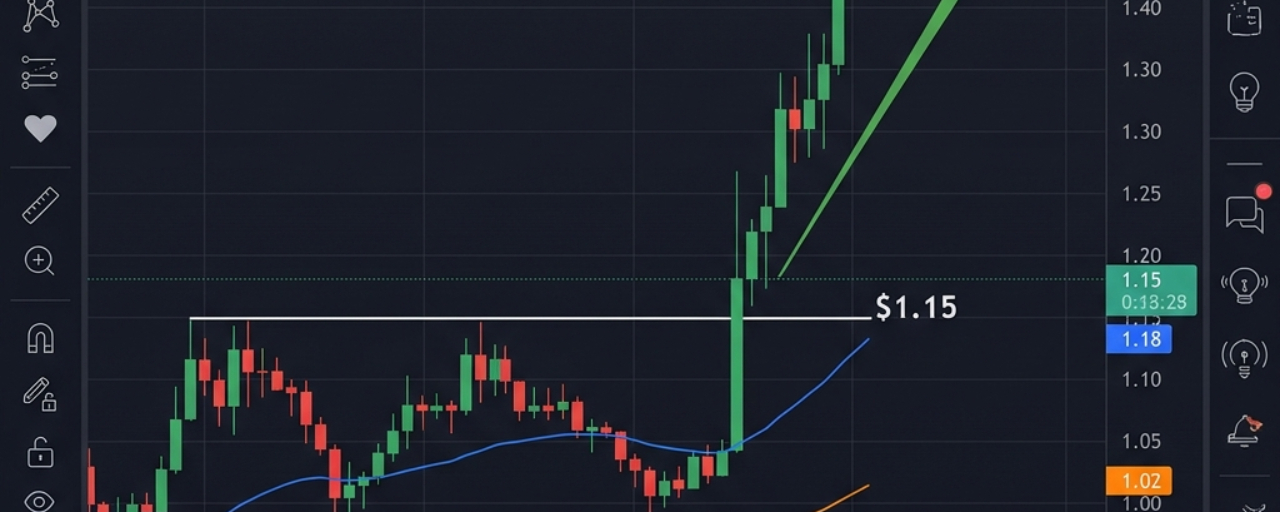
SEC 2026 plan shifts to clear rules. If you hold $XRP or $BNB, read this.For years, the crypto industry has suffered under "regulation by enforcement." The consensus was that regulatory hostility would continue indefinitely. However, a newly released draft of the SEC's 2026–2030 Strategic Plan reveals a massive structural shift.
The regulatory agency is pivoting. Key data points from the strategic draft: • Digital assets prioritized: The plan officially lists digital assets, capital formation, and technological modernization as primary priorities for the next four years. • Principles-based framework: The SEC proposes a "clear and practical" principles-based regulatory framework, moving away from hostile ad-hoc lawsuits. • Key targets affected: Long-standing targets like Ripple ($XRP) and Binance Coin ($BNB) stand to benefit directly from this thawing environment.
This shift isn't voluntary. Bipartisan congressional pressure is mounting, highlighted by the upcoming full committee hearing on digital asset taxation on June 9, 2026. Bipartisan legislation like the PARITY Act has forced the regulator's hand.
MY TAKE
This is the beginning of the end for the SEC's hostility. The regulator has finally realized that enforcement without clarity only drives capital offshore. We are entering a new compliance era.
🔮 PREDICTION: We expect the first formal draft of this principles-based framework to be finalized by Q4 2026, which will trigger a major capital rotation back into utility-focused altcoins.
🗳️ Will the SEC actually provide regulatory clarity in 2026? A) Yes, political pressure is too high B) No, it is just empty promises
$XRP
{spot}(XRPUSDT)
$BNB
{spot}(BNBUSDT)
$BTC
{spot}(BTCUSDT)
#CryptoNewss #MarketAnalysisn #BinanceSquare
SEC 2026 plan shifts to clear rules. If you hold $XRP or $BNB, read this.
For years, the crypto industry has suffered under "regulation by enforcement." The consensus was that regulatory hostility would continue indefinitely. However, a newly released draft of the SEC's 2026–2030 Strategic Plan reveals a massive structural shift.
The regulatory agency is pivoting. Key data points from the strategic draft: • Digital assets prioritized: The plan officially lists digital assets, capital formation, and technological modernization as primary priorities for the next four years. • Principles-based framework: The SEC proposes a "clear and practical" principles-based regulatory framework, moving away from hostile ad-hoc lawsuits. • Key targets affected: Long-standing targets like Ripple ($XRP ) and Binance Coin ($BNB ) stand to benefit directly from this thawing environment.
This shift isn't voluntary. Bipartisan congressional pressure is mounting, highlighted by the upcoming full committee hearing on digital asset taxation on June 9, 2026. Bipartisan legislation like the PARITY Act has forced the regulator's hand.
MY TAKE
This is the beginning of the end for the SEC's hostility. The regulator has finally realized that enforcement without clarity only drives capital offshore. We are entering a new compliance era.
🔮 PREDICTION: We expect the first formal draft of this principles-based framework to be finalized by Q4 2026, which will trigger a major capital rotation back into utility-focused altcoins.
🗳️ Will the SEC actually provide regulatory clarity in 2026? A) Yes, political pressure is too high B) No, it is just empty promises
$XRP
$BNB
$BTC
#CryptoNewss #MarketAnalysisn #BinanceSquare
The regulatory agency is pivoting. Key data points from the strategic draft: • Digital assets prioritized: The plan officially lists digital assets, capital formation, and technological modernization as primary priorities for the next four years. • Principles-based framework: The SEC proposes a "clear and practical" principles-based regulatory framework, moving away from hostile ad-hoc lawsuits. • Key targets affected: Long-standing targets like Ripple ($XRP ) and Binance Coin ($BNB ) stand to benefit directly from this thawing environment.
This shift isn't voluntary. Bipartisan congressional pressure is mounting, highlighted by the upcoming full committee hearing on digital asset taxation on June 9, 2026. Bipartisan legislation like the PARITY Act has forced the regulator's hand.
MY TAKE
This is the beginning of the end for the SEC's hostility. The regulator has finally realized that enforcement without clarity only drives capital offshore. We are entering a new compliance era.
🔮 PREDICTION: We expect the first formal draft of this principles-based framework to be finalized by Q4 2026, which will trigger a major capital rotation back into utility-focused altcoins.
🗳️ Will the SEC actually provide regulatory clarity in 2026? A) Yes, political pressure is too high B) No, it is just empty promises
$XRP
$BNB
$BTC
#CryptoNewss #MarketAnalysisn #BinanceSquare
121
·
--
Article
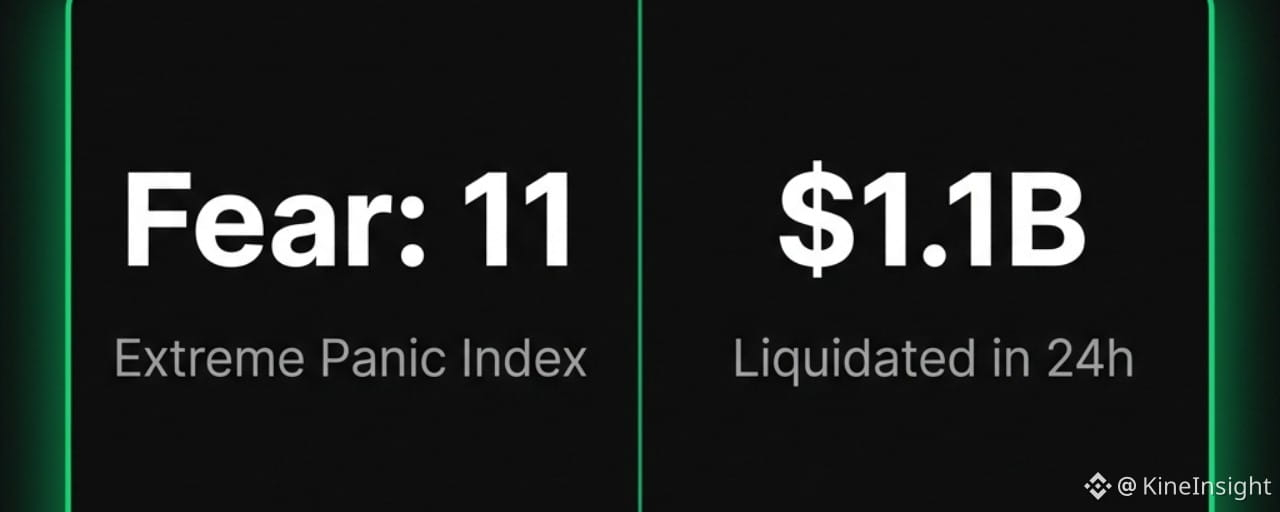
Bitcoin Fear Index hits 11 (Extreme Fear): Why this is a buying zone!The market has plunged as spot Bitcoin ETFs bleed $3.4B in a week, but the underlying data shows a healthy margin flush rather than a macro reversal.
📊 Key Market Indicators
Record Outflows: Spot Bitcoin ETFs recorded $3.4B in net weekly outflows—the largest withdrawal since the January 2024 launch. BlackRock's IBIT logged its worst week on record.Leverage Flush: Over $1.6B in leveraged long positions was wiped out in 24 hours as Bitcoin broke $65K and $63K support levels. Funding rates have reset from heavily positive to neutral, cooling futures leverage.Geopolitical Noise: Geopolitical sanctions on Iranian exchanges Nobitex and Wallex amplified short-term risk-off sentiment.Fear Extremes: Historically, when the Fear & Greed Index drops below 15 (currently at 11), it marks a medium-term bottom. Extreme fear is almost always the best time to accumulate.
🧠 Behind the Scenes: The Real Narrative
The futures market was bloated with retail debt. Flushing this leverage out is highly bullish for the next leg up. The key line in the sand is the psychological support at $60,000, which has heavy historical spot limit orders placed since February.
🔮 Market Prediction & Support Levels
We predict the $60,000 support level will hold. Expect a technical relief bounce back to $63,500 within the next 48 to 72 hours as spot buying returns. If $60,000 breaks, expect a quick flush to $58,000 before a recovery.
🗳️ Do you think BTC will hold the $60,000 support level?
A) Yes, it's the bottom (Bullish)B) No, we go lower first (Bearish)
#Crypto #CryptoNews #BinanceSquare #Write2Earn #MarketAnalysis $BTC
{spot}(BTCUSDT)
$ETH
{spot}(ETHUSDT)
Bitcoin Fear Index hits 11 (Extreme Fear): Why this is a buying zone!
The market has plunged as spot Bitcoin ETFs bleed $3.4B in a week, but the underlying data shows a healthy margin flush rather than a macro reversal.
📊 Key Market Indicators
Record Outflows: Spot Bitcoin ETFs recorded $3.4B in net weekly outflows—the largest withdrawal since the January 2024 launch. BlackRock's IBIT logged its worst week on record.Leverage Flush: Over $1.6B in leveraged long positions was wiped out in 24 hours as Bitcoin broke $65K and $63K support levels. Funding rates have reset from heavily positive to neutral, cooling futures leverage.Geopolitical Noise: Geopolitical sanctions on Iranian exchanges Nobitex and Wallex amplified short-term risk-off sentiment.Fear Extremes: Historically, when the Fear & Greed Index drops below 15 (currently at 11), it marks a medium-term bottom. Extreme fear is almost always the best time to accumulate.
🧠 Behind the Scenes: The Real Narrative
The futures market was bloated with retail debt. Flushing this leverage out is highly bullish for the next leg up. The key line in the sand is the psychological support at $60,000, which has heavy historical spot limit orders placed since February.
🔮 Market Prediction & Support Levels
We predict the $60,000 support level will hold. Expect a technical relief bounce back to $63,500 within the next 48 to 72 hours as spot buying returns. If $60,000 breaks, expect a quick flush to $58,000 before a recovery.
🗳️ Do you think BTC will hold the $60,000 support level?
A) Yes, it's the bottom (Bullish)B) No, we go lower first (Bearish)
#Crypto #CryptoNews #BinanceSquare #Write2Earn #MarketAnalysis $BTC
$ETH
📊 Key Market Indicators
Record Outflows: Spot Bitcoin ETFs recorded $3.4B in net weekly outflows—the largest withdrawal since the January 2024 launch. BlackRock's IBIT logged its worst week on record.Leverage Flush: Over $1.6B in leveraged long positions was wiped out in 24 hours as Bitcoin broke $65K and $63K support levels. Funding rates have reset from heavily positive to neutral, cooling futures leverage.Geopolitical Noise: Geopolitical sanctions on Iranian exchanges Nobitex and Wallex amplified short-term risk-off sentiment.Fear Extremes: Historically, when the Fear & Greed Index drops below 15 (currently at 11), it marks a medium-term bottom. Extreme fear is almost always the best time to accumulate.
🧠 Behind the Scenes: The Real Narrative
The futures market was bloated with retail debt. Flushing this leverage out is highly bullish for the next leg up. The key line in the sand is the psychological support at $60,000, which has heavy historical spot limit orders placed since February.
🔮 Market Prediction & Support Levels
We predict the $60,000 support level will hold. Expect a technical relief bounce back to $63,500 within the next 48 to 72 hours as spot buying returns. If $60,000 breaks, expect a quick flush to $58,000 before a recovery.
🗳️ Do you think BTC will hold the $60,000 support level?
A) Yes, it's the bottom (Bullish)B) No, we go lower first (Bearish)
#Crypto #CryptoNews #BinanceSquare #Write2Earn #MarketAnalysis $BTC
$ETH
1
80
·
--

Article
The Governance Lock: Inside Cardano's Silent War at a Six-Year LowThe Governance Lock: Inside Cardano's Silent War at a Six-Year Low
Everyone knows Cardano. Almost nobody knows about the governance war currently tearing it apart at a six-year price low.
While the public eye remains fixed on the charts, a much deeper crisis is playing out under the surface of the network. The defining feature of this blockchain — its commitment to pure decentralized democracy — is currently threatening to cause operational paralysis. The system is learning a painful lesson: when everyone has a vote, getting anything done becomes a monumental challenge.
The visual evidence of this friction is hard to ignore. The Cardano Foundation recently confirmed the cancellation of its flagship annual event, the 2026 Cardano Summit in Singapore. The cancellation was not due to lack of interest or logistics. It was the direct result of a community vote.
A funding proposal for 7.8 million native coins was put to the treasury, but it failed to reach the required two-thirds consensus. It fell short by a fraction of a percent, securing 65.21% approval against the 66.67% threshold. That fraction of a percent canceled a global conference.
This operational stoppage was quickly followed by economic pain within the building community. TapTools, the most popular analytics platform in the network, announced it will shut down operations within two weeks. The team cited high infrastructure costs and the departure of core builders.
In a video address, founder Charles Hoskinson warned that the network is entering a phase of project closures. He urged voting delegates to support basic infrastructure, but his own proposal to create a sovereign wealth fund to bail out struggling builders was rejected.
With Cardano (ADA) currently sitting at six-year lows near $0.20, the community is forced to confront the harsh reality of its design choices.
For comparison, networks like Solana (SOL) have historically optimized for centralized execution speed to capture market share, but they lack the rigid governance checks that Cardano purists defend. When a centralized foundation can unilaterally write checks, it can move fast, fund events, and prop up key services. Cardano chose the opposite path, giving ultimate spending power to decentralized representatives. The current result is a gridlocked treasury that holds billions but cannot spend it.
This deadlock has sparked a fierce debate about the nature of decentralized public goods. Many voting delegates argue that rejecting large foundation spending proposals proves the system is working as intended. They believe the treasury should not be a piggy bank for corporate-style summits or bailouts. On the other side, developers are growing frustrated — they argue that if the community votes to starve its own infrastructure, the network will fall behind faster, more agile competitors.
But here is the contrarian twist. While the public headlines paint a picture of structural collapse, the raw blockchain data is showing a completely different trend.
On-chain analysis reveals that active network addresses spiked by 14% in a single 24-hour window, showing a surge in actual usage. Even more interesting: wallets holding between 10 million and 100 million coins are currently accumulating aggressively at the current $0.20 price floor. This quiet accumulation is occurring just as the Chicago Mercantile Exchange expanded its futures trading options to support the asset around the clock.
This divergence suggests a classic transfer of assets. While retail investors are panicking over summit cancellations and project closures, large holders and institutional players are using the panic to build positions at multi-year lows. They are betting that the governance gridlock is a temporary growing pain, not a terminal disease.
The bottom line is that the project is facing a trial by fire. The governance model is not a marketing gimmick — it is a real, functioning system with real consequences. Right now, those consequences are painful. But if the community can find a way to balance strict democratic checks with practical execution, it will emerge as one of the only truly decentralized platforms in existence. If it fails, it will serve as a warning that pure democracy can sometimes lead to starvation.
──────────────────────────────
📌 KEY FACTS • Cardano Summit 2026 canceled — vote hit 65.21% but needed 66.67% threshold • Treasury proposal for 7.8M ADA rejected by a fraction of a percent • TapTools, Cardano's top analytics platform, shutting down in 2 weeks • ADA at six-year price lows near $0.20 • Active addresses spiked +14% in 24 hours — whales accumulating at the floor
──────────────────────────────
🔍 DECODE: What This Means For You
If you hold ADA: The $0.20 floor is the level to watch — whale accumulation there is a structural signal, not noise. If you’re on the sidelines: The on-chain divergence (14% address spike vs. price crash) is the kind of setup that precedes recoveries. The one number to track: Treasury vote approval rates — if the 66.67% threshold gets met on the next proposal, sentiment shifts fast.
──────────────────────────────
My take: Cardano’s governance model is its greatest strength and its most painful current liability. The community choosing principle over pragmatism is admirable — but developers walking out is a hard fact that voting theory can’t paper over. Something has to give before the next bull run, and I’m watching to see which side blinks first.
──────────────────────────────
📊 Quick Poll Is Cardano’s governance model broken or working as designed? A) Broken — too slow to survive in this market B) Working — real democracy is supposed to be hard
──────────────────────────────
Is decentralized governance a noble experiment or a path to execution death? Let me know in the comments.
#CoinAnalysis $ADA
{spot}(ADAUSDT)
#Cardano $SOL
{spot}(SOLUSDT)
#Solana #Crypto #Write2Earn
The Governance Lock: Inside Cardano's Silent War at a Six-Year Low
The Governance Lock: Inside Cardano's Silent War at a Six-Year Low
Everyone knows Cardano. Almost nobody knows about the governance war currently tearing it apart at a six-year price low.
While the public eye remains fixed on the charts, a much deeper crisis is playing out under the surface of the network. The defining feature of this blockchain — its commitment to pure decentralized democracy — is currently threatening to cause operational paralysis. The system is learning a painful lesson: when everyone has a vote, getting anything done becomes a monumental challenge.
The visual evidence of this friction is hard to ignore. The Cardano Foundation recently confirmed the cancellation of its flagship annual event, the 2026 Cardano Summit in Singapore. The cancellation was not due to lack of interest or logistics. It was the direct result of a community vote.
A funding proposal for 7.8 million native coins was put to the treasury, but it failed to reach the required two-thirds consensus. It fell short by a fraction of a percent, securing 65.21% approval against the 66.67% threshold. That fraction of a percent canceled a global conference.
This operational stoppage was quickly followed by economic pain within the building community. TapTools, the most popular analytics platform in the network, announced it will shut down operations within two weeks. The team cited high infrastructure costs and the departure of core builders.
In a video address, founder Charles Hoskinson warned that the network is entering a phase of project closures. He urged voting delegates to support basic infrastructure, but his own proposal to create a sovereign wealth fund to bail out struggling builders was rejected.
With Cardano (ADA) currently sitting at six-year lows near $0.20, the community is forced to confront the harsh reality of its design choices.
For comparison, networks like Solana (SOL) have historically optimized for centralized execution speed to capture market share, but they lack the rigid governance checks that Cardano purists defend. When a centralized foundation can unilaterally write checks, it can move fast, fund events, and prop up key services. Cardano chose the opposite path, giving ultimate spending power to decentralized representatives. The current result is a gridlocked treasury that holds billions but cannot spend it.
This deadlock has sparked a fierce debate about the nature of decentralized public goods. Many voting delegates argue that rejecting large foundation spending proposals proves the system is working as intended. They believe the treasury should not be a piggy bank for corporate-style summits or bailouts. On the other side, developers are growing frustrated — they argue that if the community votes to starve its own infrastructure, the network will fall behind faster, more agile competitors.
But here is the contrarian twist. While the public headlines paint a picture of structural collapse, the raw blockchain data is showing a completely different trend.
On-chain analysis reveals that active network addresses spiked by 14% in a single 24-hour window, showing a surge in actual usage. Even more interesting: wallets holding between 10 million and 100 million coins are currently accumulating aggressively at the current $0.20 price floor. This quiet accumulation is occurring just as the Chicago Mercantile Exchange expanded its futures trading options to support the asset around the clock.
This divergence suggests a classic transfer of assets. While retail investors are panicking over summit cancellations and project closures, large holders and institutional players are using the panic to build positions at multi-year lows. They are betting that the governance gridlock is a temporary growing pain, not a terminal disease.
The bottom line is that the project is facing a trial by fire. The governance model is not a marketing gimmick — it is a real, functioning system with real consequences. Right now, those consequences are painful. But if the community can find a way to balance strict democratic checks with practical execution, it will emerge as one of the only truly decentralized platforms in existence. If it fails, it will serve as a warning that pure democracy can sometimes lead to starvation.
──────────────────────────────
📌 KEY FACTS • Cardano Summit 2026 canceled — vote hit 65.21% but needed 66.67% threshold • Treasury proposal for 7.8M ADA rejected by a fraction of a percent • TapTools, Cardano's top analytics platform, shutting down in 2 weeks • ADA at six-year price lows near $0.20 • Active addresses spiked +14% in 24 hours — whales accumulating at the floor
──────────────────────────────
🔍 DECODE: What This Means For You
If you hold ADA: The $0.20 floor is the level to watch — whale accumulation there is a structural signal, not noise. If you’re on the sidelines: The on-chain divergence (14% address spike vs. price crash) is the kind of setup that precedes recoveries. The one number to track: Treasury vote approval rates — if the 66.67% threshold gets met on the next proposal, sentiment shifts fast.
──────────────────────────────
My take: Cardano’s governance model is its greatest strength and its most painful current liability. The community choosing principle over pragmatism is admirable — but developers walking out is a hard fact that voting theory can’t paper over. Something has to give before the next bull run, and I’m watching to see which side blinks first.
──────────────────────────────
📊 Quick Poll Is Cardano’s governance model broken or working as designed? A) Broken — too slow to survive in this market B) Working — real democracy is supposed to be hard
──────────────────────────────
Is decentralized governance a noble experiment or a path to execution death? Let me know in the comments.
#CoinAnalysis $ADA
#Cardano $SOL
#Solana #Crypto #Write2Earn
Everyone knows Cardano. Almost nobody knows about the governance war currently tearing it apart at a six-year price low.
While the public eye remains fixed on the charts, a much deeper crisis is playing out under the surface of the network. The defining feature of this blockchain — its commitment to pure decentralized democracy — is currently threatening to cause operational paralysis. The system is learning a painful lesson: when everyone has a vote, getting anything done becomes a monumental challenge.
The visual evidence of this friction is hard to ignore. The Cardano Foundation recently confirmed the cancellation of its flagship annual event, the 2026 Cardano Summit in Singapore. The cancellation was not due to lack of interest or logistics. It was the direct result of a community vote.
A funding proposal for 7.8 million native coins was put to the treasury, but it failed to reach the required two-thirds consensus. It fell short by a fraction of a percent, securing 65.21% approval against the 66.67% threshold. That fraction of a percent canceled a global conference.
This operational stoppage was quickly followed by economic pain within the building community. TapTools, the most popular analytics platform in the network, announced it will shut down operations within two weeks. The team cited high infrastructure costs and the departure of core builders.
In a video address, founder Charles Hoskinson warned that the network is entering a phase of project closures. He urged voting delegates to support basic infrastructure, but his own proposal to create a sovereign wealth fund to bail out struggling builders was rejected.
With Cardano (ADA) currently sitting at six-year lows near $0.20, the community is forced to confront the harsh reality of its design choices.
For comparison, networks like Solana (SOL) have historically optimized for centralized execution speed to capture market share, but they lack the rigid governance checks that Cardano purists defend. When a centralized foundation can unilaterally write checks, it can move fast, fund events, and prop up key services. Cardano chose the opposite path, giving ultimate spending power to decentralized representatives. The current result is a gridlocked treasury that holds billions but cannot spend it.
This deadlock has sparked a fierce debate about the nature of decentralized public goods. Many voting delegates argue that rejecting large foundation spending proposals proves the system is working as intended. They believe the treasury should not be a piggy bank for corporate-style summits or bailouts. On the other side, developers are growing frustrated — they argue that if the community votes to starve its own infrastructure, the network will fall behind faster, more agile competitors.
But here is the contrarian twist. While the public headlines paint a picture of structural collapse, the raw blockchain data is showing a completely different trend.
On-chain analysis reveals that active network addresses spiked by 14% in a single 24-hour window, showing a surge in actual usage. Even more interesting: wallets holding between 10 million and 100 million coins are currently accumulating aggressively at the current $0.20 price floor. This quiet accumulation is occurring just as the Chicago Mercantile Exchange expanded its futures trading options to support the asset around the clock.
This divergence suggests a classic transfer of assets. While retail investors are panicking over summit cancellations and project closures, large holders and institutional players are using the panic to build positions at multi-year lows. They are betting that the governance gridlock is a temporary growing pain, not a terminal disease.
The bottom line is that the project is facing a trial by fire. The governance model is not a marketing gimmick — it is a real, functioning system with real consequences. Right now, those consequences are painful. But if the community can find a way to balance strict democratic checks with practical execution, it will emerge as one of the only truly decentralized platforms in existence. If it fails, it will serve as a warning that pure democracy can sometimes lead to starvation.
──────────────────────────────
📌 KEY FACTS • Cardano Summit 2026 canceled — vote hit 65.21% but needed 66.67% threshold • Treasury proposal for 7.8M ADA rejected by a fraction of a percent • TapTools, Cardano's top analytics platform, shutting down in 2 weeks • ADA at six-year price lows near $0.20 • Active addresses spiked +14% in 24 hours — whales accumulating at the floor
──────────────────────────────
🔍 DECODE: What This Means For You
If you hold ADA: The $0.20 floor is the level to watch — whale accumulation there is a structural signal, not noise. If you’re on the sidelines: The on-chain divergence (14% address spike vs. price crash) is the kind of setup that precedes recoveries. The one number to track: Treasury vote approval rates — if the 66.67% threshold gets met on the next proposal, sentiment shifts fast.
──────────────────────────────
My take: Cardano’s governance model is its greatest strength and its most painful current liability. The community choosing principle over pragmatism is admirable — but developers walking out is a hard fact that voting theory can’t paper over. Something has to give before the next bull run, and I’m watching to see which side blinks first.
──────────────────────────────
📊 Quick Poll Is Cardano’s governance model broken or working as designed? A) Broken — too slow to survive in this market B) Working — real democracy is supposed to be hard
──────────────────────────────
Is decentralized governance a noble experiment or a path to execution death? Let me know in the comments.
#CoinAnalysis $ADA
#Cardano $SOL
#Solana #Crypto #Write2Earn
1
188
·
--

Article
32 Bitcoin. $1.8 billion in trader wealth wiped out. The rumor did all the damage — not the sale.The headlines on social media were clear. Michael Saylor's company, the ultimate diamond-hands treasury, had supposedly dumped billions of dollars in digital gold. Retail panic set in. Fear spread. Within hours, margin positions were wiped out in a wave of defensive selling. But if you look at the official filings, the reality is almost embarrassing.
According to the firm's Form 8-K filing with the SEC, they did not execute a multi-billion dollar dump. They sold exactly 32 coins. At market rates, that is about two and a half million dollars. A tiny drop in the bucket. For a firm holding over 843,000 coins in its vault, this transaction represents less than 0.004% of its total portfolio. The funds were simply used for routine preferred stock distributions.
Yet, the damage was already done. The rumor mills of the internet had already magnified this tiny administrative adjustment into a four-billion-dollar liquidation event. It is a stark reminder of how fragile market sentiment is right now. When traders are on edge, a single spark can burn down the entire house.
The panic did not just happen in a vacuum. It spread because of how modern trading works. Today, high-frequency algorithms scrape social media feeds for keywords. The moment terms like "Saylor sell" or "MSTR dump" trended, these automated systems began execution. They dumped perpetual contracts on major exchanges. This triggered a cascade of automated liquidations, driving the price down before human eyes could even load the SEC database to read the actual filing.
The market was already weak. We have seen twelve straight days of outflows from spot investment funds, draining over three and a half billion dollars. Geopolitical tensions are rising in the Middle East, particularly around critical shipping lanes in the Strait of Hormuz. Tech investors are rotating cash out of digital assets and back into traditional artificial intelligence equities. The stage was set for a correction. All it took was a rumor to push it off the cliff.
To make matters worse, other regulatory and historical factors were colliding. Just hours before the rumor broke, the U.S. Treasury's Office of Foreign Assets Control announced sanctions against four major Iranian digital asset exchanges. Platforms like Nobitex and Wallex were blacklisted for allegedly facilitating sanctions evasion. This regulatory crackdown spooked institutional desks, reinforcing a general "risk-off" mood.
At the same time, on-chain trackers flagged a dormant Casascius physical Bitcoin from 2011 being redeemed. The physical coin contained 25 BTC that had not moved in nearly fifteen years. In a highly paranoid market, early supply waking up is always interpreted as a sign that the oldest holders are preparing to cash out.
When the rumors hit social media, Bitcoin (BTC) dropped 6.28% in a matter of hours, breaking below the $63,000 support and triggering defensive liquidations across the board. The sudden drop forced over one billion dollars in liquidations across the broader market. More than four hundred million dollars of that hit holders of the primary asset directly. Long positions were liquidated. Stop-losses were triggered. The panic fed on itself.
This is the danger of relying on a single corporate treasury as the psychological anchor for an entire asset class. For years, bulls celebrated when large institutions accumulated massive balance sheets. It felt like institutional validation. But there is a dark side to this concentration. When one entity holds almost one million coins, every move they make is watched through a magnifying glass. Even a compliance-driven sale of 32 coins becomes a weapon for rumor-mongers.
When Bitcoin was launched in 2009, the dream was a peer-to-peer electronic cash system. The design was meant to eliminate middle-men and central points of failure. Now, we find ourselves in an ironic situation. The daily price action of a global, decentralized ledger is held hostage by the administrative balance-sheet adjustments of a single enterprise software firm in Virginia. If a Nasdaq-listed corporation needs to sell a minor sliver of its holdings to pay stock dividends, and that action wipes out nearly two billion dollars of trader wealth, we have created a new kind of centralization.
If you are trading these assets based on social media sentiment, you are playing a losing game. The markets are highly leveraged, and the entities holding the largest bags are not your friends. They act in their own corporate self-interest. This price drop reset leverage. It flushed out weak hands. The fear index has reached a score of eleven, which signals extreme panic. This is historically where local bottoms are formed, but only if the sixty-thousand-dollar level holds.
──────────────────────────────
📌 KEY FACTS • MicroStrategy sold exactly 32 BTC (~$2.5M) — 0.004% of their 843,000 BTC vault • Social media rumors amplified the sale into a perceived $4 billion dump • Bitcoin (BTC) dropped 6.28%, breaking below $63,000 support • Total market liquidations exceeded $1 billion in 24 hours • U.S. Treasury OFAC sanctioned 4 Iranian crypto exchanges hours before the panic
──────────────────────────────
Was this a healthy margin flush or a warning sign of deeper systemic weakness? Tell me what you think in the comments.
#CryptoNews #BreakingCrypto #BinanceSquare #Bitcoin $BTC $ETH $SUI
{spot}(ETHUSDT)
{spot}(SUIUSDT)
{spot}(BTCUSDT)
32 Bitcoin. $1.8 billion in trader wealth wiped out. The rumor did all the damage — not the sale.
The headlines on social media were clear. Michael Saylor's company, the ultimate diamond-hands treasury, had supposedly dumped billions of dollars in digital gold. Retail panic set in. Fear spread. Within hours, margin positions were wiped out in a wave of defensive selling. But if you look at the official filings, the reality is almost embarrassing.
According to the firm's Form 8-K filing with the SEC, they did not execute a multi-billion dollar dump. They sold exactly 32 coins. At market rates, that is about two and a half million dollars. A tiny drop in the bucket. For a firm holding over 843,000 coins in its vault, this transaction represents less than 0.004% of its total portfolio. The funds were simply used for routine preferred stock distributions.
Yet, the damage was already done. The rumor mills of the internet had already magnified this tiny administrative adjustment into a four-billion-dollar liquidation event. It is a stark reminder of how fragile market sentiment is right now. When traders are on edge, a single spark can burn down the entire house.
The panic did not just happen in a vacuum. It spread because of how modern trading works. Today, high-frequency algorithms scrape social media feeds for keywords. The moment terms like "Saylor sell" or "MSTR dump" trended, these automated systems began execution. They dumped perpetual contracts on major exchanges. This triggered a cascade of automated liquidations, driving the price down before human eyes could even load the SEC database to read the actual filing.
The market was already weak. We have seen twelve straight days of outflows from spot investment funds, draining over three and a half billion dollars. Geopolitical tensions are rising in the Middle East, particularly around critical shipping lanes in the Strait of Hormuz. Tech investors are rotating cash out of digital assets and back into traditional artificial intelligence equities. The stage was set for a correction. All it took was a rumor to push it off the cliff.
To make matters worse, other regulatory and historical factors were colliding. Just hours before the rumor broke, the U.S. Treasury's Office of Foreign Assets Control announced sanctions against four major Iranian digital asset exchanges. Platforms like Nobitex and Wallex were blacklisted for allegedly facilitating sanctions evasion. This regulatory crackdown spooked institutional desks, reinforcing a general "risk-off" mood.
At the same time, on-chain trackers flagged a dormant Casascius physical Bitcoin from 2011 being redeemed. The physical coin contained 25 BTC that had not moved in nearly fifteen years. In a highly paranoid market, early supply waking up is always interpreted as a sign that the oldest holders are preparing to cash out.
When the rumors hit social media, Bitcoin (BTC) dropped 6.28% in a matter of hours, breaking below the $63,000 support and triggering defensive liquidations across the board. The sudden drop forced over one billion dollars in liquidations across the broader market. More than four hundred million dollars of that hit holders of the primary asset directly. Long positions were liquidated. Stop-losses were triggered. The panic fed on itself.
This is the danger of relying on a single corporate treasury as the psychological anchor for an entire asset class. For years, bulls celebrated when large institutions accumulated massive balance sheets. It felt like institutional validation. But there is a dark side to this concentration. When one entity holds almost one million coins, every move they make is watched through a magnifying glass. Even a compliance-driven sale of 32 coins becomes a weapon for rumor-mongers.
When Bitcoin was launched in 2009, the dream was a peer-to-peer electronic cash system. The design was meant to eliminate middle-men and central points of failure. Now, we find ourselves in an ironic situation. The daily price action of a global, decentralized ledger is held hostage by the administrative balance-sheet adjustments of a single enterprise software firm in Virginia. If a Nasdaq-listed corporation needs to sell a minor sliver of its holdings to pay stock dividends, and that action wipes out nearly two billion dollars of trader wealth, we have created a new kind of centralization.
If you are trading these assets based on social media sentiment, you are playing a losing game. The markets are highly leveraged, and the entities holding the largest bags are not your friends. They act in their own corporate self-interest. This price drop reset leverage. It flushed out weak hands. The fear index has reached a score of eleven, which signals extreme panic. This is historically where local bottoms are formed, but only if the sixty-thousand-dollar level holds.
──────────────────────────────
📌 KEY FACTS • MicroStrategy sold exactly 32 BTC (~$2.5M) — 0.004% of their 843,000 BTC vault • Social media rumors amplified the sale into a perceived $4 billion dump • Bitcoin (BTC) dropped 6.28%, breaking below $63,000 support • Total market liquidations exceeded $1 billion in 24 hours • U.S. Treasury OFAC sanctioned 4 Iranian crypto exchanges hours before the panic
──────────────────────────────
Was this a healthy margin flush or a warning sign of deeper systemic weakness? Tell me what you think in the comments.
#CryptoNews #BreakingCrypto #BinanceSquare #Bitcoin $BTC $ETH $SUI
According to the firm's Form 8-K filing with the SEC, they did not execute a multi-billion dollar dump. They sold exactly 32 coins. At market rates, that is about two and a half million dollars. A tiny drop in the bucket. For a firm holding over 843,000 coins in its vault, this transaction represents less than 0.004% of its total portfolio. The funds were simply used for routine preferred stock distributions.
Yet, the damage was already done. The rumor mills of the internet had already magnified this tiny administrative adjustment into a four-billion-dollar liquidation event. It is a stark reminder of how fragile market sentiment is right now. When traders are on edge, a single spark can burn down the entire house.
The panic did not just happen in a vacuum. It spread because of how modern trading works. Today, high-frequency algorithms scrape social media feeds for keywords. The moment terms like "Saylor sell" or "MSTR dump" trended, these automated systems began execution. They dumped perpetual contracts on major exchanges. This triggered a cascade of automated liquidations, driving the price down before human eyes could even load the SEC database to read the actual filing.
The market was already weak. We have seen twelve straight days of outflows from spot investment funds, draining over three and a half billion dollars. Geopolitical tensions are rising in the Middle East, particularly around critical shipping lanes in the Strait of Hormuz. Tech investors are rotating cash out of digital assets and back into traditional artificial intelligence equities. The stage was set for a correction. All it took was a rumor to push it off the cliff.
To make matters worse, other regulatory and historical factors were colliding. Just hours before the rumor broke, the U.S. Treasury's Office of Foreign Assets Control announced sanctions against four major Iranian digital asset exchanges. Platforms like Nobitex and Wallex were blacklisted for allegedly facilitating sanctions evasion. This regulatory crackdown spooked institutional desks, reinforcing a general "risk-off" mood.
At the same time, on-chain trackers flagged a dormant Casascius physical Bitcoin from 2011 being redeemed. The physical coin contained 25 BTC that had not moved in nearly fifteen years. In a highly paranoid market, early supply waking up is always interpreted as a sign that the oldest holders are preparing to cash out.
When the rumors hit social media, Bitcoin (BTC) dropped 6.28% in a matter of hours, breaking below the $63,000 support and triggering defensive liquidations across the board. The sudden drop forced over one billion dollars in liquidations across the broader market. More than four hundred million dollars of that hit holders of the primary asset directly. Long positions were liquidated. Stop-losses were triggered. The panic fed on itself.
This is the danger of relying on a single corporate treasury as the psychological anchor for an entire asset class. For years, bulls celebrated when large institutions accumulated massive balance sheets. It felt like institutional validation. But there is a dark side to this concentration. When one entity holds almost one million coins, every move they make is watched through a magnifying glass. Even a compliance-driven sale of 32 coins becomes a weapon for rumor-mongers.
When Bitcoin was launched in 2009, the dream was a peer-to-peer electronic cash system. The design was meant to eliminate middle-men and central points of failure. Now, we find ourselves in an ironic situation. The daily price action of a global, decentralized ledger is held hostage by the administrative balance-sheet adjustments of a single enterprise software firm in Virginia. If a Nasdaq-listed corporation needs to sell a minor sliver of its holdings to pay stock dividends, and that action wipes out nearly two billion dollars of trader wealth, we have created a new kind of centralization.
If you are trading these assets based on social media sentiment, you are playing a losing game. The markets are highly leveraged, and the entities holding the largest bags are not your friends. They act in their own corporate self-interest. This price drop reset leverage. It flushed out weak hands. The fear index has reached a score of eleven, which signals extreme panic. This is historically where local bottoms are formed, but only if the sixty-thousand-dollar level holds.
──────────────────────────────
📌 KEY FACTS • MicroStrategy sold exactly 32 BTC (~$2.5M) — 0.004% of their 843,000 BTC vault • Social media rumors amplified the sale into a perceived $4 billion dump • Bitcoin (BTC) dropped 6.28%, breaking below $63,000 support • Total market liquidations exceeded $1 billion in 24 hours • U.S. Treasury OFAC sanctioned 4 Iranian crypto exchanges hours before the panic
──────────────────────────────
Was this a healthy margin flush or a warning sign of deeper systemic weakness? Tell me what you think in the comments.
#CryptoNews #BreakingCrypto #BinanceSquare #Bitcoin $BTC $ETH $SUI
1
174
Log in to explore more content
Join global crypto users on Binance Square
⚡️ Get latest and useful information about crypto.
💬 Trusted by the world’s largest crypto exchange.
👍 Discover real insights from verified creators.
Email / Phone number
Trending Topics
BNBSurpasses$790
2,381 views
52 Discussing
$BNB strategic long plan -> FOCUS NOW
BNB has created 2 strong lows after taking out internal liquidity
I'm expecting a move towards swing high $815-$830 and looking for a long on a retest of the green box
#BNBSurpasses$790 #bnb
Ghost Writer
·2 Likes
·901 views
ZamaRises15.99%ToIntradayHigh$0.09
1,135 views
52 Discussing
BitcoinSpotETFsDraw$6.34BInflowsInQ3
1,934 views
40 Discussing