

JBXponential
37 Posts

JBXponential
Binance Square Content Creator| Web3 Strategist| Progressing Daily in Web3 ........
Open Trade
2.7 Years
39 Following
42 Followers
37 Liked
Posts
Portfolio
All
Quotes


Binance Announcement
·
--
Binance Wealth Management: Subscribe to the USDT On-Demand Product for up to 7% Annualized Return
This is a general announcement. The products and services mentioned herein may not be available in your region. Terms and conditions apply.
Dear user:
Binance Wealth Management: Renew your USDT and earn more with USDT savings—an activity product for USDT holders to get enhanced rewards!
During the promotion period, users who subscribe to the USDT on-demand (current) product can enjoy up to a 7% annualized return, including exclusive tiered annualized returns and real-time annualized returns.
How to participate
Promotion period: from 2026-09-25 08:00:00 to 2026-10-09 07:59:59 (UTC+8)
How to participate: Complete the subscription according to the rules below on a first-come, first-served basis
Dear user:
Binance Wealth Management: Renew your USDT and earn more with USDT savings—an activity product for USDT holders to get enhanced rewards!
During the promotion period, users who subscribe to the USDT on-demand (current) product can enjoy up to a 7% annualized return, including exclusive tiered annualized returns and real-time annualized returns.
How to participate
Promotion period: from 2026-09-25 08:00:00 to 2026-10-09 07:59:59 (UTC+8)
How to participate: Complete the subscription according to the rules below on a first-come, first-served basis


Binance Announcement
·
--
Binance Futures Will List Niu Lai USDT USDT-Margined Perpetual Contracts (2026-08-30)
This is a general Binance Exchange announcement. The products and services mentioned here may not be available in your region.
Dear Users:
To provide more options for Binance Futures trading and enhance the user trading experience, Binance Futures will list perpetual contracts at the following time:
2026-08-30 19:30 (UTC+8): Niu Lai USDT perpetual contract; maximum leverage up to 10x
For more information about the above perpetual contracts, please refer to the table below:
USDT-margined perpetual contracts
Niu Lai
Listing time
2026-08-30 19:30 (UTC+8)
Underlying asset
Niu Lai (Niu Lai)
Dear Users:
To provide more options for Binance Futures trading and enhance the user trading experience, Binance Futures will list perpetual contracts at the following time:
2026-08-30 19:30 (UTC+8): Niu Lai USDT perpetual contract; maximum leverage up to 10x
For more information about the above perpetual contracts, please refer to the table below:
USDT-margined perpetual contracts
Niu Lai
Listing time
2026-08-30 19:30 (UTC+8)
Underlying asset
Niu Lai (Niu Lai)

Binance News
·
--
Bitcoin News: $6.4 Billion in Bitcoin Options Expire With Price Near $80,000 and Max Pain at $68,000
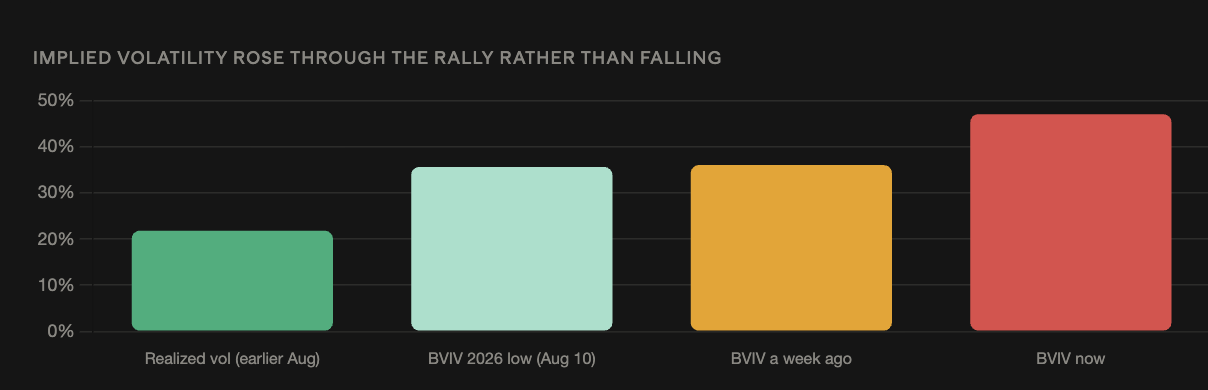
Bitcoin's rally from roughly $62,000 to near $80,000 ran through one of the year's largest options expiries on Friday, clearing about 81,700 contracts worth $6.4 billion on Deribit at 08:00 UTC.Much of that positioning was built before Bitcoin surged more than 20% in a week.Max Pain at $68,000 Sat Roughly $12,000 Below SettlementBy Thursday, the rally had pushed Bitcoin directly into large concentrations of bets at $75,000 and $80,000, while the expiry's max pain level — where the largest number of options would expire worthless — sat much lower, around $68,000-$70,000.Max pain is a reference point for where the aggregate book had the least value at settlement, not a price magnet. A gap of roughly $12,000 between max pain and spot means the distribution of open interest was badly positioned for what actually happened. Calls at $75,000 and $80,000 that were far out of the money when written finished in or near the money.That gap is a measure of how unanticipated the move was. Positioning built during a six-week range between $61,500 and $66,900, with implied volatility at 2026 lows and BVIV around 35.59%, priced a narrow distribution of outcomes. The break through $66,600, $70,000, $75,385 and $81,265 in a single week fell well outside it.Post-Expiry Open Interest Is the More Useful SignalFriday's settlement removes those expiring positions from the market. That makes the next distribution of open interest more informative than the one traders were watching before the rally — it shows where bets are being placed after the move toward $80,000 rather than before it.The pre-expiry book was a record of expectations formed in a range that no longer exists. What rebuilds now reflects a market pricing Bitcoin from $80,000 with the 50-week moving average at $81,081 directly overhead and Glassnode data showing nearly 8% of supply concentrated between $80,000 and $82,000.Early indications point toward defined-risk upside structures rather than outright directional bets. Deribit's Jean-David Pequignot said call spreads "remain an appealing mechanism for upside exposure into September," noting that puts remain relatively expensive, which makes calls the cheaper wing of the skew to buy. 10x Research founder Markus Thielen has favored selling $90,000 September calls against spot, or a September 85/95 call spread.Implied Volatility Rose Through the Rally Rather Than FallingThe rebuilt book faces materially different pricing than the expired one. BVIV climbed to 47% from 36% a week earlier — an unusual move higher during a price rally, since implied volatility typically spikes on selloffs.The rise reflects a widened distribution of outcomes rather than fear. While Bitcoin sat range-bound, options markets could price a narrow band of likely results. Once the range broke, the plausible range of future prices expanded in both directions, and sellers require more premium to underwrite that.For anyone rebuilding positions after Friday's expiry, options are simply more expensive than they were when the expired book was written. Structuring as spreads rather than outright purchases is how traders reduce that cost.The Backdrop Into SeptemberThe expiry clears with a dense catalyst calendar immediately ahead. Fed Chair Kevin Warsh delivered his first Jackson Hole keynote Friday, three weeks before the September 15-16 rate decision, with shorter-dated Treasuries having fallen overnight as traders added to rate-increase bets.September has historically been a mildly bearish month for Bitcoin, averaging a negative 3% return since 2013 according to Coinglass data. That seasonality, combined with expensive options and the supply wall at $80,000-$82,000, is why both Deribit and 10x Research have pointed toward capped-risk structures rather than outright long exposure for the next leg.


Binance News
·
--
Bitcoin News Today: 1,256 Days Without a Capitulation Signal — Bitcoin Looks Like a Bottom on the Supply Side, But the Final Stress Is Absent, According to CryptoQuant's Analyst
Bitcoin is consolidating around $64,000 after pulling back from its October 2025 all-time high near $126,000, and two on-chain indicators are giving conflicting answers to the market's most important question: is a bottom forming? Long-term holder realized supply is maturing in the right direction — moving toward levels historically associated with cycle bottoms. But the sales pressure indicator, which captures the final capitulation event that confirmed every prior bottom, has not produced a single signal in 1,256 days. That silence is the longest in Bitcoin's entire history.
What Long-Term Holder Realized Supply Is Showing
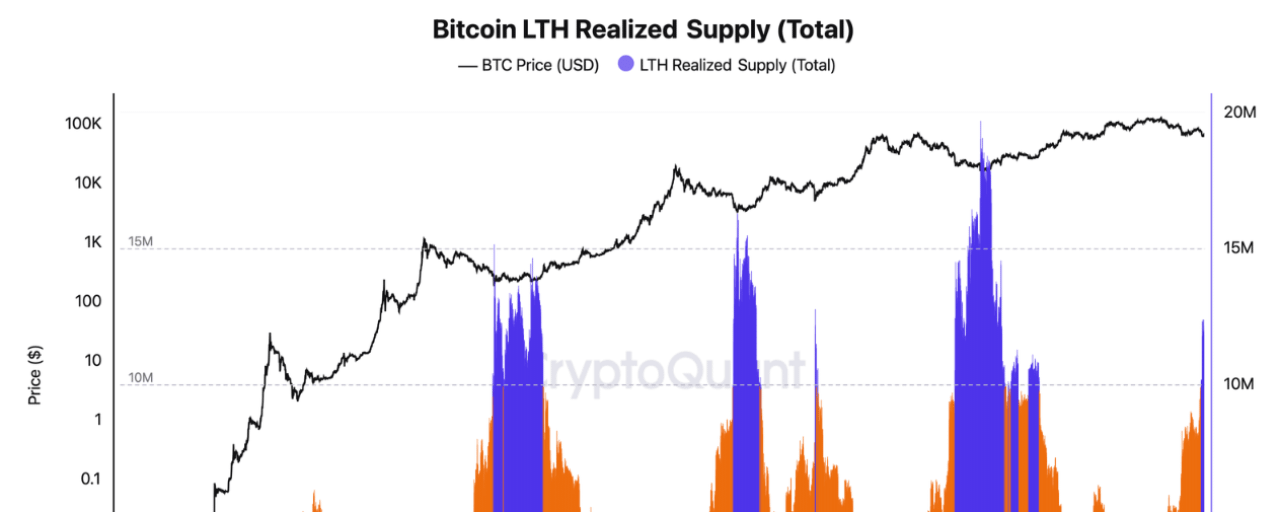
Bitcoin's LTH Realized Supply — the total realized supply of coins that have matured into the long-term holder cohort — currently sits at 12.17 million BTC. The metric reached a local cycle high of 12.42 million in early June before a slight pullback, but remains in a zone of strong year-over-year growth. Over the past year, LTH Realized Supply has more than doubled — a rate of growth that reflects active supply maturation and a significant transition of coins from short-term traders into a more resilient, conviction-driven holder base.
The structural implication is straightforward. As more Bitcoin moves into the long-term holder cohort, it exits active circulation — reducing the pool of coins available for immediate sale and diminishing the selling pressure that has characterized the current bear phase. Historically, strong spikes in this metric occurred during cycle-bottom phases, when price weakness drew in long-term accumulators who were absorbing supply from capitulating short-term holders.
The trend is correct. The level is not yet there.
The Gap Between Now and Historical Bottom Thresholds
LTH Realized Supply at 12.17 million BTC is still materially below the levels that coincided with confirmed bottoms in prior cycles. The metric reached approximately 15 million BTC near the 2015 bottom. It was approximately 16 million at the 2018-19 bottom. And it reached close to 19.7 million at the 2022-23 bottom — the most recent and best-documented cycle low.
The gap between today's 12.17 million and the minimum historical threshold of 15 million means Bitcoin's supply structure, while maturing, has not reached the confirmation range that prior data would identify as a bottom. Supply maturation is moving in the right direction, but the confirmation threshold has not been reached. A stronger signal would appear if the metric moves into the 15 million-plus zone — where supply maturation has historically coincided with seller exhaustion in prior cycles.
The Missing Half: 1,256 Days Without a Sales Pressure Signal
The more significant divergence — and the reason this cannot yet be classified as a capitulation bottom by historical standards — comes from Bitcoin's sales pressure indicator. This metric only activates under a specific set of conditions: NUPL must be negative, meaning the market as a whole is in an aggregate loss position, and SOPR must deviate from 1, capturing the moment when spending is happening at realized losses. Together, these conditions identify the genuine capitulation phase — when holders are forced to sell at a loss, releasing the final wave of selling pressure that clears the market before a durable recovery begins.
The indicator has not fired in 1,256 days. The last signal appeared on January 13, 2023, in the final stage of the previous bear market. The current stretch of silence is the longest in Bitcoin's entire history.
In every prior cycle, capitulation signals appeared in dense clusters around the bottom. At the 2015 bottom, multiple signals fired. The 2018-19 bottom saw sustained activation periods. The March 2020 COVID crash triggered the indicator. At the December 2018 bottom — the most severe of the modern era — the metric reached an all-time high of approximately 32%. The 2022-23 bottom similarly produced dense signal clusters, with peaks ranging from 15% to near 32%. By these standards, the current cycle is a significant historical outlier: Bitcoin has fallen 53% from its all-time high without triggering a single sales pressure signal.
The Main Divergence: Supply Side Yes, Capitulation Side No
The connection between the two indicators defines the current market's structural reality. LTH Realized Supply points toward bottom formation — supply is maturing, coins are moving into stronger hands, and the metric is trending in the direction that has preceded every major recovery. But the sales pressure indicator does not confirm it: the final capitulation stress that accompanied every prior confirmed bottom has been absent for more than three years.
This is the central analytical tension in the current market. Formal signs of "looks like a bottom" exist only on the supply side. The capitulation indicator remains silent. The current structure looks more like a phase of holding, consolidation, and supply maturation without the final stress signal than like a classic cyclical bottom that has completed its pressure release.
By the standards of 2015, 2018, and 2022, this is not a capitulation bottom. The market is in an accumulation and supply redistribution phase — which is consistent with the three-to-five month basing periods that followed similar early-stage bottom signals in prior cycles.
Why the Supply Side Without Capitulation Is Not Enough
Supply maturation is only half of the historical bottom pattern. In previous cycles, rising LTH Realized Supply was accompanied by capitulation — negative NUPL and dense series of sales pressure signals that together marked the clearing of forced sellers from the market. The second half of that pattern is missing from the current cycle.
This does not mean a bottom cannot form without the traditional capitulation signal — market structures evolve, and the unprecedented 1,256-day absence of the indicator may reflect structural changes in Bitcoin's holder base, including the emergence of ETF wrappers that absorb selling without generating on-chain UTXO movements that the metric captures. But by the classic historical framework, the absence of capitulation confirmation means the bottom cannot be declared with the same confidence that prior cycle data provided.
Two Triggers That Would Change the Assessment
Two specific developments would confirm a regime change. On the capitulation side: NUPL moving into negative territory and the sales pressure indicator producing its first signal in more than three years — confirming that the market has entered genuine loss-realization and forced-selling territory. On the supply side: LTH Realized Supply moving into the 15 million-plus zone — the minimum threshold where supply maturation has historically coincided with seller exhaustion and recovery.
Until one of those two conditions is met, the on-chain picture is best described in exactly the terms the data provides: maturing supply structure, absent capitulation, incomplete bottom. The floor may be forming. The confirmation has not arrived.
What Long-Term Holder Realized Supply Is Showing
Bitcoin's LTH Realized Supply — the total realized supply of coins that have matured into the long-term holder cohort — currently sits at 12.17 million BTC. The metric reached a local cycle high of 12.42 million in early June before a slight pullback, but remains in a zone of strong year-over-year growth. Over the past year, LTH Realized Supply has more than doubled — a rate of growth that reflects active supply maturation and a significant transition of coins from short-term traders into a more resilient, conviction-driven holder base.
The structural implication is straightforward. As more Bitcoin moves into the long-term holder cohort, it exits active circulation — reducing the pool of coins available for immediate sale and diminishing the selling pressure that has characterized the current bear phase. Historically, strong spikes in this metric occurred during cycle-bottom phases, when price weakness drew in long-term accumulators who were absorbing supply from capitulating short-term holders.
The trend is correct. The level is not yet there.
The Gap Between Now and Historical Bottom Thresholds
LTH Realized Supply at 12.17 million BTC is still materially below the levels that coincided with confirmed bottoms in prior cycles. The metric reached approximately 15 million BTC near the 2015 bottom. It was approximately 16 million at the 2018-19 bottom. And it reached close to 19.7 million at the 2022-23 bottom — the most recent and best-documented cycle low.
The gap between today's 12.17 million and the minimum historical threshold of 15 million means Bitcoin's supply structure, while maturing, has not reached the confirmation range that prior data would identify as a bottom. Supply maturation is moving in the right direction, but the confirmation threshold has not been reached. A stronger signal would appear if the metric moves into the 15 million-plus zone — where supply maturation has historically coincided with seller exhaustion in prior cycles.
The Missing Half: 1,256 Days Without a Sales Pressure Signal
The more significant divergence — and the reason this cannot yet be classified as a capitulation bottom by historical standards — comes from Bitcoin's sales pressure indicator. This metric only activates under a specific set of conditions: NUPL must be negative, meaning the market as a whole is in an aggregate loss position, and SOPR must deviate from 1, capturing the moment when spending is happening at realized losses. Together, these conditions identify the genuine capitulation phase — when holders are forced to sell at a loss, releasing the final wave of selling pressure that clears the market before a durable recovery begins.
The indicator has not fired in 1,256 days. The last signal appeared on January 13, 2023, in the final stage of the previous bear market. The current stretch of silence is the longest in Bitcoin's entire history.
In every prior cycle, capitulation signals appeared in dense clusters around the bottom. At the 2015 bottom, multiple signals fired. The 2018-19 bottom saw sustained activation periods. The March 2020 COVID crash triggered the indicator. At the December 2018 bottom — the most severe of the modern era — the metric reached an all-time high of approximately 32%. The 2022-23 bottom similarly produced dense signal clusters, with peaks ranging from 15% to near 32%. By these standards, the current cycle is a significant historical outlier: Bitcoin has fallen 53% from its all-time high without triggering a single sales pressure signal.
The Main Divergence: Supply Side Yes, Capitulation Side No
The connection between the two indicators defines the current market's structural reality. LTH Realized Supply points toward bottom formation — supply is maturing, coins are moving into stronger hands, and the metric is trending in the direction that has preceded every major recovery. But the sales pressure indicator does not confirm it: the final capitulation stress that accompanied every prior confirmed bottom has been absent for more than three years.
This is the central analytical tension in the current market. Formal signs of "looks like a bottom" exist only on the supply side. The capitulation indicator remains silent. The current structure looks more like a phase of holding, consolidation, and supply maturation without the final stress signal than like a classic cyclical bottom that has completed its pressure release.
By the standards of 2015, 2018, and 2022, this is not a capitulation bottom. The market is in an accumulation and supply redistribution phase — which is consistent with the three-to-five month basing periods that followed similar early-stage bottom signals in prior cycles.
Why the Supply Side Without Capitulation Is Not Enough
Supply maturation is only half of the historical bottom pattern. In previous cycles, rising LTH Realized Supply was accompanied by capitulation — negative NUPL and dense series of sales pressure signals that together marked the clearing of forced sellers from the market. The second half of that pattern is missing from the current cycle.
This does not mean a bottom cannot form without the traditional capitulation signal — market structures evolve, and the unprecedented 1,256-day absence of the indicator may reflect structural changes in Bitcoin's holder base, including the emergence of ETF wrappers that absorb selling without generating on-chain UTXO movements that the metric captures. But by the classic historical framework, the absence of capitulation confirmation means the bottom cannot be declared with the same confidence that prior cycle data provided.
Two Triggers That Would Change the Assessment
Two specific developments would confirm a regime change. On the capitulation side: NUPL moving into negative territory and the sales pressure indicator producing its first signal in more than three years — confirming that the market has entered genuine loss-realization and forced-selling territory. On the supply side: LTH Realized Supply moving into the 15 million-plus zone — the minimum threshold where supply maturation has historically coincided with seller exhaustion and recovery.
Until one of those two conditions is met, the on-chain picture is best described in exactly the terms the data provides: maturing supply structure, absent capitulation, incomplete bottom. The floor may be forming. The confirmation has not arrived.


DCTv Africa
·
--
It is funny, how you can be rich and next minute you are wrecked in Crypto.
Many people came into crypto with a get rich quick scheme with their hard earned money, thinking they can easily flip it into millions in a blind of eyes.
While that is very possible in the volatile space like crypto, it does come with very serious prizes to pay.
Is either you delay gratification, take your time studying the culture, trends, join communities, make connections and be mentally stable, learn risk management, which makes the flipping very easy, OR you just ignore the learning, go all in and chase luck, follow the greed.
Unfortunately that later, in most cases is what the majority of people do and end up losing everything.
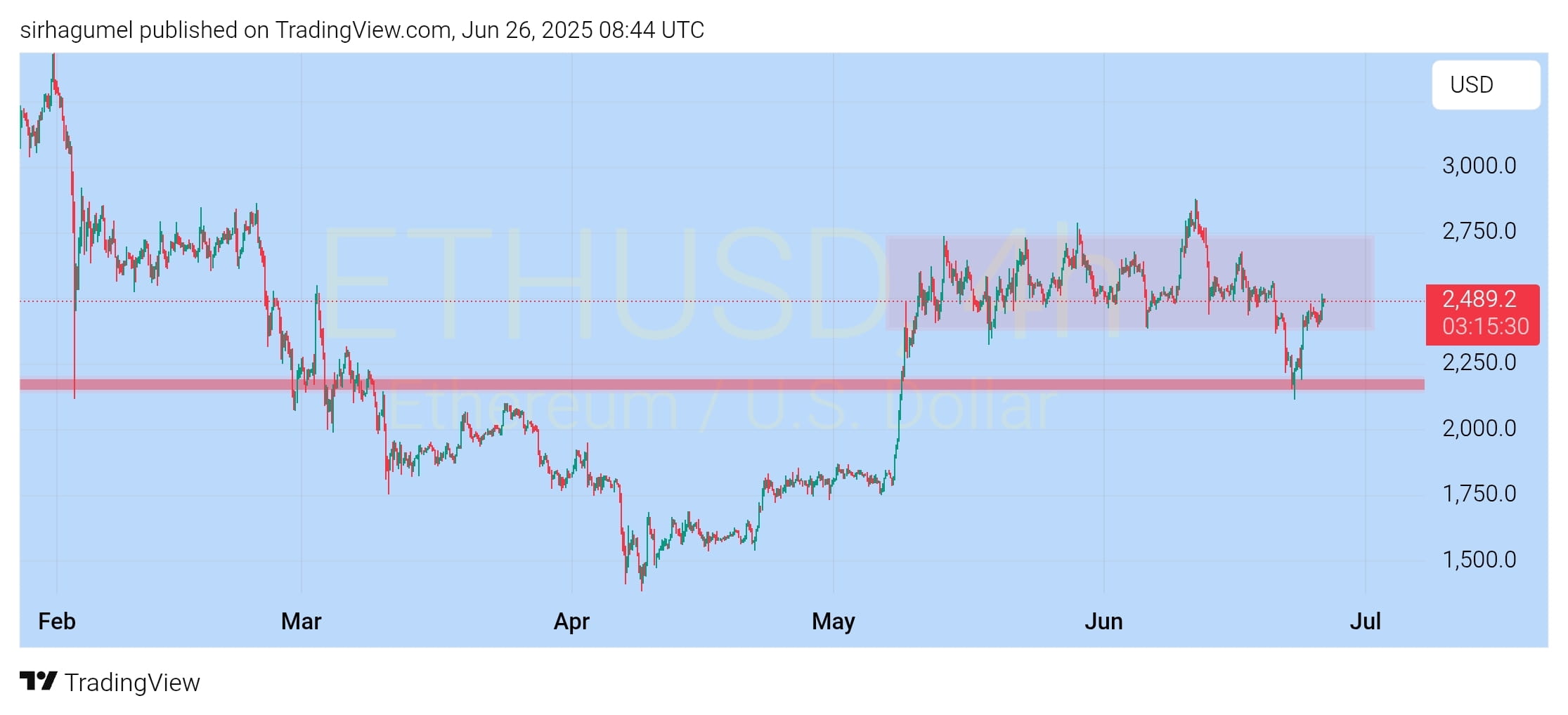
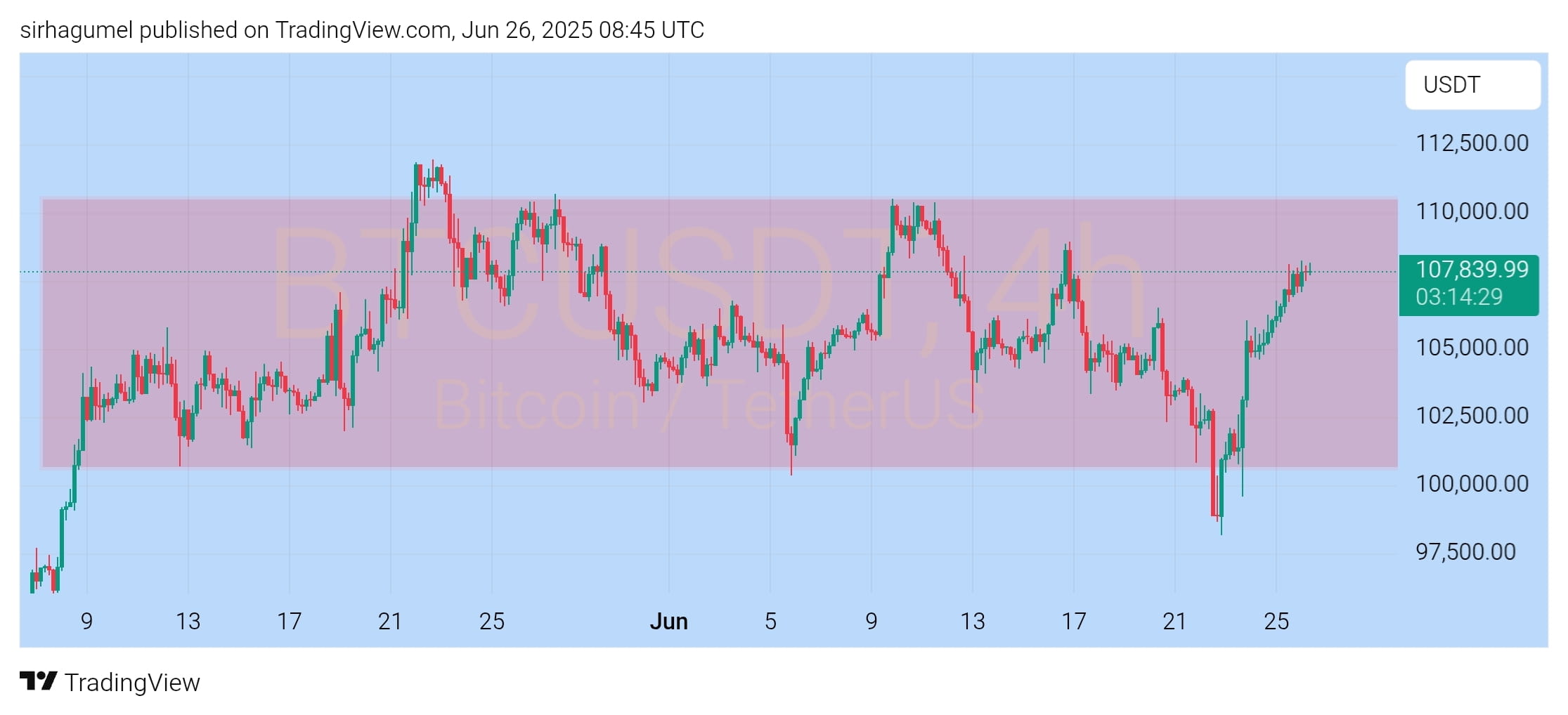
Less than 72 hours, $BTC $ETH $BNB where all in very serious red zones, those who mastered the Art positioned well, and right now are in massive profit, while those that chase luck panicked and exited, thinking they were cutting loses during the crises.
To all those coming into the space now, ignore the noise, social media fake life and peer pressure. Set your goals right, learn the art. It is then I can give you assurance that your success is guaranteed.
Many people came into crypto with a get rich quick scheme with their hard earned money, thinking they can easily flip it into millions in a blind of eyes.
While that is very possible in the volatile space like crypto, it does come with very serious prizes to pay.
Is either you delay gratification, take your time studying the culture, trends, join communities, make connections and be mentally stable, learn risk management, which makes the flipping very easy, OR you just ignore the learning, go all in and chase luck, follow the greed.
Unfortunately that later, in most cases is what the majority of people do and end up losing everything.
Less than 72 hours, $BTC $ETH $BNB where all in very serious red zones, those who mastered the Art positioned well, and right now are in massive profit, while those that chase luck panicked and exited, thinking they were cutting loses during the crises.
To all those coming into the space now, ignore the noise, social media fake life and peer pressure. Set your goals right, learn the art. It is then I can give you assurance that your success is guaranteed.


Log in to explore more content