

听澜321
3.7k Posts

听澜321
 Square Verified+
深耕web3领域多年|web3知识科普博主|承接KoL宣发&项目推广 | 直播AMA项目合作 |深耕社群互动领域|直播(Live):9:40-14:30|💖X:@hpr2008
Open Trade
High-Frequency Trader
5.8 Years
3.4K+ Following
79.8K+ Followers
42.6K+ Liked
Posts
Portfolio
All
Quotes
Videos
Live
PINNED

@路飞社区糖宝Luffy
is speaking[LIVE] 🎙️ Welcome to the Tangbao livestream room—come chat with us and explore the web3 wealth code
2.5k listens

@晚风Vesper_1688
is speaking[LIVE] 🎙️ ✨The Butterfly C boss enters a comprehensive on-the-ground expansion and solid foundation phase 🦋
🔥October will hit the AVE trending searches 📈
💎A good time to build positions—seize the moment 🚀
553 listens

·
--
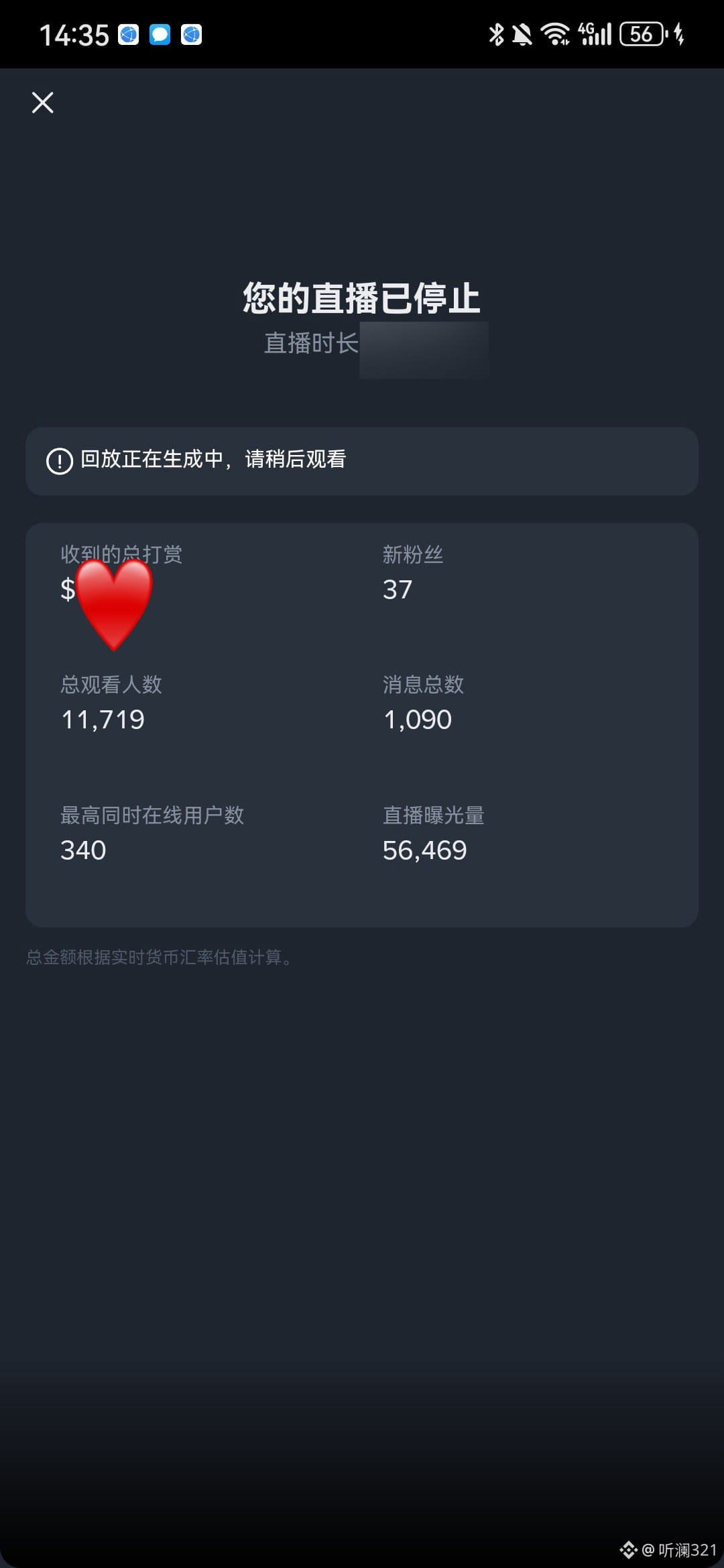
🎙️ Build Binance Plaza, hold BNB|Wednesday, the last day of September, today we’ll also close the monthly line. Will there be market action during the seven-day National Day holiday? Let’s chat~

End
05 h 06 m 21 s
11.7k
29
听澜321
·
--
The U.S. stock earnings season is about to get lively.
S&P 500 expected earnings growth is more than 23%, marking the eighth consecutive quarter of double-digit growth.
But my view is very direct: the better the data looks, the more you need to be careful.
The reason is actually simple:
NVIDIA is a “big player,” not a normal company.
It just announced an additional $150 billion share repurchase, with authorization up to $235 billion. What does a repurchase mean? It means the company thinks its stock price is “quite cheap.” Think about it—one of the giants with 70% year-over-year growth says it’s cheap…
But in my opinion, NVIDIA’s biggest risk isn’t its performance—it’s that it’s tied the entire AI ecosystem too tightly. It provides guarantees for OpenAI, insures loans for neocloud, and even wants to shift the risk of AI chip collateral loans to insurance companies🤐
This isn’t just selling chips anymore—it’s providing credit backing for the whole industry. With a scale this large, if it stumbles, it becomes a systemic risk~
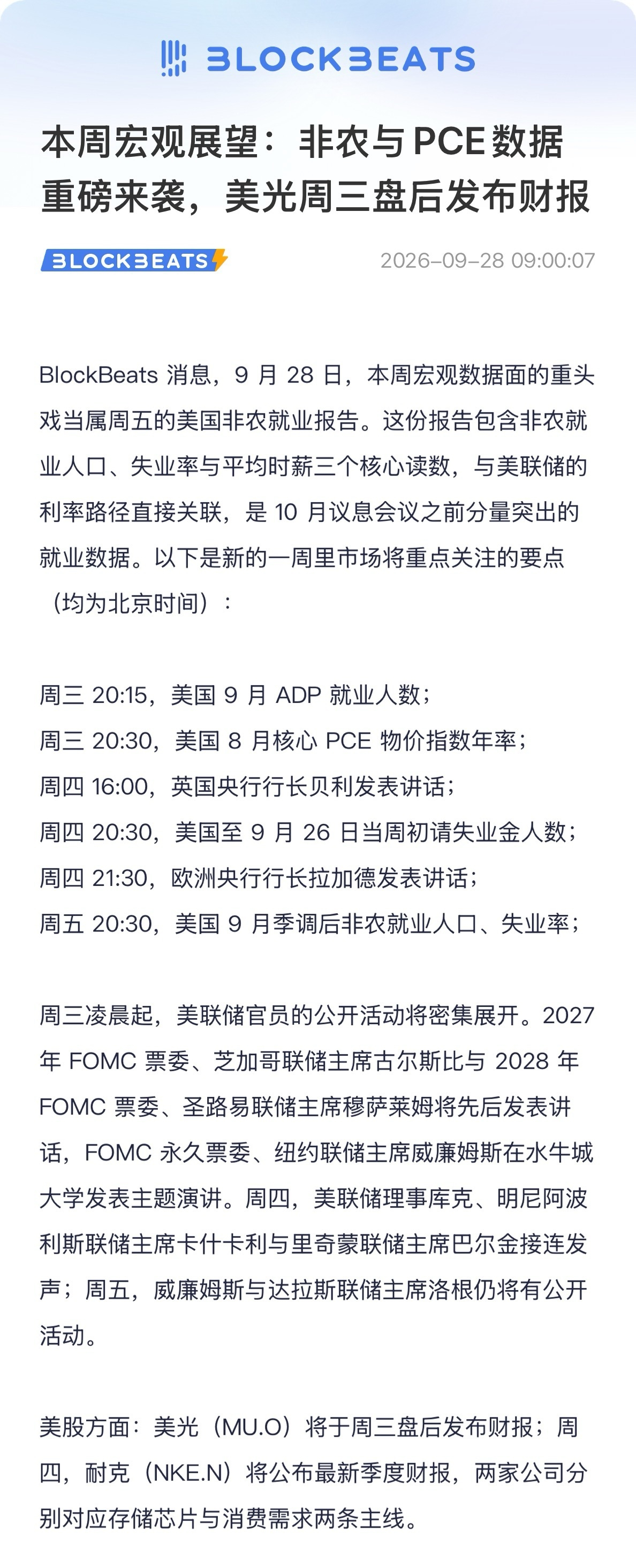
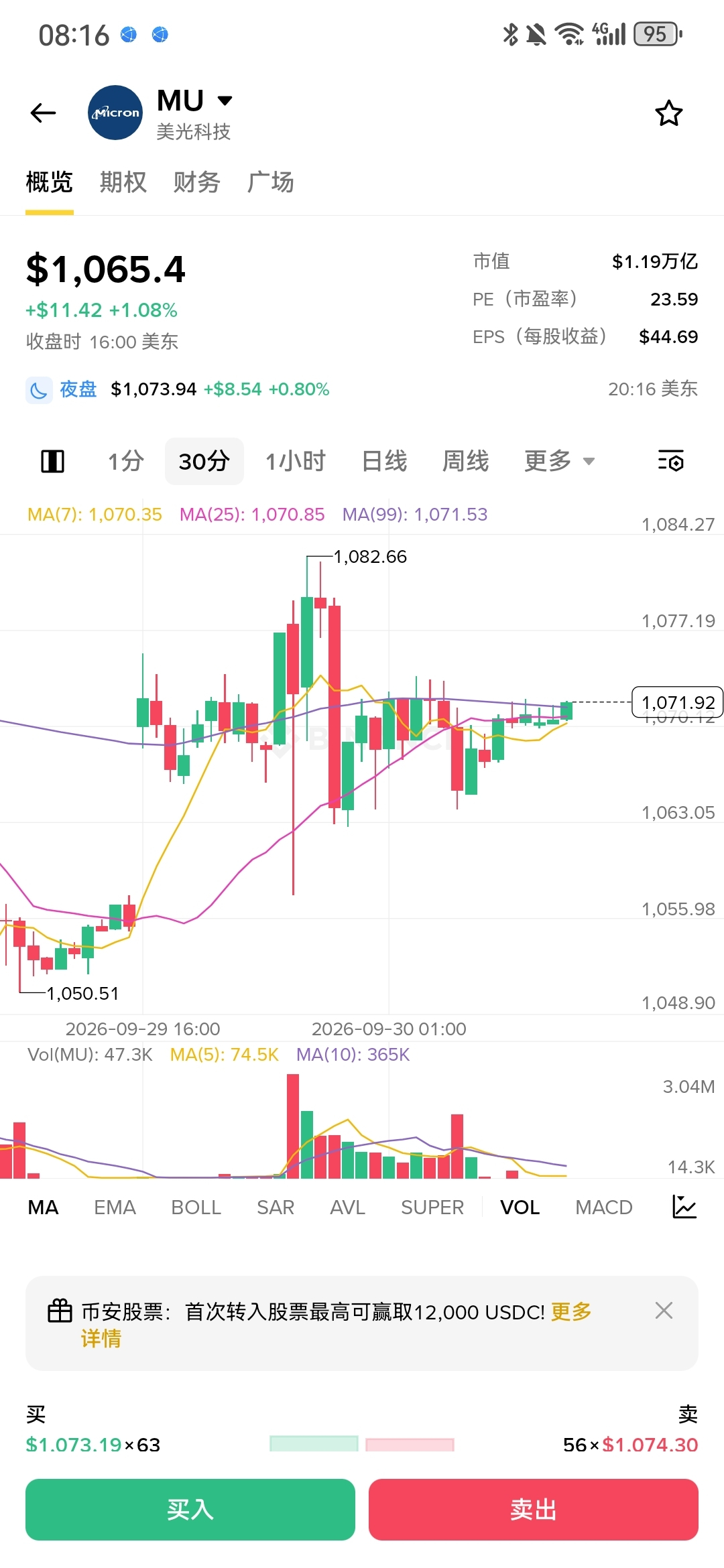
$MU is a bet that “the cycle will turn into growth,” and that’s where the biggest disagreement lies.
Tonight’s earnings: the market expects revenue of $50.9 billion and EPS of 31.49, up +342% year over year. Morgan Stanley poured cold water early, saying EPS could be only 31.2😂 But the key isn’t this quarter—it’s the fiscal 2027 guidance.
Micron is currently trading at just 6.8x earnings for 2027, which clearly suggests the market doesn’t believe this memory upcycle can last.
My personal take: if Micron’s guidance tonight proves that AI demand has turned the “cycle” into “growth,” then this is basically free money; if the guidance is average, then the good news is already priced in…
$SNDK is “the one with the most upside,” but don’t be fooled by the rally~
It’s up 1,663% in a year! Market cap went from $6.6 billion to $266 billion. It also announced a $14 billion repurchase. But SanDisk is doing NAND, and its cyclical nature is even more intense than Micron’s DRAM.
My personal view: once it’s already surged 16x and you still talk about being “bullish,” it takes a lot of courage😂 Analysts’ average target price is $2,136, and it looks like there may be more room—but if NAND prices turn around, the valuation could get slashed ruthlessly. It suits people who bet on the track, not those who want something they can hold onto~
One more thing: expectations are already stretched to the max.
The biggest trap in earnings season is “beating expectations” itself. When all the analysts keep raising their numbers and raising them, even a decent earnings report from the company is very likely to mean the good news is already exhausted~
If you have other thoughts, feel free to leave them in the comments section~
#股票财报季
S&P 500 expected earnings growth is more than 23%, marking the eighth consecutive quarter of double-digit growth.
But my view is very direct: the better the data looks, the more you need to be careful.
The reason is actually simple:
NVIDIA is a “big player,” not a normal company.
It just announced an additional $150 billion share repurchase, with authorization up to $235 billion. What does a repurchase mean? It means the company thinks its stock price is “quite cheap.” Think about it—one of the giants with 70% year-over-year growth says it’s cheap…
But in my opinion, NVIDIA’s biggest risk isn’t its performance—it’s that it’s tied the entire AI ecosystem too tightly. It provides guarantees for OpenAI, insures loans for neocloud, and even wants to shift the risk of AI chip collateral loans to insurance companies🤐
This isn’t just selling chips anymore—it’s providing credit backing for the whole industry. With a scale this large, if it stumbles, it becomes a systemic risk~
$MU is a bet that “the cycle will turn into growth,” and that’s where the biggest disagreement lies.
Tonight’s earnings: the market expects revenue of $50.9 billion and EPS of 31.49, up +342% year over year. Morgan Stanley poured cold water early, saying EPS could be only 31.2😂 But the key isn’t this quarter—it’s the fiscal 2027 guidance.
Micron is currently trading at just 6.8x earnings for 2027, which clearly suggests the market doesn’t believe this memory upcycle can last.
My personal take: if Micron’s guidance tonight proves that AI demand has turned the “cycle” into “growth,” then this is basically free money; if the guidance is average, then the good news is already priced in…
$SNDK is “the one with the most upside,” but don’t be fooled by the rally~
It’s up 1,663% in a year! Market cap went from $6.6 billion to $266 billion. It also announced a $14 billion repurchase. But SanDisk is doing NAND, and its cyclical nature is even more intense than Micron’s DRAM.
My personal view: once it’s already surged 16x and you still talk about being “bullish,” it takes a lot of courage😂 Analysts’ average target price is $2,136, and it looks like there may be more room—but if NAND prices turn around, the valuation could get slashed ruthlessly. It suits people who bet on the track, not those who want something they can hold onto~
One more thing: expectations are already stretched to the max.
The biggest trap in earnings season is “beating expectations” itself. When all the analysts keep raising their numbers and raising them, even a decent earnings report from the company is very likely to mean the good news is already exhausted~
If you have other thoughts, feel free to leave them in the comments section~
#股票财报季
Verified
听澜321
·
--
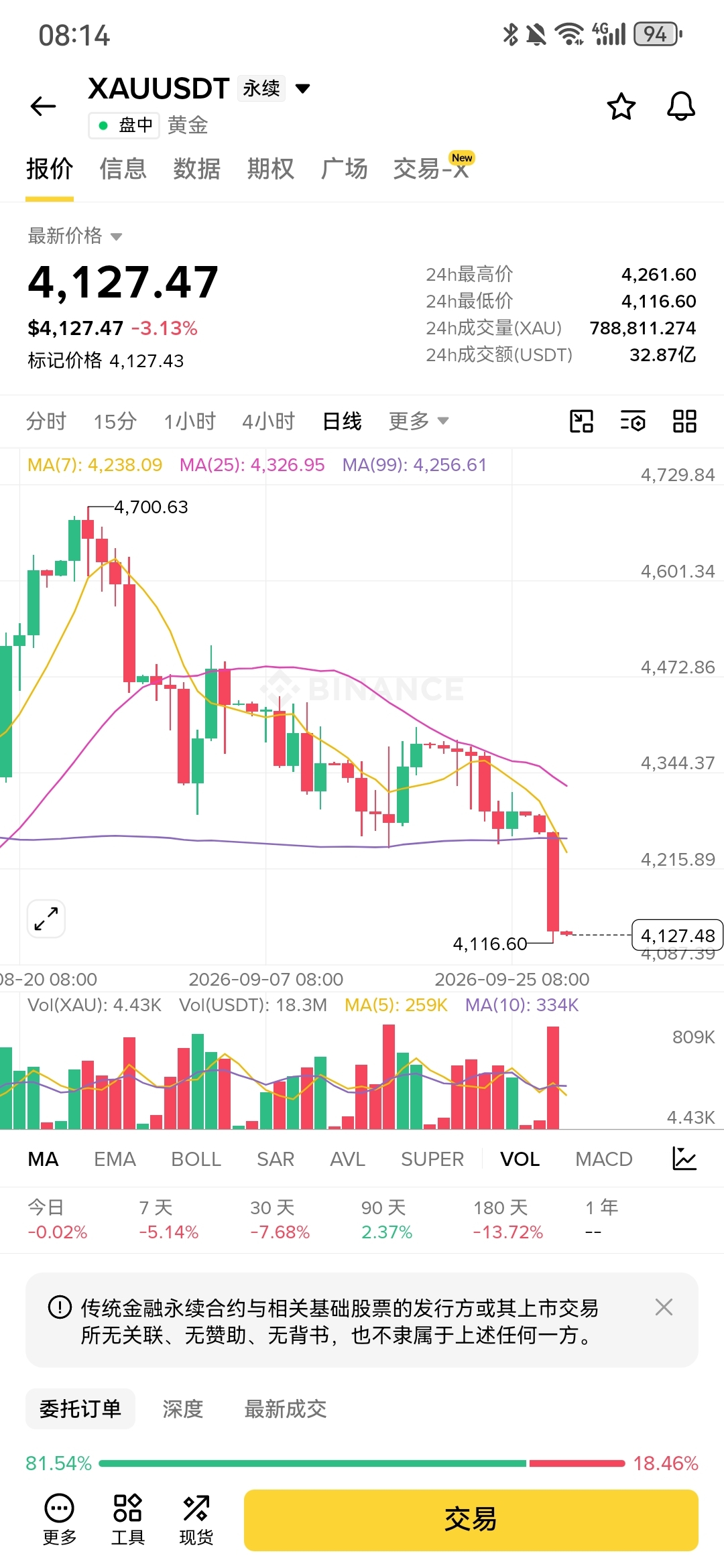
$XAU This latest dive, actually, is caused by oil prices “acting up”~
The US and Iran have stalled in the Strait of Hormuz, and Brent crude has climbed back above the $100 mark.
When oil prices rise, inflation expectations can’t cool down, so the Fed not only dares not cut rates—it may even keep hiking.
And what gold fears most is this, because gold itself doesn’t generate interest.
Even US Treasury yields are surging to above 5.2%, making the “opportunity cost” of holding gold unbelievably high.
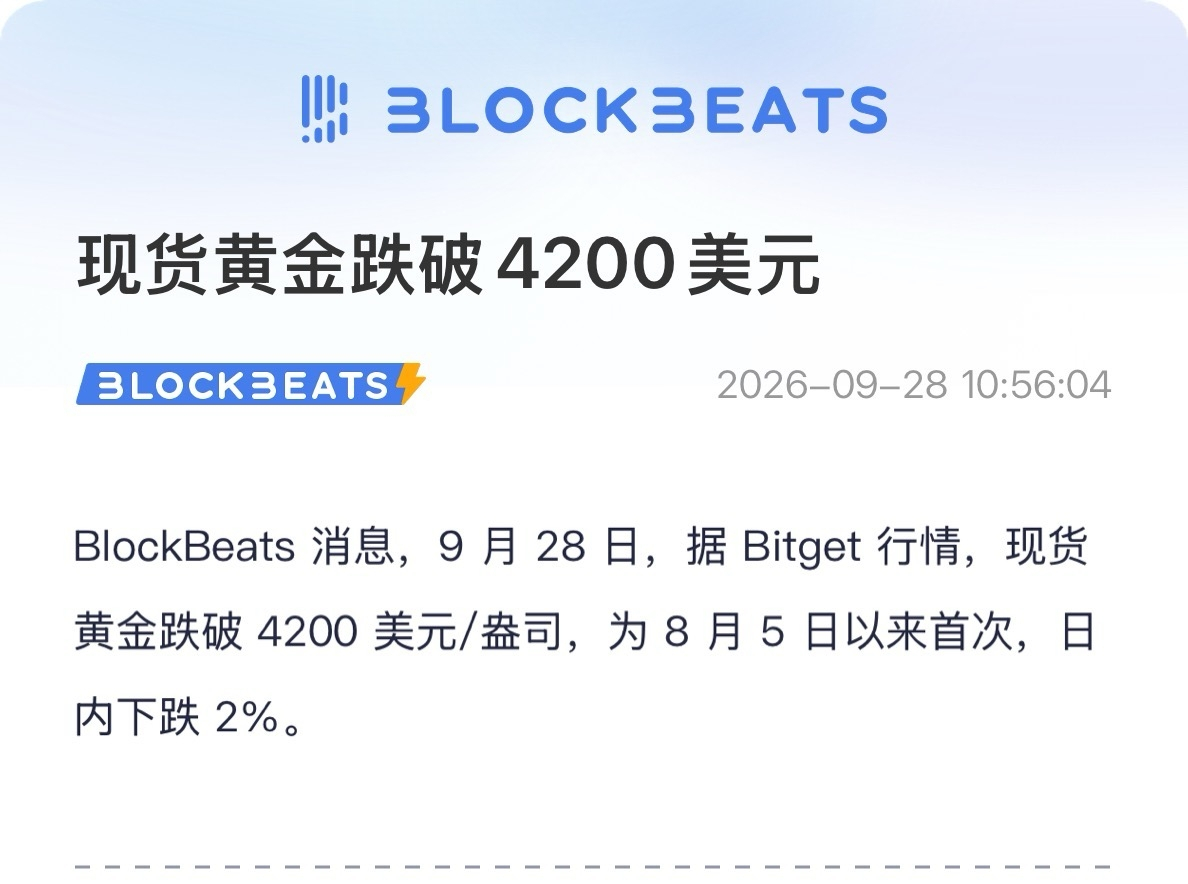
This round of sell-off pushed gold down to $4,144, and there’s a detail that most people might overlook:
The main force behind this dump isn’t retail panic—it’s central banks themselves selling~
Isn’t that logic kind of counterintuitive?
Because in traditional thinking, central banks are gold’s “ever-bullish” side—they’ve been buying for nearly two years straight.
But once oil prices break above $100, the situation changes:
Central banks with higher reliance on energy imports need to sell gold reserves to raise dollars, stabilize the exchange rate, and buy oil.
Buying is strategic allocation; selling is a survival necessity 😂
So this drop isn’t because “faith in gold” has failed.
It’s because liquidity has been squeezed—it's not that gold is suddenly worthless; it’s that money has become more “expensive.”
My personal view is: don’t try to guess the bottom in the short term—wait until oil prices stabilize first.
Only when central banks are no longer forced to sell gold will the bottom truly be solid.
What you may be catching now could be a “flying knife” 😂—or pressure being released from central banks’ selling.
So I still recommend entering the market cautiously~
What do you think? Feel free to leave your thoughts in the comments~
#黄金跌至4144美元
The US and Iran have stalled in the Strait of Hormuz, and Brent crude has climbed back above the $100 mark.
When oil prices rise, inflation expectations can’t cool down, so the Fed not only dares not cut rates—it may even keep hiking.
And what gold fears most is this, because gold itself doesn’t generate interest.
Even US Treasury yields are surging to above 5.2%, making the “opportunity cost” of holding gold unbelievably high.
This round of sell-off pushed gold down to $4,144, and there’s a detail that most people might overlook:
The main force behind this dump isn’t retail panic—it’s central banks themselves selling~
Isn’t that logic kind of counterintuitive?
Because in traditional thinking, central banks are gold’s “ever-bullish” side—they’ve been buying for nearly two years straight.
But once oil prices break above $100, the situation changes:
Central banks with higher reliance on energy imports need to sell gold reserves to raise dollars, stabilize the exchange rate, and buy oil.
Buying is strategic allocation; selling is a survival necessity 😂
So this drop isn’t because “faith in gold” has failed.
It’s because liquidity has been squeezed—it's not that gold is suddenly worthless; it’s that money has become more “expensive.”
My personal view is: don’t try to guess the bottom in the short term—wait until oil prices stabilize first.
Only when central banks are no longer forced to sell gold will the bottom truly be solid.
What you may be catching now could be a “flying knife” 😂—or pressure being released from central banks’ selling.
So I still recommend entering the market cautiously~
What do you think? Feel free to leave your thoughts in the comments~
#黄金跌至4144美元
听澜321
·
--
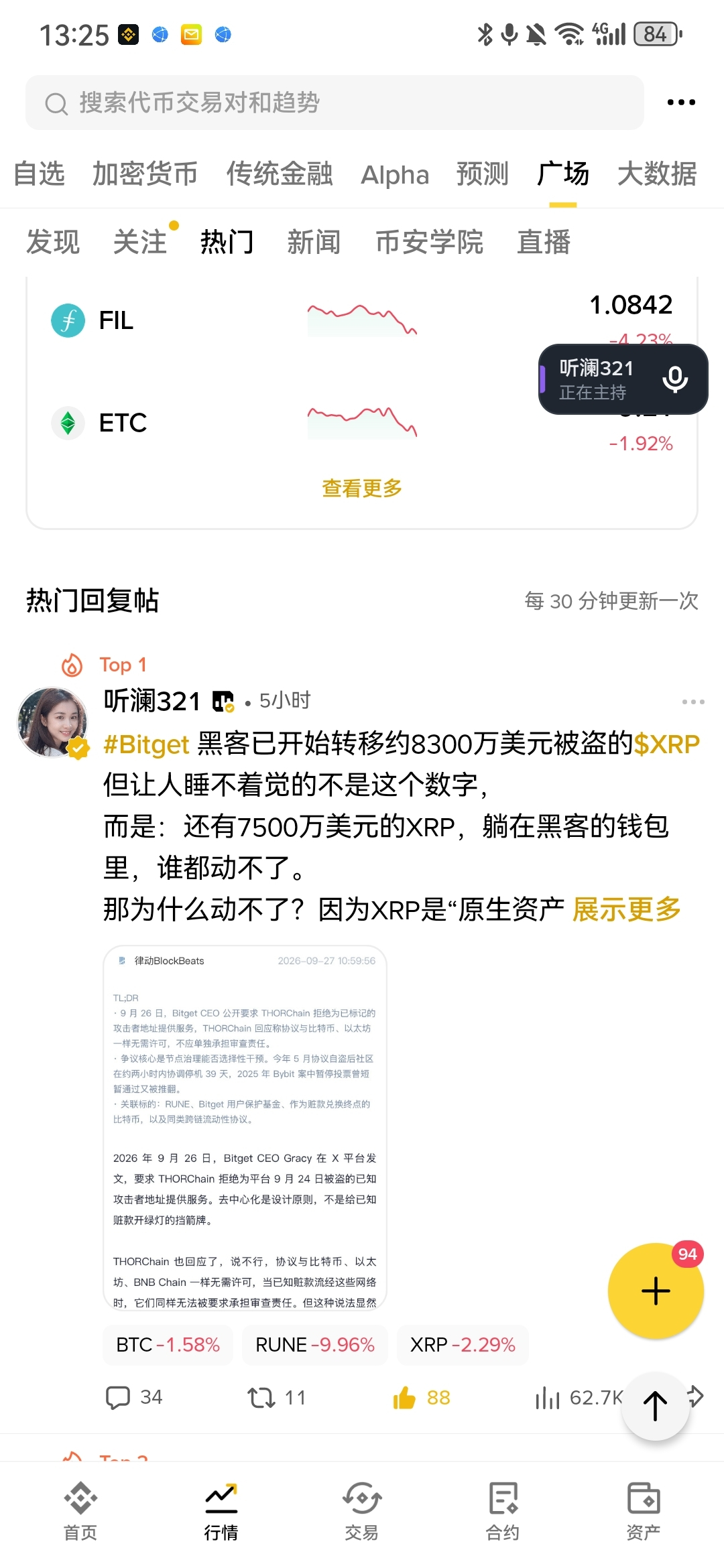
#Bitget Hackers have started transferring about $83 million stolen $XRP
But what keeps people up at night isn’t that number.
It’s this: there are another $75 million worth of XRP sitting in the hackers’ wallet—no one can touch it.
Why can’t they move it? Because XRP is a “native asset.” The key takeaway is that, as a native asset, Ripple can’t directly freeze it the way it can freeze USDC. That’s the most important lesson from this incident.
Do you not understand what that means?
Plainly: USDT gets stolen, and Tether can freeze with one click. If USDC gets stolen, Circle can blacklist addresses. This time, the stablecoins the hacker has are only about 320k US dollars in total—and they’ve already been frozen.
But XRP is different. Ripple doesn’t have that power. In the XRP Ledger rules, there isn’t even a button for “freezing native assets.”
The hacker can take their time and move the coins to any exchange, swap them for $BTC , swap them for $ETH , or anything else.
Throughout the entire process, no one can stop them.
On the first day after the incident, Richard Teng personally posted that Binance’s security team has been sharing intelligence with Bitget since day one and tracking the funds.
CZ also publicly said he’s willing to help. Exchanges didn’t just trade jokes—this time they cooperated.
The reason is simple: when an attacker transfers funds across platforms, the freezing effect of any single exchange is limited. Today you laugh at Bitget; tomorrow the hacker might come to your place.
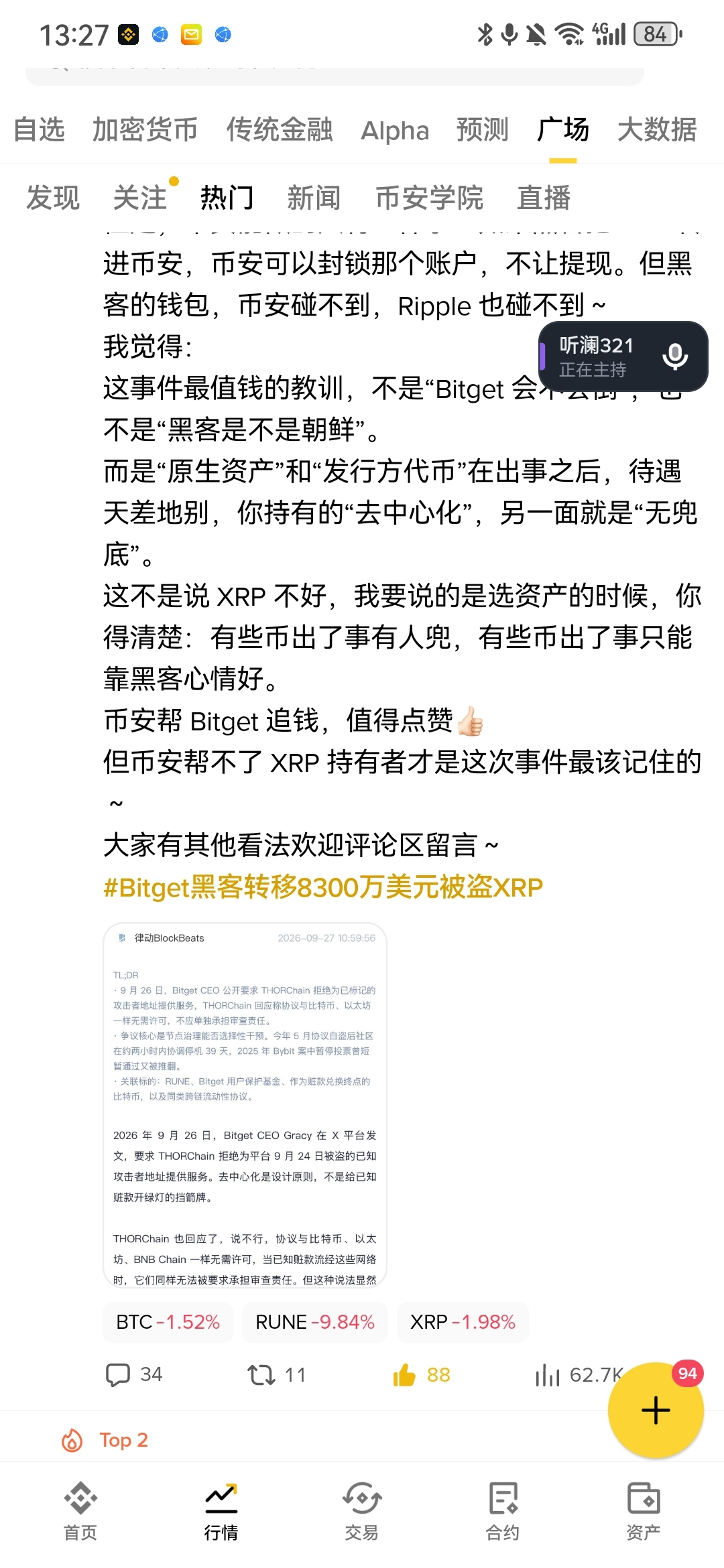
But what Binance can do is only one thing: if the hacker moves XRP into Binance, Binance can lock that account and prevent withdrawals. However, the hacker’s wallet itself—Binance can’t touch it, and Ripple can’t either.
I think the most valuable lesson of this incident isn’t whether “Bitget will go under,” and it isn’t whether “the hackers are North Korean.”
It’s that after something goes wrong, “native assets” and “issuer-issued tokens” receive radically different treatment. The “decentralization” you hold has another side: there’s “no safety net.”
This doesn’t mean XRP is bad. What I’m saying is: when choosing assets, you need to understand that some coins have someone to backstop them when things go wrong, while with others you can only hope for the hacker’s mood.
Binance helps Bitget track the stolen funds—credit where it’s due 👍🏻
But Binance can’t help XRP holders—that’s the part this incident is most important to remember.
If you have other views, feel free to comment in the comment section—
#Bitget黑客转移8300万美元被盗XRP
But what keeps people up at night isn’t that number.
It’s this: there are another $75 million worth of XRP sitting in the hackers’ wallet—no one can touch it.
Why can’t they move it? Because XRP is a “native asset.” The key takeaway is that, as a native asset, Ripple can’t directly freeze it the way it can freeze USDC. That’s the most important lesson from this incident.
Do you not understand what that means?
Plainly: USDT gets stolen, and Tether can freeze with one click. If USDC gets stolen, Circle can blacklist addresses. This time, the stablecoins the hacker has are only about 320k US dollars in total—and they’ve already been frozen.
But XRP is different. Ripple doesn’t have that power. In the XRP Ledger rules, there isn’t even a button for “freezing native assets.”
The hacker can take their time and move the coins to any exchange, swap them for $BTC , swap them for $ETH , or anything else.
Throughout the entire process, no one can stop them.
On the first day after the incident, Richard Teng personally posted that Binance’s security team has been sharing intelligence with Bitget since day one and tracking the funds.
CZ also publicly said he’s willing to help. Exchanges didn’t just trade jokes—this time they cooperated.
The reason is simple: when an attacker transfers funds across platforms, the freezing effect of any single exchange is limited. Today you laugh at Bitget; tomorrow the hacker might come to your place.
But what Binance can do is only one thing: if the hacker moves XRP into Binance, Binance can lock that account and prevent withdrawals. However, the hacker’s wallet itself—Binance can’t touch it, and Ripple can’t either.
I think the most valuable lesson of this incident isn’t whether “Bitget will go under,” and it isn’t whether “the hackers are North Korean.”
It’s that after something goes wrong, “native assets” and “issuer-issued tokens” receive radically different treatment. The “decentralization” you hold has another side: there’s “no safety net.”
This doesn’t mean XRP is bad. What I’m saying is: when choosing assets, you need to understand that some coins have someone to backstop them when things go wrong, while with others you can only hope for the hacker’s mood.
Binance helps Bitget track the stolen funds—credit where it’s due 👍🏻
But Binance can’t help XRP holders—that’s the part this incident is most important to remember.
If you have other views, feel free to comment in the comment section—
#Bitget黑客转移8300万美元被盗XRP








Log in to explore more content