

BlockchainBaller
69.6k Posts

BlockchainBaller
 Square Verified+
Report
Block User
Trader || X (Twitter): @bl_ockchain || Binance KOL || Trade Setups are my Personal Opinions || DYOR

2025 Blockchain 100 — Trader

Creator Awards 2024

Top Voices
Occasional Trader
5 Years
62 Following
247.0K+ Followers
717.3K+ Liked
3 Badges
Posts
All
Quotes
Videos
Live
PINNED
·
--
Bullish
Hey Fam, I need your only 2 mins about a serious issue you all are facing.
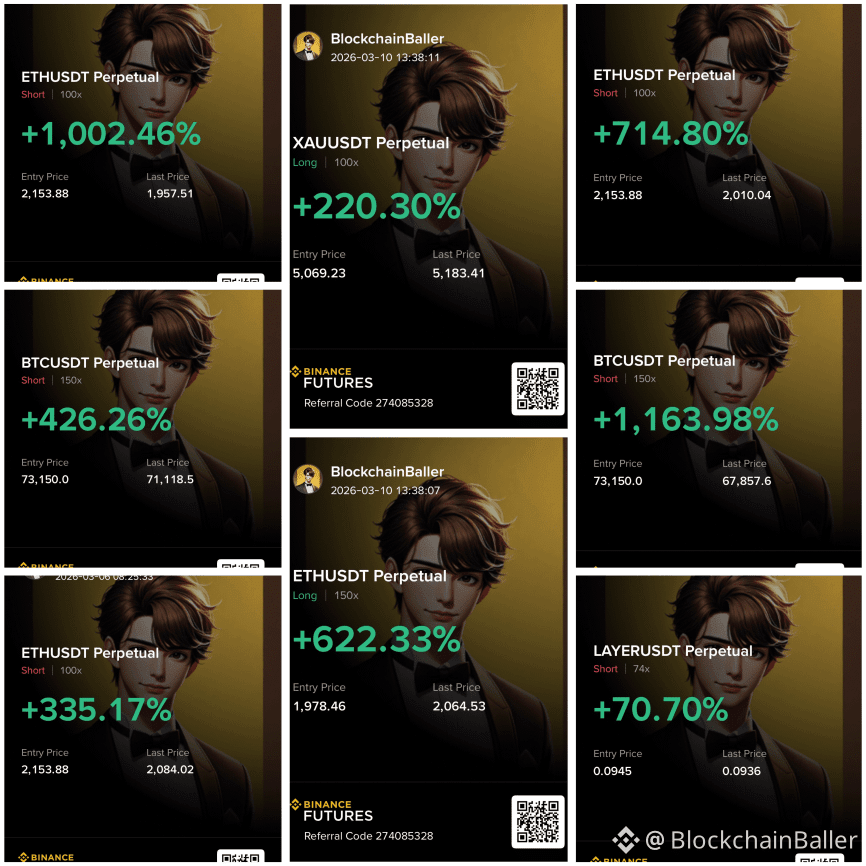
Most of you been following my calls …. and you’ve seen the setups hit in real time. But before that when the post reached out to you. You already had missed it or you got liquidated.. But Now I have Solution..
I just launched BlockchainBaller Premium group on Binance Square. [Click here to join or Scan QR](https://app.binance.com/uni-qr/group-chat-landing?channelToken=0prEXOlryZcOq9s9Qimohg&type=1&entrySource=sharing_link)
That’s the stuff that actually makes you money without missing anybtrade.
I tried free groups twice. both turned into red packet spam and random links. zero serious traders. so I built something only for the ambitious ones.
what you get inside:
🚀 Real time trade setups with exact Entry / TP / SL before they go public
🚀 Early alpha on narratives before they trend
🚀 My personal moves and position sizing
🚀 Direct access to ask me anything
🚀 7 Days Free Trial
6 years trading. Top 5 Binance Blockchain 100. 235K+ fam watched the calls I post.now you can trade alongside me.
Hey Fam, I need your only 2 mins about a serious issue you all are facing.
Most of you been following my calls …. and you’ve seen the setups hit in real time. But before that when the post reached out to you. You already had missed it or you got liquidated.. But Now I have Solution..
I just launched BlockchainBaller Premium group on Binance Square. Click here to join or Scan QR
That’s the stuff that actually makes you money without missing anybtrade.
I tried free groups twice. both turned into red packet spam and random links. zero serious traders. so I built something only for the ambitious ones.
what you get inside:
🚀 Real time trade setups with exact Entry / TP / SL before they go public
🚀 Early alpha on narratives before they trend
🚀 My personal moves and position sizing
🚀 Direct access to ask me anything
🚀 7 Days Free Trial
6 years trading. Top 5 Binance Blockchain 100. 235K+ fam watched the calls I post.now you can trade alongside me.
Most of you been following my calls …. and you’ve seen the setups hit in real time. But before that when the post reached out to you. You already had missed it or you got liquidated.. But Now I have Solution..
I just launched BlockchainBaller Premium group on Binance Square. Click here to join or Scan QR
That’s the stuff that actually makes you money without missing anybtrade.
I tried free groups twice. both turned into red packet spam and random links. zero serious traders. so I built something only for the ambitious ones.
what you get inside:
🚀 Real time trade setups with exact Entry / TP / SL before they go public
🚀 Early alpha on narratives before they trend
🚀 My personal moves and position sizing
🚀 Direct access to ask me anything
🚀 7 Days Free Trial
6 years trading. Top 5 Binance Blockchain 100. 235K+ fam watched the calls I post.now you can trade alongside me.
265
47
618
48.7k
PINNED
·
--
Bullish
𝐇𝐨𝐧𝐨𝐫𝐞𝐝 𝐭𝐨 𝐁𝐞 𝐀𝐦𝐨𝐧𝐠 𝐭𝐡𝐞 𝐁𝐥𝐨𝐜𝐤𝐜𝐡𝐚𝐢𝐧 𝟏𝟎𝟎 — 𝐍𝐨𝐰 𝐢𝐧 𝐭𝐡𝐞 𝐓𝐨𝐩 𝟓 𝐓𝐫𝐚𝐝𝐞𝐫 𝐂𝐚𝐭𝐞𝐠𝐨𝐫𝐲!
I’m truly grateful to everyone who supported, voted, and believed in me throughout this journey. Being ranked in the Top 5 Traders among the Blockchain 100 by Binance is a huge milestone — and it wouldn’t have been possible without this amazing community.
Your trust and engagement drive me every day to share better insights, stronger analysis, and real value. The journey continues — this is just the beginning. Thank you, fam.
𝐇𝐨𝐧𝐨𝐫𝐞𝐝 𝐭𝐨 𝐁𝐞 𝐀𝐦𝐨𝐧𝐠 𝐭𝐡𝐞 𝐁𝐥𝐨𝐜𝐤𝐜𝐡𝐚𝐢𝐧 𝟏𝟎𝟎 — 𝐍𝐨𝐰 𝐢𝐧 𝐭𝐡𝐞 𝐓𝐨𝐩 𝟓 𝐓𝐫𝐚𝐝𝐞𝐫 𝐂𝐚𝐭𝐞𝐠𝐨𝐫𝐲!
I’m truly grateful to everyone who supported, voted, and believed in me throughout this journey. Being ranked in the Top 5 Traders among the Blockchain 100 by Binance is a huge milestone — and it wouldn’t have been possible without this amazing community.
Your trust and engagement drive me every day to share better insights, stronger analysis, and real value. The journey continues — this is just the beginning. Thank you, fam.
I’m truly grateful to everyone who supported, voted, and believed in me throughout this journey. Being ranked in the Top 5 Traders among the Blockchain 100 by Binance is a huge milestone — and it wouldn’t have been possible without this amazing community.
Your trust and engagement drive me every day to share better insights, stronger analysis, and real value. The journey continues — this is just the beginning. Thank you, fam.

326
230
1.4k
16.2k
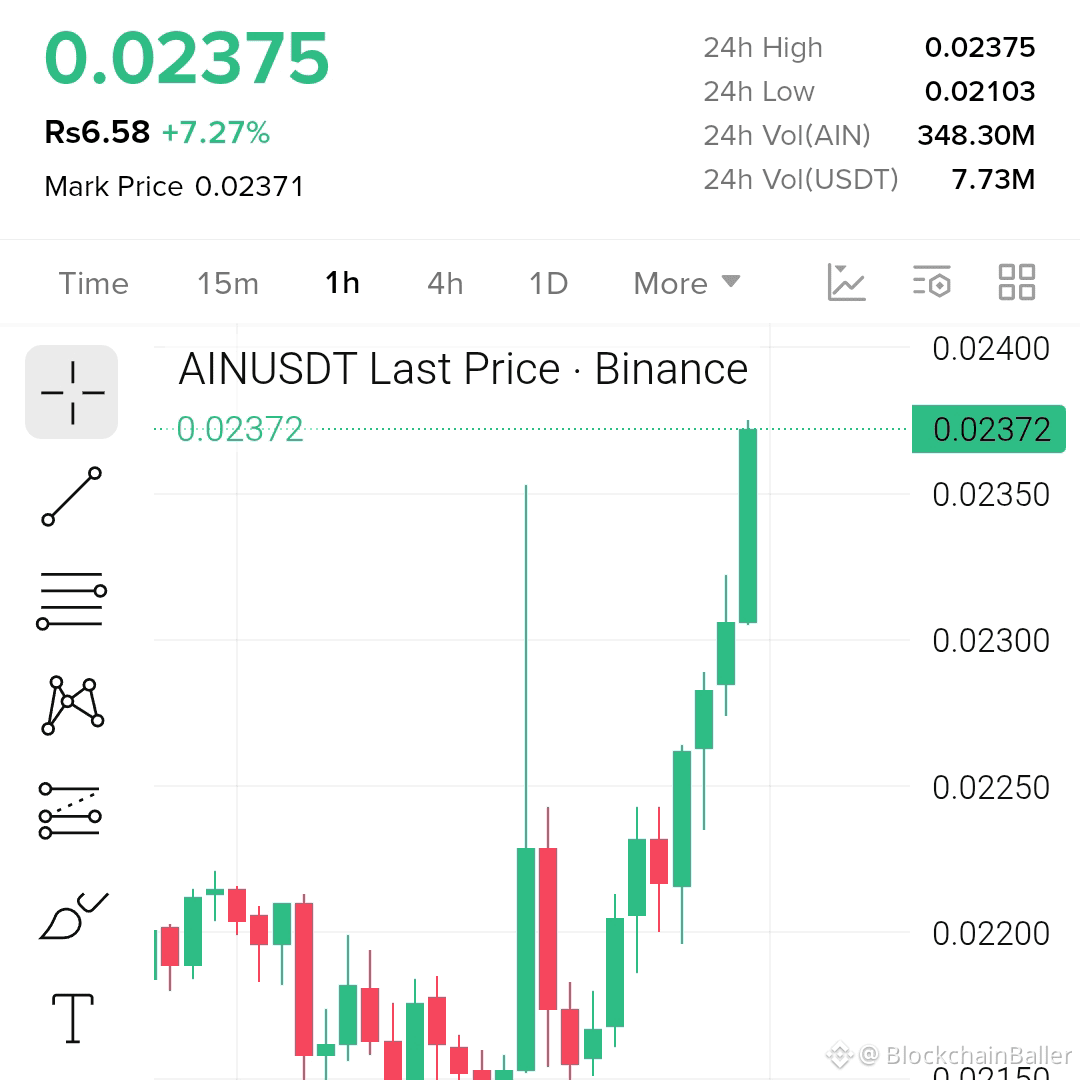
$AIN is pushing hard i’m looking for continuation...
Long: $0.0233–$0.0237
TP1: $0.0242 | TP2: $0.0248 | TP3: $0.0255
SL: $0.0226
$AIN is pushing hard i’m looking for continuation...
Long: $0.0233–$0.0237
TP1: $0.0242 | TP2: $0.0248 | TP3: $0.0255
SL: $0.0226
Long: $0.0233–$0.0237
TP1: $0.0242 | TP2: $0.0248 | TP3: $0.0255
SL: $0.0226
1
83
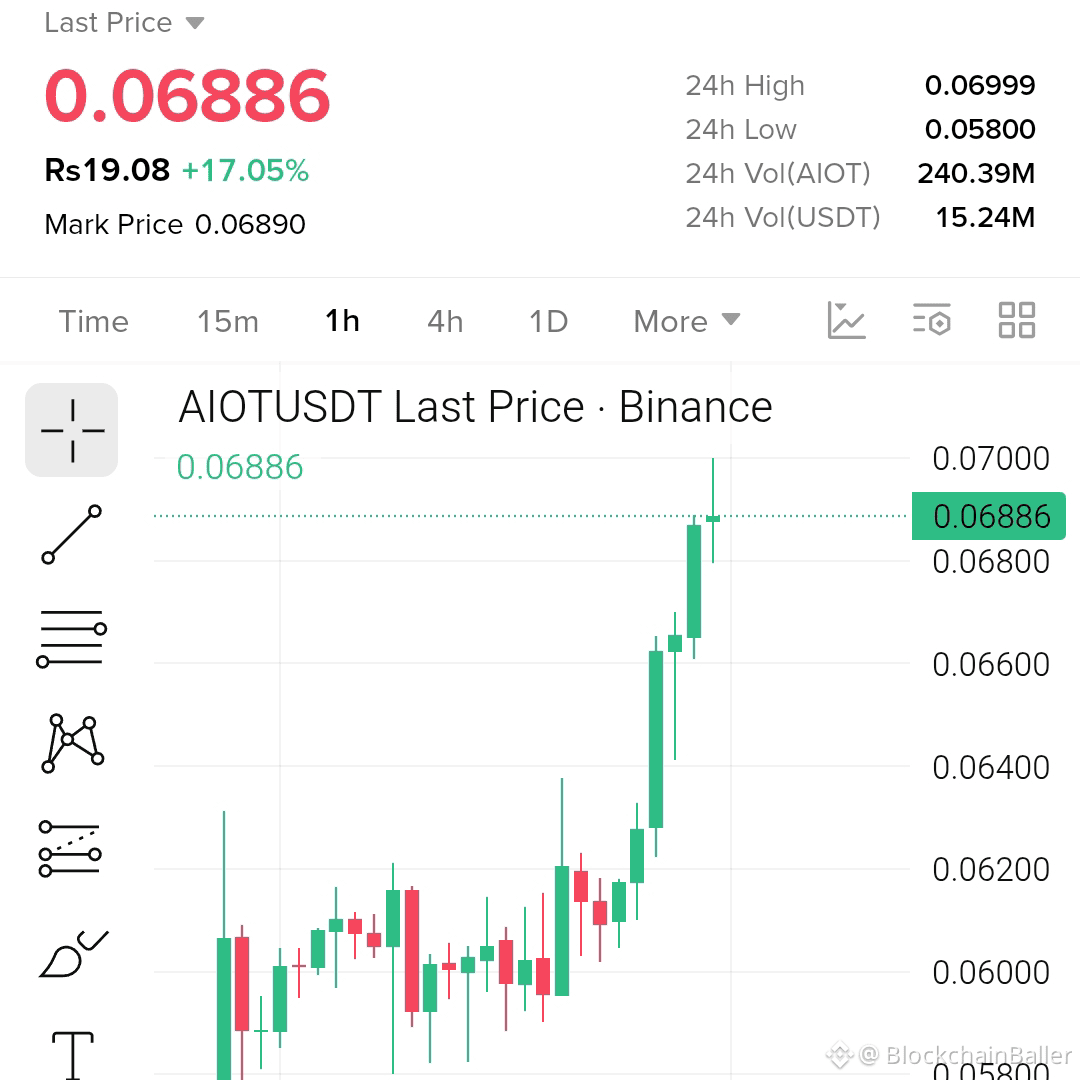
$AIOT is exploding bulls are pushing hard
#AIOT has broken out strongly and is trading around $0.0689 after a 17%+ daily move.
Immediate resistance: $0.0700. A clean breakout could open $0.0720 → $0.0750 → $0.0780.
Momentum looks strong, but after this sharp run, a pullback toward $0.0660–$0.0670 would be normal.
Buy and trade $AIOT
$AIOT is exploding bulls are pushing hard
#AIOT has broken out strongly and is trading around $0.0689 after a 17%+ daily move.
Immediate resistance: $0.0700. A clean breakout could open $0.0720 → $0.0750 → $0.0780.
Momentum looks strong, but after this sharp run, a pullback toward $0.0660–$0.0670 would be normal.
Buy and trade $AIOT
#AIOT has broken out strongly and is trading around $0.0689 after a 17%+ daily move.
Immediate resistance: $0.0700. A clean breakout could open $0.0720 → $0.0750 → $0.0780.
Momentum looks strong, but after this sharp run, a pullback toward $0.0660–$0.0670 would be normal.
Buy and trade $AIOT
1
269
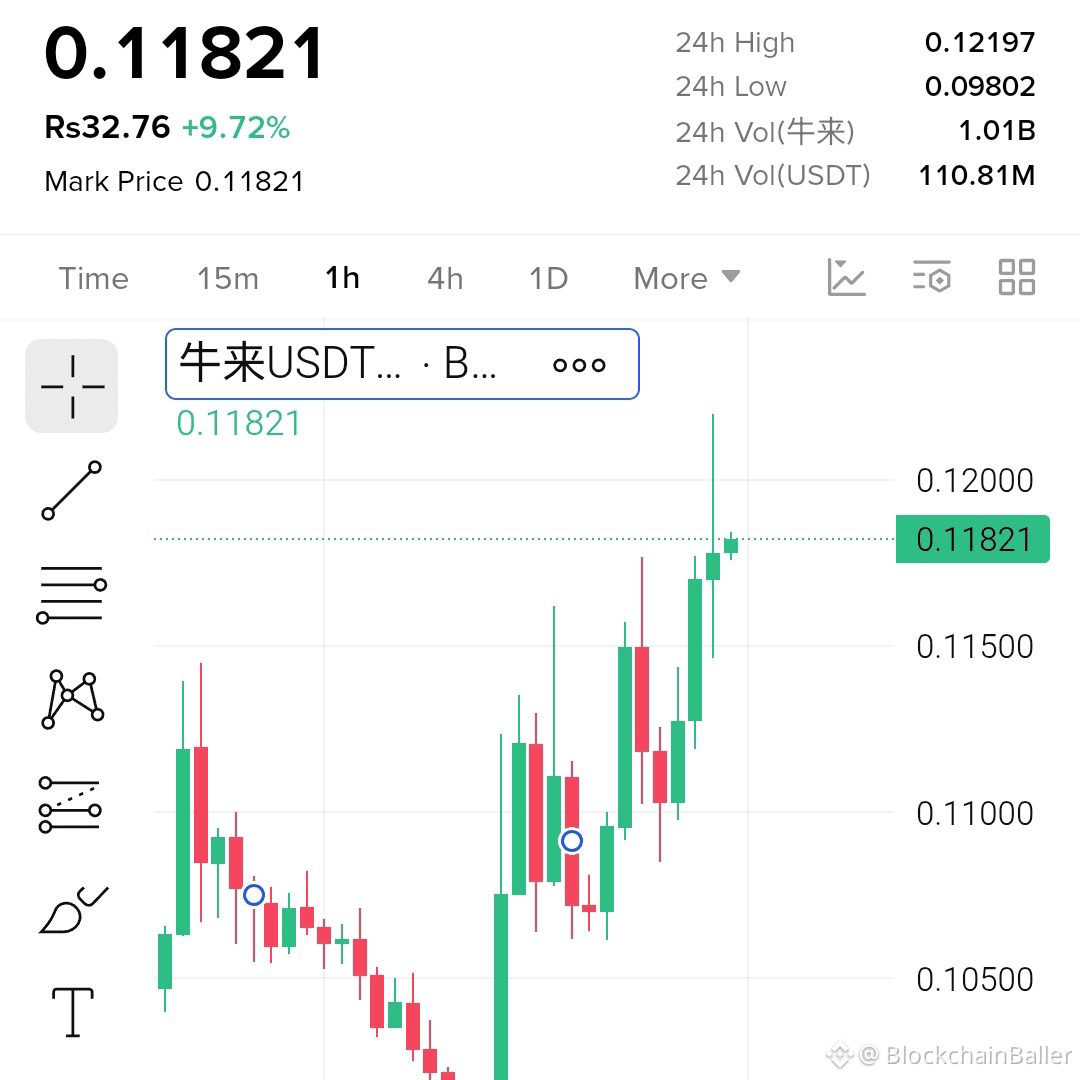
guy's long $牛来 now
entry: $0.1170–$0.1182
tps: $0.1200 / $0.1220 / $0.1250
sl: $0.1145
guy's long $牛来 now
entry: $0.1170–$0.1182
tps: $0.1200 / $0.1220 / $0.1250
sl: $0.1145
entry: $0.1170–$0.1182
tps: $0.1200 / $0.1220 / $0.1250
sl: $0.1145
1
2
339
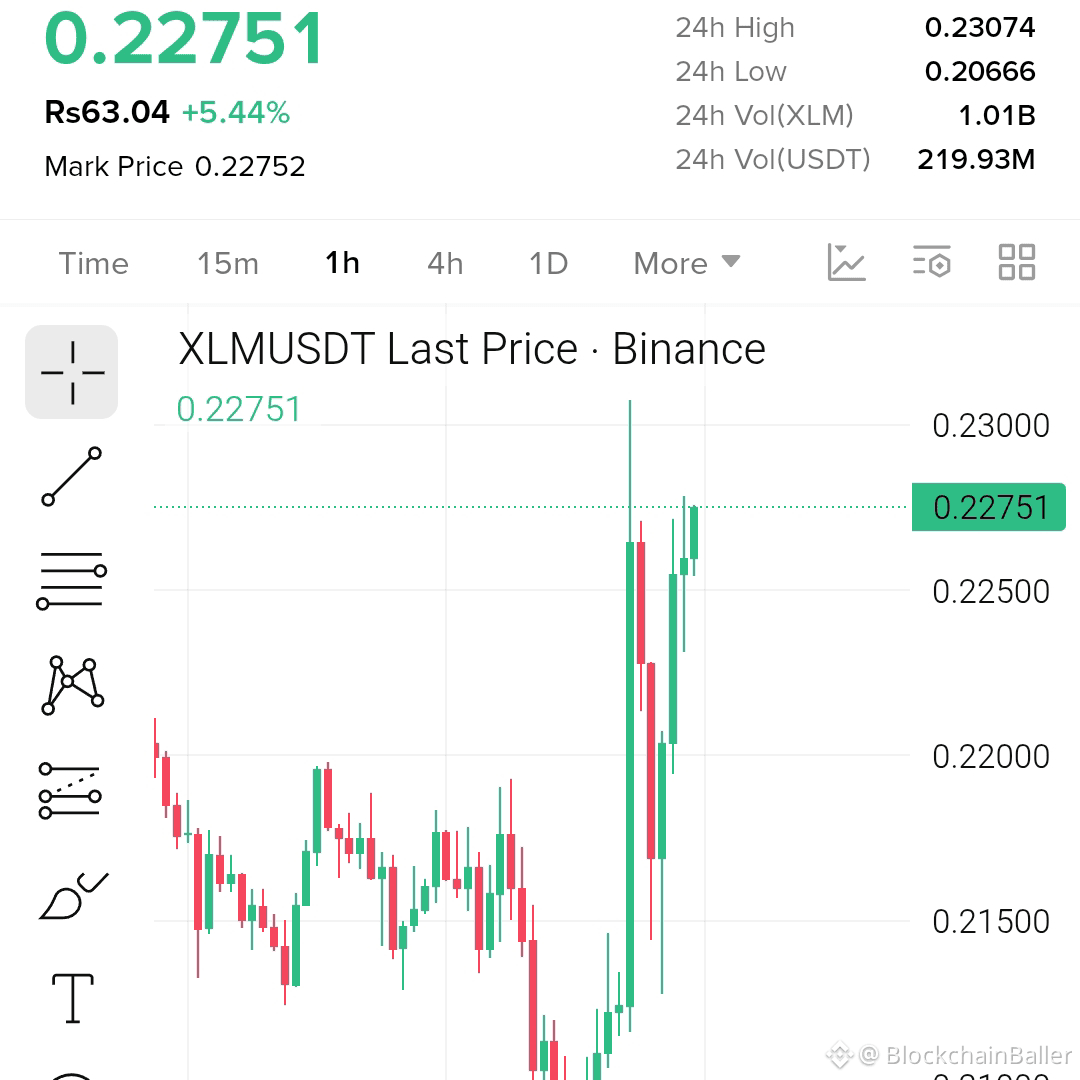
$XLM i’m riding this breakout🤝♥️
entry: $0.2260–$0.2275
tps: $0.2300 / $0.2330 / $0.2360
sl: $0.2230
$XLM i’m riding this breakout🤝♥️
entry: $0.2260–$0.2275
tps: $0.2300 / $0.2330 / $0.2360
sl: $0.2230
entry: $0.2260–$0.2275
tps: $0.2300 / $0.2330 / $0.2360
sl: $0.2230
3
616
·
--
Bullish
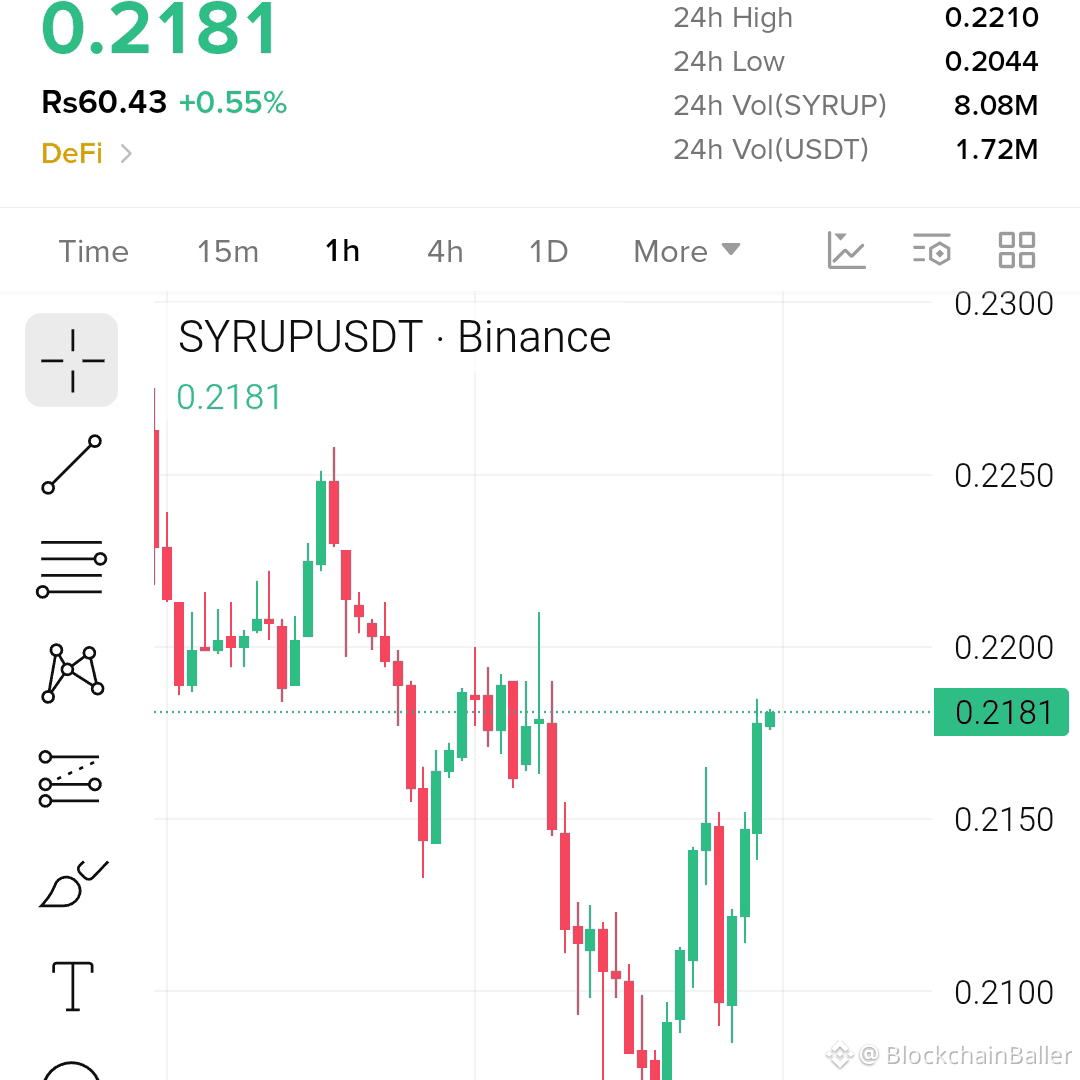
guy's long $SYRUP now‼️‼️
entry: $0.2170–$0.2182
tps: $0.2200 / $0.2225 / $0.2250
sl: $0.2145
guy's long $SYRUP now‼️‼️
entry: $0.2170–$0.2182
tps: $0.2200 / $0.2225 / $0.2250
sl: $0.2145
entry: $0.2170–$0.2182
tps: $0.2200 / $0.2225 / $0.2250
sl: $0.2145
1
453
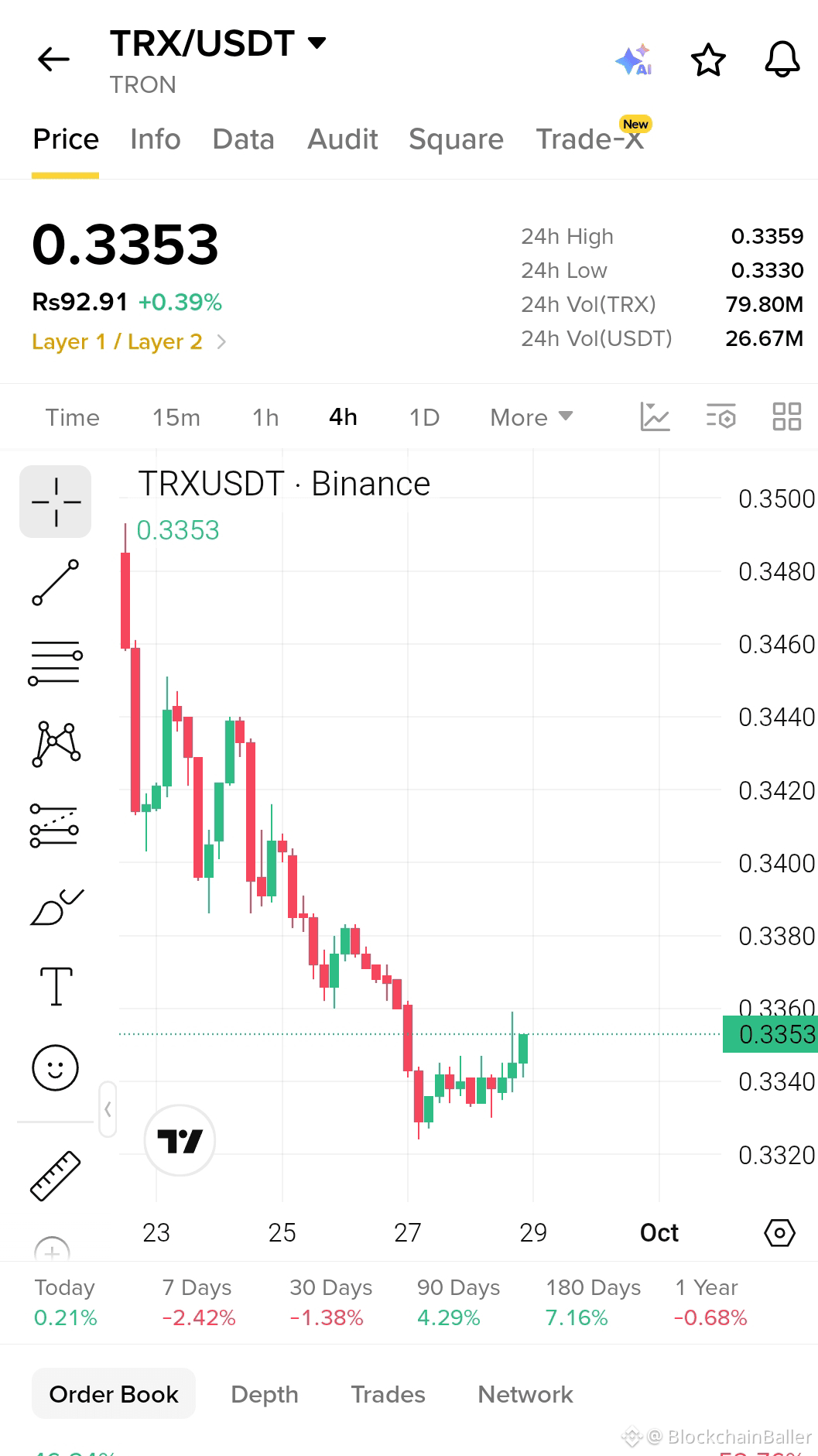
guy's I just opened long position on $TRX ‼️♥️🤝
Entry: $0.3345–$0.3355
TPs: $0.3380 / $0.3410 / $0.3440
SL: $0.3320
Don’t go all in use proper SL & TP.
guy's I just opened long position on $TRX ‼️♥️🤝
Entry: $0.3345–$0.3355
TPs: $0.3380 / $0.3410 / $0.3440
SL: $0.3320
Don’t go all in use proper SL & TP.
Entry: $0.3345–$0.3355
TPs: $0.3380 / $0.3410 / $0.3440
SL: $0.3320
Don’t go all in use proper SL & TP.
1
447
·
--
Bullish
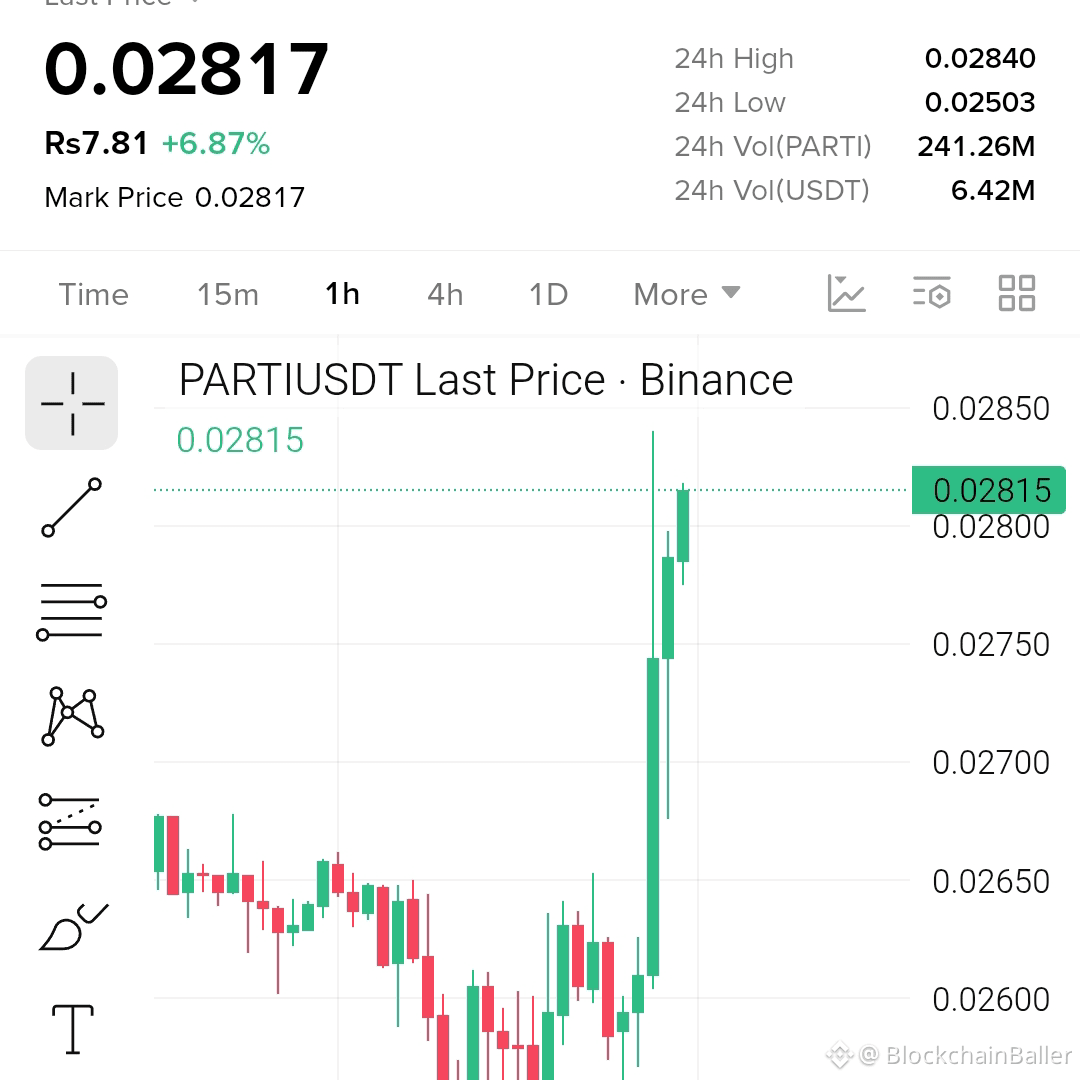
$PARTI long i’m catching this breakout...
entry: $0.0278–$0.0282
tps: $0.0288 / $0.0295 / $0.0305
sl: $0.0270
$PARTI long i’m catching this breakout...
entry: $0.0278–$0.0282
tps: $0.0288 / $0.0295 / $0.0305
sl: $0.0270
entry: $0.0278–$0.0282
tps: $0.0288 / $0.0295 / $0.0305
sl: $0.0270
1
496
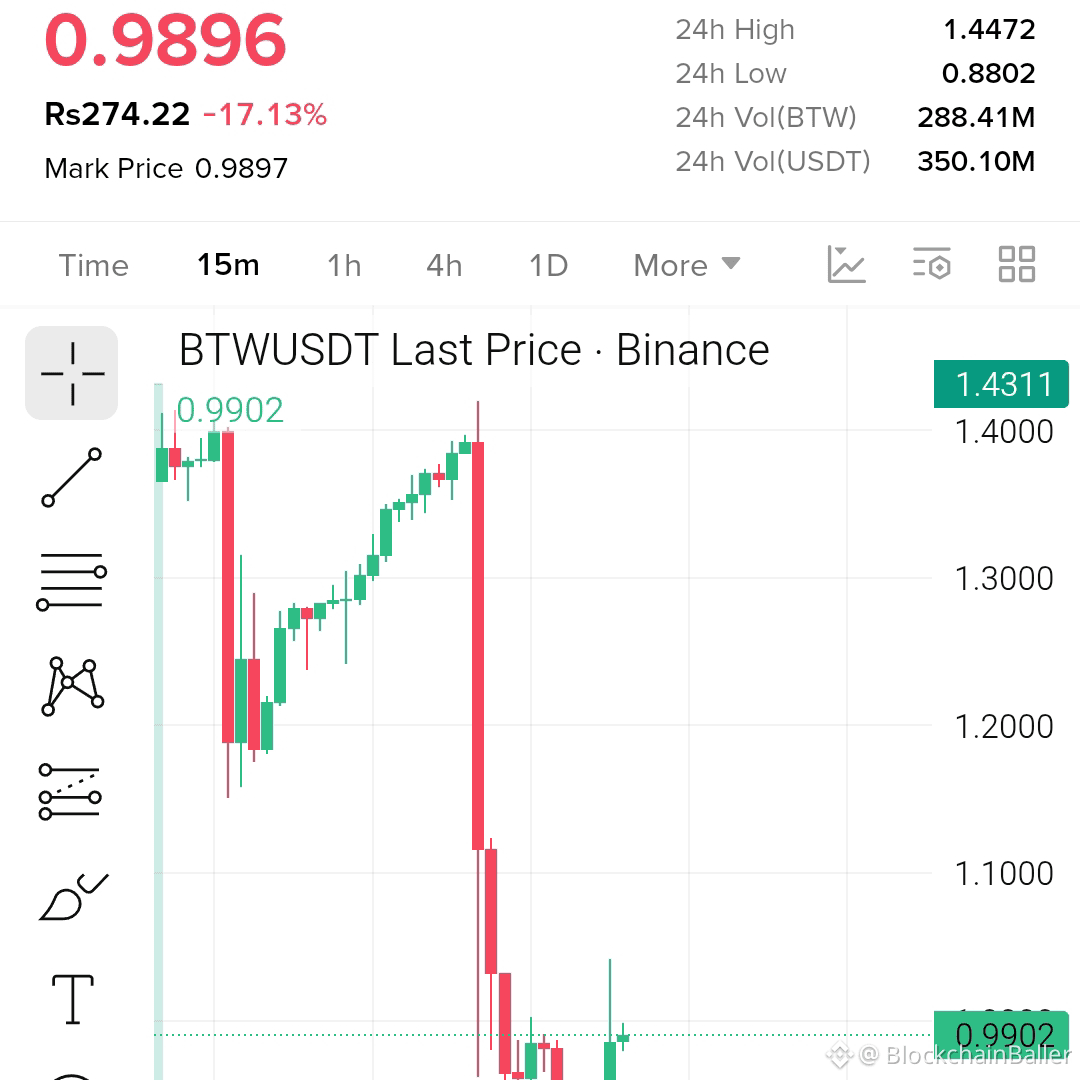
$BTW I’m Taking the Bounce ♥️🤝like we did 3 days back...
Entry: 0.97–0.99
TPs: 1.03 / 1.08 / 1.15
SL: 0.92
$BTW I’m Taking the Bounce ♥️🤝like we did 3 days back...
Entry: 0.97–0.99
TPs: 1.03 / 1.08 / 1.15
SL: 0.92
Entry: 0.97–0.99
TPs: 1.03 / 1.08 / 1.15
SL: 0.92
2
772
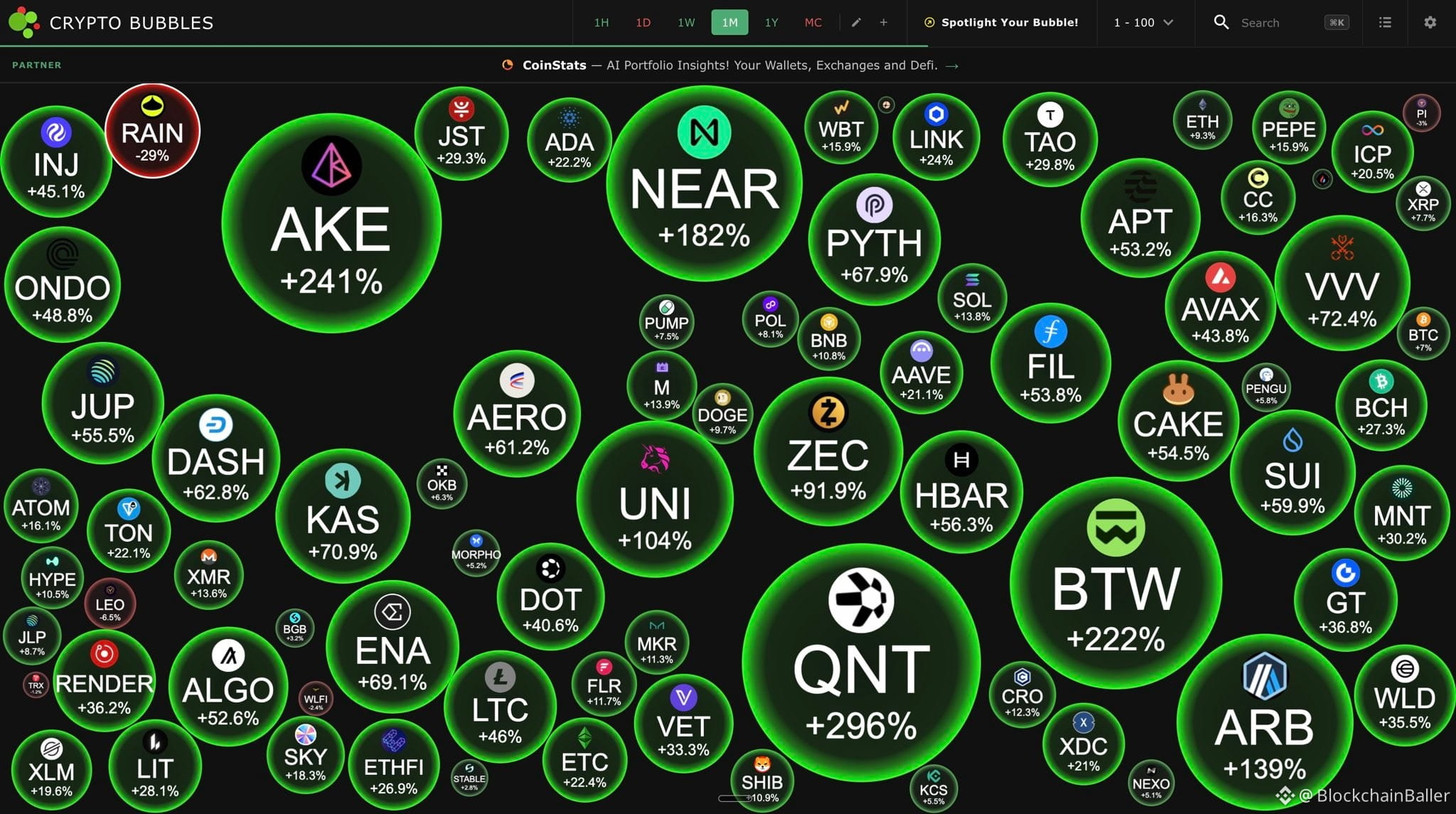
Altcoin are exploding everywhere.
I've $100,000 ready to deploy.
What are we buying?
$QNT $ $ARB l $NEAR
Altcoin are exploding everywhere.
I've $100,000 ready to deploy.
What are we buying?
$QNT $ $ARB l $NEAR
I've $100,000 ready to deploy.
What are we buying?
$QNT $ $ARB l $NEAR
2
806
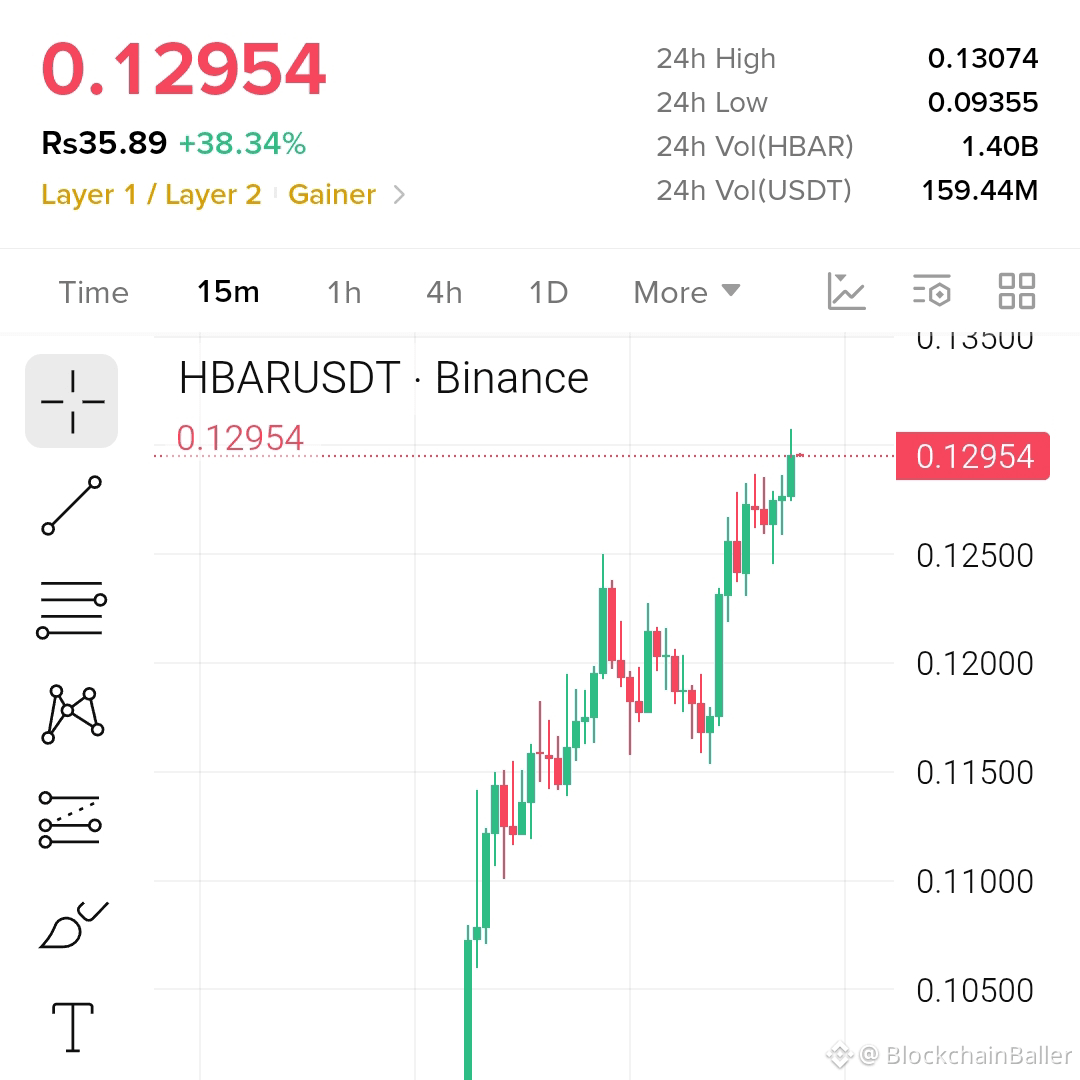
$HBAR High Probability Setup 🔥
Entry: 0.1285–0.1295
TPs: 0.1320 / 0.1350 / 0.1400
SL: 0.1245
$HBAR High Probability Setup 🔥
Entry: 0.1285–0.1295
TPs: 0.1320 / 0.1350 / 0.1400
SL: 0.1245
Entry: 0.1285–0.1295
TPs: 0.1320 / 0.1350 / 0.1400
SL: 0.1245
1
601
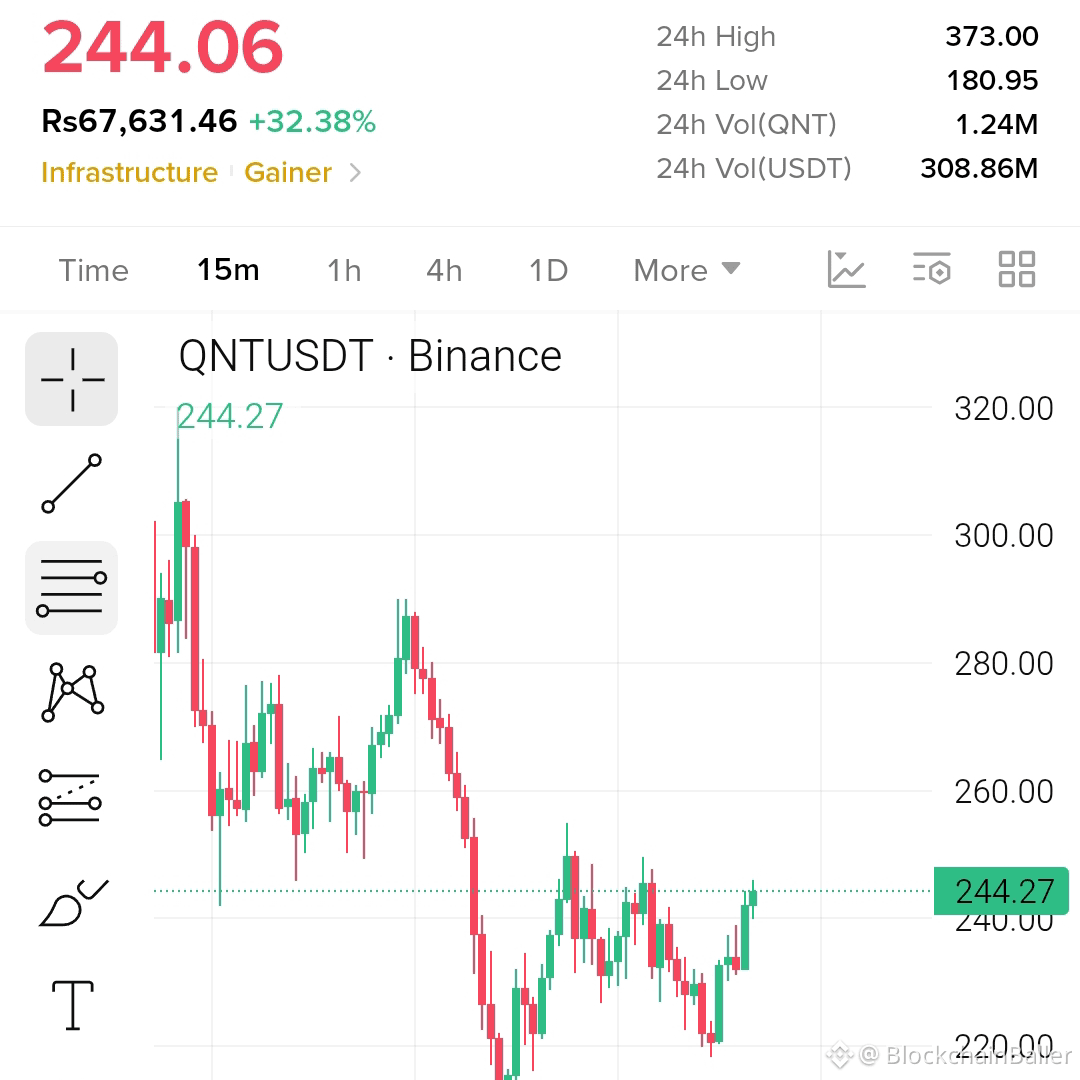
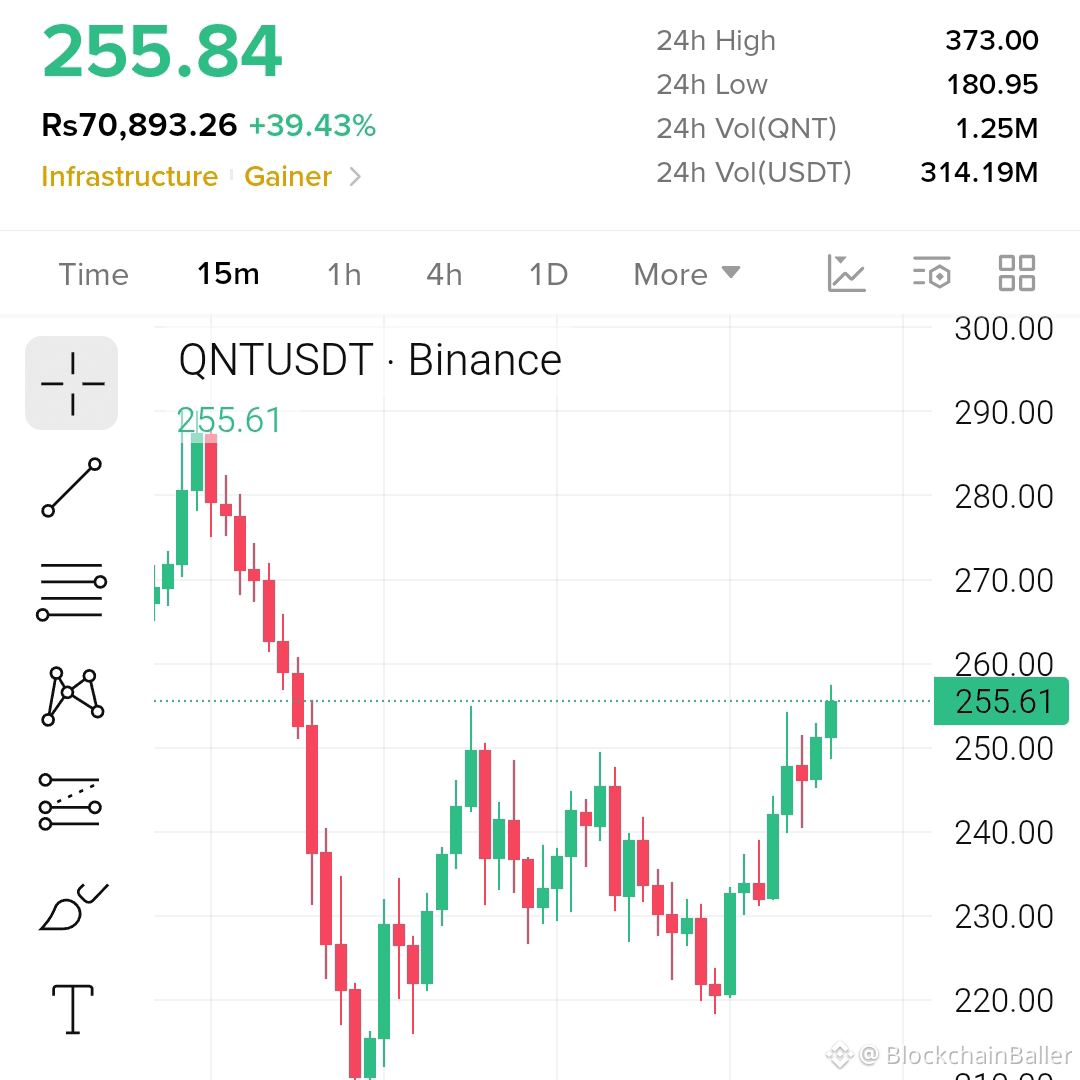
$QNT I’m Riding This Momentum ♥️🤝
Entry: $252–$256
TPs: $262 / $270 / $280
SL: $246
$QNT I’m Riding This Momentum ♥️🤝
Entry: $252–$256
TPs: $262 / $270 / $280
SL: $246
Entry: $252–$256
TPs: $262 / $270 / $280
SL: $246
2
1
802
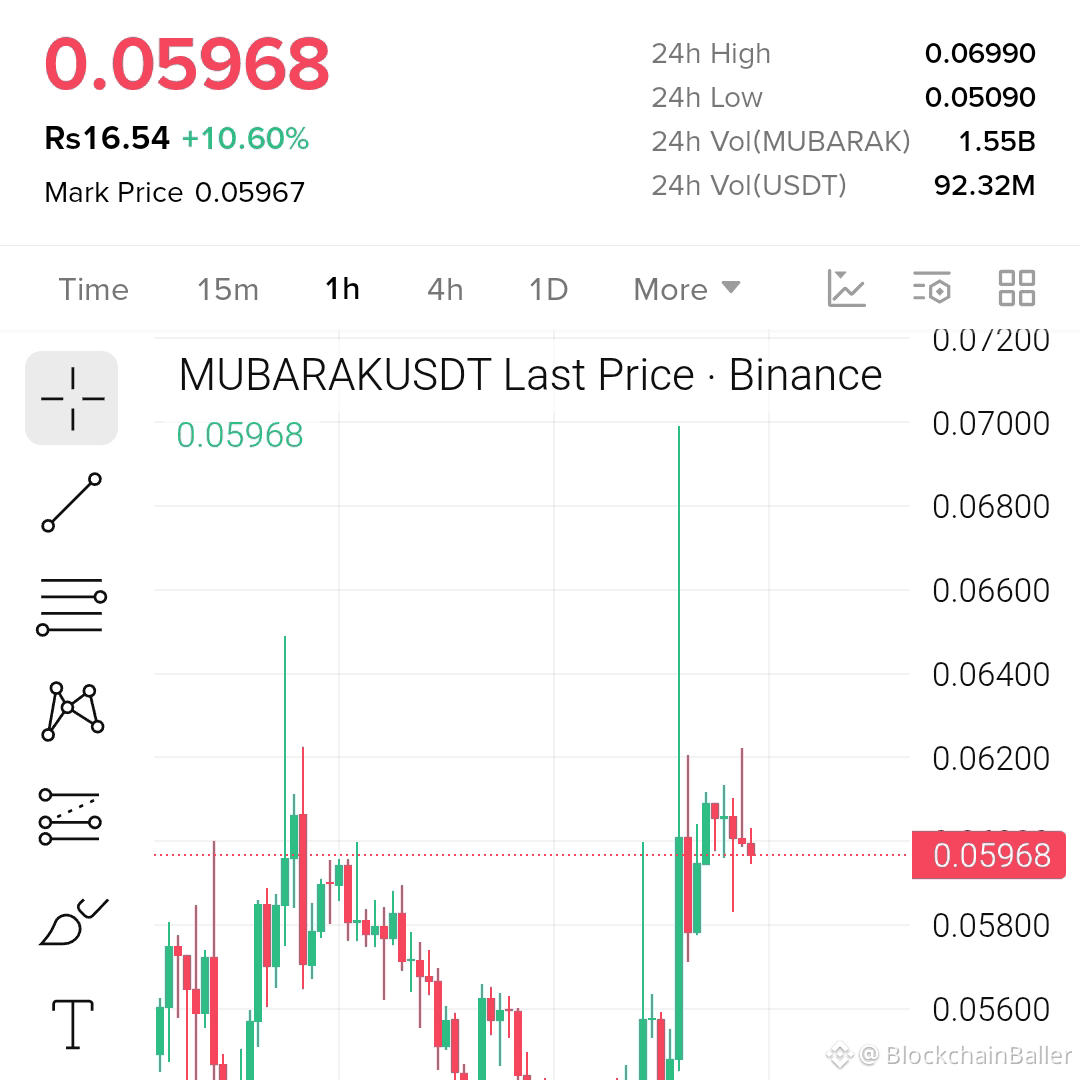
Guys, I’m going SHORT on $MUBARAK here...
Entry: 0.0595–0.0605
TPs: 0.0580 / 0.0565 / 0.0545
SL: 0.0622
Guys, I’m going SHORT on $MUBARAK here...
Entry: 0.0595–0.0605
TPs: 0.0580 / 0.0565 / 0.0545
SL: 0.0622
Entry: 0.0595–0.0605
TPs: 0.0580 / 0.0565 / 0.0545
SL: 0.0622
1
2
630
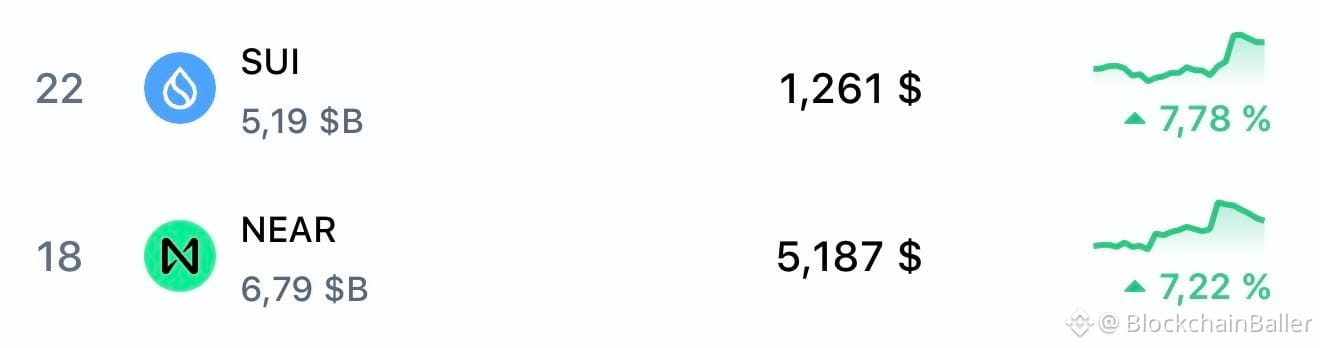
BIG WEEK FOR $SUI ♥️🤝
Maybe we see $2 this week
BIG WEEK FOR $SUI ♥️🤝
Maybe we see $2 this week
Maybe we see $2 this week
2
7
1.1k
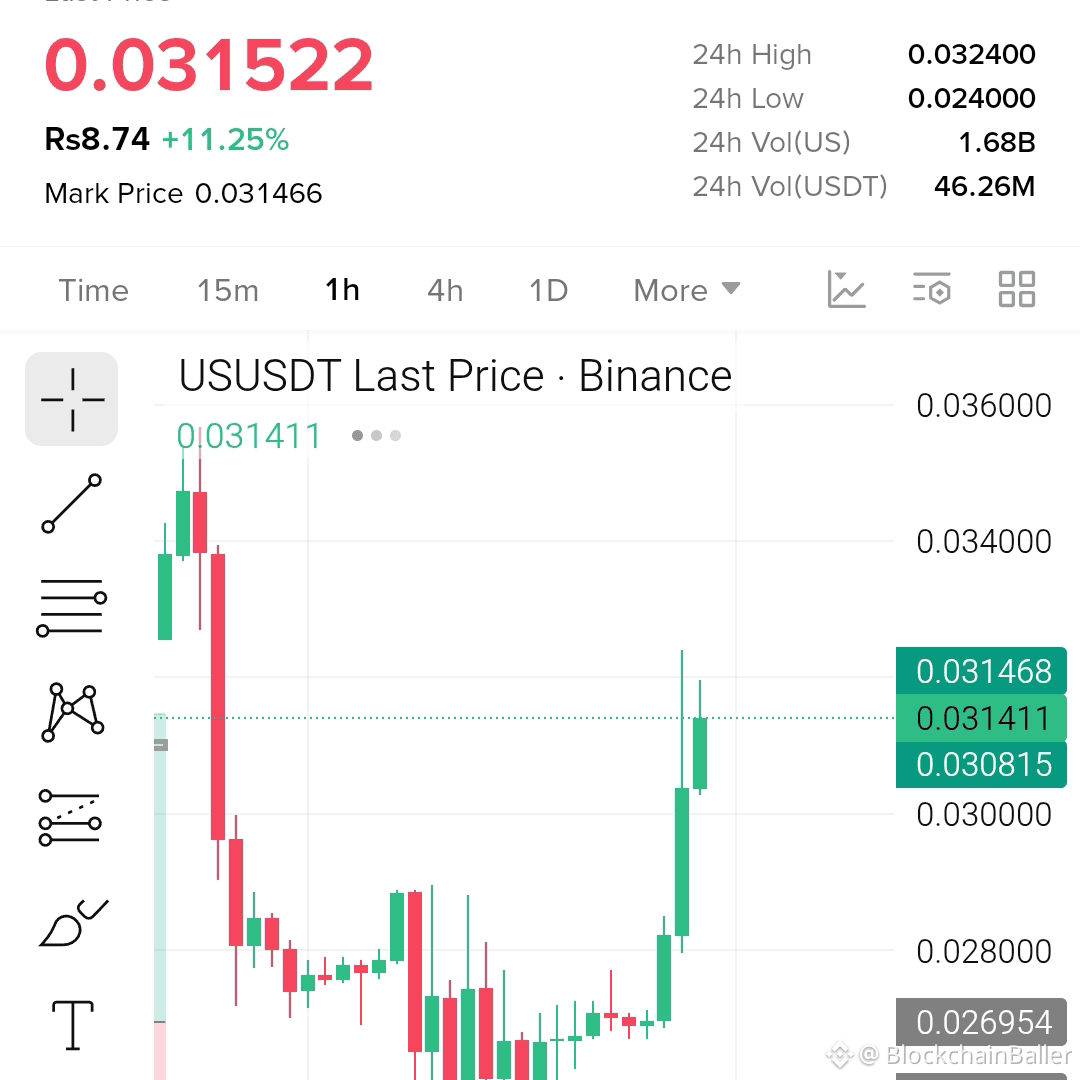
Guys, I’m going LONG on $US here 🔥
Entry: 0.0308–0.0315
TPs: 0.0325 / 0.0340 / 0.0360
SL: 0.0295
Guys, I’m going LONG on $US here 🔥
Entry: 0.0308–0.0315
TPs: 0.0325 / 0.0340 / 0.0360
SL: 0.0295
Entry: 0.0308–0.0315
TPs: 0.0325 / 0.0340 / 0.0360
SL: 0.0295
1
468
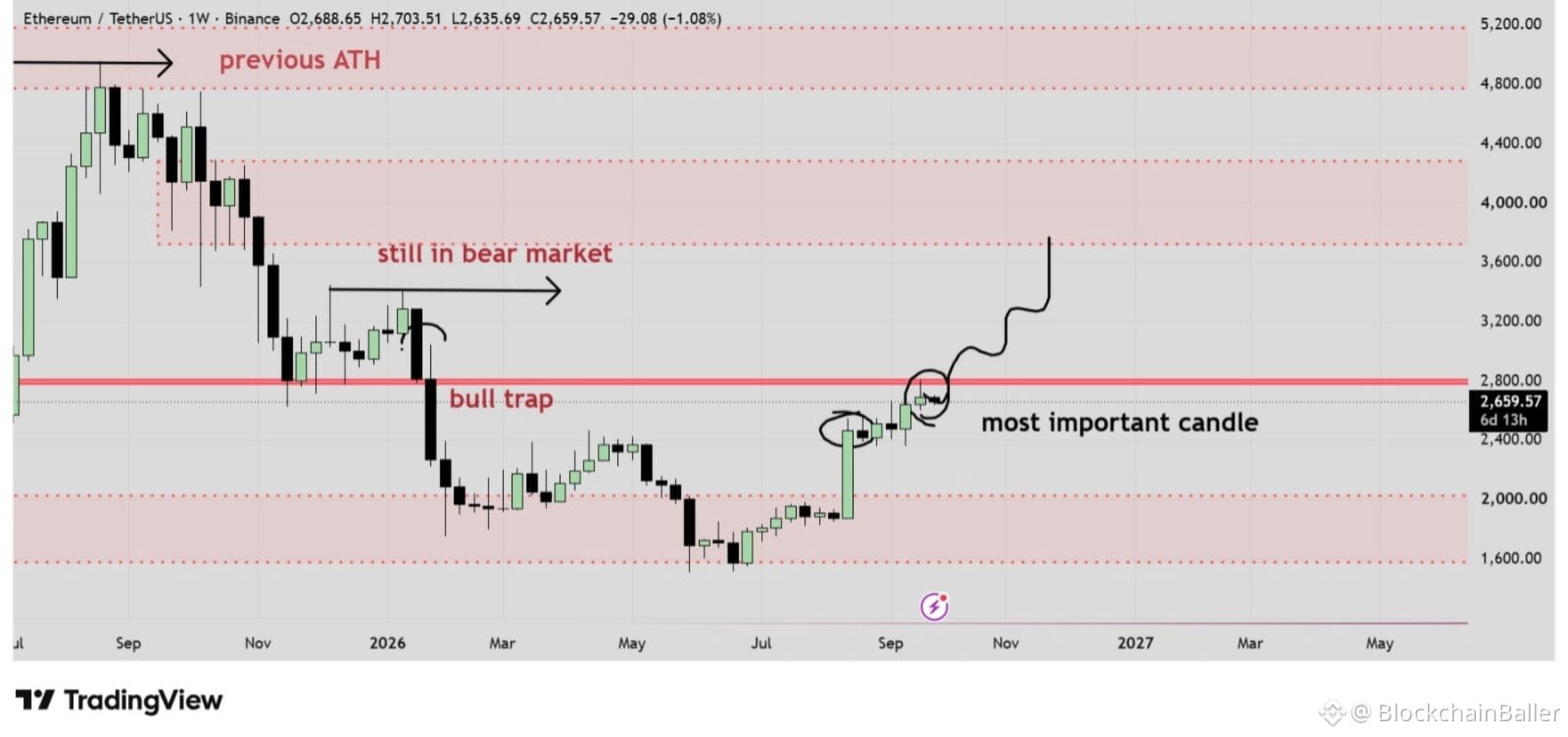
Dear Binancians ♥️ ♥️ 𝐬𝐭𝐨𝐩…. 𝐬𝐭𝐨𝐩…. 𝐬𝐭𝐨𝐩 scrolling guys ❗❗ Read this before it’s too late…Give me just 5 minutes..... I wanna share meh $ETH analysis with you....
guys, $ETH has recovered strongly from around $1,600 and is now sitting near $2,660.
the real test is $2,800. this level previously acted as a major barrier, so a strong weekly reclaim could change the structure and bring $3,200–$3,600 back into focus.
i’m not interested in chasing i’m watching what happens at $2,800.
break and hold it, and eth could get very interesting. 🔥
Dear Binancians ♥️ ♥️ 𝐬𝐭𝐨𝐩…. 𝐬𝐭𝐨𝐩…. 𝐬𝐭𝐨𝐩 scrolling guys ❗❗ Read this before it’s too late…Give me just 5 minutes..... I wanna share meh $ETH analysis with you....
guys, $ETH has recovered strongly from around $1,600 and is now sitting near $2,660.
the real test is $2,800. this level previously acted as a major barrier, so a strong weekly reclaim could change the structure and bring $3,200–$3,600 back into focus.
i’m not interested in chasing i’m watching what happens at $2,800.
break and hold it, and eth could get very interesting. 🔥
guys, $ETH has recovered strongly from around $1,600 and is now sitting near $2,660.
the real test is $2,800. this level previously acted as a major barrier, so a strong weekly reclaim could change the structure and bring $3,200–$3,600 back into focus.
i’m not interested in chasing i’m watching what happens at $2,800.
break and hold it, and eth could get very interesting. 🔥
1
1
797
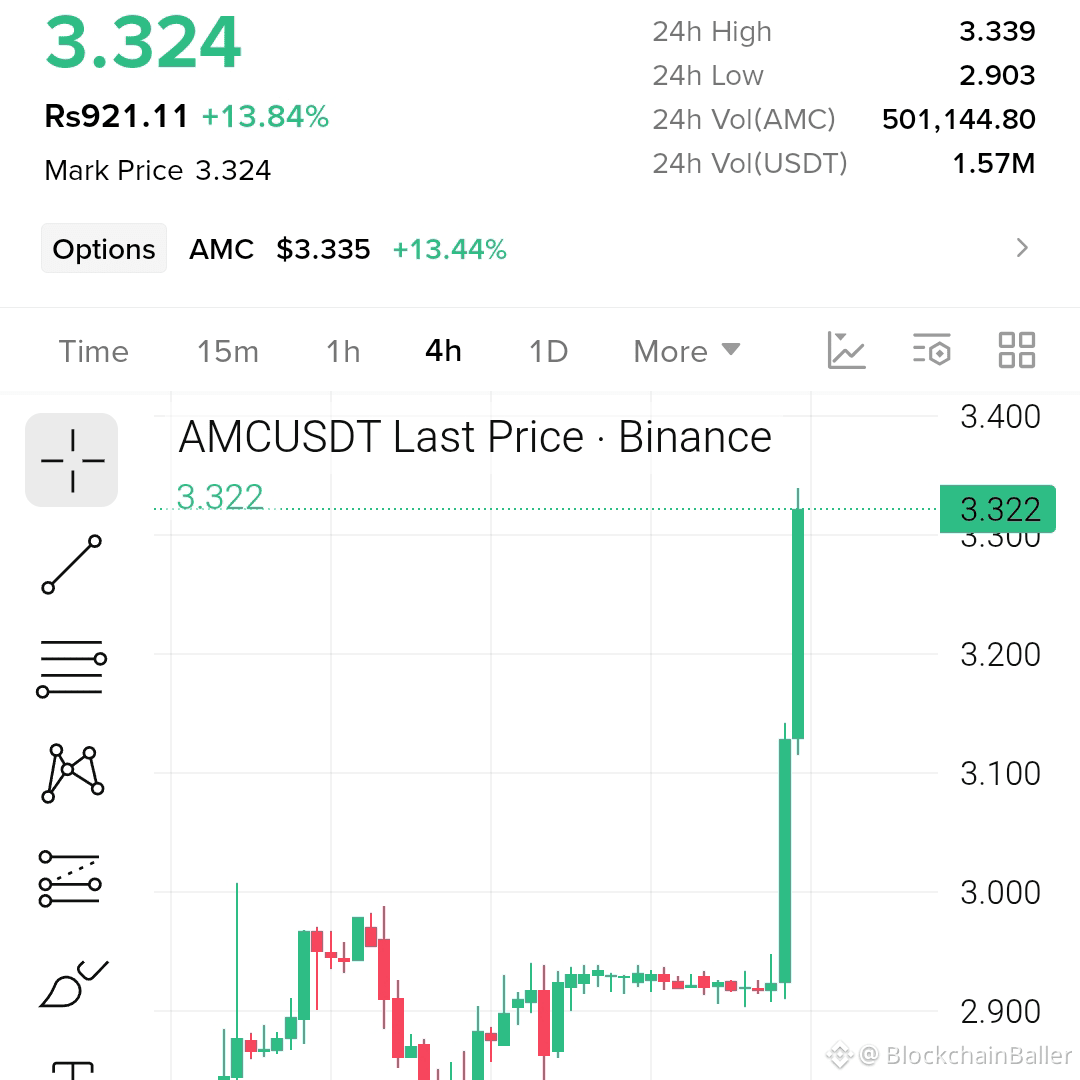
Guys, I’m going LONG on $AMC here 🔥
Entry: $3.20–$3.30
TPs: $3.40 / $3.55 / $3.70
SL: $3.05
Guys, I’m going LONG on $AMC here 🔥
Entry: $3.20–$3.30
TPs: $3.40 / $3.55 / $3.70
SL: $3.05
Entry: $3.20–$3.30
TPs: $3.40 / $3.55 / $3.70
SL: $3.05
1
1
458
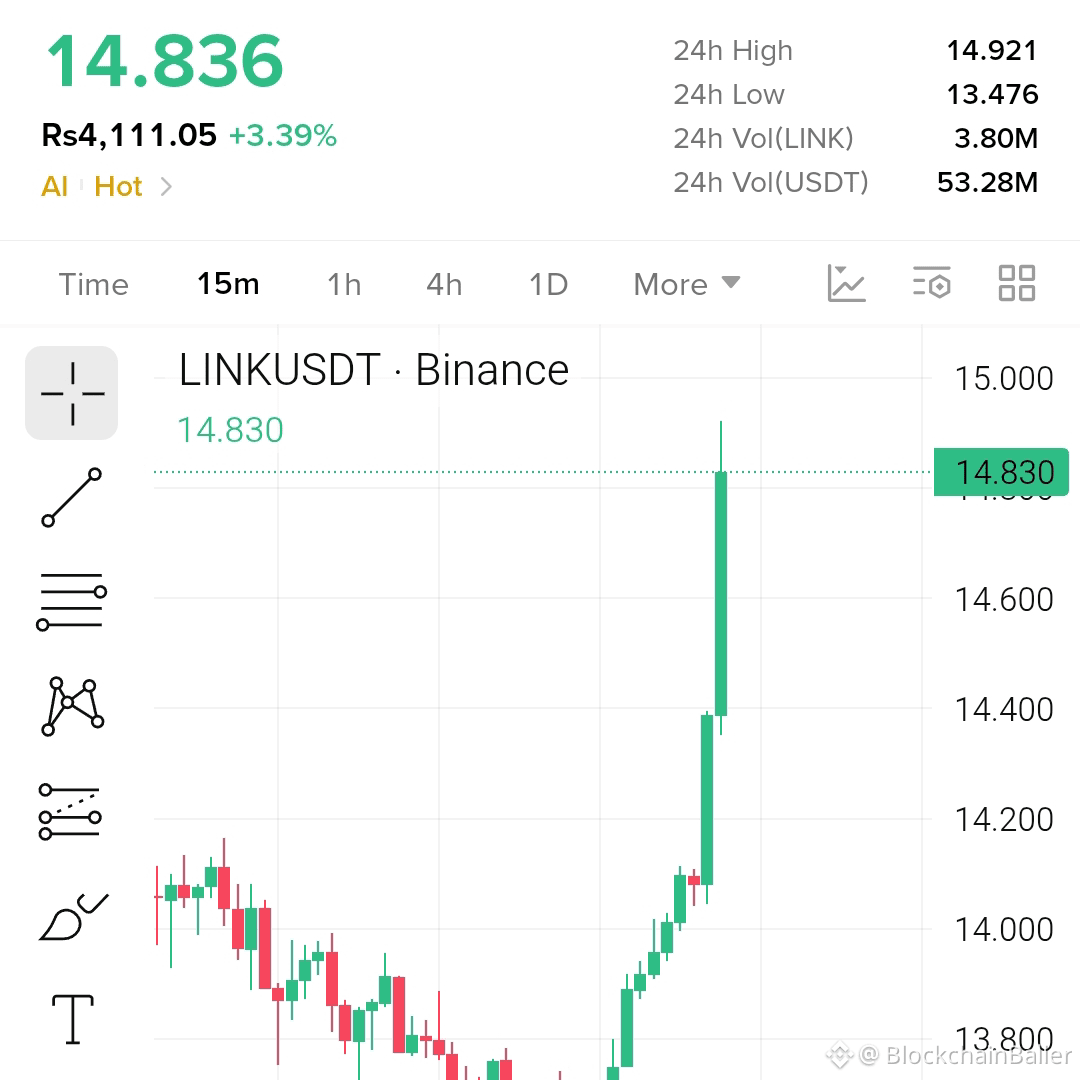
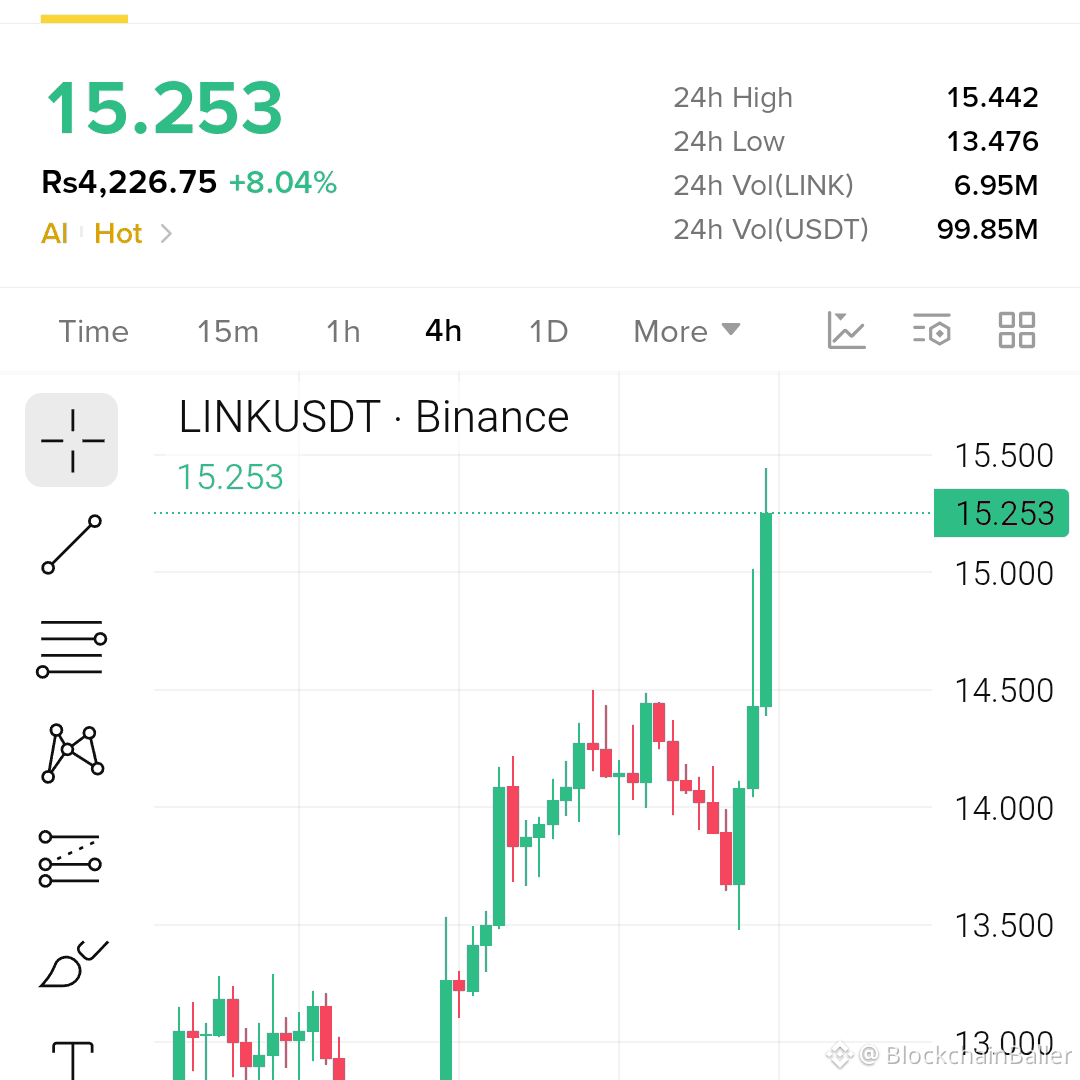
Guys, I’m still LONG on $LINK here 🔥
Entry: $15.10–$15.25
TPs: $15.50 / $15.80 / $16.20
SL: $14.75
Guys, I’m still LONG on $LINK here 🔥
Entry: $15.10–$15.25
TPs: $15.50 / $15.80 / $16.20
SL: $14.75
Entry: $15.10–$15.25
TPs: $15.50 / $15.80 / $16.20
SL: $14.75
6
3
832
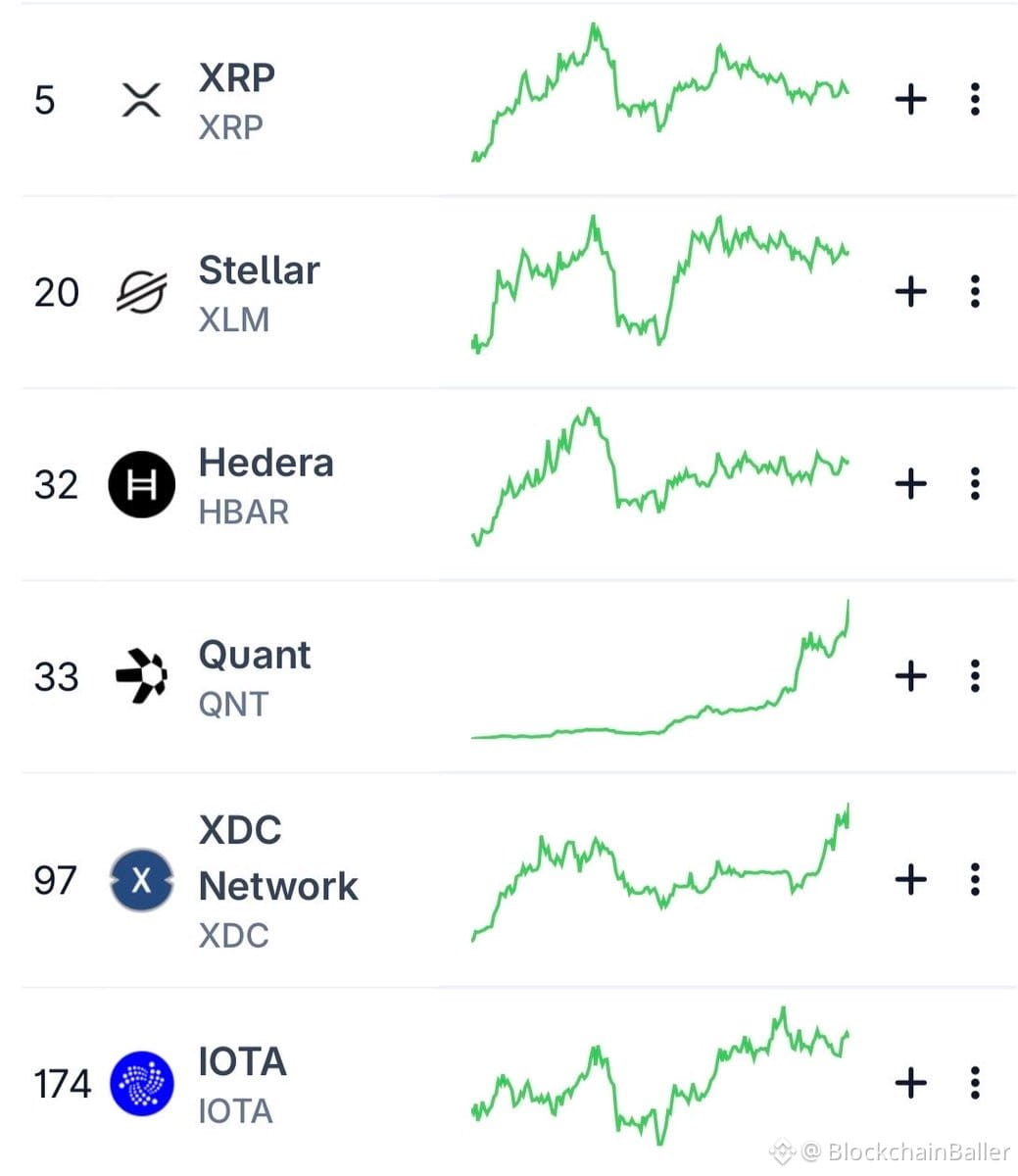
After this massive Quant move, I’m watching the rest of the interoperability/payment names closely:
$XRP
$HBAR
$QNT
After this massive Quant move, I’m watching the rest of the interoperability/payment names closely:
$XRP
$HBAR
$QNT
$XRP
$HBAR
$QNT
4
677
Log in to explore more content
Join global crypto users on Binance Square
⚡️ Get latest and useful information about crypto.
💬 Trusted by the world’s largest crypto exchange.
👍 Discover real insights from verified creators.
Email / Phone number
Trending Topics
UKFCAWinsCourtOrderToRecover851400Pounds
8,278 views
487 Discussing
🚨 CRYPTO REGULATION JUST ENTERED A NEW PHASE: THEY’RE NOT ONLY WRITING RULES — THEY’RE TAKING MONEY BACK.
The UK’s FCA has secured another court-backed asset recovery, reinforcing a broader enforcement push against unauthorized financial and crypto-related activity.
And look at what’s happening simultaneously:
🇬🇧 FCA → enforcement + asset recovery
🇺🇸 SEC → clearer rules for functional crypto assets
🇺🇸 Fed → formal stablecoin supervision under the GENIUS Act
That combination matters.
Regulators are no longer debating whether crypto belongs inside the financial system.
They’re increasingly deciding who gets access, what rules they follow, and what happens when those rules are broken.
The next crypto cycle may not be “regulation vs innovation.”
It may be regulated crypto vs everyone who can’t meet the standard. 👀
$COIN $CRCL $BTC
#ukfcawinscourtordertorecover851400pounds #ChainlinkLaunchesCCIP2WithEnterpriseVerification #GoldFallsTo$4144 #QNTFallsOver40%FromMorningHigh #USDTAdds845900HoldersInPast7Days
KimHotbae
·2 Likes
·4k views
ChainlinkLaunchesCCIP2WithEnterpriseVerification
21,878 views
720 Discussing
GoldFallsTo$4144
8,714 views
120 Discussing