

CAPITALGDVCRIPTO
172 Posts
CAPITALGDVCRIPTO
Report
Block User
Alcanzar la conciencia cripto es la meta.
Open Trade

BTC Holder
Frequent Trader
5 Years
12 Following
39 Followers
93 Liked
Posts
Portfolio
All
Quotes
Article
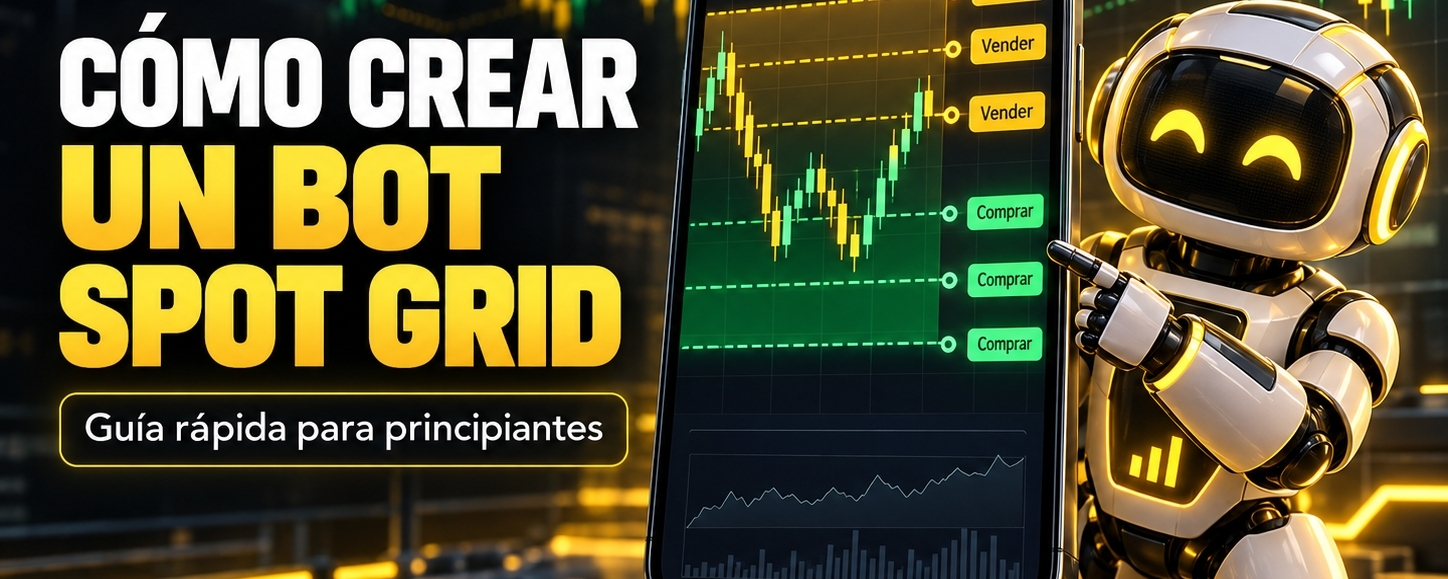
How to Create a Spot Grid Bot on BinanceThe Bot Spot Grid automates buying and selling within a price range. When the price drops, it buys; when it rises again, it sells. Its goal is to take advantage of market fluctuations without using leverage.
Steps to create it
Open Binance and go to:
Trading → Bots → Spot Grid
Select a pair, for example:
BTC/USDT
ETH/USDT
BNB/USDT
Choose the configuration type:
AI: Binance suggests the parameters.
Popular: allows you to copy existing configurations.
Manual: you set all the values.
How to Create a Spot Grid Bot on Binance
The Bot Spot Grid automates buying and selling within a price range. When the price drops, it buys; when it rises again, it sells. Its goal is to take advantage of market fluctuations without using leverage.
Steps to create it
Open Binance and go to:
Trading → Bots → Spot Grid
Select a pair, for example:
BTC/USDT
ETH/USDT
BNB/USDT
Choose the configuration type:
AI: Binance suggests the parameters.
Popular: allows you to copy existing configurations.
Manual: you set all the values.
Steps to create it
Open Binance and go to:
Trading → Bots → Spot Grid
Select a pair, for example:
BTC/USDT
ETH/USDT
BNB/USDT
Choose the configuration type:
AI: Binance suggests the parameters.
Popular: allows you to copy existing configurations.
Manual: you set all the values.
106
Article
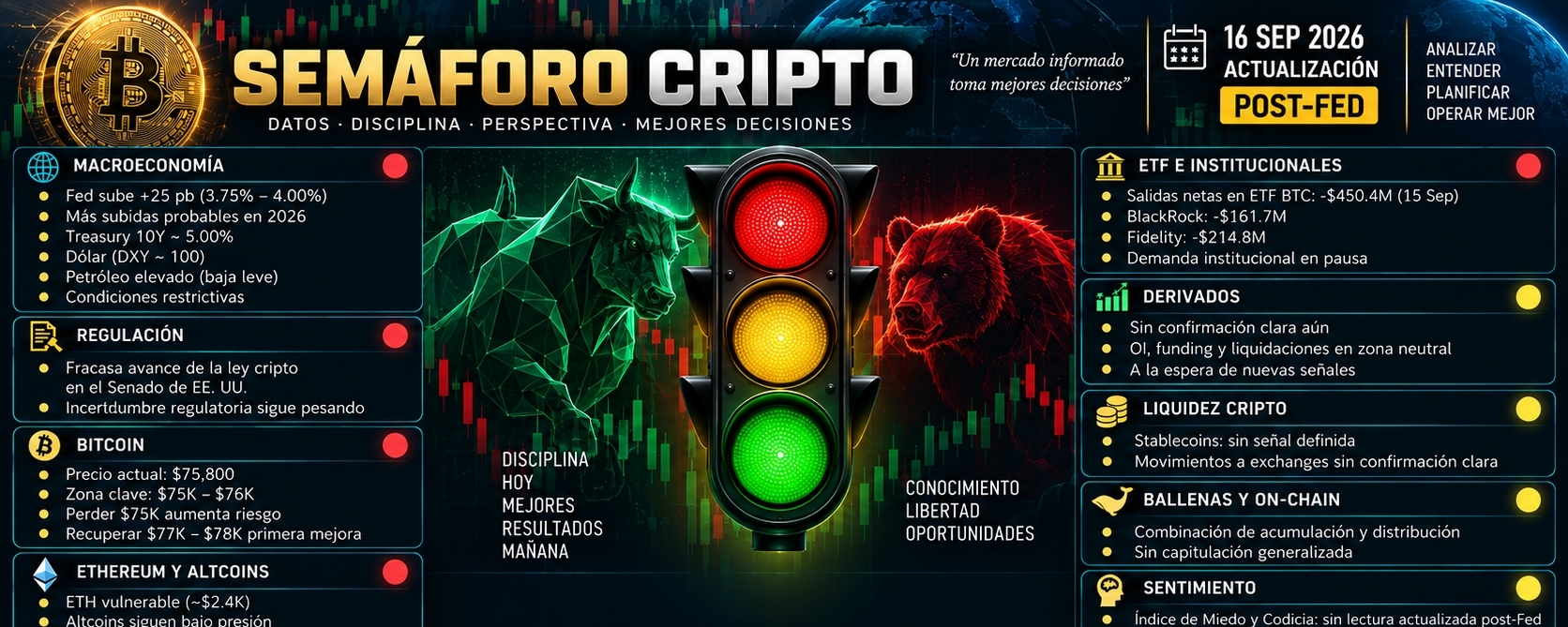
CRYPTO TRAFFIC LIGHT | POST-FED Market🚦The crypto market enters a key phase after the Federal Reserve decision. Bitcoin continues to defend the $75K–$76K area, but the environment still shows pressure: restrictive rates, a strong dollar, and significant capital outflows from Bitcoin ETFs.
📊 Current traffic light:
🔴 Bearish: 64%
🟡 Sideways: 24%
🟢 Bullish: 12%
🚦 Traffic Light Score: 2.7/10
₿ BTC levels to watch: losing $75K would increase the risk of searching for lower zones. Reclaiming $77K–$78K would be the first sign of improvement, while breaking $79K–$80K would considerably strengthen the structure.$NVDA.US
CRYPTO TRAFFIC LIGHT | POST-FED Market
🚦The crypto market enters a key phase after the Federal Reserve decision. Bitcoin continues to defend the $75K–$76K area, but the environment still shows pressure: restrictive rates, a strong dollar, and significant capital outflows from Bitcoin ETFs.
📊 Current traffic light:
🔴 Bearish: 64%
🟡 Sideways: 24%
🟢 Bullish: 12%
🚦 Traffic Light Score: 2.7/10
₿ BTC levels to watch: losing $75K would increase the risk of searching for lower zones. Reclaiming $77K–$78K would be the first sign of improvement, while breaking $79K–$80K would considerably strengthen the structure.$NVDA.US
📊 Current traffic light:
🔴 Bearish: 64%
🟡 Sideways: 24%
🟢 Bullish: 12%
🚦 Traffic Light Score: 2.7/10
₿ BTC levels to watch: losing $75K would increase the risk of searching for lower zones. Reclaiming $77K–$78K would be the first sign of improvement, while breaking $79K–$80K would considerably strengthen the structure.$NVDA.US
96
Article
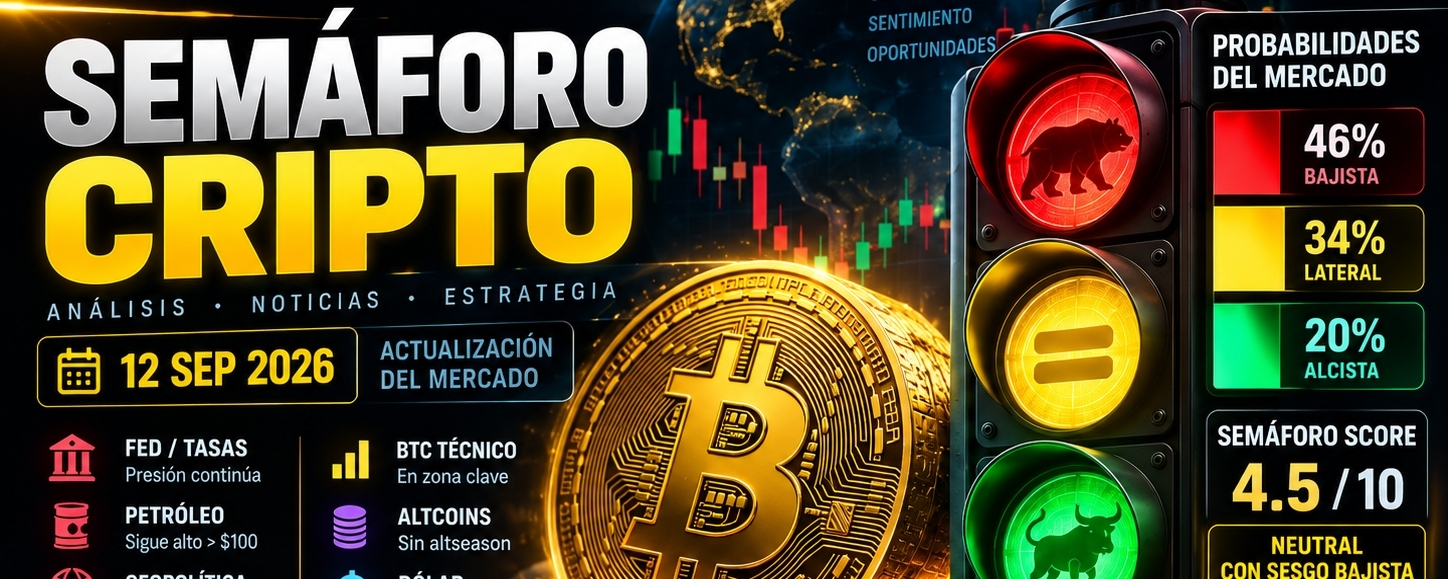
🚦 Crypto Traffic Light | 12 SEP 2026🚦 Crypto Traffic Light | 12 SEP 2026
Bitcoin remains around the $77K zone, with a market showing slight improvement, but still without bullish confirmation.
🔴 Pressure: Fed/rates, elevated yields, oil above $100, and geopolitical tension.
🟡 Caution: BTC still needs to reclaim resistance levels; derivatives show no clear signal, and altcoins lack confirmed altseason.
🟢🟡 Improvement: Bitcoin ETFs slowed the strong streak of outflows, a sign worth watching.
🚦 Crypto Traffic Light | 12 SEP 2026
🚦 Crypto Traffic Light | 12 SEP 2026
Bitcoin remains around the $77K zone, with a market showing slight improvement, but still without bullish confirmation.
🔴 Pressure: Fed/rates, elevated yields, oil above $100, and geopolitical tension.
🟡 Caution: BTC still needs to reclaim resistance levels; derivatives show no clear signal, and altcoins lack confirmed altseason.
🟢🟡 Improvement: Bitcoin ETFs slowed the strong streak of outflows, a sign worth watching.
Bitcoin remains around the $77K zone, with a market showing slight improvement, but still without bullish confirmation.
🔴 Pressure: Fed/rates, elevated yields, oil above $100, and geopolitical tension.
🟡 Caution: BTC still needs to reclaim resistance levels; derivatives show no clear signal, and altcoins lack confirmed altseason.
🟢🟡 Improvement: Bitcoin ETFs slowed the strong streak of outflows, a sign worth watching.
99
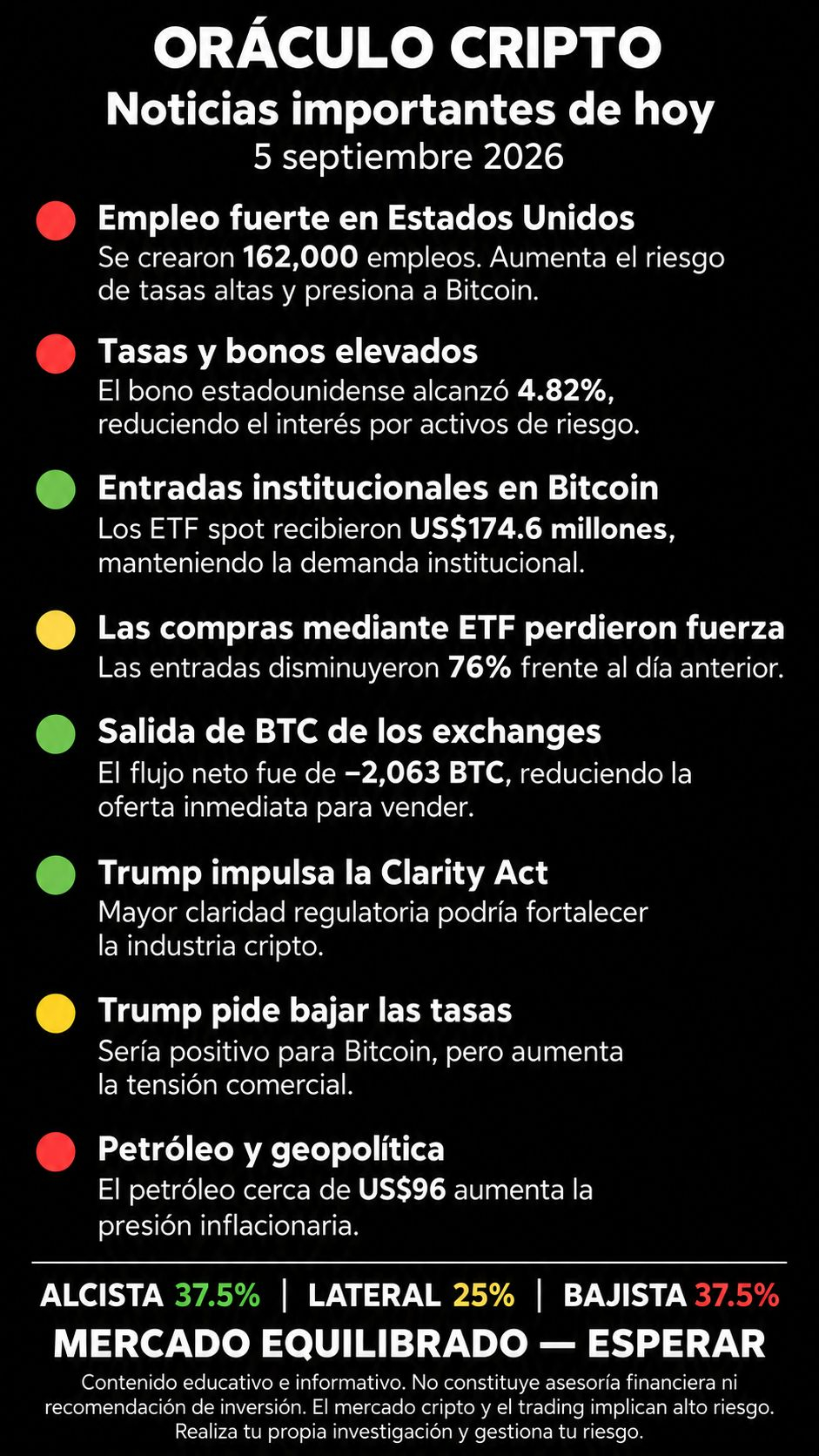
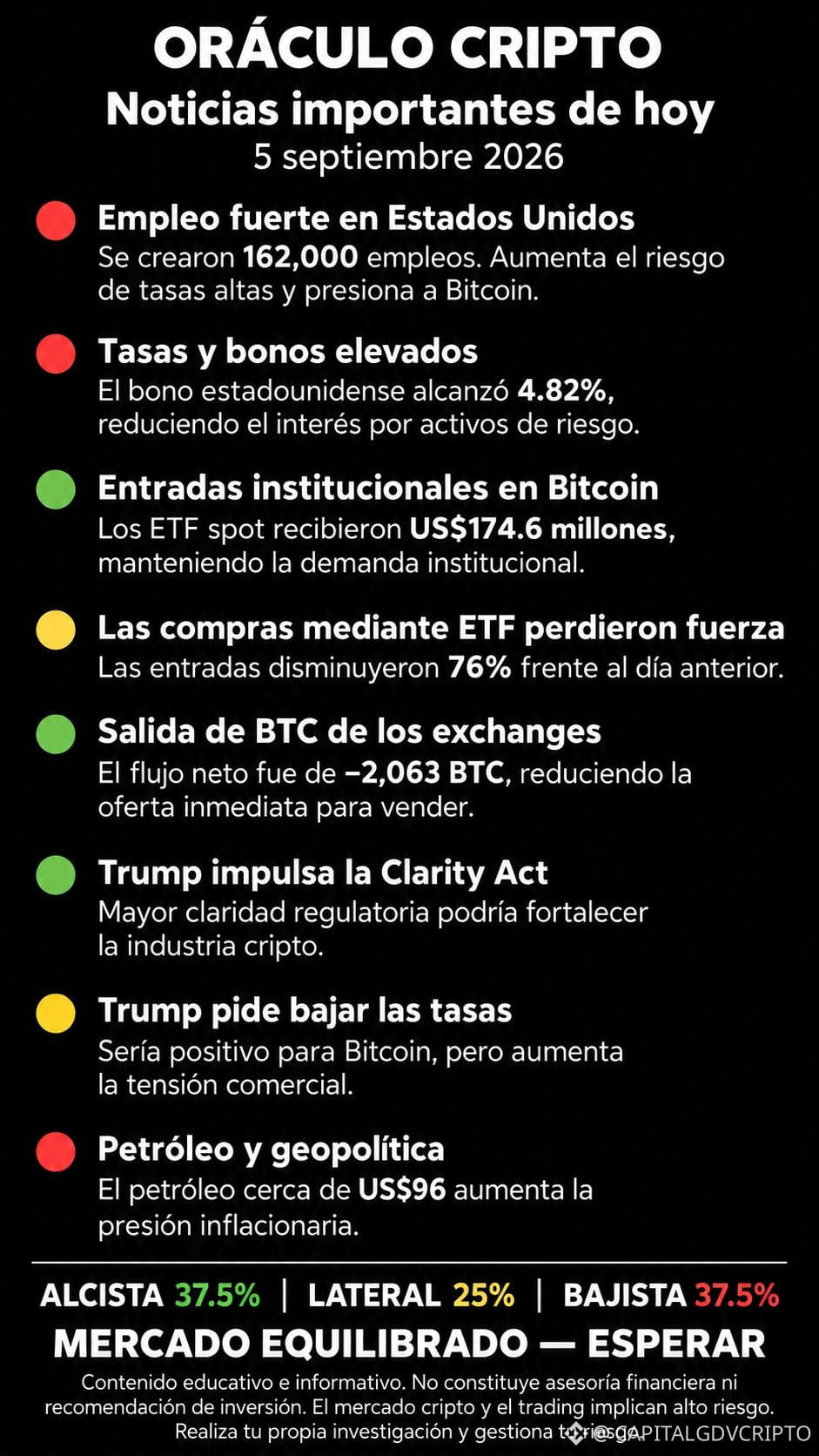
Article
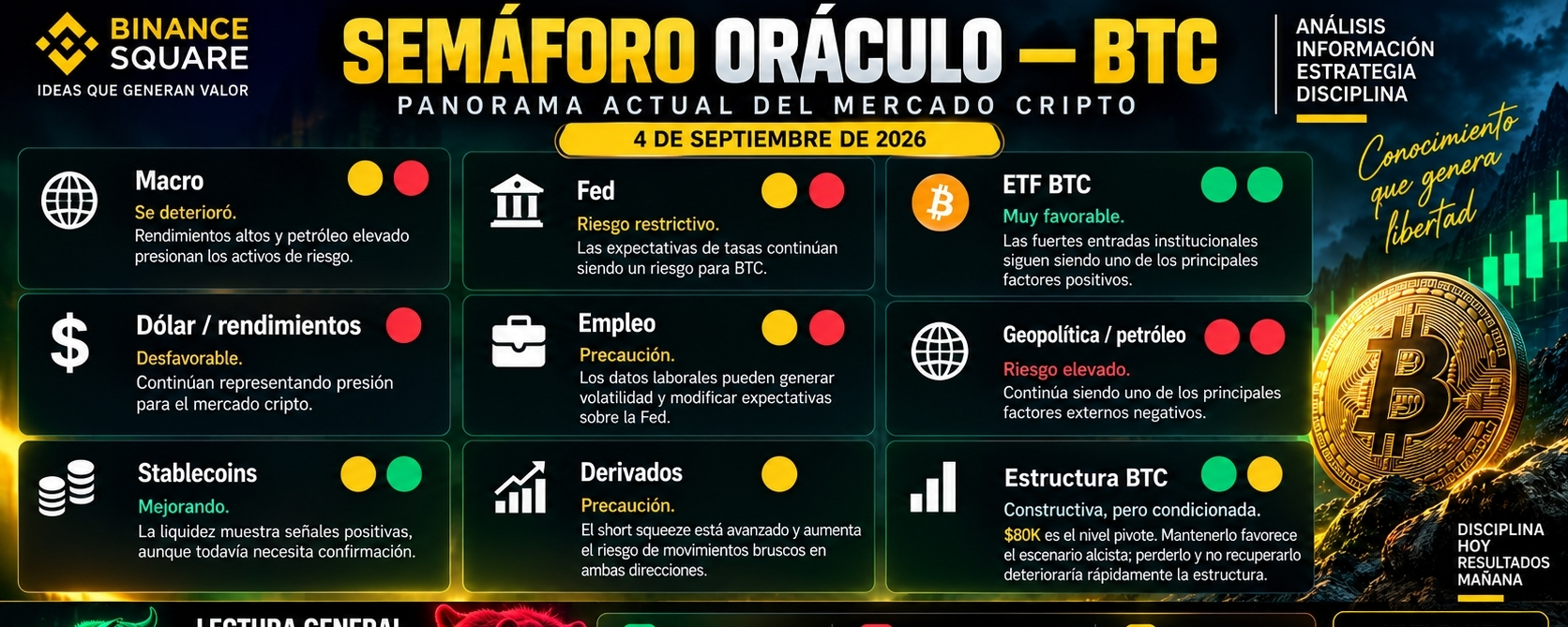
🚦 ORACLE TRAFFIC LIGHT — BTC🌎 Macro: 🟡🔴 Deteriorated
High yields and elevated oil are pressuring risk assets.
🏦 Fed: 🟡🔴 Restrictive risk$BTC
Rate expectations continue to be a risk for BTC.
💵 Dollar / yields: 🔴 Unfavorable
They continue to represent pressure for the crypto market.
👷 Employment: 🟡🔴 Caution
Labor data can generate volatility and alter expectations about the Fed.
₿ Bitcoin ETF: 🟢🟢 Very favorable
Strong institutional inflows remain one of the main positive factors.
🚦 ORACLE TRAFFIC LIGHT — BTC
🌎 Macro: 🟡🔴 Deteriorated
High yields and elevated oil are pressuring risk assets.
🏦 Fed: 🟡🔴 Restrictive risk$BTC
Rate expectations continue to be a risk for BTC.
💵 Dollar / yields: 🔴 Unfavorable
They continue to represent pressure for the crypto market.
👷 Employment: 🟡🔴 Caution
Labor data can generate volatility and alter expectations about the Fed.
₿ Bitcoin ETF: 🟢🟢 Very favorable
Strong institutional inflows remain one of the main positive factors.
High yields and elevated oil are pressuring risk assets.
🏦 Fed: 🟡🔴 Restrictive risk$BTC
Rate expectations continue to be a risk for BTC.
💵 Dollar / yields: 🔴 Unfavorable
They continue to represent pressure for the crypto market.
👷 Employment: 🟡🔴 Caution
Labor data can generate volatility and alter expectations about the Fed.
₿ Bitcoin ETF: 🟢🟢 Very favorable
Strong institutional inflows remain one of the main positive factors.
223
News for your trading.
News for your trading.
CAPITALGDVCRIPTO
·
--
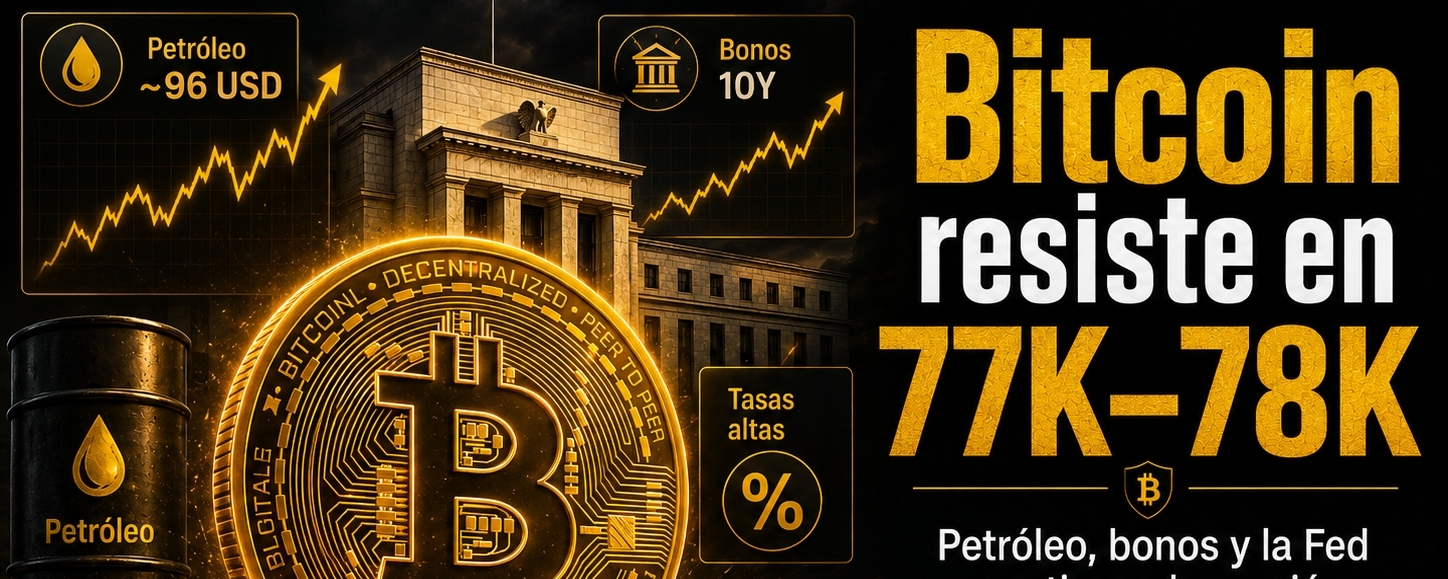
📊 Bitcoin holds up as oil and rates keep the pressure
Bitcoin continues to consolidate near the US$77K–78K zone, while the global market remains focused on three key factors: high oil, bond yields, and upcoming Federal Reserve decisions.$SOL
🛢️ Oil: Brent continues around US$96, keeping the inflation risk alive.
🏦 Rates and bonds: yields have eased slightly, but the market is still pricing in a possible Fed rate hike. Lower liquidity often means greater pressure on risk assets.
🛢️ Oil: Brent continues around US$96, keeping the inflation risk alive.
🏦 Rates and bonds: yields have eased slightly, but the market is still pricing in a possible Fed rate hike. Lower liquidity often means greater pressure on risk assets.
8
Article
📊 Bitcoin holds up as oil and rates keep the pressureBitcoin continues to consolidate near the US$77K–78K zone, while the global market remains focused on three key factors: high oil, bond yields, and upcoming Federal Reserve decisions.$SOL
🛢️ Oil: Brent continues around US$96, keeping the inflation risk alive.
🏦 Rates and bonds: yields have eased slightly, but the market is still pricing in a possible Fed rate hike. Lower liquidity often means greater pressure on risk assets.
📊 Bitcoin holds up as oil and rates keep the pressure
Bitcoin continues to consolidate near the US$77K–78K zone, while the global market remains focused on three key factors: high oil, bond yields, and upcoming Federal Reserve decisions.$SOL
🛢️ Oil: Brent continues around US$96, keeping the inflation risk alive.
🏦 Rates and bonds: yields have eased slightly, but the market is still pricing in a possible Fed rate hike. Lower liquidity often means greater pressure on risk assets.
🛢️ Oil: Brent continues around US$96, keeping the inflation risk alive.
🏦 Rates and bonds: yields have eased slightly, but the market is still pricing in a possible Fed rate hike. Lower liquidity often means greater pressure on risk assets.
1
1
193
🚨 Bitcoin holds at $77,000 as oil, bonds, and the Fed put the market under pressureThe crypto market faces one of its first major tests of September.
Bitcoin stays near $77,000 after hitting levels below $76,500 during the session. The interesting part is not only that BTC is correcting, but the context in which the correction is happening. �
CoinDesk +1
🛢️ Brent crude trades around $95.63 due to tensions between the United States and Iran. Higher oil prices increase the risk of inflation and may force central banks to keep rates elevated for longer. �
🚨 Bitcoin holds at $77,000 as oil, bonds, and the Fed put the market under pressure
The crypto market faces one of its first major tests of September.
Bitcoin stays near $77,000 after hitting levels below $76,500 during the session. The interesting part is not only that BTC is correcting, but the context in which the correction is happening. �
CoinDesk +1
🛢️ Brent crude trades around $95.63 due to tensions between the United States and Iran. Higher oil prices increase the risk of inflation and may force central banks to keep rates elevated for longer. �
Bitcoin stays near $77,000 after hitting levels below $76,500 during the session. The interesting part is not only that BTC is correcting, but the context in which the correction is happening. �
CoinDesk +1
🛢️ Brent crude trades around $95.63 due to tensions between the United States and Iran. Higher oil prices increase the risk of inflation and may force central banks to keep rates elevated for longer. �
118
Article
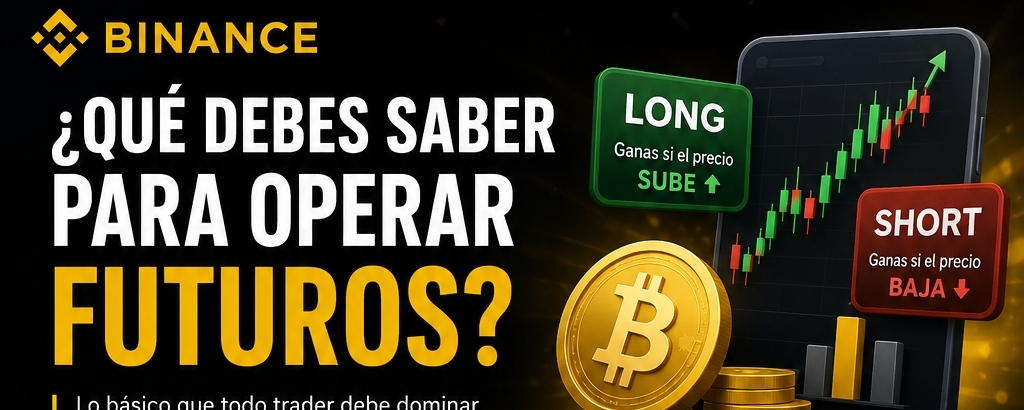
📊 What you need to know before trading Futures?Trading Futures is not simply about deciding whether a cryptocurrency will go up or down. Before entering the market you must know:
• Long and Short
• Leverage
• Isolated and cross margin
• Entry price
• Stop Loss and Take Profit
• Liquidation
• Risk management
• Market and Limit orders
• Trend, supports, resistances and volume
⚠️ Remember: leverage can increase both profits and losses.
A trade must start with a plan:
Direction + Entry + Stop Loss + Take Profit + Position size + Leverage = Trading plan.$NVDA.US
📊 What you need to know before trading Futures?
Trading Futures is not simply about deciding whether a cryptocurrency will go up or down. Before entering the market you must know:
• Long and Short
• Leverage
• Isolated and cross margin
• Entry price
• Stop Loss and Take Profit
• Liquidation
• Risk management
• Market and Limit orders
• Trend, supports, resistances and volume
⚠️ Remember: leverage can increase both profits and losses.
A trade must start with a plan:
Direction + Entry + Stop Loss + Take Profit + Position size + Leverage = Trading plan.$NVDA.US
• Long and Short
• Leverage
• Isolated and cross margin
• Entry price
• Stop Loss and Take Profit
• Liquidation
• Risk management
• Market and Limit orders
• Trend, supports, resistances and volume
⚠️ Remember: leverage can increase both profits and losses.
A trade must start with a plan:
Direction + Entry + Stop Loss + Take Profit + Position size + Leverage = Trading plan.$NVDA.US
185
🌍 Bitcoin under pressure: the global market sets the pace
The crypto market remains closely focused on what’s happening in the global economy. Bitcoin stays in a key zone, while investors weigh inflation, interest rates, oil, and geopolitical tensions.
📊 What should we watch?
Bitcoin: watch whether it can recover and hold important resistance zones.
Inflation and the Fed: higher rates for longer can reduce appetite for risk assets.
Oil: a sustained rise can increase inflationary pressures.
Liquidity: institutional capital flows continue to be fundamental for BTC and the rest of the market.
🧠 Conclusion: Don’t analyze Bitcoin in isolation. Price is the result; liquidity, the global economy, and risk management are part of the roots.
⚠️ Educational content. Not financial advice.
#Bitcoin #BTC #Crypto #BinanceSquare #GlobalMarkets
🌍 Bitcoin under pressure: the global market sets the pace
The crypto market remains closely focused on what’s happening in the global economy. Bitcoin stays in a key zone, while investors weigh inflation, interest rates, oil, and geopolitical tensions.
📊 What should we watch?
Bitcoin: watch whether it can recover and hold important resistance zones.
Inflation and the Fed: higher rates for longer can reduce appetite for risk assets.
Oil: a sustained rise can increase inflationary pressures.
Liquidity: institutional capital flows continue to be fundamental for BTC and the rest of the market.
🧠 Conclusion: Don’t analyze Bitcoin in isolation. Price is the result; liquidity, the global economy, and risk management are part of the roots.
⚠️ Educational content. Not financial advice.
#Bitcoin #BTC #Crypto #BinanceSquare #GlobalMarkets
The crypto market remains closely focused on what’s happening in the global economy. Bitcoin stays in a key zone, while investors weigh inflation, interest rates, oil, and geopolitical tensions.
📊 What should we watch?
Bitcoin: watch whether it can recover and hold important resistance zones.
Inflation and the Fed: higher rates for longer can reduce appetite for risk assets.
Oil: a sustained rise can increase inflationary pressures.
Liquidity: institutional capital flows continue to be fundamental for BTC and the rest of the market.
🧠 Conclusion: Don’t analyze Bitcoin in isolation. Price is the result; liquidity, the global economy, and risk management are part of the roots.
⚠️ Educational content. Not financial advice.
#Bitcoin #BTC #Crypto #BinanceSquare #GlobalMarkets
128
🤖 How does the Binance Spot Bot work?
The Binance Spot Grid Bot automates buys and sells to try to take advantage of price ups and downs.
📊 Example with BTC/USDT:
{spot}(BTCUSDT)
If BTC is around $78,400, you can set a range, for example:
🔽 Minimum: $76,900
🔼 Maximum: $80,000
The bot splits that range into several grids or price levels.
👉 When BTC drops, the bot buys.
👉 When BTC rises, the bot sells.
🔄 And it repeats the process as long as the price stays within the range.
💰 Goal: to capture small gains from price movements without having to manually execute each trade.
⚠️ Important: the bot does not guarantee profits. If the price falls below the range, you could end up holding BTC bought at prices higher than the market.
📌 In short:
The Spot Bot aims to buy low and sell high automatically. $SOL
Educational content. Not financial advice. Cryptocurrencies involve risk of loss.
🤖 How does the Binance Spot Bot work?
The Binance Spot Grid Bot automates buys and sells to try to take advantage of price ups and downs.
📊 Example with BTC/USDT:
If BTC is around $78,400, you can set a range, for example:
🔽 Minimum: $76,900
🔼 Maximum: $80,000
The bot splits that range into several grids or price levels.
👉 When BTC drops, the bot buys.
👉 When BTC rises, the bot sells.
🔄 And it repeats the process as long as the price stays within the range.
💰 Goal: to capture small gains from price movements without having to manually execute each trade.
⚠️ Important: the bot does not guarantee profits. If the price falls below the range, you could end up holding BTC bought at prices higher than the market.
📌 In short:
The Spot Bot aims to buy low and sell high automatically. $SOL
Educational content. Not financial advice. Cryptocurrencies involve risk of loss.
The Binance Spot Grid Bot automates buys and sells to try to take advantage of price ups and downs.
📊 Example with BTC/USDT:
If BTC is around $78,400, you can set a range, for example:
🔽 Minimum: $76,900
🔼 Maximum: $80,000
The bot splits that range into several grids or price levels.
👉 When BTC drops, the bot buys.
👉 When BTC rises, the bot sells.
🔄 And it repeats the process as long as the price stays within the range.
💰 Goal: to capture small gains from price movements without having to manually execute each trade.
⚠️ Important: the bot does not guarantee profits. If the price falls below the range, you could end up holding BTC bought at prices higher than the market.
📌 In short:
The Spot Bot aims to buy low and sell high automatically. $SOL
Educational content. Not financial advice. Cryptocurrencies involve risk of loss.
113
Article
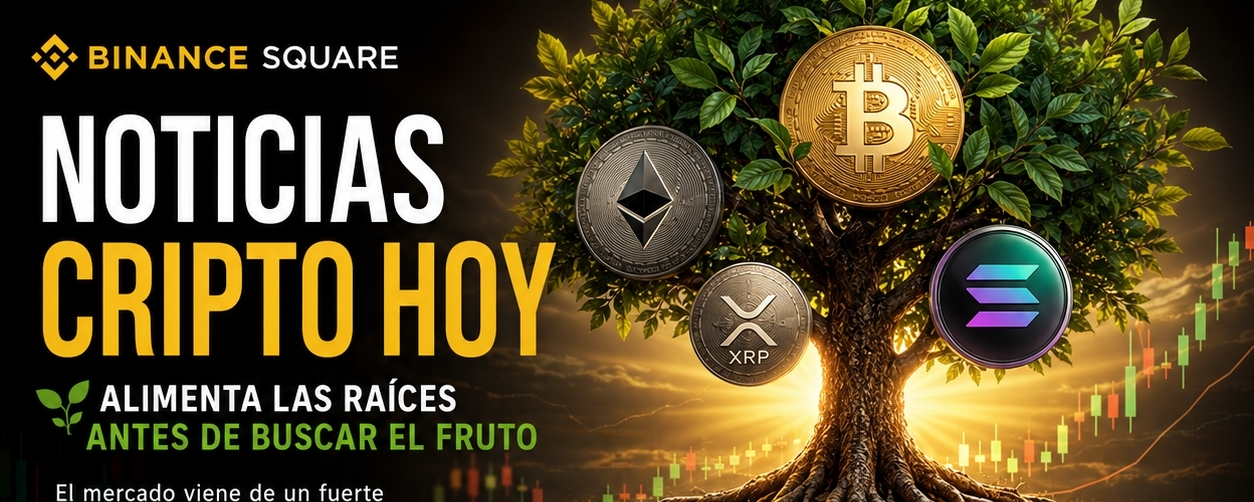
🌳 Crypto News Today: Feed the roots before looking for the fruitThe crypto market comes from a strong bullish move. Bitcoin surpassed $80,000, Ethereum maintains strength, XRP stands out among the big cryptocurrencies, and Solana has also shown significant momentum.
But after big moves come the questions:
Is it time to buy? Will it keep going up? Or is a correction coming?
This is where we need to remember something:
🌱 If we want to get the fruit, first we have to feed the roots.
We can't fight the reality of the market. We have to focus on the foundation that supports that reality.
🌳 Crypto News Today: Feed the roots before looking for the fruit
The crypto market comes from a strong bullish move. Bitcoin surpassed $80,000, Ethereum maintains strength, XRP stands out among the big cryptocurrencies, and Solana has also shown significant momentum.
But after big moves come the questions:
Is it time to buy? Will it keep going up? Or is a correction coming?
This is where we need to remember something:
🌱 If we want to get the fruit, first we have to feed the roots.
We can't fight the reality of the market. We have to focus on the foundation that supports that reality.
But after big moves come the questions:
Is it time to buy? Will it keep going up? Or is a correction coming?
This is where we need to remember something:
🌱 If we want to get the fruit, first we have to feed the roots.
We can't fight the reality of the market. We have to focus on the foundation that supports that reality.
166
Here is the article
Here is the article
CAPITALGDVCRIPTO
·
--
🐸 PEPE: What would happen with $1 if it returns to its all-time high?
PEPE is one of the most well-known memecoins in the market. But beyond the enormous number of coins you can buy with a few dollars, there’s a much more interesting question:
What would happen to a $1 investment if PEPE returned to its all-time high?
Let’s do the math. 📊
💰 How much PEPE do you buy with $1?
In the Binance chart we are analyzing, PEPE appears around:
$0.00000397 USDT
With an investment of:
$1 USDT
you would get approximately:
🐸 251,889 PEPE
What would happen to a $1 investment if PEPE returned to its all-time high?
Let’s do the math. 📊
💰 How much PEPE do you buy with $1?
In the Binance chart we are analyzing, PEPE appears around:
$0.00000397 USDT
With an investment of:
$1 USDT
you would get approximately:
🐸 251,889 PEPE
81
Article
🐸 PEPE: What would happen with $1 if it returns to its all-time high?PEPE is one of the most well-known memecoins in the market. But beyond the enormous number of coins you can buy with a few dollars, there’s a much more interesting question:
What would happen to a $1 investment if PEPE returned to its all-time high?
Let’s do the math. 📊
💰 How much PEPE do you buy with $1?
In the Binance chart we are analyzing, PEPE appears around:
$0.00000397 USDT
With an investment of:
$1 USDT
you would get approximately:
🐸 251,889 PEPE
🐸 PEPE: What would happen with $1 if it returns to its all-time high?
PEPE is one of the most well-known memecoins in the market. But beyond the enormous number of coins you can buy with a few dollars, there’s a much more interesting question:
What would happen to a $1 investment if PEPE returned to its all-time high?
Let’s do the math. 📊
💰 How much PEPE do you buy with $1?
In the Binance chart we are analyzing, PEPE appears around:
$0.00000397 USDT
With an investment of:
$1 USDT
you would get approximately:
🐸 251,889 PEPE
What would happen to a $1 investment if PEPE returned to its all-time high?
Let’s do the math. 📊
💰 How much PEPE do you buy with $1?
In the Binance chart we are analyzing, PEPE appears around:
$0.00000397 USDT
With an investment of:
$1 USDT
you would get approximately:
🐸 251,889 PEPE
3
2
5
1.1k
Article
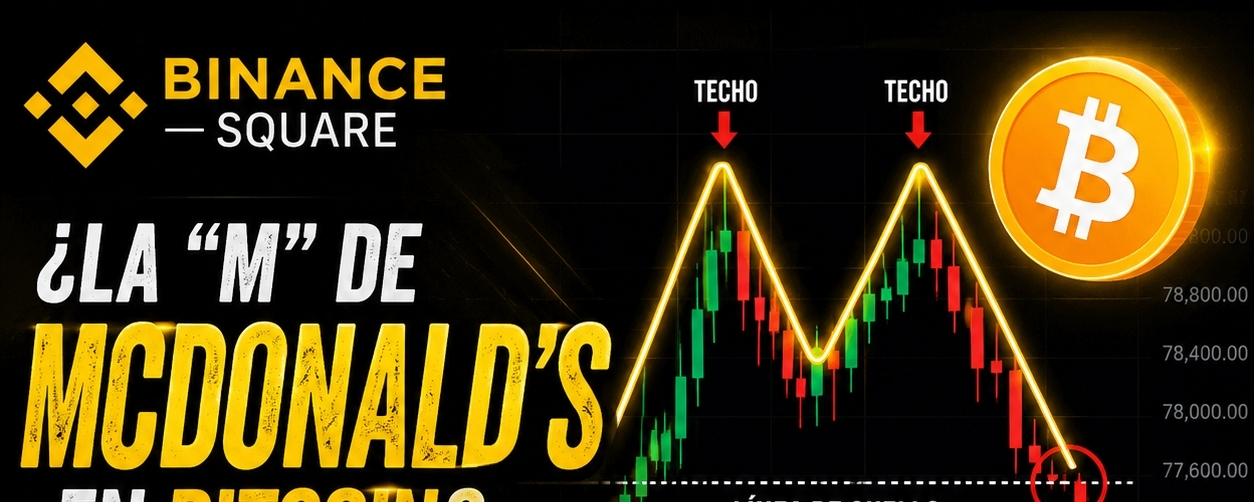
📉 Is the “McDonald’s M” in Bitcoin? This is how the Double Top pattern works in ChartismTechnical analysis uses different patterns to try to interpret price behavior. One of the most well-known is the Double Top pattern, whose shape resembles the letter “M”, similar to the famous McDonald’s symbol. 🍟📉
On the BTC/USDT chart in a 15-minute timeframe, we can observe a structure that draws attention: Bitcoin made a bullish impulse, reached a high zone, pulled back, and then attempted to hold elevated levels again before experiencing strong selling pressure.
📉 Is the “McDonald’s M” in Bitcoin? This is how the Double Top pattern works in Chartism
Technical analysis uses different patterns to try to interpret price behavior. One of the most well-known is the Double Top pattern, whose shape resembles the letter “M”, similar to the famous McDonald’s symbol. 🍟📉
On the BTC/USDT chart in a 15-minute timeframe, we can observe a structure that draws attention: Bitcoin made a bullish impulse, reached a high zone, pulled back, and then attempted to hold elevated levels again before experiencing strong selling pressure.
On the BTC/USDT chart in a 15-minute timeframe, we can observe a structure that draws attention: Bitcoin made a bullish impulse, reached a high zone, pulled back, and then attempted to hold elevated levels again before experiencing strong selling pressure.
BTC+0.27%
NVDAUS+0.22%
127
Article
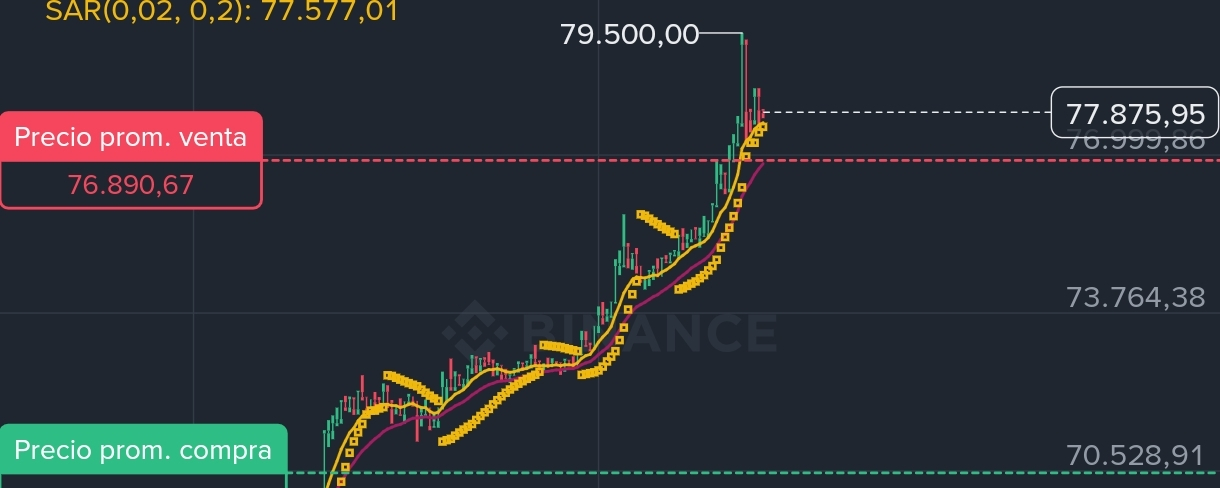
🚀 BTC SHOWS STRENGTH AND MOVES CLOSER TO $80,000Bitcoin is trading around $77,875, with an approximate increase of 8.59%. On the 15-minute chart, a strong bullish trend is visible, reaching a recent high of $79,500.$BTC
📈 The price remains above the EMA 9, while the RSI is close to 58, indicating that momentum is still present, although BTC could experience a correction before attempting again to break the $79,500 – $80,000 zone.
🔑 Key level: If it breaks $79,500 strongly, the market could look for new highs. If it’s rejected, nearby support levels will need to be watched before another move up.
🚀 BTC SHOWS STRENGTH AND MOVES CLOSER TO $80,000
Bitcoin is trading around $77,875, with an approximate increase of 8.59%. On the 15-minute chart, a strong bullish trend is visible, reaching a recent high of $79,500.$BTC
📈 The price remains above the EMA 9, while the RSI is close to 58, indicating that momentum is still present, although BTC could experience a correction before attempting again to break the $79,500 – $80,000 zone.
🔑 Key level: If it breaks $79,500 strongly, the market could look for new highs. If it’s rejected, nearby support levels will need to be watched before another move up.
📈 The price remains above the EMA 9, while the RSI is close to 58, indicating that momentum is still present, although BTC could experience a correction before attempting again to break the $79,500 – $80,000 zone.
🔑 Key level: If it breaks $79,500 strongly, the market could look for new highs. If it’s rejected, nearby support levels will need to be watched before another move up.
230
Article
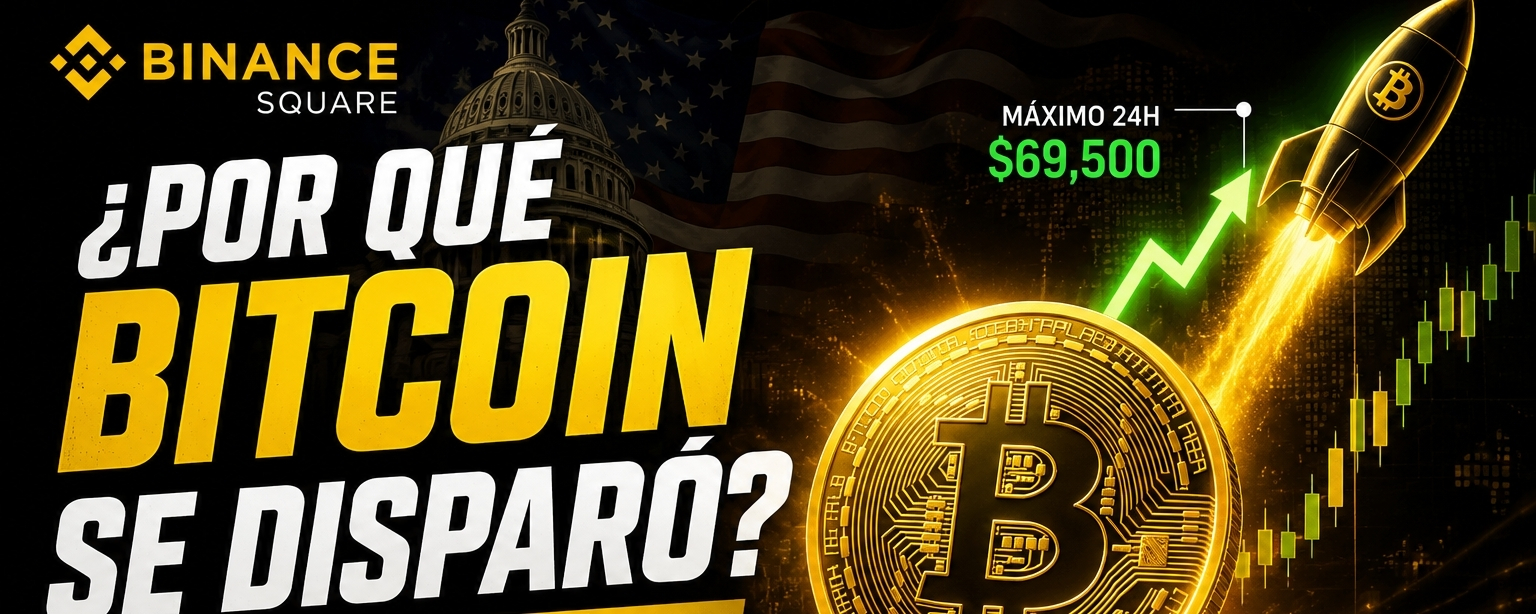
🚨 WHY DID BITCOIN ROCKET? THE CLUES BEHIND BTC’S STRONG SURGEBitcoin surprised the market with a strong bullish move. In the Binance screenshot I analyzed, BTC/USDT reached a high of $69,500 and was trading near $68,630, with a daily gain of approximately 5.85%.
But the most important question is: what is really driving this surge?
🏛️ 1. MARKET ATTENTION IS ON WASHINGTON
One of the main factors is renewed optimism about cryptocurrency regulation in the United States.
The White House holds a meeting with executives from the crypto industry and representatives from regulatory agencies such as the SEC and the CFTC. The market interprets these meetings as a possible sign of progress toward clearer rules for the industry.
🚨 WHY DID BITCOIN ROCKET? THE CLUES BEHIND BTC’S STRONG SURGE
Bitcoin surprised the market with a strong bullish move. In the Binance screenshot I analyzed, BTC/USDT reached a high of $69,500 and was trading near $68,630, with a daily gain of approximately 5.85%.
But the most important question is: what is really driving this surge?
🏛️ 1. MARKET ATTENTION IS ON WASHINGTON
One of the main factors is renewed optimism about cryptocurrency regulation in the United States.
The White House holds a meeting with executives from the crypto industry and representatives from regulatory agencies such as the SEC and the CFTC. The market interprets these meetings as a possible sign of progress toward clearer rules for the industry.
But the most important question is: what is really driving this surge?
🏛️ 1. MARKET ATTENTION IS ON WASHINGTON
One of the main factors is renewed optimism about cryptocurrency regulation in the United States.
The White House holds a meeting with executives from the crypto industry and representatives from regulatory agencies such as the SEC and the CFTC. The market interprets these meetings as a possible sign of progress toward clearer rules for the industry.
1
608
#dusk $DUSK @Dusk_Foundation
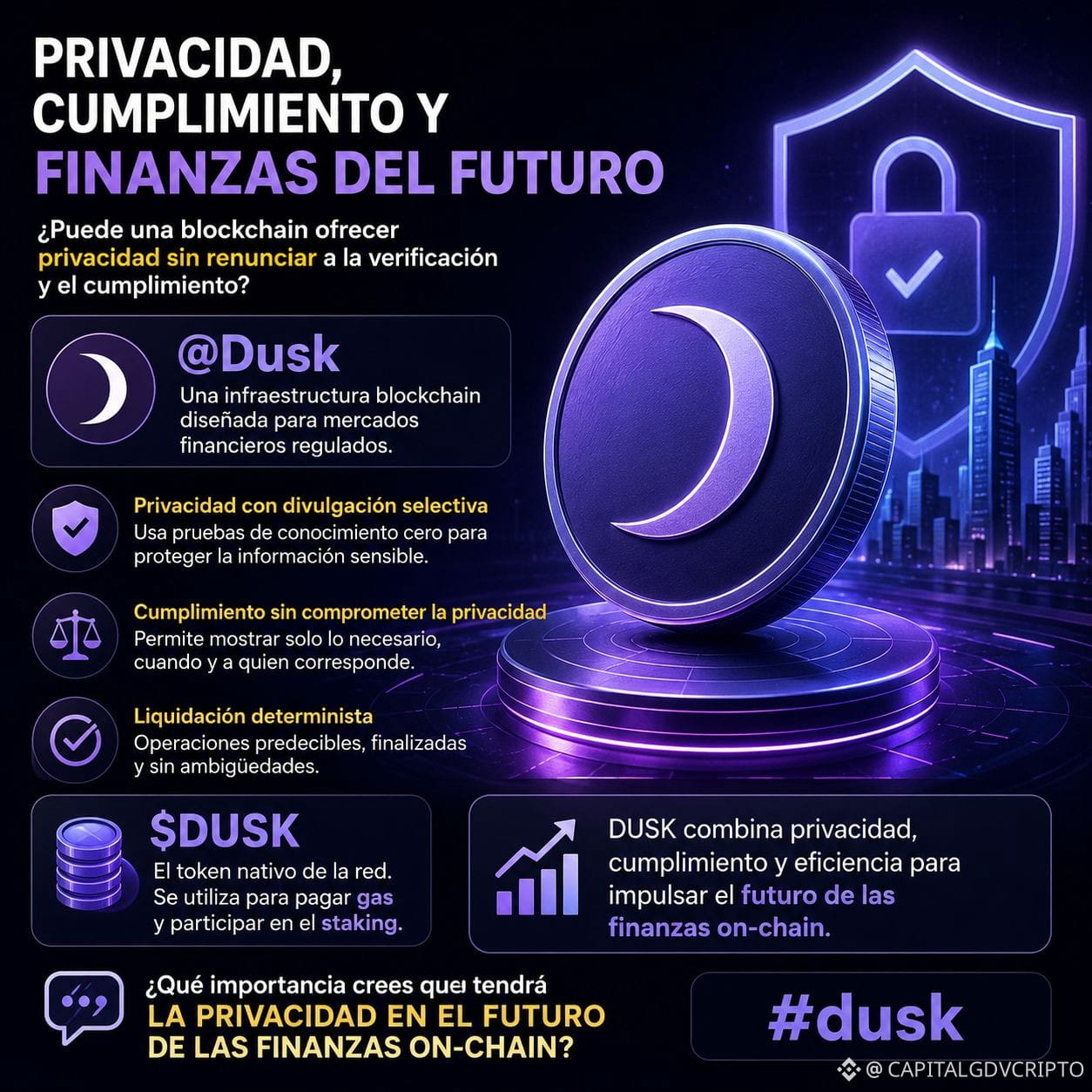
🔐 Can a blockchain offer privacy without giving up verification and compliance?
That’s one of the most interesting points about @Dusk. Its infrastructure uses technologies such as zero-knowledge proofs to enable financial flows where sensitive information doesn’t have to be fully exposed to the public, while still allowing for selective disclosure when it’s necessary. $DUSK
In addition, $DUSK is the native token used to pay gas and participate in staking on the network.
The combination of privacy, deterministic settlement, and applications for regulated digital assets makes Dusk an interesting project to keep researching. 👀
How important do you think privacy will be in the future of on-chain finance?
#dusk
{spot}(DUSKUSDT)
#dusk $DUSK @Dusk
🔐 Can a blockchain offer privacy without giving up verification and compliance?
That’s one of the most interesting points about @Dusk. Its infrastructure uses technologies such as zero-knowledge proofs to enable financial flows where sensitive information doesn’t have to be fully exposed to the public, while still allowing for selective disclosure when it’s necessary. $DUSK
In addition, $DUSK is the native token used to pay gas and participate in staking on the network.
The combination of privacy, deterministic settlement, and applications for regulated digital assets makes Dusk an interesting project to keep researching. 👀
How important do you think privacy will be in the future of on-chain finance?
#dusk
🔐 Can a blockchain offer privacy without giving up verification and compliance?
That’s one of the most interesting points about @Dusk. Its infrastructure uses technologies such as zero-knowledge proofs to enable financial flows where sensitive information doesn’t have to be fully exposed to the public, while still allowing for selective disclosure when it’s necessary. $DUSK
In addition, $DUSK is the native token used to pay gas and participate in staking on the network.
The combination of privacy, deterministic settlement, and applications for regulated digital assets makes Dusk an interesting project to keep researching. 👀
How important do you think privacy will be in the future of on-chain finance?
#dusk
143
Our new article:
Our new article:
CAPITALGDVCRIPTO
·
--
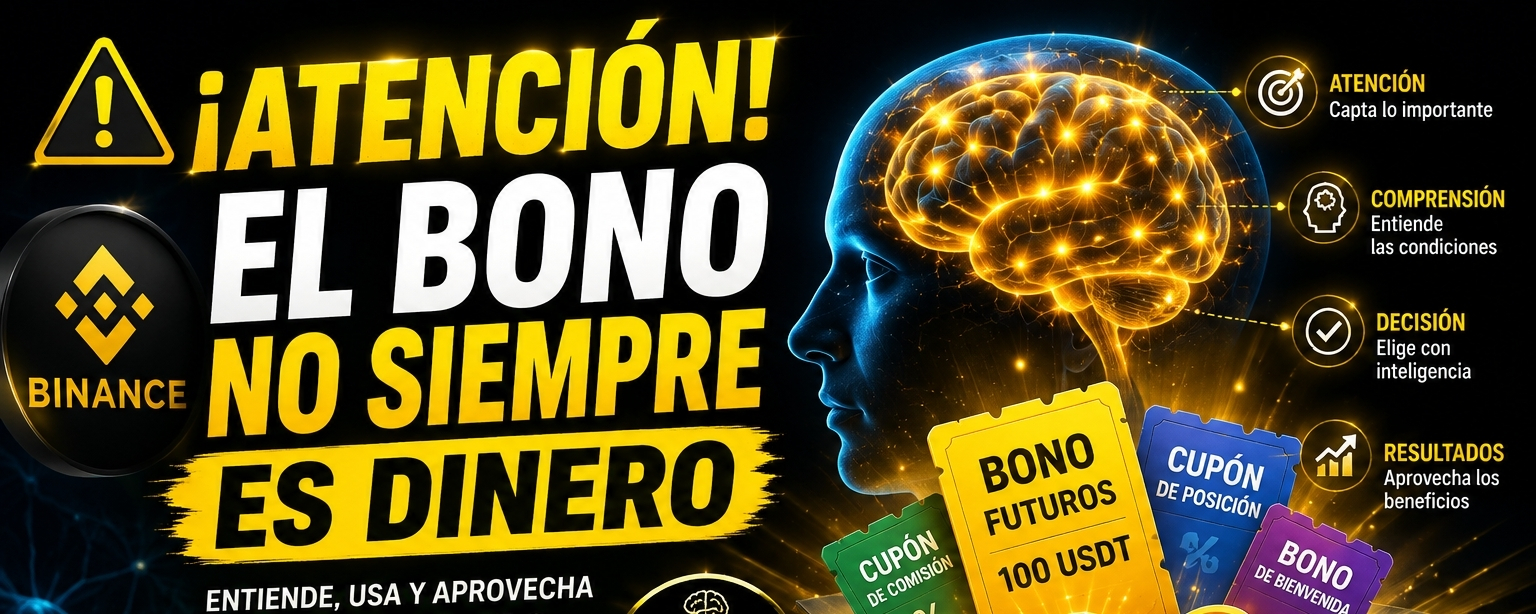
🟡 IS A CRYPTO BONUS REALLY MONEY? LEARN TO TELL THE DIFFERENCE.
Many people see a message inside an exchange that says:
🎁 Congratulations! You’ve received a 10 USDT, 30 USDT, or even 100 USDT bonus.
And quickly think:
“Perfect! I have 100 USDT more in my account.”
⚠️ But be careful: a bonus does NOT always mean you have money available to withdraw.
This is one of the most important things we must learn before using promotions within a cryptocurrency exchange.
🟡 THE BONUS IS NOT ALWAYS MONEY
A bonus can have a value expressed in USDT, but that doesn’t automatically mean those USDT are yours to send, sell, or withdraw.
🎁 Congratulations! You’ve received a 10 USDT, 30 USDT, or even 100 USDT bonus.
And quickly think:
“Perfect! I have 100 USDT more in my account.”
⚠️ But be careful: a bonus does NOT always mean you have money available to withdraw.
This is one of the most important things we must learn before using promotions within a cryptocurrency exchange.
🟡 THE BONUS IS NOT ALWAYS MONEY
A bonus can have a value expressed in USDT, but that doesn’t automatically mean those USDT are yours to send, sell, or withdraw.
64
Log in to explore more content
Join global crypto users on Binance Square
⚡️ Get latest and useful information about crypto.
💬 Trusted by the world’s largest crypto exchange.
👍 Discover real insights from verified creators.
Email / Phone number
Trending Topics
CircleMints500MUSDCOnSolana
2,145 views
184 Discussing
💰 MASSIVE: Circle Mints $500M $USDC on Solana!
Circle just minted 500 Million $USDC on Solana in 2 transactions ($250M + $250M) on Sept 25, in just 5.5 hours! 🚀
Solana now holds $7.48B+ $USDC dominance - over 50% of its $14.7B stablecoin supply.
Why Solana?
⚡️ Speed: 65k TPS
💸 Low Fees: $0.00025
🔥 DeFi Hub: Jupiter, Raydium pumping
This is one of the largest single-day mints & signals HUGE institutional demand for Solana ecosystem.
Bullish for $SOL? 👇
#Circle #USDC #Solana #Stablecoin #DeFi#circlemints500musdconsolana
True News
·8 Likes
·2.2k views
PolymarketBankFailureBetsDrawFDICConcern
13,635 views
437 Discussing
BlackRockBuildsTokenizedPortfoliosForOndo
10,534 views
307 Discussing