

Axe1200
30 Posts

Axe1200
Report
Block User
я топ
Open Trade

BNB Holder
Frequent Trader
2.8 Years
12 Following
26 Followers
147 Liked
Posts
Portfolio
·
--
Bullish
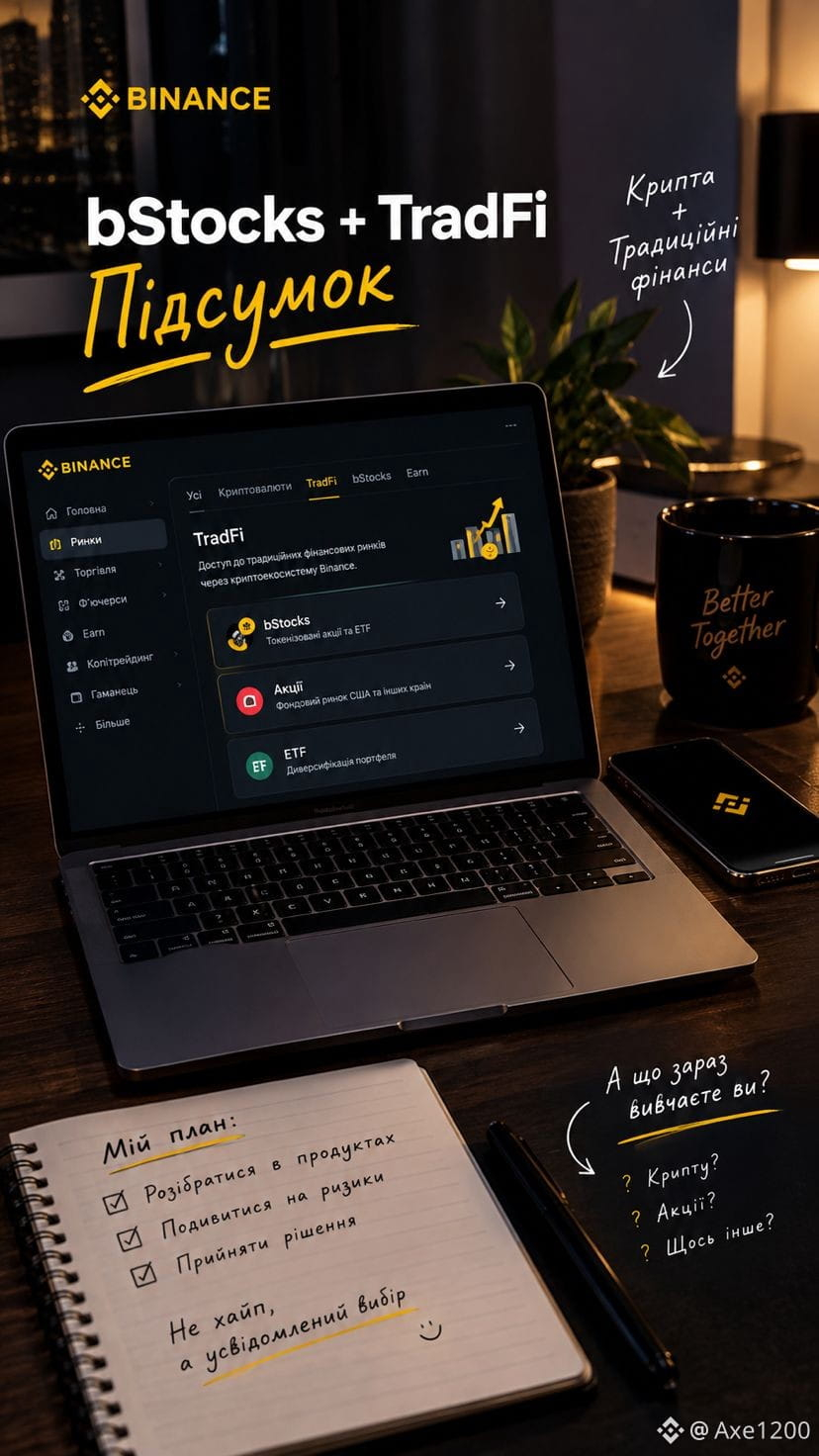
bStocks + TradFi / summary
Over the past while, I’ve started getting more interested in what’s happening at the intersection of crypto and traditional finance.
And that’s exactly why the topics bStocks and TradFi appealed to me.
I like the direction itself: the line between classic financial markets and the crypto industry is gradually blurring.
But for myself, I decided not to chase the hype.
First, understand how the product works.
Then look at the risks.
And only after that think about whether it’s a fit for me.
Because in investing, the worst thing is to buy something just because everyone around you is talking about it.
By the way, what are you learning right now: crypto, stocks, or something completely different? #tradfi #bStocks
bStocks + TradFi / summary
Over the past while, I’ve started getting more interested in what’s happening at the intersection of crypto and traditional finance.
And that’s exactly why the topics bStocks and TradFi appealed to me.
I like the direction itself: the line between classic financial markets and the crypto industry is gradually blurring.
But for myself, I decided not to chase the hype.
First, understand how the product works.
Then look at the risks.
And only after that think about whether it’s a fit for me.
Because in investing, the worst thing is to buy something just because everyone around you is talking about it.
By the way, what are you learning right now: crypto, stocks, or something completely different? #tradfi #bStocks
Over the past while, I’ve started getting more interested in what’s happening at the intersection of crypto and traditional finance.
And that’s exactly why the topics bStocks and TradFi appealed to me.
I like the direction itself: the line between classic financial markets and the crypto industry is gradually blurring.
But for myself, I decided not to chase the hype.
First, understand how the product works.
Then look at the risks.
And only after that think about whether it’s a fit for me.
Because in investing, the worst thing is to buy something just because everyone around you is talking about it.
By the way, what are you learning right now: crypto, stocks, or something completely different? #tradfi #bStocks
1
183
·
--
Bullish
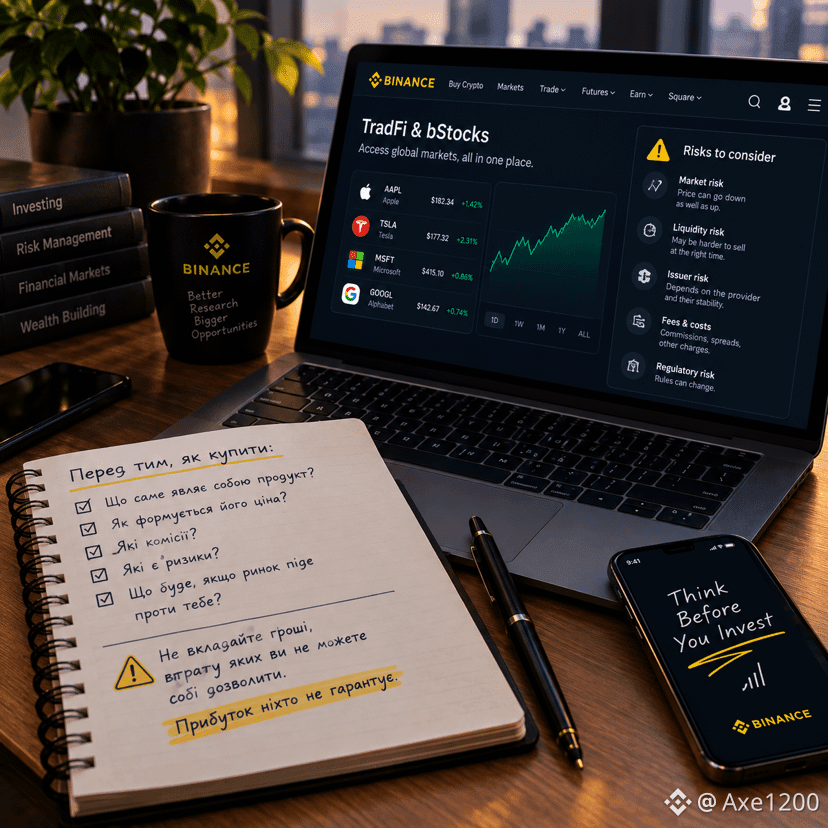
TradFi / risks
Investing is often talked about only in terms of profit.
But it seems to me that risks should be discussed just as much.
For example, if an asset can rise by 20%, that doesn’t mean it can’t also fall by 20%.
The same applies to TradFi and products related to traditional markets.
Before buying anything, I would check at least:
🔹 what exactly the product is;
🔹 how its price is formed;
🔹 what fees there are;
🔹 what the risks are;
🔹 what will happen if the market moves against you.
It’s especially important not to invest money that you can’t afford to lose.
No one guarantees profit.#TradFi
TradFi / risks
Investing is often talked about only in terms of profit.
But it seems to me that risks should be discussed just as much.
For example, if an asset can rise by 20%, that doesn’t mean it can’t also fall by 20%.
The same applies to TradFi and products related to traditional markets.
Before buying anything, I would check at least:
🔹 what exactly the product is;
🔹 how its price is formed;
🔹 what fees there are;
🔹 what the risks are;
🔹 what will happen if the market moves against you.
It’s especially important not to invest money that you can’t afford to lose.
No one guarantees profit.#TradFi
Investing is often talked about only in terms of profit.
But it seems to me that risks should be discussed just as much.
For example, if an asset can rise by 20%, that doesn’t mean it can’t also fall by 20%.
The same applies to TradFi and products related to traditional markets.
Before buying anything, I would check at least:
🔹 what exactly the product is;
🔹 how its price is formed;
🔹 what fees there are;
🔹 what the risks are;
🔹 what will happen if the market moves against you.
It’s especially important not to invest money that you can’t afford to lose.
No one guarantees profit.#TradFi
1
245
·
--
Bullish
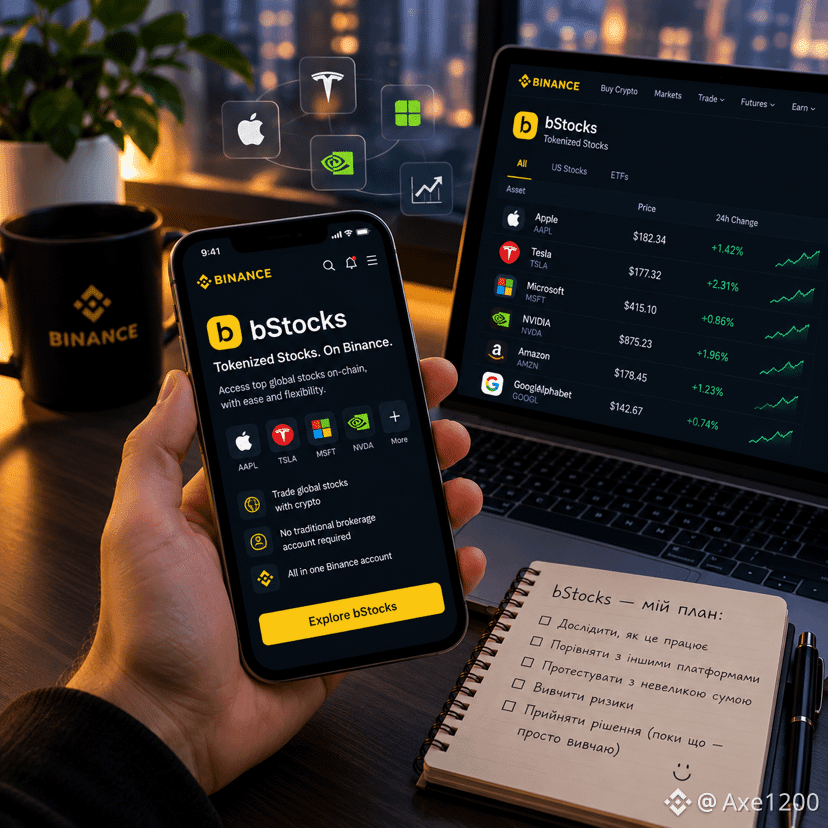
bStocks / practical case
Let’s imagine a simple situation.
You’re interested not only in crypto, but also in traditional markets.
But you don’t want to have a bunch of different platforms, accounts, and everything else.
And that’s where it becomes interesting to look at bStocks as one of the options for accessing assets related to traditional markets.
But I wouldn’t view it as “easy money.”
The asset price can drop. There are market and other risks.
For me, the main advantage of such products is precisely the ability to explore new ways of working with different asset classes.
So right now I’m testing and studying it, not just blindly buying.#TradFi
bStocks / practical case
Let’s imagine a simple situation.
You’re interested not only in crypto, but also in traditional markets.
But you don’t want to have a bunch of different platforms, accounts, and everything else.
And that’s where it becomes interesting to look at bStocks as one of the options for accessing assets related to traditional markets.
But I wouldn’t view it as “easy money.”
The asset price can drop. There are market and other risks.
For me, the main advantage of such products is precisely the ability to explore new ways of working with different asset classes.
So right now I’m testing and studying it, not just blindly buying.#TradFi
Let’s imagine a simple situation.
You’re interested not only in crypto, but also in traditional markets.
But you don’t want to have a bunch of different platforms, accounts, and everything else.
And that’s where it becomes interesting to look at bStocks as one of the options for accessing assets related to traditional markets.
But I wouldn’t view it as “easy money.”
The asset price can drop. There are market and other risks.
For me, the main advantage of such products is precisely the ability to explore new ways of working with different asset classes.
So right now I’m testing and studying it, not just blindly buying.#TradFi
1
185
·
--
Bullish
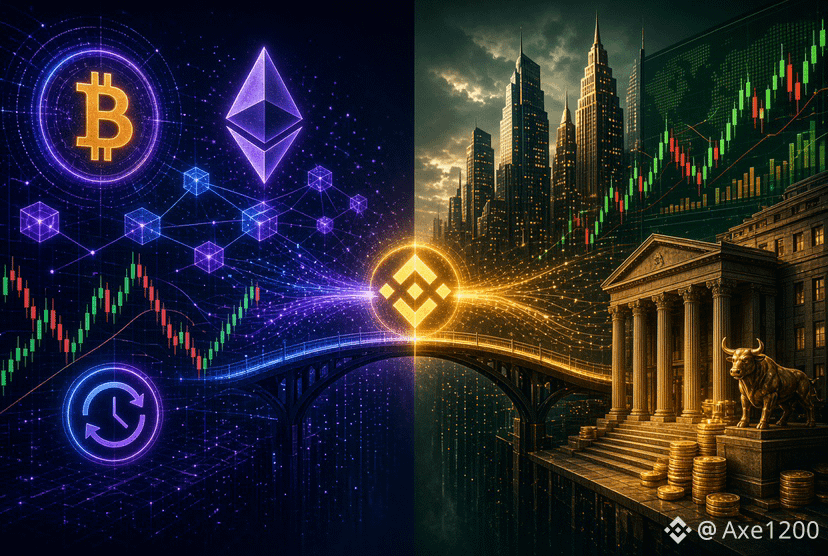
TradFi / comparison
What’s better: crypto or TradFi?
In my opinion, the question is wrong.
Each approach has its own pros and cons.
Crypto:
* works 24/7;
* many different assets;
* high liquidity in large coins;
− high volatility;
− risks can be very significant.
TradFi:
* a more traditional and clear market;
* many years of history;
* a wide choice of instruments;
− not everything works 24/7;
− access to some instruments may be more difficult.
And now the most interesting part — what happens if these two worlds keep drawing closer?
That’s why I’m interested in the TradFi topic on Binance right now.#TradFi
TradFi / comparison
What’s better: crypto or TradFi?
In my opinion, the question is wrong.
Each approach has its own pros and cons.
Crypto:
* works 24/7;
* many different assets;
* high liquidity in large coins;
− high volatility;
− risks can be very significant.
TradFi:
* a more traditional and clear market;
* many years of history;
* a wide choice of instruments;
− not everything works 24/7;
− access to some instruments may be more difficult.
And now the most interesting part — what happens if these two worlds keep drawing closer?
That’s why I’m interested in the TradFi topic on Binance right now.#TradFi
What’s better: crypto or TradFi?
In my opinion, the question is wrong.
Each approach has its own pros and cons.
Crypto:
* works 24/7;
* many different assets;
* high liquidity in large coins;
− high volatility;
− risks can be very significant.
TradFi:
* a more traditional and clear market;
* many years of history;
* a wide choice of instruments;
− not everything works 24/7;
− access to some instruments may be more difficult.
And now the most interesting part — what happens if these two worlds keep drawing closer?
That’s why I’m interested in the TradFi topic on Binance right now.#TradFi
1
273
·
--
Bullish
bStocks / personal impressions
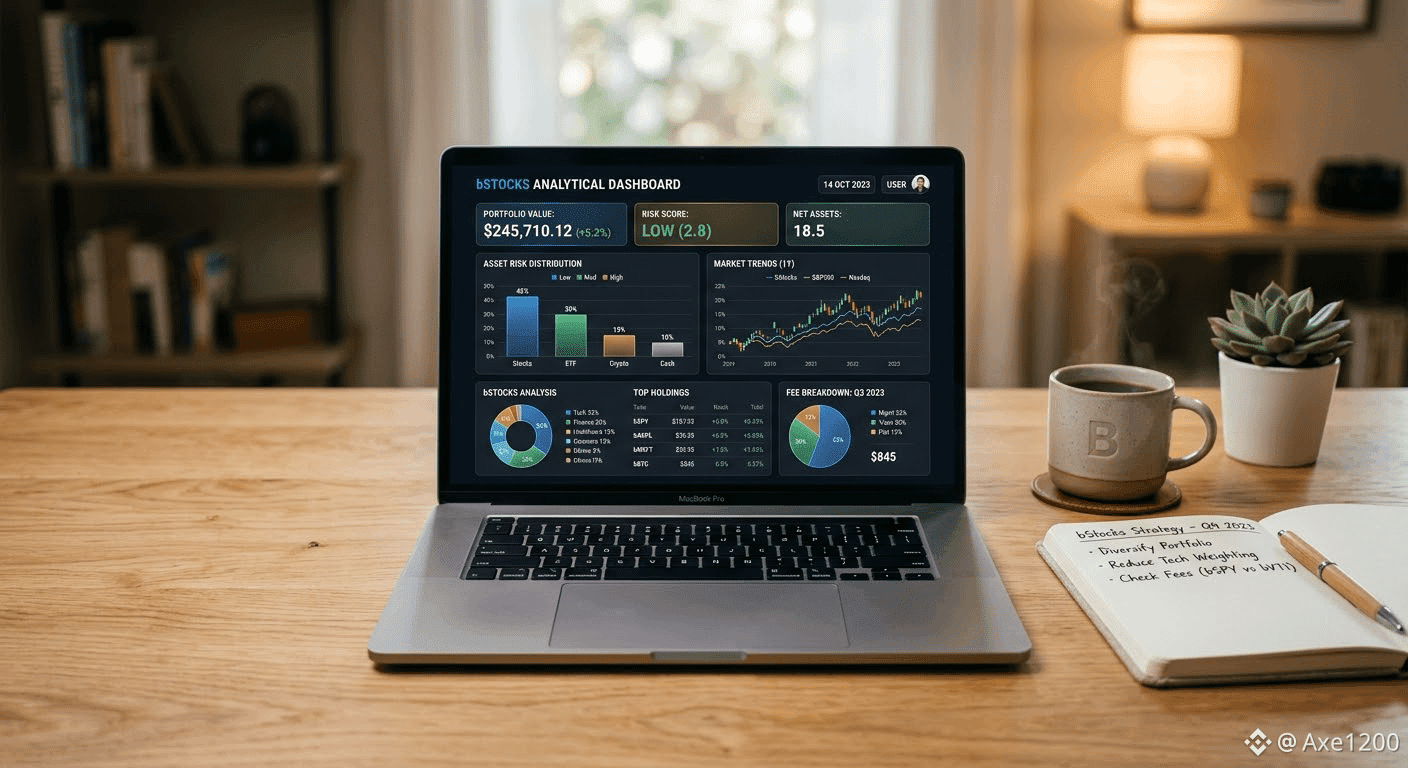
I started looking into bStocks and realized one simple thing:
the hardest part isn’t buying some asset—it’s first understanding properly what exactly you’re buying.
So right now I’m looking not only at potential profitability, but also at:
• how the product itself works;
• what commissions there are;
• what limitations exist;
• what the price depends on;
• what risks there are.
I like the whole direction of bStocks because it’s interesting at the intersection of crypto and the traditional market.
But I definitely wouldn’t jump into something just because it’s trending right now.
First understand → then make a decision.
Especially when it comes to your own money.
#bStocks
bStocks / personal impressions
I started looking into bStocks and realized one simple thing:
the hardest part isn’t buying some asset—it’s first understanding properly what exactly you’re buying.
So right now I’m looking not only at potential profitability, but also at:
• how the product itself works;
• what commissions there are;
• what limitations exist;
• what the price depends on;
• what risks there are.
I like the whole direction of bStocks because it’s interesting at the intersection of crypto and the traditional market.
But I definitely wouldn’t jump into something just because it’s trending right now.
First understand → then make a decision.
Especially when it comes to your own money.
#bStocks
I started looking into bStocks and realized one simple thing:
the hardest part isn’t buying some asset—it’s first understanding properly what exactly you’re buying.
So right now I’m looking not only at potential profitability, but also at:
• how the product itself works;
• what commissions there are;
• what limitations exist;
• what the price depends on;
• what risks there are.
I like the whole direction of bStocks because it’s interesting at the intersection of crypto and the traditional market.
But I definitely wouldn’t jump into something just because it’s trending right now.
First understand → then make a decision.
Especially when it comes to your own money.
#bStocks
1
116
·
--
Bullish
TradFi / in simple words
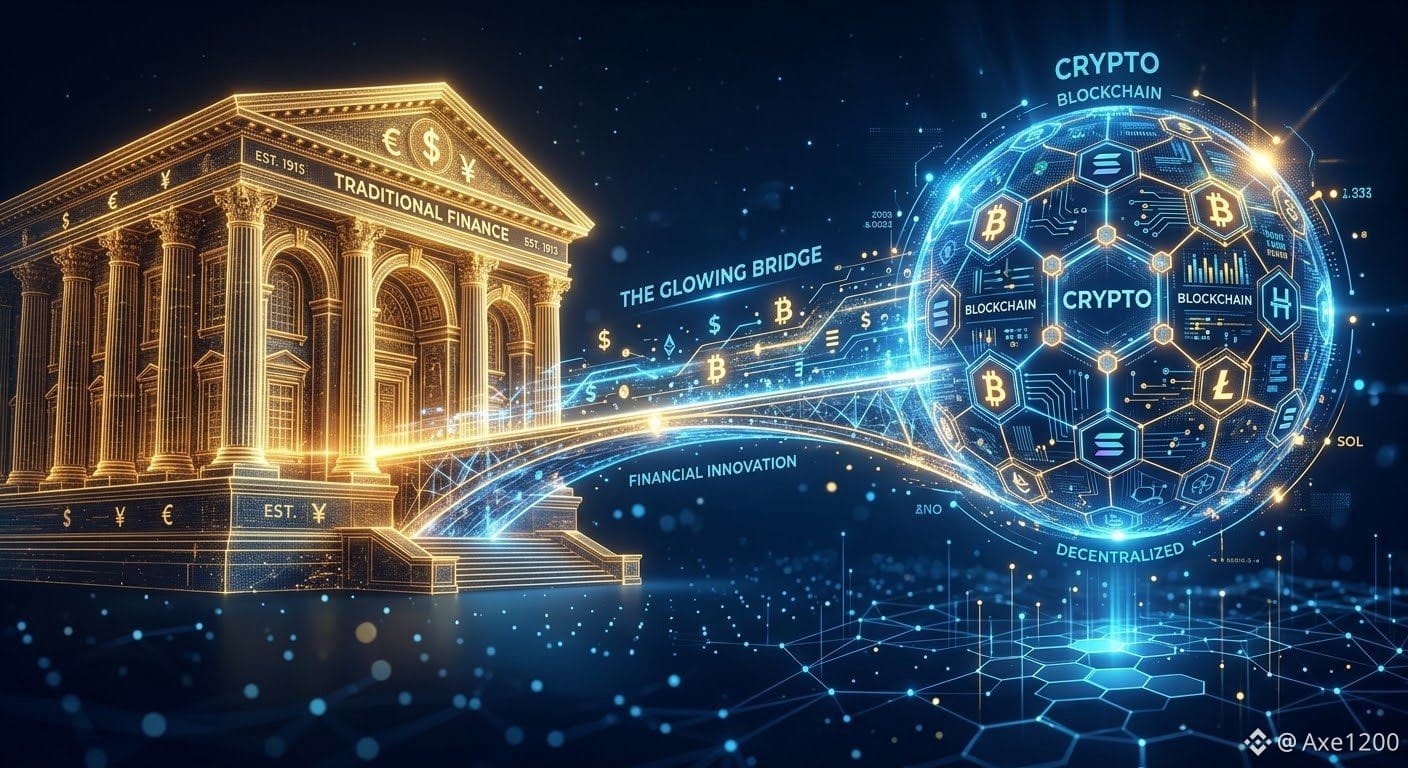
TradFi is a word I’ve been coming across a lot lately.
In simple terms, TradFi means traditional finance: stocks, bonds, banks, stock markets, and other classic financial instruments.
Why did it become interesting to me?
Because the crypto market and traditional finance are gradually overlapping more and more.
In the past, for many people these were two separate worlds.
And now more and more products are appearing that try to combine them.
I’m curious to see where all of this will lead in a few years.
Are you more into crypto or traditional finance? 👀 #TradFi
TradFi / in simple words
TradFi is a word I’ve been coming across a lot lately.
In simple terms, TradFi means traditional finance: stocks, bonds, banks, stock markets, and other classic financial instruments.
Why did it become interesting to me?
Because the crypto market and traditional finance are gradually overlapping more and more.
In the past, for many people these were two separate worlds.
And now more and more products are appearing that try to combine them.
I’m curious to see where all of this will lead in a few years.
Are you more into crypto or traditional finance? 👀 #TradFi
TradFi is a word I’ve been coming across a lot lately.
In simple terms, TradFi means traditional finance: stocks, bonds, banks, stock markets, and other classic financial instruments.
Why did it become interesting to me?
Because the crypto market and traditional finance are gradually overlapping more and more.
In the past, for many people these were two separate worlds.
And now more and more products are appearing that try to combine them.
I’m curious to see where all of this will lead in a few years.
Are you more into crypto or traditional finance? 👀 #TradFi
1
80
·
--
Bullish
bStocks / for beginners
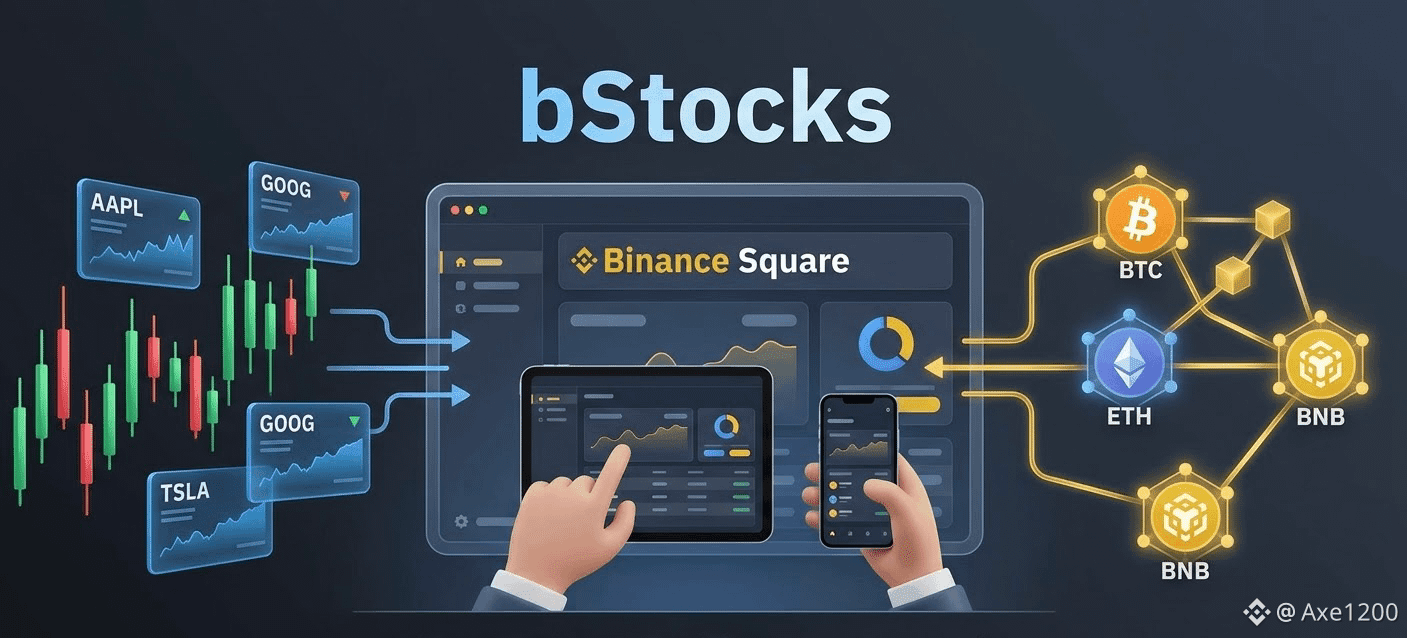
Honestly, when I first heard about and saw bStocks, I didn’t immediately understand why it’s needed at all.
If we put it very simply: it’s a way to get access to assets associated with traditional financial markets through Binance.
This topic interests me specifically because it blends two worlds: crypto and TradFi.
But here’s the important point — it doesn’t mean the asset automatically becomes safe. Risks don’t go away; the price can move both up and down.
So right now I’m looking into bStocks specifically from this perspective: how it works, what opportunities there are, and what risks exist.
Have you already tried bStocks?
#bStocks
bStocks / for beginners
Honestly, when I first heard about and saw bStocks, I didn’t immediately understand why it’s needed at all.
If we put it very simply: it’s a way to get access to assets associated with traditional financial markets through Binance.
This topic interests me specifically because it blends two worlds: crypto and TradFi.
But here’s the important point — it doesn’t mean the asset automatically becomes safe. Risks don’t go away; the price can move both up and down.
So right now I’m looking into bStocks specifically from this perspective: how it works, what opportunities there are, and what risks exist.
Have you already tried bStocks?
#bStocks
Honestly, when I first heard about and saw bStocks, I didn’t immediately understand why it’s needed at all.
If we put it very simply: it’s a way to get access to assets associated with traditional financial markets through Binance.
This topic interests me specifically because it blends two worlds: crypto and TradFi.
But here’s the important point — it doesn’t mean the asset automatically becomes safe. Risks don’t go away; the price can move both up and down.
So right now I’m looking into bStocks specifically from this perspective: how it works, what opportunities there are, and what risks exist.
Have you already tried bStocks?
#bStocks
2
3
98
·
--
Great initiative from Binance! 🔥 Fun to complete tasks, earn XP, and exchange it for crypto 💛🚀 Thanks for the opportunity — let's go!
Great initiative from Binance! 🔥 Fun to complete tasks, earn XP, and exchange it for crypto 💛🚀 Thanks for the opportunity — let's go!
1
2
113
·
--
Bullish
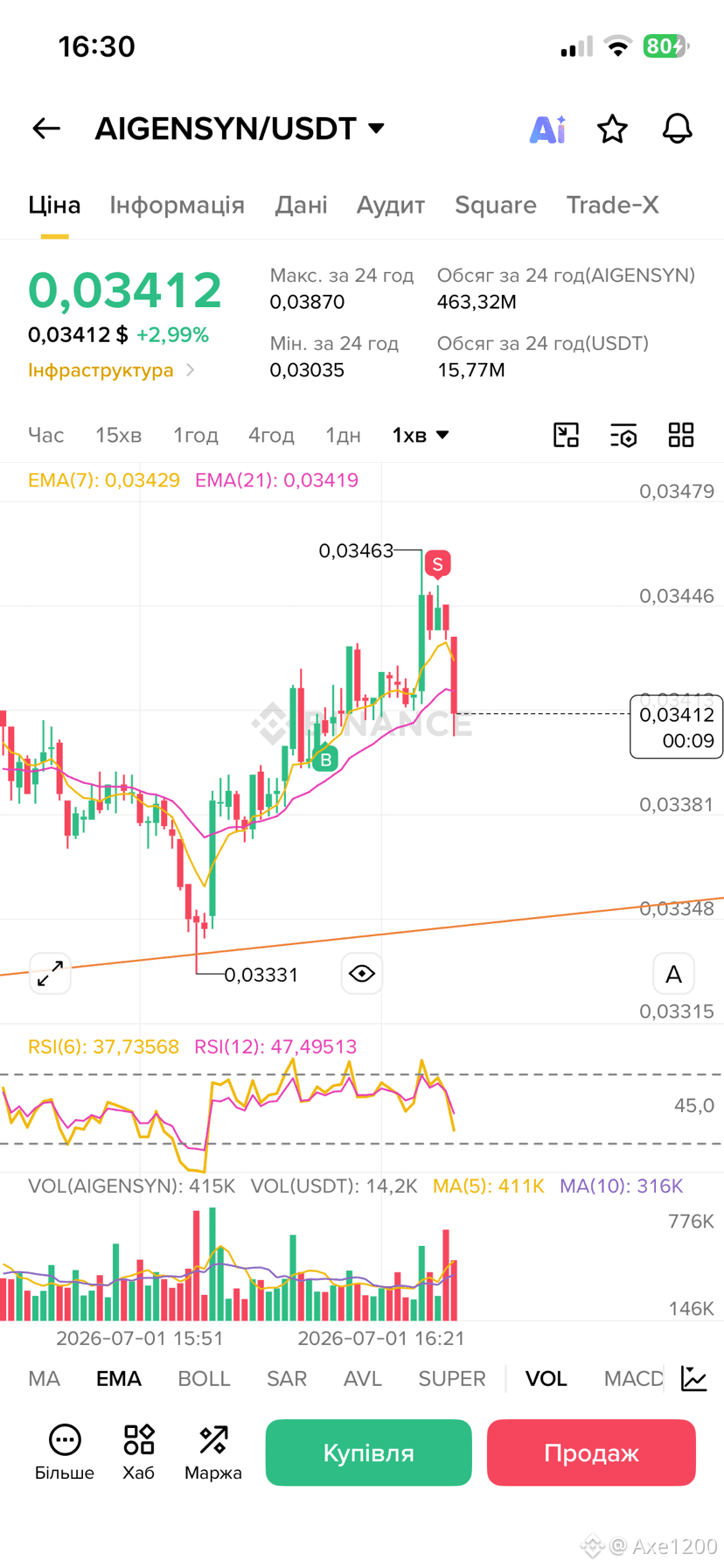
$AIGENSYN Scalped the coin on the rise!
+2.99% entered quickly and cleanly on the spot.
Nice move😌
There’s still potential—let’s watch, but I partially locked in profits.
$AIGENSYN Scalped the coin on the rise!
+2.99% entered quickly and cleanly on the spot.
Nice move😌
There’s still potential—let’s watch, but I partially locked in profits.
+2.99% entered quickly and cleanly on the spot.
Nice move😌
There’s still potential—let’s watch, but I partially locked in profits.
2
1k
·
--
Bullish
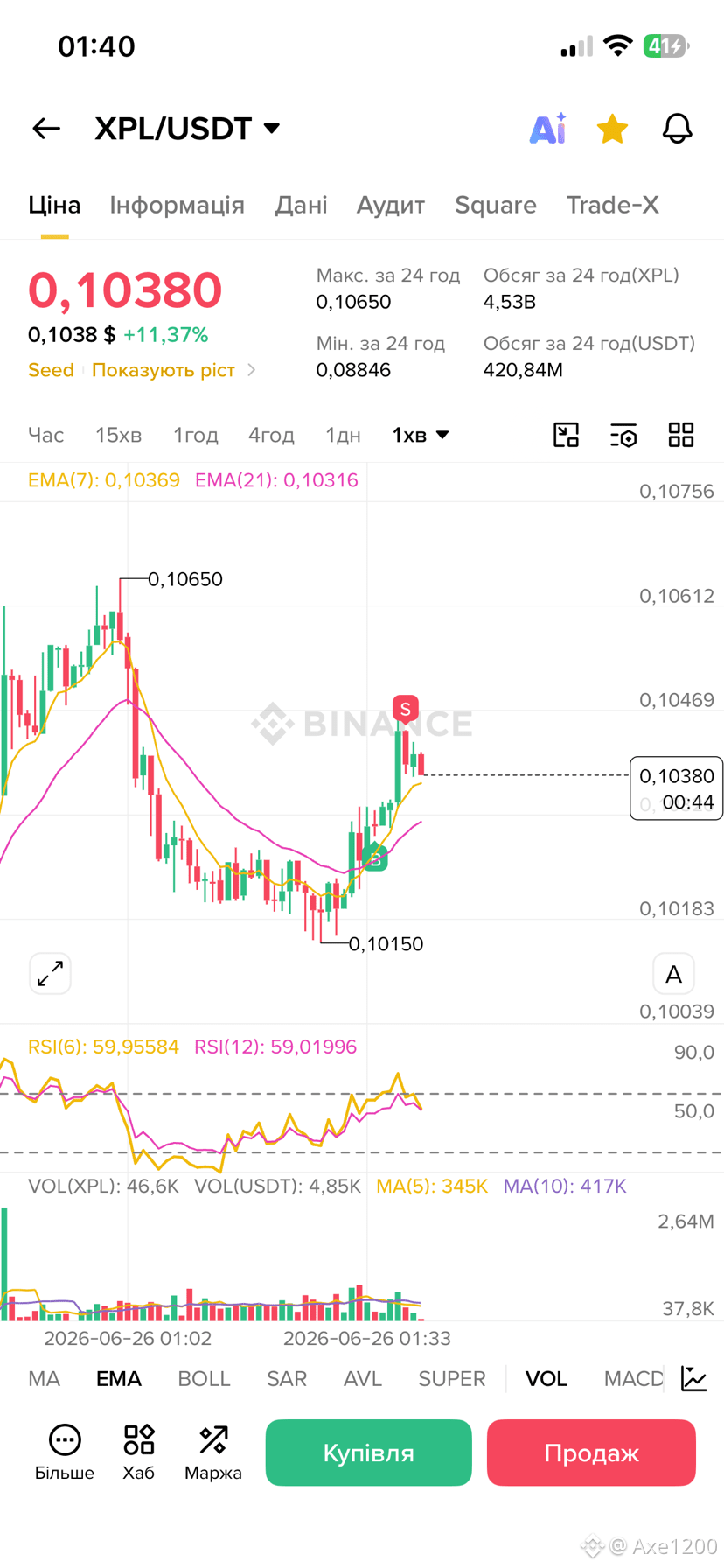
$XPL scalp structure is interesting. Profit was locked in, then it keeps watching 🔥
$XPL scalp structure is interesting. Profit was locked in, then it keeps watching 🔥
1
2.7k
·
--
Bullish
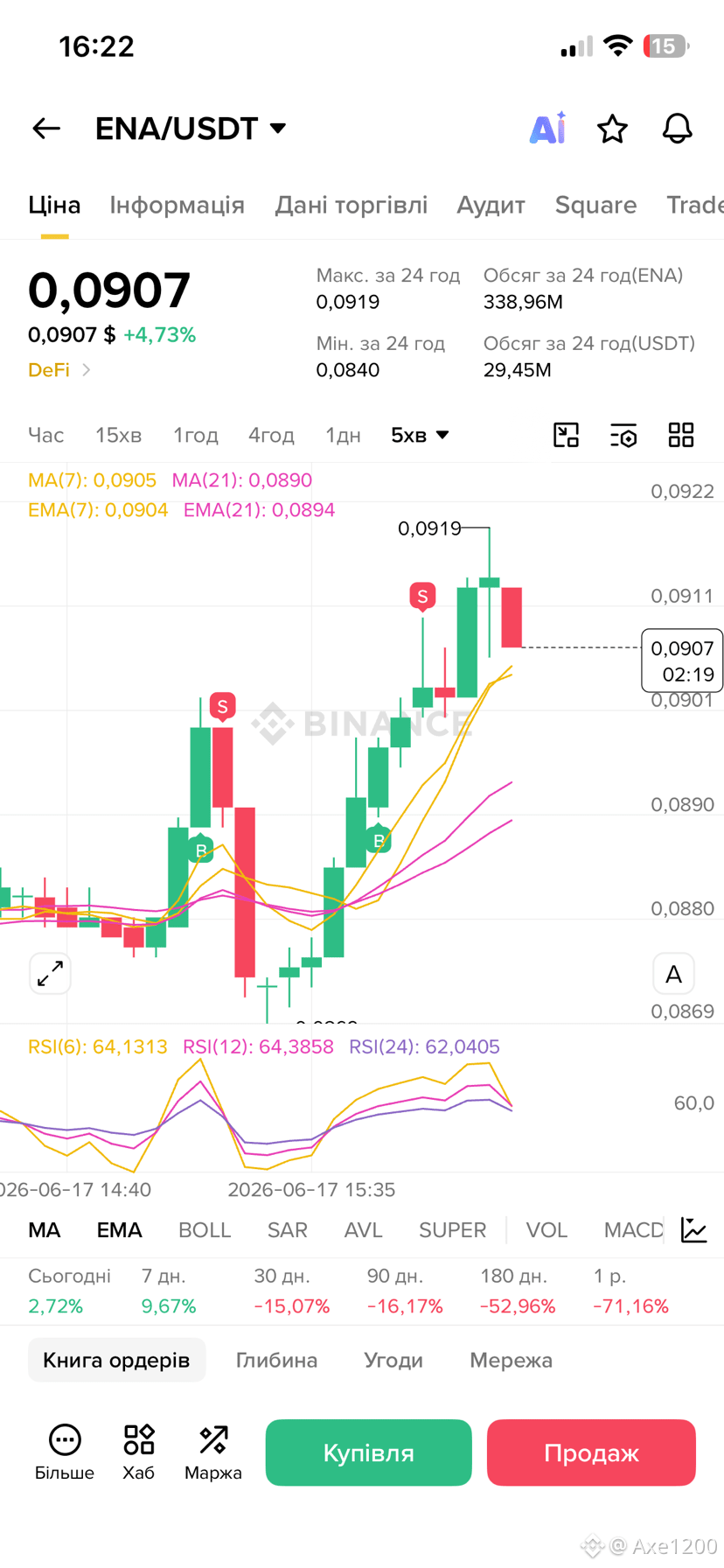
$ENA Today is looking solid, feeling confident.
I scalped a bit, there's still potential for growth, will keep an eye on it.🔥
$ENA Today is looking solid, feeling confident.
I scalped a bit, there's still potential for growth, will keep an eye on it.🔥
I scalped a bit, there's still potential for growth, will keep an eye on it.🔥
4
3.8k
·
--
Bullish
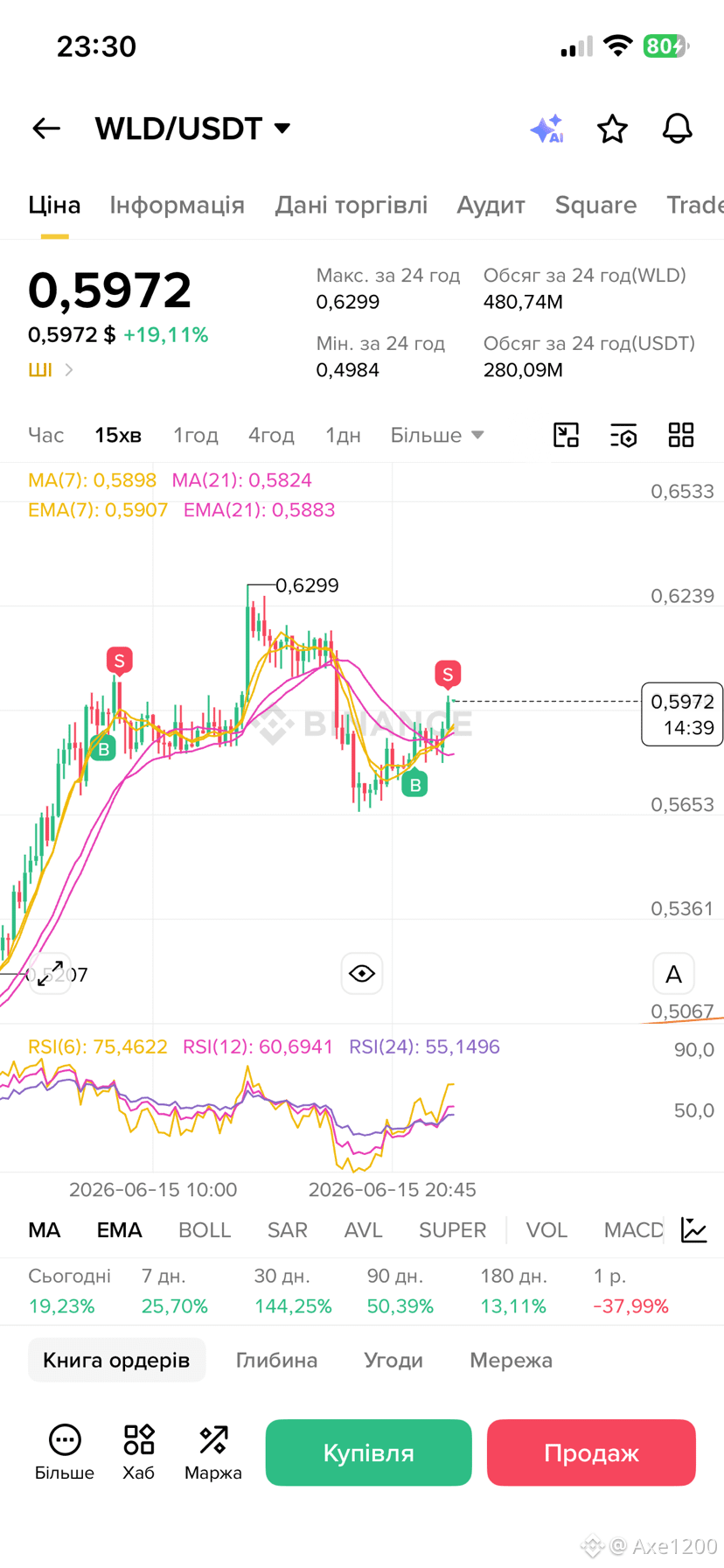
$WLD I just can't let go of this coin 🔥
Scalping on spot is going so well!
I keep watching — there's definitely more upside potential.🤝
$WLD I just can't let go of this coin 🔥
Scalping on spot is going so well!
I keep watching — there's definitely more upside potential.🤝
Scalping on spot is going so well!
I keep watching — there's definitely more upside potential.🤝
4
3
3.9k
·
--
Bullish
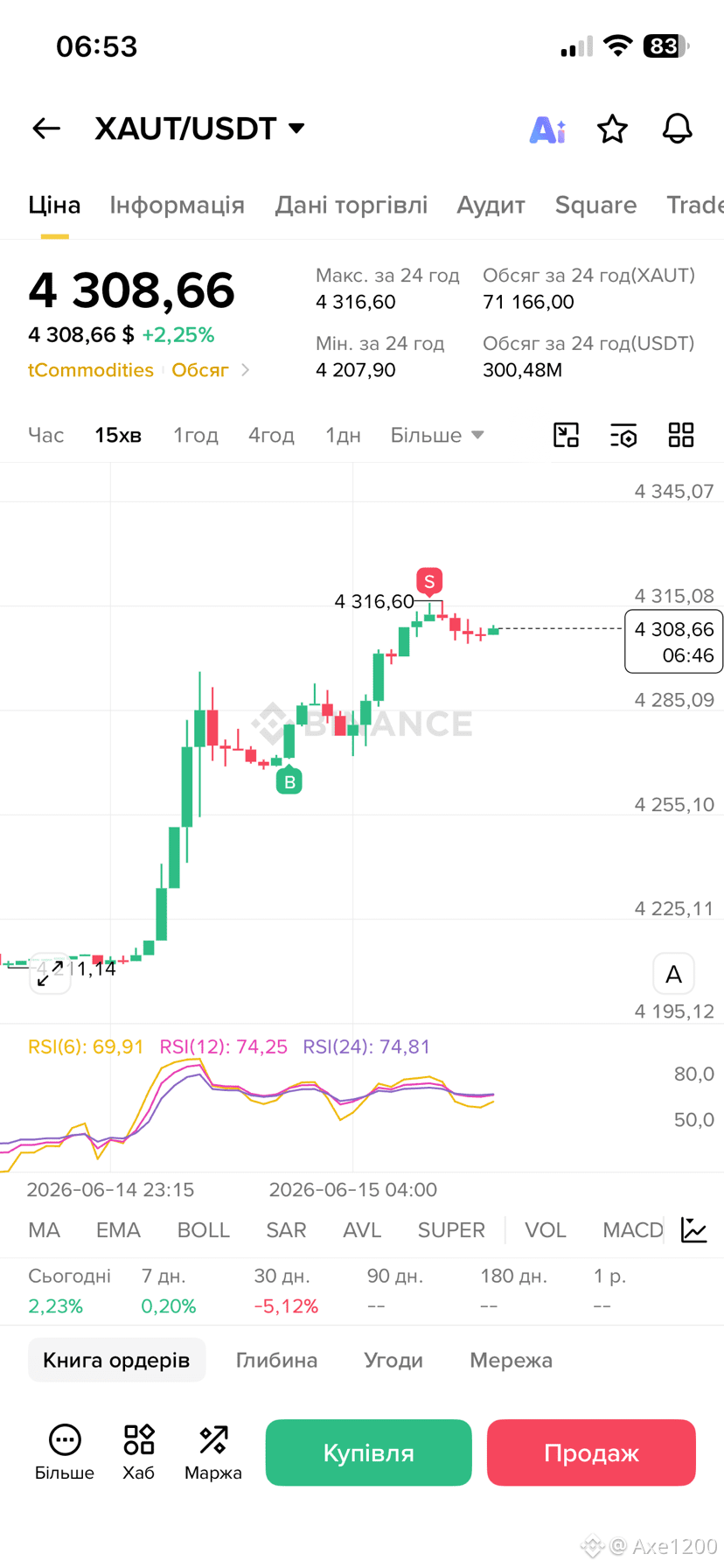
$XAUT I scalped gold with an amazing result. There's still potential for growth.
$XAUT I scalped gold with an amazing result. There's still potential for growth.
4
5
24.5k
·
--
Bullish
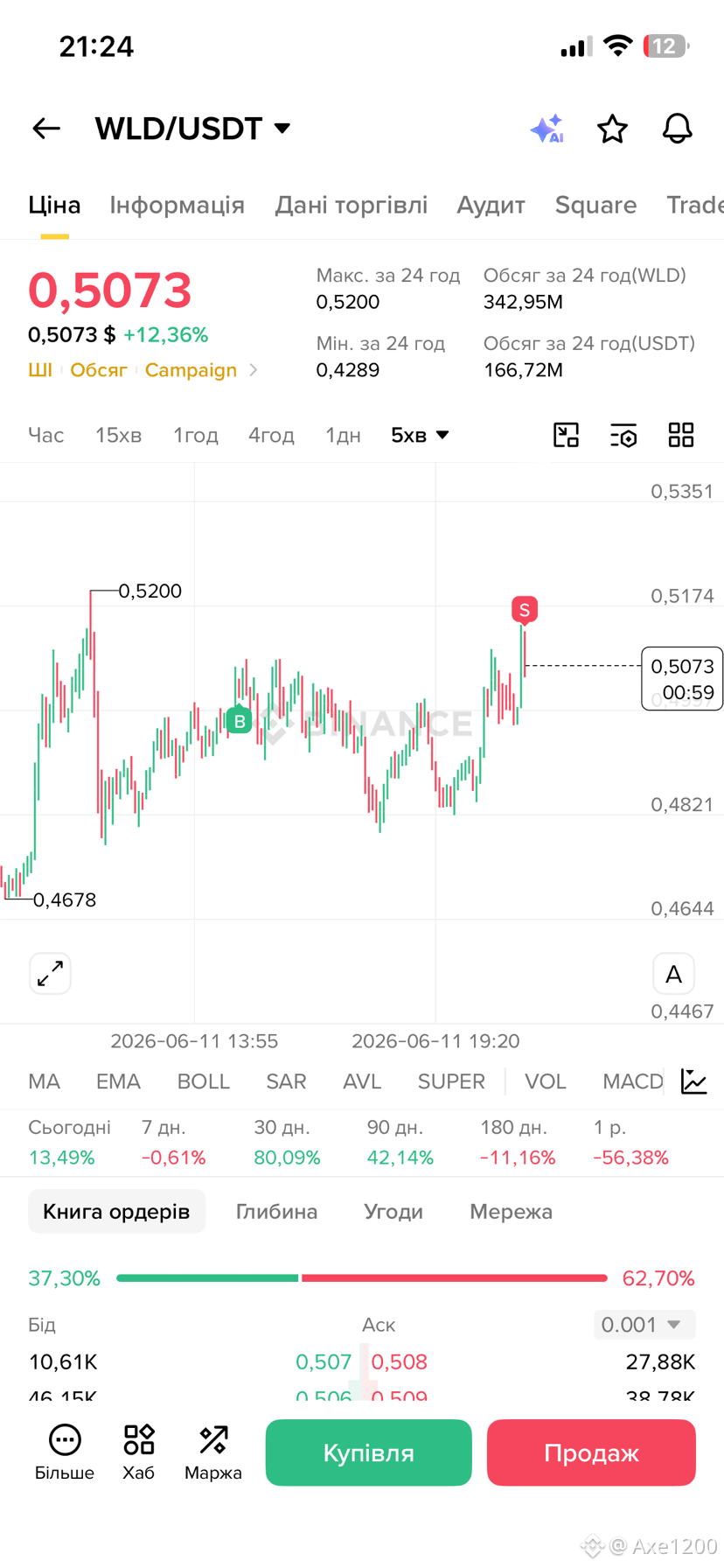
$WLD scalp the coin a little more.
There is potential for growth—I will keep an eye on it
$WLD scalp the coin a little more.
There is potential for growth—I will keep an eye on it
There is potential for growth—I will keep an eye on it
3
1.3k
Log in to explore more content
Join global crypto users on Binance Square
⚡️ Get latest and useful information about crypto.
💬 Trusted by the world’s largest crypto exchange.
👍 Discover real insights from verified creators.
Email / Phone number
Trending Topics
UKFCAWinsCourtOrderToRecover851400Pounds
24,561 views
697 Discussing
🚨 CRYPTO REGULATION JUST ENTERED A NEW PHASE: THEY’RE NOT ONLY WRITING RULES — THEY’RE TAKING MONEY BACK.
The UK’s FCA has secured another court-backed asset recovery, reinforcing a broader enforcement push against unauthorized financial and crypto-related activity.
And look at what’s happening simultaneously:
🇬🇧 FCA → enforcement + asset recovery
🇺🇸 SEC → clearer rules for functional crypto assets
🇺🇸 Fed → formal stablecoin supervision under the GENIUS Act
That combination matters.
Regulators are no longer debating whether crypto belongs inside the financial system.
They’re increasingly deciding who gets access, what rules they follow, and what happens when those rules are broken.
The next crypto cycle may not be “regulation vs innovation.”
It may be regulated crypto vs everyone who can’t meet the standard. 👀
$COIN $CRCL $BTC
#ukfcawinscourtordertorecover851400pounds #ChainlinkLaunchesCCIP2WithEnterpriseVerification #GoldFallsTo$4144 #QNTFallsOver40%FromMorningHigh #USDTAdds845900HoldersInPast7Days
KimHotbae
·3 Likes
·4.2k views
ChainlinkLaunchesCCIP2WithEnterpriseVerification
38,895 views
890 Discussing
GoldFallsTo$4144
13,969 views
150 Discussing