
Bitcoin Newbie
24.3k Posts

Bitcoin Newbie
Report
Block User
35 Following
10.9K+ Followers
11.1K+ Liked
Posts
All
Quotes
Videos
Live
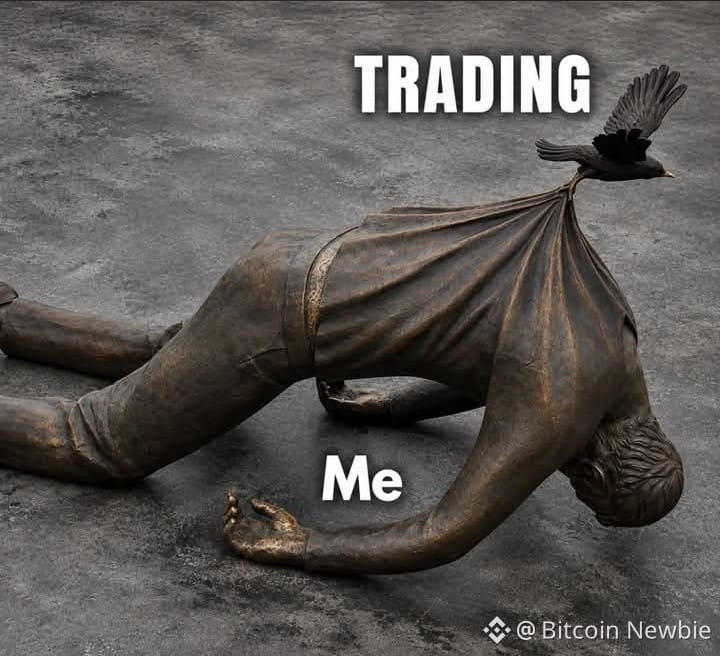
Why is this so relatable…?🤣
When market Bull Run 🤔?
#BTCRemainsUnderPressureAfterHawkishFOMCMinutes #NvidiaBoardReportedlySplitOverHuang’sReturn #CanGTA6'sLaunchLiftTTWOShares? #FOMCMinutesHighlightAIDebtRisks #SouthKoreaPlansToLet3500ListedFirmsBuyBitcoin
$BTC
{spot}(BTCUSDT)
$ETH
{spot}(ETHUSDT)
$ZEC
{spot}(ZECUSDT)
Why is this so relatable…?🤣
When market Bull Run 🤔?
#BTCRemainsUnderPressureAfterHawkishFOMCMinutes #NvidiaBoardReportedlySplitOverHuang’sReturn #CanGTA6'sLaunchLiftTTWOShares? #FOMCMinutesHighlightAIDebtRisks #SouthKoreaPlansToLet3500ListedFirmsBuyBitcoin
$BTC
$ETH
$ZEC
When market Bull Run 🤔?
#BTCRemainsUnderPressureAfterHawkishFOMCMinutes #NvidiaBoardReportedlySplitOverHuang’sReturn #CanGTA6'sLaunchLiftTTWOShares? #FOMCMinutesHighlightAIDebtRisks #SouthKoreaPlansToLet3500ListedFirmsBuyBitcoin
$BTC
$ETH
$ZEC
179
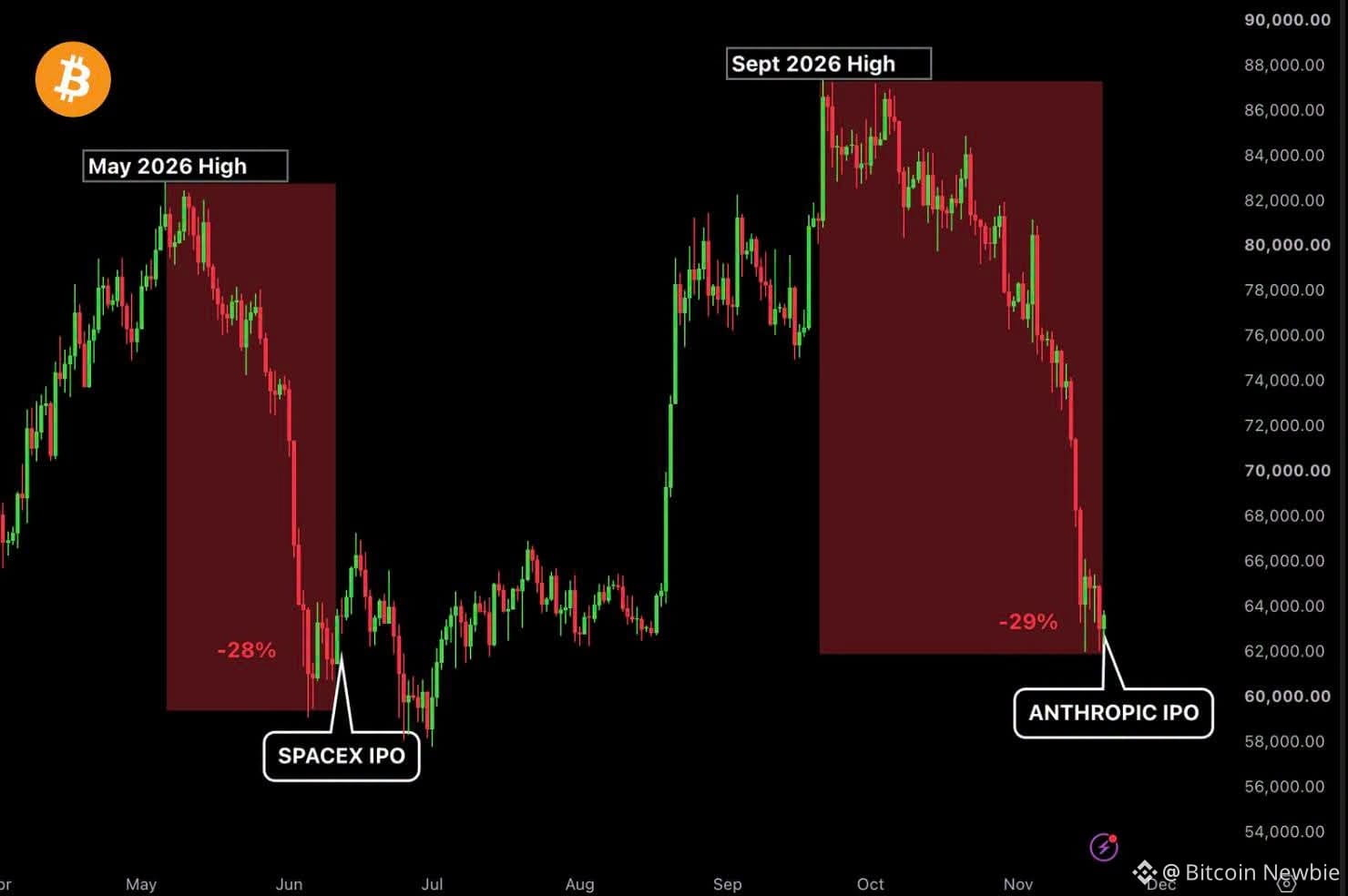
BITCOIN IS REPEATING ITS SPACEX IPO DIP AHEAD OF ANTHROPIC
-BTC was trading around $62K during the SpaceX IPO period.
-Bitcoin fell 25% in 36 days leading up to the $75B SpaceX IPO.
-Ahead of today's Anthropic IPO, BTC has dropped 29% over 56 days, now trading around $62K.
Will Bitcoin recover after the Anthropic IPO, just like it did after SpaceX?
#bitcoin #BTCRemainsUnderPressureAfterHawkishFOMCMinutes #SouthKoreaPlansToLet3500ListedFirmsBuyBitcoin #CanGTA6'sLaunchLiftTTWOShares? #FOMCMinutesHighlightAIDebtRisks
$BTC
{spot}(BTCUSDT)
$ETH
{spot}(ETHUSDT)
$XRP
{spot}(XRPUSDT)
BITCOIN IS REPEATING ITS SPACEX IPO DIP AHEAD OF ANTHROPIC
-BTC was trading around $62K during the SpaceX IPO period.
-Bitcoin fell 25% in 36 days leading up to the $75B SpaceX IPO.
-Ahead of today's Anthropic IPO, BTC has dropped 29% over 56 days, now trading around $62K.
Will Bitcoin recover after the Anthropic IPO, just like it did after SpaceX?
#bitcoin #BTCRemainsUnderPressureAfterHawkishFOMCMinutes #SouthKoreaPlansToLet3500ListedFirmsBuyBitcoin #CanGTA6'sLaunchLiftTTWOShares? #FOMCMinutesHighlightAIDebtRisks
$BTC
$ETH
$XRP
95
🚨 LATEST: Nvidia has approached Arm CEO Rene Haas as a potential successor to Jensen Huang, Bloomberg reports.
#NvidiaBoardReportedlySplitOverHuang’sReturn #BTCRemainsUnderPressureAfterHawkishFOMCMinutes #CanGTA6'sLaunchLiftTTWOShares? #FOMCMinutesHighlightAIDebtRisks #SouthKoreaPlansToLet3500ListedFirmsBuyBitcoin
$BTC
{future}(BTCUSDT)
$ZEC
{future}(ZECUSDT)
$NVDA
{future}(NVDAUSDT)
🚨 LATEST: Nvidia has approached Arm CEO Rene Haas as a potential successor to Jensen Huang, Bloomberg reports.
#NvidiaBoardReportedlySplitOverHuang’sReturn #BTCRemainsUnderPressureAfterHawkishFOMCMinutes #CanGTA6'sLaunchLiftTTWOShares? #FOMCMinutesHighlightAIDebtRisks #SouthKoreaPlansToLet3500ListedFirmsBuyBitcoin
$BTC
$ZEC
$NVDA
#NvidiaBoardReportedlySplitOverHuang’sReturn #BTCRemainsUnderPressureAfterHawkishFOMCMinutes #CanGTA6'sLaunchLiftTTWOShares? #FOMCMinutesHighlightAIDebtRisks #SouthKoreaPlansToLet3500ListedFirmsBuyBitcoin
$BTC
$ZEC
$NVDA


368
Article
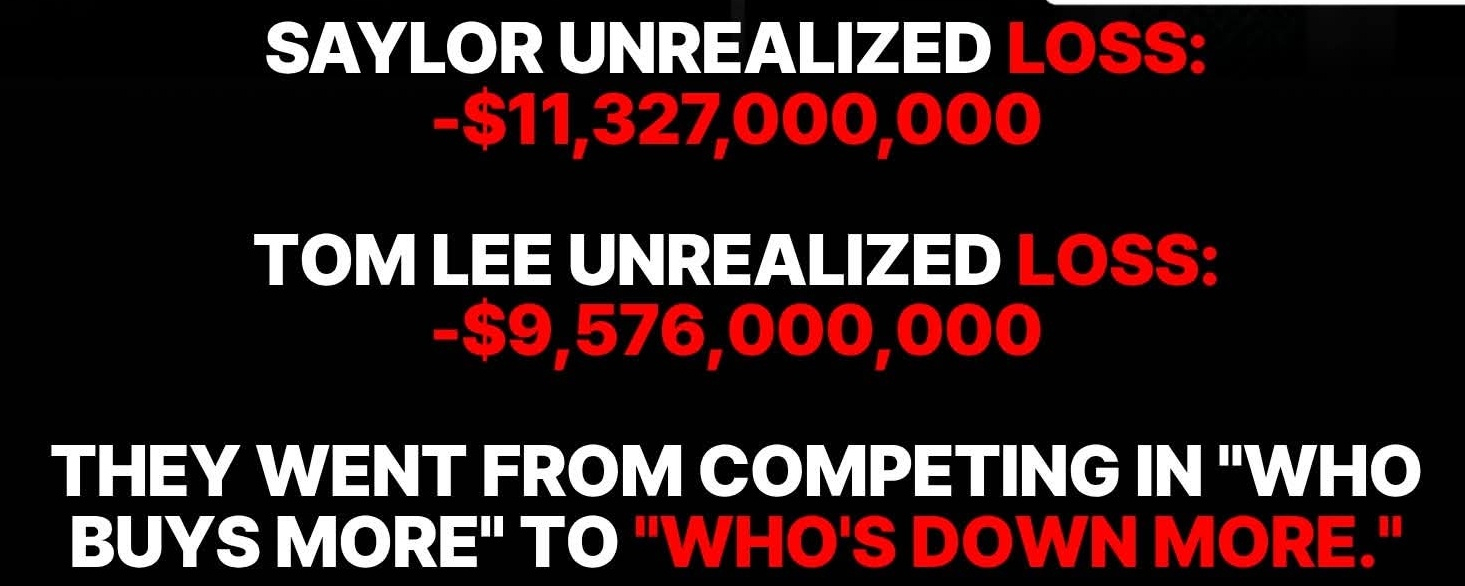
They Were Competing to Buy More Crypto. Now They're Competing With Billions in Paper Losses.They Were Competing to Buy More Crypto. Now They're Competing With Billions in Paper Losses.
Michael Saylor and Tom Lee have become two of the most closely watched names in the corporate crypto investment world.
One is building an enormous Bitcoin treasury.
The other is accumulating Ethereum on a massive scale.
But the recent market decline has changed the conversation.
The numbers circulating online show:
Michael Saylor: -$11.327 billion in unrealized losses.
Tom Lee: -$9.576 billion in unrealized losses.
Those figures represent the reported paper-loss estimates in the circulating comparison, not confirmed realized losses.
And here's what makes this situation particularly interesting.
Neither investment strategy is simply disappearing because the market has turned against them.
Let's look at what these companies are actually doing.
1. Michael Saylor's Bitcoin Strategy
Saylor's company, Strategy, has accumulated hundreds of thousands of Bitcoin.
As of November 15, the company held 850,849 BTC, acquired at an average cost of approximately $75,452 per coin.
When Bitcoin trades below that average, the market value of the company's holdings falls below its acquisition cost.
But instead of abandoning its strategy, Strategy purchased another 485 BTC for approximately $33.4 million during the week of November 9–15.
That's a significant decision during a period of market weakness.
2. Tom Lee's Ethereum Strategy
Tom Lee is taking a similar long-term approach through BitMine.
The company held more than 6.07 million ETH as of November 16.
That's approximately 4.97% of Ethereum's total supply.
Even during the recent decline, BitMine added another 7,653 ETH.
Lee has argued that Ethereum's falling price does not necessarily reflect the developments taking place across its underlying network.
His investment thesis is built around the potential long-term growth of Ethereum infrastructure, institutional adoption, and tokenization.
3. Why Aren't They Simply Selling Everything?
This is where investment strategy becomes important.
Both companies are following treasury strategies built around their respective cryptocurrencies.
Their management teams appear to believe that the long-term potential of these assets justifies holding through substantial price volatility.
But there is a difference between believing in an asset and having the financial ability to hold it through a prolonged downturn.
A company must also manage liquidity, financing costs, debt obligations, shareholder expectations, and operating expenses.
A falling crypto price can create pressure even when no coins are sold.
4. The Real Meaning of a Billion-Dollar Paper Loss
Imagine buying an asset for $100 million.
Its market value later falls to $75 million.
You now have a $25 million decline in the value of your investment.
But if you haven't sold, you haven't locked in that $25 million loss through a sale.
That's the basic difference between an unrealized and realized loss.
However, paper losses are not meaningless.
They can reduce the value of corporate assets, affect investor confidence, make future fundraising more difficult, and increase financial pressure.
If prices recover, those unrealized losses can shrink.
If prices fall further, they can become even larger.
5. There's One More Thing Investors Should Watch.
Buying more during a decline lowers the average purchase cost only when the new purchases are made below the existing average.
But it also increases the amount of capital exposed to the same asset.
That's why continuing to buy during a downturn isn't automatically proof of financial strength or a guarantee of future success.
It is a strategy that depends on liquidity, funding access, time horizon, and the ability to withstand further declines.
My observation is that these two companies are demonstrating something important about the difference between short-term market prices and long-term investment conviction.
But conviction alone doesn't eliminate risk.
And billions of dollars in unrealized losses should never be dismissed simply because an investor refuses to sell.
The real test of a long-term strategy isn't how confidently someone buys during a bull market. It's whether the balance sheet can survive the bear market too.
They Were Competing to Buy More Crypto. Now They're Competing With Billions in Paper Losses.
They Were Competing to Buy More Crypto. Now They're Competing With Billions in Paper Losses.
Michael Saylor and Tom Lee have become two of the most closely watched names in the corporate crypto investment world.
One is building an enormous Bitcoin treasury.
The other is accumulating Ethereum on a massive scale.
But the recent market decline has changed the conversation.
The numbers circulating online show:
Michael Saylor: -$11.327 billion in unrealized losses.
Tom Lee: -$9.576 billion in unrealized losses.
Those figures represent the reported paper-loss estimates in the circulating comparison, not confirmed realized losses.
And here's what makes this situation particularly interesting.
Neither investment strategy is simply disappearing because the market has turned against them.
Let's look at what these companies are actually doing.
1. Michael Saylor's Bitcoin Strategy
Saylor's company, Strategy, has accumulated hundreds of thousands of Bitcoin.
As of November 15, the company held 850,849 BTC, acquired at an average cost of approximately $75,452 per coin.
When Bitcoin trades below that average, the market value of the company's holdings falls below its acquisition cost.
But instead of abandoning its strategy, Strategy purchased another 485 BTC for approximately $33.4 million during the week of November 9–15.
That's a significant decision during a period of market weakness.
2. Tom Lee's Ethereum Strategy
Tom Lee is taking a similar long-term approach through BitMine.
The company held more than 6.07 million ETH as of November 16.
That's approximately 4.97% of Ethereum's total supply.
Even during the recent decline, BitMine added another 7,653 ETH.
Lee has argued that Ethereum's falling price does not necessarily reflect the developments taking place across its underlying network.
His investment thesis is built around the potential long-term growth of Ethereum infrastructure, institutional adoption, and tokenization.
3. Why Aren't They Simply Selling Everything?
This is where investment strategy becomes important.
Both companies are following treasury strategies built around their respective cryptocurrencies.
Their management teams appear to believe that the long-term potential of these assets justifies holding through substantial price volatility.
But there is a difference between believing in an asset and having the financial ability to hold it through a prolonged downturn.
A company must also manage liquidity, financing costs, debt obligations, shareholder expectations, and operating expenses.
A falling crypto price can create pressure even when no coins are sold.
4. The Real Meaning of a Billion-Dollar Paper Loss
Imagine buying an asset for $100 million.
Its market value later falls to $75 million.
You now have a $25 million decline in the value of your investment.
But if you haven't sold, you haven't locked in that $25 million loss through a sale.
That's the basic difference between an unrealized and realized loss.
However, paper losses are not meaningless.
They can reduce the value of corporate assets, affect investor confidence, make future fundraising more difficult, and increase financial pressure.
If prices recover, those unrealized losses can shrink.
If prices fall further, they can become even larger.
5. There's One More Thing Investors Should Watch.
Buying more during a decline lowers the average purchase cost only when the new purchases are made below the existing average.
But it also increases the amount of capital exposed to the same asset.
That's why continuing to buy during a downturn isn't automatically proof of financial strength or a guarantee of future success.
It is a strategy that depends on liquidity, funding access, time horizon, and the ability to withstand further declines.
My observation is that these two companies are demonstrating something important about the difference between short-term market prices and long-term investment conviction.
But conviction alone doesn't eliminate risk.
And billions of dollars in unrealized losses should never be dismissed simply because an investor refuses to sell.
The real test of a long-term strategy isn't how confidently someone buys during a bull market. It's whether the balance sheet can survive the bear market too.
68
🚨 NOW: Ripple CEO Brad Garlinghouse says the crypto sell-off is partly due to investors moving money into big IPOs like Anthropic.
He expects crypto to rebound after the listing, as it did after SpaceX’s IPO.
#Ripple #BTCRemainsUnderPressureAfterHawkishFOMCMinutes #SouthKoreaPlansToLet3500ListedFirmsBuyBitcoin #CanGTA6'sLaunchLiftTTWOShares? #NvidiaBoardReportedlySplitOverHuang’sReturn
$BTC
{spot}(BTCUSDT)
$XRP
{spot}(XRPUSDT)
$SPCX
{future}(SPCXUSDT)
🚨 NOW: Ripple CEO Brad Garlinghouse says the crypto sell-off is partly due to investors moving money into big IPOs like Anthropic.
He expects crypto to rebound after the listing, as it did after SpaceX’s IPO.
#Ripple #BTCRemainsUnderPressureAfterHawkishFOMCMinutes #SouthKoreaPlansToLet3500ListedFirmsBuyBitcoin #CanGTA6'sLaunchLiftTTWOShares? #NvidiaBoardReportedlySplitOverHuang’sReturn
$BTC
$XRP
$SPCX
He expects crypto to rebound after the listing, as it did after SpaceX’s IPO.
#Ripple #BTCRemainsUnderPressureAfterHawkishFOMCMinutes #SouthKoreaPlansToLet3500ListedFirmsBuyBitcoin #CanGTA6'sLaunchLiftTTWOShares? #NvidiaBoardReportedlySplitOverHuang’sReturn
$BTC
$XRP
$SPCX


233
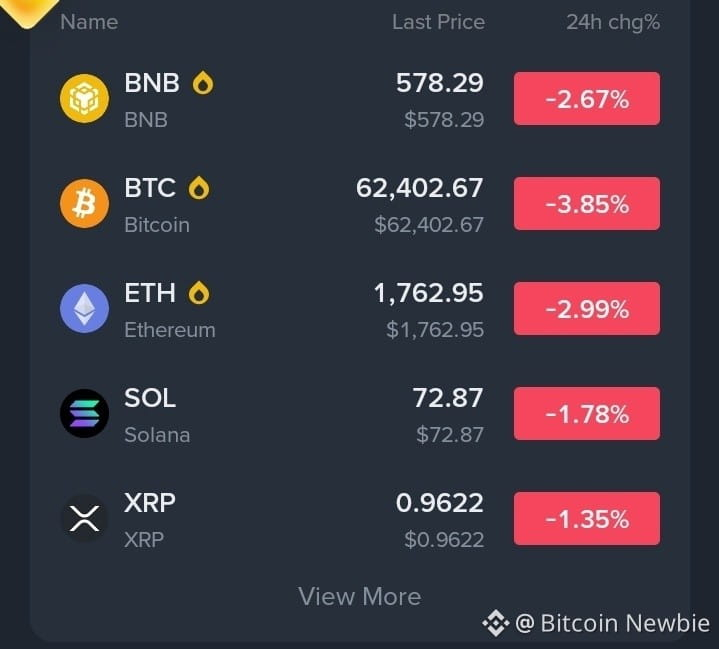
Red lights on, what's happening 🤔?
#MoreHikesExpectedIsBTCUnderPressure #LedgerHardwareImplantReportsExtendToDubai #NvidiaBoardNotConsideringHuang’sReturnasCEO #MarketSentimentToday #Binance
$BTC
{spot}(BTCUSDT)
$ETH
{spot}(ETHUSDT)
$BNB
{spot}(BNBUSDT)
Red lights on, what's happening 🤔?
#MoreHikesExpectedIsBTCUnderPressure #LedgerHardwareImplantReportsExtendToDubai #NvidiaBoardNotConsideringHuang’sReturnasCEO #MarketSentimentToday #Binance
$BTC
$ETH
$BNB
#MoreHikesExpectedIsBTCUnderPressure #LedgerHardwareImplantReportsExtendToDubai #NvidiaBoardNotConsideringHuang’sReturnasCEO #MarketSentimentToday #Binance
$BTC
$ETH
$BNB

73
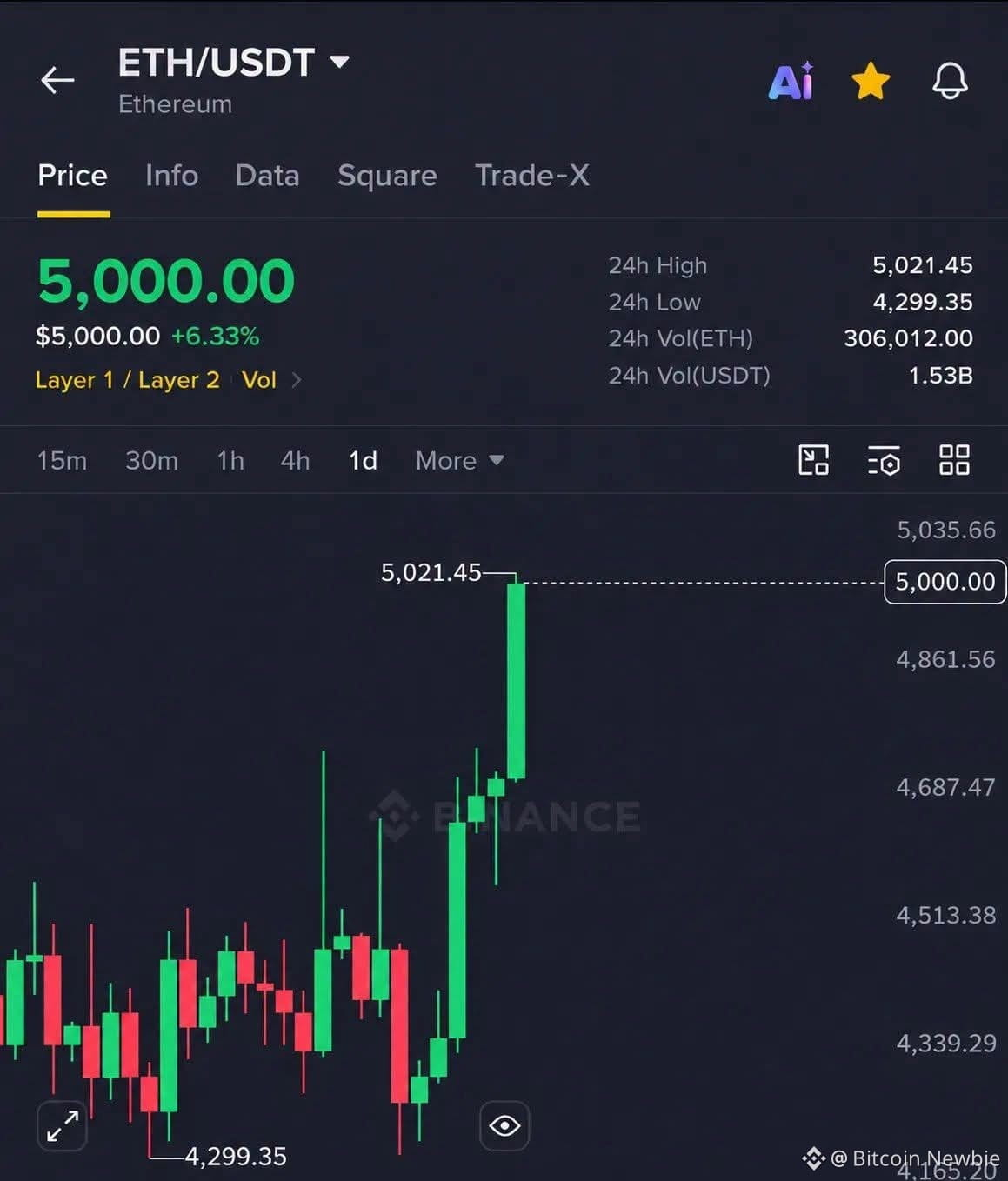
The only thing we didn't get before GTA 6:
#ETH #Ethereum #MoreHikesExpectedIsBTCUnderPressure #LedgerHardwareImplantReportsExtendToDubai #NvidiaBoardNotConsideringHuang’sReturnasCEO
$ETH
{spot}(ETHUSDT)
$ZEC
{spot}(ZECUSDT)
$SPCX
{future}(SPCXUSDT)
The only thing we didn't get before GTA 6:
#ETH #Ethereum #MoreHikesExpectedIsBTCUnderPressure #LedgerHardwareImplantReportsExtendToDubai #NvidiaBoardNotConsideringHuang’sReturnasCEO
$ETH
$ZEC
$SPCX
#ETH #Ethereum #MoreHikesExpectedIsBTCUnderPressure #LedgerHardwareImplantReportsExtendToDubai #NvidiaBoardNotConsideringHuang’sReturnasCEO
$ETH
$ZEC
$SPCX
364
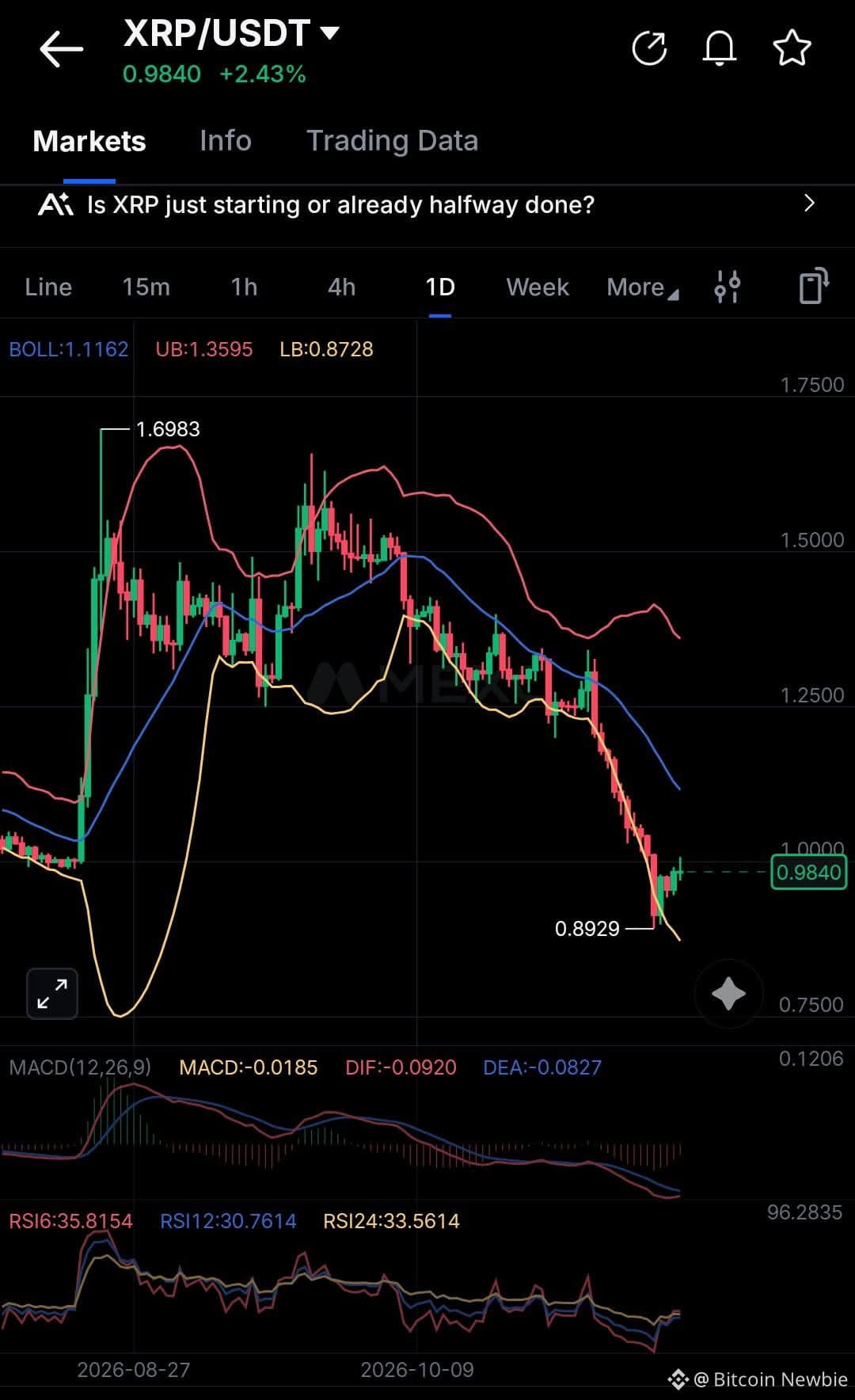
What is your realistic price target for XRP after this strong bounce from support?
#xrp #MoreHikesExpectedIsBTCUnderPressure #NvidiaBoardNotConsideringHuang’sReturnasCEO #LedgerHardwareImplantReportsExtendToDubai #Market_Update
$BTC
{future}(BTCUSDT)
$ETH
{future}(ETHUSDT)
$XRP
{future}(XRPUSDT)
What is your realistic price target for XRP after this strong bounce from support?
#xrp #MoreHikesExpectedIsBTCUnderPressure #NvidiaBoardNotConsideringHuang’sReturnasCEO #LedgerHardwareImplantReportsExtendToDubai #Market_Update
$BTC
$ETH
$XRP
#xrp #MoreHikesExpectedIsBTCUnderPressure #NvidiaBoardNotConsideringHuang’sReturnasCEO #LedgerHardwareImplantReportsExtendToDubai #Market_Update
$BTC
$ETH
$XRP
137
XRP $3 USD
The target could be achievable if the market recovers and demand for XRP increases.
XRP $5 USD
Requires significant capital inflows and strong growth in the Ripple ecosystem.
XRP $10 USD
Would require a massive increase in market capitalization. This should not be treated as a guaranteed expectation.
#xrp #Ripple #MoreHikesExpectedIsBTCUnderPressure #LedgerHardwareImplantReportsExtendToDubai #NvidiaBoardNotConsideringHuang’sReturnasCEO
$BTC
{spot}(BTCUSDT)
$XRP
{spot}(XRPUSDT)
$PEPE
{spot}(PEPEUSDT)
XRP $3 USD
The target could be achievable if the market recovers and demand for XRP increases.
XRP $5 USD
Requires significant capital inflows and strong growth in the Ripple ecosystem.
XRP $10 USD
Would require a massive increase in market capitalization. This should not be treated as a guaranteed expectation.
#xrp #Ripple #MoreHikesExpectedIsBTCUnderPressure #LedgerHardwareImplantReportsExtendToDubai #NvidiaBoardNotConsideringHuang’sReturnasCEO
$BTC
$XRP
$PEPE

163
🚨 JUST IN: BITCOIN BREAKS BELOW $63,000! 📉The warning signs are becoming reality as Bitcoin loses another major psychological level.
⚠️ BTC is now facing intense selling pressure amid:
Hawkish Federal Reserve comments.
Rising concerns over interest rates.
Weak investor sentiment.
Heavy capital outflows from the crypto market.
🎯 Critical Levels to Watch:
$62,000 – Immediate support
$60,000 – Psychological support
$58,000 – Next downside level if selling accelerates
📌 My Take: Don't rush into buying the dip. Wait for confirmation and watch how BTC reacts around key support zones.
The market remains highly volatile. Risk management is essential!
Are we heading for another major leg down? 👀
#BTC #MoreHikesExpectedIsBTCUnderPressure #LedgerHardwareImplantReportsExtendToDubai #NvidiaBoardNotConsideringHuang’sReturnasCEO #crypto
$BTC
{spot}(BTCUSDT)
$ETH
{spot}(ETHUSDT)
$ZEC
{spot}(ZECUSDT)
🚨 JUST IN: BITCOIN BREAKS BELOW $63,000! 📉The warning signs are becoming reality as Bitcoin loses another major psychological level.
⚠️ BTC is now facing intense selling pressure amid:
Hawkish Federal Reserve comments.
Rising concerns over interest rates.
Weak investor sentiment.
Heavy capital outflows from the crypto market.
🎯 Critical Levels to Watch:
$62,000 – Immediate support
$60,000 – Psychological support
$58,000 – Next downside level if selling accelerates
📌 My Take: Don't rush into buying the dip. Wait for confirmation and watch how BTC reacts around key support zones.
The market remains highly volatile. Risk management is essential!
Are we heading for another major leg down? 👀
#BTC #MoreHikesExpectedIsBTCUnderPressure #LedgerHardwareImplantReportsExtendToDubai #NvidiaBoardNotConsideringHuang’sReturnasCEO #crypto
$BTC
$ETH
$ZEC

1
416
📣RECENT: #NVIDIA records the MOST important quarter in its 33-year history, in the first financial results presented without Jensen Huang.🔥🚀
🧑🏻 🏫Revenue reached a record figure of $115.800 million, compared to the expected $109.000 million.🔥
🧑🏻 🏫The Data Centers segment also set a record with $107.600 million, compared to the $102.000 million expected.🔥
🧑🏻 🏫The benefit amounted to $65.300 million, which is equivalent to about $717 million per day.🔥
🧑🏻 🏫The benefit per action (BPA) was $2.68, compared to the expected $2.48.🔥
🤯For the next quarter, revenues of $130 billion are expected, exceeding the estimated $125 billion.🤯
🤑The shareholders received $28.1 billion through stock buybacks and dividends.🤑
🤑There are still $227.3 billion available for purchases, following a record increase of $150 billion approved in September.🤑
🧑🏻 🏫All of this corresponds to a quarter that ended on October 25, weeks before Huang's resignation.
#CanNvidia’sDataCenterGrowthContinue? #NvidiaBoardNotConsideringHuang’sReturnasCEO #AnthropicClearedToListOnNasdaqAsANT #WhatInvestmentSignalsDo13FFilingsReveal?
$BTC
{spot}(BTCUSDT)
$XRP
{spot}(XRPUSDT)
$NVDA
{future}(NVDAUSDT)
📣RECENT: #NVIDIA records the MOST important quarter in its 33-year history, in the first financial results presented without Jensen Huang.🔥🚀
🧑🏻 🏫Revenue reached a record figure of $115.800 million, compared to the expected $109.000 million.🔥
🧑🏻 🏫The Data Centers segment also set a record with $107.600 million, compared to the $102.000 million expected.🔥
🧑🏻 🏫The benefit amounted to $65.300 million, which is equivalent to about $717 million per day.🔥
🧑🏻 🏫The benefit per action (BPA) was $2.68, compared to the expected $2.48.🔥
🤯For the next quarter, revenues of $130 billion are expected, exceeding the estimated $125 billion.🤯
🤑The shareholders received $28.1 billion through stock buybacks and dividends.🤑
🤑There are still $227.3 billion available for purchases, following a record increase of $150 billion approved in September.🤑
🧑🏻 🏫All of this corresponds to a quarter that ended on October 25, weeks before Huang's resignation.
#CanNvidia’sDataCenterGrowthContinue? #NvidiaBoardNotConsideringHuang’sReturnasCEO #AnthropicClearedToListOnNasdaqAsANT #WhatInvestmentSignalsDo13FFilingsReveal?
$BTC
$XRP
$NVDA

119
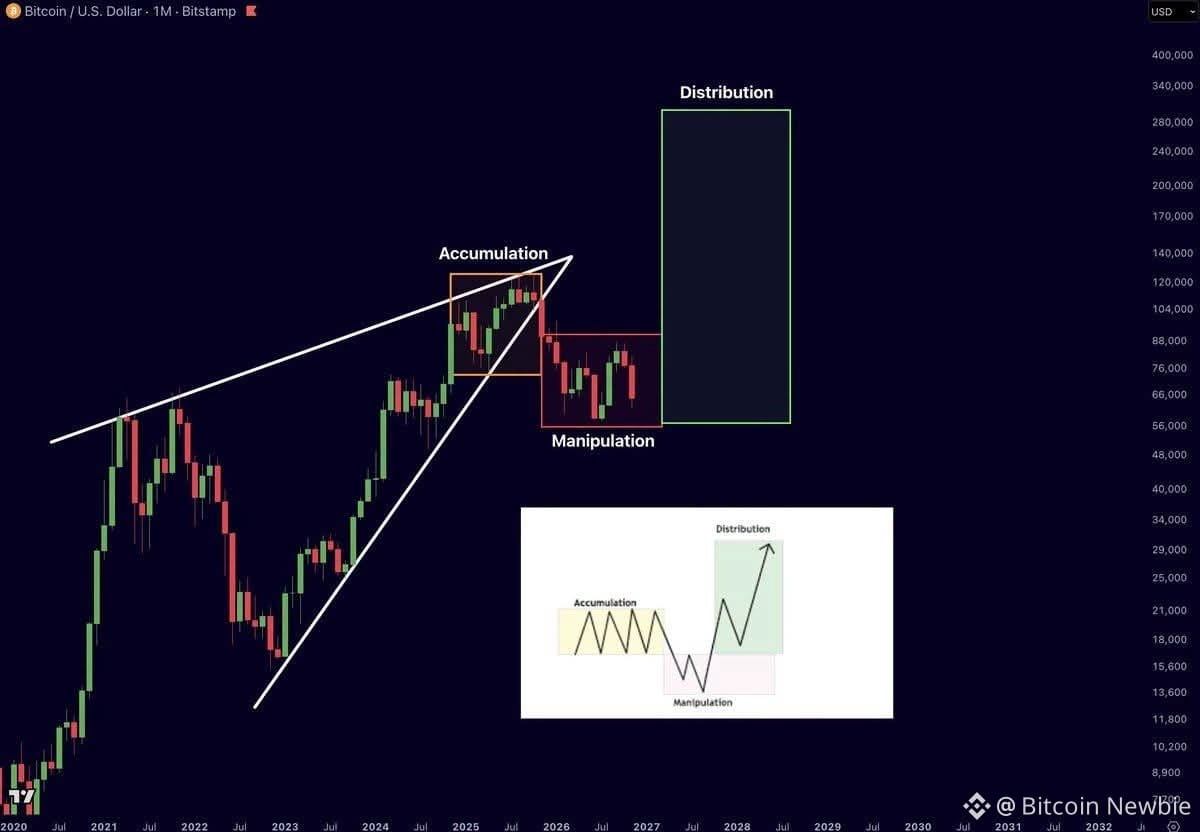
🚨 BITCOIN IS TRAPPING EVERYONE HERE!
$BTC is showing signs of a major shakeout before the next big rally.
While retail panics, I'm taking advantage of these CHEAP prices.
If this accumulation setup plays out, new all time highs could be next.
So many people will get shaken out here and end up buying back way much higher.
Don't fall for this trap guys!
#bitcoin #CanNvidia’sDataCenterGrowthContinue? #NvidiaBoardNotConsideringHuang’sReturnasCEO #KOSPIFalls2.59%ToLowestCloseSinceFebruary #AnthropicClearedToListOnNasdaqAsANT
$BTC
{future}(BTCUSDT)
$ZEC
{future}(ZECUSDT)
🚨 BITCOIN IS TRAPPING EVERYONE HERE!
$BTC is showing signs of a major shakeout before the next big rally.
While retail panics, I'm taking advantage of these CHEAP prices.
If this accumulation setup plays out, new all time highs could be next.
So many people will get shaken out here and end up buying back way much higher.
Don't fall for this trap guys!
#bitcoin #CanNvidia’sDataCenterGrowthContinue? #NvidiaBoardNotConsideringHuang’sReturnasCEO #KOSPIFalls2.59%ToLowestCloseSinceFebruary #AnthropicClearedToListOnNasdaqAsANT
$BTC
$ZEC
26
🚨 UPDATE: Nvidia has dropped to the world’s third-largest company, now about $1.3 trillion behind Apple just 11 days after it held the top spot.
#CanNvidia’sDataCenterGrowthContinue? #NvidiaBoardNotConsideringHuang’sReturnasCEO #KOSPIFalls2.59%ToLowestCloseSinceFebruary #AnthropicClearedToListOnNasdaqAsANT #TetherCapitalMakesStrategicInvestmentInStables
$BTC
{future}(BTCUSDT)
$NVDA
{future}(NVDAUSDT)
$AAPL
{future}(AAPLUSDT)
🚨 UPDATE: Nvidia has dropped to the world’s third-largest company, now about $1.3 trillion behind Apple just 11 days after it held the top spot.
#CanNvidia’sDataCenterGrowthContinue? #NvidiaBoardNotConsideringHuang’sReturnasCEO #KOSPIFalls2.59%ToLowestCloseSinceFebruary #AnthropicClearedToListOnNasdaqAsANT #TetherCapitalMakesStrategicInvestmentInStables
$BTC
$NVDA
$AAPL
#CanNvidia’sDataCenterGrowthContinue? #NvidiaBoardNotConsideringHuang’sReturnasCEO #KOSPIFalls2.59%ToLowestCloseSinceFebruary #AnthropicClearedToListOnNasdaqAsANT #TetherCapitalMakesStrategicInvestmentInStables
$BTC
$NVDA
$AAPL


126
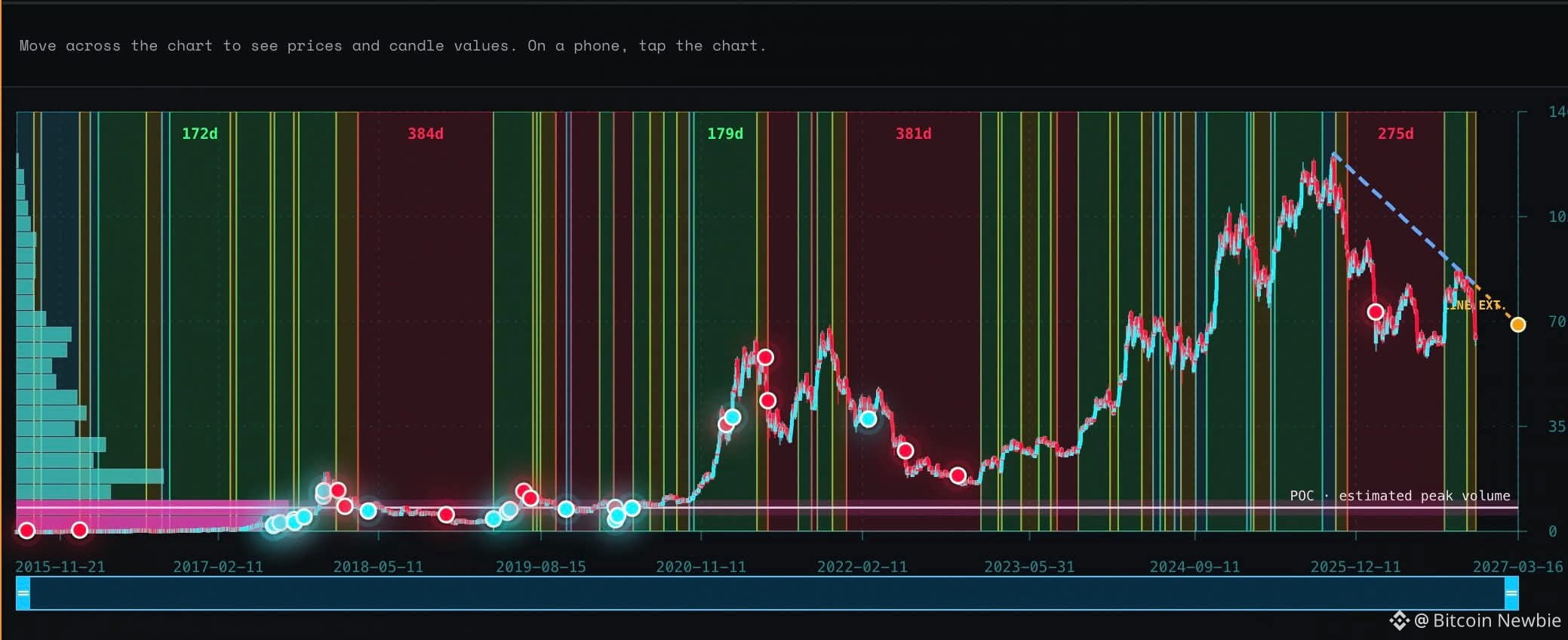
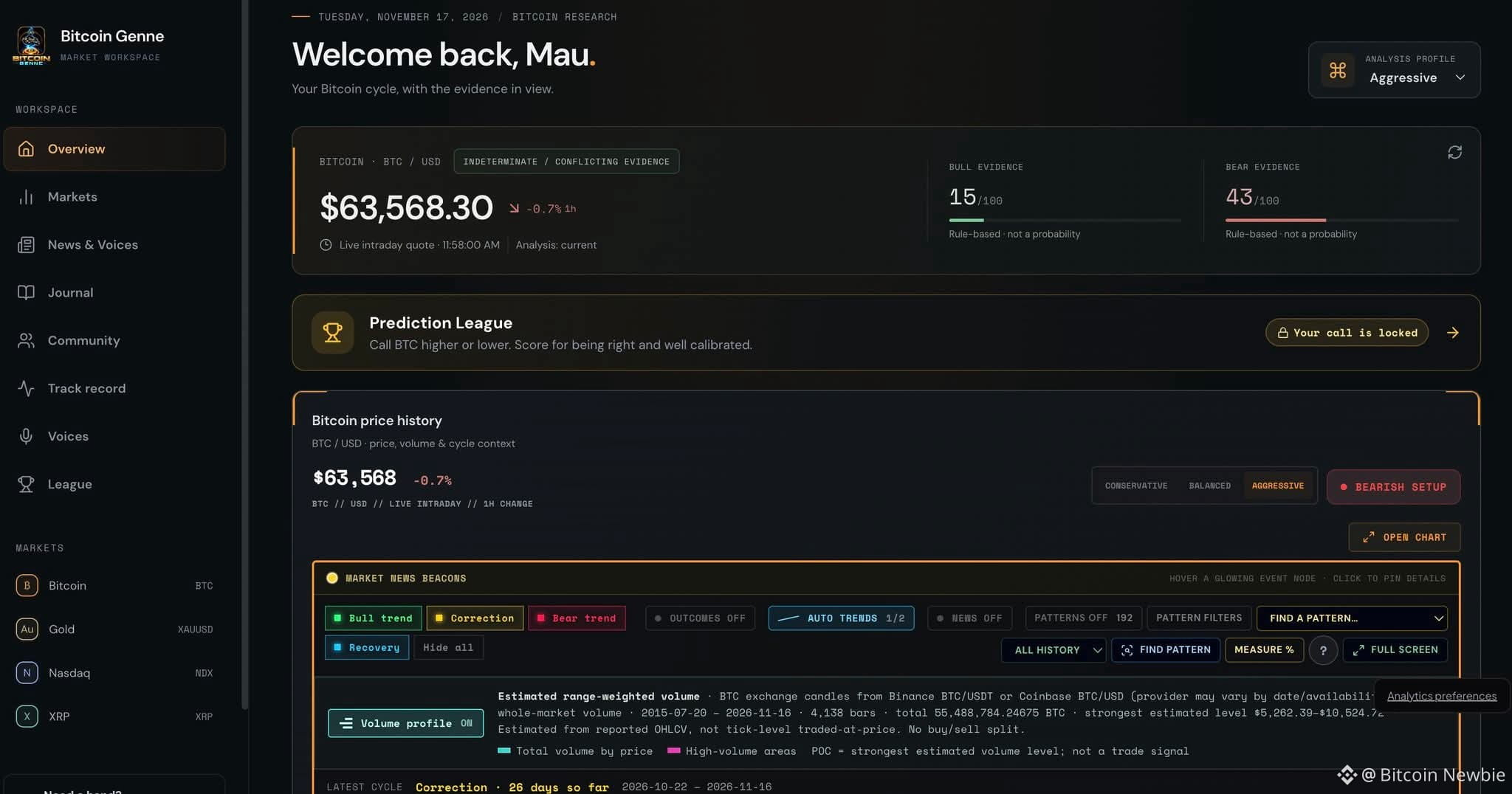
Before you buy ,... check this chart and data by Bitcoin Genne . last drop was 70% , and before that was 70% .. if it breaks 60k .. we could be heading down to the high 40s . check it out.
#CanNvidia’sDataCenterGrowthContinue? #NvidiaBoardNotConsideringHuang’sReturnasCEO #KOSPIFalls2.59%ToLowestCloseSinceFebruary #BTC #BuyTheDip
$BTC
{spot}(BTCUSDT)
$ETH
{spot}(ETHUSDT)
$ZEC
{spot}(ZECUSDT)
Before you buy ,... check this chart and data by Bitcoin Genne . last drop was 70% , and before that was 70% .. if it breaks 60k .. we could be heading down to the high 40s . check it out.
#CanNvidia’sDataCenterGrowthContinue? #NvidiaBoardNotConsideringHuang’sReturnasCEO #KOSPIFalls2.59%ToLowestCloseSinceFebruary #BTC #BuyTheDip
$BTC
$ETH
$ZEC
#CanNvidia’sDataCenterGrowthContinue? #NvidiaBoardNotConsideringHuang’sReturnasCEO #KOSPIFalls2.59%ToLowestCloseSinceFebruary #BTC #BuyTheDip
$BTC
$ETH
$ZEC
1
189
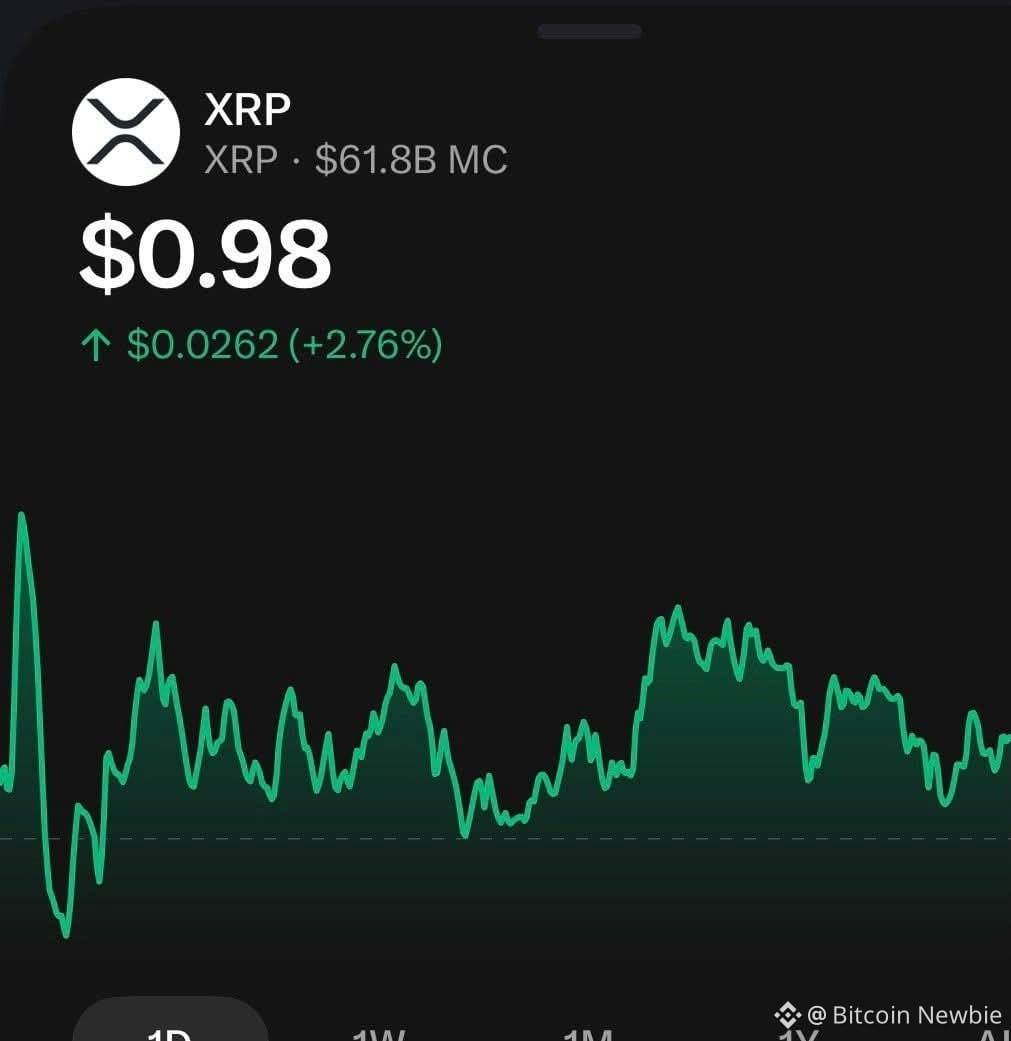
When do you think BlackRock announces a spot #xrp ETF?
#CanNvidia’sDataCenterGrowthContinue? #NvidiaBoardNotConsideringHuang’sReturnasCEO #Ripple #crypto
$BTC
{spot}(BTCUSDT)
$XRP
{spot}(XRPUSDT)
$NVDA
{future}(NVDAUSDT)
When do you think BlackRock announces a spot #xrp ETF?
#CanNvidia’sDataCenterGrowthContinue? #NvidiaBoardNotConsideringHuang’sReturnasCEO #Ripple #crypto
$BTC
$XRP
$NVDA
#CanNvidia’sDataCenterGrowthContinue? #NvidiaBoardNotConsideringHuang’sReturnasCEO #Ripple #crypto
$BTC
$XRP
$NVDA
171
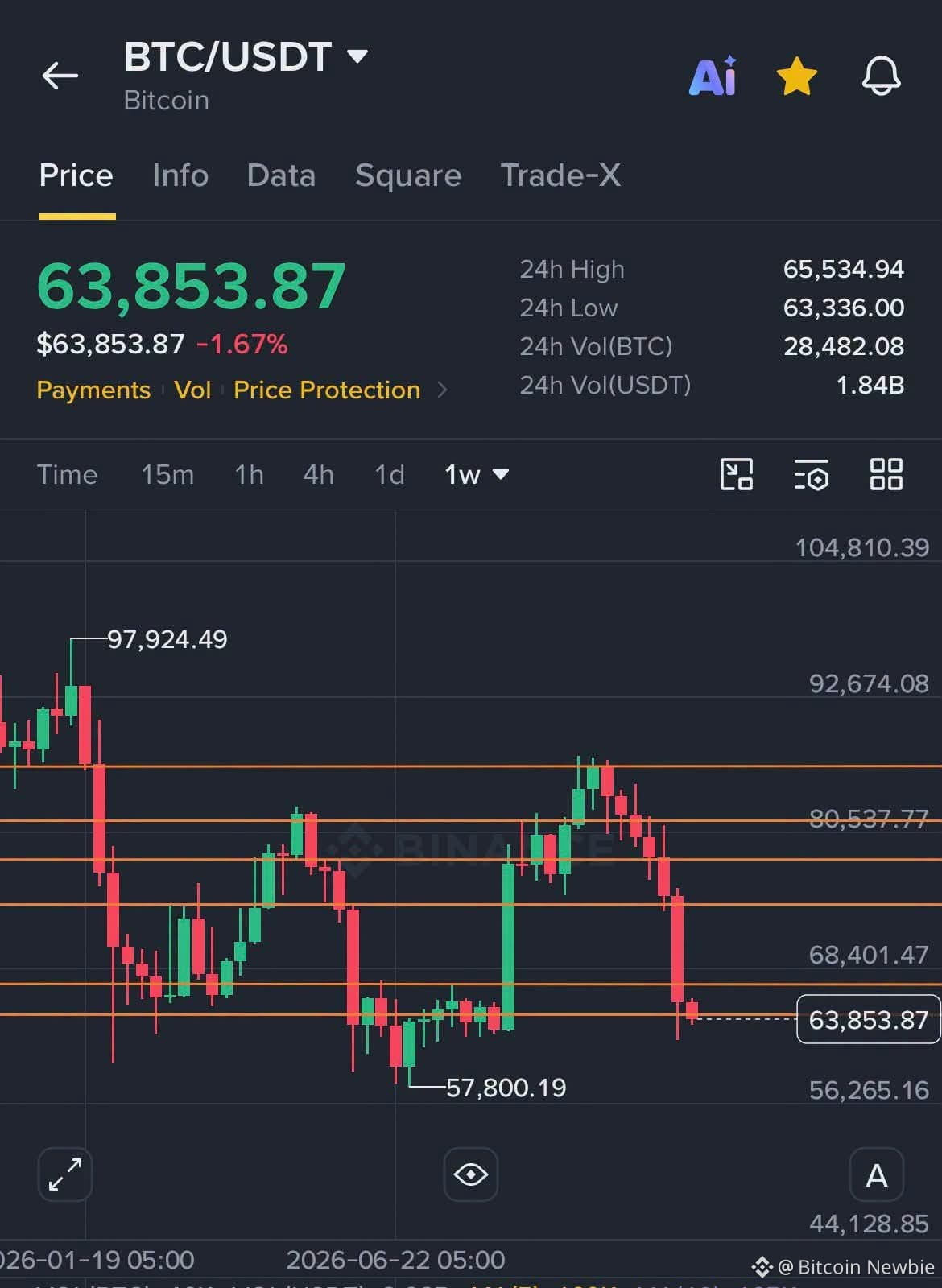
BITCOIN: LIQUIDITY HUNT BEFORE THE NEXT BIG DUMP? ⚠️🚨
If you look at Bitcoin’s weekly chart, you’ll notice that BTC has been dumping for several weeks, and only now has it started finding some stability around $63K / $64K, where it has quite strong support.
However, a large number of long traders could get liquidated in the $61,800 / $62K zone, while short traders could get trapped around $67K.
In my opinion, Bitcoin may first liquidate long traders, then move upward to collect liquidity from short traders before preparing for its next major dump.
Of course, BTC could also crash directly from this zone, but I believe the scenario I explained has a higher probability.
(DYOR)
#AnthropicIPOTestsInvestorAppetiteForAI #BTC #bitcoin #NvidiaBoardNotConsideringHuang’sReturnasCEO #KOSPIFalls2.59%ToLowestCloseSinceFebruary
$BTC
{spot}(BTCUSDT)
$XRP
{spot}(XRPUSDT)
$NVDA
{future}(NVDAUSDT)
BITCOIN: LIQUIDITY HUNT BEFORE THE NEXT BIG DUMP? ⚠️🚨
If you look at Bitcoin’s weekly chart, you’ll notice that BTC has been dumping for several weeks, and only now has it started finding some stability around $63K / $64K, where it has quite strong support.
However, a large number of long traders could get liquidated in the $61,800 / $62K zone, while short traders could get trapped around $67K.
In my opinion, Bitcoin may first liquidate long traders, then move upward to collect liquidity from short traders before preparing for its next major dump.
Of course, BTC could also crash directly from this zone, but I believe the scenario I explained has a higher probability.
(DYOR)
#AnthropicIPOTestsInvestorAppetiteForAI #BTC #bitcoin #NvidiaBoardNotConsideringHuang’sReturnasCEO #KOSPIFalls2.59%ToLowestCloseSinceFebruary
$BTC
$XRP
$NVDA
14
WHAT THE ***L IS HAPPENING TO AMERICA'S INFRASTRUCTURE?In just FIVE DAYS, major systems across banking, aviation, Big Tech, payments and even U.S. intelligence have suffered serious disruptions.
Look at what's happening:
• Nov. 12: Microsoft 365, Outlook, Teams and Copilot suffer a massive global outage, with more than 7.4 MILLION outage reports worldwide.
• Nov. 13: Workday goes down, disrupting HR and payroll systems used by major companies.
• Nov. 13: The FAA suffers a nationwide communications failure, forcing a NATIONWIDE GROUND STOP for nearly five hours.
Thousands of flights are canceled.
• Nov. 16: JPMorgan Chase suffers a major transaction processing failure, affecting payments involving other banks.
• Nov. 16: Customers of Bank of America, Wells Fargo, U.S. Bank, Citigroup and Capital One report banking problems, while Zelle transfers face delays.
• Nov. 16: United Airlines suffers a systemwide technology outage, delaying departing flights.
• Nov. 17: Charles Schwab suffers website errors, disrupting access for some customers.
• Nov. 17: Apple's subscription purchase system suffers an outage lasting more than three hours.
• Nov. 17: Even the NSA's highly classified internal communications network, NSA Net, reportedly goes DOWN.
And these are only some of the major disruptions reported in the past few days.
Think about what has happened.
Millions of people couldn't access their work emails.
Employees couldn't access workplace systems.
Flights were grounded across America.
Bank customers faced problems moving their money.
Wall Street brokerage services were disrupted.
And even America's top intelligence agency reportedly experienced an internal network outage.
There is no confirmed evidence that these incidents are connected or part of a coordinated cyberattack.
But seeing so many critical systems experience problems within days is extremely concerning.
The entire financial system depends on banks, payment networks, trading platforms and technology infrastructure working properly.
Now imagine something like this happening during a major stock market crash.
Investors struggling to access their accounts, institutions unable to move money and payment systems failing when everyone needs them most.
Billions of dollars could become temporarily inaccessible at the worst possible moment.
We've already seen how much disruption individual system failures can cause.
What happens to the US economy and global financial markets if several critical systems fail at the same time?
#NvidiaBeatsEstimatesAICloudStocksRiseAfterHours #A Packed Week of Earnings and Data Tests Markets #AnthropicIPOTestsInvestorAppetiteForAI #bitcoin #MarketSentimentToday
$BTC
{spot}(BTCUSDT)
$ETH
{spot}(ETHUSDT)
$SPCX
{future}(SPCXUSDT)
WHAT THE ***L IS HAPPENING TO AMERICA'S INFRASTRUCTURE?
In just FIVE DAYS, major systems across banking, aviation, Big Tech, payments and even U.S. intelligence have suffered serious disruptions.
Look at what's happening:
• Nov. 12: Microsoft 365, Outlook, Teams and Copilot suffer a massive global outage, with more than 7.4 MILLION outage reports worldwide.
• Nov. 13: Workday goes down, disrupting HR and payroll systems used by major companies.
• Nov. 13: The FAA suffers a nationwide communications failure, forcing a NATIONWIDE GROUND STOP for nearly five hours.
Thousands of flights are canceled.
• Nov. 16: JPMorgan Chase suffers a major transaction processing failure, affecting payments involving other banks.
• Nov. 16: Customers of Bank of America, Wells Fargo, U.S. Bank, Citigroup and Capital One report banking problems, while Zelle transfers face delays.
• Nov. 16: United Airlines suffers a systemwide technology outage, delaying departing flights.
• Nov. 17: Charles Schwab suffers website errors, disrupting access for some customers.
• Nov. 17: Apple's subscription purchase system suffers an outage lasting more than three hours.
• Nov. 17: Even the NSA's highly classified internal communications network, NSA Net, reportedly goes DOWN.
And these are only some of the major disruptions reported in the past few days.
Think about what has happened.
Millions of people couldn't access their work emails.
Employees couldn't access workplace systems.
Flights were grounded across America.
Bank customers faced problems moving their money.
Wall Street brokerage services were disrupted.
And even America's top intelligence agency reportedly experienced an internal network outage.
There is no confirmed evidence that these incidents are connected or part of a coordinated cyberattack.
But seeing so many critical systems experience problems within days is extremely concerning.
The entire financial system depends on banks, payment networks, trading platforms and technology infrastructure working properly.
Now imagine something like this happening during a major stock market crash.
Investors struggling to access their accounts, institutions unable to move money and payment systems failing when everyone needs them most.
Billions of dollars could become temporarily inaccessible at the worst possible moment.
We've already seen how much disruption individual system failures can cause.
What happens to the US economy and global financial markets if several critical systems fail at the same time?
#NvidiaBeatsEstimatesAICloudStocksRiseAfterHours #A Packed Week of Earnings and Data Tests Markets #AnthropicIPOTestsInvestorAppetiteForAI #bitcoin #MarketSentimentToday
$BTC
$ETH
$SPCX
10
LEX FRIDMAN BELIEVES SATOSHI NAKAMOTO DESERVES THE NOBEL PRIZE. 🏆
On October 10, 2022, Lex Fridman shared a simple but powerful opinion: “Satoshi Nakamoto should win the Nobel Prize.”
That same day, the Nobel Prize in Economic Sciences was awarded jointly to three economists for their research on banks and financial crises.
Satoshi's identity may remain unknown, but the impact of #Bitcoin on the world is impossible to ignore. 🌎
More than a decade after its creation, Bitcoin continues to challenge how people think about money, finance, and the global financial system.
Should Satoshi Nakamoto receive a Nobel Prize?
#BTC #NvidiaBeatsEstimatesAICloudStocksRiseAfterHours #AnthropicIPOTestsInvestorAppetiteForAI #NvidiaBoardNotConsideringHuang’sReturnasCEO #satoshiNakamato
$BTC
{spot}(BTCUSDT)
$ZEC
{spot}(ZECUSDT)
$XRP
{spot}(XRPUSDT)
LEX FRIDMAN BELIEVES SATOSHI NAKAMOTO DESERVES THE NOBEL PRIZE. 🏆
On October 10, 2022, Lex Fridman shared a simple but powerful opinion: “Satoshi Nakamoto should win the Nobel Prize.”
That same day, the Nobel Prize in Economic Sciences was awarded jointly to three economists for their research on banks and financial crises.
Satoshi's identity may remain unknown, but the impact of #Bitcoin on the world is impossible to ignore. 🌎
More than a decade after its creation, Bitcoin continues to challenge how people think about money, finance, and the global financial system.
Should Satoshi Nakamoto receive a Nobel Prize?
#BTC #NvidiaBeatsEstimatesAICloudStocksRiseAfterHours #AnthropicIPOTestsInvestorAppetiteForAI #NvidiaBoardNotConsideringHuang’sReturnasCEO #satoshiNakamato
$BTC
$ZEC
$XRP

241
MORE THAN $1.16 BILLION IN BITCOIN: EARLY HOLDERS ARE DRAWING MARKET ATTENTION.MORE THAN $1.16 BILLION IN BITCOIN: EARLY HOLDERS ARE DRAWING MARKET ATTENTION.
Bitcoin is facing another development that deserves attention, particularly because it involves coins associated with its earliest years.
A Satoshi-era Bitcoin holder has reportedly moved or sold approximately $601.1 million worth of BTC after holding for around 16 years.
This follows another reported $565 million movement in recent days, bringing the combined reported value to approximately $1.166 billion.
But there is an important distinction that many people misunderstand.
WHAT DOES SATOSHI-ERA ACTUALLY MEAN?
Satoshi-era does not mean Satoshi Nakamoto personally sold Bitcoin.
It is a term used for Bitcoin from the network's earliest years, particularly the period when Satoshi Nakamoto was still involved in the project.
The term is commonly associated with early miners and long-term holders who accumulated Bitcoin when the network was still relatively small.
These holders are sometimes called Satoshi-era whales because of the age and size of their holdings.
Their identities are not necessarily known, and they should not automatically be treated as one individual or a single group.
WHY DOES THIS MATTER FOR BITCOIN?
When coins that have remained untouched for approximately 16 years suddenly become active, the market naturally pays attention.
These are not ordinary short-term trades.
Early holders may have accumulated their Bitcoin when mining rewards were 50 BTC per block and the network had very little mainstream attention.
If large amounts of these holdings eventually reach exchanges and are sold, they can introduce additional supply into the market.
That could increase selling pressure, particularly when demand is already weak.
THE MARKET RISK IS NOT JUST THE AMOUNT
There is another factor worth watching.
When early Bitcoin holders begin moving substantial amounts of their long-dormant supply, investors may start questioning whether other early holders are also considering taking profits.
That uncertainty can affect market sentiment even before any actual selling takes place.
However, an on-chain transfer alone does not confirm that Bitcoin has been sold.
The destination wallets, exchange deposits, and subsequent transactions matter when determining whether a genuine liquidation has occurred.
WHAT I WOULD WATCH NEXT
The important question is whether these coins remain in private wallets or eventually move toward exchanges.
If confirmed selling continues while market demand remains weak, Bitcoin could face additional downside pressure.
If the transactions are simply wallet reorganizations or custody transfers, the actual market impact could be much smaller.
For me, the bigger concern is not simply that old Bitcoin is moving.
It is whether a meaningful amount of previously inactive supply is preparing to return to the market.
Could early Bitcoin holders taking profits become another source of selling pressure during an already weak market?
That is the development worth watching, not just the headline number.
#bitcoin #NvidiaBeatsEstimatesAICloudStocksRiseAfterHours #A Packed Week of Earnings and Data Tests Markets #AnthropicIPOTestsInvestorAppetiteForAI #NvidiaBoardNotConsideringHuang’sReturnasCEO
$BTC
{spot}(BTCUSDT)
$XRP
{spot}(XRPUSDT)
$NVDA
{future}(NVDAUSDT)
MORE THAN $1.16 BILLION IN BITCOIN: EARLY HOLDERS ARE DRAWING MARKET ATTENTION.
MORE THAN $1.16 BILLION IN BITCOIN: EARLY HOLDERS ARE DRAWING MARKET ATTENTION.
Bitcoin is facing another development that deserves attention, particularly because it involves coins associated with its earliest years.
A Satoshi-era Bitcoin holder has reportedly moved or sold approximately $601.1 million worth of BTC after holding for around 16 years.
This follows another reported $565 million movement in recent days, bringing the combined reported value to approximately $1.166 billion.
But there is an important distinction that many people misunderstand.
WHAT DOES SATOSHI-ERA ACTUALLY MEAN?
Satoshi-era does not mean Satoshi Nakamoto personally sold Bitcoin.
It is a term used for Bitcoin from the network's earliest years, particularly the period when Satoshi Nakamoto was still involved in the project.
The term is commonly associated with early miners and long-term holders who accumulated Bitcoin when the network was still relatively small.
These holders are sometimes called Satoshi-era whales because of the age and size of their holdings.
Their identities are not necessarily known, and they should not automatically be treated as one individual or a single group.
WHY DOES THIS MATTER FOR BITCOIN?
When coins that have remained untouched for approximately 16 years suddenly become active, the market naturally pays attention.
These are not ordinary short-term trades.
Early holders may have accumulated their Bitcoin when mining rewards were 50 BTC per block and the network had very little mainstream attention.
If large amounts of these holdings eventually reach exchanges and are sold, they can introduce additional supply into the market.
That could increase selling pressure, particularly when demand is already weak.
THE MARKET RISK IS NOT JUST THE AMOUNT
There is another factor worth watching.
When early Bitcoin holders begin moving substantial amounts of their long-dormant supply, investors may start questioning whether other early holders are also considering taking profits.
That uncertainty can affect market sentiment even before any actual selling takes place.
However, an on-chain transfer alone does not confirm that Bitcoin has been sold.
The destination wallets, exchange deposits, and subsequent transactions matter when determining whether a genuine liquidation has occurred.
WHAT I WOULD WATCH NEXT
The important question is whether these coins remain in private wallets or eventually move toward exchanges.
If confirmed selling continues while market demand remains weak, Bitcoin could face additional downside pressure.
If the transactions are simply wallet reorganizations or custody transfers, the actual market impact could be much smaller.
For me, the bigger concern is not simply that old Bitcoin is moving.
It is whether a meaningful amount of previously inactive supply is preparing to return to the market.
Could early Bitcoin holders taking profits become another source of selling pressure during an already weak market?
That is the development worth watching, not just the headline number.
#bitcoin #NvidiaBeatsEstimatesAICloudStocksRiseAfterHours #A Packed Week of Earnings and Data Tests Markets #AnthropicIPOTestsInvestorAppetiteForAI #NvidiaBoardNotConsideringHuang’sReturnasCEO
$BTC
$XRP
$NVDA
708
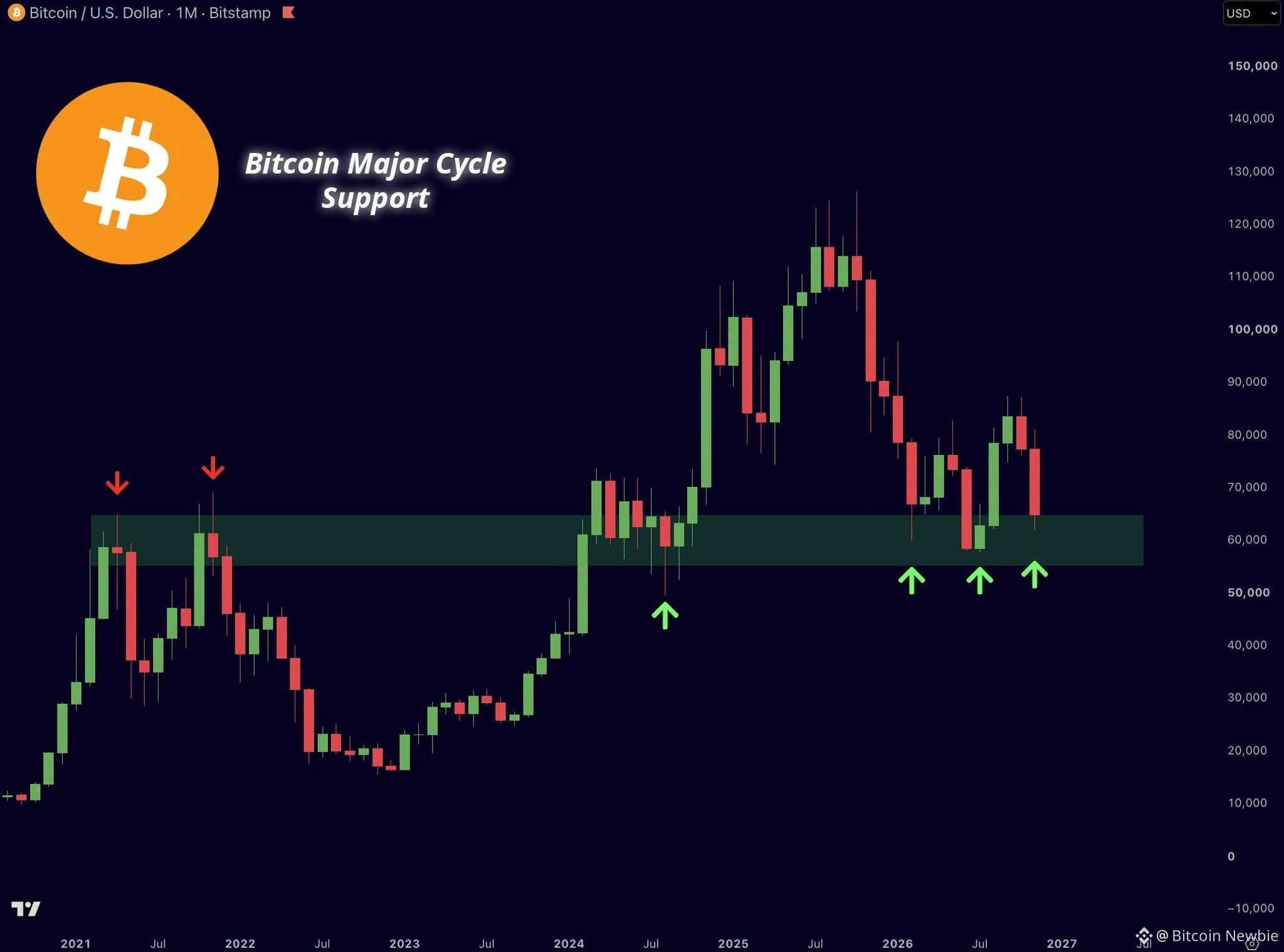
$BTC is sitting at a HUGE support zone around $60,000 to $65,000.
This area held in 2024 and has already marked major lows in 2026.
With Bitcoin down nearly 50% from its highs, I genuinely believe these prices are cheap.
Time will tell if this was another major cycle bottom...
#NvidiaBeatsEstimatesAICloudStocksRiseAfterHours #AnthropicIPOTestsInvestorAppetiteForAI #NvidiaBoardNotConsideringHuang’sReturnasCEO #bitcoin #AnthropicClearedToListOnNasdaqAsANT
$ETH
{spot}(ETHUSDT)
$ZEC
{spot}(ZECUSDT)
$BTC is sitting at a HUGE support zone around $60,000 to $65,000.
This area held in 2024 and has already marked major lows in 2026.
With Bitcoin down nearly 50% from its highs, I genuinely believe these prices are cheap.
Time will tell if this was another major cycle bottom...
#NvidiaBeatsEstimatesAICloudStocksRiseAfterHours #AnthropicIPOTestsInvestorAppetiteForAI #NvidiaBoardNotConsideringHuang’sReturnasCEO #bitcoin #AnthropicClearedToListOnNasdaqAsANT
$ETH
$ZEC
237
Log in to explore more content
Join global crypto users on Binance Square
⚡️ Get latest and useful information about crypto.
💬 Trusted by the world’s largest crypto exchange.
👍 Discover real insights from verified creators.
Email / Phone number
Trending Topics
AnthropicToDebutAfter$83IPOPricing
46,758 views
212 Discussing
Stock Futures Hold Near Flat as Anthropic Prices IPO at $83 Ahead of Debut
Binance News
·8 Likes
·8.1k views
BTCRemainsUnderPressureAfterHawkishFOMCMinutes
141,854 views
1,593 Discussing
NvidiaBoardReportedlySplitOverHuang’sReturn
65,780 views
812 Discussing