

 The plan for the Digital Euro just hit a big step. The EU Council and the European Central Bank (ECB) agreed that when the Digital Euro drops in December 2025, it should have both online and offline options right from the start.
Market Setup: Change to Hybrid Finance
Right now, the Digital Euro's market setup is in the prep stage. It's not going to be traded like Bitcoin or Ethereum, but this thing is making European fintech companies a bit nervous as they get ready for a payments shake-up.
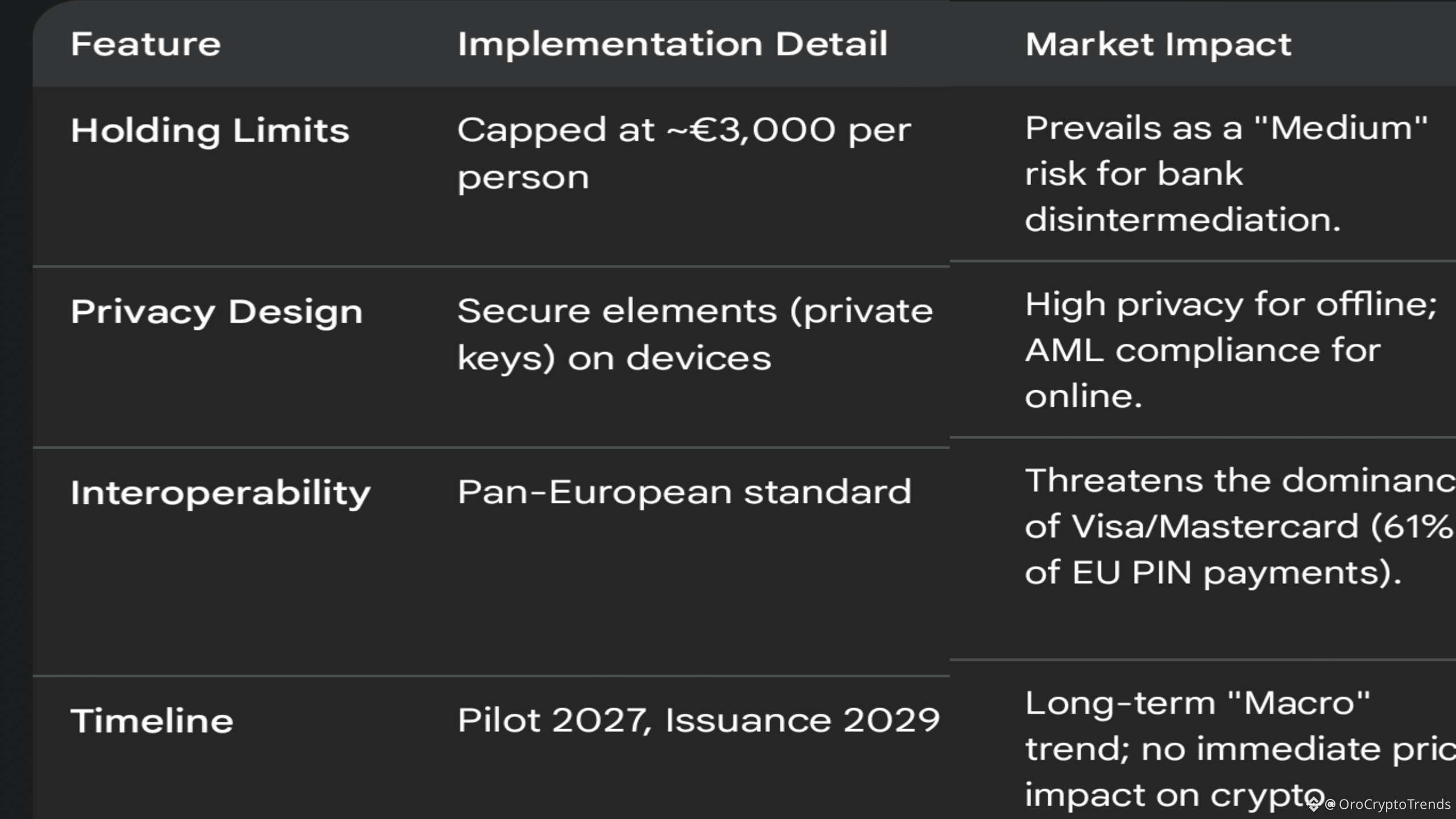
* Offline Use: Like real cash, the offline mode will let you send money to someone else without needing the internet. Your data stays between you and the other person.
* Close Range Problem: Tech folks say that some signal bridging attacks could make it tough to make sure people are really close to each other when using it offline.
* EU's Strategy: The EU sees the Digital Euro as a way to protect its money turf against private stablecoins and big payment companies from outside Europe.
Tech Details
Risks
* Limited Launch: Because banks are worried, the Digital Euro won't earn interest. This will make it more of a tool for payments.
* Online & Offline Problems: If it's easy to cheat the system and fake being close to someone when using it offline, people might not trust it.
* Crypto Split: The Digital Euro is stable, but it doesn't have the freedom or limited supply of something like Bitcoin. This could make Bitcoin look like Digital Gold.
The EU is trying to bring the Euro into the future with this digital cash. But there are still some technical and legal to get done. For crypto, the Digital Euro could be good and bad as it shows digital money is for real, but it's also going up against private stablecoins.
Want to know how the Digital Euro stacks up against what the U.S. Fed is thinking for a Digital Dollar?


