

 For more than a decade, Bitcoin has been treated like digital gold. You buy it, you hold it, and you wait. That strategy worked incredibly well, but it also created a paradox. While the rest of crypto evolved into a fast-moving financial ecosystem full of yield, leverage, and composability, Bitcoin largely stayed idle.
Secure? Yes.
Reliable? Absolutely.
Productive? Not really.
That is the gap @Lorenzo Protocol is working to close, and it is doing so without compromising the principles that made Bitcoin valuable in the first place.
The Bitcoin Problem No One Could Ignore
Bitcoin holders have always faced an uncomfortable trade-off:
Keep BTC in cold storage for maximum security but zero yield
Wrap or bridge BTC for yield opportunities while accepting custody risk
Lock BTC for long periods and lose liquidity and flexibility
For a community that values sovereignty and security, none of these options felt right. At the same time, trillions of dollars worth of Bitcoin sat dormant while capital on other blockchains stayed productive.
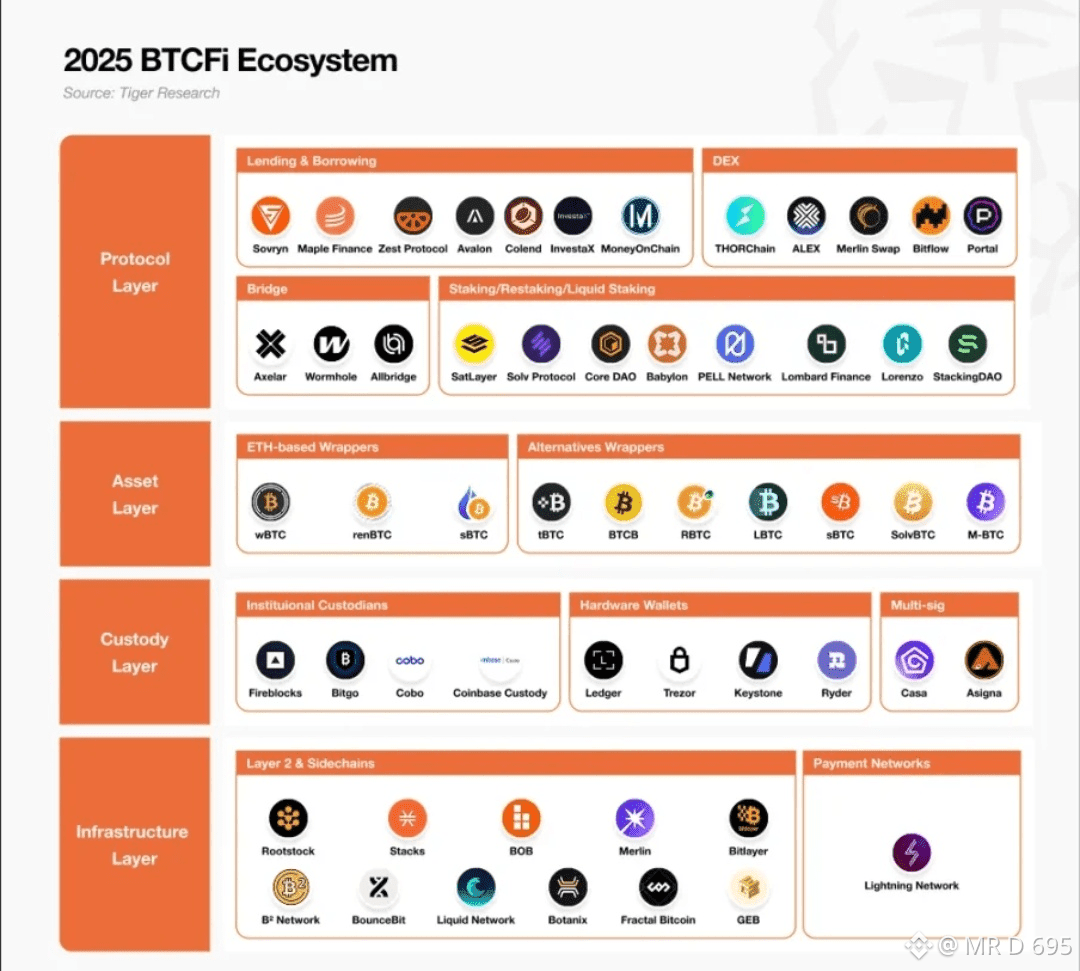
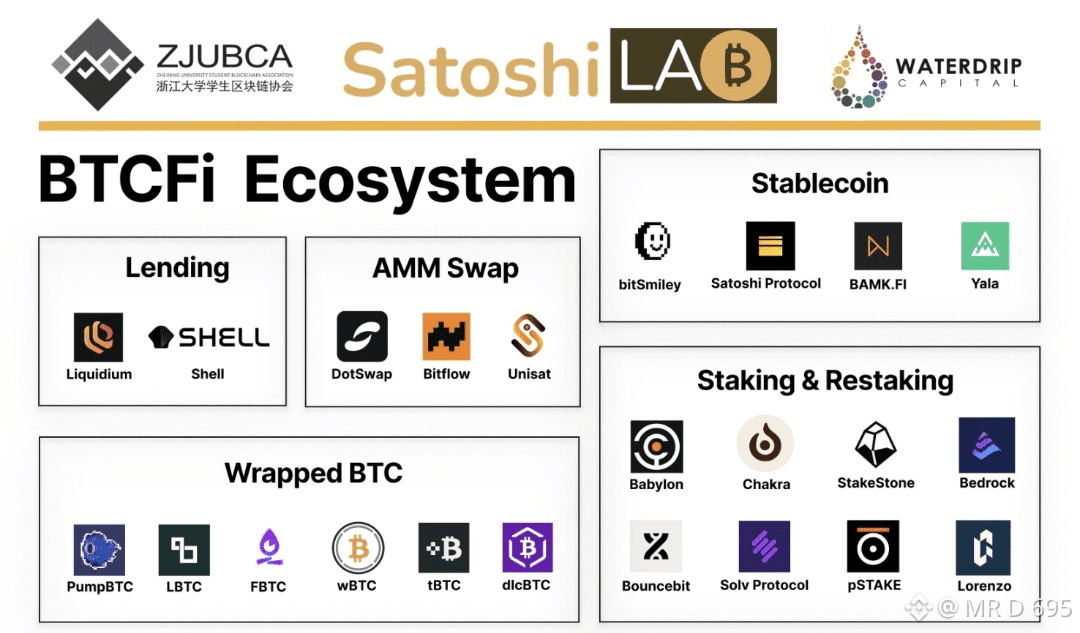
This tension gave rise to Bitcoin Finance, or BTCFi, a movement focused on making Bitcoin useful without weakening its security model. Lorenzo has positioned itself as one of the most important infrastructure layers in this new era.
Lorenzo Protocol: Bitcoin Reimagined
At its core, Lorenzo is a liquidity and yield infrastructure layer designed specifically for Bitcoin. Instead of forcing users to choose between safety and productivity, it restructures Bitcoin exposure into components that can function inside modern DeFi systems.
The key innovation is Lorenzo’s dual-token architecture, which separates ownership from yield.
stBTC: Turning Bitcoin Into Liquid Capital
When users stake Bitcoin through Lorenzo, they receive stBTC, a liquid token that represents their Bitcoin principal on a one-to-one basis.
What makes stBTC powerful is not just representation but usability.
stBTC can be:
Used as collateral in lending protocols
Traded or swapped without waiting for unstaking
Bridged to Bitcoin-aligned ecosystems such as Bitlayer or BNB Chain
Integrated into broader DeFi strategies
In simple terms, stBTC is Bitcoin that can actively participate in the on-chain economy.
YAT: Yield as a Separate Asset
Instead of embedding yield into the principal, Lorenzo separates it entirely using Yield Accruing Tokens, or YATs.
This unlocks advanced financial flexibility:
Long-term holders can retain YATs for steady income
Traders can speculate on future yield rates
Institutions can manage yield exposure independently from BTC price movements
This separation of principal and interest mirrors advanced traditional finance concepts like bond stripping, now implemented directly within the Bitcoin ecosystem.
The Babylon Integration: Security Without Trade-Offs
Security remains the foundation of the system, which is where Babylon plays a critical role.
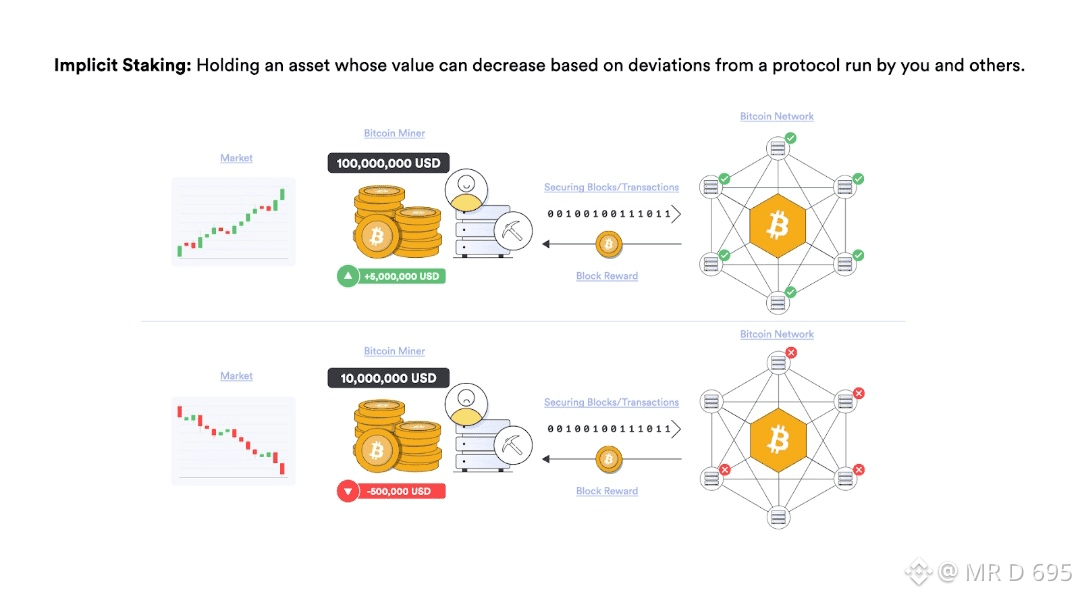
Babylon allows Bitcoin to provide security to Proof-of-Stake networks without moving BTC off the Bitcoin chain. There is no wrapping, no custodial bridge, and no loss of control.
Lorenzo operates as a staking agent within this framework, managing validator selection, stake delegation, reward optimization, and fair distribution of yield to stBTC and YAT holders.
The result is yield generation that remains anchored to Bitcoin’s security model rather than external trust assumptions.
Beyond Staking: Financial Abstraction and OTFs
Lorenzo’s vision extends beyond staking. One of its most important innovations is the Financial Abstraction Layer, designed to simplify complex yield strategies into single on-chain assets.
This led to the creation of On-Chain Traded Funds, or OTFs, which function as crypto-native equivalents of ETFs.
Instead of actively managing multiple protocols, rebalancing strategies, or monitoring risks, users can simply hold one token.
The flagship example is USD1+, a yield-focused asset that aggregates real-world asset yields, DeFi income streams, and risk-managed strategies into a single product.
The BANK Token: Governance With Real Influence
Lorenzo’s ecosystem is governed by the BANK token, which plays a central role in decision-making and value capture.
BANK holders can:
Vote on new strategies and protocol upgrades
Influence fee structures and reward allocation
Lock tokens to receive veBANK, gaining increased governance power and yield benefits
The token model is intentionally deflationary. A portion of protocol revenue is used for buybacks and burns, aligning long-term incentives with protocol growth.
The listing of BANK on Binance marked a major milestone, providing liquidity and broader market recognition for Lorenzo’s governance layer.
Built for a Machine-Driven Financial Future
One of Lorenzo’s most forward-looking ideas is its role as income infrastructure for machines.
As AI agents, automated treasuries, and autonomous financial systems become more common, they require predictable yield, composability, and minimal operational complexity.
Lorenzo’s architecture and APIs allow these systems to deploy capital into stBTC or OTFs, earn yield passively, and reallocate funds automatically without human intervention.
This design positions Lorenzo at the foundation of a future where machines participate directly in financial markets.
Why Lorenzo Matters Today
Bitcoin is entering a new phase. Institutional participation is increasing, capital efficiency is becoming essential, and idle assets are no longer acceptable at scale.
Lorenzo sits at the intersection of Bitcoin security, DeFi liquidity, institutional-grade yield design, and long-term governance alignment.
It does not attempt to change what Bitcoin represents. It simply allows Bitcoin to become more useful.
Conclusion: A Quiet but Foundational Shift
Lorenzo Protocol is not built on hype or short-term narratives. Instead, it focuses on infrastructure that enables Bitcoin to evolve from passive wealth storage into productive capital.
By separating principal from yield, leveraging Babylon’s security model, and abstracting complex strategies into simple on-chain assets, Lorenzo is helping redefine what Bitcoin can do.
Not by altering Bitcoin’s essence, but by finally unlocking its financial potential.




