
#bancocentral
bancocentral
89,039 views
87 Discussing
Hot
Latest

·
--
The Central Bank approved Binance Brasil as a foreign exchange broker. 🇧🇷
This is its third license in the country, following those for securities brokerage and electronic money issuance. And it’s the first time a crypto exchange has received this authorization.
In practice, the limit for international transfers is expected to increase about fivefold.
The message is bigger than Binance: crypto in Brazil is coming in through the front door of the financial system, with rules and oversight.
Congratulations, @ThiagoSarandy , and to the entire incredible Binance Brasil team on this achievement!
More regulation brings more responsibility, and also more confidence for those just getting started. Onward.
#Binance #Brasil #BancoCentral #Crypto $BNB
The Central Bank approved Binance Brasil as a foreign exchange broker. 🇧🇷
This is its third license in the country, following those for securities brokerage and electronic money issuance. And it’s the first time a crypto exchange has received this authorization.
In practice, the limit for international transfers is expected to increase about fivefold.
The message is bigger than Binance: crypto in Brazil is coming in through the front door of the financial system, with rules and oversight.
Congratulations, @Thiago Sarandy , and to the entire incredible Binance Brasil team on this achievement!
More regulation brings more responsibility, and also more confidence for those just getting started. Onward.
#Binance #Brasil #BancoCentral #Crypto $BNB
6
2.4k

·
--
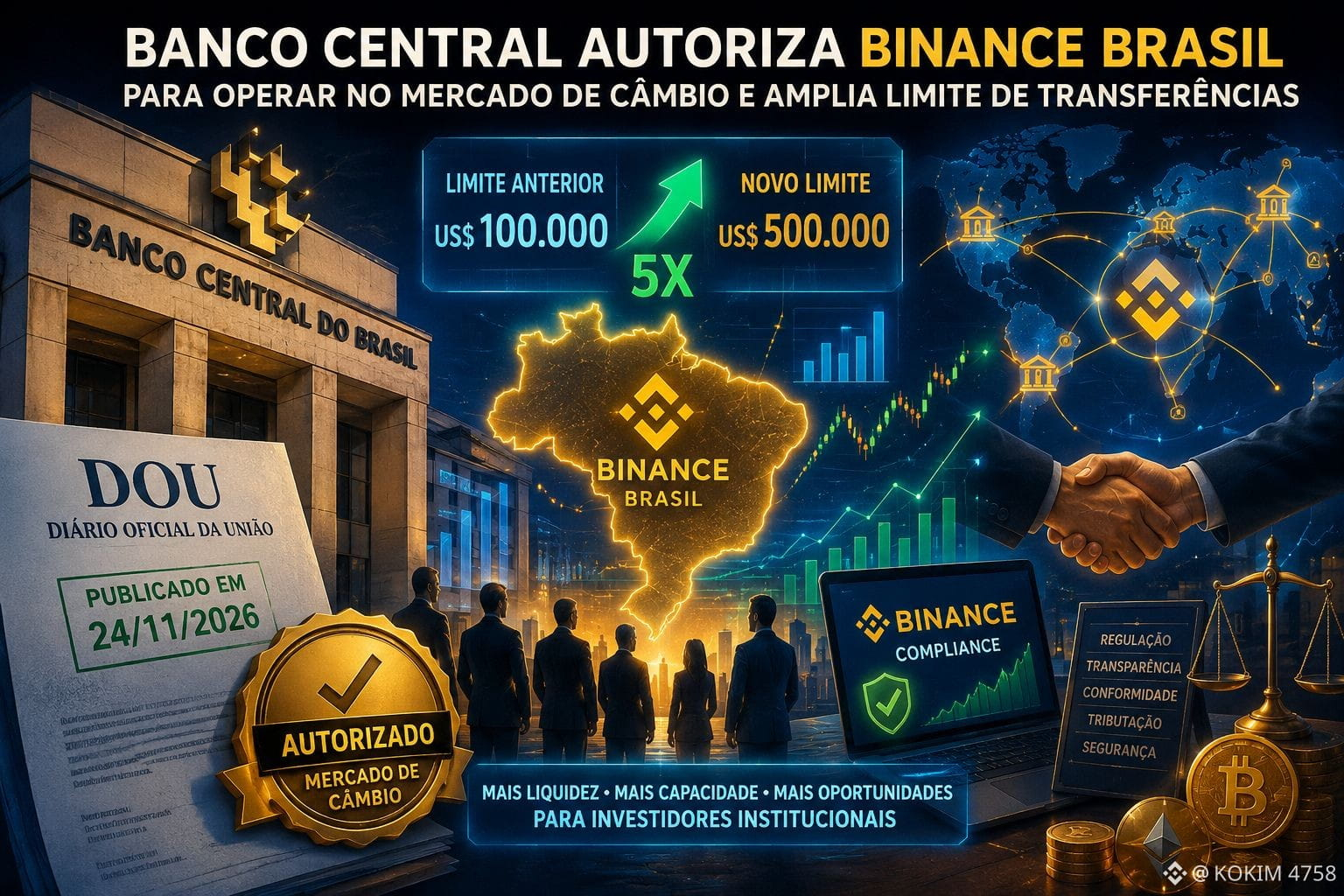
The Central Bank authorized Binance’s brokerage in Brazil to operate in the foreign exchange market, paving the way to raise the limit on international transfers of virtual assets from US$100,000 to US$500,000. The decision, published in the Official Gazette on November 24, 2026, marks another step toward local regulatory compliance and is especially significant for institutional investors seeking greater operational capacity under Central Bank rules.
In practice, the license increases the permitted cap for this type of transaction by up to five times compared with institutions without the same foreign exchange authorization, strengthening the infrastructure of the Brazilian operation. The company has not yet said when the new limit will take effect, but has indicated that it will be used soon, while awaiting the regulator’s final review of its application for a Virtual Asset Service Provider Company (SPSAV) license in the country.
For Brazil’s crypto market, this development signals greater institutional integration and regulatory clarity, although ongoing attention to compliance, taxation, and reporting rules remains essential. How do you assess the impact of this higher limit on institutional liquidity in Brazil?
$OPG $BIGTIME $SSV
#BancoCentral
#Criptomoedas
#RegulacaoCripto
#MercadoFinanceiro
1
89

·
--
Binance Brasil receives foreign exchange license from the Central BankBinance Brasil received authorization from the Central Bank of Brazil to operate in the foreign exchange market, becoming the first native virtual asset platform to obtain this type of license in the country.
The license was granted to Binance Brasil Corretora, the company’s legal name, formerly known as Sim;paul. With it, the broker now holds three regulatory authorizations in Brazil: the foreign exchange license, along with the previously obtained licenses as a securities broker and electronic money issuer.
The most immediate practical effect is on international transfer limits. Foreign exchange brokers authorized to provide virtual asset services allow users to make international transfers of up to US$500,000, compared with a US$100,000 limit for clients of institutions without this authorization.
Binance Brasil receives foreign exchange license from the Central Bank
Binance Brasil received authorization from the Central Bank of Brazil to operate in the foreign exchange market, becoming the first native virtual asset platform to obtain this type of license in the country.
The license was granted to Binance Brasil Corretora, the company’s legal name, formerly known as Sim;paul. With it, the broker now holds three regulatory authorizations in Brazil: the foreign exchange license, along with the previously obtained licenses as a securities broker and electronic money issuer.
The most immediate practical effect is on international transfer limits. Foreign exchange brokers authorized to provide virtual asset services allow users to make international transfers of up to US$500,000, compared with a US$100,000 limit for clients of institutions without this authorization.
Priyanshu_01:
Big step for Binance in Brazil 🇧🇷 Does this mean BRL deposits and withdrawals get easier for users there?
1
13
6.4k

Verified
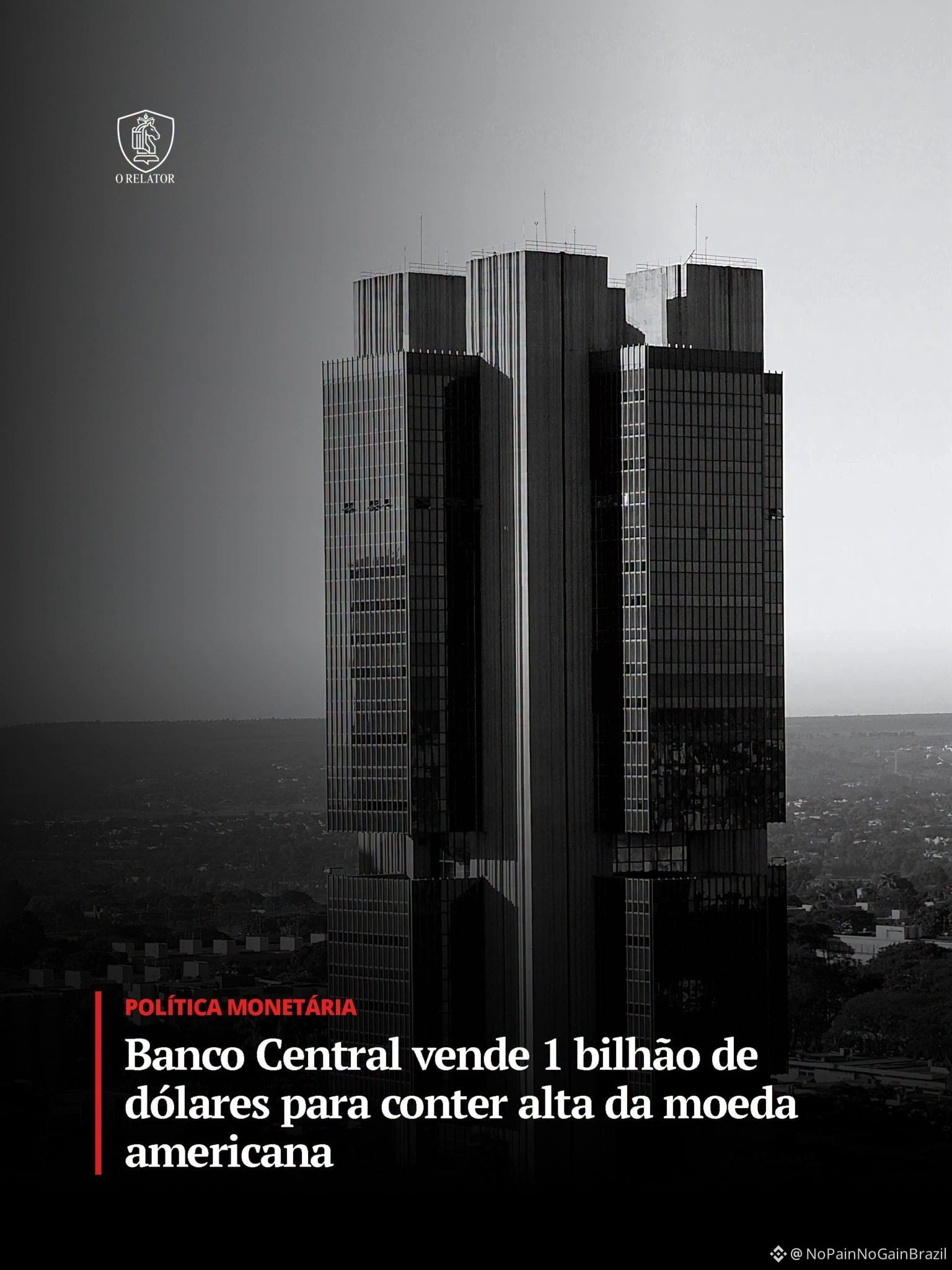
The Central Bank sold 1 billion dollars in a spot auction this Thursday to ease pressure on the U.S. dollar.
The move aims to stabilize the market after the exchange rate hit 5.92 reais and rose 20% since the election results.
The action reflects the monetary authority’s concern about recent exchange-rate volatility and seeks to prevent a sharp depreciation of the real amid the external situation.
And there are people who defend it, saying Brazil’s economy is booming, 🤣🤣🫏
#economia #dolar #Bancocentral #USDT🔥🔥🔥 #Brazil
5
5
5k
Article
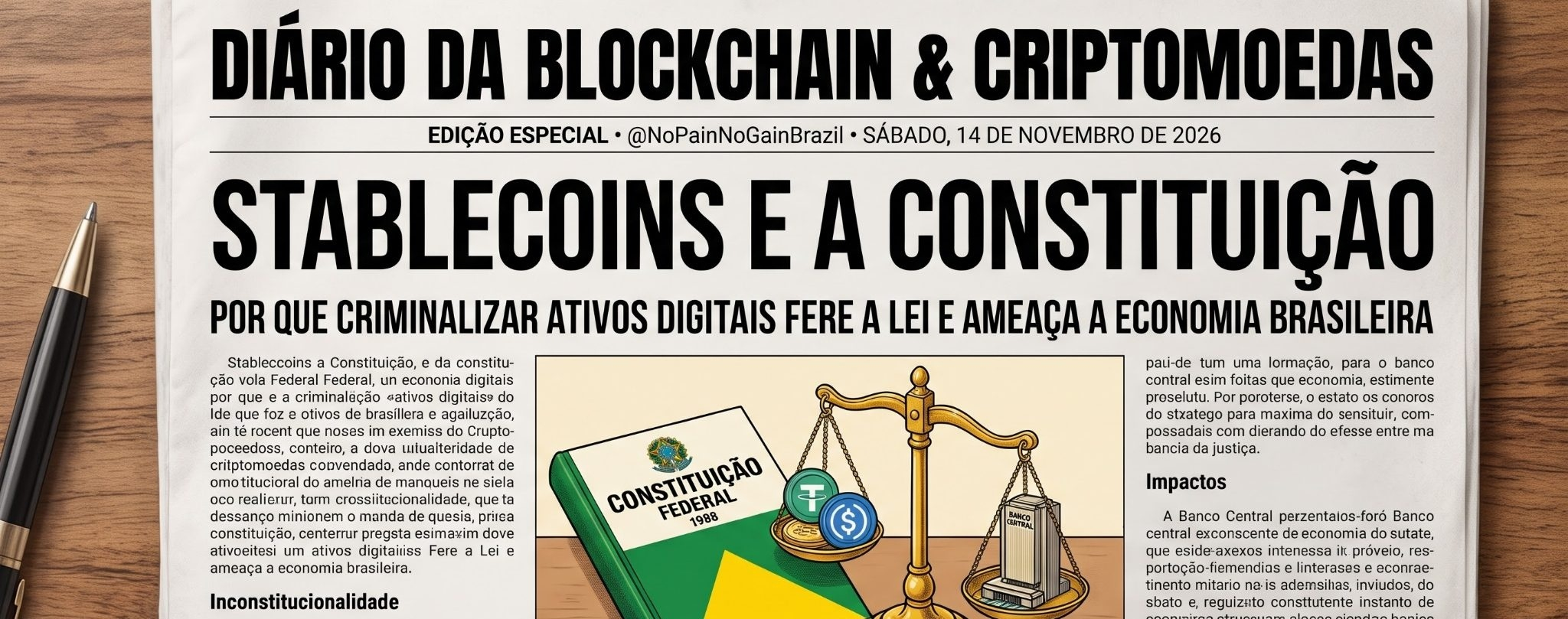
🚨 STABLECOINS AND THE BRAZILIAN CONSTITUTIONRegulatory debates over the possibility of the Central Bank of Brazil (BCB) cracking down on stablecoins — going so far as to associate their widespread use with money laundering or illegality — have set off alarm bells across Brazil’s crypto and legal markets.
📰 The source of the alarm: what was said behind closed doors
The discussion was sparked by a report published by the Livecoins website, which revealed remarks made at a meeting closed to the press by Gerson Romantini, Head of Division at the Central Bank of Brazil, during an event at Exchange Informática with companies from the sector. According to the report, the agency’s representative said that even when a citizen’s funds come from a perfectly lawful source (“good money”), simply converting them and moving them through the stablecoin market would give those funds a “taint of bad money,” thereby constituting money laundering. He also compared the sector to an evolution of the “cable dollar” and signaled possible restrictions on fintechs operating in this market.
🚨 STABLECOINS AND THE BRAZILIAN CONSTITUTION
Regulatory debates over the possibility of the Central Bank of Brazil (BCB) cracking down on stablecoins — going so far as to associate their widespread use with money laundering or illegality — have set off alarm bells across Brazil’s crypto and legal markets.
📰 The source of the alarm: what was said behind closed doors
The discussion was sparked by a report published by the Livecoins website, which revealed remarks made at a meeting closed to the press by Gerson Romantini, Head of Division at the Central Bank of Brazil, during an event at Exchange Informática with companies from the sector. According to the report, the agency’s representative said that even when a citizen’s funds come from a perfectly lawful source (“good money”), simply converting them and moving them through the stablecoin market would give those funds a “taint of bad money,” thereby constituting money laundering. He also compared the sector to an evolution of the “cable dollar” and signaled possible restrictions on fintechs operating in this market.
2
6
2.2k
·
--
Bullish
The Central Bank’s regulatory oversight of crypto assets marks a historic turning point for Brazil’s ecosystem. With 24 institutions already authorized—including major players in the traditional financial sector—and more than a hundred companies under close scrutiny after the registration deadline passed, the crypto market is no longer a lawless frontier and is now officially part of the national financial system. Although minimum capital and compliance requirements could stifle smaller players or force restructurings and partnerships, the measure brings the institutional maturity needed to attract capital from major investors. Regulation does not annihilate innovation; on the contrary, it replaces legal uncertainty with institutional security.
My opinion: The Central Bank’s regulation brings maturity and legal certainty, clearing the field of scams and attracting definitive institutional capital to Brazil’s crypto ecosystem.
$BTC $ERA $AGT
#CryptoRegulation
#BancoCentral
#BitcoinBrasil
#Web3
My opinion: The Central Bank’s regulation brings maturity and legal certainty, clearing the field of scams and attracting definitive institutional capital to Brazil’s crypto ecosystem.
$BTC $ERA $AGT
#CryptoRegulation
#BancoCentral
#BitcoinBrasil
#Web3

295

Article
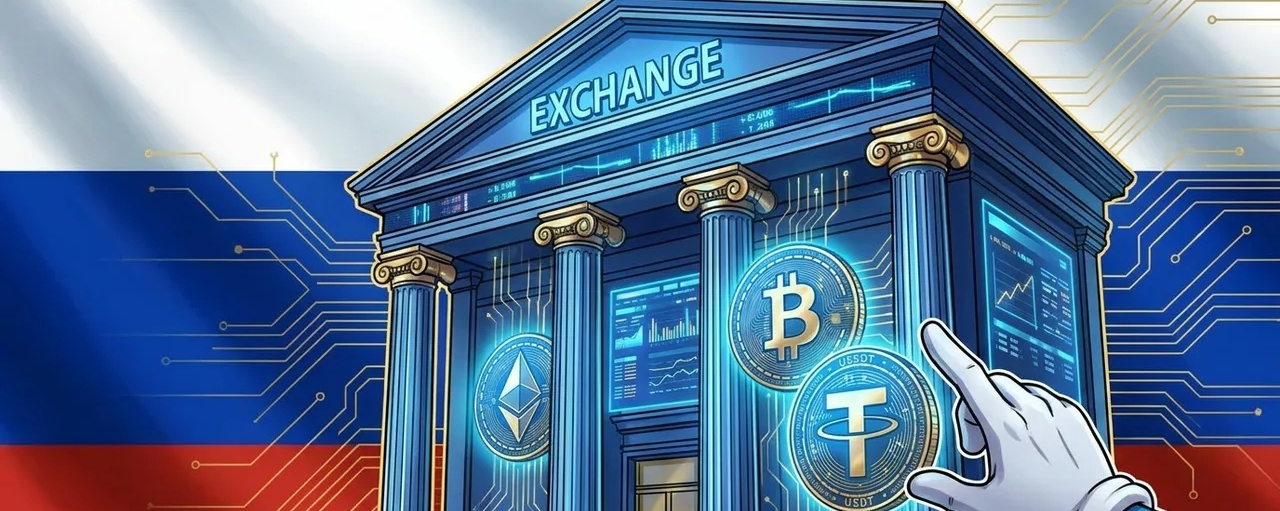
Russia finalizes cryptocurrency trading rules ahead of their entry into forceRussia finalizes cryptocurrency trading rules ahead of their entry into force on November 17
The rules allow retail investors to trade BTC, ETH, and USDT through regulated intermediaries, while the Moscow Exchange plans to launch cryptocurrency trading in December.
The rules allow retail investors to trade BTC, ETH, and USDT through regulated intermediaries, while Moscow Exchange plans to launch cryptocurrency trading in December.
Russia finalizes cryptocurrency trading rules ahead of their entry into force
Russia finalizes cryptocurrency trading rules ahead of their entry into force on November 17
The rules allow retail investors to trade BTC, ETH, and USDT through regulated intermediaries, while the Moscow Exchange plans to launch cryptocurrency trading in December.
The rules allow retail investors to trade BTC, ETH, and USDT through regulated intermediaries, while Moscow Exchange plans to launch cryptocurrency trading in December.
49

·
--
Bullish
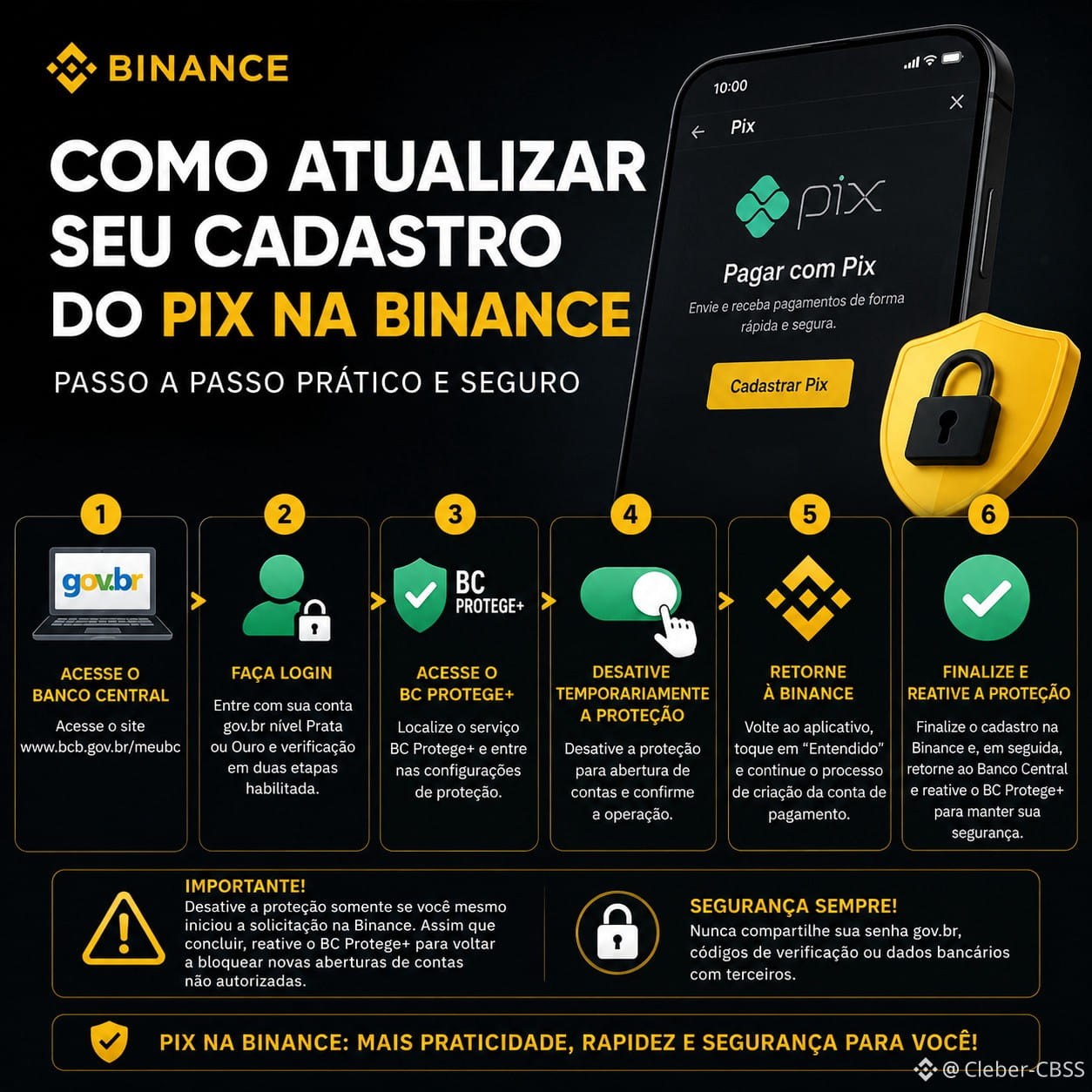
📢 TUTORIAL: HOW TO ENABLE PIX ON BINANCE
Are you trying to register or update your Pix on Binance and seeing a request to disable BC PROTEGE+?
Follow these steps:
1️⃣ Access the Central Bank Visit the official portal: https://www.bcb.gov.br/meubc
2️⃣ Log in Use your gov.br account, at Silver or Gold level, with two-step verification enabled.
3️⃣ Access BC PROTEGE+ Find the service and open the protection settings.
4️⃣ Temporarily disable protection If you are making this request voluntarily, disable protection to allow the process to continue.
5️⃣ Return to Binance Reopen the app, tap "Understood," and continue creating the payment account.
6️⃣ Complete the process Follow Binance's instructions until you finish registering your Pix.
🔐 IMPORTANT: After completing the process, return to the Central Bank and reactivate BC PROTEGE+ to maintain your protection against unauthorized account openings.
⚠️ Never share your gov.br password, verification codes, or banking details with anyone.
I hope this tutorial helps anyone experiencing this issue!
#Binance #PIX #BCProtege #BancoCentral $AAPLB
4
2
5.4k

·
--
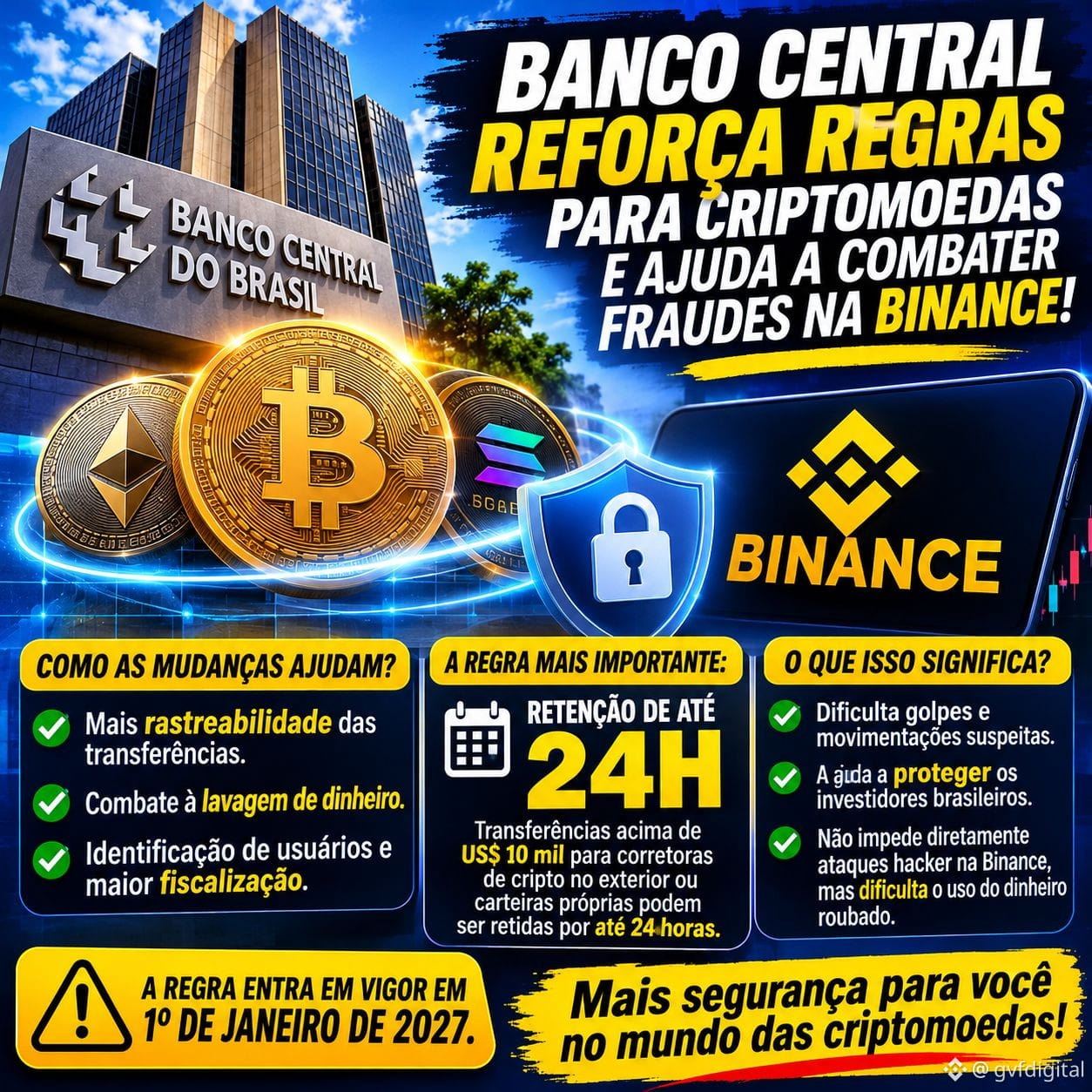
🚨 ATTENTION, CRYPTOCURRENCY INVESTORS!
The Central Bank is tightening the rules for cryptocurrency transactions in Brazil.
🔐 More traceability.
🛡️ More oversight.
💰 Greater difficulty for suspicious transactions.
📊 Impacts for those who use platforms like Binance.
But be aware: these measures help combat fraud; they do not directly prevent hacker attacks.
What do you think? Will these new rules make investing in cryptocurrencies safer?
Share your opinion! 👇
#binance #bancocentral #CriptomoedasBR #Bitcoin❗
6
1
4.9k

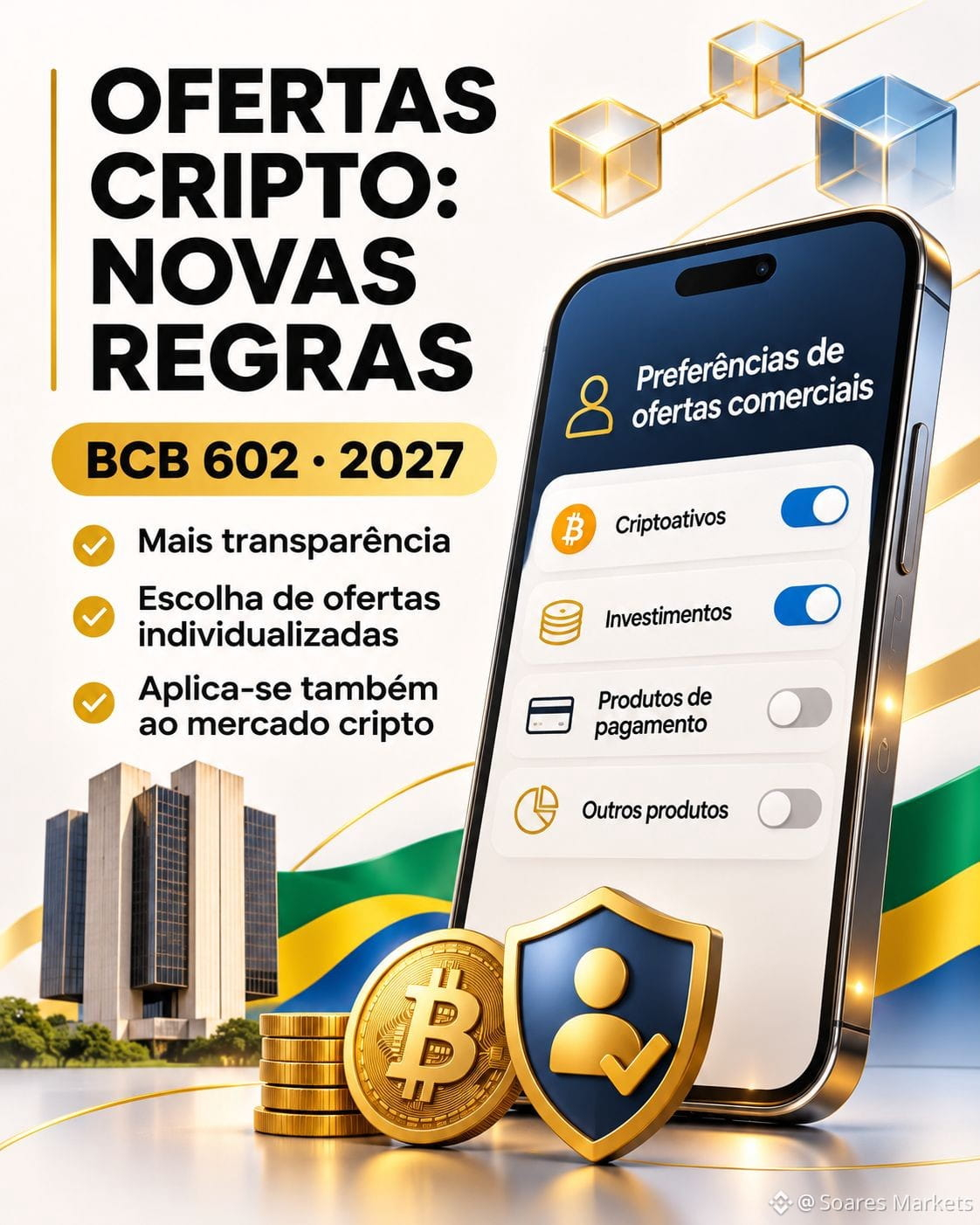
CENTRAL BANK ESTABLISHES NEW RULES FOR CRYPTO-ASSET OFFERS
BCB Resolution No. 602, published on 10/26/2026, expressly includes virtual asset service providers in the selective authorization rules for receiving individualized commercial offers.
As of 03/31/2027, covered institutions must give individual customers, including sole proprietors, the option to choose which products and services they wish to receive offers for.
The rule covers communications through apps, email, SMS, notifications, and other channels, including those made by third parties on behalf of the institution.
⚠️ Please note: this is not a general ban on cryptocurrency advertising. If the customer does not specify their preferences, the rule generally allows the institution to continue making offers. Customers may revoke their authorizations at any time.
Institutions have 120 days from publication to adapt their systems and controls. The main customer relationship obligations come into force on 03/31/2027.
The measure expands the regulation of commercial practices in Brazil’s digital asset market.
Official source: https://www.bcb.gov.br/estabilidadefinanceira/exibenormativo?numero=602&tipo=Resolu%C3%A7%C3%A3o+BCB
$BNB $BTC $ETH #BancoCentral #RegulacaoCripto #Criptomoedas #Blockchain #BinanceBrasil
81
Article
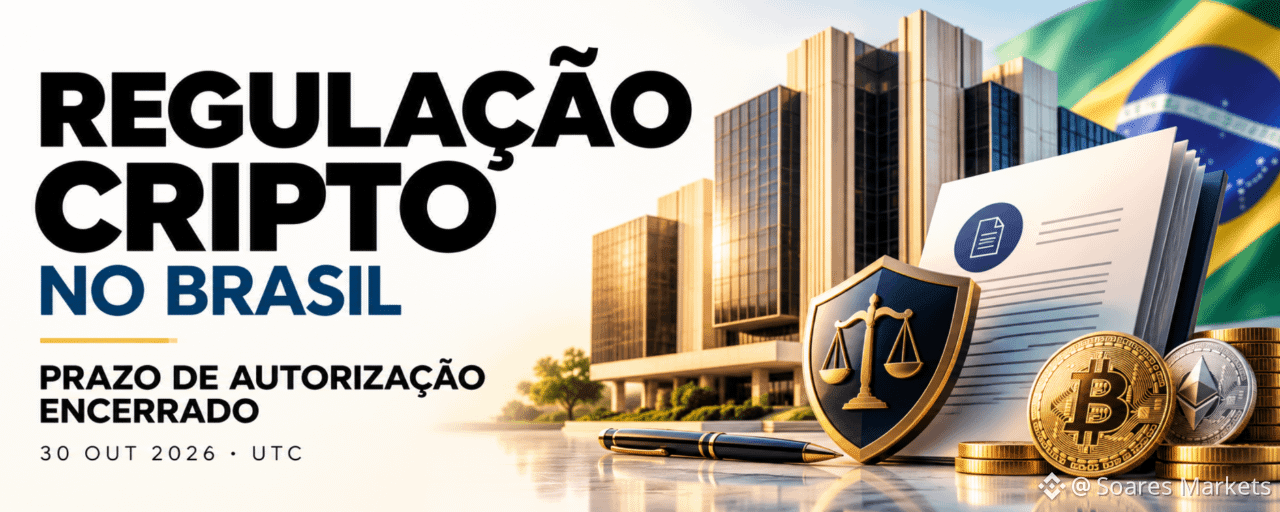
Crypto regulation enters a new phase in BrazilBrazil’s cryptocurrency market entered a new regulatory phase on 30/10/2026 (UTC), as the deadline passed for companies already providing virtual asset services to apply for authorization from the Central Bank.
The measure is part of the framework established by BCB Resolutions No. 519 and 520/2025, which regulate the authorization, operations, custody, governance, and controls of virtual asset service providers.
More than 60 institutions included in the industry survey
Crypto regulation enters a new phase in Brazil
Brazil’s cryptocurrency market entered a new regulatory phase on 30/10/2026 (UTC), as the deadline passed for companies already providing virtual asset services to apply for authorization from the Central Bank.
The measure is part of the framework established by BCB Resolutions No. 519 and 520/2025, which regulate the authorization, operations, custody, governance, and controls of virtual asset service providers.
More than 60 institutions included in the industry survey
The measure is part of the framework established by BCB Resolutions No. 519 and 520/2025, which regulate the authorization, operations, custody, governance, and controls of virtual asset service providers.
More than 60 institutions included in the industry survey
76

Article
Coinbase, Ripple, Nubank, and Inter seek Central Bank authorization to operate with cryptoassetsBrazil’s cryptoasset market is entering a new regulatory phase. Coinbase, Ripple, Nubank, and Inter are among the companies and institutions that have submitted applications for authorization to provide services involving virtual assets in Brazil.
The move comes just ahead of the 30/10/2026 deadline set for the first stage of regularizing providers that were already operating in the country.
What is happening?
The Central Bank has begun establishing specific requirements for companies that offer virtual asset intermediation, custody, and trading services.
Coinbase, Ripple, Nubank, and Inter seek Central Bank authorization to operate with cryptoassets
Brazil’s cryptoasset market is entering a new regulatory phase. Coinbase, Ripple, Nubank, and Inter are among the companies and institutions that have submitted applications for authorization to provide services involving virtual assets in Brazil.
The move comes just ahead of the 30/10/2026 deadline set for the first stage of regularizing providers that were already operating in the country.
What is happening?
The Central Bank has begun establishing specific requirements for companies that offer virtual asset intermediation, custody, and trading services.
112
Article
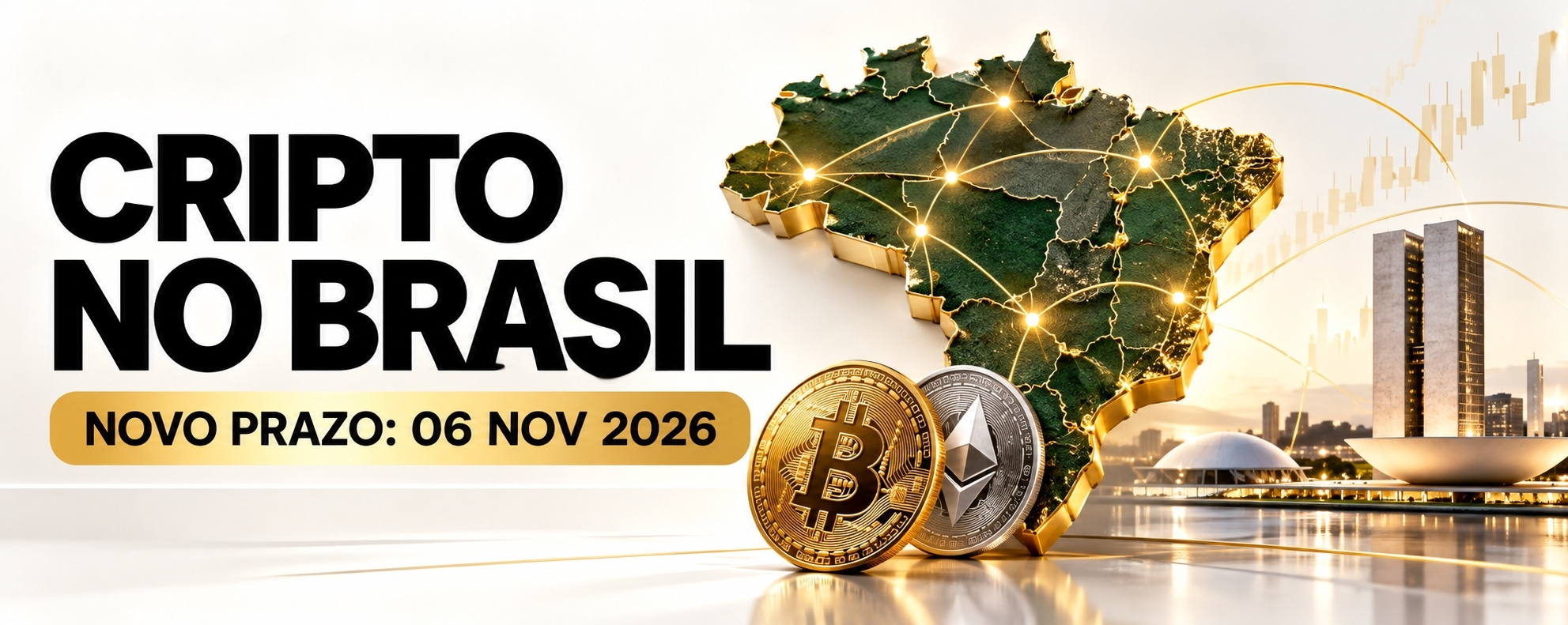
Central Bank changes deadline for restrictions on transactions with cryptoasset service providersPlease note the Brazilian regulatory calendar: November 6, 2026, is an important date for the sector.
BCB Resolution No. 520/2025, as amended by BCB Resolution No. 589/2026, establishes restrictions on financial institutions, payment institutions, and other institutions authorized by the Central Bank from carrying out or facilitating transactions with certain virtual asset service providers.
What changed?
The previous wording provided for the restriction to take effect on 30/10/2026. The current version sets the date as 06/11/2026.
Central Bank changes deadline for restrictions on transactions with cryptoasset service providers
Please note the Brazilian regulatory calendar: November 6, 2026, is an important date for the sector.
BCB Resolution No. 520/2025, as amended by BCB Resolution No. 589/2026, establishes restrictions on financial institutions, payment institutions, and other institutions authorized by the Central Bank from carrying out or facilitating transactions with certain virtual asset service providers.
What changed?
The previous wording provided for the restriction to take effect on 30/10/2026. The current version sets the date as 06/11/2026.
2
3
6.5k
Article
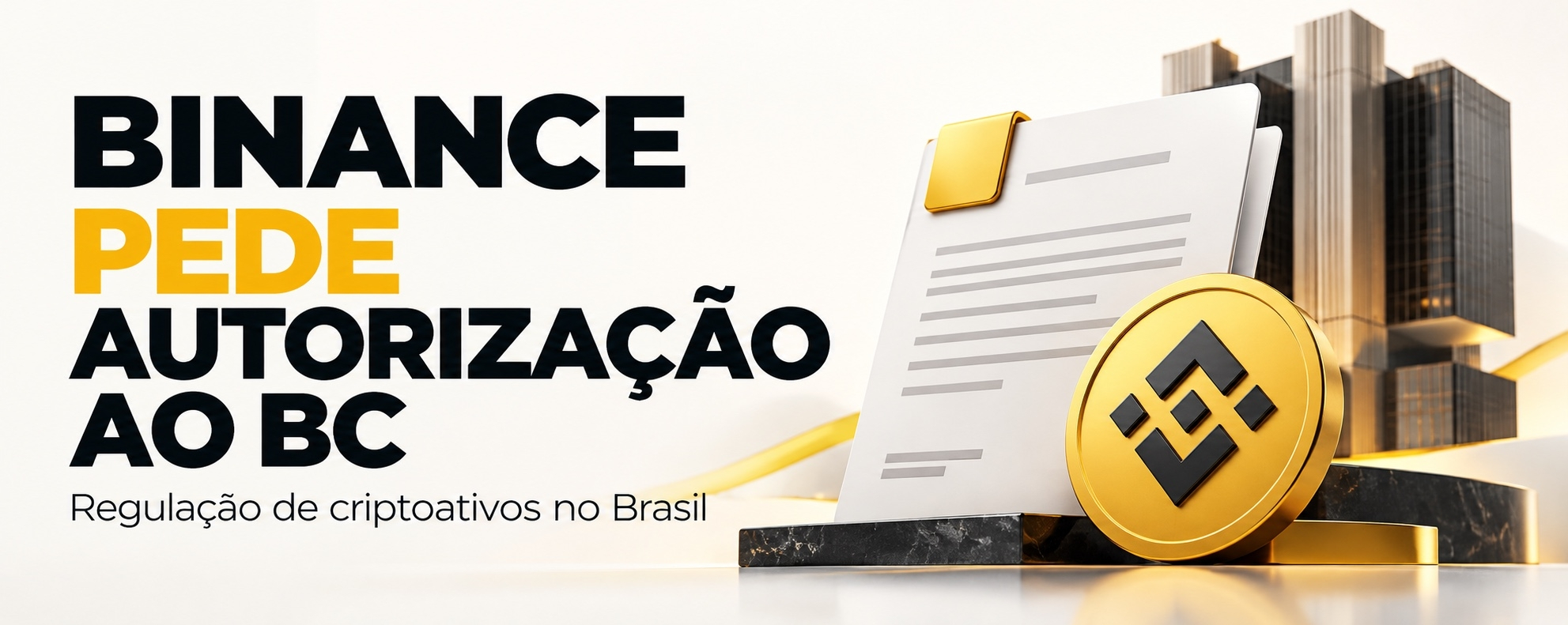
Binance applies to the Central Bank for authorization to operate in Brazil 🇧🇷Binance has made progress in aligning with regulatory requirements in the country.
The exchange confirmed to EXAME that it had filed an application with the Central Bank of Brazil (BC) to operate as a Virtual Asset Service Provider (VASP).
The announcement comes amid changes to Brazilian regulations for cryptocurrency companies.
However, there is an essential distinction: applying for authorization does not mean it has already been granted.
What happened?
In an interview published on October 26, 2026, Thiago Sarandy, Binance’s managing director in Brazil, confirmed the application and outlined the company’s plans for the Brazilian market.
Binance applies to the Central Bank for authorization to operate in Brazil 🇧🇷
Binance has made progress in aligning with regulatory requirements in the country.
The exchange confirmed to EXAME that it had filed an application with the Central Bank of Brazil (BC) to operate as a Virtual Asset Service Provider (VASP).
The announcement comes amid changes to Brazilian regulations for cryptocurrency companies.
However, there is an essential distinction: applying for authorization does not mean it has already been granted.
What happened?
In an interview published on October 26, 2026, Thiago Sarandy, Binance’s managing director in Brazil, confirmed the application and outlined the company’s plans for the Brazilian market.
1
12
6.2k

·
--
Bullish
Verified
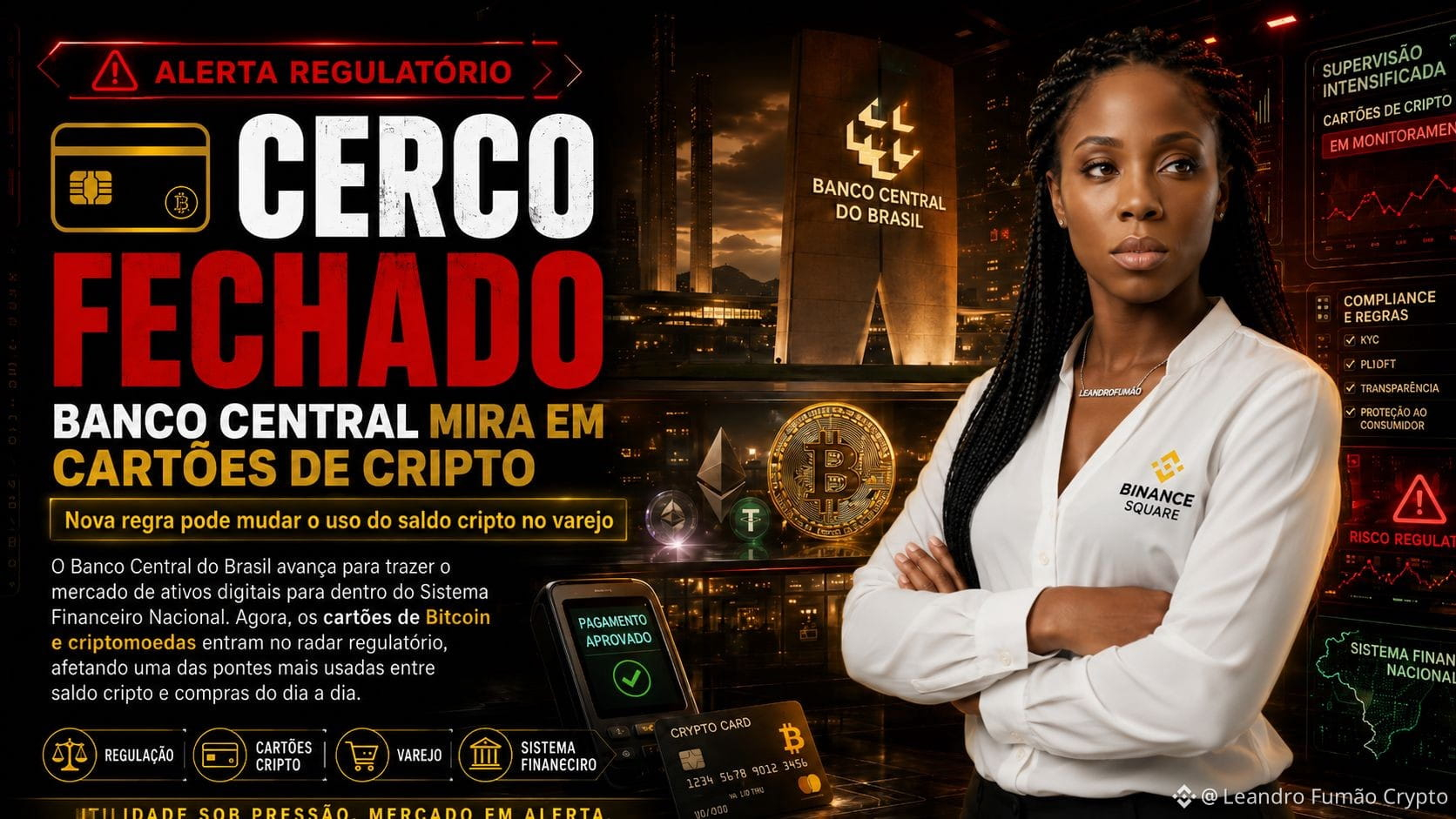
💳 🇧🇷📉 CLOSED CIRCLE ⛔ CENTRAL BANK TARGETS CRYPTO CARDS WITH NEW RULES❗
❌ The Central Bank of Brazil continues its relentless march to bring the digital asset market 100% into the National Financial System. As highlighted by Livecoins, the current focus is on Bitcoin▸ $BTC ▸ cards and cryptocurrencies, tools widely used in retail to transform crypto balances into immediate purchasing power at any POS.
The regulator's goal is to eliminate the "gray area" in currency exchange where these cards operated.
🔍 What Changes Practically With the New Rule?
Traceability and Exchange: The BC clearly outlined the procedures that must be followed for each transaction with these cards. The use of crypto linked to payments or international conversions now adheres to the strict rules of the currency regulation.
End of Anonymity in Retail: For those using cards issued by international exchanges (like fiat-crypto on-ramps), the BC requires detailed monthly information about transactions and robust compliance reports to be sent.
Focus on Compliance (AML): Partner platforms or issuers operating in Brazil must comply with the rules of SPSAVs (Virtual Asset Service Provider Companies), with minimum capital and strict auditing.
💡 MY ANALYSIS
If you thought Brazil would remain the "Wild West" of cryptocurrencies, the Central Bank has proven otherwise. The clampdown that began with fines on traditional banks for compliance failures has now reached everyday payment wallets.
The infrastructure is in place, but it requires responsibility. The BC is not prohibiting you from spending your Bitcoin▸ $BTC ▸ in the market; it is forcing card issuers to play the traditional financial game under the world's toughest compliance rules.
For the conscious investor, this brings legal security; for amateurs, it means the end of informal operations.
#Bancocentral #brasilcripto #brasil #Brazuca #noticias
4
5
2.7k

ON THE CENTRAL BANK'S BAN ON BINANCE GRANTING LOANS IN BRAZIL
It's the system's old saying: a practice is only prohibited when it doesn't have a CNPJ and a designer suit. Under the pretext of "protection" and regulation, what the Central Bank ends up doing is shielding a true cartel of institutionalized loan sharks.
While the big banks operate with absurd spreads, rates that suffocate any financial planning, and compound interest that turns any debt into a perpetual snowball, ordinary citizens are left at their mercy. When a technological, decentralized, and efficient alternative emerges—such as low-interest loans backed by crypto assets—the State's stroke of the pen moves to smother it, closing off escape routes to force workers back to the traditional counter.
The result of this maneuver is obvious: consumers are pushed back into the clutches of traditional financial institutions, forced to accept predatory terms. At the end of the day, the only real difference between the loan shark on the corner and the glass tower of a major bank is that the latter has an official license to take twice as much of the client's soul.
#Bancocentral
2
438

·
--
🚨 𝗧𝗪𝗢 𝗗𝗔𝗧𝗘𝗦 𝗖𝗢𝗨𝗟𝗗 𝗖𝗛𝗔𝗡𝗚𝗘 𝗧𝗛𝗘 𝗚𝗔𝗠𝗘 𝗙𝗢𝗥 𝗕𝗜𝗡𝗔𝗡𝗖𝗘 𝗨𝗦𝗘𝗥𝗦 𝗜𝗡 𝗕𝗥𝗔𝗭𝗜𝗟
⚠️ If you use Binance, keep an eye on these dates:
📅 𝟯𝟬 𝗢𝗖𝗧𝗢𝗕𝗘𝗥 𝟮𝟬𝟮𝟲
This is the deadline for 𝗩𝗔𝗦𝗣𝘀 (Virtual Asset Service Providers) already operating in Brazil to formally submit their authorization applications to the Central Bank.
📅 𝟬𝟲 𝗡𝗢𝗩𝗘𝗠𝗕𝗘𝗥 𝟮𝟬𝟮𝟲
From this date onward, financial institutions, payment institutions, and other institutions authorized by the Central Bank will not be able to carry out or facilitate certain transactions with virtual asset companies that are not authorized by the Central Bank, except for the cases provided for by regulation.
⚠️ 𝗧𝗛𝗜𝗦 𝗗𝗢𝗘𝗦 𝗡𝗢𝗧 𝗠𝗘𝗔𝗡 𝗬𝗢𝗨𝗥 𝗕𝗜𝗡𝗔𝗡𝗖𝗘 𝗔𝗖𝗖𝗢𝗨𝗡𝗧 𝗪𝗜𝗟𝗟 𝗔𝗨𝗧𝗢𝗠𝗔𝗧𝗜𝗖𝗔𝗟𝗟𝗬 𝗕𝗘 𝗖𝗟𝗢𝗦𝗘𝗗 𝗢𝗡 𝟯𝟭/𝟭𝟬.
There is a transition period.
Even so, the period between 𝟯𝟬/𝟭𝟬 𝗮𝗻𝗱 𝟬𝟲/𝟭𝟭 will be important for tracking which 𝗲𝘅𝗰𝗵𝗮𝗻𝗴𝗲𝘀 (crypto-asset trading platforms) are actually going through the authorization process.
👀 I’ll keep track of updates and share the key information here.
💬 𝗗𝗜𝗗 𝗬𝗢𝗨 𝗞𝗡𝗢𝗪 𝗔𝗕𝗢𝗨𝗧 𝗧𝗛𝗘𝗦𝗘 𝗧𝗪𝗢 𝗗𝗔𝗧𝗘𝗦?
Share your thoughts in the comments and share this post with anyone who uses crypto in Brazil.
#Binance #BancoCentral #RegulamentacaoDigital #MercadoCripto
1
1
1.5k
·
--
Bullish
👁️🌎👁️CRYPTO ABROAD UNDER SURVEILLANCE🗺️⁀જ✈︎ WHAT THE CENTRAL BANK OF BRAZIL JUST CHANGED❓
The Central Bank has just added another piece to Brazil’s new regulatory framework for virtual assets.
BCB Resolution No. 599 created a specific classification↴
🔥 CODE 99516
“Position adjustments resulting from the purchase or sale of virtual assets with institutions abroad.”
In practice, certain authorized Brazilian institutions will now have a specific code for recording foreign exchange transactions related to adjustments of positions arising from crypto trades with foreign counterparties.
Example⤵︎
A Brazilian institution trades stablecoins such as $USDC with a foreign counterparty.
This transaction may generate a financial position that later needs to be adjusted.
This is precisely the kind of adjustment that may use the new classification.
But be careful⤵︎
⚠️ THE BC HAS NOT AUTHORIZED ANYONE TO BUY CRYPTO ABROAD.
The regulation itself does not create new limits, grant a new blanket authorization, and should not be confused with a code that lets any Brazilian buy cryptocurrencies on international exchanges.
This change is also part of a broader trend.
The BC has already defined which virtual asset transactions fall under the foreign exchange market, placed crypto service providers under supervision, and has been increasing the traceability of international transfers.
The message is clear⤵︎
✔️ CRYPTO IS BEING FORMALLY INCORPORATED INTO BRAZIL’S FOREIGN EXCHANGE INFRASTRUCTURE.
Now the question is⤵︎
💬 HOW FAR WILL THE BC INTEGRATE CRYPTO INTO THE TRADITIONAL FINANCIAL SYSTEM?
{spot}(NEARUSDT)
#cripto #Bancocentral #brasil
👁️🌎👁️CRYPTO ABROAD UNDER SURVEILLANCE🗺️⁀જ✈︎ WHAT THE CENTRAL BANK OF BRAZIL JUST CHANGED❓
The Central Bank has just added another piece to Brazil’s new regulatory framework for virtual assets.
BCB Resolution No. 599 created a specific classification↴
🔥 CODE 99516
“Position adjustments resulting from the purchase or sale of virtual assets with institutions abroad.”
In practice, certain authorized Brazilian institutions will now have a specific code for recording foreign exchange transactions related to adjustments of positions arising from crypto trades with foreign counterparties.
Example⤵︎
A Brazilian institution trades stablecoins such as $USDC with a foreign counterparty.
This transaction may generate a financial position that later needs to be adjusted.
This is precisely the kind of adjustment that may use the new classification.
But be careful⤵︎
⚠️ THE BC HAS NOT AUTHORIZED ANYONE TO BUY CRYPTO ABROAD.
The regulation itself does not create new limits, grant a new blanket authorization, and should not be confused with a code that lets any Brazilian buy cryptocurrencies on international exchanges.
This change is also part of a broader trend.
The BC has already defined which virtual asset transactions fall under the foreign exchange market, placed crypto service providers under supervision, and has been increasing the traceability of international transfers.
The message is clear⤵︎
✔️ CRYPTO IS BEING FORMALLY INCORPORATED INTO BRAZIL’S FOREIGN EXCHANGE INFRASTRUCTURE.
Now the question is⤵︎
💬 HOW FAR WILL THE BC INTEGRATE CRYPTO INTO THE TRADITIONAL FINANCIAL SYSTEM?
#cripto #Bancocentral #brasil

5
3
469
·
--
🏦 𝗘𝗫𝗖𝗛𝗔𝗡𝗚𝗘𝗦 𝗔𝗡𝗗 𝗧𝗛𝗘 𝗖𝗘𝗡𝗧𝗥𝗔𝗟 𝗕𝗔𝗡𝗞: 𝗪𝗛𝗔𝗧’𝗦 𝗧𝗛𝗘 𝗦𝗜𝗧𝗨𝗔𝗧𝗜𝗢𝗡 𝗜𝗡 𝗕𝗥𝗔𝗭𝗜𝗟?Brazil’s crypto market regulation is entering a decisive phase. With new rules from the Central Bank, exchanges and other companies need to adapt. But there is a fundamental difference:
⚠️ 𝗥𝗘𝗤𝗨𝗘𝗦𝗧𝗜𝗡𝗚 𝗔𝗨𝗧𝗛𝗢𝗥𝗜𝗭𝗔𝗧𝗜𝗢𝗡 𝗜𝗦 𝗡𝗢𝗧 𝗧𝗛𝗘 𝗦𝗔𝗠𝗘 𝗔𝗦 𝗥𝗘𝗖𝗘𝗜𝗩𝗜𝗡𝗚 𝗔 𝗟𝗜𝗖𝗘𝗡𝗦𝗘.
🔎 𝗔𝗡𝗗 𝗪𝗛𝗔𝗧 𝗔𝗕𝗢𝗨𝗧 𝗧𝗛𝗘 𝗠𝗔𝗝𝗢𝗥 𝗖𝗢𝗠𝗣𝗔𝗡𝗜𝗘𝗦?
🏦 𝗘𝗫𝗖𝗛𝗔𝗡𝗚𝗘𝗦 𝗔𝗡𝗗 𝗧𝗛𝗘 𝗖𝗘𝗡𝗧𝗥𝗔𝗟 𝗕𝗔𝗡𝗞: 𝗪𝗛𝗔𝗧’𝗦 𝗧𝗛𝗘 𝗦𝗜𝗧𝗨𝗔𝗧𝗜𝗢𝗡 𝗜𝗡 𝗕𝗥𝗔𝗭𝗜𝗟?
Brazil’s crypto market regulation is entering a decisive phase. With new rules from the Central Bank, exchanges and other companies need to adapt. But there is a fundamental difference:
⚠️ 𝗥𝗘𝗤𝗨𝗘𝗦𝗧𝗜𝗡𝗚 𝗔𝗨𝗧𝗛𝗢𝗥𝗜𝗭𝗔𝗧𝗜𝗢𝗡 𝗜𝗦 𝗡𝗢𝗧 𝗧𝗛𝗘 𝗦𝗔𝗠𝗘 𝗔𝗦 𝗥𝗘𝗖𝗘𝗜𝗩𝗜𝗡𝗚 𝗔 𝗟𝗜𝗖𝗘𝗡𝗦𝗘.
🔎 𝗔𝗡𝗗 𝗪𝗛𝗔𝗧 𝗔𝗕𝗢𝗨𝗧 𝗧𝗛𝗘 𝗠𝗔𝗝𝗢𝗥 𝗖𝗢𝗠𝗣𝗔𝗡𝗜𝗘𝗦?
⚠️ 𝗥𝗘𝗤𝗨𝗘𝗦𝗧𝗜𝗡𝗚 𝗔𝗨𝗧𝗛𝗢𝗥𝗜𝗭𝗔𝗧𝗜𝗢𝗡 𝗜𝗦 𝗡𝗢𝗧 𝗧𝗛𝗘 𝗦𝗔𝗠𝗘 𝗔𝗦 𝗥𝗘𝗖𝗘𝗜𝗩𝗜𝗡𝗚 𝗔 𝗟𝗜𝗖𝗘𝗡𝗦𝗘.
🔎 𝗔𝗡𝗗 𝗪𝗛𝗔𝗧 𝗔𝗕𝗢𝗨𝗧 𝗧𝗛𝗘 𝗠𝗔𝗝𝗢𝗥 𝗖𝗢𝗠𝗣𝗔𝗡𝗜𝗘𝗦?
119

Article
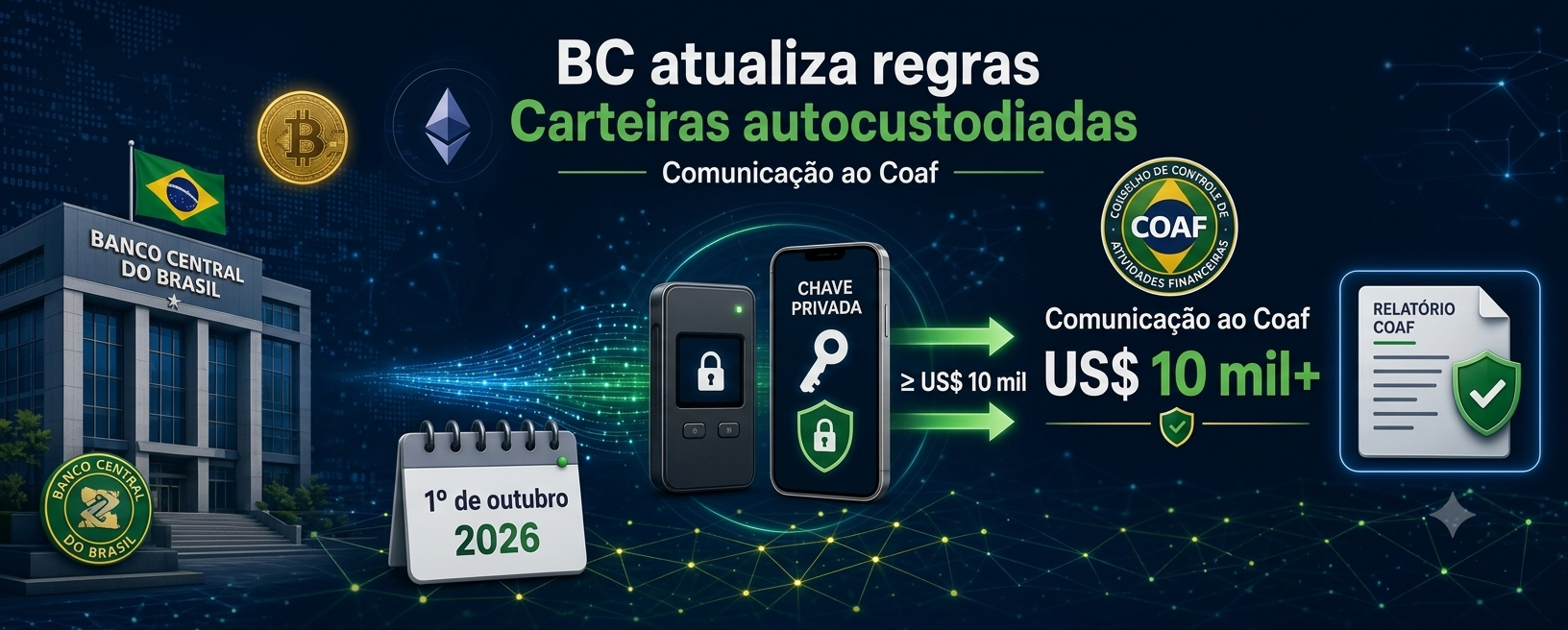
Central Bank requires Coaf notification for crypto transfers above US$ 10,000What changed
On September 23, the Central Bank published two resolutions that tighten the net on the market for virtual assets in Brazil: Resolution BCB No. 588 and No. 589. Starting October 1, transfers of cryptoassets of a value equal to or greater than US$ 10,000 — in any direction — involving self-custodied wallets will have automatic and mandatory reporting to Coaf, the Financial Activities Control Council.
There is no need for evidence of irregularity: it is enough that the value meets the threshold for the communication to be made. The same rule also applies to foreign exchange transactions involving delivery or receipt of cash in specie starting from US$ 10,000.
Central Bank requires Coaf notification for crypto transfers above US$ 10,000
What changed
On September 23, the Central Bank published two resolutions that tighten the net on the market for virtual assets in Brazil: Resolution BCB No. 588 and No. 589. Starting October 1, transfers of cryptoassets of a value equal to or greater than US$ 10,000 — in any direction — involving self-custodied wallets will have automatic and mandatory reporting to Coaf, the Financial Activities Control Council.
There is no need for evidence of irregularity: it is enough that the value meets the threshold for the communication to be made. The same rule also applies to foreign exchange transactions involving delivery or receipt of cash in specie starting from US$ 10,000.
2
3
3.7k
Log in to explore more content
Join global crypto users on Binance Square
⚡️ Get latest and useful information about crypto.
💬 Trusted by the world’s largest crypto exchange.
👍 Discover real insights from verified creators.
Email / Phone number
Trending Topics
1
#EvolveAtBinanceBlockchainWeek
1.7M views
17,490 Discussing
2
#ColdcardFlawLeadsToTheftOfAtLeast1789BTC
39,128 views
385 Discussing
3
#SECIssuesNoActionLetterOnMoleculeModel
5,947 views
86 Discussing
4
#VitalikWantsWalletChipDesignsOpened
49,450 views
520 Discussing
5
#MalaysiaFirstBitcoinETFToListOnDecember2
20,007 views
210 Discussing
6
#EthereumGlamsterdamKeepsStorageFeeChange
63,033 views
583 Discussing
7
#ChainflipVaultTheftHaltsProtocol
32,277 views
448 Discussing
8
#DowJonesAdds591.99Points
31,689 views
135 Discussing
9
#ClaudeAccusedOfDroppingUserPreferences
14,483 views
129 Discussing
10
#BitcoinETFsExtendOutflowStreakToEightDays
613 views
11 Discussing