

#tokenizacion
tokenizacion
142,254 views
355 Discussing
Hot
Latest
·
--
The volume of pre-IPO tokens from Anthropic has reached $643 million, marking a significant milestone for the tokenization of real-world assets (RWAs). This growth tests the depth of liquidity in decentralized secondary markets and anticipates potential transitions toward indexes of public equities. Why does it matter? It shows the growing institutional demand to gain access to private technology companies via blockchain rails. Monitor the evolution of trading volumes and settlement mechanisms in case of a potential public listing. 🚀📈 #Tokenizacion #RWA #Crypto $BNB
The volume of pre-IPO tokens from Anthropic has reached $643 million, marking a significant milestone for the tokenization of real-world assets (RWAs). This growth tests the depth of liquidity in decentralized secondary markets and anticipates potential transitions toward indexes of public equities. Why does it matter? It shows the growing institutional demand to gain access to private technology companies via blockchain rails. Monitor the evolution of trading volumes and settlement mechanisms in case of a potential public listing. 🚀📈 #Tokenizacion #RWA #Crypto $BNB
6

·
--
$QNT casi doubled its price: +99% in 24hs.
The Clearing House (25 of the largest U.S. banks) selected Quant for its tokenized deposit network, which will launch in 2027. The news is real, but the volume multiplied by 36 and there are reports of wash trading.
Adoption or trap?
#QNT #Tokenizacion #Crypto
$QNT casi doubled its price: +99% in 24hs.
The Clearing House (25 of the largest U.S. banks) selected Quant for its tokenized deposit network, which will launch in 2027. The news is real, but the volume multiplied by 36 and there are reports of wash trading.
Adoption or trap?
#QNT #Tokenizacion #Crypto
The Clearing House (25 of the largest U.S. banks) selected Quant for its tokenized deposit network, which will launch in 2027. The news is real, but the volume multiplied by 36 and there are reports of wash trading.
Adoption or trap?
#QNT #Tokenizacion #Crypto
144
·
--
Traditional financial infrastructure takes a new step toward tokenization: 17 global banks have connected to the SWIFT ledger using ISO 20022 adapters to support tokenized deposit instructions. 🌐🏦
Although final settlement continues to operate on traditional systems, this move reduces operational frictions and brings institutional banking closer to digital asset infrastructure. However, latent risks remain in the sector’s reliance on the cloud, which it must address.
What to watch: The speed at which more financial entities adopt these standards and how it impacts liquidity on blockchain rails.
#Tokenizacion #SWIFT #Regulacion #CriptoInstitucional $BTC $ETH
Traditional financial infrastructure takes a new step toward tokenization: 17 global banks have connected to the SWIFT ledger using ISO 20022 adapters to support tokenized deposit instructions. 🌐🏦
Although final settlement continues to operate on traditional systems, this move reduces operational frictions and brings institutional banking closer to digital asset infrastructure. However, latent risks remain in the sector’s reliance on the cloud, which it must address.
What to watch: The speed at which more financial entities adopt these standards and how it impacts liquidity on blockchain rails.
#Tokenizacion #SWIFT #Regulacion #CriptoInstitucional $BTC $ETH
Although final settlement continues to operate on traditional systems, this move reduces operational frictions and brings institutional banking closer to digital asset infrastructure. However, latent risks remain in the sector’s reliance on the cloud, which it must address.
What to watch: The speed at which more financial entities adopt these standards and how it impacts liquidity on blockchain rails.
#Tokenizacion #SWIFT #Regulacion #CriptoInstitucional $BTC $ETH
64
·
--
Tokenization of real-world assets takes a key step: Ondo Finance enables portfolio strategies backed by BlackRock, aimed exclusively at international traders who complete the due diligence process. 🌐📉
Why it matters: This move consolidates the convergence between traditional finance (TradFi) and digital assets, enabling regulated access to high-end institutional products directly on-chain.
What to watch: The evolution of international demand for these products and the regulatory compliance requirements (onboarding) to verify their real adoption compared with other DeFi solutions. 📊
#RWA #Tokenizacion #DeFi #BlackRock $BTC
Tokenization of real-world assets takes a key step: Ondo Finance enables portfolio strategies backed by BlackRock, aimed exclusively at international traders who complete the due diligence process. 🌐📉
Why it matters: This move consolidates the convergence between traditional finance (TradFi) and digital assets, enabling regulated access to high-end institutional products directly on-chain.
What to watch: The evolution of international demand for these products and the regulatory compliance requirements (onboarding) to verify their real adoption compared with other DeFi solutions. 📊
#RWA #Tokenizacion #DeFi #BlackRock $BTC
Why it matters: This move consolidates the convergence between traditional finance (TradFi) and digital assets, enabling regulated access to high-end institutional products directly on-chain.
What to watch: The evolution of international demand for these products and the regulatory compliance requirements (onboarding) to verify their real adoption compared with other DeFi solutions. 📊
#RWA #Tokenizacion #DeFi #BlackRock $BTC
13

·
--
It looks like the derivatives regulator in the United States has taken a bold step.
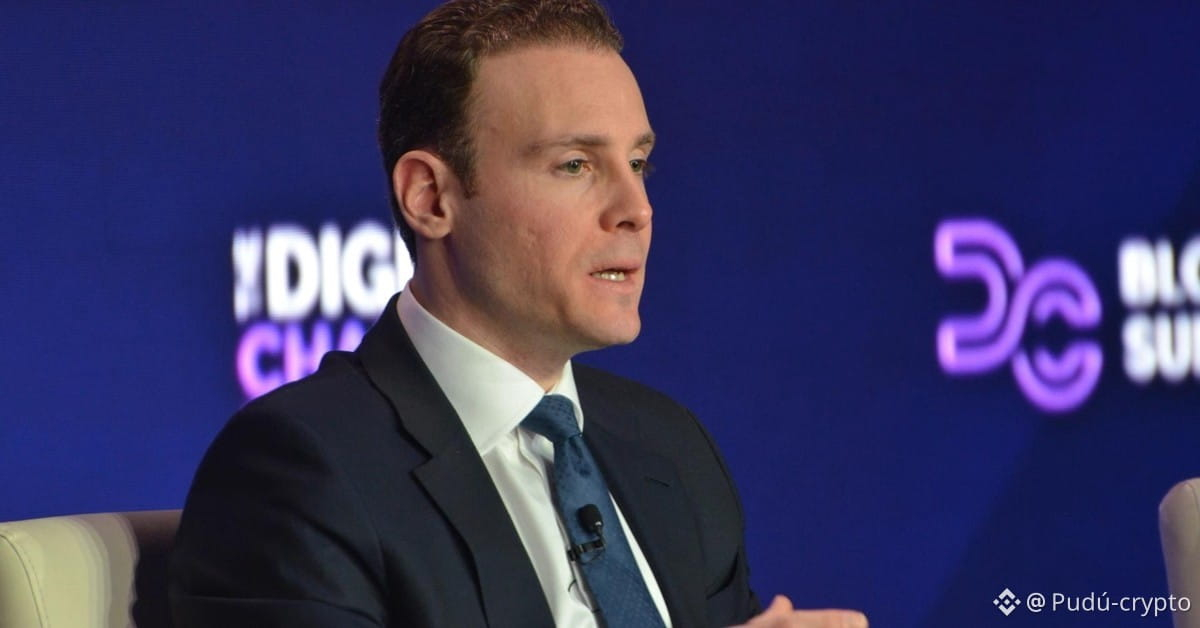
The CFTC now allows commodity firms to invest in tokenized assets. They also validate the use of blockchain-based records for their day-to-day operations.
It’s interesting to see how technology is being officially integrated into this sector. It’s no longer something foreign to the rules of the traditional market.
What do you think about this move?
#Blockchain #Tokenizacion $BTC
It looks like the derivatives regulator in the United States has taken a bold step.
The CFTC now allows commodity firms to invest in tokenized assets. They also validate the use of blockchain-based records for their day-to-day operations.
It’s interesting to see how technology is being officially integrated into this sector. It’s no longer something foreign to the rules of the traditional market.
What do you think about this move?
#Blockchain #Tokenizacion $BTC
The CFTC now allows commodity firms to invest in tokenized assets. They also validate the use of blockchain-based records for their day-to-day operations.
It’s interesting to see how technology is being officially integrated into this sector. It’s no longer something foreign to the rules of the traditional market.
What do you think about this move?
#Blockchain #Tokenizacion $BTC
181
·
--
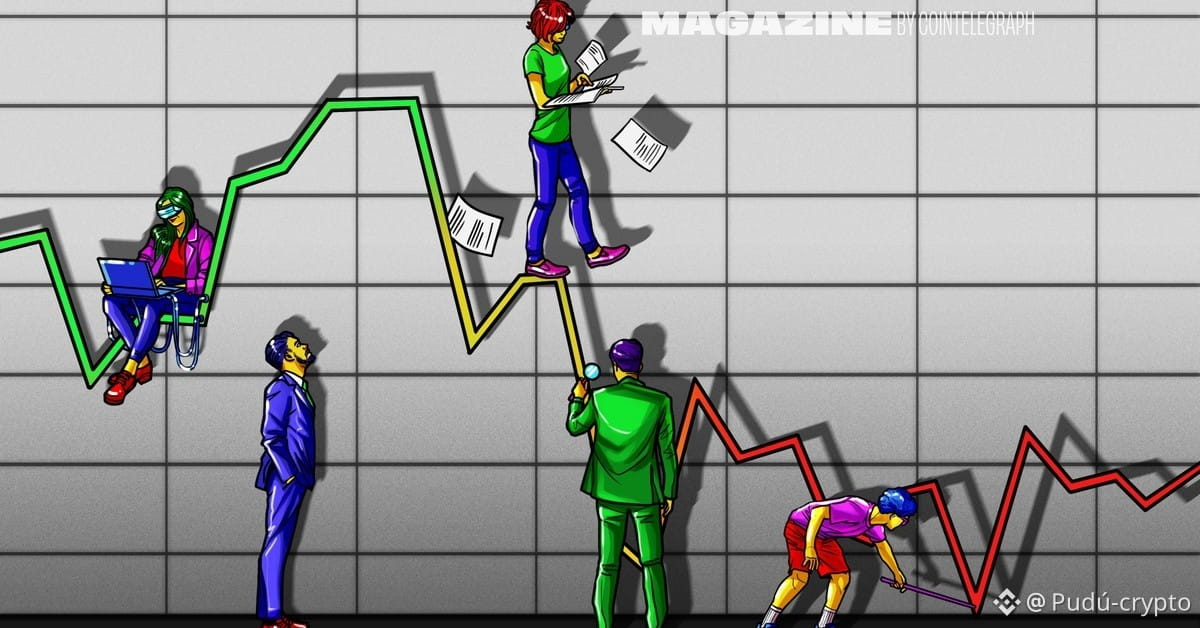
The SEC has just opened an important door for tokenized securities.
They established a five-year path for these assets to operate under their rules.
The catch is that not all products or platforms fit into this model.
Now we’ll see who adapts best to this new regulatory environment.
Do you think this will primarily benefit traditional exchanges or decentralized protocols?
$BTC #Regulacion #Tokenization
The SEC has just opened an important door for tokenized securities.
They established a five-year path for these assets to operate under their rules.
The catch is that not all products or platforms fit into this model.
Now we’ll see who adapts best to this new regulatory environment.
Do you think this will primarily benefit traditional exchanges or decentralized protocols?
$BTC #Regulacion #Tokenization
They established a five-year path for these assets to operate under their rules.
The catch is that not all products or platforms fit into this model.
Now we’ll see who adapts best to this new regulatory environment.
Do you think this will primarily benefit traditional exchanges or decentralized protocols?
$BTC #Regulacion #Tokenization
168
·
--
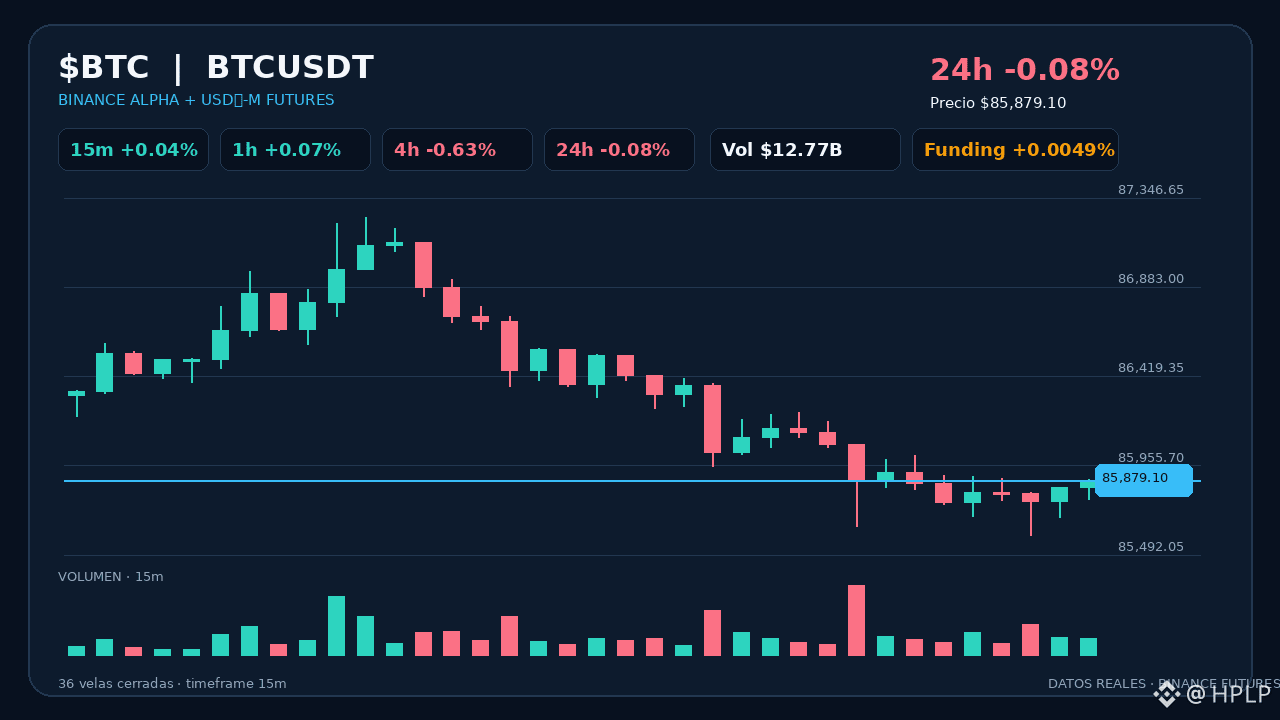
Crypto regulation takes a key step in the United States. The chairman of the CFTC, Michael Selig, has said that tokenization has the potential to completely reshape traditional financial markets, while the SEC officially opens the door to onchain assets and stocks despite recent legislative missteps with the CLARITY law.
Why does it matter? This joint move by U.S. regulators shows that the digital and institutional asset infrastructure continues to advance in terms of compliance and structural adoption, beyond the day-to-day volatility of prices.
What to watch? The next regulatory frameworks and how quickly major institutions integrate the issuance of tokenized securities into public and private environments.
🚀 📈 🌐
#Regulacion #Tokenizacion #SEC #CFTC $BTC
Crypto regulation takes a key step in the United States. The chairman of the CFTC, Michael Selig, has said that tokenization has the potential to completely reshape traditional financial markets, while the SEC officially opens the door to onchain assets and stocks despite recent legislative missteps with the CLARITY law.
Why does it matter? This joint move by U.S. regulators shows that the digital and institutional asset infrastructure continues to advance in terms of compliance and structural adoption, beyond the day-to-day volatility of prices.
What to watch? The next regulatory frameworks and how quickly major institutions integrate the issuance of tokenized securities into public and private environments.
🚀 📈 🌐
#Regulacion #Tokenizacion #SEC #CFTC $BTC
Why does it matter? This joint move by U.S. regulators shows that the digital and institutional asset infrastructure continues to advance in terms of compliance and structural adoption, beyond the day-to-day volatility of prices.
What to watch? The next regulatory frameworks and how quickly major institutions integrate the issuance of tokenized securities into public and private environments.
🚀 📈 🌐
#Regulacion #Tokenizacion #SEC #CFTC $BTC
69

·
--
Article
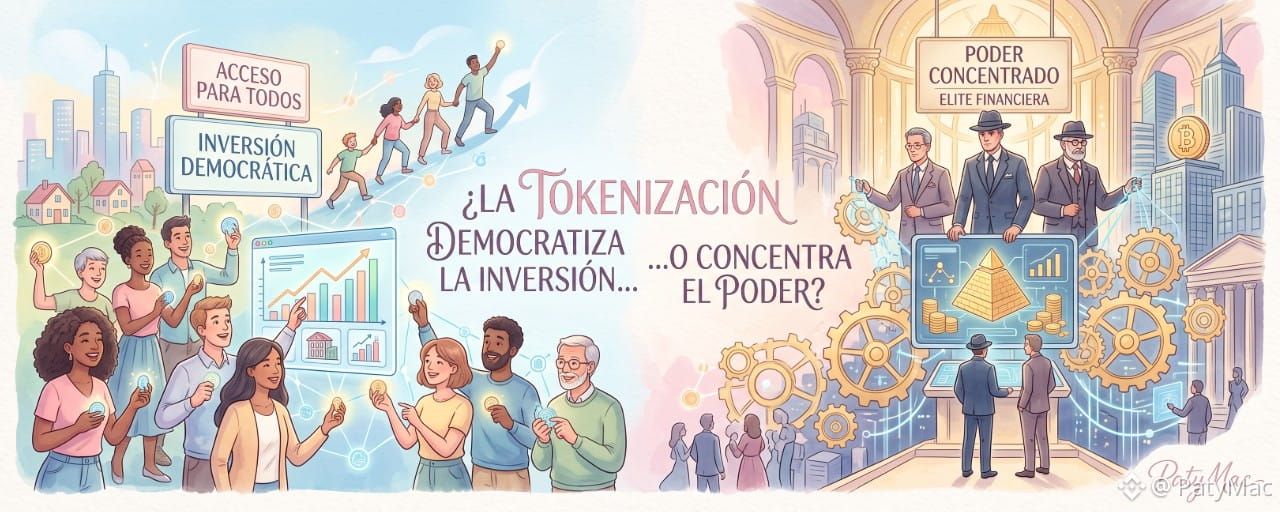
DOES TOKENIZATION DEMOCRATIZE INVESTMENT… OR CONCENTRATE POWER?After explaining what tokenization is, a much more uncomfortable question arises: who controls everything that exists behind that token?
Not long ago, I published content explaining how tokenization can transform certain real-world assets or economic rights into digital representations.
And the community’s response was interesting: questions, comments, saves, and conversations that continued even long after the publication.
But the more we talk about tokenization, the more a question appears that I consider even more important:
DOES TOKENIZATION DEMOCRATIZE INVESTMENT… OR CONCENTRATE POWER?
After explaining what tokenization is, a much more uncomfortable question arises: who controls everything that exists behind that token?
Not long ago, I published content explaining how tokenization can transform certain real-world assets or economic rights into digital representations.
And the community’s response was interesting: questions, comments, saves, and conversations that continued even long after the publication.
But the more we talk about tokenization, the more a question appears that I consider even more important:
Not long ago, I published content explaining how tokenization can transform certain real-world assets or economic rights into digital representations.
And the community’s response was interesting: questions, comments, saves, and conversations that continued even long after the publication.
But the more we talk about tokenization, the more a question appears that I consider even more important:
113


🧐 What does it mean to tokenize an action?
Basically, it means representing on the blockchain the ownership of a traditional financial asset. In the scheme enabled by the SEC, these tokenized shares must maintain the same rights as traditional ones, including dividends and the right to vote.
This is not simply a token that copies a stock’s price: it must represent actual ownership of the asset.
📊 Via Ámbito
⚠️ This is not financial advice. Crypto is volatile. DYOR.
#Blockchain #Tokenizacion
🧐 What does it mean to tokenize an action?
Basically, it means representing on the blockchain the ownership of a traditional financial asset. In the scheme enabled by the SEC, these tokenized shares must maintain the same rights as traditional ones, including dividends and the right to vote.
This is not simply a token that copies a stock’s price: it must represent actual ownership of the asset.
📊 Via Ámbito
⚠️ This is not financial advice. Crypto is volatile. DYOR.
#Blockchain #Tokenizacion
Basically, it means representing on the blockchain the ownership of a traditional financial asset. In the scheme enabled by the SEC, these tokenized shares must maintain the same rights as traditional ones, including dividends and the right to vote.
This is not simply a token that copies a stock’s price: it must represent actual ownership of the asset.
📊 Via Ámbito
⚠️ This is not financial advice. Crypto is volatile. DYOR.
#Blockchain #Tokenizacion
Pepperoni99:
:)
3
11
1.3k
·
--
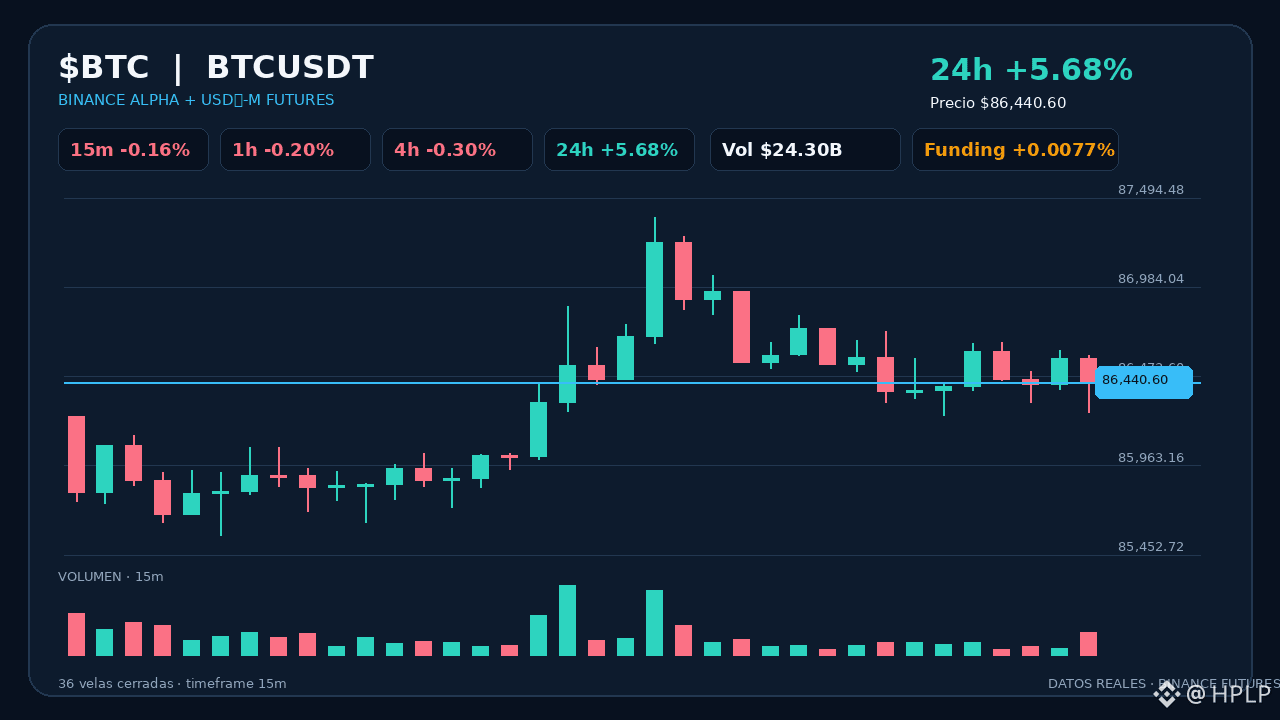
The institutional infrastructure of RWA takes a significant step forward. Ondo has implemented an in-kind conversion system that allows approved institutions to mine and redeem shares and tokenized ETFs using the underlying values instead of cash. 🏛️
This mechanism reduces capital frictions and optimizes settlement efficiency for traditional players seeking on-chain exposure. Monitor the adoption of these settlement channels and their impact on tokenized liquidity.
#RWA #Tokenizacion #DeFi #Institucional $BTC
The institutional infrastructure of RWA takes a significant step forward. Ondo has implemented an in-kind conversion system that allows approved institutions to mine and redeem shares and tokenized ETFs using the underlying values instead of cash. 🏛️
This mechanism reduces capital frictions and optimizes settlement efficiency for traditional players seeking on-chain exposure. Monitor the adoption of these settlement channels and their impact on tokenized liquidity.
#RWA #Tokenizacion #DeFi #Institucional $BTC
This mechanism reduces capital frictions and optimizes settlement efficiency for traditional players seeking on-chain exposure. Monitor the adoption of these settlement channels and their impact on tokenized liquidity.
#RWA #Tokenizacion #DeFi #Institucional $BTC
1
32
·
--
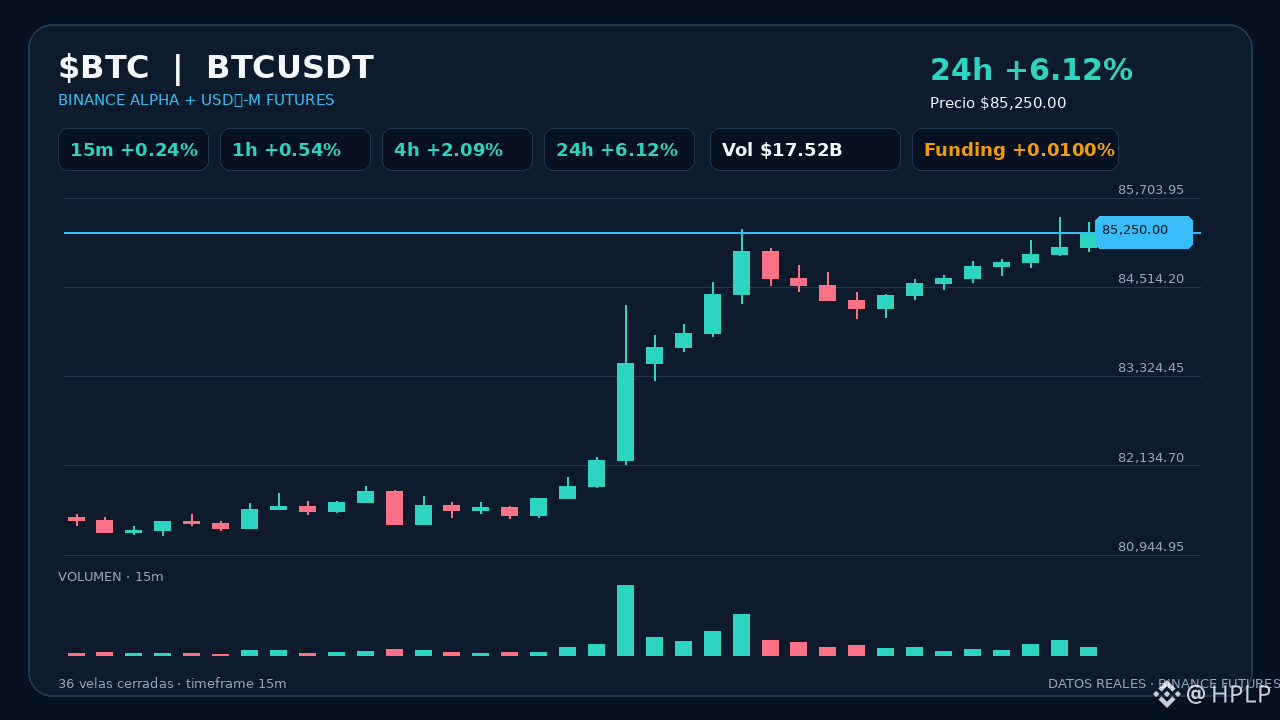
The European Central Bank has taken a decisive step in financial infrastructure with the launch of Pontes, an initiative designed to settle tokenized assets without relying on stablecoins. This move aims to integrate distributed ledger technology into the traditional financial system in a controlled manner, with full implementation projected for 2028. Why does it matter? It shows that the central bank prefers to build its own digital settlement rails rather than adopt private assets, setting the pace for institutional tokenization in Europe. We will monitor adoption and the participants that join in the upcoming phases. 🌐💶 #Tokenizacion #BCE #Macroeconomia $BTC $ETH
The European Central Bank has taken a decisive step in financial infrastructure with the launch of Pontes, an initiative designed to settle tokenized assets without relying on stablecoins. This move aims to integrate distributed ledger technology into the traditional financial system in a controlled manner, with full implementation projected for 2028. Why does it matter? It shows that the central bank prefers to build its own digital settlement rails rather than adopt private assets, setting the pace for institutional tokenization in Europe. We will monitor adoption and the participants that join in the upcoming phases. 🌐💶 #Tokenizacion #BCE #Macroeconomia $BTC $ETH
29
·
--
Hello, Binance community! Here’s your favorite beginner, philosophizing from the kitchen. 🙋♀️
Today I woke up thinking about a topic that’s still very much part of everyday life in crypto: tokenization (that thing about breaking real assets into digital pieces). And since I don’t know trading but I do know food, I drew my breakfast to understand it. 🎨✍️
I made a giant arepa—world-class! But since we’re in this endless and delicious debate over whether the arepa is Colombian 🇨🇴 or Venezuelan 🇻🇪, I decided to put both flags in my kitchen and solve the problem with blockchain technology. No fighting!
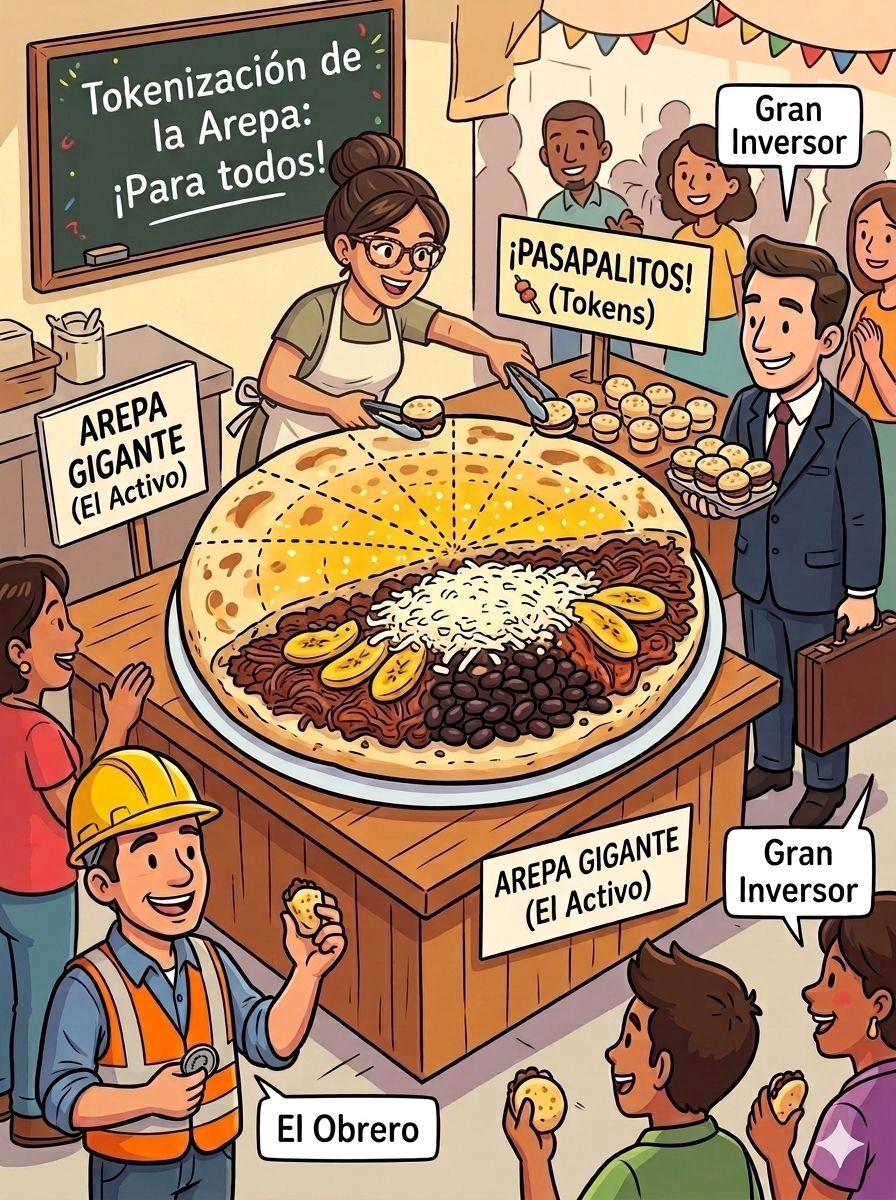
Look at my drawing: imagine that we tokenize this mega arepa and divide it into little digital portions.
Then an entrepreneur comes with a budget and buys a big, well-made portion, with its traditional filling and plenty of grated cheese. 👔💰
But then a worker also comes, just making do for the day, and with a single dollar $USDT , he buys a smaller pasapalito—but it’s just as tasty. 👷♂️🛠️
That’s tokenization! Taking exclusivity away from expensive things. You no longer need to be a Wall Street shark to invest. Thanks to tokens, the entrepreneur and the worker share the same arepa, and the blockchain records each person’s piece.
In the end, it doesn’t matter if you were born in Pto Ordaz or in Barranquilla… in the blockchain, the arepa is for everyone! 🌍🤖😅🤑
#Tokenizacion
#ActivosDigitales
#blockchains
#educacionfinancieraVenezuela
Hello, Binance community! Here’s your favorite beginner, philosophizing from the kitchen. 🙋♀️
Today I woke up thinking about a topic that’s still very much part of everyday life in crypto: tokenization (that thing about breaking real assets into digital pieces). And since I don’t know trading but I do know food, I drew my breakfast to understand it. 🎨✍️
I made a giant arepa—world-class! But since we’re in this endless and delicious debate over whether the arepa is Colombian 🇨🇴 or Venezuelan 🇻🇪, I decided to put both flags in my kitchen and solve the problem with blockchain technology. No fighting!
Look at my drawing: imagine that we tokenize this mega arepa and divide it into little digital portions.
Then an entrepreneur comes with a budget and buys a big, well-made portion, with its traditional filling and plenty of grated cheese. 👔💰
But then a worker also comes, just making do for the day, and with a single dollar $USDT , he buys a smaller pasapalito—but it’s just as tasty. 👷♂️🛠️
That’s tokenization! Taking exclusivity away from expensive things. You no longer need to be a Wall Street shark to invest. Thanks to tokens, the entrepreneur and the worker share the same arepa, and the blockchain records each person’s piece.
In the end, it doesn’t matter if you were born in Pto Ordaz or in Barranquilla… in the blockchain, the arepa is for everyone! 🌍🤖😅🤑
#Tokenizacion
#ActivosDigitales
#blockchains
#educacionfinancieraVenezuela
Today I woke up thinking about a topic that’s still very much part of everyday life in crypto: tokenization (that thing about breaking real assets into digital pieces). And since I don’t know trading but I do know food, I drew my breakfast to understand it. 🎨✍️
I made a giant arepa—world-class! But since we’re in this endless and delicious debate over whether the arepa is Colombian 🇨🇴 or Venezuelan 🇻🇪, I decided to put both flags in my kitchen and solve the problem with blockchain technology. No fighting!
Look at my drawing: imagine that we tokenize this mega arepa and divide it into little digital portions.
Then an entrepreneur comes with a budget and buys a big, well-made portion, with its traditional filling and plenty of grated cheese. 👔💰
But then a worker also comes, just making do for the day, and with a single dollar $USDT , he buys a smaller pasapalito—but it’s just as tasty. 👷♂️🛠️
That’s tokenization! Taking exclusivity away from expensive things. You no longer need to be a Wall Street shark to invest. Thanks to tokens, the entrepreneur and the worker share the same arepa, and the blockchain records each person’s piece.
In the end, it doesn’t matter if you were born in Pto Ordaz or in Barranquilla… in the blockchain, the arepa is for everyone! 🌍🤖😅🤑
#Tokenizacion
#ActivosDigitales
#blockchains
#educacionfinancieraVenezuela
2
685
·
--
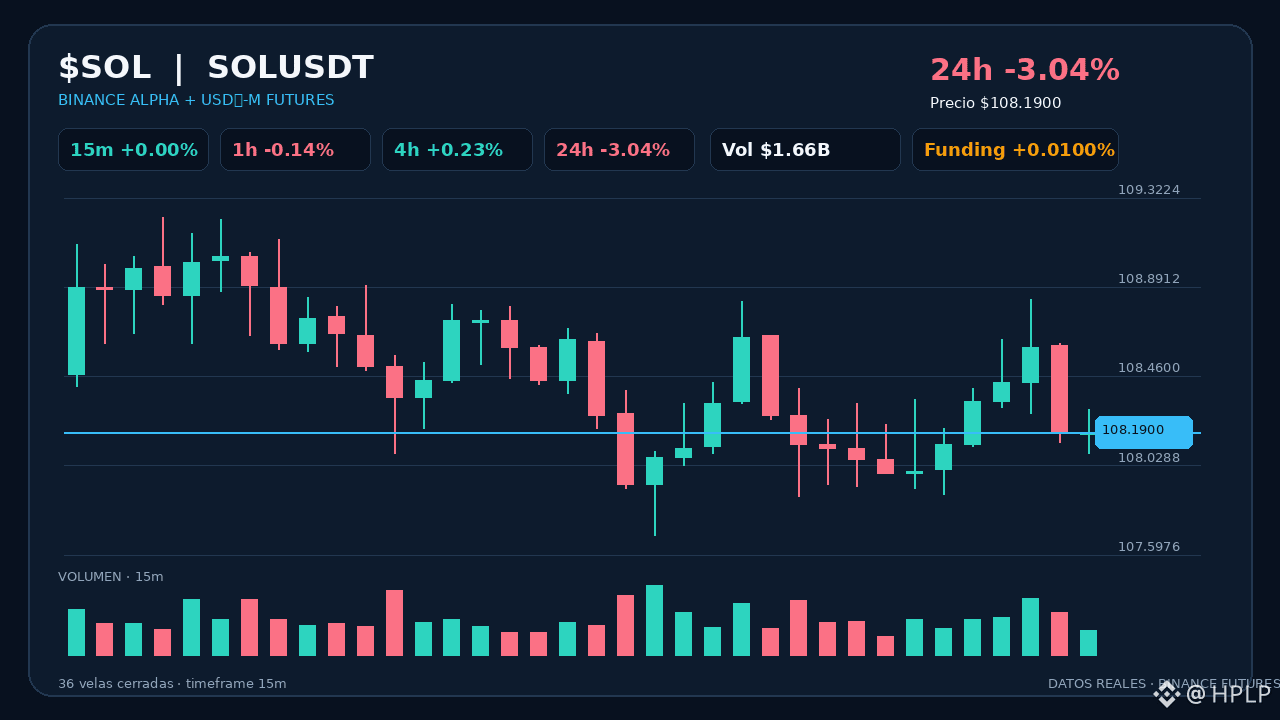
The tokenization of traditional assets advances on the United States regulatory agenda. Analysts note that platforms such as Coinbase, Robinhood, and issuers such as Circle could position themselves as the main beneficiaries of the SEC’s push toward tokenized markets. 📊
This move represents a key bridge between TradFi and DeFi, enabling the integration of exchange-traded instruments on blockchain networks with greater operational efficiency. However, the pace of adoption will strictly depend on the compliance framework that regulators set in the coming months. 🏛️
Do you think the tokenization of equities will accelerate the entry of institutional liquidity into the crypto ecosystem this year? We’ll keep a close eye on the upcoming regulatory announcements. If you’re interested in rigorous market analysis, make sure to follow us. 📈
#Tokenizacion #Regulacion #DeFi #TradFi $COIN $USDC $SOL
The tokenization of traditional assets advances on the United States regulatory agenda. Analysts note that platforms such as Coinbase, Robinhood, and issuers such as Circle could position themselves as the main beneficiaries of the SEC’s push toward tokenized markets. 📊
This move represents a key bridge between TradFi and DeFi, enabling the integration of exchange-traded instruments on blockchain networks with greater operational efficiency. However, the pace of adoption will strictly depend on the compliance framework that regulators set in the coming months. 🏛️
Do you think the tokenization of equities will accelerate the entry of institutional liquidity into the crypto ecosystem this year? We’ll keep a close eye on the upcoming regulatory announcements. If you’re interested in rigorous market analysis, make sure to follow us. 📈
#Tokenizacion #Regulacion #DeFi #TradFi $COIN $USDC $SOL
This move represents a key bridge between TradFi and DeFi, enabling the integration of exchange-traded instruments on blockchain networks with greater operational efficiency. However, the pace of adoption will strictly depend on the compliance framework that regulators set in the coming months. 🏛️
Do you think the tokenization of equities will accelerate the entry of institutional liquidity into the crypto ecosystem this year? We’ll keep a close eye on the upcoming regulatory announcements. If you’re interested in rigorous market analysis, make sure to follow us. 📈
#Tokenizacion #Regulacion #DeFi #TradFi $COIN $USDC $SOL
26
·
--
Verified
The giants of Wall Street are playing another game.
JPMorgan and Citi move billions in tokenized deposits.
The catch is that they only work between their own branches.
Nothing reaches the everyday user.
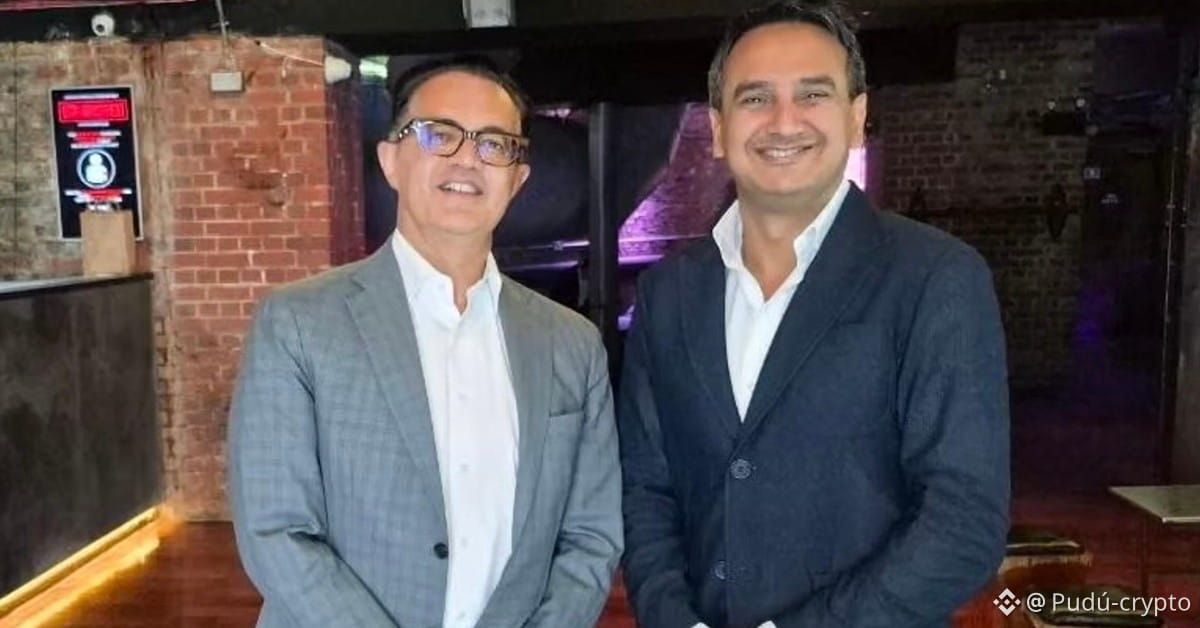
Now, a challenger bank in the UK wants to change that.
They’re preparing something the big banks still don’t do.
$BTC
Do you think this is the necessary step for real adoption?
#Tokenizacion #Finanzas
The giants of Wall Street are playing another game.
JPMorgan and Citi move billions in tokenized deposits.
The catch is that they only work between their own branches.
Nothing reaches the everyday user.
Now, a challenger bank in the UK wants to change that.
They’re preparing something the big banks still don’t do.
$BTC
Do you think this is the necessary step for real adoption?
#Tokenizacion #Finanzas
JPMorgan and Citi move billions in tokenized deposits.
The catch is that they only work between their own branches.
Nothing reaches the everyday user.
Now, a challenger bank in the UK wants to change that.
They’re preparing something the big banks still don’t do.
$BTC
Do you think this is the necessary step for real adoption?
#Tokenizacion #Finanzas
534
🏛 Regulatory Milestone: Tokenized Shares
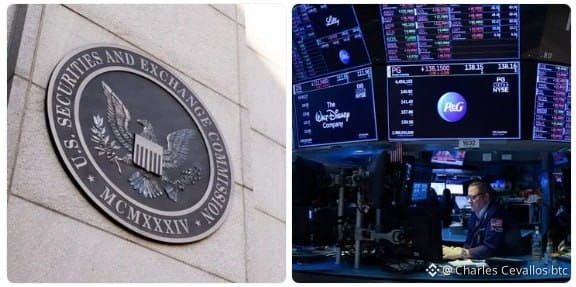
The U.S. SEC issued an immediate-effect order that establishes an official regulatory pathway for trading tokenized U.S. shares.
Key points:
24/7 uninterrupted operations.
Subject to strict volume-limit restrictions at the initial stage.
Direct boost to the tokenization of Real-World Assets (RWA).
👉 Do you think this will accelerate institutional adoption or bring new restrictions? Let me know in the comments and follow me for more real-time analysis!
$BTC
{future}(BTCUSDT)
$ETH
{future}(ETHUSDT)
$BNB
{future}(BNBUSDT)
#BinanceSquare #Tokenizacion #SEC #RWA
🏛 Regulatory Milestone: Tokenized Shares
The U.S. SEC issued an immediate-effect order that establishes an official regulatory pathway for trading tokenized U.S. shares.
Key points:
24/7 uninterrupted operations.
Subject to strict volume-limit restrictions at the initial stage.
Direct boost to the tokenization of Real-World Assets (RWA).
👉 Do you think this will accelerate institutional adoption or bring new restrictions? Let me know in the comments and follow me for more real-time analysis!
$BTC
$ETH
$BNB
#BinanceSquare #Tokenizacion #SEC #RWA
The U.S. SEC issued an immediate-effect order that establishes an official regulatory pathway for trading tokenized U.S. shares.
Key points:
24/7 uninterrupted operations.
Subject to strict volume-limit restrictions at the initial stage.
Direct boost to the tokenization of Real-World Assets (RWA).
👉 Do you think this will accelerate institutional adoption or bring new restrictions? Let me know in the comments and follow me for more real-time analysis!
$BTC
$ETH
$BNB
#BinanceSquare #Tokenizacion #SEC #RWA
1
45
·
--
The SEC has taken a momentous step by issuing a conditional exemption order for 'Tokenized Securities Venues', allowing the trading of tokenized shares under a regulated framework. This move paves the way for large-scale institutional adoption of tokenization in the crypto ecosystem. What does it mean? It reduces legal friction between TradFi and DeFi, integrating traditional market assets onto the blockchain. It is essential to monitor the response of major exchanges and the adoption of compatible infrastructure. 🚀📈 #Tokenizacion #Regulación #SEC #Defi $BTC $BNB
The SEC has taken a momentous step by issuing a conditional exemption order for 'Tokenized Securities Venues', allowing the trading of tokenized shares under a regulated framework. This move paves the way for large-scale institutional adoption of tokenization in the crypto ecosystem. What does it mean? It reduces legal friction between TradFi and DeFi, integrating traditional market assets onto the blockchain. It is essential to monitor the response of major exchanges and the adoption of compatible infrastructure. 🚀📈 #Tokenizacion #Regulación #SEC #Defi $BTC $BNB
5
·
--
Article
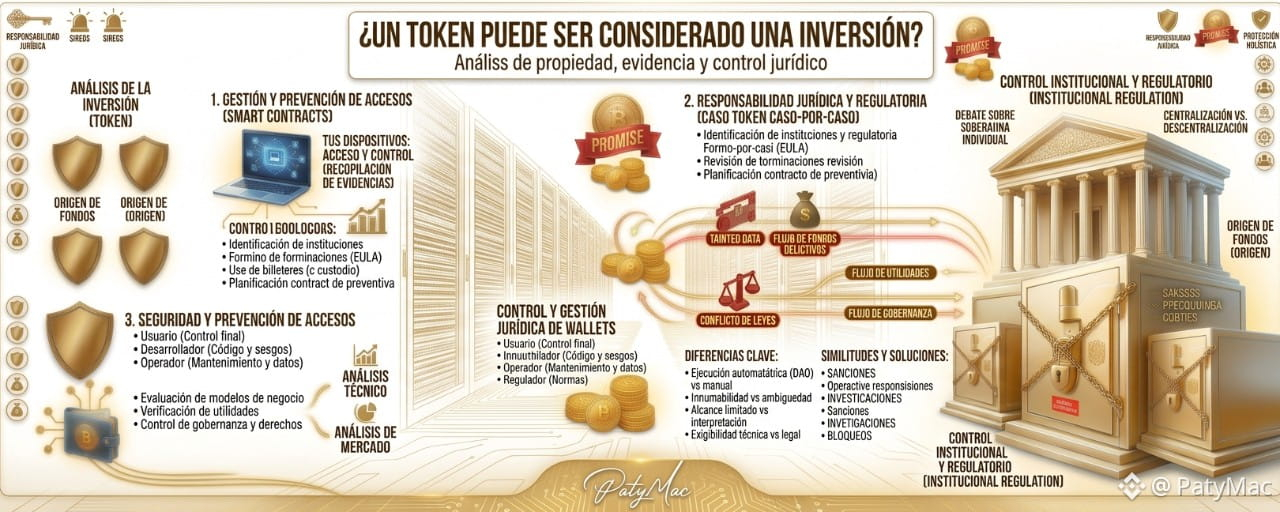
CAN A TOKEN BE CONSIDERED AN INVESTMENT?Not all tokens are the same, and legally that difference can be worth millions
For years, an important part of the crypto public learned an apparently simple rule:
“If it has the form of a token, it’s a cryptocurrency.”
But legally, things don’t work like that.
A token can be many things.
It can be used to access a service, represent an asset, participate in a community, exercise rights within a protocol, or even be part of a structure intended to raise funds from investors.
CAN A TOKEN BE CONSIDERED AN INVESTMENT?
Not all tokens are the same, and legally that difference can be worth millions
For years, an important part of the crypto public learned an apparently simple rule:
“If it has the form of a token, it’s a cryptocurrency.”
But legally, things don’t work like that.
A token can be many things.
It can be used to access a service, represent an asset, participate in a community, exercise rights within a protocol, or even be part of a structure intended to raise funds from investors.
For years, an important part of the crypto public learned an apparently simple rule:
“If it has the form of a token, it’s a cryptocurrency.”
But legally, things don’t work like that.
A token can be many things.
It can be used to access a service, represent an asset, participate in a community, exercise rights within a protocol, or even be part of a structure intended to raise funds from investors.
1
2
111
🚨 Great regulatory breakthrough for the tokenization of assets!
🏛 The SEC has proposed modernizing the rules for transfer agents to formalize the registration of shares on cryptocurrency networks and tokenization, officially integrating blockchain technology into traditional financial markets.
This historic change aims to move on from regulations dating back to the 1980s, paving the way for a new era of institutional adoption and real-world assets (RWA).
💬 What do you think about this change?
👉 Leave your comment below by answering: Do you think this measure will accelerate the mass arrival of institutional capital to the market? Don’t forget to hit "Follow" so you don’t miss the key news that moves the crypto ecosystem!
$BTC
{future}(BTCUSDT)
#Tokenizacion #SEC #Criptomonedas #Blockchain
🚨 Great regulatory breakthrough for the tokenization of assets!
🏛 The SEC has proposed modernizing the rules for transfer agents to formalize the registration of shares on cryptocurrency networks and tokenization, officially integrating blockchain technology into traditional financial markets.
This historic change aims to move on from regulations dating back to the 1980s, paving the way for a new era of institutional adoption and real-world assets (RWA).
💬 What do you think about this change?
👉 Leave your comment below by answering: Do you think this measure will accelerate the mass arrival of institutional capital to the market? Don’t forget to hit "Follow" so you don’t miss the key news that moves the crypto ecosystem!
$BTC
#Tokenizacion #SEC #Criptomonedas #Blockchain
🏛 The SEC has proposed modernizing the rules for transfer agents to formalize the registration of shares on cryptocurrency networks and tokenization, officially integrating blockchain technology into traditional financial markets.
This historic change aims to move on from regulations dating back to the 1980s, paving the way for a new era of institutional adoption and real-world assets (RWA).
💬 What do you think about this change?
👉 Leave your comment below by answering: Do you think this measure will accelerate the mass arrival of institutional capital to the market? Don’t forget to hit "Follow" so you don’t miss the key news that moves the crypto ecosystem!
$BTC
#Tokenizacion #SEC #Criptomonedas #Blockchain
3
778
·
--
The movement in tokenized assets has just made a massive leap.
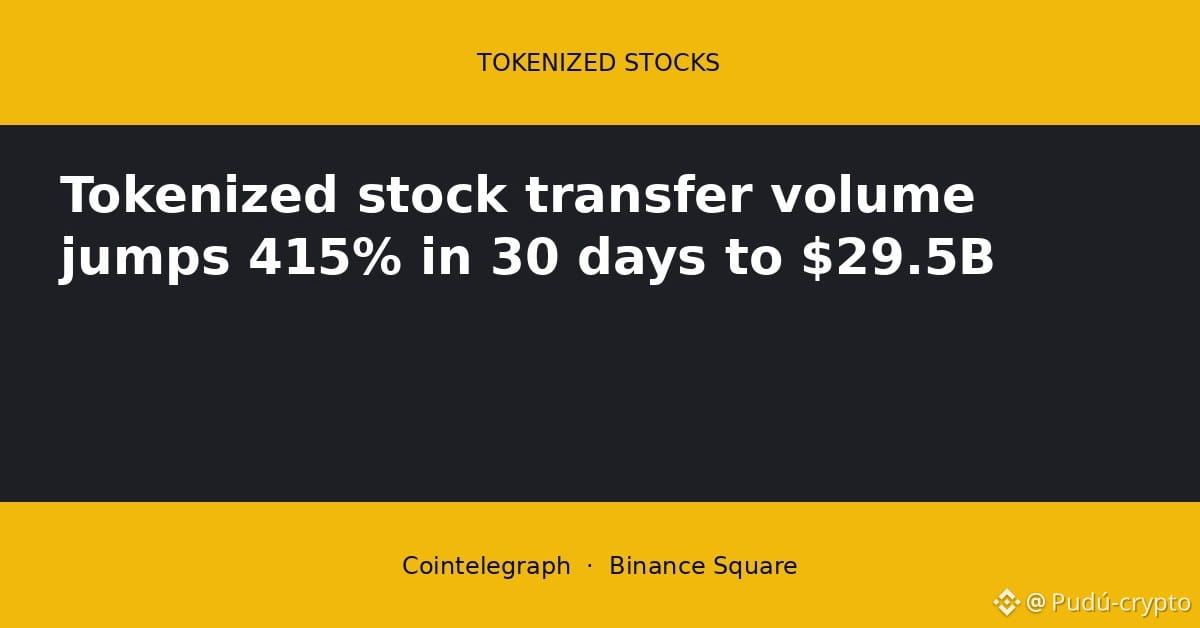
Transfer volume jumped 415% in just thirty days.
Now we’re talking about $29.5 billion moving on-chain.
Real activity has also increased.
The number of active addresses and holders doubled over the same period.
It seems that interest in bringing stocks on-chain is gaining traction very quickly.
Did you expect such a strong growth in this sector?
$BTC #Tokenizacion #Finanzas
The movement in tokenized assets has just made a massive leap.
Transfer volume jumped 415% in just thirty days.
Now we’re talking about $29.5 billion moving on-chain.
Real activity has also increased.
The number of active addresses and holders doubled over the same period.
It seems that interest in bringing stocks on-chain is gaining traction very quickly.
Did you expect such a strong growth in this sector?
$BTC #Tokenizacion #Finanzas
Transfer volume jumped 415% in just thirty days.
Now we’re talking about $29.5 billion moving on-chain.
Real activity has also increased.
The number of active addresses and holders doubled over the same period.
It seems that interest in bringing stocks on-chain is gaining traction very quickly.
Did you expect such a strong growth in this sector?
$BTC #Tokenizacion #Finanzas
115

·
--
#🇪🇺 #Euroclear #RWA #Tokenizacion
🚨 RWA REVOLUTION! EUROCLEAR AND THE BANK OF FRANCE TO TOKENIZE €310 BILLION MARKET 🏛️⛓️
Huge step for traditional finance (TradFi)! Euroclear and the Bank of France have launched the Pythagore Project aimed at tokenizing NEU CP, the largest short-term debt market in the Eurozone, valued at approximately €310 billion. 💸🚀
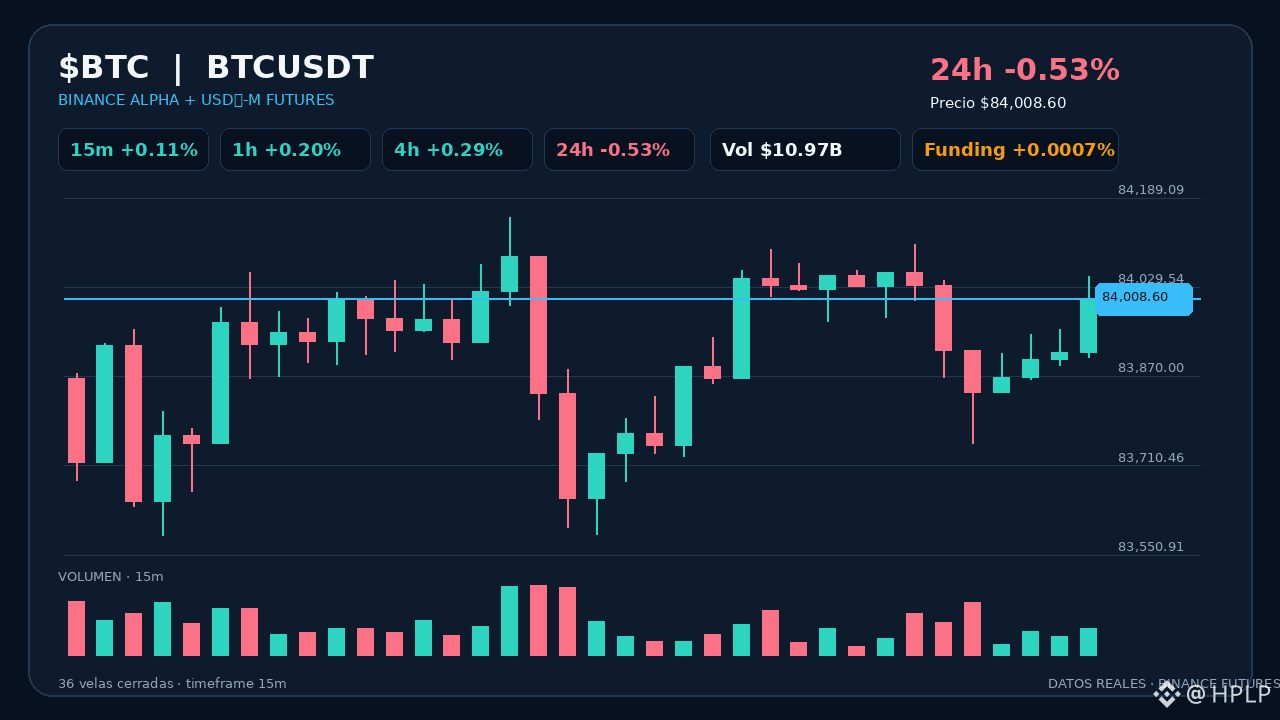
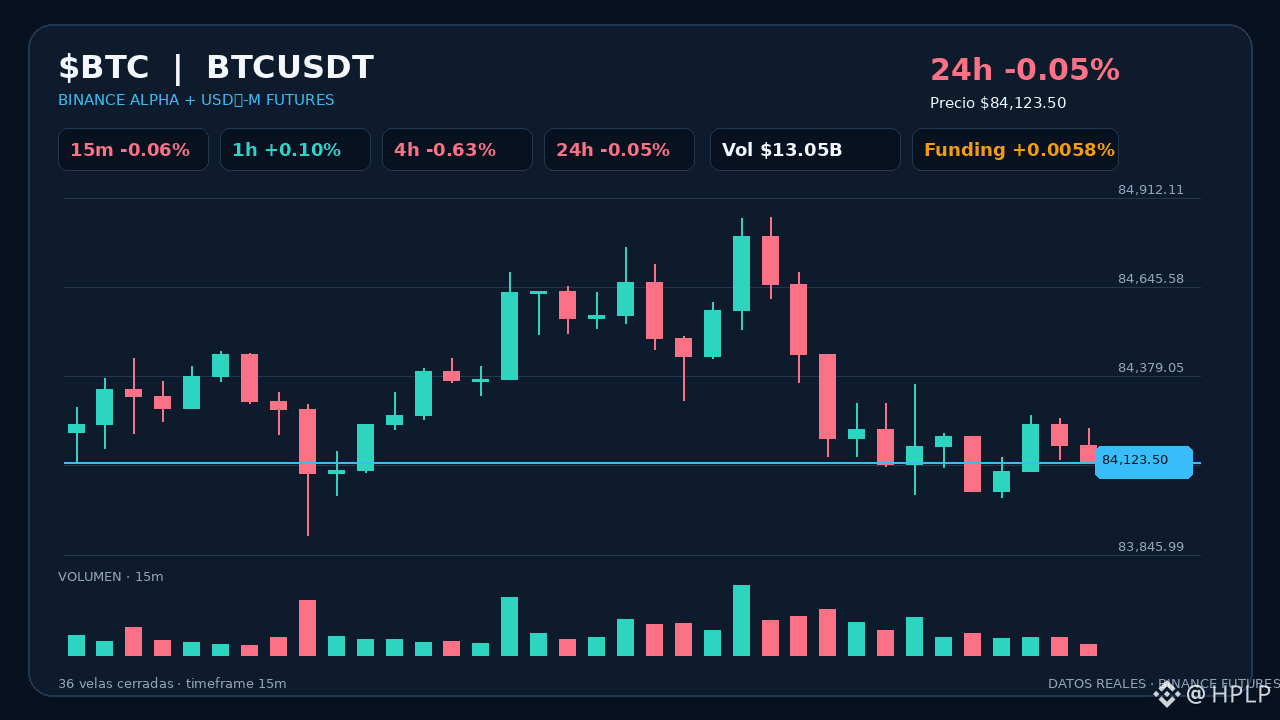
Jørgen Ouaknine, head of digital asset strategy at Euroclear, explained that this infrastructure is designed for total interoperability and won't be limited to a single blockchain, allowing issuers and investors to trade without network barriers. The pilot plan is set to kick off at the end of 2026 and will settle transactions using secure digital money (wholesale CBDC). Will this massive institutional project accelerate the global adoption of blockchain technology for real-world assets (RWA)? Check out the chart below right now and see the market movement in real-time! ⬇️📊👀
$BTC
{spot}(BTCUSDT)
$BNB
{spot}(BNBUSDT)
$ETH
{spot}(ETHUSDT)
#🇪🇺 #Euroclear #RWA #Tokenizacion
🚨 RWA REVOLUTION! EUROCLEAR AND THE BANK OF FRANCE TO TOKENIZE €310 BILLION MARKET 🏛️⛓️
Huge step for traditional finance (TradFi)! Euroclear and the Bank of France have launched the Pythagore Project aimed at tokenizing NEU CP, the largest short-term debt market in the Eurozone, valued at approximately €310 billion. 💸🚀
Jørgen Ouaknine, head of digital asset strategy at Euroclear, explained that this infrastructure is designed for total interoperability and won't be limited to a single blockchain, allowing issuers and investors to trade without network barriers. The pilot plan is set to kick off at the end of 2026 and will settle transactions using secure digital money (wholesale CBDC). Will this massive institutional project accelerate the global adoption of blockchain technology for real-world assets (RWA)? Check out the chart below right now and see the market movement in real-time! ⬇️📊👀
$BTC
$BNB
$ETH
🚨 RWA REVOLUTION! EUROCLEAR AND THE BANK OF FRANCE TO TOKENIZE €310 BILLION MARKET 🏛️⛓️
Huge step for traditional finance (TradFi)! Euroclear and the Bank of France have launched the Pythagore Project aimed at tokenizing NEU CP, the largest short-term debt market in the Eurozone, valued at approximately €310 billion. 💸🚀
Jørgen Ouaknine, head of digital asset strategy at Euroclear, explained that this infrastructure is designed for total interoperability and won't be limited to a single blockchain, allowing issuers and investors to trade without network barriers. The pilot plan is set to kick off at the end of 2026 and will settle transactions using secure digital money (wholesale CBDC). Will this massive institutional project accelerate the global adoption of blockchain technology for real-world assets (RWA)? Check out the chart below right now and see the market movement in real-time! ⬇️📊👀
$BTC
$BNB
$ETH
94
Log in to explore more content
Join global crypto users on Binance Square
⚡️ Get latest and useful information about crypto.
💬 Trusted by the world’s largest crypto exchange.
👍 Discover real insights from verified creators.
Email / Phone number
Trending Topics
1
#BitcoinSlipsBelow$84000
41 views
27 Discussing
2
#SECToClarifyOnChainFundraisingRules
1,921 views
105 Discussing
3
#UKFCAOpensCryptoFirmAuthorization
4,511 views
135 Discussing
4
#JapanMOFStudyGroupOnTokenizedGovtBonds
4,557 views
153 Discussing
5
#QNTRises287%
31,321 views
459 Discussing
6
#TrumpRejectsAIRulesForVoluntaryAudits
22,922 views
532 Discussing
7
#BitgetHotWalletBreachTiedToThirdPartySecurityFlaw
12,534 views
353 Discussing
8
#OpenAIUnveilsAlwaysOnAgentDots
10,477 views
368 Discussing
9
#ChainlinkLaunchesBankSWIFTLedgerFramework
11,181 views
287 Discussing
10
#EarningsSeason
550,894 views
3,871 Discussing