

#imfwarnsoildriveninflationrisk
imfwarnsoildriveninflationrisk
73,919 views
360 Discussing
Hot
Latest

·
--
Bullish
IMF Warns: Oil Could Trigger a Global Inflation Wave
The IMF has cautioned that any new spike in oil prices or supply disruptions could reignite inflation globally, potentially derailing interest rate cuts in several major economies.
The report highlights that energy markets remain a critical factor in the stability of the global economy, as a single oil shock can ripple through prices, monetary policies, and economic growth.
In a sensitive economic environment, oil continues to be one of the key risks that could reshape market expectations in the near term.
#IMFWarnsOilDrivenInflationRisk
{future}(CLUSDT)
{future}(BZUSDT)
IMF Warns: Oil Could Trigger a Global Inflation Wave
The IMF has cautioned that any new spike in oil prices or supply disruptions could reignite inflation globally, potentially derailing interest rate cuts in several major economies.
The report highlights that energy markets remain a critical factor in the stability of the global economy, as a single oil shock can ripple through prices, monetary policies, and economic growth.
In a sensitive economic environment, oil continues to be one of the key risks that could reshape market expectations in the near term.
#IMFWarnsOilDrivenInflationRisk
The IMF has cautioned that any new spike in oil prices or supply disruptions could reignite inflation globally, potentially derailing interest rate cuts in several major economies.
The report highlights that energy markets remain a critical factor in the stability of the global economy, as a single oil shock can ripple through prices, monetary policies, and economic growth.
In a sensitive economic environment, oil continues to be one of the key risks that could reshape market expectations in the near term.
#IMFWarnsOilDrivenInflationRisk

2
279

#IMFWarnsOilDrivenInflationRisk
The International Monetary Fund (IMF) warns that persistent volatility and upward pressure on global oil prices present a renewed risk of driving up inflation.
The Prediction:
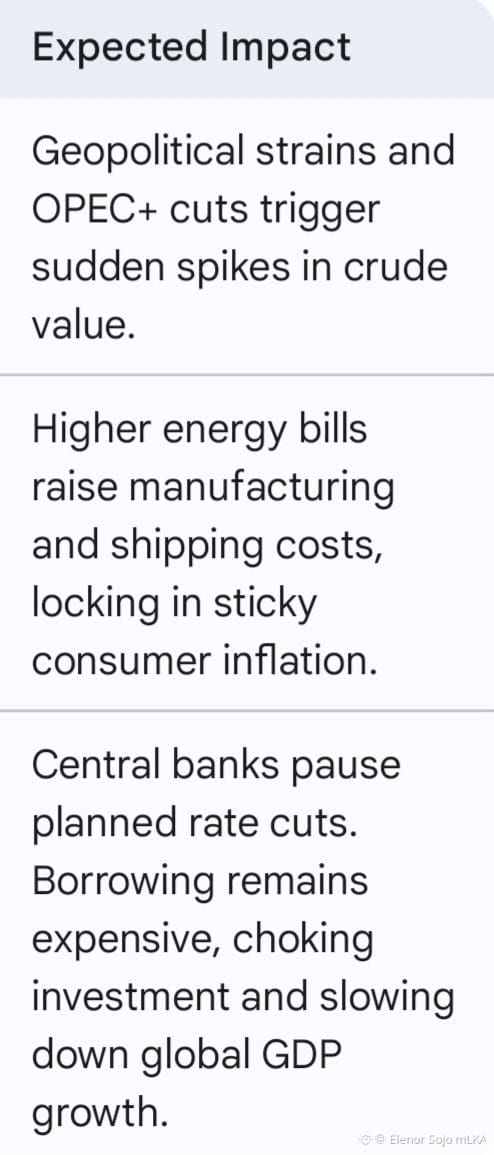
If energy prices spike due to geopolitical friction or supply constraints, central banks may be forced to prolong high interest rates to combat sticky, cost-push inflation. This delays economic recovery, strains consumer purchasing power, and increases the risk of a global economic slowdown.
The Core Risk: A "Higher-for-Longer" Trap
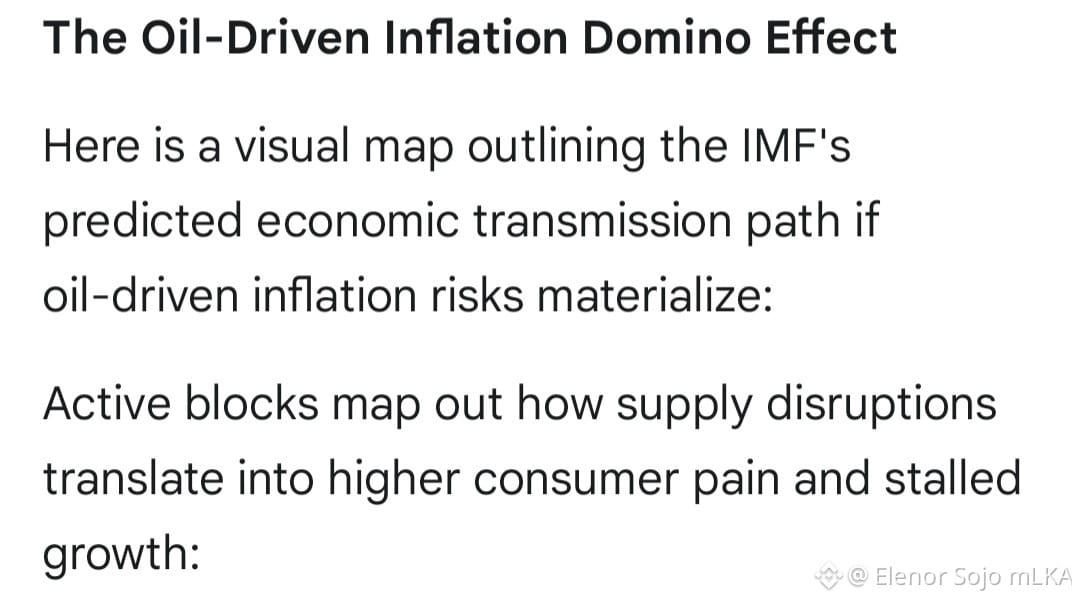
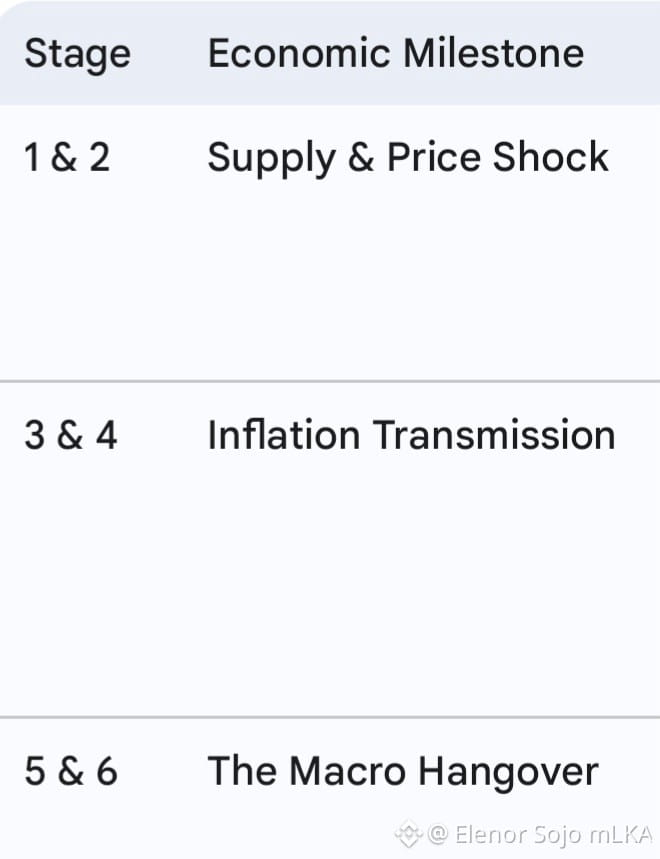
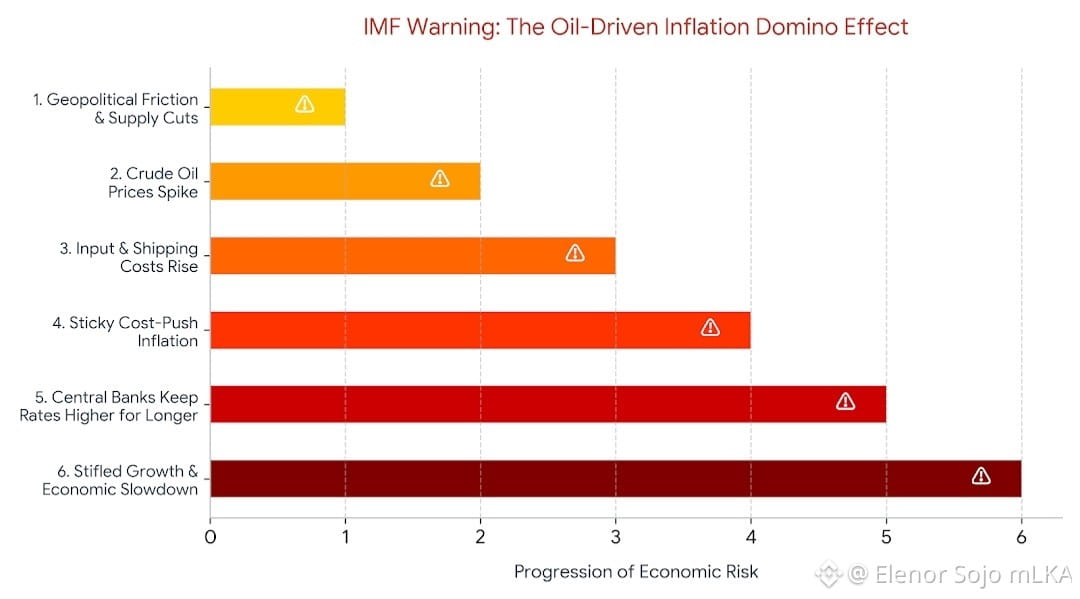
The IMF predicts that rising oil prices—driven by geopolitical tensions and supply cuts—threaten to trigger a dangerous economic domino effect:
Sticky Inflation: Higher oil prices immediately boost manufacturing and shipping costs, keeping overall inflation stubbornly above central bank targets.
Prolonged High Interest Rates: To fight this stubborn inflation, central banks will keep interest rates elevated for longer than expected, delaying anticipated rate cuts.
Stagnant Growth: Persistent high borrowing costs will choke corporate investment, pinch consumer spending, and increase the risk of a global economic slowdown.
The Bottom Line: Cheap energy is the engine of global recovery. If oil prices stay high, the transition back to low inflation and steady economic growth will be severely delayed.
#IMFWarnsOilDrivenInflationRisk
The International Monetary Fund (IMF) warns that persistent volatility and upward pressure on global oil prices present a renewed risk of driving up inflation.
The Prediction:
If energy prices spike due to geopolitical friction or supply constraints, central banks may be forced to prolong high interest rates to combat sticky, cost-push inflation. This delays economic recovery, strains consumer purchasing power, and increases the risk of a global economic slowdown.
The Core Risk: A "Higher-for-Longer" Trap
The IMF predicts that rising oil prices—driven by geopolitical tensions and supply cuts—threaten to trigger a dangerous economic domino effect:
Sticky Inflation: Higher oil prices immediately boost manufacturing and shipping costs, keeping overall inflation stubbornly above central bank targets.
Prolonged High Interest Rates: To fight this stubborn inflation, central banks will keep interest rates elevated for longer than expected, delaying anticipated rate cuts.
Stagnant Growth: Persistent high borrowing costs will choke corporate investment, pinch consumer spending, and increase the risk of a global economic slowdown.
The Bottom Line: Cheap energy is the engine of global recovery. If oil prices stay high, the transition back to low inflation and steady economic growth will be severely delayed.
The International Monetary Fund (IMF) warns that persistent volatility and upward pressure on global oil prices present a renewed risk of driving up inflation.
The Prediction:
If energy prices spike due to geopolitical friction or supply constraints, central banks may be forced to prolong high interest rates to combat sticky, cost-push inflation. This delays economic recovery, strains consumer purchasing power, and increases the risk of a global economic slowdown.
The Core Risk: A "Higher-for-Longer" Trap
The IMF predicts that rising oil prices—driven by geopolitical tensions and supply cuts—threaten to trigger a dangerous economic domino effect:
Sticky Inflation: Higher oil prices immediately boost manufacturing and shipping costs, keeping overall inflation stubbornly above central bank targets.
Prolonged High Interest Rates: To fight this stubborn inflation, central banks will keep interest rates elevated for longer than expected, delaying anticipated rate cuts.
Stagnant Growth: Persistent high borrowing costs will choke corporate investment, pinch consumer spending, and increase the risk of a global economic slowdown.
The Bottom Line: Cheap energy is the engine of global recovery. If oil prices stay high, the transition back to low inflation and steady economic growth will be severely delayed.
1
234
·
--
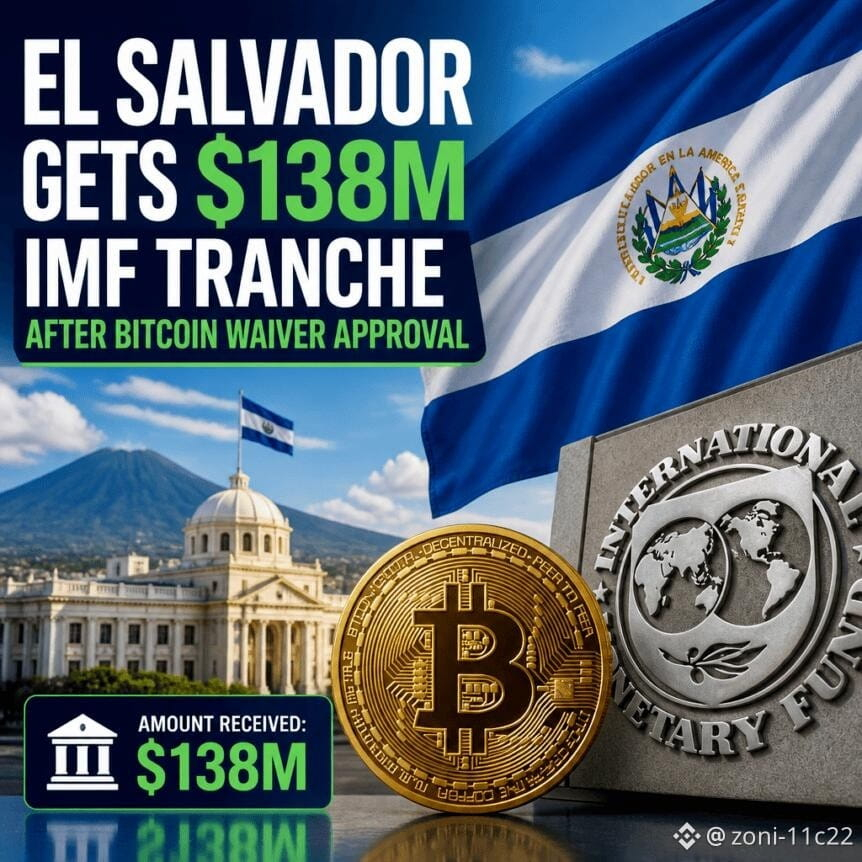
IMF Approves $138 Million Disbursement to El Salvador Despite Missed Criteria
The International Monetary Fund (IMF) has approved an immediate $138 million ($SDRL.US
{stock_us}(SDRL.US)
101.96 million) disbursement to El Salvador despite the country missing certain performance criteria regarding its Bitcoin holdings. The announcement followed the completion of the second and third reviews under El Salvador's $1.4 billion Extended Fund Facility (EFF) program. [1, 2]
The IMF granted waivers for the missed targets based on "strong corrective measures and renewed commitments" by Salvadoran authorities. [1]
Key Details of the Program
Total Funding Package: A 40-month Extended Fund Facility (EFF) totaling $1.4 billion (SDR 1,033.92 million), originally approved in February 2025. [1]
The Dispute: Tensions arose when El Salvador reported acquiring 1,090 $BTC
{future}(BTCUSDT)
(valued at roughly $100 million) in November 2025, triggering compliance questions regarding the IMF program. [1, 2]
#IMFWarnsOilDrivenInflationRisk
#IMFEconomy
IMF Approves $138 Million Disbursement to El Salvador Despite Missed Criteria
The International Monetary Fund (IMF) has approved an immediate $138 million ($SDRL.US
101.96 million) disbursement to El Salvador despite the country missing certain performance criteria regarding its Bitcoin holdings. The announcement followed the completion of the second and third reviews under El Salvador's $1.4 billion Extended Fund Facility (EFF) program. [1, 2]
The IMF granted waivers for the missed targets based on "strong corrective measures and renewed commitments" by Salvadoran authorities. [1]
Key Details of the Program
Total Funding Package: A 40-month Extended Fund Facility (EFF) totaling $1.4 billion (SDR 1,033.92 million), originally approved in February 2025. [1]
The Dispute: Tensions arose when El Salvador reported acquiring 1,090 $BTC
(valued at roughly $100 million) in November 2025, triggering compliance questions regarding the IMF program. [1, 2]
#IMFWarnsOilDrivenInflationRisk
#IMFEconomy
The International Monetary Fund (IMF) has approved an immediate $138 million ($SDRL.US
101.96 million) disbursement to El Salvador despite the country missing certain performance criteria regarding its Bitcoin holdings. The announcement followed the completion of the second and third reviews under El Salvador's $1.4 billion Extended Fund Facility (EFF) program. [1, 2]
The IMF granted waivers for the missed targets based on "strong corrective measures and renewed commitments" by Salvadoran authorities. [1]
Key Details of the Program
Total Funding Package: A 40-month Extended Fund Facility (EFF) totaling $1.4 billion (SDR 1,033.92 million), originally approved in February 2025. [1]
The Dispute: Tensions arose when El Salvador reported acquiring 1,090 $BTC
(valued at roughly $100 million) in November 2025, triggering compliance questions regarding the IMF program. [1, 2]
#IMFWarnsOilDrivenInflationRisk
#IMFEconomy
32

·
--
🇺🇸 Major update on Crypto Tax Rules in the U.S.! 🚨
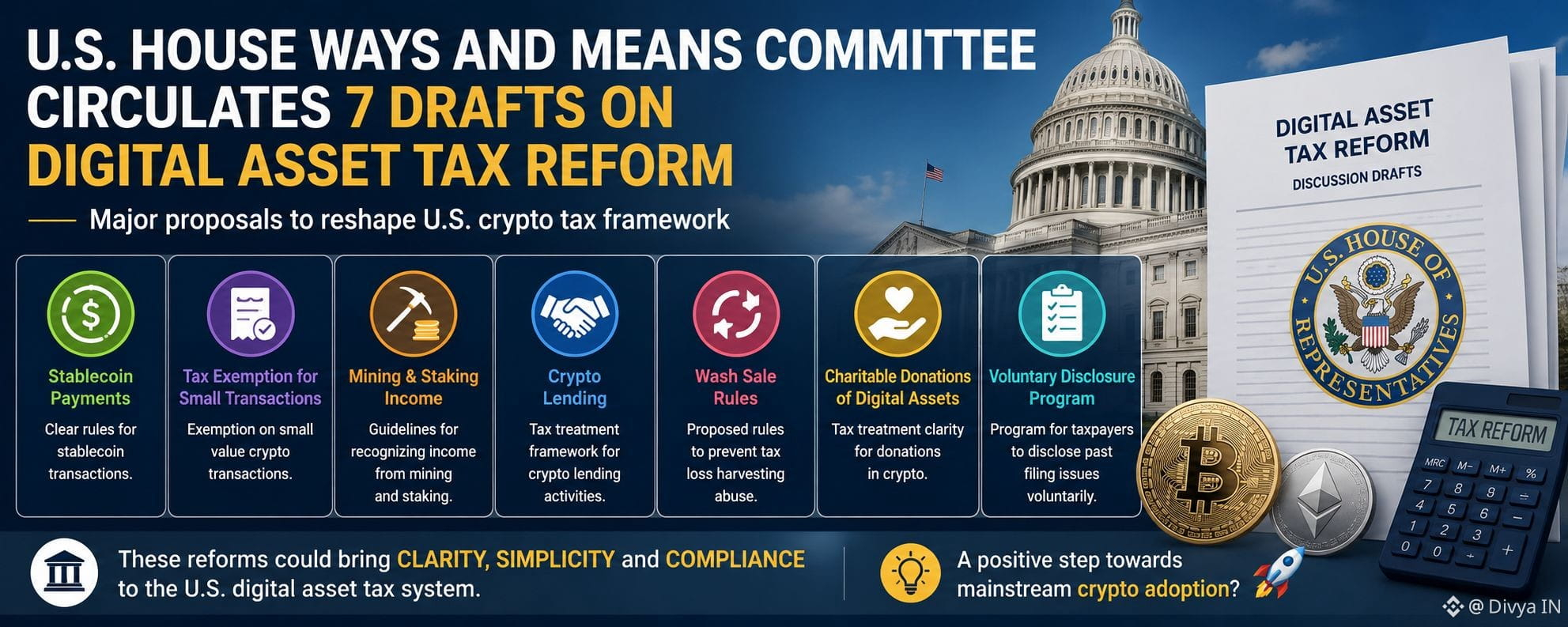
The U.S. House Ways and Means Committee has shared 7 discussion drafts for Digital Asset Tax Reform. 📄
These proposals include:
💵 Rules for stablecoin payments
🪙 Tax exemption on small crypto transactions
⛏️ Taxation of mining and staking income
🤝 Regulations on crypto lending
🔄 Wash sale rules
❤️ Tax treatment for digital asset donations
📋 Voluntary disclosure program for those with old tax filing issues
If these reforms pass, we could see significant changes in the U.S. crypto tax framework. 👀
What do you think, is this a positive step for crypto adoption? 🚀.
ZcashOrchardCriticalVulnerabilityZECPlung#MyStocksQuestion #IMFWarnsOilDrivenInflationRisk #ZECVulnerabilityTriggersOver50PercentDrop
🇺🇸 Major update on Crypto Tax Rules in the U.S.! 🚨
The U.S. House Ways and Means Committee has shared 7 discussion drafts for Digital Asset Tax Reform. 📄
These proposals include:
💵 Rules for stablecoin payments
🪙 Tax exemption on small crypto transactions
⛏️ Taxation of mining and staking income
🤝 Regulations on crypto lending
🔄 Wash sale rules
❤️ Tax treatment for digital asset donations
📋 Voluntary disclosure program for those with old tax filing issues
If these reforms pass, we could see significant changes in the U.S. crypto tax framework. 👀
What do you think, is this a positive step for crypto adoption? 🚀.
ZcashOrchardCriticalVulnerabilityZECPlung#MyStocksQuestion #IMFWarnsOilDrivenInflationRisk #ZECVulnerabilityTriggersOver50PercentDrop
The U.S. House Ways and Means Committee has shared 7 discussion drafts for Digital Asset Tax Reform. 📄
These proposals include:
💵 Rules for stablecoin payments
🪙 Tax exemption on small crypto transactions
⛏️ Taxation of mining and staking income
🤝 Regulations on crypto lending
🔄 Wash sale rules
❤️ Tax treatment for digital asset donations
📋 Voluntary disclosure program for those with old tax filing issues
If these reforms pass, we could see significant changes in the U.S. crypto tax framework. 👀
What do you think, is this a positive step for crypto adoption? 🚀.
ZcashOrchardCriticalVulnerabilityZECPlung#MyStocksQuestion #IMFWarnsOilDrivenInflationRisk #ZECVulnerabilityTriggersOver50PercentDrop
1
160


📉 Current Market Situation
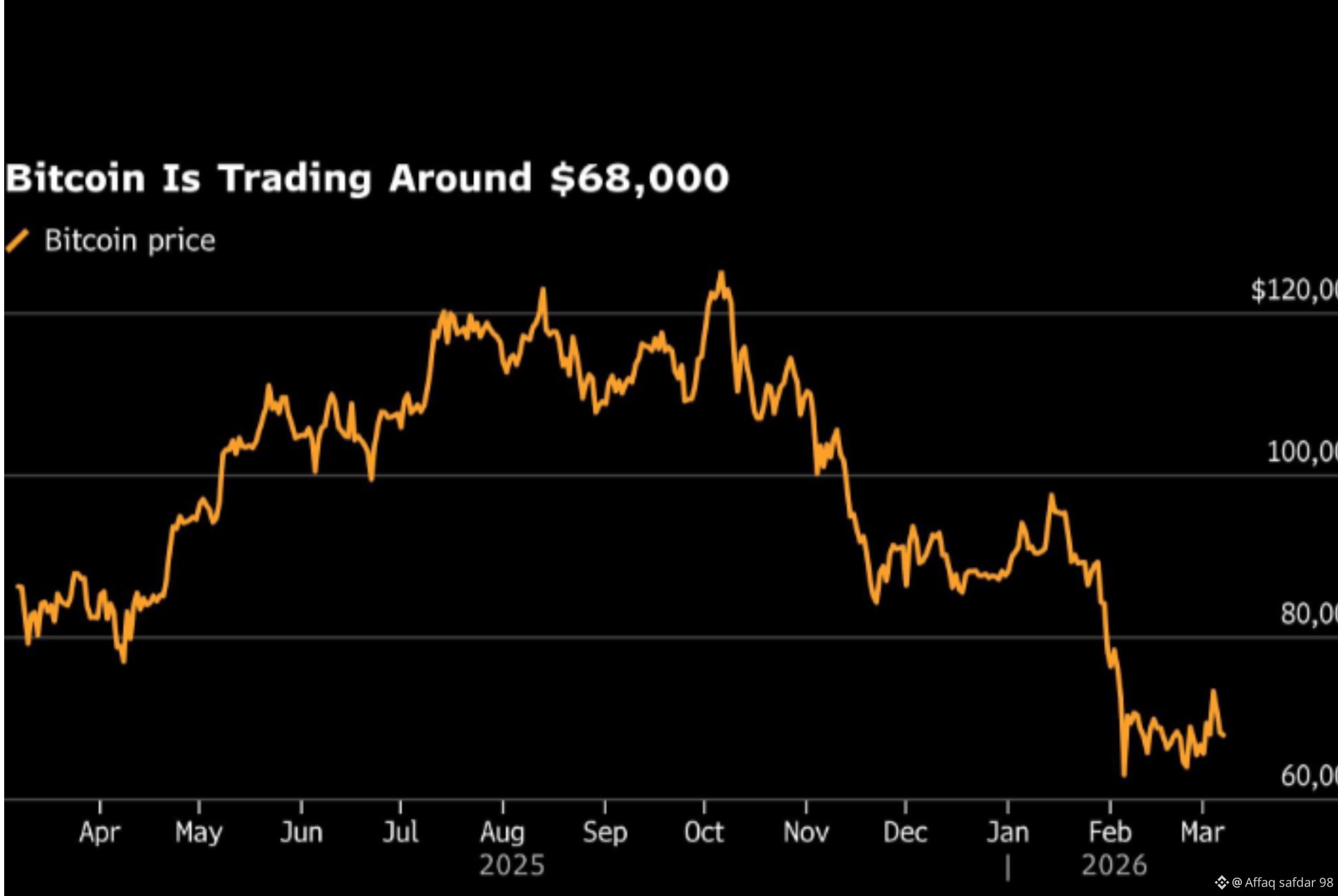
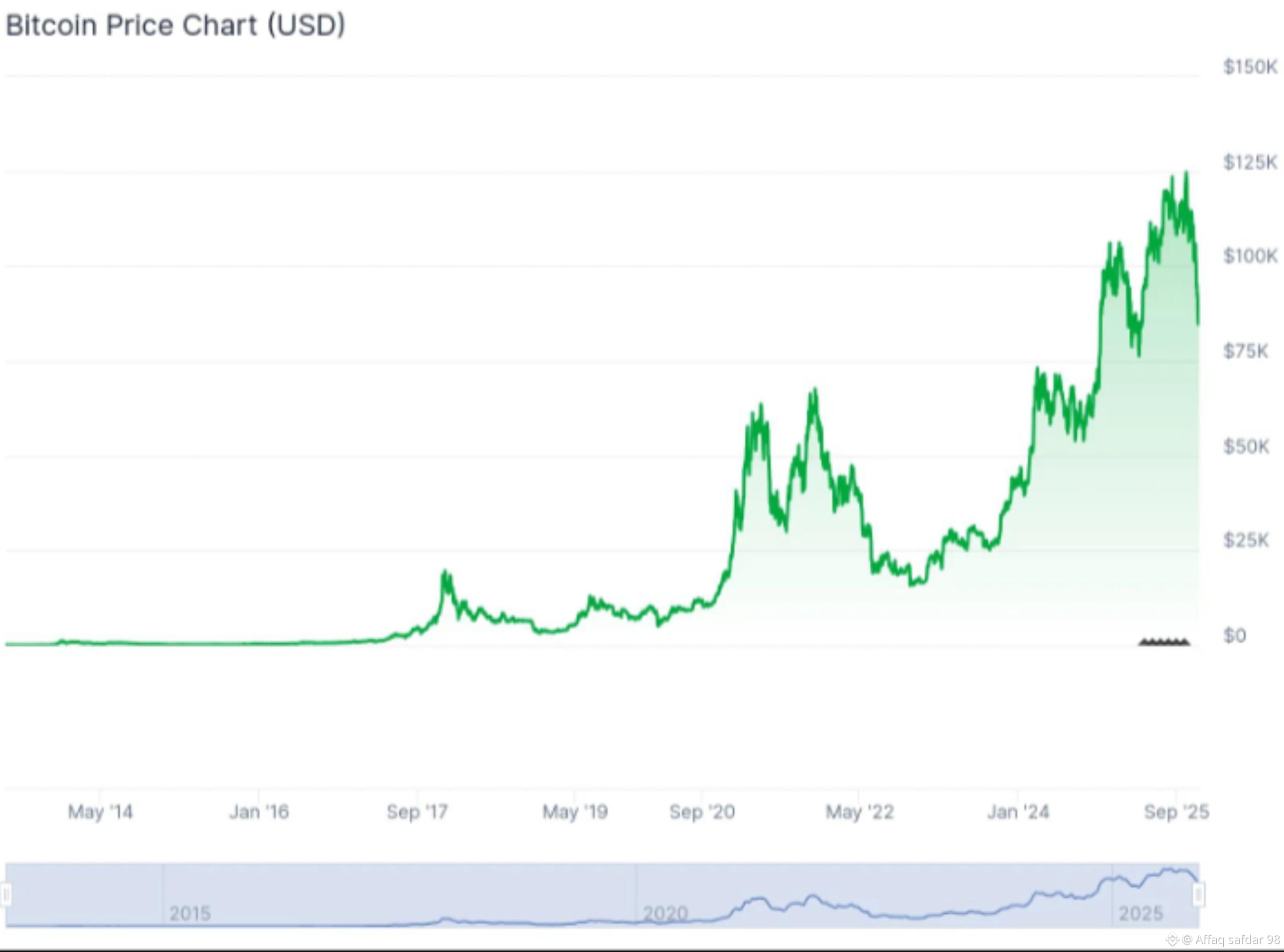
$BTC is trading around $62,000–$63,000 after a sharp decline during the first week of June. Recent reports indicate that $BTC has fallen nearly 15% this month, and investor sentiment remains cautious.
Support Levels
Strong support: $60,000
Next support: $58,000
Major support: $55,000
Resistance Levels
First resistance: $66,000
Strong resistance: $70,000
Major resistance: $73,000+
📊 Market Indicators
currently in a short-term bearish trend.
RSI suggests the market is approaching oversold territory.
ETF outflows and profit-taking have added selling pressure.
🟢 Bullish Scenario
If BTC holds above $60K, buyers could push the price back toward $66K–$70K in the coming days.
🔴 Bearish Scenario
A breakdown below $60K could open the door to $55K–$58K levels. Some analysts warn that further weakness could extend losses if market sentiment remains negative.
#BTC #MyStocksQuestion #IMFWarnsOilDrivenInflationRisk #IsraelLebanonCeasefireOilDropsOver3Percent #BTC
📉 Current Market Situation
$BTC is trading around $62,000–$63,000 after a sharp decline during the first week of June. Recent reports indicate that $BTC has fallen nearly 15% this month, and investor sentiment remains cautious.
Support Levels
Strong support: $60,000
Next support: $58,000
Major support: $55,000
Resistance Levels
First resistance: $66,000
Strong resistance: $70,000
Major resistance: $73,000+
📊 Market Indicators
currently in a short-term bearish trend.
RSI suggests the market is approaching oversold territory.
ETF outflows and profit-taking have added selling pressure.
🟢 Bullish Scenario
If BTC holds above $60K, buyers could push the price back toward $66K–$70K in the coming days.
🔴 Bearish Scenario
A breakdown below $60K could open the door to $55K–$58K levels. Some analysts warn that further weakness could extend losses if market sentiment remains negative.
#BTC #MyStocksQuestion #IMFWarnsOilDrivenInflationRisk #IsraelLebanonCeasefireOilDropsOver3Percent #BTC
$BTC is trading around $62,000–$63,000 after a sharp decline during the first week of June. Recent reports indicate that $BTC has fallen nearly 15% this month, and investor sentiment remains cautious.
Support Levels
Strong support: $60,000
Next support: $58,000
Major support: $55,000
Resistance Levels
First resistance: $66,000
Strong resistance: $70,000
Major resistance: $73,000+
📊 Market Indicators
currently in a short-term bearish trend.
RSI suggests the market is approaching oversold territory.
ETF outflows and profit-taking have added selling pressure.
🟢 Bullish Scenario
If BTC holds above $60K, buyers could push the price back toward $66K–$70K in the coming days.
🔴 Bearish Scenario
A breakdown below $60K could open the door to $55K–$58K levels. Some analysts warn that further weakness could extend losses if market sentiment remains negative.
#BTC #MyStocksQuestion #IMFWarnsOilDrivenInflationRisk #IsraelLebanonCeasefireOilDropsOver3Percent #BTC
131

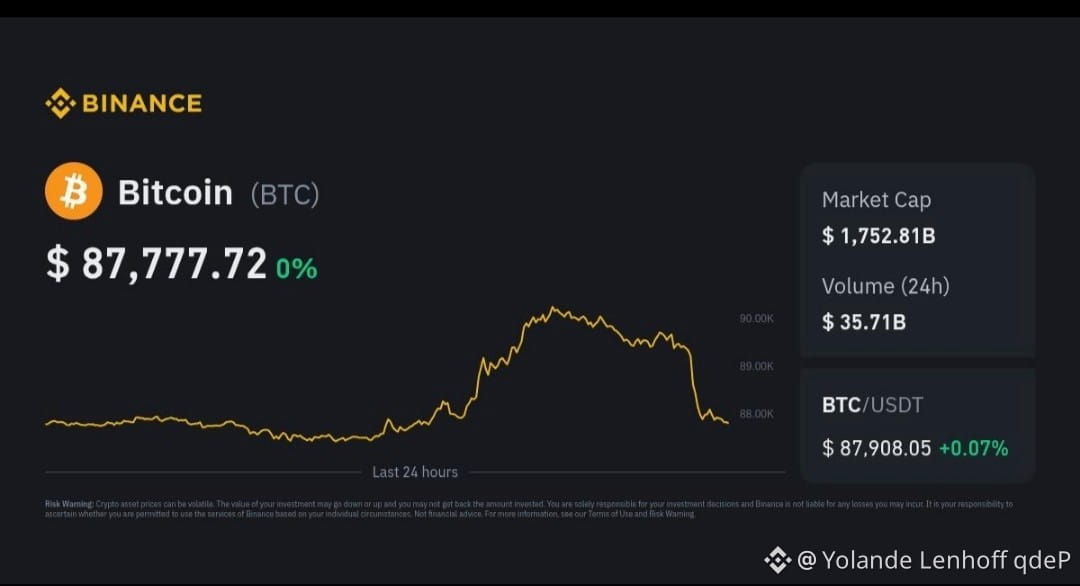
$BTC
{spot}(BTCUSDT)
$BTC is facing short-term selling pressure after falling below key support levels. Traders are closely watching the $70,000 support zone and $80,000 resistance zone. Market sentiment remains cautious due to ETF outflows and broader crypto-market weakness. However, long-term adoption and institutional interest continue to support Bitcoin's overall outlook. �
CCN.com +1
Technical View:
📉 Short-term trend: Bearish to neutral
🔑 Key support: Around $70,000
🚀 Key resistance: Around $80,000
📊 A breakout above resistance could signal renewed bullish momentum, while a drop below support may lead to further downside. �
CCN.com +1
Conclusion:
Bitcoin remains volatile. Short-term traders should watch support and resistance levels carefully, while long-term investors continue to focus on Bitcoin's growing role as a digital asset.
#MyStocksQuestion #BitcoinSlipsAfterStrongUSJobsReport
#IMFWarnsOilDrivenInflationRisk
#SuiToIntroduceConfidentialTransfers
$BTC
$BTC is facing short-term selling pressure after falling below key support levels. Traders are closely watching the $70,000 support zone and $80,000 resistance zone. Market sentiment remains cautious due to ETF outflows and broader crypto-market weakness. However, long-term adoption and institutional interest continue to support Bitcoin's overall outlook. �
CCN.com +1
Technical View:
📉 Short-term trend: Bearish to neutral
🔑 Key support: Around $70,000
🚀 Key resistance: Around $80,000
📊 A breakout above resistance could signal renewed bullish momentum, while a drop below support may lead to further downside. �
CCN.com +1
Conclusion:
Bitcoin remains volatile. Short-term traders should watch support and resistance levels carefully, while long-term investors continue to focus on Bitcoin's growing role as a digital asset.
#MyStocksQuestion #BitcoinSlipsAfterStrongUSJobsReport
#IMFWarnsOilDrivenInflationRisk
#SuiToIntroduceConfidentialTransfers
$BTC is facing short-term selling pressure after falling below key support levels. Traders are closely watching the $70,000 support zone and $80,000 resistance zone. Market sentiment remains cautious due to ETF outflows and broader crypto-market weakness. However, long-term adoption and institutional interest continue to support Bitcoin's overall outlook. �
CCN.com +1
Technical View:
📉 Short-term trend: Bearish to neutral
🔑 Key support: Around $70,000
🚀 Key resistance: Around $80,000
📊 A breakout above resistance could signal renewed bullish momentum, while a drop below support may lead to further downside. �
CCN.com +1
Conclusion:
Bitcoin remains volatile. Short-term traders should watch support and resistance levels carefully, while long-term investors continue to focus on Bitcoin's growing role as a digital asset.
#MyStocksQuestion #BitcoinSlipsAfterStrongUSJobsReport
#IMFWarnsOilDrivenInflationRisk
#SuiToIntroduceConfidentialTransfers
96

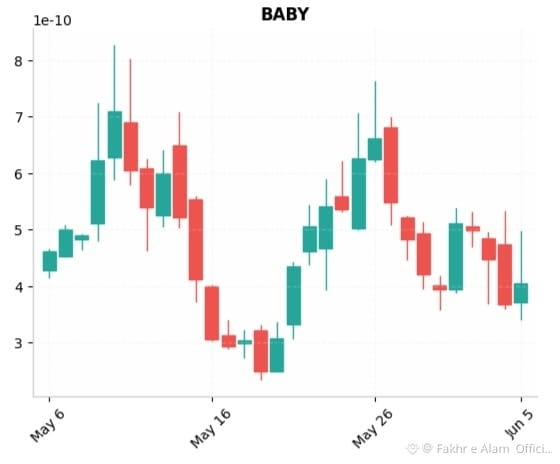
$BABY
{spot}(BABYUSDT)
(~0.00000000040)
Baby Doge Coin has shown a modest 4.24% weekly gain but remains down 4.81% over the past month. Ranked #320 with a $71M market cap, it continues its typical meme-coin chop. The token has strong community backing but lacks fundamental drivers—momentum is neutral and highly sentiment-dependent.#MyStocksQuestion #BitcoinSlipsAfterStrongUSJobsReport #ZECVulnerabilityTriggersOver50PercentDrop #SuiToIntroduceConfidentialTransfers #IMFWarnsOilDrivenInflationRisk
$BABY
(~0.00000000040)
Baby Doge Coin has shown a modest 4.24% weekly gain but remains down 4.81% over the past month. Ranked #320 with a $71M market cap, it continues its typical meme-coin chop. The token has strong community backing but lacks fundamental drivers—momentum is neutral and highly sentiment-dependent.#MyStocksQuestion #BitcoinSlipsAfterStrongUSJobsReport #ZECVulnerabilityTriggersOver50PercentDrop #SuiToIntroduceConfidentialTransfers #IMFWarnsOilDrivenInflationRisk
(~0.00000000040)
Baby Doge Coin has shown a modest 4.24% weekly gain but remains down 4.81% over the past month. Ranked #320 with a $71M market cap, it continues its typical meme-coin chop. The token has strong community backing but lacks fundamental drivers—momentum is neutral and highly sentiment-dependent.#MyStocksQuestion #BitcoinSlipsAfterStrongUSJobsReport #ZECVulnerabilityTriggersOver50PercentDrop #SuiToIntroduceConfidentialTransfers #IMFWarnsOilDrivenInflationRisk
153

·
--
Follow me for more
US TWO-YEAR YIELD SEES 7BP SURGE POST PAYROLLS
$BTC $ETH #IMFWarnsOilDrivenInflationRisk #IMFWarnsOilDrivenInflationRisk #MyStocksQuestion #SuiToIntroduceConfidentialTransfers #ZECVulnerabilityTriggersOver50PercentDrop
Follow me for more
US TWO-YEAR YIELD SEES 7BP SURGE POST PAYROLLS
$BTC $ETH #IMFWarnsOilDrivenInflationRisk #IMFWarnsOilDrivenInflationRisk #MyStocksQuestion #SuiToIntroduceConfidentialTransfers #ZECVulnerabilityTriggersOver50PercentDrop
US TWO-YEAR YIELD SEES 7BP SURGE POST PAYROLLS
$BTC $ETH #IMFWarnsOilDrivenInflationRisk #IMFWarnsOilDrivenInflationRisk #MyStocksQuestion #SuiToIntroduceConfidentialTransfers #ZECVulnerabilityTriggersOver50PercentDrop
56

·
--
Bearish
BTC is currently trading at $60,574.45, down about 5.7% over the last 24 hours. The 24h open was $64,226.41, with a high of $64,494.92 and a low of $60,555.00.
That’s a pretty weak short-term move, with price sitting very close to the daily low — usually a sign that sellers have been in control during this session.#MyStocksQuestion #IMFWarnsOilDrivenInflationRisk $BTC $BNB
BTC is currently trading at $60,574.45, down about 5.7% over the last 24 hours. The 24h open was $64,226.41, with a high of $64,494.92 and a low of $60,555.00.
That’s a pretty weak short-term move, with price sitting very close to the daily low — usually a sign that sellers have been in control during this session.#MyStocksQuestion #IMFWarnsOilDrivenInflationRisk $BTC $BNB
That’s a pretty weak short-term move, with price sitting very close to the daily low — usually a sign that sellers have been in control during this session.#MyStocksQuestion #IMFWarnsOilDrivenInflationRisk $BTC $BNB
72

$ZEC Long Liquidation: $5.5997K wiped at $315.05 on BINANCE—fast move, sharp stop run, and the market just reminded longs how quickly leverage can flip the script. Momentum shifting, volatility staying alive, and every wick now matters more than ever.
#IMFWarnsOilDrivenInflationRisk
#IsraelLebanonCeasefireWTIDropsOver3Percent
BitcoinFallsTo$62K
$ZEC Long Liquidation: $5.5997K wiped at $315.05 on BINANCE—fast move, sharp stop run, and the market just reminded longs how quickly leverage can flip the script. Momentum shifting, volatility staying alive, and every wick now matters more than ever.
#IMFWarnsOilDrivenInflationRisk
#IsraelLebanonCeasefireWTIDropsOver3Percent
BitcoinFallsTo$62K
#IMFWarnsOilDrivenInflationRisk
#IsraelLebanonCeasefireWTIDropsOver3Percent
BitcoinFallsTo$62K
1
217

The trademark application, submitted around March 9–10 and appearing publicly in U.S. Patent and TraWells Fargo 'WFUSD' Trademark Filing Sparks Speculation About New Bank Stablecoin
The mark itself is a standard character word mark — meaning there are no design elements or stylized logos attached — but the name has already sparked speculation across financial and crypto circles. Industry observers say the acronym strongly resembles naming conventions used for U.S. dollar–pegged stablecoins, suggesting the bank could be exploring a Wells Fargo–branded digital dollar product.
Trademark filings, however, are often precautionary and do not guarantee a product launch. Wells Fargo has not publicly commented on the application.
According to summaries compiled from the filing, the trademark spans three international classes covering software, financial services, and technology infrastructure. In practical terms, that means the filing touches nearly every corner of the modern digital asset stack — from blockchain software and wallet tools to cryptocurrency trading services and tokenized financial products.
The software category includes downloadable applications designed for digital asset trading, payments, and wallet functionality, as well as blockchain-related software capable of processing stablecoin transactions and other crypto-based payments.
Financial services listed in the filing are equally expansive. They include cryptocurrency exchange services, brokerage for digital asset trading, payment processing for virtual currencies, blockchain-based transaction settlement, staking services, and financial data feeds used by smart contracts.
A third category focuses on technology infrastructure, including software-as-a-service platforms designed for tokenizing assets, running blockchain-based trading networks, and providing encryption, authentication, and data storage services for decentralized applications
The breadth of the filing suggests Wells Fargo is considering more than just a digital payment token. Instead, the application outlines a potential ecosystem that could support trading, settlement, and tokenization services within a regulated banking environment.
If WFUSD ultimately becomes a stablecoin, it would place Wells Fargo among a growing group of financial institutions exploring tokenized dollars and blockchain-based payments. Stablecoins such as USDC and USDT currently dominate the sector, while Paypal launched its own dollar-backed token, PYUSD, in 2023.
Wells Fargo has quietly experimented with blockchain technology for several years. In 2019, the bank launched a pilot program known as Wells Fargo Digital Cash — a tokenized deposit system built on the R3 Corda blockchain that was designed to facilitate internal cross-border transfers.
The bank has also made strategic investments in the digital asset sector. In 2020 it backed blockchain analytics firm Elliptic, and in 2022, it participated in a funding round for institutional crypto trading platform Talos. Meanwhile, a 2025 report from the Wells Fargo Investment Institute described digital assets as “investable,” highlighting their potential to diversify traditional portfolios.
Reports in 2025 also indicated Wells Fargo participated in discussions with other major banks about a joint stablecoin initiative. Institutions involved in those talks reportedly included JPMorgan, Bank of America, and Citigroup — all exploring tokenized settlement tools or blockchain payment systems.
The WFUSD trademark filing arrives at a moment when U.S. banks are cautiously re-entering the crypto sector following several years of regulatory uncertainty. Lawmakers in Washington have been debating new stablecoin legislation aimed at establishing clearer oversight frameworks for dollar-pegged digital tokens.
As a federally regulated bank, any publicly issued stablecoin from Wells Fargo would likely require approval or supervision from regulators, including the Federal Reserve and the Office of the Comptroller of the Currency (OCC).
The trademark application is still in its earliest stage. It has met minimum filing requirements but has not yet been assigned to an examining attorney at the USPTO. If the process proceeds without complications, registration could take a year or more, depending on review timelines and proof of commercial use.
#BitcoinFallsTo$62K
#IMFWarnsOilDrivenInflationRisk
#MyStocksQuestion
#Kriptocutrader
#IsraelLebanonCeasefireOilDropsOver3Percent
The trademark application, submitted around March 9–10 and appearing publicly in U.S. Patent and Tra
Wells Fargo 'WFUSD' Trademark Filing Sparks Speculation About New Bank Stablecoin
The mark itself is a standard character word mark — meaning there are no design elements or stylized logos attached — but the name has already sparked speculation across financial and crypto circles. Industry observers say the acronym strongly resembles naming conventions used for U.S. dollar–pegged stablecoins, suggesting the bank could be exploring a Wells Fargo–branded digital dollar product.
Trademark filings, however, are often precautionary and do not guarantee a product launch. Wells Fargo has not publicly commented on the application.
According to summaries compiled from the filing, the trademark spans three international classes covering software, financial services, and technology infrastructure. In practical terms, that means the filing touches nearly every corner of the modern digital asset stack — from blockchain software and wallet tools to cryptocurrency trading services and tokenized financial products.
The software category includes downloadable applications designed for digital asset trading, payments, and wallet functionality, as well as blockchain-related software capable of processing stablecoin transactions and other crypto-based payments.
Financial services listed in the filing are equally expansive. They include cryptocurrency exchange services, brokerage for digital asset trading, payment processing for virtual currencies, blockchain-based transaction settlement, staking services, and financial data feeds used by smart contracts.
A third category focuses on technology infrastructure, including software-as-a-service platforms designed for tokenizing assets, running blockchain-based trading networks, and providing encryption, authentication, and data storage services for decentralized applications
The breadth of the filing suggests Wells Fargo is considering more than just a digital payment token. Instead, the application outlines a potential ecosystem that could support trading, settlement, and tokenization services within a regulated banking environment.
If WFUSD ultimately becomes a stablecoin, it would place Wells Fargo among a growing group of financial institutions exploring tokenized dollars and blockchain-based payments. Stablecoins such as USDC and USDT currently dominate the sector, while Paypal launched its own dollar-backed token, PYUSD, in 2023.
Wells Fargo has quietly experimented with blockchain technology for several years. In 2019, the bank launched a pilot program known as Wells Fargo Digital Cash — a tokenized deposit system built on the R3 Corda blockchain that was designed to facilitate internal cross-border transfers.
The bank has also made strategic investments in the digital asset sector. In 2020 it backed blockchain analytics firm Elliptic, and in 2022, it participated in a funding round for institutional crypto trading platform Talos. Meanwhile, a 2025 report from the Wells Fargo Investment Institute described digital assets as “investable,” highlighting their potential to diversify traditional portfolios.
Reports in 2025 also indicated Wells Fargo participated in discussions with other major banks about a joint stablecoin initiative. Institutions involved in those talks reportedly included JPMorgan, Bank of America, and Citigroup — all exploring tokenized settlement tools or blockchain payment systems.
The WFUSD trademark filing arrives at a moment when U.S. banks are cautiously re-entering the crypto sector following several years of regulatory uncertainty. Lawmakers in Washington have been debating new stablecoin legislation aimed at establishing clearer oversight frameworks for dollar-pegged digital tokens.
As a federally regulated bank, any publicly issued stablecoin from Wells Fargo would likely require approval or supervision from regulators, including the Federal Reserve and the Office of the Comptroller of the Currency (OCC).
The trademark application is still in its earliest stage. It has met minimum filing requirements but has not yet been assigned to an examining attorney at the USPTO. If the process proceeds without complications, registration could take a year or more, depending on review timelines and proof of commercial use.
#BitcoinFallsTo$62K
#IMFWarnsOilDrivenInflationRisk
#MyStocksQuestion
#Kriptocutrader
#IsraelLebanonCeasefireOilDropsOver3Percent
The mark itself is a standard character word mark — meaning there are no design elements or stylized logos attached — but the name has already sparked speculation across financial and crypto circles. Industry observers say the acronym strongly resembles naming conventions used for U.S. dollar–pegged stablecoins, suggesting the bank could be exploring a Wells Fargo–branded digital dollar product.
Trademark filings, however, are often precautionary and do not guarantee a product launch. Wells Fargo has not publicly commented on the application.
According to summaries compiled from the filing, the trademark spans three international classes covering software, financial services, and technology infrastructure. In practical terms, that means the filing touches nearly every corner of the modern digital asset stack — from blockchain software and wallet tools to cryptocurrency trading services and tokenized financial products.
The software category includes downloadable applications designed for digital asset trading, payments, and wallet functionality, as well as blockchain-related software capable of processing stablecoin transactions and other crypto-based payments.
Financial services listed in the filing are equally expansive. They include cryptocurrency exchange services, brokerage for digital asset trading, payment processing for virtual currencies, blockchain-based transaction settlement, staking services, and financial data feeds used by smart contracts.
A third category focuses on technology infrastructure, including software-as-a-service platforms designed for tokenizing assets, running blockchain-based trading networks, and providing encryption, authentication, and data storage services for decentralized applications
The breadth of the filing suggests Wells Fargo is considering more than just a digital payment token. Instead, the application outlines a potential ecosystem that could support trading, settlement, and tokenization services within a regulated banking environment.
If WFUSD ultimately becomes a stablecoin, it would place Wells Fargo among a growing group of financial institutions exploring tokenized dollars and blockchain-based payments. Stablecoins such as USDC and USDT currently dominate the sector, while Paypal launched its own dollar-backed token, PYUSD, in 2023.
Wells Fargo has quietly experimented with blockchain technology for several years. In 2019, the bank launched a pilot program known as Wells Fargo Digital Cash — a tokenized deposit system built on the R3 Corda blockchain that was designed to facilitate internal cross-border transfers.
The bank has also made strategic investments in the digital asset sector. In 2020 it backed blockchain analytics firm Elliptic, and in 2022, it participated in a funding round for institutional crypto trading platform Talos. Meanwhile, a 2025 report from the Wells Fargo Investment Institute described digital assets as “investable,” highlighting their potential to diversify traditional portfolios.
Reports in 2025 also indicated Wells Fargo participated in discussions with other major banks about a joint stablecoin initiative. Institutions involved in those talks reportedly included JPMorgan, Bank of America, and Citigroup — all exploring tokenized settlement tools or blockchain payment systems.
The WFUSD trademark filing arrives at a moment when U.S. banks are cautiously re-entering the crypto sector following several years of regulatory uncertainty. Lawmakers in Washington have been debating new stablecoin legislation aimed at establishing clearer oversight frameworks for dollar-pegged digital tokens.
As a federally regulated bank, any publicly issued stablecoin from Wells Fargo would likely require approval or supervision from regulators, including the Federal Reserve and the Office of the Comptroller of the Currency (OCC).
The trademark application is still in its earliest stage. It has met minimum filing requirements but has not yet been assigned to an examining attorney at the USPTO. If the process proceeds without complications, registration could take a year or more, depending on review timelines and proof of commercial use.
#BitcoinFallsTo$62K
#IMFWarnsOilDrivenInflationRisk
#MyStocksQuestion
#Kriptocutrader
#IsraelLebanonCeasefireOilDropsOver3Percent
32

I’ve spent the last 6 years trading crypto, and now stocks are showing up on Binance too. 📈
I’m used to 24/7 markets, high volatility, and fast moves. But stocks like $NVDA, $TSLA, and $AAPL feel like a completely different game—more structured, slower-paced, and driven by different factors.
For those who trade both stocks and crypto:
Do you use the same strategy for both, or do you completely change your approach? And for someone coming from crypto, is it smarter to actively trade big stocks or simply build long-term positions through ETFs?
Curious to hear how others handle the transition. 👇
$AAPL
#MyStocksQuestion #ZECVulnerabilityTriggersOver50PercentDrop #IMFWarnsOilDrivenInflationRisk
{future}(AAPLUSDT)
I’ve spent the last 6 years trading crypto, and now stocks are showing up on Binance too. 📈
I’m used to 24/7 markets, high volatility, and fast moves. But stocks like $NVDA, $TSLA, and $AAPL feel like a completely different game—more structured, slower-paced, and driven by different factors.
For those who trade both stocks and crypto:
Do you use the same strategy for both, or do you completely change your approach? And for someone coming from crypto, is it smarter to actively trade big stocks or simply build long-term positions through ETFs?
Curious to hear how others handle the transition. 👇
$AAPL
#MyStocksQuestion #ZECVulnerabilityTriggersOver50PercentDrop #IMFWarnsOilDrivenInflationRisk
I’m used to 24/7 markets, high volatility, and fast moves. But stocks like $NVDA, $TSLA, and $AAPL feel like a completely different game—more structured, slower-paced, and driven by different factors.
For those who trade both stocks and crypto:
Do you use the same strategy for both, or do you completely change your approach? And for someone coming from crypto, is it smarter to actively trade big stocks or simply build long-term positions through ETFs?
Curious to hear how others handle the transition. 👇
$AAPL
#MyStocksQuestion #ZECVulnerabilityTriggersOver50PercentDrop #IMFWarnsOilDrivenInflationRisk

120

·
--
Bullish
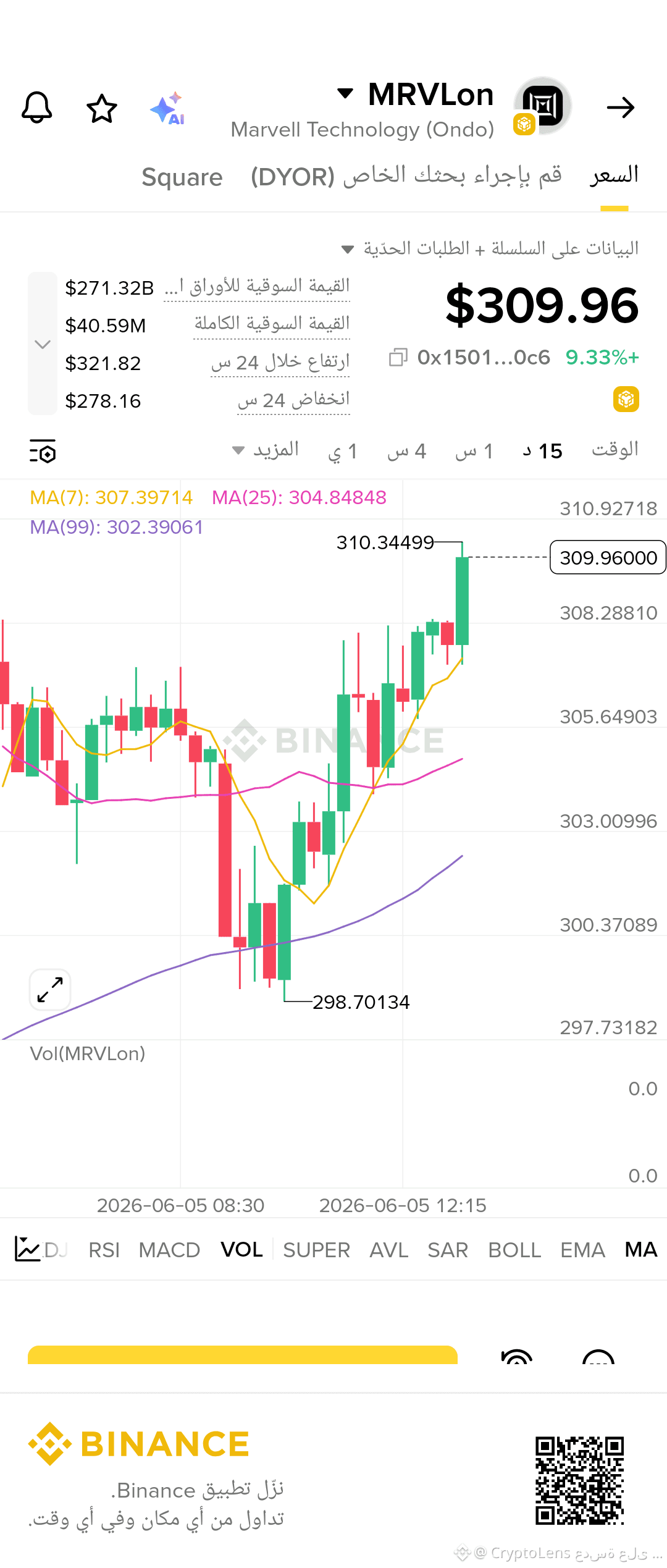
MRVL$MRVLon 🔥🔥🔥🔥🔥💸💵
#IMFWarnsOilDrivenInflationRisk BitcoinFallsTo$62K#ZECOrchardPoolAttackPriceDrops30Percent #SKHynixProposedUSListingPositiveFeedback #BinanceSquareTalks #BTC
MRVL$MRVLon 🔥🔥🔥🔥🔥💸💵
#IMFWarnsOilDrivenInflationRisk BitcoinFallsTo$62K#ZECOrchardPoolAttackPriceDrops30Percent #SKHynixProposedUSListingPositiveFeedback #BinanceSquareTalks #BTC
#IMFWarnsOilDrivenInflationRisk BitcoinFallsTo$62K#ZECOrchardPoolAttackPriceDrops30Percent #SKHynixProposedUSListingPositiveFeedback #BinanceSquareTalks #BTC
1
50

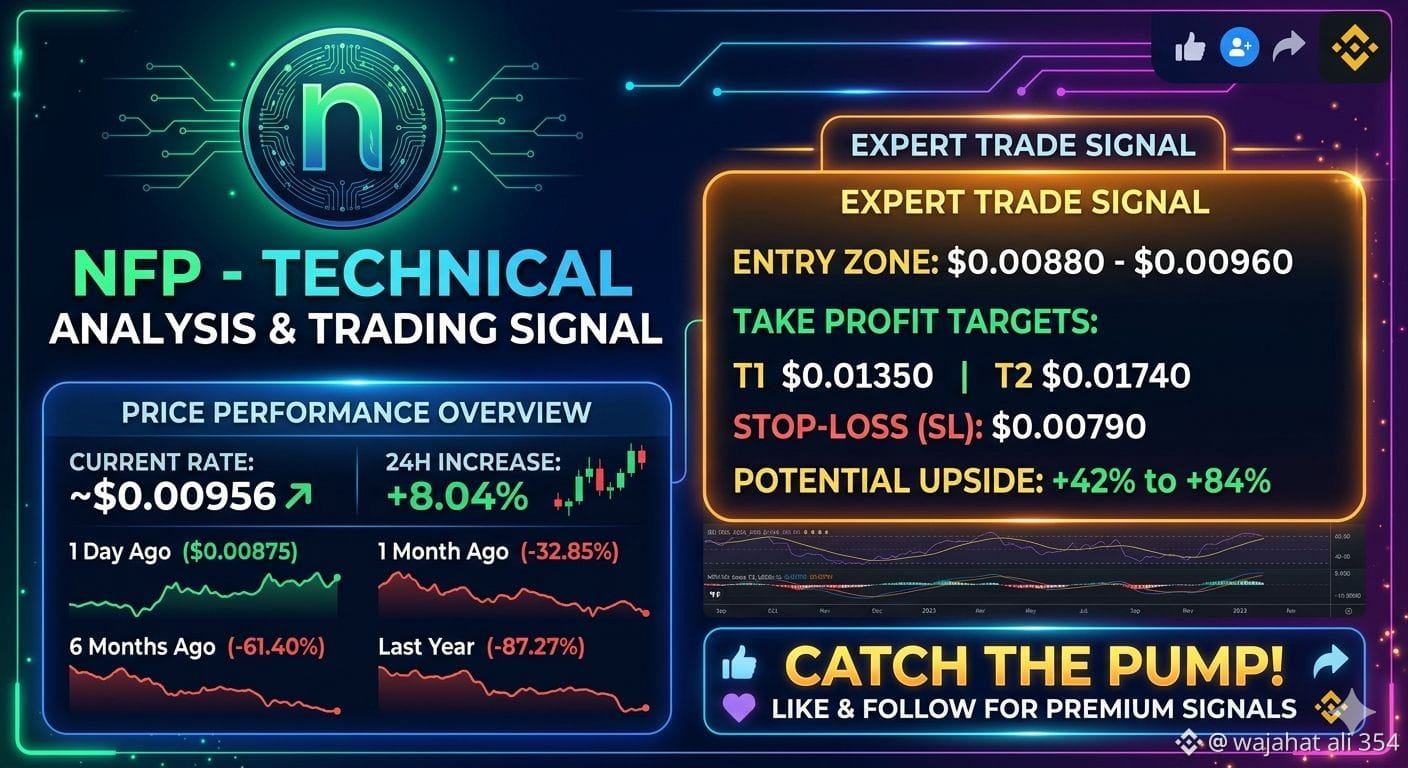
$NFP Fellow Traders! Today we are dissecting the premier AI-powered user-generated content (UGC) platform token, NFP (NFPrompt). Let's break down its price performance across multiple timeframes, fundamental network statistics, and its incoming macro trade structure.#MyStocksQuestion #IsraelLebanonCeasefireOilDropsOver3Percent #IMFWarnsOilDrivenInflationRisk #SKHynixProposedUSListingPositiveFeedback #ZECVulnerabilityTriggersOver50PercentDrop
{spot}(NFPUSDT)
$NFP Fellow Traders! Today we are dissecting the premier AI-powered user-generated content (UGC) platform token, NFP (NFPrompt). Let's break down its price performance across multiple timeframes, fundamental network statistics, and its incoming macro trade structure.#MyStocksQuestion #IsraelLebanonCeasefireOilDropsOver3Percent #IMFWarnsOilDrivenInflationRisk #SKHynixProposedUSListingPositiveFeedback #ZECVulnerabilityTriggersOver50PercentDrop
1
82

·
--
🚨 CARDANO REACHES FULL DECENTRALIZATION MILESTONE 👀⚙️
Cardano is being discussed again after founder Charles Hoskinson commented on the ecosystem’s transition into full decentralization.
🧠 Key statement: The ecosystem is now designed so that no single individual — including the founder — has unilateral control over its future direction.
⚙️ What this means: • Governance is increasingly community-driven
• Network decisions rely on decentralized participation
• Reduced dependency on central leadership influence
#MyStocksQuestion #IMFWarnsOilDrivenInflationRisk #ZECOrchardPoolAttackPriceDrops30Percent
🚨 CARDANO REACHES FULL DECENTRALIZATION MILESTONE 👀⚙️
Cardano is being discussed again after founder Charles Hoskinson commented on the ecosystem’s transition into full decentralization.
🧠 Key statement: The ecosystem is now designed so that no single individual — including the founder — has unilateral control over its future direction.
⚙️ What this means: • Governance is increasingly community-driven
• Network decisions rely on decentralized participation
• Reduced dependency on central leadership influence
#MyStocksQuestion #IMFWarnsOilDrivenInflationRisk #ZECOrchardPoolAttackPriceDrops30Percent
Cardano is being discussed again after founder Charles Hoskinson commented on the ecosystem’s transition into full decentralization.
🧠 Key statement: The ecosystem is now designed so that no single individual — including the founder — has unilateral control over its future direction.
⚙️ What this means: • Governance is increasingly community-driven
• Network decisions rely on decentralized participation
• Reduced dependency on central leadership influence
#MyStocksQuestion #IMFWarnsOilDrivenInflationRisk #ZECOrchardPoolAttackPriceDrops30Percent

2
1
198

·
--
Bearish
$BTW
{future}(BTWUSDT)
Trede now 👆👆👆👆👆👆👆
– SHORT 🔴
📊 Trade Plan:
🔹 Entry: 0.0436 – 0.0446
🛑 SL: 0.0466
🎯 Targets:
🎯 TP1: 0.0411
🎯 TP2: 0.0386
🎯 TP3: 0.0351
ZcashOrchardCriticalVulnerabilityZECPlungesOver40Percent#MyStocksQuestion FidelityLowersSpaceXIPOMinimumTo$2000#ZECVulnerabilityTriggersOver50PercentDrop #IsraelLebanonCeasefireOilDropsOver3Percent #IMFWarnsOilDrivenInflationRisk #SKHynixProposedUSListingPositiveFeedback $ETH
{spot}(ETHUSDT)
$BABY
{spot}(BABYUSDT)
$BTW
Trede now 👆👆👆👆👆👆👆
– SHORT 🔴
📊 Trade Plan:
🔹 Entry: 0.0436 – 0.0446
🛑 SL: 0.0466
🎯 Targets:
🎯 TP1: 0.0411
🎯 TP2: 0.0386
🎯 TP3: 0.0351
ZcashOrchardCriticalVulnerabilityZECPlungesOver40Percent#MyStocksQuestion FidelityLowersSpaceXIPOMinimumTo$2000#ZECVulnerabilityTriggersOver50PercentDrop #IsraelLebanonCeasefireOilDropsOver3Percent #IMFWarnsOilDrivenInflationRisk #SKHynixProposedUSListingPositiveFeedback $ETH
$BABY
Trede now 👆👆👆👆👆👆👆
– SHORT 🔴
📊 Trade Plan:
🔹 Entry: 0.0436 – 0.0446
🛑 SL: 0.0466
🎯 Targets:
🎯 TP1: 0.0411
🎯 TP2: 0.0386
🎯 TP3: 0.0351
ZcashOrchardCriticalVulnerabilityZECPlungesOver40Percent#MyStocksQuestion FidelityLowersSpaceXIPOMinimumTo$2000#ZECVulnerabilityTriggersOver50PercentDrop #IsraelLebanonCeasefireOilDropsOver3Percent #IMFWarnsOilDrivenInflationRisk #SKHynixProposedUSListingPositiveFeedback $ETH
$BABY
40


·
--
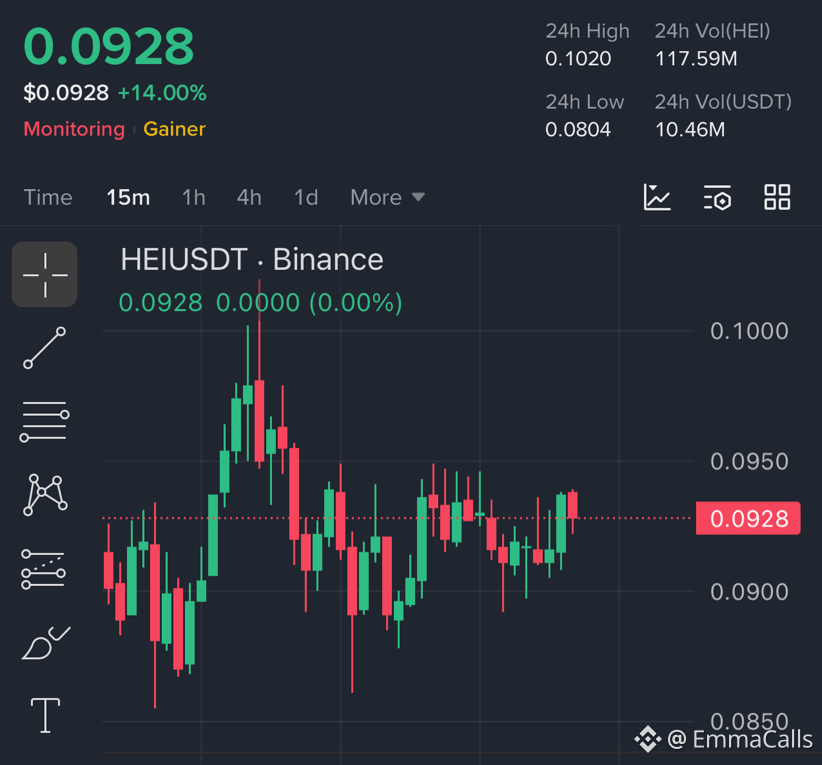
$HEI Ready for the Next Push? 🚀
Entry Zone: $0.0915 – $0.0930
Targets:
* TP1: $0.0980
* TP2: $0.1020
* TP3: $0.1080
Stop Loss: $0.0880
#IMFWarnsOilDrivenInflationRisk #ZECVulnerabilityTriggersOver50PercentDrop
{spot}(HEIUSDT)
$HEI Ready for the Next Push? 🚀
Entry Zone: $0.0915 – $0.0930
Targets:
* TP1: $0.0980
* TP2: $0.1020
* TP3: $0.1080
Stop Loss: $0.0880
#IMFWarnsOilDrivenInflationRisk #ZECVulnerabilityTriggersOver50PercentDrop
Entry Zone: $0.0915 – $0.0930
Targets:
* TP1: $0.0980
* TP2: $0.1020
* TP3: $0.1080
Stop Loss: $0.0880
#IMFWarnsOilDrivenInflationRisk #ZECVulnerabilityTriggersOver50PercentDrop
195

·
--
#bedrock $BR
The evolution of @Bedrock with the launch of Bedrock 2.0 marks a solid step towards a more robust and efficient ecosystem. It's exciting to see how they're optimizing liquidity and decentralization, providing real solutions for the community. I'm keeping my eyes on the growth of their token $BR and everything that's coming for this great project. The future looks promising
#Bedrock #IMFWarnsOilDrivenInflationRisk
#bedrock $BR
The evolution of @Bedrock with the launch of Bedrock 2.0 marks a solid step towards a more robust and efficient ecosystem. It's exciting to see how they're optimizing liquidity and decentralization, providing real solutions for the community. I'm keeping my eyes on the growth of their token $BR and everything that's coming for this great project. The future looks promising
#Bedrock #IMFWarnsOilDrivenInflationRisk
The evolution of @Bedrock with the launch of Bedrock 2.0 marks a solid step towards a more robust and efficient ecosystem. It's exciting to see how they're optimizing liquidity and decentralization, providing real solutions for the community. I'm keeping my eyes on the growth of their token $BR and everything that's coming for this great project. The future looks promising
#Bedrock #IMFWarnsOilDrivenInflationRisk
133
·
--
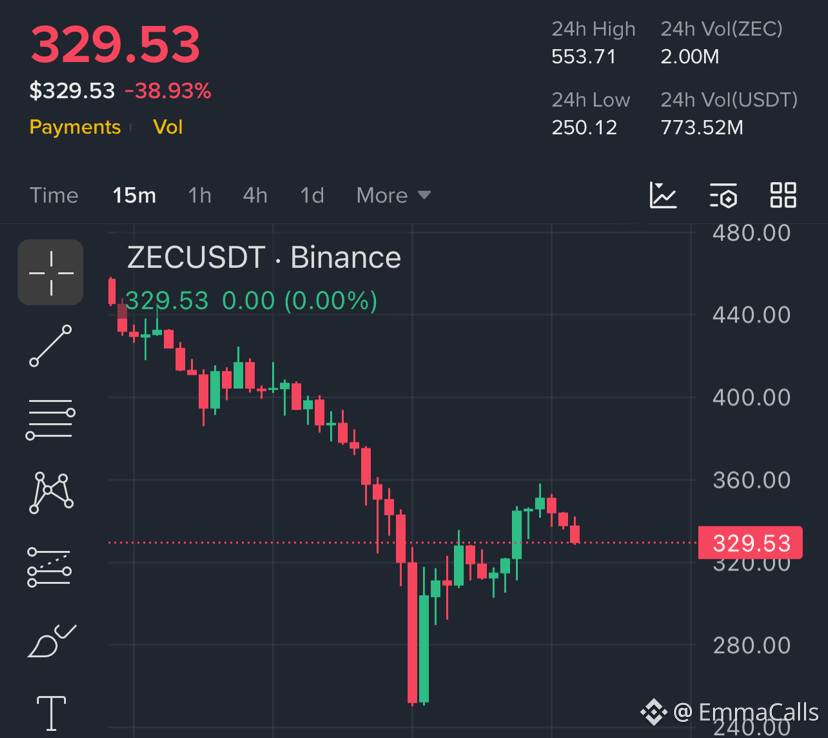
$ZEC Rebound Setup: Recovery in Motion
Entry Zone: $329.53
Targets:
* TP1: $360.00
* TP2: $390.00
* TP3: $420.00
Stop Loss: $300.00
#IMFWarnsOilDrivenInflationRisk
#FidelityLowersSpaceXIPOMinimumTo$2000
{spot}(ZECUSDT)
$ZEC Rebound Setup: Recovery in Motion
Entry Zone: $329.53
Targets:
* TP1: $360.00
* TP2: $390.00
* TP3: $420.00
Stop Loss: $300.00
#IMFWarnsOilDrivenInflationRisk
#FidelityLowersSpaceXIPOMinimumTo$2000
Entry Zone: $329.53
Targets:
* TP1: $360.00
* TP2: $390.00
* TP3: $420.00
Stop Loss: $300.00
#IMFWarnsOilDrivenInflationRisk
#FidelityLowersSpaceXIPOMinimumTo$2000
366
Log in to explore more content
Join global crypto users on Binance Square
⚡️ Get latest and useful information about crypto.
💬 Trusted by the world’s largest crypto exchange.
👍 Discover real insights from verified creators.
Email / Phone number
Trending Topics
1
#BinanceLaunchesBinanceIntelligence
19,365 views
271 Discussing
2
#EvernorthXRPTreasuryCompletesSPACMerger
20,328 views
190 Discussing
3
#ADAGains10%Above$0.27
27,089 views
196 Discussing
4
#ETHUp70%InQ3ButLiquidityFalls
212,669 views
1,283 Discussing
5
#EthStakingExitQueueHits2026High
77,912 views
881 Discussing
6
#FedOctoberHoldOdds82.3%
77,945 views
858 Discussing
7
#Nikkei225Jumps2.5%ToThreeMonthHigh
91,383 views
1,196 Discussing
8
#CircleMints$2.75BUSDCOnSolanaIn7Days
2,479 views
52 Discussing
9
#DriftHackVictimsBeginClaims
193,116 views
1,849 Discussing
10
#SolanaTokenizedStockVolumeTops$4.4BInSeptember
14,487 views
136 Discussing