
#bianace
bianace
681,372 views
1,726 Discussing
Hot
Latest

·
--
Article
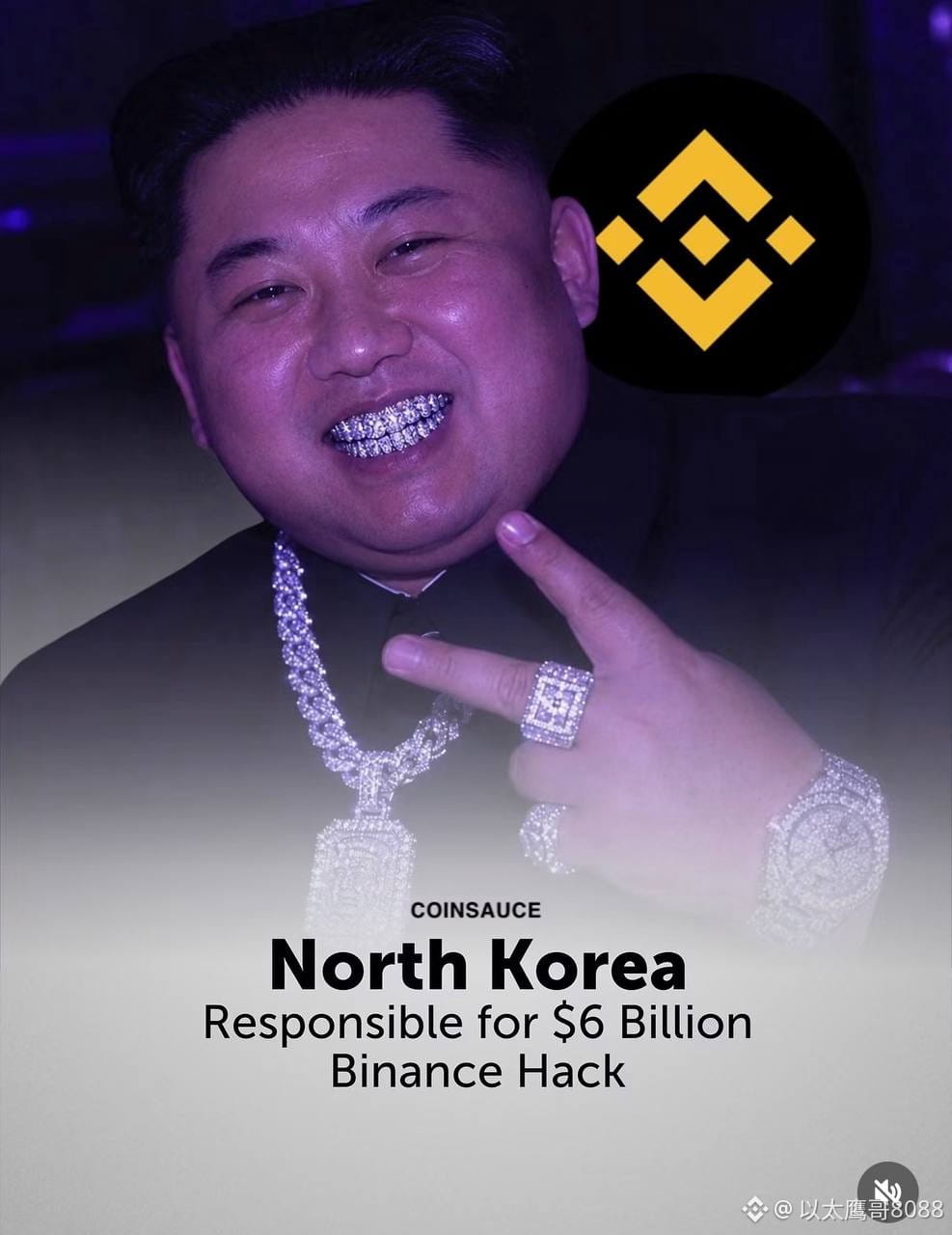
New developments in the largest cryptocurrency theft in history!New developments in the largest cryptocurrency theft in history!
Binance published a new report today about the breach it suffered, revealing that the operation began with a job interview. The theft was not carried out in a single day; rather, it was planned and executed in stages over several months.
$BTC $XAU
The attack timeline unfolded as follows:
New developments in the largest cryptocurrency theft in history!
New developments in the largest cryptocurrency theft in history!
Binance published a new report today about the breach it suffered, revealing that the operation began with a job interview. The theft was not carried out in a single day; rather, it was planned and executed in stages over several months.
$BTC $XAU
The attack timeline unfolded as follows:
Binance published a new report today about the breach it suffered, revealing that the operation began with a job interview. The theft was not carried out in a single day; rather, it was planned and executed in stages over several months.
$BTC $XAU
The attack timeline unfolded as follows:
95

·
--
233 million XRP transferred in 4 minutes—the harshest line in Binance’s report was: “This should not have happened”!
Binance’s investigation report on the October 30 security incident!
Binance has published its investigation report on the October 30 incident. The most gut-wrenching line wasn’t the amount lost, but the words: “This should not have happened.”
The chain of events actually began back in June. A member of a wallet development team downloaded a tampered tool from an ad; the malicious version appeared above the legitimate one in search results. The platform caught it, replaced the device, and changed the password, but the person’s access wasn’t revoked. In September, a second engineer downloaded a malicious code repository after a fake job interview—which even included a video call with the CEO of a fictional company. On October 20, attackers used an internal AI tool to gain access to two wallet development machines. On October 29, they transferred 233.46 million XRP from five hot wallets in four minutes, using 50 signed transactions.
What really sent a chill down my spine was the timeline: nearly four hours passed between the first and last unauthorized transfers. During that time, around $2.85 billion was frozen, but the process for revoking authorization had been improvised on the spot—and it was a step too slow.
Afterward, Binance said it had recovered around 95% of the assets. The remaining 5% consists of illiquid tokens, and it is still trying to source them over the counter. The numbers also gave it some credit: net outflows exceeded $7 billion on Monday, followed by net inflows of $2.3 billion over the next 24 hours, with hourly deposits once again exceeding withdrawals. This year, it has stopped 57 North Korea-linked attacks. The FBI also attributed this incident to North Korea, yet in the end, it was a hiring process that brought the exchange down.
My take is that you can’t pin this whole mess on the hackers. Exchanges have always relied on deep pockets, plenty of cold wallets, and a fast response—but this time, none of those three defenses failed because of technology. They failed because of process: people’s access privileges, poisoned ad placements, and the boundaries around the use of internal AI tools. Plugging a $6.3 billion hole takes money; making up for those four hours of response time takes an organizational overhaul.
Which side are you on: after something like this, should exchanges keep using profits and insurance funds as a backstop to earn trust, or should users simply keep their large holdings in their own wallets?
#Bianace #bnb #BTC #ETH
233 million XRP transferred in 4 minutes—the harshest line in Binance’s report was: “This should not have happened”!
Binance’s investigation report on the October 30 security incident!
Binance has published its investigation report on the October 30 incident. The most gut-wrenching line wasn’t the amount lost, but the words: “This should not have happened.”
The chain of events actually began back in June. A member of a wallet development team downloaded a tampered tool from an ad; the malicious version appeared above the legitimate one in search results. The platform caught it, replaced the device, and changed the password, but the person’s access wasn’t revoked. In September, a second engineer downloaded a malicious code repository after a fake job interview—which even included a video call with the CEO of a fictional company. On October 20, attackers used an internal AI tool to gain access to two wallet development machines. On October 29, they transferred 233.46 million XRP from five hot wallets in four minutes, using 50 signed transactions.
What really sent a chill down my spine was the timeline: nearly four hours passed between the first and last unauthorized transfers. During that time, around $2.85 billion was frozen, but the process for revoking authorization had been improvised on the spot—and it was a step too slow.
Afterward, Binance said it had recovered around 95% of the assets. The remaining 5% consists of illiquid tokens, and it is still trying to source them over the counter. The numbers also gave it some credit: net outflows exceeded $7 billion on Monday, followed by net inflows of $2.3 billion over the next 24 hours, with hourly deposits once again exceeding withdrawals. This year, it has stopped 57 North Korea-linked attacks. The FBI also attributed this incident to North Korea, yet in the end, it was a hiring process that brought the exchange down.
My take is that you can’t pin this whole mess on the hackers. Exchanges have always relied on deep pockets, plenty of cold wallets, and a fast response—but this time, none of those three defenses failed because of technology. They failed because of process: people’s access privileges, poisoned ad placements, and the boundaries around the use of internal AI tools. Plugging a $6.3 billion hole takes money; making up for those four hours of response time takes an organizational overhaul.
Which side are you on: after something like this, should exchanges keep using profits and insurance funds as a backstop to earn trust, or should users simply keep their large holdings in their own wallets?
#Bianace #bnb #BTC #ETH
Binance’s investigation report on the October 30 security incident!
Binance has published its investigation report on the October 30 incident. The most gut-wrenching line wasn’t the amount lost, but the words: “This should not have happened.”
The chain of events actually began back in June. A member of a wallet development team downloaded a tampered tool from an ad; the malicious version appeared above the legitimate one in search results. The platform caught it, replaced the device, and changed the password, but the person’s access wasn’t revoked. In September, a second engineer downloaded a malicious code repository after a fake job interview—which even included a video call with the CEO of a fictional company. On October 20, attackers used an internal AI tool to gain access to two wallet development machines. On October 29, they transferred 233.46 million XRP from five hot wallets in four minutes, using 50 signed transactions.
What really sent a chill down my spine was the timeline: nearly four hours passed between the first and last unauthorized transfers. During that time, around $2.85 billion was frozen, but the process for revoking authorization had been improvised on the spot—and it was a step too slow.
Afterward, Binance said it had recovered around 95% of the assets. The remaining 5% consists of illiquid tokens, and it is still trying to source them over the counter. The numbers also gave it some credit: net outflows exceeded $7 billion on Monday, followed by net inflows of $2.3 billion over the next 24 hours, with hourly deposits once again exceeding withdrawals. This year, it has stopped 57 North Korea-linked attacks. The FBI also attributed this incident to North Korea, yet in the end, it was a hiring process that brought the exchange down.
My take is that you can’t pin this whole mess on the hackers. Exchanges have always relied on deep pockets, plenty of cold wallets, and a fast response—but this time, none of those three defenses failed because of technology. They failed because of process: people’s access privileges, poisoned ad placements, and the boundaries around the use of internal AI tools. Plugging a $6.3 billion hole takes money; making up for those four hours of response time takes an organizational overhaul.
Which side are you on: after something like this, should exchanges keep using profits and insurance funds as a backstop to earn trust, or should users simply keep their large holdings in their own wallets?
#Bianace #bnb #BTC #ETH
3.9k

·
--
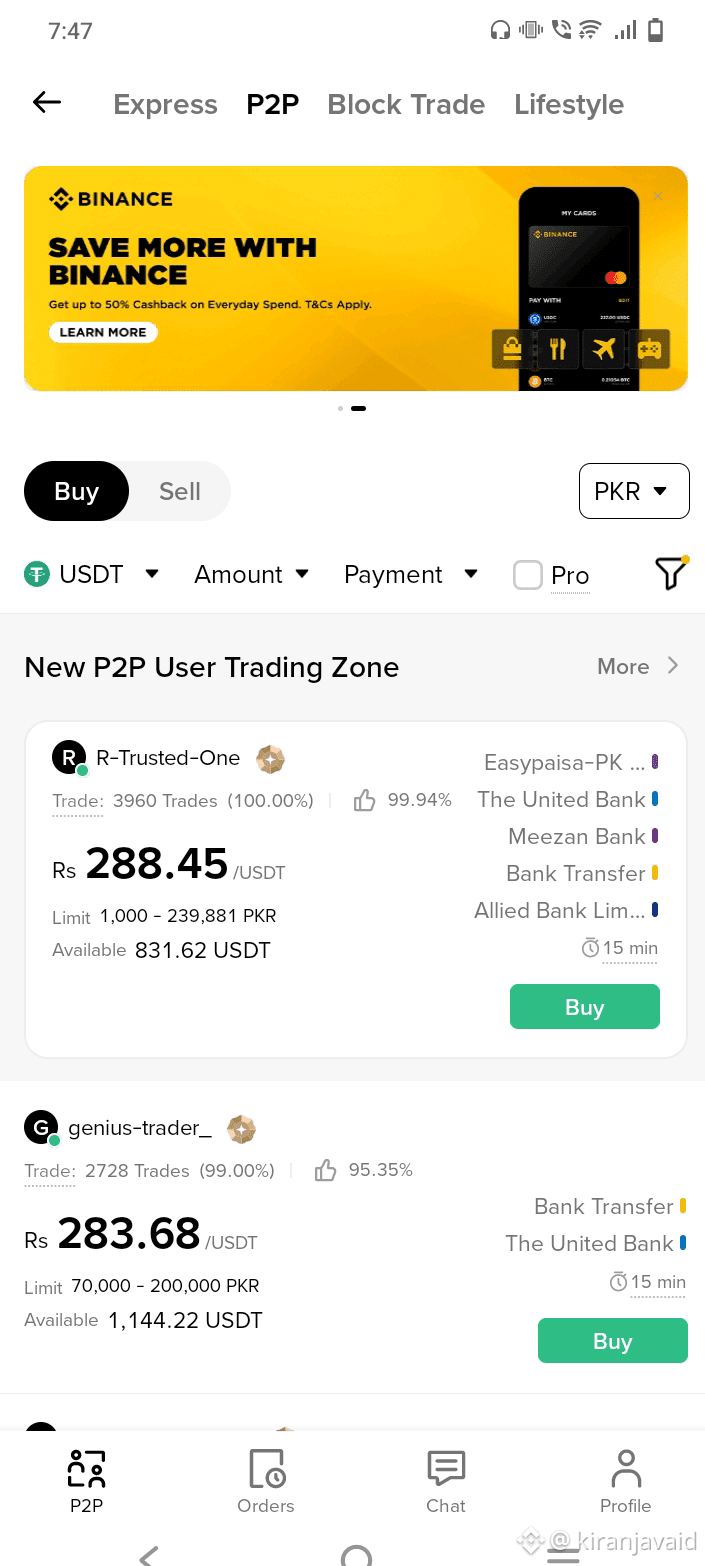
The biggest problem with P2P in Pakistan is that my Binance account is in my name, while the JazzCash account is in a family member’s name. Whenever I try to buy USDT, the verified merchant says the names don’t match and cancels the order. Does this happen to you too in Faisalabad, Pakistan? What’s the best solution? Do I need to get my own JazzCash account, or can I use Binance Pay? Please share your experience in the comments. #Bianace P2p#pakistan#$usdt#jazzcash#faisalabad#cryptopakistan#P2ptrading
The biggest problem with P2P in Pakistan is that my Binance account is in my name, while the JazzCash account is in a family member’s name. Whenever I try to buy USDT, the verified merchant says the names don’t match and cancels the order. Does this happen to you too in Faisalabad, Pakistan? What’s the best solution? Do I need to get my own JazzCash account, or can I use Binance Pay? Please share your experience in the comments. #Bianace P2p#pakistan#$usdt#jazzcash#faisalabad#cryptopakistan#P2ptrading
2
1
352

·
--
Why Binance & How to Start Investing Wisely
Getting Started on Binance? A Short Beginner's Guide
Binance is the world's largest and most established crypto exchange, trusted by millions worldwide. For newcomers, here are four sound principles to start investing the right way:
1. **Start small, learn first.** Deposit only what you can afford to lose while you familiarize yourself with the platform.
2. **Do your own research (DYOR).** Study a project's whitepaper, use case, team, and community before investing — never chase hype or "to the moon" posts.
3. **Use Dollar-Cost Averaging (DCA).** Invest fixed amounts regularly over time instead of trying to time the market. This reduces risk.
4. **Secure your account.** Enable 2FA, use a strong password, withdraw to your own wallet for long-term holdings, and beware phishing links.
**Why Binance?** Deep liquidity, low fees (0.1% spot), a secure track record, and educational resources that help you grow as an investor.
#Bianace #InvestWise
Why Binance & How to Start Investing Wisely
Getting Started on Binance? A Short Beginner's Guide
Binance is the world's largest and most established crypto exchange, trusted by millions worldwide. For newcomers, here are four sound principles to start investing the right way:
1. **Start small, learn first.** Deposit only what you can afford to lose while you familiarize yourself with the platform.
2. **Do your own research (DYOR).** Study a project's whitepaper, use case, team, and community before investing — never chase hype or "to the moon" posts.
3. **Use Dollar-Cost Averaging (DCA).** Invest fixed amounts regularly over time instead of trying to time the market. This reduces risk.
4. **Secure your account.** Enable 2FA, use a strong password, withdraw to your own wallet for long-term holdings, and beware phishing links.
**Why Binance?** Deep liquidity, low fees (0.1% spot), a secure track record, and educational resources that help you grow as an investor.
#Bianace #InvestWise
Getting Started on Binance? A Short Beginner's Guide
Binance is the world's largest and most established crypto exchange, trusted by millions worldwide. For newcomers, here are four sound principles to start investing the right way:
1. **Start small, learn first.** Deposit only what you can afford to lose while you familiarize yourself with the platform.
2. **Do your own research (DYOR).** Study a project's whitepaper, use case, team, and community before investing — never chase hype or "to the moon" posts.
3. **Use Dollar-Cost Averaging (DCA).** Invest fixed amounts regularly over time instead of trying to time the market. This reduces risk.
4. **Secure your account.** Enable 2FA, use a strong password, withdraw to your own wallet for long-term holdings, and beware phishing links.
**Why Binance?** Deep liquidity, low fees (0.1% spot), a secure track record, and educational resources that help you grow as an investor.
#Bianace #InvestWise
1
98

·
--
#Bitcoin❗ #Bianace #BNB_Market_Update #CoinClub #All_Time_High
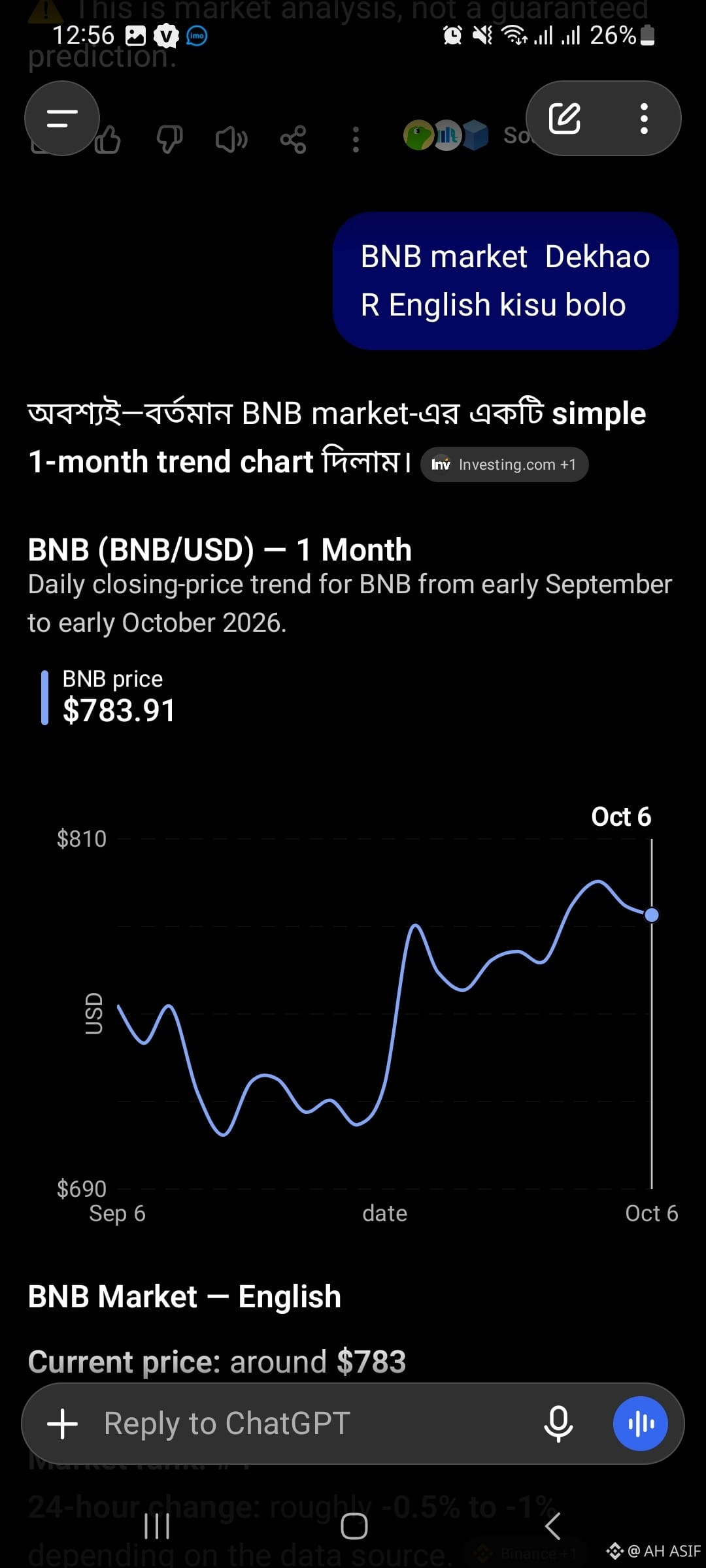
BNB Market — English
Current price: around $783
Market cap: about $104 billion
Market rank: #4
24-hour change: roughly -0.5% to -1% depending on the data source. �
Binance +1
1-month performance: BNB is roughly +5% over the last 30 days. �
Bybit
Key levels:
🟢 Support: around $760–$770
🔴 Resistance: around $800–$810
🚀 A sustained break above $810 could make the chart more bullish.
⚠️ A drop below the $760 area would weaken the short-term structure.
Simple English:
“BNB has recovered strongly during the last month. It is currently trading near $783 and is approaching the important $800–$810 resistance zone. A strong breakout above this area could indicate further upside, while rejection could bring the price back toward the $760–$770 support zone.”
#Bitcoin❗ #Bianace #BNB_Market_Update #CoinClub #All_Time_High
BNB Market — English
Current price: around $783
Market cap: about $104 billion
Market rank: #4
24-hour change: roughly -0.5% to -1% depending on the data source. �
Binance +1
1-month performance: BNB is roughly +5% over the last 30 days. �
Bybit
Key levels:
🟢 Support: around $760–$770
🔴 Resistance: around $800–$810
🚀 A sustained break above $810 could make the chart more bullish.
⚠️ A drop below the $760 area would weaken the short-term structure.
Simple English:
“BNB has recovered strongly during the last month. It is currently trading near $783 and is approaching the important $800–$810 resistance zone. A strong breakout above this area could indicate further upside, while rejection could bring the price back toward the $760–$770 support zone.”
BNB Market — English
Current price: around $783
Market cap: about $104 billion
Market rank: #4
24-hour change: roughly -0.5% to -1% depending on the data source. �
Binance +1
1-month performance: BNB is roughly +5% over the last 30 days. �
Bybit
Key levels:
🟢 Support: around $760–$770
🔴 Resistance: around $800–$810
🚀 A sustained break above $810 could make the chart more bullish.
⚠️ A drop below the $760 area would weaken the short-term structure.
Simple English:
“BNB has recovered strongly during the last month. It is currently trading near $783 and is approaching the important $800–$810 resistance zone. A strong breakout above this area could indicate further upside, while rejection could bring the price back toward the $760–$770 support zone.”
1
72

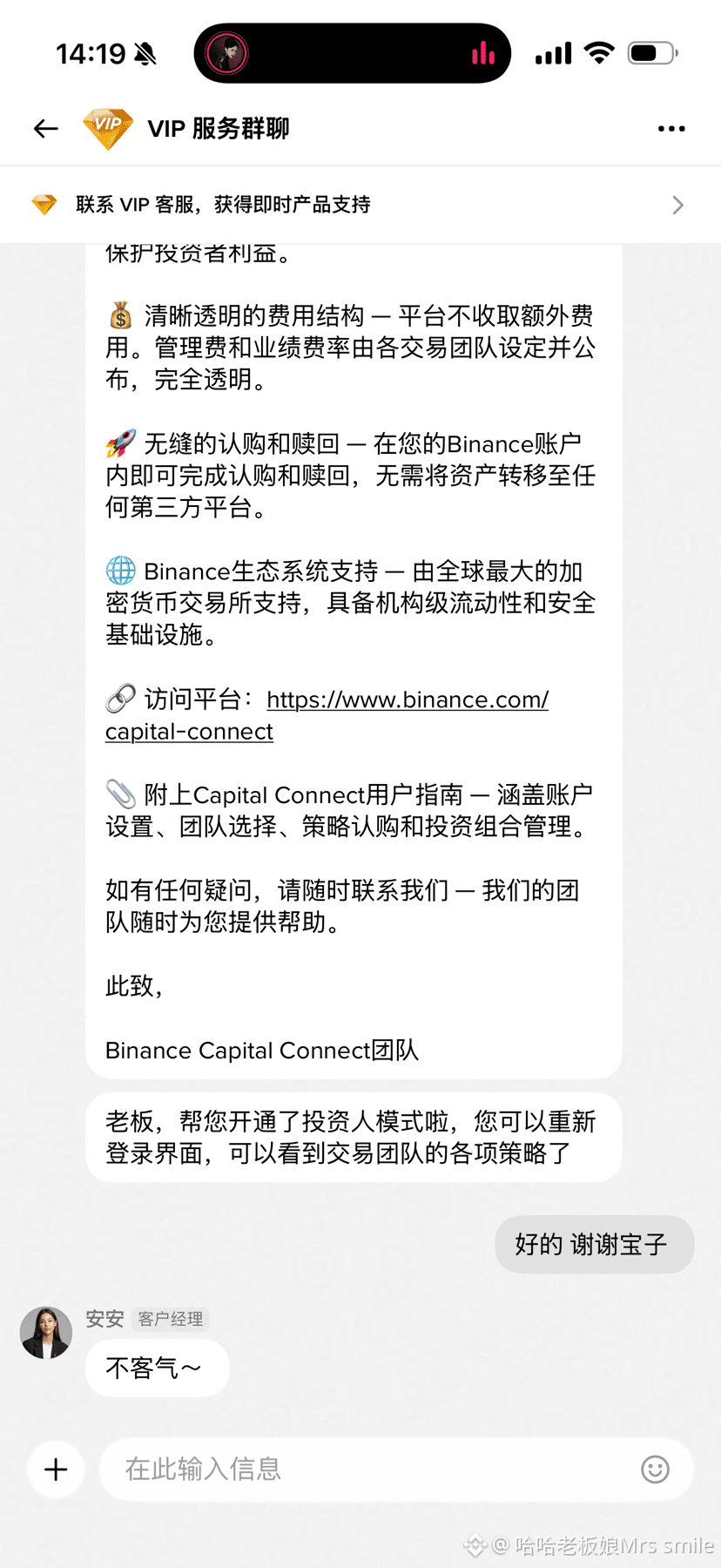
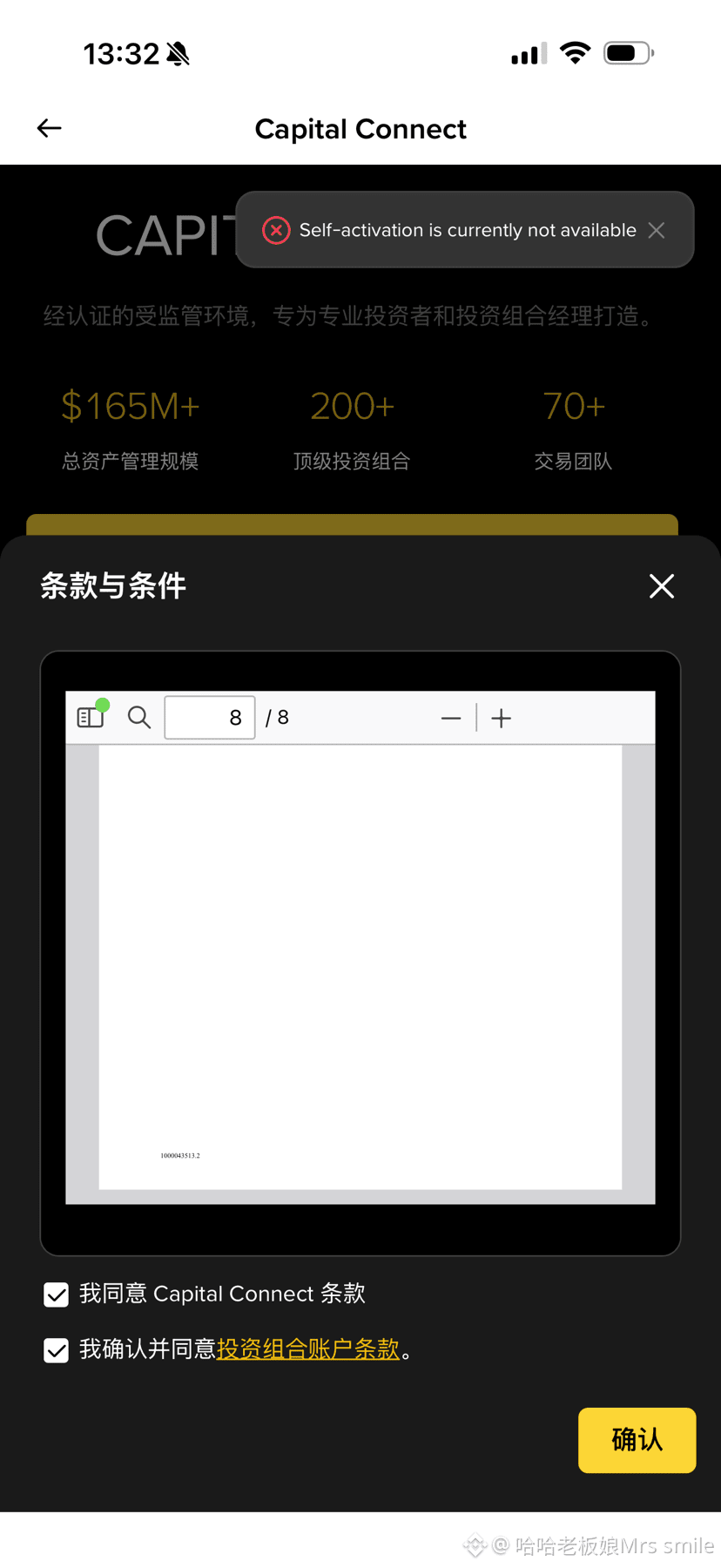
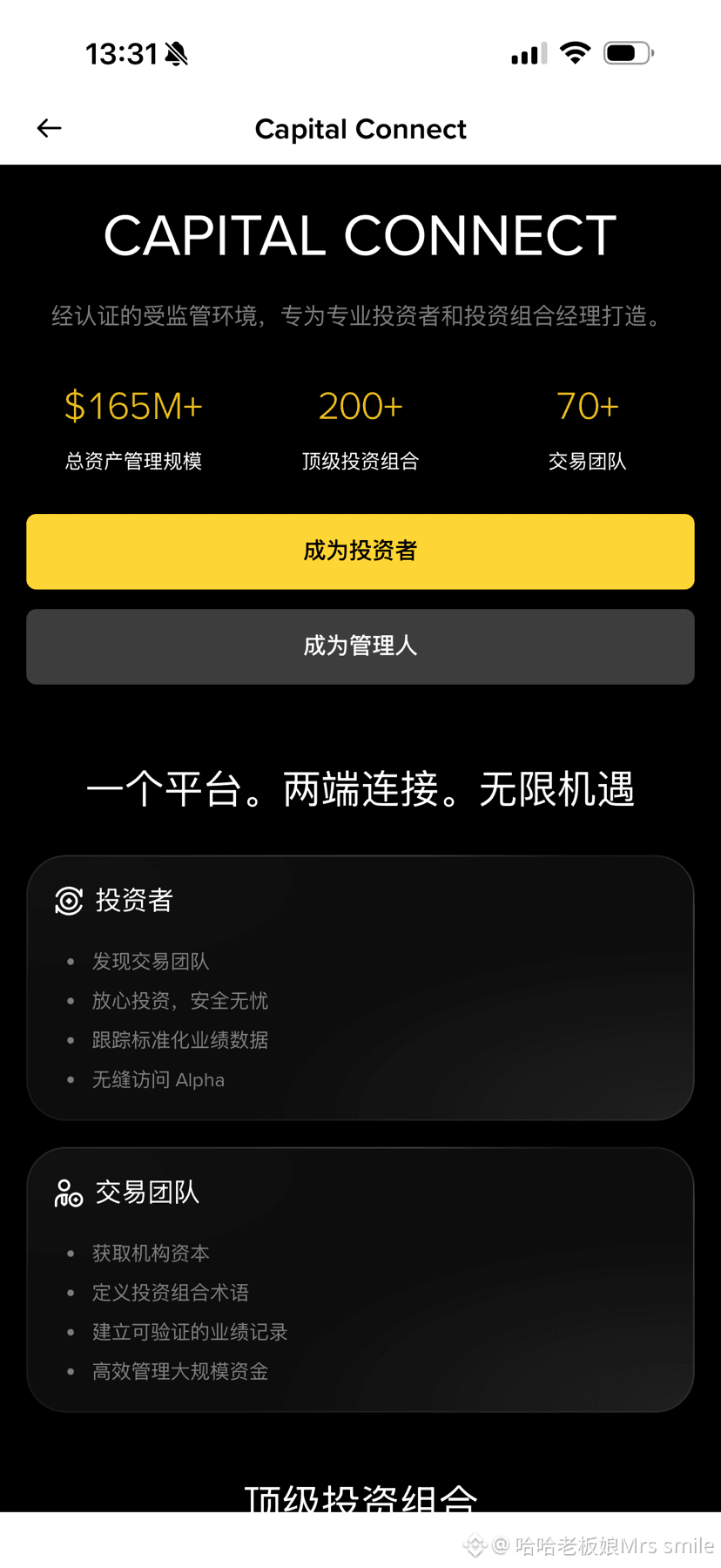
Binance staff are all so efficient and hardworking! I haven't even finished my meal yet, and the issue has already been resolved!! In fact, big traders like us don't really care how high or low the trading fees are. What I care about is the exchange's security, liquidity, the richness of available assets, and the customer service's response speed. #Bianace
Binance staff are all so efficient and hardworking! I haven't even finished my meal yet, and the issue has already been resolved!! In fact, big traders like us don't really care how high or low the trading fees are. What I care about is the exchange's security, liquidity, the richness of available assets, and the customer service's response speed. #Bianace
29
33
17.7k

·
--
Bullish
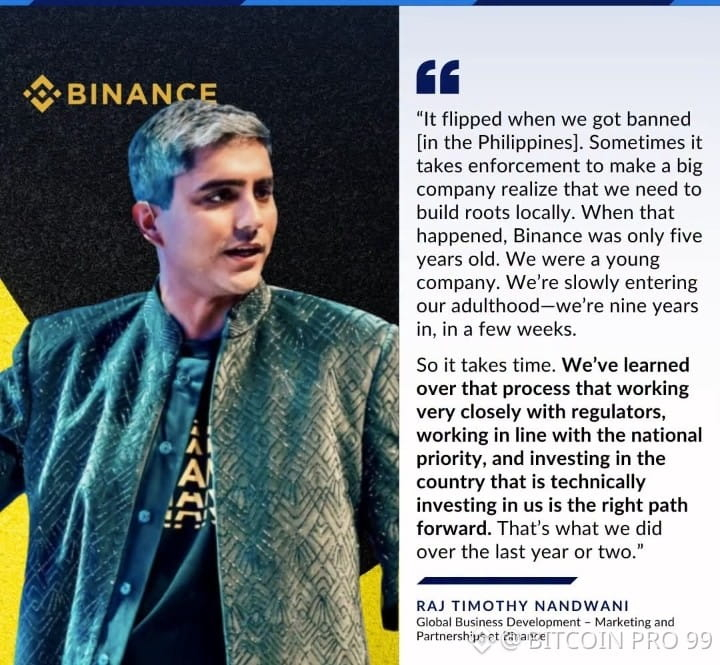
🚨 READ: Binance said it went "fully engaged" with local regulation after its website was blocked by Philippine regulators in early 2024.
The Binance official added that the exchange's cooperation with regulators in the last two years is the right path forward.
#Bianace #BNB_Market_Update
🚨 READ: Binance said it went "fully engaged" with local regulation after its website was blocked by Philippine regulators in early 2024.
The Binance official added that the exchange's cooperation with regulators in the last two years is the right path forward.
#Bianace #BNB_Market_Update
The Binance official added that the exchange's cooperation with regulators in the last two years is the right path forward.
#Bianace #BNB_Market_Update
75
·
--
$BNB
🔥 BNB Update
BNB remains a key player in the crypto market, supported by the Binance ecosystem and ongoing utility across trading, payments, and blockchain applications.
📊 Traders are watching BNB closely as market sentiment improves and activity across the Binance ecosystem continues to grow.
#bnb
#BNB_Market_Update
#bnblauncpool
#Bianace
$BNB
🔥 BNB Update
BNB remains a key player in the crypto market, supported by the Binance ecosystem and ongoing utility across trading, payments, and blockchain applications.
📊 Traders are watching BNB closely as market sentiment improves and activity across the Binance ecosystem continues to grow.
#bnb
#BNB_Market_Update
#bnblauncpool
#Bianace
🔥 BNB Update
BNB remains a key player in the crypto market, supported by the Binance ecosystem and ongoing utility across trading, payments, and blockchain applications.
📊 Traders are watching BNB closely as market sentiment improves and activity across the Binance ecosystem continues to grow.
#bnb
#BNB_Market_Update
#bnblauncpool
#Bianace
87
·
--

Article
BIANANC UPDATE$B
Binance Latest Update: What’s New in the Crypto Market
Overview
Binance is one of the world’s largest cryptocurrency exchanges, and it continues to roll out new updates to improve trading experience, security, and market access for users.
Latest Updates Highlights
1. Improved Trading System
Binance has upgraded its trading engine to make buy and sell orders faster and more stable, especially during high market volatility.
2. Enhanced Security Features
New security layers such as advanced anti-phishing codes and stronger account protection tools have been added to keep user funds safer.
3. New Token Listings
The platform regularly adds new cryptocurrencies, giving traders more options to invest in emerging projects.
4. Better Mobile Experience
The Binance app has been optimized for smoother performance, faster chart loading, and easier navigation for beginners.
5. Market Tools Upgrade
Advanced charting tools and real-time analytics are now more accurate, helping traders make better decisions.
Conclusion
Binance continues to evolve as a leading crypto exchange by focusing on speed, security, and user experience. These updates aim to make crypto trading easier and more reliable for both beginners and professionals.
#Bianace
#BitcoinETFWeeklyOutflowsDrop87%
#BiananceSquare
#UpdateAlert
#dailybiananceupdate
BIANANC UPDATE
$B
Binance Latest Update: What’s New in the Crypto Market
Overview
Binance is one of the world’s largest cryptocurrency exchanges, and it continues to roll out new updates to improve trading experience, security, and market access for users.
Latest Updates Highlights
1. Improved Trading System
Binance has upgraded its trading engine to make buy and sell orders faster and more stable, especially during high market volatility.
2. Enhanced Security Features
New security layers such as advanced anti-phishing codes and stronger account protection tools have been added to keep user funds safer.
3. New Token Listings
The platform regularly adds new cryptocurrencies, giving traders more options to invest in emerging projects.
4. Better Mobile Experience
The Binance app has been optimized for smoother performance, faster chart loading, and easier navigation for beginners.
5. Market Tools Upgrade
Advanced charting tools and real-time analytics are now more accurate, helping traders make better decisions.
Conclusion
Binance continues to evolve as a leading crypto exchange by focusing on speed, security, and user experience. These updates aim to make crypto trading easier and more reliable for both beginners and professionals.
#Bianace
#BitcoinETFWeeklyOutflowsDrop87%
#BiananceSquare
#UpdateAlert
#dailybiananceupdate
Binance Latest Update: What’s New in the Crypto Market
Overview
Binance is one of the world’s largest cryptocurrency exchanges, and it continues to roll out new updates to improve trading experience, security, and market access for users.
Latest Updates Highlights
1. Improved Trading System
Binance has upgraded its trading engine to make buy and sell orders faster and more stable, especially during high market volatility.
2. Enhanced Security Features
New security layers such as advanced anti-phishing codes and stronger account protection tools have been added to keep user funds safer.
3. New Token Listings
The platform regularly adds new cryptocurrencies, giving traders more options to invest in emerging projects.
4. Better Mobile Experience
The Binance app has been optimized for smoother performance, faster chart loading, and easier navigation for beginners.
5. Market Tools Upgrade
Advanced charting tools and real-time analytics are now more accurate, helping traders make better decisions.
Conclusion
Binance continues to evolve as a leading crypto exchange by focusing on speed, security, and user experience. These updates aim to make crypto trading easier and more reliable for both beginners and professionals.
#Bianace
#BitcoinETFWeeklyOutflowsDrop87%
#BiananceSquare
#UpdateAlert
#dailybiananceupdate
168
·
--
$BTC
$BNB
🚀 New Binance Listing Creates Excitement Across the Crypto Market
The crypto community is buzzing with excitement following the latest coin listing on Binance. As one of the world's largest cryptocurrency exchanges, Binance listings often attract significant attention from traders and investors worldwide.
The newly listed token has already seen a surge in trading volume as market participants evaluate its potential. Many investors view Binance listings as a major milestone for crypto projects, providing increased visibility, liquidity, and access to a global user base.
Analysts suggest that short-term volatility is expected as traders react to the listing news. However, long-term performance will depend on factors such as project development, ecosystem growth, community support, and overall market conditions.
Investors are encouraged to conduct their own research before making any investment decisions. While Binance listings can generate strong momentum, risk management remains essential in the highly volatile crypto market.
Stay tuned for further updates as the project continues to develop and attract attention from the global crypto community.
#BTC
#BNB_Market_Update
#bnb
#Bianace
$BTC
$BNB
🚀 New Binance Listing Creates Excitement Across the Crypto Market
The crypto community is buzzing with excitement following the latest coin listing on Binance. As one of the world's largest cryptocurrency exchanges, Binance listings often attract significant attention from traders and investors worldwide.
The newly listed token has already seen a surge in trading volume as market participants evaluate its potential. Many investors view Binance listings as a major milestone for crypto projects, providing increased visibility, liquidity, and access to a global user base.
Analysts suggest that short-term volatility is expected as traders react to the listing news. However, long-term performance will depend on factors such as project development, ecosystem growth, community support, and overall market conditions.
Investors are encouraged to conduct their own research before making any investment decisions. While Binance listings can generate strong momentum, risk management remains essential in the highly volatile crypto market.
Stay tuned for further updates as the project continues to develop and attract attention from the global crypto community.
#BTC
#BNB_Market_Update
#bnb
#Bianace
$BNB
🚀 New Binance Listing Creates Excitement Across the Crypto Market
The crypto community is buzzing with excitement following the latest coin listing on Binance. As one of the world's largest cryptocurrency exchanges, Binance listings often attract significant attention from traders and investors worldwide.
The newly listed token has already seen a surge in trading volume as market participants evaluate its potential. Many investors view Binance listings as a major milestone for crypto projects, providing increased visibility, liquidity, and access to a global user base.
Analysts suggest that short-term volatility is expected as traders react to the listing news. However, long-term performance will depend on factors such as project development, ecosystem growth, community support, and overall market conditions.
Investors are encouraged to conduct their own research before making any investment decisions. While Binance listings can generate strong momentum, risk management remains essential in the highly volatile crypto market.
Stay tuned for further updates as the project continues to develop and attract attention from the global crypto community.
#BTC
#BNB_Market_Update
#bnb
#Bianace
63

·
--
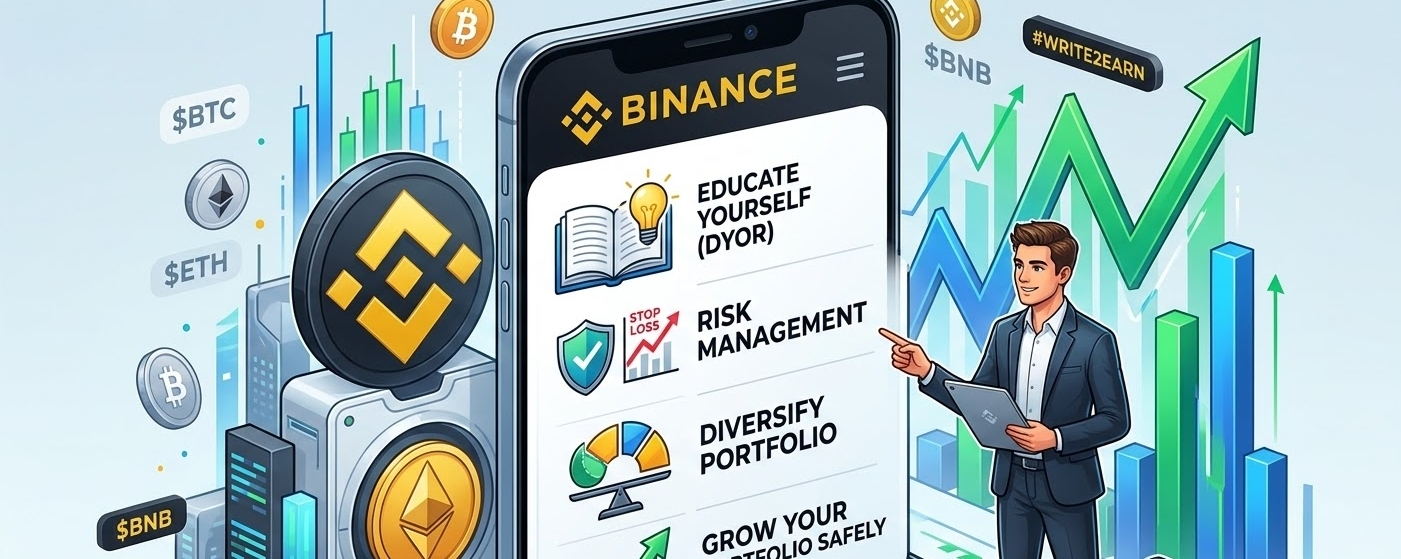
Article
How to Start Your Smart Trading Journy on BinanceThe cryptocurrency market is one of the most dynamic and rapidly growing financial spaces today, but navigating it successfully requires the right strategy to manage risk and maximize returns. Binance is not just an exchange for buying and selling digital assets—it is a comprehensive ecosystem designed to empower your financial journey.
Here are three essential steps to succeed:
1. Educate Yourself First (DYOR): Before investing in any asset, leverage Binance Academy to master technical and fundamental analysis, and understand a project's real-world utility and tokenomics.
2. Strict Risk Management: Never invest more than you can afford to lose. Always set a Stop-Loss order to protect your capital against sudden market volatility.
3. Diversify Your Portfolio: Do not put all your eggs in one basket. Spread your allocations between established high-cap assets (like Bitcoin and Ethereum) and promising emerging projects with strong fundamentals.
Conclusion: Long-term success in crypto is driven by discipline and continuous learning, not luck. Start small today and make full use of the tools Binance offers to grow your portfolio safely.
$BTC
{future}(BTCUSDT)
#Bianace #wirte2Earn #BinanceSquareTalks
How to Start Your Smart Trading Journy on Binance
The cryptocurrency market is one of the most dynamic and rapidly growing financial spaces today, but navigating it successfully requires the right strategy to manage risk and maximize returns. Binance is not just an exchange for buying and selling digital assets—it is a comprehensive ecosystem designed to empower your financial journey.
Here are three essential steps to succeed:
1. Educate Yourself First (DYOR): Before investing in any asset, leverage Binance Academy to master technical and fundamental analysis, and understand a project's real-world utility and tokenomics.
2. Strict Risk Management: Never invest more than you can afford to lose. Always set a Stop-Loss order to protect your capital against sudden market volatility.
3. Diversify Your Portfolio: Do not put all your eggs in one basket. Spread your allocations between established high-cap assets (like Bitcoin and Ethereum) and promising emerging projects with strong fundamentals.
Conclusion: Long-term success in crypto is driven by discipline and continuous learning, not luck. Start small today and make full use of the tools Binance offers to grow your portfolio safely.
$BTC
#Bianace #wirte2Earn #BinanceSquareTalks
Here are three essential steps to succeed:
1. Educate Yourself First (DYOR): Before investing in any asset, leverage Binance Academy to master technical and fundamental analysis, and understand a project's real-world utility and tokenomics.
2. Strict Risk Management: Never invest more than you can afford to lose. Always set a Stop-Loss order to protect your capital against sudden market volatility.
3. Diversify Your Portfolio: Do not put all your eggs in one basket. Spread your allocations between established high-cap assets (like Bitcoin and Ethereum) and promising emerging projects with strong fundamentals.
Conclusion: Long-term success in crypto is driven by discipline and continuous learning, not luck. Start small today and make full use of the tools Binance offers to grow your portfolio safely.
$BTC
#Bianace #wirte2Earn #BinanceSquareTalks
1
121

·
--

Article
Binance Ecosystem Surges 34.6%: Liquidity and Compliance Build a Lasting EdgePowered by rapid user growth and rising institutional participation, Binance demonstrates how deep liquidity combined with strong regulatory compliance builds a lasting competitive edge, especially as the crypto market matures and consolidates around a few trusted platforms.#Bianace #bnb #cryptocurrency #BNBChain
{spot}(BNBUSDT)
Binance Ecosystem Surges 34.6%: Liquidity and Compliance Build a Lasting Edge
Powered by rapid user growth and rising institutional participation, Binance demonstrates how deep liquidity combined with strong regulatory compliance builds a lasting competitive edge, especially as the crypto market matures and consolidates around a few trusted platforms.#Bianace #bnb #cryptocurrency #BNBChain
236
·
--
Blockchain is for Everyone CZ
Binance founder CZ just reminded everyone why blockchain wins:
Blockchain is an open technology that anyone can use, including traditional financial institutions like banks" 99dc
It's not a threat to banks, it's an *UPGRADE*. Faster, cheaper, verifiable, and unstoppable. Even when Cloudflare crashed and Biana$ce front-ends went down, CZ pointed out: *"Blockchain kept working."*
*What it means for YOU as a Bianance user:*
*1. Banks + Blockchain = Better Finance*
Forget days for cross-border transfers. On-chain = seconds.
*2. Traders = 24/7 Power*
No market closes. True peer-to-peer trading, real-time data.
*3. Students = Learn & Earn*
From Bianace Academy to Web3 certificates on-chain.
*4. Farmers to Founders = Same Network*
A farmer can track crops, a student can prove a degree, you can send $10 to family — all on the same rail.
CZ's vision is simple: In 2017, <6M owned crypto. Today 741M do, 323M on Bianace alone. The next billion won't be just crypto traders — they'll be everyone using tokenized stocks, ETFs, and everyday payments.
*Blockchain isn't just for degens. It's infrastructure for everyone.*
#Bianace #bnb #crypto #blockchain $BNB
Blockchain is for Everyone CZ
Binance founder CZ just reminded everyone why blockchain wins:
Blockchain is an open technology that anyone can use, including traditional financial institutions like banks" 99dc
It's not a threat to banks, it's an *UPGRADE*. Faster, cheaper, verifiable, and unstoppable. Even when Cloudflare crashed and Biana$ce front-ends went down, CZ pointed out: *"Blockchain kept working."*
*What it means for YOU as a Bianance user:*
*1. Banks + Blockchain = Better Finance*
Forget days for cross-border transfers. On-chain = seconds.
*2. Traders = 24/7 Power*
No market closes. True peer-to-peer trading, real-time data.
*3. Students = Learn & Earn*
From Bianace Academy to Web3 certificates on-chain.
*4. Farmers to Founders = Same Network*
A farmer can track crops, a student can prove a degree, you can send $10 to family — all on the same rail.
CZ's vision is simple: In 2017, <6M owned crypto. Today 741M do, 323M on Bianace alone. The next billion won't be just crypto traders — they'll be everyone using tokenized stocks, ETFs, and everyday payments.
*Blockchain isn't just for degens. It's infrastructure for everyone.*
#Bianace #bnb #crypto #blockchain $BNB
Binance founder CZ just reminded everyone why blockchain wins:
Blockchain is an open technology that anyone can use, including traditional financial institutions like banks" 99dc
It's not a threat to banks, it's an *UPGRADE*. Faster, cheaper, verifiable, and unstoppable. Even when Cloudflare crashed and Biana$ce front-ends went down, CZ pointed out: *"Blockchain kept working."*
*What it means for YOU as a Bianance user:*
*1. Banks + Blockchain = Better Finance*
Forget days for cross-border transfers. On-chain = seconds.
*2. Traders = 24/7 Power*
No market closes. True peer-to-peer trading, real-time data.
*3. Students = Learn & Earn*
From Bianace Academy to Web3 certificates on-chain.
*4. Farmers to Founders = Same Network*
A farmer can track crops, a student can prove a degree, you can send $10 to family — all on the same rail.
CZ's vision is simple: In 2017, <6M owned crypto. Today 741M do, 323M on Bianace alone. The next billion won't be just crypto traders — they'll be everyone using tokenized stocks, ETFs, and everyday payments.
*Blockchain isn't just for degens. It's infrastructure for everyone.*
#Bianace #bnb #crypto #blockchain $BNB

3
2
142
·
--
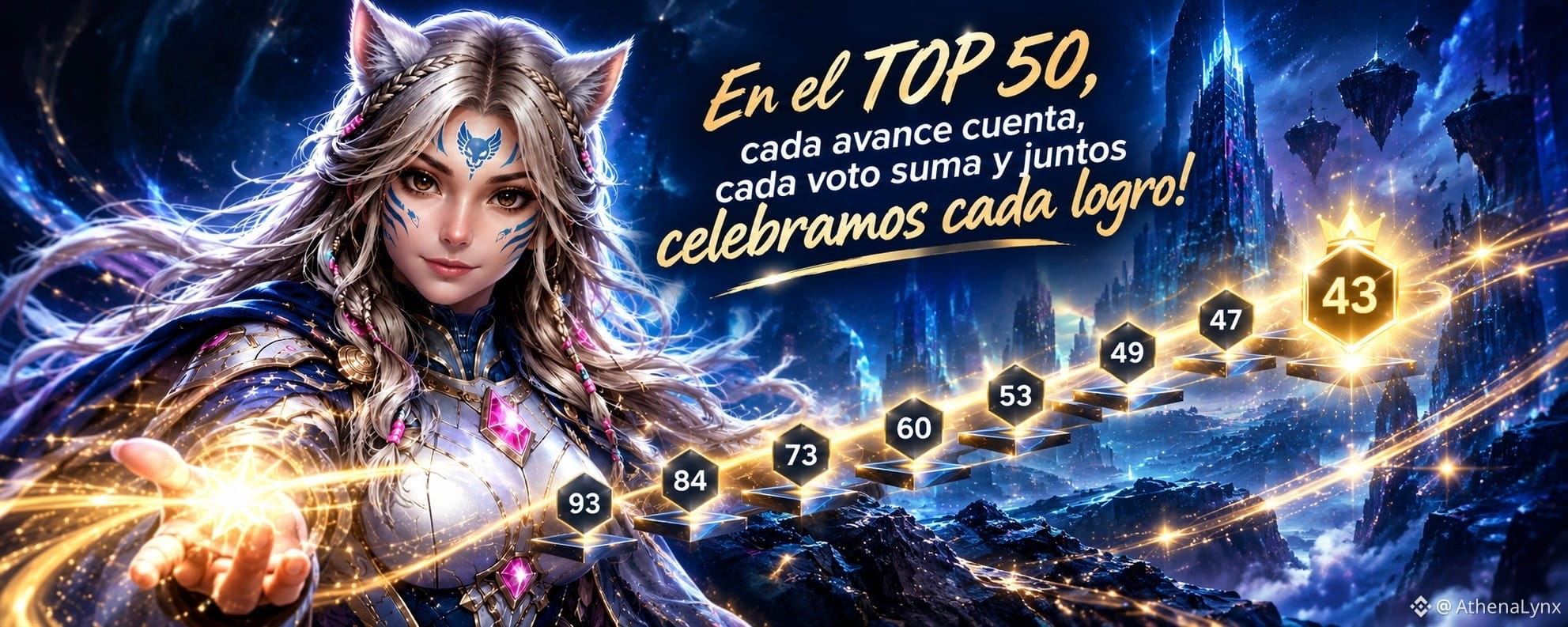
We’re still in the TOP 50!
VOTE by visiting my profile or using this link: [VOTA AQUÍ](https://app.binance.com/uni-qr/cact26user/614)
On the 8th day of voting, we reached 43rd place in the RISING STAR category ✨ of The Blockchain 100 Awards 2026, with 1,626 votes. 🤍
Voting ends on the 28th, and we can still move up further.
Let’s keep voting and sharing to get even further.
Remember that trading without a solid foundation involves risks. That’s why I want to share this post [FUTUROS DESDE 1 DÓLAR PARA PRINCIPIANTES](https://app.binance.com/uni-qr/cart/315687040499521?l=es-LA&r=N7GHQLP3&uc=web_square_share_link&uco=3GRjR1fKSYlgAsfFqadxKA&us=copylink), which I prepared together with @KiuLegion , with useful information to help you take your first steps.
As always, THANK YOU SO MUCH for every vote and for all your support.
Together, we’re stronger #LegionKiuTrades Let’s keep adding to the total #LegionKiuTrades 🔥🤍🔥
$BNB
$ACU
$CFG
#Bianace #BinanceSquare #BinanceCommunity #trading
We’re still in the TOP 50!
VOTE by visiting my profile or using this link: VOTA AQUÍ
On the 8th day of voting, we reached 43rd place in the RISING STAR category ✨ of The Blockchain 100 Awards 2026, with 1,626 votes. 🤍
Voting ends on the 28th, and we can still move up further.
Let’s keep voting and sharing to get even further.
Remember that trading without a solid foundation involves risks. That’s why I want to share this post FUTUROS DESDE 1 DÓLAR PARA PRINCIPIANTES, which I prepared together with @Kiu Trades , with useful information to help you take your first steps.
As always, THANK YOU SO MUCH for every vote and for all your support.
Together, we’re stronger #LegionKiuTrades Let’s keep adding to the total #LegionKiuTrades 🔥🤍🔥
$BNB
$ACU
$CFG
#Bianace #BinanceSquare #BinanceCommunity #trading
VOTE by visiting my profile or using this link: VOTA AQUÍ
On the 8th day of voting, we reached 43rd place in the RISING STAR category ✨ of The Blockchain 100 Awards 2026, with 1,626 votes. 🤍
Voting ends on the 28th, and we can still move up further.
Let’s keep voting and sharing to get even further.
Remember that trading without a solid foundation involves risks. That’s why I want to share this post FUTUROS DESDE 1 DÓLAR PARA PRINCIPIANTES, which I prepared together with @Kiu Trades , with useful information to help you take your first steps.
As always, THANK YOU SO MUCH for every vote and for all your support.
Together, we’re stronger #LegionKiuTrades Let’s keep adding to the total #LegionKiuTrades 🔥🤍🔥
$BNB
$ACU
$CFG
#Bianace #BinanceSquare #BinanceCommunity #trading
1
6
15
658

·
--
I'm not okay with the current system. #Bianace Even a one-click close requires you to choose from a bunch of options. Are you really trying to squeeze the last penny out of people getting liquidated?
I'm not okay with the current system. #Bianace Even a one-click close requires you to choose from a bunch of options. Are you really trying to squeeze the last penny out of people getting liquidated?
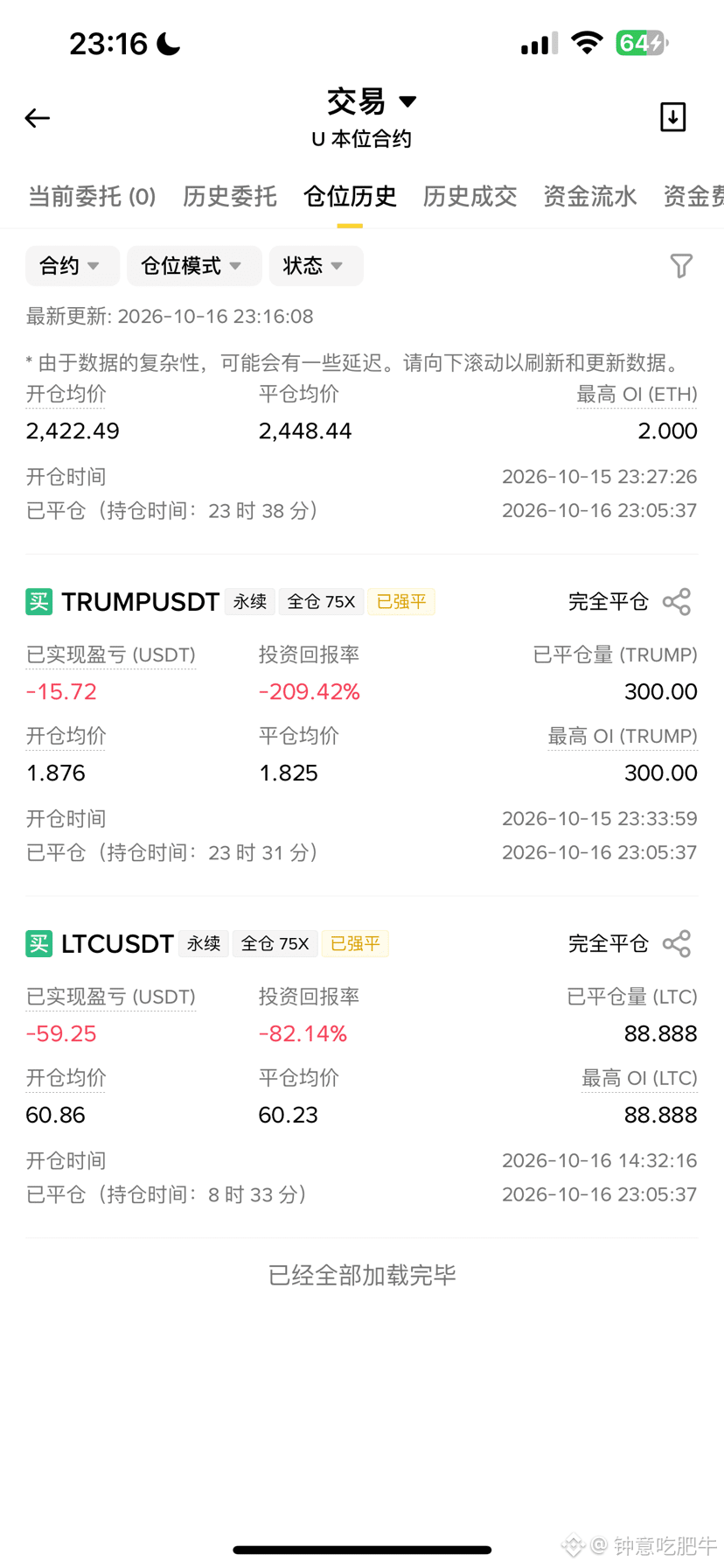
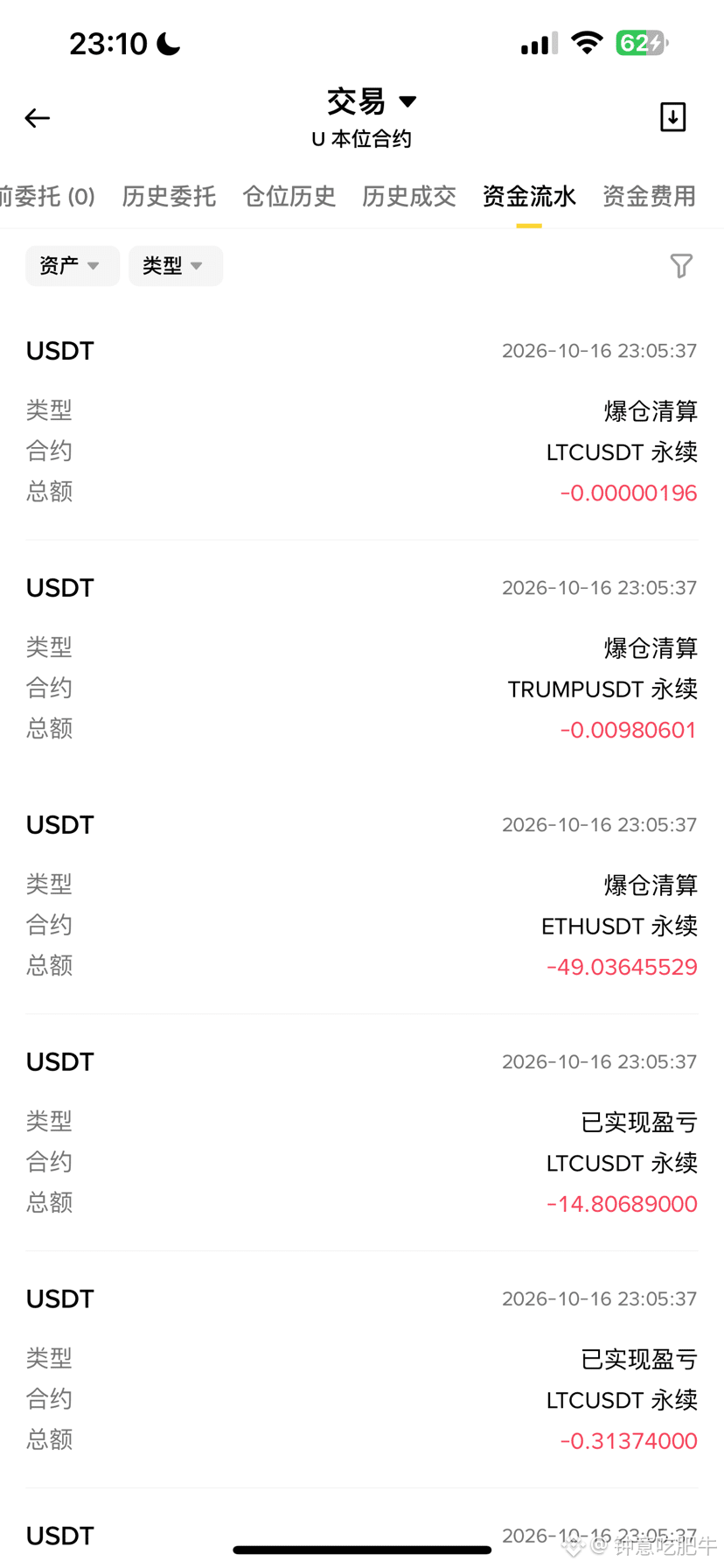
1
1.3k

·
--
Honestly, Binance’s services are really pretty good—basically everything gets a response. I’ve figured it out too. This time SOL is going back, I’m planning to start a DCA into BNB—it’s getting better and better. #Bianace
Honestly, Binance’s services are really pretty good—basically everything gets a response. I’ve figured it out too. This time SOL is going back, I’m planning to start a DCA into BNB—it’s getting better and better. #Bianace
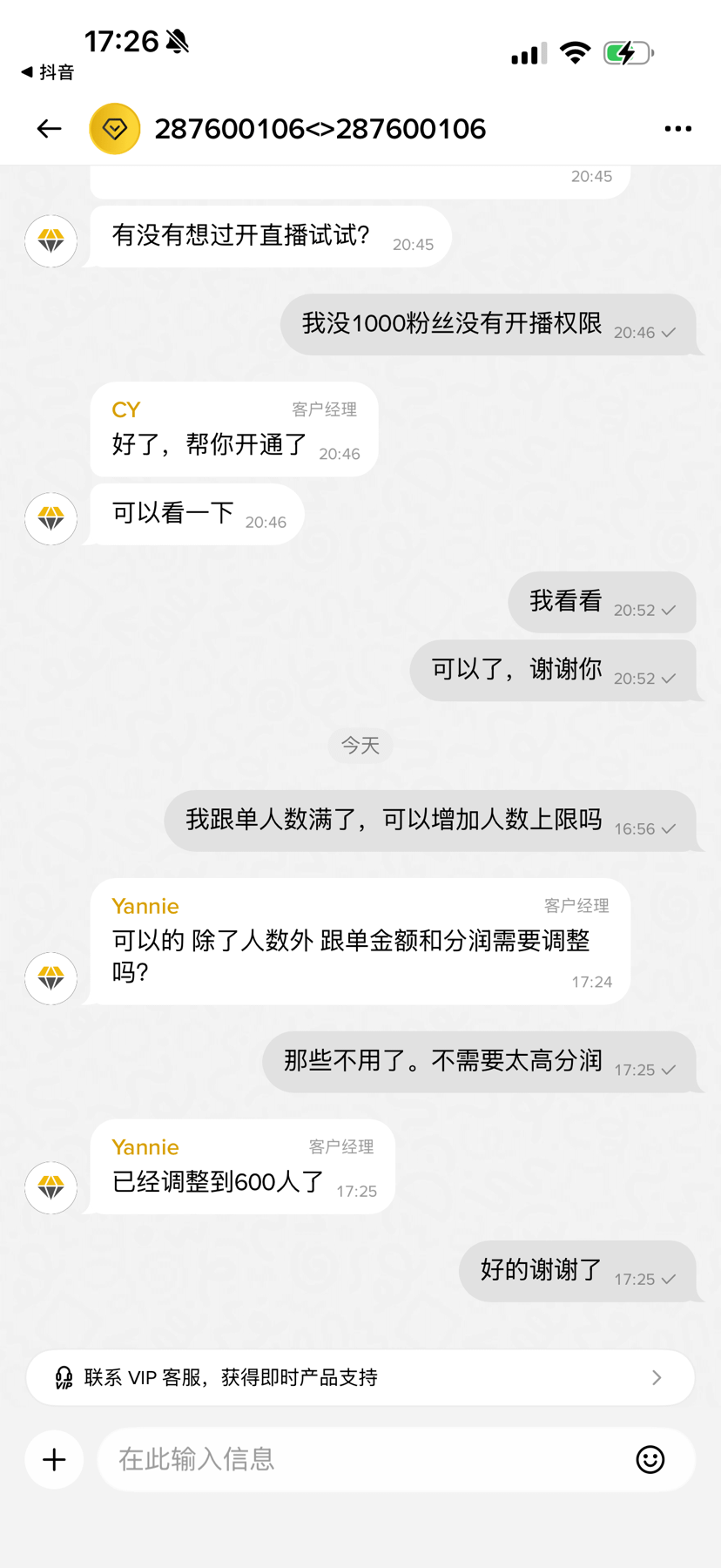
4
1
594

·
--
I wanted to ask—when I used to click the avatar, a bunch of function buttons would pop up. But now when I click in, it opens an image page. Where did the original functions go?
Should we add another line asking whether this is because of a version update, or whether the display on my side is abnormal? #股票财报季 #Bianace
I wanted to ask—when I used to click the avatar, a bunch of function buttons would pop up. But now when I click in, it opens an image page. Where did the original functions go?
Should we add another line asking whether this is because of a version update, or whether the display on my side is abnormal? #股票财报季 #Bianace
Should we add another line asking whether this is because of a version update, or whether the display on my side is abnormal? #股票财报季 #Bianace
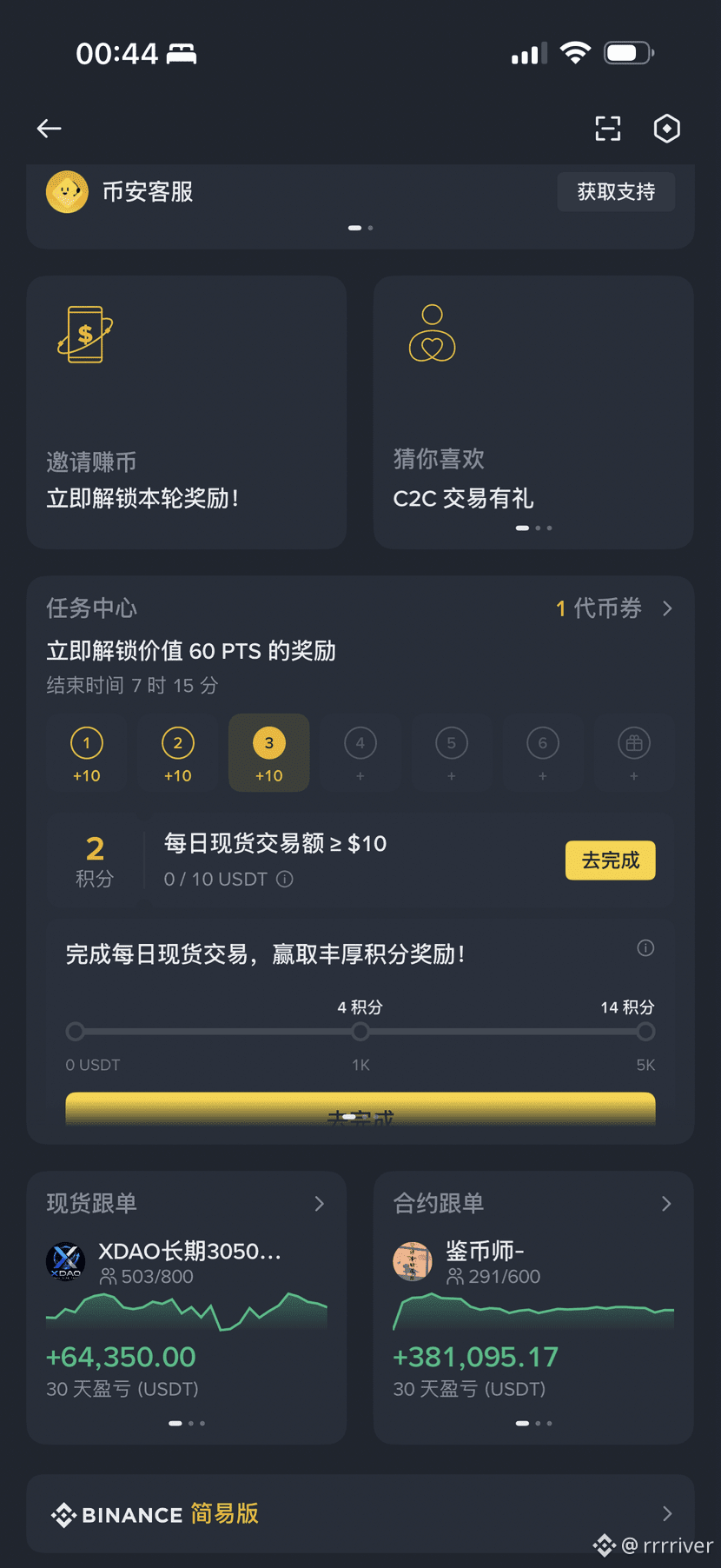
1
107

·
--
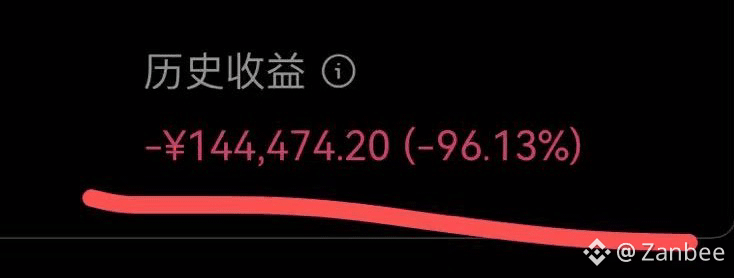
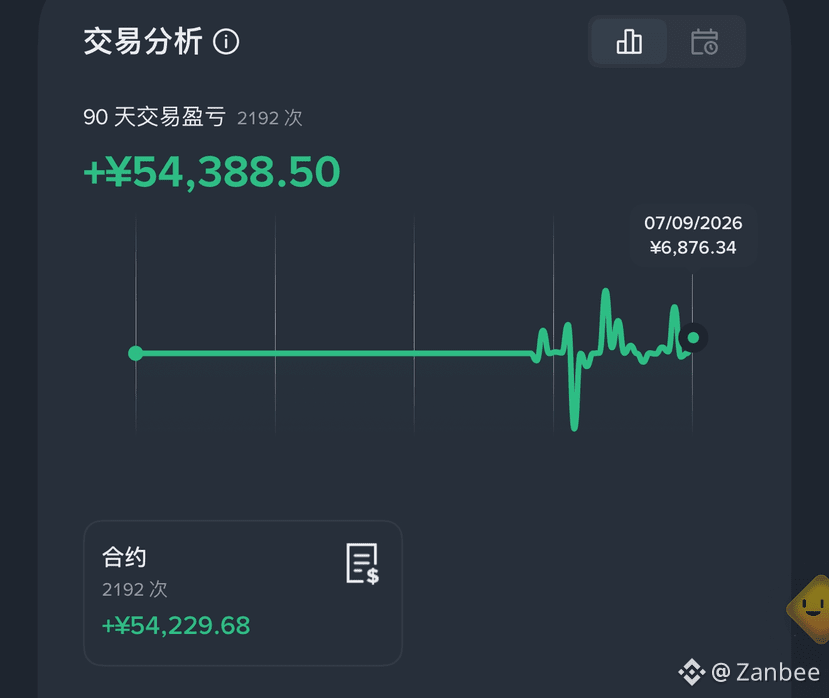
OK, losing money backbn
Binance still has to be Binance 😍#Bianace #okb
OK, losing money backbn
Binance still has to be Binance 😍#Bianace #okb
Binance still has to be Binance 😍#Bianace #okb
343

Log in to explore more content
Join global crypto users on Binance Square
⚡️ Get latest and useful information about crypto.
💬 Trusted by the world’s largest crypto exchange.
👍 Discover real insights from verified creators.
Email / Phone number
Trending Topics
1
#BitcoinRebounds$75KAsChipsLead
3 views
5 Discussing
2
#JobsReportRaisesHikeOdds
22,281 views
405 Discussing
3
#US Data Center Rules May Constrain AI Expansion
3,499 views
50 Discussing
4
#$2TWipedOutHedgeFundsFaceLiquidation
7,747 views
64 Discussing
5
#USNovemberMichiganExpectationsIndexPrelimAt50.9
1,559 views
81 Discussing
6
#OilPlungesBelow$100
5,638 views
26 Discussing
7
#TradFiForBeginners
77 views
19 Discussing
8
#USMidtermsCouldShakeUpUS-IranTies
17,765 views
296 Discussing
9
#RussianCentralBankNamesBTCETHUSDTForNonQualifiedInvestors
269 views
3 Discussing
10
#HyperliquidStrategiesHolds38.52MillionHYPE
5,345 views
143 Discussing