

#aviationindustry
aviationindustry
1,515 views
5 Discussing
Hot
Latest

·
--
$#CanadaToImpose15%To50%TariffsOnUSGoods
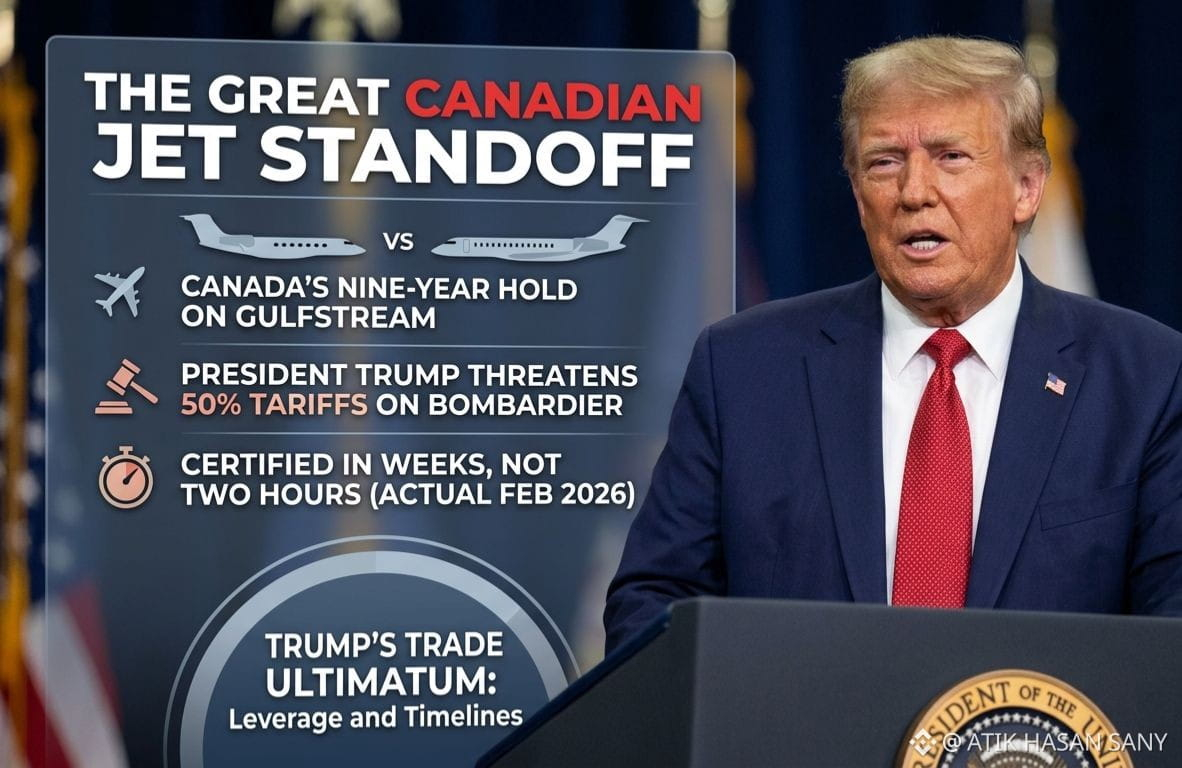
Fact-Checking the "Two Hour" Jet Certification Claim
A viral trade anecdote suggests that dynamic, high-pressure negotiations solved a nine-year regulatory standoff in just two hours. While President Trump's tariff threat in early 2026 was a major catalyst in the trade dispute over business jets, the timeline is often misrepresented.
The Narrative vs. The Reality:
The Claim: A simple call and a tariff threat forced Canada to certify American Gulfstream jets in two hours, after stalling for nine years.
The Facts:
The Conflict: In January 2026, the U.S. threatened a 50% tariff on Canadian Bombardier aircraft, citing nearly a decade of certification delays for Gulfstream jets by Transport Canada.
The Technical Hurdles: Canadian regulators maintained the delays were due to unresolved safety standards, specifically regarding anti-icing systems on the Gulfstream models.
The Actual Resolution: Formally, Transport Canada issued the necessary type certifications for the Gulfstream G500/G600 and G700/G800 series in February 2026. This was approximately 2 to 3 weeks after the public tariff threats, not two hours.
The use of tariffs as leverage was real and effective, but the regulatory approval process still required weeks to complete following the political intervention. The initial 50% tariff was not implemented at that time.
#FactCheck #TradePolicytions #USCanadaRelations tions #AviationIndustry ustry #TariffstheTruth
$#CanadaToImpose15%To50%TariffsOnUSGoods
Fact-Checking the "Two Hour" Jet Certification Claim
A viral trade anecdote suggests that dynamic, high-pressure negotiations solved a nine-year regulatory standoff in just two hours. While President Trump's tariff threat in early 2026 was a major catalyst in the trade dispute over business jets, the timeline is often misrepresented.
The Narrative vs. The Reality:
The Claim: A simple call and a tariff threat forced Canada to certify American Gulfstream jets in two hours, after stalling for nine years.
The Facts:
The Conflict: In January 2026, the U.S. threatened a 50% tariff on Canadian Bombardier aircraft, citing nearly a decade of certification delays for Gulfstream jets by Transport Canada.
The Technical Hurdles: Canadian regulators maintained the delays were due to unresolved safety standards, specifically regarding anti-icing systems on the Gulfstream models.
The Actual Resolution: Formally, Transport Canada issued the necessary type certifications for the Gulfstream G500/G600 and G700/G800 series in February 2026. This was approximately 2 to 3 weeks after the public tariff threats, not two hours.
The use of tariffs as leverage was real and effective, but the regulatory approval process still required weeks to complete following the political intervention. The initial 50% tariff was not implemented at that time.
#FactCheck #TradePolicytions #USCanadaRelations tions #AviationIndustry ustry #TariffstheTruth
Fact-Checking the "Two Hour" Jet Certification Claim
A viral trade anecdote suggests that dynamic, high-pressure negotiations solved a nine-year regulatory standoff in just two hours. While President Trump's tariff threat in early 2026 was a major catalyst in the trade dispute over business jets, the timeline is often misrepresented.
The Narrative vs. The Reality:
The Claim: A simple call and a tariff threat forced Canada to certify American Gulfstream jets in two hours, after stalling for nine years.
The Facts:
The Conflict: In January 2026, the U.S. threatened a 50% tariff on Canadian Bombardier aircraft, citing nearly a decade of certification delays for Gulfstream jets by Transport Canada.
The Technical Hurdles: Canadian regulators maintained the delays were due to unresolved safety standards, specifically regarding anti-icing systems on the Gulfstream models.
The Actual Resolution: Formally, Transport Canada issued the necessary type certifications for the Gulfstream G500/G600 and G700/G800 series in February 2026. This was approximately 2 to 3 weeks after the public tariff threats, not two hours.
The use of tariffs as leverage was real and effective, but the regulatory approval process still required weeks to complete following the political intervention. The initial 50% tariff was not implemented at that time.
#FactCheck #TradePolicytions #USCanadaRelations tions #AviationIndustry ustry #TariffstheTruth
267

EU Warns Airlines They Must Compensate Passengers Despite Fuel Crisis
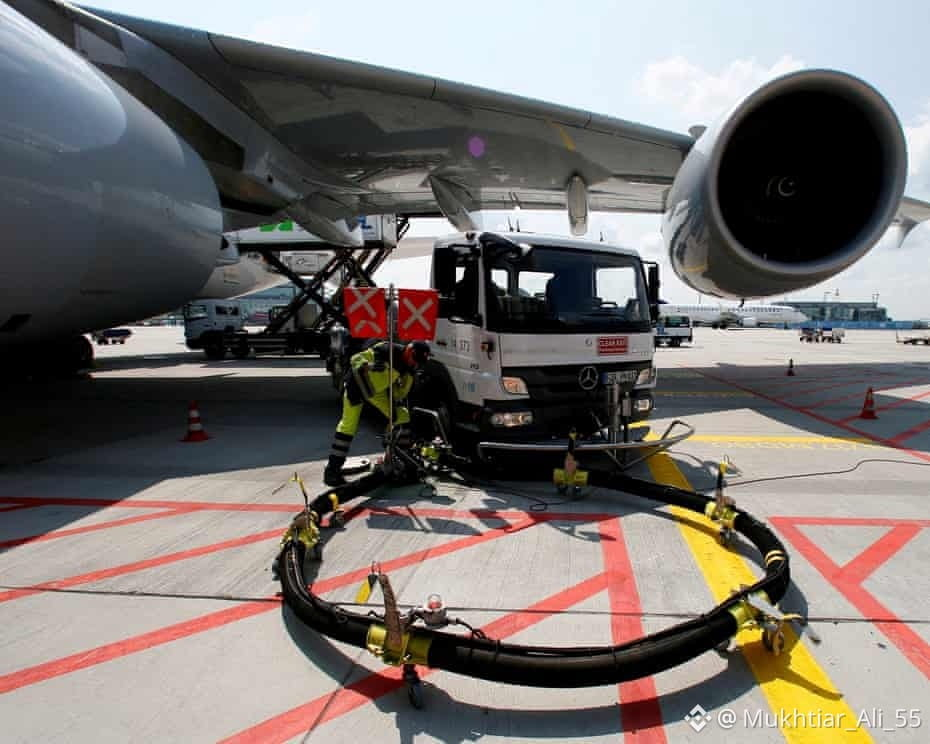
European regulators have clarified that airlines cancelling flights due to rising fuel prices or shortages will still be required to compensate passengers under EU law. The statement comes as the global aviation industry faces mounting pressure from soaring jet fuel costs linked to ongoing geopolitical tensions in the Middle East.
EU Transport Commissioner Apostolos Tzitzikostas emphasized that fuel price increases do not qualify as “extraordinary circumstances,” meaning airlines remain responsible for refunds and compensation when flights are cancelled.
The aviation sector has been heavily affected since disruptions in the Strait of Hormuz sharply increased global oil and jet fuel prices. Several airlines, including Lufthansa and Aer Lingus, have already reduced or cancelled flights, while Ryanair stated it expects to maintain its full summer schedule after securing fuel contracts in advance at lower prices.
Industry leaders are warning that the current fuel crisis may be even more financially damaging than the Covid‑19 period. AirAsia CEO Tony Fernandes described the sudden tripling of fuel costs as one of the toughest challenges the airline industry has ever faced.
At the same time, airlines are trying to balance operational stability with rising costs and consumer expectations. Governments and regulators across Europe are now under pressure to maintain passenger protections while ensuring airlines can continue operating during prolonged energy market disruptions.
The situation highlights how deeply global energy supply issues can affect transportation, tourism, and international business operations.
#Airlines #EuropeanUnion #FuelCrisis #AviationIndustry #GlobalEconomy
$GIGGLE
{spot}(GIGGLEUSDT)
$ZEN
{spot}(ZENUSDT)
$CAKE
{spot}(CAKEUSDT)
EU Warns Airlines They Must Compensate Passengers Despite Fuel Crisis
European regulators have clarified that airlines cancelling flights due to rising fuel prices or shortages will still be required to compensate passengers under EU law. The statement comes as the global aviation industry faces mounting pressure from soaring jet fuel costs linked to ongoing geopolitical tensions in the Middle East.
EU Transport Commissioner Apostolos Tzitzikostas emphasized that fuel price increases do not qualify as “extraordinary circumstances,” meaning airlines remain responsible for refunds and compensation when flights are cancelled.
The aviation sector has been heavily affected since disruptions in the Strait of Hormuz sharply increased global oil and jet fuel prices. Several airlines, including Lufthansa and Aer Lingus, have already reduced or cancelled flights, while Ryanair stated it expects to maintain its full summer schedule after securing fuel contracts in advance at lower prices.
Industry leaders are warning that the current fuel crisis may be even more financially damaging than the Covid‑19 period. AirAsia CEO Tony Fernandes described the sudden tripling of fuel costs as one of the toughest challenges the airline industry has ever faced.
At the same time, airlines are trying to balance operational stability with rising costs and consumer expectations. Governments and regulators across Europe are now under pressure to maintain passenger protections while ensuring airlines can continue operating during prolonged energy market disruptions.
The situation highlights how deeply global energy supply issues can affect transportation, tourism, and international business operations.
#Airlines #EuropeanUnion #FuelCrisis #AviationIndustry #GlobalEconomy
$GIGGLE
$ZEN
$CAKE
European regulators have clarified that airlines cancelling flights due to rising fuel prices or shortages will still be required to compensate passengers under EU law. The statement comes as the global aviation industry faces mounting pressure from soaring jet fuel costs linked to ongoing geopolitical tensions in the Middle East.
EU Transport Commissioner Apostolos Tzitzikostas emphasized that fuel price increases do not qualify as “extraordinary circumstances,” meaning airlines remain responsible for refunds and compensation when flights are cancelled.
The aviation sector has been heavily affected since disruptions in the Strait of Hormuz sharply increased global oil and jet fuel prices. Several airlines, including Lufthansa and Aer Lingus, have already reduced or cancelled flights, while Ryanair stated it expects to maintain its full summer schedule after securing fuel contracts in advance at lower prices.
Industry leaders are warning that the current fuel crisis may be even more financially damaging than the Covid‑19 period. AirAsia CEO Tony Fernandes described the sudden tripling of fuel costs as one of the toughest challenges the airline industry has ever faced.
At the same time, airlines are trying to balance operational stability with rising costs and consumer expectations. Governments and regulators across Europe are now under pressure to maintain passenger protections while ensuring airlines can continue operating during prolonged energy market disruptions.
The situation highlights how deeply global energy supply issues can affect transportation, tourism, and international business operations.
#Airlines #EuropeanUnion #FuelCrisis #AviationIndustry #GlobalEconomy
$GIGGLE
$ZEN
$CAKE
2
565
Legal Dispute Raises Concerns Over Disruption to Humanitarian Aid Operations
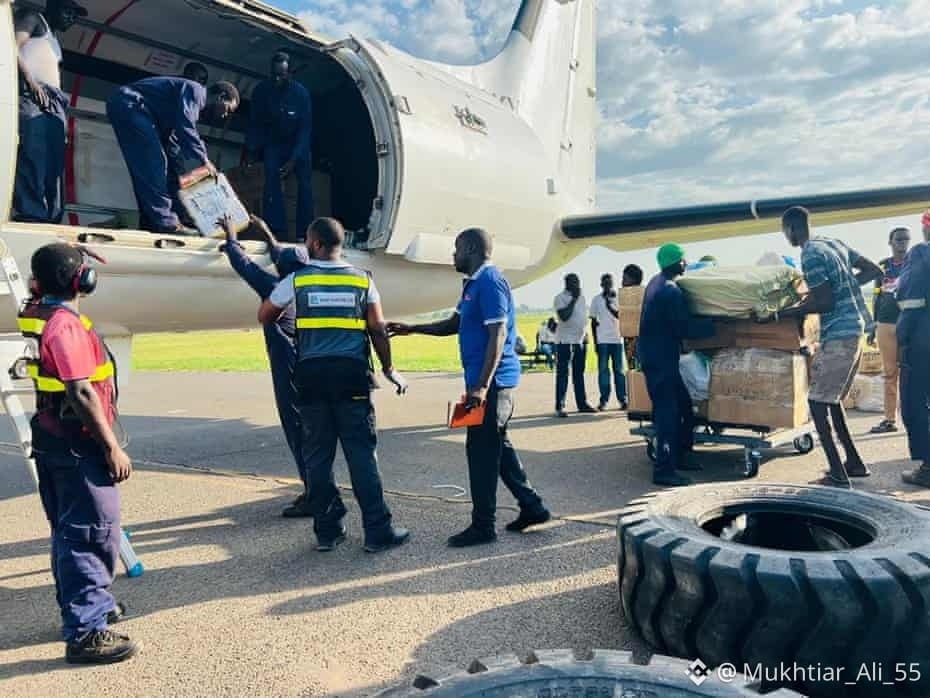
A significant legal battle has emerged between BAE Systems and EnComm Aviation, with the latter filing a £120 million lawsuit over the withdrawal of technical support for aid aircraft. The dispute highlights the complex intersection between commercial decisions and humanitarian impact.
EnComm Aviation alleges that the termination of support for its Advanced Turbo-Prop (ATP) fleet has grounded critical aircraft used to deliver aid across vulnerable regions, including South Sudan and Democratic Republic of the Congo. These aircraft were instrumental in transporting thousands of tonnes of humanitarian supplies to remote and crisis-affected areas.
The company claims the decision forced the cancellation of key international aid contracts, including operations supporting millions facing acute food insecurity. It further argues that the move has rendered its fleet effectively unusable, causing both financial losses and disruptions to life-saving missions.
While BAE Systems has declined to comment due to ongoing litigation, the case raises broader questions about corporate responsibility, particularly when business decisions directly affect humanitarian supply chains and vulnerable populations.
#HumanitarianAid #GlobalDevelopment #AviationIndustry #CorporateResponsibility #Africa
$EDU
{spot}(EDUUSDT)
$USTC
{spot}(USTCUSDT)
$LUMIA
{spot}(LUMIAUSDT)
Legal Dispute Raises Concerns Over Disruption to Humanitarian Aid Operations
A significant legal battle has emerged between BAE Systems and EnComm Aviation, with the latter filing a £120 million lawsuit over the withdrawal of technical support for aid aircraft. The dispute highlights the complex intersection between commercial decisions and humanitarian impact.
EnComm Aviation alleges that the termination of support for its Advanced Turbo-Prop (ATP) fleet has grounded critical aircraft used to deliver aid across vulnerable regions, including South Sudan and Democratic Republic of the Congo. These aircraft were instrumental in transporting thousands of tonnes of humanitarian supplies to remote and crisis-affected areas.
The company claims the decision forced the cancellation of key international aid contracts, including operations supporting millions facing acute food insecurity. It further argues that the move has rendered its fleet effectively unusable, causing both financial losses and disruptions to life-saving missions.
While BAE Systems has declined to comment due to ongoing litigation, the case raises broader questions about corporate responsibility, particularly when business decisions directly affect humanitarian supply chains and vulnerable populations.
#HumanitarianAid #GlobalDevelopment #AviationIndustry #CorporateResponsibility #Africa
$EDU
$USTC
$LUMIA
A significant legal battle has emerged between BAE Systems and EnComm Aviation, with the latter filing a £120 million lawsuit over the withdrawal of technical support for aid aircraft. The dispute highlights the complex intersection between commercial decisions and humanitarian impact.
EnComm Aviation alleges that the termination of support for its Advanced Turbo-Prop (ATP) fleet has grounded critical aircraft used to deliver aid across vulnerable regions, including South Sudan and Democratic Republic of the Congo. These aircraft were instrumental in transporting thousands of tonnes of humanitarian supplies to remote and crisis-affected areas.
The company claims the decision forced the cancellation of key international aid contracts, including operations supporting millions facing acute food insecurity. It further argues that the move has rendered its fleet effectively unusable, causing both financial losses and disruptions to life-saving missions.
While BAE Systems has declined to comment due to ongoing litigation, the case raises broader questions about corporate responsibility, particularly when business decisions directly affect humanitarian supply chains and vulnerable populations.
#HumanitarianAid #GlobalDevelopment #AviationIndustry #CorporateResponsibility #Africa
$EDU
$USTC
$LUMIA

281
Log in to explore more content
Join global crypto users on Binance Square
⚡️ Get latest and useful information about crypto.
💬 Trusted by the world’s largest crypto exchange.
👍 Discover real insights from verified creators.
Email / Phone number
Trending Topics
1
#EarningsSeason
399,424 views
3,035 Discussing
2
#SECChairWantsStockMarketsOnChain
2,088 views
93 Discussing
3
#MulticoinInvestsInGrass
835 views
63 Discussing
4
#CEARenamesToBNBStandardUnderBNC
2,145 views
83 Discussing
5
#BitwiseLaunchesFirstSpotNEARETF
50,152 views
716 Discussing
6
#USJobOpeningsFallToFiveMonthLow
54,215 views
553 Discussing
7
#ECBToTestAIAgentsInDigitalEuroPayments
35,894 views
601 Discussing
8
#JapanFSABacksFourthStablecoinTradeSettlementPilot
40,778 views
628 Discussing
9
#BitgetHackerFailsToMoveStolenFunds
57,978 views
691 Discussing
10
#BitMineETHHoldingsTop6Million
45,250 views
754 Discussing