

ZEN ARLO
10.5k Posts

ZEN ARLO
 Square Verified+
Report
Block User
Code by day, charts by night. Sleep? Rarely. I try not to FOMO. LFG 🥂
31 Following
34.3K+ Followers
55.2K+ Liked
Posts
All
Live
·
--
Verified
JUST IN: 🇺🇸 TRUMP DROPS A MASSIVE DEBT STATEMENT
President Trump says “certain levels of inflation” could help pay down America’s $40 TRILLION national debt “very rapidly.”
The idea: inflation reduces the real value of existing fixed-rate debt, while stronger economic growth could also shrink the debt burden relative to the economy. But higher inflation can also push borrowing costs higher.
A huge macro signal for markets to watch.
JUST IN: 🇺🇸 TRUMP DROPS A MASSIVE DEBT STATEMENT
President Trump says “certain levels of inflation” could help pay down America’s $40 TRILLION national debt “very rapidly.”
The idea: inflation reduces the real value of existing fixed-rate debt, while stronger economic growth could also shrink the debt burden relative to the economy. But higher inflation can also push borrowing costs higher.
A huge macro signal for markets to watch.
President Trump says “certain levels of inflation” could help pay down America’s $40 TRILLION national debt “very rapidly.”
The idea: inflation reduces the real value of existing fixed-rate debt, while stronger economic growth could also shrink the debt burden relative to the economy. But higher inflation can also push borrowing costs higher.
A huge macro signal for markets to watch.

5
1
6
7.2k
·
--
Bullish
Verified
The tokenomics shift is already happening.
Aevo is a decentralized derivatives platform built around options, perpetual futures and equity perps, with trading activity connected directly to its token mechanics.
That makes $AEVO worth understanding beyond the usual altcoin narrative.
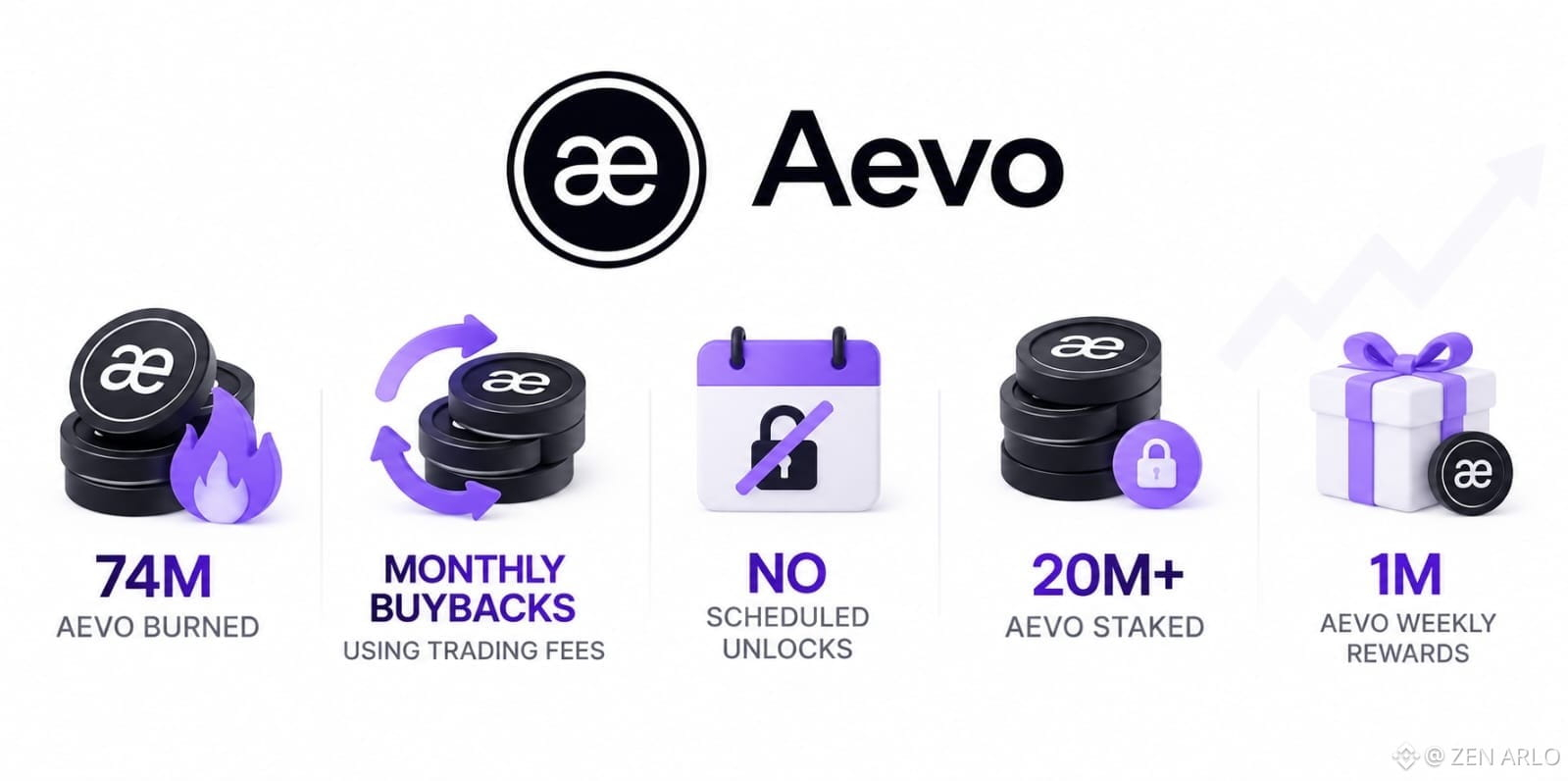
74M AEVO has already been burned.
Monthly buybacks use trading fees to buy AEVO from the market and permanently remove it.
There are no scheduled unlocks remaining, and more than 20M AEVO is currently staked.
Traders still receive 1M AEVO in weekly rewards, but these come from the existing fixed 1B supply, not new issuance.
Tokens like $DYDX , $GMX and $HYPE have made derivatives a major part of the onchain trading conversation.
Aevo takes a different approach by connecting actual platform activity with recurring buybacks and supply reduction.
More trading activity can fund more buybacks, creating a direct link between platform usage and the token structure.
A token model tied to real platform activity is becoming increasingly important as crypto markets mature.
Only information not financial advice
#AEVO #DeFi #Crypto
The tokenomics shift is already happening.
Aevo is a decentralized derivatives platform built around options, perpetual futures and equity perps, with trading activity connected directly to its token mechanics.
That makes $AEVO worth understanding beyond the usual altcoin narrative.
74M AEVO has already been burned.
Monthly buybacks use trading fees to buy AEVO from the market and permanently remove it.
There are no scheduled unlocks remaining, and more than 20M AEVO is currently staked.
Traders still receive 1M AEVO in weekly rewards, but these come from the existing fixed 1B supply, not new issuance.
Tokens like $DYDX , $GMX and $HYPE have made derivatives a major part of the onchain trading conversation.
Aevo takes a different approach by connecting actual platform activity with recurring buybacks and supply reduction.
More trading activity can fund more buybacks, creating a direct link between platform usage and the token structure.
A token model tied to real platform activity is becoming increasingly important as crypto markets mature.
Only information not financial advice
#AEVO #DeFi #Crypto
Aevo is a decentralized derivatives platform built around options, perpetual futures and equity perps, with trading activity connected directly to its token mechanics.
That makes $AEVO worth understanding beyond the usual altcoin narrative.
74M AEVO has already been burned.
Monthly buybacks use trading fees to buy AEVO from the market and permanently remove it.
There are no scheduled unlocks remaining, and more than 20M AEVO is currently staked.
Traders still receive 1M AEVO in weekly rewards, but these come from the existing fixed 1B supply, not new issuance.
Tokens like $DYDX , $GMX and $HYPE have made derivatives a major part of the onchain trading conversation.
Aevo takes a different approach by connecting actual platform activity with recurring buybacks and supply reduction.
More trading activity can fund more buybacks, creating a direct link between platform usage and the token structure.
A token model tied to real platform activity is becoming increasingly important as crypto markets mature.
Only information not financial advice
#AEVO #DeFi #Crypto
34
23
2.8k
·
--
Bullish
Partly True
BREAKING: $710 BILLION JUST FLOODED INTO U.S. STOCKS.
The unemployment rate jumped to 4.2%, a 3-month high, while September payrolls added just 29,000 jobs.
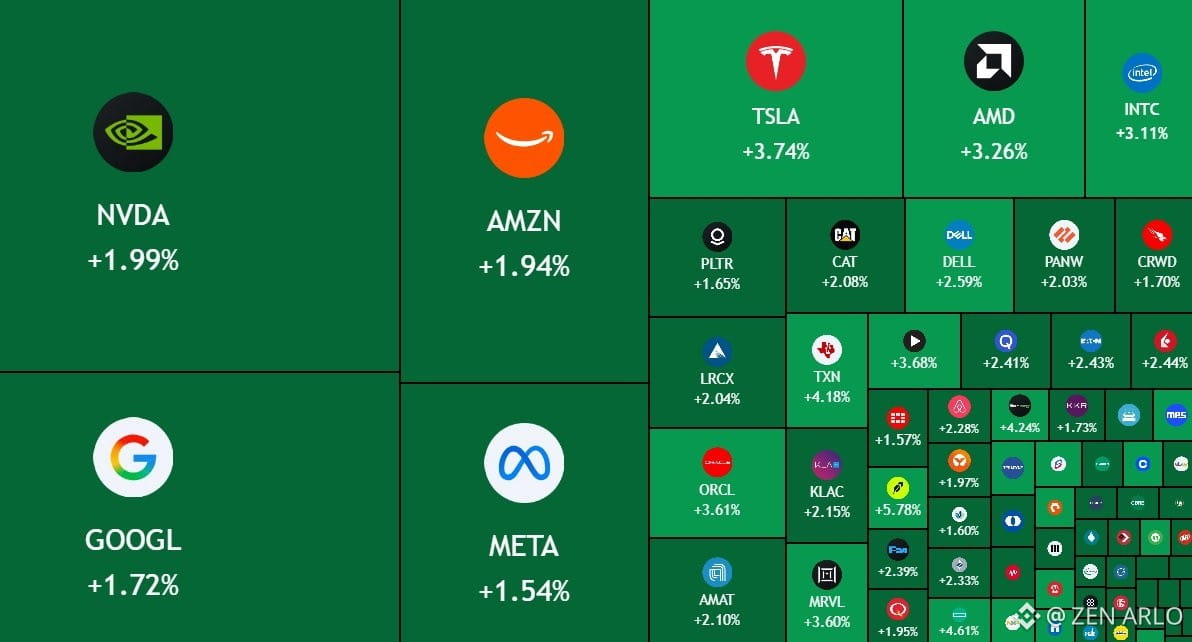
Markets exploded higher at the open: Nasdaq +1.27%, S&P 500 +0.89%, Dow +0.67%.
Nvidia +1.99%, Tesla +3.74%, AMD +3.26%, Amazon +1.94% and Google +1.72%.
A softer labor market pushed Treasury yields lower and reduced expectations for another Fed hike.
LIQUIDITY LOVES WEAKER DATA.
BREAKING: $710 BILLION JUST FLOODED INTO U.S. STOCKS.
The unemployment rate jumped to 4.2%, a 3-month high, while September payrolls added just 29,000 jobs.
Markets exploded higher at the open: Nasdaq +1.27%, S&P 500 +0.89%, Dow +0.67%.
Nvidia +1.99%, Tesla +3.74%, AMD +3.26%, Amazon +1.94% and Google +1.72%.
A softer labor market pushed Treasury yields lower and reduced expectations for another Fed hike.
LIQUIDITY LOVES WEAKER DATA.
The unemployment rate jumped to 4.2%, a 3-month high, while September payrolls added just 29,000 jobs.
Markets exploded higher at the open: Nasdaq +1.27%, S&P 500 +0.89%, Dow +0.67%.
Nvidia +1.99%, Tesla +3.74%, AMD +3.26%, Amazon +1.94% and Google +1.72%.
A softer labor market pushed Treasury yields lower and reduced expectations for another Fed hike.
LIQUIDITY LOVES WEAKER DATA.
8
2
21
16k
·
--
Bullish
ALTCOINS CLOSED SEPTEMBER WITH MASSIVE STRENGTH.
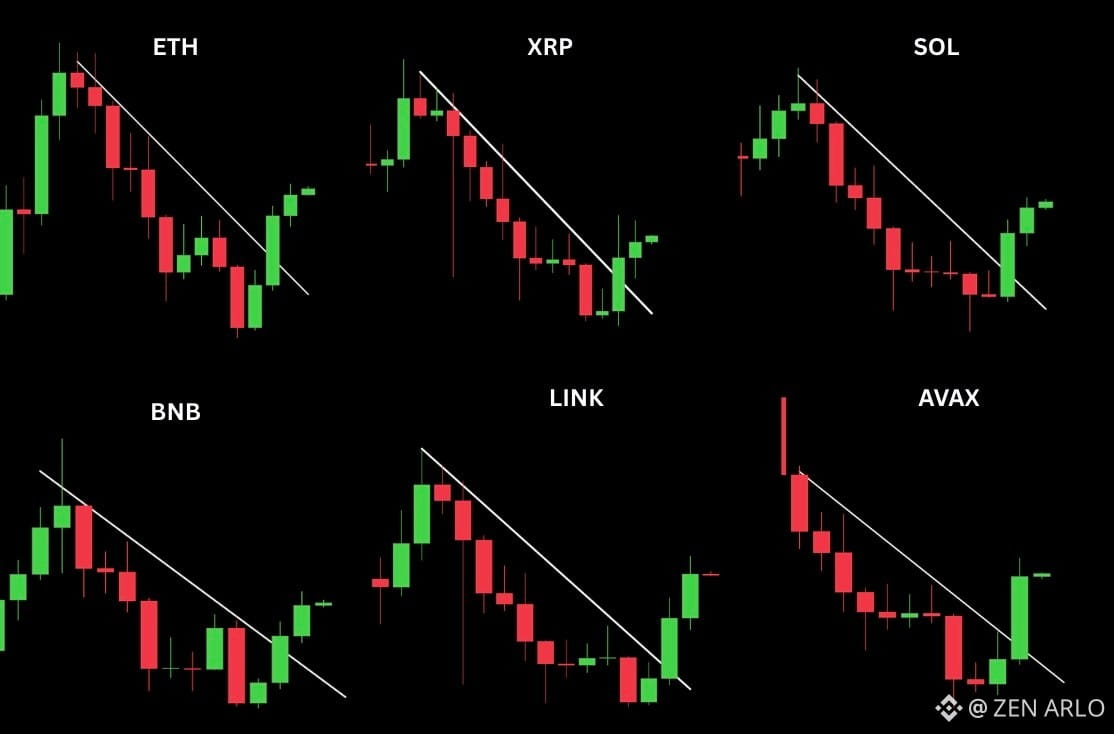
Momentum returned across the market, with several major alts outperforming Bitcoin and September finishing firmly green.
Now October is here.
If this momentum continues, Uptober could get wild.
Bigger breakouts. Bigger moves. Bigger altcoin season.
Let’s manifest a massive Uptober.
ALTCOINS CLOSED SEPTEMBER WITH MASSIVE STRENGTH.
Momentum returned across the market, with several major alts outperforming Bitcoin and September finishing firmly green.
Now October is here.
If this momentum continues, Uptober could get wild.
Bigger breakouts. Bigger moves. Bigger altcoin season.
Let’s manifest a massive Uptober.
Momentum returned across the market, with several major alts outperforming Bitcoin and September finishing firmly green.
Now October is here.
If this momentum continues, Uptober could get wild.
Bigger breakouts. Bigger moves. Bigger altcoin season.
Let’s manifest a massive Uptober.
1
7
7.7k
·
--
Bearish
Partly True
$550 BILLION ERASED IN JUST 25 MINUTES.
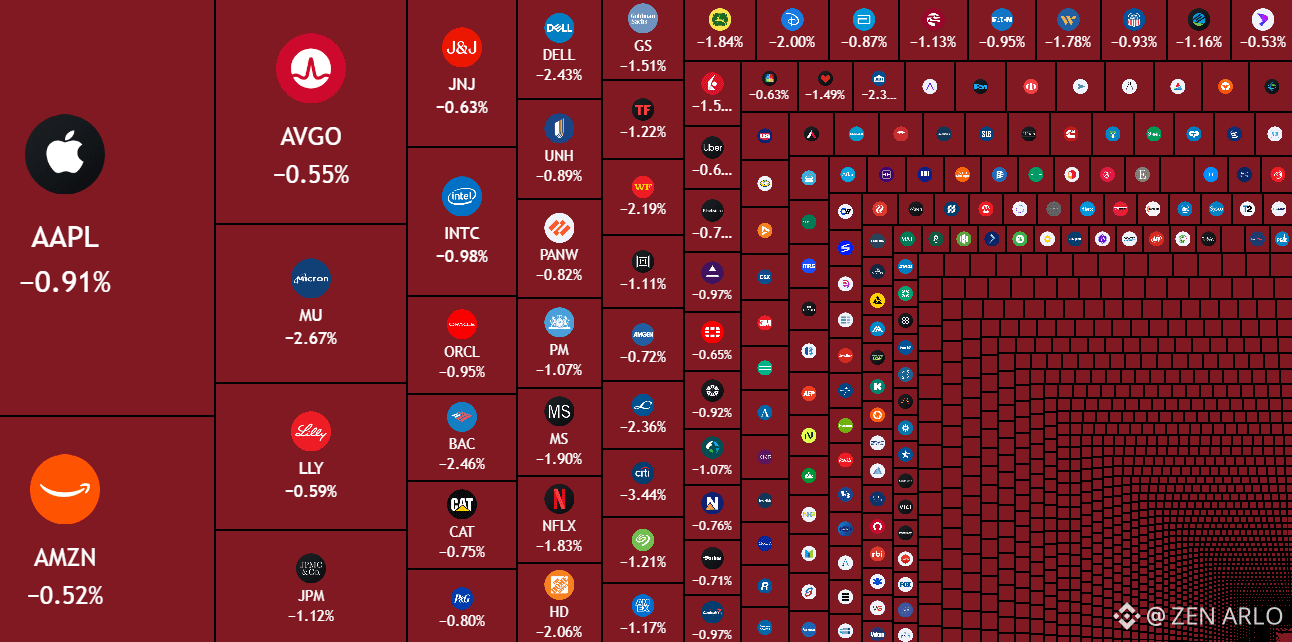
The U.S. stock market was hit by a sharp sell-off after the latest ISM Manufacturing PMI slipped to 54.5, a 3-month low and below the 55.0 forecast.
Even more concerning: input prices surged to 77.9, keeping inflation pressure alive.
Growth uncertainty + sticky inflation = volatility just exploded across markets.
Wall Street is on high alert.
$550 BILLION ERASED IN JUST 25 MINUTES.
The U.S. stock market was hit by a sharp sell-off after the latest ISM Manufacturing PMI slipped to 54.5, a 3-month low and below the 55.0 forecast.
Even more concerning: input prices surged to 77.9, keeping inflation pressure alive.
Growth uncertainty + sticky inflation = volatility just exploded across markets.
Wall Street is on high alert.
The U.S. stock market was hit by a sharp sell-off after the latest ISM Manufacturing PMI slipped to 54.5, a 3-month low and below the 55.0 forecast.
Even more concerning: input prices surged to 77.9, keeping inflation pressure alive.
Growth uncertainty + sticky inflation = volatility just exploded across markets.
Wall Street is on high alert.
10
27
32.2k
·
--
Bullish
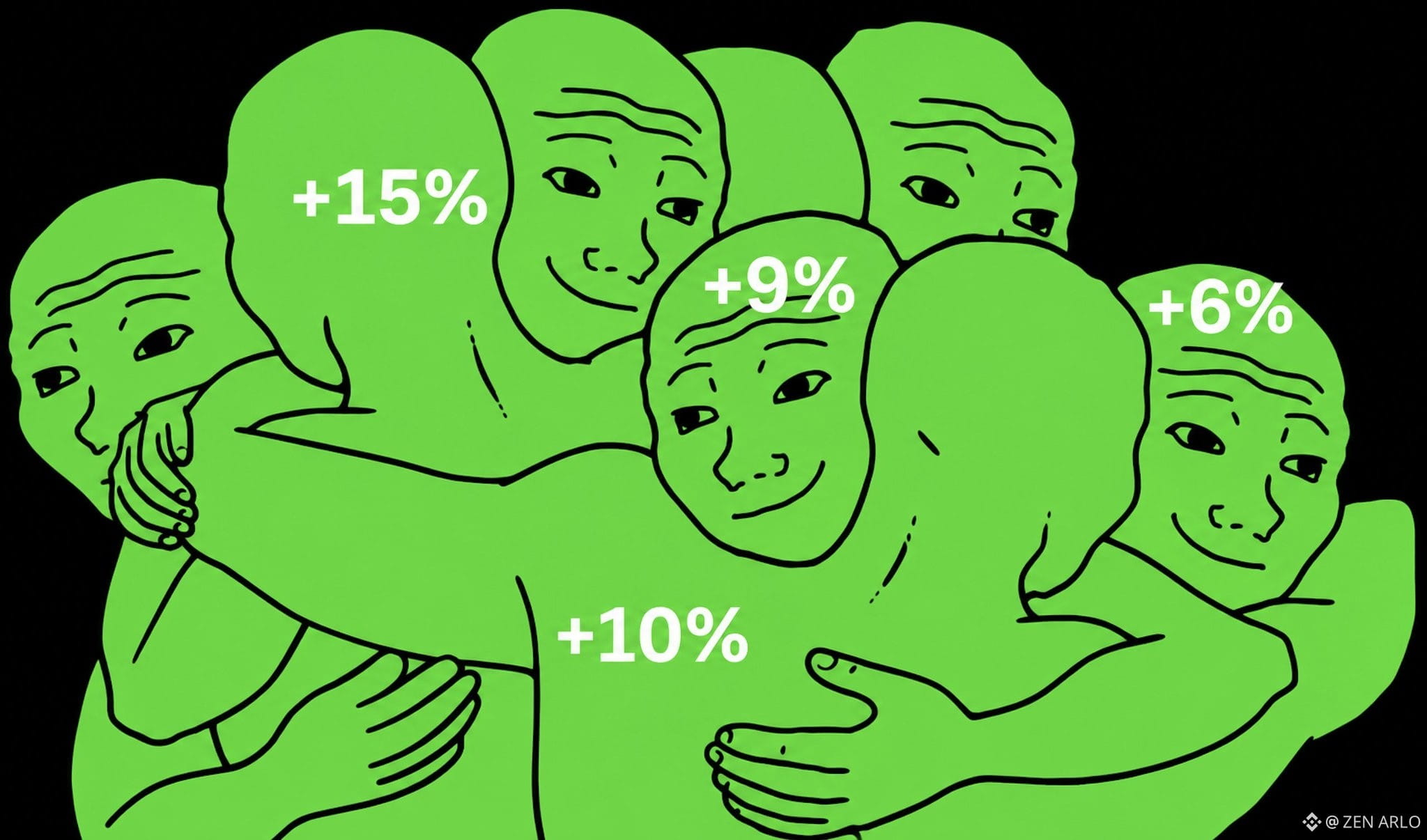
SEPTEMBER WAS ABSOLUTELY MASSIVE FOR CRYPTO.
Even with the CLARITY Act failing in the Senate and the Fed hiking rates by 25bps, crypto exploded higher.
$BTC hit $87K, $ETH reached $2.8K, $SOL touched $120, and the total crypto market reclaimed $3 TRILLION.
BTC closed above the 50W MA for two straight weeks, while BTC ETFs pulled in $2.65B and ETH ETFs added $832.4M.
Then ETH/BTC broke its nearly 5-year downtrend.
Meanwhile, crypto regulation kept moving: the Fed proposed a framework for banks issuing payment stablecoins, while tokenization continued expanding across traditional finance.
September delivered the UPTEMBER.
Now all eyes are on UPTober.
LET OCTOBER BE EVEN BIGGER.
SEPTEMBER WAS ABSOLUTELY MASSIVE FOR CRYPTO.
Even with the CLARITY Act failing in the Senate and the Fed hiking rates by 25bps, crypto exploded higher.
$BTC hit $87K, $ETH reached $2.8K, $SOL touched $120, and the total crypto market reclaimed $3 TRILLION.
BTC closed above the 50W MA for two straight weeks, while BTC ETFs pulled in $2.65B and ETH ETFs added $832.4M.
Then ETH/BTC broke its nearly 5-year downtrend.
Meanwhile, crypto regulation kept moving: the Fed proposed a framework for banks issuing payment stablecoins, while tokenization continued expanding across traditional finance.
September delivered the UPTEMBER.
Now all eyes are on UPTober.
LET OCTOBER BE EVEN BIGGER.
Even with the CLARITY Act failing in the Senate and the Fed hiking rates by 25bps, crypto exploded higher.
$BTC hit $87K, $ETH reached $2.8K, $SOL touched $120, and the total crypto market reclaimed $3 TRILLION.
BTC closed above the 50W MA for two straight weeks, while BTC ETFs pulled in $2.65B and ETH ETFs added $832.4M.
Then ETH/BTC broke its nearly 5-year downtrend.
Meanwhile, crypto regulation kept moving: the Fed proposed a framework for banks issuing payment stablecoins, while tokenization continued expanding across traditional finance.
September delivered the UPTEMBER.
Now all eyes are on UPTober.
LET OCTOBER BE EVEN BIGGER.
4
25
20.8k
·
--
Bullish
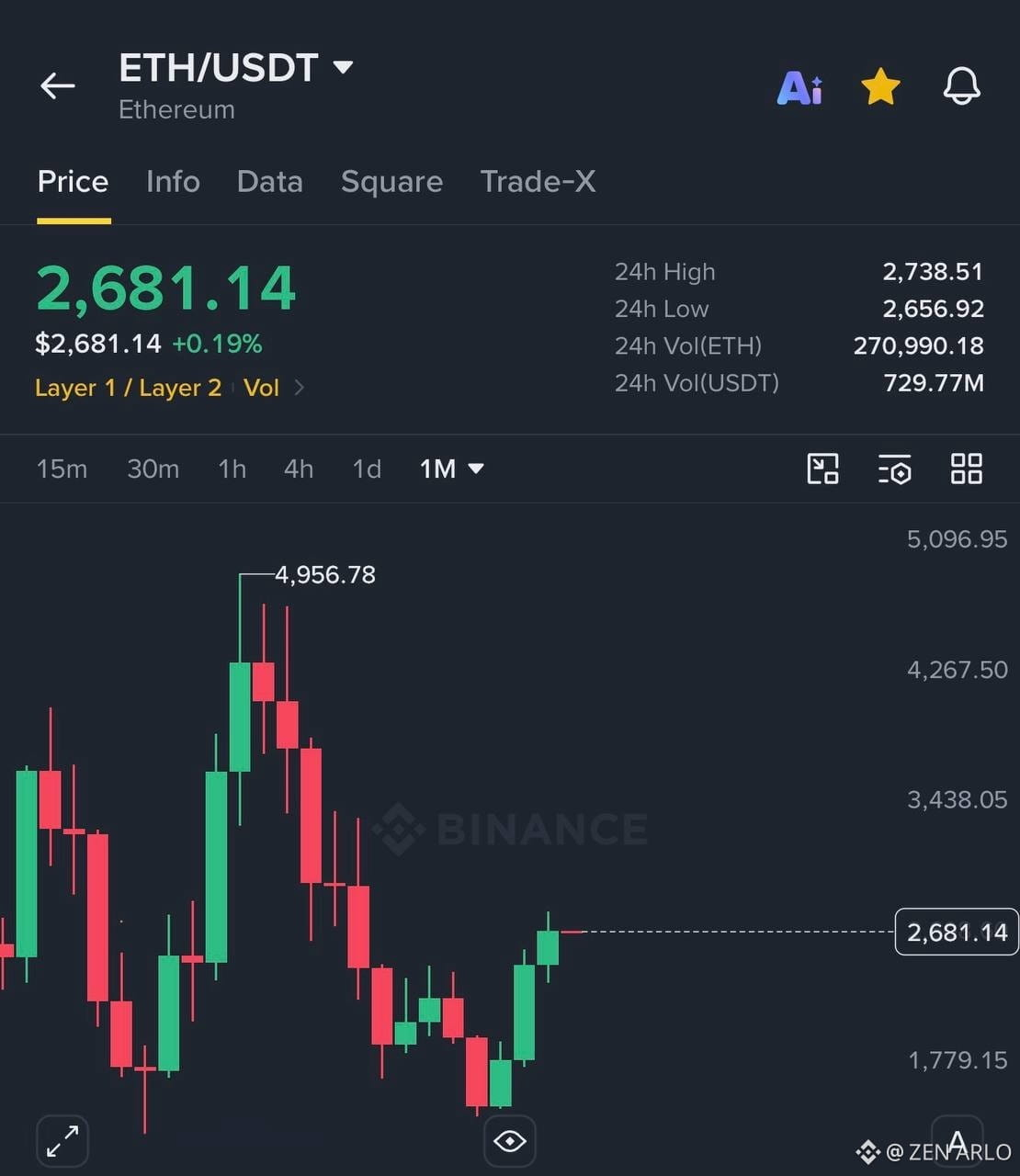
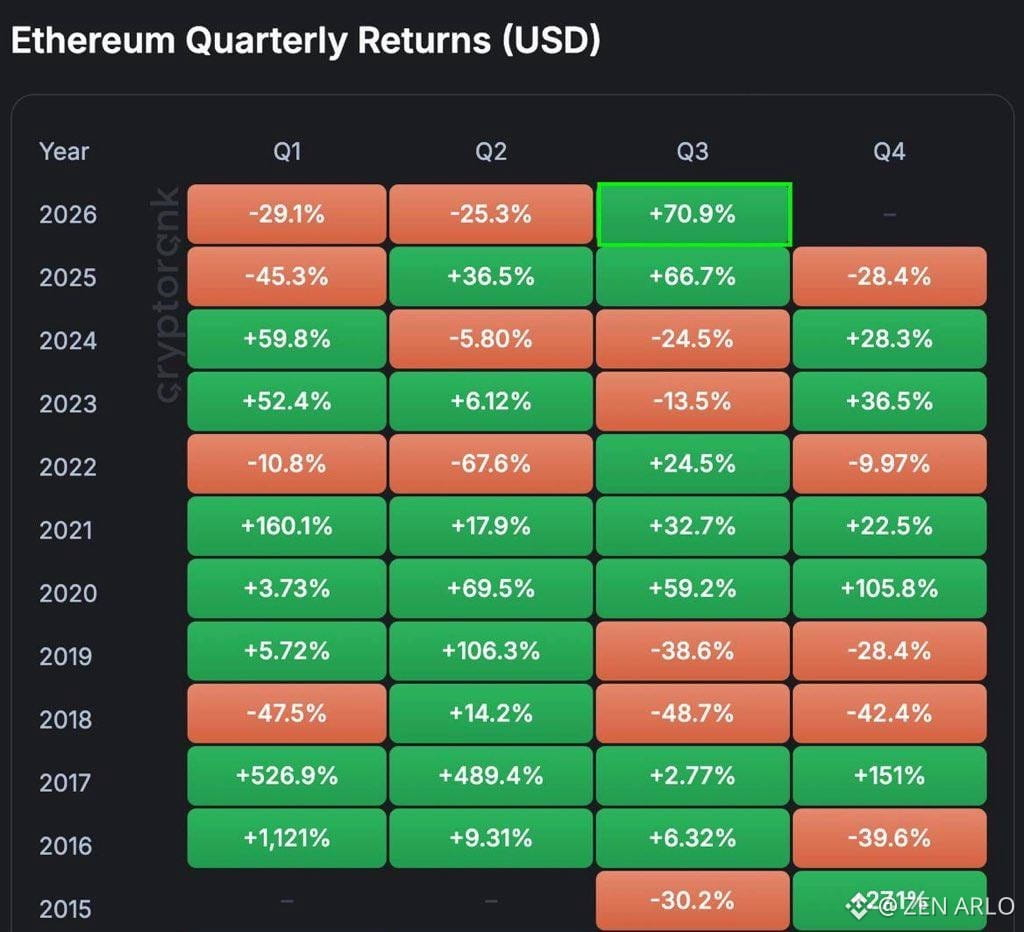
$ETH JUST MADE HISTORY.
Ethereum delivered its highest monthly close of 2026 and its best Q3 performance in Ethereum’s history.
That’s not just a strong close — it’s a major statement of momentum.
ETH is entering Q4 with serious strength.
The next move could be massive.
$ETH JUST MADE HISTORY.
Ethereum delivered its highest monthly close of 2026 and its best Q3 performance in Ethereum’s history.
That’s not just a strong close — it’s a major statement of momentum.
ETH is entering Q4 with serious strength.
The next move could be massive.
Ethereum delivered its highest monthly close of 2026 and its best Q3 performance in Ethereum’s history.
That’s not just a strong close — it’s a major statement of momentum.
ETH is entering Q4 with serious strength.
The next move could be massive.
2
1
14
10.4k
·
--
Bullish
Verified
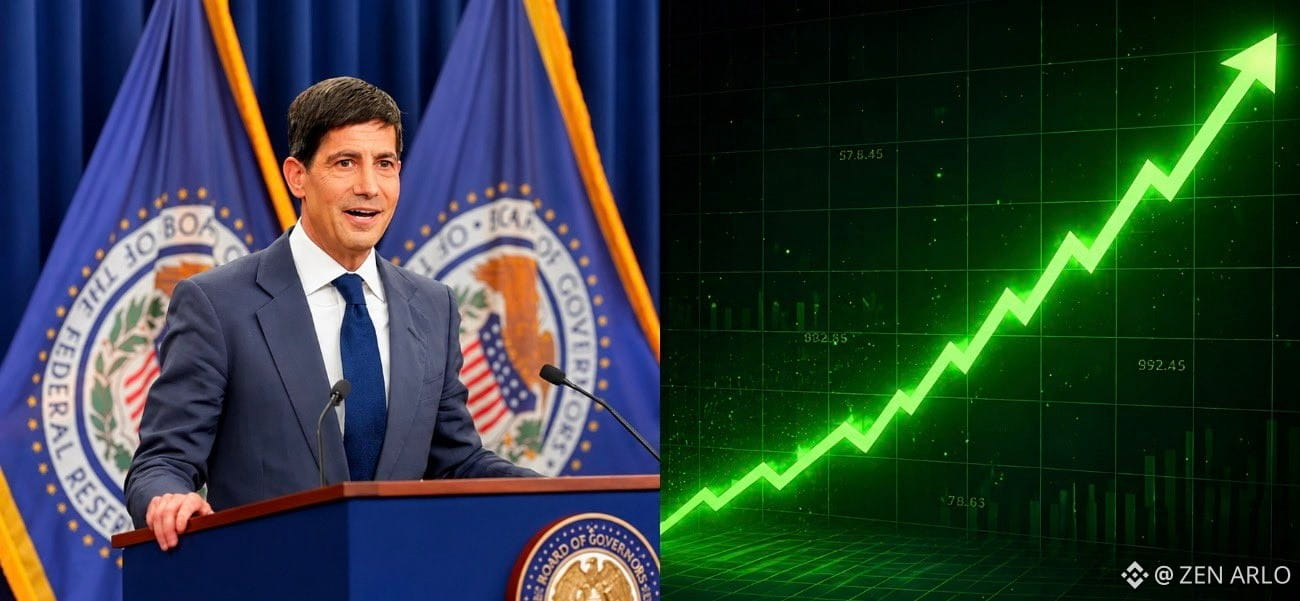
🚨 FED JUST GOT A STRONGER REASON TO PAUSE
US PCE inflation cooled to 3.4% YoY vs. 3.7% expected, easing fears that inflation was reaccelerating. Core PCE also came in softer than forecast.
And the labor market is cooling too.
JOLTS job openings fell to 7.079M vs. 7.230M expected, down from 7.335M previously.
Cooling inflation + softer labor demand = more room for the Fed to pause before another rate hike.
Markets just got a major macro signal.
🚨 FED JUST GOT A STRONGER REASON TO PAUSE
US PCE inflation cooled to 3.4% YoY vs. 3.7% expected, easing fears that inflation was reaccelerating. Core PCE also came in softer than forecast.
And the labor market is cooling too.
JOLTS job openings fell to 7.079M vs. 7.230M expected, down from 7.335M previously.
Cooling inflation + softer labor demand = more room for the Fed to pause before another rate hike.
Markets just got a major macro signal.
US PCE inflation cooled to 3.4% YoY vs. 3.7% expected, easing fears that inflation was reaccelerating. Core PCE also came in softer than forecast.
And the labor market is cooling too.
JOLTS job openings fell to 7.079M vs. 7.230M expected, down from 7.335M previously.
Cooling inflation + softer labor demand = more room for the Fed to pause before another rate hike.
Markets just got a major macro signal.
44
12
197
238.1k
·
--
Bullish
Verified
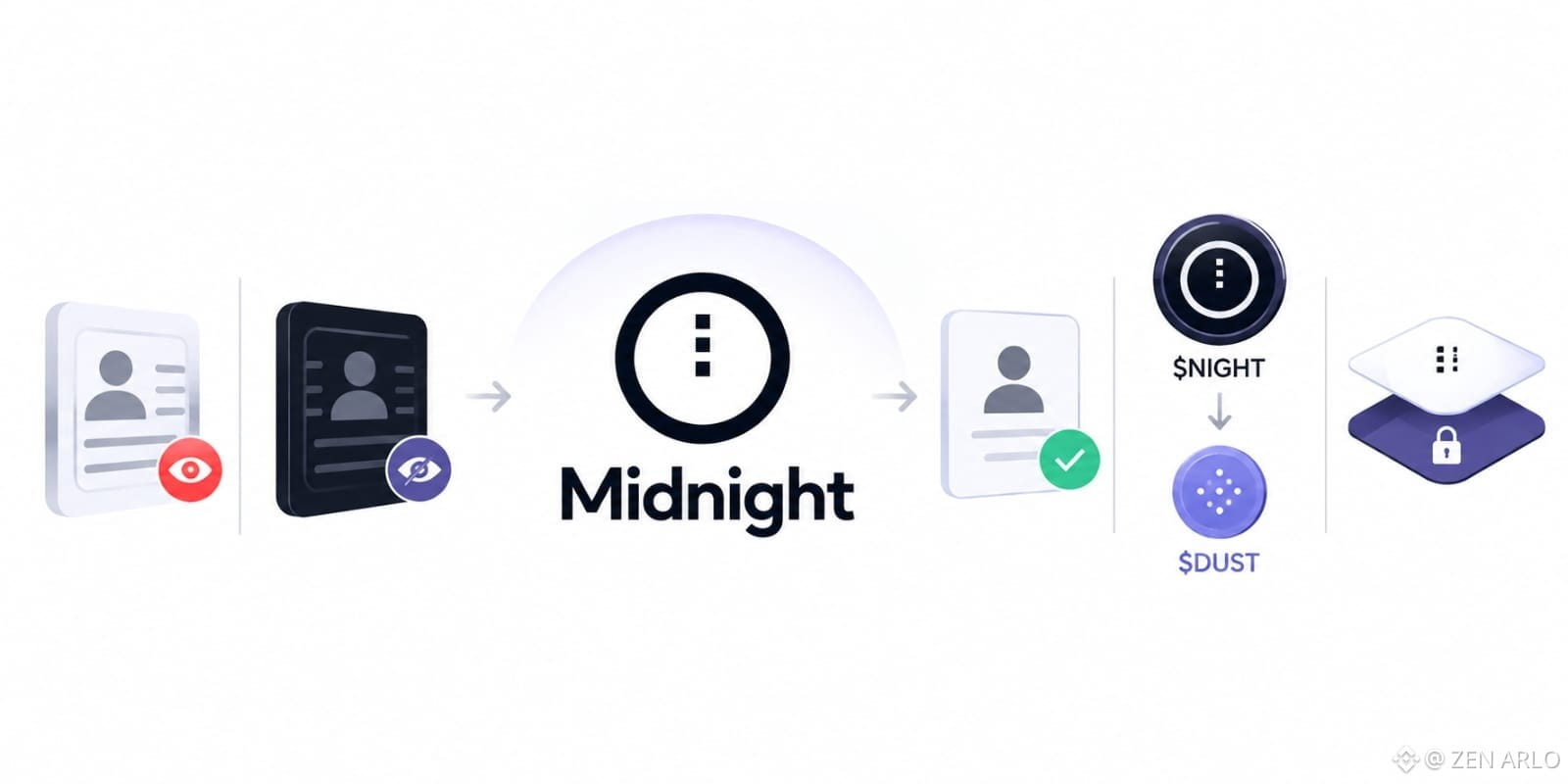
Midnight is building privacy that can actually work in the real world.
Blockchain has traditionally offered two extremes.
Make everything public, or make everything secret.
Midnight introduces a different approach.
It is a standalone Layer 1 focused on programmable privacy through selective disclosure.
Users can prove something is true without exposing the underlying personal data.
For example, proving an age requirement without revealing a full identity, birth date or other unnecessary information.
That model can make privacy practical for payments, identity, tokenized real world assets and regulated applications.
Midnight also separates public coordination from private execution.
Transaction metadata can exist on the public layer while sensitive details remain shielded.
Its dual token architecture separates network roles too.
$NIGHT is the transferable governance and value asset.
Holding NIGHT automatically generates $DUST, a non transferable and regenerating resource used for private transaction fees.
While $ZEC approaches privacy through shielding and projects such as Aleo and Canton pursue their own privacy architectures, Midnight is focused on selective disclosure and provable compliance.
NIGHT is also completely distinct from $ADA Midnight is its own Layer 1, not a Cardano L2 or subchain.
The bigger shift is clear: blockchain privacy is evolving from simply hiding information toward controlling exactly what gets revealed and when.
Only information not financial advice
#Midnight #Privacy #Web3
Midnight is building privacy that can actually work in the real world.
Blockchain has traditionally offered two extremes.
Make everything public, or make everything secret.
Midnight introduces a different approach.
It is a standalone Layer 1 focused on programmable privacy through selective disclosure.
Users can prove something is true without exposing the underlying personal data.
For example, proving an age requirement without revealing a full identity, birth date or other unnecessary information.
That model can make privacy practical for payments, identity, tokenized real world assets and regulated applications.
Midnight also separates public coordination from private execution.
Transaction metadata can exist on the public layer while sensitive details remain shielded.
Its dual token architecture separates network roles too.
$NIGHT is the transferable governance and value asset.
Holding NIGHT automatically generates $DUST, a non transferable and regenerating resource used for private transaction fees.
While $ZEC approaches privacy through shielding and projects such as Aleo and Canton pursue their own privacy architectures, Midnight is focused on selective disclosure and provable compliance.
NIGHT is also completely distinct from $ADA Midnight is its own Layer 1, not a Cardano L2 or subchain.
The bigger shift is clear: blockchain privacy is evolving from simply hiding information toward controlling exactly what gets revealed and when.
Only information not financial advice
#Midnight #Privacy #Web3
Blockchain has traditionally offered two extremes.
Make everything public, or make everything secret.
Midnight introduces a different approach.
It is a standalone Layer 1 focused on programmable privacy through selective disclosure.
Users can prove something is true without exposing the underlying personal data.
For example, proving an age requirement without revealing a full identity, birth date or other unnecessary information.
That model can make privacy practical for payments, identity, tokenized real world assets and regulated applications.
Midnight also separates public coordination from private execution.
Transaction metadata can exist on the public layer while sensitive details remain shielded.
Its dual token architecture separates network roles too.
$NIGHT is the transferable governance and value asset.
Holding NIGHT automatically generates $DUST, a non transferable and regenerating resource used for private transaction fees.
While $ZEC approaches privacy through shielding and projects such as Aleo and Canton pursue their own privacy architectures, Midnight is focused on selective disclosure and provable compliance.
NIGHT is also completely distinct from $ADA Midnight is its own Layer 1, not a Cardano L2 or subchain.
The bigger shift is clear: blockchain privacy is evolving from simply hiding information toward controlling exactly what gets revealed and when.
Only information not financial advice
#Midnight #Privacy #Web3
51
35
12.8k
·
--
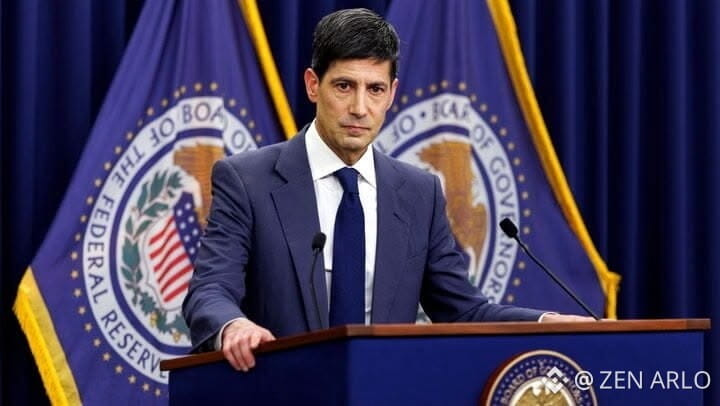
💥 BREAKING: U.S. LABOR DEMAND IS COOLING
JOLTS Job Openings: 7.079M
Expected: 7.230M
That’s 151K fewer openings than expected, signaling softer demand for workers.
A weakening labor market could strengthen expectations for easier Fed policy ahead — putting rates, the dollar, stocks, gold, and crypto firmly in focus.
The next Fed move just got even more interesting.
💥 BREAKING: U.S. LABOR DEMAND IS COOLING
JOLTS Job Openings: 7.079M
Expected: 7.230M
That’s 151K fewer openings than expected, signaling softer demand for workers.
A weakening labor market could strengthen expectations for easier Fed policy ahead — putting rates, the dollar, stocks, gold, and crypto firmly in focus.
The next Fed move just got even more interesting.
JOLTS Job Openings: 7.079M
Expected: 7.230M
That’s 151K fewer openings than expected, signaling softer demand for workers.
A weakening labor market could strengthen expectations for easier Fed policy ahead — putting rates, the dollar, stocks, gold, and crypto firmly in focus.
The next Fed move just got even more interesting.
14
19
17k
·
--
Verified
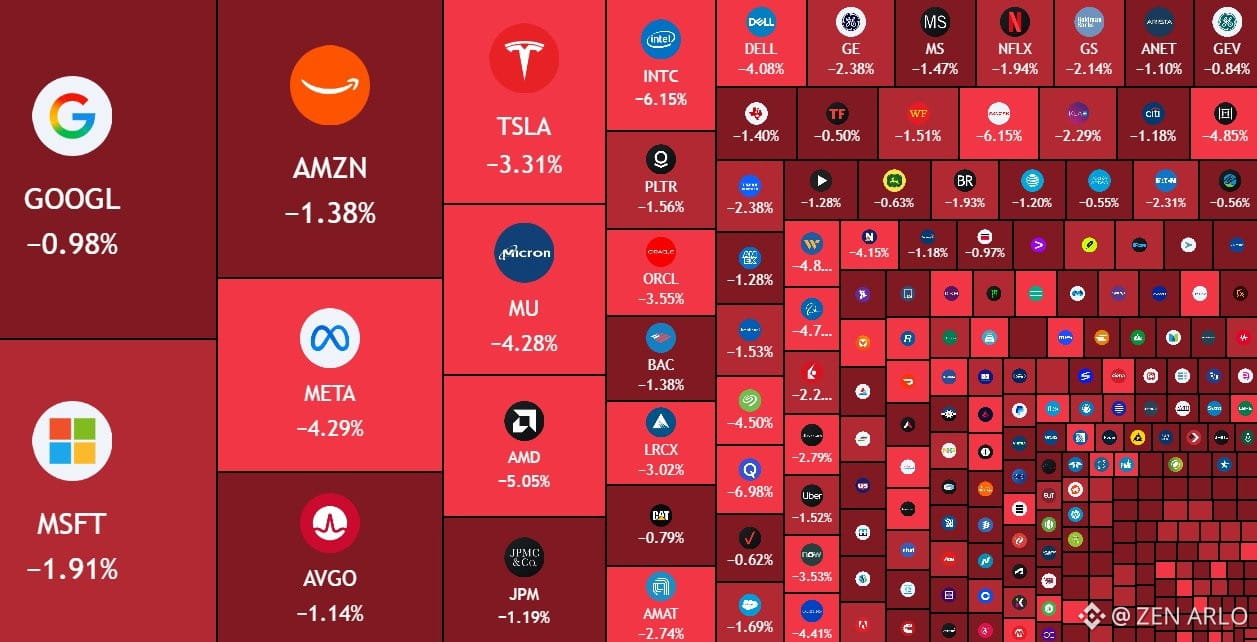
$700 BILLION wiped from the U.S. stock market.
The pressure is coming straight from bonds: the U.S. 30-year Treasury yield surged to around 5.5%, its highest level since 2004.
Oil-driven inflation fears, resilient economic data, heavy borrowing concerns and expectations for tighter Fed policy are pushing long-term yields higher.
Higher yields mean more expensive capital and tougher valuations for stocks—especially long-duration growth assets.
When the bond market starts moving like this, Wall Street pays attention.
The fight is now simple: stocks vs. yields.
$700 BILLION wiped from the U.S. stock market.
The pressure is coming straight from bonds: the U.S. 30-year Treasury yield surged to around 5.5%, its highest level since 2004.
Oil-driven inflation fears, resilient economic data, heavy borrowing concerns and expectations for tighter Fed policy are pushing long-term yields higher.
Higher yields mean more expensive capital and tougher valuations for stocks—especially long-duration growth assets.
When the bond market starts moving like this, Wall Street pays attention.
The fight is now simple: stocks vs. yields.
The pressure is coming straight from bonds: the U.S. 30-year Treasury yield surged to around 5.5%, its highest level since 2004.
Oil-driven inflation fears, resilient economic data, heavy borrowing concerns and expectations for tighter Fed policy are pushing long-term yields higher.
Higher yields mean more expensive capital and tougher valuations for stocks—especially long-duration growth assets.
When the bond market starts moving like this, Wall Street pays attention.
The fight is now simple: stocks vs. yields.
7
3
39
62.2k
·
--
Bullish
Partly True
Polymarket — trade the events shaping the world, not just the charts.
Prediction markets turn real-world information into tradable outcomes.
Polymarket covers crypto, AI, economics, geopolitics, sports, music, and other major narratives, with markets reflecting changing probabilities.
Getting started is simple.
Connect a supported wallet, fund your account through available payment options, find a market you understand, and trade where you believe the probability is mispriced.
That creates a different kind of edge.
While tokens like $HYPE , $PENGU , $ENA , and AAVE capture different crypto narratives, Polymarket gives users another way to trade their knowledge around actual events and outcomes.
The campaign figures point to 250K–500K monthly active traders, a projected $18B in 2025 trading volume, and 17M+ monthly visits.
For everyday users, that means expertise in a specific niche can become actionable market information.
Polymarket is making trading less about simply following narratives—and more about understanding how they unfold.
Only information not financial advice
#Polymarket #PredictionMarkets #Crypto
Polymarket — trade the events shaping the world, not just the charts.
Prediction markets turn real-world information into tradable outcomes.
Polymarket covers crypto, AI, economics, geopolitics, sports, music, and other major narratives, with markets reflecting changing probabilities.
Getting started is simple.
Connect a supported wallet, fund your account through available payment options, find a market you understand, and trade where you believe the probability is mispriced.
That creates a different kind of edge.
While tokens like $HYPE , $PENGU , $ENA , and AAVE capture different crypto narratives, Polymarket gives users another way to trade their knowledge around actual events and outcomes.
The campaign figures point to 250K–500K monthly active traders, a projected $18B in 2025 trading volume, and 17M+ monthly visits.
For everyday users, that means expertise in a specific niche can become actionable market information.
Polymarket is making trading less about simply following narratives—and more about understanding how they unfold.
Only information not financial advice
#Polymarket #PredictionMarkets #Crypto
Prediction markets turn real-world information into tradable outcomes.
Polymarket covers crypto, AI, economics, geopolitics, sports, music, and other major narratives, with markets reflecting changing probabilities.
Getting started is simple.
Connect a supported wallet, fund your account through available payment options, find a market you understand, and trade where you believe the probability is mispriced.
That creates a different kind of edge.
While tokens like $HYPE , $PENGU , $ENA , and AAVE capture different crypto narratives, Polymarket gives users another way to trade their knowledge around actual events and outcomes.
The campaign figures point to 250K–500K monthly active traders, a projected $18B in 2025 trading volume, and 17M+ monthly visits.
For everyday users, that means expertise in a specific niche can become actionable market information.
Polymarket is making trading less about simply following narratives—and more about understanding how they unfold.
Only information not financial advice
#Polymarket #PredictionMarkets #Crypto
26
41
16.7k
·
--
Bullish
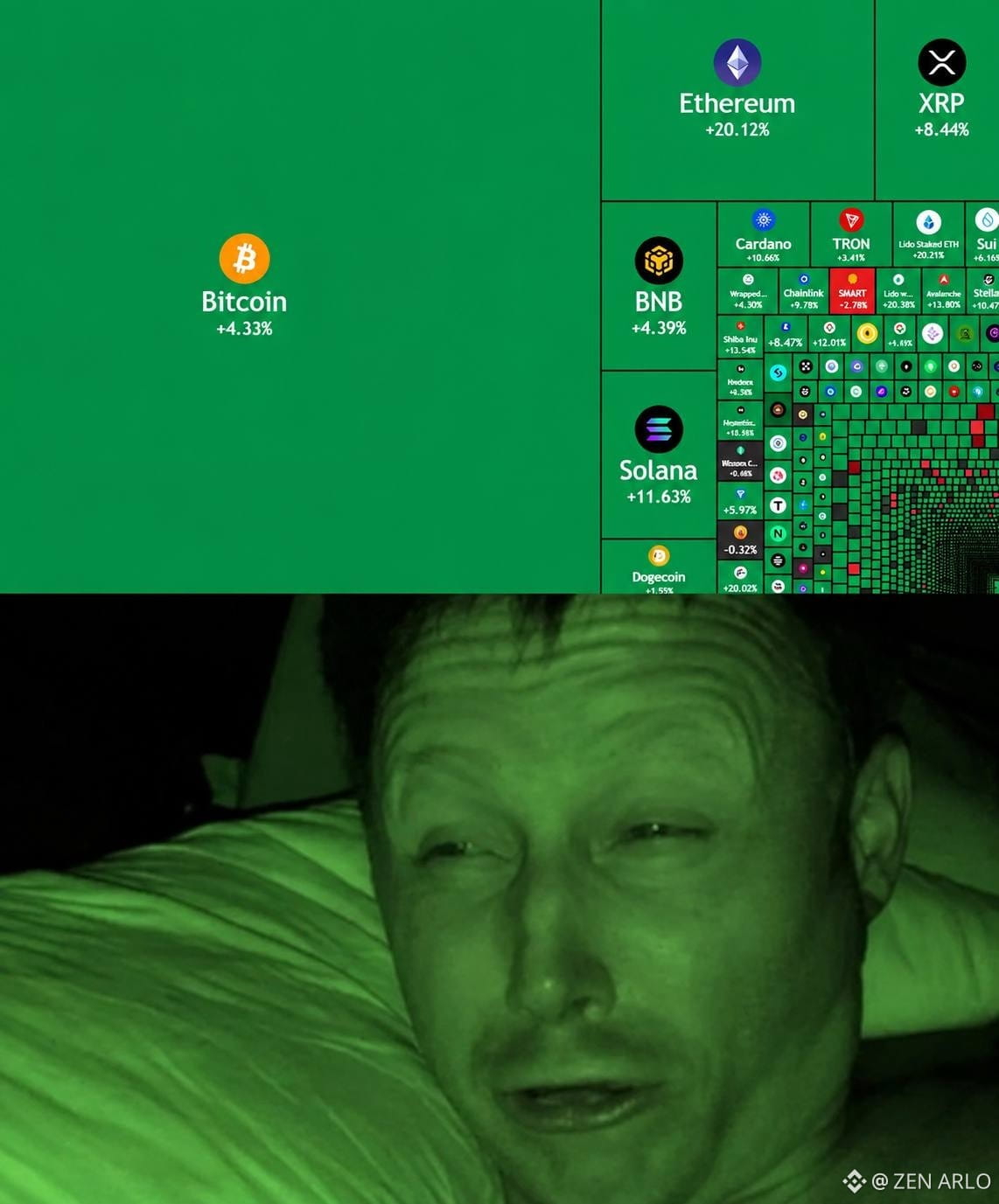
These days, every morning be like 💚
Wake up. Check the charts. GREEN EVERYWHERE.
Breakouts hitting, momentum building, and altcoins finally waking up.
Crypto mornings are getting exciting again. 📈
These days, every morning be like 💚
Wake up. Check the charts. GREEN EVERYWHERE.
Breakouts hitting, momentum building, and altcoins finally waking up.
Crypto mornings are getting exciting again. 📈
Wake up. Check the charts. GREEN EVERYWHERE.
Breakouts hitting, momentum building, and altcoins finally waking up.
Crypto mornings are getting exciting again. 📈
11
2
38
22k
·
--
Bullish
Verified
VITALIK’S ETHEREUM 2030 VISION IS BIGGER THAN SCALING.
Ethereum stops behaving like just another blockchain and moves toward a cryptographic world computer.
Nodes verify compact cryptographic proofs instead of re-executing every transaction.
Privacy moves deeper into the protocol. Quantum-resistant security becomes a serious long-term priority.
And Hegota could mark the end of Ethereum’s familiar upgrade era.
After that, the architecture itself starts changing.
$ETH isn’t just trying to process more transactions. It’s redesigning how a global network verifies computation.
VITALIK’S ETHEREUM 2030 VISION IS BIGGER THAN SCALING.
Ethereum stops behaving like just another blockchain and moves toward a cryptographic world computer.
Nodes verify compact cryptographic proofs instead of re-executing every transaction.
Privacy moves deeper into the protocol. Quantum-resistant security becomes a serious long-term priority.
And Hegota could mark the end of Ethereum’s familiar upgrade era.
After that, the architecture itself starts changing.
$ETH isn’t just trying to process more transactions. It’s redesigning how a global network verifies computation.
Ethereum stops behaving like just another blockchain and moves toward a cryptographic world computer.
Nodes verify compact cryptographic proofs instead of re-executing every transaction.
Privacy moves deeper into the protocol. Quantum-resistant security becomes a serious long-term priority.
And Hegota could mark the end of Ethereum’s familiar upgrade era.
After that, the architecture itself starts changing.
$ETH isn’t just trying to process more transactions. It’s redesigning how a global network verifies computation.

20
4
87
58.8k
·
--
Bullish
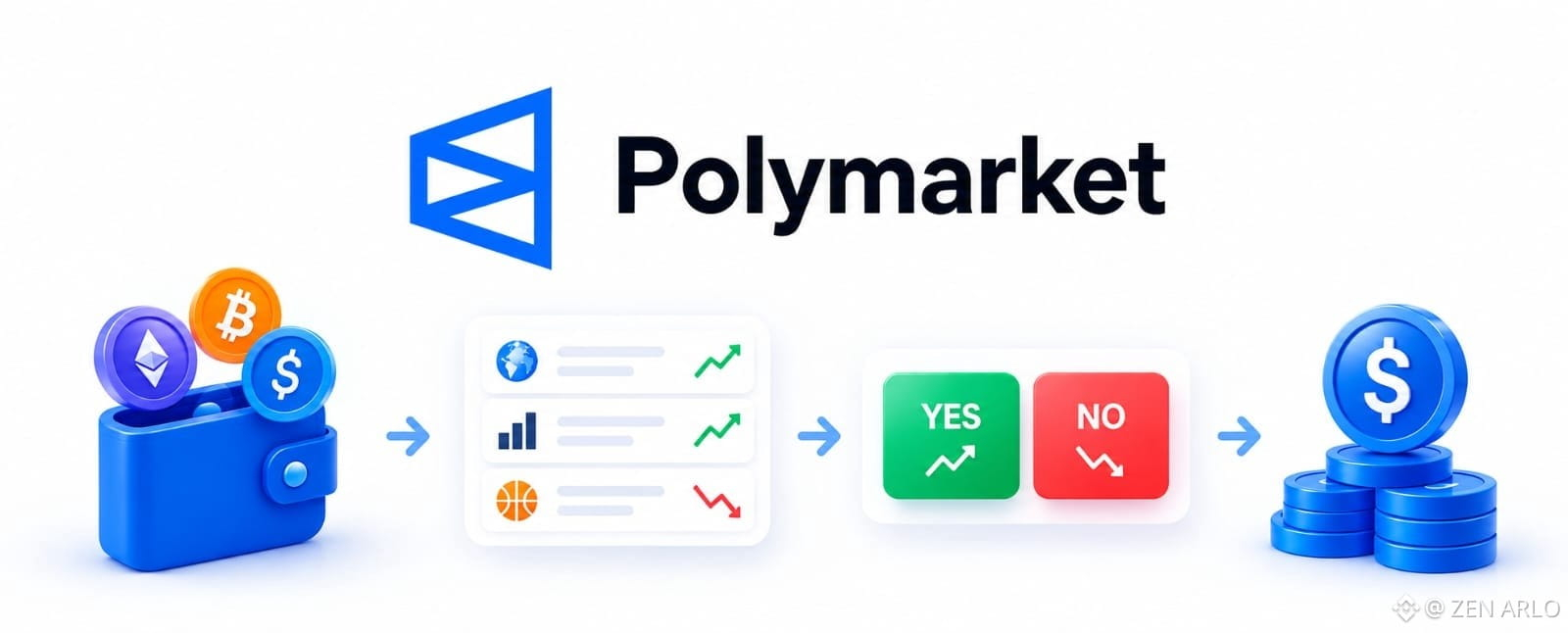
Polymarket turns predictions into tradable positions.
Crypto, sports, geopolitics, economics, AI or culture—pick a market where you understand the narrative and trade the outcome you believe is being mispriced.
The mechanics are simple.
If YES trades at $0.40, the market is implying roughly a 40% probability. Believe the real odds are higher? Buy YES. Disagree? Trade the opposite outcome.
As new information arrives, probabilities and prices move. Traders can adjust or sell positions before resolution instead of simply waiting for the final result.
That makes Polymarket different from simply holding tokens like $PENGU , $DOOD , $MASK or $ARB. The focus here is trading your view on real-world events rather than relying only on a token’s price direction.
Your niche knowledge becomes the edge: understand the event, read the probabilities, and trade where your prediction differs from the market.
Predict it. Price it. Trade it.
Only information not financial advice
#Polymarket #PredictionMarkets #CryptoTrading
Polymarket turns predictions into tradable positions.
Crypto, sports, geopolitics, economics, AI or culture—pick a market where you understand the narrative and trade the outcome you believe is being mispriced.
The mechanics are simple.
If YES trades at $0.40, the market is implying roughly a 40% probability. Believe the real odds are higher? Buy YES. Disagree? Trade the opposite outcome.
As new information arrives, probabilities and prices move. Traders can adjust or sell positions before resolution instead of simply waiting for the final result.
That makes Polymarket different from simply holding tokens like $PENGU , $DOOD , $MASK or $ARB. The focus here is trading your view on real-world events rather than relying only on a token’s price direction.
Your niche knowledge becomes the edge: understand the event, read the probabilities, and trade where your prediction differs from the market.
Predict it. Price it. Trade it.
Only information not financial advice
#Polymarket #PredictionMarkets #CryptoTrading
Crypto, sports, geopolitics, economics, AI or culture—pick a market where you understand the narrative and trade the outcome you believe is being mispriced.
The mechanics are simple.
If YES trades at $0.40, the market is implying roughly a 40% probability. Believe the real odds are higher? Buy YES. Disagree? Trade the opposite outcome.
As new information arrives, probabilities and prices move. Traders can adjust or sell positions before resolution instead of simply waiting for the final result.
That makes Polymarket different from simply holding tokens like $PENGU , $DOOD , $MASK or $ARB. The focus here is trading your view on real-world events rather than relying only on a token’s price direction.
Your niche knowledge becomes the edge: understand the event, read the probabilities, and trade where your prediction differs from the market.
Predict it. Price it. Trade it.
Only information not financial advice
#Polymarket #PredictionMarkets #CryptoTrading
59
32
10.4k
·
--
Partly True
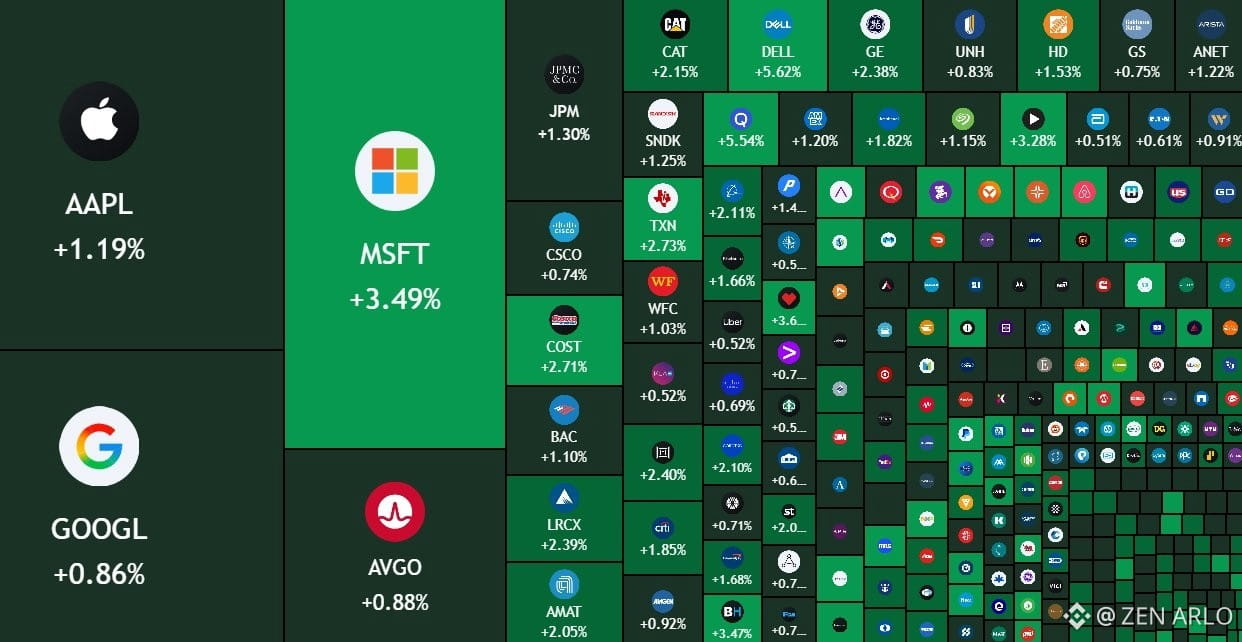
$450 BILLION IN 30 MINUTES.
Nearly $450B was reportedly added to the U.S. stock market in just 30 minutes as reports emerged that U.S.-Iran talks had entered a technical stage.
Stocks jumped while oil dropped roughly 3% toward $91.70 as traders reacted to hopes of diplomatic progress and lower geopolitical risk.
One headline. 30 minutes. Hundreds of billions back into equities.
Geopolitics is moving markets FAST.
$450 BILLION IN 30 MINUTES.
Nearly $450B was reportedly added to the U.S. stock market in just 30 minutes as reports emerged that U.S.-Iran talks had entered a technical stage.
Stocks jumped while oil dropped roughly 3% toward $91.70 as traders reacted to hopes of diplomatic progress and lower geopolitical risk.
One headline. 30 minutes. Hundreds of billions back into equities.
Geopolitics is moving markets FAST.
Nearly $450B was reportedly added to the U.S. stock market in just 30 minutes as reports emerged that U.S.-Iran talks had entered a technical stage.
Stocks jumped while oil dropped roughly 3% toward $91.70 as traders reacted to hopes of diplomatic progress and lower geopolitical risk.
One headline. 30 minutes. Hundreds of billions back into equities.
Geopolitics is moving markets FAST.
33
7
122
78.1k
·
--
Bullish
Verified
Pyth just opened a new door for real-time U.S. market data.
Pyth has been approved as an external distributor of Nasdaq Basic.
This brings real-time U.S. equity quote and trade data through the Pyth Data Marketplace.
Nasdaq Basic covers all U.S. exchange-listed securities.
It includes best bid and offer with size, last-sale price and size, plus official opening and closing prices.
For normal users, this matters because software and blockchain-native applications now have another route to professional market data.
Publishers also retain attribution and commercial control over their data.
Clients must still license directly with Nasdaq and receive prior written approval before consuming the feed.
This expands $PYTH beyond crypto-native pricing and strengthens its broader goal of building infrastructure for the “price of everything.”
Only information, not financial advice.
#Pyth #PYTH #Crypto
Pyth just opened a new door for real-time U.S. market data.
Pyth has been approved as an external distributor of Nasdaq Basic.
This brings real-time U.S. equity quote and trade data through the Pyth Data Marketplace.
Nasdaq Basic covers all U.S. exchange-listed securities.
It includes best bid and offer with size, last-sale price and size, plus official opening and closing prices.
For normal users, this matters because software and blockchain-native applications now have another route to professional market data.
Publishers also retain attribution and commercial control over their data.
Clients must still license directly with Nasdaq and receive prior written approval before consuming the feed.
This expands $PYTH beyond crypto-native pricing and strengthens its broader goal of building infrastructure for the “price of everything.”
Only information, not financial advice.
#Pyth #PYTH #Crypto
Pyth has been approved as an external distributor of Nasdaq Basic.
This brings real-time U.S. equity quote and trade data through the Pyth Data Marketplace.
Nasdaq Basic covers all U.S. exchange-listed securities.
It includes best bid and offer with size, last-sale price and size, plus official opening and closing prices.
For normal users, this matters because software and blockchain-native applications now have another route to professional market data.
Publishers also retain attribution and commercial control over their data.
Clients must still license directly with Nasdaq and receive prior written approval before consuming the feed.
This expands $PYTH beyond crypto-native pricing and strengthens its broader goal of building infrastructure for the “price of everything.”
Only information, not financial advice.
#Pyth #PYTH #Crypto
65
1
96
42.2k
·
--
Bullish
Verified
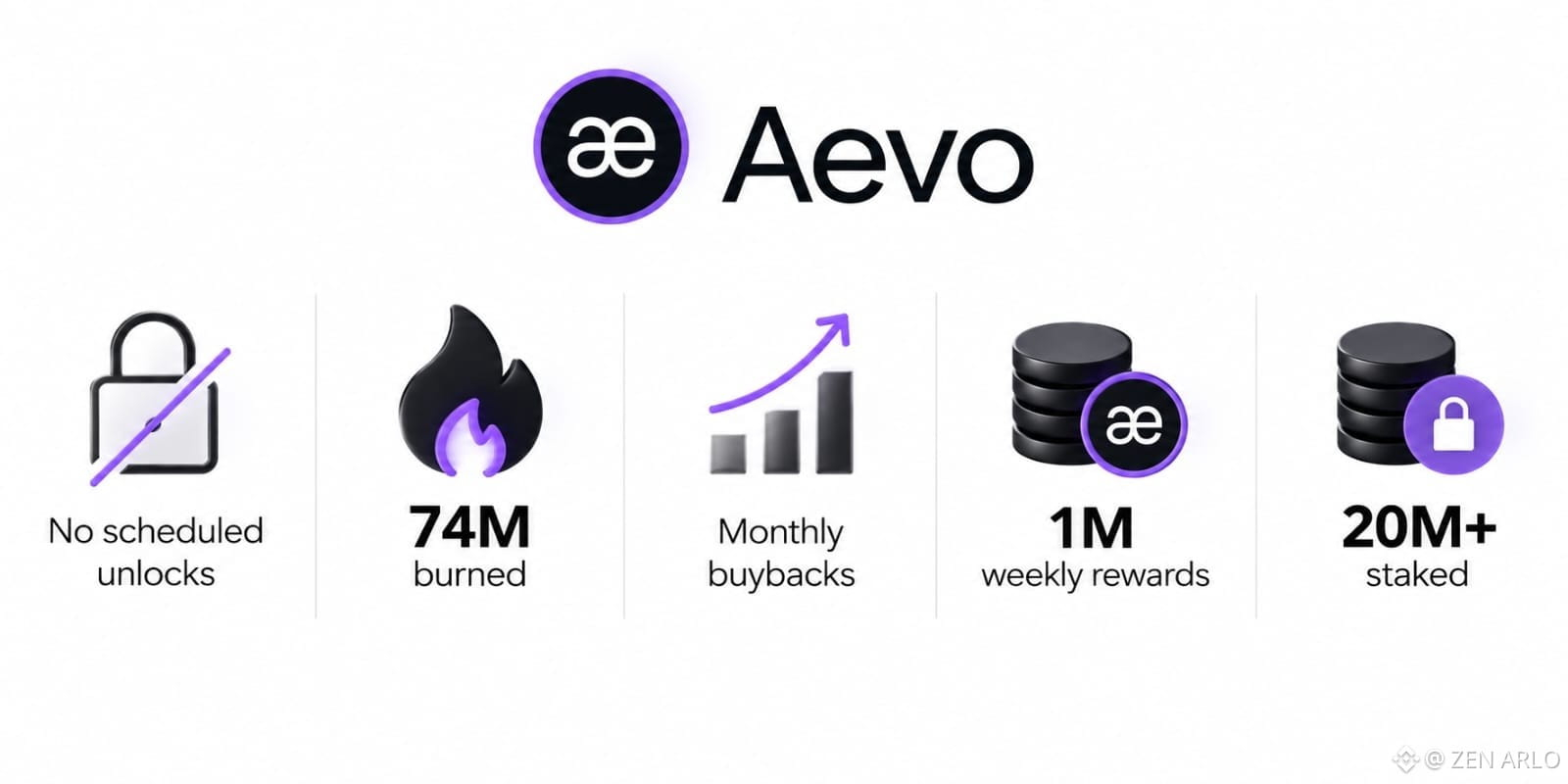
Aevo is running a token model more traders should understand.
$AEVO has no scheduled unlocks remaining.
74M tokens have already been burned, with monthly buybacks using trading fees to buy AEVO from the market and permanently remove it.
Traders also receive 1M AEVO in weekly epoch rewards.
The important detail is that these rewards come from the fixed 1B supply. They are not new issuance.
So trading activity does two things.
It rewards active traders while also generating fees that fund monthly buybacks.
More than 20M AEVO is currently staked too.
While $AAVE and $AVAX rethink token structures, and $LIT and $ASTER compete for trader activity, Aevo already has a model connecting usage with supply reduction.
The bigger question is whether this kind of structure becomes the standard for mature crypto protocols.
Only information not financial advice
#AEVO #DeFi #Crypto
Aevo is running a token model more traders should understand.
$AEVO has no scheduled unlocks remaining.
74M tokens have already been burned, with monthly buybacks using trading fees to buy AEVO from the market and permanently remove it.
Traders also receive 1M AEVO in weekly epoch rewards.
The important detail is that these rewards come from the fixed 1B supply. They are not new issuance.
So trading activity does two things.
It rewards active traders while also generating fees that fund monthly buybacks.
More than 20M AEVO is currently staked too.
While $AAVE and $AVAX rethink token structures, and $LIT and $ASTER compete for trader activity, Aevo already has a model connecting usage with supply reduction.
The bigger question is whether this kind of structure becomes the standard for mature crypto protocols.
Only information not financial advice
#AEVO #DeFi #Crypto
$AEVO has no scheduled unlocks remaining.
74M tokens have already been burned, with monthly buybacks using trading fees to buy AEVO from the market and permanently remove it.
Traders also receive 1M AEVO in weekly epoch rewards.
The important detail is that these rewards come from the fixed 1B supply. They are not new issuance.
So trading activity does two things.
It rewards active traders while also generating fees that fund monthly buybacks.
More than 20M AEVO is currently staked too.
While $AAVE and $AVAX rethink token structures, and $LIT and $ASTER compete for trader activity, Aevo already has a model connecting usage with supply reduction.
The bigger question is whether this kind of structure becomes the standard for mature crypto protocols.
Only information not financial advice
#AEVO #DeFi #Crypto
56
55
43.1k
·
--
Bullish
Verified
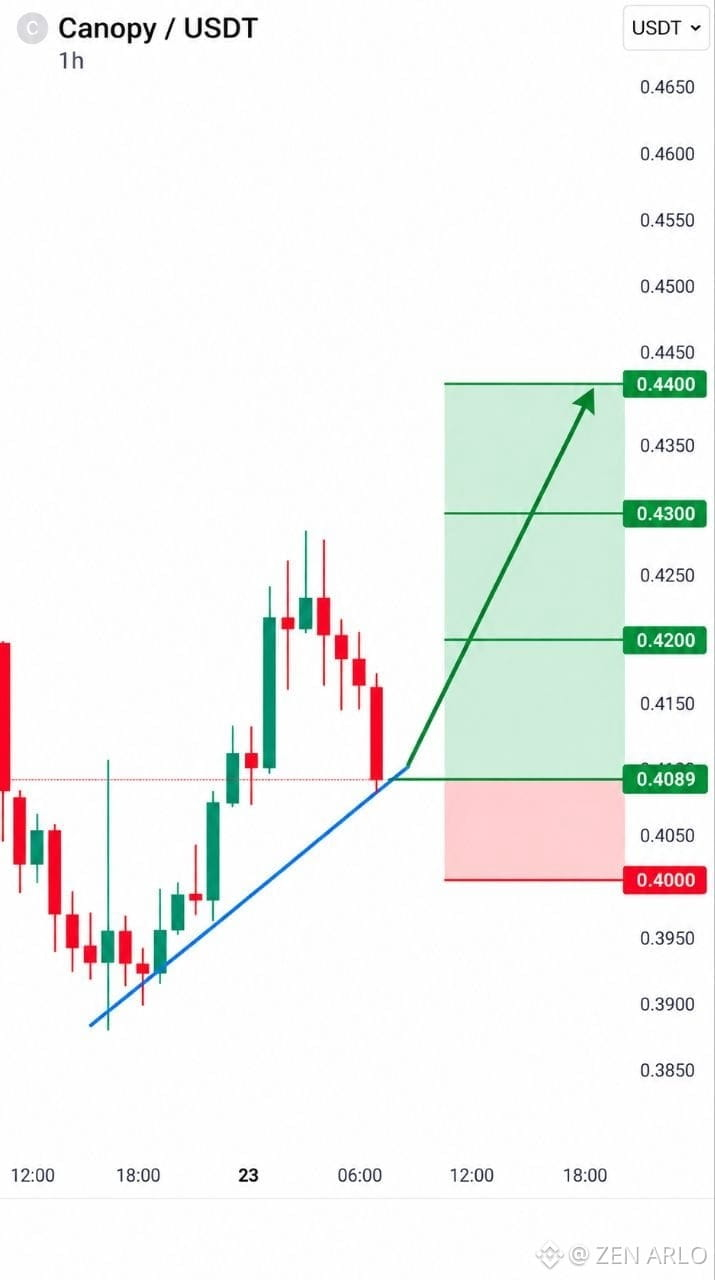
$CNPY the real test starts now.
Canopy has entered mainnet, moving from experimentation into real onchain activity.
Its testnet previously recorded 1M+ deployments and more than 10B test CNPY in volume.
The vision is straightforward: make building onchain applications simpler.
Developers can create application-specific chains using familiar programming languages and AI-assisted development, while Canopy handles much of the complex blockchain infrastructure underneath.
$CNPY is the native token that helps power this ecosystem.
It supports staking and network security, allowing validators to help secure the application chains built through Canopy.
For everyday users, simpler infrastructure could mean developers spend less time dealing with blockchain complexity and more time creating applications people can actually use.
Testnet proved the demand to experiment. Mainnet is where real adoption begins to matter.
Only information not financial advice
#CNPY #Canopy #Crypto
$CNPY the real test starts now.
Canopy has entered mainnet, moving from experimentation into real onchain activity.
Its testnet previously recorded 1M+ deployments and more than 10B test CNPY in volume.
The vision is straightforward: make building onchain applications simpler.
Developers can create application-specific chains using familiar programming languages and AI-assisted development, while Canopy handles much of the complex blockchain infrastructure underneath.
$CNPY is the native token that helps power this ecosystem.
It supports staking and network security, allowing validators to help secure the application chains built through Canopy.
For everyday users, simpler infrastructure could mean developers spend less time dealing with blockchain complexity and more time creating applications people can actually use.
Testnet proved the demand to experiment. Mainnet is where real adoption begins to matter.
Only information not financial advice
#CNPY #Canopy #Crypto
Canopy has entered mainnet, moving from experimentation into real onchain activity.
Its testnet previously recorded 1M+ deployments and more than 10B test CNPY in volume.
The vision is straightforward: make building onchain applications simpler.
Developers can create application-specific chains using familiar programming languages and AI-assisted development, while Canopy handles much of the complex blockchain infrastructure underneath.
$CNPY is the native token that helps power this ecosystem.
It supports staking and network security, allowing validators to help secure the application chains built through Canopy.
For everyday users, simpler infrastructure could mean developers spend less time dealing with blockchain complexity and more time creating applications people can actually use.
Testnet proved the demand to experiment. Mainnet is where real adoption begins to matter.
Only information not financial advice
#CNPY #Canopy #Crypto
48
35
10.2k
·
--
Bearish
Partly True
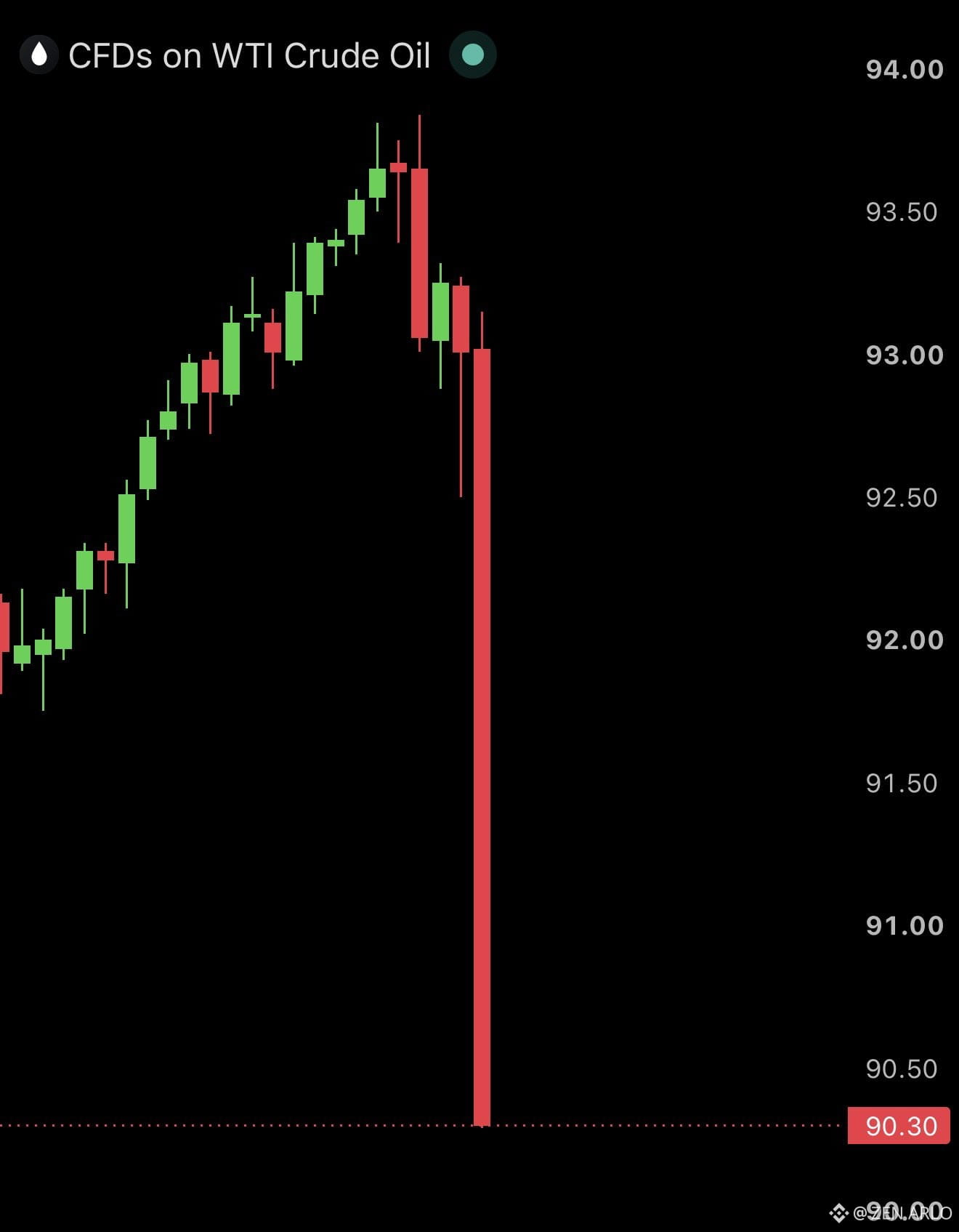
🚨 OIL CRASH ALERT:
Oil just plunged 3% in only 60 minutes, crashing below the critical $91 per barrel level.
A sharp move like this signals aggressive selling pressure hitting the energy market. Losing $91 puts traders on alert for another wave of volatility if buyers fail to reclaim the level quickly.
Oil is moving FAST — all eyes on the next reaction.
🚨 OIL CRASH ALERT:
Oil just plunged 3% in only 60 minutes, crashing below the critical $91 per barrel level.
A sharp move like this signals aggressive selling pressure hitting the energy market. Losing $91 puts traders on alert for another wave of volatility if buyers fail to reclaim the level quickly.
Oil is moving FAST — all eyes on the next reaction.
Oil just plunged 3% in only 60 minutes, crashing below the critical $91 per barrel level.
A sharp move like this signals aggressive selling pressure hitting the energy market. Losing $91 puts traders on alert for another wave of volatility if buyers fail to reclaim the level quickly.
Oil is moving FAST — all eyes on the next reaction.
4
34
36.8k
Log in to explore more content
Join global crypto users on Binance Square
⚡️ Get latest and useful information about crypto.
💬 Trusted by the world’s largest crypto exchange.
👍 Discover real insights from verified creators.
Email / Phone number
Trending Topics
SECProposesCryptoCustodyRules
102 views
29 Discussing
🚨 SEC PROPOSES NEW CRYPTO CUSTODY RULES 🇺🇸🔐
The U.S. Securities and Exchange Commission has proposed a new framework for how investment advisers and regulated funds can custody crypto assets.
📌 The proposal would allow self-custody in certain circumstances, particularly when no qualified custodian is available.
📌 State-chartered trust companies could also qualify as crypto custodians under specific conditions.
📌 The framework includes safeguards around private keys, cybersecurity, asset segregation and oversight.
📌 The proposal is not final yet. A 60-day public comment period will begin after publication in the Federal Register.
💡 Why it matters:
Clearer custody rules could give investment advisers and regulated funds a defined regulatory pathway for holding digital assets, potentially expanding institutional access to crypto.
⚠️ This is a proposed rule, not an immediate change to existing requirements. Crypto remains highly volatile. DYOR and manage risk.
What do you think about the SEC's new crypto custody framework? 👇
#Bitcoin #BTC #Ethereum #CryptoNews #SECProposesCryptoCustodyRules
md-rana-sikdar-1232
·0 Likes
·14 views
SECApproves3xLongCryptoCommodityETPs
906 views
75 Discussing
G7PlansToReleaseUpTo100MBarrelsOilDiesel
2,312 views
126 Discussing