
ZainAli655
11.3k Posts

ZainAli655
 Square Verified+
Report
Block User
I love Sol 💗 my favorite 😍 KITE-531323
Open Trade
Frequent Trader
1.9 Years
1.8K+ Following
36.2K+ Followers
40.2K+ Liked
Posts
Portfolio
All
Quotes
Videos
Live
PINNED
·
--
Bullish
Verified
#sxt $SXT @SpaceandTimeDB I was looking at Space and Time and had one question in mind.
If an AI gives me numbers about a DeFi project, how do I know those numbers are right?
I don't think showing an answer is enough. There should be a way to check where it came from.
That's what made me look at Proof of SQL.
Space and Time lets developers run SQL queries and create cryptographic proofs for the results. So the result isn't just something you have to take on trust.
I can also see why this matters outside AI. A tokenized asset needs correct information behind it, and DeFi apps need reliable data to work with.
These are three different use cases, but they all come back to the same thing: knowing whether the data is right. That's the part I wanted to understand about Space and Time.
#sxt $SXT @SpaceandTime I was looking at Space and Time and had one question in mind.
If an AI gives me numbers about a DeFi project, how do I know those numbers are right?
I don't think showing an answer is enough. There should be a way to check where it came from.
That's what made me look at Proof of SQL.
Space and Time lets developers run SQL queries and create cryptographic proofs for the results. So the result isn't just something you have to take on trust.
I can also see why this matters outside AI. A tokenized asset needs correct information behind it, and DeFi apps need reliable data to work with.
These are three different use cases, but they all come back to the same thing: knowing whether the data is right. That's the part I wanted to understand about Space and Time.

4
249
PINNED
·
--
Bullish
Verified
At first I thought that when an AI service makes money, most of the value should go to the person who built it. But while looking into Kite’s tokenomics, I started thinking about everyone else involved.
Kite has a different setup worth looking at. Its modules bring together AI services, while module owners, validators, and delegators each have different roles in the network. KITE incentives are designed to connect their participation with the module they support.
One thing i noticed about Kite is that 20percent of its total KITE supply is set aside for modules. Some of that goes toward helping developers build, while another part is meant to reward modules for how well they perform. Validators and delegators each select a specific module to stake on, linking their participation to that module. Kite also plans to gradually move from early token-emission rewards toward rewards funded by actual AI service transaction revenue. The protocol is designed to collect a small commission from these transactions, connecting rewards more closely to real network usage.
What I find interesting is that rewards can influence where people choose to contribute. If a module attracts real users and generates more activity, it could become more attractive to builders and participants. But if rewards are the main reason people join, what happens when those incentives become less attractive?
That’s the part I keep coming back to. A network can reward people for participating, but participation alone doesn’t prove that the service is useful. The harder question is whether incentives can help good services grow without keeping weak ones alive just because rewards are available.
To me, the real test isn’t simply how much value an AI economy creates. It’s whether the people receiving rewards are helping create lasting value or just following the incentives.
Who should get the bigger share when an AI service succeeds: the builder who creates it, or the network participants who help it grow?
@GoKiteAI $KITE #KiteBBW
At first I thought that when an AI service makes money, most of the value should go to the person who built it. But while looking into Kite’s tokenomics, I started thinking about everyone else involved.
Kite has a different setup worth looking at. Its modules bring together AI services, while module owners, validators, and delegators each have different roles in the network. KITE incentives are designed to connect their participation with the module they support.
One thing i noticed about Kite is that 20percent of its total KITE supply is set aside for modules. Some of that goes toward helping developers build, while another part is meant to reward modules for how well they perform. Validators and delegators each select a specific module to stake on, linking their participation to that module. Kite also plans to gradually move from early token-emission rewards toward rewards funded by actual AI service transaction revenue. The protocol is designed to collect a small commission from these transactions, connecting rewards more closely to real network usage.
What I find interesting is that rewards can influence where people choose to contribute. If a module attracts real users and generates more activity, it could become more attractive to builders and participants. But if rewards are the main reason people join, what happens when those incentives become less attractive?
That’s the part I keep coming back to. A network can reward people for participating, but participation alone doesn’t prove that the service is useful. The harder question is whether incentives can help good services grow without keeping weak ones alive just because rewards are available.
To me, the real test isn’t simply how much value an AI economy creates. It’s whether the people receiving rewards are helping create lasting value or just following the incentives.
Who should get the bigger share when an AI service succeeds: the builder who creates it, or the network participants who help it grow?
@KITE AI 中文 $KITE #KiteBBW

5
12
876
·
--
Bullish
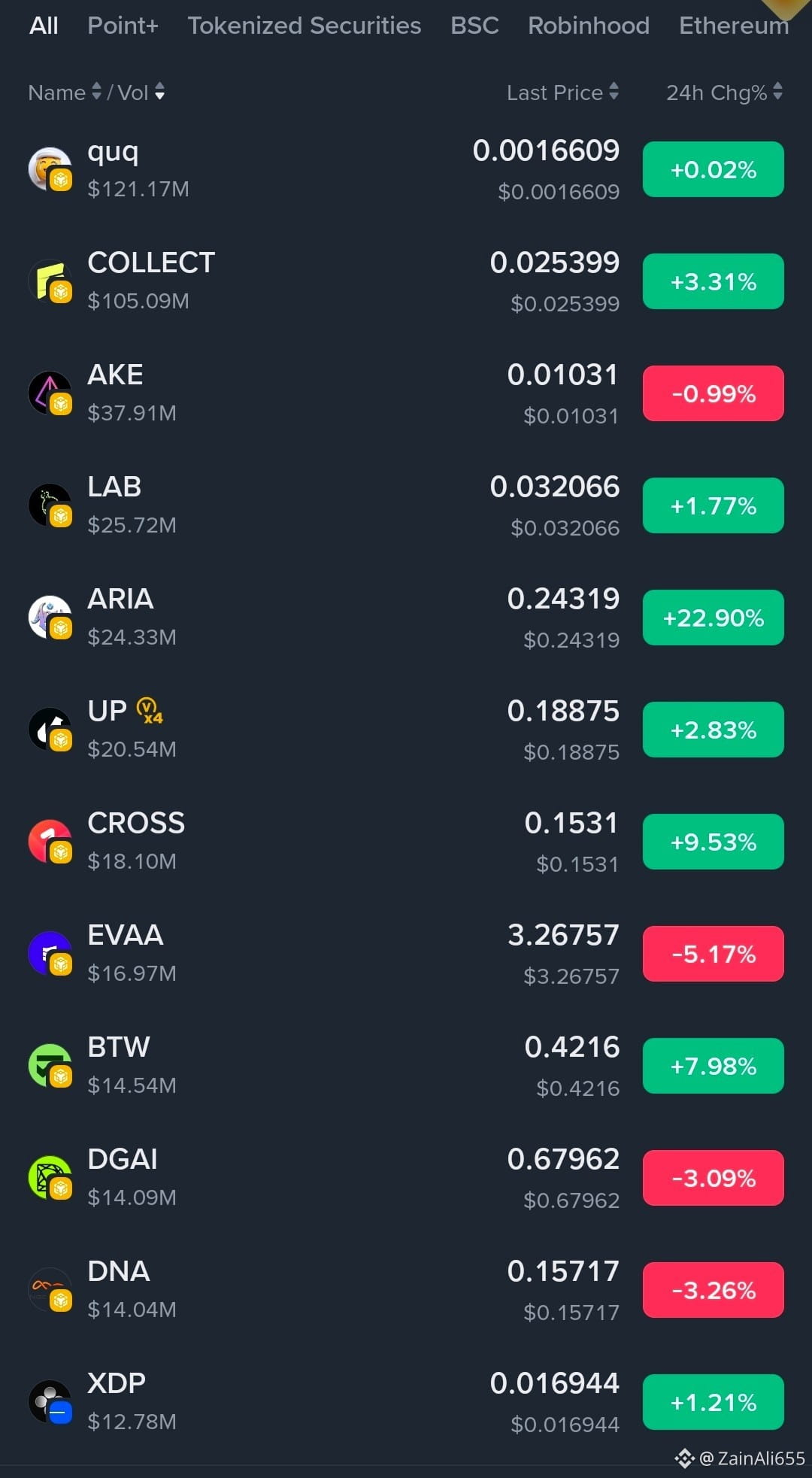
$BTW
24%
$CROSS
15%
$PIEVERSE
41%
$ARIA
20%
46 votes • Voting closed
2
5.6k
·
--
Bullish
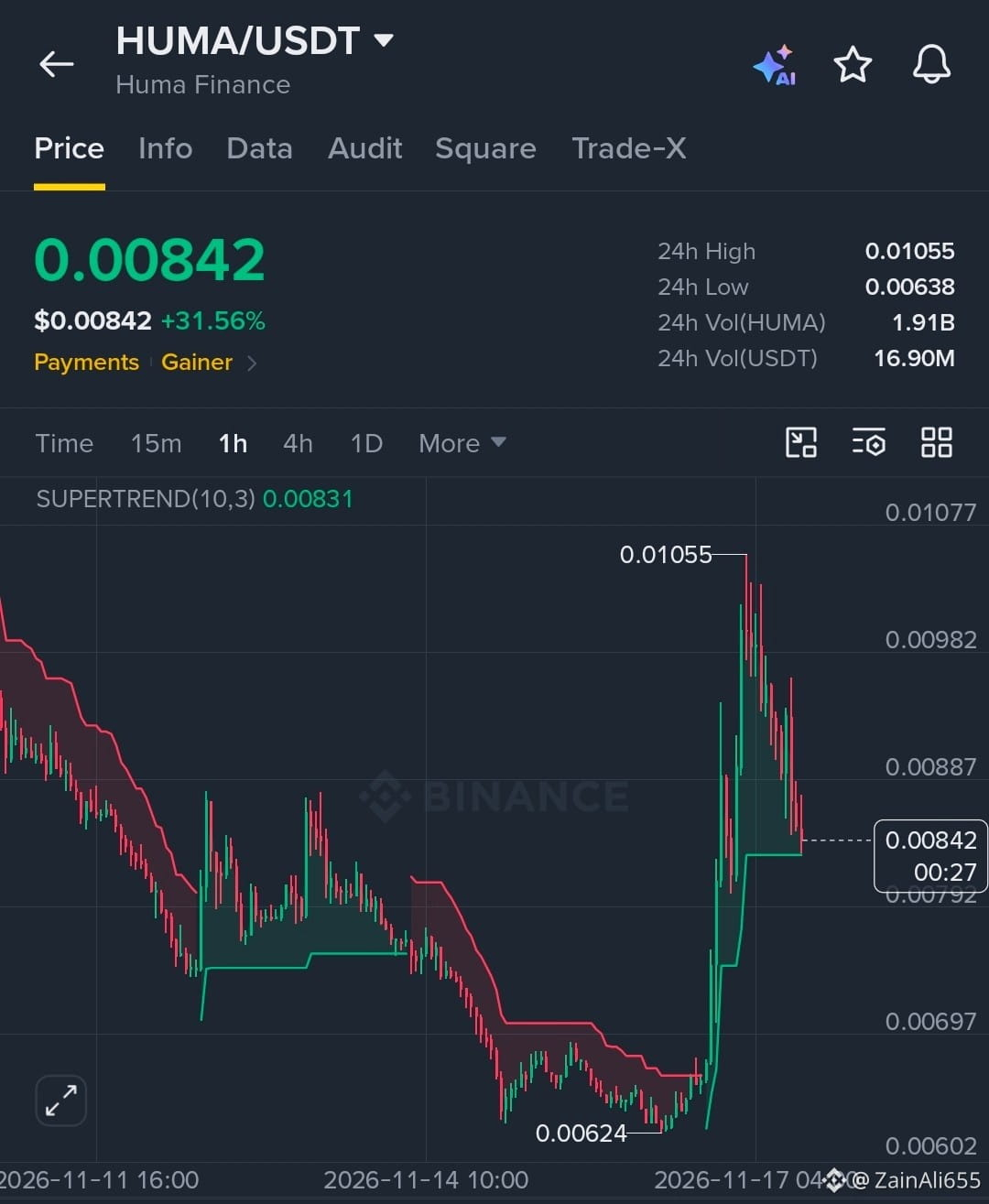
🚀 $HUMA Explodes +31% — Can Bulls Push Higher?
huma is trading at $0.00842 after a strong rally, hitting a 24H high of $0.01055.
HUMA Trade Setup
🟢 Long Entry: $0.00830 – $0.00845
🎯 TP1: $0.00885
🎯 TP2: $0.00950
🎯 TP3: $0.01050
🛑 Stop Loss: $0.00790
Buyers are showing strength, but price is pulling back after the sharp pump. Holding above $0.00830 could support another move higher.
⚠️ A break below $0.00830 may trigger further selling. Wait for confirmation before entering.
Trade carefully! 🔥
#huma #crypto #Binance $EVAA $BTW #altcoins
7
7.8k
·
--
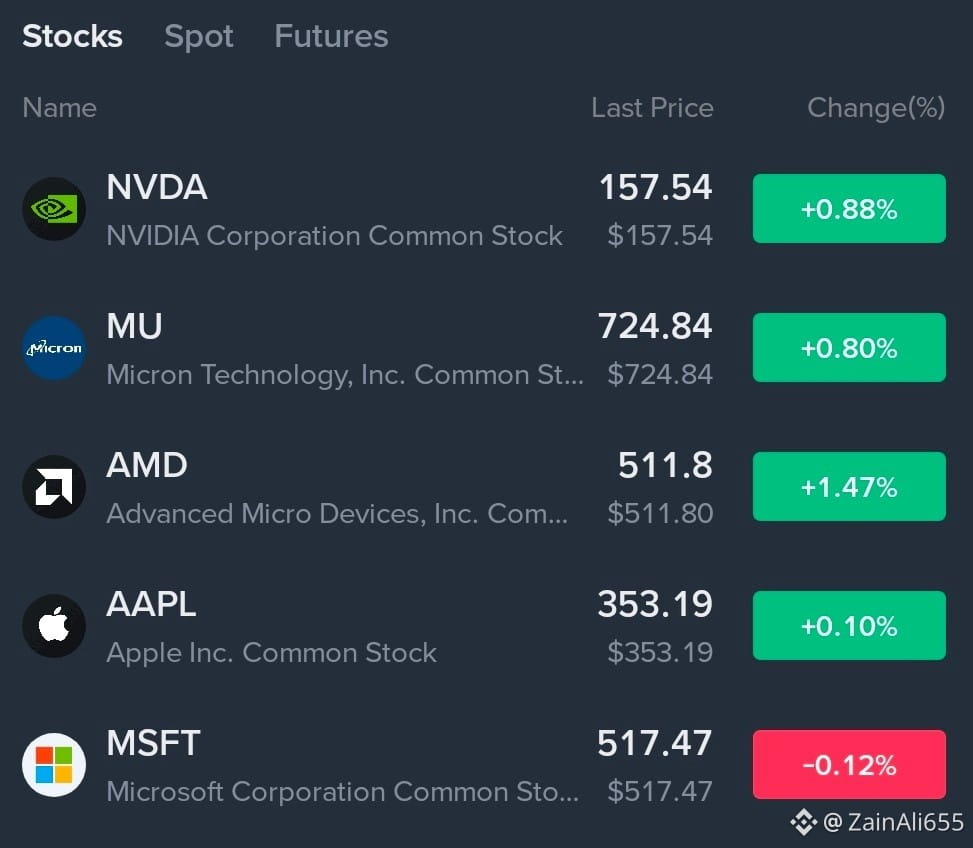
📊 Stock Market Update 🚀
🟢 $NVDA — $157.54 (+0.88%)
🟢 $MU — $724.84 (+0.80%)
🟢 $AMD — $511.80 (+1.47%)
🟢 $AAPL — $353.19 (+0.10%)
🔴 $MSFT — $517.47 (-0.12%)
🔥 AMD leads the gains with a 1.47% jump, while Microsoft is the only stock trading in red.
📈 Tech stocks are showing mixed momentum, but buyers are still holding strong in most names.
👀 Which stock are you watching today?
#NVDA #MU #AMD #AAPL #stockmarket
3
2.1k
·
--
Bullish
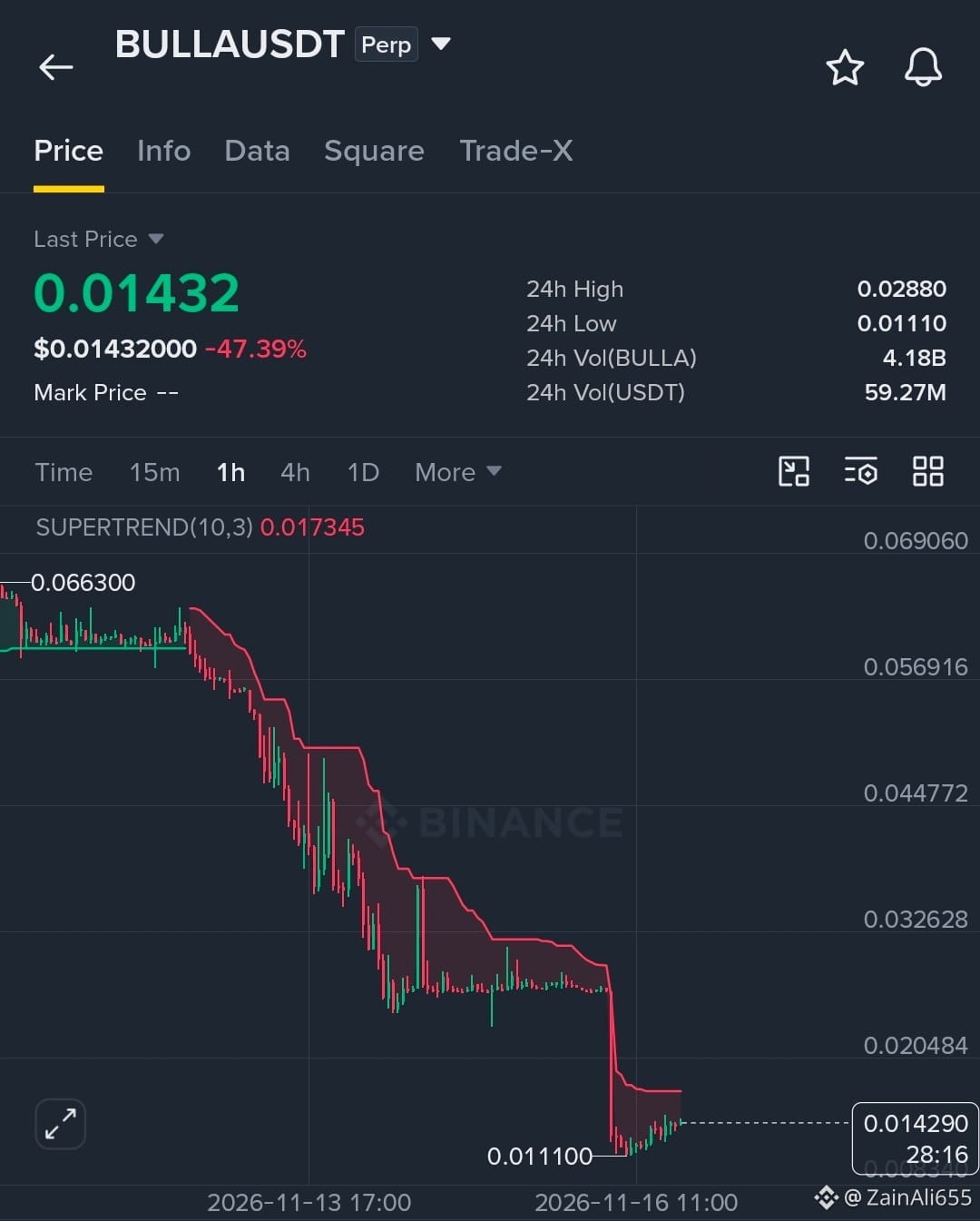
🚀 Crypto Market on Fire! Top 5 Futures Gainers 🔥
Bulls are making some serious moves today! 🟢
🔥 $HUMA — +45.94%
🚀 $BULLA — +41.42%
⚡ $EVAA — +35.80%
💎 $SPACE — +32.87%
📈 $CROSS — +31.38%
$HUMA is leading the rally, while $BULLA and $EVAA are showing strong momentum.
⚠️ Big pumps can bring sharp pullbacks. Don't chase green candles without confirmation!
#crypto #Altcoins #trading #Binance
Which coin will pump next?
💬 Vote and share your prediction!
$HUMA 🚀
30%
$BULLA 🔥
51%
$EVAA ⚡
14%
$SPACE / $CROSS 💎
5%
37 votes • Voting closed
1.9k
·
--
Bullish
🚀 Crypto Market Update: Altcoins Turning Green! 📈
$RARE is stealing the spotlight with a massive +43.66% jump! 🔥
Other altcoins are picking up momentum too:
🟢 $RARE +43.66%
🟢 $FF +11.59%
🟢 $BANANAS31 +10.49%
🟢 $GLMR +10.03%
🟢 $TFUEL +8.30%
🟢 $WIN +8.04%
🟢 $PROM +7.04%
🟢 $COOKIE +6.24%
Buyers are showing strength across several tokens, but chasing a big green candle can be risky.
👀 Will this momentum continue, or are we heading for a pullback?
Which altcoin has the most potential for the next breakout? 🚀
#crypto #Altcoins #ALPHA #Binance
$RARE 🔥
37%
$FF ⚡
16%
$GLMR 🌙
16%
$BANANAS31 🍌
31%
38 votes • Voting closed
3.4k
·
--
Bullish
🚀 Crypto Market Heating Up! Bulls Taking Control! 🔥
Some altcoins are making serious moves in the last 24 hours! 📈
🟢 $EVAA: +74.89%
🟢 $TAC: +35.37%
🟢 $ARIA: +14.03%
🟢 $UP: +12.23%
🟢 $SPACE: +12.23%
$EVAA is stealing the spotlight with a massive 74%+ surge, while $TAC is showing strong momentum too.
The big question now: Can these tokens keep climbing, or is a pullback around the corner? 👀
What's your next move?
#crypto #Altcoins #Binance #ALPHA
Buy the dip 🟢
44%
Take profits 💰
27%
Wait for confirmation ⏳
29%
34 votes • Voting closed
4.6k
·
--
Bullish
🚀 Crypto Market Heating Up! Bulls Taking Control! 🔥
$SHELL is stealing the spotlight with a massive +49.57% surge! 🟢
🔥 Top Gainers Right Now:
🥇 $SHELL +49.57%
🥈 $SOPH +26.32%
🥉 $DODO +19.93%
🚀 $MITO +13.44%
⚡ $NIGHT +8.45%
Buying pressure is picking up across several tokens, but chasing green candles can be risky. Watch for pullbacks and strong support before entering!
#crypto #Altcoins #SOPH #DODO #cryptotrading
What's your next move?
🟢 Buy the dip
67%
🔴 Wait for correction
0%
🚀 Hold for more gains
33%
3 votes • Voting closed
421
·
--
Bearish
🚨 Crypto Market Bleeding, But Some Altcoins Are Flying! 🔥
🔴 BTC: $66,702 (-3.19%)
🔴 ETH: $1,881 (-2.69%)
🔴 SOL: $75 (-4.40%)
🔴 PEPE: -6.59%
🔴 ICP: -5.94%
While most of the market is struggling, a few coins are stealing the spotlight! 👀
🟢 $SHELL: +70.34% 🚀
🟢 $BERA: +32.08%
🟢 $NEAR: +0.03%
The interesting part? Even with BTC under pressure, some altcoins are showing serious strength.
This is where patience matters. Don't chase green candles blindly. Watch where the money is moving. 📊
#bitcoin #crypto #altcoins #BTC #CryptoMarket
What's your next move?
🟢 Buying the dip
65%
🔴 Waiting for more downside
23%
🔥 Hunting strong altcoins
4%
👀 Just watching
8%
49 votes • Voting closed
1
1.5k
·
--
Bearish
Crypto Market Bleeding! 📉
BTC drops to $72.4K, ETH slips below $2.1K, and SOL falls to $81.
Biggest hits:
🔻 $PEPE -12.63%
🔻 $NEAR -10.21%
🔻 $AAVE -10.10%
Fear is rising, and sellers are in control. 👀
#altcoins #bitcoin #crypto #TrendingTopic #ETH
Are you buying the dip or waiting?
Crypto Market Bleeding! 📉
BTC drops to $72.4K, ETH slips below $2.1K, and SOL falls to $81.
Biggest hits:
🔻 $PEPE -12.63%
🔻 $NEAR -10.21%
🔻 $AAVE -10.10%
Fear is rising, and sellers are in control. 👀
#altcoins #bitcoin #crypto #TrendingTopic #ETH
Are you buying the dip or waiting?
BTC drops to $72.4K, ETH slips below $2.1K, and SOL falls to $81.
Biggest hits:
🔻 $PEPE -12.63%
🔻 $NEAR -10.21%
🔻 $AAVE -10.10%
Fear is rising, and sellers are in control. 👀
#altcoins #bitcoin #crypto #TrendingTopic #ETH
Are you buying the dip or waiting?
🟢 Buying
53%
🔴 Waiting
47%
112 votes • Voting closed
2
1.9k
·
--
Bullish
🚀 Crypto Market Heating Up! Bulls Taking Control! 🔥
Green candles are back, and some altcoins are making serious moves today evening! 👀
🔥 Top 24H Futures Gainers:
🟢 $DJT +17.48%
🟢 $MAGMA +15.12%
🟢 $ERA +12.88%
🟢 $AGPU +10.43%
🟢 $AGT +9.53%
🟢 $RUM +7.49%
🟢 $ZM +6.64%
$DJT is leading the rally, while $MAGMA and $ERA are showing strong momentum.
But here's the real question: Are we seeing the start of a bigger altcoin rally, or just a short-term pump? 👀
⚠️ Don't chase green candles blindly. Wait for a good entry!
#crypto #altcoins #Bitcoin #CryptoTrading #bullmarket
What's your next move?
🟢 Buying the breakout 🚀
50%
🔴 Waiting for a pullback 📉
32%
🟡 Holding my positions 💎
9%
Looking for short opportuniti
9%
22 votes • Voting closed
2.4k
·
--
Bullish
🚀 Binance Alpha Is Heating Up! 🔥
Big moves across the Alpha market today morning! 📊
🟢 $AGT: +226.98% 🚀
🟢 $UP: +17.05%
🟢 $MAGMA: +11.02%
🟢 $Q: +7.22%
🔴 $JCT: -35.06% 📉
🔴 $ARIA: -10.64%
$AGT is stealing the spotlight with a massive rally, while $JCT is facing heavy selling pressure.
The market is full of opportunities, but chasing pumps can be risky. 👀
#Alpha #crypto #AGT #JCT #altcoins
Which Alpha token are you watching?
🟢 $AGT – More upside 🚀
31%
🔴 $JCT – Bounce incoming?
46%
🔥 $UP – Bullish momentum
12%
👀 Waiting for a better entry
11%
67 votes • Voting closed
5.3k

·
--
Bullish
🚀 Binance Alpha is Heating Up! 🔥
Green candles are taking over, and some tokens are making serious moves today! 📈
🟢 $AGT: +68.17% 🔥
🟢 $ARIA: +37.64% 🚀
🟢 $UP: +17.46%
🟢 $BTW: +12.40%
🟢 $BLUAI: +10.84%
$AGT is leading the rally, while $ARIA is showing strong momentum too.
Big gains look exciting, but chasing pumps can be risky. 👀
Which token do you think will pump next? 👇
Who's the next big mover?
#Alpha #crypto #Altcoins
Vote below! 👇
🔘 $AGT 🔥
67%
🔘 $ARIA 🚀
20%
🔘 $UP ⚡
7%
🔘 $BTW / $BLUAI 👀
6%
54 votes • Voting closed
5.6k
·
--
Bullish
🚀 Crypto Market Heating Up! Bulls Are Taking Control! 🔥
Green candles are everywhere, and some altcoins are making serious moves today! 👀
🔥 $ARIA +25.27%
🚀 $CRWV +16.62%
💚 $RKLB +16.24%
⚡ $ERA +14.51%
📈 $B2 +12.21%
$ARIA is leading the gainers, but the big question is whether this momentum can continue or if profit-taking is around the corner.
Don't chase green candles blindly. Watch for pullbacks and strong support levels.
Which coin do you think will pump next? 👇
🟢 $ARIA
77%
🔥 $ERA
15%
🚀 $B2
8%
💬 Something else?
0%
39 votes • Voting closed
2.8k
·
--
Bullish
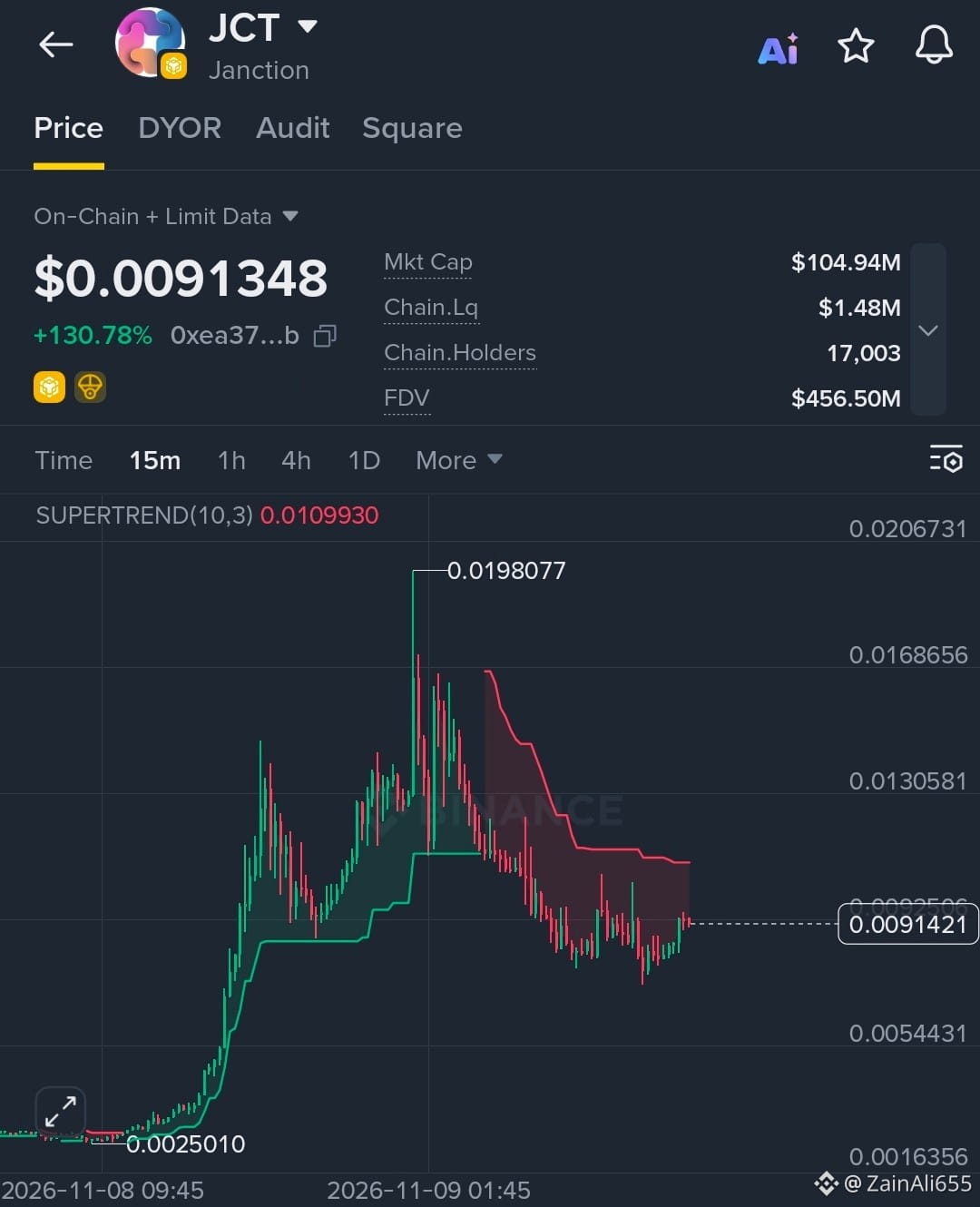
🚀 $JCT Up 130% — What's Next?
jct pumped from $0.0025 to $0.0198 and is now trading near $0.0091.
🟢 Support: $0.0085
🎯 Target 1: $0.0110
🎯 Target 2: $0.0135
🛑 Stop Loss: $0.0080
Bulls need to break $0.0110 for another rally. Watch for confirmation! 🔥
$GSTOCK $ON
🚀 $JCT Up 130% — What's Next?
jct pumped from $0.0025 to $0.0198 and is now trading near $0.0091.
🟢 Support: $0.0085
🎯 Target 1: $0.0110
🎯 Target 2: $0.0135
🛑 Stop Loss: $0.0080
Bulls need to break $0.0110 for another rally. Watch for confirmation! 🔥
$GSTOCK $ON
jct pumped from $0.0025 to $0.0198 and is now trading near $0.0091.
🟢 Support: $0.0085
🎯 Target 1: $0.0110
🎯 Target 2: $0.0135
🛑 Stop Loss: $0.0080
Bulls need to break $0.0110 for another rally. Watch for confirmation! 🔥
$GSTOCK $ON
424
·
--
Bullish
🚀 Crypto Market Is Heating Up! Who’s Leading the Rally? 🔥
The bulls are making some serious moves today, and a few altcoins are stealing the spotlight! 👀🟢
🔥 Top Gainers Right Now:
🚀 $JCT — +144.45% 🤯
🟢 $ON — +33.17%
⚡ $AIOT — +27.18%
💎 $HANA — +25.76%
🔥 $HOT — +22.67%
But here's what caught my attention...
$JCT is absolutely flying with a massive 144% surge, while $ON and $AIOT are showing strong momentum too.
The big question is whether buyers can keep this momentum alive or if profit-taking is just around the corner. 👀
Personally, I'd be careful chasing coins after such huge pumps. Sometimes the best trade is waiting for a healthy pullback.
#Crypto #altcoins #JCT #AIOT #Bullish
Which coin do you think will pump next? Drop your pick below! 👇🔥
Buying the breakout 🚀
68%
Waiting for a dip 📉
32%
Taking profits 💰
0%
19 votes • Voting closed
2.2k
Log in to explore more content
Join global crypto users on Binance Square
⚡️ Get latest and useful information about crypto.
💬 Trusted by the world’s largest crypto exchange.
👍 Discover real insights from verified creators.
Email / Phone number
Trending Topics
NVIDIAReinstatesJensenHuangasCEO
54,029 views
738 Discussing
TradFi News | Nvidia Board Unanimously Reinstates Jensen Huang as CEO; Shares Jump 30% Premarket
Binance News
·37 Likes
·35.5k views
WillMarketsStageAThanksgivingReliefRally?
163,602 views
1,791 Discussing
WillOctCorePCEShiftFedHikeExpectations?
59,382 views
753 Discussing