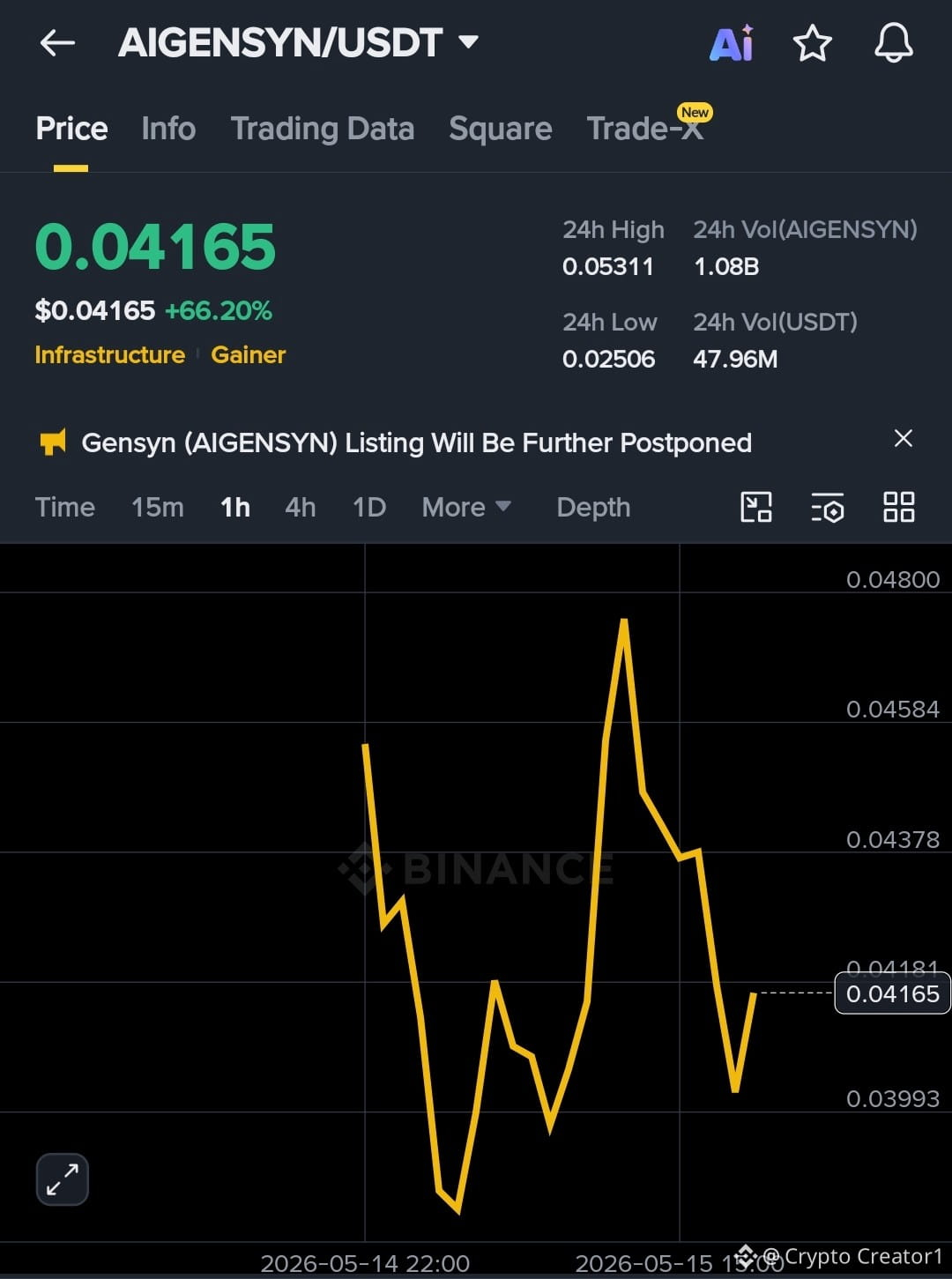
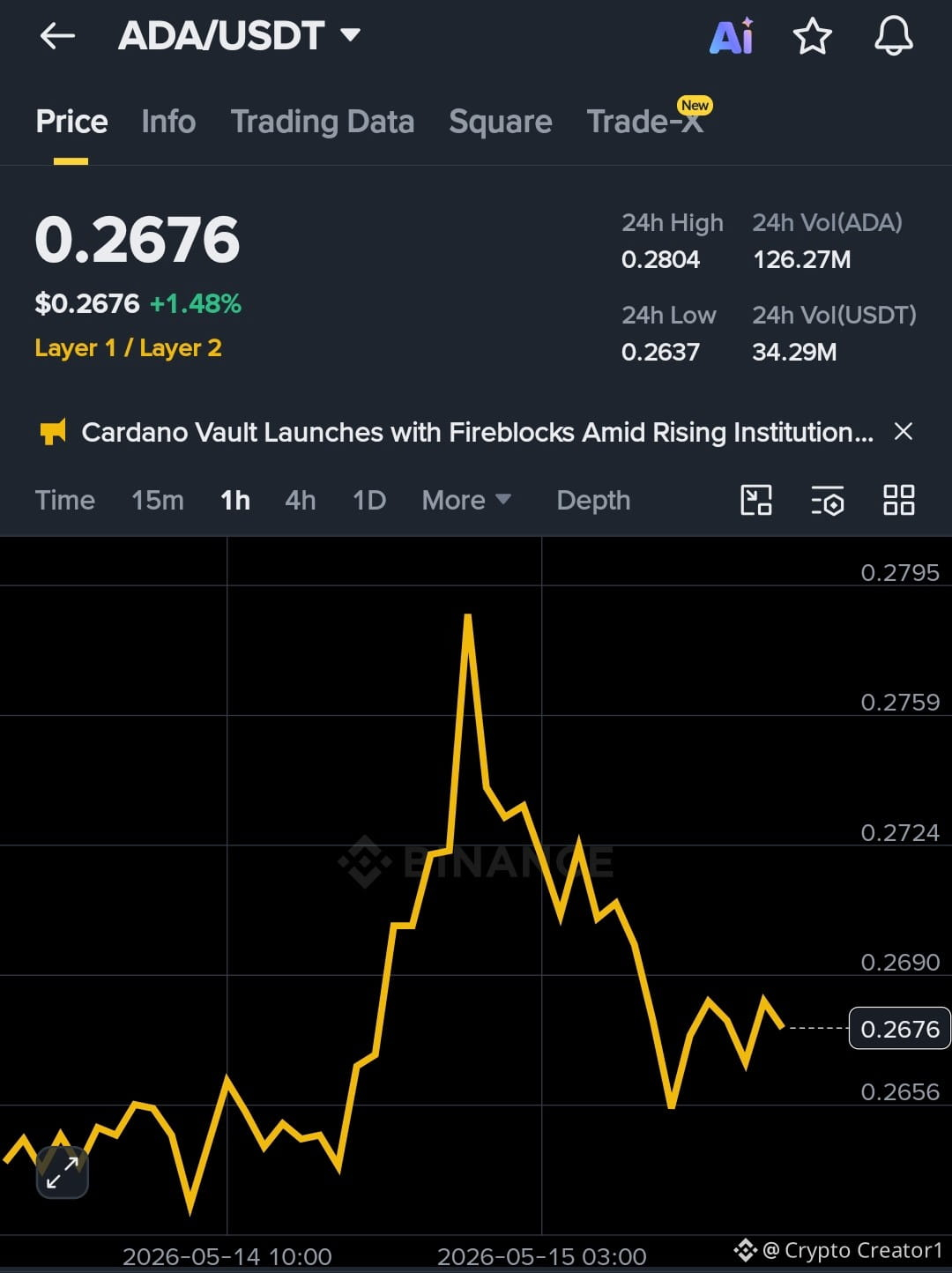
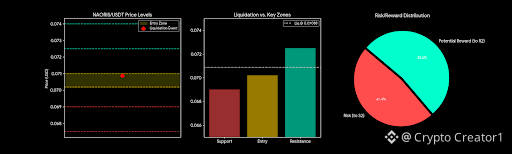
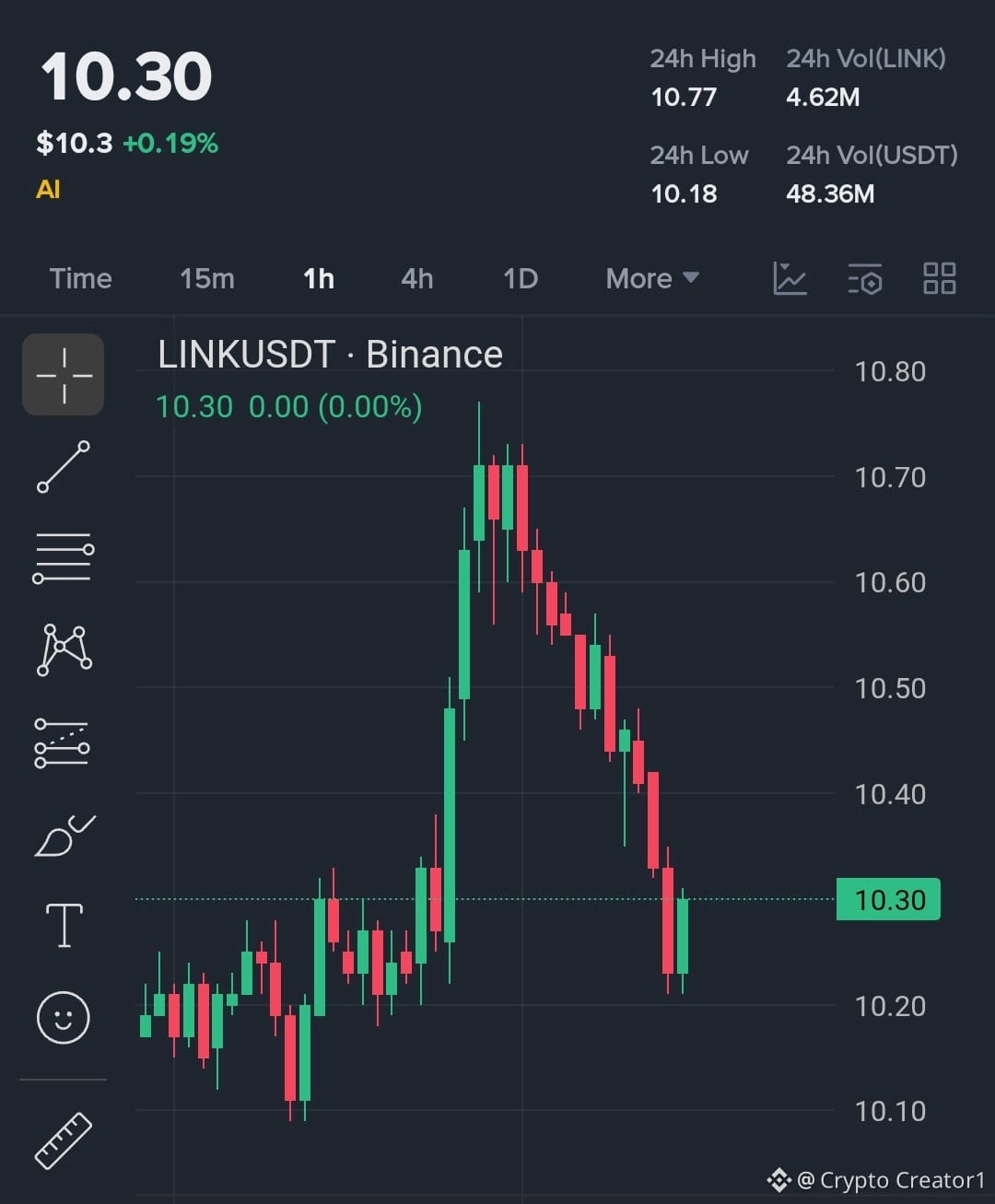
$ADA is facing selling pressure near key resistance levels, with the chart indicating a bearish trend forming. If momentum continues, #ADA could drop toward the next support levels.
$SUI is facing selling pressure near key resistance levels, with the chart indicating a bearish trend forming. If momentum continues, #SUI could drop toward the next support levels.
$SUI I is facing selling pressure near key resistance levels, with the chart indicating a bearish trend forming. If momentum continues, #SUI could drop toward the next support levels.
$ZEC is showing mild selling pressure near key resistance levels, with the chart indicating a potential bearish trend forming. If momentum continues, #ZEC could drop toward the next support levels.
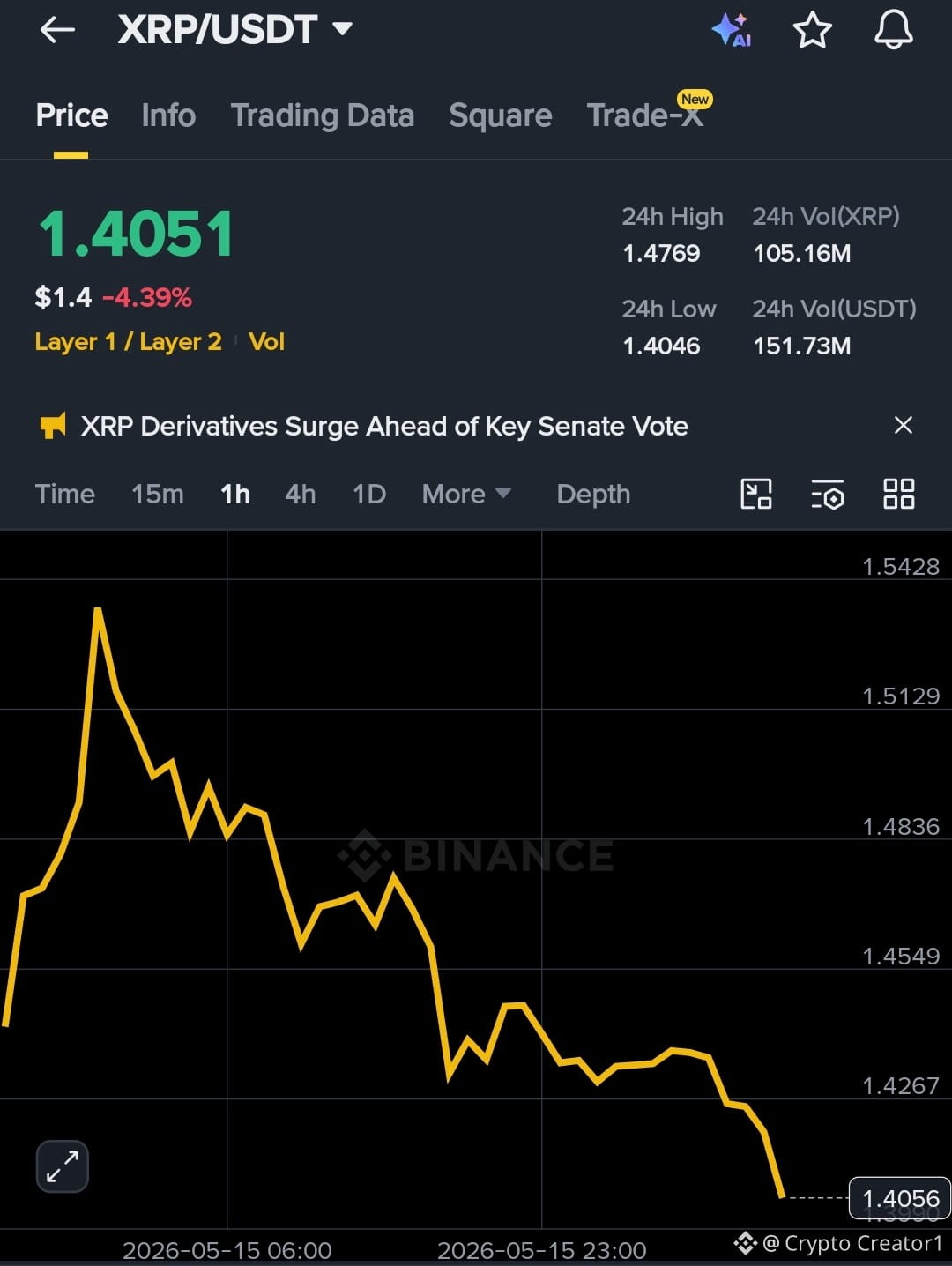
$XRP is facing selling pressure near key resistance levels, with the chart indicating a bearish trend forming. If momentum continues, #XRP could drop toward the next support levels.
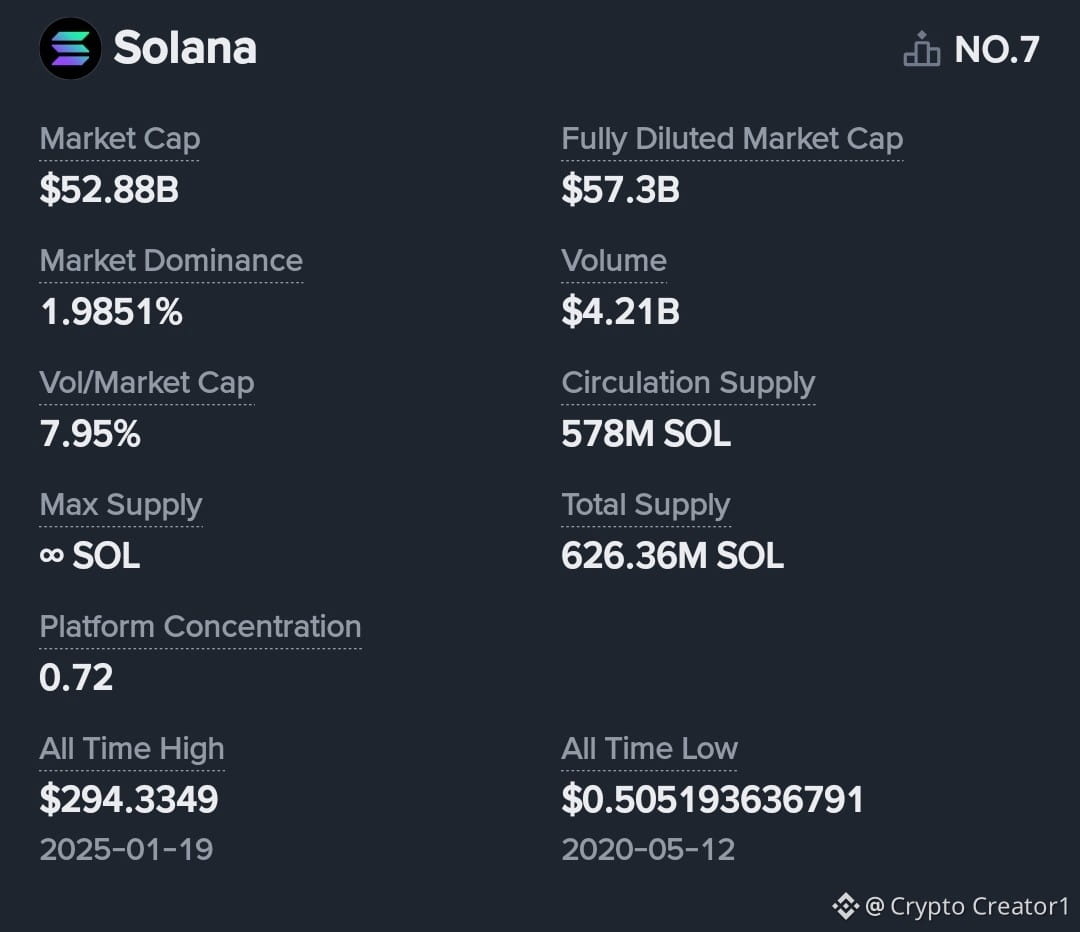
$SOL is facing selling pressure near key resistance levels, with the chart indicating a bearish trend forming. If momentum continues, #SOL could drop toward the next support levels.
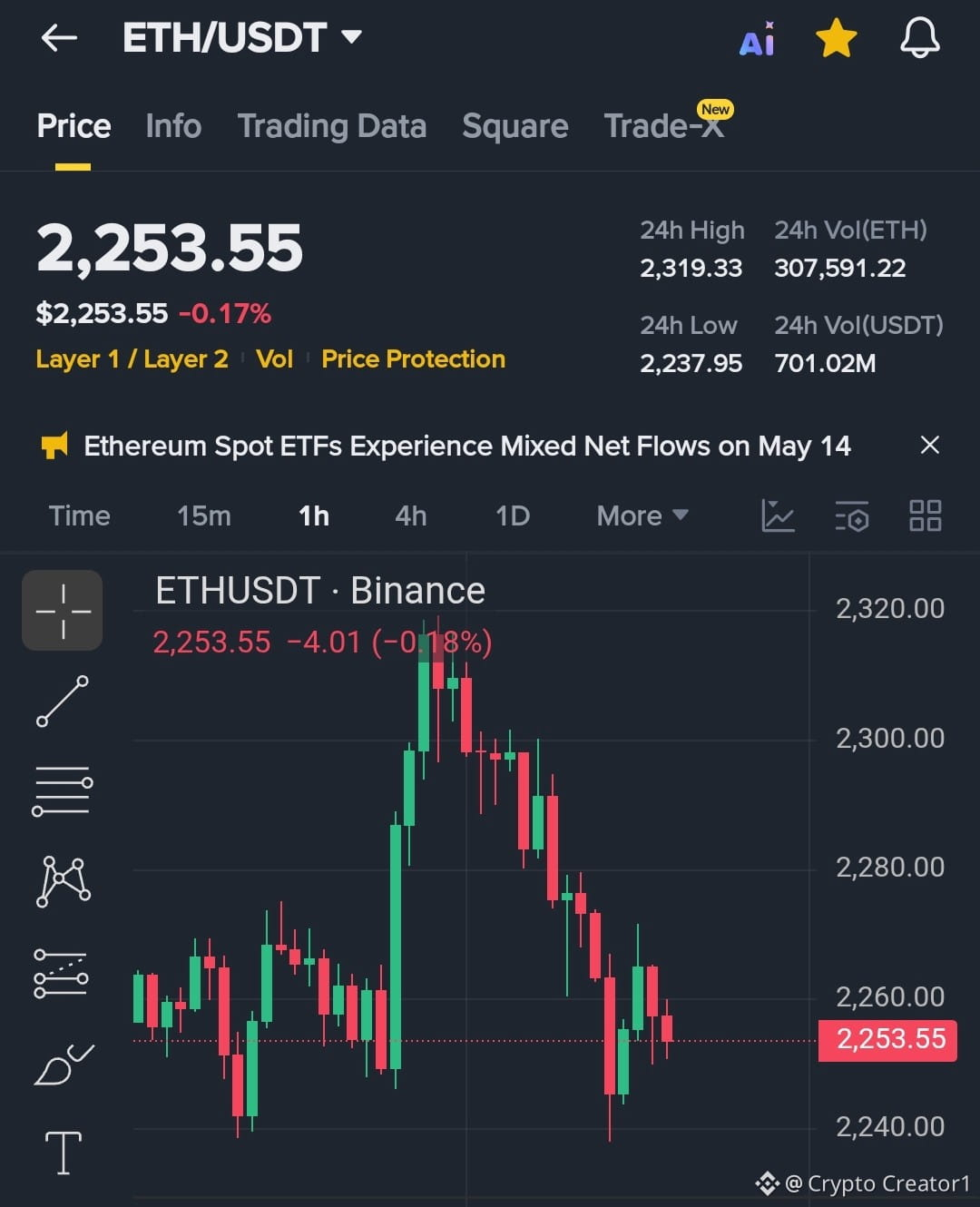
$ETH is under selling pressure near key resistance levels, with the chart showing a bearish trend forming. If momentum continues, #ETH could drop toward the next support levels.
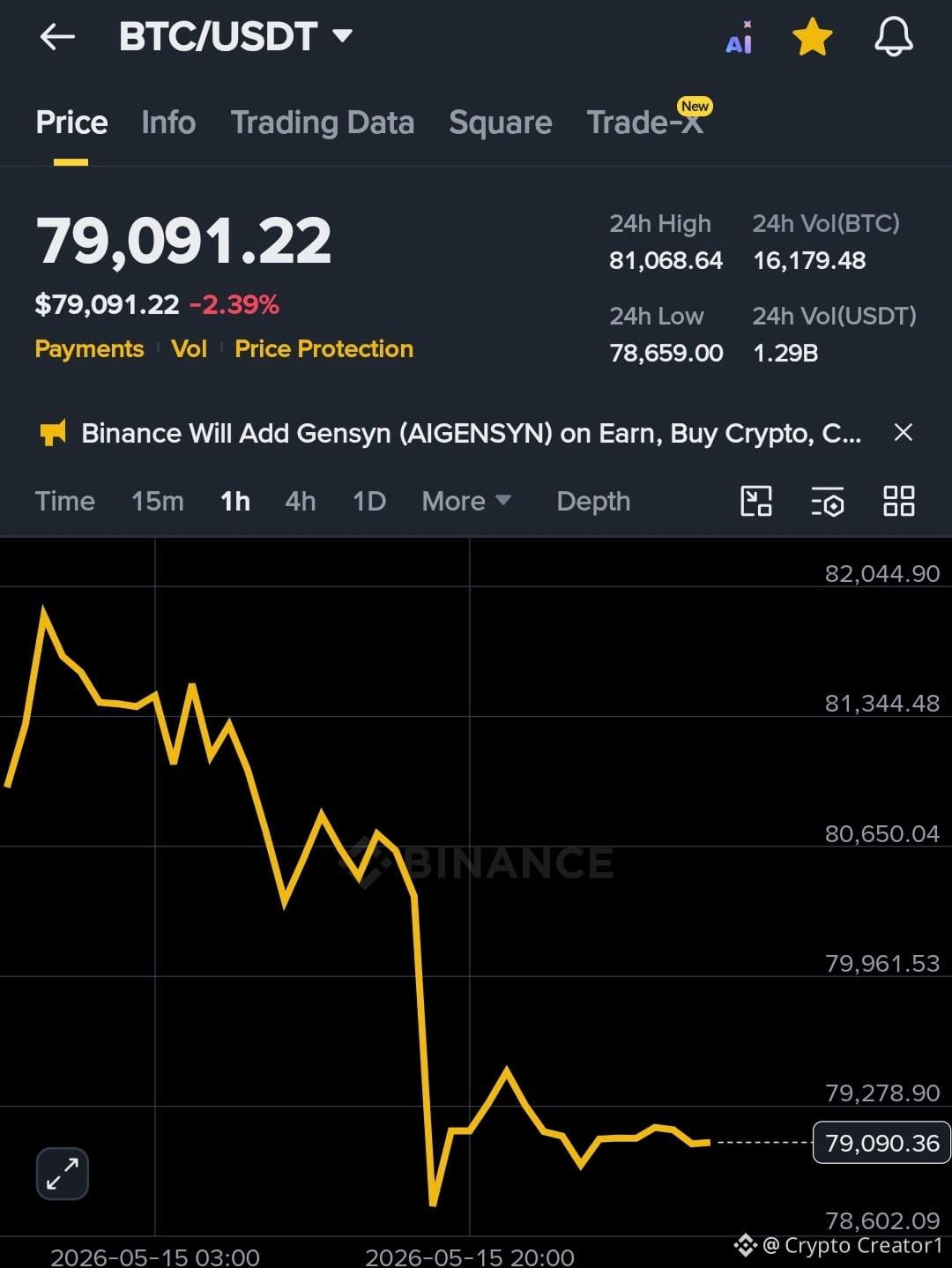
$BTC is under selling pressure near key resistance levels, with the chart indicating a bearish trend forming. If momentum continues, #btc could drop toward the next support levels.
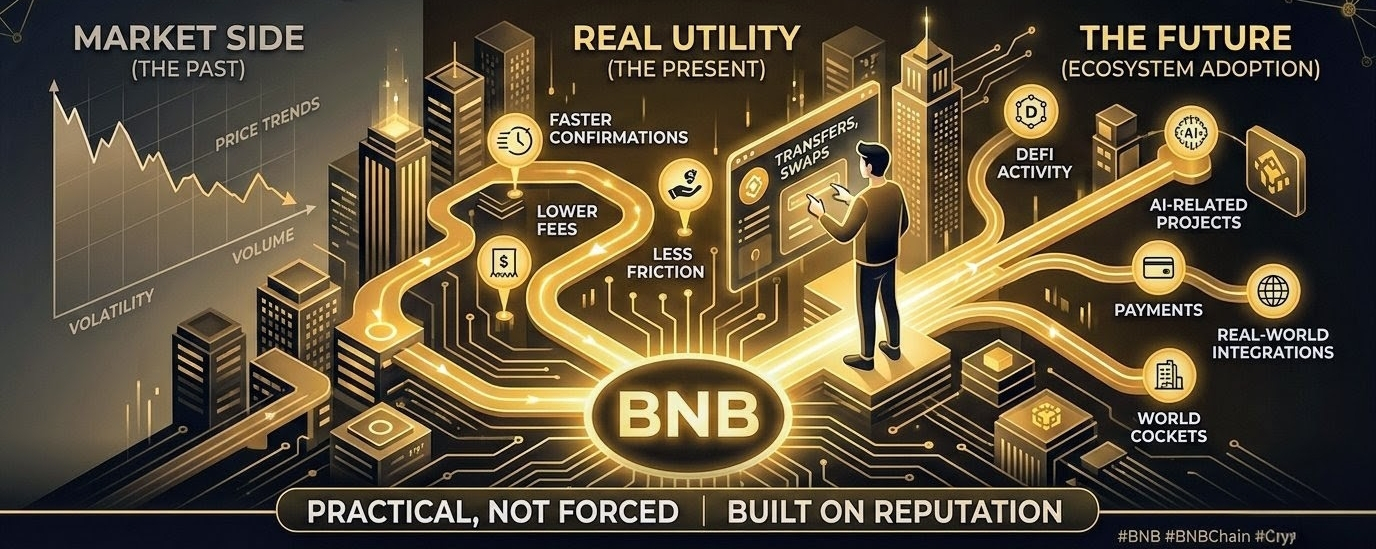
$BNB is facing selling pressure near key resistance levels, with the chart indicating a bearish trend forming. If momentum continues, #BNB could drop toward the next support levels.
Yield Guild Games: The Rise of a Decentralized Gaming Empire
.
I want you to picture a vast, digital guild — not just a gaming clan, but more like a global club made up of players, investors and dreamers, all connected through blockchain. That’s basically what Yield Guild Games is. It isn’t just a game publisher or a studio — it’s a decentralized autonomous organization (DAO). What this means is that it’s built to be governed by the community: if you hold its native token, you have a say. But instead of being some distant, faceless institution, YGG is built more like a living organism: many different teams, sub-communities, vaults, games, and people all contributing to a unified, yet decentralized, ecosystem.
At the heart of YGG is the idea of democratizing access to NFT-based gaming economies. There are games where NFTs — virtual lands, characters, in-game assets — give you a shot at earning real value. But not everyone can afford to buy those NFTs. YGG solves that by pooling resources. The guild’s treasury buys and holds NFTs, virtual lands, in-game assets across many blockchain games. Then, through a “scholarship” or rental system, people who don’t have capital — but have time and willingness to play — can borrow these NFTs and use them in games. The earnings (from rent, from gameplay rewards, from in-game economies) are shared between the guild and the player. In this way, YGG turns gaming into a shared economy, where access isn’t limited to the wealthy.
But YGG doesn’t just stop at “rent + play.” It has a layered and modular organizational structure that lets things scale, stay flexible, and adapt to different games, communities, and geographies. The core is the main DAO — the big umbrella. Underneath, there are what they call “SubDAOs.” Think of them like small branches or chapters inside the larger guild. Each SubDAO can focus on a specific game — say, one for players of a particular play-to-earn game like Axie Infinity, another for a different game — or even region-based communities (players from certain countries or regions working together). Each of these SubDAOs has its own little wallet, its own token sometimes, and its own governance among its members. They decide things like how to manage the NFT assets the guild allocated to them, how to share rewards with their players, when to buy more in-game assets, and strategies for gameplay or renting. Yet, even as semi-autonomous units, they feed profits and growth back up to the main DAO structure.
What this gives is both decentralization and specialization. Members of a SubDAO get to feel like they belong to a tight-knit guild — studying strategies, helping each other, coordinating gameplay — while still benefiting from the financial power and global reach of the larger DAO. It’s like hundreds or thousands of mini-guilds inside one super-guild, each optimizing for the game or geography they care about, but all sharing in the same big vision.
Now, the “vault” concept is another clever layer. If you hold the guild’s token — the YGG token — you don’t have to be a gamer to benefit. YGG vaults allow token holders to stake their tokens and earn rewards. But these aren’t just generic DeFi interest-pools. Instead, each vault is tied to a specific revenue stream or activity of the guild. For example, there might be a vault for rental income (from NFTs the guild rents out), another vault tied to revenue from certain games (maybe from breeding and selling assets, or from in-game economic activity), and another that functions as a “super-index” — bundling together revenue from various sources (rentals, in-game revenue, maybe merchandising, treasury yields, etc.). So if you believe strongly in one segment — say, rentals — you can stake in that vault; or if you prefer a diversified exposure, you can stake in the “all-in-one” vault. As the guild grows and more activities generate profit — from game partnerships, land rentals, in-game economies, maybe even esports, content creation or land development — vaults will give a way for token-holders to share in that growth.
So that’s the structural skeleton: a central DAO, multiple specialized SubDAOs, and vaults for staking and rewards. But how does the future — the roadmap — look for YGG?
First: expansion of the ecosystem. YGG doesn’t just want to stick to a handful of games. Over time, they aim to partner with many games, across different genres — metaverses, RPGs, strategy games, maybe even esports. By doing that, they grow their potential revenue streams, and allow more players around the world to join, regardless of region or resources. Their ambition is global.
Second: building out more SubDAOs. As new games are added, or as regional demand increases (players from Southeast Asia, Latin America, Africa, etc.), new SubDAOs will likely be spun up. Each SubDAO can organically manage itself — bringing together people who speak the same language, understand the same game, or share regional context. That helps build strong, cohesive communities rather than a massive amorphous crowd. Over time, you might see dozens, maybe hundreds of SubDAOs, each with their own strategies, leaders, and local flavor — but all tied to the YGG umbrella. That kind of growth could turn YGG from “a guild” into “a universe of guilds.”
Third: fully deploying the vault architecture and staking mechanisms. While some vaults exist now and yield some returns, YGG’s plan (as per their whitepaper) is to roll out vaults for many different revenue streams: rentals, game revenues, perhaps merchandising, subscriptions, treasury yield — maybe even tokenized land incomes once virtual lands and metaverses mature. Over time, that vault-based model could allow long-term holders — even passive investors — to earn sustainable yields without having to play games themselves. It transforms YGG into something like a hybrid between a gaming guild, an investment fund, and a community.
Fourth: governance and decentralization becoming more democratic. In the early days, assets (NFTs, virtual lands, etc.) are bought and managed by the founding team and early treasury. But the plan — and intention — is that over time, token holders will gain more control: governance proposals, votes, decisions about which games to enter, which assets to buy, how to allocate resources, which SubDAOs to fund or expand, etc. The goal is that YGG gradually shifts from being founder-led to community-governed. That would truly make it a decentralized organization in spirit as well as structure.
Fifth: expanding into new verticals beyond just renting NFTs and playing existing games. As blockchain gaming evolves, there could be new models — virtual land development, metaverse economies, content creation (streamers, esports, tournaments), even cross-game item trading. YGG’s flexible structure and treasury models position it to take advantage of all that. Over time, the guild could become not just a facilitator for play-to-earn games, but a core institution in web3 gaming: a publisher, landlord, landlord-manager, talent incubator, and investment firm all rolled into one. Some analyses liken YGG to something like both a traditional investment fund and a gaming operator — capturing value from multiple angles.
And that’s what makes YGG’s ambition large, and — potentially — transformative. If web3 games and metaverses truly become mainstream, a well-structured, decentralized guild with global reach and diversified assets could become something like the “digital gaming nation” for players worldwide.
But with grand dreams come tricky challenges. For this to work long-term, several things must go right. First, the underlying blockchain games must remain active, attractive, and economically stable. Many play-to-earn games boom and bust; if too many games shrink or lose popularity, yield streams shrink too. Second, the NFT markets — for virtual land, in-game assets — must remain liquid and vibrant; if demand for NFTs collapses, the asset values of the guild’s holdings could drop. Third, governance must be responsible: if token holders don’t coordinate well, or if SubDAOs mismanage assets, the collective could suffer. And fourth, regulatory and broader crypto-market risks — swings in crypto sentiment, regulation, volatility — could affect everything.
Still, in spite of those risks, the vision of YGG remains compelling. It offers a bridge: for players with little capital but time and skill, it offers access to “scholarships.” For token holders who believe in web3 gaming but don’t want to play themselves, it offers a stake in the broader ecosystem. For game developers, it offers a large, engaged, global community of players. And for the world at large, it offers a model where decentralized communities organize, invest, and grow — not around factories or offices, but around virtual worlds, shared economies and digital assets.
So when I think about where YGG might be heading, I don’t just see a bigger guild. I see a new kind of digital institution: one that blends gaming, finance, community-governance, and social opportunity. A place where someone sitting in a small town half a world away can vibe with players elsewhere, contribute to and benefit from a shared digital economy. A place where games aren’t just a pastime — they’re a shared venture, an investment, perhaps even a livelihood.
If I were writing to that friend, I’d end by saying: YGG isn’t just about “playing games for tokens.” It’s about building a global community, a decentralized economy, a way for people everywhere to access opportunity. If web3 gaming thrives, YGG could be one of its foundations. But as with any foundation, its strength will depend on the stones laid now — the games chosen, the assets bought, the community built, the governance exercised. The journey will be exciting, full of possibilities — but also full of challenges.
Lorenzo Protocol: The Dawn of On-Chain Asset Mastery
.
Imagine the future of Lorenzo Protocol not as a rigid roadmap sketched on a whiteboard, but as something living, breathing, and steadily taking shape, the way a handwritten journal fills up over time with ideas, revisions, and ambitious plans that grow more real with every stroke. The protocol already stands on a foundation built around bringing traditional financial discipline into the on-chain world, but what lies ahead feels more like the unfolding of an ecosystem rather than a simple list of milestones. If you follow the trajectory of Lorenzo closely, you can almost sense how its pieces—OTFs, vaults, strategies, and the role of the BANK token—want to expand outward in every direction, touching both the highly technical edges of decentralized finance and the more familiar rhythm of traditional asset management.
The first part of that future is rooted in deepening what OTFs can become. Today they serve as tokenized reflections of traditional funds, but in time they begin to take on lives of their own. You can imagine them evolving into programmable, composable financial organisms—funds that not only track sophisticated strategies but react to on-chain signals, rebalance with autonomous intelligence, and coordinate with other protocols in ways impossible in the old world. The roadmap here is not just more strategies; it is about refining the personality of each OTF so that users feel like they are interacting with digital entities capable of curating their capital with almost human intentionality. Instead of just launching additional products, Lorenzo moves toward a future where OTFs become the default language for exposure, one where anyone, anywhere, can access the kinds of funds once locked behind gatekeepers and geography.
Alongside this evolution, the vault architecture grows more intricate. The simple and composed vaults that route capital today begin to function more like the neural pathways of the protocol. Over time they become more expressive, allowing capital to move with finer granularity across strategies that adapt on the fly to changing environments. The composed vaults especially take center stage, orchestrating multi-layered strategies that blend quantitative trading, managed futures, volatility harvesting, structured yield, and perhaps entirely new categories that emerge from partnerships with specialized managers. You might picture a composed vault as a conductor lifting a baton, with the underlying strategies acting like musicians who respond to the tempo of the market rather than the rigidity of a written score. The roadmap leans toward this kind of dynamic orchestration, making the vault system feel less like a tool and more like an engine tuned for creativity.
As the strategies themselves become more sophisticated, Lorenzo extends its reach into areas that blur the lines between decentralized finance and the broader global markets. Over time, the protocol will likely integrate real-world data streams, more diversified asset classes, and increasingly modular strategy components. This expansion creates something resembling a marketplace of strategies where new managers can deploy their own approaches inside the Lorenzo framework, giving the ecosystem a sense of organic growth. It becomes less of a closed garden and more of a living bazaar where innovation comes from everywhere, not just the core team. This part of the roadmap is driven by the idea that decentralized asset management should be open, discoverable, and competitive, allowing the best ideas to rise through performance and transparency rather than marketing budgets.
A major pillar supporting this entire future is the BANK token, which gradually takes on a more vital and participatory role. Right now it acts as the governance and incentive backbone, especially when locked into the vote-escrowed veBANK system. But the long-term vision turns BANK into something deeper: a kind of citizenship within the Lorenzo universe. Holding and locking BANK becomes a statement of alignment, not just a financial decision. Over time, the governance model shifts from simple voting to a richer form of participation where veBANK holders influence strategy onboarding, performance thresholds, incentive emissions, partnership integrations, and perhaps even the algorithmic “behavior” of vaults. The roadmap imagines a future where governance feels less like bureaucracy and more like steering a ship you are personally invested in.
Incentive programs also become more refined. Instead of broad distributions, the protocol learns to reward behaviors that strengthen the ecosystem—activities like sustained liquidity, long-term alignment, ecosystem contributions, and strategy innovation. The system becomes more attuned to context, almost like a living treasury that adapts to what the ecosystem needs in any given moment. BANK is woven into every part of this fabric, giving users a sense that the protocol is not just something they use but something they help shape and nurture.
Another dimension of the roadmap is centered on accessibility, though not in a superficial sense. Lorenzo aims to make sophisticated finance feel welcoming rather than cold. This means interfaces that read more like conversation than dashboards, product experiences that guide users intuitively rather than confronting them with terminology, and educational layers that demystify strategies without diluting their complexity. The goal is not just onboarding more users but empowering them so thoroughly that interacting with Lorenzo feels like sitting down with a seasoned portfolio manager who explains things clearly, patiently, and humanly. Over time, the protocol becomes a gateway for people who want to understand the logic behind the strategies they use, not just participate blindly.
The future also likely includes a broader shift toward interoperability. Lorenzo won’t remain isolated on a single chain; instead, it moves toward a multi-chain or cross-chain identity where strategies can tap liquidity and opportunity wherever they exist. Bridges, Layer-2 integrations, and cross-chain OTFs become part of its natural expansion, giving users exposure to a global tapestry of opportunities without ever forcing them to leave the Lorenzo environment. This cross-chain vision turns the protocol from a single platform into an interconnected ecosystem that evolves with the larger dynamics of the blockchain space.
Perhaps the most human part of Lorenzo’s future is its aspiration to become a place where users feel connected to something bigger than themselves. Not in a sentimental way, but in the sense that every decision, every strategy, every piece of governance contributes to a collective story. The roadmap is not simply about scaling numbers but about creating resonance—an asset management world that is transparent, participatory, and shaped directly by the people who use it.
The handwriting style of Lorenzo’s future feels personal because it is being written in real time by thousands of hands, each stroke shifting the direction slightly, each decision carving new pathways. It is a roadmap that refuses to stay still, growing more ambitious and more human as the ecosystem matures. And in that evolution, Lorenzo becomes not just a protocol but a kind of financial organism—alive, adaptive, and guided by the collective intelligence of its community. @Lorenzo Protocol #lorenzoprotocol $BANK
Injective The Chain Poised to Rewrite the Future of Global Finance
.
Imagine a group of builders and thinkers sitting down a few years back with a conviction: what if blockchain wasn’t just for tokens or simple smart contracts what if there were a blockchain designed from the ground up for real finance? That was the birth of Injective. From its early days (back in 2018), the plan was never “just another chain,” but “the chain where finance meets DeFi meets global capital,” a place where institutions and everyday users alike could access financial markets — traditional or decentralized — without friction.
From the start, Injective embraced a modular architecture: instead of building everything ad hoc in smart contracts, it designed native modules — pre-built, plug-and-play blocks — each responsible for core financial primitives: exchanges, spot markets, derivatives, real-world asset (RWA) tokenization, oracles, bridging, governance, staking, token creation. That meant that anyone — a developer, a financial institution, or a startup — could assemble these building blocks to create tailored financial applications without reinventing the wheel.
Underneath, the chain itself rides on a core consensus and networking design: using a customized version of the well-known Tendermint consensus (BFT, Byzantine-fault tolerant), paired with a P2P gossip and direct validator peering system — reducing latency, increasing throughput, and ensuring finality is deterministic, with no forks. The result: sub-second block times (around 0.64–0.65 seconds) and a network that — at least theoretically — can handle very high transaction loads (tens of thousands of transactions per second).
On top of this, Injective offers a Multi-VM environment: meaning, it supports both WebAssembly (WASM) smart contracts — which are powerful and flexible — and, crucially, full compatibility with the Ethereum Virtual Machine (EVM). That is a big deal: it means developers familiar with Solidity and Ethereum tooling can build on Injective seamlessly, while also being able to tap into Injective’s native modules and high-performance infrastructure.
Cross-chain interoperability is built-in: Injective supports the Inter-Blockchain Communication protocol (IBC), allowing interaction with Cosmos-based chains, and it also aims to bridge assets with Ethereum, Solana and other ecosystems — enabling liquidity and assets to flow in and out of Injective without compromises. So liquidity is shared, pools are accessible, assets move, and the potential for composable finance across chains emerges.
All of this forms the backbone — the structural DNA of Injective — enabling it to host a powerful, flexible, future-facing DeFi ecosystem.
---
Now: that was the foundation. But Injective is not standing still. In fact, as of 2025, it’s sprinting forward with upgrades, expansions, and strategic pivots.
In early 2025, Injective pushed through a major upgrade: the Nivara upgrade (via proposal IIP-494). This upgrade brought enhanced oracle support for real-world assets — enabling more accurate, real-time pricing for tokenized assets. The RWA module was upgraded too, adding flexibility and stronger permissions/control, making it easier for institutions to tokenize real-world financial instruments (fiat pairs, bonds, credit products, asset-backed tokens) while maintaining compliance and capital efficiency.
Moreover, the Nivara upgrade added a new authorization (Authz) system — enabling granular permissioning and better governance over who can trigger smart contract actions or perform delegated tasks. To top that, market fund isolation was introduced for derivatives and binary options: meaning risk is better segregated — funds and exposures in one market won’t easily contaminate another. This improves safety and risk management for traders and for the protocol.
On the cross-chain bridging side, Nivara also enhanced bridge security: with segregated wallet systems, batch-fee constraints, and full event logging on all deposits — all important when dealing with transferring assets across chains, especially if they represent tokenized real-world or institutional assets.
One of the boldest recent expansions is the introduction of an on-chain digital asset treasury token: SBET — the first on-chain digital asset treasury (DAT) built on Injective’s iAssets framework. SBET is backed 1:1 by Ether from a large treasury (in this example, a gaming company’s $1 billion treasury), but plugged into Injective’s infrastructure. That means real world capital — static corporate or institutional capital — becomes programmable, liquid, and composable. Instead of just sitting idle, such a treasury on Injective can be traded, staked, used in DeFi strategies, tokenized — opening doors to a kind of on-chain treasury management or institutional capital deployment that was previously hard to imagine.
Also, in 2025, Injective rebranded — new logo, updated website, updated tools (like a revamped explorer and hub) to reflect its expanded mission and maturity.
But perhaps the biggest turning point: in November 2025 — according to sources — Injective officially launched its EVM mainnet (and paired with that, the Altria upgrade). That means full Ethereum compatibility right on Injective’s blazing-fast Layer-1 backbone: Solidity-based dApps can now run natively, transactions benefit from sub-second finality and ultra-low fees (on the order of ~$0.00008), and developers get the best of both worlds — the vast Ethereum tooling ecosystem + Injective’s speed, liquidity, modular finance primitives and cross-chain interoperability.
This Multi-VM, multichain, modular, high-performance environment makes Injective a unified hub for on-chain finance: a place where decentralized exchanges, derivatives platforms, tokenized real assets, institutional-grade treasuries, and cross-chain liquidity can all coexist, interoperate, and scale.
On top of that, Injective has refined its tokenomics: its native INJ token remains the core for fees, staking, and governance. But now, with its dynamic supply mechanism and a broader deflationary model, including regular buy-back-and-burn auctions funded by a share of protocol fees, the token’s supply is designed to shrink over time as the ecosystem grows — a powerful incentive for holders and a signal of long-term value alignment.
To manage this, the project introduced a more community-centric burn mechanism: instead of frequent small weekly auctions, now larger monthly auctions consolidate fees from all dApps, creating more significant burn events and giving more meaningful impact to each burn cycle. This also opens the door for broader community participation: anyone can register to participate, and allocation is capped to keep it fair.
All of these upgrades — in governance, modules, execution environment, cross-chain connectivity, tokenomics — are signs that Injective isn’t just looking like a high-speed blockchain, but a fully fleshed financial ecosystem: one that bridges traditional finance (tokenized fiat pairs, institutional treasuries, real-world assets) and decentralized finance (on-chain derivatives, decentralized exchanges, shared liquidity, composable DeFi apps).
---
What does this future roadmap mean, in human terms?
It means that someone working at a traditional financial institution — maybe a small hedge fund, perhaps a corporate treasury department — could theoretically take their real-world assets: fiat deposits, bonds, credit products, maybe even alternative assets; tokenize them on Injective; maintain compliance and permissioning; and then plug them directly into decentralized markets — launching them for trading, liquidity generation, yield strategies. That used to require complex bridges, custodians, multiple layers of tech and compliance. Injective aims to make it relatively seamless.
It also means that developers — whether accustomed to Ethereum, or coming fresh from Cosmos ecosystems — have a unified playground. Deploy Solidity or WASM, use complex derivatives or lending or exchange modules, tap into shared liquidity, interoperate across chains, and do this all at near-zero cost. For them the startup cost is low, the speed is high, and the tools are already built-in.
For users and traders: that could mean access to financial instruments previously only available to professionals — derivatives, forex-like markets, perhaps insurance or asset-backed tokens — but now accessible 24/7, permissionlessly, transparently, and cheaply.
For the token holders (INJ), the evolving tokenomics — with deflationary burns tied to real usage — provide a structural incentive: as more usage and volume flows through Injective, token scarcity may increase, aligning long-term value with ecosystem adoption.
For the broader crypto ecosystem: Injective could become a kind of “financial hub”: a place where money flows in from different chains, real-world assets get tokenized, cross-chain liquidity pools interweave, institutional capital and retail liquidity mix — perhaps one of the first blockchains to seriously blur the line between traditional and decentralized finance in a scalable, robust, production-ready way.
---
Yet, like any ambitious journey, there are challenges and questions. Even with infrastructure in place, the ecosystem needs real️ builders — real dApps that go beyond speculative trading, projects that leverage the RWA features, treasury tokens, institutional adoption. As some voices in the community point out, there have been stretches where the number of “serious, unique projects” on Injective looked thin, or where many dApps felt like copies of existing DeFi protocols. Without diverse, innovative use cases beyond derivatives and exchanges, Injective risks being pigeonholed.
Also, while tokenomics and burn mechanisms are promising, network effects still matter: liquidity, user adoption, developer community — these are harder to engineer than code. Incentives can help, but culture, trust, utility, and real financial flows will decide whether Injective lives up to its vision or remains “a technically strong but under-utilized chain.”
Institutional adoption is perhaps the biggest frontier and the biggest unknown. Injective is building the infrastructure for institutions to plug in — but institutions are cautious. They need regulatory clarity, compliance features, auditing, transparency. Injective’s upgrades (RWA modules, permissioning, secure bridges, treasury tokens) seem to acknowledge that. But it remains to be seen how many traditional institutions will cross over, and how quickly.
---
In sum: Injective’s roadmap — from foundational modular architecture, to Multi-VM environment + EVM integration, to tokenization and real-world asset support, to improved governance and deflationary economics — reads like a blueprint for a next-generation financial platform: fast, flexible, cross-chain, inclusive, and built for both DeFi natives and traditional finance actors.
If Injective realizes even a portion of that roadmap, we might be witnessing — in real time — the transformation of finance: a shift from siloed blockchains and isolated DeFi apps to a unified, interoperable, modular financial ecosystem — open, global, permissionless, yet capable of supporting institutional-grade assets and use cases. The dream is big. The technology is there. The next few years will tell if the builders, users, and institutions converge to make that dream real. @Injective #injective e $INJ
Kite The Dawn of Autonomous Intelligence and the Future Economy.
Imagine Kite not as a typical blockchain project but as a living system growing its own nervous network, learning to move with purpose, and slowly discovering its full range of motion. When you start to explore its roadmap, you realize it isn’t just a sequence of milestones but a story about how autonomous AI agents will one day navigate digital economies, verify who they are, and make decisions on behalf of their creators with a kind of programmable intuition. The future of Kite unfolds like handwriting across a long sheet of paper, looping and flowing and doubling back to refine itself, and the narrative becomes clearer the more you follow the line.
In the earliest stretch of Kite’s journey, the focus is on establishing trust—real, cryptographic trust, not the kind that depends on human memory or vague reputation. The three-layer identity architecture serves as the foundation for all of this. There is the user identity, the actual human or organization anchoring the entire structure; then the agent identity, a persistent autonomous actor that can reason, transact, and evolve; and finally the session identity, a temporary and disposable keyspace that protects each moment of decision-making as if it were sealed in a fresh envelope. This model is meant to make interactions feel clean and compartmentalized, ensuring no single compromise exposes the entire stack. Kite’s early roadmap leans heavily into expanding this identity framework, integrating it into developer tooling so that anyone building an AI agent can rely on these layers without needing to reinvent the wheel. It is the quiet groundwork before the louder innovations arrive.
As the platform begins to mature, you see the emphasis shifting toward real-time agentic coordination. Kite is an EVM-compatible Layer 1, but unlike chains optimized solely for financial throughput, its heartbeat is tuned for machine logic and faster decision cycles. The roadmap hints at continuous optimization of block times, enrichment of indexing layers so agents can search states as naturally as they would query a database, and native support for agent-to-agent communication patterns that feel more like conversations than transactions. The story here is about speed meeting intelligence. Not speed for its own sake, but speed that allows an AI agent to notice an opportunity, evaluate it, and act before the window closes. It imagines marketplaces where agents swarm and collaborate, not in chaos, but in a self-organizing dance governed by the logic encoded into them.
Then there is KITE, the native token, which begins modestly in the early phases of the ecosystem. Its first role is almost ceremonial, allowing participants to engage in the early network, bootstrap incentives, encourage experimentation, and expand the culture of builders. Over time, however, the token’s presence deepens. As staking becomes available, participants gain the ability to shape network security and contribute to consensus integrity. Governance folds in slowly, granting token holders—not just humans but verified agents as well—the right to influence protocol evolution, propose upgrades, and refine the mechanisms that govern how autonomous entities operate on-chain. Later still, fee markets evolve around KITE, binding the operational life of the network to the token in a natural way. The roadmap paints KITE as something that starts as a simple key but eventually becomes the heartbeat of the entire organism.
Another arc of the future concerns programmability—governance not just for the chain itself but for agents, their relationships, and the micro-economies they form together. Kite envisions a world where agents can have embedded rules deciding who they trust, what thresholds they follow, how they escalate decisions back to humans, and what kinds of value flows they are allowed to create. This programmable governance becomes more sophisticated over time. The roadmap imagines libraries of best-practice governance templates, tools for auditing agent logic, and frameworks for ensuring that autonomous behavior remains aligned with human intent. This is the part of the story where agents stop being simple bots and become something closer to full digital representatives—delegates operating with transparent logic and verifiable identity.
As Kite moves further into its future, there is a growing sense of expansion. The network becomes a meeting place for complex agent ecosystems spanning commerce, research, automation, logistics, and creative work. Bridges enhance interoperability with other chains so that agents can travel, transact, and prove themselves wherever they go. Specialized subnets or instances emerge where high-frequency decision making requires more tailored conditions, and Kite becomes the backbone that connects them all. The identity system becomes portable, enabling cross-ecosystem credentialing where an agent’s history, capabilities, trustworthiness, and permissions can move with it like a passport through the digital world. This creates a continuity of self for the agents, something more persistent than most blockchains have ever offered.
The latter chapters of the roadmap feel almost like watching a child grow into itself. Kite shifts from building capabilities to refining them, polishing its performance, deepening its security assumptions, and expanding the expressive range of what agents can do on-chain. More sophisticated incentive mechanisms appear to encourage cooperative AI behavior. New economic primitives emerge that allow agents to share value, pool resources, or negotiate long-term agreements. Privacy layers begin to mature as well, giving agents the ability to operate discreetly while still providing the verifiability required in a decentralized world. And as governance becomes richer, both humans and agents work together to adjust parameters of the network, guiding its evolution like gardeners tending a shared biome.
What ultimately makes Kite’s future feel unique is not just the technology but the tone of the story itself. It’s a vision of a world where AI agents are not rogue beings acting unpredictably but accountable digital citizens with verifiable identity, programmable ethics, and a native economy designed around collaboration. It imagines a shift from apps built for humans to protocols built for autonomous actors that carry human intent forward. The handwritten curve of the roadmap winds through these ideas with a kind of gentle confidence. It isn’t rushing toward a single destination but weaving a long, continuous thread that pulls identity, intelligence, and economic coordination ever closer together.
Looking ahead, the network seems destined to become more than a payment system or a blockchain infrastructure. It wants to be the environment in which autonomous decision-making feels natural, safe, and productive. A place where agents can learn from each other, transact with precision, and operate in a world of verified trust. A place where humans and digital entities share an economy built on clarity rather than ambiguity. And as the future unfolds, Kite’s roadmap reads less like a set of tasks to be completed and more like a living sketch—one that will continue to be refined, redrawn, and expanded as the ecosystem grows. @KITE AI #KITE $KITE
The Rise of Falcon Finance The Universal Engine Powering Tomorrow’s On-Chain Liquidity
Falcon Finance feels like one of those rare ideas that show up quietly at first, but the longer you sit with it, the more you notice how many doors begin to open behind it. The simple premise—turning any meaningful on-chain asset into usable, stable liquidity without forcing the owner to part with it—sounds almost obvious in hindsight, like something the ecosystem should have had years ago. Yet the way Falcon is approaching it, with this idea of a universal collateralization layer rather than just another isolated lending protocol, gives it a sense of inevitability, as if it’s building the backbone that later projects will rely on without even realizing it. The future roadmap takes this seed and pulls it forward in time, unfolding what the protocol wants to become and how it hopes to change the texture of liquidity on-chain. The structure isn’t rigid or mechanical, more like a handwritten guide that grows and reshapes as new pieces of the ecosystem fall into place.
The earliest stage of Falcon’s future rests on perfecting the issuance and stability of USDf. There is a kind of philosophy behind it: a synthetic dollar that doesn’t pretend to be something mystical, just a transparent, overcollateralized representation of stored value that can move freely wherever the user needs it. The protocol’s immediate plans involve deepening the collateral universe, slowly connecting more asset types, expanding beyond standard crypto blue chips into the wide and messy world of tokenized real-world assets. This is the part where the protocol begins to behave almost like a bridge between the digital and physical economy, not by forcing them to conform to each other, but by putting a single, simple mechanic at the center: deposit value, mint liquidity, stay fully in control.
As Falcon’s path moves forward, the infrastructure evolves from being simply a minting engine into a full-blown liquidity layer. There’s a quiet but powerful shift the team anticipates, where USDf becomes something more than just a tool for its direct users. It starts to function like programmable liquidity that developers can plug into without rebuilding the same collateral logic themselves. This phase of the roadmap is often described by the builders as the moment Falcon stops being a single protocol and becomes a kind of foundation for others. New projects—whether they are cross-chain money markets, real-world asset vaults, yield routers, or decentralized payment systems—begin to anchor their liquidity systems to USDf because it offers stability without dependency on centralized custodians.
Another major piece of the future, something readers might not see at first glance, lies in how Falcon wants collateral to behave. Today collateral is often static: you lock it, and it just sits there, waiting. Falcon’s longer-term vision unlocks yield-bearing collateral, meaning the assets you deposit continue generating yield while they secure your USDf. The fascinating part is how the protocol aims to make this yield composable, meaning you are not forced into their preferred strategies. Instead, you choose what type of yield source you want your locked assets exposed to—staking rewards, real-world cash flows, liquidity provision, or even tokenized treasury bills. Over time this transforms collateral from something frozen into something alive, a kind of self-maintaining engine that supports your liquidity without draining your opportunity cost.
The roadmap paints this as a slow unfurling. First comes native yield integration, then modular yield adapters, and eventually something more personal: user-defined collateral profiles. The idea is almost poetic—your collateral becomes a kind of signature of your preferences, customized to your tolerance and long-term outlook. People often underestimate how much psychological friction exists when locking assets. Falcon wants to dissolve that by making collateralization feel natural, almost intuitive. You should not feel like you’re giving something up; you should feel like you’re rearranging the same value into a more flexible form.
As the protocol matures, the ecosystem around USDf begins to thicken. Liquidity pools, DEX integrations, cross-chain deployments, and partnerships with real-world token issuers start lining up. Falcon’s roadmap includes a phased expansion to multiple chains, not as an afterthought but as a core design. The key insight is that liquidity wants to move, and USDf should move with it. This involves building a cross-chain minting framework where collateral deposited on one chain can mint USDf on another, and vice versa. It’s a complex architectural challenge, but one that fits perfectly with Falcon’s ambition to become the universal collateral backbone. The system should feel borderless, the same way the internet feels borderless. If the protocol succeeds, users won’t even think about what chain they’re on—they’ll just interact with value that flows exactly where they need it.
A particularly intriguing layer of the roadmap involves governance. Falcon sees governance not as a rigid token-voting bureaucracy but as a slowly growing organism shaped by its users. Over time, governance will determine collateral eligibility, risk parameters, yield integrations, and cross-chain expansion priorities. But the team imagines this governance becoming more intelligent, more data-driven, almost like a living risk system that evolves as the market evolves. Instead of politics, the emphasis is on transparency, numerical models, and community-audited logic. Falcon seems to believe that trust in decentralized finance doesn’t come from slogans—it comes from systems people can inspect, dissect, and improve.
Then there’s the larger horizon, the part of the roadmap that reads almost like a vision statement scribbled in the margins. Falcon imagines a future where the line between traditional finance and decentralized finance thins out, where assets that exist in the real world—equities, bonds, invoices, real estate cash flows—live side by side with tokenized assets in a single collateral rail. Users could deposit fractionalized income streams or tokenized dividends and mint USDf against them. Institutions could hold diversified tokenized portfolios and extract liquidity without selling. In this future Falcon’s role becomes almost infrastructural, something like a settlement layer for collateralized value across both worlds.
There is also this subtle but significant theme throughout the roadmap: accessibility. Falcon wants the process of creating liquidity to feel simple enough for ordinary users while being powerful enough for advanced financial participants. The long-term aim is to build interfaces—both in the protocol itself and in third-party applications—that feel almost invisible. You don’t need to be a DeFi power user to understand how to unlock liquidity from your assets; you just interact the same way you would with a digital wallet. The complexity lives under the hood, wrapped in clear surfaces.
Near the end of the roadmap’s vision, there’s a sense of something quietly revolutionary. If Falcon succeeds, liquidity becomes something users shape rather than chase. The old constraints—selling an asset to use its value, locking collateral that becomes idle, choosing between stability and growth—begin to fade. Instead value circulates through a system that respects ownership while enhancing mobility. Falcon Finance is building infrastructure, yes, but it’s also building an idea: that liquidity should feel like an extension of your assets, not a trade-off against them. And in that gentle but profound shift, the protocol hopes to carve its future. @Falcon Finance #FalconFinanceIn $FF
Injective: The Future of Finance Reimagined On-Chain
Cool question it’s exciting to think about where Injective might be headed. Based on what’s publicly known today about its roadmap, architecture and ambitions and translating that into a more human, narrative style here’s how I see Injective’s future unfolding. (Take this as thoughtful synthesis, not a forecast.)
Since its launch, Injective has always aimed to be more than just “another blockchain.” It set out to be the blockchain built for finance: fast, modular, interoperable, and capable of handling everything from spot trading to complex derivatives, tokenized real‑world assets (RWAs), stablecoins, cross‑chain assets — all under one roof. That mission is still very much alive.
Today, Injective stands on a foundation engineered for performance: sub‑second block times (around 0.64 seconds), ability to process tens of thousands of transactions per second, extremely low fees (fractions of a cent), and an architecture that is modular — meaning its core logic is divided into “modules” (like building blocks) that each handle discrete functions (order books, tokenization, oracles, bridging, derivatives, etc.).
What’s coming — and what feels alive with possibility — is a multi‑layered, multi‑virtual‑machine (VM) future where Injective really becomes a bridge between the many worlds of crypto: Ethereum, Cosmos, Solana, and more. Already, Injective has launched a native EVM environment (inEVM) on its mainnet — which means developers familiar with Solidity (the language of Ethereum) can build on Injective without rewriting contracts — while still preserving Injective’s core strengths: blazing speed, cross‑chain liquidity (via IBC and bridges), and its modular financial primitives. This is a key milestone: suddenly, EVM and WASM (the Cosmos‑style smart contract engine) dApps can coexist on Injective, sharing liquidity and modules. That’s powerful.
Because of that, I imagine we’re entering a new era for Injective. Over the next few years, we’ll likely see a flourishing of diverse decentralized applications — not only trading and derivatives, but tokenization of real‑world assets (tokenized securities, bonds, maybe even real estate), structured financial products, stablecoins, on‑chain treasuries, and perhaps even experimental use cases like on‑chain credit, asset-backed loans, and financial primitives that today seem “traditional” (e.g. bonds, fiat stable assets) — but reimagined in DeFi form. Injective offers a full suite of modules for these capabilities: trading, token creation, bridging, oracles, permissioning — making it easier for developers (or institutions) to build complex financial instruments fast.
One of the most compelling aspects I see is Injective’s push toward institutional‑grade adoption. With tokenization, RWA support, stablecoins, wrapped real assets, and compliance-friendly permissioning layers, Injective looks like it’s preparing to bridge institutional finance and DeFi. That could mean big players — hedge funds, asset managers, traditional financial institutions — might start using Injective as their on‑chain venue. If that happens, Injective may morph from a retail‑centric DeFi ecosystem to a backbone for hybrid TradFi–DeFi operations. That’s a big deal.
At the same time, Injective seems committed to decentralization and community-driven growth. Its tokenomics design is not just about growth through hype, but sustainable expansion: fee revenue from dApps is partly funneled into a “Revenue Fund,” and there’s a mechanism known as a “burn auction” that helps reduce token supply over time — a deflationary pressure that scales with ecosystem use, not just network congestion or speculative trading. That suggests value accrual tied to real usage and adoption.
And there’s more: the vision appears to include evolving governance and ecosystem support over time. In many descriptions of Injective’s roadmap, there’s talk about growing developer tools, perhaps educational programs or community hubs (though some plans described in older medium‑posts may be aspirational). The idea is to make Injective accessible not only to hardcore builders but also to newcomers: traders, developers, institutions.
All of this — the performance, interoperability, modular architecture, EVM + WASM dual‑VM environment, RWA tokenization, institutional focus, deflationary economics, and community governance — paints a picture of a blockchain that strives to be a full-stack financial operating system. Not just a layer for crypto tokens, but a bridge between crypto-native finance and traditional finance.
In my mind, the future of Injective might look something like this:
Injective becomes a hub where institutions tokenize real‑world assets — maybe tokenized corporate bonds, government securities, real estate trusts, or tokenized equities — and offer them 24/7 on‑chain globally. Traders, institutions, and retail investors alike can access these tokenized assets with deep liquidity, fast settlement, and minimal fees. Around this infrastructure, new DeFi apps flourish: decentralized exchanges with order‑book models, derivatives platforms, lending protocols, stablecoins — all interoperable, all cross-chain. Developers build innovative tools, mixing Ethereum‑native code, Cosmos‑style smart contracts, and bridging assets across Solana, Cosmos, Ethereum, and more, yet everything feels unified.
Meanwhile, the tokenomics evolves: as more protocols use Injective, protocol fees accumulate, auctions burn INJ shrinking supply while governance remains community‑driven. The ecosystem grows organically, pulling in both DeFi natives and traditional finance actors. Over time, Injective could emerge not just as a blockchain, but as a fully‑fledged “on‑chain financial rails” system — a foundation for global digital finance.
Of course, this all depends on execution. The ambition is enormous — covering technical upgrades, cross‑chain integrations, regulatory and compliance considerations (for RWAs), institutional adoption, developer ecosystem growth. There are many moving parts. But what I find deeply appealing about Injective’s roadmap is that it isn’t just about hype or “another token.” It’s about building infrastructure: infrastructure that could genuinely bridge legacy financial systems and decentralized finance, giving both speed and flexibility.
So yes looking ahead, I believe Injective stands poised at a turning point. If the roadmap unfolds as planned, it could play a central role in shaping “the future of finance on‑chain.” The next few years will be telling: what kind of apps are built, whether real‑world assets get tokenized at scale, whether institutions adopt, and whether the developer community remains active. For anyone who cares about the intersection of blockchain and real finance Injective is one of the most intriguing experiments alive today. @Injective #injective $INJ
Yield Guild Games: Forging the Future of Play-to-Earn Empires.
Imagine a grand guild not a medieval one, but a digital, global collective of gamers, dreamers, and builders. That is Yield Guild Games. At its heart lies the belief that virtual worlds, powered by blockchain and NFTs, can be more than just games: they can become real economies, opportunities for livelihood, and stepping stones to build community-driven wealth. YGG gathers players from across the world, especially from places where traditional financial opportunities might be limited, and gives them access to a shared pool of digital assets gaming avatars, virtual land, in-game tools assets they might never afford individually.
YGG works through a structure that blends community, governance, and financial incentives. The top‑level is the main guild — the DAO itself — which owns and manages a treasury of NFTs and other digital assets. But it doesn’t just act as a monolith. Instead, YGG spins off smaller “sub‑guilds,” known as subDAOs. Each subDAO tends to a particular group: maybe players of a specific game, or players from a certain region. These subDAOs have a degree of autonomy — they manage game assets, coordinate gameplay strategies, decide how to allocate resources among members, and share in the revenue generated from in‑game activities. It’s like a federated guild: many smaller guilds under one umbrella, each with its flavor, its mission. Through this structure, gamers who share similar goals — say, playing the same NFT game, or living in the same region — can cooperate more tightly, and still be part of a global community.
Owning the native token — YGG — is the key to being part of this ride. YGG isn’t just a coin; it’s a ticket, a vote, and a stake. There’s a total supply of one billion YGG tokens, and a substantial portion is reserved for community distribution, staking rewards, guild contributors, and ecosystem growth. Holding YGG gives you a say in the guild’s future: you can vote on proposals, influence decisions — everything from which new games to onboard, to how the guild’s NFT treasury is managed, to how revenue streams are shared. That control and participatory governance is part of what makes YGG more than a passive investment; it’s a living, evolving community.
But the real magic comes alive when you combine that governance with yield and opportunity. YGG created something called “vaults.” Instead of simply HODLing tokens hoping for appreciation, vaults let token holders invest directly into various revenue-generating streams of the guild. Maybe it’s revenue from renting NFTs in a popular play‑to‑earn game, or from in‑game breeding or sales, or from land rentals in virtual worlds. By staking YGG tokens into a vault tied to a specific activity, you earn rewards that reflect how well that activity performs. For example, if one vault is earning from rental income of in‑game land, and that income rises, vault stakers benefit proportionally.
There’s also the possibility of a “super‑vault,” one that pools revenue across many of the guild’s activities. That vault would appeal to someone who trusts the whole guild’s ecosystem and doesn’t want to pick and choose. It’s a way to get broad exposure to everything YGG does — a “basket” of guild yield, if you like.
This structure — DAO → subDAOs → vaults → token holders — builds a layered, flexible architecture. It allows YGG to adapt: onboard new games, expand to new regions, experiment with different revenue streams, and give members choices depending on their risk appetite, interest in specific games, or desire for passive income.
Now: the future. Where could YGG go from here? Because of how they built things, their roadmap is less about one product and more about evolutions: scaling, diversification, decentralization, and deeper integration with the metaverse and broader Web3. For a guild like YGG, “massive future” doesn’t mean just new tokens or flashy drops — it means becoming a foundational infrastructure for gaming economies worldwide.
I see YGG expanding its roster of subDAOs substantially. As new blockchain games continue launching (especially those with play‑to‑earn or NFT-based systems), YGG will likely create new sub‑guilds dedicated to them. Each new game adds a new dimension: new players, new revenue streams, new communities. With this, YGG’s ecosystem becomes more diverse and resilient — because it’s not dependent on one or two games. Also, subDAOs might evolve beyond games: regional communities, creative collectives, esports teams, maybe even non‑gaming digital economies. That flexibility is baked into the design.
Simultaneously, YGG’s vault system could mature and expand. I imagine a future where vaults become more sophisticated: not just simple staking for static rewards, but dynamic yield based on performance, perhaps even allowing fractional ownership of high‑value NFTs, time‑weighted rewards, vesting schedules, and support for different risk‑profiles (from conservative “income vaults” to aggressive “growth + speculation vaults”). As new games and revenue sources come online — land rents, in-game purchases, NFT flips, tournaments, esports earnings — vaults will diversify. For people who don’t play, vaults offer passive exposure; for players, vaults offer a way to invest their time and tokens more wisely.
Because the YGG treasury has been managed carefully, even through bearish crypto cycles, there’s a runway for growth. The organization has maintained positions in staking for various gaming networks, accumulating yield even during down markets. That gives YGG some breathing room to make strategic moves: invest in promising new games, secure assets, expand infrastructure, or deploy new tools.
Going further, YGG could redefine what it means to be a “digital guild.” Picture guild‑owned virtual real estate, shared asset pools, shared reputation systems, guild‑wide esports or tournaments, guild‑minted NFTs for membership or achievements, and even guild‑governed game releases. With enough sub‑guilds and enough community participation, YGG could evolve into a decentralized publisher, investor, and community organizer — a real Web3 institution that straddles gaming, finance, and social networks.
For participants, that means opportunity: whether you have time and skill to play games, or you prefer to stake and invest passively, or you want a say in governance — there’s room. And because it’s decentralized, governed by token holders, decisions can evolve with community needs: maybe expanding to new games, shifting asset allocations, changing how vaults distribute rewards, adopting new chains or blockchains as gaming platforms change.
Of course — and it’s important to say this — all this is built on a foundation of risk. Blockchain gaming and NFTs remain volatile. Games come and go; popularity can fade; token prices fluctuate. Some games may fail, or economic incentives may change. There’s no guarantee that revenue streams stay profitable. Vault rewards depend on real activity and demand. NFTs might lose value. So for anyone involved — player, investor, staker — there is uncertainty.
But what makes YGG special is that it embraces that uncertainty as part of a collective experiment. By being a guild — a community — the risks and rewards are shared. It’s not about a single player or a single game, but a community trying to build something bigger than themselves: a sustainable, decentralized ecosystem where digital assets, gaming, community, and economics intersect.
Imagine this in five years: a world where a teenager from Manila, a student from Nigeria, a freelancer in Brazil, and a gamer in Pakistan — all belong to the same global guild. They share assets, they vote together, they stake together, they sometimes play together. Their guild vaults earn yield from games they may never touch. Their sub‑guilds organize tournaments, decide asset purchases, grant scholarships. They build virtual worlds, rent virtual land, invest in in‑game assets — all under a community-driven, transparent, decentralized framework.
That’s the promise of Yield Guild Games. Not just as a play‑to‑earn guild, but as a blueprint for how digital communities may organize, govern, earn, and build in the metaverse. @Yield Guild Games @undefined #BTCVSGOLD $YGG
Bridging the Future of Finance: Lorenzo Protocol’s On-Chain Revolution
Imagine a world where traditional finance with its funds, risk‑adjusted portfolios, yield strategies, and institutional-grade structures meets the freedom and transparency of blockchains. That is the world that Lorenzo Protocol is building. Think of it as a bridge: one foot in the legacy world of real‑world assets (RWA), structured funds, Bitcoin staking and arbitrage, and the other firmly planted in the decentralized, permissionless realm of DeFi.
At the core of this bridging vision lies what the team calls the Financial Abstraction Layer (FAL): a foundation, a plumbing of sorts, that abstracts away the complexity of custody, off‑chain execution, fund accounting, capital routing and turns it into programmable, on-chain building blocks. Instead of users needing to navigate dozens of DeFi contracts, wrap their BTC, stake, lend, rebalance positions, or manually piece together yield strategies, Lorenzo offers a unified layer where all that can be done for you, behind the scenes, via vaults or on-chain funds.
On top of FAL come the flagship products: On‑Chain Traded Funds (OTFs). In traditional finance, funds (like mutual funds or ETFs) are a way for investors to pool money and get diversified exposure under professional management. Lorenzo’s OTFs attempt to replicate that — but on-chain. You deposit stablecoins (or approved assets), the fund pools capital, executes yield strategies — which may include real-world‑asset yields (say, tokenized treasuries), CeFi quantitative trading, DeFi lending or liquidity‑mining, volatility strategies, or other risk-managed allocations — and you receive a token that represents your share in that fund.
Their very first major OTF is the “USD1+ OTF”. The fund is denominated in a stable USD‑based unit (settled in USD1), aiming for stable, predictable yield by combining different sources: real‑world asset yields, CeFi quant trading profits, and DeFi returns. When you deposit USDC, USDT, or USD1, you receive sUSD1+, a non-rebasing token whose quantity stays the same but whose value appreciates as yield accrues.
That means users don’t need to chase complicated yield‑farms or monitor multiple positions: the fund manages on their behalf diversification, risk, yield and all you see is a growing balance. Withdrawals or redemptions convert your sUSD1+ back into USD1, giving liquidity and flexibility.
But USD1+ is just the beginning according to Lorenzo, it’s a proof‑of‑concept of a much larger ambition: to become a full-fledged issuer of on-chain, institutional-grade funds, offering a variety of products for different risk appetites, use cases, and assets.
Parallel to OTFs and FAL, Lorenzo also deals with asset-tokenization: for example, users holding BTC can get liquid versions via products like stBTC or enzoBTC. These tokenized BTC instruments act as yield‑bearing, liquid representations of underlying BTC staked or managed by Lorenzo. That gives Bitcoin holders access to liquidity without sacrificing yield, and enables BTC to be plugged into broader DeFi strategies or OTFs.
The native token BANK acts as the glue governance, incentives, alignment. BANK holders can stake or lock their tokens (often via a vote‑escrow system sometimes referred to as “veBANK”) to gain governance rights, protocol fee shares, improved rewards, early or preferential access to new vaults or OTFs, and participation in shaping the protocol’s evolution.
The tokenomics: a total supply capped at 2.1 billion BANK — with a portion currently circulating (sources vary, but many cite around 425–526 million active BANK).
What makes this especially exciting — and what gives the “massive potential” to Lorenzo — is this blend: structured, diversified, institutional‑style products on-chain, plus tokenized yield, plus the composability and transparency of DeFi. No need to juggle dozens of contracts, no need to trust opaque funds; everything is transparent, programmable, auditable. People (both retail and institutions) get exposure to sophisticated yield strategies, with clarity, liquidity, and flexibility.
Now, about the future roadmap and structure — what is implied by all this, and what seems to be coming next (or what many hopeful users expect).
First, Lorenzo clearly aims to expand beyond USD1+. The architecture of FAL + OTF is generic; it’s not limited to a stablecoin‑based yield fund. Over time, we can expect new funds perhaps risk‑parity funds, volatility harvesting funds, portfolios mixing crypto assets with RWAs (real‑world yield, tokenized treasuries, real estate, corporate debt), or funds tailored to specific sectors (e.g. Bitcoin-heavy, stablecoin-safe, yield‑plus‑capital preservation, etc.). In other words: a full fund family liquid stablecoin yield, yield-plus-growth, protected funds, maybe even “aggressive” funds that take on more risk for more return.
Second, there is likely to be multi‑asset and multi-chain expansion. Lorenzo already claims integration with 20+ blockchains and 30+ DeFi protocols. That suggests a future where you could invest through a Lorenzo fund on multiple blockchains, with cross-chain liquidity, asset wrappers, and a global reach.
Third: Institutional-grade products, real-world asset integration, and CeFi–DeFi synergy. Lorenzo doesn’t just want to stay in pure crypto. It envisions tokenizing real-world assets (RWAs) — such as tokenized treasuries, bonds, other yield‑bearing instruments — and integrating them into on-chain funds. That means traditional finance assets become available, in small pieces, to anyone with a wallet. The result: DeFi participants accessing yields previously reserved for large institutions; institutional investors getting on-chain transparency, composability, and modern liquidity.
Fourth: Modular vaults, customizable strategies, for both retail and institutional clients. Through FAL’s modular architecture, vaults can be structured to route capital into different strategies: from conservative, income-generating l stablecoin yields to aggressive, arbitrage-driven vaults; from Bitcoin staking to volatility strategies. Users or institutions may choose what they want: stable income, growth, hedged exposure, yield plus capital preservation. The flexibility is significant — more like a financial supermarket than a single product.
Fifth: Governance and community — decentralization as the backbone. As more products come online, as the ecosystem grows, BANK holders (especially those who lock to veBANK) will likely have real say: which funds to launch next, which strategies to include, what risk parameters look like, fee structures, reward allocations, integrations. This aligns the community — retail users, institutions, developers — around a shared vision, and ensures the protocol evolves with participation and transparency.
In short Lorenzo is not merely launching one product, but building a full asset‑management ecosystem on-chain. An ecosystem that aims to democratize access to institutional-style funds, while preserving the spirit of decentralization, transparency, composability.
But of course nothing is magic, and risk remains. Returns are never guaranteed; tokenized funds are only as good as the underlying strategies and counterparties. Redemption cycles may have delays. NAV fluctuations may occur. As with any fund or investment vehicle even more so when off-chain execution or real-world assets are involved there are operational, market, and systemic risks. The protocol itself reminds users of that.
Still, the vision is compelling: giving anyone with a wallet access to funds that a year or two ago only big institutions could touch. Letting Bitcoin holders keep liquidity while earning yield. Letting stablecoin-holders earn risk‑adjusted returns without juggling dozens of positions. Letting savers, investors, and institutions alike plug into yield, growth, hedging with transparency, with programmability, with blockchain-native tools.
I like to imagine a few years from now a world where your crypto wallet holds not a dozen tokens scattered across yield‑farms, pools, staking contracts, but instead a handful of “smart funds”: a stablecoin income fund, a diversified crypto‑plus‑RWA growth and yield fund, a Bitcoin yield fund, maybe a volatility‑hedged fund. All running on smart contracts, all transparent, all composable with other DeFi tools: lending, borrowing, swapping. And beyond that institutions, neobanks, PayFi apps, real‑world lenders, wallets using Lorenzo as a backend to offer yield-bearing products to their own customers. That’s the world Lorenzo is reaching for.
In that sense, the massive future roadmap isn’t just about launching a few new tokens or funds it’s about redefining how on-chain wealth management works: merging CeFi and DeFi, bridging traditional yield with crypto liquidity, creating a new paradigm where real-world assets, professional strategies, and decentralized transparency coexist.
If I were you, I’d watch for a few signs new OTF launches beyond USD1+, integration with real‑world asset platforms, cross‑chain vaults, more liquidity on stBTC/enzoBTC, active governance proposals from the community, and adoption by institutional partners (neobanks, wallets, fiat-on‑ramps). Those will be the real signals that Lorenzo is executing the roadmap. @Lorenzo Protocol #lorenzoprotocol $BANK
$AT is under selling pressure near key resistance levels, with the chart showing a bearish trend forming. If momentum continues, #AT could drop toward the next support levels.
Kite is embarking on a journey that feels almost like witnessing the birth of a new era in how techn
Kite is embarking on a journey that feels almost like witnessing the birth of a new era in how technology and human intent can intertwine. Imagine a platform where AI agents are no longer just tools that follow instructions but autonomous participants in a digital economy, capable of transacting, negotiating, and coordinating with each other in real time. This is the world Kite is building. At the heart of it lies a blockchain designed from the ground up to support not just speed and reliability, but intelligence and trust in a way that hasn’t been fully realized before.
The foundation of this vision is an EVM-compatible Layer 1 blockchain, which means it can seamlessly interact with the existing ecosystem of smart contracts and decentralized applications, but with an extra layer of sophistication tailored for autonomous agents. It’s like giving AI a dedicated highway that is fast, secure, and predictable, but also flexible enough for them to innovate along the way. Every transaction, every interaction, every decision is designed to be not just verifiable but to carry the subtle nuances of identity and context that make digital interactions meaningful. This is where Kite’s three-layer identity system comes into play, and it’s worth pausing to appreciate just how transformative it is.
Unlike traditional identity systems that treat a user or account as a single entity, Kite separates identity into three distinct layers: users, agents, and sessions. This separation isn’t merely a technical choice—it’s a philosophical one. Users represent the human or organizational entities who have control and oversight. Agents are the autonomous AI participants, each with their own programmable rules and behaviors. Sessions, then, are the temporal spaces where interactions occur, allowing transactions to be tracked, verified, and contextualized without exposing sensitive or overarching identity details unnecessarily. This structure creates a fluid and secure environment where human intention, machine autonomy, and temporal context coexist, making it possible for AI agents to operate confidently and securely on behalf of their human counterparts.
The native token, KITE, is designed to be the lifeblood of this ecosystem. Its rollout is carefully staged to nurture the growth of the network while giving participants clear and tangible incentives. In the first phase, KITE is primarily used to encourage ecosystem participation. Think of it as giving the early pioneers tools to experiment, innovate, and collaborate. Agents, developers, and users alike are rewarded for contributing to the health and activity of the network. This is not a mere financial incentive—it’s a way of cultivating a community that is invested in the success of autonomous AI interaction. The platform’s architecture naturally encourages exploration and creativity, because the incentives align with meaningful engagement rather than superficial activity.
As the ecosystem matures, KITE evolves into a multifaceted instrument of governance, staking, and transactional efficiency. Participants can stake tokens to support network security or participate in governance, allowing them to influence key protocol decisions. This isn’t governance for the sake of bureaucracy; it’s governance designed to be agile, responsive, and directly tied to the operational realities of autonomous agents. The network encourages a culture where those who contribute to the decision-making processes are also those who understand the technical and social implications of those choices. And, of course, KITE serves as the medium for transaction fees and operational coordination, ensuring that the network remains self-sustaining and robust even as activity scales.
Looking further into the roadmap, Kite’s trajectory is ambitious but grounded. The early stages focus on establishing a resilient core: the blockchain must be reliable, fast, and secure, capable of handling real-time interactions at scale. This involves continuous optimization of consensus mechanisms, ensuring that the EVM compatibility does not compromise the unique features designed for autonomous agents. At the same time, development is tightly coupled with the growth of the identity framework, making sure that agents, sessions, and users are seamlessly integrated and that privacy and control are maintained even as the network expands.
Once the foundational layers are stable, the focus shifts to building the ecosystem itself. Here, Kite’s strategy is multifaceted. On one hand, it’s about encouraging developers to create innovative applications and AI agents that leverage the network’s capabilities. On the other, it’s about creating a self-reinforcing economic environment where contributions are recognized, rewarded, and amplified. By gradually expanding the utility of KITE, the network ensures that participation is meaningful at every stage. Early contributors see tangible benefits, and later participants find a mature, well-regulated, and responsive environment in which to operate. This phased approach also allows the network to adapt organically, learning from real-world usage and scaling in a controlled yet flexible manner.
The long-term vision is where Kite truly shines. The ultimate goal isn’t just a blockchain that facilitates payments or transactions—it’s a living ecosystem where AI agents can coordinate with each other in complex, multi-party interactions, making decisions and executing tasks on behalf of humans in ways that are verifiable, accountable, and aligned with overarching governance rules. Imagine a world where supply chains, digital marketplaces, service orchestration, and personal assistant AI agents interact seamlessly, each one acting autonomously but with a clear line of accountability back to its human controller. Every decision, every transaction, every negotiation is traceable, auditable, and yet remarkably fluid, thanks to the layered identity system and the carefully orchestrated governance and incentive structures.
Along the way, Kite’s team emphasizes collaboration and community. They understand that building a network of autonomous agents is not just a technical challenge—it’s a social one. Developers, users, and researchers are all encouraged to contribute ideas, test new functionalities, and refine protocols. By fostering a culture of openness and experimentation, Kite ensures that innovation isn’t confined to a central entity but is distributed across the ecosystem itself. This communal approach mirrors the very philosophy underpinning autonomous agents: distributed intelligence working in coordination toward common goals, but without losing individuality or control.
As the platform matures, additional layers of sophistication emerge. Staking mechanisms become more nuanced, governance evolves into multi-dimensional frameworks that account for both technical and social metrics, and transactional models expand to include real-time coordination between multiple agents. Every evolution is guided by a vision of practical utility: Kite isn’t building complexity for complexity’s sake; it’s building a network where AI agents can truly act with agency, confidence, and accountability.
In essence, Kite’s roadmap is a blend of vision and pragmatism, ambition and meticulous planning. It’s a journey from foundational blockchain architecture to a fully realized ecosystem of autonomous agents, supported by a dynamic identity system and a token designed to grow in utility alongside the network. What makes it truly compelling is the human touch embedded in every layer—the recognition that even as AI becomes more autonomous, the network must remain accountable, intelligible, and aligned with human values. By weaving together speed, security, flexibility, and governance, Kite is not just building a blockchain; it’s crafting an environment where autonomous intelligence and human intention can coexist, interact, and flourish in ways that were previously only imaginable. @KITE AI #KİTE $KITE