

Steven Walgenbach
2.6k Posts

Steven Walgenbach
Report
Block User
Crypto journalist, analyst, and software developer | Ecoinimist founder | Twitter - @__CryptoSteve and @ecoinimist
3 Following
11.2K+ Followers
7.5K+ Liked
Posts
All
Videos
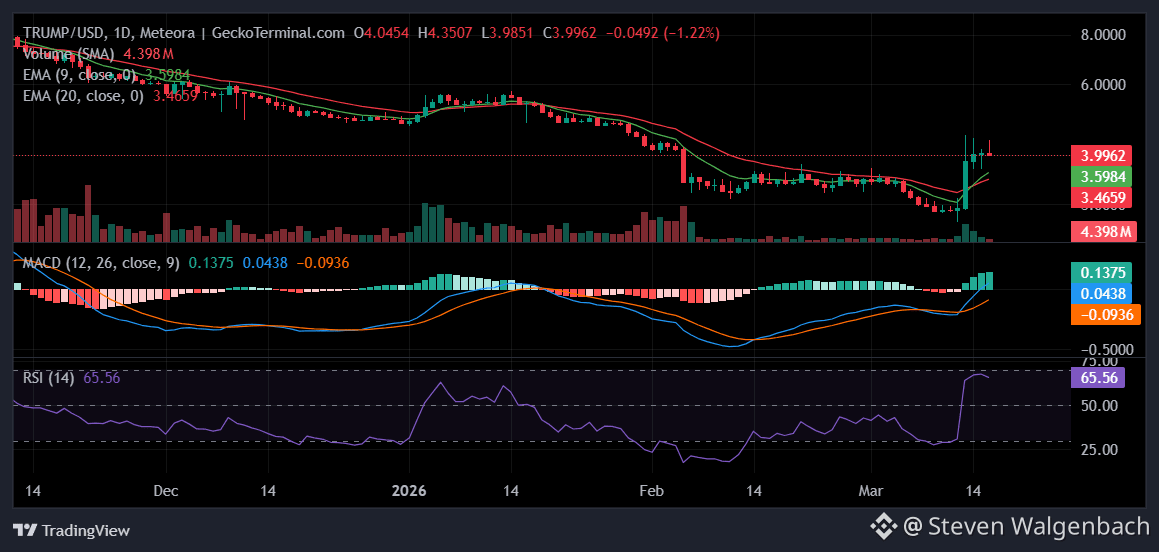
TRUMP is still holding a constructive short-term recovery on the daily chart, with the price remaining above key trend support and momentum indicators continuing to favor buyers.
What stands out in the current structure is that bullish strength is improving, but the token is now approaching dense overhead liquidity where sellers may begin testing conviction again.
The immediate technical focus remains on whether buyers can absorb the heavy sell walls near $4.50 and then challenge the larger supply zone around $5.00. A clean move through these areas could shift attention toward higher resistance zones, while rejection there may trigger another retest of nearby support.
The broader backdrop is also unusual: renewed attention around the Strait of #Hormuz after Donald Trump called for other countries to help secure the route has added another headline catalyst around the token. For now, the chart still leans bullish, but liquidity will likely decide the next move.
#Trump #memecoins #TechnicalAnalysis
TRUMP is still holding a constructive short-term recovery on the daily chart, with the price remaining above key trend support and momentum indicators continuing to favor buyers.
What stands out in the current structure is that bullish strength is improving, but the token is now approaching dense overhead liquidity where sellers may begin testing conviction again.
The immediate technical focus remains on whether buyers can absorb the heavy sell walls near $4.50 and then challenge the larger supply zone around $5.00. A clean move through these areas could shift attention toward higher resistance zones, while rejection there may trigger another retest of nearby support.
The broader backdrop is also unusual: renewed attention around the Strait of #Hormuz after Donald Trump called for other countries to help secure the route has added another headline catalyst around the token. For now, the chart still leans bullish, but liquidity will likely decide the next move.
#Trump #memecoins #TechnicalAnalysis
What stands out in the current structure is that bullish strength is improving, but the token is now approaching dense overhead liquidity where sellers may begin testing conviction again.
The immediate technical focus remains on whether buyers can absorb the heavy sell walls near $4.50 and then challenge the larger supply zone around $5.00. A clean move through these areas could shift attention toward higher resistance zones, while rejection there may trigger another retest of nearby support.
The broader backdrop is also unusual: renewed attention around the Strait of #Hormuz after Donald Trump called for other countries to help secure the route has added another headline catalyst around the token. For now, the chart still leans bullish, but liquidity will likely decide the next move.
#Trump #memecoins #TechnicalAnalysis
1
527
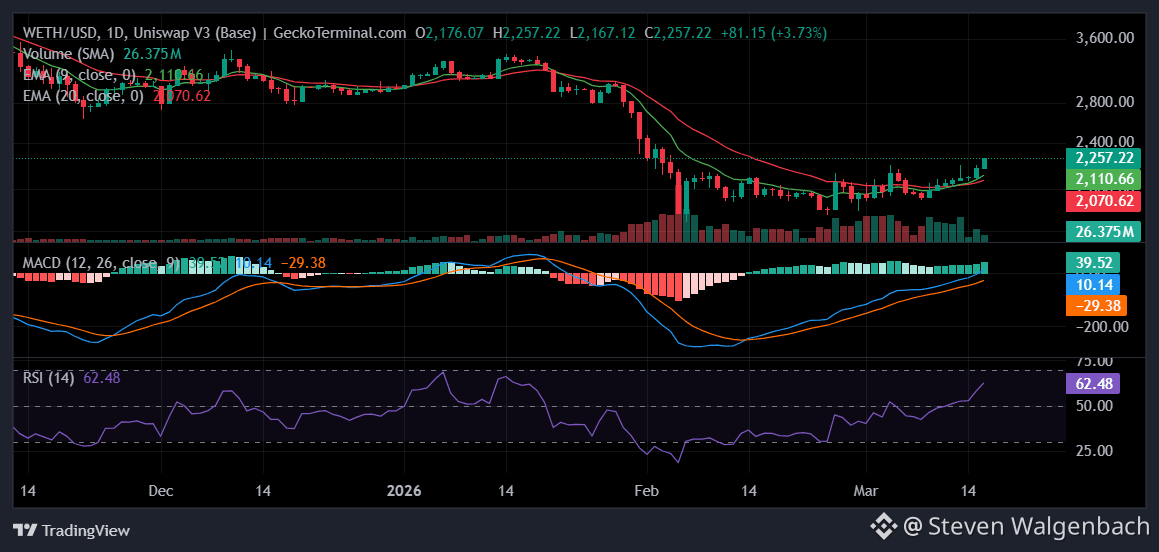
Ethereum’s daily structure is becoming increasingly constructive as price continues to hold above key trend support while bullish momentum expands.
The latest setup suggests buyers are gaining confidence, especially with short-term liquidity now being tested near an important resistance cluster around the current range.
Momentum indicators continue to favor the upside, with technical strength improving without yet showing signs of exhaustion. This leaves room for Ethereum to challenge higher resistance levels if the current sell walls are absorbed cleanly.
At the same time, the support zone just below the current price remains critical, as a firm defense here would help preserve the bullish structure now developing.
The broader backdrop also adds another layer of interest, with network development remaining active as Ethereum continues working toward easier infrastructure participation and stronger decentralization.
For now, the immediate focus remains on whether buyers can convert current momentum into a sustained breakout.
#Ethereum #TechnicalAnalysis #CryptoMarkets $ETH
Ethereum’s daily structure is becoming increasingly constructive as price continues to hold above key trend support while bullish momentum expands.
The latest setup suggests buyers are gaining confidence, especially with short-term liquidity now being tested near an important resistance cluster around the current range.
Momentum indicators continue to favor the upside, with technical strength improving without yet showing signs of exhaustion. This leaves room for Ethereum to challenge higher resistance levels if the current sell walls are absorbed cleanly.
At the same time, the support zone just below the current price remains critical, as a firm defense here would help preserve the bullish structure now developing.
The broader backdrop also adds another layer of interest, with network development remaining active as Ethereum continues working toward easier infrastructure participation and stronger decentralization.
For now, the immediate focus remains on whether buyers can convert current momentum into a sustained breakout.
#Ethereum #TechnicalAnalysis #CryptoMarkets $ETH
The latest setup suggests buyers are gaining confidence, especially with short-term liquidity now being tested near an important resistance cluster around the current range.
Momentum indicators continue to favor the upside, with technical strength improving without yet showing signs of exhaustion. This leaves room for Ethereum to challenge higher resistance levels if the current sell walls are absorbed cleanly.
At the same time, the support zone just below the current price remains critical, as a firm defense here would help preserve the bullish structure now developing.
The broader backdrop also adds another layer of interest, with network development remaining active as Ethereum continues working toward easier infrastructure participation and stronger decentralization.
For now, the immediate focus remains on whether buyers can convert current momentum into a sustained breakout.
#Ethereum #TechnicalAnalysis #CryptoMarkets $ETH
1
142
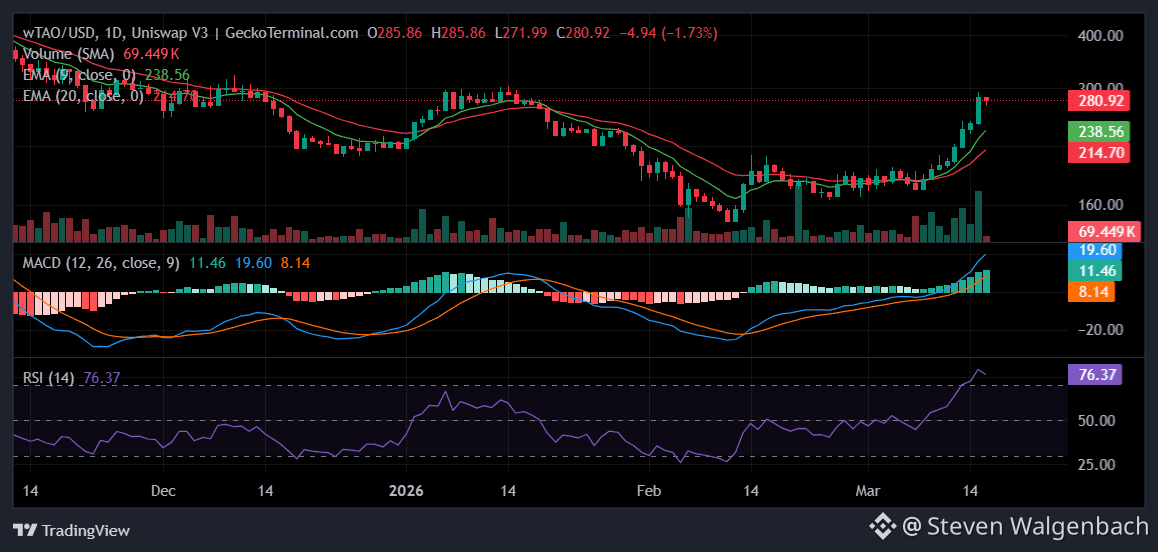
TAO continues to show strong bullish structure on the daily chart, with the price holding above key trend support even after a sharp multi-day advance.
The current setup suggests buyers still control momentum, but the market is now entering a decisive resistance zone between $290 and $300 where order book sell pressure becomes much heavier.
What makes this area especially important is that multiple ask walls are stacked just below and above resistance, meaning bulls will need sustained buying strength to force a breakout.
At the same time, nearby support zones remain well defined, with visible bid liquidity below the current price suggesting that any pullback may still attract fresh interest rather than immediately shifting sentiment bearish.
The broader technical picture still favors upside continuation while momentum indicators remain constructive, although the pace of the recent rally suggests short-term consolidation would not be unusual before another move higher. For traders, the next sessions may determine whether TAO extends its breakout structure or rotates lower to retest support before another upward attempt.
#Crypto #TAO #Bittensor #TechnicalAnalysis $TAO
TAO continues to show strong bullish structure on the daily chart, with the price holding above key trend support even after a sharp multi-day advance.
The current setup suggests buyers still control momentum, but the market is now entering a decisive resistance zone between $290 and $300 where order book sell pressure becomes much heavier.
What makes this area especially important is that multiple ask walls are stacked just below and above resistance, meaning bulls will need sustained buying strength to force a breakout.
At the same time, nearby support zones remain well defined, with visible bid liquidity below the current price suggesting that any pullback may still attract fresh interest rather than immediately shifting sentiment bearish.
The broader technical picture still favors upside continuation while momentum indicators remain constructive, although the pace of the recent rally suggests short-term consolidation would not be unusual before another move higher. For traders, the next sessions may determine whether TAO extends its breakout structure or rotates lower to retest support before another upward attempt.
#Crypto #TAO #Bittensor #TechnicalAnalysis $TAO
The current setup suggests buyers still control momentum, but the market is now entering a decisive resistance zone between $290 and $300 where order book sell pressure becomes much heavier.
What makes this area especially important is that multiple ask walls are stacked just below and above resistance, meaning bulls will need sustained buying strength to force a breakout.
At the same time, nearby support zones remain well defined, with visible bid liquidity below the current price suggesting that any pullback may still attract fresh interest rather than immediately shifting sentiment bearish.
The broader technical picture still favors upside continuation while momentum indicators remain constructive, although the pace of the recent rally suggests short-term consolidation would not be unusual before another move higher. For traders, the next sessions may determine whether TAO extends its breakout structure or rotates lower to retest support before another upward attempt.
#Crypto #TAO #Bittensor #TechnicalAnalysis $TAO
3
358
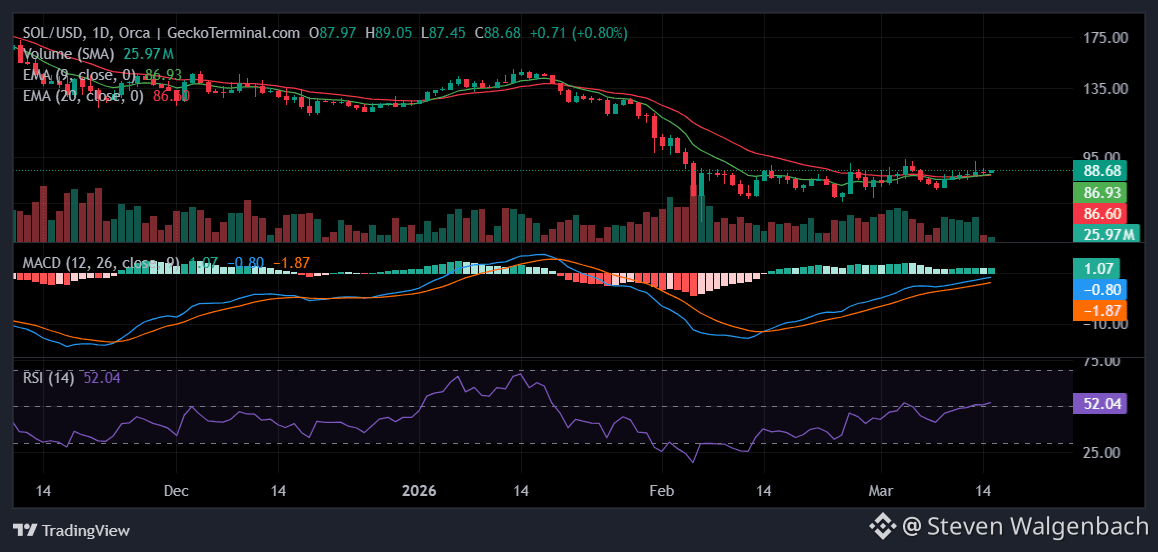
Solana is beginning to show a more constructive daily technical structure, with short-term momentum improving as recent sessions continue to hold above nearby trend support. The current setup suggests that bearish pressure has weakened considerably, while buyers are gradually building enough strength to challenge the next resistance zone.
What stands out in the current chart structure is that momentum indicators are improving without yet showing signs of exhaustion, which leaves room for further upside if market participation increases. At the same time, visible sell-side liquidity above the current price means the next move will likely depend on whether bulls can absorb overhead supply rather than stall beneath it.
From a trading perspective, the immediate focus remains on whether #Solana can secure a convincing break above near-term resistance and convert that area into support. If that happens, bullish continuation becomes more credible. If not, a short-term pullback toward defended support zones could emerge before the next directional attempt. Overall, the technical bias is cautiously bullish, but confirmation still depends on how the price reacts around the next cluster of order book resistance. 📈⚡ $SOL #CryptoAnalysis #TechnicalAnalysis $SOL
Solana is beginning to show a more constructive daily technical structure, with short-term momentum improving as recent sessions continue to hold above nearby trend support. The current setup suggests that bearish pressure has weakened considerably, while buyers are gradually building enough strength to challenge the next resistance zone.
What stands out in the current chart structure is that momentum indicators are improving without yet showing signs of exhaustion, which leaves room for further upside if market participation increases. At the same time, visible sell-side liquidity above the current price means the next move will likely depend on whether bulls can absorb overhead supply rather than stall beneath it.
From a trading perspective, the immediate focus remains on whether #Solana can secure a convincing break above near-term resistance and convert that area into support. If that happens, bullish continuation becomes more credible. If not, a short-term pullback toward defended support zones could emerge before the next directional attempt. Overall, the technical bias is cautiously bullish, but confirmation still depends on how the price reacts around the next cluster of order book resistance. 📈⚡ $SOL #CryptoAnalysis #TechnicalAnalysis $SOL
What stands out in the current chart structure is that momentum indicators are improving without yet showing signs of exhaustion, which leaves room for further upside if market participation increases. At the same time, visible sell-side liquidity above the current price means the next move will likely depend on whether bulls can absorb overhead supply rather than stall beneath it.
From a trading perspective, the immediate focus remains on whether #Solana can secure a convincing break above near-term resistance and convert that area into support. If that happens, bullish continuation becomes more credible. If not, a short-term pullback toward defended support zones could emerge before the next directional attempt. Overall, the technical bias is cautiously bullish, but confirmation still depends on how the price reacts around the next cluster of order book resistance. 📈⚡ $SOL #CryptoAnalysis #TechnicalAnalysis $SOL
154
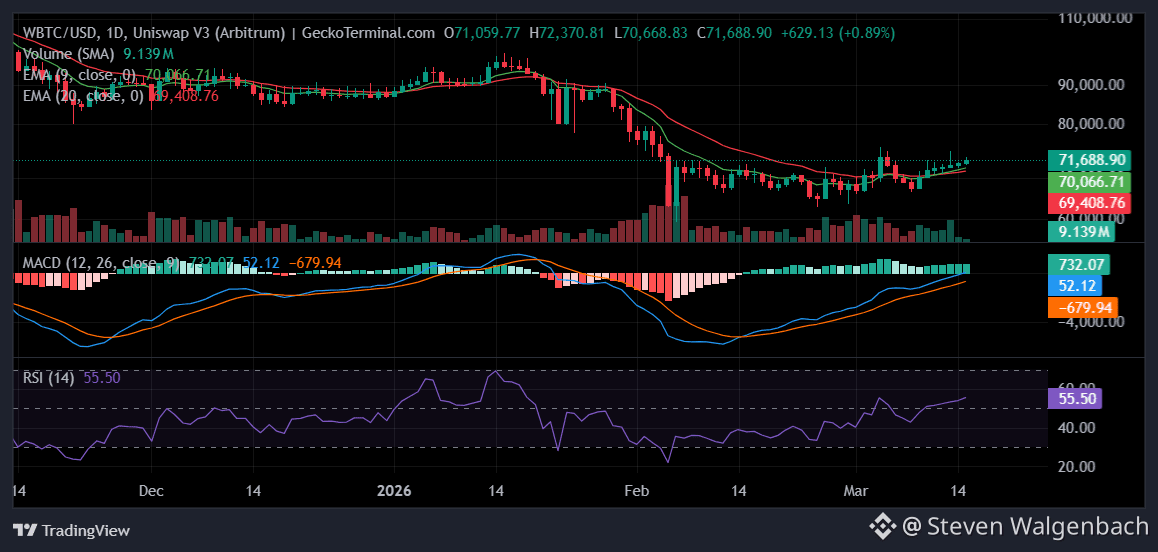
Bitcoin’s daily chart is continuing to show a constructive recovery structure, with price recording consecutive higher closes and maintaining position above short-term trend support. The technical picture suggests that buyers are steadily building control rather than driving the price through an aggressive breakout, which often creates a more sustainable trend environment.
Momentum is also improving beneath the surface. Short-term trend strength has moved ahead of the broader daily baseline, while momentum indicators suggest bearish pressure from the previous correction phase has largely faded. At the same time, the $BTC price has not yet entered overheated territory, which leaves room for further upside if buying pressure remains consistent.
A key area now sits near $72.6K, where immediate resistance could determine the next directional move. Order book liquidity shows visible sell pressure just above current levels, meaning buyers still need to absorb nearby supply before a stronger breakout can develop. If that zone is cleared convincingly, the bullish structure could strengthen further, while repeated rejection there may lead to temporary consolidation before the market attempts another push higher.
#Bitcoin #BTC #BTCReclaims70k
Bitcoin’s daily chart is continuing to show a constructive recovery structure, with price recording consecutive higher closes and maintaining position above short-term trend support. The technical picture suggests that buyers are steadily building control rather than driving the price through an aggressive breakout, which often creates a more sustainable trend environment.
Momentum is also improving beneath the surface. Short-term trend strength has moved ahead of the broader daily baseline, while momentum indicators suggest bearish pressure from the previous correction phase has largely faded. At the same time, the $BTC price has not yet entered overheated territory, which leaves room for further upside if buying pressure remains consistent.
A key area now sits near $72.6K, where immediate resistance could determine the next directional move. Order book liquidity shows visible sell pressure just above current levels, meaning buyers still need to absorb nearby supply before a stronger breakout can develop. If that zone is cleared convincingly, the bullish structure could strengthen further, while repeated rejection there may lead to temporary consolidation before the market attempts another push higher.
#Bitcoin #BTC #BTCReclaims70k
Momentum is also improving beneath the surface. Short-term trend strength has moved ahead of the broader daily baseline, while momentum indicators suggest bearish pressure from the previous correction phase has largely faded. At the same time, the $BTC price has not yet entered overheated territory, which leaves room for further upside if buying pressure remains consistent.
A key area now sits near $72.6K, where immediate resistance could determine the next directional move. Order book liquidity shows visible sell pressure just above current levels, meaning buyers still need to absorb nearby supply before a stronger breakout can develop. If that zone is cleared convincingly, the bullish structure could strengthen further, while repeated rejection there may lead to temporary consolidation before the market attempts another push higher.
#Bitcoin #BTC #BTCReclaims70k
86
Boris Johnson has stirred fresh debate after calling Bitcoin a “giant Ponzi scheme,” using a local scam story to question whether digital assets hold any real value.
The reaction from the crypto industry was immediate. Michael #Saylor pushed back by arguing that Bitcoin lacks the core ingredients of a Ponzi structure because there is no central operator, no promised returns, and no issuer controlling the system.
What made the exchange interesting is that it quickly moved beyond politics and into a broader discussion about trust, decentralization, and how people still interpret #Bitcoin more than a decade after its launch. For critics, it remains speculative and difficult to explain. For supporters, that same lack of central control is exactly what gives it long-term relevance.
It is another reminder that $BTC still sits at the center of one of finance’s most divided conversations—and that even now, strong opinions on both sides continue to shape the narrative around it.
Boris Johnson has stirred fresh debate after calling Bitcoin a “giant Ponzi scheme,” using a local scam story to question whether digital assets hold any real value.
The reaction from the crypto industry was immediate. Michael #Saylor pushed back by arguing that Bitcoin lacks the core ingredients of a Ponzi structure because there is no central operator, no promised returns, and no issuer controlling the system.
What made the exchange interesting is that it quickly moved beyond politics and into a broader discussion about trust, decentralization, and how people still interpret #Bitcoin more than a decade after its launch. For critics, it remains speculative and difficult to explain. For supporters, that same lack of central control is exactly what gives it long-term relevance.
It is another reminder that $BTC still sits at the center of one of finance’s most divided conversations—and that even now, strong opinions on both sides continue to shape the narrative around it.
The reaction from the crypto industry was immediate. Michael #Saylor pushed back by arguing that Bitcoin lacks the core ingredients of a Ponzi structure because there is no central operator, no promised returns, and no issuer controlling the system.
What made the exchange interesting is that it quickly moved beyond politics and into a broader discussion about trust, decentralization, and how people still interpret #Bitcoin more than a decade after its launch. For critics, it remains speculative and difficult to explain. For supporters, that same lack of central control is exactly what gives it long-term relevance.
It is another reminder that $BTC still sits at the center of one of finance’s most divided conversations—and that even now, strong opinions on both sides continue to shape the narrative around it.

231
The Ethereum Foundation has completed another notable treasury move, selling 5,000 ETH to BitMine Immersion Technologies in a $10.2 million OTC deal.
What stands out here is that this is not just another treasury sale—it also shows how quickly corporate Ether accumulation is becoming a bigger part of Ethereum’s market story. BitMine has already built one of the largest ETH positions among public companies, and this latest purchase adds even more weight to that trend.
At the same time, the foundation is clearly following a more structured treasury model: selling portions of ETH when needed, staking part of its holdings, and directing capital toward protocol research, ecosystem growth, and long-term development.
It also comes during the same week that the foundation published a new mandate focused on decentralization, privacy, and gradually reducing direct influence over the network.
The bigger picture is that Ethereum’s institutional side is evolving fast—and treasury decisions are now becoming just as important to watch as price action.
#ETH #Ethereum $ETH #BitMine
The Ethereum Foundation has completed another notable treasury move, selling 5,000 ETH to BitMine Immersion Technologies in a $10.2 million OTC deal.
What stands out here is that this is not just another treasury sale—it also shows how quickly corporate Ether accumulation is becoming a bigger part of Ethereum’s market story. BitMine has already built one of the largest ETH positions among public companies, and this latest purchase adds even more weight to that trend.
At the same time, the foundation is clearly following a more structured treasury model: selling portions of ETH when needed, staking part of its holdings, and directing capital toward protocol research, ecosystem growth, and long-term development.
It also comes during the same week that the foundation published a new mandate focused on decentralization, privacy, and gradually reducing direct influence over the network.
The bigger picture is that Ethereum’s institutional side is evolving fast—and treasury decisions are now becoming just as important to watch as price action.
#ETH #Ethereum $ETH #BitMine
What stands out here is that this is not just another treasury sale—it also shows how quickly corporate Ether accumulation is becoming a bigger part of Ethereum’s market story. BitMine has already built one of the largest ETH positions among public companies, and this latest purchase adds even more weight to that trend.
At the same time, the foundation is clearly following a more structured treasury model: selling portions of ETH when needed, staking part of its holdings, and directing capital toward protocol research, ecosystem growth, and long-term development.
It also comes during the same week that the foundation published a new mandate focused on decentralization, privacy, and gradually reducing direct influence over the network.
The bigger picture is that Ethereum’s institutional side is evolving fast—and treasury decisions are now becoming just as important to watch as price action.
#ETH #Ethereum $ETH #BitMine

285
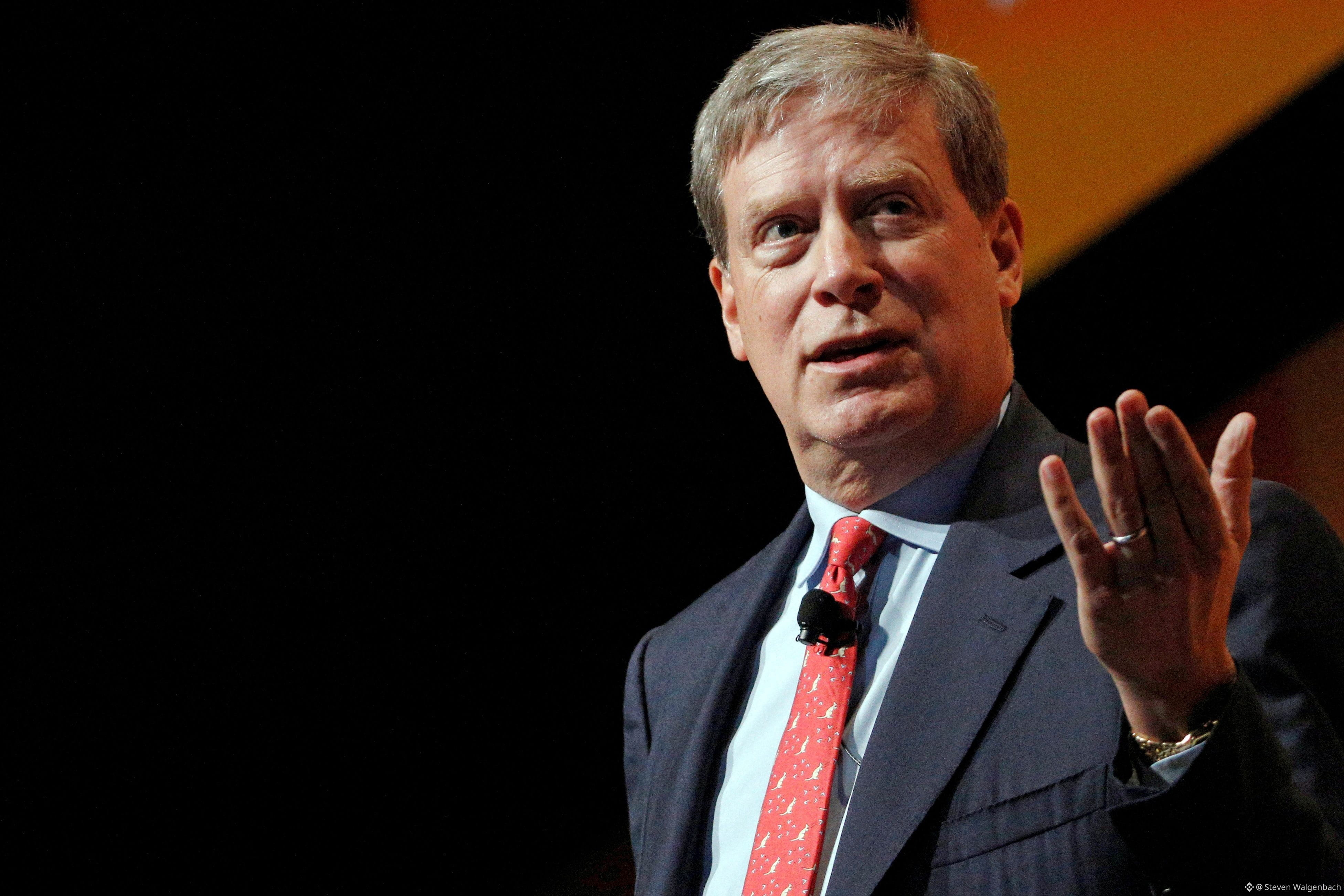
Even the titans of traditional finance are starting to see the "writing on the wall" for global payments. 💸
Billionaire investor Stanley Druckenmiller—a man who famously averaged 30% annual returns for decades without a single down year—just shared some bold predictions about the future of money.
While he’s still a #gold bug at heart, his outlook on blockchain is surprisingly bullish. Here’s the breakdown:
- The 10-Year Horizon: Druckenmiller expects our entire payment system to be powered by #stablecoins within the next 10 to 15 years. Why? Because they are "more efficient, faster, and cheaper" than anything we use today.
- The Trust Gap: He points to a growing lack of trust in central banking and traditional rails as the primary driver for this shift toward decentralized tech.
- Productivity Over Speculation: While he’s a massive fan of blockchain as a productivity tool, he’s still skeptical of crypto as a "store of value," famously preferring Gold’s 5,000-year-old brand over Bitcoin.
It’s a fascinating "middle ground" take. You don't have to believe #Bitcoin is the new gold to recognize that the plumbing of the global financial system is getting a massive, blockchain-based upgrade.
With the recent passage of the GENIUS Act, firms like Western Union and Zelle are already moving toward stablecoin settlement. The transition isn't just coming—it's already happening.
Even the titans of traditional finance are starting to see the "writing on the wall" for global payments. 💸
Billionaire investor Stanley Druckenmiller—a man who famously averaged 30% annual returns for decades without a single down year—just shared some bold predictions about the future of money.
While he’s still a #gold bug at heart, his outlook on blockchain is surprisingly bullish. Here’s the breakdown:
- The 10-Year Horizon: Druckenmiller expects our entire payment system to be powered by #stablecoins within the next 10 to 15 years. Why? Because they are "more efficient, faster, and cheaper" than anything we use today.
- The Trust Gap: He points to a growing lack of trust in central banking and traditional rails as the primary driver for this shift toward decentralized tech.
- Productivity Over Speculation: While he’s a massive fan of blockchain as a productivity tool, he’s still skeptical of crypto as a "store of value," famously preferring Gold’s 5,000-year-old brand over Bitcoin.
It’s a fascinating "middle ground" take. You don't have to believe #Bitcoin is the new gold to recognize that the plumbing of the global financial system is getting a massive, blockchain-based upgrade.
With the recent passage of the GENIUS Act, firms like Western Union and Zelle are already moving toward stablecoin settlement. The transition isn't just coming—it's already happening.
Billionaire investor Stanley Druckenmiller—a man who famously averaged 30% annual returns for decades without a single down year—just shared some bold predictions about the future of money.
While he’s still a #gold bug at heart, his outlook on blockchain is surprisingly bullish. Here’s the breakdown:
- The 10-Year Horizon: Druckenmiller expects our entire payment system to be powered by #stablecoins within the next 10 to 15 years. Why? Because they are "more efficient, faster, and cheaper" than anything we use today.
- The Trust Gap: He points to a growing lack of trust in central banking and traditional rails as the primary driver for this shift toward decentralized tech.
- Productivity Over Speculation: While he’s a massive fan of blockchain as a productivity tool, he’s still skeptical of crypto as a "store of value," famously preferring Gold’s 5,000-year-old brand over Bitcoin.
It’s a fascinating "middle ground" take. You don't have to believe #Bitcoin is the new gold to recognize that the plumbing of the global financial system is getting a massive, blockchain-based upgrade.
With the recent passage of the GENIUS Act, firms like Western Union and Zelle are already moving toward stablecoin settlement. The transition isn't just coming—it's already happening.
2
217
The tokenized real-world asset (RWA) space just crowned a new king. 👑
#Circle has officially overtaken BlackRock as the largest provider of tokenized U.S. Treasury exposure. After its USYC token surged to a $2.2 billion supply, it edged past BlackRock’s #BUIDL fund, which currently sits at approximately $2 billion.
What’s driving this massive shift? Here are the highlights:
- The Binance Effect: A huge portion of this growth ($1.84B) is happening on the BNB Chain. Binance has integrated USYC as off-exchange collateral, allowing institutional traders to earn yield while they trade derivatives.
- Capital Efficiency: Unlike traditional cash or standard stablecoins, these tokens allow investors to park on-chain cash in a yield-bearing asset that can still be used as collateral.
- Market Maturity: The broader tokenized Treasury market has hit a record $11 billion, growing nearly 27% since the start of the year.
As Circle CEO Jeremy Allaire noted, using tokenized treasuries and repo as collateral is no longer a niche experiment—it’s a major emerging use case for global finance.
The "flight to quality" is moving on-chain, and the competition between crypto-native giants and Wall Street titans is only getting started.
#TokenizedTreasuries #BNB
The tokenized real-world asset (RWA) space just crowned a new king. 👑
#Circle has officially overtaken BlackRock as the largest provider of tokenized U.S. Treasury exposure. After its USYC token surged to a $2.2 billion supply, it edged past BlackRock’s #BUIDL fund, which currently sits at approximately $2 billion.
What’s driving this massive shift? Here are the highlights:
- The Binance Effect: A huge portion of this growth ($1.84B) is happening on the BNB Chain. Binance has integrated USYC as off-exchange collateral, allowing institutional traders to earn yield while they trade derivatives.
- Capital Efficiency: Unlike traditional cash or standard stablecoins, these tokens allow investors to park on-chain cash in a yield-bearing asset that can still be used as collateral.
- Market Maturity: The broader tokenized Treasury market has hit a record $11 billion, growing nearly 27% since the start of the year.
As Circle CEO Jeremy Allaire noted, using tokenized treasuries and repo as collateral is no longer a niche experiment—it’s a major emerging use case for global finance.
The "flight to quality" is moving on-chain, and the competition between crypto-native giants and Wall Street titans is only getting started.
#TokenizedTreasuries #BNB
#Circle has officially overtaken BlackRock as the largest provider of tokenized U.S. Treasury exposure. After its USYC token surged to a $2.2 billion supply, it edged past BlackRock’s #BUIDL fund, which currently sits at approximately $2 billion.
What’s driving this massive shift? Here are the highlights:
- The Binance Effect: A huge portion of this growth ($1.84B) is happening on the BNB Chain. Binance has integrated USYC as off-exchange collateral, allowing institutional traders to earn yield while they trade derivatives.
- Capital Efficiency: Unlike traditional cash or standard stablecoins, these tokens allow investors to park on-chain cash in a yield-bearing asset that can still be used as collateral.
- Market Maturity: The broader tokenized Treasury market has hit a record $11 billion, growing nearly 27% since the start of the year.
As Circle CEO Jeremy Allaire noted, using tokenized treasuries and repo as collateral is no longer a niche experiment—it’s a major emerging use case for global finance.
The "flight to quality" is moving on-chain, and the competition between crypto-native giants and Wall Street titans is only getting started.
#TokenizedTreasuries #BNB

1
4
406
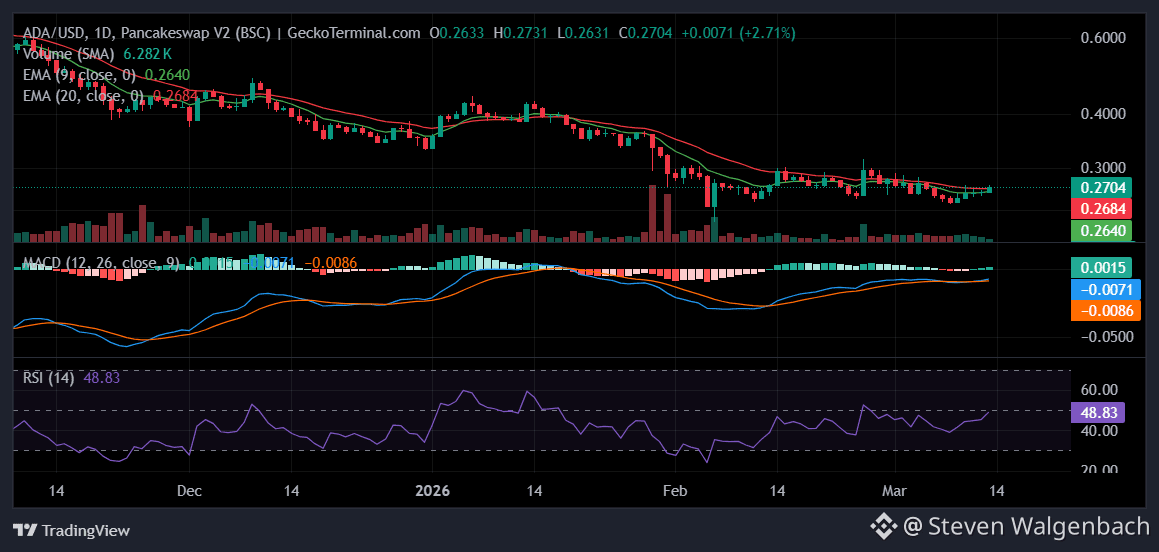
Cardano’s ADA is starting to show a more constructive technical structure on the daily chart, with short-term momentum improving as buyers continue defending nearby support. The recent recovery suggests bearish pressure is easing, while momentum indicators increasingly favor a gradual shift toward stronger bullish participation.
The next major focus is whether ADA can sustain this strength long enough to challenge overhead resistance, where sell pressure is likely to intensify. A successful move through that zone would strengthen the case for broader upside continuation, while rejection there could pull the price back into consolidation.
For now, the chart reflects a market at an important decision point, where improving momentum is meeting key resistance and likely to define ADA’s next larger move.
#Cardano #ADA #CryptoAnalysis $ADA
Cardano’s ADA is starting to show a more constructive technical structure on the daily chart, with short-term momentum improving as buyers continue defending nearby support. The recent recovery suggests bearish pressure is easing, while momentum indicators increasingly favor a gradual shift toward stronger bullish participation.
The next major focus is whether ADA can sustain this strength long enough to challenge overhead resistance, where sell pressure is likely to intensify. A successful move through that zone would strengthen the case for broader upside continuation, while rejection there could pull the price back into consolidation.
For now, the chart reflects a market at an important decision point, where improving momentum is meeting key resistance and likely to define ADA’s next larger move.
#Cardano #ADA #CryptoAnalysis $ADA
The next major focus is whether ADA can sustain this strength long enough to challenge overhead resistance, where sell pressure is likely to intensify. A successful move through that zone would strengthen the case for broader upside continuation, while rejection there could pull the price back into consolidation.
For now, the chart reflects a market at an important decision point, where improving momentum is meeting key resistance and likely to define ADA’s next larger move.
#Cardano #ADA #CryptoAnalysis $ADA
2
188
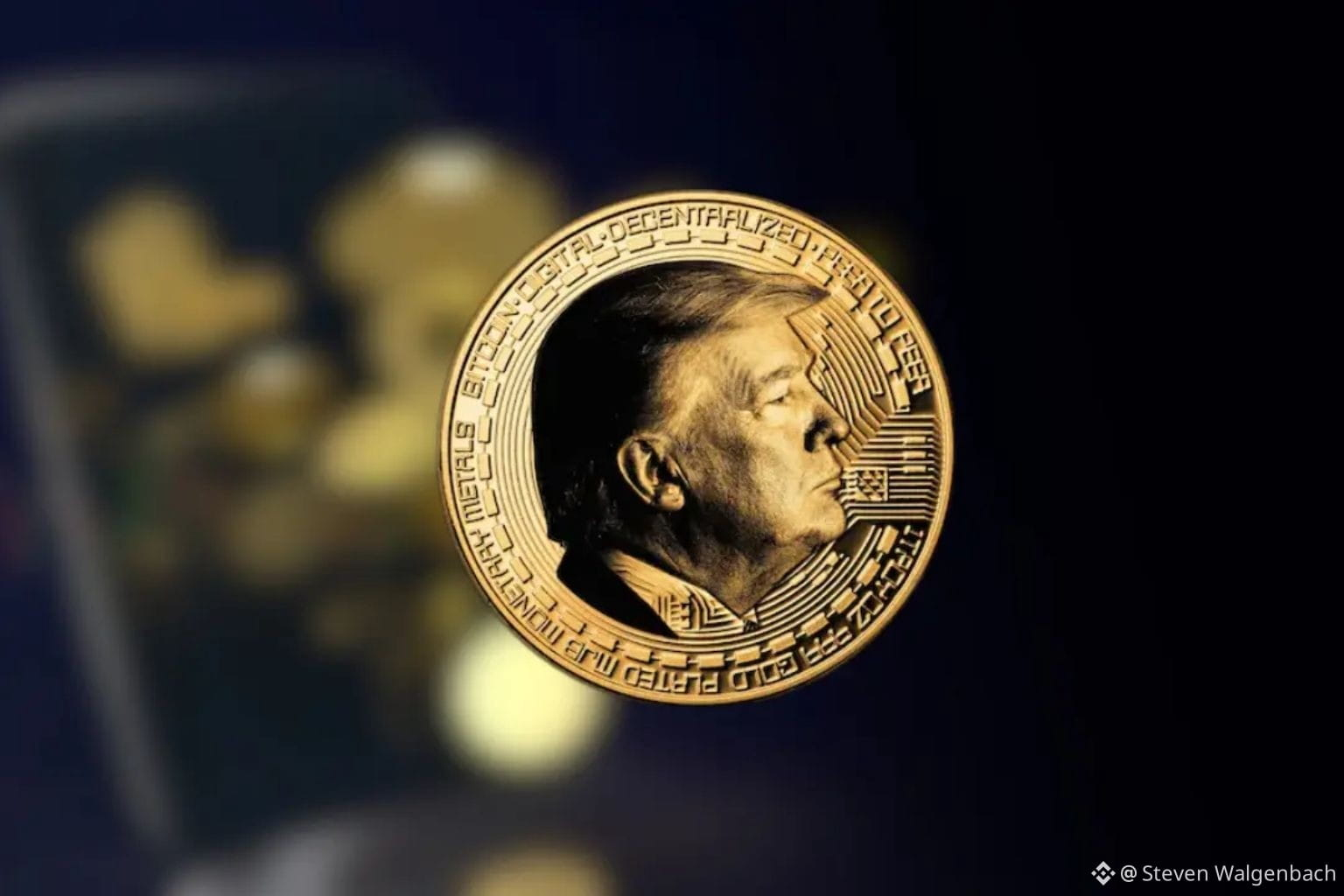
The TRUMP token is back in focus after a fresh announcement tied token ownership directly to potential access to Donald Trump at Mar-a-Lago.
According to the project, the top holders could qualify for an exclusive luncheon later this month, with the highest-ranked wallets also eligible for a private reception. The news was enough to push the token off its recent all-time low, showing once again how quickly sentiment can shift when real-world access is introduced into crypto narratives.
What makes this especially interesting is that the token remains far below its previous highs, yet announcements like this still generate immediate market reaction. It highlights how politically branded digital assets continue to behave differently from typical meme coins, where community attention and event-driven catalysts often matter just as much as price fundamentals.
At the same time, the announcement is already raising familiar questions about where crypto promotion, politics, and exclusivity intersect in an increasingly unusual part of the market.
#TRUMP $TRUMP #Memecoins
The TRUMP token is back in focus after a fresh announcement tied token ownership directly to potential access to Donald Trump at Mar-a-Lago.
According to the project, the top holders could qualify for an exclusive luncheon later this month, with the highest-ranked wallets also eligible for a private reception. The news was enough to push the token off its recent all-time low, showing once again how quickly sentiment can shift when real-world access is introduced into crypto narratives.
What makes this especially interesting is that the token remains far below its previous highs, yet announcements like this still generate immediate market reaction. It highlights how politically branded digital assets continue to behave differently from typical meme coins, where community attention and event-driven catalysts often matter just as much as price fundamentals.
At the same time, the announcement is already raising familiar questions about where crypto promotion, politics, and exclusivity intersect in an increasingly unusual part of the market.
#TRUMP $TRUMP #Memecoins
According to the project, the top holders could qualify for an exclusive luncheon later this month, with the highest-ranked wallets also eligible for a private reception. The news was enough to push the token off its recent all-time low, showing once again how quickly sentiment can shift when real-world access is introduced into crypto narratives.
What makes this especially interesting is that the token remains far below its previous highs, yet announcements like this still generate immediate market reaction. It highlights how politically branded digital assets continue to behave differently from typical meme coins, where community attention and event-driven catalysts often matter just as much as price fundamentals.
At the same time, the announcement is already raising familiar questions about where crypto promotion, politics, and exclusivity intersect in an increasingly unusual part of the market.
#TRUMP $TRUMP #Memecoins
1
345
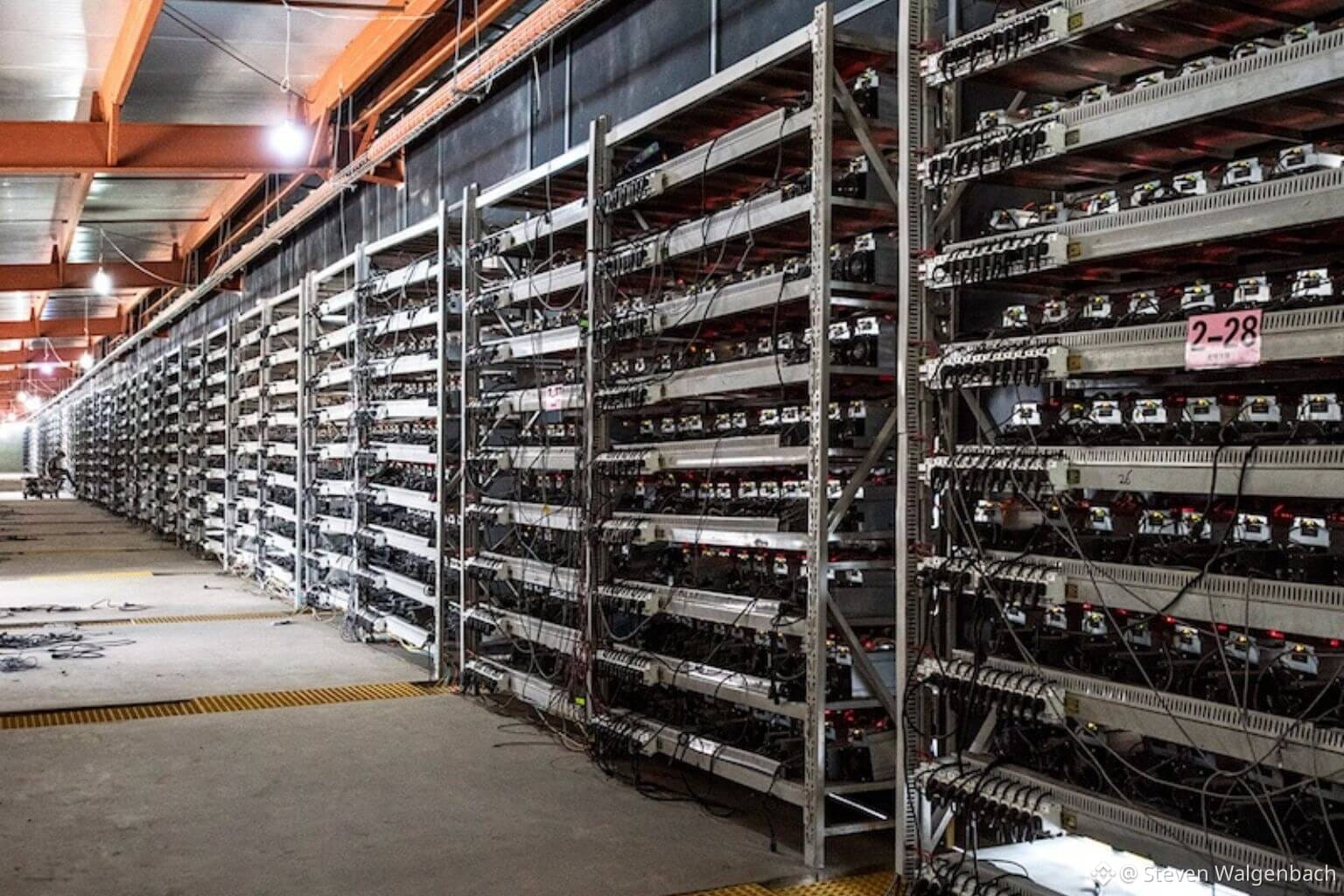
Bitcoin miners are starting to look like something much bigger than just crypto infrastructure companies.
As #AI demand pushes data center expansion into overdrive, one advantage stands out: many miners already have what new entrants are struggling to secure—power. They already control land, grid access, cooling systems, and long-term electricity agreements, while many new data center projects are still waiting in interconnection queues that stretch years ahead.
That is why companies like MARA Holdings, Core Scientific, and Bitdeer Technologies Group are increasingly being watched not only for hash rate growth, but for how they monetize infrastructure in an AI-driven market.
The interesting part is that this is no longer just a future possibility. Financing deals, site conversions, and new AI-linked strategies are already showing up across the sector.
For investors, the discussion is shifting from how much Bitcoin miners produce to how valuable their megawatts may become in a market where compute demand keeps accelerating.
#Bitcoin #Miners $BTC
Bitcoin miners are starting to look like something much bigger than just crypto infrastructure companies.
As #AI demand pushes data center expansion into overdrive, one advantage stands out: many miners already have what new entrants are struggling to secure—power. They already control land, grid access, cooling systems, and long-term electricity agreements, while many new data center projects are still waiting in interconnection queues that stretch years ahead.
That is why companies like MARA Holdings, Core Scientific, and Bitdeer Technologies Group are increasingly being watched not only for hash rate growth, but for how they monetize infrastructure in an AI-driven market.
The interesting part is that this is no longer just a future possibility. Financing deals, site conversions, and new AI-linked strategies are already showing up across the sector.
For investors, the discussion is shifting from how much Bitcoin miners produce to how valuable their megawatts may become in a market where compute demand keeps accelerating.
#Bitcoin #Miners $BTC
As #AI demand pushes data center expansion into overdrive, one advantage stands out: many miners already have what new entrants are struggling to secure—power. They already control land, grid access, cooling systems, and long-term electricity agreements, while many new data center projects are still waiting in interconnection queues that stretch years ahead.
That is why companies like MARA Holdings, Core Scientific, and Bitdeer Technologies Group are increasingly being watched not only for hash rate growth, but for how they monetize infrastructure in an AI-driven market.
The interesting part is that this is no longer just a future possibility. Financing deals, site conversions, and new AI-linked strategies are already showing up across the sector.
For investors, the discussion is shifting from how much Bitcoin miners produce to how valuable their megawatts may become in a market where compute demand keeps accelerating.
#Bitcoin #Miners $BTC
153
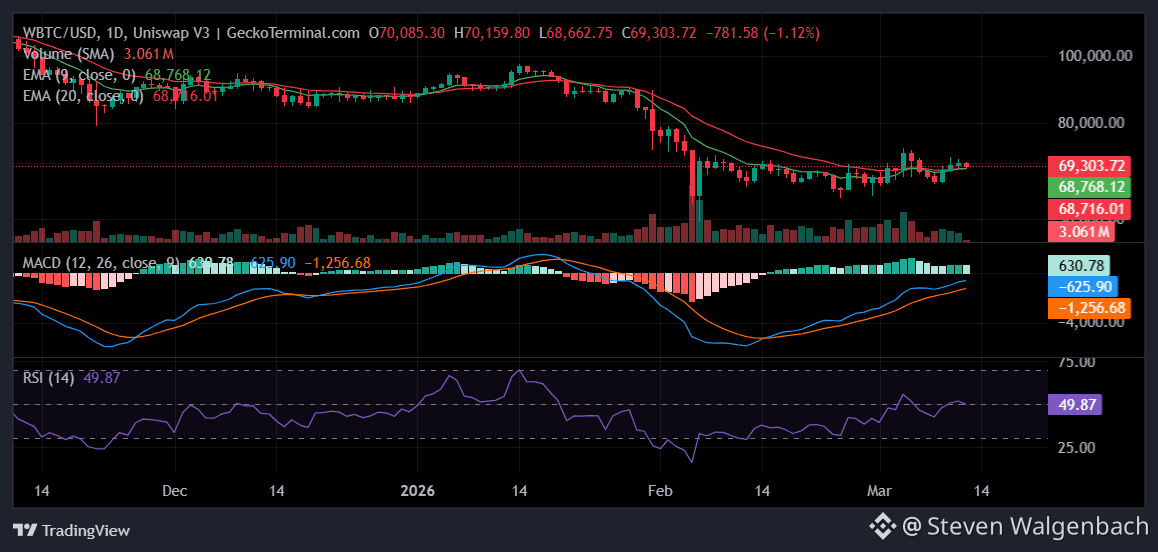
Bitcoin is entering an important technical zone on the daily chart, where improving momentum is beginning to challenge nearby resistance while buyers continue defending short-term support. The recent structure suggests that bearish pressure is fading, but the market still needs stronger confirmation before a broader breakout can take hold.
What stands out most is how momentum indicators are gradually shifting in favor of buyers without yet reaching overheated territory. That creates room for upside continuation if resistance is absorbed, while still leaving the market vulnerable to renewed rejection if selling pressure strengthens near current levels.
The order book also shows a very tight battle, with buy walls providing short-term support just below the price and sell walls limiting immediate upside. That kind of liquidity compression often precedes a stronger directional move once one side gives way.
For now, Bitcoin remains in a zone where patience matters more than aggression, because confirmation above resistance or failure at support will likely determine the next stronger move. #Bitcoin #CryptoMarkets #TechnicalAnalysis #Trading $BTC
Bitcoin is entering an important technical zone on the daily chart, where improving momentum is beginning to challenge nearby resistance while buyers continue defending short-term support. The recent structure suggests that bearish pressure is fading, but the market still needs stronger confirmation before a broader breakout can take hold.
What stands out most is how momentum indicators are gradually shifting in favor of buyers without yet reaching overheated territory. That creates room for upside continuation if resistance is absorbed, while still leaving the market vulnerable to renewed rejection if selling pressure strengthens near current levels.
The order book also shows a very tight battle, with buy walls providing short-term support just below the price and sell walls limiting immediate upside. That kind of liquidity compression often precedes a stronger directional move once one side gives way.
For now, Bitcoin remains in a zone where patience matters more than aggression, because confirmation above resistance or failure at support will likely determine the next stronger move. #Bitcoin #CryptoMarkets #TechnicalAnalysis #Trading $BTC
What stands out most is how momentum indicators are gradually shifting in favor of buyers without yet reaching overheated territory. That creates room for upside continuation if resistance is absorbed, while still leaving the market vulnerable to renewed rejection if selling pressure strengthens near current levels.
The order book also shows a very tight battle, with buy walls providing short-term support just below the price and sell walls limiting immediate upside. That kind of liquidity compression often precedes a stronger directional move once one side gives way.
For now, Bitcoin remains in a zone where patience matters more than aggression, because confirmation above resistance or failure at support will likely determine the next stronger move. #Bitcoin #CryptoMarkets #TechnicalAnalysis #Trading $BTC
74
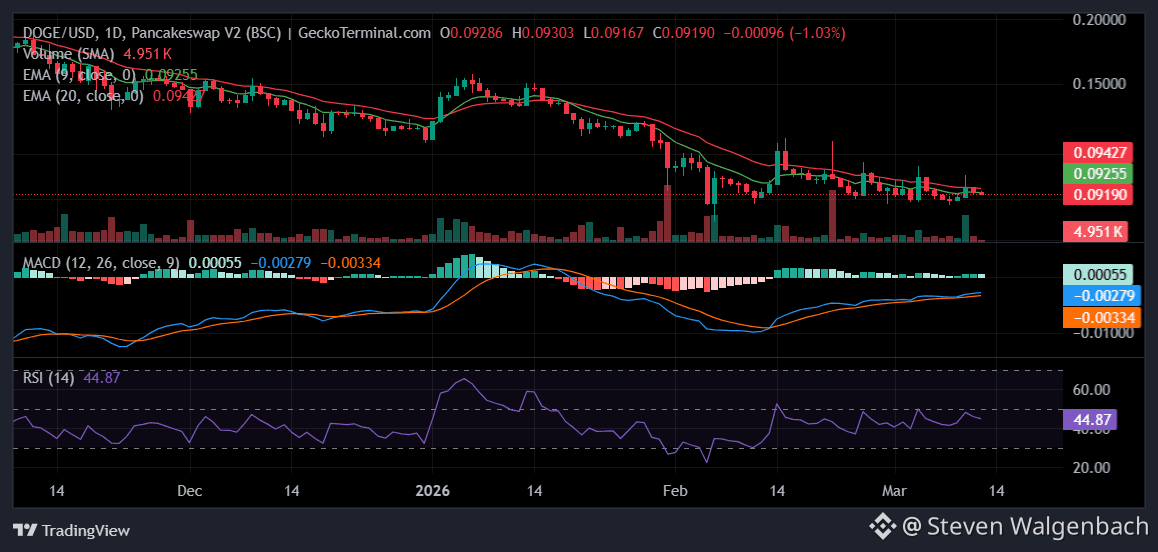
Dogecoin’s daily chart is beginning to show early signs that bearish pressure is weakening, but the market has not yet delivered full bullish confirmation. The DOGE price is holding near an important support zone where buyers have repeatedly stepped in, suggesting that short-term confidence is improving even though the broader trend still remains cautious.
What makes the current setup notable is that momentum indicators are no longer pointing to aggressive downside acceleration. Instead, they suggest that sellers are losing control while buyers slowly test whether they can reclaim higher levels. The biggest challenge remains the heavy resistance zone near $0.10, where visible sell-side liquidity continues to limit upward movement.
If $DOGE can absorb that overhead supply and establish strength above nearby resistance, momentum could expand quickly toward the next major upside targets. On the downside, failure to hold current support would likely return attention to lower liquidity zones where stronger defensive buying is positioned.
For now, the market remains balanced between a developing recovery attempt and the risk of another rejection, making the next move around resistance especially important for short-term direction. #Dogecoin #DOGE #CryptoAnalysis
Dogecoin’s daily chart is beginning to show early signs that bearish pressure is weakening, but the market has not yet delivered full bullish confirmation. The DOGE price is holding near an important support zone where buyers have repeatedly stepped in, suggesting that short-term confidence is improving even though the broader trend still remains cautious.
What makes the current setup notable is that momentum indicators are no longer pointing to aggressive downside acceleration. Instead, they suggest that sellers are losing control while buyers slowly test whether they can reclaim higher levels. The biggest challenge remains the heavy resistance zone near $0.10, where visible sell-side liquidity continues to limit upward movement.
If $DOGE can absorb that overhead supply and establish strength above nearby resistance, momentum could expand quickly toward the next major upside targets. On the downside, failure to hold current support would likely return attention to lower liquidity zones where stronger defensive buying is positioned.
For now, the market remains balanced between a developing recovery attempt and the risk of another rejection, making the next move around resistance especially important for short-term direction. #Dogecoin #DOGE #CryptoAnalysis
What makes the current setup notable is that momentum indicators are no longer pointing to aggressive downside acceleration. Instead, they suggest that sellers are losing control while buyers slowly test whether they can reclaim higher levels. The biggest challenge remains the heavy resistance zone near $0.10, where visible sell-side liquidity continues to limit upward movement.
If $DOGE can absorb that overhead supply and establish strength above nearby resistance, momentum could expand quickly toward the next major upside targets. On the downside, failure to hold current support would likely return attention to lower liquidity zones where stronger defensive buying is positioned.
For now, the market remains balanced between a developing recovery attempt and the risk of another rejection, making the next move around resistance especially important for short-term direction. #Dogecoin #DOGE #CryptoAnalysis
1
153
Ava Labs joining Mastercard’s crypto partner program is another sign that blockchain infrastructure is steadily moving into mainstream financial conversations.
What stands out is that this is no longer just about experimentation. Mastercard is bringing together major players across digital assets to work on practical ways blockchain can connect with existing payment systems, and #Avalanche is now part of that discussion.
For Ava Labs, it also fits a broader pattern. The team has already been involved in institutional projects ranging from #stablecoin development with Japanese banking groups to enterprise blockchain applications, and this latest step adds global payments to that list.
The bigger picture is that the industry appears to be shifting from asking whether traditional finance will adopt blockchain to focusing on how that integration will actually happen at scale.
#Mastercard #Avalanche $AVAX
Ava Labs joining Mastercard’s crypto partner program is another sign that blockchain infrastructure is steadily moving into mainstream financial conversations.
What stands out is that this is no longer just about experimentation. Mastercard is bringing together major players across digital assets to work on practical ways blockchain can connect with existing payment systems, and #Avalanche is now part of that discussion.
For Ava Labs, it also fits a broader pattern. The team has already been involved in institutional projects ranging from #stablecoin development with Japanese banking groups to enterprise blockchain applications, and this latest step adds global payments to that list.
The bigger picture is that the industry appears to be shifting from asking whether traditional finance will adopt blockchain to focusing on how that integration will actually happen at scale.
#Mastercard #Avalanche $AVAX
What stands out is that this is no longer just about experimentation. Mastercard is bringing together major players across digital assets to work on practical ways blockchain can connect with existing payment systems, and #Avalanche is now part of that discussion.
For Ava Labs, it also fits a broader pattern. The team has already been involved in institutional projects ranging from #stablecoin development with Japanese banking groups to enterprise blockchain applications, and this latest step adds global payments to that list.
The bigger picture is that the industry appears to be shifting from asking whether traditional finance will adopt blockchain to focusing on how that integration will actually happen at scale.
#Mastercard #Avalanche $AVAX

175
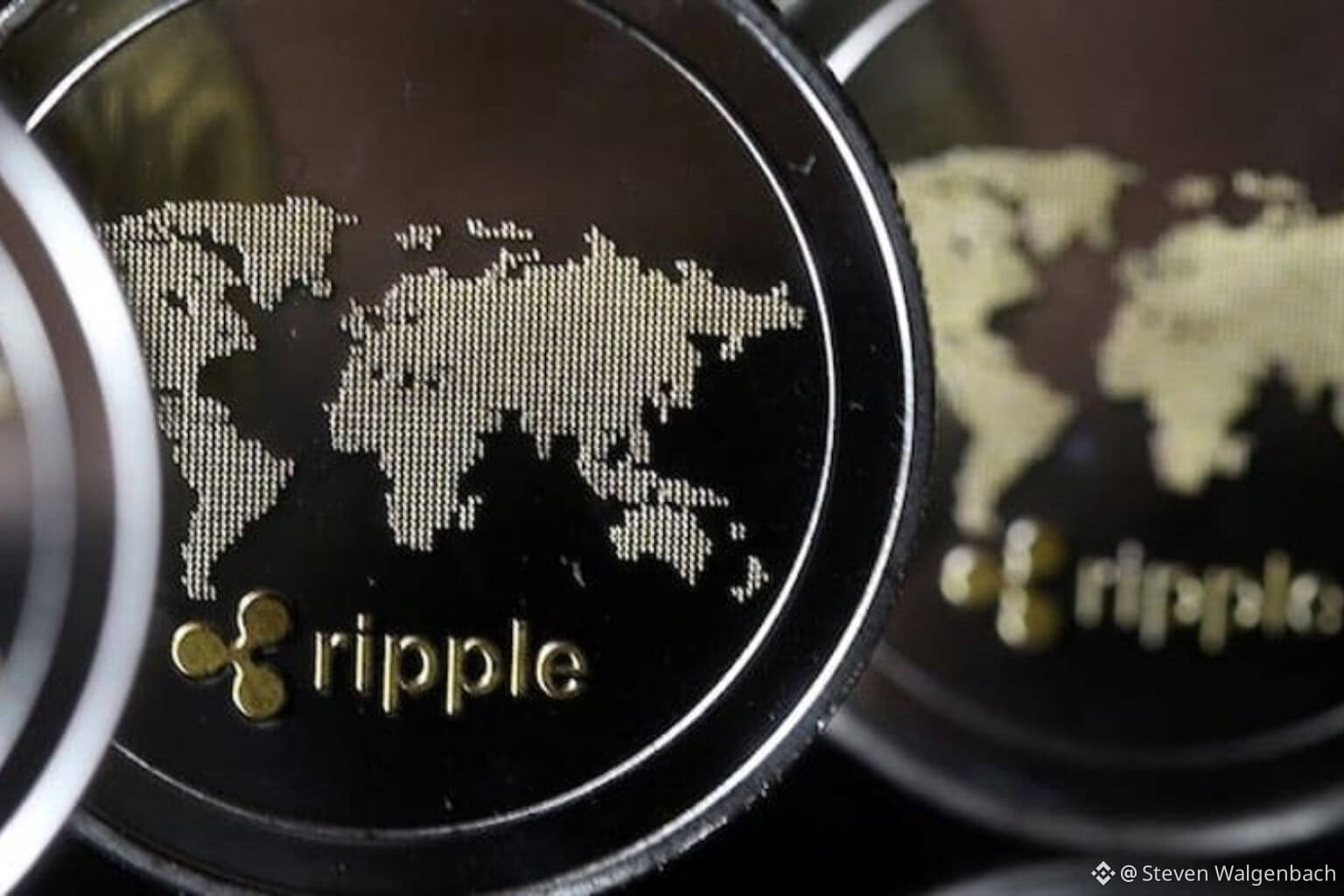
Ripple Labs appears to be sending a strong signal to private markets with its reported $750 million share buyback at a $50 billion valuation.
What makes this especially interesting is that the move comes while the company is still staying private, despite repeated speculation around a future IPO. Instead of listing publicly, #Ripple seems focused on giving liquidity to investors and employees while continuing to expand its financial infrastructure footprint.
Over the past few months, Ripple has pushed deeper into traditional finance through acquisitions like Hidden Road, expanded treasury capabilities, and continued growing Ripple USD, which has already crossed a $1 billion market cap.
At the same time, the $XRP price performance has remained under pressure, showing how company growth and token price do not always move together.
#RippleIPO #XRP #RLUSD
Ripple Labs appears to be sending a strong signal to private markets with its reported $750 million share buyback at a $50 billion valuation.
What makes this especially interesting is that the move comes while the company is still staying private, despite repeated speculation around a future IPO. Instead of listing publicly, #Ripple seems focused on giving liquidity to investors and employees while continuing to expand its financial infrastructure footprint.
Over the past few months, Ripple has pushed deeper into traditional finance through acquisitions like Hidden Road, expanded treasury capabilities, and continued growing Ripple USD, which has already crossed a $1 billion market cap.
At the same time, the $XRP price performance has remained under pressure, showing how company growth and token price do not always move together.
#RippleIPO #XRP #RLUSD
What makes this especially interesting is that the move comes while the company is still staying private, despite repeated speculation around a future IPO. Instead of listing publicly, #Ripple seems focused on giving liquidity to investors and employees while continuing to expand its financial infrastructure footprint.
Over the past few months, Ripple has pushed deeper into traditional finance through acquisitions like Hidden Road, expanded treasury capabilities, and continued growing Ripple USD, which has already crossed a $1 billion market cap.
At the same time, the $XRP price performance has remained under pressure, showing how company growth and token price do not always move together.
#RippleIPO #XRP #RLUSD
2
170
Matt Hougan’s latest Bitcoin outlook puts the $1 million target back into serious discussion—not by relying on extreme assumptions, but by looking at how the store-of-value market itself has expanded over time.
The Matt Hougan argument is that many people compare Bitcoin to today’s size of Gold without accounting for how quickly that market has grown since gold ETFs opened access to institutional capital two decades ago.
If that growth trend continues, Bitcoin would not need to replace gold entirely to justify a seven-figure price. It would only need to capture a much larger share of a significantly bigger market.
What makes the thesis interesting is that it shifts the conversation away from pure crypto speculation and toward broader macro forces—debt, monetary policy, inflation concerns, and where global capital looks for long-term protection.
Whether Bitcoin ever reaches that level is still uncertain, but the fact that more institutional analysts are framing it through traditional market structure rather than hype says a lot about where the asset now sits in the global financial conversation.
#Bitcoin #ETFs $BTC #Gold
Matt Hougan’s latest Bitcoin outlook puts the $1 million target back into serious discussion—not by relying on extreme assumptions, but by looking at how the store-of-value market itself has expanded over time.
The Matt Hougan argument is that many people compare Bitcoin to today’s size of Gold without accounting for how quickly that market has grown since gold ETFs opened access to institutional capital two decades ago.
If that growth trend continues, Bitcoin would not need to replace gold entirely to justify a seven-figure price. It would only need to capture a much larger share of a significantly bigger market.
What makes the thesis interesting is that it shifts the conversation away from pure crypto speculation and toward broader macro forces—debt, monetary policy, inflation concerns, and where global capital looks for long-term protection.
Whether Bitcoin ever reaches that level is still uncertain, but the fact that more institutional analysts are framing it through traditional market structure rather than hype says a lot about where the asset now sits in the global financial conversation.
#Bitcoin #ETFs $BTC #Gold
The Matt Hougan argument is that many people compare Bitcoin to today’s size of Gold without accounting for how quickly that market has grown since gold ETFs opened access to institutional capital two decades ago.
If that growth trend continues, Bitcoin would not need to replace gold entirely to justify a seven-figure price. It would only need to capture a much larger share of a significantly bigger market.
What makes the thesis interesting is that it shifts the conversation away from pure crypto speculation and toward broader macro forces—debt, monetary policy, inflation concerns, and where global capital looks for long-term protection.
Whether Bitcoin ever reaches that level is still uncertain, but the fact that more institutional analysts are framing it through traditional market structure rather than hype says a lot about where the asset now sits in the global financial conversation.
#Bitcoin #ETFs $BTC #Gold

128
Elon Musk is finally moving closer to turning X into the financial platform he has talked about for years.
X Money is set to enter early public access next month, bringing payments, direct deposits, and yield-style features directly into the app. That means X is no longer just testing social commerce ideas—it is starting to compete more directly with platforms like Venmo and Cash App.
What stands out is how much infrastructure has already been built behind the scenes, from state money transmitter licenses to its partnership with Visa.
For crypto watchers, the obvious question is still whether digital assets eventually become part of the product. So far there is no direct crypto functionality, despite fresh speculation around Dogecoin.
The bigger story may be that X is steadily building financial rails first—and leaving broader expansion for later
$DOGE #ElonMusk #CashApp #CryptoNews
Elon Musk is finally moving closer to turning X into the financial platform he has talked about for years.
X Money is set to enter early public access next month, bringing payments, direct deposits, and yield-style features directly into the app. That means X is no longer just testing social commerce ideas—it is starting to compete more directly with platforms like Venmo and Cash App.
What stands out is how much infrastructure has already been built behind the scenes, from state money transmitter licenses to its partnership with Visa.
For crypto watchers, the obvious question is still whether digital assets eventually become part of the product. So far there is no direct crypto functionality, despite fresh speculation around Dogecoin.
The bigger story may be that X is steadily building financial rails first—and leaving broader expansion for later
$DOGE #ElonMusk #CashApp #CryptoNews
X Money is set to enter early public access next month, bringing payments, direct deposits, and yield-style features directly into the app. That means X is no longer just testing social commerce ideas—it is starting to compete more directly with platforms like Venmo and Cash App.
What stands out is how much infrastructure has already been built behind the scenes, from state money transmitter licenses to its partnership with Visa.
For crypto watchers, the obvious question is still whether digital assets eventually become part of the product. So far there is no direct crypto functionality, despite fresh speculation around Dogecoin.
The bigger story may be that X is steadily building financial rails first—and leaving broader expansion for later
$DOGE #ElonMusk #CashApp #CryptoNews

211
Arthur Hayes is staying patient even as Bitcoin climbed back above $70,000.
While market sentiment has improved after Donald #Trump suggested the conflict with Iran may be nearing an end, Hayes says he still is not ready to buy. His focus remains on one thing: whether the Federal Reserve begins easing policy and adding liquidity.
His argument is simple — war alone is not necessarily bullish for Bitcoin, but money printing often is.
At the same time, social data is showing optimism returning across crypto discussions, even though broader market indicators still sit in extreme fear territory.
It is an interesting moment for Bitcoin: price resilience is improving, sentiment is recovering, but macro conviction still looks cautious among some of the market’s biggest voices.
Sometimes the strongest signal is not who is bullish, but who is bullish and still waiting.
$BTC #TrumpSaysIranWarWillEndVerySoon #Bitcoin
Arthur Hayes is staying patient even as Bitcoin climbed back above $70,000.
While market sentiment has improved after Donald #Trump suggested the conflict with Iran may be nearing an end, Hayes says he still is not ready to buy. His focus remains on one thing: whether the Federal Reserve begins easing policy and adding liquidity.
His argument is simple — war alone is not necessarily bullish for Bitcoin, but money printing often is.
At the same time, social data is showing optimism returning across crypto discussions, even though broader market indicators still sit in extreme fear territory.
It is an interesting moment for Bitcoin: price resilience is improving, sentiment is recovering, but macro conviction still looks cautious among some of the market’s biggest voices.
Sometimes the strongest signal is not who is bullish, but who is bullish and still waiting.
$BTC #TrumpSaysIranWarWillEndVerySoon #Bitcoin
While market sentiment has improved after Donald #Trump suggested the conflict with Iran may be nearing an end, Hayes says he still is not ready to buy. His focus remains on one thing: whether the Federal Reserve begins easing policy and adding liquidity.
His argument is simple — war alone is not necessarily bullish for Bitcoin, but money printing often is.
At the same time, social data is showing optimism returning across crypto discussions, even though broader market indicators still sit in extreme fear territory.
It is an interesting moment for Bitcoin: price resilience is improving, sentiment is recovering, but macro conviction still looks cautious among some of the market’s biggest voices.
Sometimes the strongest signal is not who is bullish, but who is bullish and still waiting.
$BTC #TrumpSaysIranWarWillEndVerySoon #Bitcoin

2
112
Markets are watching the Middle East closely again after President Donald Trump signaled a more aggressive U.S. stance around energy security and regional shipping routes.
Trump said the U.S. would waive oil-related sanctions, have the U.S. Navy escort tankers through the Strait of Hormuz, and predicted that the conflict involving Iran could be resolved “very soon,” even as oil markets remain highly sensitive to any threat of supply disruption.
At the same time, he warned that any move by Iran to interfere with oil flows would trigger military action “at a much, much harder level.”
The message appears aimed at calming investor concerns after several days of sharp volatility in energy markets, where traders remain focused on whether the conflict could spill further into global supply chains.
#oil #Markets #Geopolit #Energy #MiddleEast
Markets are watching the Middle East closely again after President Donald Trump signaled a more aggressive U.S. stance around energy security and regional shipping routes.
Trump said the U.S. would waive oil-related sanctions, have the U.S. Navy escort tankers through the Strait of Hormuz, and predicted that the conflict involving Iran could be resolved “very soon,” even as oil markets remain highly sensitive to any threat of supply disruption.
At the same time, he warned that any move by Iran to interfere with oil flows would trigger military action “at a much, much harder level.”
The message appears aimed at calming investor concerns after several days of sharp volatility in energy markets, where traders remain focused on whether the conflict could spill further into global supply chains.
#oil #Markets #Geopolit #Energy #MiddleEast
Trump said the U.S. would waive oil-related sanctions, have the U.S. Navy escort tankers through the Strait of Hormuz, and predicted that the conflict involving Iran could be resolved “very soon,” even as oil markets remain highly sensitive to any threat of supply disruption.
At the same time, he warned that any move by Iran to interfere with oil flows would trigger military action “at a much, much harder level.”
The message appears aimed at calming investor concerns after several days of sharp volatility in energy markets, where traders remain focused on whether the conflict could spill further into global supply chains.
#oil #Markets #Geopolit #Energy #MiddleEast

2
194
Log in to explore more content
Join global crypto users on Binance Square
⚡️ Get latest and useful information about crypto.
💬 Trusted by the world’s largest crypto exchange.
👍 Discover real insights from verified creators.
Email / Phone number