

Steven_Research
851 Posts

Steven_Research
Report
Block User
Long-term investor
Founder SR INVEST, holder $BNB
Top 14 independent Researcher at @Binance The Blockchain 100 | 2025

Level 1 Creator
20 Following
17.0K+ Followers
2.6K+ Liked
3 Badges
Posts
All
Quotes
Videos
Live
PINNED
Thank you @Binance_Square_Official and the title independent Researcher 2025
Thank you to the bosses @CZ @heyi @richardteng
Thank you to the bosses @blueshirt666 and Francis, and @nyanangel
It has been a memorable year 2025 with many emotions related to crypto and Binance!
Made many new friends, effective investments, gained more insights into the industry, and found reliable partners and colleagues!
Let's look forward to 2026 with new forecasts! We will be even more dynamic! Very bullish on Binance! 😍
Happy new year 2026!
Thank you @Binance Square Official and the title independent Researcher 2025
Thank you to the bosses @CZ @Yi He @Richard Teng
Thank you to the bosses @Daniel Zou (DZ) 🔶 and Francis, and @Nyan 7
It has been a memorable year 2025 with many emotions related to crypto and Binance!
Made many new friends, effective investments, gained more insights into the industry, and found reliable partners and colleagues!
Let's look forward to 2026 with new forecasts! We will be even more dynamic! Very bullish on Binance! 😍
Happy new year 2026!
Thank you to the bosses @CZ @Yi He @Richard Teng
Thank you to the bosses @Daniel Zou (DZ) 🔶 and Francis, and @Nyan 7
It has been a memorable year 2025 with many emotions related to crypto and Binance!
Made many new friends, effective investments, gained more insights into the industry, and found reliable partners and colleagues!
Let's look forward to 2026 with new forecasts! We will be even more dynamic! Very bullish on Binance! 😍
Happy new year 2026!


2
1
8
1.3k
Verified
US ADDS ANOTHER 29,000 JOBS; MARKET EXPECTS FED TO STAY ON HOLD
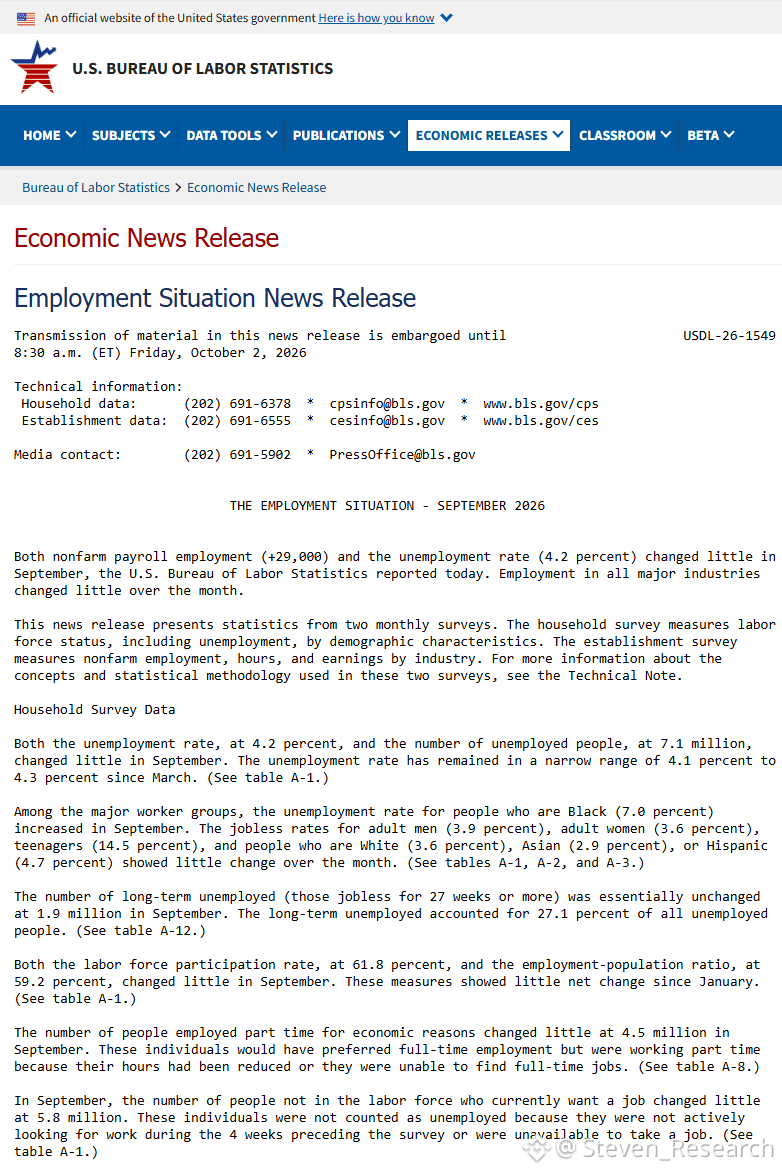
The BLS report dated October 2 recorded that non-farm payrolls in September increased by 29,000, lower than the forecast of 90,000. The unemployment rate edged up from 4.1% to 4.2%.
1. Hiring weaker than earlier data
- July–August were revised downward by a total of 60,000 jobs; specifically, July moved from an increase of 21,000 to a decrease of 10,000. Hourly wages rose by 0.1% month-over-month and by 3% year-over-year. Softer hiring and wages reduce pressure for the Fed to keep raising interest rates, but unemployment has still remained in the 4.1–4.3% range since March.
2. Probability of rate hikes falling sharply
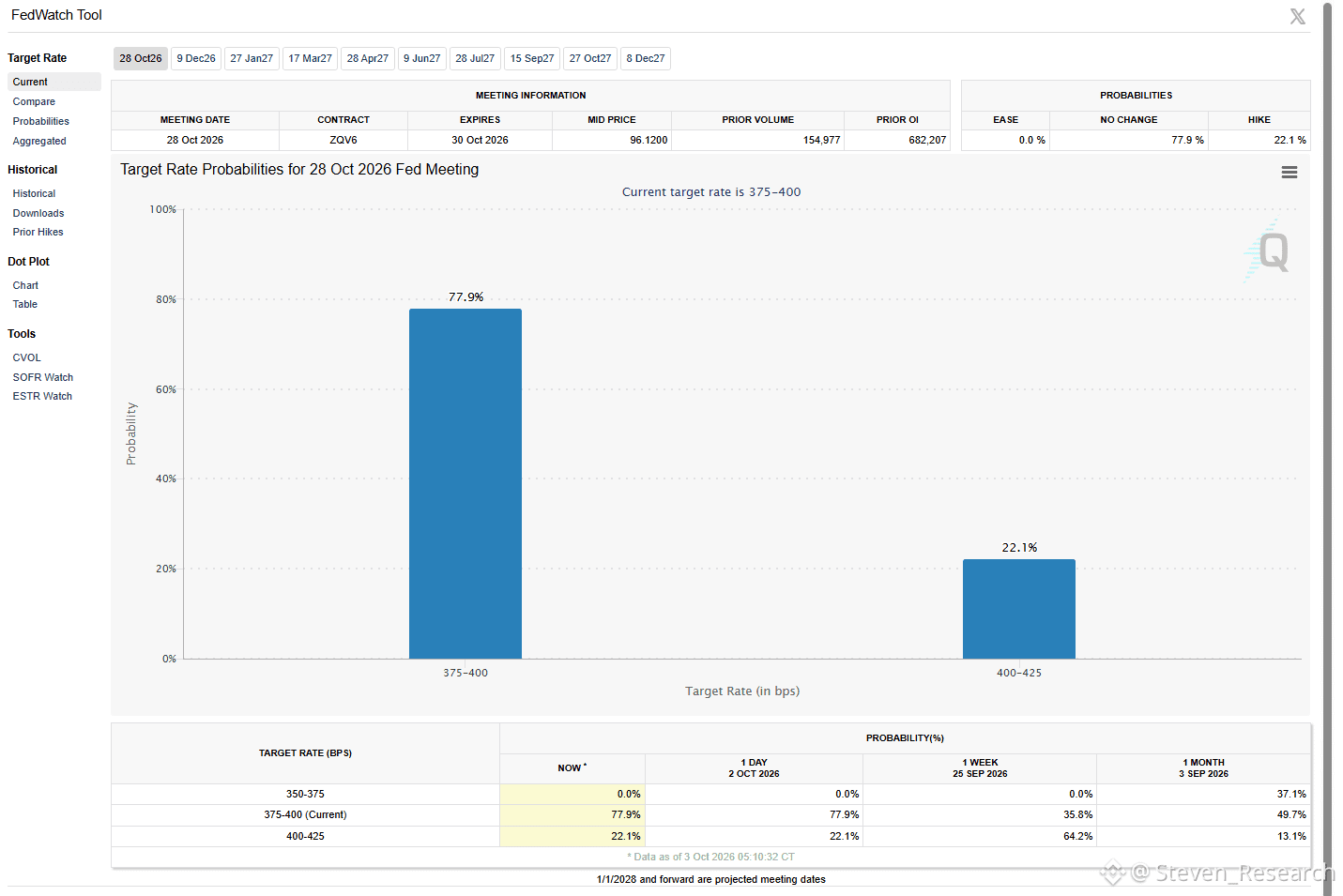
- According to the CME FedWatch, the market prices in a 77.9% chance of holding rates at 3.75–4% at the October 28 meeting, and a 22.1% chance of an additional 0.25 percentage-point hike.
- A week earlier, the probability of a rate hike was 64.2%, down by 42.1 percentage points. This reflects market expectations for futures contracts, not the Fed’s decision; it also can’t be fully attributed to the jobs report alone.
3. Impact on BTC
- Expectations of less tightening could support $BTC if yields and the USD fall, while incoming buying demand continues to improve.
- The market expects the Fed to stop raising rates, not to switch to easing yet.
=> I assess that this data reduces some macro pressure, but the durability of the recovery rally still needs actual buying power.
US ADDS ANOTHER 29,000 JOBS; MARKET EXPECTS FED TO STAY ON HOLD
The BLS report dated October 2 recorded that non-farm payrolls in September increased by 29,000, lower than the forecast of 90,000. The unemployment rate edged up from 4.1% to 4.2%.
1. Hiring weaker than earlier data
- July–August were revised downward by a total of 60,000 jobs; specifically, July moved from an increase of 21,000 to a decrease of 10,000. Hourly wages rose by 0.1% month-over-month and by 3% year-over-year. Softer hiring and wages reduce pressure for the Fed to keep raising interest rates, but unemployment has still remained in the 4.1–4.3% range since March.
2. Probability of rate hikes falling sharply
- According to the CME FedWatch, the market prices in a 77.9% chance of holding rates at 3.75–4% at the October 28 meeting, and a 22.1% chance of an additional 0.25 percentage-point hike.
- A week earlier, the probability of a rate hike was 64.2%, down by 42.1 percentage points. This reflects market expectations for futures contracts, not the Fed’s decision; it also can’t be fully attributed to the jobs report alone.
3. Impact on BTC
- Expectations of less tightening could support $BTC if yields and the USD fall, while incoming buying demand continues to improve.
- The market expects the Fed to stop raising rates, not to switch to easing yet.
=> I assess that this data reduces some macro pressure, but the durability of the recovery rally still needs actual buying power.
The BLS report dated October 2 recorded that non-farm payrolls in September increased by 29,000, lower than the forecast of 90,000. The unemployment rate edged up from 4.1% to 4.2%.
1. Hiring weaker than earlier data
- July–August were revised downward by a total of 60,000 jobs; specifically, July moved from an increase of 21,000 to a decrease of 10,000. Hourly wages rose by 0.1% month-over-month and by 3% year-over-year. Softer hiring and wages reduce pressure for the Fed to keep raising interest rates, but unemployment has still remained in the 4.1–4.3% range since March.
2. Probability of rate hikes falling sharply
- According to the CME FedWatch, the market prices in a 77.9% chance of holding rates at 3.75–4% at the October 28 meeting, and a 22.1% chance of an additional 0.25 percentage-point hike.
- A week earlier, the probability of a rate hike was 64.2%, down by 42.1 percentage points. This reflects market expectations for futures contracts, not the Fed’s decision; it also can’t be fully attributed to the jobs report alone.
3. Impact on BTC
- Expectations of less tightening could support $BTC if yields and the USD fall, while incoming buying demand continues to improve.
- The market expects the Fed to stop raising rates, not to switch to easing yet.
=> I assess that this data reduces some macro pressure, but the durability of the recovery rally still needs actual buying power.
1.4k
Verified
Article
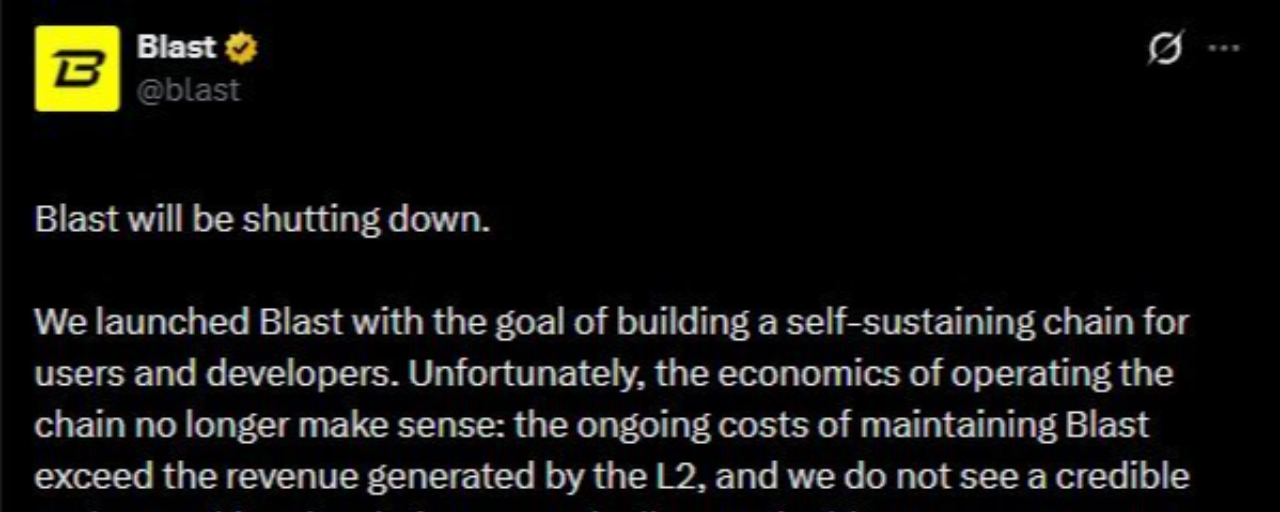
BLAST STOPS OPERATIONS - THE FAILURE OF A GROWTH MODEL DRIVEN BY FARMING WAVES AND FOMO ON LAYER 2$BLAST announced the shutdown of the network on October 2 because operating costs exceeded revenue and there was no longer a feasible path to sustain operations.
- The project previously raised $20 million, attracting over $2 billion before the mainnet, but the TVL reported today is only around $32 million.
1. Take yield from outside, add expected tokens to attract deposits
- The original mechanism was fairly simple: users deposit
, Blast routes it into Lido to receive staking yield; stablecoins are sent into MakerDAO and then the yield is transferred back to the depositor.
BLAST STOPS OPERATIONS - THE FAILURE OF A GROWTH MODEL DRIVEN BY FARMING WAVES AND FOMO ON LAYER 2
$BLAST announced the shutdown of the network on October 2 because operating costs exceeded revenue and there was no longer a feasible path to sustain operations.
- The project previously raised $20 million, attracting over $2 billion before the mainnet, but the TVL reported today is only around $32 million.
1. Take yield from outside, add expected tokens to attract deposits
- The original mechanism was fairly simple: users deposit
, Blast routes it into Lido to receive staking yield; stablecoins are sent into MakerDAO and then the yield is transferred back to the depositor.
- The project previously raised $20 million, attracting over $2 billion before the mainnet, but the TVL reported today is only around $32 million.
1. Take yield from outside, add expected tokens to attract deposits
- The original mechanism was fairly simple: users deposit
, Blast routes it into Lido to receive staking yield; stablecoins are sent into MakerDAO and then the yield is transferred back to the depositor.
871
Verified
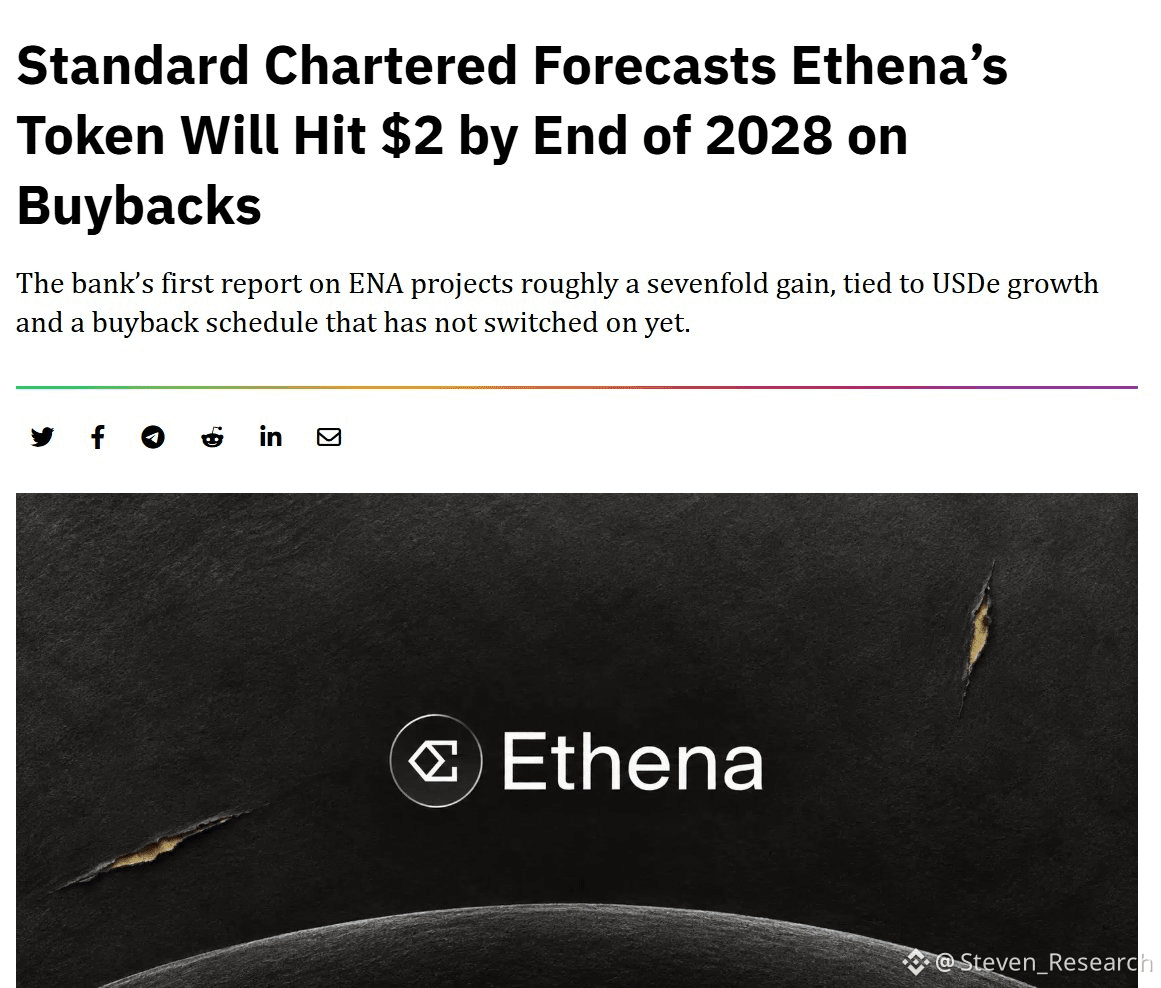
STANDARD CHARTERED SETS ENA TARGET OF 2 USD: WHERE DOES THE SOURCE COME FROM?
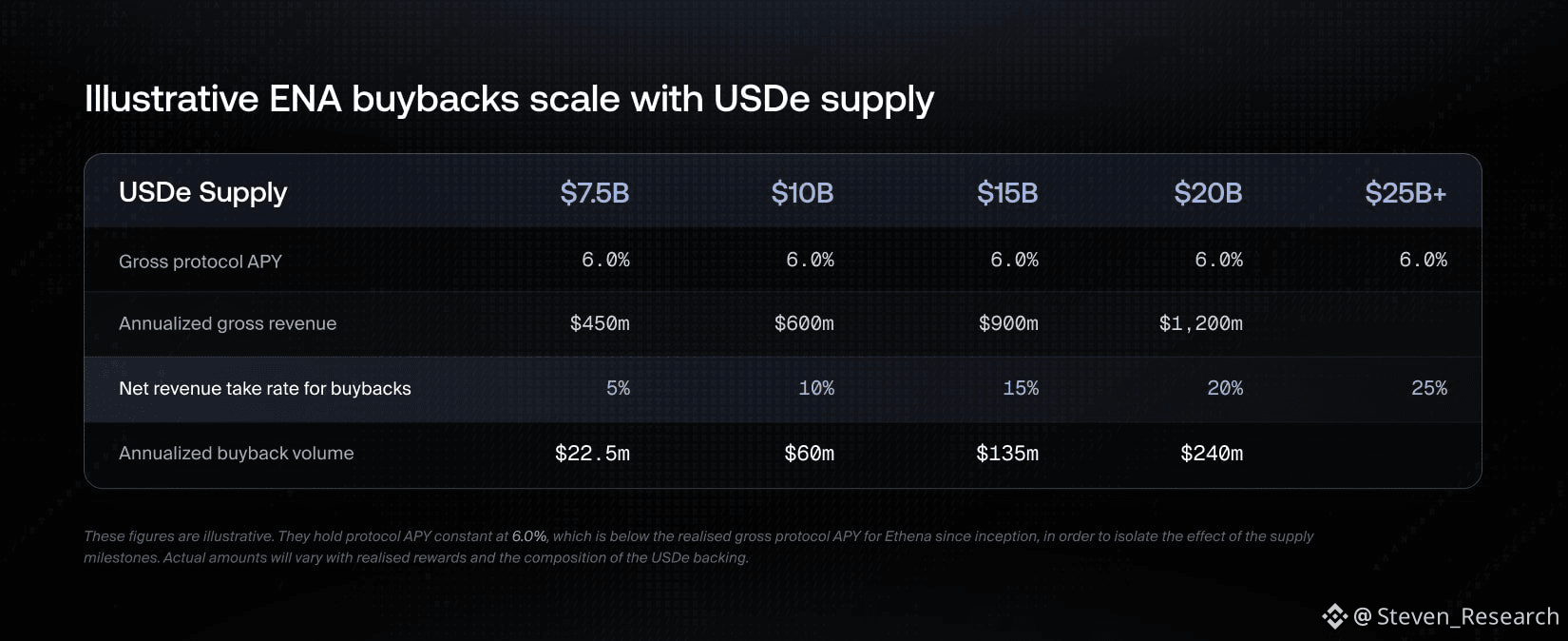
On September 30, Standard Chartered set a target that $ENA would reach 2 USD by the end of 2028, based on forecasts that the scale of USDe will grow from around 4.9 billion USD to 40 billion USD. The key thesis is that USDe growth will generate additional revenue to buy back ENA.
1. Does USDe growth translate into buying power for ENA?
- The size of USDe is the amount of assets that need to be used as collateral, not Ethena’s revenue. The buyback cash flow also depends on the yield of the assets, costs, and the portion of revenue allocated to the token. Even if USDe grows, if the yield falls, ENA buying power may not increase correspondingly.
2. Buybacks don’t happen automatically
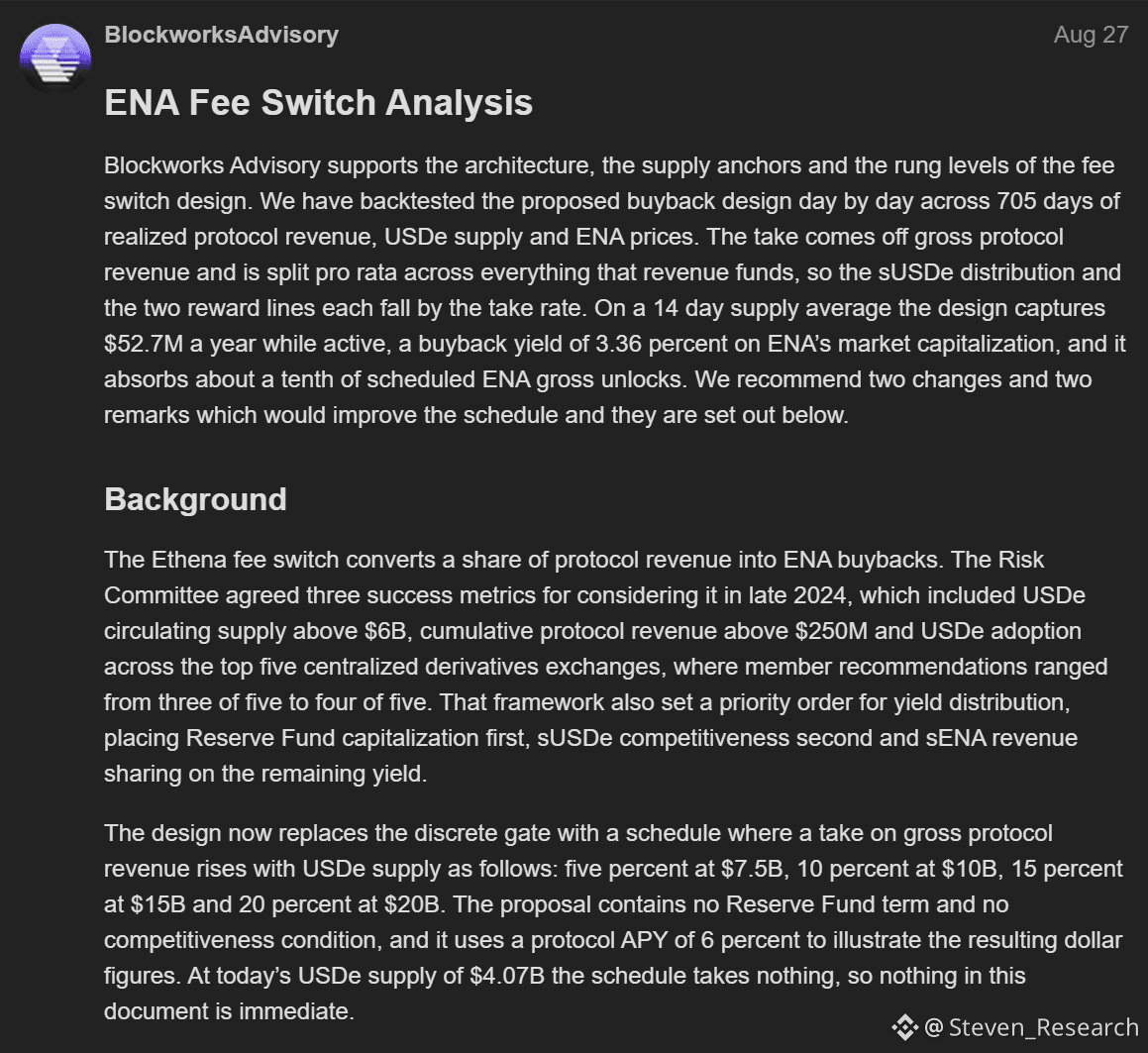
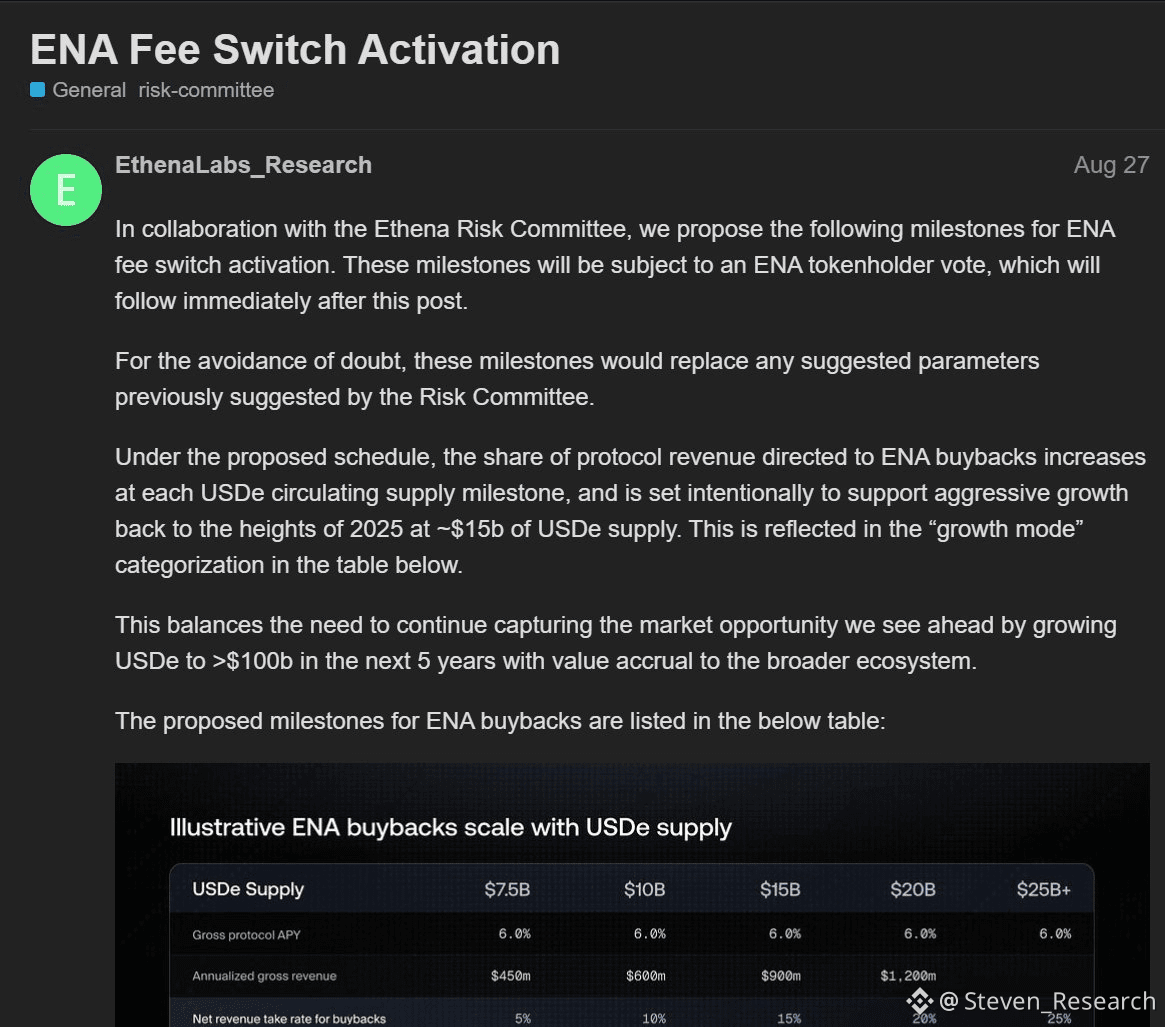
- The fee switch mechanism has a first threshold at 7.5 billion USD of USDe, higher than the 4.9 billion USD figure cited in the report. The 95% earmarked for buybacks applies to the portion of net revenues transferred to the Foundation under the mechanism, not to 95% of all protocol yield. You need to distinguish whether the mechanism is triggered from the actual amount of purchases that have already occurred.
3. Buybacks also come with trade-offs
- Ethena generates part of its yield from collateral assets combined with a hedged derivatives position, but funding can decline or even turn negative. Extracting additional revenue for buybacks can also reduce the portion of yield distributed to depositors and reward programs. If the product becomes less attractive, the growth rate of USDe may slow down, which would indirectly affect the source of funds used to buy ENA.
STANDARD CHARTERED SETS ENA TARGET OF 2 USD: WHERE DOES THE SOURCE COME FROM?
On September 30, Standard Chartered set a target that $ENA would reach 2 USD by the end of 2028, based on forecasts that the scale of USDe will grow from around 4.9 billion USD to 40 billion USD. The key thesis is that USDe growth will generate additional revenue to buy back ENA.
1. Does USDe growth translate into buying power for ENA?
- The size of USDe is the amount of assets that need to be used as collateral, not Ethena’s revenue. The buyback cash flow also depends on the yield of the assets, costs, and the portion of revenue allocated to the token. Even if USDe grows, if the yield falls, ENA buying power may not increase correspondingly.
2. Buybacks don’t happen automatically
- The fee switch mechanism has a first threshold at 7.5 billion USD of USDe, higher than the 4.9 billion USD figure cited in the report. The 95% earmarked for buybacks applies to the portion of net revenues transferred to the Foundation under the mechanism, not to 95% of all protocol yield. You need to distinguish whether the mechanism is triggered from the actual amount of purchases that have already occurred.
3. Buybacks also come with trade-offs
- Ethena generates part of its yield from collateral assets combined with a hedged derivatives position, but funding can decline or even turn negative. Extracting additional revenue for buybacks can also reduce the portion of yield distributed to depositors and reward programs. If the product becomes less attractive, the growth rate of USDe may slow down, which would indirectly affect the source of funds used to buy ENA.
On September 30, Standard Chartered set a target that $ENA would reach 2 USD by the end of 2028, based on forecasts that the scale of USDe will grow from around 4.9 billion USD to 40 billion USD. The key thesis is that USDe growth will generate additional revenue to buy back ENA.
1. Does USDe growth translate into buying power for ENA?
- The size of USDe is the amount of assets that need to be used as collateral, not Ethena’s revenue. The buyback cash flow also depends on the yield of the assets, costs, and the portion of revenue allocated to the token. Even if USDe grows, if the yield falls, ENA buying power may not increase correspondingly.
2. Buybacks don’t happen automatically
- The fee switch mechanism has a first threshold at 7.5 billion USD of USDe, higher than the 4.9 billion USD figure cited in the report. The 95% earmarked for buybacks applies to the portion of net revenues transferred to the Foundation under the mechanism, not to 95% of all protocol yield. You need to distinguish whether the mechanism is triggered from the actual amount of purchases that have already occurred.
3. Buybacks also come with trade-offs
- Ethena generates part of its yield from collateral assets combined with a hedged derivatives position, but funding can decline or even turn negative. Extracting additional revenue for buybacks can also reduce the portion of yield distributed to depositors and reward programs. If the product becomes less attractive, the growth rate of USDe may slow down, which would indirectly affect the source of funds used to buy ENA.
1.7k
Article
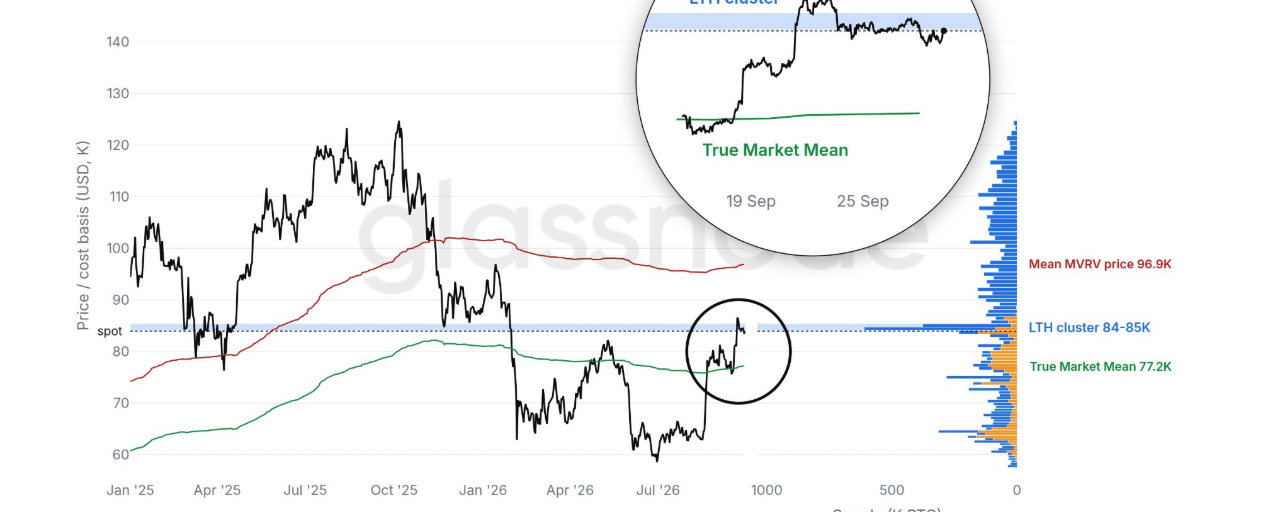
BTC RECOVERS WITH LESS LEVERAGE, PROFIT-TAKING PRESSURE INCREASES AROUND THE 84–85K ZONE$BTC It has risen by about 35% from the August low, while Open Interest has fallen by nearly 20%. After the rally to 87.4k, Glassnode and CryptoQuant data show that profit-taking increased sharply, and the price returned to test the supply concentration zone of long-term holders at 84–85k.
1. The 84–85k cost basis zone of long-term holders
- Glassnode’s chart shows that 84–85k is the price zone where Long-Term Holders’ cost basis is concentrated the most on the chart ($BTC ). This is the distribution of on-chain cost basis, not the volume of sell orders waiting on the exchange. However, when the price returns near the cost basis, it may create conditions for some holders to exit their positions. BTC has already moved above this zone and then pulled back, so it’s necessary to monitor the ability to keep the price above after breaking through, rather than looking at only one dip through.
BTC RECOVERS WITH LESS LEVERAGE, PROFIT-TAKING PRESSURE INCREASES AROUND THE 84–85K ZONE
$BTC It has risen by about 35% from the August low, while Open Interest has fallen by nearly 20%. After the rally to 87.4k, Glassnode and CryptoQuant data show that profit-taking increased sharply, and the price returned to test the supply concentration zone of long-term holders at 84–85k.
1. The 84–85k cost basis zone of long-term holders
- Glassnode’s chart shows that 84–85k is the price zone where Long-Term Holders’ cost basis is concentrated the most on the chart ($BTC ). This is the distribution of on-chain cost basis, not the volume of sell orders waiting on the exchange. However, when the price returns near the cost basis, it may create conditions for some holders to exit their positions. BTC has already moved above this zone and then pulled back, so it’s necessary to monitor the ability to keep the price above after breaking through, rather than looking at only one dip through.
1. The 84–85k cost basis zone of long-term holders
- Glassnode’s chart shows that 84–85k is the price zone where Long-Term Holders’ cost basis is concentrated the most on the chart ($BTC ). This is the distribution of on-chain cost basis, not the volume of sell orders waiting on the exchange. However, when the price returns near the cost basis, it may create conditions for some holders to exit their positions. BTC has already moved above this zone and then pulled back, so it’s necessary to monitor the ability to keep the price above after breaking through, rather than looking at only one dip through.
555
SEC ALLOWS TESTING FOR TOKENIZED SECURITIES TRADING
1. SEC issues an Innovation Exemption
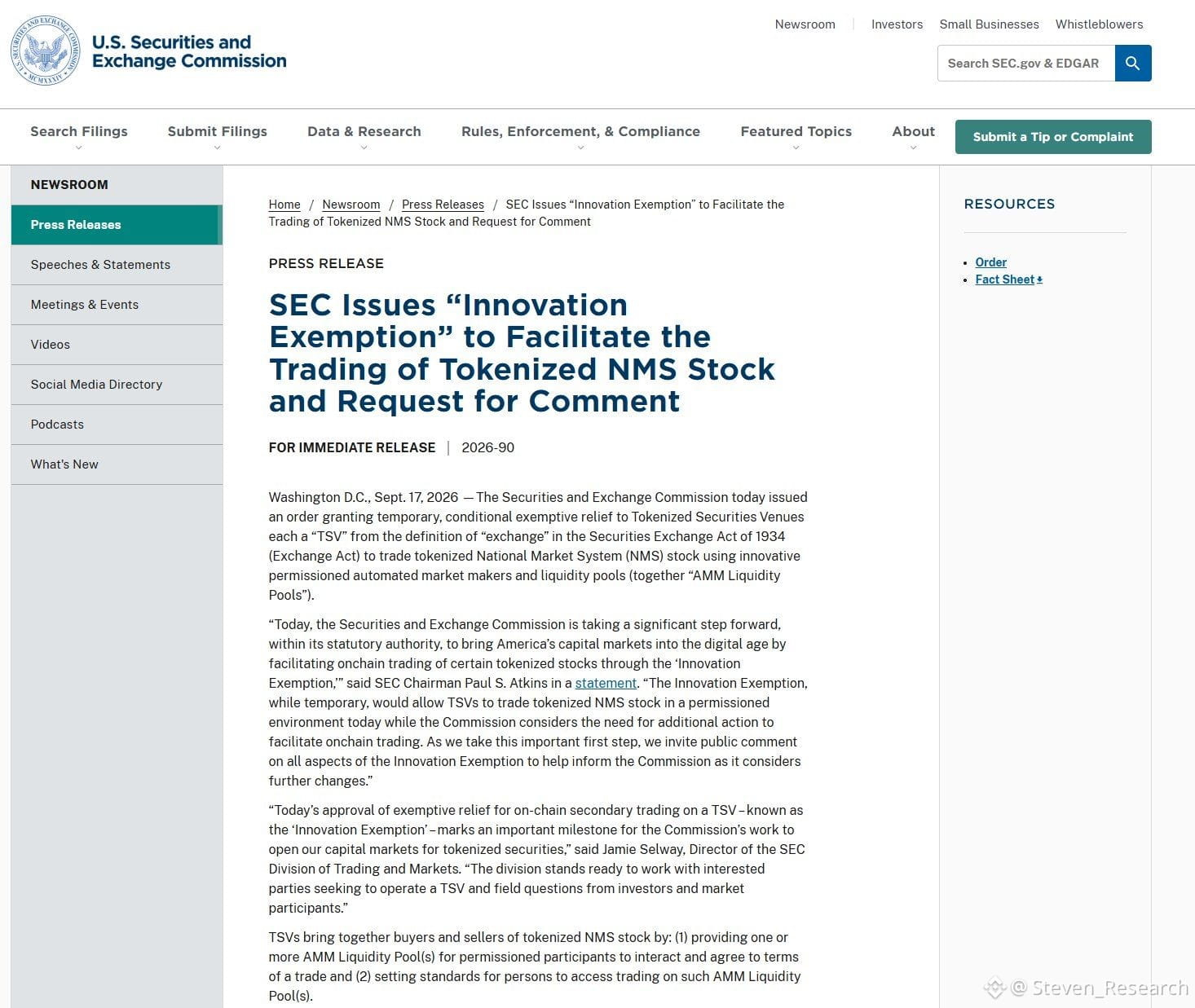
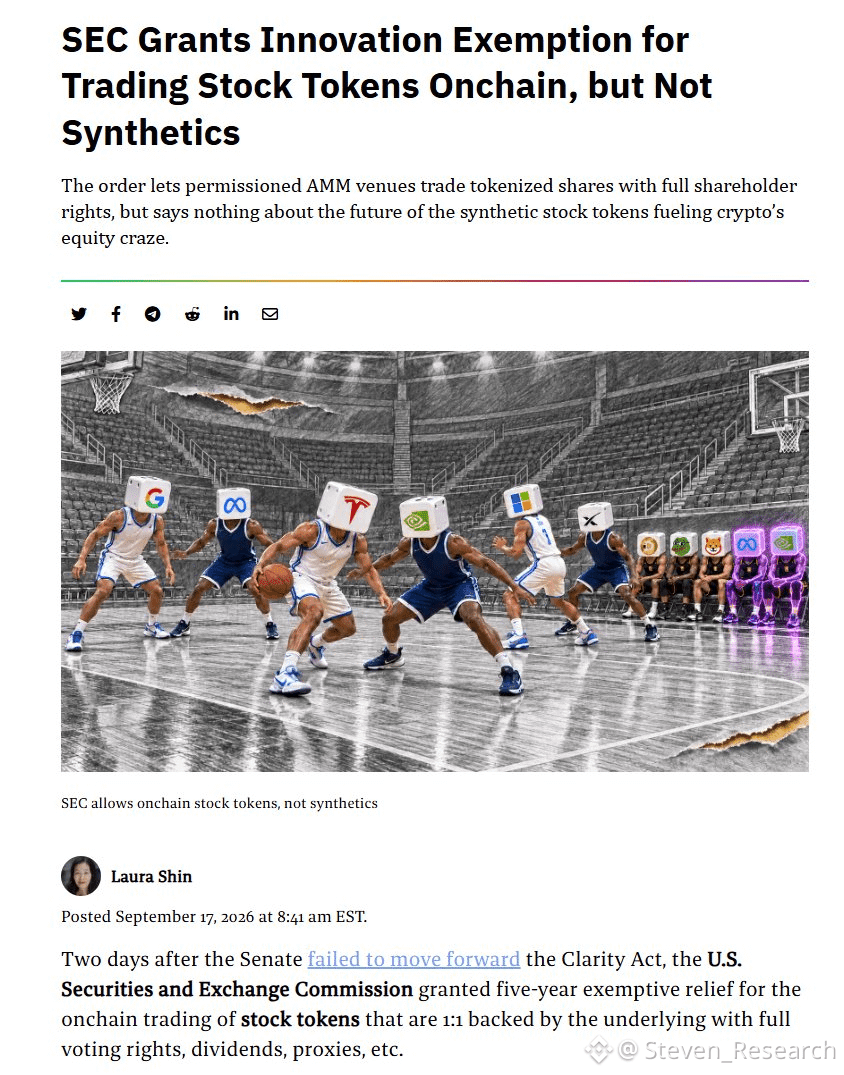
On September 17, 2026, the SEC issued an Innovation Exemption, allowing certain Tokenized Securities Venues (TSV) to receive conditional exemptions for 5 years to test trading tokenized NMS stocks on blockchain through permissioned AMMs and liquidity pools.
The token must represent real shares 1:1 and carry shareholder rights, while synthetic products only simulate prices and are not within this scope. TSVs must still KYC users, comply with OFAC, and limit the number of token codes as well as trading volume.
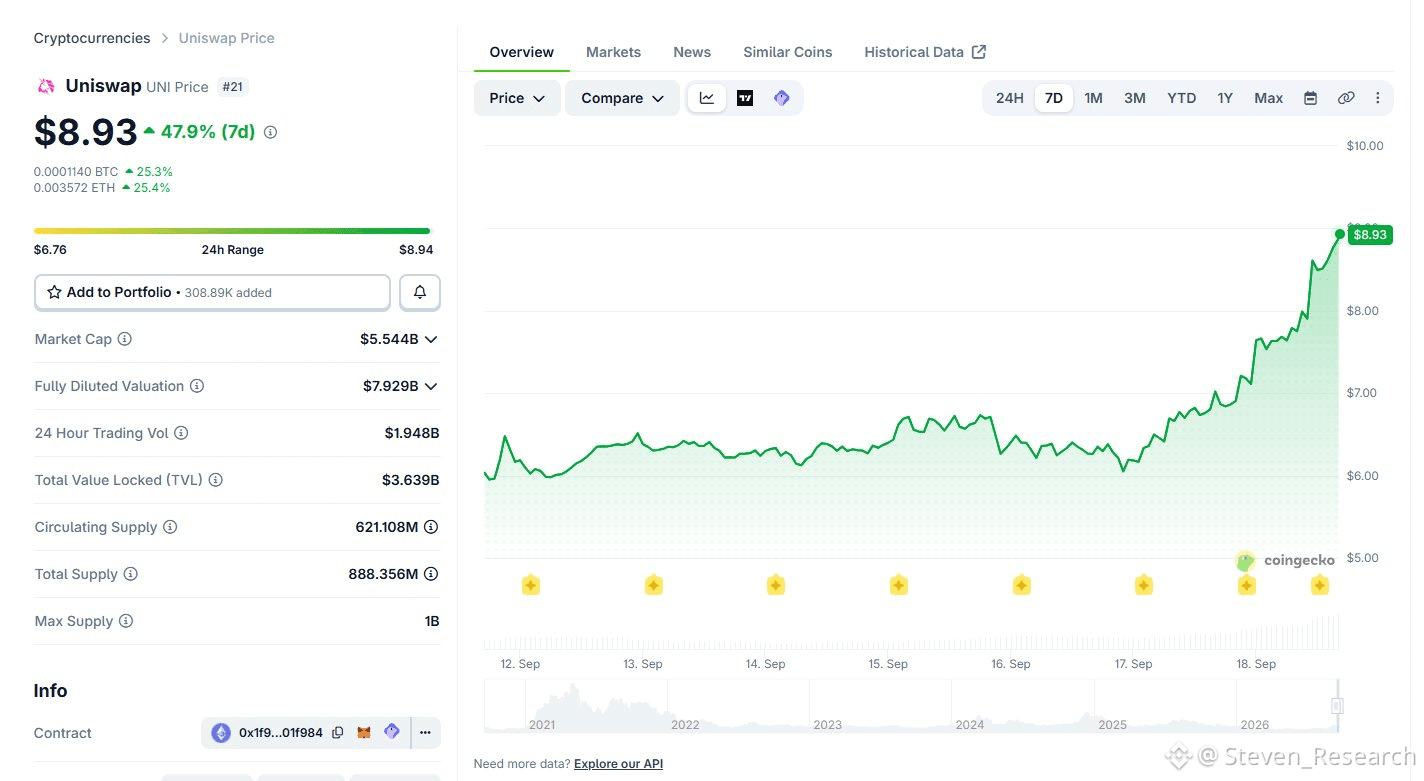
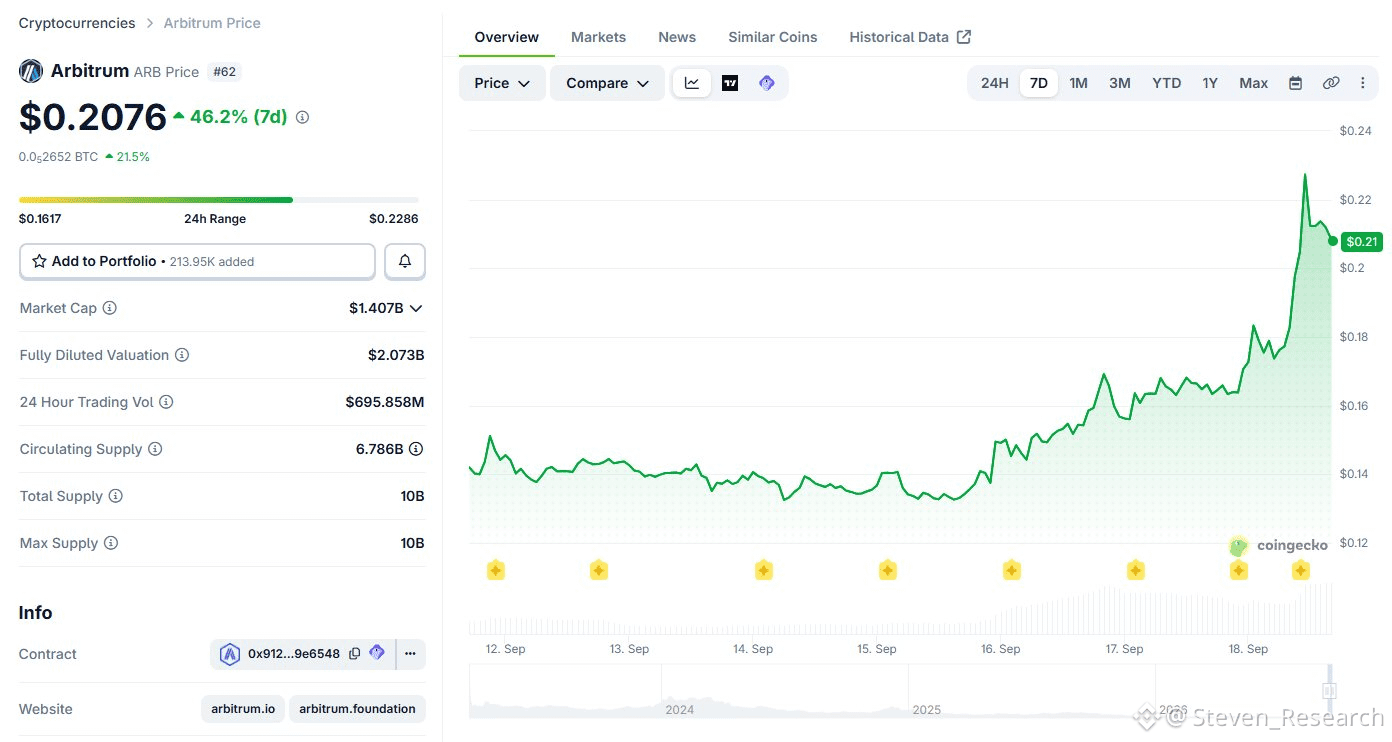
2. $UNI , $ARB , $OP surge strongly
After the above information, UNI rose by about 26–28%, ARB by about 27–30%, and OP by about 13% within 24 hours.
UNI drew attention because Uniswap v4 already has Permissioned Pools. ARB has also been linked to tokenization, since tokenized stock products were once deployed on-chain. For OP, besides the tokenization story, the planned Upgrade 20 in September is also a separate factor.
Some other tokens such as NEAR, ONDO, and RAY also increased during the same period.
3. BNC and DRIFT also fluctuate
BNC shares of CEA Industries closed on September 17 at $5.42, up 13.87%, after which there were moments when it exceeded $6. BNC is not part of the SEC program; it is mainly traded by the market as a proxy related to BNB.
DRIFT rose by about 25–40%, while volume increased by several hundred percent. There is no basis to directly attribute this move to the Innovation Exemption.
4. Real-world impact still takes time
The Innovation Exemption is a conditional testing framework, not a standalone SEC approval of Uniswap, Arbitrum, or Optimism, and it also does not mean all U.S. stocks have been put on-chain.
SEC ALLOWS TESTING FOR TOKENIZED SECURITIES TRADING
1. SEC issues an Innovation Exemption
On September 17, 2026, the SEC issued an Innovation Exemption, allowing certain Tokenized Securities Venues (TSV) to receive conditional exemptions for 5 years to test trading tokenized NMS stocks on blockchain through permissioned AMMs and liquidity pools.
The token must represent real shares 1:1 and carry shareholder rights, while synthetic products only simulate prices and are not within this scope. TSVs must still KYC users, comply with OFAC, and limit the number of token codes as well as trading volume.
2. $UNI , $ARB , $OP surge strongly
After the above information, UNI rose by about 26–28%, ARB by about 27–30%, and OP by about 13% within 24 hours.
UNI drew attention because Uniswap v4 already has Permissioned Pools. ARB has also been linked to tokenization, since tokenized stock products were once deployed on-chain. For OP, besides the tokenization story, the planned Upgrade 20 in September is also a separate factor.
Some other tokens such as NEAR, ONDO, and RAY also increased during the same period.
3. BNC and DRIFT also fluctuate
BNC shares of CEA Industries closed on September 17 at $5.42, up 13.87%, after which there were moments when it exceeded $6. BNC is not part of the SEC program; it is mainly traded by the market as a proxy related to BNB.
DRIFT rose by about 25–40%, while volume increased by several hundred percent. There is no basis to directly attribute this move to the Innovation Exemption.
4. Real-world impact still takes time
The Innovation Exemption is a conditional testing framework, not a standalone SEC approval of Uniswap, Arbitrum, or Optimism, and it also does not mean all U.S. stocks have been put on-chain.
1. SEC issues an Innovation Exemption
On September 17, 2026, the SEC issued an Innovation Exemption, allowing certain Tokenized Securities Venues (TSV) to receive conditional exemptions for 5 years to test trading tokenized NMS stocks on blockchain through permissioned AMMs and liquidity pools.
The token must represent real shares 1:1 and carry shareholder rights, while synthetic products only simulate prices and are not within this scope. TSVs must still KYC users, comply with OFAC, and limit the number of token codes as well as trading volume.
2. $UNI , $ARB , $OP surge strongly
After the above information, UNI rose by about 26–28%, ARB by about 27–30%, and OP by about 13% within 24 hours.
UNI drew attention because Uniswap v4 already has Permissioned Pools. ARB has also been linked to tokenization, since tokenized stock products were once deployed on-chain. For OP, besides the tokenization story, the planned Upgrade 20 in September is also a separate factor.
Some other tokens such as NEAR, ONDO, and RAY also increased during the same period.
3. BNC and DRIFT also fluctuate
BNC shares of CEA Industries closed on September 17 at $5.42, up 13.87%, after which there were moments when it exceeded $6. BNC is not part of the SEC program; it is mainly traded by the market as a proxy related to BNB.
DRIFT rose by about 25–40%, while volume increased by several hundred percent. There is no basis to directly attribute this move to the Innovation Exemption.
4. Real-world impact still takes time
The Innovation Exemption is a conditional testing framework, not a standalone SEC approval of Uniswap, Arbitrum, or Optimism, and it also does not mean all U.S. stocks have been put on-chain.
1
2.5k
Verified
SUI BASECAMP 2026 - SEE YOU IN SINGAPORE
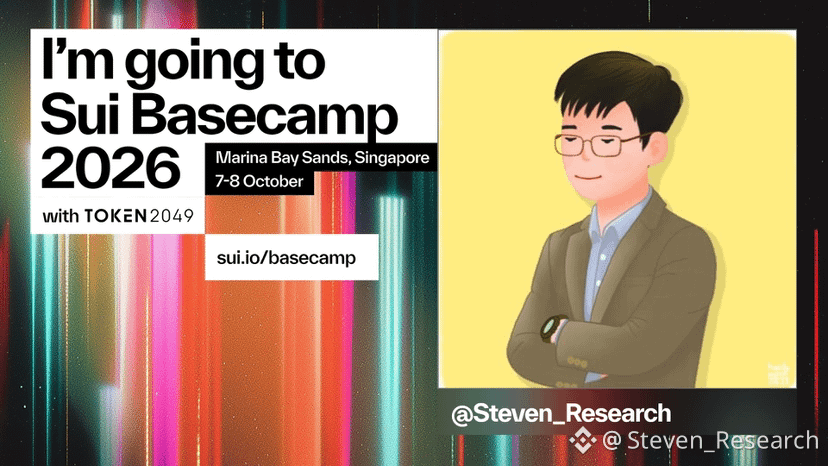
Sui Basecamp 2026 will take place on 7-8/10/2026 at Marina Bay Sands, Singapore, bringing together the community, builders, developers, and the individuals contributing to the Sui ecosystem.
This year, Steven Research will attend Sui Basecamp 2026 to update the latest information about the Sui ecosystem, meet builders and projects, and share the most practical perspectives and content about the event with the community.
See you in Singapore, everyone.
SUI BASECAMP 2026 - SEE YOU IN SINGAPORE
Sui Basecamp 2026 will take place on 7-8/10/2026 at Marina Bay Sands, Singapore, bringing together the community, builders, developers, and the individuals contributing to the Sui ecosystem.
This year, Steven Research will attend Sui Basecamp 2026 to update the latest information about the Sui ecosystem, meet builders and projects, and share the most practical perspectives and content about the event with the community.
See you in Singapore, everyone.
Sui Basecamp 2026 will take place on 7-8/10/2026 at Marina Bay Sands, Singapore, bringing together the community, builders, developers, and the individuals contributing to the Sui ecosystem.
This year, Steven Research will attend Sui Basecamp 2026 to update the latest information about the Sui ecosystem, meet builders and projects, and share the most practical perspectives and content about the event with the community.
See you in Singapore, everyone.
2
2.4k
Article
SEPTEMBER MARKET PRICING: 60% CHANCE THE FED WILL HIKE RATES1. Expectations are diverging
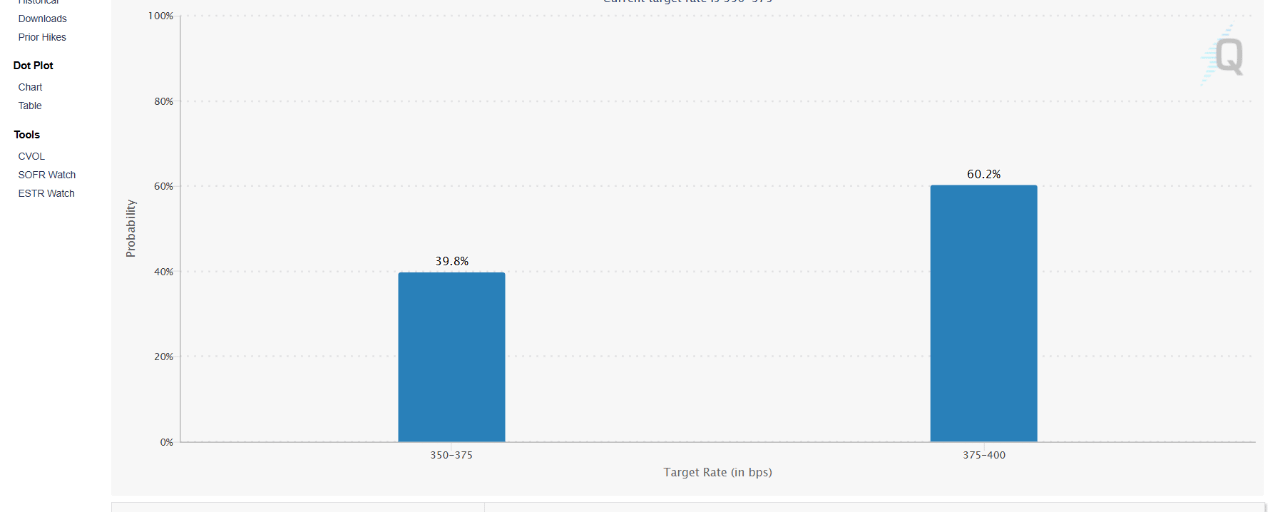
- The FOMC meeting on 15–16/9, where it will announce its interest-rate decision together with the SEP and dot plot on 16/9. Rates are currently at 3.50–3.75%.
- The futures market is pricing in about a 60% chance the Fed will raise rates by 25 basis points to 3.75–4.00%, while a Reuters survey shows that about 70% of economists still expect no change.
=> Thus, the market is leaning toward the possibility of a hike, but there is no clear consensus.
SEPTEMBER MARKET PRICING: 60% CHANCE THE FED WILL HIKE RATES
1. Expectations are diverging
- The FOMC meeting on 15–16/9, where it will announce its interest-rate decision together with the SEP and dot plot on 16/9. Rates are currently at 3.50–3.75%.
- The futures market is pricing in about a 60% chance the Fed will raise rates by 25 basis points to 3.75–4.00%, while a Reuters survey shows that about 70% of economists still expect no change.
=> Thus, the market is leaning toward the possibility of a hike, but there is no clear consensus.
- The FOMC meeting on 15–16/9, where it will announce its interest-rate decision together with the SEP and dot plot on 16/9. Rates are currently at 3.50–3.75%.
- The futures market is pricing in about a 60% chance the Fed will raise rates by 25 basis points to 3.75–4.00%, while a Reuters survey shows that about 70% of economists still expect no change.
=> Thus, the market is leaning toward the possibility of a hike, but there is no clear consensus.
584

Article
WHAT SHOULD INFLUENTIAL PEOPLE IN THE CRYPTO/ TOKENIZED ASSET MARKET NOTE ABOUT INFORMATION SHARING AFTER 01/09?Detailed information includes citations of legal bases, recommended references, and read carefully—below is consolidated information only, with no advisory or direction function. Readers should refer to and carefully read the documents mentioned:
1. Basic principle - only licensed entities may advertise and market TSMH
- Article 4, Clause 4 - Resolution 05/2025/NQ-CP: "Only organizations licensed by the Ministry of Finance to provide services for organizing the trading market of tokenized assets may carry out activities of providing services related to tokenized assets and advertising and marketing related to tokenized assets."
WHAT SHOULD INFLUENTIAL PEOPLE IN THE CRYPTO/ TOKENIZED ASSET MARKET NOTE ABOUT INFORMATION SHARING AFTER 01/09?
Detailed information includes citations of legal bases, recommended references, and read carefully—below is consolidated information only, with no advisory or direction function. Readers should refer to and carefully read the documents mentioned:
1. Basic principle - only licensed entities may advertise and market TSMH
- Article 4, Clause 4 - Resolution 05/2025/NQ-CP: "Only organizations licensed by the Ministry of Finance to provide services for organizing the trading market of tokenized assets may carry out activities of providing services related to tokenized assets and advertising and marketing related to tokenized assets."
1. Basic principle - only licensed entities may advertise and market TSMH
- Article 4, Clause 4 - Resolution 05/2025/NQ-CP: "Only organizations licensed by the Ministry of Finance to provide services for organizing the trading market of tokenized assets may carry out activities of providing services related to tokenized assets and advertising and marketing related to tokenized assets."
1
1.1k

Article
LIQUID NETWORK LOSES NEARLY 4,000 $BTC WORTH $320M - ABOUT 95% OF RESERVES1. What happened?
- On September 6, about 3,996–4,000 $BTC, worth around $320 million, were withdrawn from Liquid Network’s Federation Wallet via the peg-out mechanism.
- Before the incident, this wallet held about 4,200 BTC, while it currently holds only about 200 BTC. The BTC withdrawn afterward was transferred to a new address, and the actor left an on-chain message: “we are whitehats. contact us on chain.”
2. Initial cause
LIQUID NETWORK LOSES NEARLY 4,000 $BTC WORTH $320M - ABOUT 95% OF RESERVES
1. What happened?
- On September 6, about 3,996–4,000 $BTC , worth around $320 million, were withdrawn from Liquid Network’s Federation Wallet via the peg-out mechanism.
- Before the incident, this wallet held about 4,200 BTC, while it currently holds only about 200 BTC. The BTC withdrawn afterward was transferred to a new address, and the actor left an on-chain message: “we are whitehats. contact us on chain.”
2. Initial cause
- On September 6, about 3,996–4,000 $BTC , worth around $320 million, were withdrawn from Liquid Network’s Federation Wallet via the peg-out mechanism.
- Before the incident, this wallet held about 4,200 BTC, while it currently holds only about 200 BTC. The BTC withdrawn afterward was transferred to a new address, and the actor left an on-chain message: “we are whitehats. contact us on chain.”
2. Initial cause
968
WHAT HAPPENED IN CRYPTO THIS WEEK?
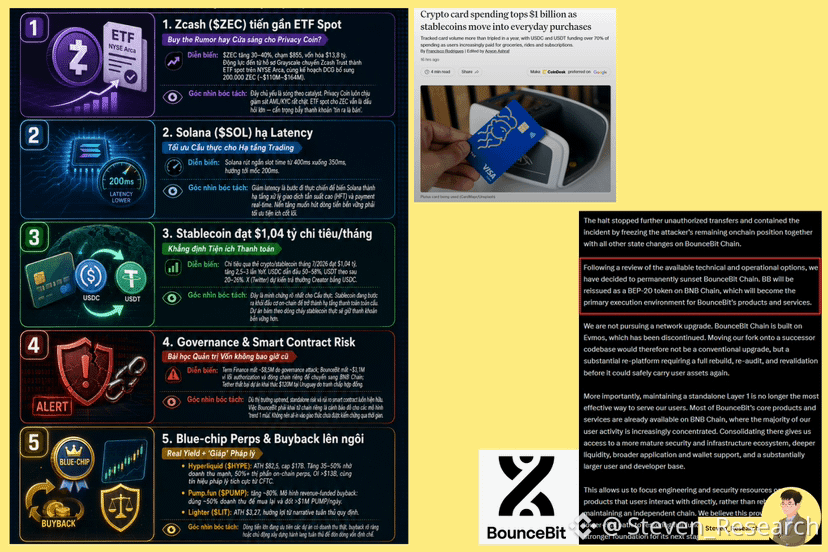
1. Zcash $ZEC nears the Spot ETF—will it “Sell the news”?
- ZEC rose 30–40%, hitting the $855 mark, bringing its market cap up to $13.8 billion.
- The catalyst is Grayscale filing to convert the Zcash Trust into a spot ETF on NYSE Arca, alongside DCG’s plan to add 200,000 ZEC (~$110M–$164M).
=> This is purely a rumor-driven push (Catalyst-driven). SEC approval for a ZEC spot ETF is still a big question—right now only filing has been submitted, not approved.
2. Solana $SOL reduces latency to optimize trading infrastructure
- Solana successfully shortened slot time from 400ms to 350ms, targeting the 200ms milestone. Reducing latency is a hands-on move to turn Solana into high-frequency trading (HFT) and real-time payment infrastructure.
3. Stablecoins hit the $1.04 billion monthly spend milestone
- Spending volume via crypto/stablecoin cards in July 2026 reached $1.04 billion (up 2.5–3x YoY). USDC dominates outright (50–58%), followed by USDT (20–26%). X also plans to pay Creator rewards in USDC.
4. Term Finance and BounceBit were hacked
- Term Finance lost about $8.5M due to a governance attack.
- BounceBit suffered an authorization issue worth about $3.1M, forcing it to permanently shut down its own chain and migrate to BNB Chain.
- Tether failed to extract a $120M project in Uruguay due to contract disputes.
5. Growth of Blue-chip Perps & Buyback
- Hyperliquid $HYPE - ATH $82.5 (Cap $17B): Up 35–50%. President Trump confirmed that the CFTC is supporting Hyperliquid in accessing the U.S. market legally.
- Pumpfun ($PUMP) - Up ~80% thanks to a revenue-funded buyback model. Uses ~50% of platform base revenue to buy back and burn => $1M PUMP/day.
- Lighter ($LIT) - ATH $3.27: Accelerated growth thanks to the CEO serving on the CFTC Innovation Advisory Committee, benefiting from compliance/regulatory keys.
WHAT HAPPENED IN CRYPTO THIS WEEK?
1. Zcash $ZEC nears the Spot ETF—will it “Sell the news”?
- ZEC rose 30–40%, hitting the $855 mark, bringing its market cap up to $13.8 billion.
- The catalyst is Grayscale filing to convert the Zcash Trust into a spot ETF on NYSE Arca, alongside DCG’s plan to add 200,000 ZEC (~$110M–$164M).
=> This is purely a rumor-driven push (Catalyst-driven). SEC approval for a ZEC spot ETF is still a big question—right now only filing has been submitted, not approved.
2. Solana $SOL reduces latency to optimize trading infrastructure
- Solana successfully shortened slot time from 400ms to 350ms, targeting the 200ms milestone. Reducing latency is a hands-on move to turn Solana into high-frequency trading (HFT) and real-time payment infrastructure.
3. Stablecoins hit the $1.04 billion monthly spend milestone
- Spending volume via crypto/stablecoin cards in July 2026 reached $1.04 billion (up 2.5–3x YoY). USDC dominates outright (50–58%), followed by USDT (20–26%). X also plans to pay Creator rewards in USDC.
4. Term Finance and BounceBit were hacked
- Term Finance lost about $8.5M due to a governance attack.
- BounceBit suffered an authorization issue worth about $3.1M, forcing it to permanently shut down its own chain and migrate to BNB Chain.
- Tether failed to extract a $120M project in Uruguay due to contract disputes.
5. Growth of Blue-chip Perps & Buyback
- Hyperliquid $HYPE - ATH $82.5 (Cap $17B): Up 35–50%. President Trump confirmed that the CFTC is supporting Hyperliquid in accessing the U.S. market legally.
- Pumpfun ($PUMP) - Up ~80% thanks to a revenue-funded buyback model. Uses ~50% of platform base revenue to buy back and burn => $1M PUMP/day.
- Lighter ($LIT) - ATH $3.27: Accelerated growth thanks to the CEO serving on the CFTC Innovation Advisory Committee, benefiting from compliance/regulatory keys.
1. Zcash $ZEC nears the Spot ETF—will it “Sell the news”?
- ZEC rose 30–40%, hitting the $855 mark, bringing its market cap up to $13.8 billion.
- The catalyst is Grayscale filing to convert the Zcash Trust into a spot ETF on NYSE Arca, alongside DCG’s plan to add 200,000 ZEC (~$110M–$164M).
=> This is purely a rumor-driven push (Catalyst-driven). SEC approval for a ZEC spot ETF is still a big question—right now only filing has been submitted, not approved.
2. Solana $SOL reduces latency to optimize trading infrastructure
- Solana successfully shortened slot time from 400ms to 350ms, targeting the 200ms milestone. Reducing latency is a hands-on move to turn Solana into high-frequency trading (HFT) and real-time payment infrastructure.
3. Stablecoins hit the $1.04 billion monthly spend milestone
- Spending volume via crypto/stablecoin cards in July 2026 reached $1.04 billion (up 2.5–3x YoY). USDC dominates outright (50–58%), followed by USDT (20–26%). X also plans to pay Creator rewards in USDC.
4. Term Finance and BounceBit were hacked
- Term Finance lost about $8.5M due to a governance attack.
- BounceBit suffered an authorization issue worth about $3.1M, forcing it to permanently shut down its own chain and migrate to BNB Chain.
- Tether failed to extract a $120M project in Uruguay due to contract disputes.
5. Growth of Blue-chip Perps & Buyback
- Hyperliquid $HYPE - ATH $82.5 (Cap $17B): Up 35–50%. President Trump confirmed that the CFTC is supporting Hyperliquid in accessing the U.S. market legally.
- Pumpfun ($PUMP) - Up ~80% thanks to a revenue-funded buyback model. Uses ~50% of platform base revenue to buy back and burn => $1M PUMP/day.
- Lighter ($LIT) - ATH $3.27: Accelerated growth thanks to the CEO serving on the CFTC Innovation Advisory Committee, benefiting from compliance/regulatory keys.
3
2.5k
Article
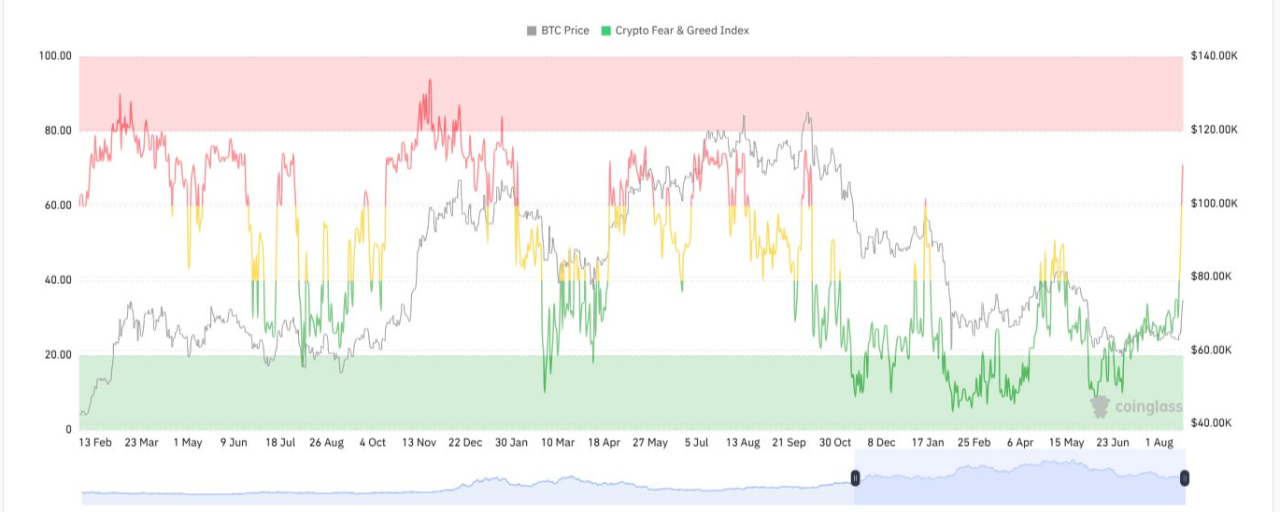
BTC REBOUND - HAS THE MARKET TURNED UPTREND YET?After $BTC pulled back up to the $75K mark, optimism is spreading across the market. The momentum for this rebound is coming from a few reasons
- The U.S. Treasury increases the scale of long-term bond buybacks: They announced raising at least double the size of buybacks for long-dated bonds (from $2 billion to at least $4 billion per tranche, starting in September). This sharply drives down yields on long-term bonds (30-year yields previously touched the highest level in nearly 20 years), and the USD weakens. When yields fall, risk assets like Bitcoin become more attractive.
BTC REBOUND - HAS THE MARKET TURNED UPTREND YET?
After $BTC pulled back up to the $75K mark, optimism is spreading across the market. The momentum for this rebound is coming from a few reasons
- The U.S. Treasury increases the scale of long-term bond buybacks: They announced raising at least double the size of buybacks for long-dated bonds (from $2 billion to at least $4 billion per tranche, starting in September). This sharply drives down yields on long-term bonds (30-year yields previously touched the highest level in nearly 20 years), and the USD weakens. When yields fall, risk assets like Bitcoin become more attractive.
- The U.S. Treasury increases the scale of long-term bond buybacks: They announced raising at least double the size of buybacks for long-dated bonds (from $2 billion to at least $4 billion per tranche, starting in September). This sharply drives down yields on long-term bonds (30-year yields previously touched the highest level in nearly 20 years), and the USD weakens. When yields fall, risk assets like Bitcoin become more attractive.
656
Verified
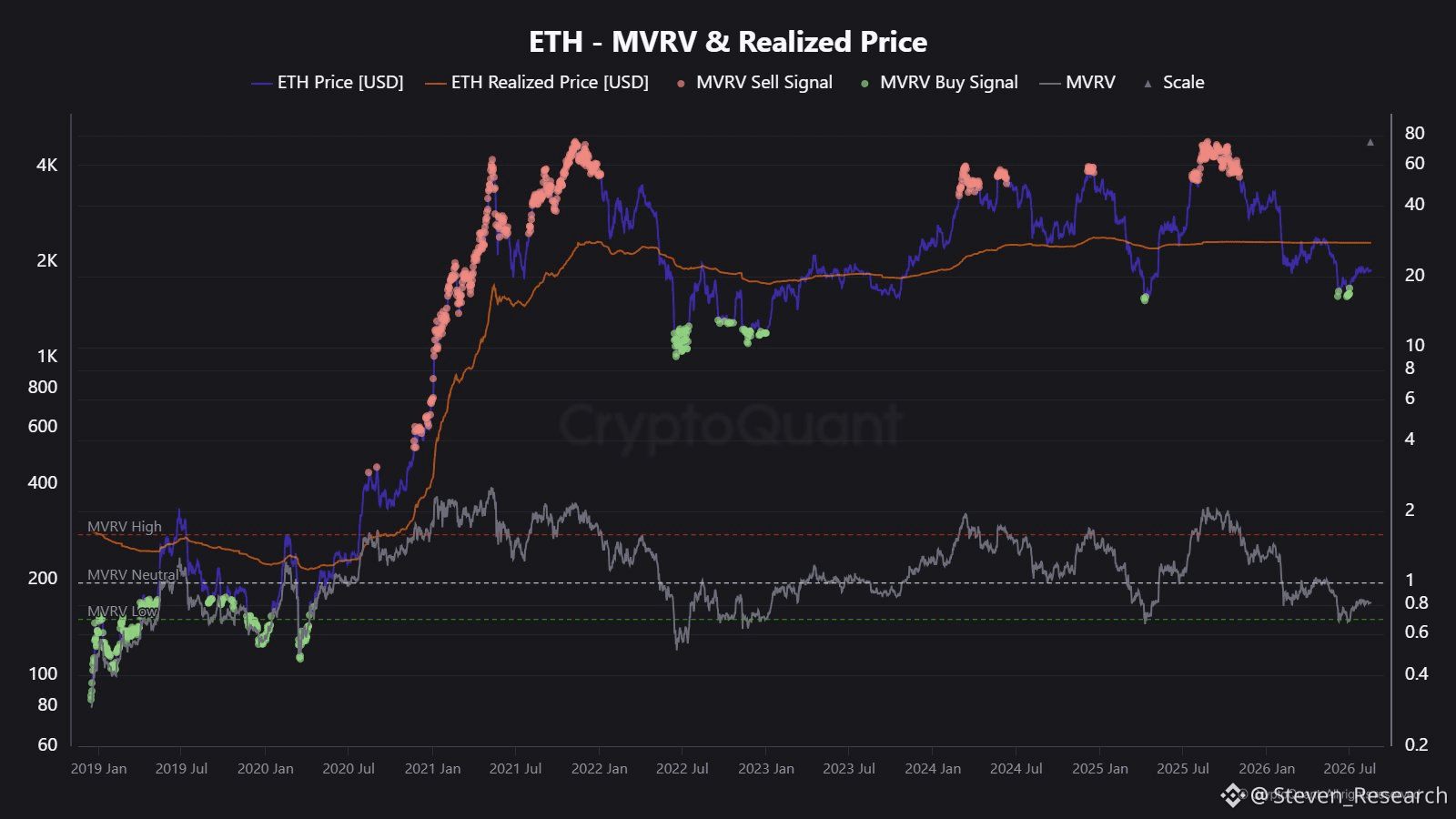
Buy when bored, sell when tempted $ETH - quick overview of the whole picture
- In July–August 2026, Ethereum’s development direction will continue to be expanded through Vitalik Buterin’s Strawmap/Lean Ethereum.
- The next major upgrade is Glamsterdam, which is currently targeted for Q4/2026 after the H1 plan was postponed. This is considered one of the most important forks since The Merge.
- About 34% of the $ETH supply, equivalent to roughly 41.9–42 million ETH, has already been staked; the staking yield is currently only about 2.6%. The proposed EIP-8361 – Tapered Issuance Burn is controversial.
=> From a technical infrastructure standpoint, ETH is still searching for its path forward. Ethereum is creating a lot of infrastructure, but it hasn’t captured all the economic value that infrastructure generates. The Foundation’s staff reductions and its focus on the protocol can also be seen as a restructuring step.
=> If Ethereum successfully executes Lean Ethereum—privacy, native rollups, scaling, and the post-quantum roadmap—then the network could support use cases that currently don’t exist.
- DeFi TVL on the Ethereum mainnet is around $41 billion, representing about 55% of the market’s total TVL.
- Ethereum also continues to lead the RWA/tokenization segment, with more than $15 billion in RWA assets, accounting for over 56% of the market based on current statistics.
=> At present, the role of ETH cannot yet be replaced; in the future, more will need to be monitored.
Buy when bored, sell when tempted $ETH - quick overview of the whole picture
- In July–August 2026, Ethereum’s development direction will continue to be expanded through Vitalik Buterin’s Strawmap/Lean Ethereum.
- The next major upgrade is Glamsterdam, which is currently targeted for Q4/2026 after the H1 plan was postponed. This is considered one of the most important forks since The Merge.
- About 34% of the $ETH supply, equivalent to roughly 41.9–42 million ETH, has already been staked; the staking yield is currently only about 2.6%. The proposed EIP-8361 – Tapered Issuance Burn is controversial.
=> From a technical infrastructure standpoint, ETH is still searching for its path forward. Ethereum is creating a lot of infrastructure, but it hasn’t captured all the economic value that infrastructure generates. The Foundation’s staff reductions and its focus on the protocol can also be seen as a restructuring step.
=> If Ethereum successfully executes Lean Ethereum—privacy, native rollups, scaling, and the post-quantum roadmap—then the network could support use cases that currently don’t exist.
- DeFi TVL on the Ethereum mainnet is around $41 billion, representing about 55% of the market’s total TVL.
- Ethereum also continues to lead the RWA/tokenization segment, with more than $15 billion in RWA assets, accounting for over 56% of the market based on current statistics.
=> At present, the role of ETH cannot yet be replaced; in the future, more will need to be monitored.
- In July–August 2026, Ethereum’s development direction will continue to be expanded through Vitalik Buterin’s Strawmap/Lean Ethereum.
- The next major upgrade is Glamsterdam, which is currently targeted for Q4/2026 after the H1 plan was postponed. This is considered one of the most important forks since The Merge.
- About 34% of the $ETH supply, equivalent to roughly 41.9–42 million ETH, has already been staked; the staking yield is currently only about 2.6%. The proposed EIP-8361 – Tapered Issuance Burn is controversial.
=> From a technical infrastructure standpoint, ETH is still searching for its path forward. Ethereum is creating a lot of infrastructure, but it hasn’t captured all the economic value that infrastructure generates. The Foundation’s staff reductions and its focus on the protocol can also be seen as a restructuring step.
=> If Ethereum successfully executes Lean Ethereum—privacy, native rollups, scaling, and the post-quantum roadmap—then the network could support use cases that currently don’t exist.
- DeFi TVL on the Ethereum mainnet is around $41 billion, representing about 55% of the market’s total TVL.
- Ethereum also continues to lead the RWA/tokenization segment, with more than $15 billion in RWA assets, accounting for over 56% of the market based on current statistics.
=> At present, the role of ETH cannot yet be replaced; in the future, more will need to be monitored.
1.3k
Verified
HYPERLIQUID AQAv2: $HYPE CÓ THỂ CÓ THÊM MỘT LƯỢNG LỚN DOANH THU VÀ BUYBACK TOKEN
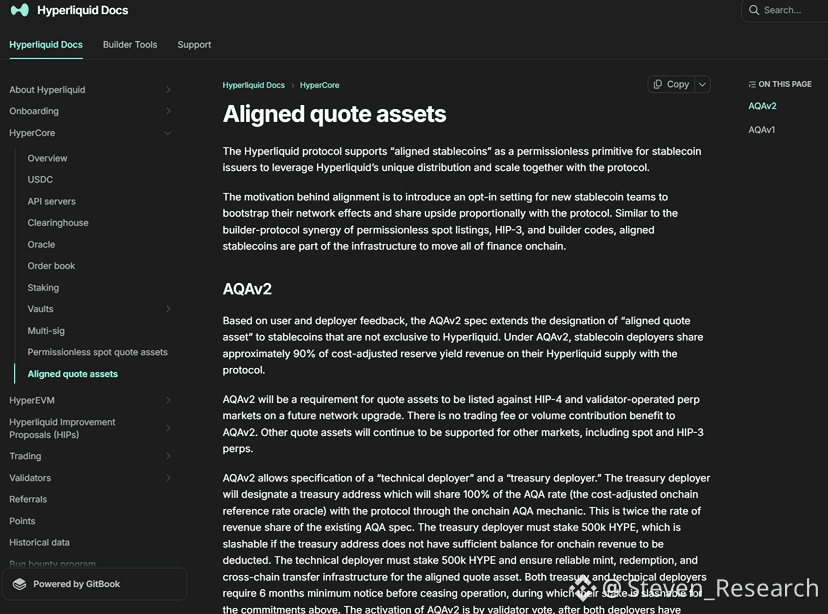
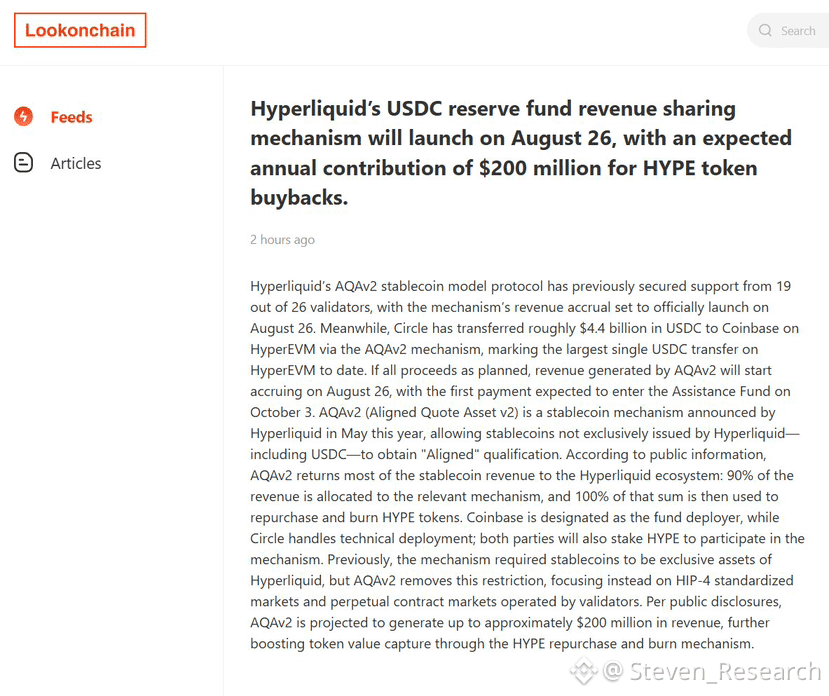
Hyperliquid is putting AQAv2 (Aligned Quote Asset v2) into operation, turning the USDC currently held on Hyperliquid into a new source of revenue for $HYPE . The mechanism starts accumulating yield from 26/8/2026, with the first payment to the Assistance Fund expected on 3/10/2026.
*Put simply, an Aligned Asset is a stablecoin that is placed into Hyperliquid’s reserve management mechanism to both meet liquidity/trading needs and generate yield from the reserves.
- A major difference in AQAv2 is that Hyperliquid no longer limits this mechanism to only the ecosystem’s own stablecoin, USDH. Circle’s USDC is used as the aligned quote asset, with cb handling treasury deployment and Circle supporting the technical side.
- There is currently about 5–6 billion USD worth of USDC on Hyperliquid. These reserves are put to work earning yield; currently, it’s around 3.5–4% per year.
=> Under AQAv2, about 90% of the cost-adjusted reserve yield is shared back with Hyperliquid. At the current scale, the estimated figure is roughly 140–160 million USD per year; some more optimistic estimates put it as high as 200 million USD per year if USDC and interest rates remain favorable.
- The generated yield is transferred into the Assistance Fund, and then the Fund uses the money to buy HYPE in the market and burn it permanently. If we take 140–160 million USD per year, AQAv2 could create an additional 11.7–13.3 million USD in buybacks per month, not counting any extra increase if the amount of USDC on Hyperliquid continues to grow.
=> Previously, buyback of HYPE depended mainly on trading volume. With AQAv2, Hyperliquid has an additional revenue stream coming from the USDC reserve yield. The more USDC there is, or the higher the interest rate, the larger the cash flow available for buybacks.
HYPERLIQUID AQAv2: $HYPE CÓ THỂ CÓ THÊM MỘT LƯỢNG LỚN DOANH THU VÀ BUYBACK TOKEN
Hyperliquid is putting AQAv2 (Aligned Quote Asset v2) into operation, turning the USDC currently held on Hyperliquid into a new source of revenue for $HYPE . The mechanism starts accumulating yield from 26/8/2026, with the first payment to the Assistance Fund expected on 3/10/2026.
*Put simply, an Aligned Asset is a stablecoin that is placed into Hyperliquid’s reserve management mechanism to both meet liquidity/trading needs and generate yield from the reserves.
- A major difference in AQAv2 is that Hyperliquid no longer limits this mechanism to only the ecosystem’s own stablecoin, USDH. Circle’s USDC is used as the aligned quote asset, with cb handling treasury deployment and Circle supporting the technical side.
- There is currently about 5–6 billion USD worth of USDC on Hyperliquid. These reserves are put to work earning yield; currently, it’s around 3.5–4% per year.
=> Under AQAv2, about 90% of the cost-adjusted reserve yield is shared back with Hyperliquid. At the current scale, the estimated figure is roughly 140–160 million USD per year; some more optimistic estimates put it as high as 200 million USD per year if USDC and interest rates remain favorable.
- The generated yield is transferred into the Assistance Fund, and then the Fund uses the money to buy HYPE in the market and burn it permanently. If we take 140–160 million USD per year, AQAv2 could create an additional 11.7–13.3 million USD in buybacks per month, not counting any extra increase if the amount of USDC on Hyperliquid continues to grow.
=> Previously, buyback of HYPE depended mainly on trading volume. With AQAv2, Hyperliquid has an additional revenue stream coming from the USDC reserve yield. The more USDC there is, or the higher the interest rate, the larger the cash flow available for buybacks.
Hyperliquid is putting AQAv2 (Aligned Quote Asset v2) into operation, turning the USDC currently held on Hyperliquid into a new source of revenue for $HYPE . The mechanism starts accumulating yield from 26/8/2026, with the first payment to the Assistance Fund expected on 3/10/2026.
*Put simply, an Aligned Asset is a stablecoin that is placed into Hyperliquid’s reserve management mechanism to both meet liquidity/trading needs and generate yield from the reserves.
- A major difference in AQAv2 is that Hyperliquid no longer limits this mechanism to only the ecosystem’s own stablecoin, USDH. Circle’s USDC is used as the aligned quote asset, with cb handling treasury deployment and Circle supporting the technical side.
- There is currently about 5–6 billion USD worth of USDC on Hyperliquid. These reserves are put to work earning yield; currently, it’s around 3.5–4% per year.
=> Under AQAv2, about 90% of the cost-adjusted reserve yield is shared back with Hyperliquid. At the current scale, the estimated figure is roughly 140–160 million USD per year; some more optimistic estimates put it as high as 200 million USD per year if USDC and interest rates remain favorable.
- The generated yield is transferred into the Assistance Fund, and then the Fund uses the money to buy HYPE in the market and burn it permanently. If we take 140–160 million USD per year, AQAv2 could create an additional 11.7–13.3 million USD in buybacks per month, not counting any extra increase if the amount of USDC on Hyperliquid continues to grow.
=> Previously, buyback of HYPE depended mainly on trading volume. With AQAv2, Hyperliquid has an additional revenue stream coming from the USDC reserve yield. The more USDC there is, or the higher the interest rate, the larger the cash flow available for buybacks.
1
1.5k
Verified
Article
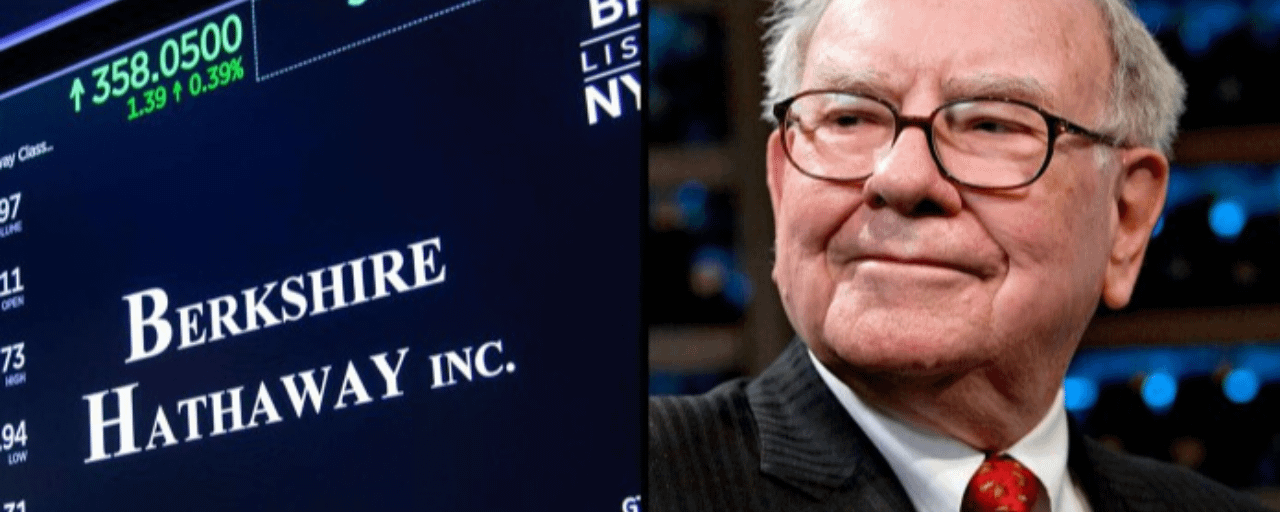
BERKSHIRE HATHAWAY HAS RETURNED TO NET BUYING, NEAR $20 BILLION IN STOCKSAfter 14 consecutive quarters (3.5 years) of net selling stocks, Berkshire returned to net buying for the first time in Q2/2026. This is the first time since Q3/2022 that Berkshire has been a net buyer of stocks.
=> They bought about $23.5 billion, sold $3.7 billion, meaning net purchases of nearly $19.8 billion. At the same time, Berkshire also bought back about $4.5 billion of its own shares.
1. Details of buy and sell fluctuations
- Bought $23.5 billion worth of shares, Sold $3.7 billion => net buying of about $19.8 billion
BERKSHIRE HATHAWAY HAS RETURNED TO NET BUYING, NEAR $20 BILLION IN STOCKS
After 14 consecutive quarters (3.5 years) of net selling stocks, Berkshire returned to net buying for the first time in Q2/2026. This is the first time since Q3/2022 that Berkshire has been a net buyer of stocks.
=> They bought about $23.5 billion, sold $3.7 billion, meaning net purchases of nearly $19.8 billion. At the same time, Berkshire also bought back about $4.5 billion of its own shares.
1. Details of buy and sell fluctuations
- Bought $23.5 billion worth of shares, Sold $3.7 billion => net buying of about $19.8 billion
=> They bought about $23.5 billion, sold $3.7 billion, meaning net purchases of nearly $19.8 billion. At the same time, Berkshire also bought back about $4.5 billion of its own shares.
1. Details of buy and sell fluctuations
- Bought $23.5 billion worth of shares, Sold $3.7 billion => net buying of about $19.8 billion
1
1.8k
Verified
Article
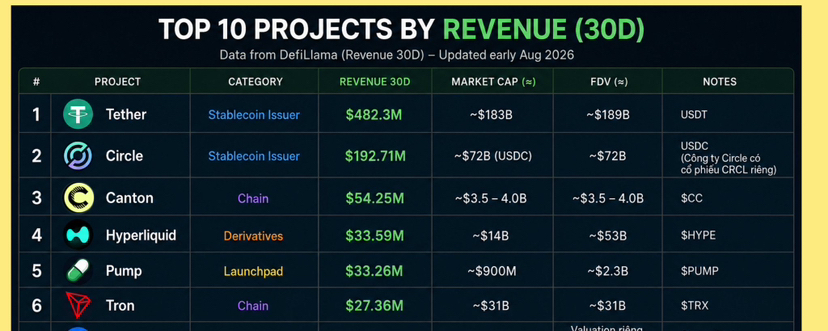
$CC REVENUE TOP 3 - WHY IS IT HIGHER THAN HYPERLIQUID? DEEP DIVE ANALYSIS OF TOKENOMICSCanton Network ( $CC ) is among the highest-revenue groups in the market, but DefiLlama also issues a warning that this figure needs to be interpreted in the context that Canton is distributing very large incentives. So what is actually going on?
1. Canton is generating a very large revenue
- Canton Network is a centralized blockchain focused on institutional finance and RWA, with the involvement of many major financial institutions.
*Canton fee mechanism is quite unique:
$CC REVENUE TOP 3 - WHY IS IT HIGHER THAN HYPERLIQUID? DEEP DIVE ANALYSIS OF TOKENOMICS
Canton Network ( $CC ) is among the highest-revenue groups in the market, but DefiLlama also issues a warning that this figure needs to be interpreted in the context that Canton is distributing very large incentives. So what is actually going on?
1. Canton is generating a very large revenue
- Canton Network is a centralized blockchain focused on institutional finance and RWA, with the involvement of many major financial institutions.
*Canton fee mechanism is quite unique:
1. Canton is generating a very large revenue
- Canton Network is a centralized blockchain focused on institutional finance and RWA, with the involvement of many major financial institutions.
*Canton fee mechanism is quite unique:
2
1.2k
Verified

Article
CIRCLE OFFICIALLY CONFIRMS THE DATE FOR THE ARC MAINNET LAUNCH - $ARC TOKEN NOT YET RELEASEDCircle has just confirmed that Arc will launch its public mainnet on September 16, 2026. Beyond simply being a Layer 1, it seems Arc’s ambitions are much bigger, with a formidable lineup of backers.
1. The names behind Arc
- From day one, the network will have a group of founding validators consisting of a host of leading financial institutions in the world such as: BlackRock, DTCC, Visa, Mastercard, ICE, Standard Chartered, SBI Group, Galaxy, MoneyGram, Global Payments, Sumitomo Corporation
CIRCLE OFFICIALLY CONFIRMS THE DATE FOR THE ARC MAINNET LAUNCH - $ARC TOKEN NOT YET RELEASED
Circle has just confirmed that Arc will launch its public mainnet on September 16, 2026. Beyond simply being a Layer 1, it seems Arc’s ambitions are much bigger, with a formidable lineup of backers.
1. The names behind Arc
- From day one, the network will have a group of founding validators consisting of a host of leading financial institutions in the world such as: BlackRock, DTCC, Visa, Mastercard, ICE, Standard Chartered, SBI Group, Galaxy, MoneyGram, Global Payments, Sumitomo Corporation
1. The names behind Arc
- From day one, the network will have a group of founding validators consisting of a host of leading financial institutions in the world such as: BlackRock, DTCC, Visa, Mastercard, ICE, Standard Chartered, SBI Group, Galaxy, MoneyGram, Global Payments, Sumitomo Corporation
1
1.1k

Article
THE DRONE MARKET COULD REACH USD 182 BILLION BY 2033 (NOT RELATED TO CRYPTO YET)According to Grand View Research, the global drone market is forecast to grow from USD 96.4 billion in 2026 to about USD 182.4 billion by 2033, representing a CAGR of 9.5%.
- However, a Forbes report suggests that the growth driver comes not only from demand for buying more drones, but from drones evolving into an intelligent autonomous platform; the value in the future will not lie in the drone itself, but in the technology ecosystem behind it.
THE DRONE MARKET COULD REACH USD 182 BILLION BY 2033 (NOT RELATED TO CRYPTO YET)
According to Grand View Research, the global drone market is forecast to grow from USD 96.4 billion in 2026 to about USD 182.4 billion by 2033, representing a CAGR of 9.5%.
- However, a Forbes report suggests that the growth driver comes not only from demand for buying more drones, but from drones evolving into an intelligent autonomous platform; the value in the future will not lie in the drone itself, but in the technology ecosystem behind it.
- However, a Forbes report suggests that the growth driver comes not only from demand for buying more drones, but from drones evolving into an intelligent autonomous platform; the value in the future will not lie in the drone itself, but in the technology ecosystem behind it.
AVAVUS+0.44%
ONDSUS+1.37%
KTOSUS+0.76%
1
893
Article
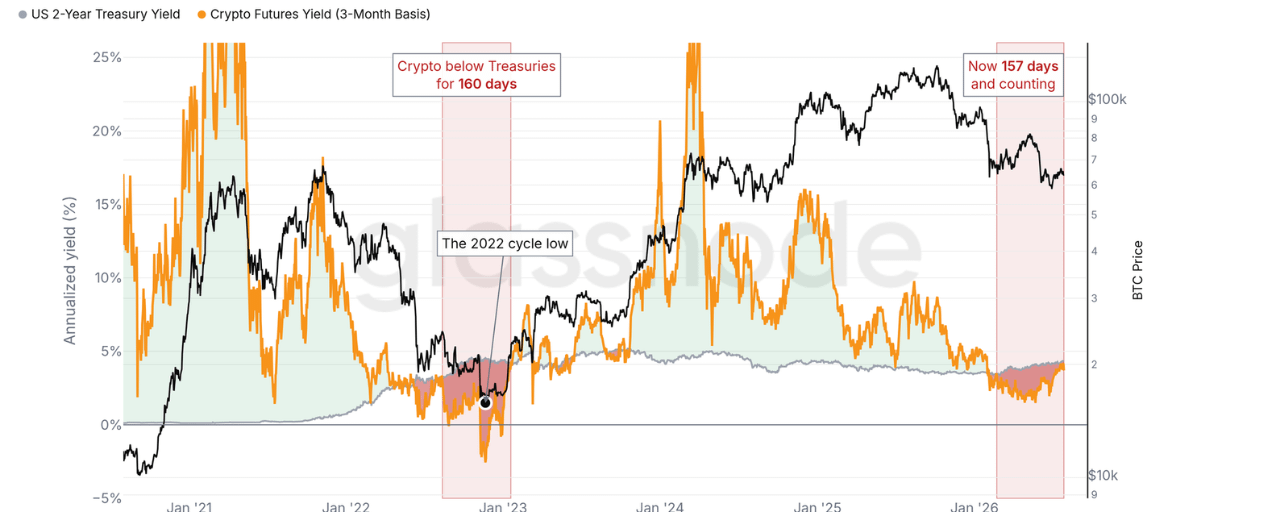
GLASSNODE: THE MARKET IS BEING "PAID TO WAIT"Glassnode has just released its report The Week On-chain (Week 30/2026) with an interesting take: investors are being paid higher yields by holding U.S. Treasury bonds rather than deploying a carry trade strategy on crypto.
That is also why capital has stayed on the sidelines more in recent times.
Some noteworthy points:
Spot volume is at its lowest level since 2019, and the inflow/outflow of funds to exchanges is also nearly flat. The Bitcoin ETF $BTC no longer records strong capital inflows as in the previous period.
GLASSNODE: THE MARKET IS BEING "PAID TO WAIT"
Glassnode has just released its report The Week On-chain (Week 30/2026) with an interesting take: investors are being paid higher yields by holding U.S. Treasury bonds rather than deploying a carry trade strategy on crypto.
That is also why capital has stayed on the sidelines more in recent times.
Some noteworthy points:
Spot volume is at its lowest level since 2019, and the inflow/outflow of funds to exchanges is also nearly flat. The Bitcoin ETF $BTC no longer records strong capital inflows as in the previous period.
That is also why capital has stayed on the sidelines more in recent times.
Some noteworthy points:
Spot volume is at its lowest level since 2019, and the inflow/outflow of funds to exchanges is also nearly flat. The Bitcoin ETF $BTC no longer records strong capital inflows as in the previous period.
312
Article
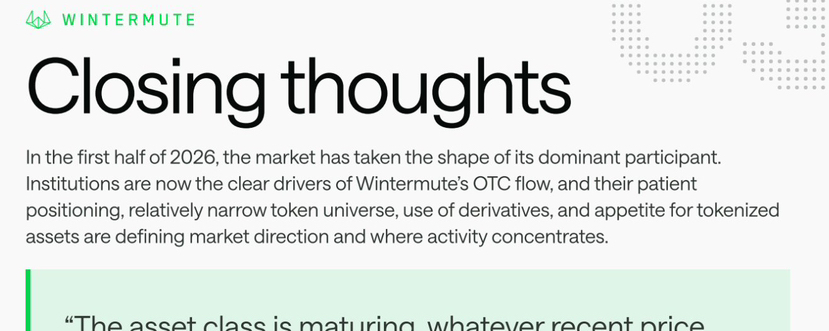
WINTERMUTE: THE "ALL-IN" ALTSEASON CYCLE MAY HAVE ENDEDWintermute has just released the report "Digital Asset OTC Flow: The Institutional Effect," revealing a very notable change in the structure of the crypto market.
1. Institutions dominate the market
- In the first half of 2026, 72% of Wintermute’s Spot OTC trading volume comes from institutions, the highest level ever. This figure rises sharply from around 60% in 2025.
- This suggests that the market’s current capital flows are being driven mainly by hedge funds, investment funds, asset management firms, and family offices, while retail still hasn’t really returned.
WINTERMUTE: THE "ALL-IN" ALTSEASON CYCLE MAY HAVE ENDED
Wintermute has just released the report "Digital Asset OTC Flow: The Institutional Effect," revealing a very notable change in the structure of the crypto market.
1. Institutions dominate the market
- In the first half of 2026, 72% of Wintermute’s Spot OTC trading volume comes from institutions, the highest level ever. This figure rises sharply from around 60% in 2025.
- This suggests that the market’s current capital flows are being driven mainly by hedge funds, investment funds, asset management firms, and family offices, while retail still hasn’t really returned.
1. Institutions dominate the market
- In the first half of 2026, 72% of Wintermute’s Spot OTC trading volume comes from institutions, the highest level ever. This figure rises sharply from around 60% in 2025.
- This suggests that the market’s current capital flows are being driven mainly by hedge funds, investment funds, asset management firms, and family offices, while retail still hasn’t really returned.
1
1.4k
Log in to explore more content
Join global crypto users on Binance Square
⚡️ Get latest and useful information about crypto.
💬 Trusted by the world’s largest crypto exchange.
👍 Discover real insights from verified creators.
Email / Phone number
Trending Topics
DriftHackVictimsBeginClaims
22,515 views
385 Discussing
🚨 $DRIFT HACK VICTIMS CAN NOW START CLAIMING
Victims of the Drift hack are beginning to receive access to the claims process.
After months of uncertainty, affected users finally have a path toward recovering their losses. 💰
If you were impacted, check the official claim details carefully and avoid fake links or scammers. ⚠️
$SOL
#DRIFT #solana #DriftHackVictimsBeginClaims $1000000BOB
Adeem Jutt
·1 Likes
·77 views
SolanaTokenizedStockVolumeTops$4.4BInSeptember
3,705 views
44 Discussing
BitcoinSpotETFsDraw$6.34BInflowsInQ3
14,041 views
160 Discussing