
ROLIFCU
27 Posts

ROLIFCU
Report
Block User
lacpj
Open Trade
Occasional Trader
3.6 Years
2 Following
0 Followers
25 Liked
Posts
Portfolio
All
Quotes
·
--

Article
BULLS VS BEARS🐂 BULLS VS BEARS: Can Bitcoin defend $80K?
⠀
Bitcoin enters the week under pressure after falling from nearly $85K to below $80K, extending its losing streak. Rising oil prices, weakness in technology stocks and late-week ETF outflows have weighed on sentiment. The focus now shifts to whether $80K can become a base for recovery or whether sellers will push BTC toward lower support levels.
BULLS
⠀
Bitcoin is approaching a key support zone. BTC briefly fell below $80K over the weekend. A sustained recovery above this level could open the way toward $82K and a retest of $85K.Spot ETF flows remain positive for the week. U.S. spot Bitcoin ETFs recorded roughly $301M in net inflows during October 19–23. Strong inflows earlier in the week show that institutional demand has not disappeared, despite heavy withdrawals late in the period.Markets expect the Fed to hold rates. A pause at the October 28 meeting is widely anticipated. A measured policy statement could help stabilize risk assets and reduce uncertainty around monetary policy.A packed macro calendar could provide clarity. U.S. GDP and PCE inflation data, alongside several central bank decisions, will give investors a fresh read on growth, inflation and the outlook for financial conditions.
BEARS
⠀
BTC has lost momentum after failing to reach $85K. The rejection near resistance and subsequent drop below $80K weaken the short-term structure. A sustained move lower could expose the $78K area.Oil prices are adding to inflation concerns. Elevated crude prices are raising concerns about renewed inflationary pressure. This could limit the Fed’s room to ease policy and keep pressure on risk assets.ETF outflows accelerated late last week. U.S. spot Bitcoin ETFs recorded approximately $636M in net outflows on October 22 alone. If withdrawals continue, institutional demand may struggle to support a recovery.The Fed could deliver a hawkish pause. Even if rates remain unchanged, Chair Kevin Warsh’s comments on inflation and the December meeting could push yields higher and weigh on crypto.A major options expiry could amplify volatility. Bitcoin options worth approximately $12.2B are scheduled to expire on October 30, potentially increasing short-term price swings around key levels.
⠀
KEY EVENTS THIS WEEK
⠀
Tuesday, October 27 — U.S. Durable Goods Orders, Consumer Confidence and New Home Sales.Wednesday, October 28 — Bank of Canada rate decision and Federal Reserve rate decision.Thursday, October 29 — U.S. Q3 GDP, September PCE inflation and ECB rate decision.Friday, October 30 — Bank of Japan decision, eurozone GDP, Canadian GDP and approximately $12.2B in Bitcoin options expiry.
⠀
WHAT TO WATCH
⠀
The $80K area is the immediate battleground. Holding above it and reclaiming $82K would improve the recovery setup, with $85K remaining the major resistance level. A sustained breakdown could bring $78K into focus.
⠀
The balance of risks will depend on the Fed’s tone, incoming inflation data and whether ETF demand can absorb renewed selling pressure. Expect elevated volatility as macro catalysts and options expiry converge.
BULLS VS BEARS
🐂 BULLS VS BEARS: Can Bitcoin defend $80K?
⠀
Bitcoin enters the week under pressure after falling from nearly $85K to below $80K, extending its losing streak. Rising oil prices, weakness in technology stocks and late-week ETF outflows have weighed on sentiment. The focus now shifts to whether $80K can become a base for recovery or whether sellers will push BTC toward lower support levels.
BULLS
⠀
Bitcoin is approaching a key support zone. BTC briefly fell below $80K over the weekend. A sustained recovery above this level could open the way toward $82K and a retest of $85K.Spot ETF flows remain positive for the week. U.S. spot Bitcoin ETFs recorded roughly $301M in net inflows during October 19–23. Strong inflows earlier in the week show that institutional demand has not disappeared, despite heavy withdrawals late in the period.Markets expect the Fed to hold rates. A pause at the October 28 meeting is widely anticipated. A measured policy statement could help stabilize risk assets and reduce uncertainty around monetary policy.A packed macro calendar could provide clarity. U.S. GDP and PCE inflation data, alongside several central bank decisions, will give investors a fresh read on growth, inflation and the outlook for financial conditions.
BEARS
⠀
BTC has lost momentum after failing to reach $85K. The rejection near resistance and subsequent drop below $80K weaken the short-term structure. A sustained move lower could expose the $78K area.Oil prices are adding to inflation concerns. Elevated crude prices are raising concerns about renewed inflationary pressure. This could limit the Fed’s room to ease policy and keep pressure on risk assets.ETF outflows accelerated late last week. U.S. spot Bitcoin ETFs recorded approximately $636M in net outflows on October 22 alone. If withdrawals continue, institutional demand may struggle to support a recovery.The Fed could deliver a hawkish pause. Even if rates remain unchanged, Chair Kevin Warsh’s comments on inflation and the December meeting could push yields higher and weigh on crypto.A major options expiry could amplify volatility. Bitcoin options worth approximately $12.2B are scheduled to expire on October 30, potentially increasing short-term price swings around key levels.
⠀
KEY EVENTS THIS WEEK
⠀
Tuesday, October 27 — U.S. Durable Goods Orders, Consumer Confidence and New Home Sales.Wednesday, October 28 — Bank of Canada rate decision and Federal Reserve rate decision.Thursday, October 29 — U.S. Q3 GDP, September PCE inflation and ECB rate decision.Friday, October 30 — Bank of Japan decision, eurozone GDP, Canadian GDP and approximately $12.2B in Bitcoin options expiry.
⠀
WHAT TO WATCH
⠀
The $80K area is the immediate battleground. Holding above it and reclaiming $82K would improve the recovery setup, with $85K remaining the major resistance level. A sustained breakdown could bring $78K into focus.
⠀
The balance of risks will depend on the Fed’s tone, incoming inflation data and whether ETF demand can absorb renewed selling pressure. Expect elevated volatility as macro catalysts and options expiry converge.
⠀
Bitcoin enters the week under pressure after falling from nearly $85K to below $80K, extending its losing streak. Rising oil prices, weakness in technology stocks and late-week ETF outflows have weighed on sentiment. The focus now shifts to whether $80K can become a base for recovery or whether sellers will push BTC toward lower support levels.
BULLS
⠀
Bitcoin is approaching a key support zone. BTC briefly fell below $80K over the weekend. A sustained recovery above this level could open the way toward $82K and a retest of $85K.Spot ETF flows remain positive for the week. U.S. spot Bitcoin ETFs recorded roughly $301M in net inflows during October 19–23. Strong inflows earlier in the week show that institutional demand has not disappeared, despite heavy withdrawals late in the period.Markets expect the Fed to hold rates. A pause at the October 28 meeting is widely anticipated. A measured policy statement could help stabilize risk assets and reduce uncertainty around monetary policy.A packed macro calendar could provide clarity. U.S. GDP and PCE inflation data, alongside several central bank decisions, will give investors a fresh read on growth, inflation and the outlook for financial conditions.
BEARS
⠀
BTC has lost momentum after failing to reach $85K. The rejection near resistance and subsequent drop below $80K weaken the short-term structure. A sustained move lower could expose the $78K area.Oil prices are adding to inflation concerns. Elevated crude prices are raising concerns about renewed inflationary pressure. This could limit the Fed’s room to ease policy and keep pressure on risk assets.ETF outflows accelerated late last week. U.S. spot Bitcoin ETFs recorded approximately $636M in net outflows on October 22 alone. If withdrawals continue, institutional demand may struggle to support a recovery.The Fed could deliver a hawkish pause. Even if rates remain unchanged, Chair Kevin Warsh’s comments on inflation and the December meeting could push yields higher and weigh on crypto.A major options expiry could amplify volatility. Bitcoin options worth approximately $12.2B are scheduled to expire on October 30, potentially increasing short-term price swings around key levels.
⠀
KEY EVENTS THIS WEEK
⠀
Tuesday, October 27 — U.S. Durable Goods Orders, Consumer Confidence and New Home Sales.Wednesday, October 28 — Bank of Canada rate decision and Federal Reserve rate decision.Thursday, October 29 — U.S. Q3 GDP, September PCE inflation and ECB rate decision.Friday, October 30 — Bank of Japan decision, eurozone GDP, Canadian GDP and approximately $12.2B in Bitcoin options expiry.
⠀
WHAT TO WATCH
⠀
The $80K area is the immediate battleground. Holding above it and reclaiming $82K would improve the recovery setup, with $85K remaining the major resistance level. A sustained breakdown could bring $78K into focus.
⠀
The balance of risks will depend on the Fed’s tone, incoming inflation data and whether ETF demand can absorb renewed selling pressure. Expect elevated volatility as macro catalysts and options expiry converge.
1
172
·
--
🤖 THE AI TAKEOVER: WHY BITCOIN MINERS ARE LEAVING CRYPTO
⠀
The Bitcoin mining industry is entering a new phase. As artificial intelligence drives demand for computing power, some of the largest mining companies are reconsidering the economics of their existing infrastructure.
⠀
The latest example is Core Scientific. The company plans to exit Bitcoin mining by the end of 2026 and enter 2027 as a dedicated high-density colocation provider for AI and high-performance computing workloads.
⠀
Its latest financial results show why this transition is gaining momentum: in the third quarter, colocation revenue exceeded mining revenue by more than 12 times.
⠀
The shift raises a bigger question for the industry: could AI infrastructure become more profitable than Bitcoin mining for companies that already control large amounts of power and data center capacity?
CORE SCIENTIFIC'S NUMBERS TELL THE STORY
⠀
Core Scientific's third-quarter results, published on November 5, reveal how dramatically its business model has changed.
⠀
The company reported $232.9 million in total revenue, including:
$215.4 million from colocation services, up nearly 60% from the previous quarter.
$12.3 million from self-mining Bitcoin.
$5.2 million from hosted mining services.
⠀
Colocation now accounts for more than 92% of quarterly revenue. The company had 485 MW of customer capacity generating billable revenue as of September 30.
⠀
Core Scientific also reported $133.6 million in adjusted EBITDA, compared with $41.1 million in the previous quarter.
⠀
The figures illustrate the growing importance of AI and high-performance computing infrastructure to its financial performance.
⠀
The company expects to complete the wind-down of its hosted mining operations by December 31, 2026, while continuing to reduce its own mining operations
#bitcoin
#BinanceHerYerde
#Web3 #Worldcoins
⠀
The Bitcoin mining industry is entering a new phase. As artificial intelligence drives demand for computing power, some of the largest mining companies are reconsidering the economics of their existing infrastructure.
⠀
The latest example is Core Scientific. The company plans to exit Bitcoin mining by the end of 2026 and enter 2027 as a dedicated high-density colocation provider for AI and high-performance computing workloads.
⠀
Its latest financial results show why this transition is gaining momentum: in the third quarter, colocation revenue exceeded mining revenue by more than 12 times.
⠀
The shift raises a bigger question for the industry: could AI infrastructure become more profitable than Bitcoin mining for companies that already control large amounts of power and data center capacity?
CORE SCIENTIFIC'S NUMBERS TELL THE STORY
⠀
Core Scientific's third-quarter results, published on November 5, reveal how dramatically its business model has changed.
⠀
The company reported $232.9 million in total revenue, including:
$215.4 million from colocation services, up nearly 60% from the previous quarter.
$12.3 million from self-mining Bitcoin.
$5.2 million from hosted mining services.
⠀
Colocation now accounts for more than 92% of quarterly revenue. The company had 485 MW of customer capacity generating billable revenue as of September 30.
⠀
Core Scientific also reported $133.6 million in adjusted EBITDA, compared with $41.1 million in the previous quarter.
⠀
The figures illustrate the growing importance of AI and high-performance computing infrastructure to its financial performance.
⠀
The company expects to complete the wind-down of its hosted mining operations by December 31, 2026, while continuing to reduce its own mining operations
#bitcoin
#BinanceHerYerde
#Web3 #Worldcoins

CORZUS+4.79%
1
70
·
--
BITCOIN 80000$🪙 BITCOIN REBOUNDS ABOVE $80K: RELIEF RALLY OR REAL RECOVERY?
⠀
Bitcoin has reclaimed $80K after falling to approximately $75,600 during the U.S. midterm elections. The rebound brought some relief to the market, supported by renewed ETF inflows, stronger U.S. equities and a wave of short liquidations.
⠀
However, the recovery is facing an important test. Institutional demand has only recently returned after more than $1.1 billion in ETF outflows, while much of the latest price movement was amplified by forced buying from bearish traders. The key question is whether fresh capital is entering the market or whether Bitcoin is simply experiencing a temporary relief rally.
ETF INFLOWS RETURN, BUT INSTITUTIONAL DEMAND REMAINS MIXED
⠀
U.S. spot Bitcoin ETFs recorded approximately $74.6 million in net inflows on November 4, reversing three consecutive sessions of withdrawals.
⠀
The distribution between funds was particularly interesting:
Fidelity's FBTC attracted approximately $236.7 million.BlackRock's IBIT recorded around $201.2 million in outflows.Bitwise's BITB and ARK Invest's ARKB also posted positive flows.
⠀
The latest inflows came after approximately $1.16 billion left U.S. spot Bitcoin ETFs across October 30, November 2 and November 3.
⠀
This is an encouraging development, although one positive session is insufficient to confirm a sustained return of institutional demand. Consistent inflows over several trading sessions would provide a much stronger signal.
A SHORT SQUEEZE ACCELERATED THE RECOVERY
⠀Bitcoin's rebound was also supported by a significant liquidation of bearish positions.
⠀
According to CryptoQuant, approximately $290 million in short positions were liquidated across exchanges on November 4, marking the largest daily total since September 21.
⠀
The liquidation process accelerated as BTC moved above $80K. Around $250 million in short positions were closed within two hours, pushing Bitcoin toward $81,150.
⠀
This created an additional source of buying pressure: traders betting against Bitcoin were forced to purchase BTC to close their positions, accelerating the upward move.
⠀
Short squeezes can produce sharp recoveries, but their impact is often temporary. Once forced buying subsides, the market needs genuine spot demand to maintain upward momentum.
THE $82K RESISTANCE IS THE NEXT TEST
⠀
Bitcoin's technical structure has improved following the recovery from $75,600. The price has reclaimed the psychological $80K level and moved back above its short-term trend indicators.
⠀
The next important resistance zone lies around $81,300–$82,000. A sustained breakout above this area could open the way toward $84,000–$85,500.
⠀
On the downside, the $80K area is the first level bulls need to defend. Below it, the True Market Mean is around $77,700, while the $75,700 area remains an important support level associated with the recent correction.
⠀
A rejection near $82K followed by a loss of $80K would weaken the recovery setup and increase the risk of another move toward lower support.
THE BEARISH CASE HAS NOT DISAPPEARED
⠀
Despite the rebound, several factors continue to limit the bullish outlook.
⠀
CryptoQuant's market indicators suggest that speculative activity has cooled, while the broader correction may still be underway. Its analysis points to the need for stronger confirmation from market activity before declaring a durable bottom.
⠀
The macro environment also remains uncertain. The Democratic victory in the U.S. midterm elections has raised questions about the future of crypto legislation, while the recent Binance security breach continues to weigh on confidence in centralized crypto infrastructure.
⠀
Bitcoin has recovered from its local low, but the broader market has yet to demonstrate that demand is strong enough to support a sustained trend reversal.
WHAT TO WATCH
The next few sessions could determine whether the latest rebound develops into a broader recovery.
⠀Three signals will be particularly important:
ETF flows: Several consecutive sessions of net inflows would indicate that institutional demand is returning.Spot buying: The market needs sustained buying activity beyond forced short liquidations.Price structure: Holding above $80K and breaking through $82K would strengthen the bullish case. A rejection followed by a breakdown below $77.7K would put $75.7K back in focus.
⠀Bitcoin's recovery above $80K is an encouraging development after the recent selloff. However, the combination of short liquidations and a single day of ETF inflows does not yet confirm a market reversal.
⠀The real test begins now: whether buyers can maintain momentum after the short squeeze has run its course.#bitcoin
#WorldCoin.
BITCOIN 80000$
🪙 BITCOIN REBOUNDS ABOVE $80K: RELIEF RALLY OR REAL RECOVERY?
⠀
Bitcoin has reclaimed $80K after falling to approximately $75,600 during the U.S. midterm elections. The rebound brought some relief to the market, supported by renewed ETF inflows, stronger U.S. equities and a wave of short liquidations.
⠀
However, the recovery is facing an important test. Institutional demand has only recently returned after more than $1.1 billion in ETF outflows, while much of the latest price movement was amplified by forced buying from bearish traders. The key question is whether fresh capital is entering the market or whether Bitcoin is simply experiencing a temporary relief rally.
ETF INFLOWS RETURN, BUT INSTITUTIONAL DEMAND REMAINS MIXED
⠀
U.S. spot Bitcoin ETFs recorded approximately $74.6 million in net inflows on November 4, reversing three consecutive sessions of withdrawals.
⠀
The distribution between funds was particularly interesting:
Fidelity's FBTC attracted approximately $236.7 million.BlackRock's IBIT recorded around $201.2 million in outflows.Bitwise's BITB and ARK Invest's ARKB also posted positive flows.
⠀
The latest inflows came after approximately $1.16 billion left U.S. spot Bitcoin ETFs across October 30, November 2 and November 3.
⠀
This is an encouraging development, although one positive session is insufficient to confirm a sustained return of institutional demand. Consistent inflows over several trading sessions would provide a much stronger signal.
A SHORT SQUEEZE ACCELERATED THE RECOVERY
⠀Bitcoin's rebound was also supported by a significant liquidation of bearish positions.
⠀
According to CryptoQuant, approximately $290 million in short positions were liquidated across exchanges on November 4, marking the largest daily total since September 21.
⠀
The liquidation process accelerated as BTC moved above $80K. Around $250 million in short positions were closed within two hours, pushing Bitcoin toward $81,150.
⠀
This created an additional source of buying pressure: traders betting against Bitcoin were forced to purchase BTC to close their positions, accelerating the upward move.
⠀
Short squeezes can produce sharp recoveries, but their impact is often temporary. Once forced buying subsides, the market needs genuine spot demand to maintain upward momentum.
THE $82K RESISTANCE IS THE NEXT TEST
⠀
Bitcoin's technical structure has improved following the recovery from $75,600. The price has reclaimed the psychological $80K level and moved back above its short-term trend indicators.
⠀
The next important resistance zone lies around $81,300–$82,000. A sustained breakout above this area could open the way toward $84,000–$85,500.
⠀
On the downside, the $80K area is the first level bulls need to defend. Below it, the True Market Mean is around $77,700, while the $75,700 area remains an important support level associated with the recent correction.
⠀
A rejection near $82K followed by a loss of $80K would weaken the recovery setup and increase the risk of another move toward lower support.
THE BEARISH CASE HAS NOT DISAPPEARED
⠀
Despite the rebound, several factors continue to limit the bullish outlook.
⠀
CryptoQuant's market indicators suggest that speculative activity has cooled, while the broader correction may still be underway. Its analysis points to the need for stronger confirmation from market activity before declaring a durable bottom.
⠀
The macro environment also remains uncertain. The Democratic victory in the U.S. midterm elections has raised questions about the future of crypto legislation, while the recent Binance security breach continues to weigh on confidence in centralized crypto infrastructure.
⠀
Bitcoin has recovered from its local low, but the broader market has yet to demonstrate that demand is strong enough to support a sustained trend reversal.
WHAT TO WATCH
The next few sessions could determine whether the latest rebound develops into a broader recovery.
⠀Three signals will be particularly important:
ETF flows: Several consecutive sessions of net inflows would indicate that institutional demand is returning.Spot buying: The market needs sustained buying activity beyond forced short liquidations.Price structure: Holding above $80K and breaking through $82K would strengthen the bullish case. A rejection followed by a breakdown below $77.7K would put $75.7K back in focus.
⠀Bitcoin's recovery above $80K is an encouraging development after the recent selloff. However, the combination of short liquidations and a single day of ETF inflows does not yet confirm a market reversal.
⠀The real test begins now: whether buyers can maintain momentum after the short squeeze has run its course.#bitcoin
#WorldCoin.
⠀
Bitcoin has reclaimed $80K after falling to approximately $75,600 during the U.S. midterm elections. The rebound brought some relief to the market, supported by renewed ETF inflows, stronger U.S. equities and a wave of short liquidations.
⠀
However, the recovery is facing an important test. Institutional demand has only recently returned after more than $1.1 billion in ETF outflows, while much of the latest price movement was amplified by forced buying from bearish traders. The key question is whether fresh capital is entering the market or whether Bitcoin is simply experiencing a temporary relief rally.
ETF INFLOWS RETURN, BUT INSTITUTIONAL DEMAND REMAINS MIXED
⠀
U.S. spot Bitcoin ETFs recorded approximately $74.6 million in net inflows on November 4, reversing three consecutive sessions of withdrawals.
⠀
The distribution between funds was particularly interesting:
Fidelity's FBTC attracted approximately $236.7 million.BlackRock's IBIT recorded around $201.2 million in outflows.Bitwise's BITB and ARK Invest's ARKB also posted positive flows.
⠀
The latest inflows came after approximately $1.16 billion left U.S. spot Bitcoin ETFs across October 30, November 2 and November 3.
⠀
This is an encouraging development, although one positive session is insufficient to confirm a sustained return of institutional demand. Consistent inflows over several trading sessions would provide a much stronger signal.
A SHORT SQUEEZE ACCELERATED THE RECOVERY
⠀Bitcoin's rebound was also supported by a significant liquidation of bearish positions.
⠀
According to CryptoQuant, approximately $290 million in short positions were liquidated across exchanges on November 4, marking the largest daily total since September 21.
⠀
The liquidation process accelerated as BTC moved above $80K. Around $250 million in short positions were closed within two hours, pushing Bitcoin toward $81,150.
⠀
This created an additional source of buying pressure: traders betting against Bitcoin were forced to purchase BTC to close their positions, accelerating the upward move.
⠀
Short squeezes can produce sharp recoveries, but their impact is often temporary. Once forced buying subsides, the market needs genuine spot demand to maintain upward momentum.
THE $82K RESISTANCE IS THE NEXT TEST
⠀
Bitcoin's technical structure has improved following the recovery from $75,600. The price has reclaimed the psychological $80K level and moved back above its short-term trend indicators.
⠀
The next important resistance zone lies around $81,300–$82,000. A sustained breakout above this area could open the way toward $84,000–$85,500.
⠀
On the downside, the $80K area is the first level bulls need to defend. Below it, the True Market Mean is around $77,700, while the $75,700 area remains an important support level associated with the recent correction.
⠀
A rejection near $82K followed by a loss of $80K would weaken the recovery setup and increase the risk of another move toward lower support.
THE BEARISH CASE HAS NOT DISAPPEARED
⠀
Despite the rebound, several factors continue to limit the bullish outlook.
⠀
CryptoQuant's market indicators suggest that speculative activity has cooled, while the broader correction may still be underway. Its analysis points to the need for stronger confirmation from market activity before declaring a durable bottom.
⠀
The macro environment also remains uncertain. The Democratic victory in the U.S. midterm elections has raised questions about the future of crypto legislation, while the recent Binance security breach continues to weigh on confidence in centralized crypto infrastructure.
⠀
Bitcoin has recovered from its local low, but the broader market has yet to demonstrate that demand is strong enough to support a sustained trend reversal.
WHAT TO WATCH
The next few sessions could determine whether the latest rebound develops into a broader recovery.
⠀Three signals will be particularly important:
ETF flows: Several consecutive sessions of net inflows would indicate that institutional demand is returning.Spot buying: The market needs sustained buying activity beyond forced short liquidations.Price structure: Holding above $80K and breaking through $82K would strengthen the bullish case. A rejection followed by a breakdown below $77.7K would put $75.7K back in focus.
⠀Bitcoin's recovery above $80K is an encouraging development after the recent selloff. However, the combination of short liquidations and a single day of ETF inflows does not yet confirm a market reversal.
⠀The real test begins now: whether buyers can maintain momentum after the short squeeze has run its course.#bitcoin
#WorldCoin.
1
76
·
--
Article
ETHEREUM PREDICTIONEthereum (ETH) holds a strong long-term future, but it remains subject to significant short-term market volatility. As of November 2026, ETH is trading around $2,320 (~₹1,95,000 INR).
Based on technical analysis, institutional forecasts, and prediction markets, here is where Ethereum could be headed in the coming years:
🚀 Bullish View (Upside Potential)
If institutional adoption accelerates and macro conditions improve, experts project strong growth:
By end of 2026: Prediction markets like Polymarket show consensus targeting a recovery toward $2,750.By 2030 (Long-Term): Global asset manager VanEck maintains a base-case target of $11,800 (~₹10 Lakhs+), driven by transaction fee revenues and global settlement utilization. Other banking institutions like Standard Chartered have previously estimated a long-term range between $10,000 and $35,000.
📉 Bearish View (Downside Risks)
If regulatory pressures increase or broader macroeconomic liquidity tightens, ETH faces key support tests:
2026–2027 Drawdown: Technical forecasts suggest that in a sustained bearish macroeconomic environment, ETH could drop to key support levels between $1,500 and $1,580 before finding a firm floor.
Core Drivers of Ethereum's Future Value
Institutional Adoption: Financial giants (like BlackRock) are heavily utilizing the Ethereum network for tokenizing real-world assets (RWA) and institutional Ethereum ETFs.DeFi and Web3 Dominance: Despite heavy competition, Ethereum remains the foundational layer and most trusted ecosystem for Decentralized Finance (DeFi) and smart contracts.Layer-2 Scalability: Continuous network upgrades have successfully shifted high transaction volumes to Layer-2 networks (like Arbitrum and Base), drastically lowering user fees while keeping the main Ethereum network secure.
Major Pitfalls: Intense competition from faster, cheaper blockchains like Solana (SOL) and ongoing global regulatory uncertainty remain the primary headwinds for ETH's growth rate.
Disclaimer: Crypto assets are highly volatile and unregulated in many jurisdictions. Do your own research before investing.
Are you looking to evaluate ETH for short-term trading or planning a long-term investment (like a SIP)? Let me know so I can tailor the next steps for you.#ETH
#musk
#WorldCoin.
ETHEREUM PREDICTION
Ethereum (ETH) holds a strong long-term future, but it remains subject to significant short-term market volatility. As of November 2026, ETH is trading around $2,320 (~₹1,95,000 INR).
Based on technical analysis, institutional forecasts, and prediction markets, here is where Ethereum could be headed in the coming years:
🚀 Bullish View (Upside Potential)
If institutional adoption accelerates and macro conditions improve, experts project strong growth:
By end of 2026: Prediction markets like Polymarket show consensus targeting a recovery toward $2,750.By 2030 (Long-Term): Global asset manager VanEck maintains a base-case target of $11,800 (~₹10 Lakhs+), driven by transaction fee revenues and global settlement utilization. Other banking institutions like Standard Chartered have previously estimated a long-term range between $10,000 and $35,000.
📉 Bearish View (Downside Risks)
If regulatory pressures increase or broader macroeconomic liquidity tightens, ETH faces key support tests:
2026–2027 Drawdown: Technical forecasts suggest that in a sustained bearish macroeconomic environment, ETH could drop to key support levels between $1,500 and $1,580 before finding a firm floor.
Core Drivers of Ethereum's Future Value
Institutional Adoption: Financial giants (like BlackRock) are heavily utilizing the Ethereum network for tokenizing real-world assets (RWA) and institutional Ethereum ETFs.DeFi and Web3 Dominance: Despite heavy competition, Ethereum remains the foundational layer and most trusted ecosystem for Decentralized Finance (DeFi) and smart contracts.Layer-2 Scalability: Continuous network upgrades have successfully shifted high transaction volumes to Layer-2 networks (like Arbitrum and Base), drastically lowering user fees while keeping the main Ethereum network secure.
Major Pitfalls: Intense competition from faster, cheaper blockchains like Solana (SOL) and ongoing global regulatory uncertainty remain the primary headwinds for ETH's growth rate.
Disclaimer: Crypto assets are highly volatile and unregulated in many jurisdictions. Do your own research before investing.
Are you looking to evaluate ETH for short-term trading or planning a long-term investment (like a SIP)? Let me know so I can tailor the next steps for you.#ETH
#musk
#WorldCoin.
1
1
·
--
cryptocurrency myths
1. ❌ Myth: Crypto is a scam and only used for illegal activities
Reality: Cryptocurrency is built on transparent, traceable blockchain technology. [1]
Every transaction is recorded on a public ledger. [1]
Law enforcement agencies can track funds much easier than cash.
Major global financial institutions (like BlackRock and Fidelity) now offer crypto products.
2. ❌ Myth: Crypto will make you rich overnight
Reality: The crypto market is highly volatile and carries significant risk.
While some people make quick gains, many lose their capital due to emotional trading.
High returns are never guaranteed.
Safe investing requires deep research and strict risk management.
3. ❌ Myth: You must buy a whole Bitcoin to invest
Reality: Bitcoin is highly divisible, down to eight decimal places.
The smallest unit of a Bitcoin is called a Satoshi.
You do not need thousands of dollars to start.
You can invest as little as $5 or ₹100 to own a fraction of a Bitcoin.
4. ❌ Myth: Crypto and Blockchain are the exact same thing
Reality: Blockchain is the underlying technology, while cryptocurrency is just one application of it.
Think of Blockchain as the internet, and Cryptocurrency as email.
Blockchain is widely used in other sectors like healthcare, logistics, and digital voting.
5. ❌ Myth: Crypto has no real value because it is intangible
Reality: Value comes from scarcity, utility, and network security, not physical existence.
Just like digital banking or fiat currency held in a bank app, crypto does not need to be physical to have worth.
Bitcoin, for example, has a hard cap of 21 million coins, creating mathematical scarcity similar to digital gold.
Are you looking to understand how to evaluate a specific cryptocurrency, or would you like a safe strategic framework for beginners to start investing?
#BinanceSquareFamily
#CryptocurrencyWealth
#WorldCoin.

1
91
·
--
crypto Plus point in futureBecause crypto terms can be highly similar, your query could refer to a few different concepts in the blockchain space. The key possibilities regarding the future potential of these projects are detailed below:
1. Plasma Network (XPL)
If you meant the Plasma layer-1 blockchain ecosystem (often linked with its native network utility architecture), it operates as a specialized protocol focused on scalable infrastructure, yield, and decentralized trading. [1, 2]
Future Outlook: As web3 shifts heavily toward decentralized finance (DeFi) infrastructure, cross-chain bridges, and automated yield platforms, Plasma’s long-term utility relies entirely on how well it scales developer adoption compared to heavy-hitting competitors like Ethereum and Solana. [1, 2]
2. Plastic Finance (PLAS)
If you are referring to the ticker PLAS (Plastic Finance), this project focuses on merging cryptocurrency incentives with real-world plastic recycling initiatives. [1, 2]
Future Outlook: The viability of "Green Crypto" models hinges on enterprise integration and circular economy adoption. While the concept of earning token rewards for recycling remains socially appealing, micro-cap tokens face incredibly high volatility and liquidity hurdles. [1]
3. "Points" Campaigns in Crypto
If "plas point" was a typo for Crypto Points, you are referring to the massive web3 trend where protocols award off-chain "Points" to users for providing liquidity or trading volume.
Future Outlook: The future of point systems is rapidly evolving. They are designed to eventually convert into actual governance token airdrops. However, community fatigue over prolonged point campaigns has forced developers to create clearer, faster timelines for transitioning points into tradable assets.
4. "Pips and Points" in Crypto Trading
If you are looking at it from a trading technical perspective, points (or fractional pips) represent the smallest price movements on an exchange ledger. [1]
Future Outlook: As institutional volume expands via crypto ETFs and trading competition intensifies, spreads will continue to tighten. This means algorithmic platforms will lean even more heavily on tracking minute fractional point movements to execute high-frequency trades. [1, 2]
To give you the most accurate data, could you clarify:
Did you mean the Plasma (XPL) network, the PLAS recycling token, or Crypto Points campaigns?Are you looking for specific price predictions or a breakdown of the underlying technology?
With a bit more context, I can easily set up a task to track live updates, token transitions, or developer milestones for you.# binance # alan Mask
crypto Plus point in future
Because crypto terms can be highly similar, your query could refer to a few different concepts in the blockchain space. The key possibilities regarding the future potential of these projects are detailed below:
1. Plasma Network (XPL)
If you meant the Plasma layer-1 blockchain ecosystem (often linked with its native network utility architecture), it operates as a specialized protocol focused on scalable infrastructure, yield, and decentralized trading. [1, 2]
Future Outlook: As web3 shifts heavily toward decentralized finance (DeFi) infrastructure, cross-chain bridges, and automated yield platforms, Plasma’s long-term utility relies entirely on how well it scales developer adoption compared to heavy-hitting competitors like Ethereum and Solana. [1, 2]
2. Plastic Finance (PLAS)
If you are referring to the ticker PLAS (Plastic Finance), this project focuses on merging cryptocurrency incentives with real-world plastic recycling initiatives. [1, 2]
Future Outlook: The viability of "Green Crypto" models hinges on enterprise integration and circular economy adoption. While the concept of earning token rewards for recycling remains socially appealing, micro-cap tokens face incredibly high volatility and liquidity hurdles. [1]
3. "Points" Campaigns in Crypto
If "plas point" was a typo for Crypto Points, you are referring to the massive web3 trend where protocols award off-chain "Points" to users for providing liquidity or trading volume.
Future Outlook: The future of point systems is rapidly evolving. They are designed to eventually convert into actual governance token airdrops. However, community fatigue over prolonged point campaigns has forced developers to create clearer, faster timelines for transitioning points into tradable assets.
4. "Pips and Points" in Crypto Trading
If you are looking at it from a trading technical perspective, points (or fractional pips) represent the smallest price movements on an exchange ledger. [1]
Future Outlook: As institutional volume expands via crypto ETFs and trading competition intensifies, spreads will continue to tighten. This means algorithmic platforms will lean even more heavily on tracking minute fractional point movements to execute high-frequency trades. [1, 2]
To give you the most accurate data, could you clarify:
Did you mean the Plasma (XPL) network, the PLAS recycling token, or Crypto Points campaigns?Are you looking for specific price predictions or a breakdown of the underlying technology?
With a bit more context, I can easily set up a task to track live updates, token transitions, or developer milestones for you.# binance # alan Mask
1
367
·
--
crypto Blockchain discussionThe cryptocurrency landscape is navigating the largest security crisis in its history following a massive $6.36 billion breach at Binance. The attack, which occurred on October 29, 2026, and has been attributed to the North Korean state-sponsored hacking group TraderTraitor, saw billions drained from hot wallets across ten major blockchains within minutes. Despite the catastrophic volume of the heist, market infrastructure has held steady; Binance quickly froze transactions and committed company capital to cover all user losses. [1, 2]
The incident highlights a critical point long-debated in the community: centralized cryptocurrency exchanges (CEXs) represent single points of operational vulnerability, whereas the underlying decentralized blockchains themselves remain secure and immutable. [1]
Exchange rates chart
As of 1 Nov, 5:28 am IST • Disclaimer
22 Sept12 Oct1 Nov0%10%
2 Sept 2026 - 1 Nov 2026
Chart SummaryAsset NameAsset PricePrice DeltaPercent Delta
BTC-USD
$77,373.21
1.63%
ETH-USD
$2,245.19
9.00%
The State of the Crypto Market (Late 2026)
The market has absorbed a severe liquidity shock from the leverage liquidations triggered by the breach. Major digital assets remain on the defensive as the ecosystem waits for full infrastructure stabilization. [1]
Bitcoin (BTC): Trading at approximately $77,380, correcting from previous local highs as it processes macro liquidity adjustments.Ethereum (ETH): Hovering around $2,232, bearing a significant brunt of the asset outflow during the breach.Equity Impact: Listed digital asset stocks (like Coinbase and Strategy) experienced sharper drops than Bitcoin itself, reaffirming their status as high-beta, leveraged sentiment vectors. [1, 2, 3]
Key Structural Evolution & 2026 Trends
Beyond asset speculation and short-term volatility, the technical framework of enterprise blockchain development is shifting permanently. [1]
1. AI-Powered Decentralization
Artificial intelligence has embedded deeply into Web3 infrastructure. The integration manifests as autonomous AI agents executing machine-to-machine on-chain payments using regulated stablecoins. Smart contracts are increasingly deploying machine learning capabilities to alter dynamic parameters, such as automated credit risk calculations in decentralized finance (DeFi) platforms. [1, 2, 3, 4]
2. Institutional Real-World Asset (RWA) Tokenization
Enterprise blockchain adoption has officially transitioned from experimental testing to mainstream financial plumbing. [1]
Regulatory Backing: The U.S. SEC explicitly prioritized securities tokenization for its fiscal upcoming examination roadmaps.Global Execution: Major financial markets like Hong Kong's SFC have authorized the primary and secondary trading of tokenized public investment funds on regulated virtual asset platforms. Fractional value exchange is replacing standard ownership models for real estate, commodities, and carbon credits. [1, 2]
3. Cross-Chain Interoperability
The isolated tech silos of early layer-1 networks are fading. Interoperability protocols and advanced layer-2 execution systems allow fluid asset transfers and synchronized states across distinct networks, providing the technological foundation necessary for complex institutional DeFi tools. [1, 2]
To shape this discussion around your specific interests, tell me:
Are we focusing on investment evaluation (navigating security risks, tracking tickers)?Do you want to examine technical mechanisms (layer-2 scaling, AI agent payments)?Or are you interested in enterprise architecture (tokenizing physical assets)?
Let me know what path you'd like to explore next.
crypto Blockchain discussion
The cryptocurrency landscape is navigating the largest security crisis in its history following a massive $6.36 billion breach at Binance. The attack, which occurred on October 29, 2026, and has been attributed to the North Korean state-sponsored hacking group TraderTraitor, saw billions drained from hot wallets across ten major blockchains within minutes. Despite the catastrophic volume of the heist, market infrastructure has held steady; Binance quickly froze transactions and committed company capital to cover all user losses. [1, 2]
The incident highlights a critical point long-debated in the community: centralized cryptocurrency exchanges (CEXs) represent single points of operational vulnerability, whereas the underlying decentralized blockchains themselves remain secure and immutable. [1]
Exchange rates chart
As of 1 Nov, 5:28 am IST • Disclaimer
22 Sept12 Oct1 Nov0%10%
2 Sept 2026 - 1 Nov 2026
Chart SummaryAsset NameAsset PricePrice DeltaPercent Delta
BTC-USD
$77,373.21
1.63%
ETH-USD
$2,245.19
9.00%
The State of the Crypto Market (Late 2026)
The market has absorbed a severe liquidity shock from the leverage liquidations triggered by the breach. Major digital assets remain on the defensive as the ecosystem waits for full infrastructure stabilization. [1]
Bitcoin (BTC): Trading at approximately $77,380, correcting from previous local highs as it processes macro liquidity adjustments.Ethereum (ETH): Hovering around $2,232, bearing a significant brunt of the asset outflow during the breach.Equity Impact: Listed digital asset stocks (like Coinbase and Strategy) experienced sharper drops than Bitcoin itself, reaffirming their status as high-beta, leveraged sentiment vectors. [1, 2, 3]
Key Structural Evolution & 2026 Trends
Beyond asset speculation and short-term volatility, the technical framework of enterprise blockchain development is shifting permanently. [1]
1. AI-Powered Decentralization
Artificial intelligence has embedded deeply into Web3 infrastructure. The integration manifests as autonomous AI agents executing machine-to-machine on-chain payments using regulated stablecoins. Smart contracts are increasingly deploying machine learning capabilities to alter dynamic parameters, such as automated credit risk calculations in decentralized finance (DeFi) platforms. [1, 2, 3, 4]
2. Institutional Real-World Asset (RWA) Tokenization
Enterprise blockchain adoption has officially transitioned from experimental testing to mainstream financial plumbing. [1]
Regulatory Backing: The U.S. SEC explicitly prioritized securities tokenization for its fiscal upcoming examination roadmaps.Global Execution: Major financial markets like Hong Kong's SFC have authorized the primary and secondary trading of tokenized public investment funds on regulated virtual asset platforms. Fractional value exchange is replacing standard ownership models for real estate, commodities, and carbon credits. [1, 2]
3. Cross-Chain Interoperability
The isolated tech silos of early layer-1 networks are fading. Interoperability protocols and advanced layer-2 execution systems allow fluid asset transfers and synchronized states across distinct networks, providing the technological foundation necessary for complex institutional DeFi tools. [1, 2]
To shape this discussion around your specific interests, tell me:
Are we focusing on investment evaluation (navigating security risks, tracking tickers)?Do you want to examine technical mechanisms (layer-2 scaling, AI agent payments)?Or are you interested in enterprise architecture (tokenizing physical assets)?
Let me know what path you'd like to explore next.
1
2
99
·
--
hack
hack

LegacyGh
·
--
BREAKING: Binance $6.3B Hack - What We Know So Far
KEY POINTS:
1. Binance confirmed a security incident on Oct 29 and has suspended all deposits & withdrawals as a precaution. Binance says it will cover all losses and user funds are SAFU.
2. Around $6.36B was moved from Binance wallets across 10 chains in ∼20 mins according to TRM Labs. About $3B has been frozen so far with help from Tether, Circle, Ripple.
3. TRM Labs attributes the attack with "high confidence" to TraderTraitor, North Korea's elite hacking unit, same group behind the $1.5B Bybit hack in Feb 2025.
4. Initial investigation: compromised DevOps engineer's laptop used to submit unauthorized withdrawals.
5. Despite the size, analysts say no major solvency risk - Binance holds ∼$155B in assets.
Binance is working with law enforcement and will release a full post-mortem. Stay safe, don't click links.
Source: CNBC, TRM Labs, Binance Official X
#Binance #Security #CryptoNews #Breaking
1
1
·
--
The ongoing investigation into the $6.3 billion Binance security breach—widely considered the largest digital heist in financial history—reveals a highly sophisticated and rapidly evolving cyberattack. [1, 2]
A breakdown of the core details uncovered so far by internal and independent blockchain investigators includes:
🛠️ The Exploit Strategy & Entry Point
The Initial Breach: Binance’s initial inquiry pointed to a compromised DevOps engineer’s laptop as the entry point. This compromised machine allowed the attackers to infiltrate an internal network system and gain access to a critical software development/service container. [1, 2, 3]
A "Complex Attack" Process: Binance Co-CEO Richard Teng clarified that the attack was far more complex than a basic "one-click" credential theft. The hackers did not simply use one person’s permissions but engaged in an intricate network intrusion. [1]
EIP-7702 & Target Mechanisms: Blockchain analytics firm TRM Labs reported that the attackers targeted hot wallets across 10 different blockchains. On the Ethereum network, the hackers utilized the newly implemented EIP-7702 standard. By using a pre-signed authorization, they forced a Binance hot wallet to execute a malicious "sweeper contract" that systematically drained the assets into hacker-controlled wallets. [1, 2]
Covering Their Tracks: The attackers executed the core drain in roughly 20 minutes and activated a self-destruct mechanism that obliterated internal tooling and digital tracers, deliberately stalling forensic efforts. Binance has found no evidence that private keys were directly leaked. [1, 2, 3]
🕵️ Prime Suspect: North Korea's TraderTraitor
Multiple leading blockchain intelligence firms—including TRM Labs, Chainalysis, and Elliptic—have attributed the heist with "high confidence" to TraderTraitor. [1, 2]
TraderTraitor is an elite state-sponsored cyber warfare unit operated by North Korea (often associated with the Lazarus Group).
#BinanceSquareTalks
1
68
·
--
Ethereum is a decentralized, open-source blockchain network that operates like a global, software-driven supercomputer. Proposed by Vitalik Buterin in 2013 and launched in 2015, Ethereum expanded on Bitcoin's technology by allowing developers to build and deploy code directly onto its network.
While Bitcoin was designed primarily as a digital alternative to traditional fiat currencies, Ethereum was built as a platform to run programmable applications without a central authority.
1. Ethereum vs. Ether (ETH)
It is common to see these terms used interchangeably, but they refer to two distinct parts of the ecosystem:
Ethereum: The underlying blockchain infrastructure or network.
Ether (ETH): The native cryptocurrency of the network. It serves as the financial incentive for validating transactions and is used to pay for "gas fees," which is the computational cost of executing actions on the network.
You can view the real-time valuation of 1 ETH in Indian Rupees (INR) here:
2. Core Pillars of the Ethereum Blockchain
Smart Contracts: Self-executing digital agreements with the terms written directly into lines of code. Once deployed, they run exactly as programmed without the risk of downtime, censorship, or third-party interference.
Decentralized Applications (dApps): Software applications built on top of the Ethereum blockchain. Unlike traditional apps hosted on central servers (like Google or Amazon Web Services), dApps run on a peer-to-peer network of computers.
Proof-of-Stake (PoS): In 2022, Ethereum underwent a major upgrade called "The Merge," transitioning from an energy-intensive Proof-of-Work (mining) consensus mechanism to Proof-of-Stake. Transactions are now secured by participants who "stake" their own ETH, reducing the network's energy consumption by roughly 99.95%.
Ecosystem Hub: Ethereum is the foundational layer for the majority of the world's Decentralized Finance (DeFi) protocols, decentralized autonomous organizations (DAOs), and Non-Fungible Tokens (NFTs).
#ETH
1
84
·
--
Bitcoin
Bitcoin


Binance News
·
--
Bitcoin Core Identifies Three Vulnerabilities, One Can Remotely Crash Nodes
Bitcoin News said on X that Bitcoin Core had identified three vulnerabilities, including one that could allow an attacker to remotely crash a node. According to Odaily, the memory-exhaustion attack affects nodes running Windows, macOS, or BSD, but not Linux; another flaw can gradually deplete node memory, while a third could corrupt blockchain undo data.

1
1
·
--
Russia plans
Russia plans
Binance News
·
--
Russia Plans Standardized Knowledge Test for Crypto Investors
Russia has drafted a standardized knowledge test that investors would have to pass before buying or trading cryptocurrencies on regulated platforms. According to ChainCatcher, citing RBC, the draft standards have been submitted to the Bank of Russia’s Basic Standards Committee, NAUFOR First Deputy Chair Ekaterina Andreeva said.
Brokerages expect to begin offering the test to clients as early as late November, and scores will be recognized across regulated platforms. Under Russia’s crypto regulation law, which began phased implementation in September this year, non-qualified investors who pass the test may trade only highly liquid crypto assets on an approved list.
Brokerages expect to begin offering the test to clients as early as late November, and scores will be recognized across regulated platforms. Under Russia’s crypto regulation law, which began phased implementation in September this year, non-qualified investors who pass the test may trade only highly liquid crypto assets on an approved list.
1
76
·
--
Cryptocurrency is a vast digital ecosystem. Bitcoin (BTC) remains the dominant cryptocurrency, but thousands of others (collectively called "Altcoins") exist to serve different purposes.
Here is the breakdown of how cryptocurrencies are categorized and the most prominent coins in each:
👑 The Market Leaders (Blue-Chip Crypto)
Bitcoin (BTC): The first and largest cryptocurrency. It is widely viewed as "digital gold" and a long-term store of value.
Ethereum (ETH): The second-largest crypto. It is a programmable network that allows developers to build decentralized applications (dApps) and smart contracts.
⚡ Layer-1 Blockchains (The Infrastructure Competitors)
These networks compete with Ethereum to offer faster transaction speeds and lower network fees:
Solana (SOL): Known for its ultra-fast processing speeds and incredibly low transaction costs.
Cardano (ADA): A research-driven, peer-reviewed blockchain focused on security and sustainability.
Avalanche (AVAX): Highly scalable network optimized for launching decentralized finance (DeFi) applications.
💵 Stablecoins (Price-Pegged Cryptocurrencies)
Unlike highly volatile crypto, these are pegged 1:1 to a fiat currency (usually the US Dollar). They are used to safely store value without market risk:
Tether (USDT): The most widely used stablecoin in global trade.
USD Coin (USDC): Highly regulated, transparent, and backed by fully audited US dollar reserves.
🏦 Utility & Exchange Tokens
Tokens built to power specific ecosystems or financial platforms:
BNB (Binance Coin): Powers the BNB Chain ecosystem and offers discounted trading fees on the Binance exchange.
Ripple (XRP): Designed for institutional global money transfers to make cross-border payments faster and cheaper for banks.
🐕 Meme Coins (Community & Trend-Driven)
These tokens started as internet jokes but grew into massive communities. They are highly speculative and experience extreme price swings:
Dogecoin (DOGE): The original meme coin, famously supported by Elon Musk.

1
270
·
--
bitcoin pic part 2
seamlessly.
The Visible Trade-offs
Direct comparison of the advantages and current challenges of adopting blockchain systems:
BenefitsChallengesTransparency: Anyone can audit public ledger transactions.Scalability: Broad networks can still slow down under high traffic.Security: Cryptographic structures prevent fraud and hacks.User Experience: Complex wallet keys can be intimidating for beginners.Efficiency: Removes costly intermediaries (brokers, clearing houses).Regulatory Ambiguity: Evolving global compliance laws cause uncertainty.
Would you like to explore how Smart Contracts automate agreements on the blockchain, or are you interested in specific real-world use cases like supply chain management and voting systems?
34
·
--
#BinancePick
Blockchain technology is the foundational decentralized ledger system that powers cryptocurrencies like Bitcoin, but its applications extend far beyond digital cash. At its core, it is a shared, immutable database that records transactions across a network of computers.
Here is a comprehensive breakdown of the current discussions, mechanics, and real-world implications of blockchain technology:
How Blockchain Works (The Core Mechanics)
Decentralization: Traditional databases are stored on a single central server (like a bank). Blockchain distributes identical copies of the ledger across thousands of computers (nodes) globally. No single entity controls it.
The Chain of Blocks: Transactions are grouped together into "blocks." Once a block is verified, it is securely linked to the previous block using advanced cryptography, creating a chronological "chain."
Immutability: Once data is written into a block, it is nearly impossible to alter. Changing one block would require changing every subsequent block across the entire network, making it highly secure against tampering.
Consensus Mechanisms: Networks use specific protocols to agree on the validity of transactions without a middleman.
Proof of Work (PoW): Computers solve complex math puzzles to validate blocks (used by Bitcoin; highly secure but energy-intensive).
Proof of Stake (PoS): Validators are chosen based on the number of coins they lock up (used by Ethereum; energy-efficient and fast).
Major Discussion Points & Trends in 2026
Layer 2 Scaling Solutions: Public blockchains like Ethereum historically faced high transaction fees and slow speeds. Current discussions heavily focus on "Layer 2" networks (like Arbitrum, Optimism, and Base) that process transactions off the main chain to make them faster and cheaper.
Real-World Asset (RWA) Tokenization: Financial institutions are actively discussing and implementing the tokenization of traditional assets. Real estate, gold, treasury bonds, #bitcoin
# binance
1
190
·
--
bitcoin The direction of Bitcoin (BTC) for 2027 is a subject of sharp divide among institutional investors, global analysts, and expert models, offering two distinct paths (Bullish vs. Bearish/Conservative).
As of late 2026, Bitcoin is trading around $80,222. The key targets and projections for 2027 outline what to expect: [1]
1 BTC equals
$80,222.00
As of 25 Oct, 6:57 pm IST • Disclaimer
9:00 am1:00 pm5:00 pm80,20080,40080,60080,800
25 Oct 2026 5:30 am - 6:57 pm
1. Bullish Outlook (Growth & Breakthrough)
Major institutional firms predict that steady spot ETF inflows and corporate treasury adoption will trigger substantial long-term gains:
Bernstein Forecast: The Wall Street firm Bernstein sets a base-case target of $150,000 by mid-2027, with an aggressive model projecting up to $200,000 driven by structural supply-demand imbalances. [1, 2, 3]
Galaxy Digital Analysis: Alex Thorn, Head of Research at Galaxy Digital, forecasts Bitcoin reaching $250,000 by year-end 2027, acting as a critical hedge against global currency debasement. [1]
TD Cowen Target: Senior analysts project a target of $132,750 by the end of 2027 based on corporate cash allocations. [1]
2. Bearish & Conservative Outlook (Consolidation & Cycles)
Several financial platforms emphasize caution, noting that without external global capital, the asset could trade within a strict range or follow historical cycle corrections:
Historical 4-Year Cycle: Many models observe that if the previous cycle peak occurred near $126,000 in late 2025, 2027 could serve as an "accumulation phase" or a deeper market correction year. [1, 2]
Yahoo Finance Range: Historical volumes suggest a baseline movement where Bitcoin fluctuates strictly between $63,694 and $100,000 throughout 2027. [1]
Mathematical Models: Dynamic 5% growth indicators from platforms like Binance and Coinbase pin conservative price paths between $84,000 and $96,000. [1, 2, 3]
2027 Key Projections Summary
Platform / Analyst FirmProjected 2027 Price RangeKey Driver (Rationale)Galaxy DigitalUp to $250,000#EarningsSeason
1
118
·
--

Article
php solw The problemThe global PHP internet security flaw—collectively dubbed PHP2Shell—consists of two critical vulnerabilities (CVE-2026-109618 and CVE-2026-109619) that impact PHP, a programming language powering roughly 70% of the world's websites. Discovered by cybersecurity firm Wiz Research using OpenAI's GPT-5.6 Sol model (alongside cybersecurity firm Calif), the flaw represents a massive memory-disclosure and unauthenticated remote code execution (RCE) risk inherent to core PHP
Because it affects nearly every version of PHP released over the past decade, it leaves major platforms like WordPress, Wikipedia, and countless corporate and government web servers vulnerable to complete attacker takeover, data theft, and defacement.
How the Flaw is Being Fixed
The global response to secure the internet’s infrastructure involves immediate software updates and coordinated defensive action:
Official Software Patches: The PHP Foundation rapidly developed and released official security patches on October 21, 2026, correcting the memory-safety vulnerabilities in the core engine.Urgent Server Upgrades: Government agencies, cloud providers, and website operators worldwide are in an emergency race to download and apply these updates. Cyber-defense teams must update their underlying PHP server environments, as simple website configuration changes are not enough to stop the exploit.Preemptive Website Shutdowns: To prevent hackers from weaponising the flaw before systems can be updated, several European government agencies, major infrastructure operators, and media outlets temporarily took their websites offline or suspended services to apply the fixes in a secure environment. [1, 2]Global Cyber Agency Advisories: Government groups including the US National Security Agency (NSA) and Europe's cybersecurity agency have issued urgent directives ordering all organizations using PHP-supported content management systems (like Drupal or WordPress) to patch immediately.
Are you managing a PHP-based website or server that needs to be checked, or would you like to know more about how AI models like GPT-5.6 Sol are changing cybersecurity?
php solw The problem
The global PHP internet security flaw—collectively dubbed PHP2Shell—consists of two critical vulnerabilities (CVE-2026-109618 and CVE-2026-109619) that impact PHP, a programming language powering roughly 70% of the world's websites. Discovered by cybersecurity firm Wiz Research using OpenAI's GPT-5.6 Sol model (alongside cybersecurity firm Calif), the flaw represents a massive memory-disclosure and unauthenticated remote code execution (RCE) risk inherent to core PHP
Because it affects nearly every version of PHP released over the past decade, it leaves major platforms like WordPress, Wikipedia, and countless corporate and government web servers vulnerable to complete attacker takeover, data theft, and defacement.
How the Flaw is Being Fixed
The global response to secure the internet’s infrastructure involves immediate software updates and coordinated defensive action:
Official Software Patches: The PHP Foundation rapidly developed and released official security patches on October 21, 2026, correcting the memory-safety vulnerabilities in the core engine.Urgent Server Upgrades: Government agencies, cloud providers, and website operators worldwide are in an emergency race to download and apply these updates. Cyber-defense teams must update their underlying PHP server environments, as simple website configuration changes are not enough to stop the exploit.Preemptive Website Shutdowns: To prevent hackers from weaponising the flaw before systems can be updated, several European government agencies, major infrastructure operators, and media outlets temporarily took their websites offline or suspended services to apply the fixes in a secure environment. [1, 2]Global Cyber Agency Advisories: Government groups including the US National Security Agency (NSA) and Europe's cybersecurity agency have issued urgent directives ordering all organizations using PHP-supported content management systems (like Drupal or WordPress) to patch immediately.
Are you managing a PHP-based website or server that needs to be checked, or would you like to know more about how AI models like GPT-5.6 Sol are changing cybersecurity?
1
80
·
--
BNB Core Overview & Ecosystem
BNB functions as the foundational utility and governance asset for the entire BNB Chain ecosystem. [1, 2]
Dual-Chain Architecture: It powers both the BNB Beacon Chain (handling staking and on-chain governance) and the EVM-compatible BNB Smart Chain (BSC), which supports decentralized applications (dApps) and smart contracts. [1, 2]

42
·
--
bitcoin launch history
Bitcoin (BTC) was officially launched on January 3, 2009, when its anonymous creator, Satoshi Nakamoto, mined the first-ever block of the network, known as the Genesis Block.
The Genesis Block and Technical Blueprint
The foundation for Bitcoin was laid a few months prior on October 31, 2008, when Nakamoto published the famous whitepaper titled "Bitcoin: A Peer-to-Peer Electronic Cash System." This document solved a long-standing computer science problem known as "double-spending" without relying on a centralized intermediary like a bank.
To mark the protocol's inception and offer a subtle critique of the traditional financial system, Satoshi permanently embedded a text message inside the Genesis Block's raw data:
The Times 03/Jan/2009 Chancellor on brink of second bailout for banks."
Early Milestones and Growth
The First Transaction: On January 12, 2009, the first real-world Bitcoin transaction occurred when Satoshi sent 10 BTC to early contributor and cryptographer Hal Finney.
Bitcoin Pizza Day: For over a year, Bitcoin had no tangible dollar value. That changed on May 22, 2010, when developer Laszlo Hanyecz famously paid 10,000 BTC for two Papa John's pizzas, establishing Bitcoin's first real-world commercial valuation.
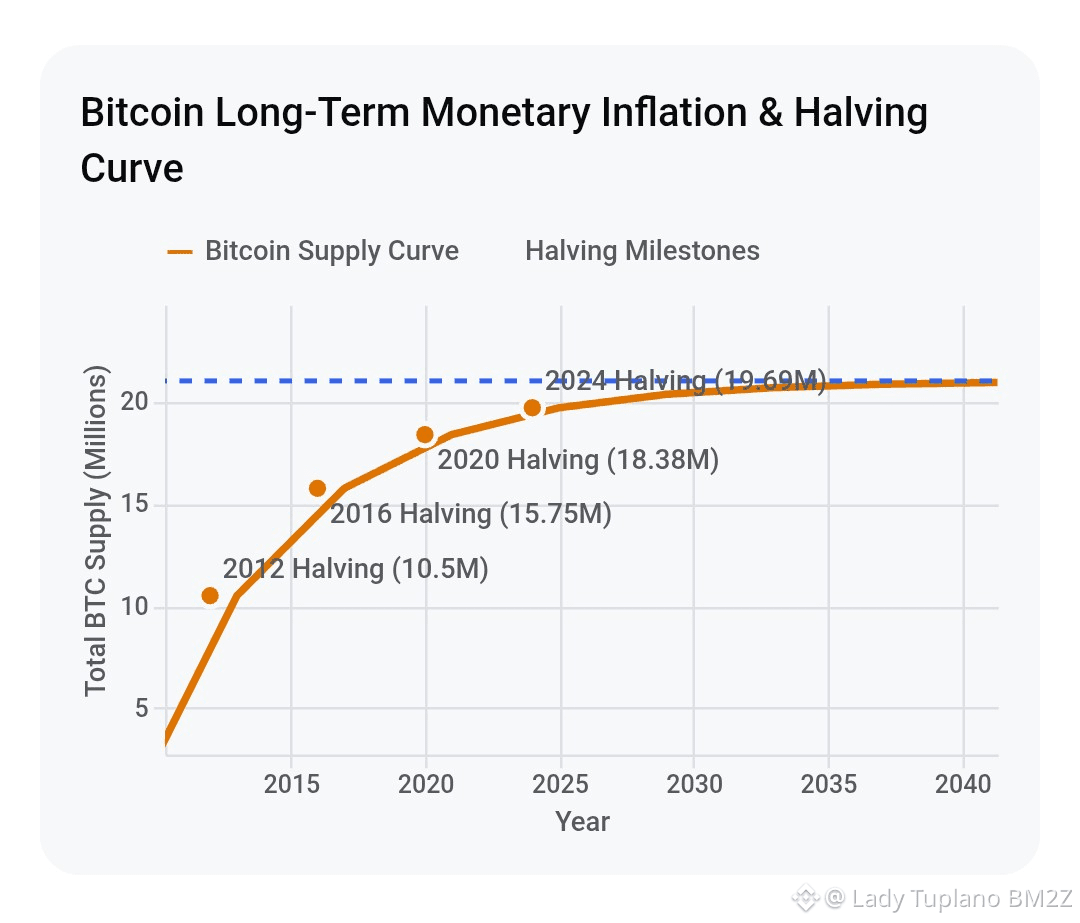
Scarcity Design: Unlike traditional currencies, Bitcoin was engineered with a strict mathematical supply cap of 21 million coins, making it inherently deflationary.
In-Depth Historical Analysis (Summary of Generated Report)
The generated PDF document includes a comprehensive essay diving deep into the programmatic foundations, early cypherpunk contributions, the significance of the 2008 financial crisis backdrop, and the macroeconomic paradigm shift introduced by decentralized consensus mechanisms.
Would you like me to create an interactive timeline of Bitcoin's major historical price milestones or break down the math behind the halving cycle?#BTC☀
#BTC🔥🔥🔥🔥🔥

1
125
·
--
btcBitcoin (BTC) is the world’s first, most popular, and most valuable cryptocurrency (digital currency). Unlike traditional currencies such as the US Dollar (USD) or Indian Rupee (INR), it has no physical form like paper notes or coins. It exists entirely on the internet and operates independently of any central bank or government authority.
Below is an extensive, in-depth guide covering the history, mechanics, benefits, risks, and future outlook of Bitcoin.
1. The Origin and History of Bitcoin
Bitcoin was introduced to the world on January 3, 2009, following the global financial crisis of 2008. It was created by an anonymous programmer (or group of programmers) under the pseudonym Satoshi Nakamoto. To this day, the true identity of Satoshi remains one of the internet's greatest mysteries.
In late 2008, Nakamoto published the Bitcoin Whitepaper titled "Bitcoin: A Peer-to-Peer Electronic Cash System." The core objective was to create a decentralized financial system that allowed secure, direct transactions between two individuals without needing an intermediary like a commercial bank or government agency.
2. How Does Bitcoin Work?
Bitcoin operates on a revolutionary technology called the Blockchain. A blockchain is a decentralized, distributed digital ledger that records transactions across a vast network of thousands of computers (called nodes) globally.
Decentralization: No single entity, central bank, or government controls the Bitcoin network. Instead, the network is maintained and run collectively by its global community.
Peer-to-Peer (P2P) Transactions: When Person A sends Bitcoin to Person B, the transaction goes directly from wallet to wallet. There are no clearinghouses or payment processors involved.
Pseudonymity: Transactions on the network are not tied to real-world names or bank accounts. Users use a Public Key (similar to a bank account number) to receive funds and a Private Key (a secret cryptographic password) to sign and authorize transactions.
3. What is Bitcoin Mining and Halving?
New bitcoins enter circulation through a process known as Bitcoin Mining. This process serves a dual purpose: it creates new coins and secures the entire network by verifying transactions.
The Mining Process
Miners use highly specialized, powerful computers (ASICs) to solve complex mathematical puzzles.
The miner who solves the puzzle first earns the right to add a new "block" of validated transactions to the blockchain.
In return for their computational work and energy consumption, miners are rewarded with newly minted bitcoins, known as Block Rewards.
The Halving Mechanism
To control inflation, Bitcoin has a hardcoded rule: the block reward given to miners is cut in half every 210,000 blocks (roughly every four years).
In 2009, the reward was 50 BTC per block.
Through successive halving events, this reward has continuously decreased. This programmatic reduction slows down the supply of new bitcoins entering the market over time.
4. Supply Dynamics and Valuation
Hard Supply Cap: The absolute maximum number of bitcoins that will ever exist is 21 million (21,000,000). It is estimated that the final bitcoin will be mined around the year 2140. This absolute scarcity is why many economists and investors refer to Bitcoin as "Digital Gold."
Satoshi Units: You do not need to buy an entire bitcoin to invest. Each bitcoin can be divided down to eight decimal places. The smallest unit is called a Satoshi (Sat). One Bitcoin equals 100 million Satoshis. You can easily buy fractions of a bitcoin for small amounts.
Price Volatility: Because Bitcoin is completely decentralized, its price is determined purely by open-market supply and demand. Its value has grown from less than a penny in 2010 to tens of thousands of dollars, marked by intense market cycles.
5. Key Benefits of Bitcoin
AdvantageCore DescriptionGlobal & BorderlessSend any amount of value anywhere in the world in minutes, bypassing international banking boundaries.Lower FeesTransaction costs are often significantly lower than traditional wire transfers or international money orders.ImmutabilityOnce a transaction is written onto the blockchain, it cannot be altered, reversed, or deleted, eliminating fraud.Inflation HedgeUnlike fiat currencies which governments print endlessly, Bitcoin's capped supply preserves long-term purchasing power.
6. Risks, Drawbacks, and Criticisms
Extreme Volatility: Bitcoin prices can fluctuate by 10% to 20% within a single day. This makes it a high-risk asset class for short-term traders and cautious investors.
Regulatory Hurdles: Many governments remain skeptical of crypto due to the lack of centralized oversight. Various countries have imposed heavy taxes or outright bans on trading
Irreversibility: There is no customer support team for Bitcoin. If you send funds to the wrong address, or if you lose your wallet's private keys, your funds are permanently unrecoverable.
Illicit Activity Concerns: The pseudonymous nature of transactions has historically made it a target for bad actors using it for ransomware payments or black-market transactions.
7. How to Invest in Bitcoin
To buy Bitcoin, individuals use digital platforms called Cryptocurrency Exchanges. Depending on your location, popular exchanges include globally recognized platforms like Binance and Coinbase, or localized platforms.
Standard Investment Steps:
Sign Up: Register an account on a reputable, secure crypto exchange platform.
Identity Verification (KYC): Provide government-issued identification cards to comply with financial regulations.
Deposit Funds: Link a bank account, use a bank transfer, or utilize a credit card to add local fiat currency to your exchange wallet.
Execute Trade: Buy Bitcoin or a fractional amount (Satoshis) and choose whether to keep it on the exchange or move it to a personal hardware wallet for maximum security.
Conclusion and Future Outlook
Bitcoin has evolved from an obscure internet experiment into a multi-billion dollar asset class. Nations like El Salvador have adopted it as legal tender, and Wall Street institutions regularly offer spot Bitcoin Exchange-Traded Funds (ETFs) to traditional investors. While its future as a daily global currency remains a topic of debate, its status as a revolutionary decentralized store of value is firmly established.
Would you like to explore specific aspects of Bitcoin further? For example:
The difference between Custodial, Software, and Hardware (Cold Storage) Wallets?
How Spot Bitcoin ETFs work in traditional stock markets?
The taxation rules surrounding cryptocurrency gains in your country?#BTC走势分析 #btc70k
btc
Bitcoin (BTC) is the world’s first, most popular, and most valuable cryptocurrency (digital currency). Unlike traditional currencies such as the US Dollar (USD) or Indian Rupee (INR), it has no physical form like paper notes or coins. It exists entirely on the internet and operates independently of any central bank or government authority.
Below is an extensive, in-depth guide covering the history, mechanics, benefits, risks, and future outlook of Bitcoin.
1. The Origin and History of Bitcoin
Bitcoin was introduced to the world on January 3, 2009, following the global financial crisis of 2008. It was created by an anonymous programmer (or group of programmers) under the pseudonym Satoshi Nakamoto. To this day, the true identity of Satoshi remains one of the internet's greatest mysteries.
In late 2008, Nakamoto published the Bitcoin Whitepaper titled "Bitcoin: A Peer-to-Peer Electronic Cash System." The core objective was to create a decentralized financial system that allowed secure, direct transactions between two individuals without needing an intermediary like a commercial bank or government agency.
2. How Does Bitcoin Work?
Bitcoin operates on a revolutionary technology called the Blockchain. A blockchain is a decentralized, distributed digital ledger that records transactions across a vast network of thousands of computers (called nodes) globally.
Decentralization: No single entity, central bank, or government controls the Bitcoin network. Instead, the network is maintained and run collectively by its global community.
Peer-to-Peer (P2P) Transactions: When Person A sends Bitcoin to Person B, the transaction goes directly from wallet to wallet. There are no clearinghouses or payment processors involved.
Pseudonymity: Transactions on the network are not tied to real-world names or bank accounts. Users use a Public Key (similar to a bank account number) to receive funds and a Private Key (a secret cryptographic password) to sign and authorize transactions.
3. What is Bitcoin Mining and Halving?
New bitcoins enter circulation through a process known as Bitcoin Mining. This process serves a dual purpose: it creates new coins and secures the entire network by verifying transactions.
The Mining Process
Miners use highly specialized, powerful computers (ASICs) to solve complex mathematical puzzles.
The miner who solves the puzzle first earns the right to add a new "block" of validated transactions to the blockchain.
In return for their computational work and energy consumption, miners are rewarded with newly minted bitcoins, known as Block Rewards.
The Halving Mechanism
To control inflation, Bitcoin has a hardcoded rule: the block reward given to miners is cut in half every 210,000 blocks (roughly every four years).
In 2009, the reward was 50 BTC per block.
Through successive halving events, this reward has continuously decreased. This programmatic reduction slows down the supply of new bitcoins entering the market over time.
4. Supply Dynamics and Valuation
Hard Supply Cap: The absolute maximum number of bitcoins that will ever exist is 21 million (21,000,000). It is estimated that the final bitcoin will be mined around the year 2140. This absolute scarcity is why many economists and investors refer to Bitcoin as "Digital Gold."
Satoshi Units: You do not need to buy an entire bitcoin to invest. Each bitcoin can be divided down to eight decimal places. The smallest unit is called a Satoshi (Sat). One Bitcoin equals 100 million Satoshis. You can easily buy fractions of a bitcoin for small amounts.
Price Volatility: Because Bitcoin is completely decentralized, its price is determined purely by open-market supply and demand. Its value has grown from less than a penny in 2010 to tens of thousands of dollars, marked by intense market cycles.
5. Key Benefits of Bitcoin
AdvantageCore DescriptionGlobal & BorderlessSend any amount of value anywhere in the world in minutes, bypassing international banking boundaries.Lower FeesTransaction costs are often significantly lower than traditional wire transfers or international money orders.ImmutabilityOnce a transaction is written onto the blockchain, it cannot be altered, reversed, or deleted, eliminating fraud.Inflation HedgeUnlike fiat currencies which governments print endlessly, Bitcoin's capped supply preserves long-term purchasing power.
6. Risks, Drawbacks, and Criticisms
Extreme Volatility: Bitcoin prices can fluctuate by 10% to 20% within a single day. This makes it a high-risk asset class for short-term traders and cautious investors.
Regulatory Hurdles: Many governments remain skeptical of crypto due to the lack of centralized oversight. Various countries have imposed heavy taxes or outright bans on trading
Irreversibility: There is no customer support team for Bitcoin. If you send funds to the wrong address, or if you lose your wallet's private keys, your funds are permanently unrecoverable.
Illicit Activity Concerns: The pseudonymous nature of transactions has historically made it a target for bad actors using it for ransomware payments or black-market transactions.
7. How to Invest in Bitcoin
To buy Bitcoin, individuals use digital platforms called Cryptocurrency Exchanges. Depending on your location, popular exchanges include globally recognized platforms like Binance and Coinbase, or localized platforms.
Standard Investment Steps:
Sign Up: Register an account on a reputable, secure crypto exchange platform.
Identity Verification (KYC): Provide government-issued identification cards to comply with financial regulations.
Deposit Funds: Link a bank account, use a bank transfer, or utilize a credit card to add local fiat currency to your exchange wallet.
Execute Trade: Buy Bitcoin or a fractional amount (Satoshis) and choose whether to keep it on the exchange or move it to a personal hardware wallet for maximum security.
Conclusion and Future Outlook
Bitcoin has evolved from an obscure internet experiment into a multi-billion dollar asset class. Nations like El Salvador have adopted it as legal tender, and Wall Street institutions regularly offer spot Bitcoin Exchange-Traded Funds (ETFs) to traditional investors. While its future as a daily global currency remains a topic of debate, its status as a revolutionary decentralized store of value is firmly established.
Would you like to explore specific aspects of Bitcoin further? For example:
The difference between Custodial, Software, and Hardware (Cold Storage) Wallets?
How Spot Bitcoin ETFs work in traditional stock markets?
The taxation rules surrounding cryptocurrency gains in your country?#BTC走势分析 #btc70k
1
73
Log in to explore more content
Join global crypto users on Binance Square
⚡️ Get latest and useful information about crypto.
💬 Trusted by the world’s largest crypto exchange.
👍 Discover real insights from verified creators.
Email / Phone number
Trending Topics
BinanceReopensWithdrawalsForHYPE&APT
108,924 views
1,061 Discussing
Binance Re-Enables Withdrawals for HYPE and APT, Extends List of Restored Assets
Binance News
·32 Likes
·30.7k views
SouthKoreaDraftLawTargets15To20%ShareholderCap
102,626 views
705 Discussing
TradFiForBeginners
192,780 views
1,920 Discussing