Falcon Finance and the Future of Onchain Collateral and Synthetic Liquidity
@Falcon Finance is building something that aims to change how people use assets on the blockchain. It is creating a universal collateralization infrastructure. This means many kinds of liquid assets can become the foundation for creating stable onchain money. Users can deposit digital tokens or tokenized real world assets and use them as collateral to issue USDf. USDf is an overcollateralized synthetic dollar that gives users liquid purchasing power without forcing them to sell their holdings. This simple idea opens many doors for people who want stability and flexibility at the same time.
The technology is built on smart contracts that act like automated vaults. A user locks an asset into a vault and the protocol mints USDf against that locked value. The system requires more collateral than the amount minted so the dollar peg stays strong and risk can be managed. Oracles feed price information into the contracts so the protocol knows how much the collateral is worth at any moment. If prices move a lot the system can trigger risk controls to protect the whole network. These controls include gradual adjustments and if necessary safe liquidations that aim to preserve the peg and protect holders of USDf.
What makes Falcon Finance different is the universal approach. Many systems only accept a few crypto tokens as collateral. Falcon Finance is designed to accept a wide range of liquid assets. That includes tokens that represent real world things like bonds real estate or invoices. By allowing these tokenized real world assets Falcon Finance bridges traditional finance and decentralized finance. This bridge helps bring more capital onto blockchains while keeping familiar risk profiles.
The purpose of USDf is to give users a stable unit of value that they can use inside decentralized applications. People can borrow USDf to deploy into other protocols to earn yield. They can use USDf to trade to pay for services or to move value between chains. Because they do not have to sell their original assets when they borrow USDf users can keep potential upside in their holdings. This is especially useful for long term investors who want liquidity today without losing exposure to future gains.
The protocol also enables new ways to earn yield. Collateral that sits in the system can be used safely to generate income. The protocol can route excess collateral to liquidity pools or lending markets where it earns returns. Those returns can then be shared with the collateral provider. This creates a circular economy where safe liquidity supports yield and yield in turn supports more liquidity. It is a powerful feedback loop that helps the whole ecosystem grow.
Security and governance are central to the design. The system needs careful risk parameters and wide community oversight. Governance can decide which assets are accepted how much collateral ratio is required and how to respond to stress events. Transparency is built into the smart contracts so anyone can audit the flows. Over time this helps build trust and makes it easier for institutions to consider participating.
Why this matters is easy to see. Tokenized real world assets are becoming more common. Institutions and everyday users want ways to use those assets without losing ownership. Falcon Finance gives a practical route to unlock that capital. It also makes DeFi more composable and resilient. When many assets can back a stable synthetic dollar the whole financial web onchain becomes richer and more flexible.
Looking ahead the future that Falcon Finance enables is wide. Developers can build new financial products that assume a reliable synthetic dollar backed by diverse collateral. Businesses can access working capital without selling core assets. Investors can leverage positions in a controlled way. Cross chain flows can become smoother as USDf moves between systems. Most importantly people gain financial choices that were difficult before.
Falcon Finance is a step toward a world where onchain liquidity matches the depth of offchain markets. It is not a finished story but a chapter that shows how careful engineering governance and asset diversity can create stable and useful money on the blockchain. For anyone interested in a future where assets stay owned and liquidity is always available this approach points to a promising path.
Kite is a blockchain platform made for agentic payments.
It lets autonomous AI agents transact with verifiable identity and programmable governance.
The network is EVM compatible and it runs as a Layer 1 blockchain.
That means developers who know popular smart contract tools can build on Kite without learning an entirely new language.
It also means the network can support complex logic for agents while aiming to keep transactions fast and predictable.
At the center of Kite is a three layer identity system.
The layers separate real people from the agents that act for them and from the individual sessions in which agents operate.
This separation creates clear boundaries.
A person can authorize an agent to act on their behalf.
That same agent can run many sessions for different tasks or different times.
Each session can have its own rules limits and time windows.
By splitting identity this way the network reduces the risk that a single compromised credential can break everything.
It also makes it easier to audit what happened and to revoke access when something goes wrong.
Kite supports real time transactions and coordination among agents.
Real time here means that payments and state changes happen quickly enough for automated systems to interact without waiting for long delays.
That speed is important for things like payment for compute usage negotiation of service levels and instant micro payments between agents.
Imagine an autonomous agent hiring another agent to analyze a data set and paying per result as they stream in.
That scenario needs low latency and predictable fees.
Kite is designed with that use case in mind.
The native token of the network is KITE.
KITE will be used in stages.
In the first stage the token helps bootstrapping the ecosystem.
It will be used for participation rewards and incentives to attract builders and early users.
In a later stage KITE will gain more functions.
Those functions may include staking governance and contributing to fee mechanisms on the network.
Staking will let holders secure the network and earn rewards for supporting consensus.
Governance will let the community vote on upgrades and protocols.
Fee related roles may let token holders influence or share in network economics.
How does Kite work in a practical sense.
Agents run code that can connect to the blockchain through wallets and identity modules.
A person or an organization gives an agent permission to act within defined limits.
That agent can then sign transactions and interact with smart contracts on Kite.
Smart contracts encode agreements payment terms and arbitration logic.
When a contract triggers the blockchain records the outcome.
Because the identity system keeps users agents and sessions distinct it is easier to trace actions.
It is also possible to limit what an agent can do even if the agent itself is compromised.
Verifiable identity plays a dual role.
It helps build trust between unknown parties.
If a service requests a proof of identity or of qualifications an agent can present that proof without exposing unnecessary private data.
At the same time verifiable identity supports compliance when required.
Kite designers aim to balance privacy and accountability.
That balance is important when real money or valuable data is involved.
Programmable governance is another core idea.
Agents and human participants can be governed by rules that change over time through community decision making.
This lets the platform evolve without a single company deciding every change.
Governance can also create guardrails.
For example the community can vote on limits for certain robotic market behaviors or on security requirements for agent wallets.
Why does Kite matter.
AI agents are already getting better at negotiating planning and executing routine digital tasks.
When these agents need to access services or buy resources they need a payments layer that is fast secure and flexible.
Traditional payment rails are slow costly and often require human interaction.
A blockchain like Kite can provide programmable money that agents can use autonomously.
This unlocks new business models.
Services can be priced per call or per byte of work.
Agents can cooperate and split earnings.
Markets can emerge where agents bid for jobs in real time.
The future use cases are broad.
Smart homes could let service agents negotiate maintenance with providers and pay them automatically.
Supply chains could use agentic payments to settle invoices as goods move through checkpoints.
Digital markets could let software agents buy compute or data in a frictionless way.
Autonomous systems could micro pay for APIs and then reconcile payments instantly.
These examples show how machine to machine value exchange could scale.
There are practical challenges ahead.
Scalability must be solved so that thousands or millions of agents can transact without congesting the network.
Security must be robust so that malicious agents or compromised keys cannot drain value.
Privacy must be respected so user data is not exposed by automated exchanges.
Regulatory clarity will be required when money moves across borders and when agents act on behalf of people.
Kite will need to work with regulators and build compliance tools that fit different legal systems.
Developers will play a key role.
They will build agent frameworks identity modules and wallets that make it safe to issue permissions to agents.
They will create smart contracts that model service agreements and arbitration rules.
User experience will matter a great deal.
People must be able to understand what an agent is allowed to do and to revoke permissions easily.
Kite also opens opportunities for new kinds of businesses.
Companies could create agent marketplaces that match demand and supply automatically.
Researchers could monetize data access with fine grained pricing.
Public services could automate routine transactions in a transparent way.
All of these possibilities depend on predictable fees and stable infrastructure.
In short Kite is an attempt to make a payment and coordination layer that is tuned for the needs of autonomous agents.
It combines EVM compatibility with a three layer identity model and a token driven economic plan.
If it succeeds it could enable a machine economy where software agents transact safely and with minimal human friction.
That economy will require careful design smarter wallets clear governance and strong security practices.
Kite is an early step toward that vision and it points to a future where agentic services can be built with the same confidence that humans have when they use modern payment systems.
Lorenzo Protocol Bringing Traditional Finance Strategies to the Blockchain Future
Think of @Lorenzo Protocol as a friendly bridge between old school finance and new digital money.
It brings fund like strategies onto blockchains in a way that is simple and open to many people.
At the heart of the idea are On Chain Traded Funds known as OTFs.
These are like the familiar funds people use in traditional finance but expressed as digital tokens on a blockchain.
That change may sound small but it opens many doors for how capital moves and how people take part in investment strategies.
The purpose of Lorenzo is to make sophisticated finance easier to access.
Instead of needing to sign many papers and trust a single firm to hold assets people can hold tokenized shares of a fund in their own wallets.
This gives control back to the investor while still letting them benefit from strategies that were once available only to big institutions.
Simple vaults provide straightforward ways to deposit funds into a single strategy.
Composed vaults let users combine several strategies into one package.
This means a user can choose a single token and get exposure to quantitative trading or managed futures or volatility approaches without needing to buy each underlying asset by hand.
The technology that powers this is blockchain based smart contracts.
These are automated pieces of code that live on a network and follow rules exactly.
When someone deposits collateral into a vault the smart contract records the deposit and issues a corresponding token that represents a share of the strategy.
Those tokens can move freely on the blockchain.
They can be traded or held or used as collateral elsewhere.
Smart contracts also handle fees and payments and governance in a transparent way.
Because the rules are visible on chain people can audit how fees are collected and how returns get distributed.
Lorenzo uses modular building blocks to keep the system flexible.
A vault is a basic module.
A strategy is another module.
Composed vaults are simply combinations of these modules.
This modular design makes it easier to add new strategies over time.
Developers can write new strategy modules and plug them in without rebuilding everything from scratch.
That lowers barriers to innovation and speeds up the time it takes for new financial ideas to reach users.
Banking style trust is replaced by cryptographic proof.
On a blockchain every action can be verified by anyone.
That means transparency for investors.
It also makes audits simpler.
If a fund claims it rebalanced its holdings last week the on chain records will show exactly what happened.
This clarity builds confidence for people who are used to opaque reporting from traditional managers.
The native token is BANK.
BANK plays several roles inside the protocol.
It is a governance token that lets holders vote on protocol upgrades and strategy approvals.
It is part of incentive programs that reward users who add liquidity or who lock their tokens for the long term.
A vote escrow system called veBANK rewards long term commitment by granting stronger voting power and special benefits to users who lock their BANK tokens.
These governance features help the community guide the future of the protocol in a democratic way.
Why this matters is easy to see when you think about access and efficiency.
Traditional funds often require minimum investments that many people cannot afford.
OTFs lower that barrier because anyone can hold fractional tokenized shares.
Trading and rebalancing can happen at any hour without manual paperwork.
Fees and performance can be tracked in real time.
All of this reduces friction and cost for the end user.
The system also matters for strategy creators.
A quant developer can package a trading algorithm into a strategy module and offer it to investors through an OTF.
That creator can earn fees and scale their approach without needing to raise billions through private channels.
This unlocks an ecosystem where many small teams can experiment and compete.
Successful strategies can grow quickly while underperforming ones shrink based on market choice rather than behind closed doors decisions.
Security is part of the conversation.
Smart contracts must be audited and battle tested.
Good protocols use multiple audits and bug bounty programs and careful rollout stages.
Lorenzo style systems also benefit from transparent governance.
When the community can see code and vote on upgrades the protocol can respond to problems faster.
Still no system is perfect and users should always understand the risks that come with digital assets.
The future that Lorenzo Protocol helps enable is one of composable finance.
In this future funds are building blocks that interact with other financial primitives in an open marketplace.
An OTF token might be used as collateral for lending.
It might be included in a larger portfolio that is managed by another composed vault.
This composability creates a network effect.
Each new token and strategy can be combined in new ways to form more complex financial products.
It is also a future with more choice for retail investors.
People can pick exposure to strategies that match their risk appetite.
They can diversify across styles without dealing with multiple intermediaries.
They can watch performance in real time and move quickly when their view changes.
This agility is new for many investors and can change how wealth is built and protected.
Education and user experience are key to adoption.
For many people the idea of holding a token that represents a fund will feel foreign at first.
Clear interfaces and plain English explanations help users feel comfortable.
Tools that show historical performance and risk metrics in simple terms will make it easier to choose a strategy.
Community led guides and tutorials will play a big role in bringing mainstream users on board.
In the long run Lorenzo style platforms could reshape how capital flows.
They make it easier for specialized strategies to reach a global pool of capital.
They increase transparency and lower costs.
They give individuals stronger control over their investments.
And they enable new economic models where developers and investors share in the upside in fair ways.
If you are curious about this space start by learning the basics of wallets and tokens.
Understand how smart contracts work at a high level and read the protocol documentation carefully.
Look for audited code and active governance.
And remember that technology opens new opportunities and new risks at the same time.
Lorenzo Protocol is not just a product.
It is an invitation to rethink how funds can be run in a digital age.
It brings familiar financial strategies into a new landscape that rewards transparency and creativity.
For investors and builders alike the platform points to a future where more people can participate in sophisticated finance with clarity and control.
Injective The Fast Open Blockchain Built for the Future of Finance
@Injective is a Layer 1 blockchain built for finance.
It focuses on speed and low costs.
Transactions confirm in a fraction of a second.
Fees stay low so more people can use it without worry.
Before Injective many financial services on the blockchain felt slow or expensive.
Trading across different blockchains was hard.
Developers found it difficult to build fast trading systems.
Injective began as an answer to those problems.
It was designed to bring financial tools onchain in a way that feels natural and powerful.
At its core Injective uses a modular approach to software design.
That means the system is put together from parts that each do one job well.
One part handles consensus and making sure every node agrees on the state of the chain.
Another part handles smart contracts and program logic.
Separate modules can be upgraded or swapped without stopping the whole network.
This design helps developers move faster.
It also makes the network easier to maintain and evolve.
Injective aims to work with other blockchains.
It connects to Ethereum.
It connects to Solana.
It connects to Cosmos.
These connections let assets and data move between networks.
That matters because liquidity can sit on many chains.
Bringing that liquidity together makes markets deeper and trading cheaper and more reliable.
One of the things that sets Injective apart is how it treats trading.
It supports decentralized exchanges that look and feel like traditional markets.
Order books can exist onchain so traders can place limit orders and manage positions in familiar ways.
At the same time users keep control of their assets.
There is no need to hand custody to a central intermediary.
The native token called INJ plays multiple roles on the network.
It is used to pay for transactions.
It is used for staking to secure the network.
It is used for governance so the community can vote on changes.
That creates an economic layer that ties users and validators to the health of the system.
From a technical perspective Injective brings several useful properties together.
High throughput means many transactions can be processed each second.
Sub second finality means transactions become irreversible quickly.
Low fees mean ordinary users and high frequency traders alike can participate without prohibitive costs.
Compatibility with existing developer tools makes it easier for teams to port or build applications.
Modularity helps the chain grow in a controlled and flexible way.
The use cases for Injective are wide.
Decentralized derivatives trading becomes practical because the chain can handle large volumes with predictable timing.
Stable and efficient spot markets can attract professional traders.
Developers can build lending and borrowing platforms that interact with rich order books.
Real world assets can be tokenized and traded in a permissionless manner.
Cross chain bridges can allow traders to use assets from other networks without leaving the Injective environment.
Why this matters in plain language is simple.
Traditional finance has many layers of friction.
Blockchains promised to remove some of that friction.
But not all blockchains were built with finance as the primary use case.
Injective focuses on the exact kinds of speed and market features that traders and financial builders need.
That focus opens the door to more sophisticated financial services that are still open and transparent.
For developers Injective offers familiar tools and new capabilities.
Teams can reuse smart contract patterns they already know.
They can also design protocols that take advantage of low latency and onchain order books.
This reduces the gap between what is possible in centralized finance and what is possible in a decentralized environment.
For users the network aims to feel reliable and efficient.
Traders can execute strategies that require fast confirmation times.
Liquidity providers can operate with lower overheads.
Retail users can access markets at lower cost.
Governance gives the community a voice in shaping the rules and priorities of the network.
Looking ahead Injective points to a future where decentralized finance is closer to the speed and depth of traditional exchanges while still keeping the benefits of blockchain technology.
That future includes real time cross border trading without heavy intermediaries.
It includes programmable financial instruments that anyone can compose.
It includes a richer ecosystem where multiple blockchains interoperate and share liquidity and ideas.
The biggest challenges ahead are familiar to all public blockchains.
Growing a healthy and secure ecosystem takes time.
Bridges between chains need to stay secure.
User experience needs to keep improving so non technical people can benefit.
But the technical building blocks that Injective emphasizes provide a clear path to addressing these challenges.
In the end Injective is an attempt to make finance onchain feel usable and powerful.
It blends speed with interoperability and with a focus on market grade features.
That combination helps unlock new kinds of applications and services that were hard to build before.
If you think about a future where markets are faster more open and more programmable then Injective is one of the projects aiming to bring that future closer.
Litecoin (LTC): $LTC is sitting around $85, but it couldn’t hold above that key $85–$86 area. That failure triggered short liquidations and shows sellers are still putting pressure on the chart. If LTC loses momentum here, it could easily drift back toward the low-$80s. This is one of those moments where the market decides: rebound… or roll over. ⚡🔥 #WriteToEarnUpgrade #CryptoIn401k #TrumpTariffs #IPOWave #CPIWatch
Naoris Protocol (NAORIS): $NAORIS is trading near $0.028, and the move that wiped out shorts around $0.02811 shows how unstable this zone is. Buyers are trying to push it up, but the chart still feels fragile. If bulls don’t step in soon, NAORIS might slip into a deeper pullback. A real make-or-break spot — either a sharp bounce or another leg down. 🚀🔥 #CPIWatch #USJobsData #TrumpTariffs #IPOWave #CryptoIn401k
Universal Liquidity Made Simple The Rise of Falcon Finance and USDf
@Falcon Finance is building a new way for people and institutions to use their digital and tokenized assets without having to sell them. The idea is simple and powerful. Users can lock up liquid assets as collateral and receive USDf. USDf is an overcollateralized synthetic dollar that acts like a stable and accessible form of onchain liquidity. This allows holders to keep exposure to their assets while getting spending power in the form of a stable token.
The technology behind Falcon Finance focuses on universal collateralization. This means many types of assets can be accepted as collateral. These include common digital tokens and tokenized real world assets. Tokenized real world assets are things like bonds or property that are represented onchain. The protocol is designed to treat all eligible assets under one coherent system. That single system makes it easier to create liquidity and build yield strategies on top of the collateral pool.
At the heart of the protocol is a safe and transparent ledger of collateral and issuance. When a user deposits collateral they receive USDf based on the value and risk profile of that collateral. The system keeps more collateral than the USDf issued. That extra buffer is what makes USDf overcollateralized. The buffer helps protect the system when prices move. The protocol will monitor asset values and adjust requirements to keep the system healthy. Users can then use USDf for trading lending or other onchain activities. They do not need to sell the underlying collateral to access dollars.
Falcon Finance also enables more efficient liquidity creation. When many different assets are pooled as collateral the protocol can support larger issuance of USDf. A larger supply of USDf means more capital for users and more depth in the markets that accept USDf. Deeper liquidity makes trades easier and fees lower. It also helps decentralized applications to build services that rely on a stable dollar without depending on a single collateral type.
The way the protocol manages risk matters a great deal. Each asset type will have parameters that reflect its volatility liquidity and market depth. These parameters determine how much USDf can be issued against that asset. Riskier assets will require more collateral per unit of USDf. Safer assets will require less. The protocol can update these parameters over time as market conditions change. This adaptive risk framework is designed to protect holders of USDf and participants that rely on the protocol.
Falcon Finance also opens the door to new yield opportunities. Collateral that sits in the protocol can be used in yield strategies if the design allows. For example assets can be allocated to secure staking or to liquidity pools. The yield from these activities can be shared with collateral providers or used to bolster the stability of USDf. This creates a virtuous cycle where collateral earns yield while still backing a synthetic dollar.
One of the key benefits is that users retain ownership and exposure to their assets. This matters for people who expect asset prices to rise or who receive income from their holdings. Instead of selling to access liquidity users can borrow USDf against their assets. They keep the upside potential and still get dollars to spend or invest. This reduces tax inefficiencies and keeps long term investment strategies intact.
The protocol is built to be composable. That means other onchain projects can integrate USDf into their systems. Decentralized exchanges can list it as a trading pair. Lending platforms can accept it as collateral. Payment rails can use it for onchain settlements. This broad compatibility is what makes a universal collateralization infrastructure important. It transforms a single utility into an ecosystem level building block.
There are also implications for real world finance. Tokenized assets such as real estate invoices or corporate bonds can become collateral. That brings traditional capital into the onchain economy without forcing liquidation. Institutions can use tokenized holdings to obtain USDf for operational needs. This could accelerate the adoption of tokenized real world assets and increase the volume of onchain economic activity.
Security and governance are central to long term success. The protocol must be transparent and auditable. It should have clear rules for collateral acceptance liquidation thresholds and parameter changes. Governance mechanisms can allow stakeholders to participate in major decisions. At the same time core safety checks and emergency procedures should be in place. These features help build trust for large participants who might otherwise be cautious about putting valuable assets onchain.
Falcon Finance also aims to improve capital efficiency. By accepting a broad set of assets the protocol can reduce the need for multiple siloed systems. That reduces fragmentation and concentration of risk. Better capital efficiency means users can access more liquidity with less redundant locking of assets. This is good for both retail and institutional participants.
The user experience is another area of focus. The process of depositing collateral and minting USDf should be simple and predictable. Clear information about collateral ratios fees and fees for minting or burning USDf will help users make informed choices. Tools that show how changes in asset value affect a users position will reduce surprises. A smooth user journey encourages adoption and helps the system scale responsibly.
Looking ahead the future that Falcon Finance enables is one of fluid capital and flexible financial building blocks. USDf can act as a universal stable medium that plugs into many different defi and web3 services. Tokenized assets can be monetized without losing ownership. New financial products can be created that mix onchain native assets with tokenized real world assets. This can lead to more sophisticated and inclusive financial services that are accessible across borders.
The system also supports innovation in structured products. Developers can create synthetic exposures that blend multiple collateral types with tailored issuance terms. Entrepreneurs can design yield enhancements and hedging solutions that were hard to build when collateral options were limited. In time a diverse marketplace of USDf based instruments can emerge.
In the end Falcon Finance tries to bridge two goals. The first is to provide accessible stable liquidity onchain. The second is to respect asset ownership and preserve upside for holders. By building universal collateralization infrastructure the protocol hopes to unlock new ways for value to move onchain while keeping systems resilient and transparent. The story is about turning idle holdings into productive capital without forcing owners to give up their long term positions. This is the promise that makes the technology both practical and exciting for the future.
@KITE AI builds a blockchain that lets those agents do just that. The idea is simple and also powerful. The blockchain gives each agent a way to prove who it is. The blockchain also gives agents rules they must follow when they spend money or make decisions. This turns scattered scripts into reliable digital helpers that can work together and get paid for what they do.
Kite is an EVM compatible Layer 1 network that focuses on real time transactions. That means developers who already know Ethereum style smart contracts can build here. That also means transactions are designed to be quick so agents do not wait for long when they need to coordinate or pay each other. Kite adds a three layer identity system that keeps things clear and safe. The first layer represents the human user. The second layer represents the agent that acts for the user. The third layer represents the individual sessions that the agent runs. This separation helps in many ways. It lets a person revoke or limit an agents power. It lets the network log which agent performed what action without exposing private user secrets. It also makes it easier to track behavior over time so agents can be held accountable.
At the heart of the system is the KITE token. The token starts with simple uses like rewarding helpful agents and encouraging people to build useful tools. Later the token gains more roles. People and agents can stake KITE to show commitment. Token holders can vote on governance decisions that shape the rules of the network. The token can also be used to pay for fees so the market for agent services runs smoothly. By staging the token utility this way Kite makes sure the basics work first and then grows into a full economy.
So how does the technology work in practice. Developers write smart contracts that define services and payments. An agent can monitor data feeds or device sensors and then trigger a smart contract when a condition is met. For example an agent can top up a prepaid electricity meter when a balance is low. The agent proves its identity and the transaction is recorded on the Kite blockchain. The blockchain enforces the payment and any escrow or dispute rules built into the contract. Because the network is optimized for speed agents can complete these tiny real time tasks without expensive delays.
Identity and security are a core focus. By keeping user identity separate from agent identity Kite reduces the risk that a single leaked key exposes everything. Sessions let users delegate short lived authority so an agent only gets the permissions it needs for a short time. Verifiable identity helps when agents need to access regulated services or show credentials. This makes it possible for agents to work with banks or service providers that require proof of identity while still preserving user privacy in everyday actions.
Programmable governance is another key part of the picture. Governance rules live on chain in smart contracts. This lets communities decide how the network evolves. For example developers can propose changes to fee structures or rules for agent behavior. Token holders can vote on proposals and the results are enforced automatically. This reduces central control and makes the platform more resilient as more participants join.
Kite also enables new economic models. Agents can earn tiny payments for simple tasks such as fetching data verifying a signature or routing a message. These micropayments add up when millions of agents are operating worldwide. The model supports pay per use arrangements subscription like access and even shared revenue schemes for collaborative agent networks. This transforms how software is financed and how services are delivered.
This technology matters because it brings automation into the economy in a trustworthy way. Today automation often requires trusted intermediaries or complex integrations. Kite reduces friction by letting agents transact directly with one another and by making identity and rules verifiable on chain. That lowers cost and unlocks use cases that are hard to do today. Think autonomous marketplaces where software negotiates prices or fleets of devices that coordinate maintenance without human intervention.
There are also broader impacts to consider. The platform can improve efficiency in logistics energy and finance by letting services be executed exactly when needed. It can enable new forms of digital ownership and digital labor where agents acting for users earn value. At the same time Kite pushes us to think about responsibility and safety. Clear identity layers and governance help manage risk but they do not remove the need for good design and oversight. Developers and communities will have to build ethical guardrails into agent behaviors and dispute processes for when things go wrong.
Looking ahead Kite opens doors to futures that feel like science fiction while remaining practical. Autonomous agents could negotiate contracts with each other across platforms. Devices could pay for their own upkeep. New businesses could sell services to agent swarms rather than to individual users. Over time the network could host complex ecosystems where human goals are translated into delegated actions and payments in a seamless flow.
Kite is not a final destination but a foundational piece for an emerging machine economy. By focusing on identity safety real time coordination and gradual token utility Kite gives developers and users tools to experiment and scale. The most interesting outcomes will come from people who build new services and new rules for how agents and humans cooperate. With careful design and active governance the Kite approach could make agentic payments a normal part of everyday life.
In the end the promise is simple. Give agents a safe way to prove themselves. Give them a fast place to transact. Give communities a method to set rules and to change them when needed. That is what Kite aims to do. The result could be a world where trusted software works quietly in the background to save time to unlock innovation and to create new kinds of value for people.
Lorenzo Protocol Bringing Traditional Investing to the Open World of Blockchain
@Lorenzo Protocol feels like someone took the world of traditional investing and gently placed it on top of a blockchain. It takes ideas people already understand from everyday finance and reshapes them into something open simple and reachable for anyone. Instead of dealing with confusing paperwork or waiting for approval from a fund manager you interact with digital tokens that represent real investment strategies. Everything becomes smoother cleaner and easier to follow.
The core idea is something called On Chain Traded Funds. Think of them as regular funds you might hear about in the news but transformed into digital tokens you can hold in your wallet. When you own one of these tokens you own a piece of a strategy that keeps working in the background. Maybe it is a strategy based on data driven trading or maybe it focuses on markets that move with global trends. Whatever the method the goal is to give people a chance to invest without needing an entire financial team behind them.
To make this all work Lorenzo uses something called vaults. A simple vault focuses on one strategy and does it well. A composed vault mixes several simple vaults so a single token can hold multiple ideas at once. It is like choosing between a single favorite flavor or a mix of many good ones. A simple vault might follow market trends. Another might try to profit from sudden price swings. A composed vault can blend these approaches into a balanced and thoughtful mix. This gives people choices that feel natural and easy to understand.
Behind the scenes the system relies on smart contracts. These are programs on the blockchain that act like honest rule keepers. They hold funds distribute earnings and make sure everything happens the way it should. There is no one in the middle slowing things down. There is no need to trust a hidden process. You can look at the code and see what is happening. That clarity is one of the strongest parts of on chain investing.
The protocol also introduces a token called BANK. This token is more than a coin. It lets people help guide the direction of the protocol. If you hold BANK you can vote on upgrades and changes. If you lock your tokens for longer through a system called veBANK you get more influence and more rewards. This encourages long term thinking instead of quick profit chasing. It builds a community of people who want the platform to grow steadily and safely.
All of this matters because it opens the door to a more inclusive future. In traditional finance many strategies are only available to large investors who can afford high minimums or special accounts. Lorenzo lowers those walls. Now anyone can get exposure to strategies that used to feel out of reach. You can enter with a small amount. You can leave whenever you want. Everything is open and automated.
The experience for an investor feels simple. You choose a fund token you like. You buy it on the blockchain. The vault keeps running the strategy while your token reflects the results. If the strategy performs well your token becomes more valuable. If you want to exit you can sell or redeem it. It feels more flexible and less stressful than traditional processes.
Because everything is digital and transparent new possibilities start to appear. A strategy token can be used in other platforms. It can be used as collateral. It can be mixed into new portfolios. Developers can build tools and products around these tokens because they all follow clear rules. This creates a growing ecosystem where each new idea strengthens the next.
The future shaped by Lorenzo looks more open and more connected. It is a place where a student or a small saver can access the same quality of strategy as a major investor. It is a place where strategy creators can reach a global audience without dealing with endless friction. It is a place where financial tools feel less intimidating and more accessible.
There will still be challenges. Smart contracts must stay secure. Strategies must prove themselves over time. Markets will always carry risk. But with transparency community voting and clear rules the protocol can keep improving and adapting.
In the end Lorenzo Protocol does something simple but powerful. It takes the wisdom of traditional finance and the openness of blockchain and brings them together in a way that feels warm human and approachable. It gives people choices. It gives builders freedom. It gives investing a fresh start.
Building a Community Powered Future in Virtual Worlds with Yield Guild Games
Imagine a group of players and collectors who pool money and ideas to own items in virtual worlds. This is the heart of @Yield Guild Games . YGG is a DAO that helps people invest in NFTs that represent game items land and characters. The goal is to make access to digital worlds fairer and to let many people share in the upside when games grow in value.
To understand why this matters start with the idea of an NFT. An NFT is a unique digital object that lives on a blockchain. The blockchain is a special kind of computer system that records transactions in a public and permanent way. A smart contract is a small program on the blockchain that controls how NFTs behave and how ownership changes hands. Because NFTs are unique they can represent rare armor a special plot of virtual land or a one of a kind character. That uniqueness gives these items value in virtual economies.
Yield Guild Games uses these tools to build a collective. People can join the guild or support it by providing tokens or assets. The guild uses those funds to buy NFTs that are useful inside games. These assets are then put to work. Some are used directly by players who need them to play. Some are held as investments that may rise in value. Some are used in strategies that earn rewards inside games.
One way YGG organizes assets is through vaults. A vault is a pooled place where assets and strategies live. When a player or supporter deposits into a vault they are joining a shared plan. The vault can earn yield by staking tokens providing liquidity or by using NFTs in games to earn in game rewards. Vaults let many people benefit from strategies that would be too expensive or complex for a single person.
YGG also uses SubDAOs. These are smaller groups inside the larger guild that focus on one game region or type of strategy. A SubDAO can be a team that focuses on a single virtual world or on a particular market niche. SubDAOs give the larger organization more flexibility. They let experts form around the things they know best. They also allow decisions to be made closer to the players who actually use the assets.
Another important idea is the scholarship model. Many valuable game assets cost real money. Not every player can afford them. YGG can buy an asset and then lend it to a player who does not have funds. The player uses the asset to play and earns rewards. The rewards are shared between the player and the guild. This lets talented players earn even if they do not have money to buy assets. It also makes the guilds investment productive because the assets are used to generate yield.
Governance is how the community decides what to do next. YGG uses tokens to give members a voice. Token holders can vote on proposals that range from which games to invest in to how to allocate funds across vaults. Governance helps keep the guild aligned with the wishes of its members. It also creates transparency because decisions are recorded and visible on the blockchain.
Staking and yield farming are two ways the guild can generate income. Staking means locking tokens so that they help secure a blockchain or a protocol. In return the staker earns rewards. Yield farming means putting tokens into DeFi systems so they earn returns from trading fees or incentives. Both of these approaches can earn steady returns that help pay for the guilds operations and buy more NFTs.
The technology behind all of this is a web of blockchains wallets smart contracts and marketplaces. Wallets are like digital bank accounts that let people hold and move tokens and NFTs. Marketplaces are online places where NFTs can be bought and sold. Smart contracts automate agreements so that when a sale happens the NFT moves and the payment is released without a middleman. This automation reduces friction and lowers costs compared to traditional systems.
Why this is important goes beyond games. Virtual worlds are becoming richer and more complex. They have economies schools and creative spaces. When people can truly own items inside those spaces the experience changes. Ownership enables trade creation and long term investment. It also creates new career paths. Talented players can earn real income by playing and by participating in guild activities. Small investors can join a collective and gain exposure to digital assets without large risks.
There are social effects too. A guild creates community. Players learn from each other share tips and form teams. SubDAOs and vaults create structures where skills are recognized and rewarded. The scholarship model can lift players who otherwise could not join into the economy. This can make virtual worlds more inclusive and more diverse.
There are challenges to consider. Blockchains and games change fast. Values can be volatile. Projects can lose popularity. Governance must stay active and thoughtful to avoid mistakes. Legal and regulatory questions are still evolving in many places. Security is critical because smart contract bugs or hacks can cause losses. The guild must manage risk with care and transparency.
Looking ahead the future that YGG and similar groups enable is wide open. As games grow more realistic and immersive ownership will matter more. Virtual land could host events shows and businesses. NFTs could represent digital identities reputations and credentials. A guild model helps people share access to these future opportunities. It lowers the barrier to entry and spreads reward across a community instead of concentrating it in a few hands.
We can imagine guilds that fund training programs for new players. We can imagine vaults that support creators who build items and experiences inside virtual worlds. We can imagine SubDAOs that focus on education art or virtual commerce. The underlying technology will become easier to use and more interconnected. That will make it simpler for everyday people to join and contribute.
In simple terms Yield Guild Games is a cooperative approach to digital ownership and play to earn. It is built on blockchain technology that allows unique assets to be owned traded and used across virtual worlds. It creates ways for people to pool resources manage assets and share rewards. It opens paths for players investors and creators to work together. The model is not perfect and it faces real challenges. Yet it points to a future where community ownership and digital economies are part of everyday life.
If you are curious about this space the best step is to learn the basics of NFTs wallets and smart contracts. Then explore how vaults and SubDAOs operate and how governance works. Take small steps and look for transparent projects that explain their risks and rewards clearly. The technology is new and the opportunities are many. The most powerful part of a guild is the people in it. When those people cooperate they can build things that no single person could build alone.
Injective The Friendly Future of Fast Open Finance
@Injective is a Layer One blockchain built for finance. It was launched in 2018 and it aims to bring familiar financial markets onto blockchains in a way that feels natural and useful. The core idea is simple. Make trading fast. Make settlement near instant. Keep fees low. Let different blockchains talk to each other. Do all of that while keeping security and decentralization in focus.
The technology behind Injective is designed with modularity in mind. This means the parts that handle consensus the parts that handle execution and the parts that handle application logic are kept distinct. That design makes it easier for developers to swap components upgrade parts and build new kinds of financial apps without rewriting everything from scratch. It also helps the network scale because different tasks can be optimized independently.
One of the most important things Injective offers is interoperability. It is built to connect with other ecosystems such as Ethereum Solana and Cosmos. That connection allows assets and data to move between chains. It also allows traders to use tools from different ecosystems without needing to leave Injective. In practice this opens the door to cross chain trading shared liquidity and new composite products that combine strengths from multiple networks.
Speed and cost matter for finance. Injective targets high throughput and sub second finality so that trades can settle quickly and risk can be reduced. Low fees make it possible for smaller traders and new products to flourish. When settlement is fast and cheap more kinds of financial activity make sense on chain. That includes spot markets derivatives prediction markets and other sophisticated instruments that used to require centralized infrastructure.
The network uses a native token called INJ. This token powers transactions. It is used for staking which helps secure the network. It is also used for governance which lets the community steer upgrades and decisions. By tying these functions together the token creates a direct relationship between network success and stakeholder influence.
How does it feel to build or trade on Injective. Developers can deploy decentralized exchanges and order books that behave similarly to traditional exchanges while keeping the benefits of on chain settlement. Traders can use perpetual contracts and other derivatives that settle on chain and that can interact with liquidity from elsewhere. The architecture supports sophisticated order types and matching mechanisms so that the trading experience can feel familiar to professional users while remaining open to anyone with a wallet.
Security is central to the design. Validators secure the chain through staking and consensus. Economic incentives align participants to act honestly. At the same time the on chain nature of settlement and order matching reduces counterparty risk because the rules are enforced by code rather than by single centralized gatekeepers.
Why does this matter beyond the crypto world. Bringing global finance onto chains in a robust way lowers friction for cross border payments and capital flows. It makes it easier to create programmable financial instruments that execute exactly as intended. It can unlock new business models for institutions and for individuals. For example tokenized assets can trade continuously across time zones and settlement can happen instantly so that capital moves more efficiently.
Looking ahead Injective and similar platforms could enable a new generation of financial services. These could include permissionless derivatives that are composable with lending and insurance. They could include markets that automatically hedge complex exposures or that allow small participants to access liquidity that was previously reserved for large players. Interoperability means these innovations do not need to be confined to one chain but can draw on the whole crypto ecosystem.
The story of Injective is about making markets more accessible more efficient and more programmable. It is about taking the best ideas from traditional finance and combining them with the transparency and composability of blockchains. For people who build traders and institutions the promise is faster settlement lower cost and the ability to innovate on top of a secure foundation. For everyday users the promise is more choices fairer access and new ways to participate in global markets.
If you would like I can go deeper into any piece of this story. I can explain the technical layers in more detail the token economics or real world use cases that are already live on the network. Tell me which part you want and I will keep the explanation clear and friendly. $INJ @Injective #injective
$PIEVERSE (PIV) $PIEVERSE is trading close to the $0.55 zone, where a short liquidation just got triggered. Buyers stepped in fast, showing they’re still willing to defend this level. If the price holds above $0.55, we could see a small rebound—but if it slips back under this level, sellers may take control again. Make-or-break moment right here. ⚡🔥 #CryptoIn401k #TrumpTariffs #WriteToEarnUpgrade #CPIWatch #BTCRebound90kNext?
$GIGGLE (GIGGLE) $GIGGLE saw a long liquidation near $97.8, which means bulls failed to push above that level. Sellers are looking stronger now, pressuring the price downward. If it can’t reclaim the $98 zone, the market may slide further. But a quick bounce above that line could flip momentum back to buyers. Tense and dramatic setup. 🚀⚡🔥 #TrumpTariffs #WriteToEarnUpgrade #CPIWatch #CPIWatch #BTCRebound90kNext?
Injective A Simple Guide to the Finance Focused Blockchain
@Injective is a Layer 1 blockchain built for finance and designed to make markets fair faster and cheaper. It launched in 2018 and grew from a simple idea into a network that wants to connect traditional finance with the new world of decentralized finance. At its heart it aims to let people trade lend borrow and create complex financial products without the long delays and high fees of older systems. The network moves quickly and reaches finality in a matter of moments so trades are settled fast and users do not wait. Fees are kept low so small traders and big institutions can both take part without being priced out. That combination of speed and low cost is what makes it suitable for real finance use cases.
The architecture is modular which means each part of the system has a clear job. This helps developers build new features faster and test ideas without touching the whole network. Modules handle things like order books trade matching settlement and governance. Because these parts are separate teams can work on upgrades and experiments without breaking the rest of the system. Modularity also opens the door to future improvements that are easier to roll out.
Interoperability is a core idea for Injective. The network connects with Ethereum Solana and Cosmos so assets and information can flow across chains. That means a developer can build an application that uses tokens from another network while still taking advantage of Injective performance. Cross chain bridges and compatibility layers let traders move assets where they are most useful. This is important because modern finance does not live on a single chain anymore. It exists across many ecosystems and Injective is built to bring those pieces together.
The native token INJ powers many parts of the network. People use INJ to pay fees to stake in order to secure the network and to take part in governance votes. Staking helps keep the network safe by aligning incentives for validators and delegators. Governance lets the community decide on upgrades parameters and how resources are allocated. This design gives users a real voice in the future direction of the protocol.
Under the hood Injective uses a consensus mechanism that is fast and secure. Validators propose and agree on blocks in a way that minimizes waiting time. The network is designed to confirm transactions quickly so traders can act on price movements with confidence. Safety measures are in place to protect funds and to make sure orders are recorded correctly. Audits and open reviews help catch issues early and keep the code base healthy.
One of the standout features is support for fully decentralized order books. This mirrors how traditional exchanges operate while removing the need for a central party to control the market. Order books on a public blockchain give traders transparency and the ability to verify how markets behave. At the same time the performance characteristics mimic the speed of centralized systems so users do not have to sacrifice usability for openness.
Developers find Injective appealing because it lowers the friction to build advanced financial applications. Smart contracts can be paired with off chain components for matching and execution in ways that preserve decentralization. Tools and libraries make it easier to create derivatives synthetic assets prediction markets and other novel instruments. Developers can focus on the logic of their product rather than wrestling with low level network limitations.
For traditional financial players Injective offers a bridge to the benefits of blockchain technology. Institutions that care about speed settlement and regulatory clarity can explore new market structures without moving all their operations on chain immediately. This gradual approach helps bring familiar financial infrastructure into a more open and programmable form. It also creates opportunities for new entrants who can design products that were hard to build before.
Security and user experience are both priorities. The network implements safeguards to reduce risks from bugs and malicious actors. At the same time wallet integrations and user interfaces aim to make complex financial actions approachable for everyday users. Education and clear documentation help new users understand the mechanics of trading borrowing and staking.
The reasons Injective matters go beyond fast transactions and low fees. It changes who can build and who can access financial markets. By lowering technical and cost barriers it creates space for innovators around the world. Creators can design financial products that are more transparent and programmable. Investors can access a broader set of opportunities with fewer middlemen and clearer rules.
Looking forward the future enabled by Injective is one of hybrid finance. Traditional institutions and decentralized teams will find ways to cooperate. New kinds of markets will emerge that blend on chain transparency with familiar market mechanics. Programmable finance will allow automated strategies to run with clear audit trails. Cross chain liquidity will flow more freely so assets will find their best homes across networks.
There will also be social effects because access to financial tools can change economic opportunities. People who previously lacked access to certain markets may find new ways to save hedge and grow capital. At the same time builders will need to focus on fairness inclusion and safety to avoid repeating past mistakes. Careful design and community governance will play a role in shaping outcomes that are beneficial for many participants.
Injective is not a finished product but a platform under active development. Its modular design and interoperable approach mean it can adapt and incorporate new ideas over time. As the wider ecosystem matures more integrations and use cases will become practical. The success of the network will depend on a mix of technical robustness developer adoption and responsible community stewardship.
In simple terms Injective is an attempt to bring the speed and depth of modern finance into a more open programmable world. It keeps transactions fast and fees low while providing the building blocks for complex financial services. By connecting different blockchains and offering a modular clean structure it makes building easier and more flexible. If these ideas continue to gain traction the future could hold markets that are more transparent fair and accessible to a wider group of people. That is the promise that Injective is working to deliver.
Injective The Fast Growing Blockchain Powering the Future of Digital Finance
@Injective is a blockchain that tries to make digital finance feel simple natural and fast. It was created to fix the problems people face when moving money or trading online and it does that by focusing on speed low fees and open access. Over time it has grown into a place where anyone can build financial apps without fighting with slow systems or complex rules
When you look at Injective it helps to imagine a rail network built for value instead of trains. Every transaction is like a train on a track and Injective clears that track almost instantly. Blocks settle in under a second which means your trade or transfer reaches its destination fast and final. There is no waiting no uncertainty and no middle step that makes you wonder if the system is stuck
The chain is also designed to talk to other networks. That means assets that live on Ethereum Solana or Cosmos can move onto Injective and work just like local assets. It feels like having a passport that lets money cross borders without friction. This matters because most people do not want to think about which blockchain they are using. They only care that it works safely and quickly
Injective uses a modular design behind the scenes. Think of it as a set of building blocks that developers can snap together to build exchanges trading tools or new financial products. Instead of rebuilding the engine every time developers can focus on features that users actually see. That makes it easier for new ideas to come to life and grow
The core of the ecosystem is the INJ token. People use it to pay for transactions but it also helps secure the network. Holders can stake their token to support validators and they can vote on decisions about how the network evolves. This gives users a voice and keeps the system aligned with the people who use it every day
One of the most interesting things about Injective is how it blends the feeling of traditional finance with the openness of crypto. Traders who want speed and precision get a chain that behaves like a modern matching engine. People who want control over their own assets get a system that avoids central custody and lets them stay in charge. Everyone benefits from low fees and quick settlement which are essential for serious financial activity
Why does all of this matter. Because the world is moving toward digital finance at full speed. Cross border payments still take days. Trading still relies on slow middle layers. Many financial tools are locked behind institutions or geography. Injective aims to break those limitations and create a world where anyone anywhere can tap into powerful financial tools without barriers
As the ecosystem grows it opens space for tokenized real world assets faster global payments new kinds of markets and financial apps that feel smoother than what we use today. Developers get a friendly environment to build in. Users get a system that feels fast fair and open. And the entire financial world gets a push toward a future where money moves with the speed of information
Injective is not just a blockchain for finance. It is a step toward rebuilding finance in a way that feels modern human and accessible. It shows what can happen when technology focuses on clarity speed and trust. If the project continues on this path it could become one of the important bridges between the old world of finance and the new one that is being built right now
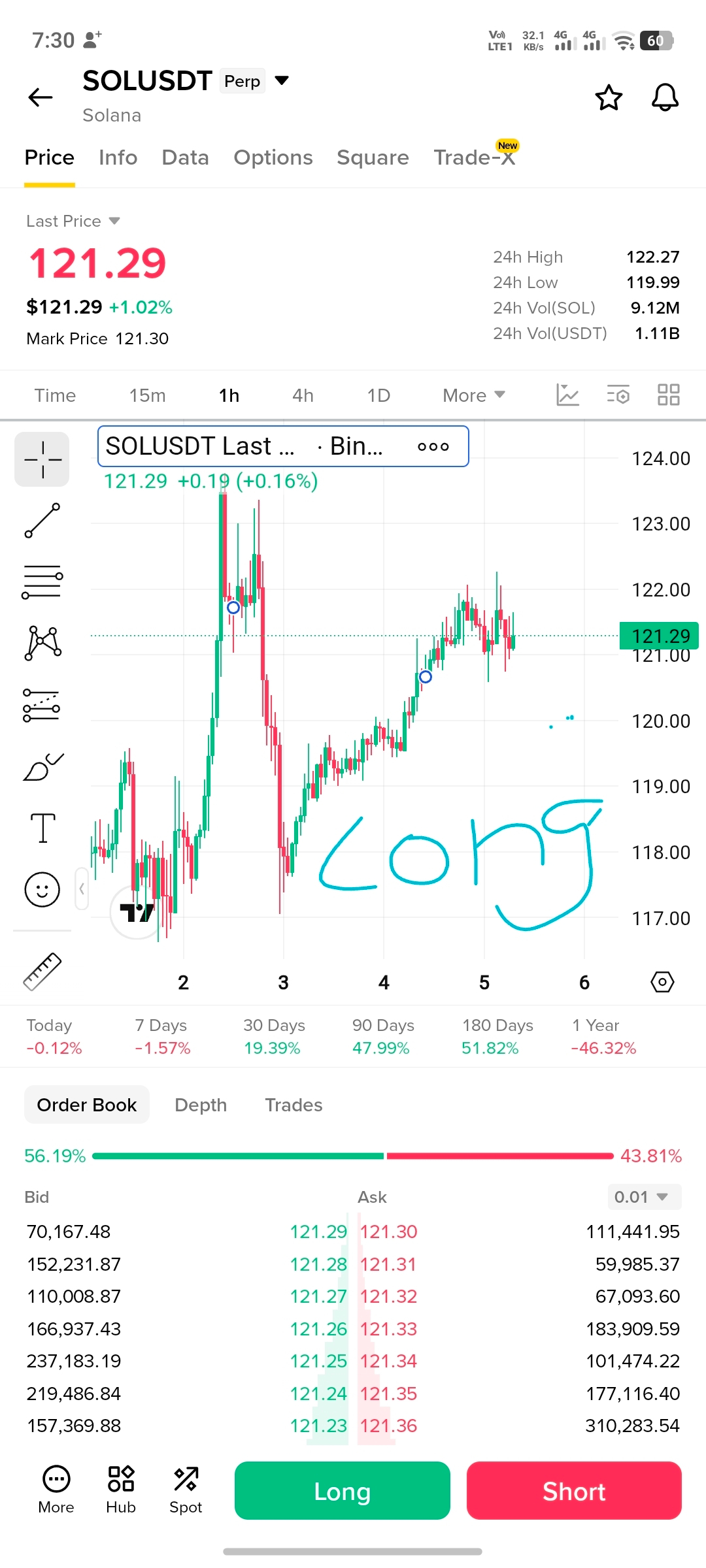
$SOL The current trading price is close to 139, after experiencing a long liquidation impact at 138.5, it has just dropped below the 140 level. Buyers are trying to maintain the upward momentum, but sellers are strongly pushing back, and the price level is stabilizing. #sol
The number $ASTER is currently fluctuating around 1.01, after a large-scale long liquidation occurred near that price level. This indicates that the price failed to hold the 1 dollar region, with sellers confidently entering the market. #USJobsData #CryptoIn401k #IPOWave #CPIWatch #BinanceHODLerAT
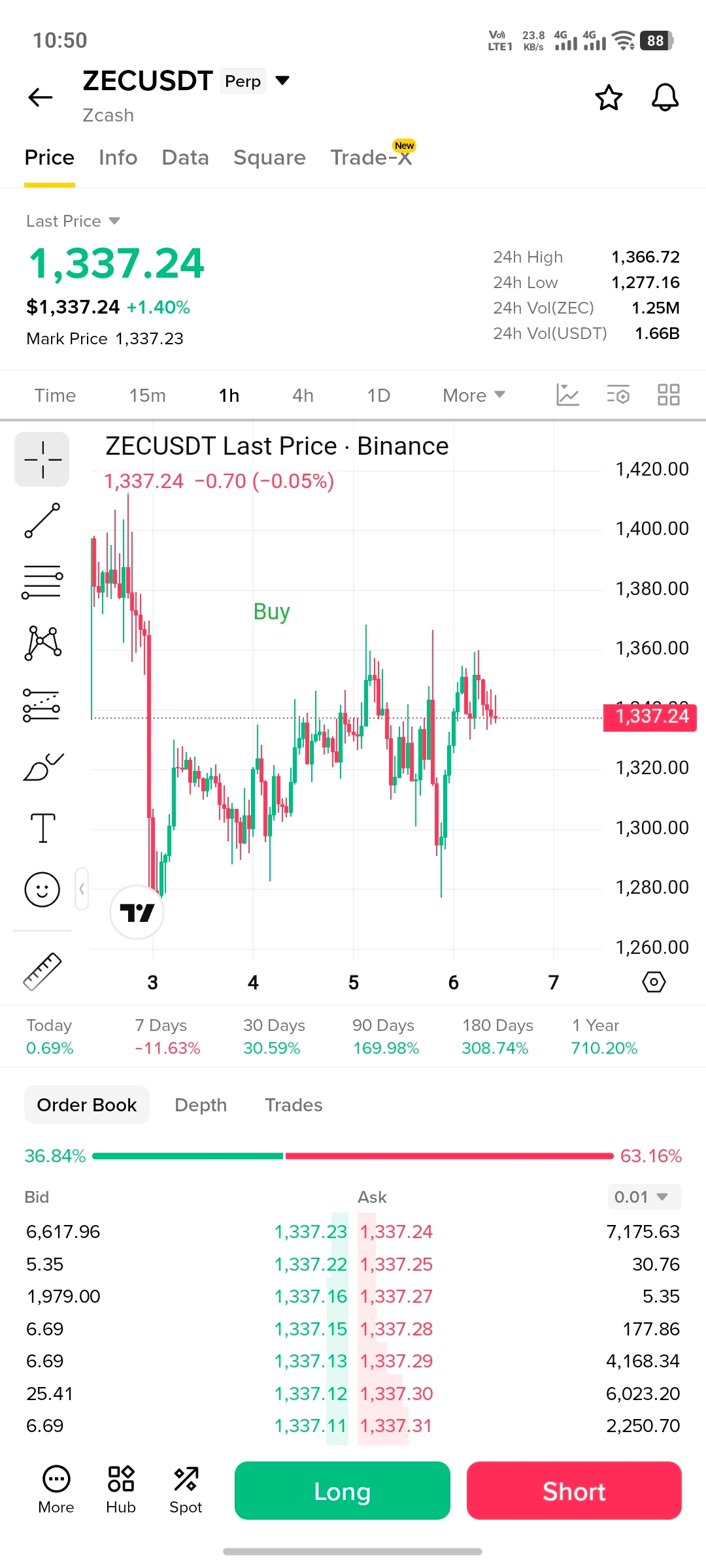
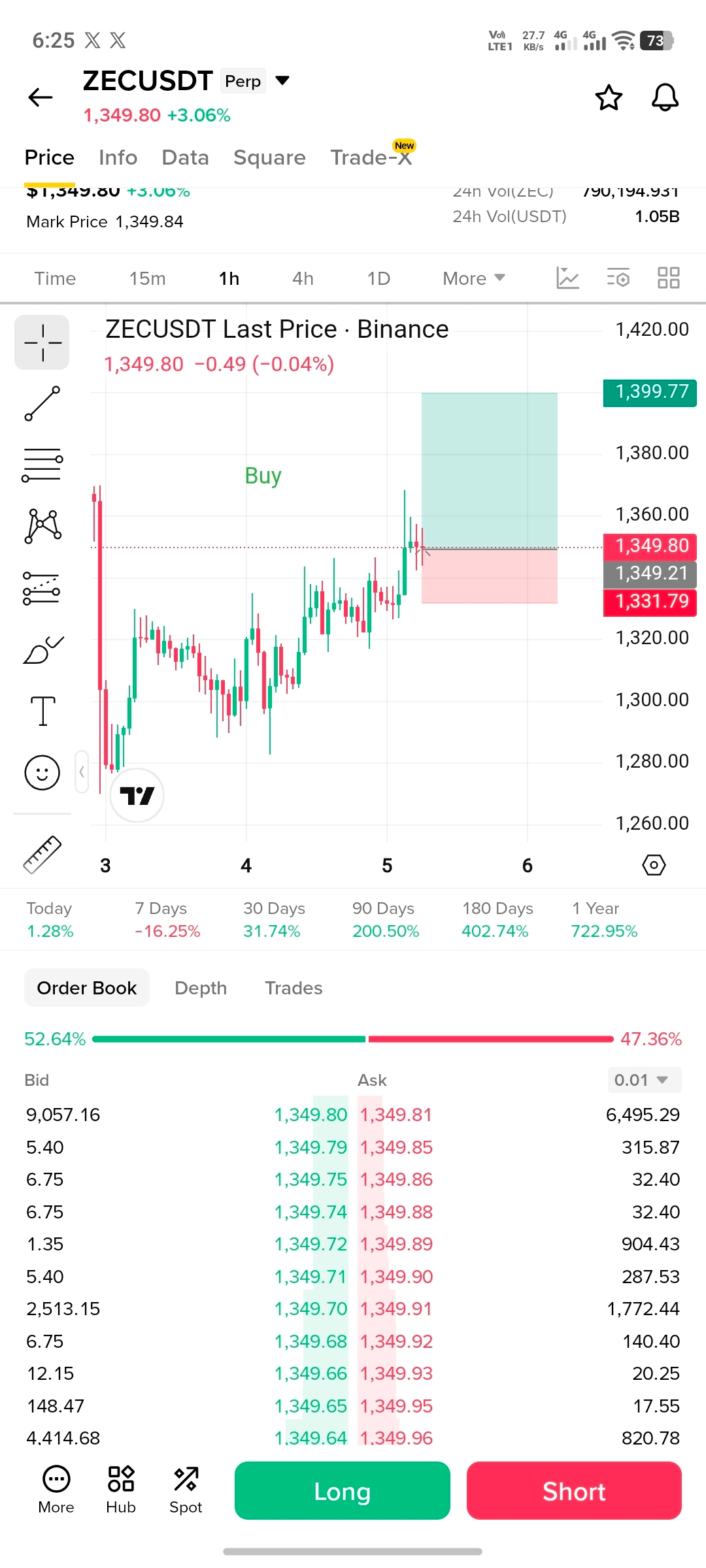
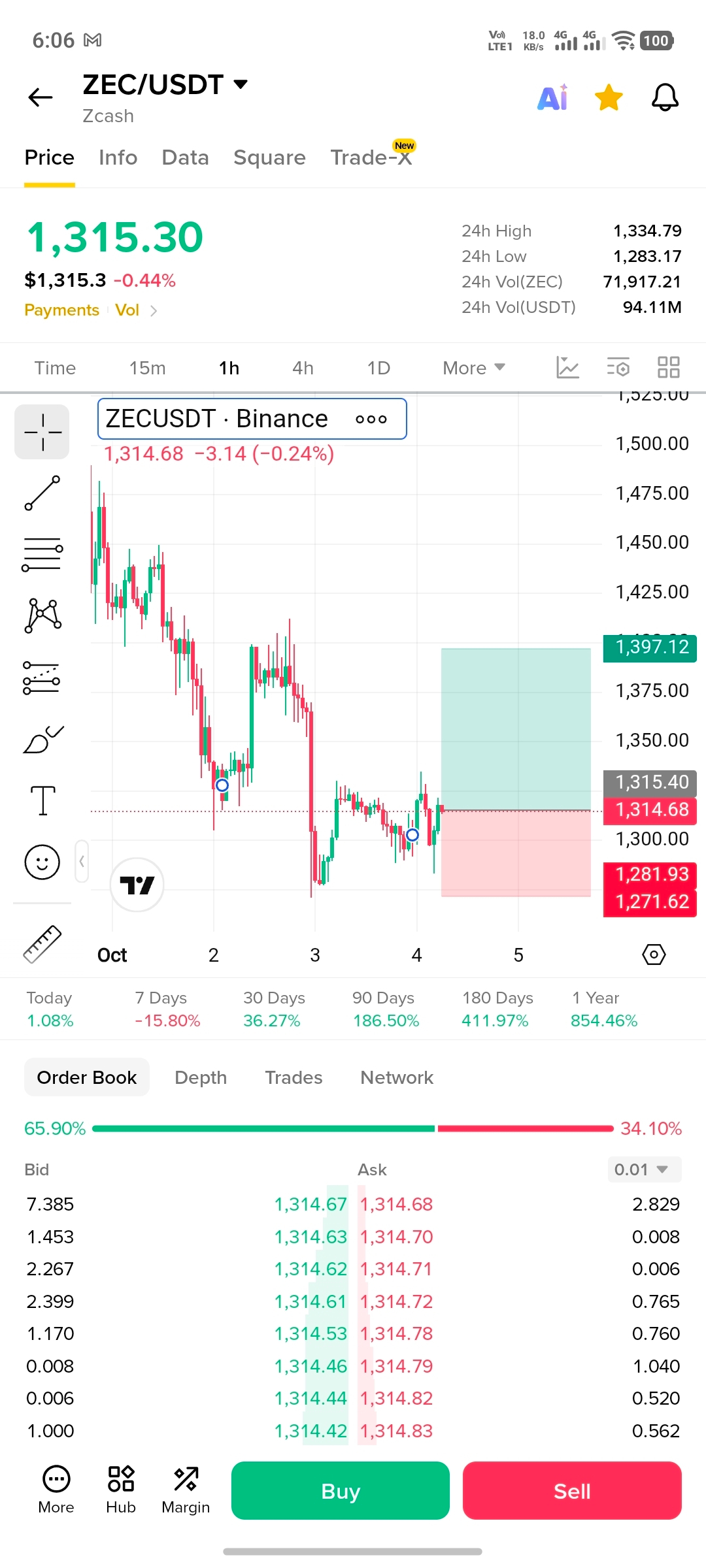
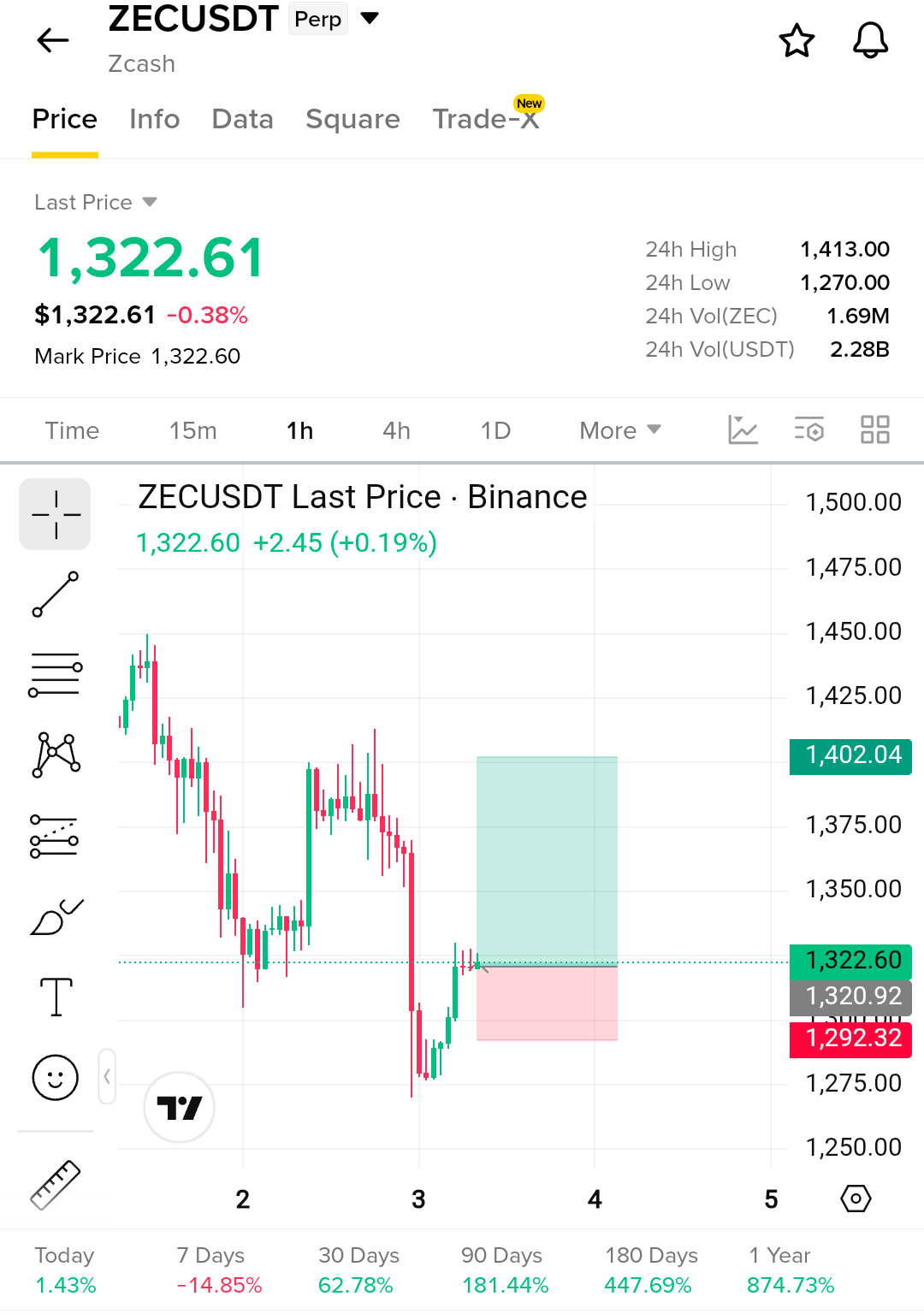
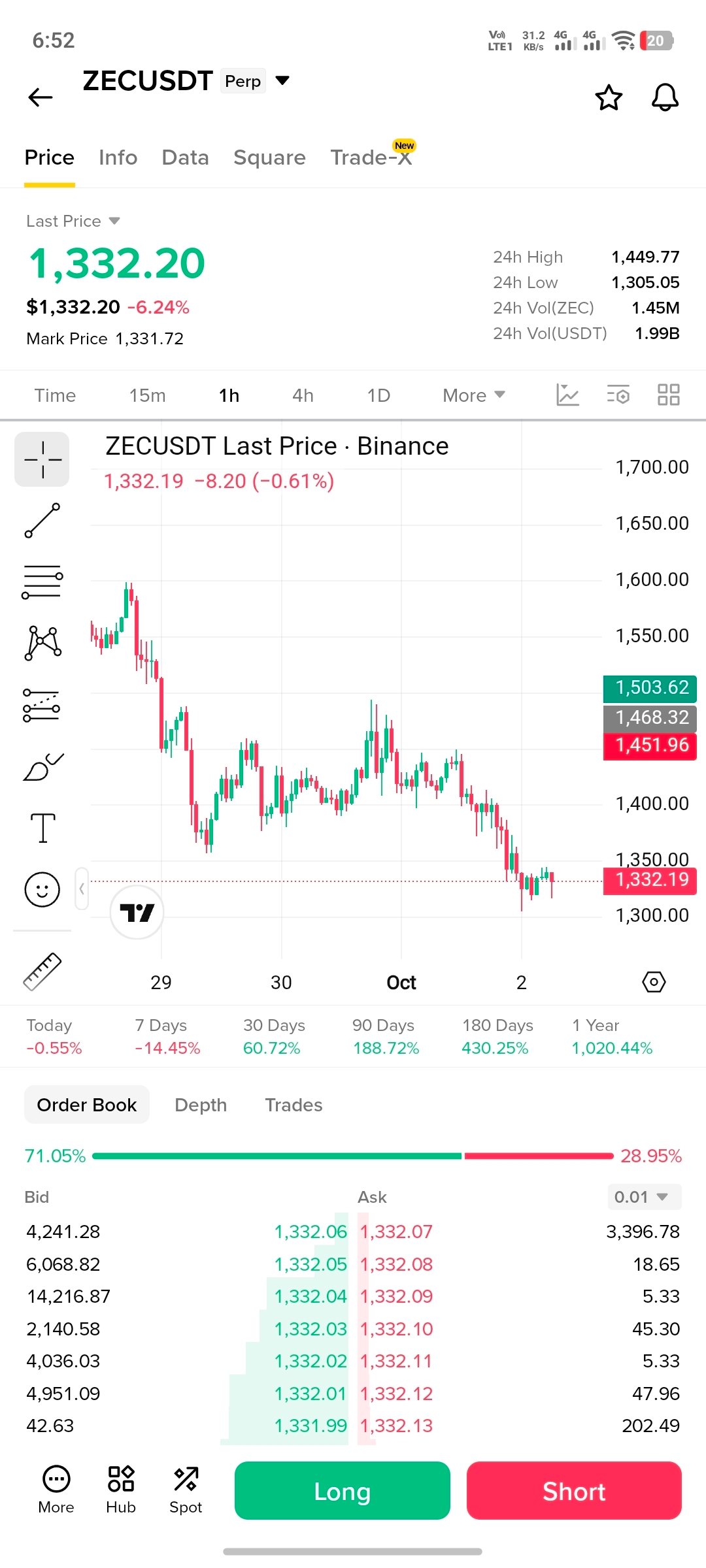
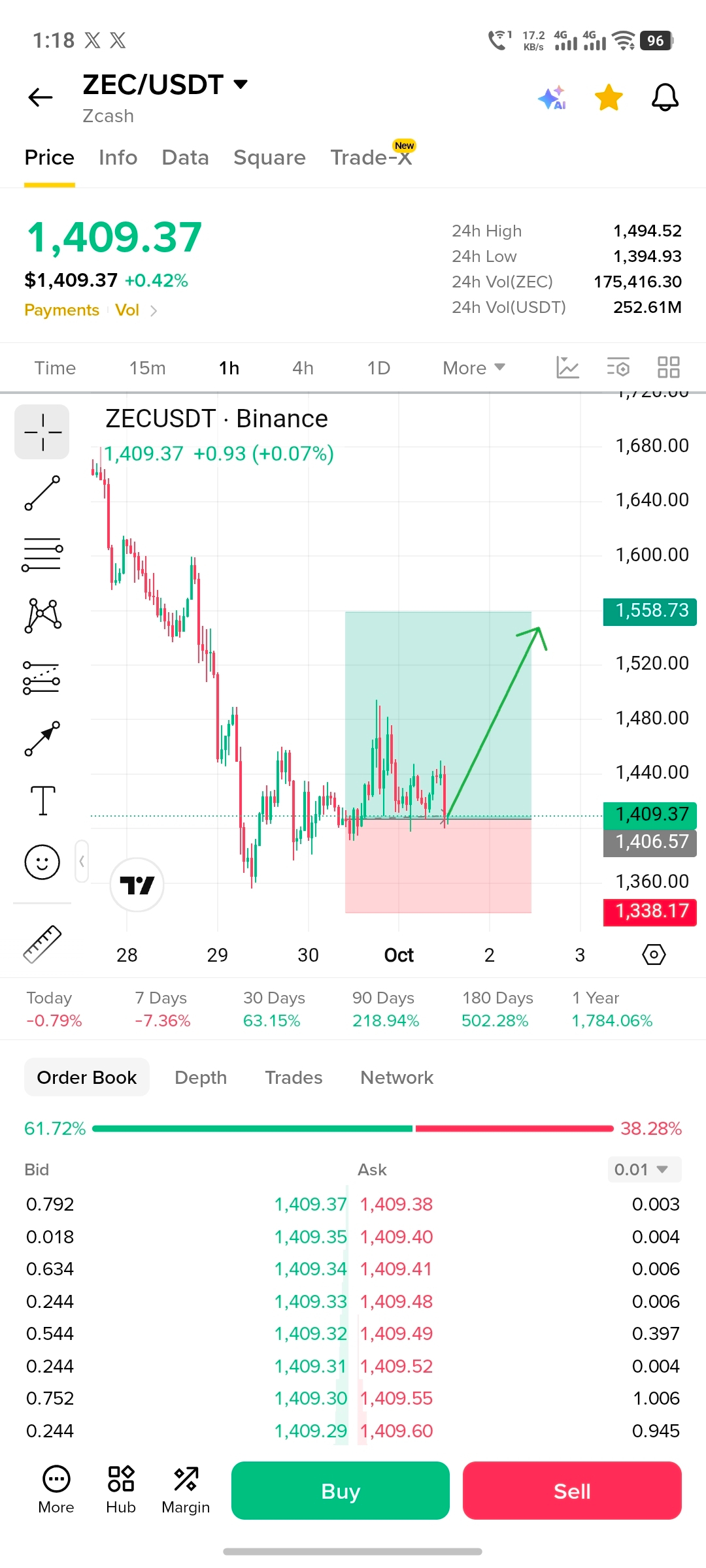
This chart shows the trading information of $ZEC /USDT (Zcash to Tether). Below is a summary of the main content:
📈 Price Information
· Current Price: 356.89 USDT · Equivalent in Indian Rupees: Approximately 100,849.97 INR · 24-hour Price Change: -0.27% · Coin Type: POW (Proof of Work)