

Nyzacrip
Eterna aprendiz/ Creyente de que el conocimiento se multiplica cuando se comparte. Evolución constante inspirar y sumar valor.
High-Frequency Trader
5.5 Years
246 Following
762 Followers
98 Liked
Posts
All
Quotes
Live


Binance News
·
--
Anthropic Prepares to Push Ahead With IPO as Soon as Next Week
Anthropic plans to forge ahead with its initial public offering later this month despite recent market volatility tied to artificial-intelligence investments, the Wall Street Journal reported. The Claude maker has meetings lined up with key investors this week and is aiming for its shares to start trading Thursday or Friday next week, according to people familiar with the matter. Investors are awaiting Anthropic's targeted valuation range, which the company is expected to unveil in a filing early this week. A week ago, investors anticipated a target of about $1.5 trillion, but after Thursday's steep selloff in AI companies, some major investors are now pushing for a lower figure.
TechFlow reported on November 10 that according to CNBC, seven companies including Google, Nvidia, AMD, Broadcom, Micron, Microsoft, and TSMC will invest $26 billion via private placement at the IPO price, and cornerstone investors will sell 23,333,331 shares in the IPO.
In earlier reports, Anthropic plans to raise up to $69.3 billion through its IPO, with a proposed offering price range of $70 to $80 per share. Anthropic intends to issue 866,666,664 Class A shares in the IPO. However, Anthropic later said the pricing was inaccurate and that it would update the filing later, according to Reuters.
The Nasdaq Composite has recovered ground, likely giving Anthropic additional confidence to push forward. Yet the company will almost certainly need to accept a much lower valuation than the roughly $2 trillion floated months ago. It could still delay and wait for better conditions, though doing so would risk sparking panic in the market. Executives have been huddling with bankers from Goldman Sachs and Morgan Stanley in recent days to discuss where to set the range. Setting its sights too high could hurt investor demand and send shares lower, while too low a range could expose the company and its bankers to criticism that they left money on the table.
Bankers sometimes encourage slightly lower-than-expected ranges so they can raise them later citing strong demand. The filing expected this week will spell out how many shares Anthropic plans to sell and at what price, and could reveal big-name investors already lined up to buy at the IPO price. The company plans to list on the Nasdaq under the ticker "ANT." Companies in the Nasdaq Composite shed $2.5 trillion of value on Thursday after the midterm elections swept a bloc of AI skeptics into power and passed moratoriums that could slow America's data-center development.
Even before the recent volatility, enthusiasm for AI names had been waning on concerns about the scale of investment required and the lack of clarity on its payoff. Rival OpenAI raised less than half of what it initially targeted in its latest funding round, at a below-target valuation of $1.25 trillion. SpaceX's record June offering valued the rocket-maker at about $1.77 trillion and raised roughly $75 billion.


POCHITA 2113 保拉
·
--
[Ended] 🎙️ Good night 🚀🚀🚀 with Pochita2113 🌸💕
475 listens

Jesustraderlux
·
--
[Replay] 🎙️ A productive hour and a half!!
02 h 56 m 06 s · 1.4k listens
POCHITA 2113 保拉
·
--
[Ended] 🎙️ What are we doing today?
TRYING TO TAKE OVER THE WORLD, PINKY
4.6k listens
POCHITA 2113 保拉
·
--
[Ended] 🎙️ Happy start to the week, everyone
may success be for everyone
1.6k listens

Arcángel-Black
·
--
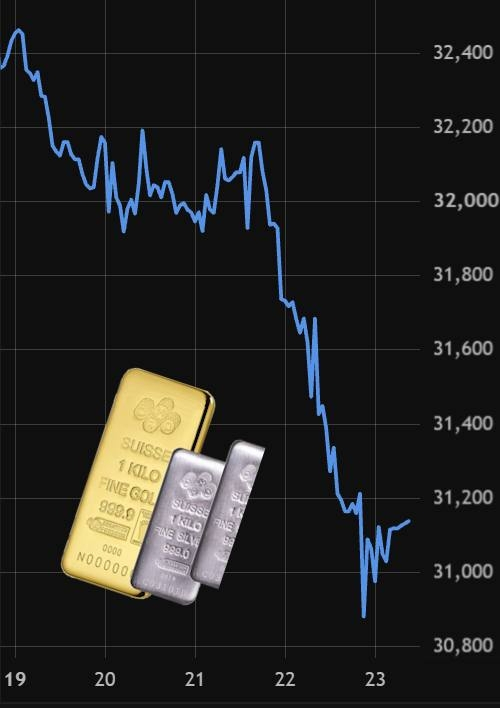
Gold and silver have lost $1.3 trillion in value in 4 days.
There is no safe haven if AI investments fail to meet expectations.
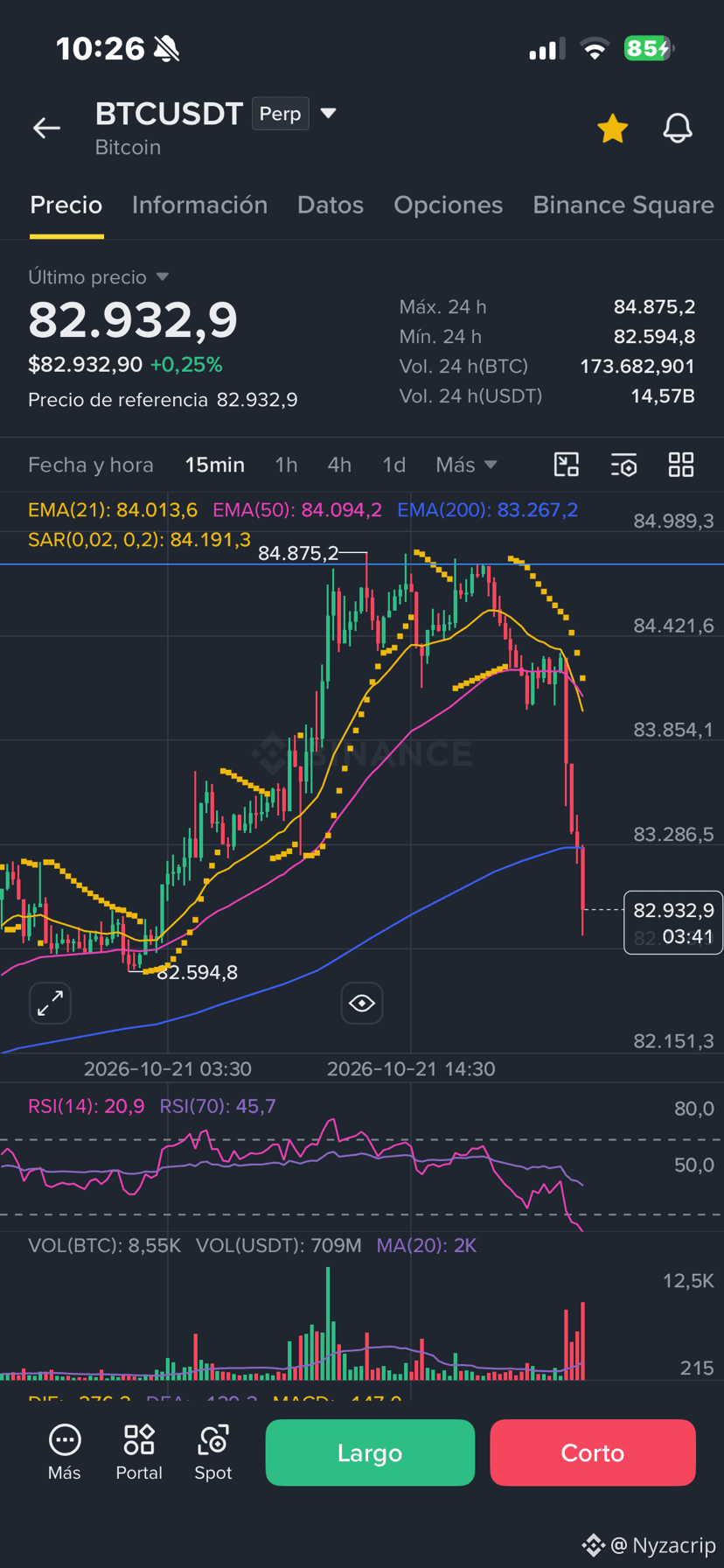
It’s extremely healthy for Bitcoin to stay above $80,000!
There is no safe haven if AI investments fail to meet expectations.
It’s extremely healthy for Bitcoin to stay above $80,000!

Kiu Trades
·
--
[Replay] 🎙️ Let's go, everyone! The market isn't messing around 🔥🤍🔥
05 h 50 m 56 s · 3.1k listens
Jesustraderlux
·
--
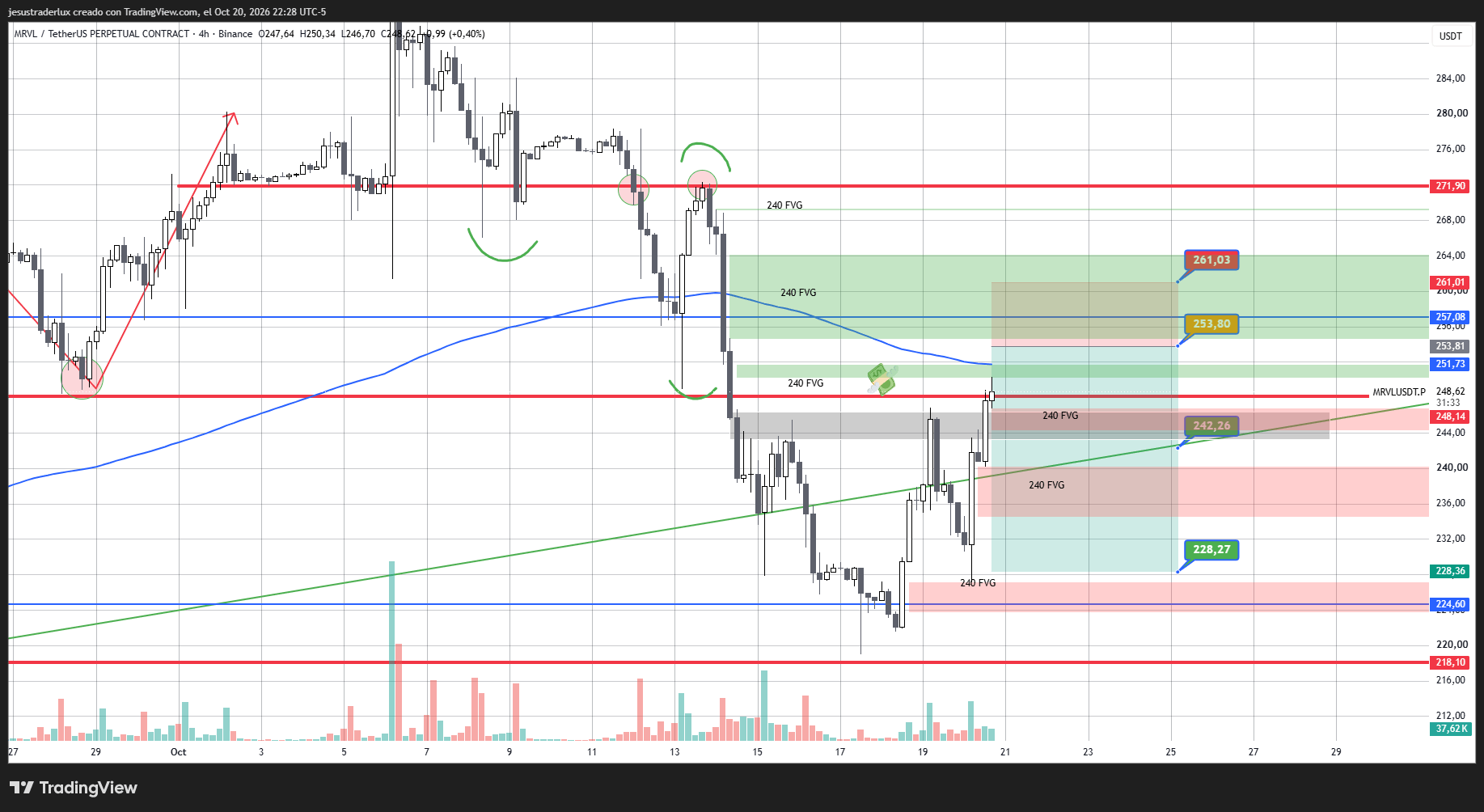
🚀🚀 SWING TRADING SIGNAL🚀🚀
Don't miss out—an excellent entry!
━━━━━━━━━━━━━━━━━━
🚀 J E S U S T R A D E R L U X 📈💎
💰 Analysis • Education • Risk Management
━━━━━━━━━━━━━━━━━━
$MRVL
#jesustraderlux
Don't miss out—an excellent entry!
━━━━━━━━━━━━━━━━━━
🚀 J E S U S T R A D E R L U X 📈💎
💰 Analysis • Education • Risk Management
━━━━━━━━━━━━━━━━━━
$MRVL
#jesustraderlux
Jesustraderlux
·
--
[Replay] 🎙️ LET'S GO, LET'S GO!!
03 h 17 m 41 s · 1.1k listens
Kiu Trades
·
--
[Replay] 🎙️ Victorious community! Night of blessings 🔥🤍🔥
05 h 18 m 19 s · 3.1k listens
POCHITA 2113 保拉
·
--
[Ended] 🎙️ Welcome, good afternoon everyone, with POCHITA2113
768 listens
Jesustraderlux
·
--
Let's go for it!!!
the sky's the limit. 🤑
@Capitanmeliodas @0mega @POCHITA 2113 保拉
#jesustraderlux
the sky's the limit. 🤑
@Capitanmeliodas @0mega @POCHITA 2113 保拉
#jesustraderlux

Arcángel-Black
·
--
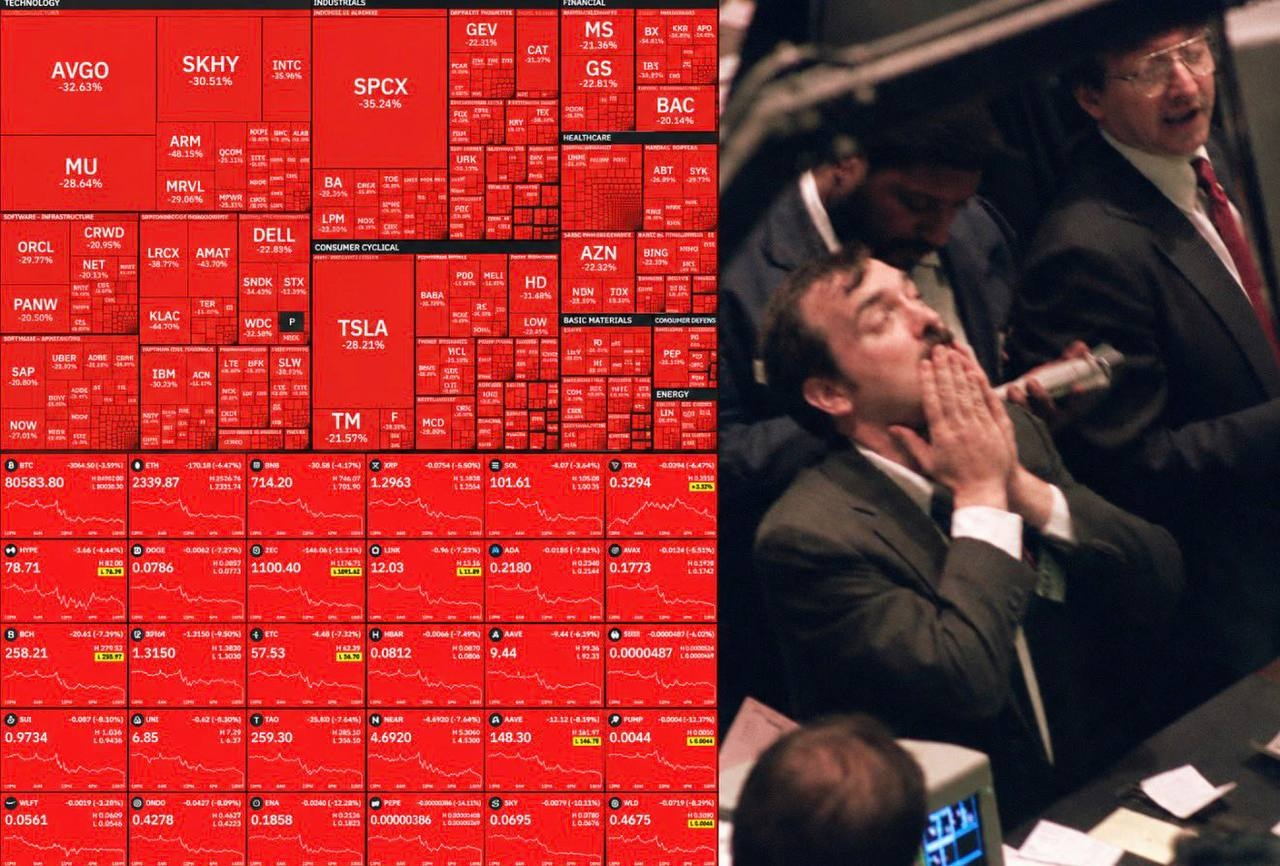
✅WILL A BLACK MONDAY CRASH HAPPEN TOMORROW?
Many people are calling for a crash at tomorrow’s market open for these reasons.
- Oil is above $100.
- AI perpetuals are plunging.
- Bank stocks are tumbling.
- The VIX is at a 4-month high.
- Bond yields are surging.
- Inflation is running rampant.
- War and geopolitical uncertainty are escalating.
- Rumors that the AI fund is running out of money are spreading.
And coincidentally, the 1987 Black Monday crash happened on October 19, and tomorrow is also October 19.
Here’s what happened during the last Black Monday crash:
- The U.S. stock market plunged 22% in a single day, wiping out $500 billion.
- Global stock markets lost more than $1.7 trillion.
- The Fed had to inject liquidity to calm the markets.
The last Black Monday crash was caused solely by rising interest rates and concerns about the trade deficit.
This time, the market is much more mature, and a crash that massive isn’t possible because of circuit breakers.
That doesn’t mean a plunge can’t happen, but a total crash like the one in 1987 is a bit extreme.
Log in to explore more content