

NEWBEE交易社区
636 Posts

NEWBEE交易社区
Report
Block User
🌟 NEWBEE交易社区 📊 利用Tradingview,提供精准的市场分析和策略🔑 定制化服务,助力您的投资决策! 🚀 共创财富未来! #TradingCommunity#QuantStrategies
High-Frequency Trader
5.4 Years
60 Following
1.3K+ Followers
247 Liked
Posts
All
Quotes
Videos
Live
PINNED
·
--
Bearish
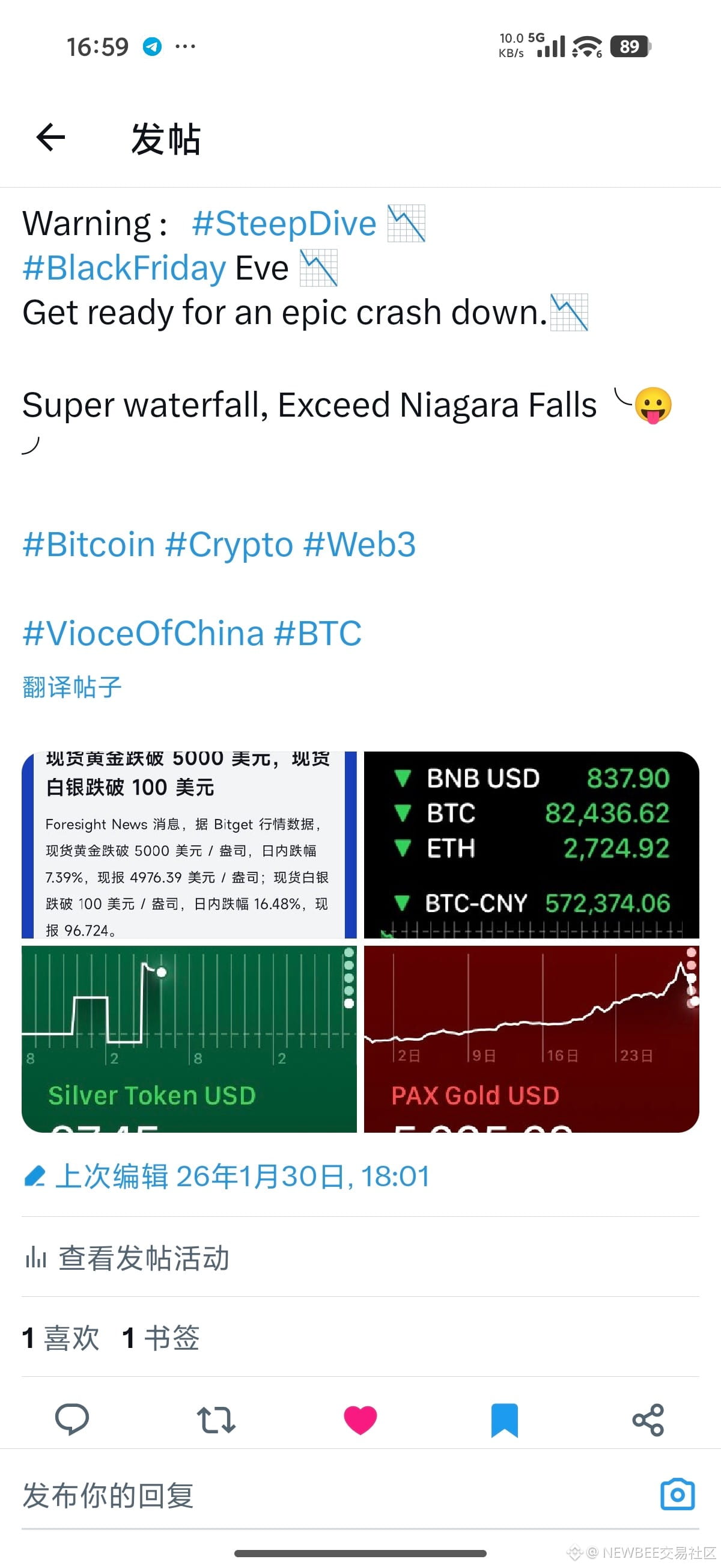
Warning : #SteepDive 📉
#BlackFriday Eve 📉
Get ready for an epic crash down.📉
Super waterfall, Exceed Niagara Falls╰😛╯
#Bitcoin #Crypto #Web3
#CZ币安广场AMA $BTC
#BTC
Warning : #SteepDive 📉
#BlackFriday Eve 📉
Get ready for an epic crash down.📉
Super waterfall, Exceed Niagara Falls╰😛╯
#Bitcoin #Crypto #Web3
#CZ币安广场AMA $BTC
#BTC
#BlackFriday Eve 📉
Get ready for an epic crash down.📉
Super waterfall, Exceed Niagara Falls╰😛╯
#Bitcoin #Crypto #Web3
#CZ币安广场AMA $BTC
#BTC
1
2
6
177
·
--
$LSK
#风控 #行情速评 #从想法到自动化
Handing the order book to a machine means turning your ideas into rules. Many people teach you how to read the order book, but few can turn ideas into automated trading. Follow me—every step from idea to automation, I’ll tell you. If you do it the way I show you, you’ll know how to implement it.
$LSK
#风控 #行情速评 #从想法到自动化
Handing the order book to a machine means turning your ideas into rules. Many people teach you how to read the order book, but few can turn ideas into automated trading. Follow me—every step from idea to automation, I’ll tell you. If you do it the way I show you, you’ll know how to implement it.
#风控 #行情速评 #从想法到自动化
Handing the order book to a machine means turning your ideas into rules. Many people teach you how to read the order book, but few can turn ideas into automated trading. Follow me—every step from idea to automation, I’ll tell you. If you do it the way I show you, you’ll know how to implement it.

173
·
--
$SOL
#比特币 #行情速评 #从想法到自动化
Handing the watchlist to the machine means entrusting your ideas to rules. There are many who teach you how to watch the market, but few who can turn ideas into automated trading—follow me, and I’ll tell you every step of “from ideas to automation.” If you follow along, you’ll know how to implement it.
$SOL
#比特币 #行情速评 #从想法到自动化
Handing the watchlist to the machine means entrusting your ideas to rules. There are many who teach you how to watch the market, but few who can turn ideas into automated trading—follow me, and I’ll tell you every step of “from ideas to automation.” If you follow along, you’ll know how to implement it.
#比特币 #行情速评 #从想法到自动化
Handing the watchlist to the machine means entrusting your ideas to rules. There are many who teach you how to watch the market, but few who can turn ideas into automated trading—follow me, and I’ll tell you every step of “from ideas to automation.” If you follow along, you’ll know how to implement it.

114
·
--
You already have your own trading logic.
Look at the structure, wait for a pullback; if it breaks down, reduce positions; when it spikes up, take profits in batches.
The issue is: these judgments live in your head, not in your rules.
You can keep an eye on it during the day—but what about 3 a.m.?
One needle-like move happens, and your hands act faster than your brain; your plan gets distorted.
Automation isn’t meant to replace your logic—it translates it into sentences a machine can execute:
If the price returns to a certain area, and a specific condition is met, then place a limit order;
after a trade is filled, set take-profit where it goes, stop-loss where it goes, position size how much, and the maximum loss how much.
Then hand it to the machine for 24-hour automatic order placement, take-profit, and stop-loss.
You go to sleep, it keeps placing orders; if you’re busy, it keeps managing.
But the boundaries also need to be made clear:
The machine doesn’t understand “I feel the market is about to turn.” It only recognizes the conditions you write.
It can help you maintain discipline—it won’t decide the direction for you.
In extreme markets, slippage, gaps, and thinner liquidity may happen; stop-loss orders are not a magic shield.
Your strategy will also age—review it regularly, stop what should be stopped, change what should be changed.
So for someone with logic doing automation, the focus isn’t on making things more complex.
It’s on turning “what I think” into “what the machine does.”
If you can write it down, you can stick to it;
if you can stick to it, you won’t need to stay up late watching the screen.
Follow this account. I’ll explain step by step how strategy is designed, how the rules are implemented, and how risk control is covered. If you do what I say, you’ll know how to hand the watch to the machine.
$ETH $NFP
#AI #把策略交给机器 #从想法到自动化
Handing the screen-watching to the machine means handing your ideas to rules. There are many people who teach you how to watch the market—few can turn ideas into automated trading. Follow me—every step of “from idea to automation” I will teach you. Do it the way I show you, and you’ll know exactly how to implement it.
You already have your own trading logic.
Look at the structure, wait for a pullback; if it breaks down, reduce positions; when it spikes up, take profits in batches.
The issue is: these judgments live in your head, not in your rules.
You can keep an eye on it during the day—but what about 3 a.m.?
One needle-like move happens, and your hands act faster than your brain; your plan gets distorted.
Automation isn’t meant to replace your logic—it translates it into sentences a machine can execute:
If the price returns to a certain area, and a specific condition is met, then place a limit order;
after a trade is filled, set take-profit where it goes, stop-loss where it goes, position size how much, and the maximum loss how much.
Then hand it to the machine for 24-hour automatic order placement, take-profit, and stop-loss.
You go to sleep, it keeps placing orders; if you’re busy, it keeps managing.
But the boundaries also need to be made clear:
The machine doesn’t understand “I feel the market is about to turn.” It only recognizes the conditions you write.
It can help you maintain discipline—it won’t decide the direction for you.
In extreme markets, slippage, gaps, and thinner liquidity may happen; stop-loss orders are not a magic shield.
Your strategy will also age—review it regularly, stop what should be stopped, change what should be changed.
So for someone with logic doing automation, the focus isn’t on making things more complex.
It’s on turning “what I think” into “what the machine does.”
If you can write it down, you can stick to it;
if you can stick to it, you won’t need to stay up late watching the screen.
Follow this account. I’ll explain step by step how strategy is designed, how the rules are implemented, and how risk control is covered. If you do what I say, you’ll know how to hand the watch to the machine.
$ETH $NFP
#AI #把策略交给机器 #从想法到自动化
Handing the screen-watching to the machine means handing your ideas to rules. There are many people who teach you how to watch the market—few can turn ideas into automated trading. Follow me—every step of “from idea to automation” I will teach you. Do it the way I show you, and you’ll know exactly how to implement it.
Look at the structure, wait for a pullback; if it breaks down, reduce positions; when it spikes up, take profits in batches.
The issue is: these judgments live in your head, not in your rules.
You can keep an eye on it during the day—but what about 3 a.m.?
One needle-like move happens, and your hands act faster than your brain; your plan gets distorted.
Automation isn’t meant to replace your logic—it translates it into sentences a machine can execute:
If the price returns to a certain area, and a specific condition is met, then place a limit order;
after a trade is filled, set take-profit where it goes, stop-loss where it goes, position size how much, and the maximum loss how much.
Then hand it to the machine for 24-hour automatic order placement, take-profit, and stop-loss.
You go to sleep, it keeps placing orders; if you’re busy, it keeps managing.
But the boundaries also need to be made clear:
The machine doesn’t understand “I feel the market is about to turn.” It only recognizes the conditions you write.
It can help you maintain discipline—it won’t decide the direction for you.
In extreme markets, slippage, gaps, and thinner liquidity may happen; stop-loss orders are not a magic shield.
Your strategy will also age—review it regularly, stop what should be stopped, change what should be changed.
So for someone with logic doing automation, the focus isn’t on making things more complex.
It’s on turning “what I think” into “what the machine does.”
If you can write it down, you can stick to it;
if you can stick to it, you won’t need to stay up late watching the screen.
Follow this account. I’ll explain step by step how strategy is designed, how the rules are implemented, and how risk control is covered. If you do what I say, you’ll know how to hand the watch to the machine.
$ETH $NFP
#AI #把策略交给机器 #从想法到自动化
Handing the screen-watching to the machine means handing your ideas to rules. There are many people who teach you how to watch the market—few can turn ideas into automated trading. Follow me—every step of “from idea to automation” I will teach you. Do it the way I show you, and you’ll know exactly how to implement it.

223
·
--
$BTC
#策略 #行情速评 #从想法到自动化
Handing over market monitoring to a machine is handing your ideas over to rules. Many people teach you how to monitor the market; far fewer people can turn ideas into automated trading—follow me. I’ll walk you through every step of “from idea to automation”; if you do it as I show you, you’ll know how to put it into practice.
$BTC
#策略 #行情速评 #从想法到自动化
Handing over market monitoring to a machine is handing your ideas over to rules. Many people teach you how to monitor the market; far fewer people can turn ideas into automated trading—follow me. I’ll walk you through every step of “from idea to automation”; if you do it as I show you, you’ll know how to put it into practice.
#策略 #行情速评 #从想法到自动化
Handing over market monitoring to a machine is handing your ideas over to rules. Many people teach you how to monitor the market; far fewer people can turn ideas into automated trading—follow me. I’ll walk you through every step of “from idea to automation”; if you do it as I show you, you’ll know how to put it into practice.

900
·
--
$RAYSOL Last night 1.2506, this afternoon 1.7495.
Someone climbed up to the mountaintop overnight,
only to find that there was only one person up there.
#今日捡钱行情
$RAYSOL Last night 1.2506, this afternoon 1.7495.
Someone climbed up to the mountaintop overnight,
only to find that there was only one person up there.
#今日捡钱行情
Someone climbed up to the mountaintop overnight,
only to find that there was only one person up there.
#今日捡钱行情

256
·
--
Bull comes for USDT last night 0.0736, this noon 0.14.
Shorts set their stop loss at 3 a.m.,
by noon at 12 p.m. it turned into faith.
He didn’t lose to the dealer—he lost to a coin name.
#Today’s money-picking market
Bull comes for USDT last night 0.0736, this noon 0.14.
Shorts set their stop loss at 3 a.m.,
by noon at 12 p.m. it turned into faith.
He didn’t lose to the dealer—he lost to a coin name.
#Today’s money-picking market
Shorts set their stop loss at 3 a.m.,
by noon at 12 p.m. it turned into faith.
He didn’t lose to the dealer—he lost to a coin name.
#Today’s money-picking market

336
·
--
You stare at the K-line, and the K-line is staring back at your dark circles.
You think you’re watching for opportunities, but really you’re trading your life for volatility. Do the math: 2 hours of chart-watching a day is 60 hours a month. That time could have been spent sleeping, exercising, being with family, or actually building a strategy.
Chart-watching also steals sleep. You check your position before bed, wake up in the middle of the night to check again, and even dream about waiting for a wick to be pierced. The next day you’re a mess, and your judgment naturally gets distorted.
Your emotions get dragged around too. When it rises, you fear a pullback; when it falls, you fear it going lower. You clearly set a stop loss, but with a twitch of your finger, you cancel it. Once emotions kick in, your hand stops obeying the rules.
Then there’s FOMO. You see a huge green candle and fear missing out, so you chase it. You see others posting profits and fear falling behind, so you add to the position. And the result? The tighter you watch, the more the market pulls you along.
The most hidden cost is execution mistakes. After staring until midnight, your brain goes numb; you meant to close a position, but ended up opening one; you meant to place a limit order, but hit market order instead. Those losses aren’t counted in the market move—they’re all on you.
So chart-watching is never free. Time, sleep, emotions, FOMO, and mistakes—each one is an invisible loss beyond money.
Bottom line: chart-watching is the most expensive cost; saving it is what actually makes you money.
There are many people who teach you how to watch the market, but very few who can free you from it. Follow this account, and you’ll be one of the latter.
$PROM
#币圈 #盯盘成本学 #从想法到自动化
Leave chart-watching to the machine, and hand your ideas over to rules. There are many people who teach you how to watch the market, but very few who can turn ideas into automated trading—follow me, and I’ll walk you through every step from "idea to automation," so you can do it yourself and learn how to make it real.
You stare at the K-line, and the K-line is staring back at your dark circles.
You think you’re watching for opportunities, but really you’re trading your life for volatility. Do the math: 2 hours of chart-watching a day is 60 hours a month. That time could have been spent sleeping, exercising, being with family, or actually building a strategy.
Chart-watching also steals sleep. You check your position before bed, wake up in the middle of the night to check again, and even dream about waiting for a wick to be pierced. The next day you’re a mess, and your judgment naturally gets distorted.
Your emotions get dragged around too. When it rises, you fear a pullback; when it falls, you fear it going lower. You clearly set a stop loss, but with a twitch of your finger, you cancel it. Once emotions kick in, your hand stops obeying the rules.
Then there’s FOMO. You see a huge green candle and fear missing out, so you chase it. You see others posting profits and fear falling behind, so you add to the position. And the result? The tighter you watch, the more the market pulls you along.
The most hidden cost is execution mistakes. After staring until midnight, your brain goes numb; you meant to close a position, but ended up opening one; you meant to place a limit order, but hit market order instead. Those losses aren’t counted in the market move—they’re all on you.
So chart-watching is never free. Time, sleep, emotions, FOMO, and mistakes—each one is an invisible loss beyond money.
Bottom line: chart-watching is the most expensive cost; saving it is what actually makes you money.
There are many people who teach you how to watch the market, but very few who can free you from it. Follow this account, and you’ll be one of the latter.
$PROM
#币圈 #盯盘成本学 #从想法到自动化
Leave chart-watching to the machine, and hand your ideas over to rules. There are many people who teach you how to watch the market, but very few who can turn ideas into automated trading—follow me, and I’ll walk you through every step from "idea to automation," so you can do it yourself and learn how to make it real.
You think you’re watching for opportunities, but really you’re trading your life for volatility. Do the math: 2 hours of chart-watching a day is 60 hours a month. That time could have been spent sleeping, exercising, being with family, or actually building a strategy.
Chart-watching also steals sleep. You check your position before bed, wake up in the middle of the night to check again, and even dream about waiting for a wick to be pierced. The next day you’re a mess, and your judgment naturally gets distorted.
Your emotions get dragged around too. When it rises, you fear a pullback; when it falls, you fear it going lower. You clearly set a stop loss, but with a twitch of your finger, you cancel it. Once emotions kick in, your hand stops obeying the rules.
Then there’s FOMO. You see a huge green candle and fear missing out, so you chase it. You see others posting profits and fear falling behind, so you add to the position. And the result? The tighter you watch, the more the market pulls you along.
The most hidden cost is execution mistakes. After staring until midnight, your brain goes numb; you meant to close a position, but ended up opening one; you meant to place a limit order, but hit market order instead. Those losses aren’t counted in the market move—they’re all on you.
So chart-watching is never free. Time, sleep, emotions, FOMO, and mistakes—each one is an invisible loss beyond money.
Bottom line: chart-watching is the most expensive cost; saving it is what actually makes you money.
There are many people who teach you how to watch the market, but very few who can free you from it. Follow this account, and you’ll be one of the latter.
$PROM
#币圈 #盯盘成本学 #从想法到自动化
Leave chart-watching to the machine, and hand your ideas over to rules. There are many people who teach you how to watch the market, but very few who can turn ideas into automated trading—follow me, and I’ll walk you through every step from "idea to automation," so you can do it yourself and learn how to make it real.
183
·
--
Tonight’s market, in one word: divergence. Trading volume was all piled into old names like BTC and ETH, but the volatility leaderboard looked like another world—NFP dropped 65% in one go, RAY surged 48% against the trend, and ARB jumped 45% too. In the same 24 hours, some people watched the sunrise to utter chaos, while others enjoyed a late-night snack with an extra chicken drumstick. That’s the temperature gauge of market sentiment. Numbers don’t lie.
What are traders staring at in anxiety? Not the rise or fall itself, but whether they should make a move. The quant perspective is simple: turn anxiety into rules, hand stop-loss and take-profit to the program, and let people do nothing more than sleep well.
Alright, dim the screen—the story for today is over. Follow me, and I’ll walk you through every step from idea to automation. Just do it as I show you, and you’ll know how to make it happen.
$BNB
#交易 #行情速评 #从想法到自动化
Handing chart-watching over to machines means handing ideas over to rules. There are many people who teach you how to watch the market, but very few who can turn ideas into automated trading—follow me, and I’ll walk you through every step from idea to automation. Just do it as I show you, and you’ll know how to make it happen.
Tonight’s market, in one word: divergence. Trading volume was all piled into old names like BTC and ETH, but the volatility leaderboard looked like another world—NFP dropped 65% in one go, RAY surged 48% against the trend, and ARB jumped 45% too. In the same 24 hours, some people watched the sunrise to utter chaos, while others enjoyed a late-night snack with an extra chicken drumstick. That’s the temperature gauge of market sentiment. Numbers don’t lie.
What are traders staring at in anxiety? Not the rise or fall itself, but whether they should make a move. The quant perspective is simple: turn anxiety into rules, hand stop-loss and take-profit to the program, and let people do nothing more than sleep well.
Alright, dim the screen—the story for today is over. Follow me, and I’ll walk you through every step from idea to automation. Just do it as I show you, and you’ll know how to make it happen.
$BNB
#交易 #行情速评 #从想法到自动化
Handing chart-watching over to machines means handing ideas over to rules. There are many people who teach you how to watch the market, but very few who can turn ideas into automated trading—follow me, and I’ll walk you through every step from idea to automation. Just do it as I show you, and you’ll know how to make it happen.
What are traders staring at in anxiety? Not the rise or fall itself, but whether they should make a move. The quant perspective is simple: turn anxiety into rules, hand stop-loss and take-profit to the program, and let people do nothing more than sleep well.
Alright, dim the screen—the story for today is over. Follow me, and I’ll walk you through every step from idea to automation. Just do it as I show you, and you’ll know how to make it happen.
$BNB
#交易 #行情速评 #从想法到自动化
Handing chart-watching over to machines means handing ideas over to rules. There are many people who teach you how to watch the market, but very few who can turn ideas into automated trading—follow me, and I’ll walk you through every step from idea to automation. Just do it as I show you, and you’ll know how to make it happen.
306
·
--
Tonight’s market isn’t exactly lively, but it’s not dull either—it’s the kind of split where “some people stay up late, some go to bed early.”
Trading volume is still being supported by the usual old faces like BTC, ETH, and SOL, while ZEC suddenly squeezed into the front ranks, which was a bit surprising. The volatility board was even more exciting: MARSCOIN doubled, NFP, VIC, and VANRY all plunged together, while DASH moved against the trend with a strong rebound. Some people are counting money, some are deleting apps—same screen, two different lives.
For those staring at the charts, the biggest anxiety right now isn’t whether prices go up or down, but “should I even make a move?” At times like this, quantitative rules are actually simple: when volatility is high, reduce your position; when sentiment is overheated, watch the screen less. Rules aren’t for predicting—they’re to make sure that when you can’t sleep, you still know what you’re doing.
Alright, stop staring at it—the market can’t outrun the midnight wind. Drink some water and lie down early. Follow me, and I’ll walk you through every step from “idea to automation”; just follow along and you’ll know how to put it into practice.
$ETH
#币圈 #行情速评 #从想法到自动化
Leave chart-watching to machines, and leave ideas to rules. There are plenty of people who can teach you how to watch the market, but very few who can turn ideas into automated trading—follow me, and I’ll walk you through every step from “idea to automation”; just follow along and you’ll know how to make it work.
Tonight’s market isn’t exactly lively, but it’s not dull either—it’s the kind of split where “some people stay up late, some go to bed early.”
Trading volume is still being supported by the usual old faces like BTC, ETH, and SOL, while ZEC suddenly squeezed into the front ranks, which was a bit surprising. The volatility board was even more exciting: MARSCOIN doubled, NFP, VIC, and VANRY all plunged together, while DASH moved against the trend with a strong rebound. Some people are counting money, some are deleting apps—same screen, two different lives.
For those staring at the charts, the biggest anxiety right now isn’t whether prices go up or down, but “should I even make a move?” At times like this, quantitative rules are actually simple: when volatility is high, reduce your position; when sentiment is overheated, watch the screen less. Rules aren’t for predicting—they’re to make sure that when you can’t sleep, you still know what you’re doing.
Alright, stop staring at it—the market can’t outrun the midnight wind. Drink some water and lie down early. Follow me, and I’ll walk you through every step from “idea to automation”; just follow along and you’ll know how to put it into practice.
$ETH
#币圈 #行情速评 #从想法到自动化
Leave chart-watching to machines, and leave ideas to rules. There are plenty of people who can teach you how to watch the market, but very few who can turn ideas into automated trading—follow me, and I’ll walk you through every step from “idea to automation”; just follow along and you’ll know how to make it work.
Trading volume is still being supported by the usual old faces like BTC, ETH, and SOL, while ZEC suddenly squeezed into the front ranks, which was a bit surprising. The volatility board was even more exciting: MARSCOIN doubled, NFP, VIC, and VANRY all plunged together, while DASH moved against the trend with a strong rebound. Some people are counting money, some are deleting apps—same screen, two different lives.
For those staring at the charts, the biggest anxiety right now isn’t whether prices go up or down, but “should I even make a move?” At times like this, quantitative rules are actually simple: when volatility is high, reduce your position; when sentiment is overheated, watch the screen less. Rules aren’t for predicting—they’re to make sure that when you can’t sleep, you still know what you’re doing.
Alright, stop staring at it—the market can’t outrun the midnight wind. Drink some water and lie down early. Follow me, and I’ll walk you through every step from “idea to automation”; just follow along and you’ll know how to put it into practice.
$ETH
#币圈 #行情速评 #从想法到自动化
Leave chart-watching to machines, and leave ideas to rules. There are plenty of people who can teach you how to watch the market, but very few who can turn ideas into automated trading—follow me, and I’ll walk you through every step from “idea to automation”; just follow along and you’ll know how to make it work.

273
·
--
You stare at the charts until you start doubting life, not because you’re dumb, but because you’re trying to outlast the market with your body.
The market never sleeps for 24 hours, but you do. You can catch the open, but not 3 a.m.
Actually, you already have your own trading logic—what conditions mean enter, what conditions mean get out, and what conditions mean just sit there and do nothing. But you’re still doing it manually, clicking the mouse until your hand hurts, and once emotions kick in, you start changing things at random.
Translate your judgment into strategy and let the machine handle it:
- Write your entry conditions as rules;
- Turn your take-profit and stop-loss into conditional orders;
- Set an upper limit for your position management.
The machine doesn’t sleep, doesn’t fear, doesn’t get greedy, and doesn’t shake. It just executes what you already know how to do.
But remember the boundary: the machine doesn’t predict, and it doesn’t think for you. The logic is still yours, and the risk control is still yours. It just frees you from staring at the screen all the time.
You can go to sleep, work out, spend time with your family, and the next day wake up to only check the results and review what happened.
Short takeaway: turn judgment into rules, and hand the rules to the machine. Your only job is to keep improving the rules.
Follow this account. Later I’ll teach you step by step how to translate your own ideas into overnight rules. Do it along the way, and you can hand chart-watching over to the machine.
$PROM $NFP
#AI #把策略交给机器 #从想法到自动化
Handing chart-watching over to the machine is handing ideas over to rules. There are many people who can teach you how to watch the market, but very few who can turn ideas into automated trading—follow me, and I’ll explain every step of the journey from idea to automation. Just follow along, and you’ll know how to make it work in practice.
You stare at the charts until you start doubting life, not because you’re dumb, but because you’re trying to outlast the market with your body.
The market never sleeps for 24 hours, but you do. You can catch the open, but not 3 a.m.
Actually, you already have your own trading logic—what conditions mean enter, what conditions mean get out, and what conditions mean just sit there and do nothing. But you’re still doing it manually, clicking the mouse until your hand hurts, and once emotions kick in, you start changing things at random.
Translate your judgment into strategy and let the machine handle it:
- Write your entry conditions as rules;
- Turn your take-profit and stop-loss into conditional orders;
- Set an upper limit for your position management.
The machine doesn’t sleep, doesn’t fear, doesn’t get greedy, and doesn’t shake. It just executes what you already know how to do.
But remember the boundary: the machine doesn’t predict, and it doesn’t think for you. The logic is still yours, and the risk control is still yours. It just frees you from staring at the screen all the time.
You can go to sleep, work out, spend time with your family, and the next day wake up to only check the results and review what happened.
Short takeaway: turn judgment into rules, and hand the rules to the machine. Your only job is to keep improving the rules.
Follow this account. Later I’ll teach you step by step how to translate your own ideas into overnight rules. Do it along the way, and you can hand chart-watching over to the machine.
$PROM $NFP
#AI #把策略交给机器 #从想法到自动化
Handing chart-watching over to the machine is handing ideas over to rules. There are many people who can teach you how to watch the market, but very few who can turn ideas into automated trading—follow me, and I’ll explain every step of the journey from idea to automation. Just follow along, and you’ll know how to make it work in practice.
The market never sleeps for 24 hours, but you do. You can catch the open, but not 3 a.m.
Actually, you already have your own trading logic—what conditions mean enter, what conditions mean get out, and what conditions mean just sit there and do nothing. But you’re still doing it manually, clicking the mouse until your hand hurts, and once emotions kick in, you start changing things at random.
Translate your judgment into strategy and let the machine handle it:
- Write your entry conditions as rules;
- Turn your take-profit and stop-loss into conditional orders;
- Set an upper limit for your position management.
The machine doesn’t sleep, doesn’t fear, doesn’t get greedy, and doesn’t shake. It just executes what you already know how to do.
But remember the boundary: the machine doesn’t predict, and it doesn’t think for you. The logic is still yours, and the risk control is still yours. It just frees you from staring at the screen all the time.
You can go to sleep, work out, spend time with your family, and the next day wake up to only check the results and review what happened.
Short takeaway: turn judgment into rules, and hand the rules to the machine. Your only job is to keep improving the rules.
Follow this account. Later I’ll teach you step by step how to translate your own ideas into overnight rules. Do it along the way, and you can hand chart-watching over to the machine.
$PROM $NFP
#AI #把策略交给机器 #从想法到自动化
Handing chart-watching over to the machine is handing ideas over to rules. There are many people who can teach you how to watch the market, but very few who can turn ideas into automated trading—follow me, and I’ll explain every step of the journey from idea to automation. Just follow along, and you’ll know how to make it work in practice.

211
·
--
Tonight’s market in one sentence: the divergence is kind of interesting.
Mainstream coins are still seeing heavy trading volume, with old faces like BTC, ETH, and SOL firmly occupying center stage; but the real action is in the corners—coins like NFP and VANRY have plunged into deep holes, while DASH and ZEC have逆势 pulled out a big bullish candle. One side is ice, the other is fire; market sentiment is like a summer night breeze, cool and warm in turns.
What worries people watching the charts the most right now is usually, “Should I chase?” and “Should I cut?” But the stronger the emotions, the colder the rules need to be. From a quantitative perspective, it’s simple: write the buy and sell conditions into code in advance, and let the system bear the tremor of human nature for you. No matter how hard it falls, it’s still just triggering a preset action.
Alright, don’t lose sleep staring at the K-line tonight. No matter how lively the market gets, remember to leave yourself a sound night’s sleep.
Follow me, and I’ll walk you through every step of 『from idea to automation』. Just do it along with me and you’ll know how to make it happen.
$XRP $DASH
#比特币 #行情速评 #从想法到自动化
Handing chart-watching over to machines means handing ideas over to rules. There are plenty of people who can teach you how to watch the market, but very few who can turn ideas into automated trading—follow me, and I’ll walk you through every step of 『from idea to automation』. Just do it along with me, and you’ll know how to make it happen.
Tonight’s market in one sentence: the divergence is kind of interesting.
Mainstream coins are still seeing heavy trading volume, with old faces like BTC, ETH, and SOL firmly occupying center stage; but the real action is in the corners—coins like NFP and VANRY have plunged into deep holes, while DASH and ZEC have逆势 pulled out a big bullish candle. One side is ice, the other is fire; market sentiment is like a summer night breeze, cool and warm in turns.
What worries people watching the charts the most right now is usually, “Should I chase?” and “Should I cut?” But the stronger the emotions, the colder the rules need to be. From a quantitative perspective, it’s simple: write the buy and sell conditions into code in advance, and let the system bear the tremor of human nature for you. No matter how hard it falls, it’s still just triggering a preset action.
Alright, don’t lose sleep staring at the K-line tonight. No matter how lively the market gets, remember to leave yourself a sound night’s sleep.
Follow me, and I’ll walk you through every step of 『from idea to automation』. Just do it along with me and you’ll know how to make it happen.
$XRP $DASH
#比特币 #行情速评 #从想法到自动化
Handing chart-watching over to machines means handing ideas over to rules. There are plenty of people who can teach you how to watch the market, but very few who can turn ideas into automated trading—follow me, and I’ll walk you through every step of 『from idea to automation』. Just do it along with me, and you’ll know how to make it happen.
Mainstream coins are still seeing heavy trading volume, with old faces like BTC, ETH, and SOL firmly occupying center stage; but the real action is in the corners—coins like NFP and VANRY have plunged into deep holes, while DASH and ZEC have逆势 pulled out a big bullish candle. One side is ice, the other is fire; market sentiment is like a summer night breeze, cool and warm in turns.
What worries people watching the charts the most right now is usually, “Should I chase?” and “Should I cut?” But the stronger the emotions, the colder the rules need to be. From a quantitative perspective, it’s simple: write the buy and sell conditions into code in advance, and let the system bear the tremor of human nature for you. No matter how hard it falls, it’s still just triggering a preset action.
Alright, don’t lose sleep staring at the K-line tonight. No matter how lively the market gets, remember to leave yourself a sound night’s sleep.
Follow me, and I’ll walk you through every step of 『from idea to automation』. Just do it along with me and you’ll know how to make it happen.
$XRP $DASH
#比特币 #行情速评 #从想法到自动化
Handing chart-watching over to machines means handing ideas over to rules. There are plenty of people who can teach you how to watch the market, but very few who can turn ideas into automated trading—follow me, and I’ll walk you through every step of 『from idea to automation』. Just do it along with me, and you’ll know how to make it happen.
723
·
--
Let me tell you the truth: I started doing quant trading not by some fancy, high-end strategy—I was forced into it by constantly watching the market.
At 3 a.m., the price spiked with a needle move, and I stared at the screen cursing. The next day I figured it out: instead of training your eyesight, write rules.
The first strategy was so simple it was embarrassing to even say it out loud: buy on a moving-average golden cross, sell on a dead cross. Once I backtested it, the equity curve looked surprisingly smooth. At the time, I almost thought I was a genius.
Then in live trading, I got slapped in the face. Why? The backtest stepped into three traps—any newbie would fall into them.
First trap: set fees and slippage to zero. You think you’re making money, but in reality you’re just paying the exchange for free. In backtesting, you must include transaction fees and slippage—even if you’re conservative.
Second trap: using future data. For example, you use that day’s closing price as the signal, but you buy at the open that same day. That’s cheating. The signal can only be generated after the current candlestick closes, and the trade executes on the next one.
Third trap: over-optimization. Tune the parameters to fit history perfectly, and then once you go live, everything falls apart. Remember: keep it simple, keep it a bit rough—if it can run, that’s enough.
First, get the strategy running automatically. Even if you make less money, at least you don’t have to stare at the screen. Then optimize slowly.
What frees you from the front of your monitor isn’t a more accurate indicator—it’s the rules that are already running.
Follow this account. Later, I’ll teach you step by step how to translate your ideas into night-watch rules that actually run. If you follow along, you’ll be able to implement your very first minimal runnable strategy.
$BTC $SCRT
#交易 #From Zero to Quant Trading · Lesson 3 #从想法到自动化
Handing market-watching over to a machine means turning ideas into rules. There are many people who teach you how to watch the screen, but very few can turn ideas into automated trading—follow me. For every step of ‘from ideas to automation,’ I’ll explain it to you. If you follow along, you’ll know exactly how to make it real.
Let me tell you the truth: I started doing quant trading not by some fancy, high-end strategy—I was forced into it by constantly watching the market.
At 3 a.m., the price spiked with a needle move, and I stared at the screen cursing. The next day I figured it out: instead of training your eyesight, write rules.
The first strategy was so simple it was embarrassing to even say it out loud: buy on a moving-average golden cross, sell on a dead cross. Once I backtested it, the equity curve looked surprisingly smooth. At the time, I almost thought I was a genius.
Then in live trading, I got slapped in the face. Why? The backtest stepped into three traps—any newbie would fall into them.
First trap: set fees and slippage to zero. You think you’re making money, but in reality you’re just paying the exchange for free. In backtesting, you must include transaction fees and slippage—even if you’re conservative.
Second trap: using future data. For example, you use that day’s closing price as the signal, but you buy at the open that same day. That’s cheating. The signal can only be generated after the current candlestick closes, and the trade executes on the next one.
Third trap: over-optimization. Tune the parameters to fit history perfectly, and then once you go live, everything falls apart. Remember: keep it simple, keep it a bit rough—if it can run, that’s enough.
First, get the strategy running automatically. Even if you make less money, at least you don’t have to stare at the screen. Then optimize slowly.
What frees you from the front of your monitor isn’t a more accurate indicator—it’s the rules that are already running.
Follow this account. Later, I’ll teach you step by step how to translate your ideas into night-watch rules that actually run. If you follow along, you’ll be able to implement your very first minimal runnable strategy.
$BTC $SCRT
#交易 #From Zero to Quant Trading · Lesson 3 #从想法到自动化
Handing market-watching over to a machine means turning ideas into rules. There are many people who teach you how to watch the screen, but very few can turn ideas into automated trading—follow me. For every step of ‘from ideas to automation,’ I’ll explain it to you. If you follow along, you’ll know exactly how to make it real.
At 3 a.m., the price spiked with a needle move, and I stared at the screen cursing. The next day I figured it out: instead of training your eyesight, write rules.
The first strategy was so simple it was embarrassing to even say it out loud: buy on a moving-average golden cross, sell on a dead cross. Once I backtested it, the equity curve looked surprisingly smooth. At the time, I almost thought I was a genius.
Then in live trading, I got slapped in the face. Why? The backtest stepped into three traps—any newbie would fall into them.
First trap: set fees and slippage to zero. You think you’re making money, but in reality you’re just paying the exchange for free. In backtesting, you must include transaction fees and slippage—even if you’re conservative.
Second trap: using future data. For example, you use that day’s closing price as the signal, but you buy at the open that same day. That’s cheating. The signal can only be generated after the current candlestick closes, and the trade executes on the next one.
Third trap: over-optimization. Tune the parameters to fit history perfectly, and then once you go live, everything falls apart. Remember: keep it simple, keep it a bit rough—if it can run, that’s enough.
First, get the strategy running automatically. Even if you make less money, at least you don’t have to stare at the screen. Then optimize slowly.
What frees you from the front of your monitor isn’t a more accurate indicator—it’s the rules that are already running.
Follow this account. Later, I’ll teach you step by step how to translate your ideas into night-watch rules that actually run. If you follow along, you’ll be able to implement your very first minimal runnable strategy.
$BTC $SCRT
#交易 #From Zero to Quant Trading · Lesson 3 #从想法到自动化
Handing market-watching over to a machine means turning ideas into rules. There are many people who teach you how to watch the screen, but very few can turn ideas into automated trading—follow me. For every step of ‘from ideas to automation,’ I’ll explain it to you. If you follow along, you’ll know exactly how to make it real.
14
·
--
Tonight’s market layout: one word—divergence. The big coin (BTC) and ETH still have thick trading volume on their side, like an old friend slowly sipping tea; but the volatility board is playing a completely different show—names like NFP and VIC plunge hard, while MUBARAK and ARB surge against the trend. Between the hot and the cold, it feels like two different seasons.
What stands out most is the mismatch between trading volume and the volatility board: the money is piled into the mainstream coins, while the sentiment is dumped onto the smaller ones. Some people lock onto the losers list, their hearts racing; others watch the gainers list and smack their thighs. But the chart is only a thermometer—not a steering wheel.
From a quant perspective, this kind of diverging market is the most exhausting. Single-direction strategies get beaten up on both sides, and what rules can really do is add a volatility filter—hand the overly turbulent periods to discipline rather than adrenaline.
Don’t stare at the screen before bed; the market will move on its own tonight. Follow me—every step of “from ideas to automation” is something I’ll walk you through. If you do what I say, you’ll know exactly how to make it real.
$XRP
#策略 #行情速评 #从想法到自动化
Hand the chart-watching to a machine—that’s turning your idea into rules. Lots of people teach you how to watch the market; very few can turn ideas into automated trading. Follow me—every step of “from ideas to automation” I’ll explain for you. Follow along, and you’ll know how to implement it.
Tonight’s market layout: one word—divergence. The big coin (BTC) and ETH still have thick trading volume on their side, like an old friend slowly sipping tea; but the volatility board is playing a completely different show—names like NFP and VIC plunge hard, while MUBARAK and ARB surge against the trend. Between the hot and the cold, it feels like two different seasons.
What stands out most is the mismatch between trading volume and the volatility board: the money is piled into the mainstream coins, while the sentiment is dumped onto the smaller ones. Some people lock onto the losers list, their hearts racing; others watch the gainers list and smack their thighs. But the chart is only a thermometer—not a steering wheel.
From a quant perspective, this kind of diverging market is the most exhausting. Single-direction strategies get beaten up on both sides, and what rules can really do is add a volatility filter—hand the overly turbulent periods to discipline rather than adrenaline.
Don’t stare at the screen before bed; the market will move on its own tonight. Follow me—every step of “from ideas to automation” is something I’ll walk you through. If you do what I say, you’ll know exactly how to make it real.
$XRP
#策略 #行情速评 #从想法到自动化
Hand the chart-watching to a machine—that’s turning your idea into rules. Lots of people teach you how to watch the market; very few can turn ideas into automated trading. Follow me—every step of “from ideas to automation” I’ll explain for you. Follow along, and you’ll know how to implement it.
What stands out most is the mismatch between trading volume and the volatility board: the money is piled into the mainstream coins, while the sentiment is dumped onto the smaller ones. Some people lock onto the losers list, their hearts racing; others watch the gainers list and smack their thighs. But the chart is only a thermometer—not a steering wheel.
From a quant perspective, this kind of diverging market is the most exhausting. Single-direction strategies get beaten up on both sides, and what rules can really do is add a volatility filter—hand the overly turbulent periods to discipline rather than adrenaline.
Don’t stare at the screen before bed; the market will move on its own tonight. Follow me—every step of “from ideas to automation” is something I’ll walk you through. If you do what I say, you’ll know exactly how to make it real.
$XRP
#策略 #行情速评 #从想法到自动化
Hand the chart-watching to a machine—that’s turning your idea into rules. Lots of people teach you how to watch the market; very few can turn ideas into automated trading. Follow me—every step of “from ideas to automation” I’ll explain for you. Follow along, and you’ll know how to implement it.

496
·
--
You think quant trading is some Wall Street black box? To put it simply, it’s just turning the ideas in your head into a set of rules in the form of “if… then…”.
For example, when you stare at the chart you keep thinking, “If it drops too much, buy a bit; if it rises too much, sell a bit.”
That’s already a strategy. Quant just helps you translate that sentence into rules a machine can execute: buy when it drops 5%, sell when it rises 8%.
It’s not mystical, and it’s not “smart”—it’s simply more obedient than you, never blinking, and never trembling at the moment.
Stop thinking that it’s exclusive to institutions.
The patterns you summarize every day while watching the market are already a budding form of quant.
The only difference is that you’re still executing it manually, while a machine can watch for you 24 hours a day.
The first step to demystifying quant: don’t treat it like a black box—treat it like an automated “trading journal.”
Your rules are yours to decide.
In short: quant isn’t an IQ tax—it’s turning your rules into something that frees you from staring at the screen.
Follow this account. Next, I’ll teach you step by step how to translate the ideas in your mind into “overnight watch” rules.
$ETH
#策略自动化 #量化祛魅 #从想法到自动化
Handing market-watching to machines means turning your ideas into rules. Many people teach you how to watch the market, but very few can turn ideas into automated trading. Follow me—every step of “from ideas to automation” is something I’ll explain to you. If you follow along, you’ll know how to make it real.
You think quant trading is some Wall Street black box? To put it simply, it’s just turning the ideas in your head into a set of rules in the form of “if… then…”.
For example, when you stare at the chart you keep thinking, “If it drops too much, buy a bit; if it rises too much, sell a bit.”
That’s already a strategy. Quant just helps you translate that sentence into rules a machine can execute: buy when it drops 5%, sell when it rises 8%.
It’s not mystical, and it’s not “smart”—it’s simply more obedient than you, never blinking, and never trembling at the moment.
Stop thinking that it’s exclusive to institutions.
The patterns you summarize every day while watching the market are already a budding form of quant.
The only difference is that you’re still executing it manually, while a machine can watch for you 24 hours a day.
The first step to demystifying quant: don’t treat it like a black box—treat it like an automated “trading journal.”
Your rules are yours to decide.
In short: quant isn’t an IQ tax—it’s turning your rules into something that frees you from staring at the screen.
Follow this account. Next, I’ll teach you step by step how to translate the ideas in your mind into “overnight watch” rules.
$ETH
#策略自动化 #量化祛魅 #从想法到自动化
Handing market-watching to machines means turning your ideas into rules. Many people teach you how to watch the market, but very few can turn ideas into automated trading. Follow me—every step of “from ideas to automation” is something I’ll explain to you. If you follow along, you’ll know how to make it real.
For example, when you stare at the chart you keep thinking, “If it drops too much, buy a bit; if it rises too much, sell a bit.”
That’s already a strategy. Quant just helps you translate that sentence into rules a machine can execute: buy when it drops 5%, sell when it rises 8%.
It’s not mystical, and it’s not “smart”—it’s simply more obedient than you, never blinking, and never trembling at the moment.
Stop thinking that it’s exclusive to institutions.
The patterns you summarize every day while watching the market are already a budding form of quant.
The only difference is that you’re still executing it manually, while a machine can watch for you 24 hours a day.
The first step to demystifying quant: don’t treat it like a black box—treat it like an automated “trading journal.”
Your rules are yours to decide.
In short: quant isn’t an IQ tax—it’s turning your rules into something that frees you from staring at the screen.
Follow this account. Next, I’ll teach you step by step how to translate the ideas in your mind into “overnight watch” rules.
$ETH
#策略自动化 #量化祛魅 #从想法到自动化
Handing market-watching to machines means turning your ideas into rules. Many people teach you how to watch the market, but very few can turn ideas into automated trading. Follow me—every step of “from ideas to automation” is something I’ll explain to you. If you follow along, you’ll know how to make it real.
432
·
--
3:00 AM. BTC suddenly spikes.
You roll over and you’re still dreaming.
My bot stares at the order book—never blinking for a second.
Placing orders, getting fills, pulling out—its moves are as fast as instinct.
When you wake up in the morning, you open your phone:
“Strategy executed. Net value drawdown: 0.3%.”
No nail-biting drama. No confirmation prompt for you to press.
While you’re making coffee, it finishes its night shift.
But honestly, it isn’t a god either.
In extreme markets, when liquidity gaps out, it still gets slippage.
When the server goes offline, it just stands there like an idiot.
So I don’t let it touch core risk controls—
stop-loss levels, position limits, and black-swan playbooks must be set and locked by your own hands.
The machine keeps watch for you, but the vital commandment is always in your hands.
The secret to sleeping well isn’t handing everything to the machine,
but welding “the things that must not go wrong” into the rules.
Take this one line with you:
Automation makes sure it doesn’t fall asleep—you make sure you don’t crash.
$SUI
#策略自动化 #24小时值班日记
3:00 AM. BTC suddenly spikes.
You roll over and you’re still dreaming.
My bot stares at the order book—never blinking for a second.
Placing orders, getting fills, pulling out—its moves are as fast as instinct.
When you wake up in the morning, you open your phone:
“Strategy executed. Net value drawdown: 0.3%.”
No nail-biting drama. No confirmation prompt for you to press.
While you’re making coffee, it finishes its night shift.
But honestly, it isn’t a god either.
In extreme markets, when liquidity gaps out, it still gets slippage.
When the server goes offline, it just stands there like an idiot.
So I don’t let it touch core risk controls—
stop-loss levels, position limits, and black-swan playbooks must be set and locked by your own hands.
The machine keeps watch for you, but the vital commandment is always in your hands.
The secret to sleeping well isn’t handing everything to the machine,
but welding “the things that must not go wrong” into the rules.
Take this one line with you:
Automation makes sure it doesn’t fall asleep—you make sure you don’t crash.
$SUI
#策略自动化 #24小时值班日记
You roll over and you’re still dreaming.
My bot stares at the order book—never blinking for a second.
Placing orders, getting fills, pulling out—its moves are as fast as instinct.
When you wake up in the morning, you open your phone:
“Strategy executed. Net value drawdown: 0.3%.”
No nail-biting drama. No confirmation prompt for you to press.
While you’re making coffee, it finishes its night shift.
But honestly, it isn’t a god either.
In extreme markets, when liquidity gaps out, it still gets slippage.
When the server goes offline, it just stands there like an idiot.
So I don’t let it touch core risk controls—
stop-loss levels, position limits, and black-swan playbooks must be set and locked by your own hands.
The machine keeps watch for you, but the vital commandment is always in your hands.
The secret to sleeping well isn’t handing everything to the machine,
but welding “the things that must not go wrong” into the rules.
Take this one line with you:
Automation makes sure it doesn’t fall asleep—you make sure you don’t crash.
$SUI
#策略自动化 #24小时值班日记
543
·
--
When you’re watching the market, a little flick sends your heartbeat before your brain catches up.
Chasing rallies, buying the dip, cutting losses—it's all muscle memory.
After a few winning trades, you think you’re a genius; after one losing trade, you want to get even right away.
This isn’t trading—it’s fighting your own emotions.
And the biggest problem with emotions isn’t whether they’re accurate, but that they never play by the rules.
You set a stop-loss line, and in a moment of hesitation you change it.
You wait for your entry point, and when you see a big bullish candle you rush in.
After the fact, when you review the trades, every impulsive order looks like it was placed by someone else.
But machines are different.
They won’t retaliatorily add to positions just because of consecutive losses, and they won’t exit early just because they’re up.
They only follow the rules you wrote: when it hits, you trade; when it doesn’t, you wait.
You don’t need to watch the market—just watch the rules.
Replace “I feel that…” with “If… then…”, and turn gambling into execution.
Bottom line: emotion is the most expensive cost, and rules are the cheapest insurance.
$AVAX
#量化入门
When you’re watching the market, a little flick sends your heartbeat before your brain catches up.
Chasing rallies, buying the dip, cutting losses—it's all muscle memory.
After a few winning trades, you think you’re a genius; after one losing trade, you want to get even right away.
This isn’t trading—it’s fighting your own emotions.
And the biggest problem with emotions isn’t whether they’re accurate, but that they never play by the rules.
You set a stop-loss line, and in a moment of hesitation you change it.
You wait for your entry point, and when you see a big bullish candle you rush in.
After the fact, when you review the trades, every impulsive order looks like it was placed by someone else.
But machines are different.
They won’t retaliatorily add to positions just because of consecutive losses, and they won’t exit early just because they’re up.
They only follow the rules you wrote: when it hits, you trade; when it doesn’t, you wait.
You don’t need to watch the market—just watch the rules.
Replace “I feel that…” with “If… then…”, and turn gambling into execution.
Bottom line: emotion is the most expensive cost, and rules are the cheapest insurance.
$AVAX
#量化入门
Chasing rallies, buying the dip, cutting losses—it's all muscle memory.
After a few winning trades, you think you’re a genius; after one losing trade, you want to get even right away.
This isn’t trading—it’s fighting your own emotions.
And the biggest problem with emotions isn’t whether they’re accurate, but that they never play by the rules.
You set a stop-loss line, and in a moment of hesitation you change it.
You wait for your entry point, and when you see a big bullish candle you rush in.
After the fact, when you review the trades, every impulsive order looks like it was placed by someone else.
But machines are different.
They won’t retaliatorily add to positions just because of consecutive losses, and they won’t exit early just because they’re up.
They only follow the rules you wrote: when it hits, you trade; when it doesn’t, you wait.
You don’t need to watch the market—just watch the rules.
Replace “I feel that…” with “If… then…”, and turn gambling into execution.
Bottom line: emotion is the most expensive cost, and rules are the cheapest insurance.
$AVAX
#量化入门
1
292
·
--
Staring at the market until 3 a.m.—you think you’re making money, but actually you’re losing.
If the market doesn’t move, your time is gone. If the market moves, your sleep is gone. If the market moves against you, your emotions are gone. When the market suddenly spikes, you chase in out of FOMO—the position is gone.
The longer you watch, the itchier your hands get, and the more mistakes you make—every trade is an invisible loss paid in real money.
Watching the market isn’t work; it’s consumption. It consumes your attention, your judgment, and the clarity you have the next day when you check the charts.
Write the rules as code, and let the machine do the watching for you. Go sleep when you should, and live your life. The market won’t become gentle just because you look at it—but you can be gentle to yourself by not looking.
Key takeaway: Watching the market is the highest-cost action; not watching is the profit.
$ARB
#把盯盘交给机器
Staring at the market until 3 a.m.—you think you’re making money, but actually you’re losing.
If the market doesn’t move, your time is gone. If the market moves, your sleep is gone. If the market moves against you, your emotions are gone. When the market suddenly spikes, you chase in out of FOMO—the position is gone.
The longer you watch, the itchier your hands get, and the more mistakes you make—every trade is an invisible loss paid in real money.
Watching the market isn’t work; it’s consumption. It consumes your attention, your judgment, and the clarity you have the next day when you check the charts.
Write the rules as code, and let the machine do the watching for you. Go sleep when you should, and live your life. The market won’t become gentle just because you look at it—but you can be gentle to yourself by not looking.
Key takeaway: Watching the market is the highest-cost action; not watching is the profit.
$ARB
#把盯盘交给机器
If the market doesn’t move, your time is gone. If the market moves, your sleep is gone. If the market moves against you, your emotions are gone. When the market suddenly spikes, you chase in out of FOMO—the position is gone.
The longer you watch, the itchier your hands get, and the more mistakes you make—every trade is an invisible loss paid in real money.
Watching the market isn’t work; it’s consumption. It consumes your attention, your judgment, and the clarity you have the next day when you check the charts.
Write the rules as code, and let the machine do the watching for you. Go sleep when you should, and live your life. The market won’t become gentle just because you look at it—but you can be gentle to yourself by not looking.
Key takeaway: Watching the market is the highest-cost action; not watching is the profit.
$ARB
#把盯盘交给机器
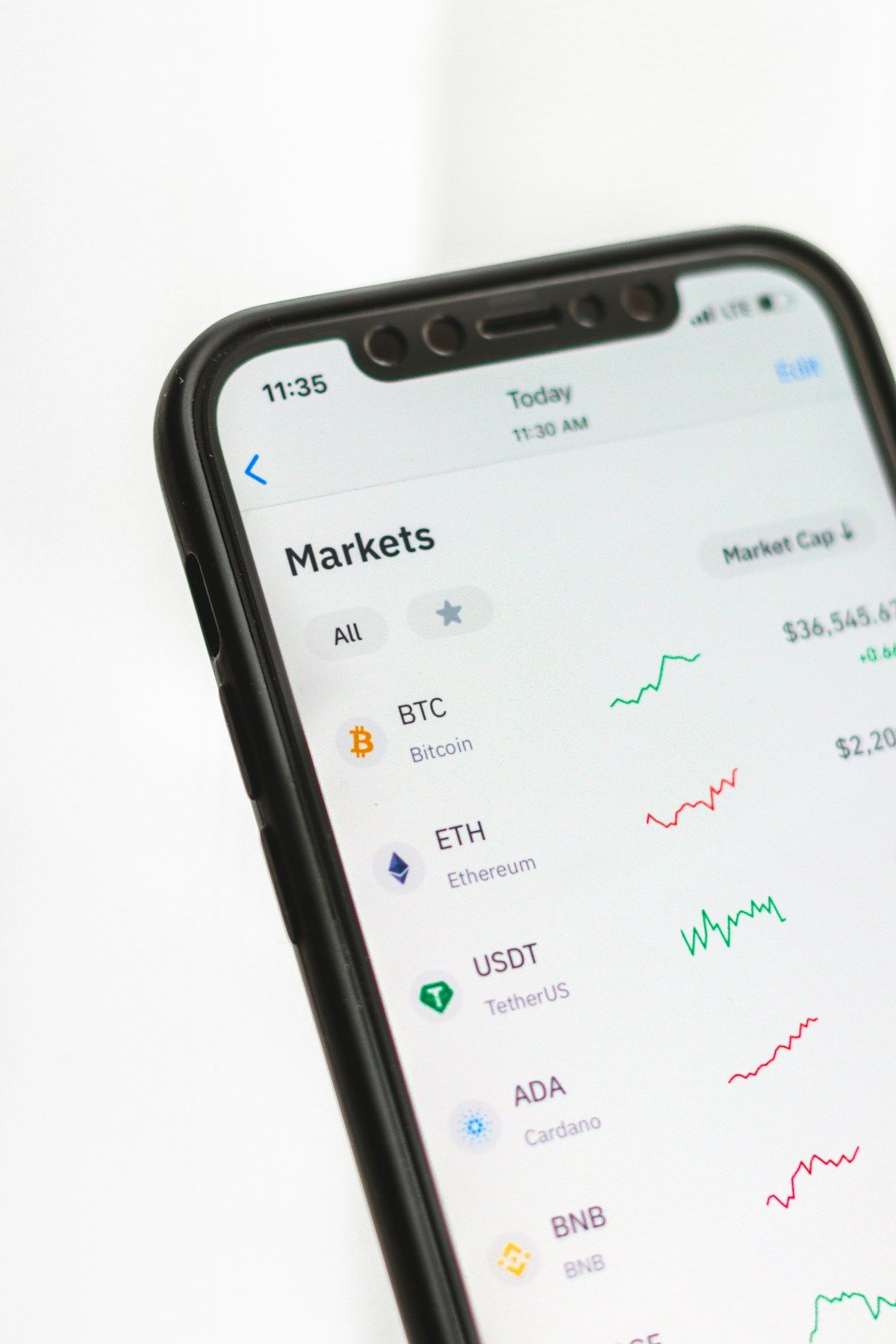
443
·
--
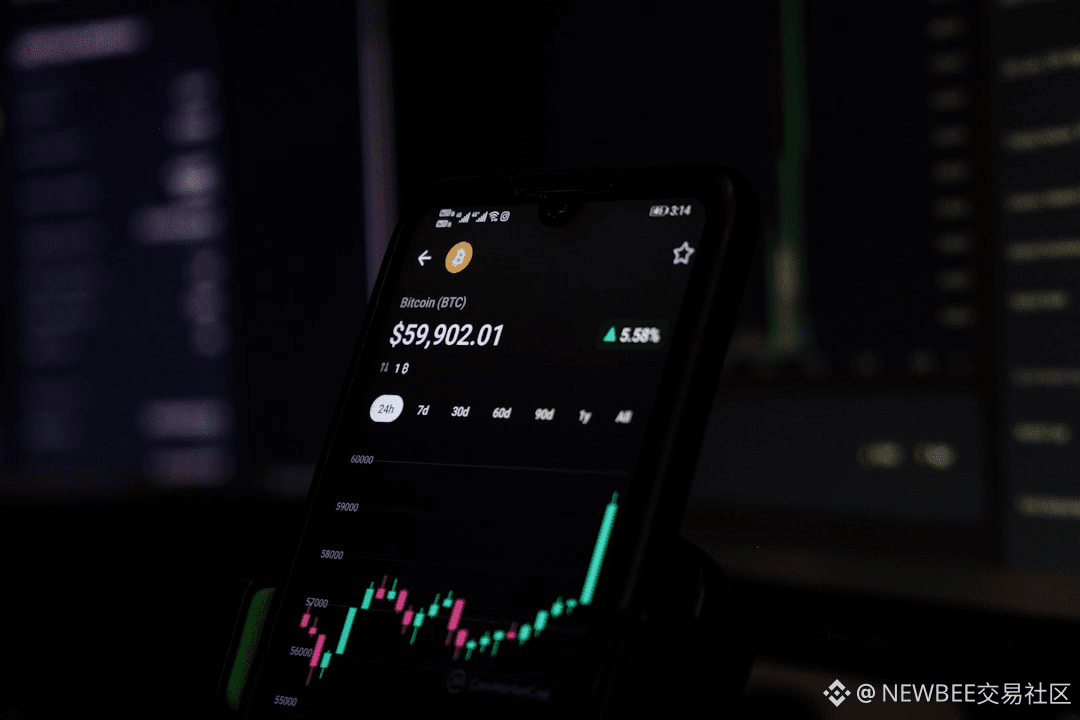
BTC $64,711.99 | ETH $1,881.69 | Fear & Greed: 25 — Extreme Fear
🌃 Late-night recap
🔵 BTC Score: 32.7/100 — leaning toward panic
Strategy: The market is a bit cold; you may allocate gradually
💎 Smart money moves
▸ Trump $0.00003350 0.0%
▸ GMC $0.00004777 1.1%
▸ MarsCoin $0.00142337 📈+140.6%
💡 It’s late—fight on again tomorrow.
BTC $64,711.99 | ETH $1,881.69 | Fear & Greed: 25 — Extreme Fear
🌃 Late-night recap
🔵 BTC Score: 32.7/100 — leaning toward panic
Strategy: The market is a bit cold; you may allocate gradually
💎 Smart money moves
▸ Trump $0.00003350 0.0%
▸ GMC $0.00004777 1.1%
▸ MarsCoin $0.00142337 📈+140.6%
💡 It’s late—fight on again tomorrow.
🌃 Late-night recap
🔵 BTC Score: 32.7/100 — leaning toward panic
Strategy: The market is a bit cold; you may allocate gradually
💎 Smart money moves
▸ Trump $0.00003350 0.0%
▸ GMC $0.00004777 1.1%
▸ MarsCoin $0.00142337 📈+140.6%
💡 It’s late—fight on again tomorrow.
100
·
--
Vitalik’s Lean Ethereum and Hyperliquid Whale Moves: Two Key Signals in the Current Market
Ethereum is hovering around $1,926, up nearly 3% over the past 24 hours, yet the fear index is only 25—this out-of-the-blue strength in extreme fear is worth digging into. Vitalik’s recent Lean Ethereum narrative is not unfounded; it points to further streamlining Ethereum’s core layer, pushing more execution and data burden onto L2. In my view, this is essentially paving the way for Ethereum to become “commoditized”—L1 would only handle final settlement and consensus, while all application logic moves off-chain. In the short term, this shift would suppress ETH gas consumption and burn volume, but in the long run it could greatly improve network scalability and capital efficiency. The current ETH price does not fully reflect this structural change; the market is still valuing Ethereum using traditional public-chain models. What signals to watch: if Vitalik clearly lays out the timeline for the Lean roadmap in subsequent community discussions—especially accelerated progress on account abstraction proposals like EIP-7702—ETH could regain the dual premium of “store of value + settlement layer.” Additionally, the ETH/BTC ratio is currently around 0.0298. After hitting a multi-year low, it shows signs of stabilizing; once the ratio rebounds and breaks above 0.031, it would be a confirmation signal of a trend reversal. $ETH is currently undervalued, but it needs a catalyst.
On the other side, Hyperliquid whale activity is revealing the real sentiment of top traders. Recent on-chain data shows that an address holding more than 20,000 HYPE has continued to add positions as the price falls to around $18. Meanwhile, that same address has built a large number of long positions in ETH and BTC in the perpetual contract market, with leverage between 2–3x. My take is that this is not just retail “catching the dip,” but an institutional-grade arbitrage strategy—by holding HYPE to earn protocol dividends and governance rights, while hedging risk exposure to mainstream assets. As a derivatives DEX, Hyperliquid whales often lead the market by 15–30 minutes in terms of positioning direction. What signals to watch: if the HYPE price holds above $20 and open interest does not expand in tandem, it suggests whales are betting on a mid-term rebound; conversely, if HYPE breaks below $16 but ETH/BTC does not follow lower, it could mean whales are reducing positions systemically. In today’s extreme fear environment, whales actually add to positions against the trend—this often means a stage bottom may be near. $HYPE ’s price fluctuations are highly correlated with mainstream assets, but its unique token inflation mechanism (partly used for ecosystem incentives) could create short-term sell pressure—so stay alert.
Summary: The two narratives appear independent, but they both point to the same core—opportunities are being born out of excessive fear. Lean Ethereum brings expectations of a long-term valuation reshaping for ETH, while Hyperliquid whales are giving short-term directional signals with real money. When the fear index is below 30, historically it often precedes a rebound over the following 1–2 weeks.
Interactive question: Do you think Vitalik’s Lean roadmap will make Ethereum more like “digital gold,” or will it be more like the foundation of “cloud services”? In this extreme-fear environment, what do you care more about—ETH spot long-term base holdings, or directional trading in derivatives? Feel free to share your thoughts.
Vitalik’s Lean Ethereum and Hyperliquid Whale Moves: Two Key Signals in the Current Market
Ethereum is hovering around $1,926, up nearly 3% over the past 24 hours, yet the fear index is only 25—this out-of-the-blue strength in extreme fear is worth digging into. Vitalik’s recent Lean Ethereum narrative is not unfounded; it points to further streamlining Ethereum’s core layer, pushing more execution and data burden onto L2. In my view, this is essentially paving the way for Ethereum to become “commoditized”—L1 would only handle final settlement and consensus, while all application logic moves off-chain. In the short term, this shift would suppress ETH gas consumption and burn volume, but in the long run it could greatly improve network scalability and capital efficiency. The current ETH price does not fully reflect this structural change; the market is still valuing Ethereum using traditional public-chain models. What signals to watch: if Vitalik clearly lays out the timeline for the Lean roadmap in subsequent community discussions—especially accelerated progress on account abstraction proposals like EIP-7702—ETH could regain the dual premium of “store of value + settlement layer.” Additionally, the ETH/BTC ratio is currently around 0.0298. After hitting a multi-year low, it shows signs of stabilizing; once the ratio rebounds and breaks above 0.031, it would be a confirmation signal of a trend reversal. $ETH is currently undervalued, but it needs a catalyst.
On the other side, Hyperliquid whale activity is revealing the real sentiment of top traders. Recent on-chain data shows that an address holding more than 20,000 HYPE has continued to add positions as the price falls to around $18. Meanwhile, that same address has built a large number of long positions in ETH and BTC in the perpetual contract market, with leverage between 2–3x. My take is that this is not just retail “catching the dip,” but an institutional-grade arbitrage strategy—by holding HYPE to earn protocol dividends and governance rights, while hedging risk exposure to mainstream assets. As a derivatives DEX, Hyperliquid whales often lead the market by 15–30 minutes in terms of positioning direction. What signals to watch: if the HYPE price holds above $20 and open interest does not expand in tandem, it suggests whales are betting on a mid-term rebound; conversely, if HYPE breaks below $16 but ETH/BTC does not follow lower, it could mean whales are reducing positions systemically. In today’s extreme fear environment, whales actually add to positions against the trend—this often means a stage bottom may be near. $HYPE ’s price fluctuations are highly correlated with mainstream assets, but its unique token inflation mechanism (partly used for ecosystem incentives) could create short-term sell pressure—so stay alert.
Summary: The two narratives appear independent, but they both point to the same core—opportunities are being born out of excessive fear. Lean Ethereum brings expectations of a long-term valuation reshaping for ETH, while Hyperliquid whales are giving short-term directional signals with real money. When the fear index is below 30, historically it often precedes a rebound over the following 1–2 weeks.
Interactive question: Do you think Vitalik’s Lean roadmap will make Ethereum more like “digital gold,” or will it be more like the foundation of “cloud services”? In this extreme-fear environment, what do you care more about—ETH spot long-term base holdings, or directional trading in derivatives? Feel free to share your thoughts.
Ethereum is hovering around $1,926, up nearly 3% over the past 24 hours, yet the fear index is only 25—this out-of-the-blue strength in extreme fear is worth digging into. Vitalik’s recent Lean Ethereum narrative is not unfounded; it points to further streamlining Ethereum’s core layer, pushing more execution and data burden onto L2. In my view, this is essentially paving the way for Ethereum to become “commoditized”—L1 would only handle final settlement and consensus, while all application logic moves off-chain. In the short term, this shift would suppress ETH gas consumption and burn volume, but in the long run it could greatly improve network scalability and capital efficiency. The current ETH price does not fully reflect this structural change; the market is still valuing Ethereum using traditional public-chain models. What signals to watch: if Vitalik clearly lays out the timeline for the Lean roadmap in subsequent community discussions—especially accelerated progress on account abstraction proposals like EIP-7702—ETH could regain the dual premium of “store of value + settlement layer.” Additionally, the ETH/BTC ratio is currently around 0.0298. After hitting a multi-year low, it shows signs of stabilizing; once the ratio rebounds and breaks above 0.031, it would be a confirmation signal of a trend reversal. $ETH is currently undervalued, but it needs a catalyst.
On the other side, Hyperliquid whale activity is revealing the real sentiment of top traders. Recent on-chain data shows that an address holding more than 20,000 HYPE has continued to add positions as the price falls to around $18. Meanwhile, that same address has built a large number of long positions in ETH and BTC in the perpetual contract market, with leverage between 2–3x. My take is that this is not just retail “catching the dip,” but an institutional-grade arbitrage strategy—by holding HYPE to earn protocol dividends and governance rights, while hedging risk exposure to mainstream assets. As a derivatives DEX, Hyperliquid whales often lead the market by 15–30 minutes in terms of positioning direction. What signals to watch: if the HYPE price holds above $20 and open interest does not expand in tandem, it suggests whales are betting on a mid-term rebound; conversely, if HYPE breaks below $16 but ETH/BTC does not follow lower, it could mean whales are reducing positions systemically. In today’s extreme fear environment, whales actually add to positions against the trend—this often means a stage bottom may be near. $HYPE ’s price fluctuations are highly correlated with mainstream assets, but its unique token inflation mechanism (partly used for ecosystem incentives) could create short-term sell pressure—so stay alert.
Summary: The two narratives appear independent, but they both point to the same core—opportunities are being born out of excessive fear. Lean Ethereum brings expectations of a long-term valuation reshaping for ETH, while Hyperliquid whales are giving short-term directional signals with real money. When the fear index is below 30, historically it often precedes a rebound over the following 1–2 weeks.
Interactive question: Do you think Vitalik’s Lean roadmap will make Ethereum more like “digital gold,” or will it be more like the foundation of “cloud services”? In this extreme-fear environment, what do you care more about—ETH spot long-term base holdings, or directional trading in derivatives? Feel free to share your thoughts.
260
Log in to explore more content
Join global crypto users on Binance Square
⚡️ Get latest and useful information about crypto.
💬 Trusted by the world’s largest crypto exchange.
👍 Discover real insights from verified creators.
Email / Phone number
Trending Topics
SOLSpotETFWeeklyInflow$188M
0 views
7 Discussing
$ONDO is flashing a warning: RSI is overbought at 73.3 while breadth shows 5 of 8 RWA peers improving. Momentum is stretched, not sustainable.
Direction: SHORT — momentum is fading and price is extended.
Price: $0.5449
Entry: 0.5222 – 0.5676
Targets: 0.3862 (-29%) → 0.4542 (-17%)
Stop: 0.6129 (+13%)
Risk/reward: 2.3 : 1
What the data says:
• RSI 73.3 — deeply overbought, exhaustion likely
• Funding +0.005% — neutral, no crowded long trap yet
• 24h Vol: $188M — high activity, liquid exit
• Breadth: 5 of 8 coins up — sector rotation, not isolated pump
Leaders: $ONDO
WHY NOW: Narrative strength is building — multiple coins in the group improving together in the latest refresh.
Invalidate if: price closes above 0.6129.
SL 0.612900 ━ ▓ SHORT 0.522200–0.567600 ▓ ━ → TP1 0.386200 ━ → TP2 0.454200
📈 Chart: tap `$ONDO` above or open cf-workers-proxy-cyt.pages.dev/en/trade/ONDO_USDT
Are you fading this RSI spike? 👇
⚠️ Data-driven analysis, not financial advice. DYOR.
Cuongtv24h
·0 Likes
·11 views
StrategyStriveAdd2305BitcoinThisWeek
17,947 views
617 Discussing
TrumpRejectsIranHormuzReopening
20,264 views
542 Discussing