

MrStar
1.7k Posts
MrStar
 Square Verified+
Report
Block User
:. Engineer .: :. Here since 2o17 .: :. X: @CryptoMrStar .:

ETH Holder
Frequent Trader
8.8 Years
324 Following
42.0K+ Followers
32.8K+ Liked
1 Badges
Posts
All
Quotes
Videos
Live
·
--
Verified
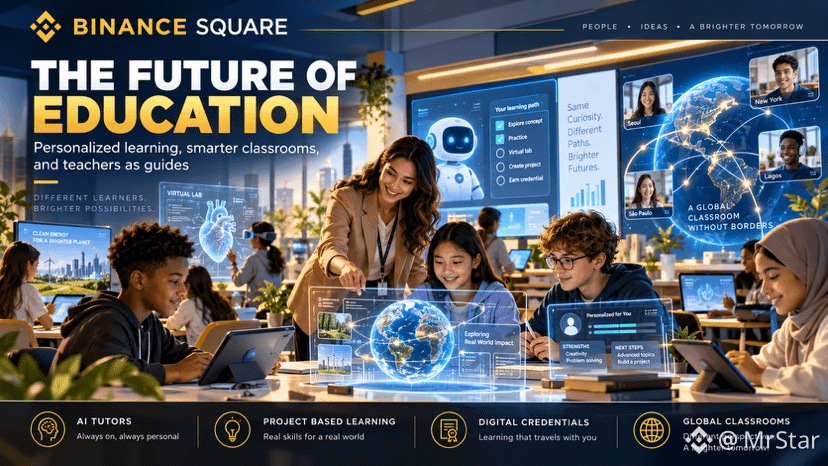
The classroom of the future may have 30 students but 30 different learning paths.
AI tutors could identify where each student struggles and adapt lessons in real time. One student may understand a concept in ten minutes while another may need an hour. Both could learn at their own pace.
Teachers will not disappear. Their role may become even more important as mentors, learning designers and human guides focused on creativity, judgment and teamwork.
Classrooms may also change. Less memorization. More projects. More virtual labs. More global collaboration.
The biggest challenge will be using #AI without allowing students to outsource their thinking.
#crypto may also play a role in this future.
$EDU : Open Campus is building a Web3 education ecosystem designed to give teachers, learners and institutions more ownership over education. Its EDU Chain is a Layer 3 blockchain focused specifically on educational applications.
{spot}(EDUUSDT)
The ecosystem is exploring verifiable digital credentials so diplomas, certificates and badges can be stored onchain and checked anywhere. It also includes EduFi, which can support scholarships, student financing and rewards through smart contracts.
Another important part is educational content ownership. Teachers and creators can tokenize learning materials through Publisher NFTs and potentially earn a share of the revenue generated by their content. EDU is used for payments, rewards and governance across the ecosystem.
That is why I find EDU interesting in this discussion.
The future of education may not only be about smarter classrooms.
It may also be about giving students portable credentials and giving teachers real ownership of the knowledge they create.
The real revolution may not be replacing teachers with machines. It may be giving every teacher the ability to teach every student differently.
{web3_wallet_create}(10x42778037d69350508cdd34d9fa17053970591101)
#EducationalContent
The classroom of the future may have 30 students but 30 different learning paths.
AI tutors could identify where each student struggles and adapt lessons in real time. One student may understand a concept in ten minutes while another may need an hour. Both could learn at their own pace.
Teachers will not disappear. Their role may become even more important as mentors, learning designers and human guides focused on creativity, judgment and teamwork.
Classrooms may also change. Less memorization. More projects. More virtual labs. More global collaboration.
The biggest challenge will be using #AI without allowing students to outsource their thinking.
#crypto may also play a role in this future.
$EDU : Open Campus is building a Web3 education ecosystem designed to give teachers, learners and institutions more ownership over education. Its EDU Chain is a Layer 3 blockchain focused specifically on educational applications.
The ecosystem is exploring verifiable digital credentials so diplomas, certificates and badges can be stored onchain and checked anywhere. It also includes EduFi, which can support scholarships, student financing and rewards through smart contracts.
Another important part is educational content ownership. Teachers and creators can tokenize learning materials through Publisher NFTs and potentially earn a share of the revenue generated by their content. EDU is used for payments, rewards and governance across the ecosystem.
That is why I find EDU interesting in this discussion.
The future of education may not only be about smarter classrooms.
It may also be about giving students portable credentials and giving teachers real ownership of the knowledge they create.
The real revolution may not be replacing teachers with machines. It may be giving every teacher the ability to teach every student differently.
#EducationalContent
AI tutors could identify where each student struggles and adapt lessons in real time. One student may understand a concept in ten minutes while another may need an hour. Both could learn at their own pace.
Teachers will not disappear. Their role may become even more important as mentors, learning designers and human guides focused on creativity, judgment and teamwork.
Classrooms may also change. Less memorization. More projects. More virtual labs. More global collaboration.
The biggest challenge will be using #AI without allowing students to outsource their thinking.
#crypto may also play a role in this future.
$EDU : Open Campus is building a Web3 education ecosystem designed to give teachers, learners and institutions more ownership over education. Its EDU Chain is a Layer 3 blockchain focused specifically on educational applications.
The ecosystem is exploring verifiable digital credentials so diplomas, certificates and badges can be stored onchain and checked anywhere. It also includes EduFi, which can support scholarships, student financing and rewards through smart contracts.
Another important part is educational content ownership. Teachers and creators can tokenize learning materials through Publisher NFTs and potentially earn a share of the revenue generated by their content. EDU is used for payments, rewards and governance across the ecosystem.
That is why I find EDU interesting in this discussion.
The future of education may not only be about smarter classrooms.
It may also be about giving students portable credentials and giving teachers real ownership of the knowledge they create.
The real revolution may not be replacing teachers with machines. It may be giving every teacher the ability to teach every student differently.
#EducationalContent
29
12
32
872
·
--
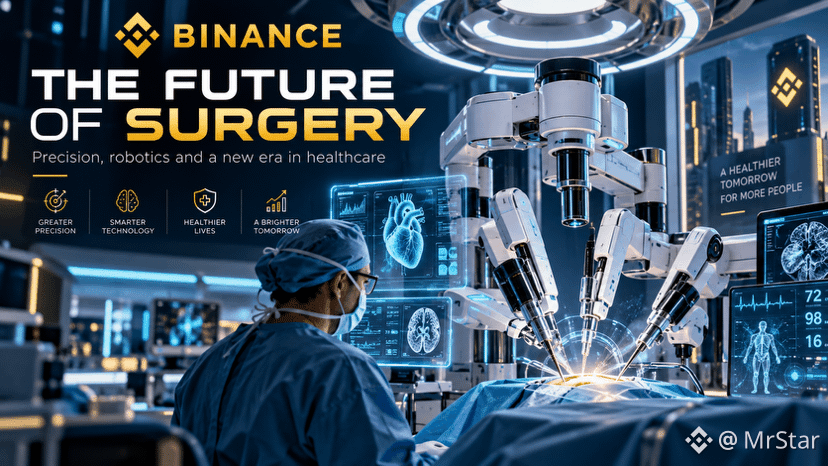
The operating room of the future may look very different from the one we know today.
Some surgeries are already limited by something very human: the precision of our hands.
Microsurgery can involve blood vessels and nerves smaller than 1 millimeter. Even the best surgeons still face natural tremor, fatigue and restricted movement in deep or difficult areas of the body. New robotic microsurgery systems are being developed to reduce those limitations through motion scaling and tremor filtration. Recent clinical research shows that these systems can already improve precision in extremely delicate procedures.
Now imagine what happens when #Robotics becomes smaller, more precise and combined with artificial intelligence.
The first major step will probably not be robots replacing surgeons.
It will be robots helping surgeons see more clearly, recognize anatomy, detect possible errors and perform movements that are difficult for the human hand. Current research suggests AI assisted surgical systems could improve perception and intraoperative guidance while keeping the surgeon in control.
Further ahead we may see microrobots operating inside parts of the body that are extremely difficult to reach today. Researchers are already studying autonomous robotic surgery and microrobotic surgery as long term directions.
For crypto there is also an interesting connection.
Projects such as $BIO are building blockchain based infrastructure around biotechnology research and decentralized scientific funding. That does not make $BIO a robotic surgery token. But it represents another part of the same future where medical research, funding and technology become more connected.
#Biotech
My view is simple:
The next revolution in healthcare may not come from one new medicine. It may come from giving doctors capabilities the human body never had before.
Will you trust a surgeon using an #AI assisted robot for a procedure that could not be performed safely by hand?
I think I will not :) This makes me so scared.
{web3_wallet_create}(10x42778037d69350508cdd34d9fa17053970591101)
The operating room of the future may look very different from the one we know today.
Some surgeries are already limited by something very human: the precision of our hands.
Microsurgery can involve blood vessels and nerves smaller than 1 millimeter. Even the best surgeons still face natural tremor, fatigue and restricted movement in deep or difficult areas of the body. New robotic microsurgery systems are being developed to reduce those limitations through motion scaling and tremor filtration. Recent clinical research shows that these systems can already improve precision in extremely delicate procedures.
Now imagine what happens when #Robotics becomes smaller, more precise and combined with artificial intelligence.
The first major step will probably not be robots replacing surgeons.
It will be robots helping surgeons see more clearly, recognize anatomy, detect possible errors and perform movements that are difficult for the human hand. Current research suggests AI assisted surgical systems could improve perception and intraoperative guidance while keeping the surgeon in control.
Further ahead we may see microrobots operating inside parts of the body that are extremely difficult to reach today. Researchers are already studying autonomous robotic surgery and microrobotic surgery as long term directions.
For crypto there is also an interesting connection.
Projects such as $BIO are building blockchain based infrastructure around biotechnology research and decentralized scientific funding. That does not make $BIO a robotic surgery token. But it represents another part of the same future where medical research, funding and technology become more connected.
#Biotech
My view is simple:
The next revolution in healthcare may not come from one new medicine. It may come from giving doctors capabilities the human body never had before.
Will you trust a surgeon using an #AI assisted robot for a procedure that could not be performed safely by hand?
I think I will not :) This makes me so scared.
Some surgeries are already limited by something very human: the precision of our hands.
Microsurgery can involve blood vessels and nerves smaller than 1 millimeter. Even the best surgeons still face natural tremor, fatigue and restricted movement in deep or difficult areas of the body. New robotic microsurgery systems are being developed to reduce those limitations through motion scaling and tremor filtration. Recent clinical research shows that these systems can already improve precision in extremely delicate procedures.
Now imagine what happens when #Robotics becomes smaller, more precise and combined with artificial intelligence.
The first major step will probably not be robots replacing surgeons.
It will be robots helping surgeons see more clearly, recognize anatomy, detect possible errors and perform movements that are difficult for the human hand. Current research suggests AI assisted surgical systems could improve perception and intraoperative guidance while keeping the surgeon in control.
Further ahead we may see microrobots operating inside parts of the body that are extremely difficult to reach today. Researchers are already studying autonomous robotic surgery and microrobotic surgery as long term directions.
For crypto there is also an interesting connection.
Projects such as $BIO are building blockchain based infrastructure around biotechnology research and decentralized scientific funding. That does not make $BIO a robotic surgery token. But it represents another part of the same future where medical research, funding and technology become more connected.
#Biotech
My view is simple:
The next revolution in healthcare may not come from one new medicine. It may come from giving doctors capabilities the human body never had before.
Will you trust a surgeon using an #AI assisted robot for a procedure that could not be performed safely by hand?
I think I will not :) This makes me so scared.
40
10
40
8.2k
·
--
🎙️ Crypto Talks | #Binance Rewards | Bull run started or not? | Marvin
End
02 h 01 m 44 s
4k
27
16
·
--
🎙️ Bull Run / Bull Trap ? | Crypto Talks $BNB | Marvin | Weekly Datas
End
02 h 13 m 49 s
3.9k
20
15
·
--
🎙️ Niuwaro, do you like RWA or MEME more?
Follow the Havana dogs Musk is raising

End
05 h 59 m 49 s
1.6k
26
18
·
--
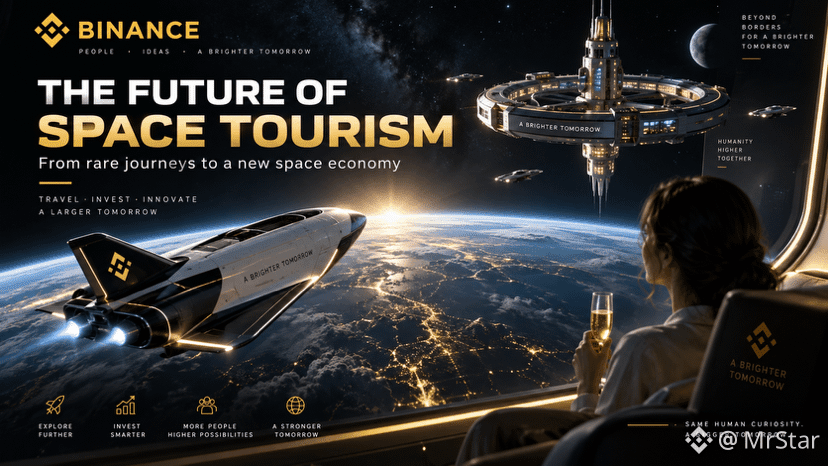
The next luxury destination may not be another country. It may be orbit.
Private astronaut missions are growing while commercial space stations prepare for a future beyond the International #Space Station.
Today space tourism is still expensive and limited to very few people. But aviation once started the same way.
The real opportunity may not be the ticket itself.
It may be everything travelers will need once more people begin living and working beyond Earth: transportation, energy, communications, food, medical services and digital infrastructure.
That is when space tourism stops being a spectacle and starts becoming an economy.
The biggest question is not when ordinary people will visit space. It is what industries will be created when thousands of people start living beyond Earth.
$SPCX
The next stage may be very different.
Imagine orbital hotels.
Private research stations.
Zero gravity entertainment.
Space based manufacturing.
Trips around the Moon.
#SpaceX
Perhaps one day even regular transport between Earth and permanent settlements beyond it.
The biggest opportunity may not be selling tickets.
It may be building everything those travelers will need.
Transportation. Energy. Communications. Insurance. Food. Medical services. Entertainment and digital infrastructure.
That is when space tourism stops being a spectacle and starts becoming an economy.
I do not think the most important question is when ordinary people will visit space.
The better question is:
What industries will be created when thousands of people start living and working beyond Earth?
The space tourism era may begin with wealthy passengers.
But history suggests the infrastructure built for a few can eventually reshape life for millions.
Would you take a trip to orbit if it became affordable and safe enough?
$SPACE
{web3_wallet_create}(10x42778037d69350508cdd34d9fa17053970591101)
The next luxury destination may not be another country. It may be orbit.
Private astronaut missions are growing while commercial space stations prepare for a future beyond the International #Space Station.
Today space tourism is still expensive and limited to very few people. But aviation once started the same way.
The real opportunity may not be the ticket itself.
It may be everything travelers will need once more people begin living and working beyond Earth: transportation, energy, communications, food, medical services and digital infrastructure.
That is when space tourism stops being a spectacle and starts becoming an economy.
The biggest question is not when ordinary people will visit space. It is what industries will be created when thousands of people start living beyond Earth.
$SPCX
The next stage may be very different.
Imagine orbital hotels.
Private research stations.
Zero gravity entertainment.
Space based manufacturing.
Trips around the Moon.
#SpaceX
Perhaps one day even regular transport between Earth and permanent settlements beyond it.
The biggest opportunity may not be selling tickets.
It may be building everything those travelers will need.
Transportation. Energy. Communications. Insurance. Food. Medical services. Entertainment and digital infrastructure.
That is when space tourism stops being a spectacle and starts becoming an economy.
I do not think the most important question is when ordinary people will visit space.
The better question is:
What industries will be created when thousands of people start living and working beyond Earth?
The space tourism era may begin with wealthy passengers.
But history suggests the infrastructure built for a few can eventually reshape life for millions.
Would you take a trip to orbit if it became affordable and safe enough?
$SPACE
Private astronaut missions are growing while commercial space stations prepare for a future beyond the International #Space Station.
Today space tourism is still expensive and limited to very few people. But aviation once started the same way.
The real opportunity may not be the ticket itself.
It may be everything travelers will need once more people begin living and working beyond Earth: transportation, energy, communications, food, medical services and digital infrastructure.
That is when space tourism stops being a spectacle and starts becoming an economy.
The biggest question is not when ordinary people will visit space. It is what industries will be created when thousands of people start living beyond Earth.
$SPCX
The next stage may be very different.
Imagine orbital hotels.
Private research stations.
Zero gravity entertainment.
Space based manufacturing.
Trips around the Moon.
#SpaceX
Perhaps one day even regular transport between Earth and permanent settlements beyond it.
The biggest opportunity may not be selling tickets.
It may be building everything those travelers will need.
Transportation. Energy. Communications. Insurance. Food. Medical services. Entertainment and digital infrastructure.
That is when space tourism stops being a spectacle and starts becoming an economy.
I do not think the most important question is when ordinary people will visit space.
The better question is:
What industries will be created when thousands of people start living and working beyond Earth?
The space tourism era may begin with wealthy passengers.
But history suggests the infrastructure built for a few can eventually reshape life for millions.
Would you take a trip to orbit if it became affordable and safe enough?
$SPACE
82
19
69
17.5k
·
--
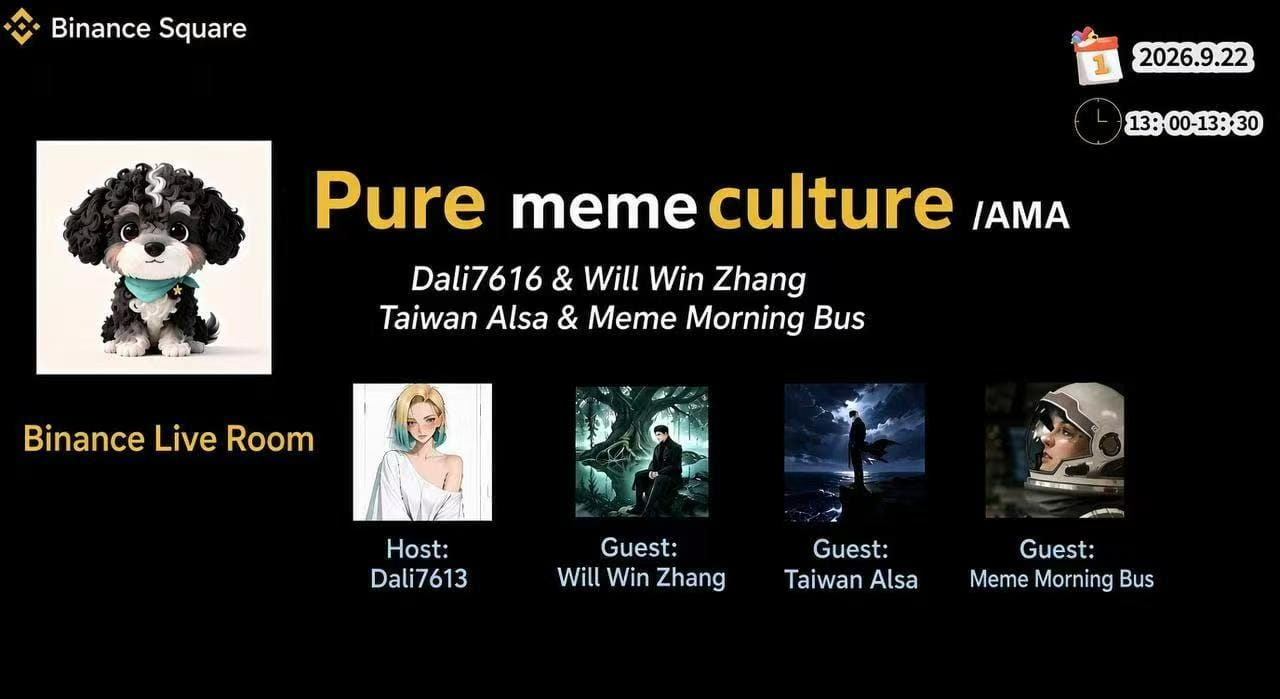
🎙️ Memes are breaking out everywhere—come on, follow the Havana dog Musk is raising

End
05 h 59 m 47 s
2.2k
24
21
·
--
Artificial intelligence is moving from being a tool to becoming an invisible layer of everyday life.
$NEAR
The biggest change may not be that machines become “smarter.”
It may be that intelligence becomes embedded everywhere.
In the coming years AI could quietly shape how we work, learn, design, communicate, trade, travel and make decisions. Many people may stop thinking of it as a separate technology because it will simply become part of the systems around them.
That shift will create enormous opportunities.
Small teams may be able to build what once required large companies. Individuals may gain access to research, analysis and creative tools that were previously expensive or difficult to use. Productivity could rise sharply in sectors that still depend on repetitive manual work.
$IO
But there is another side.
When intelligence becomes cheap and widely available, judgment becomes more valuable.
Knowing what to ask, what to trust, what to verify and when not to automate may become more important than simply having access to powerful tools.
The future may not belong to people who use AI the most.
It may belong to people who know when to use it and when to think for themselves.
That is the part of the AI revolution I find most interesting.
$WLD
Not whether machines can replace humans.
But how humans will redefine their value once intelligence is available almost everywhere.
AI may become common. Good judgment may become rare.
#AI
Artificial intelligence is moving from being a tool to becoming an invisible layer of everyday life.
$NEAR
The biggest change may not be that machines become “smarter.”
It may be that intelligence becomes embedded everywhere.
In the coming years AI could quietly shape how we work, learn, design, communicate, trade, travel and make decisions. Many people may stop thinking of it as a separate technology because it will simply become part of the systems around them.
That shift will create enormous opportunities.
Small teams may be able to build what once required large companies. Individuals may gain access to research, analysis and creative tools that were previously expensive or difficult to use. Productivity could rise sharply in sectors that still depend on repetitive manual work.
$IO
But there is another side.
When intelligence becomes cheap and widely available, judgment becomes more valuable.
Knowing what to ask, what to trust, what to verify and when not to automate may become more important than simply having access to powerful tools.
The future may not belong to people who use AI the most.
It may belong to people who know when to use it and when to think for themselves.
That is the part of the AI revolution I find most interesting.
$WLD
Not whether machines can replace humans.
But how humans will redefine their value once intelligence is available almost everywhere.
AI may become common. Good judgment may become rare.
#AI
$NEAR
The biggest change may not be that machines become “smarter.”
It may be that intelligence becomes embedded everywhere.
In the coming years AI could quietly shape how we work, learn, design, communicate, trade, travel and make decisions. Many people may stop thinking of it as a separate technology because it will simply become part of the systems around them.
That shift will create enormous opportunities.
Small teams may be able to build what once required large companies. Individuals may gain access to research, analysis and creative tools that were previously expensive or difficult to use. Productivity could rise sharply in sectors that still depend on repetitive manual work.
$IO
But there is another side.
When intelligence becomes cheap and widely available, judgment becomes more valuable.
Knowing what to ask, what to trust, what to verify and when not to automate may become more important than simply having access to powerful tools.
The future may not belong to people who use AI the most.
It may belong to people who know when to use it and when to think for themselves.
That is the part of the AI revolution I find most interesting.
$WLD
Not whether machines can replace humans.
But how humans will redefine their value once intelligence is available almost everywhere.
AI may become common. Good judgment may become rare.
#AI

35
26
44
409
·
--
🎙️ Bull Run or Bull Trap? | Weekly Datas | Marvin 1101 | Crypto Talks
End
02 h 05 m 30 s
4.7k
24
17
·
--
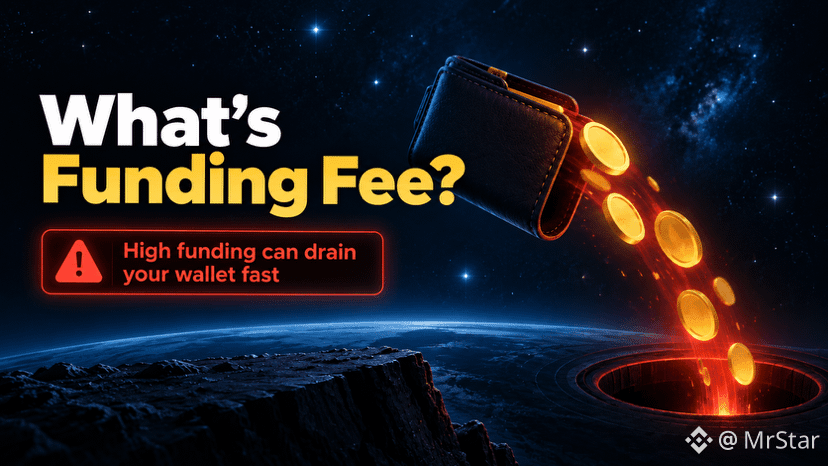
What is #FundingRates and why can it become dangerous?
If you trade perpetual futures this is one of the most important concepts to understand.
Funding Fee is a periodic payment exchanged between long and short traders. It helps keep the perpetual futures price close to the spot market.
The basic rule is simple:
Positive funding: Longs pay shorts.
Negative funding: Shorts pay longs.
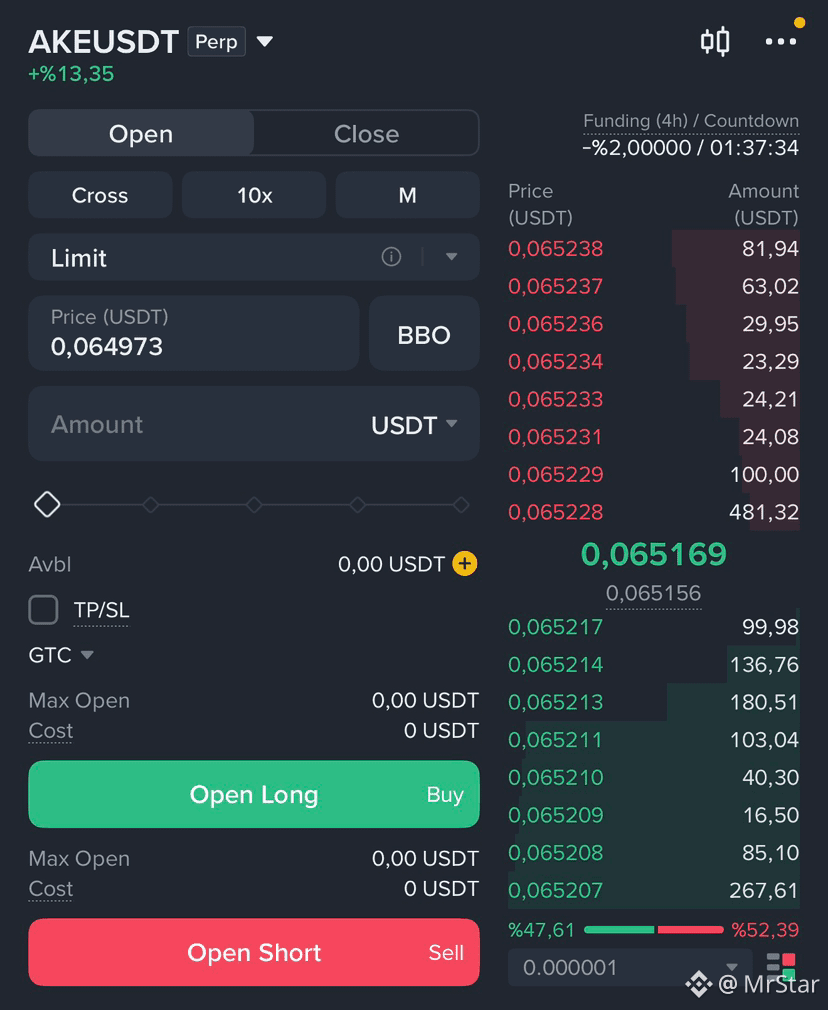
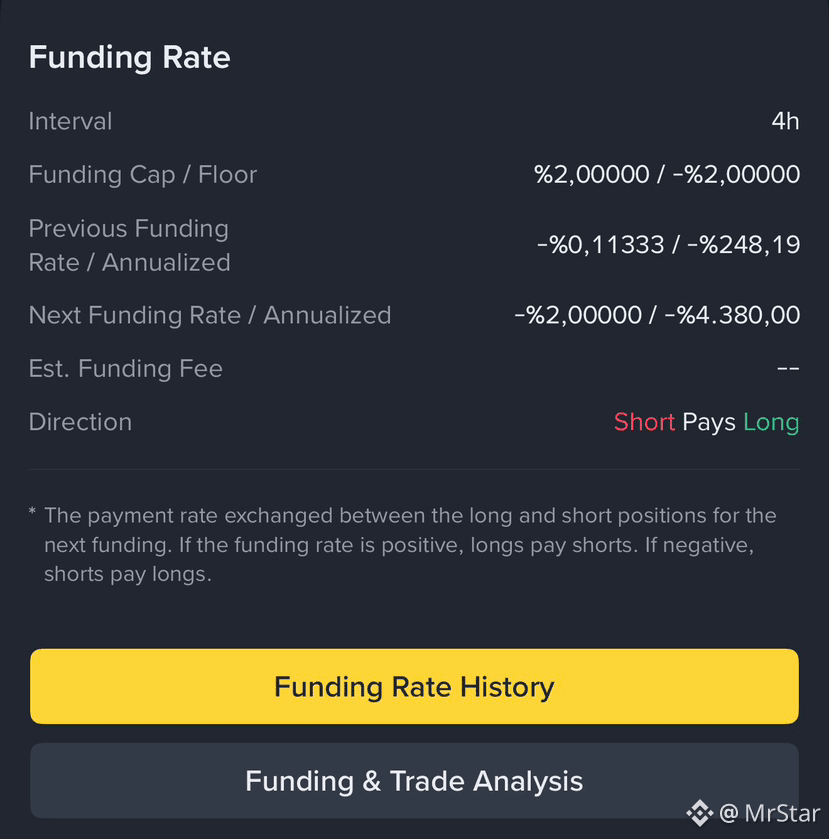
Now look at the current $AKE example.
The next funding rate is -2.00% with a 4 hour interval.
That means traders holding short positions at the funding settlement time pay traders holding long positions.
A rate this extreme deserves attention.
#Binance also shows an annualized figure of around -4,380%. This does not mean the rate will stay at that level for an entire year. It simply shows how unusually expensive the current funding environment is.
Why does this matter?
Because funding is charged repeatedly while the position remains open across settlement periods.
A trader can correctly predict the direction of the market and still lose a significant amount through funding costs.
Leverage makes this even more important.
High leverage reduces your margin buffer while repeated funding payments can continue to reduce your available balance.
That is why every futures trader should check three things before entering a position:
Price
Leverage
Funding
In this $AKE example the market is up around 13.35% while the funding rate is at -2.00%.
This tells us that holding a short position is currently very expensive.
It does not tell us that price must keep rising.
It does not guarantee a short squeeze.
Funding should be treated as a risk indicator rather than a prediction tool.
The lesson is simple:
Never open a perpetual futures position without checking the funding rate first.
Sometimes your biggest cost is not being wrong about price.
It is staying in the position too long.
{future}(AKEUSDT)
What is #FundingRates and why can it become dangerous?
If you trade perpetual futures this is one of the most important concepts to understand.
Funding Fee is a periodic payment exchanged between long and short traders. It helps keep the perpetual futures price close to the spot market.
The basic rule is simple:
Positive funding: Longs pay shorts.
Negative funding: Shorts pay longs.
Now look at the current $AKE example.
The next funding rate is -2.00% with a 4 hour interval.
That means traders holding short positions at the funding settlement time pay traders holding long positions.
A rate this extreme deserves attention.
#Binance also shows an annualized figure of around -4,380%. This does not mean the rate will stay at that level for an entire year. It simply shows how unusually expensive the current funding environment is.
Why does this matter?
Because funding is charged repeatedly while the position remains open across settlement periods.
A trader can correctly predict the direction of the market and still lose a significant amount through funding costs.
Leverage makes this even more important.
High leverage reduces your margin buffer while repeated funding payments can continue to reduce your available balance.
That is why every futures trader should check three things before entering a position:
Price
Leverage
Funding
In this $AKE example the market is up around 13.35% while the funding rate is at -2.00%.
This tells us that holding a short position is currently very expensive.
It does not tell us that price must keep rising.
It does not guarantee a short squeeze.
Funding should be treated as a risk indicator rather than a prediction tool.
The lesson is simple:
Never open a perpetual futures position without checking the funding rate first.
Sometimes your biggest cost is not being wrong about price.
It is staying in the position too long.
If you trade perpetual futures this is one of the most important concepts to understand.
Funding Fee is a periodic payment exchanged between long and short traders. It helps keep the perpetual futures price close to the spot market.
The basic rule is simple:
Positive funding: Longs pay shorts.
Negative funding: Shorts pay longs.
Now look at the current $AKE example.
The next funding rate is -2.00% with a 4 hour interval.
That means traders holding short positions at the funding settlement time pay traders holding long positions.
A rate this extreme deserves attention.
#Binance also shows an annualized figure of around -4,380%. This does not mean the rate will stay at that level for an entire year. It simply shows how unusually expensive the current funding environment is.
Why does this matter?
Because funding is charged repeatedly while the position remains open across settlement periods.
A trader can correctly predict the direction of the market and still lose a significant amount through funding costs.
Leverage makes this even more important.
High leverage reduces your margin buffer while repeated funding payments can continue to reduce your available balance.
That is why every futures trader should check three things before entering a position:
Price
Leverage
Funding
In this $AKE example the market is up around 13.35% while the funding rate is at -2.00%.
This tells us that holding a short position is currently very expensive.
It does not tell us that price must keep rising.
It does not guarantee a short squeeze.
Funding should be treated as a risk indicator rather than a prediction tool.
The lesson is simple:
Never open a perpetual futures position without checking the funding rate first.
Sometimes your biggest cost is not being wrong about price.
It is staying in the position too long.
4
2
13
657
·
--
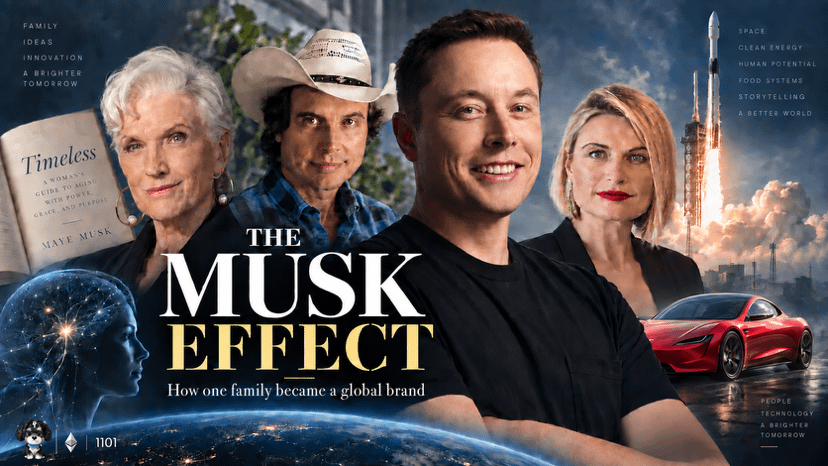
The Musk story is no longer just about #ElonMusk . It is becoming a family brand.
$TSLA
{stock_us}(TSLA.US)
For years the public story was simple: Elon Musk built #Tesla and #SpaceX while becoming one of the most recognizable entrepreneurs in the world.
But look at the Musk family today and the picture is much bigger.
Maye Musk has built her own global identity as a model, dietitian and author. Her earlier book A Woman Makes a Plan sold more than one million copies and her new memoir Timeless was released this week. At 78 she is still appearing on runways, magazine covers and international stages.
#timeless
Kimbal Musk took a completely different route through food, restaurants and sustainable agriculture while Tosca Musk built Passionflix around film and romance storytelling.
Then there is Elon.
SpaceX went public this year in a record $75 billion IPO at a valuation of roughly $1.77 trillion. Reuters reported that the listing pushed Musk into territory no individual had reached before in personal wealth.
$SPCX
{future}(SPCXUSDT)
At the same time Neuralink has moved from science fiction language into human trials. The company said it had 21 participants enrolled worldwide by January 2026 with users controlling computers and even assistive robotic devices through neural signals.
That is what makes the Musk story interesting to me. This is not one person succeeding in one industry.
It is a family spread across space, AI, electric vehicles, brain computer interfaces, food, film, fashion and publishing.
Some people see genius. Others see extraordinary concentration of influence.
I see something slightly different:
The Musk name itself has become an economic asset.
When a family name begins to carry attention across technology, culture and capital markets the name starts behaving almost like a brand with its own network effect.
The question now is not whether Elon Musk can build another company.
The more interesting question is this:
How valuable can the Musk ecosystem itself become?
The Musk story is no longer just about #ElonMusk . It is becoming a family brand.
$TSLA
For years the public story was simple: Elon Musk built #Tesla and #SpaceX while becoming one of the most recognizable entrepreneurs in the world.
But look at the Musk family today and the picture is much bigger.
Maye Musk has built her own global identity as a model, dietitian and author. Her earlier book A Woman Makes a Plan sold more than one million copies and her new memoir Timeless was released this week. At 78 she is still appearing on runways, magazine covers and international stages.
#timeless
Kimbal Musk took a completely different route through food, restaurants and sustainable agriculture while Tosca Musk built Passionflix around film and romance storytelling.
Then there is Elon.
SpaceX went public this year in a record $75 billion IPO at a valuation of roughly $1.77 trillion. Reuters reported that the listing pushed Musk into territory no individual had reached before in personal wealth.
$SPCX
At the same time Neuralink has moved from science fiction language into human trials. The company said it had 21 participants enrolled worldwide by January 2026 with users controlling computers and even assistive robotic devices through neural signals.
That is what makes the Musk story interesting to me. This is not one person succeeding in one industry.
It is a family spread across space, AI, electric vehicles, brain computer interfaces, food, film, fashion and publishing.
Some people see genius. Others see extraordinary concentration of influence.
I see something slightly different:
The Musk name itself has become an economic asset.
When a family name begins to carry attention across technology, culture and capital markets the name starts behaving almost like a brand with its own network effect.
The question now is not whether Elon Musk can build another company.
The more interesting question is this:
How valuable can the Musk ecosystem itself become?
$TSLA
For years the public story was simple: Elon Musk built #Tesla and #SpaceX while becoming one of the most recognizable entrepreneurs in the world.
But look at the Musk family today and the picture is much bigger.
Maye Musk has built her own global identity as a model, dietitian and author. Her earlier book A Woman Makes a Plan sold more than one million copies and her new memoir Timeless was released this week. At 78 she is still appearing on runways, magazine covers and international stages.
#timeless
Kimbal Musk took a completely different route through food, restaurants and sustainable agriculture while Tosca Musk built Passionflix around film and romance storytelling.
Then there is Elon.
SpaceX went public this year in a record $75 billion IPO at a valuation of roughly $1.77 trillion. Reuters reported that the listing pushed Musk into territory no individual had reached before in personal wealth.
$SPCX
At the same time Neuralink has moved from science fiction language into human trials. The company said it had 21 participants enrolled worldwide by January 2026 with users controlling computers and even assistive robotic devices through neural signals.
That is what makes the Musk story interesting to me. This is not one person succeeding in one industry.
It is a family spread across space, AI, electric vehicles, brain computer interfaces, food, film, fashion and publishing.
Some people see genius. Others see extraordinary concentration of influence.
I see something slightly different:
The Musk name itself has become an economic asset.
When a family name begins to carry attention across technology, culture and capital markets the name starts behaving almost like a brand with its own network effect.
The question now is not whether Elon Musk can build another company.
The more interesting question is this:
How valuable can the Musk ecosystem itself become?
2
1
17
377
·
--
🎙️ Crypto Talks & Binance Rewards & Marvin 1101
End
02 h 11 m 44 s
4.4k
26
16
·
--
We are a community spread across dozens of countries. What connects us is friendship. No matter the circumstances we support each other and stand together.
$ONE
As you all know APT is the official song of #StarLineTeam Our dear friend Manta created this video for us.
If you are a #memecoin community this is what truly shows your strength: people who believe in each other support each other and move forward together.
$NEAR
We are stronger together!
#binancesquare
We are a community spread across dozens of countries. What connects us is friendship. No matter the circumstances we support each other and stand together.
$ONE
As you all know APT is the official song of #StarLineTeam Our dear friend Manta created this video for us.
If you are a #memecoin community this is what truly shows your strength: people who believe in each other support each other and move forward together.
$NEAR
We are stronger together!
#binancesquare
$ONE
As you all know APT is the official song of #StarLineTeam Our dear friend Manta created this video for us.
If you are a #memecoin community this is what truly shows your strength: people who believe in each other support each other and move forward together.
$NEAR
We are stronger together!
#binancesquare
34
9
50
2.6k
·
--
🎙️ Tonight it’s likely there will be a rate hike—what do you think? Maybe we can only mess around with MEMEs 😄

End
02 h 59 m 03 s
523
18
8
Log in to explore more content
Join global crypto users on Binance Square
⚡️ Get latest and useful information about crypto.
💬 Trusted by the world’s largest crypto exchange.
👍 Discover real insights from verified creators.
Email / Phone number
Trending Topics
EarningsSeason
96,204 views
941 Discussing
Earnings Season: Micron Q4 Earnings — Bullish or Bearish?
Binance Square Official
·176 Likes
·319.4k views
ECBToTestAIAgentsInDigitalEuroPayments
1,484 views
141 Discussing
JapanFSABacksFourthStablecoinTradeSettlementPilot
3,517 views
231 Discussing