

MrsCafe
96 Posts

MrsCafe
Report
Block User
NodeOps Ambassador|| Web3 enthusiast || content writer || community manager || MOD || intern @trustchain0|| BP-857905D18D9C
32 Following
37 Followers
49 Liked
Posts
·
--
STON.fi's Cross-Chain AMA – A Case Study in Community Engagement
Body:
STON.fi hosted an AMA on September 23 called "Inside the Cross-Chain Flight: Your Questions, Our Answers." The format offers a useful case study in community engagement.
The Structure:
· 10 community questions answered live
· 3 best questions received 50 STON each
· Secret word for attendees to use in the campaign
The Strategic Context:
The AMA followed a major upgrade to cross-chain missions:
· All-chains mission: 300 → 3,000 miles
· TRON volume miles: 25% → 100%
Why This Works:
1. Follow-up matters — Announcing changes isn't enough. Creating space to explain them builds understanding.
2. Rewards drive quality — 50 STON for good questions incentivizes thoughtful participation, not just attendance.
3. Community over users — By rewarding both active and passive engagement, STON.fi cultivates a community, not just a user base.
For My Network:
If you're watching TON DeFi or community-building strategies, this AMA offers a useful model. Announce. Explain. Engage. Repeat.
Learn More: https://app.ston.fi/cross-chain
I have no affiliation with STON.fi. This reflects my professional observations.
STON.fi's Cross-Chain AMA – A Case Study in Community Engagement
Body:
STON.fi hosted an AMA on September 23 called "Inside the Cross-Chain Flight: Your Questions, Our Answers." The format offers a useful case study in community engagement.
The Structure:
· 10 community questions answered live
· 3 best questions received 50 STON each
· Secret word for attendees to use in the campaign
The Strategic Context:
The AMA followed a major upgrade to cross-chain missions:
· All-chains mission: 300 → 3,000 miles
· TRON volume miles: 25% → 100%
Why This Works:
1. Follow-up matters — Announcing changes isn't enough. Creating space to explain them builds understanding.
2. Rewards drive quality — 50 STON for good questions incentivizes thoughtful participation, not just attendance.
3. Community over users — By rewarding both active and passive engagement, STON.fi cultivates a community, not just a user base.
For My Network:
If you're watching TON DeFi or community-building strategies, this AMA offers a useful model. Announce. Explain. Engage. Repeat.
Learn More: https://app.ston.fi/cross-chain
I have no affiliation with STON.fi. This reflects my professional observations.
Body:
STON.fi hosted an AMA on September 23 called "Inside the Cross-Chain Flight: Your Questions, Our Answers." The format offers a useful case study in community engagement.
The Structure:
· 10 community questions answered live
· 3 best questions received 50 STON each
· Secret word for attendees to use in the campaign
The Strategic Context:
The AMA followed a major upgrade to cross-chain missions:
· All-chains mission: 300 → 3,000 miles
· TRON volume miles: 25% → 100%
Why This Works:
1. Follow-up matters — Announcing changes isn't enough. Creating space to explain them builds understanding.
2. Rewards drive quality — 50 STON for good questions incentivizes thoughtful participation, not just attendance.
3. Community over users — By rewarding both active and passive engagement, STON.fi cultivates a community, not just a user base.
For My Network:
If you're watching TON DeFi or community-building strategies, this AMA offers a useful model. Announce. Explain. Engage. Repeat.
Learn More: https://app.ston.fi/cross-chain
I have no affiliation with STON.fi. This reflects my professional observations.
62
·
--
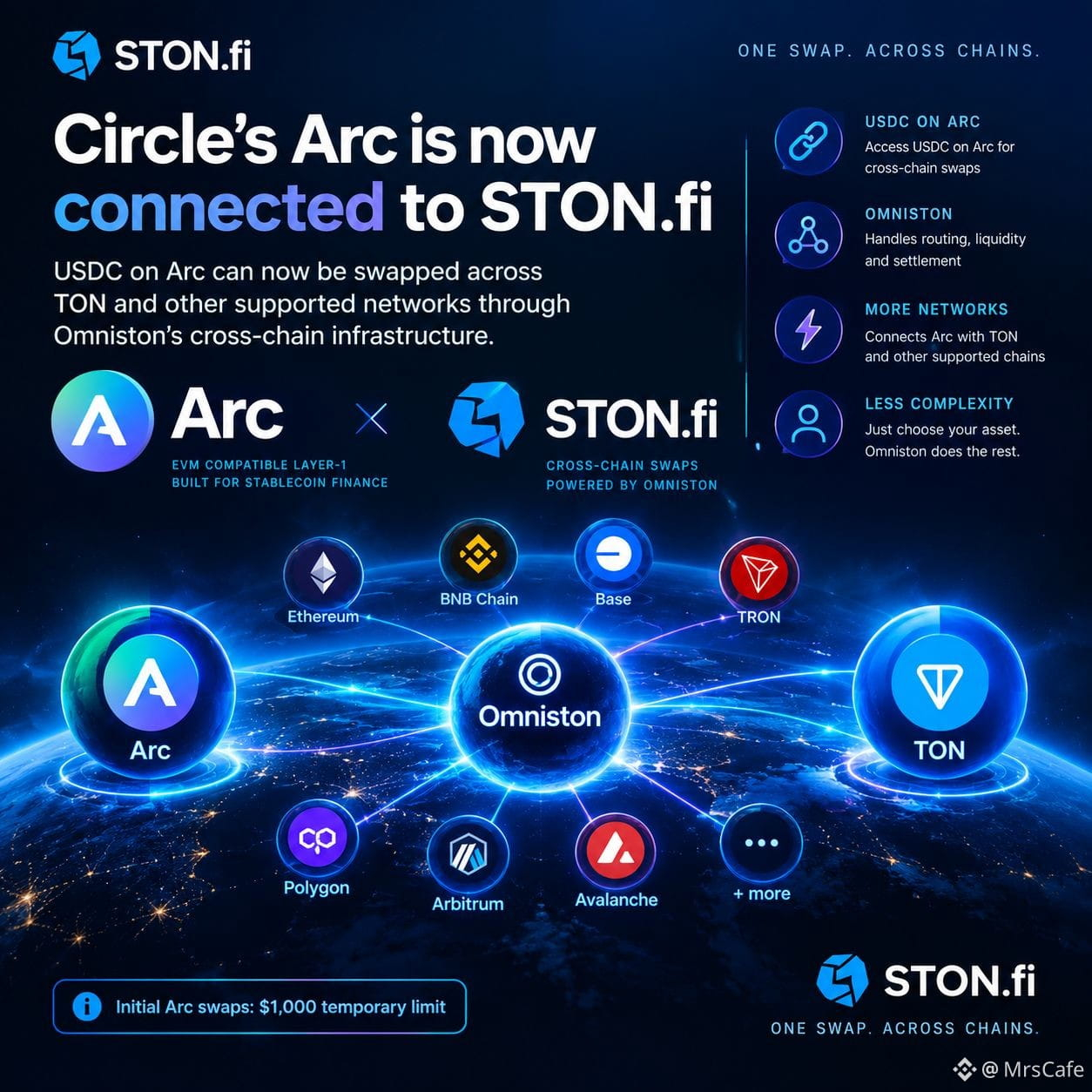
Arc Just Joined STON.fi's Cross-Chain Network
Circle's Arc is now connected to STON.fi through Omniston.
Users can swap USDC on Arc across TON and other supported networks through the cross-chain flow.
Arc is an EVM-compatible Layer-1 built specifically around stablecoin finance, with USDC used as its native gas asset.
But the bigger story isn't the addition of another chain.
It's abstraction.
Instead of thinking:
Which bridge? Which chain? Which route? Which gas token?
The goal becomes:
What asset do I have, and what asset do I want?
Omniston handles the infrastructure underneath.
Arc swaps currently have a temporary $1,000-per-transaction limit during the initial rollout.
More networks connected. Less chain management.
🔗 https://ston.fi
Arc Just Joined STON.fi's Cross-Chain Network
Circle's Arc is now connected to STON.fi through Omniston.
Users can swap USDC on Arc across TON and other supported networks through the cross-chain flow.
Arc is an EVM-compatible Layer-1 built specifically around stablecoin finance, with USDC used as its native gas asset.
But the bigger story isn't the addition of another chain.
It's abstraction.
Instead of thinking:
Which bridge? Which chain? Which route? Which gas token?
The goal becomes:
What asset do I have, and what asset do I want?
Omniston handles the infrastructure underneath.
Arc swaps currently have a temporary $1,000-per-transaction limit during the initial rollout.
More networks connected. Less chain management.
🔗 https://ston.fi
Circle's Arc is now connected to STON.fi through Omniston.
Users can swap USDC on Arc across TON and other supported networks through the cross-chain flow.
Arc is an EVM-compatible Layer-1 built specifically around stablecoin finance, with USDC used as its native gas asset.
But the bigger story isn't the addition of another chain.
It's abstraction.
Instead of thinking:
Which bridge? Which chain? Which route? Which gas token?
The goal becomes:
What asset do I have, and what asset do I want?
Omniston handles the infrastructure underneath.
Arc swaps currently have a temporary $1,000-per-transaction limit during the initial rollout.
More networks connected. Less chain management.
🔗 https://ston.fi
78
·
--
What if learning cross-chain DeFi felt like a journey?
That's essentially what STON.fi is building with “One Swap. Across Chains.”
The campaign guides participants through interactive missions while they explore cross-chain swaps and partner ecosystems.
Instead of explaining multichain infrastructure only through documentation, users get a chance to experience the ecosystem.
The formula is simple:
Explore → complete missions → collect miles → unlock rewards.
The interesting part for me is the education layer.
Cross-chain becomes something you interact with, not just something you read about.
🔗 https://ston.fi
#STONfi #Omniston #TON #DeFi
What if learning cross-chain DeFi felt like a journey?
That's essentially what STON.fi is building with “One Swap. Across Chains.”
The campaign guides participants through interactive missions while they explore cross-chain swaps and partner ecosystems.
Instead of explaining multichain infrastructure only through documentation, users get a chance to experience the ecosystem.
The formula is simple:
Explore → complete missions → collect miles → unlock rewards.
The interesting part for me is the education layer.
Cross-chain becomes something you interact with, not just something you read about.
🔗 https://ston.fi
#STONfi #Omniston #TON #DeFi
That's essentially what STON.fi is building with “One Swap. Across Chains.”
The campaign guides participants through interactive missions while they explore cross-chain swaps and partner ecosystems.
Instead of explaining multichain infrastructure only through documentation, users get a chance to experience the ecosystem.
The formula is simple:
Explore → complete missions → collect miles → unlock rewards.
The interesting part for me is the education layer.
Cross-chain becomes something you interact with, not just something you read about.
🔗 https://ston.fi
#STONfi #Omniston #TON #DeFi
67
·
--
Robinhood Chain just joined STON.fi Cross-chain.STON.fi says users can access USDG on Robinhood Chain from TON, TRON and EVM networks.
The bigger story isn't “another chain added.”
It's liquidity mobility.
Cross-chain infrastructure becomes valuable when users can focus on the asset they want rather than manually figuring out every bridge and network step.
The ideal UX:
What do I have? → What do I want? → Execute.
The infrastructure handles the complexity.
Telegram
🌉 Robinhood Chain is now live on STON.fi Cross-chain
The announcement highlights access to USDG on Robinhood Chain from TON, TRON and EVM networks.
The bigger idea is simple:
Crypto liquidity is fragmented.
Cross-chain infrastructure tries to make those separate ecosystems feel more connected.
Instead of thinking:
“Which bridge do I need?”
Users can focus on:
“What asset do I want, and where do I want it?”
That's the direction cross-chain UX is heading.
Substack
Robinhood Chain on STON.fi: The Bigger Story Is Liquidity Mobility
Adding a blockchain to a cross-chain protocol can look like a simple technical announcement.
But underneath it is a much bigger UX problem: fragmented liquidity.
STON.fi has added Robinhood Chain to its Cross-chain infrastructure, with the announcement specifically highlighting access to USDG from TON, TRON and EVM networks.
This matters because users rarely care about “cross-chain” as an abstract technology.
They care about outcomes.
They have an asset.
They want another asset.
They want it on another network.
The infrastructure exists to connect those requirements.
As more networks become connected, the value of cross-chain execution shifts from simply moving tokens to making blockchain ecosystems feel less isolated.
Robinhood Chain becomes another destination in that map.
And USDG becomes a concrete example of how users might interact with that destination.
The larger trend is clear: DeFi is moving from chain-centric UX toward intent-centric UX.
Instead of forcing users to understand infrastructure, protocols can increasingly ask:
What do you want to receive?
That is a much simpler question.
Robinhood Chain just joined STON.fi Cross-chain.
STON.fi says users can access USDG on Robinhood Chain from TON, TRON and EVM networks.
The bigger story isn't “another chain added.”
It's liquidity mobility.
Cross-chain infrastructure becomes valuable when users can focus on the asset they want rather than manually figuring out every bridge and network step.
The ideal UX:
What do I have? → What do I want? → Execute.
The infrastructure handles the complexity.
Telegram
🌉 Robinhood Chain is now live on STON.fi Cross-chain
The announcement highlights access to USDG on Robinhood Chain from TON, TRON and EVM networks.
The bigger idea is simple:
Crypto liquidity is fragmented.
Cross-chain infrastructure tries to make those separate ecosystems feel more connected.
Instead of thinking:
“Which bridge do I need?”
Users can focus on:
“What asset do I want, and where do I want it?”
That's the direction cross-chain UX is heading.
Substack
Robinhood Chain on STON.fi: The Bigger Story Is Liquidity Mobility
Adding a blockchain to a cross-chain protocol can look like a simple technical announcement.
But underneath it is a much bigger UX problem: fragmented liquidity.
STON.fi has added Robinhood Chain to its Cross-chain infrastructure, with the announcement specifically highlighting access to USDG from TON, TRON and EVM networks.
This matters because users rarely care about “cross-chain” as an abstract technology.
They care about outcomes.
They have an asset.
They want another asset.
They want it on another network.
The infrastructure exists to connect those requirements.
As more networks become connected, the value of cross-chain execution shifts from simply moving tokens to making blockchain ecosystems feel less isolated.
Robinhood Chain becomes another destination in that map.
And USDG becomes a concrete example of how users might interact with that destination.
The larger trend is clear: DeFi is moving from chain-centric UX toward intent-centric UX.
Instead of forcing users to understand infrastructure, protocols can increasingly ask:
What do you want to receive?
That is a much simpler question.
The bigger story isn't “another chain added.”
It's liquidity mobility.
Cross-chain infrastructure becomes valuable when users can focus on the asset they want rather than manually figuring out every bridge and network step.
The ideal UX:
What do I have? → What do I want? → Execute.
The infrastructure handles the complexity.
Telegram
🌉 Robinhood Chain is now live on STON.fi Cross-chain
The announcement highlights access to USDG on Robinhood Chain from TON, TRON and EVM networks.
The bigger idea is simple:
Crypto liquidity is fragmented.
Cross-chain infrastructure tries to make those separate ecosystems feel more connected.
Instead of thinking:
“Which bridge do I need?”
Users can focus on:
“What asset do I want, and where do I want it?”
That's the direction cross-chain UX is heading.
Substack
Robinhood Chain on STON.fi: The Bigger Story Is Liquidity Mobility
Adding a blockchain to a cross-chain protocol can look like a simple technical announcement.
But underneath it is a much bigger UX problem: fragmented liquidity.
STON.fi has added Robinhood Chain to its Cross-chain infrastructure, with the announcement specifically highlighting access to USDG from TON, TRON and EVM networks.
This matters because users rarely care about “cross-chain” as an abstract technology.
They care about outcomes.
They have an asset.
They want another asset.
They want it on another network.
The infrastructure exists to connect those requirements.
As more networks become connected, the value of cross-chain execution shifts from simply moving tokens to making blockchain ecosystems feel less isolated.
Robinhood Chain becomes another destination in that map.
And USDG becomes a concrete example of how users might interact with that destination.
The larger trend is clear: DeFi is moving from chain-centric UX toward intent-centric UX.
Instead of forcing users to understand infrastructure, protocols can increasingly ask:
What do you want to receive?
That is a much simpler question.
48
·
--
STON.fi + MoonPay Trade just made the TON infrastructure story more interesting.Omniston is now integrated into MoonPay Trade, allowing intrachain TON trades to be accessed through its aggregator.
Why does that matter?
Because adoption isn't only about building liquidity.
It's also about distribution.
Wallets and applications using MoonPay Trade can potentially expose TON trading to users without building the entire execution stack themselves.
The user sees a simple trading experience.
Underneath it, Omniston helps power the TON side.
That's the kind of infrastructure that can quietly expand an ecosystem.
Telegram
🗿 STON.fi + MoonPay Trade
Omniston is now integrated into MoonPay Trade.
That means intrachain TON trades can be accessed through MoonPay Trade's aggregator.
The interesting part is distribution.
Wallets and apps using MoonPay Trade can potentially make TON assets available directly inside their trading experience.
So the bigger story isn't just another partnership.
It's about making TON liquidity easier for other applications to access.
Infrastructure underneath. Simpler UX on top.
What TON app would you like to see integrate this next?
Substack
Omniston, MoonPay Trade and the Distribution Layer TON Needs
TON's next stage of growth won't only depend on new protocols.
It will also depend on how easily existing applications can expose TON assets to their users.
The latest Omniston integration with MoonPay Trade is interesting precisely because it addresses that infrastructure layer.
MoonPay Trade provides unified access to onchain execution, settlement, asset conversion and payments across 200+ chains and protocols.
Omniston now sits within that distribution layer for intrachain TON trading.
This potentially allows wallets and applications using MoonPay Trade to provide TON trading without independently developing the entire infrastructure.
The user doesn't necessarily need to know that Omniston exists.
And that may actually be the point.
Good infrastructure becomes invisible.
The more applications can integrate TON trading through existing infrastructure, the less isolated TON liquidity becomes.
For STON.fi, this also represents a different way to expand beyond its own front end.
Instead of relying entirely on users coming directly to STON.fi, its infrastructure can become part of other products.
That's a meaningful shift from product as destination to infrastructure as a service layer.
And it is one of the more interesting developments to watch as TON's DeFi ecosystem matures.
STON.fi + MoonPay Trade just made the TON infrastructure story more interesting.
Omniston is now integrated into MoonPay Trade, allowing intrachain TON trades to be accessed through its aggregator.
Why does that matter?
Because adoption isn't only about building liquidity.
It's also about distribution.
Wallets and applications using MoonPay Trade can potentially expose TON trading to users without building the entire execution stack themselves.
The user sees a simple trading experience.
Underneath it, Omniston helps power the TON side.
That's the kind of infrastructure that can quietly expand an ecosystem.
Telegram
🗿 STON.fi + MoonPay Trade
Omniston is now integrated into MoonPay Trade.
That means intrachain TON trades can be accessed through MoonPay Trade's aggregator.
The interesting part is distribution.
Wallets and apps using MoonPay Trade can potentially make TON assets available directly inside their trading experience.
So the bigger story isn't just another partnership.
It's about making TON liquidity easier for other applications to access.
Infrastructure underneath. Simpler UX on top.
What TON app would you like to see integrate this next?
Substack
Omniston, MoonPay Trade and the Distribution Layer TON Needs
TON's next stage of growth won't only depend on new protocols.
It will also depend on how easily existing applications can expose TON assets to their users.
The latest Omniston integration with MoonPay Trade is interesting precisely because it addresses that infrastructure layer.
MoonPay Trade provides unified access to onchain execution, settlement, asset conversion and payments across 200+ chains and protocols.
Omniston now sits within that distribution layer for intrachain TON trading.
This potentially allows wallets and applications using MoonPay Trade to provide TON trading without independently developing the entire infrastructure.
The user doesn't necessarily need to know that Omniston exists.
And that may actually be the point.
Good infrastructure becomes invisible.
The more applications can integrate TON trading through existing infrastructure, the less isolated TON liquidity becomes.
For STON.fi, this also represents a different way to expand beyond its own front end.
Instead of relying entirely on users coming directly to STON.fi, its infrastructure can become part of other products.
That's a meaningful shift from product as destination to infrastructure as a service layer.
And it is one of the more interesting developments to watch as TON's DeFi ecosystem matures.
Why does that matter?
Because adoption isn't only about building liquidity.
It's also about distribution.
Wallets and applications using MoonPay Trade can potentially expose TON trading to users without building the entire execution stack themselves.
The user sees a simple trading experience.
Underneath it, Omniston helps power the TON side.
That's the kind of infrastructure that can quietly expand an ecosystem.
Telegram
🗿 STON.fi + MoonPay Trade
Omniston is now integrated into MoonPay Trade.
That means intrachain TON trades can be accessed through MoonPay Trade's aggregator.
The interesting part is distribution.
Wallets and apps using MoonPay Trade can potentially make TON assets available directly inside their trading experience.
So the bigger story isn't just another partnership.
It's about making TON liquidity easier for other applications to access.
Infrastructure underneath. Simpler UX on top.
What TON app would you like to see integrate this next?
Substack
Omniston, MoonPay Trade and the Distribution Layer TON Needs
TON's next stage of growth won't only depend on new protocols.
It will also depend on how easily existing applications can expose TON assets to their users.
The latest Omniston integration with MoonPay Trade is interesting precisely because it addresses that infrastructure layer.
MoonPay Trade provides unified access to onchain execution, settlement, asset conversion and payments across 200+ chains and protocols.
Omniston now sits within that distribution layer for intrachain TON trading.
This potentially allows wallets and applications using MoonPay Trade to provide TON trading without independently developing the entire infrastructure.
The user doesn't necessarily need to know that Omniston exists.
And that may actually be the point.
Good infrastructure becomes invisible.
The more applications can integrate TON trading through existing infrastructure, the less isolated TON liquidity becomes.
For STON.fi, this also represents a different way to expand beyond its own front end.
Instead of relying entirely on users coming directly to STON.fi, its infrastructure can become part of other products.
That's a meaningful shift from product as destination to infrastructure as a service layer.
And it is one of the more interesting developments to watch as TON's DeFi ecosystem matures.
55
·
--
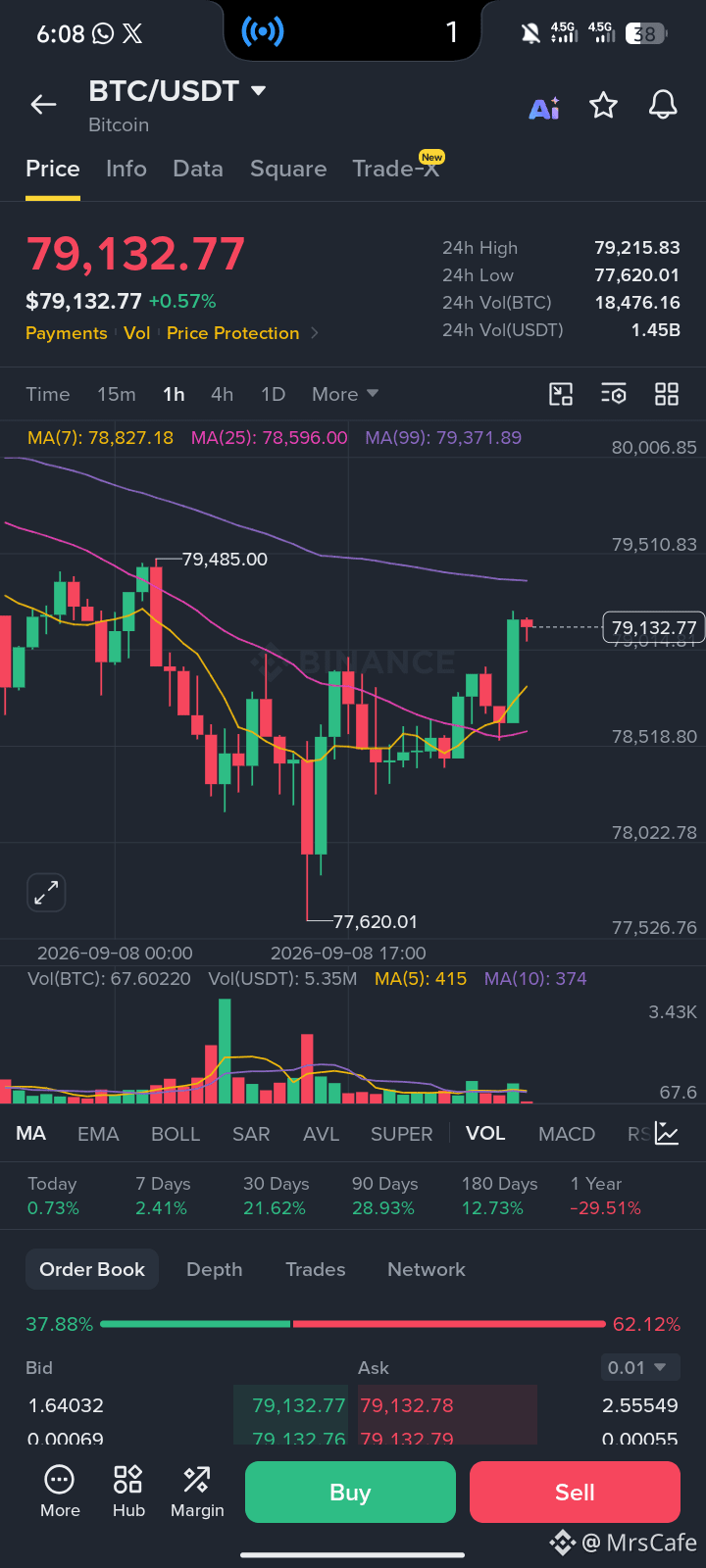
Coin: BTC/USDT
Signal: Sell / Short
Type: Futures (isolated, 5–10x)
Entry: 79,100 – 79,150
TP1: 78,500
TP2: 77,800
TP3: 77,000
Stop Loss: 79,800
$BTC
Coin: BTC/USDT
Signal: Sell / Short
Type: Futures (isolated, 5–10x)
Entry: 79,100 – 79,150
TP1: 78,500
TP2: 77,800
TP3: 77,000
Stop Loss: 79,800
$BTC
Signal: Sell / Short
Type: Futures (isolated, 5–10x)
Entry: 79,100 – 79,150
TP1: 78,500
TP2: 77,800
TP3: 77,000
Stop Loss: 79,800
$BTC
4
·
--
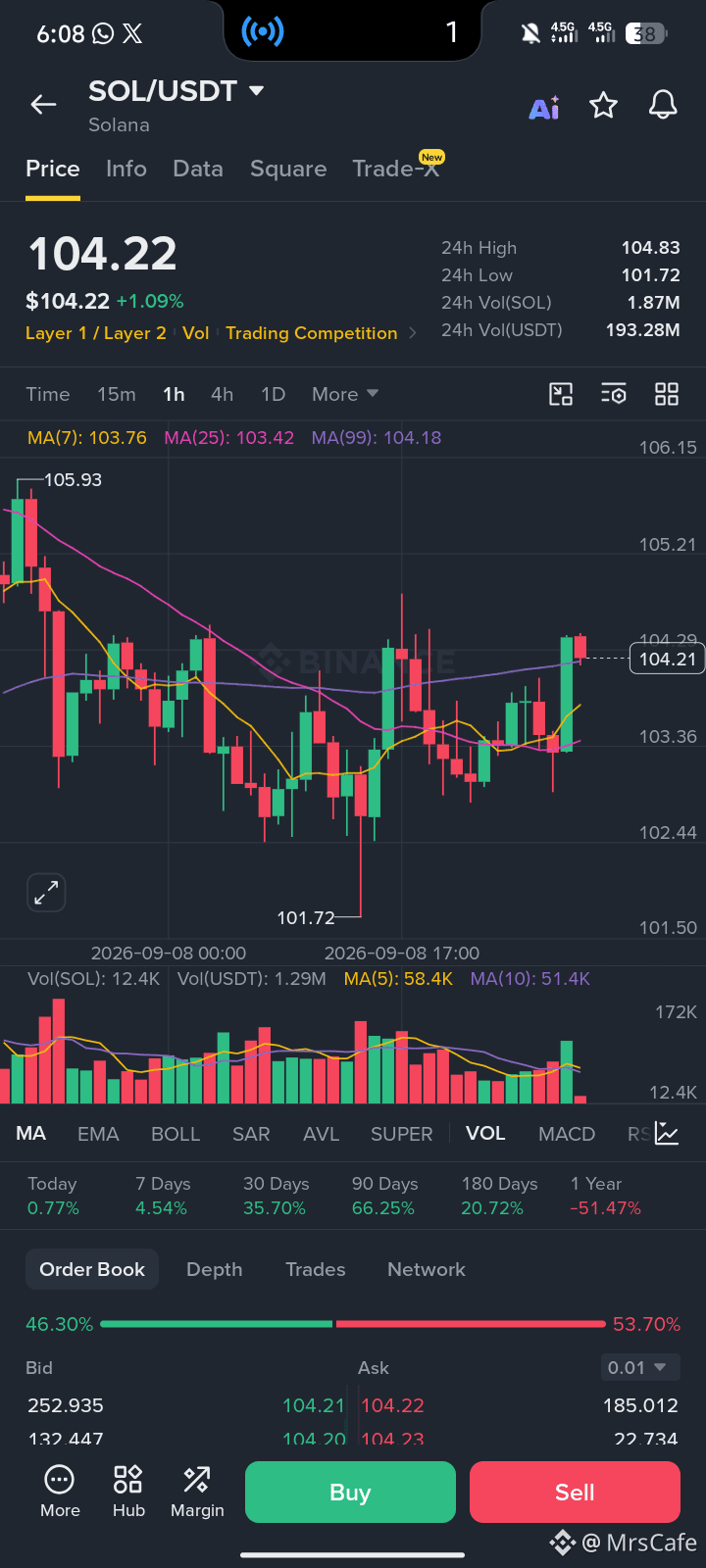
Coin: SOL/USDT
Signal: Sell / Short
Type: Futures (isolated, 5–10x)
Entry: 104.00 – 104.30
TP1: 103.00
TP2: 101.50
TP3: 100.00
Stop Loss: 105.50
$SOL
Coin: SOL/USDT
Signal: Sell / Short
Type: Futures (isolated, 5–10x)
Entry: 104.00 – 104.30
TP1: 103.00
TP2: 101.50
TP3: 100.00
Stop Loss: 105.50
$SOL
Signal: Sell / Short
Type: Futures (isolated, 5–10x)
Entry: 104.00 – 104.30
TP1: 103.00
TP2: 101.50
TP3: 100.00
Stop Loss: 105.50
$SOL
4
·
--
Bullish
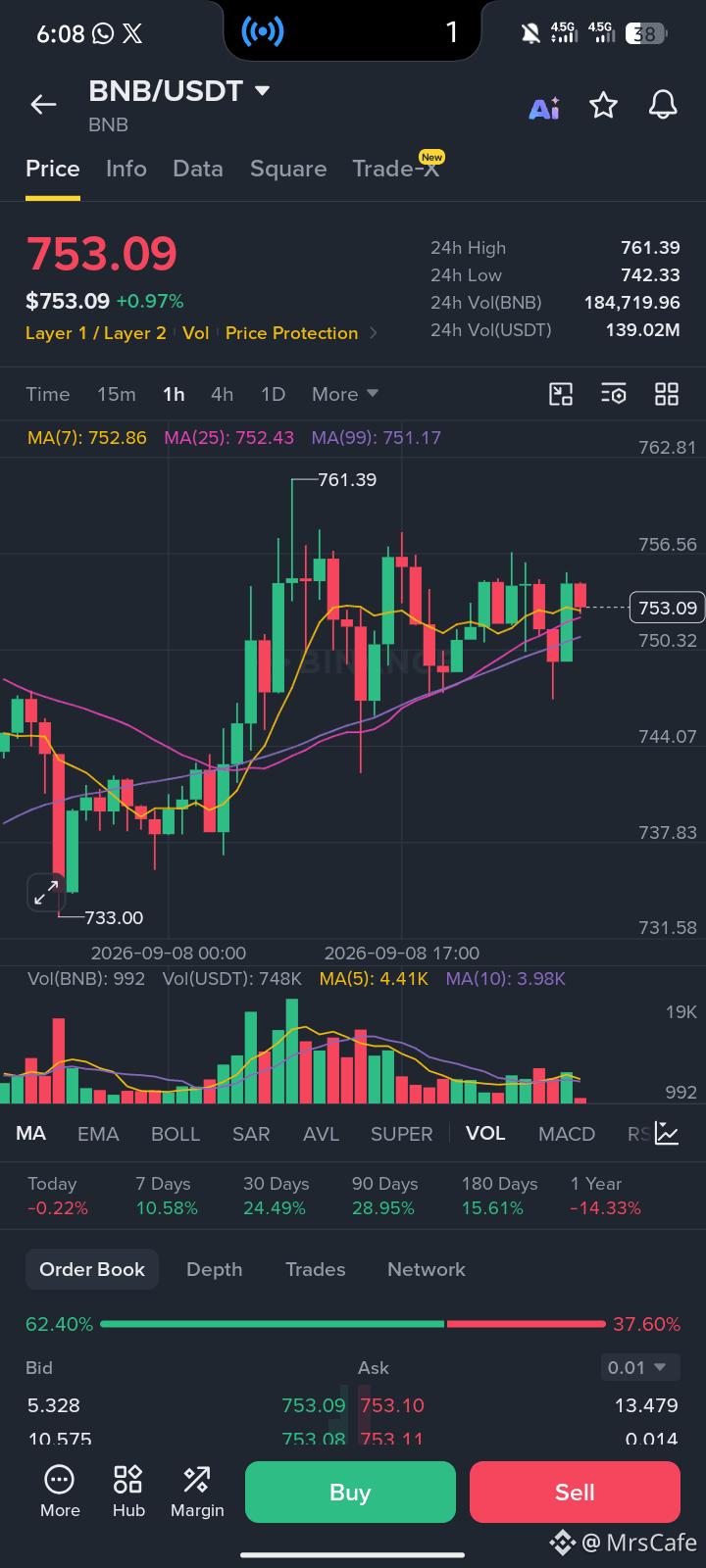
Coin: BNB/USDT
Signal: Sell / Short
Type: Futures (isolated, 5–10x)
Entry: 752.00 – 754.00
TP1: 745.00
TP2: 738.00
TP3: 730.00
Stop Loss: 762.00
$BNB
Coin: BNB/USDT
Signal: Sell / Short
Type: Futures (isolated, 5–10x)
Entry: 752.00 – 754.00
TP1: 745.00
TP2: 738.00
TP3: 730.00
Stop Loss: 762.00
$BNB
Signal: Sell / Short
Type: Futures (isolated, 5–10x)
Entry: 752.00 – 754.00
TP1: 745.00
TP2: 738.00
TP3: 730.00
Stop Loss: 762.00
$BNB
15
·
--
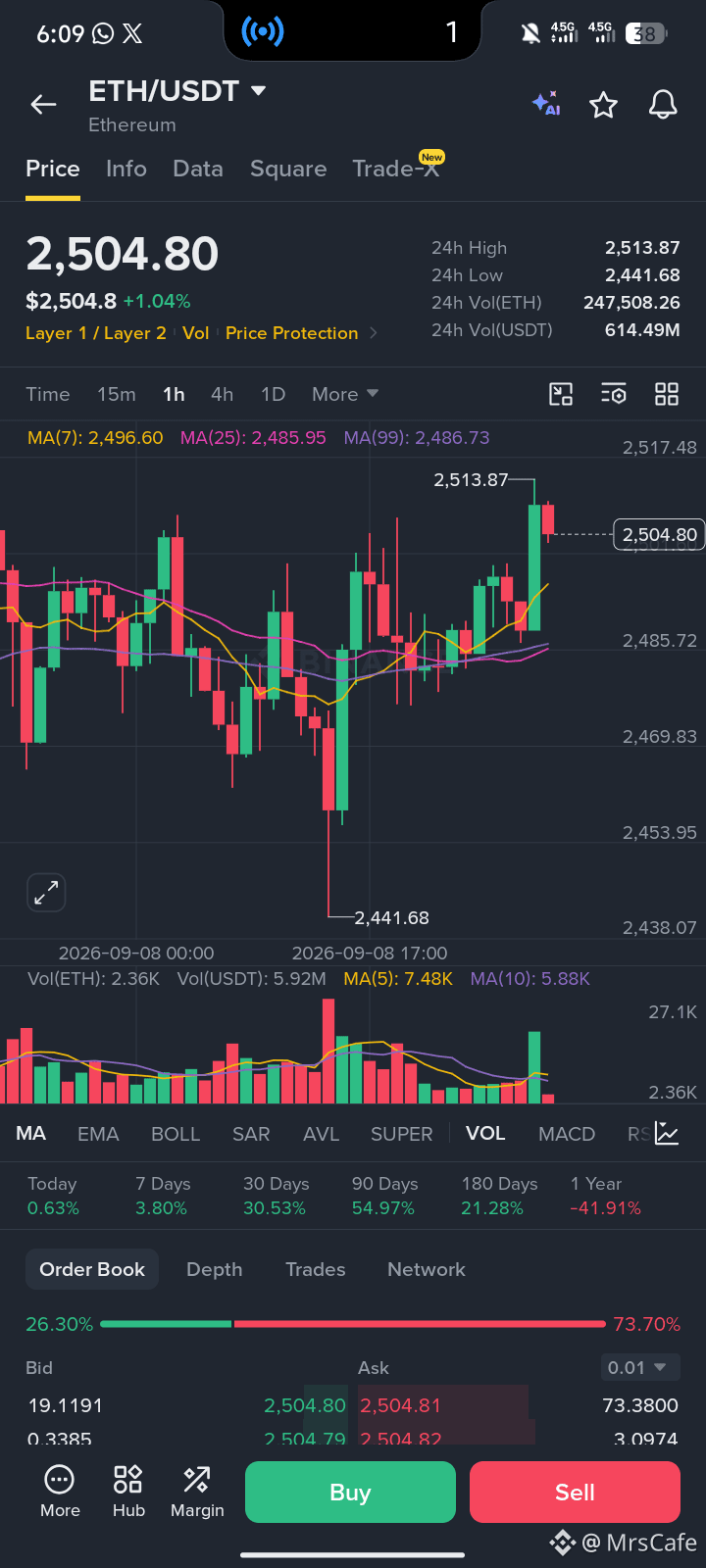
Coin: ETH/USDT
Signal: Sell / Short
Type: Futures (isolated, 5–10x)
Entry: 2,502 – 2,506
TP1: 2,480
TP2: 2,450
TP3: 2,420
Stop Loss: 2,525
$ETH
Coin: ETH/USDT
Signal: Sell / Short
Type: Futures (isolated, 5–10x)
Entry: 2,502 – 2,506
TP1: 2,480
TP2: 2,450
TP3: 2,420
Stop Loss: 2,525
$ETH
Signal: Sell / Short
Type: Futures (isolated, 5–10x)
Entry: 2,502 – 2,506
TP1: 2,480
TP2: 2,450
TP3: 2,420
Stop Loss: 2,525
$ETH
25
·
--
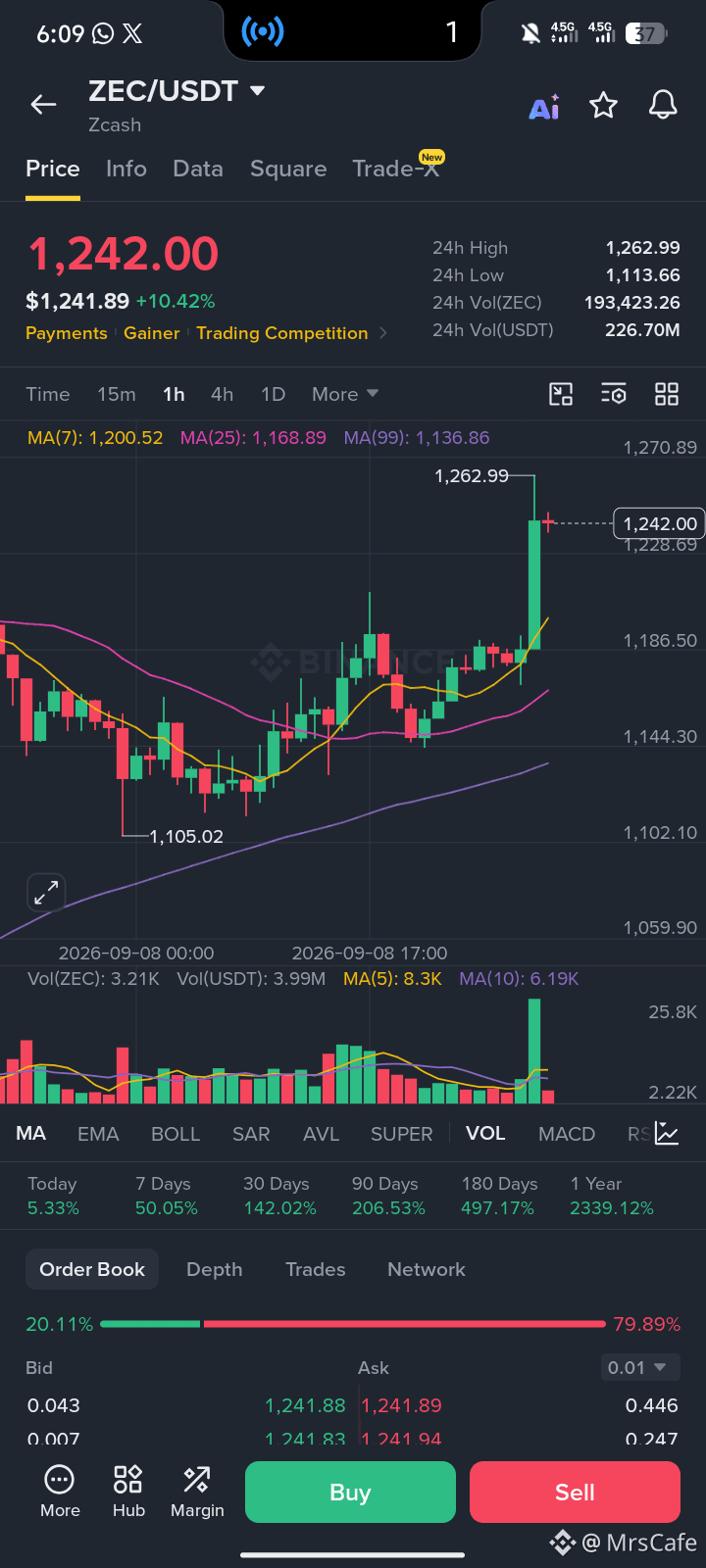
Coin: ZEC/USDT
Signal: Sell / Short
Type: Futures (isolated, 3–5x)
Entry: 1,240 – 1,245
TP1: 1,210
TP2: 1,180
TP3: 1,150
Stop Loss: 1,265
$ZEC
Coin: ZEC/USDT
Signal: Sell / Short
Type: Futures (isolated, 3–5x)
Entry: 1,240 – 1,245
TP1: 1,210
TP2: 1,180
TP3: 1,150
Stop Loss: 1,265
$ZEC
Signal: Sell / Short
Type: Futures (isolated, 3–5x)
Entry: 1,240 – 1,245
TP1: 1,210
TP2: 1,180
TP3: 1,150
Stop Loss: 1,265
$ZEC
45
·
--
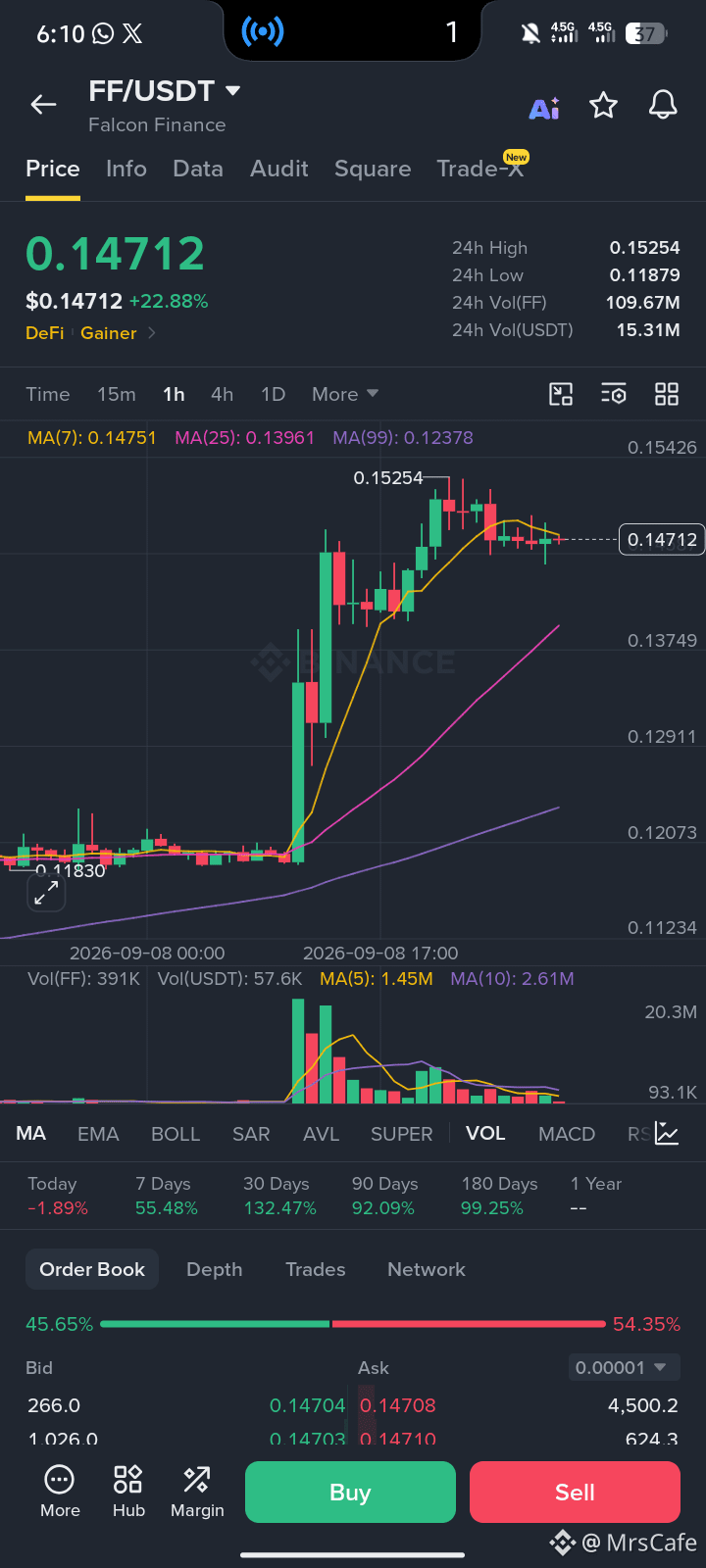
Coin: FF/USDT
Signal: Sell / Short
Type: Futures (isolated, 3–5x)
Entry: 0.1470 – 0.1475
TP1: 0.1420
TP2: 0.1370
TP3: 0.1320
Stop Loss: 0.1510
$FF
#USStrikesTargetsNearHormuzAndJask
Coin: FF/USDT
Signal: Sell / Short
Type: Futures (isolated, 3–5x)
Entry: 0.1470 – 0.1475
TP1: 0.1420
TP2: 0.1370
TP3: 0.1320
Stop Loss: 0.1510
$FF
#USStrikesTargetsNearHormuzAndJask
Signal: Sell / Short
Type: Futures (isolated, 3–5x)
Entry: 0.1470 – 0.1475
TP1: 0.1420
TP2: 0.1370
TP3: 0.1320
Stop Loss: 0.1510
$FF
#USStrikesTargetsNearHormuzAndJask
39
·
--
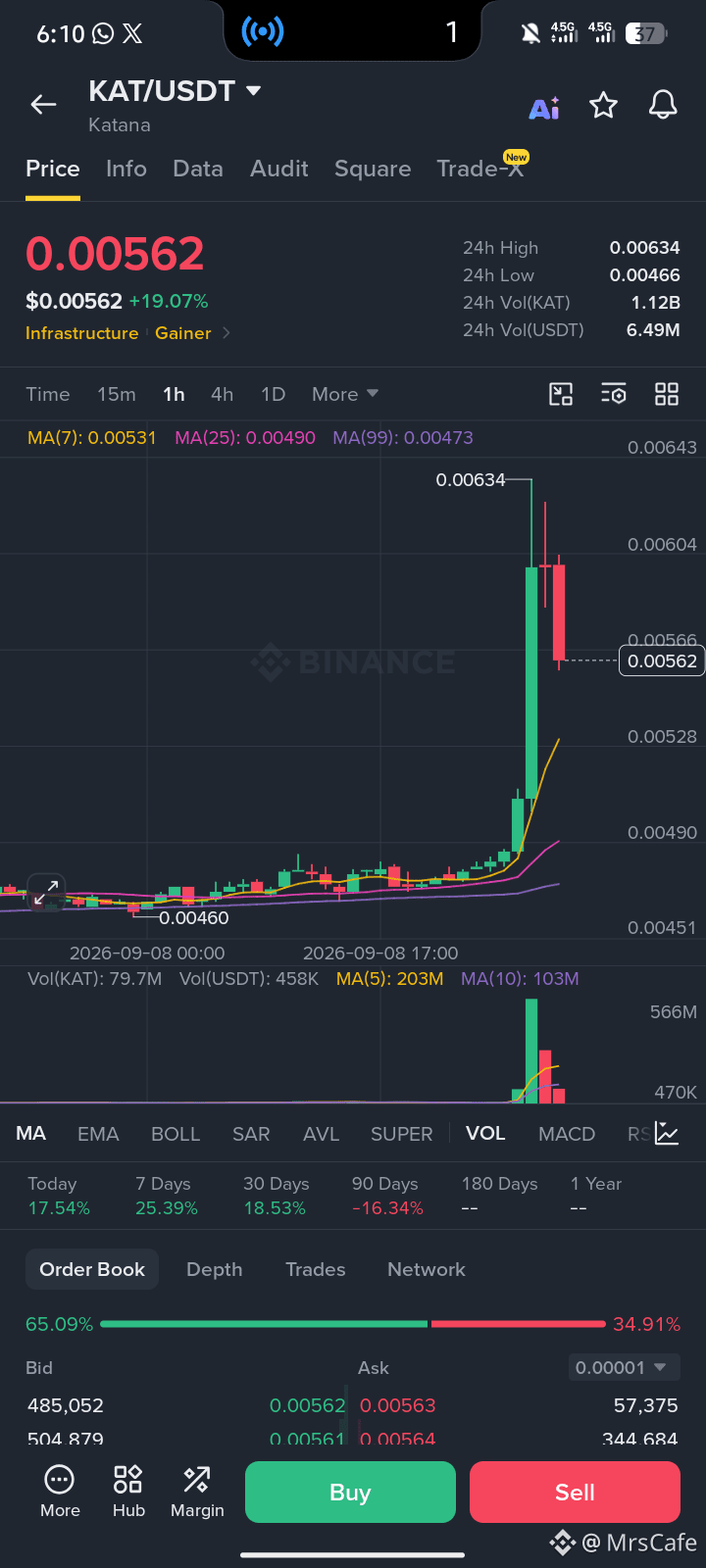
Coin: KAT/USDT
Signal: Sell / Short
Type: Futures (isolated, 3–5x)
Entry: 0.00560 – 0.00565
TP1: 0.00530
TP2: 0.00500
TP3: 0.00470
Stop Loss: 0.00585
$KAT
#OilRisesToHighestSinceJuly #USStrikesTargetsNearHormuzAndJask
Coin: KAT/USDT
Signal: Sell / Short
Type: Futures (isolated, 3–5x)
Entry: 0.00560 – 0.00565
TP1: 0.00530
TP2: 0.00500
TP3: 0.00470
Stop Loss: 0.00585
$KAT
#OilRisesToHighestSinceJuly #USStrikesTargetsNearHormuzAndJask
Signal: Sell / Short
Type: Futures (isolated, 3–5x)
Entry: 0.00560 – 0.00565
TP1: 0.00530
TP2: 0.00500
TP3: 0.00470
Stop Loss: 0.00585
$KAT
#OilRisesToHighestSinceJuly #USStrikesTargetsNearHormuzAndJask
43
·
--
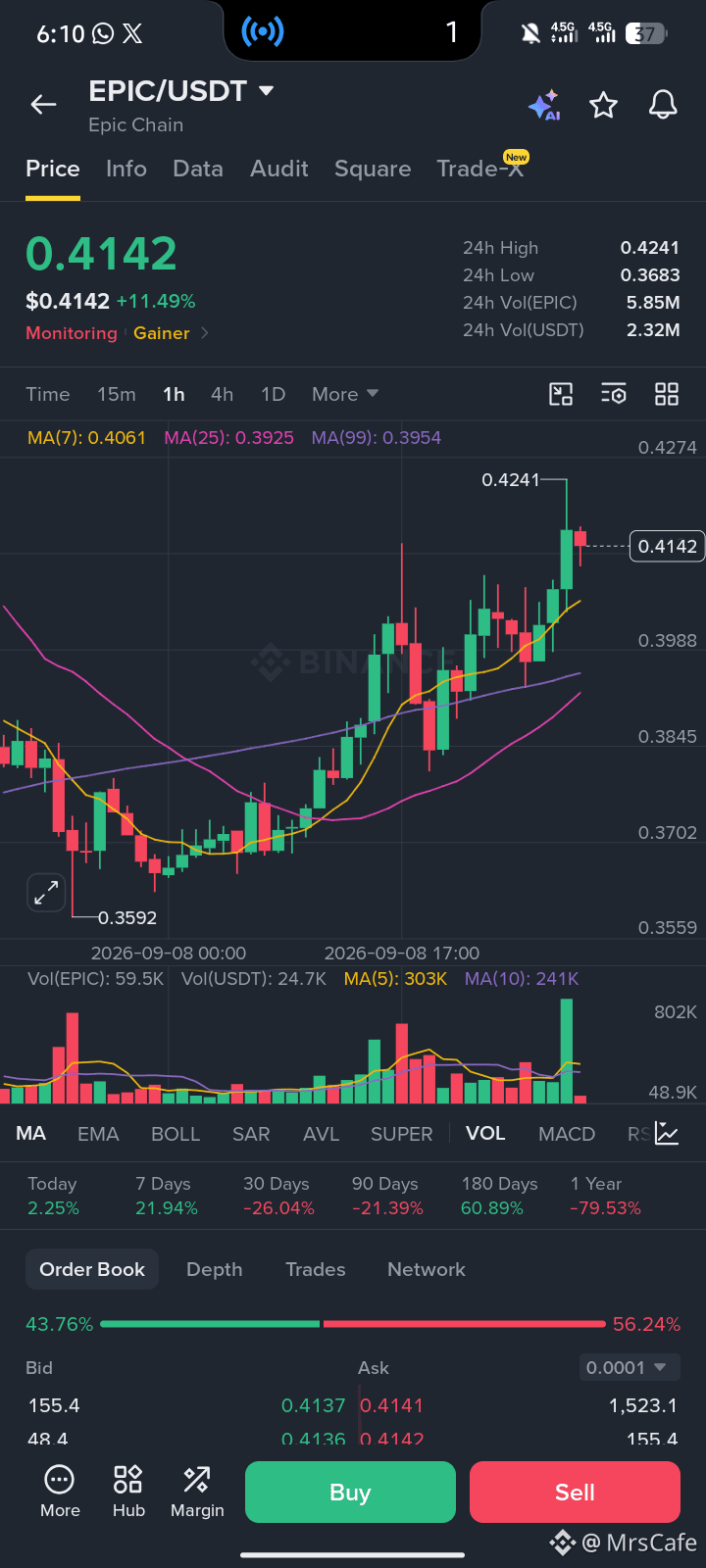
Coin: EPIC/USDT
Signal: Sell / Short
Type: Futures (isolated, 3–5x)
Entry: 0.4120 – 0.4150
TP1: 0.4000
TP2: 0.3880
TP3: 0.3750
Stop Loss: 0.4250
$EPIC
#USStrikesTargetsNearHormuzAndJask #OilRisesToHighestSinceJuly
Coin: EPIC/USDT
Signal: Sell / Short
Type: Futures (isolated, 3–5x)
Entry: 0.4120 – 0.4150
TP1: 0.4000
TP2: 0.3880
TP3: 0.3750
Stop Loss: 0.4250
$EPIC
#USStrikesTargetsNearHormuzAndJask #OilRisesToHighestSinceJuly
Signal: Sell / Short
Type: Futures (isolated, 3–5x)
Entry: 0.4120 – 0.4150
TP1: 0.4000
TP2: 0.3880
TP3: 0.3750
Stop Loss: 0.4250
$EPIC
#USStrikesTargetsNearHormuzAndJask #OilRisesToHighestSinceJuly
54
·
--
Bullish
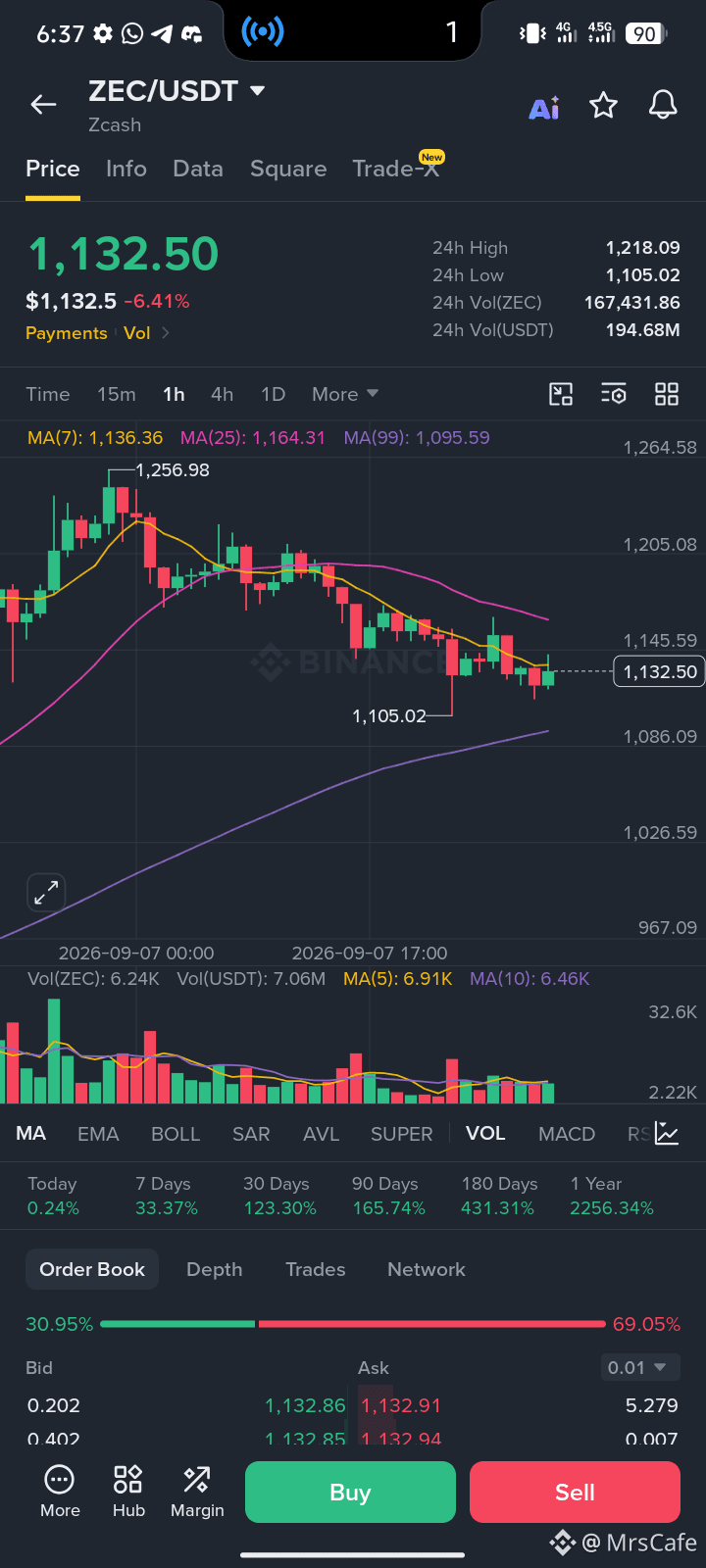
Coin: ZEC/USDT
Signal: Sell / Short
Type: Futures (isolated, 3–5x)
Entry: 1,130 – 1,135
TP1: 1,100
TP2: 1,070
TP3: 1,040
Stop Loss: 1,155
$ZEC
#ZcashRises45%WeeklyToHighestSince2016 #CanadaTariffsOnUSTakeEffect
Coin: ZEC/USDT
Signal: Sell / Short
Type: Futures (isolated, 3–5x)
Entry: 1,130 – 1,135
TP1: 1,100
TP2: 1,070
TP3: 1,040
Stop Loss: 1,155
$ZEC
#ZcashRises45%WeeklyToHighestSince2016 #CanadaTariffsOnUSTakeEffect
Signal: Sell / Short
Type: Futures (isolated, 3–5x)
Entry: 1,130 – 1,135
TP1: 1,100
TP2: 1,070
TP3: 1,040
Stop Loss: 1,155
$ZEC
#ZcashRises45%WeeklyToHighestSince2016 #CanadaTariffsOnUSTakeEffect
6
·
--
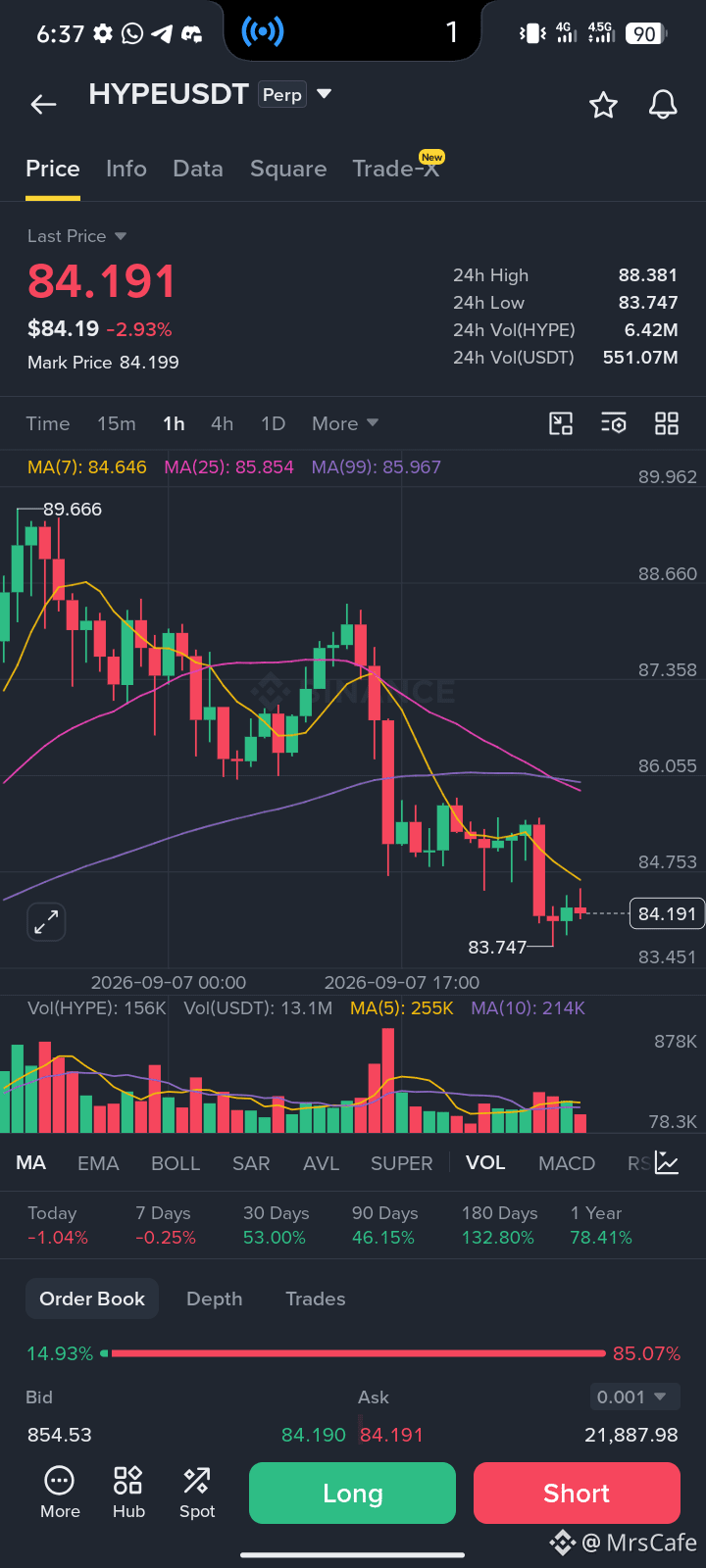
Coin: HYPE/USDT (Perpetual)
Signal: Sell / Short
Type: Futures (isolated, 3–5x)
Entry: 84.00 – 84.20
TP1: 83.00
TP2: 81.50
TP3: 80.00
Stop Loss: 85.50
$HYPE
#IMFSaysElSalvadorBTCNoPublicFunds
Coin: HYPE/USDT (Perpetual)
Signal: Sell / Short
Type: Futures (isolated, 3–5x)
Entry: 84.00 – 84.20
TP1: 83.00
TP2: 81.50
TP3: 80.00
Stop Loss: 85.50
$HYPE
#IMFSaysElSalvadorBTCNoPublicFunds
Signal: Sell / Short
Type: Futures (isolated, 3–5x)
Entry: 84.00 – 84.20
TP1: 83.00
TP2: 81.50
TP3: 80.00
Stop Loss: 85.50
$HYPE
#IMFSaysElSalvadorBTCNoPublicFunds
25
·
--
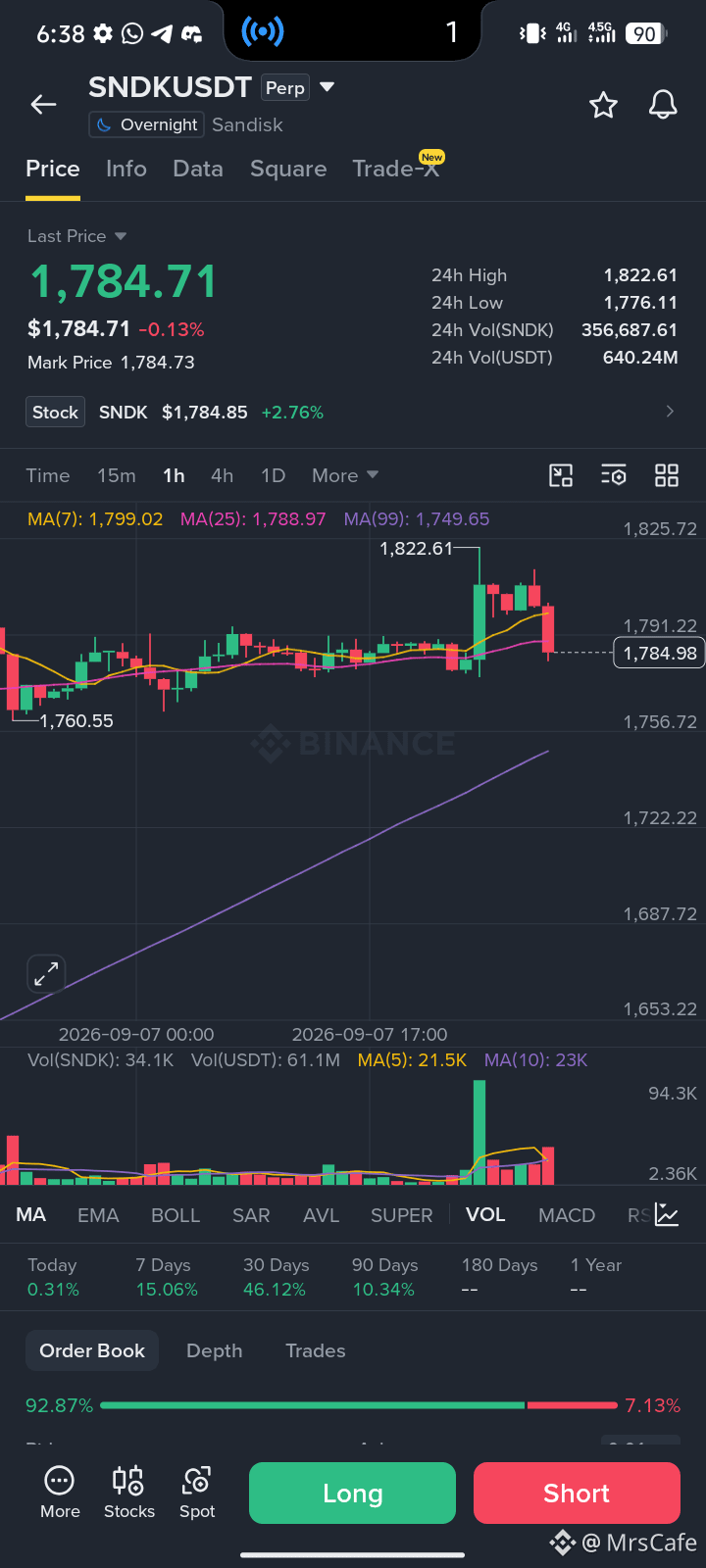
Coin: SNDK/USDT (Perpetual)
Signal: Sell / Short
Type: Futures (isolated, 3–5x)
Entry: 1,780 – 1,790
TP1: 1,750
TP2: 1,720
TP3: 1,690
Stop Loss: 1,810
$SNDK
#ZcashRises45%WeeklyToHighestSince2016
Coin: SNDK/USDT (Perpetual)
Signal: Sell / Short
Type: Futures (isolated, 3–5x)
Entry: 1,780 – 1,790
TP1: 1,750
TP2: 1,720
TP3: 1,690
Stop Loss: 1,810
$SNDK
#ZcashRises45%WeeklyToHighestSince2016
Signal: Sell / Short
Type: Futures (isolated, 3–5x)
Entry: 1,780 – 1,790
TP1: 1,750
TP2: 1,720
TP3: 1,690
Stop Loss: 1,810
$SNDK
#ZcashRises45%WeeklyToHighestSince2016
274
·
--
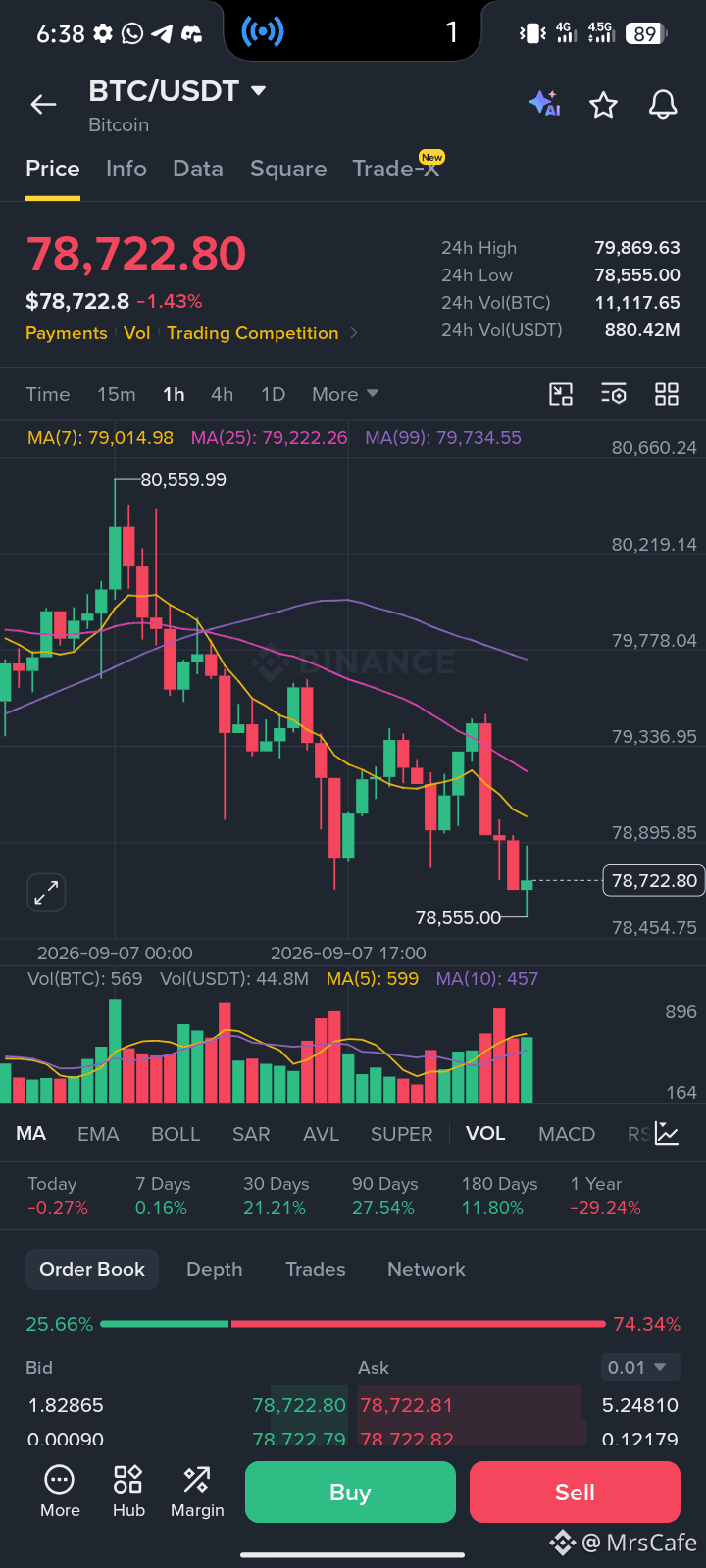
Coin: BTC/USDT
Signal: Sell / Short
Type: Futures (isolated, 5–10x)
Entry: 78,700 – 78,800
TP1: 78,000
TP2: 77,200
TP3: 76,500
Stop Loss: 79,500
$BTC
#CanadaTariffsOnUSTakeEffect
Coin: BTC/USDT
Signal: Sell / Short
Type: Futures (isolated, 5–10x)
Entry: 78,700 – 78,800
TP1: 78,000
TP2: 77,200
TP3: 76,500
Stop Loss: 79,500
$BTC
#CanadaTariffsOnUSTakeEffect
Signal: Sell / Short
Type: Futures (isolated, 5–10x)
Entry: 78,700 – 78,800
TP1: 78,000
TP2: 77,200
TP3: 76,500
Stop Loss: 79,500
$BTC
#CanadaTariffsOnUSTakeEffect
29
·
--
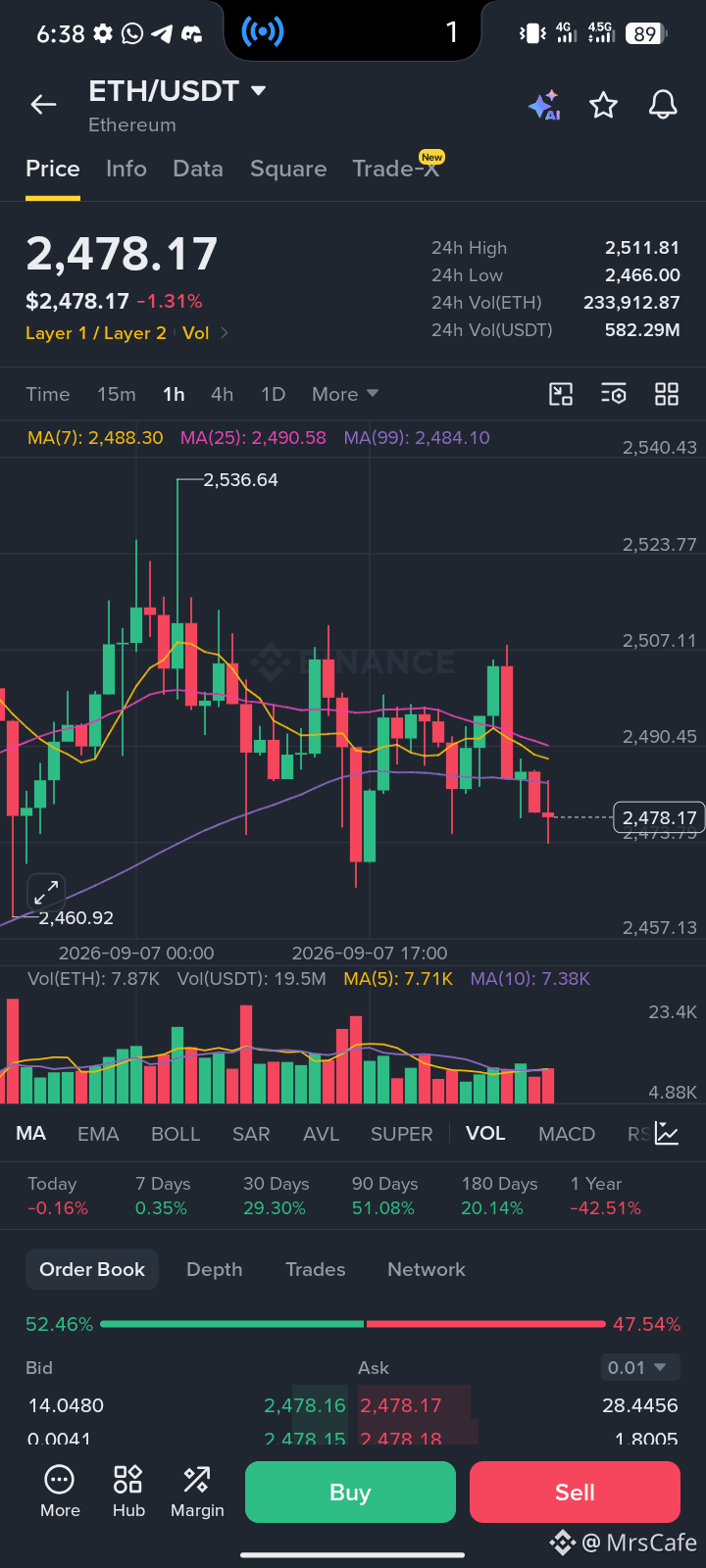
Coin: ETH/USDT
Signal: Sell / Short
Type: Futures (isolated, 5–10x)
Entry: 2,475 – 2,480
TP1: 2,450
TP2: 2,420
TP3: 2,390
Stop Loss: 2,505
$ETH
#USIranTradeTankerStrikesEscalate
Coin: ETH/USDT
Signal: Sell / Short
Type: Futures (isolated, 5–10x)
Entry: 2,475 – 2,480
TP1: 2,450
TP2: 2,420
TP3: 2,390
Stop Loss: 2,505
$ETH
#USIranTradeTankerStrikesEscalate
Signal: Sell / Short
Type: Futures (isolated, 5–10x)
Entry: 2,475 – 2,480
TP1: 2,450
TP2: 2,420
TP3: 2,390
Stop Loss: 2,505
$ETH
#USIranTradeTankerStrikesEscalate
58
·
--
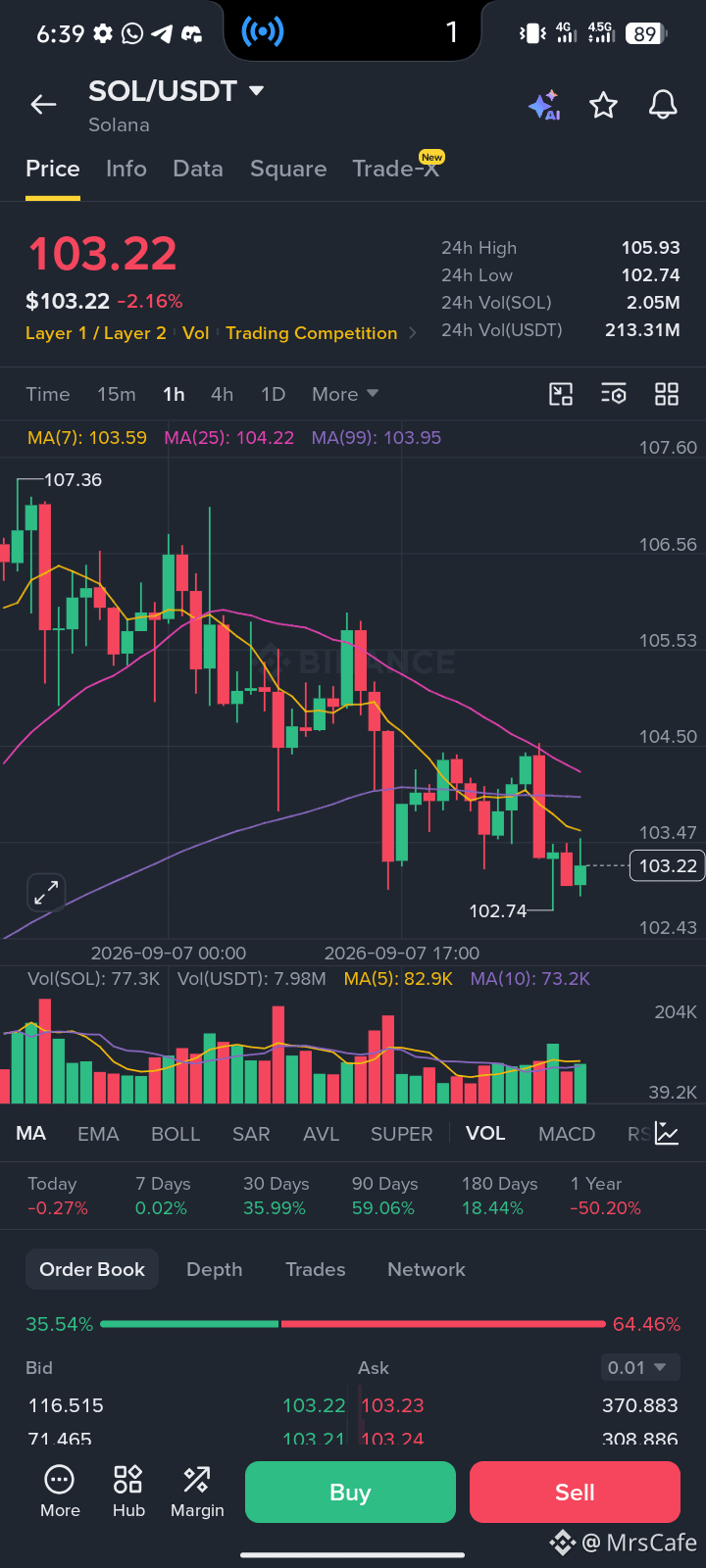
$SOL
Coin: SOLUSDT
Signal: Sell / Short
Type: Futures (isolated, 5–10x)
Entry: 103.00 – 103.30
TP1: 102.00
TP2: 100.50
TP3: 99.00
Stop Loss: 104.50
#YenBreaks155NearingYearHigh
$SOL
Coin: SOLUSDT
Signal: Sell / Short
Type: Futures (isolated, 5–10x)
Entry: 103.00 – 103.30
TP1: 102.00
TP2: 100.50
TP3: 99.00
Stop Loss: 104.50
#YenBreaks155NearingYearHigh
Coin: SOLUSDT
Signal: Sell / Short
Type: Futures (isolated, 5–10x)
Entry: 103.00 – 103.30
TP1: 102.00
TP2: 100.50
TP3: 99.00
Stop Loss: 104.50
#YenBreaks155NearingYearHigh
72
·
--
Bullish
The Swap Button Hides More Than You Think
You click Swap.
It feels like one simple transaction.
But modern DeFi can involve a lot more underneath:
🔹 Liquidity discovery
🔹 Smart routing
🔹 Multiple DEXs
🔹 Resolver quotes
🔹 Escrow execution
🔹 Cross-chain settlement
🔹 Gas management
That's why I think the future of DeFi isn't simply about building more DEXs.
It's about building better execution layers.
STON.fi's Omniston is evolving in this direction, moving from liquidity aggregation toward a broader execution architecture.
The user doesn't necessarily need to know which route was selected.
They need to know:
What they're paying.
What they're receiving.
Whether the execution succeeded.
What risks exist.
That's the power of abstraction.
The backend becomes more sophisticated while the interface becomes easier to use.
Simple interface. Sophisticated infrastructure.
That's where I think DeFi UX is heading.
🔗 Explore STON.fi: STON.fi
#KoreaSingleStockLeveragedETFTradingFalls
The Swap Button Hides More Than You Think
You click Swap.
It feels like one simple transaction.
But modern DeFi can involve a lot more underneath:
🔹 Liquidity discovery
🔹 Smart routing
🔹 Multiple DEXs
🔹 Resolver quotes
🔹 Escrow execution
🔹 Cross-chain settlement
🔹 Gas management
That's why I think the future of DeFi isn't simply about building more DEXs.
It's about building better execution layers.
STON.fi's Omniston is evolving in this direction, moving from liquidity aggregation toward a broader execution architecture.
The user doesn't necessarily need to know which route was selected.
They need to know:
What they're paying.
What they're receiving.
Whether the execution succeeded.
What risks exist.
That's the power of abstraction.
The backend becomes more sophisticated while the interface becomes easier to use.
Simple interface. Sophisticated infrastructure.
That's where I think DeFi UX is heading.
🔗 Explore STON.fi: STON.fi
#KoreaSingleStockLeveragedETFTradingFalls
You click Swap.
It feels like one simple transaction.
But modern DeFi can involve a lot more underneath:
🔹 Liquidity discovery
🔹 Smart routing
🔹 Multiple DEXs
🔹 Resolver quotes
🔹 Escrow execution
🔹 Cross-chain settlement
🔹 Gas management
That's why I think the future of DeFi isn't simply about building more DEXs.
It's about building better execution layers.
STON.fi's Omniston is evolving in this direction, moving from liquidity aggregation toward a broader execution architecture.
The user doesn't necessarily need to know which route was selected.
They need to know:
What they're paying.
What they're receiving.
Whether the execution succeeded.
What risks exist.
That's the power of abstraction.
The backend becomes more sophisticated while the interface becomes easier to use.
Simple interface. Sophisticated infrastructure.
That's where I think DeFi UX is heading.
🔗 Explore STON.fi: STON.fi
#KoreaSingleStockLeveragedETFTradingFalls
64
Log in to explore more content
Join global crypto users on Binance Square
⚡️ Get latest and useful information about crypto.
💬 Trusted by the world’s largest crypto exchange.
👍 Discover real insights from verified creators.
Email / Phone number
Trending Topics
BinanceLaunchesBinanceIntelligence
819,876 views
5,109 Discussing
🚀 BINANCE IS PUSHING AI DEEPER INTO FINANCE
Binance Intelligence brings together three products aimed at different users — everyday traders, advanced users and developers.
For traders, the interesting part is simple:
More data → better analysis → faster decisions.
Now the real question:
Can AI actually give retail traders an edge? 👀
$BNB $BTC $ETH
#binancelaunchesbinanceintelligence
CryptoMahibaloch
·0 Likes
·120 views
RobinhoodAdds$25MInBitcoinToBalanceSheet
0 views
0 Discussing
SP500AndNasdaqHitRecordHighs
0 views
0 Discussing